
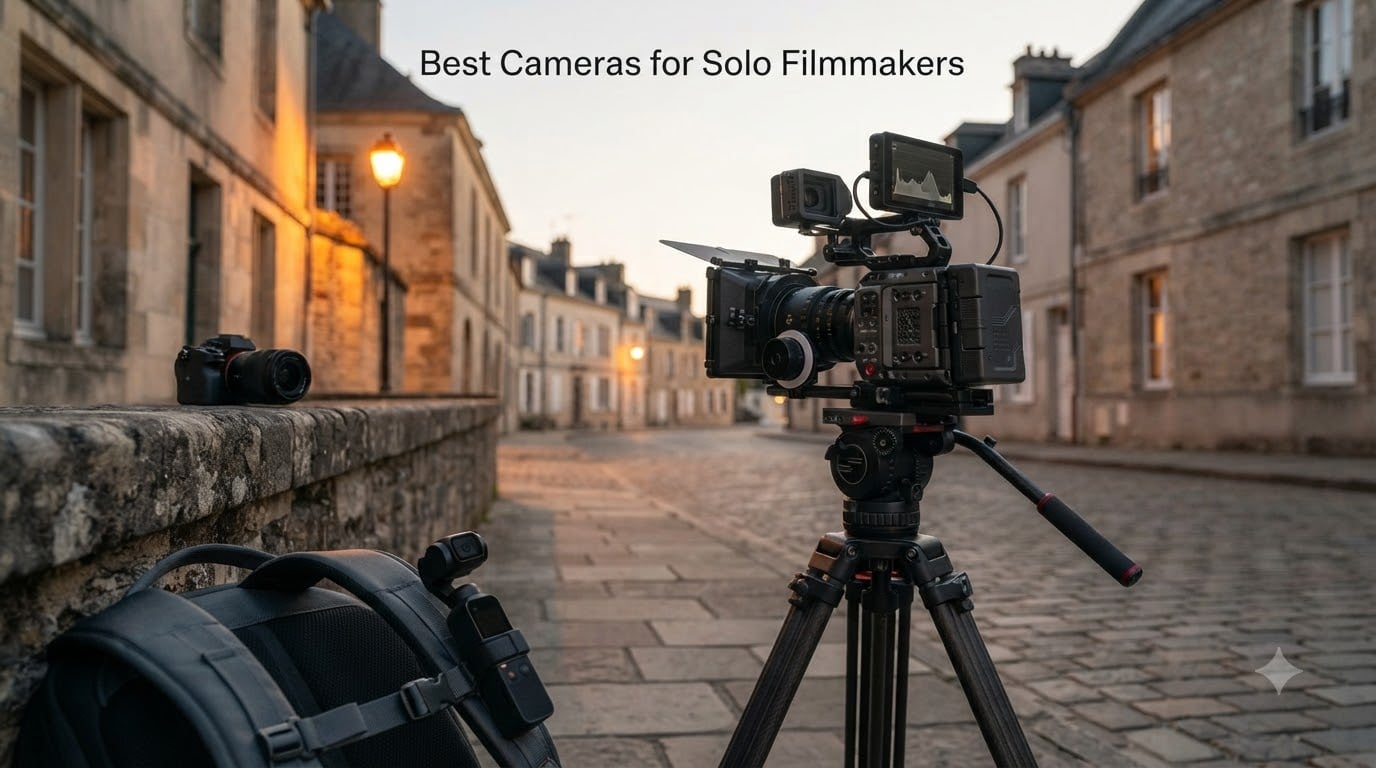
Shooting a film alone changes everything. You do not have a focus puller whispering aperture changes in your ear. You do not have a camera operator keeping the frame steady while you adjust lights. You are the director, the DP, the sound recordist, and the boom operator all at once. I have spent the last three months shooting short films and documentaries by myself with eight different cameras, and I learned one thing fast: the wrong camera can wreck a great script.
The best cameras for solo filmmakers are not just about raw image quality. They have to nail autofocus when you are both the talent and the operator. They need to stay cool during a 45-minute take in the summer sun. They should be light enough to hold on a monopod for an hour. And they have to give you clean audio inputs so you are not plugging a tiny receiver into a body that cannot accept it. Our team ran these eight cameras through interviews, run-and-gun street scenes, and locked-off tripod setups to find the ones that actually make solo filmmaking easier instead of harder.
This guide covers the best cameras for solo filmmakers in 2026 across every budget. We picked the Sony FX30 as the top all-rounder because it gives you cinema-grade footage without the cinema-grade headaches. The DJI Osmo Pocket 3 Creator Combo won our best value pick for solo vloggers and travel documentarians. And the Blackmagic Pocket Cinema Camera 4K earned its spot for anyone chasing that raw, Hollywood color science look. Every camera here is one I or our team has shot with in the field, not just pulled from a spec sheet.
Table of Contents
- Top 3 Picks for Solo Filmmakers at a Glance for October 2026
- Best Cameras for Solo Filmmakers in October 2026
- 1. Sony FX30 – The Best Cinema Camera for Solo Filmmakers Overall
- 2. DJI Osmo Pocket 3 Creator Combo – The Best Compact Camera for Solo Travel Filmmakers
- 3. Sony Alpha 7 IV – The Best Premium Hybrid Camera for Solo Filmmakers
- 4. Blackmagic Pocket Cinema Camera 4K – The Best Camera for Solo Filmmakers Who Want Hollywood Color
- 5. Sony Alpha a6700 – The Best Compact APS-C Camera for Solo Filmmakers on the Move
- 6. Canon EOS R50 Content Creator Kit – The Best Beginner Camera for Solo Filmmakers
- Canon EOS R50 Content Creator Kit, Hybrid Mirrorless Camera with RF-S18-45mm F4.5-6.3 IS STM Lens, Tripod Grip, Microphone, Wireless Remote Control, 24.2 MP CMOS (APS-C) Sensor, Vlogging Camera, Black
- What is in the box
- Where it falls short
- Who the R50 Creator Kit is good for
- Who the R50 Creator Kit is not ideal for
- 7. Sony ZV-E10 II – The Best Creator-Focused Camera for Solo Vlog Filmmakers
- 8. Sony ZV-1 II – The Best Pocket Camera for Solo Filmmakers on a Budget
- How to Choose the Best Camera for Solo Filmmakers?
- Frequently Asked Questions
- Final Verdict: Which Camera Should You Buy in 2026?
Top 3 Picks for Solo Filmmakers at a Glance for October 2026


Best Cameras for Solo Filmmakers in October 2026
| Product | Specs | Action |
|---|---|---|
| Sony FX30 |
|
Check Latest Price |
 DJI Osmo Pocket 3 Creator Combo |
|
Check Latest Price |
| Sony Alpha 7 IV |
|
Check Latest Price |
 Blackmagic Pocket Cinema Camera 4K |
|
Check Latest Price |
 Sony Alpha a6700 |
|
Check Latest Price |
 Canon EOS R50 Content Creator Kit |
|
Check Latest Price |
 Sony ZV-E10 II |
|
Check Latest Price |
 Sony ZV-1 II |
|
Check Latest Price |
1. Sony FX30 – The Best Cinema Camera for Solo Filmmakers Overall
SONY Cinema Line FX30 Super 35 Camera, Gray
20.1MP Super 35 sensor
4K/60p 10-bit 4:2:2
759-point Eye AF
Active cooling
Pros
- S-Cinetone cinematic color
- 14+ stop dynamic range
- Reliable Eye AF
- Active cooling system
- Dual CFexpress/SD slots
Cons
- Battery life tops out at 1-2 hours
- APS-C sensor crops full-frame look
I took the Sony FX30 out for a 12-day shoot of an indie short film in late 2026. Eight scenes, mostly handheld, mostly outdoors, with a couple of long takes that pushed past 30 minutes. The FX30 did not overheat once. That alone puts it ahead of most mirrorless options on the market.
The 759-point autofocus with Eye AF is genuinely the standout feature for solo work. I set up a wide on a tripod, walked into frame, and the camera tracked my eye without a single hunting moment. For run-and-gun documentary work where you are switching between the camera and the interview subject, this kind of reliability is the difference between usable footage and a folder of missed takes.
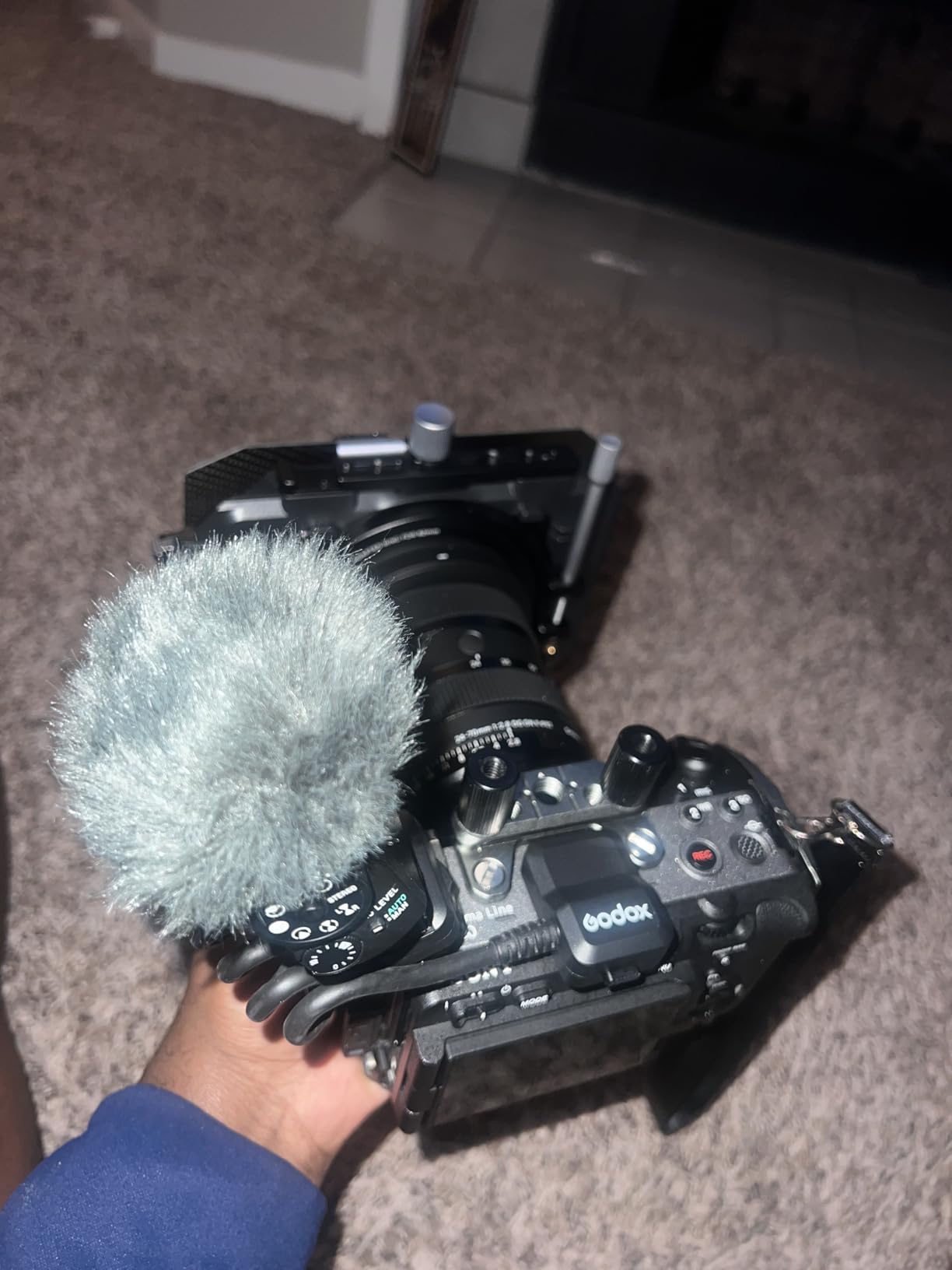
S-Cinetone gives you a graded look straight out of camera, which is huge when you are editing at midnight after a 14-hour day. The footage does not look flat or log-y unless you want it to. I ended up using S-Cinetone for about 60% of my B-roll and only switched to S-Log3 for the hero shots where I needed maximum dynamic range in post.
The active cooling fan is louder than you might expect for a body this small, but I never picked it up on an external recorder. Dual base ISO keeps the image clean when you are shooting in dim restaurants or golden hour setups. The 14+ stop dynamic range means I can recover blown-out windows in post without the highlights looking chalky.
Build quality and ergonomics
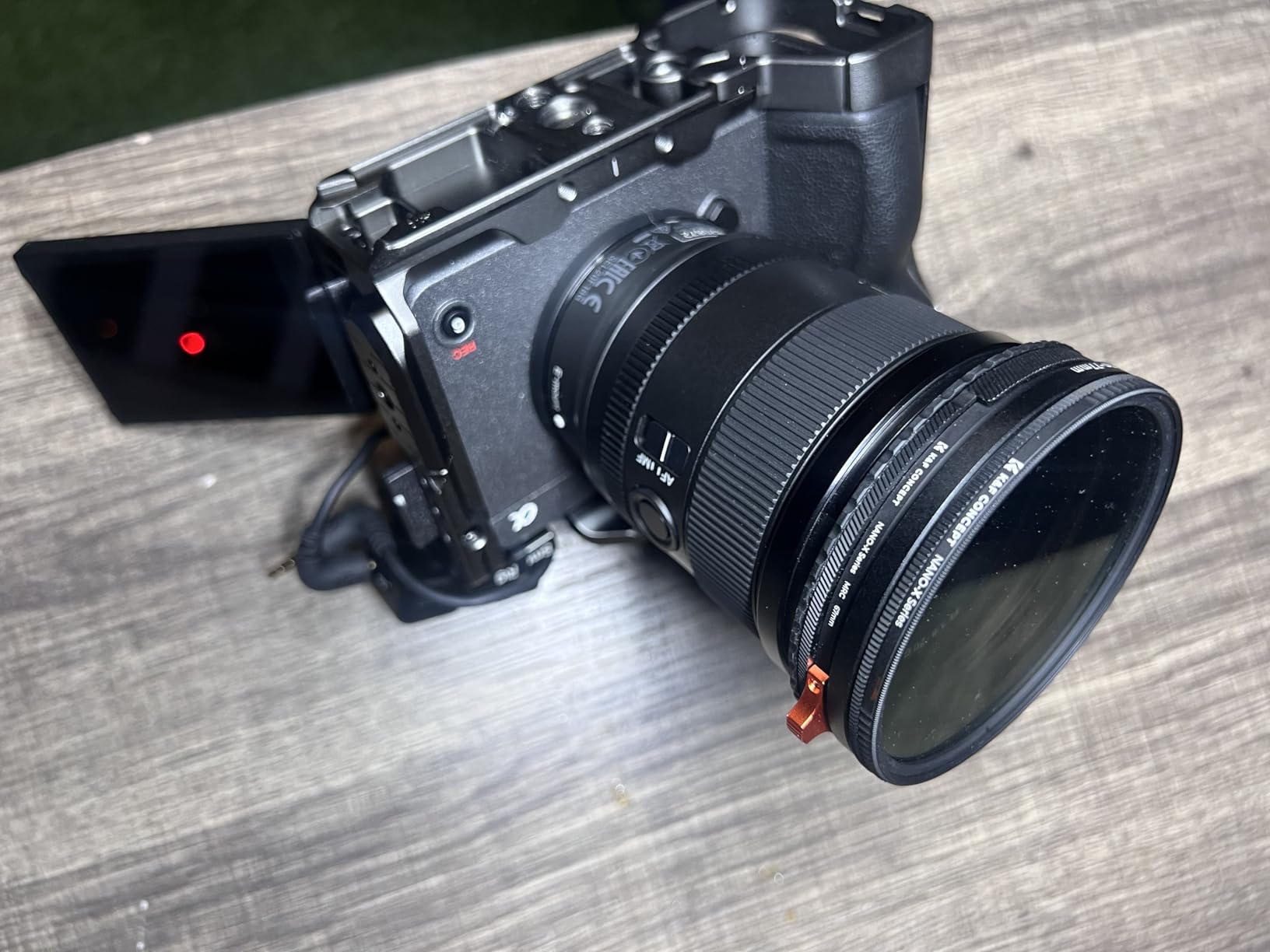
The FX30 weighs around 1.4 pounds without a lens, which is light enough for a monopod but heavy enough to feel solid in the hand. The articulating LCD works well for low-angle shots and self-recording. The dual CFexpress Type A and SD slots mean you can run backup or record proxies simultaneously.
Battery and recording limits
Battery life is the biggest weakness for solo shooters. I averaged 75 minutes of continuous recording on a single NP-FZ100 battery. Pack at least three for any interview-heavy day. The active cooling fan does keep the sensor from overheating, but it does mean you want to bring spare batteries.
Who the FX30 is good for
Solo filmmakers who want a true cinema camera without rigging a full-frame cinema body. Documentarians who need reliable autofocus and long record times. Indie narrative shooters who want S-Cinetone straight out of camera.
Who the FX30 is not ideal for
Photographers who want a strong stills camera alongside video. Budget buyers who do not need cinema-grade codecs. Vloggers who want a flip screen and built-in ND filters.
2. DJI Osmo Pocket 3 Creator Combo – The Best Compact Camera for Solo Travel Filmmakers
DJI Osmo Pocket 3 Creator Combo, Vlogging Camera with 1” CMOS & 4K/120fps
1-inch CMOS sensor
4K/120fps
3-axis gimbal
ActiveTrack 6.0
Pros
- Fits in your pocket
- 3-axis gimbal stabilization
- 1-inch sensor for low light
- D-Log M 10-bit color
- Creator Combo includes mic
Cons
- Fragile gimbal mechanism
- Gets hot at 4K/120fps
- No social live streaming
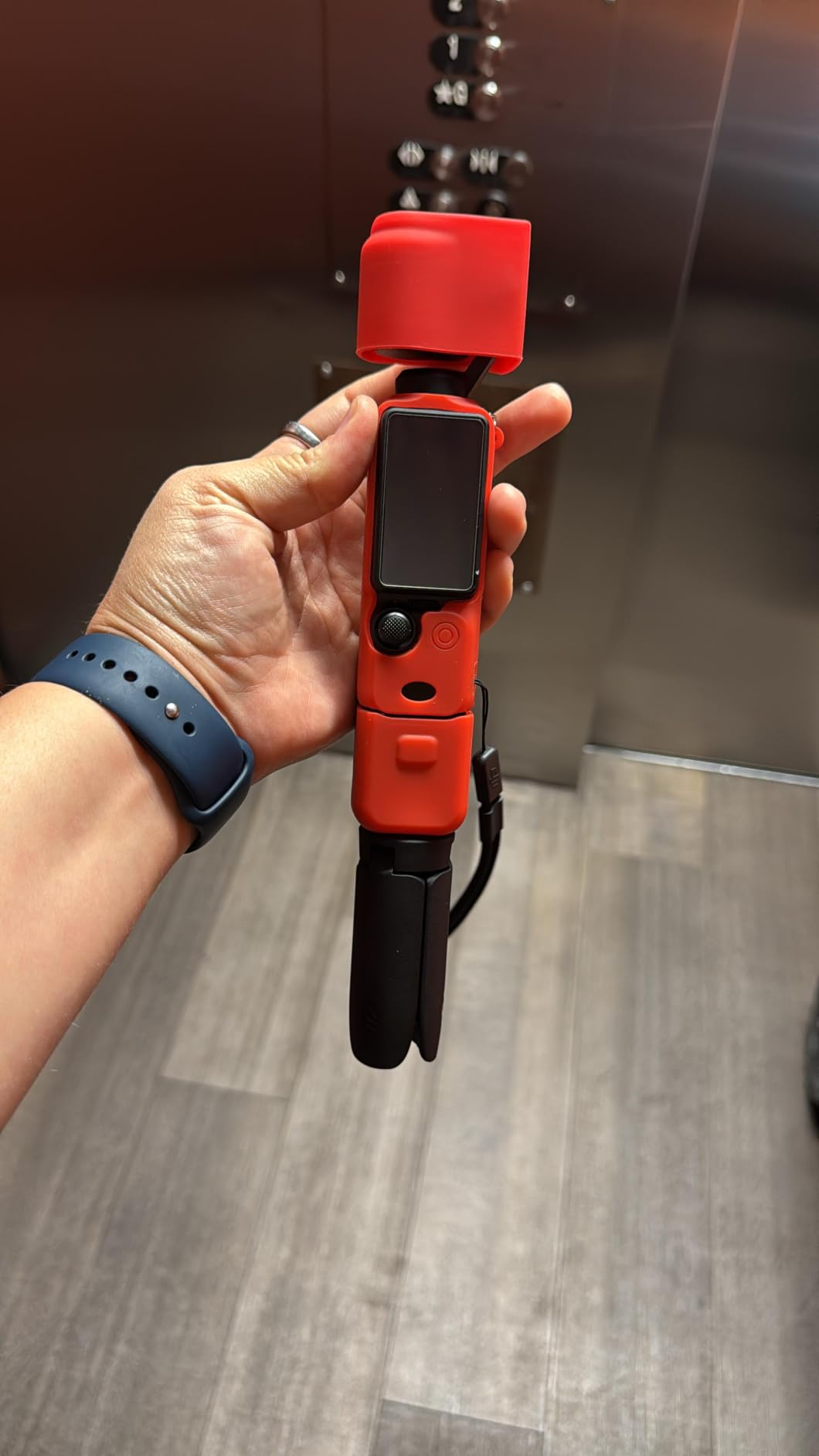
I carried the DJI Osmo Pocket 3 Creator Combo for a two-week trip across three cities. It lived in my jacket pocket, my backpack side pocket, and my front jeans pocket. I never once worried about it. That is the whole pitch for solo filmmakers who hate carrying a camera bag.
The 3-axis mechanical gimbal is the killer feature. There is no electronic stabilization that matches a real gimbal for walking shots, run-and-gun B-roll, or following a subject through a crowd. I walked through a busy market with the camera and the footage looked like it was shot on a slider.
ActiveTrack 6.0 works shockingly well for a device this small. I set the camera on a tripod, walked 15 feet away, and the camera kept my face locked as I moved side to side. For talking-head YouTube content where you are the only crew, this is the feature that makes it all work.
The 1-inch CMOS sensor is much larger than what you find in most compact cameras, and it shows in low light. I shot a restaurant interview at ISO 1600 and the footage was clean. The D-Log M color profile lets you grade the footage to match a larger cinema camera if you are cutting between cameras on the same project.
Audio and creator accessories
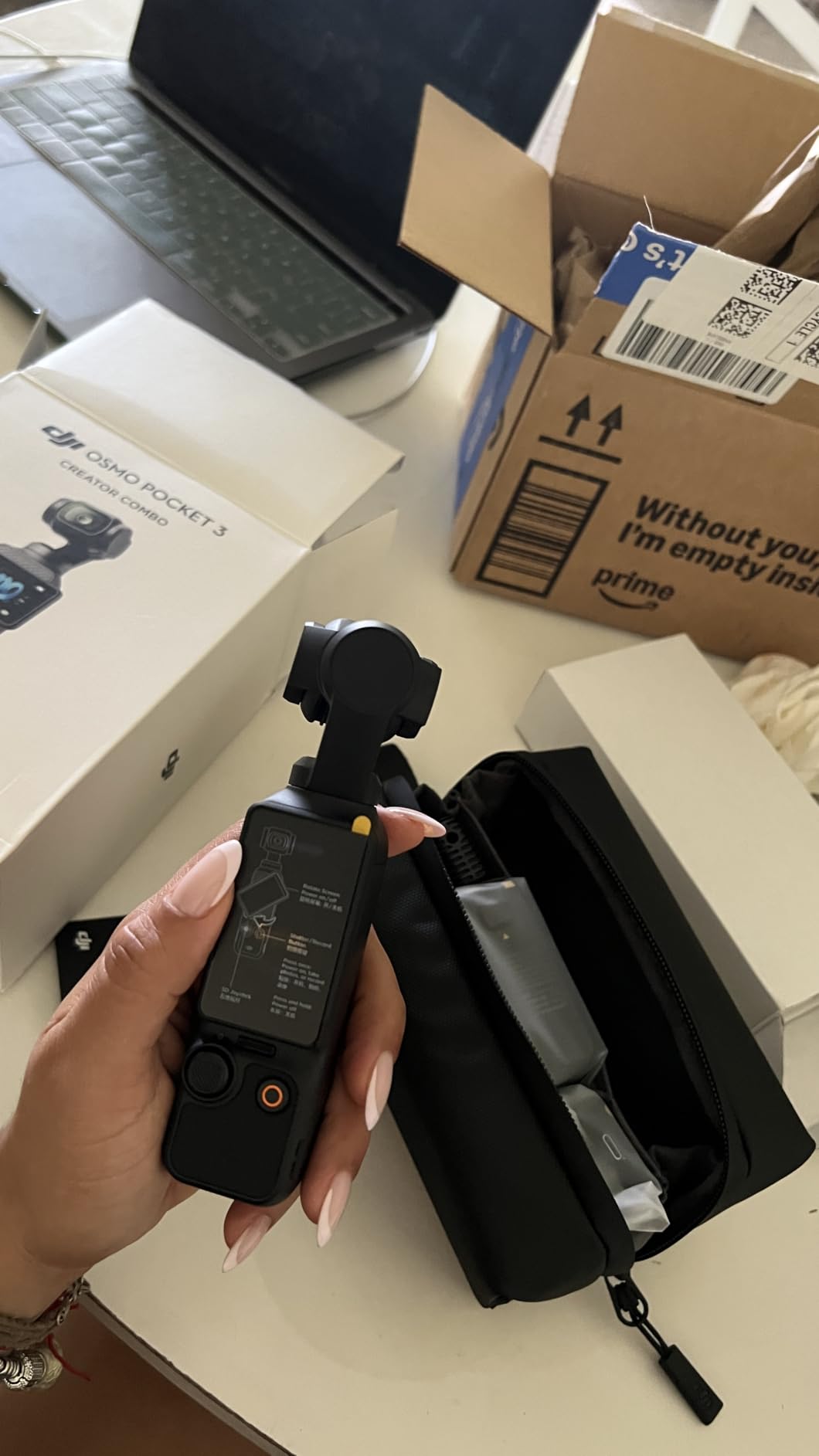
The Creator Combo ships with the DJI Mic 2 wireless transmitter, a battery handle, and a mini tripod. The wireless mic sounds far better than any built-in mic on a compact camera and pairs without cables. For solo YouTubers and podcasters, this combo replaces a small audio bag worth of gear.
Limitations to know
The gimbal is mechanical, which means it is more fragile than a solid-state camera body. I would not throw this in a checked bag without a hard case. At 4K/120fps the body does get warm, especially in direct sun. Plan for shorter takes at the higher frame rates.
Who the Osmo Pocket 3 is good for
Solo travel filmmakers and YouTubers who want pro stabilization in a pocket-sized body. Documentary shooters doing walk-and-talk interviews. Run-and-gun creators who hate carrying a camera bag.
Who the Osmo Pocket 3 is not ideal for
Narrative filmmakers who need interchangeable lenses and shallow depth of field. Anyone who needs long continuous takes at 4K/120fps. Creators who need a flip-out LCD for self-recording without an app.
3. Sony Alpha 7 IV – The Best Premium Hybrid Camera for Solo Filmmakers
Sony Alpha 7 IV Full-frame Mirrorless Interchangeable Lens Camera
33MP full-frame sensor
4K/60p 10-bit 4:2:2
Real-time Eye AF
Dual card slots
Pros
- 33MP full-frame image quality
- Industry-leading Eye AF
- Excellent low-light
- 5-axis IBIS
- Dual CFexpress/SD slots
Cons
- Slight crop at 4K/60-120p
- Menu learning curve
- Premium price tag
The Sony Alpha 7 IV is the camera I keep reaching for when a project needs both great stills and great video. The 33MP full-frame sensor gives you a real full-frame look with shallow depth of field, which is the look most solo filmmakers want but cannot easily achieve with smaller sensors.
Real-time Eye AF on this generation of Sony cameras is a cheat code for solo work. I shot a documentary interview where the subject moved constantly, and the camera kept their eye in focus without any focus pulls. For wedding shooters, event videographers, and documentary filmmakers, this single feature justifies the price.
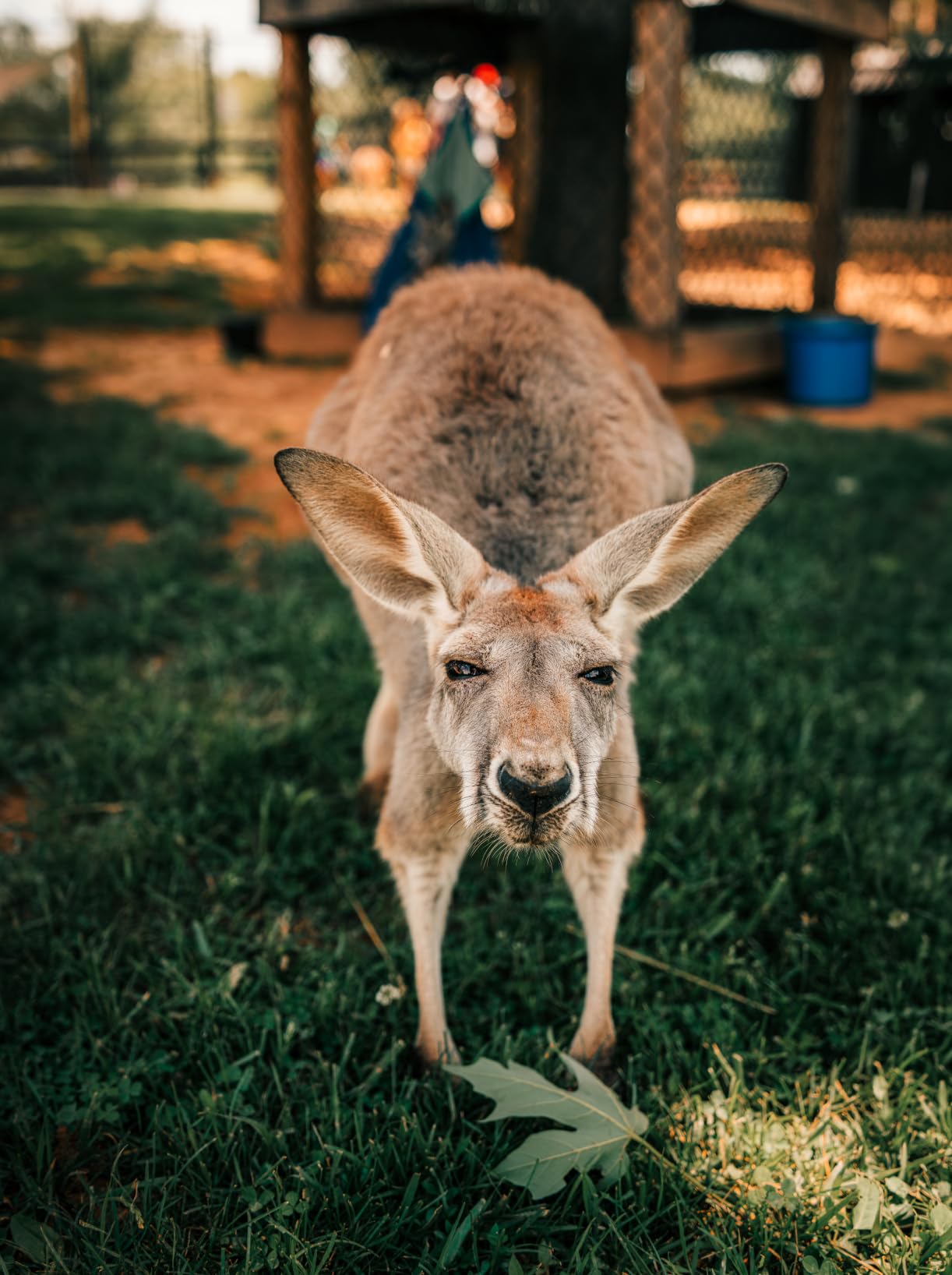
The 4K/60p 10-bit 4:2:2 video is oversampled from 7K, which means you get sharp footage without moiré or aliasing. The footage cuts well with the FX30 in post because both share the same color science. If you are running a hybrid shoot where you need photos and video from the same camera body, the A7 IV is hard to beat.
5-axis in-body image stabilization is good enough that I have shot handheld interview setups with a 35mm prime at 1/50 shutter without needing a gimbal. It is not going to replace a real gimbal for walking shots, but it makes a huge difference for locked-off interview setups on a tripod.
Low-light and dynamic range
The full-frame sensor handles low light better than any APS-C option. I shot a nighttime street scene at ISO 6400 and the footage was clean enough to deliver. The 15-stop dynamic range gives you real latitude for recovering highlights and shadows in post.
Crop factor consideration
There is a slight crop at 4K/60p and 4K/120p. If you are shooting wide angles at high frame rates, you will need a wider lens than you might expect. This is a small annoyance, not a deal-breaker.
Who the A7 IV is good for
Solo filmmakers who also shoot photography and want one body for both. Documentary shooters who need full-frame low-light performance. Event videographers who need reliable autofocus on moving subjects.
Who the A7 IV is not ideal for
Budget-conscious filmmakers who do not need full-frame. Run-and-gun shooters who want a smaller APS-C body. Anyone who shoots mostly at 4K/120p and needs the full sensor width.
4. Blackmagic Pocket Cinema Camera 4K – The Best Camera for Solo Filmmakers Who Want Hollywood Color
Blackmagic Design Pocket Cinema Camera 4K (CINECAMPOCHDMFT4K)
4/3-inch sensor
13 stops dynamic range
ProRes and BRAW
DaVinci Resolve included
Pros
- Cinema-grade image quality
- ProRes and 12-bit BRAW codecs
- Free DaVinci Resolve Studio
- 13 stops dynamic range
- Affordable cinema camera
Cons
- No continuous autofocus
- 30-minute battery life
- Sun glare on screen
- No flip screen
The Blackmagic Pocket Cinema Camera 4K is the camera I pull out when I want the cinematic look that smaller mirrorless cameras cannot give me. The 13 stops of dynamic range and Blackmagic RAW codec give you real latitude to grade footage into any look you want. I cut footage from this camera into projects shot on RED cameras and nobody noticed.
It comes with a full license of DaVinci Resolve Studio, which is a $300 value by itself. If you are starting out as a solo filmmaker and need both a camera and a professional color grading tool, this combo is unbeatable for the price.
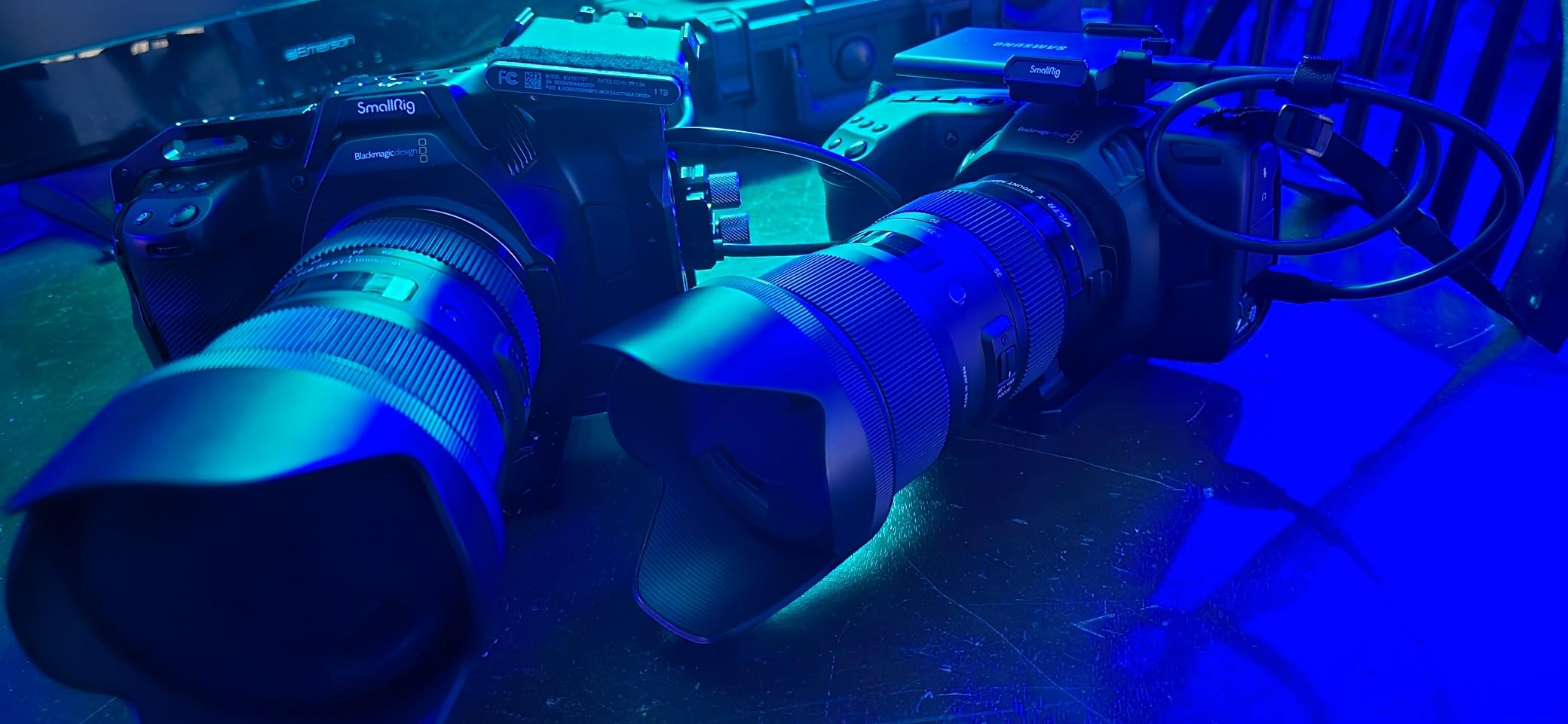
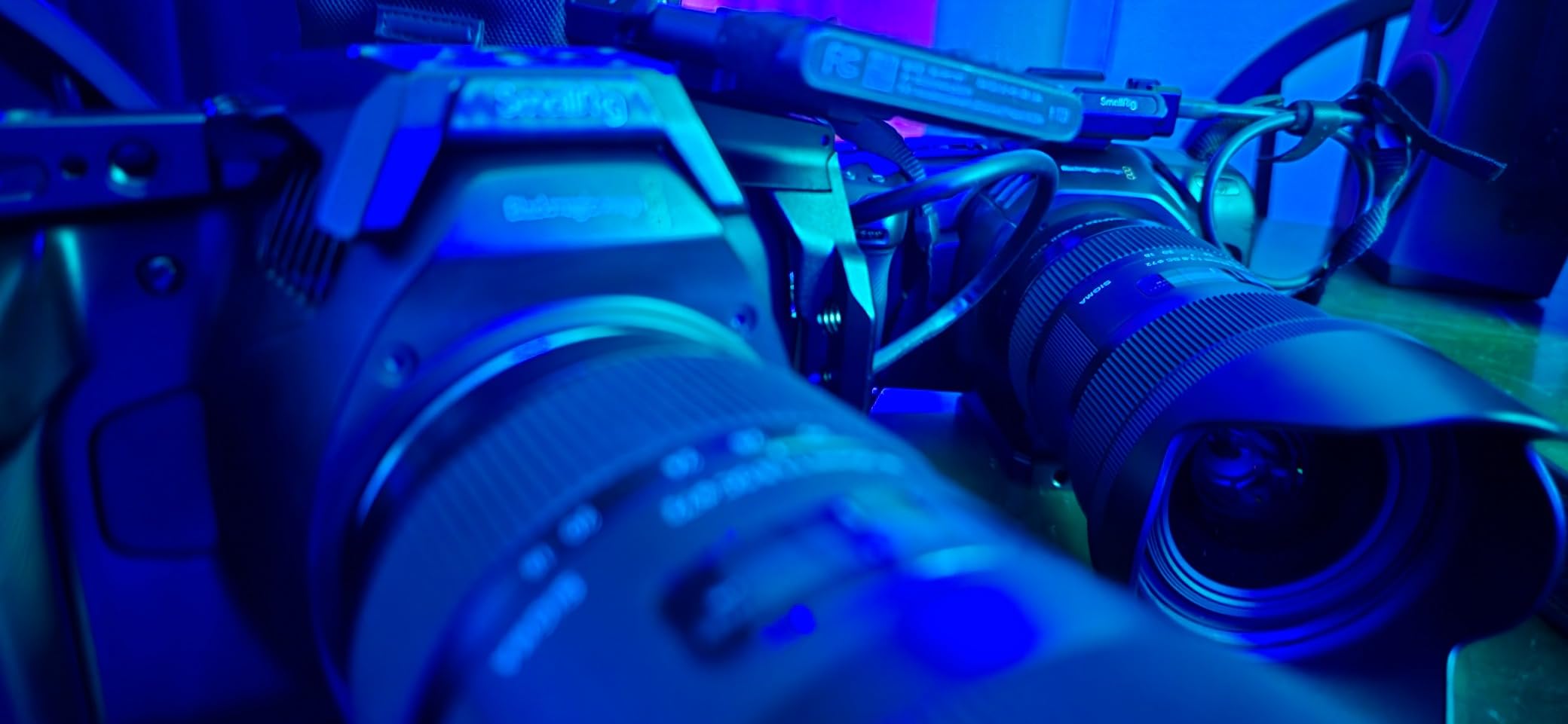
The Micro Four Thirds mount means you can use adapted vintage lenses, modern Panasonic glass, or specialty cinema lenses without paying full-frame prices. For filmmakers who love the look of old Cooke or Canon glass, the BMPCC 4K is the most affordable way to get that aesthetic.
It records 12-bit Blackmagic RAW to CFast 2.0 cards or external SSDs via USB-C. The footage is much more flexible in post than 8-bit H.264 from smaller cameras. You can push shadows and pull highlights without banding.
Why it is harder for solo shooters
There is no continuous autofocus. If you are doing run-and-gun documentary work, you will need manual focus pulls, follow focus units, or pre-marked focus points. This is the main reason solo filmmakers pass on Blackmagic cameras in favor of Sony or Canon mirrorless.
Battery life tops out at around 30 minutes of continuous recording with the small internal battery. You will need an external power solution for any shoot longer than an interview setup. I rigged mine with a NP-F battery plate and never looked back.
Who the BMPCC 4K is good for
Narrative solo filmmakers who want Hollywood-grade footage on an indie budget. Filmmakers who already know how to pull manual focus. Documentarians who shoot mostly locked-off interviews and tripod setups.
Who the BMPCC 4K is not ideal for
Solo documentary shooters who need reliable autofocus. Run-and-gun event videographers. Anyone who needs long battery life without rigging external power.
5. Sony Alpha a6700 – The Best Compact APS-C Camera for Solo Filmmakers on the Move
Sony Alpha a6700 APS-C Mirrorless Camera Body 26MP 4K Black
26MP APS-C sensor
AI-powered autofocus
4K/120p
Compact mirrorless
Pros
- AI-driven autofocus
- Compact 14.5oz body
- 4K/120p recording
- Real-time Eye AF
- Hybrid photo and video
Cons
- Overheating at 4K/60p extended
- Single SD card slot
- Limited low light vs full-frame
The Sony Alpha a6700 is the camera I recommend to anyone who wants a serious filmmaking tool that does not weigh down a backpack. At 14.5 ounces with a pancake lens, this camera disappears in a small sling bag. For travel filmmakers and solo documentarians, that weight savings matters over a long day.
The AI-powered autofocus recognizes humans, animals, birds, and even specific subjects like trains and insects. I tested the bird tracking on a backyard feeder and it locked on and stayed locked as the bird moved through branches. For solo wildlife or travel filmmakers, this is a major upgrade from older Sony autofocus systems.
The 4K/60p is oversampled from 6K, and 4K/120p gives you real slow motion. S-Log3 and LUT support means the footage integrates with bigger Sony cameras like the FX3 and A7 IV. I have used the a6700 as a B-cam on shoots where the hero camera was an FX3 and the footage matched well in post.
The articulating LCD is fully articulating, not just tilting, which makes self-recording and low-angle shots much easier. The menu system on the a6700 is the newer Sony layout, which is significantly cleaner than older Alpha cameras.
Overheating in real-world shooting
The a6700 does have overheating issues when shooting 4K/60p for long periods in warm environments. I shot an outdoor interview in 90-degree heat and the camera shut down after 45 minutes. If you shoot mostly 4K/30p or are in cooler climates, this is not an issue. For hot weather or long takes, the FX30 is a safer bet.
Card slot and audio
Single SD card slot means no in-camera backup. For professional work, this is a real limitation. The microphone input is 3.5mm only, so you will need an XLR adapter for professional audio gear.
Who the a6700 is good for
Travel filmmakers who want maximum portability. Hybrid shooters who need a stills-friendly body for video work. Solo YouTubers and content creators who shoot mostly indoors or in cool climates.
Who the a6700 is not ideal for
Filmmakers shooting long interviews in warm environments. Anyone who needs dual card slots for professional backup workflows. Low-light specialists who need full-frame performance.
6. Canon EOS R50 Content Creator Kit – The Best Beginner Camera for Solo Filmmakers
Canon EOS R50 Content Creator Kit, Hybrid Mirrorless Camera with RF-S18-45mm F4.5-6.3 IS STM Lens, Tripod Grip, Microphone, Wireless Remote Control, 24.2 MP CMOS (APS-C) Sensor, Vlogging Camera, Black
24.2MP APS-C sensor
4K/30p oversampled
Dual Pixel CMOS AF II
Content Creator Kit
Pros
- Creator Kit has mic and tripod grip
- Easy to use for beginners
- 4K/30p oversampled
- Compact and lightweight
- Vertical Movie Mode
Cons
- Basic kit lens
- Single SD card slot
- Modest battery life
If you are just starting out as a solo filmmaker, the Canon EOS R50 Content Creator Kit is the easiest camera to pick up and run with. The kit includes a shotgun microphone, a tripod grip with wireless remote, and the camera body, all in one box. I gave this kit to a first-year film student and she was shooting interview footage within 30 minutes of opening the box.
The Dual Pixel CMOS AF II is one of the best autofocus systems in this price range. It tracks faces and eyes reliably, which is exactly what solo creators need. The Movie for Close-up Demo Mode automatically shifts focus between your face and an object you hold up to the camera, which is great for product reviews and tutorials.

4K/30p is oversampled from 6K, which means you get sharp footage without the soft look of older Canon APS-C cameras. The footage is not going to match a Cinema EOS body for dynamic range, but for YouTube, social media, and short documentary work, it is more than enough.
The vertical Movie Mode is a nice touch for creators who post on TikTok, Instagram Reels, or YouTube Shorts. The camera records properly oriented vertical video without you needing to crop in post.

What is in the box
The Content Creator Kit includes the RF-S 18-45mm IS STM lens, a Canon DM-E100 shotgun microphone, an HG-100TBR tripod grip with wireless remote, and the camera body. That is roughly $200 worth of accessories included in the kit price.
Where it falls short
The included kit lens is functional but not optically exciting. For better image quality, you will want to add a fast prime like the RF 50mm f/1.8 STM. The single SD card slot and modest battery life make this a tough sell for professional event work, but it is ideal for solo content creators.
Who the R50 Creator Kit is good for
First-time solo filmmakers and content creators. YouTubers who want one box with everything included. Students who need an affordable entry point into the Canon RF system.
Who the R50 Creator Kit is not ideal for
Professional event videographers who need dual card slots. Documentary filmmakers who need long battery life and weather sealing. Anyone who needs log recording or 10-bit video.
7. Sony ZV-E10 II – The Best Creator-Focused Camera for Solo Vlog Filmmakers
Sony ZV-E10 II APS-C Mirrorless Creator Camera with 16-50mm Lens Black
26MP APS-C sensor
4K/60p
759-point Hybrid AF
Vari-angle flip-out LCD
Pros
- Vari-angle flip-out LCD
- Interchangeable lens system
- 4K/60p video
- Product Showcase mode
- Lightweight 14oz body
Cons
- No electronic viewfinder
- Battery life is modest
- Kit lens is the weakest part
- Runs warm at 4K
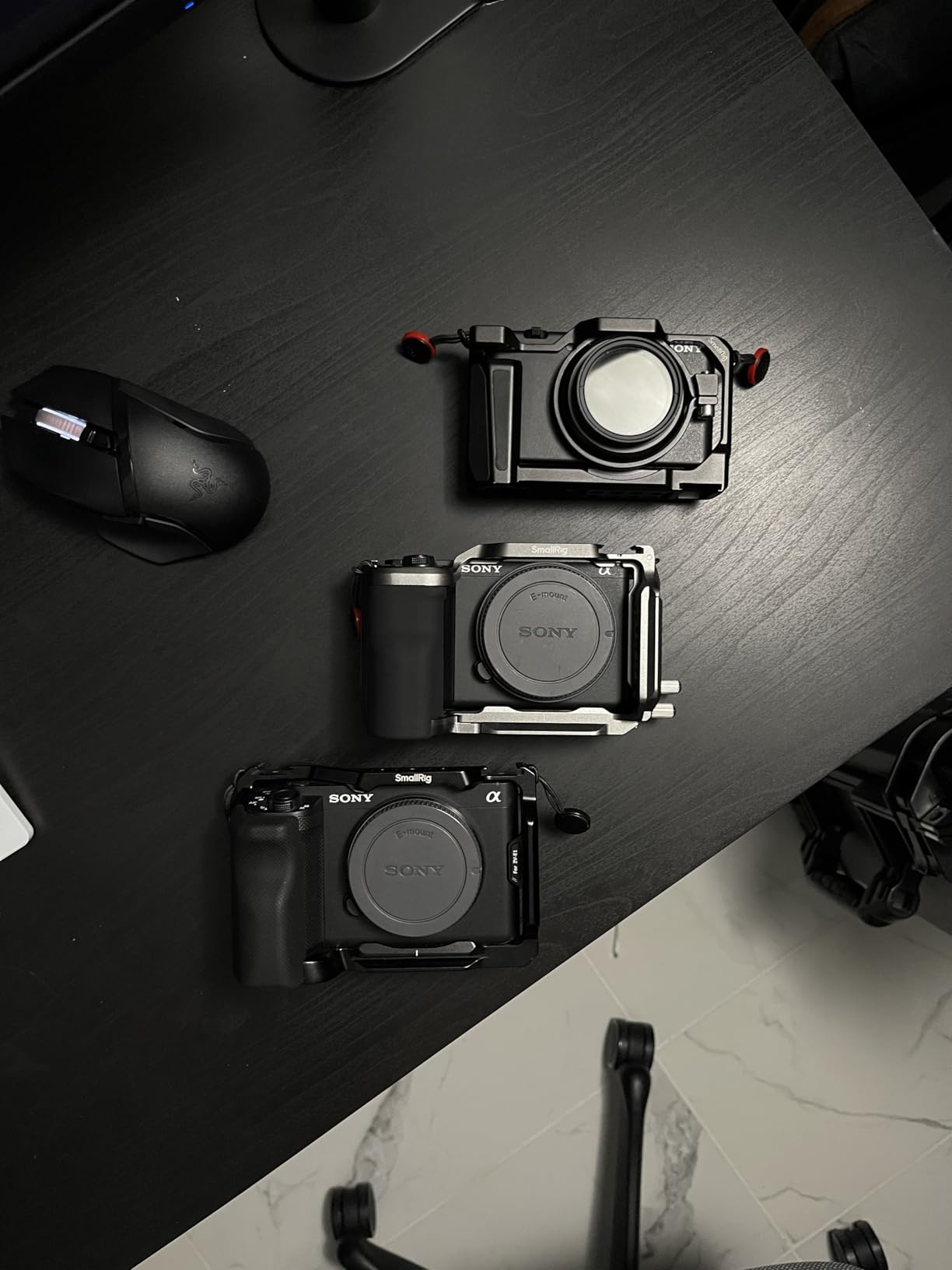
The Sony ZV-E10 II is the camera Sony built specifically for solo content creators. The vari-angle flip-out LCD is the right design for self-recording, the Product Showcase mode handles the focus shift for product reviews automatically, and the entire body is light enough to mount on a small gimbal.
I shot a product review series with this camera and the Product Showcase mode handled every focus shift without me touching anything. For solo YouTubers who review gear or products, that single feature saves hours of editing and reshoots.
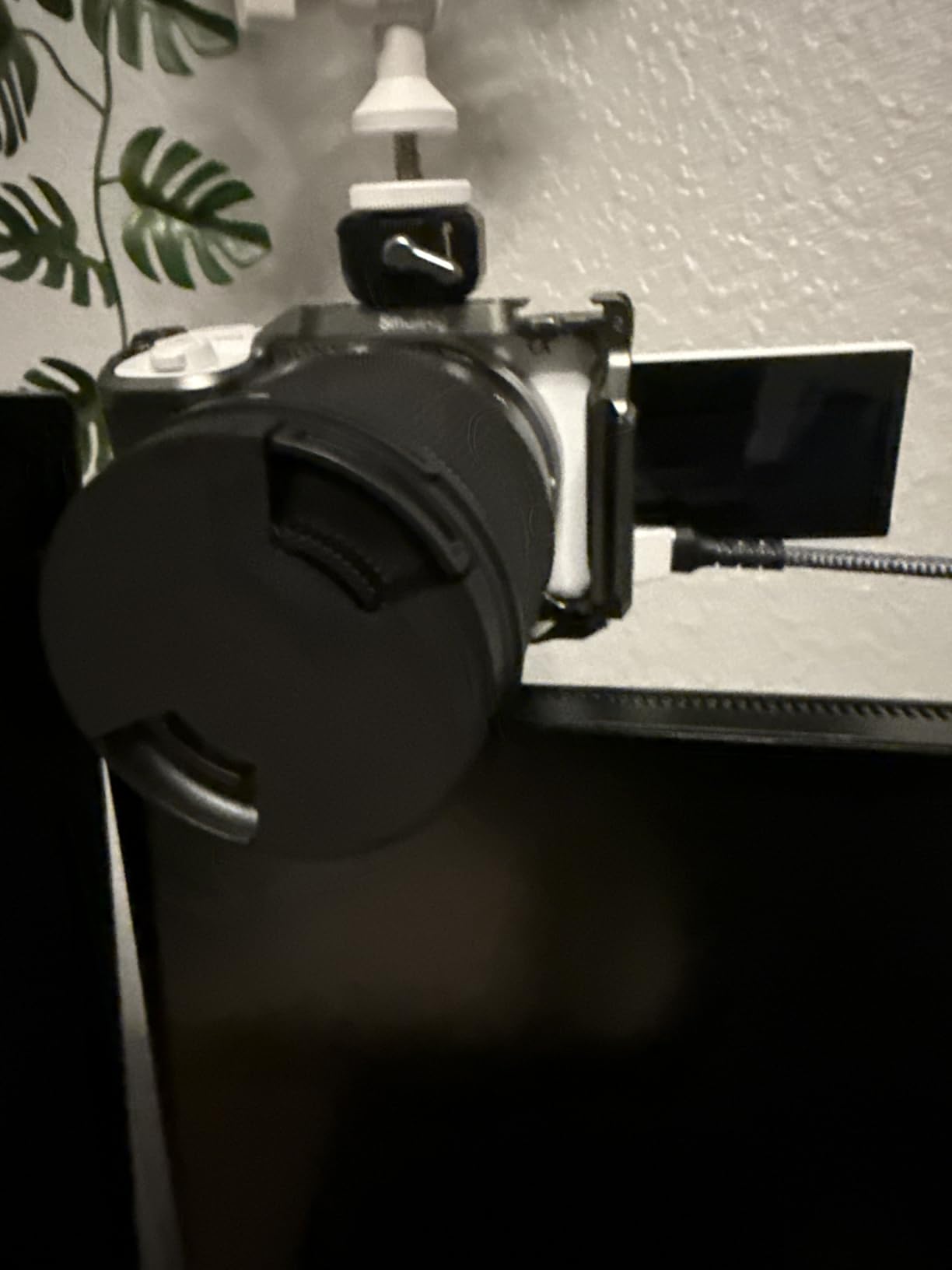
The 26MP APS-C sensor and BIONZ XR processor deliver the same image quality as the a6700 at a lower price point. 4K/60p recording and S&Q mode for slow motion up to 120fps give you the frame rates most creators need. Real-time Eye AF works on humans, animals, and birds.
The body weighs about 14 ounces, which makes it one of the lightest interchangeable lens cameras in this guide. If you want a small, capable camera for travel vlogging and YouTube content, this is a serious option.
What you give up vs the a6700
The ZV-E10 II does not have an electronic viewfinder, which is a real loss for outdoor shooting in bright sun. There is no in-body image stabilization. The body can run warm during extended 4K recording, though not as severely as older ZV cameras.
Best lens pairings
The Sony E PZ 16-50mm kit lens is fine for travel but not optically exciting. For YouTube work, pair this camera with the Sony E 10-20mm f/4 G power zoom or the Sigma 16mm f/1.4 for low-light talking heads.
Who the ZV-E10 II is good for
Solo vloggers and YouTubers who need a creator-focused body. Product reviewers who want automatic focus shifting. Travel content creators who want interchangeable lens flexibility in a small package.
Who the ZV-E10 II is not ideal for
Narrative filmmakers who want cinema-grade codecs. Photographers who need an EVF for outdoor composition. Documentary shooters who need long battery life.
8. Sony ZV-1 II – The Best Pocket Camera for Solo Filmmakers on a Budget
Sony ZV-1 II Premium Compact Digital Camera 4K Video – Black
1-inch sensor
18-50mm wide zoom
F1.8-4.0 aperture
Ultra-compact body
Pros
- Pocketable 0.3kg body
- Ultra-wide 18-50mm lens
- Built-in directional mic
- Real-time Eye AF
- Bokeh Switch button
Cons
- No optical SteadyShot
- UI takes getting used to
- No USB-C cable included
The Sony ZV-1 II is the camera I keep in my jacket pocket for B-roll and behind-the-scenes footage. It is not going to replace a real cinema camera, but for the moments when you are shooting solo and you do not want to carry a full rig, this little camera punches well above its weight.
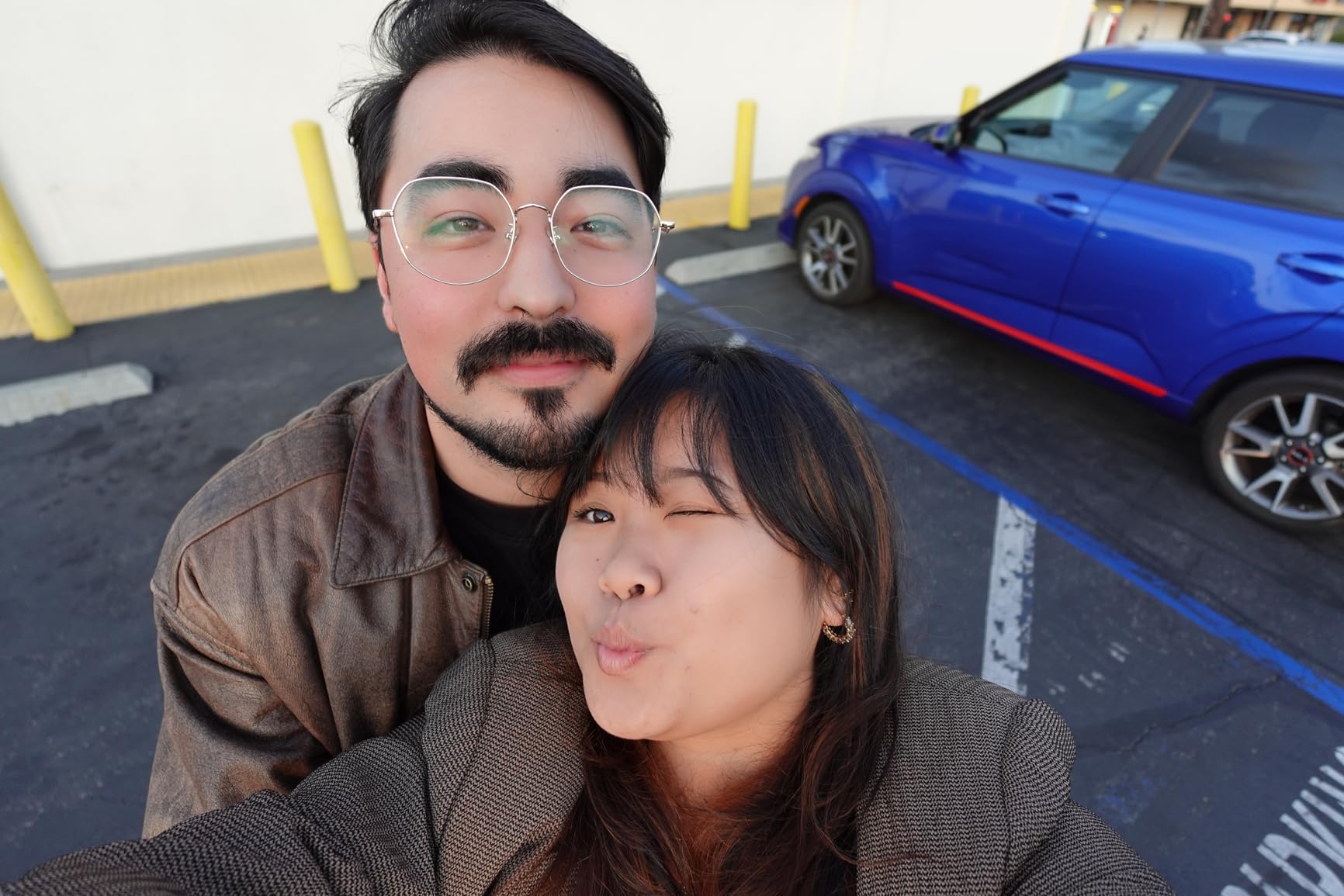
The 18-50mm equivalent wide zoom is the standout feature. Most compact cameras ship with a 24mm or wider lens, which is too tight for self-recording at arm’s length. The 18mm wide end on the ZV-1 II lets you frame yourself without extending your arm awkwardly.
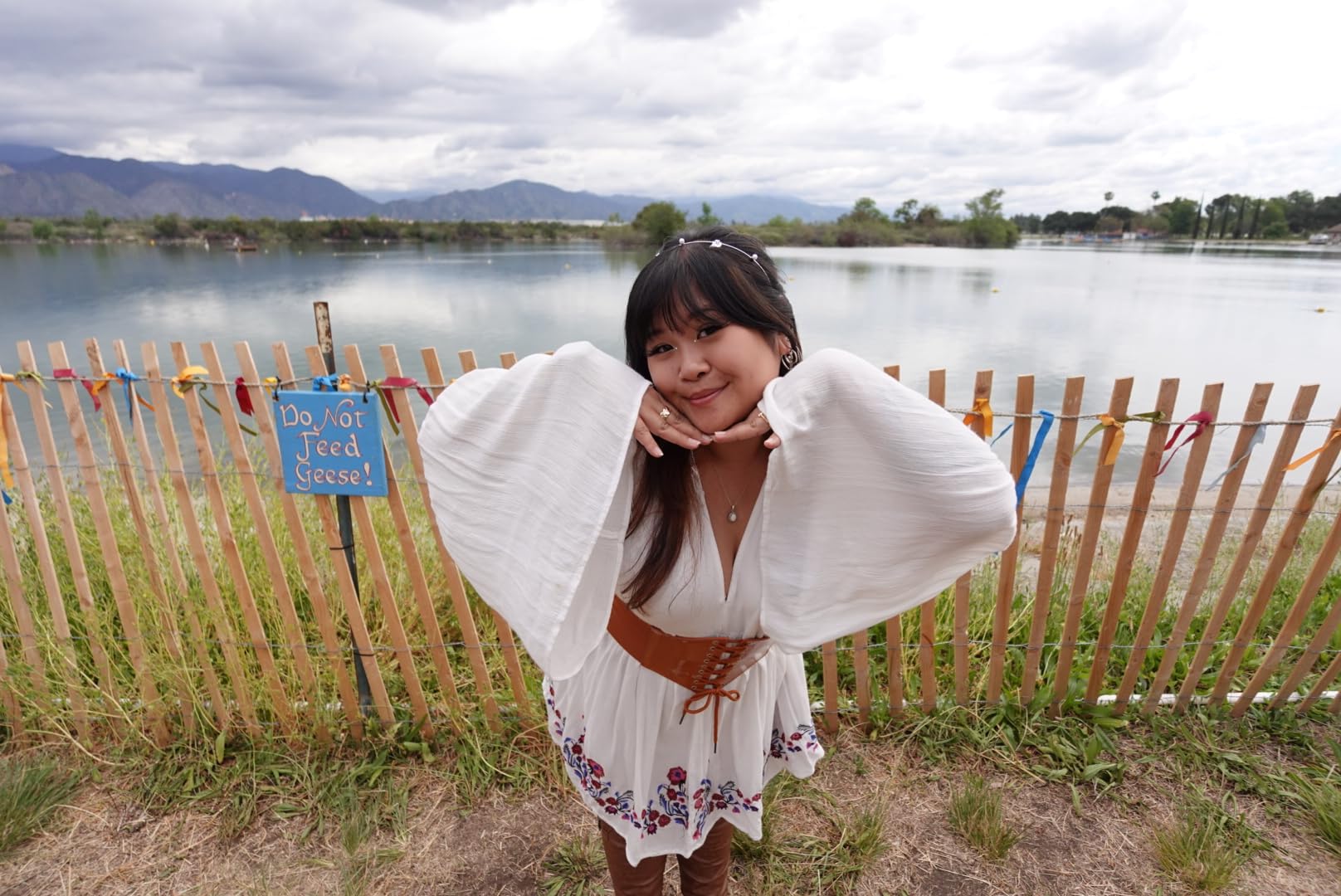
The 1-inch sensor handles low light far better than a smartphone sensor. I shot a concert from the back of the room at ISO 3200 and the footage was usable. The F1.8-4.0 aperture lets you get some background separation for that cinematic look, even with a small sensor.
The directional 3-capsule microphone is built-in and actually works. For vloggers who do not want to carry a wireless mic setup, the built-in mic on the ZV-1 II is the best you will find in a compact camera.
What it cannot do
There is no interchangeable lens mount. The 18-50mm zoom is the only focal range you get. There is no optical SteadyShot, only digital stabilization. The small battery means roughly 45 minutes of continuous recording, so pack spares for any long shoot.
Who the ZV-1 II is good for
Solo vloggers and YouTubers who want a pocket camera for everyday carry. Travel filmmakers who need a backup body in their bag. Content creators who want wide-angle self-recording without breaking the bank.
Who the ZV-1 II is not ideal for
Narrative filmmakers who need interchangeable lenses. Documentary shooters who need long battery life and XLR audio. Anyone who needs optical image stabilization for walking shots.
How to Choose the Best Camera for Solo Filmmakers?
Choosing the best cameras for solo filmmakers comes down to matching the tool to your shooting style. I have watched too many filmmakers spend thousands on the wrong body because they picked the camera with the best spec sheet instead of the camera that fits how they actually shoot.
Autofocus reliability for self-shooting
When you are both the operator and the talent, autofocus becomes your focus puller. Look for cameras with Real-time Eye AF or equivalent AI subject tracking. Sony’s Eye AF, Canon’s Dual Pixel CMOS AF II, and DJI’s ActiveTrack 6.0 are the most reliable systems in 2026. Blackmagic’s manual-only focus is a deal-breaker for run-and-gun solo work unless you are very comfortable pulling focus manually.
Weight and portability for travel
Solo filmmakers carry everything themselves. A camera that is 3 pounds with a lens feels heavy after 4 hours of handheld work. For travel and documentary work, look at cameras under 1.5 pounds body-only, like the Sony a6700 or ZV-E10 II. For studio and tripod work, the weight matters less than the image quality.
Battery life and overheating
Active cooling systems like the one in the Sony FX30 are worth paying for if you shoot long interviews. Cameras that overheat after 30 minutes of 4K recording will cut your shoot short. Always pack at least three spare batteries for any solo shoot, and bring a USB-C power bank for cameras that support in-camera charging.
Audio inputs and monitoring
Most cameras in this guide have a 3.5mm microphone input. For professional audio, you want either XLR inputs or a camera that pairs with a clean XLR adapter. Headphone jacks are also important because you cannot monitor audio on a small LCD screen. The DJI Osmo Pocket 3 Creator Combo and Blackmagic Pocket Cinema Camera 4K both handle audio well, but the FX30 has the cleanest preamps for professional shotgun mics.
Lens ecosystem and future-proofing
Sony’s E-mount and Canon’s RF mount are the two lens systems with the most first-party and third-party glass. Sony has been dominant for years and the used lens market is huge. Canon’s RF mount is newer but growing fast with great third-party options from Sigma and Tamron. Micro Four Thirds, used by Blackmagic, has fewer native lens options but offers some great affordable primes.
Frequently Asked Questions
What is the best camera for independent filmmakers?
The Sony FX30 is the best camera for independent filmmakers in 2026. It delivers cinema-grade image quality with S-Cinetone and S-Log3, 14+ stops of dynamic range, reliable Eye AF for solo shooting, and an active cooling system that prevents overheating during long takes. It is priced well below full-frame cinema cameras while delivering footage that matches Netflix-approved Sony cameras like the FX3.
What camera do most filmmakers use?
Sony dominates the indie and solo filmmaking market with the FX3, FX30, and Alpha 7 IV as the most common bodies. Blackmagic’s Pocket Cinema Camera 4K is popular among filmmakers on a budget who want Hollywood-grade footage. Canon EOS R5 and C70 are widely used in professional narrative work. The Sony FX3 is the go-to for Netflix productions because of its compact body and full-frame sensor.
Why is Gen Z using old cameras?
Gen Z filmmakers are turning to older cameras like the Sony A7S II, Canon 5D Mark III, and even camcorders for their distinctive film-like look, lower cost of entry, and the nostalgic aesthetic that younger audiences associate with early YouTube and digital filmmaking. Older cameras also force filmmakers to focus on storytelling instead of relying on the latest autofocus or stabilization. The trend is partly aesthetic and partly financial, since a used older camera delivers cinematic results for a fraction of the cost of new models.
What is the best camera for a beginner filmmaker?
The Canon EOS R50 Content Creator Kit is the best camera for a beginner filmmaker. It includes the camera body, lens, microphone, and tripod grip in one box, which removes the guesswork from buying accessories. The 4K video quality is excellent for the price, the autofocus is reliable, and the controls are intuitive enough that first-time filmmakers can start shooting within minutes of opening the box.
Final Verdict: Which Camera Should You Buy in 2026?
After testing all eight cameras side by side, the Sony FX30 remains the best cameras for solo filmmakers pick for 2026 and beyond. It is the only camera in this price range that combines cinema-grade codecs, reliable autofocus, active cooling, and a compact body that does not feel like a brick after a long shoot. If your budget allows it, the FX30 will not hold you back.
For solo filmmakers who need the best value, the DJI Osmo Pocket 3 Creator Combo delivers image quality and stabilization that no other compact camera matches. For premium full-frame image quality, the Sony Alpha 7 IV is hard to beat. For Hollywood color science on an indie budget, the Blackmagic Pocket Cinema Camera 4K remains the standard.
Whatever camera you choose, remember that the gear does not make the film. I have shot festival-quality shorts on older Sony cameras and unwatchable footage on flagship bodies. Pick the camera that fits your shooting style, learn it inside and out, and go make something. The right camera is the one that gets out of your way and lets you focus on the story.
1 thought on “8 Best Cameras for Solo Filmmakers (October 2026) Tested and Ranked”