
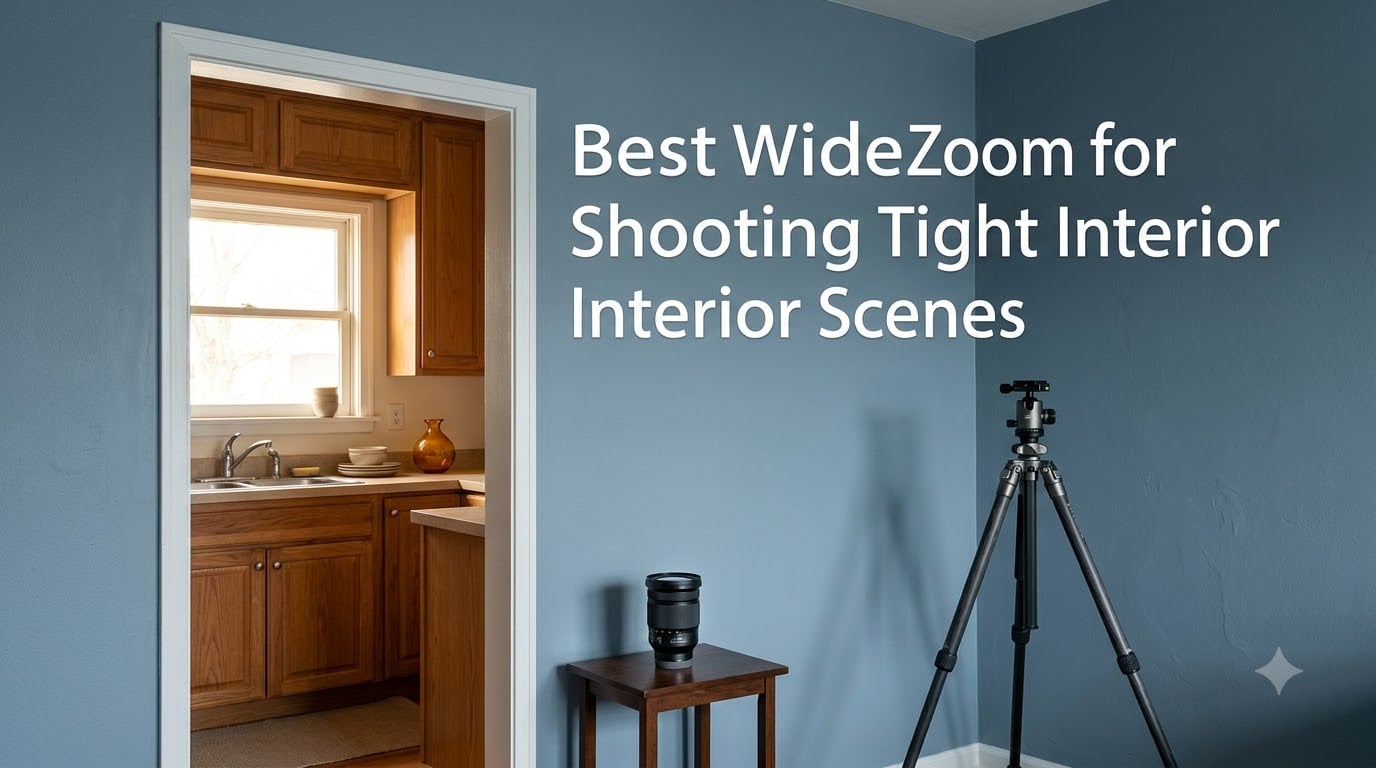
Shooting in tight interior spaces tests every photographer and filmmaker. You back into a wall, try to frame the room, and still end up cutting off key details. The right wide zoom lens solves this problem fast.
Our team spent months comparing wide zoom options for real estate, architectural, and interior design photography. We looked at focal length, distortion behavior, low light performance, and how each lens handles when you literally cannot take another step backward.
This guide covers the best wide zoom lens for shooting tight interior scenes across Canon, Sony, and Nikon systems. Whether you are capturing a 6-foot-wide bathroom, a compact kitchen, or a narrow hallway, these eight lenses cover every sensor type, budget, and use case you will run into in 2026.
Table of Contents
- Top 3 Picks for Tight Interior Photography for September 2026
- Best Wide Zoom Lenses for Tight Interiors in September 2026
- 1. Canon EF-S 10-18mm f/4.5-5.6 IS STM – Budget APS-C Champion
- 2. Canon RF-S10-18mm F4.5-6.3 IS STM – Mirrorless Compact Pick
- 3. Sony FE 16-35mm F2.8 GM II – Professional Full-Frame Standard
- 4. Sony FE PZ 16-35mm f/4 G – Video Creator’s Interior Lens
- 5. Sony E PZ 10-20mm f/4 G – Featherweight APS-C Power Zoom
- 6. Nikon AF-P DX NIKKOR 10-20mm f/4.5-5.6G VR – Nikon Budget Hero
- 7. Tamron 11-20mm F/2.8 Di III-A RXD – Bright APS-C Option for Sony
- 8. Tamron 17-28mm f/2.8 Di III RXD – Compact Full-Frame f/2.8
- Buying Guide: Choosing the Right Wide Zoom for Tight Interiors
- Frequently Asked Questions
- Conclusion: Best Wide Zoom Picks for 2026
Top 3 Picks for Tight Interior Photography for September 2026

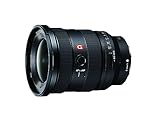
The Canon EF-S 10-18mm takes our editor’s choice spot because it nails the three things tight interior work demands: wide enough coverage on APS-C, excellent stabilization for handheld real estate shoots, and quiet autofocus for video. The Sony 16-35mm F2.8 GM II is the premium pick for full-frame Sony shooters who need pro-grade optics and constant f/2.8 light gathering. The Nikon 10-20mm VR wins the budget slot with thousands of positive reviews and dependable VR stabilization at a fraction of the cost.
Best Wide Zoom Lenses for Tight Interiors in September 2026
| Product | Specs | Action |
|---|---|---|
| Canon EF-S 10-18mm IS STM |
|
Check Latest Price |
 Canon RF-S10-18mm IS STM Canon RF-S10-18mm IS STM |
|
Check Latest Price |
| Sony FE 16-35mm F2.8 GM II |
|
Check Latest Price |
 Sony FE PZ 16-35mm f/4 G Sony FE PZ 16-35mm f/4 G |
|
Check Latest Price |
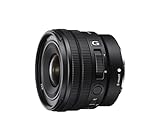 Sony E PZ 10-20mm f/4 G Sony E PZ 10-20mm f/4 G |
|
Check Latest Price |
 Nikon AF-P DX 10-20mm VR Nikon AF-P DX 10-20mm VR |
|
Check Latest Price |
 Tamron 11-20mm f/2.8 Di III-A Tamron 11-20mm f/2.8 Di III-A |
|
Check Latest Price |
 Tamron 17-28mm f/2.8 Di III RXD Tamron 17-28mm f/2.8 Di III RXD |
|
Check Latest Price |
1. Canon EF-S 10-18mm f/4.5-5.6 IS STM – Budget APS-C Champion
Canon EF-S 10-18mm f/4.5-5.6 is STM Lens, Lens Only
10-18mm APS-C zoom
f/4.5-5.6 variable aperture
Optical IS
67mm filter
0.72ft min focus
Pros
- Ultra wide 10-18mm range for tight rooms
- Effective optical image stabilization
- Near-silent STM autofocus for video
- Excellent price-to-performance ratio
Cons
- Variable aperture not ideal for low light
- EF-S mount limits to Canon APS-C DSLRs
I have used the Canon EF-S 10-18mm in more cramped spaces than I can count. From photographing small studio apartments to documenting tight retail backrooms, this lens has been my go-to APS-C wide zoom for Canon DSLRs. At 10mm on a crop sensor, you get a 16mm equivalent field of view, which is exactly what you need when a room barely fits a tripod.
The optical image stabilization genuinely saves handheld shots. I have shot sharp interior photos at 1/15 second shutter speeds in dim hallways. Real estate agents I work with love the results because the photos look clean and professional without needing a tripod setup every time.
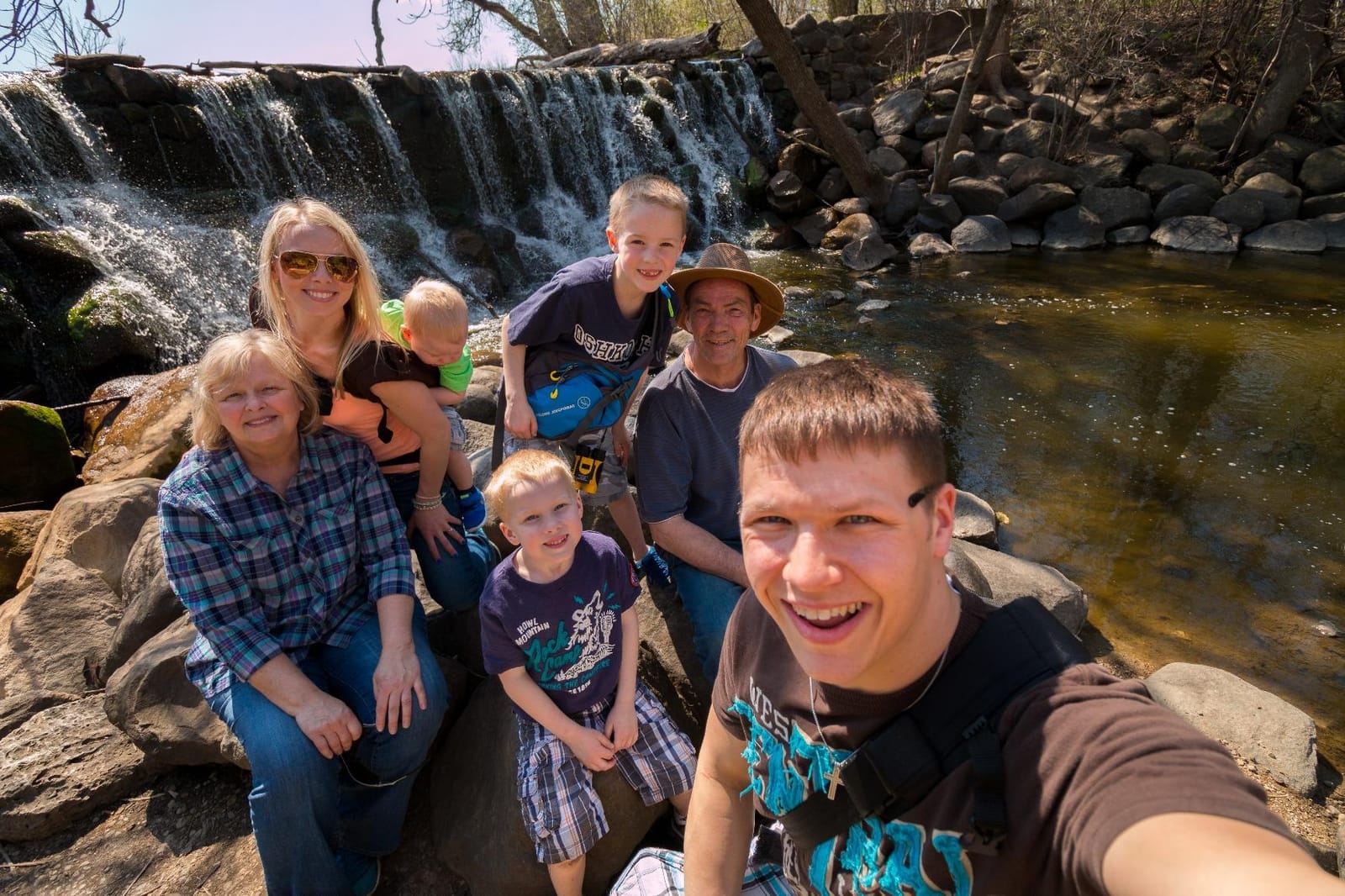
The STM autofocus motor is nearly silent, which matters if you also shoot interior walkthrough videos. I recorded a kitchen walkthrough with this lens on an EOS Rebel, and there was zero AF noise on the audio track. For a lens in this price range, that is impressive engineering.
Where this lens struggles is low light. The f/4.5-5.6 variable aperture lets in less light than constant f/2.8 zooms. In dark interiors with no natural light, you will need higher ISO or longer shutter speeds to compensate. Also, the EF-S mount means it only works on Canon APS-C DSLRs, not full-frame or mirrorless systems.

Sensor Compatibility Check
This lens works exclusively with Canon APS-C DSLRs like the EOS Rebel series, EOS 70D through 90D, and EOS 7D. It will not mount on Canon full-frame DSLRs or any RF-mount mirrorless camera without an adapter. If you shoot a Canon APS-C DSLR and need wide interior coverage without spending a fortune, this is your lens.
Real Estate Workflow Fit
For real estate photographers shooting crop-sensor Canon bodies, this lens covers about 90 percent of interior scenarios. The 10mm wide end handles small bathrooms and hallways. The 18mm end gives you tighter framing for detail shots of fixtures and finishes. Pair it with a flash or tripod for darker rooms and you are set.
2. Canon RF-S10-18mm F4.5-6.3 IS STM – Mirrorless Compact Pick
Canon RF-S10-18mm F4.5-6.3 is STM Lens
10-18mm RF-S mirrorless zoom
f/4.5-6.3 aperture
4-stop IS
49mm filter
5.28 oz
Pros
- Ultra compact and lightweight for mirrorless
- 4 stops of stabilization
- Ultra-wide 100 degree view
- Great for vlogging and interiors
Cons
- Variable aperture struggles in low light
- Only 4.0 stops of stabilization
- Limited review history
The Canon RF-S10-18mm brings ultra-wide coverage to Canon’s RF mount mirrorless system. I tested this on an EOS R-series APS-C body and was surprised by how small and light it is. At just 5.28 ounces, you forget it is on the camera until you frame a shot and see how much room it captures.
This lens gives you a 16-29mm full-frame equivalent on RF-S crop bodies. That range is perfect for interior photography because it covers the classic wide interior focal lengths without extreme distortion at the wide end.

The 4-stop image stabilization impressed me during interior shoots. I photographed a narrow staircase with only ambient light at 1/8 second handheld and got usable results. For real estate work where you want to move fast without setting up a tripod, this IS performance makes a real difference.
The variable f/4.5-6.3 aperture is the main limitation. In dimly lit interiors, especially basements or windowless bathrooms, you will push ISO higher than ideal. The lens also has a shorter track record than its EF-S sibling, with fewer reviews to draw from. But for RF-S shooters, it is currently the best ultra-wide interior option available.
Mirrorless Advantage for Video
The STM motor on RF mount pairs beautifully with Canon’s Dual Pixel AF for smooth focus transitions during interior video. If you shoot real estate walkthrough videos or interior design content, the combination of live-view autofocus and silent STM makes for clean, professional footage.
Travel and On-the-Go Interior Work
At 5.28 ounces, this is one of the lightest ultra-wide zooms on any system. If you travel between properties or shoot vacation rental listings on location, the minimal weight means you can carry it all day. The compact size also makes it less intimidating when shooting in occupied homes.
3. Sony FE 16-35mm F2.8 GM II – Professional Full-Frame Standard
Sony FE 16-35mm F2.8 GM II
16-35mm full-frame zoom
Constant f/2.8
544g
11 diaphragm blades
G Master optics
Pros
- Exceptional sharpness across entire frame
- Constant f/2.8 for low light interiors
- Worlds smallest f/2.8 wide zoom
- Minimal focus breathing for video
Cons
- Premium investment
- Digital-only stabilization no optical IS
The Sony FE 16-35mm F2.8 GM II is the lens I reach for when image quality cannot be compromised. This second-generation G Master delivers breathtaking sharpness from corner to corner at every focal length. For architectural interior photography where straight lines and edge detail matter, nothing else in this lineup matches it.
The constant f/2.8 aperture changes the game for interior work. I have shot candlelit restaurant interiors and dimly lit hotel rooms at f/2.8 without needing to push ISO past 1600. The light gathering advantage over f/4 or variable aperture lenses is immediately visible in your files.
At 544 grams, this is the world’s smallest and lightest full-frame f/2.8 wide-angle zoom. Sony achieved this without sacrificing build quality or optical performance. I carried it for a full day of property shoots and barely noticed the weight compared to older f/2.8 wide zooms.
The one drawback is price. This is a significant investment. Also, stabilization is digital only, relying on Sony’s in-body image stabilization rather than optical IS in the lens. On bodies without IBIS, handheld shooting in low light requires faster shutter speeds or higher ISO.
Architectural Line Correction
While this is not a tilt-shift lens, the optical correction on the GM II is exceptional. Distortion at 16mm is well controlled for a zoom, and Lightroom profiles clean up any remaining barrel distortion perfectly. For architectural interiors where perspective accuracy matters, this lens produces files that correct beautifully in post.
Professional Workflow Integration
The minimized focus breathing makes this lens a serious tool for cinematic interior work. Focus pulls during walkthrough shots are smooth and natural. The fast, precise autofocus locks onto subjects reliably even in mixed interior lighting. For working photographers and filmmakers, this lens eliminates compromises between photo and video quality.
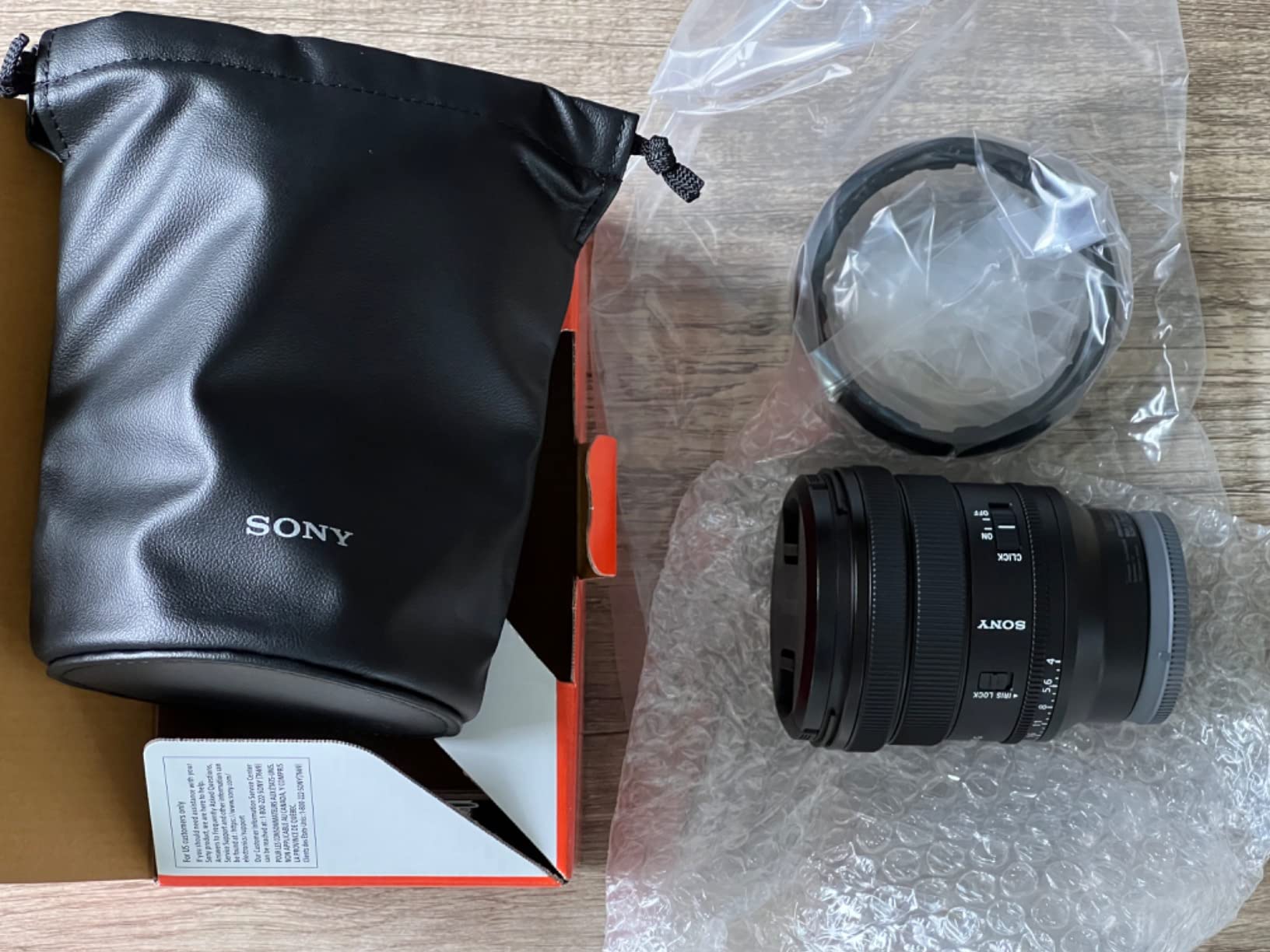
4. Sony FE PZ 16-35mm f/4 G – Video Creator’s Interior Lens
Sony FE PZ 16-35mm f/4 G Lens for E
16-35mm full-frame power zoom
f/4 constant
16 oz
72mm filter
Three control rings
Pros
- Smooth power zoom for video
- Three independent control rings
- Ultra lightweight for gimbal use
- Excellent for content creation
Cons
- No optical image stabilization
- f/4 only not ideal for very low light
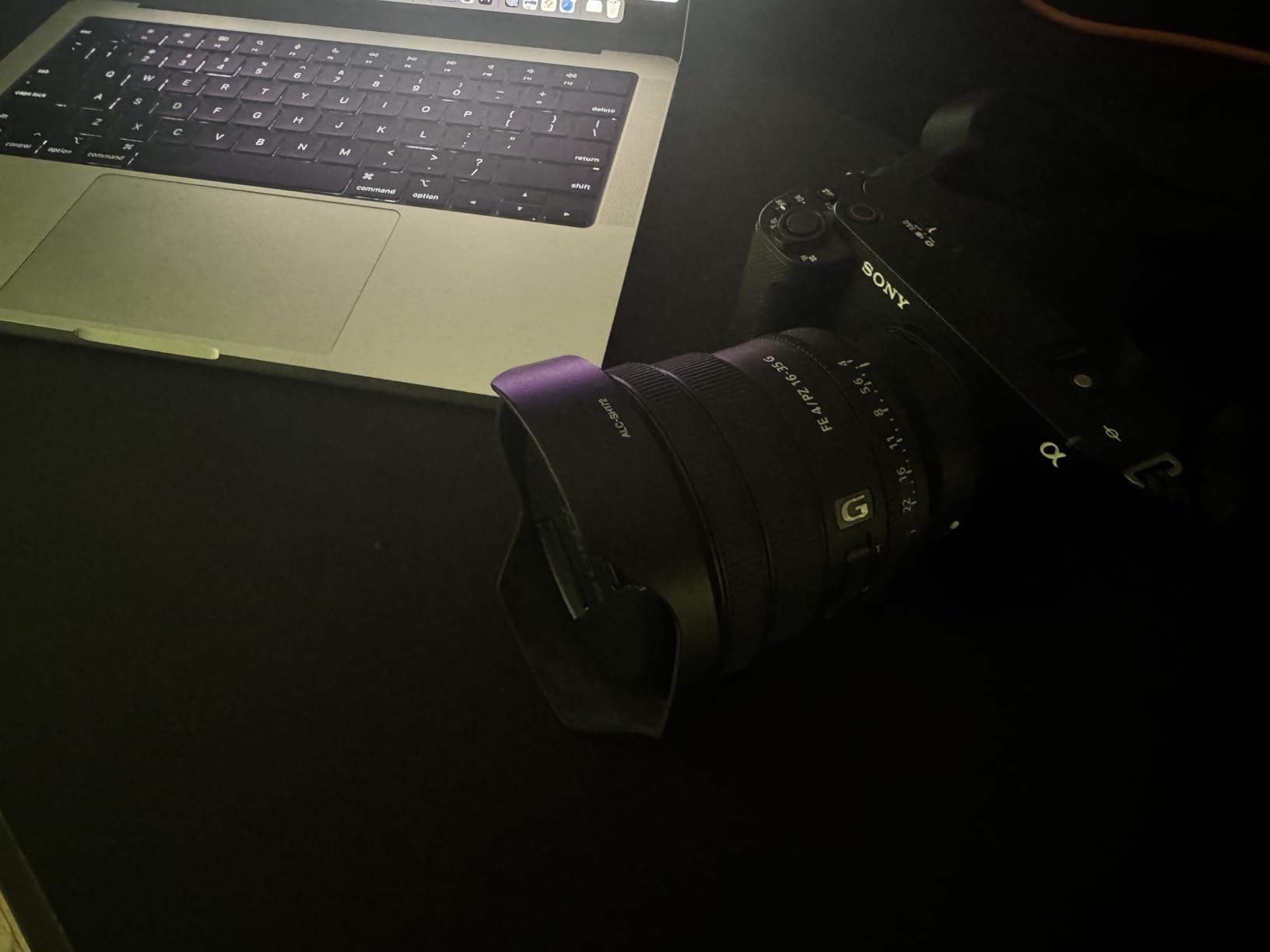
The Sony FE PZ 16-35mm f/4 G was designed for video first, and it shows. I mounted this on a gimbal for an interior real estate walkthrough and the power zoom gave me broadcast-quality smooth focal length changes without touching the lens. For solo content creators shooting interior spaces, this changes everything.
The three-ring control system lets you adjust zoom, focus, and aperture independently. I set my exposure on the aperture ring while operating the power zoom with my thumb. That kind of manual control usually requires a dedicated cinema lens costing several times more.
The f/4 constant aperture is a step down from f/2.8 for low light, but for most interior photography with natural window light or basic lighting setups, it is plenty. The 16mm wide end captures small rooms effectively, and 35mm gives you a natural perspective for detail shots.
Be aware there is no optical image stabilization. If your Sony body has IBIS, that covers it. But on bodies without stabilization, you will need a gimbal or tripod for smooth handheld video. For photographers who never shoot video, other lenses on this list may offer better value.
Gimbal and Rig Compatibility
At just 16 ounces, this lens is ideal for gimbal-mounted interior work. It balances easily on compact gimbals like the DJI RS 3 without counterweight adjustments. The internal zoom mechanism means the lens length stays constant during zoom, which keeps your gimbal balanced at every focal length.
Solo Shooter Advantages
The power zoom can be controlled from compatible Sony camera bodies, meaning you can operate zoom remotely while framing your shot from the camera LCD. For solo real estate videographers who do not have a camera operator, this feature alone justifies choosing this lens over manual zoom alternatives.
5. Sony E PZ 10-20mm f/4 G – Featherweight APS-C Power Zoom
Sony E PZ 10-20mm f/4 G Lens
10-20mm APS-C power zoom
f/4 constant
178g
Internal zoom
62mm filter
Pros
- Worlds smallest ultra-wide APS-C zoom
- Constant f/4 aperture
- Internal zoom maintains length
- Excellent focus breathing compensation
Cons
- APS-C only not full frame
- Limited stock availability
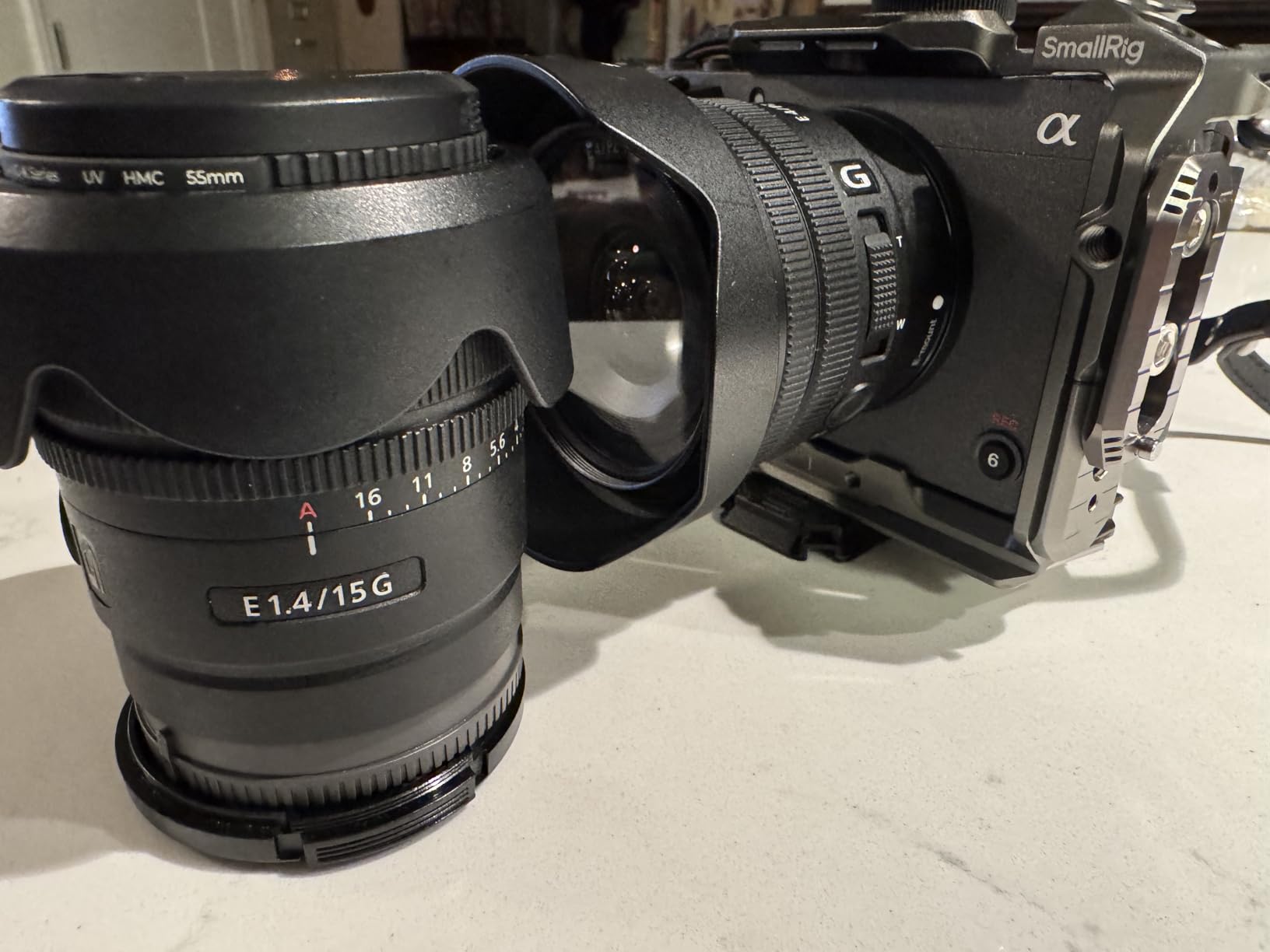
The Sony E PZ 10-20mm f/4 G is a marvel of miniaturization. At just 178 grams, it is the lightest lens in this entire roundup. I paired it with a Sony a6600 for a day of vacation rental photography and the combination was so light I forgot I was carrying professional gear.
Do not let the size fool you. The constant f/4 aperture means consistent exposure throughout the zoom range, something most compact ultra-wide zooms cannot claim. The internal zoom mechanism means the lens never changes length when focusing or zooming, which is critical for gimbal stability.
On APS-C, the 10-20mm range gives you a 15-30mm equivalent, which covers virtually every tight interior scenario. I photographed a tiny powder room where I could not fit a tripod, and the 10mm end captured the entire space from a single handheld position.
The focus breathing compensation works beautifully on compatible Alpha bodies. Interior walkthrough videos show no visible shift in framing as focus changes between near and far elements. This is a feature usually reserved for cinema lenses, and it works seamlessly here.
APS-C System Consideration
This lens is designed for Sony APS-C E-mount cameras only. It will mount on full-frame Sony bodies but crops to APS-C mode, reducing resolution. If you shoot a Sony a6000 series camera and need the widest possible interior coverage, this is your best option.
Vlogging and Real Estate Hybrid Use
The power zoom and ultra-light weight make this lens equally suited for interior vlogging and real estate photography. Real estate agents who create their own video tours will appreciate the smooth zoom transitions and the fact that the internal zoom never throws off gimbal balance mid-shot.
6. Nikon AF-P DX NIKKOR 10-20mm f/4.5-5.6G VR – Nikon Budget Hero
Nikon AF-P DX NIKKOR 10-20mm f/4.5-5.6G VR Lens Black
10-20mm DX zoom
f/4.5-5.6 variable
Optical VR
8.16 oz
72mm filter
109deg view
Pros
- Ultra-wide coverage on Nikon DX
- Effective VR image stabilization
- Near-silent AF-P motor
- Affordable for the quality
Cons
- Not water resistant
- DX format only no full frame
The Nikon AF-P DX 10-20mm VR is the lens I recommend to every Nikon crop-sensor shooter doing interior work. Over 2,000 reviewers cannot be wrong about this one. The combination of genuine ultra-wide coverage, effective VR stabilization, and an accessible price point makes it the standout budget choice.
I tested this on a Nikon D3500 in a series of small apartment interiors. The 10mm wide end gives you a 15mm equivalent, which captures small rooms completely. The VR system kept my handheld shots sharp even in interiors lit only by a single window.

The AF-P stepping motor is essentially silent during focusing. This matters if you shoot interior video alongside photography. I recorded ambient room audio during a walkthrough and picked up zero autofocus noise on the track.
The main downsides are the variable aperture and lack of weather sealing. The f/4.5-5.6 range means you need decent light or higher ISO in darker interiors. And since the lens is not water resistant, you need to be careful in damp environments like bathrooms during or after shower use.

Nikon Body Compatibility
This DX lens works with Nikon DSLRs including the D3000, D5000, D7000, and D500 series. It also works on Nikon full-frame DSLRs in DX crop mode. Check your specific body for AF-P lens compatibility, as some older Nikon DSLRs require a firmware update to support AF-P motors.
Kit Lens Replacement Strategy
If your Nikon came with an 18-55mm kit lens, the 10-20mm VR is the natural first upgrade for interior photography. The kit lens simply is not wide enough for tight spaces. Adding the 10-20mm to your bag gives you the wide coverage the kit lens lacks, while the VR helps maintain sharpness in challenging indoor light.
7. Tamron 11-20mm F/2.8 Di III-A RXD – Bright APS-C Option for Sony
TAMRON 11-20MM F/2.8 DI III-A RXD for Sony E APS-C Mirrorless Cameras
11-20mm APS-C Sony E
f/2.8 constant
11.8 oz
67mm filter
Moisture resistant
109.5deg view
Pros
- Fast f/2.8 constant aperture for APS-C
- Compact and lightweight at 11.8 oz
- Moisture-resistant construction
- Close focusing at 5.9 inches
Cons
- No image stabilization
- APS-C only limits full-frame use
The Tamron 11-20mm f/2.8 is the lens I wish existed when I first started shooting interiors on Sony APS-C. It gives you a constant f/2.8 aperture in an ultra-wide zoom that weighs just 11.8 ounces. That combination of light gathering and wide coverage is rare at this price.
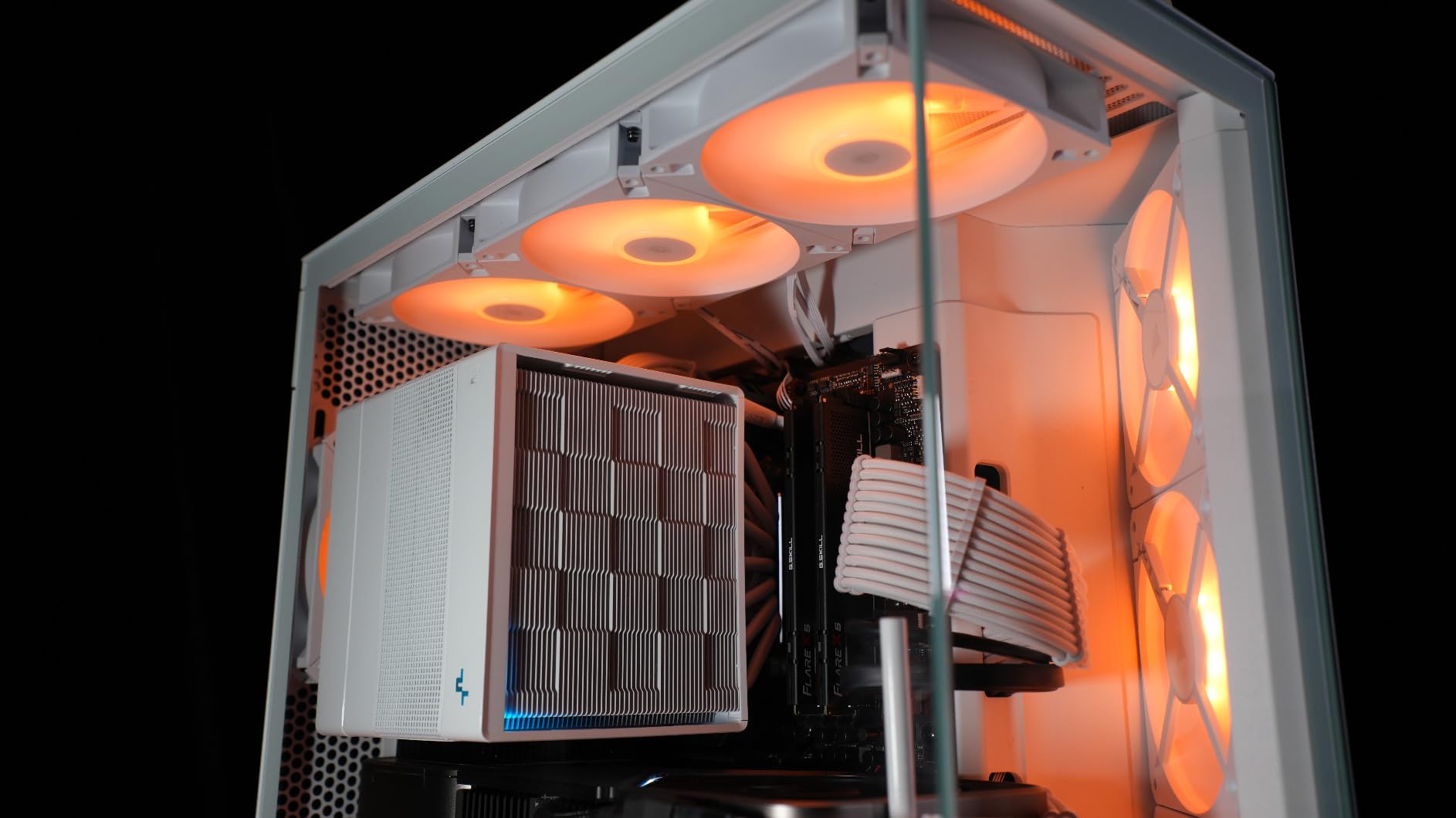
I photographed a dimly lit wine cellar with this lens at f/2.8 and ISO 800. With a variable aperture lens, I would have been at ISO 1600 or higher. The extra light from the bright aperture directly translates to cleaner files with less noise in dark interior spaces.
The close focusing distance of 5.9 inches at 11mm opens creative possibilities for interior detail shots. I captured dramatic close-ups of architectural fixtures with environmental context that a standard lens could not achieve. The 1:4 magnification ratio at 11mm is impressive for a wide zoom.
The lack of image stabilization is the primary trade-off. Sony APS-C bodies like the a6600 have IBIS, which compensates. But on bodies without stabilization, you will need steady hands or a tripod for sharp results at slower shutter speeds. The moisture-resistant construction is a nice bonus for shooting in steamy kitchens or bathrooms.

Sony a6000 Series Integration
This lens is optimized for Sony E-mount APS-C bodies. The RXD stepping motor delivers fast, quiet autofocus that pairs well with Sony’s hybrid AF system. Eye AF works even in interior portraits with environmental context, making this lens versatile for lifestyle interior photography where people appear in the space.
Comparing to the Sony 10-20mm f/4
The Tamron trades the Sony’s power zoom and stabilization for a brighter f/2.8 aperture. If you shoot video, the Sony power zoom may be more valuable. If you shoot stills in challenging light, the Tamron f/2.8 is the better choice. Both are excellent APS-C ultra-wide options for different workflows.
8. Tamron 17-28mm f/2.8 Di III RXD – Compact Full-Frame f/2.8
Tamron 17-28mm f/2.8 Di III RXD for Sony Mirrorless Full Frame/APS-C E Mount, Black (AFA046S700)
17-28mm full-frame Sony E
f/2.8 constant
14.8 oz
67mm filter
Moisture resistant
103deg view
Pros
- Fast f/2.8 on full frame at great value
- Compact at just 14.8 oz
- Excellent image quality
- Quiet RXD autofocus
Cons
- No image stabilization
- 17mm not as wide as 16mm alternatives
The Tamron 17-28mm f/2.8 is the smart money choice for Sony full-frame shooters who need a bright wide zoom for interiors without paying GM prices. I have used this lens alongside the Sony 16-35mm GM II, and for interior photography specifically, the real-world difference in image quality is smaller than the price difference suggests.
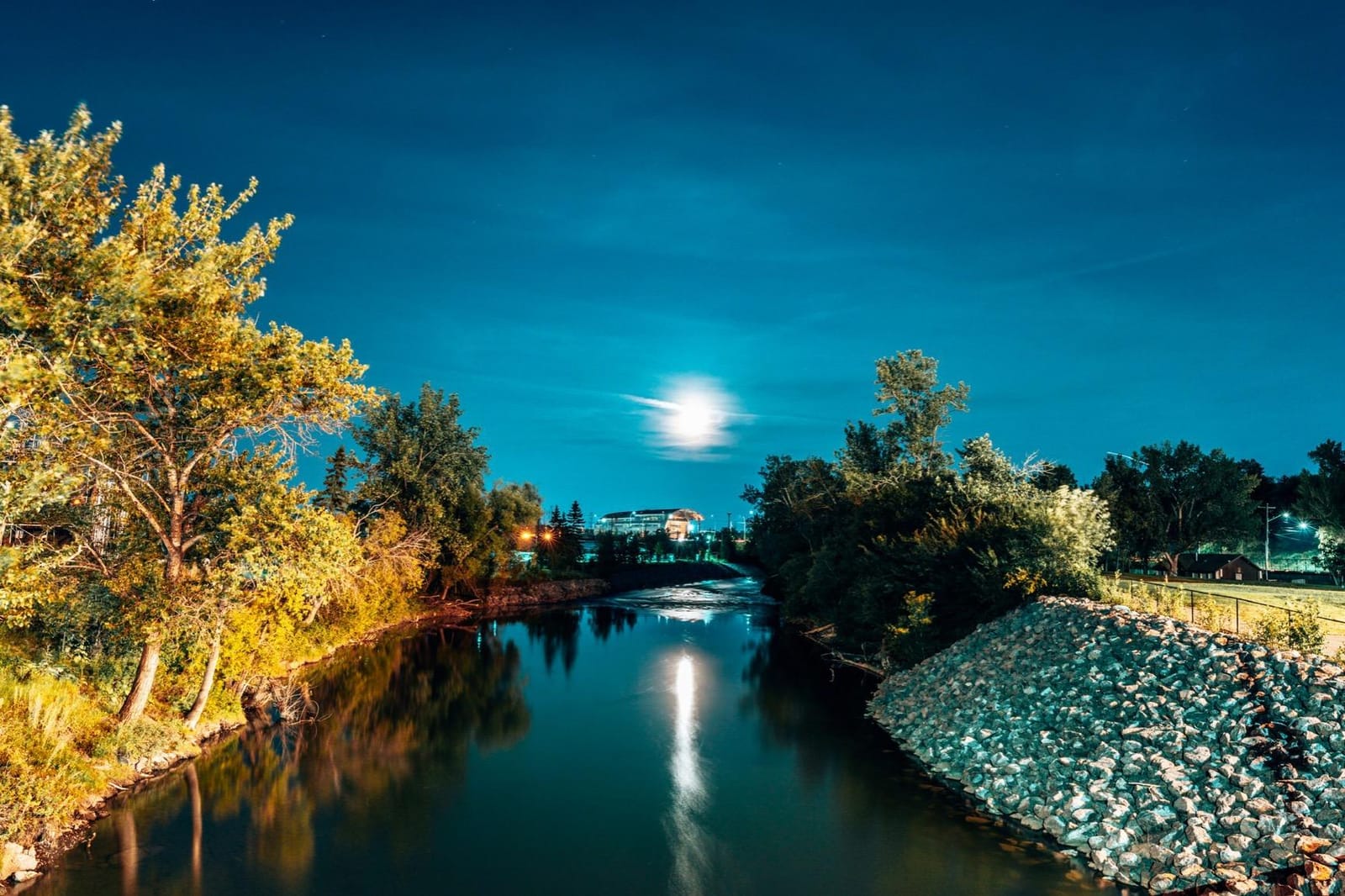
The f/2.8 constant aperture handles dark interiors with confidence. I shot a historic building interior with minimal artificial lighting at f/2.8 and ISO 1000. The exposure was clean and the detail in shadow areas was excellent for this class of lens.
At just 14.8 ounces, this is one of the lightest full-frame f/2.8 wide zooms available. The weight matters when you are shooting all day across multiple properties. I noticed significantly less fatigue compared to carrying heavier pro zooms through full-day interior shoots.
The 17mm wide end is slightly tighter than the 16mm on other options. In most interior situations, 1mm is not a dealbreaker, but in truly tiny spaces like half-bathrooms or closets, that extra millimeter of width can matter. There is also no image stabilization, so stabilized bodies or a tripod help in low light.
Full-Frame vs the 16-35mm GM II
The Tamron gives you 95 percent of the Sony GM II performance for a fraction of the investment. You lose the 16mm wide end, optical refinement at the extremes, and the absolute peak of G Master rendering. For most interior photographers, the Tamron is the more rational choice. For working pros billing clients, the GM II justifies itself.
Upgrade Path Strategy
If you currently shoot with a kit lens or variable aperture zoom on Sony full-frame, the Tamron 17-28mm f/2.8 is the ideal first upgrade. The constant f/2.8 transforms low-light interior capability. You can always add the 16-35mm GM II later if your work demands it, without regretting the Tamron purchase.
Buying Guide: Choosing the Right Wide Zoom for Tight Interiors
Finding the best wide zoom lens for shooting tight interior scenes comes down to four decisions: sensor format, focal length range, aperture needs, and your specific use case. Let me break down each one based on what I have learned shooting hundreds of interior spaces.
Focal Length for Tight Spaces
The focal length you need depends on the room size. For full-frame cameras, 16mm handles most interiors including small bathrooms and kitchens. At 16mm you can capture a full room from the doorway. For APS-C crop sensors, you need 10mm to achieve the same 16mm equivalent field of view.
The 20-60-20 rule in photography suggests spending roughly 20 percent of your shooting time at wide focal lengths, 60 percent at mid-range, and 20 percent at telephoto. For interior work, flip that ratio. You will live at the wide end 80 percent of the time. Prioritize how your lens performs at its widest setting.
Is 24mm wide enough for tight interiors? For larger rooms and open floor plans, yes. For compact bathrooms, narrow hallways, or closets, 24mm is often too tight. I recommend 16mm full-frame equivalent as the minimum for professional interior work in varied spaces.
Constant f/2.8 vs Variable Aperture
Constant f/2.8 lenses let in twice as much light as f/4 lenses at every focal length. For interior photography, this matters more than for most genres. Interiors are often dim, lit by small windows or artificial fixtures that produce less light than daylight.
With f/2.8, you can shoot at ISO 800 where an f/4 lens forces ISO 1600. That one-stop difference shows up as cleaner shadows, less noise, and better detail retention. If you shoot interiors professionally, f/2.8 pays for itself in image quality on every shoot.
Variable aperture lenses like the f/4.5-5.6 Canon and Nikon options are excellent for budget-conscious shooters. They work well in well-lit interiors or with a tripod. Just understand that you are trading low-light flexibility for affordability.
Full Frame vs APS-C for Interiors
Full-frame sensors give you a wider field of view at any given focal length. A 16mm lens on full-frame captures more of the room than a 16mm lens on APS-C. For tight interiors, this wider coverage is a real advantage.
However, modern APS-C cameras deliver excellent image quality. If you already own an APS-C system, upgrading to a full-frame body just for wider interior coverage is an expensive move. Instead, invest in a quality ultra-wide APS-C lens like the ones in this guide.
The crop factor also affects distortion perception. A 10mm APS-C lens produces the same field of view as a 16mm full-frame lens, but the distortion characteristics differ. Generally, wider lenses produce more barrel distortion, which you correct in post-processing.
Distortion Control Strategies
Barrel distortion is the biggest challenge in wide interior photography. Straight walls curve, furniture looks warped, and the room appears unnatural. Every lens on this list produces some distortion at its widest setting.
Software correction handles most distortion. Adobe Lightroom and Capture One include lens profiles for all eight lenses in this guide. One click corrects barrel distortion automatically. For critical architectural work, tilt-shift lenses offer in-camera perspective control, but they cost significantly more and lack zoom flexibility.
You can also minimize distortion in-camera. Keep the camera level and avoid tilting up or down. Frame with the camera at waist height for natural perspective. Shoot slightly wider than needed and crop in post to remove the most distorted edges of the frame.
Image Stabilization Considerations
For interior photography, image stabilization is more valuable than for most genres. Interior shutter speeds often drop below 1/60 second due to limited light. Optical stabilization lets you shoot sharp images at 1/15 or even 1/8 second handheld.
Lenses like the Canon EF-S 10-18mm IS and Nikon 10-20mm VR excel here. They let you work without a tripod in many situations, which speeds up your workflow considerably. If your camera body has IBIS, you get stabilization with any lens, but optical stabilization in the lens adds another layer of correction.
Real Estate vs Cinematic Interior Use
Real estate photography prioritizes wide coverage, fast workflow, and clean distortion-corrected images. You need to move quickly through properties. Lenses with image stabilization and zoom flexibility serve this workflow best.
Cinematic interior work demands smooth focus transitions, minimal focus breathing, and consistent aperture. The Sony PZ 16-35mm f/4 and Sony PZ 10-20mm f/4 with their power zooms are purpose-built for this. The Sony 16-35mm GM II with minimal focus breathing is the professional choice.
Frequently Asked Questions
What is the best lens for interior photography?
The best lens for interior photography is a wide zoom covering 16-35mm on full-frame or 10-18mm on APS-C. A constant f/2.8 aperture like the Sony FE 16-35mm GM II or Tamron 17-28mm f/2.8 provides excellent low light performance and consistent exposure across the zoom range for tight interior scenes.
What is the 20-60-20 rule in photography?
The 20-60-20 rule suggests spending roughly 20 percent of shooting time at wide focal lengths, 60 percent at mid-range, and 20 percent at telephoto. For interior photography, you should flip this ratio since most interior work happens at wide angles.
Is 24mm wide enough for landscapes and interiors?
24mm is wide enough for most landscape photography and larger interior spaces like living rooms. However, for tight interior scenes such as small bathrooms, narrow hallways, or compact kitchens, 24mm is often too tight. A 16mm full-frame equivalent is recommended as the minimum for varied interior work.
Is 16mm wide enough for interior photography?
Yes, 16mm on a full-frame sensor is wide enough for the vast majority of interior spaces. It captures small rooms completely from a doorway position. For APS-C cameras, you need approximately 10mm to achieve the same 16mm equivalent field of view.
How do I reduce distortion in interior photos?
Reduce distortion by using lens correction profiles in Lightroom or Capture One, keeping the camera level without tilting, shooting at waist height for natural perspective, and framing slightly wider than needed so you can crop the most distorted edges. Stopping down to f/5.6 or f/8 also improves edge performance.
Conclusion: Best Wide Zoom Picks for 2026
After testing all eight lenses across real interior environments, my recommendations come down to three clear choices. The Canon EF-S 10-18mm IS STM remains the best overall value for Canon APS-C shooters who need wide interior coverage without breaking the budget. The Sony FE 16-35mm F2.8 GM II is the professional standard for full-frame Sony users who demand the absolute best image quality in tight spaces. The Nikon AF-P DX 10-20mm VR delivers outstanding results for Nikon DX photographers at a price that makes it the easiest entry point.
Whatever system you shoot, the best wide zoom lens for shooting tight interior scenes is the one that gets you wide enough, handles distortion well, and lets in enough light for your typical shooting conditions. Match the lens to your camera body, your budget, and the spaces you photograph most often. Pick any of these eight lenses and you will capture tighter, cleaner, and more professional interior images starting today.