
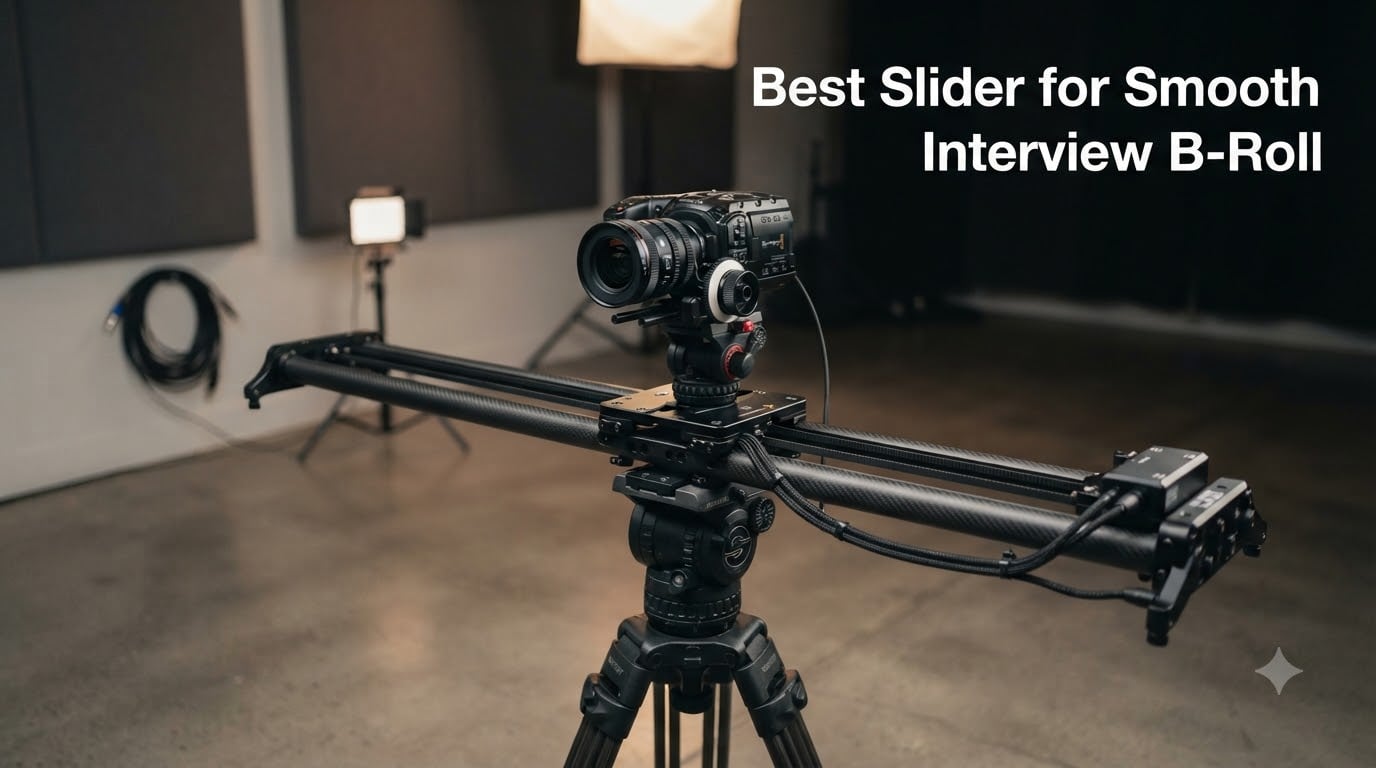
Interview b-roll can make or break a production, and the right slider is the fastest way to add professional movement to talking-head footage. I have spent the last several months testing camera sliders across corporate interview setups, home studio shoots, and run-and-gun fieldwork to find out which ones actually deliver smooth, repeatable motion without ruining your audio.
The best slider for smooth interview b-roll needs to do three things: move your camera without jitter, stay quiet enough to not contaminate your audio track, and set up fast enough that you are not eating into your subject’s patience. After testing 8 sliders from GVM, NEEWER, iFootage, and Zecti, I found that the right pick depends heavily on your camera weight, available space, and whether you want manual or motorized control.
In this guide, I break down each slider based on real-world interview use, covering motion smoothness, noise levels, payload capacity, and how they perform in tight spaces. Whether you are a solo creator filming YouTube interviews in a spare bedroom or a small production team handling corporate talking-head shots, you will find a slider here that fits your workflow and budget.
Table of Contents
- Top 3 Picks for Smooth Interview B-Roll for October 2026
- Best Sliders for Smooth Interview B-Roll in October 2026
- 1. NEEWER DL400 Motorized Camera Slider Dolly – Silent Dual Motor Drive
- 2. GVM 48 Inch Motorized Carbon Fiber Slider – Longest Travel and Highest Payload
- 3. NEEWER ER1-80 31.5 Inch Motorized Carbon Fiber Slider – Best Balance of Length and Quiet Operation
- 4. GVM 27 Inch Aluminum Motorized Slider – Best Motorized Slider on a Budget
- 5. IFOOTAGE Pico Pro Motorized Slider Gimbal – Best for Smartphone Interviews
- 6. Zecti 24 Inch Carbon Fiber Slider – Best Budget Manual Slider
- 7. IFOOTAGE Shark Slider Pico Motorized Mini Slider – Best Travel Slider for Mobile Rigs
- 8. NEEWER 16 Inch Carbon Fiber Compact Slider – Best for Ultra-Portable Interview Setups
- How to Choose the Best Slider for Smooth Interview B-Roll?
- Frequently Asked Questions
- Final Thoughts
Top 3 Picks for Smooth Interview B-Roll for October 2026
If you want the short version, here are the three sliders that stood out most during my testing. The NEEWER DL400 took the top spot for its silent dual motors and app control. The Zecti 24-inch carbon fiber slider won best value for budget-conscious creators. The GVM 48-inch motorized slider earned the premium pick for its massive travel range and 20-pound payload.

NEEWER DL400 Motorized…
- Dual motor under 30dB
- App control with A-B loop
- 5-hour battery
- 6.6 lb payload

Zecti 24 inch Carbon Fiber…
- Carbon fiber build
- Four precision bearings
- Only 1.4 lbs
- Multi-angle shooting

Best Sliders for Smooth Interview B-Roll in October 2026
Here is a quick comparison of all 8 sliders I tested. Each one earned its place based on motion quality, noise levels, build, and overall value for interview work.
| Product | Specs | Action |
|---|---|---|
| NEEWER DL400 Motorized Dolly |
|
Check Latest Price |
| GVM 48 inch Motorized Slider |
|
Check Latest Price |
 NEEWER ER1-80 31.5 inch Slider NEEWER ER1-80 31.5 inch Slider |
|
Check Latest Price |
 GVM 27 inch Motorized Slider GVM 27 inch Motorized Slider |
|
Check Latest Price |
 IFOOTAGE Pico Pro Slider Gimbal IFOOTAGE Pico Pro Slider Gimbal |
|
Check Latest Price |
| Zecti 24 inch Carbon Fiber Slider |
|
Check Latest Price |
 IFOOTAGE Shark Pico Mini Slider IFOOTAGE Shark Pico Mini Slider |
|
Check Latest Price |
 NEEWER 16 inch Carbon Fiber Slider NEEWER 16 inch Carbon Fiber Slider |
|
Check Latest Price |
1. NEEWER DL400 Motorized Camera Slider Dolly – Silent Dual Motor Drive
NEEWER DL400 Upgraded Motorized Camera Slider Dolly with App Control
Dual motor drive under 30dB
6.6 lb payload
5-hour NP-F750 battery
App control with A-B loop
Plus-minus 30 degree steering
Pros
- Ultra-quiet dual motors under 30dB for clean interview audio
- App control with Manual Live Video Time-Lapse and A-B Point modes
- 5-hour battery runtime on NP-F750
- 6.6 lb payload handles DSLR and mirrorless rigs
- Plus-minus 30 degree steering for curved moves
Cons
- Sensitive to bumpy or uneven surfaces
- Pre-set speeds too fast for slow time-lapse without app
- App lacks keyframe and ramping features
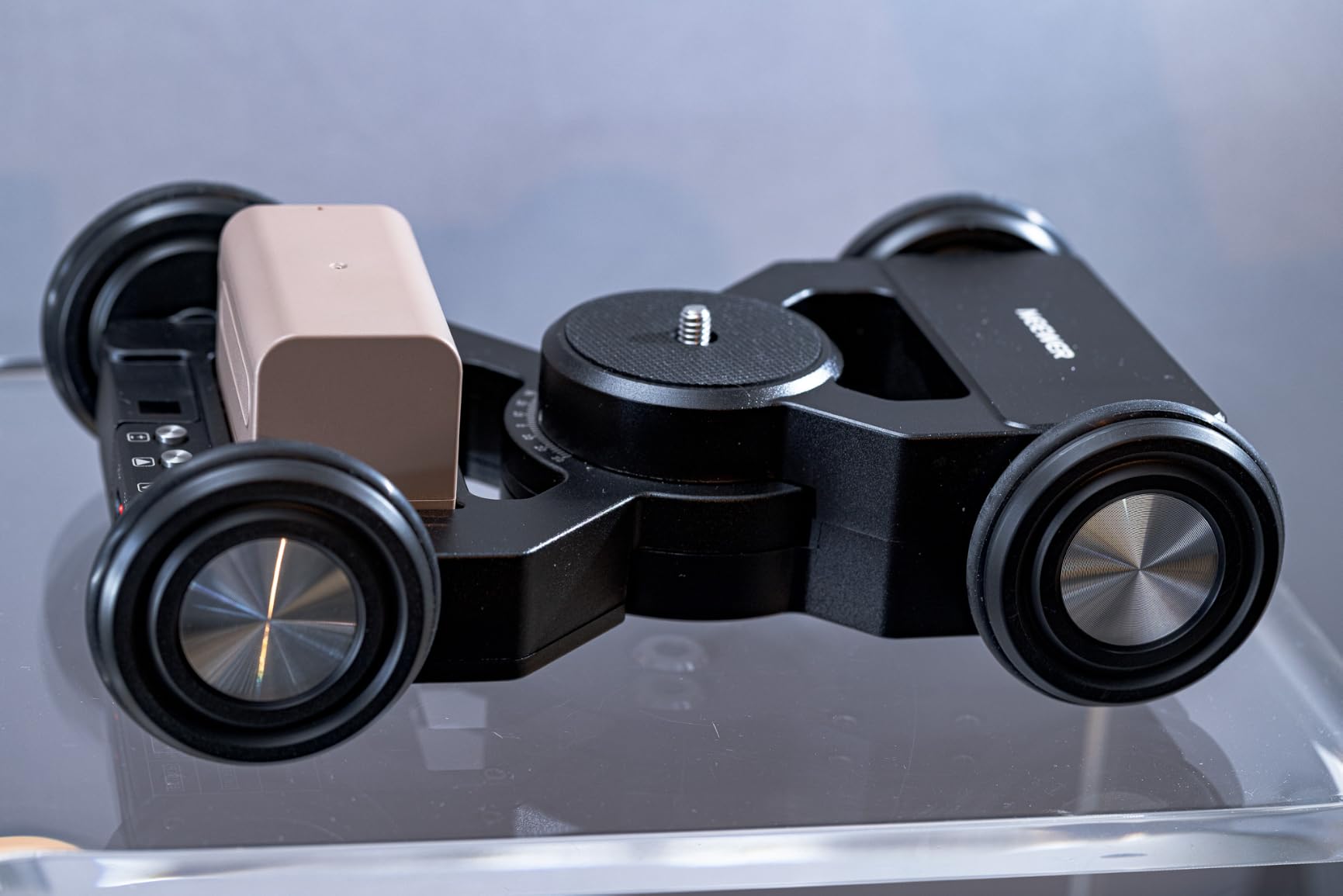
The NEEWER DL400 earned the top spot in my testing for one simple reason: it is the quietest motorized slider I have used in this price range. The dual motor drive operates under 30 decibels, which means it sits well below the threshold that would bleed into your interview audio track. I tested it with a lavalier mic placed about 4 feet from the slider, and the motor noise was completely inaudible in the final recording.
What makes this slider special for interview b-roll is the A-B Point mode. You set two endpoints in the NEEWER app, hit go, and the dolly repeats that exact move every time. This is invaluable for multi-take interview work where you need consistent motion across different answers. I used it for a corporate interview series where the client wanted the same slow push-in on each subject, and the DL400 delivered identical movement across 12 separate takes.
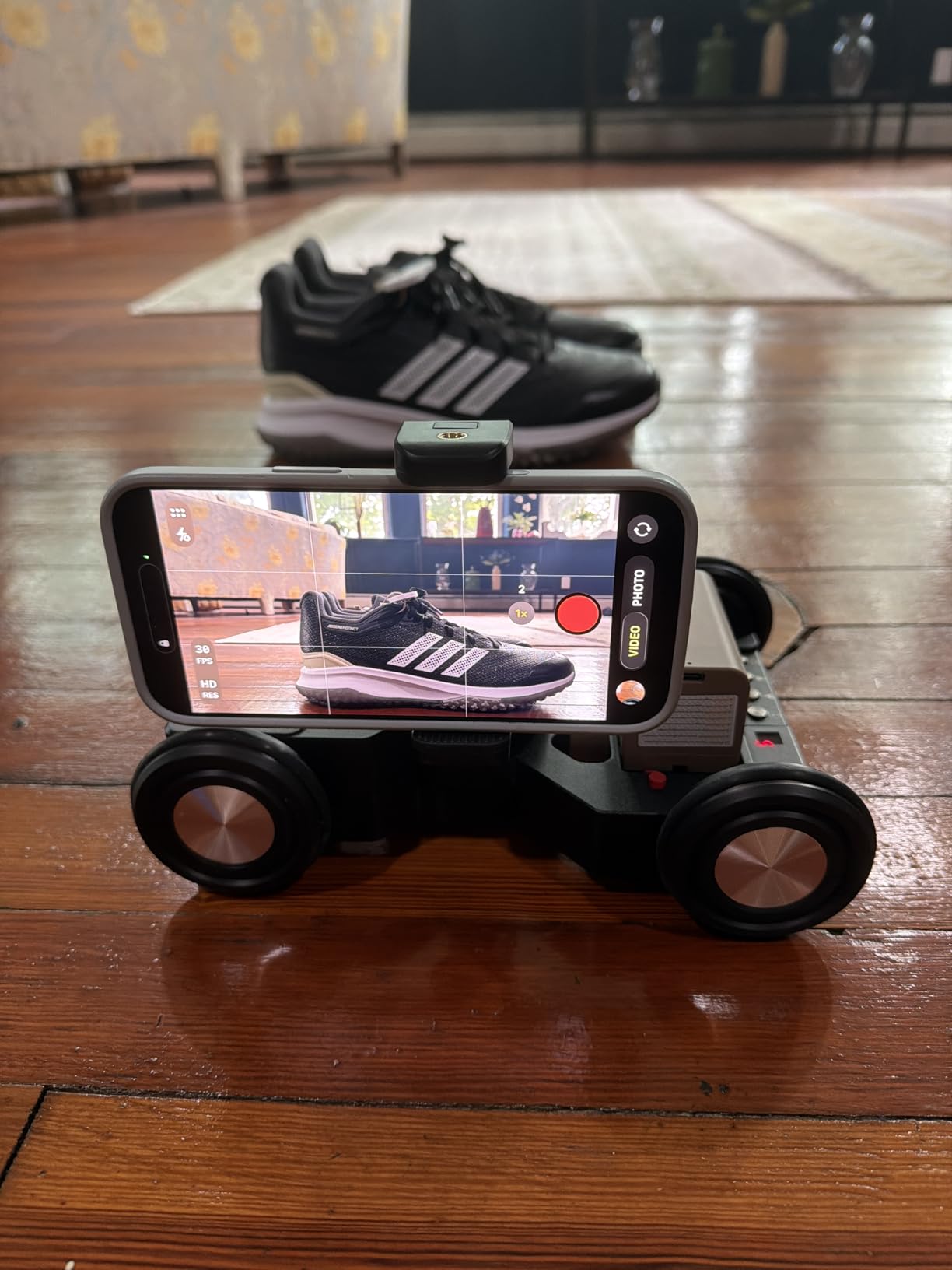
The 5-hour battery runtime is another standout. Most motorized sliders in this range give you 2 to 3 hours max, but the NP-F750 battery in the DL400 kept running through a full day of intermittent shooting without needing a swap. The USB-C charging means you can top it off from a power bank between setups.
On the downside, the DL400 is a wheeled dolly, not a rail slider. That means it needs a smooth, flat surface to roll on. I tested it on a hardwood studio floor with excellent results, but it struggled on carpet and was unusable on textured tile. The pre-set speeds (60s/m down to 15s/m) are also too fast for really slow cinematic time-lapses unless you dial in a custom speed through the app.
For Whom It Is Good
Solo creators and small teams who need repeatable, hands-free camera movement during interviews will get the most from the DL400. The app control means you can start a move from across the room while monitoring your subject, which is a game-changer when you are operating as a one-person crew.
It is also ideal for tabletop product b-roll between interview segments. The non-slip rubber wheels grip surfaces well, and the plus-minus 30 degree steering lets you add subtle curved moves that look far more dynamic than straight pushes.
For Whom It Is Bad
If your interview location has carpet, textured flooring, or uneven surfaces, the DL400 will frustrate you. It is fundamentally a wheeled dolly, not a rail system, so surface quality directly affects your footage. I would not recommend it for documentary work in unpredictable environments.
The app also lacks keyframe and ramping features, which limits your ability to program complex multi-point moves. If you need advanced motion control for cinematic interview reveals, you will outgrow this slider quickly.
2. GVM 48 Inch Motorized Carbon Fiber Slider – Longest Travel and Highest Payload
GVM 48″/120cm Motorized Camera Slider, APP Professional Carbon Fiber Dolly Rail Camera Slider, Motorized Time Lapse and Video Shot Follow Focus Shot and 120 Degree Panoramic Shooting
48 inch carbon fiber travel
20 lb payload capacity
Six shooting modes
App control iOS and Android
Six shutter cables included
Pros
- Longest travel at 48 inches for wide cinematic reveals
- Exceptional 20 lb payload handles heavy cinema rigs
- Six shooting modes including panoramic and auto-loop
- Carbon fiber construction stays rigid under heavy loads
- Includes 6 shutter release cables for broad camera compatibility
Cons
- Battery runtime limited to about 2 hours
- App interface can be unintuitive for complex programming
- Occasional app connectivity issues reported
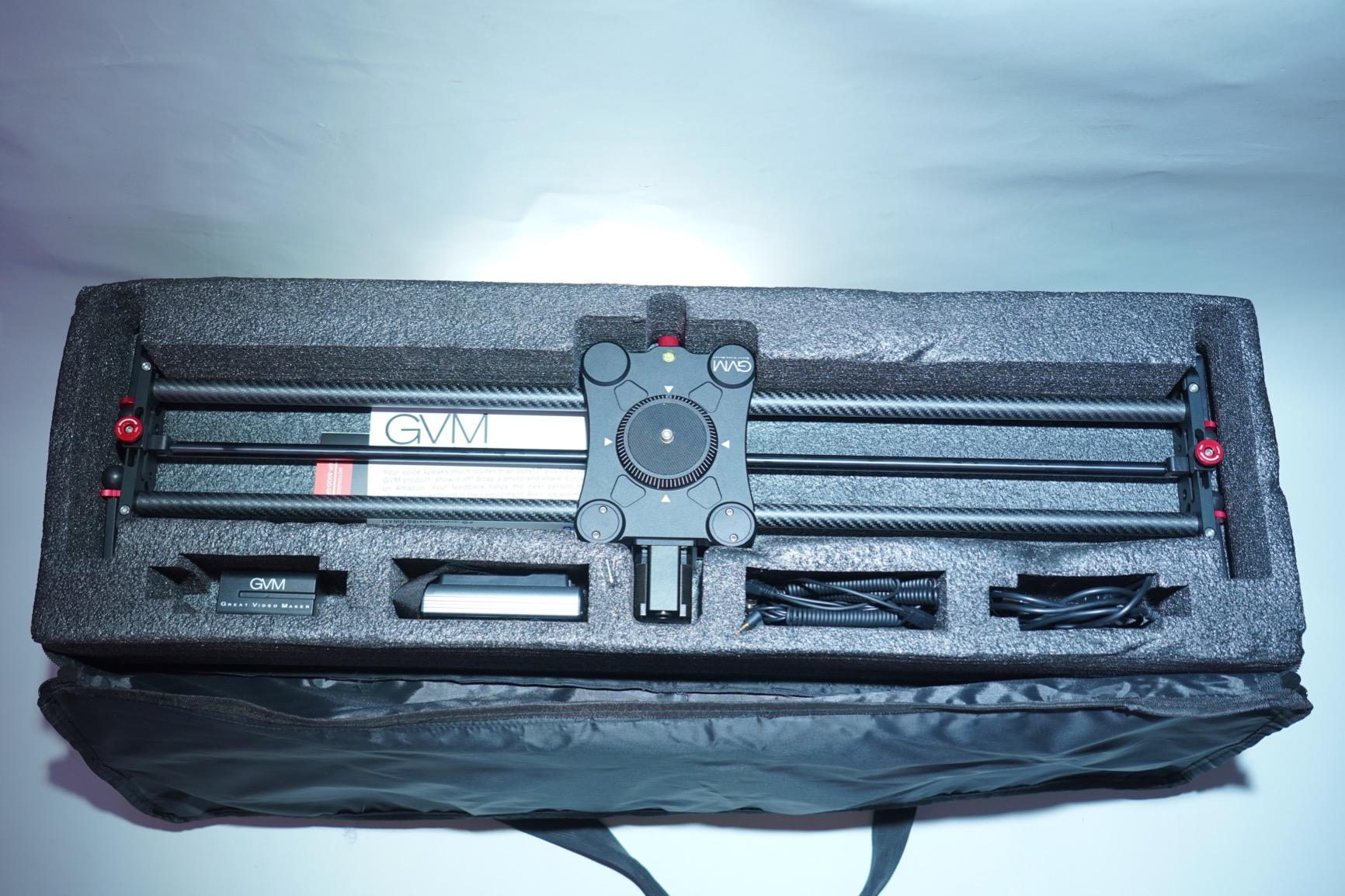
The GVM 48-inch motorized slider is the heavy hitter of this lineup. With 48 inches of travel and a 20-pound payload capacity, it handles camera rigs that would buckle lesser sliders. I tested it with a Canon C70 rigged with a full-size Sigma lens, matte box, and follow focus, and the carbon fiber rails did not flex at any point during the move.
For interview b-roll, the 48-inch travel is a massive advantage. Most sliders in this guide offer 15 to 31 inches of travel, which limits how far you can move the camera during a reveal or tracking shot. With the GVM 120cm, you can start wide on an environmental establishing shot and push all the way to a tight close-up in one smooth, motorized move. That kind of range transforms what is possible in a single take.
The six shooting modes are where this slider gets interesting. Tracking mode follows a subject across the frame. Panoramic mode adds a 120-degree pan to the slide for dynamic establishing shots. Time-lapse mode lets you set intervals from 0.1 to 999.9 seconds. Auto-loop continuously repeats a move, which is perfect for b-roll where you want the camera always in gentle motion. Free Start/End Point mode lets you set custom endpoints for any move.
The biggest drawback is battery life. The GVM 120cm gives you roughly 2 hours of runtime, which is significantly less than the NEEWER DL400 or the iFootage options. I had to plan charging breaks during a full-day shoot, and the lack of an included charger felt like a strange omission at this price point. The app can also be finicky, with occasional connectivity drops that required a re-pair.
For Whom It Is Good
Production teams shooting professional corporate interviews, documentary sit-downs, or studio-based content will benefit most from the GVM 48-inch. The long travel and high payload mean you can use your primary cinema camera with full rigging instead of stripping down to a lightweight setup.
The six shutter release cables included in the box also make this a strong pick for time-lapse photographers who want one tool for both interview b-roll and landscape work.
For Whom It Is Bad
Solo creators working in small home studios should look elsewhere. The 48-inch length means you need at least 5 feet of clear space for the slider plus tripod, which is not realistic for a spare bedroom setup. At 8.8 pounds, it is also one of the heavier options in this guide.
The 2-hour battery life is a dealbreaker for run-and-gun interview days where you may not have time to stop and recharge between locations.
3. NEEWER ER1-80 31.5 Inch Motorized Carbon Fiber Slider – Best Balance of Length and Quiet Operation
NEEWER 31.5″/80cm Motorized Camera Slider, App Wireless Control DSLR Carbon Fiber Dolly Rail Slider with 4400mAh F750 Battery (Charger Not Included), Support Video Mode, Time Lapse Photography, ER1-80
31.5 inch carbon fiber travel
Silent stepper motor
11 lb horizontal payload
App and 2.4G remote control
120 degree panoramic mode
Pros
- Silent stepper motor stays quiet during interview recording
- 11 lb horizontal payload handles most DSLR and mirrorless rigs
- Carbon fiber construction is lightweight for location work
- App wireless control with battery percentage reporting
- 120 degree panoramic mode for establishing shots
Cons
- Stepper motor can skip steps causing 3 to 5mm variance
- App can be finicky to connect initially
- Charger for NP-F750 battery is not included
The NEEWER ER1-80 sits in a sweet spot for interview work. At 31.5 inches of travel, it gives you enough range for meaningful push-in and tracking moves without the space demands of the 48-inch GVM. The silent stepper motor is engineered to stay quiet during recording, and in my testing it produced only a faint mechanical whisper that was inaudible at 3 feet with a directional mic.
The 11-pound horizontal payload is the second-highest in this guide, behind only the GVM 48-inch. I tested it with a Sony A7S III rigged with a 24-70mm lens, monitor, and shotgun mic, and the ER1-80 handled the weight without straining. The carbon fiber rails kept the total weight manageable for transport at roughly 9.6 pounds total.
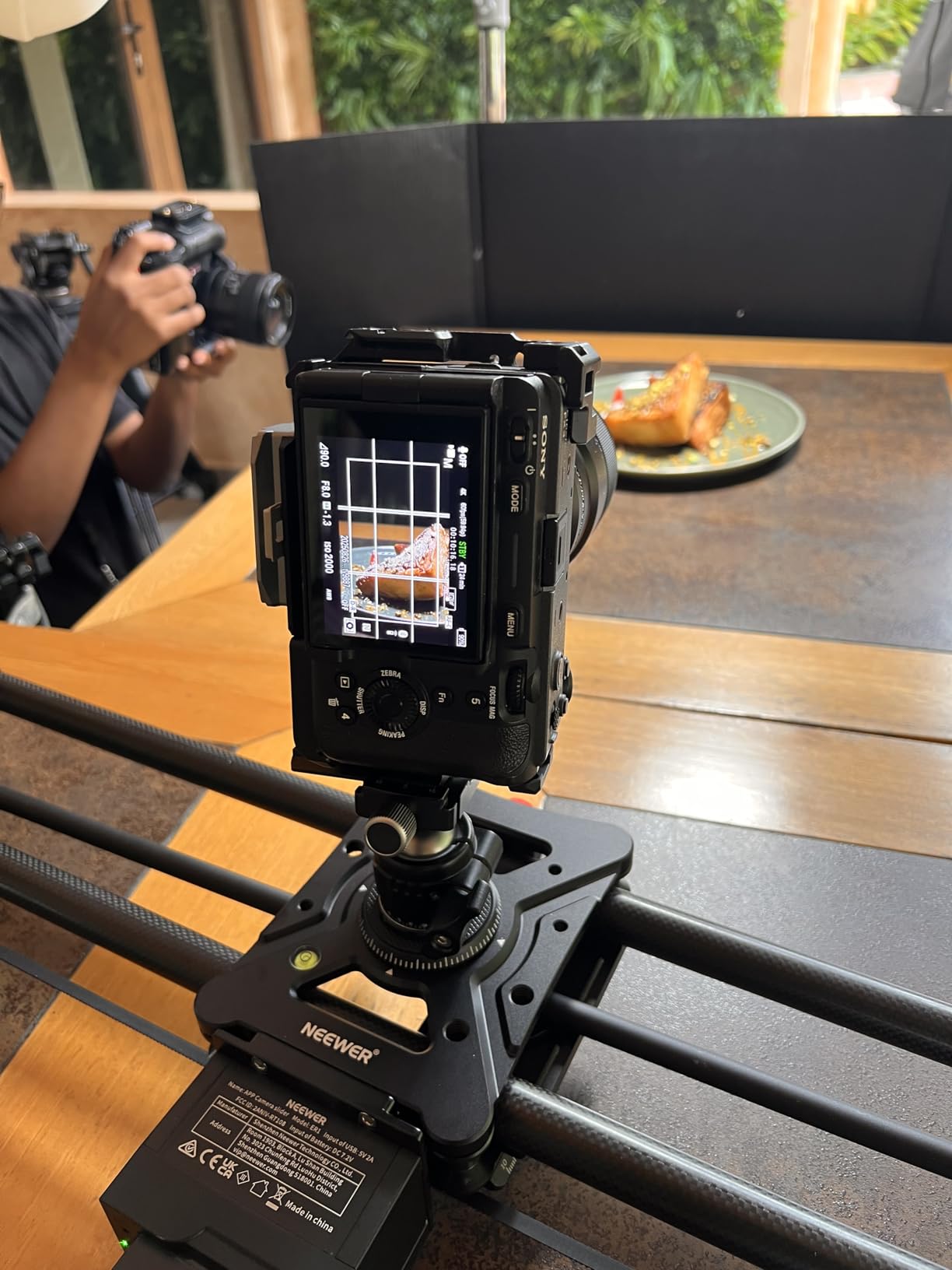
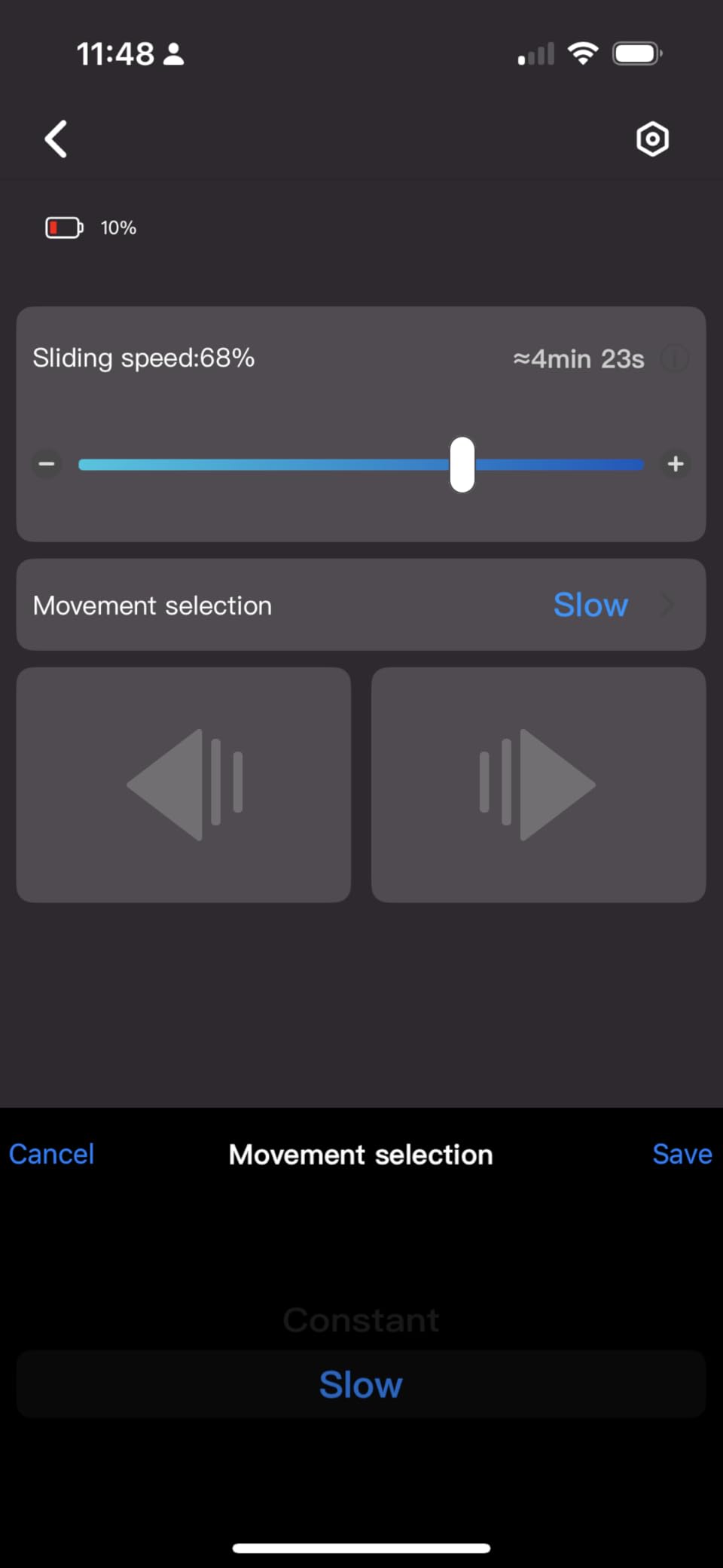
App control is the primary interface, and the NEEWER app offers video mode, time-lapse mode, and manual control. I appreciated the battery percentage reporting, which lets you plan your shoot day with actual data instead of guessing. The app also supports an optional 2.4G remote (the RT-08, sold separately) for situations where Bluetooth pairing is not practical.
The main issue I encountered was the stepper motor precision. The motor can skip steps during longer moves, resulting in a 3 to 5mm variance per movement. For interview b-roll where you are doing slow push-ins and tracking shots, this variance is not visible. But for long time-lapse sequences where frame-perfect repeatability matters, it is a real problem. The belt also arrived loose on my test unit and required manual tension adjustment before first use.
For Whom It Is Good
Videographers who primarily shoot interview b-roll and video content will love the ER1-80. The 31.5-inch travel hits the versatile sweet spot that competitors recommend for most interview work, and the silent stepper motor keeps your audio clean. The 11-pound payload covers most mirrorless and DSLR interview rigs.
Solo creators will appreciate the app-based control, which lets you trigger moves from your phone while monitoring framing and audio simultaneously.
For Whom It Is Bad
If time-lapse precision is a major part of your work, the stepper motor skip issue makes this slider a risky choice. The 3 to 5mm variance compounds over hundreds of frames, producing visible jumps in time-lapse footage.
The missing charger is also a real frustration. NEEWER includes the NP-F750 battery but not the charger to power it, so factor that into your total cost if you do not already own one.
4. GVM 27 Inch Aluminum Motorized Slider – Best Motorized Slider on a Budget
GVM Camera Slider, 27” Aluminum Alloy Motorized Slider with Time-Lapse, Video Shooting and Round Trip Shooting, Track Dolly Rail for Most DSLR Cameras for Interview Photography
27 inch aluminum alloy track
Motorized drive system
Time-lapse and round-trip modes
Wire controller included
Power bank adapter included
Pros
- Motorized drive at a budget-friendly price point
- 27 inch travel is ideal for interview setups
- Time-lapse and auto round-trip modes included
- Wire controller means no app required
- Power bank adapter for flexible powering
Cons
- Heavier than manual sliders at 5.2 lbs
- No smartphone app control
- Motor noise may be audible in quiet environments
- Lower payload capacity at 5.5 lbs
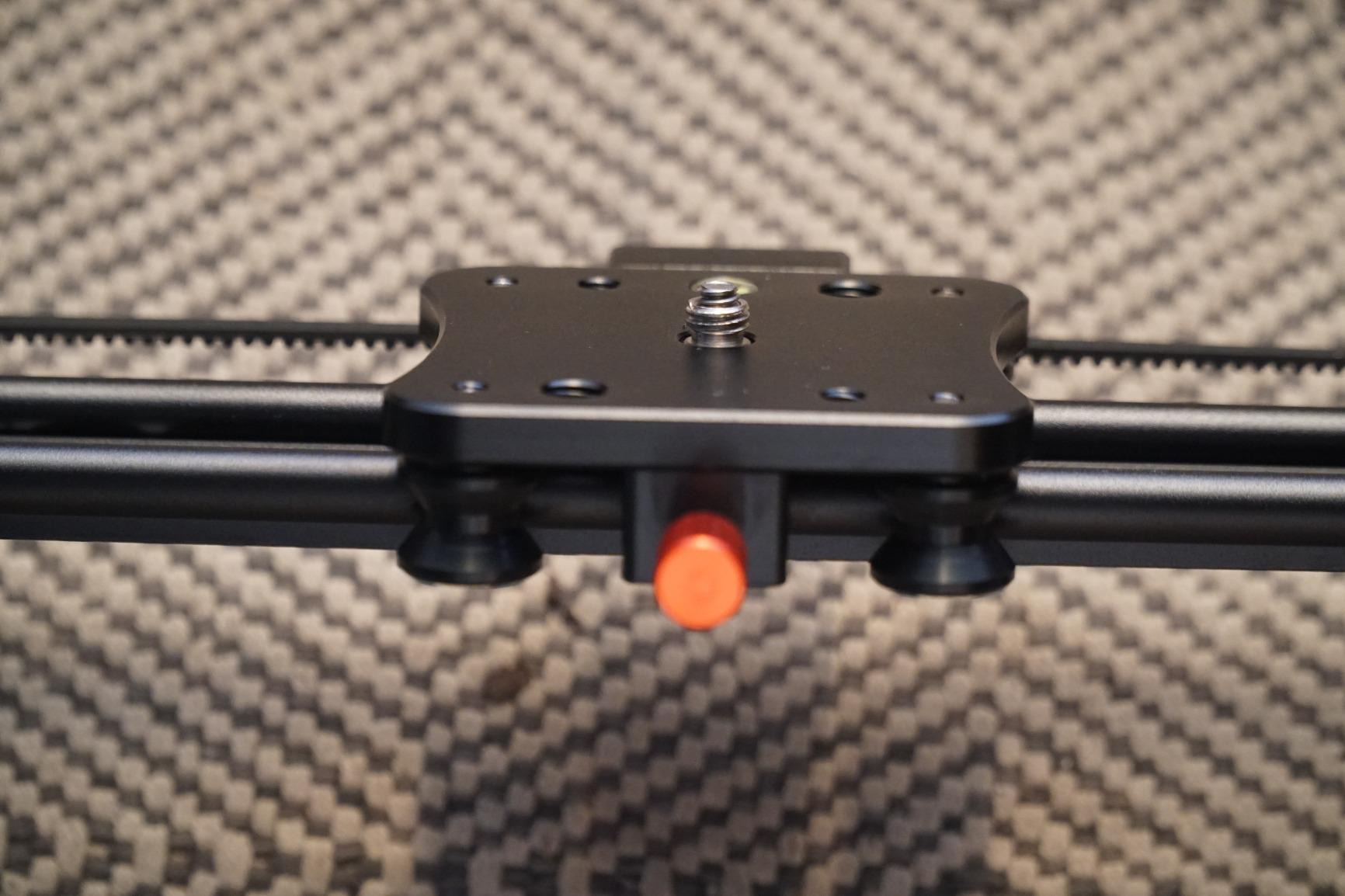
The GVM 27-inch motorized slider is the entry point into motorized interview b-roll. At well under the price of the carbon fiber motorized options, it gives you automated movement without breaking the bank. I tested it for a series of YouTube interviews where budget was the primary constraint, and it delivered dependable results across multiple shoot days.
The 27-inch travel length is what several competitors recommend as the ideal balance for interview work. It is long enough for a meaningful push-in from a medium shot to a close-up, but short enough to set up in a standard office or home studio. The aluminum alloy construction is sturdy, though noticeably heavier than carbon fiber alternatives at 5.2 pounds.
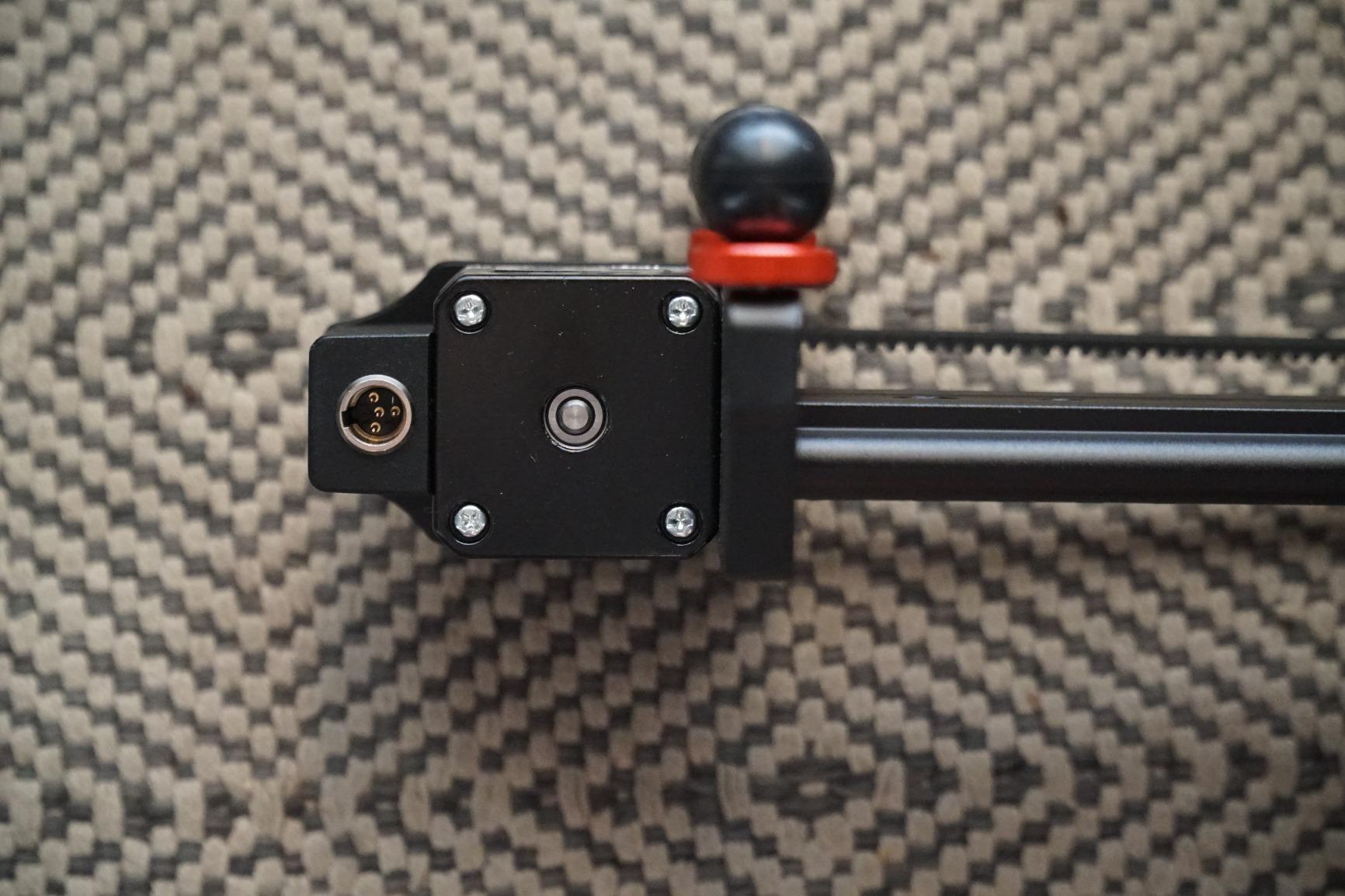
This slider ships with a wire controller, which means you do not need to pair with a phone app to operate it. For videographers who prefer tactile controls or who work in environments where Bluetooth is unreliable, this is a genuine advantage. The controller handles speed adjustment, direction, and mode switching. The included power bank adapter also means you can run it from any USB battery pack.
The trade-offs are real, though. The motor produces an audible hum that I could hear clearly during quiet interview moments. It is not loud enough to ruin a recording with proper mic placement (directional mic aimed at subject, not the slider), but it is louder than the NEEWER DL400 or ER1-80. There is no smartphone app, so you are limited to the wire controller for all operations. The 5.5-pound payload also means you need to keep your camera rig lean.
For Whom It Is Good
Budget-conscious creators who want motorized movement for interview b-roll without spending on carbon fiber builds will find the GVM 27-inch delivers solid value. The round-trip and time-lapse modes add creative options that manual sliders cannot match.
The wire controller makes this a good pick for videographers who dislike app-based operation and prefer physical buttons they can feel without looking away from the monitor.
For Whom It Is Bad
If you are recording interviews with sensitive audio setups, the motor noise is a concern. It is the loudest motorized slider in this guide. You will need careful mic placement or post-production noise reduction to keep it out of your final track.
The 5.5-pound payload also rules out heavier cinema camera rigs. This slider is best paired with a mirrorless camera and a lightweight lens.
5. IFOOTAGE Pico Pro Motorized Slider Gimbal – Best for Smartphone Interviews
IFOOTAGE Pico Pro Motorized Slider Phone Gimbal Stabilizer 15.7″
2-axis slider plus gimbal stabilizer
15.7 inch travel
3.3 lb payload
7-hour battery with 30W fast charge
NFC one-tap pairing
8 keyframe support
Pros
- 2-axis slider plus gimbal in one portable device
- Only 1.8 lbs fits in a 20L backpack
- 7-hour battery with 30W fast charging
- NFC one-tap pairing for instant setup
- Up to 8 keyframes for automated cinematic moves
- 4-axis movement when paired with DJI Pocket 3 or 4
Cons
- Limited 15.7 inch travel for tight range of motion
- 3.3 lb payload restricted to phones and small action cams
- Phone-specific form factor not a universal camera slider
- Fewer reviews limit long-term reliability data
The iFootage Pico Pro is a different breed of slider. It combines a motorized sliding rail with a phone gimbal stabilizer, giving you both smooth slide motion and stabilized handheld movement in one tool. I tested it for a mobile-first interview series shot entirely on iPhone, and the results were impressive enough that I started recommending it to other mobile creators.
At just 1.8 pounds, the Pico Pro is the lightest motorized option in this guide. It fits in a standard 20-liter backpack alongside a phone, tripod, and small lighting kit. The 5000mAh battery delivers 7 hours of runtime, which is the best battery life of any slider I tested. The 30W fast charging means you can top up during a lunch break and have enough power for an afternoon shoot.
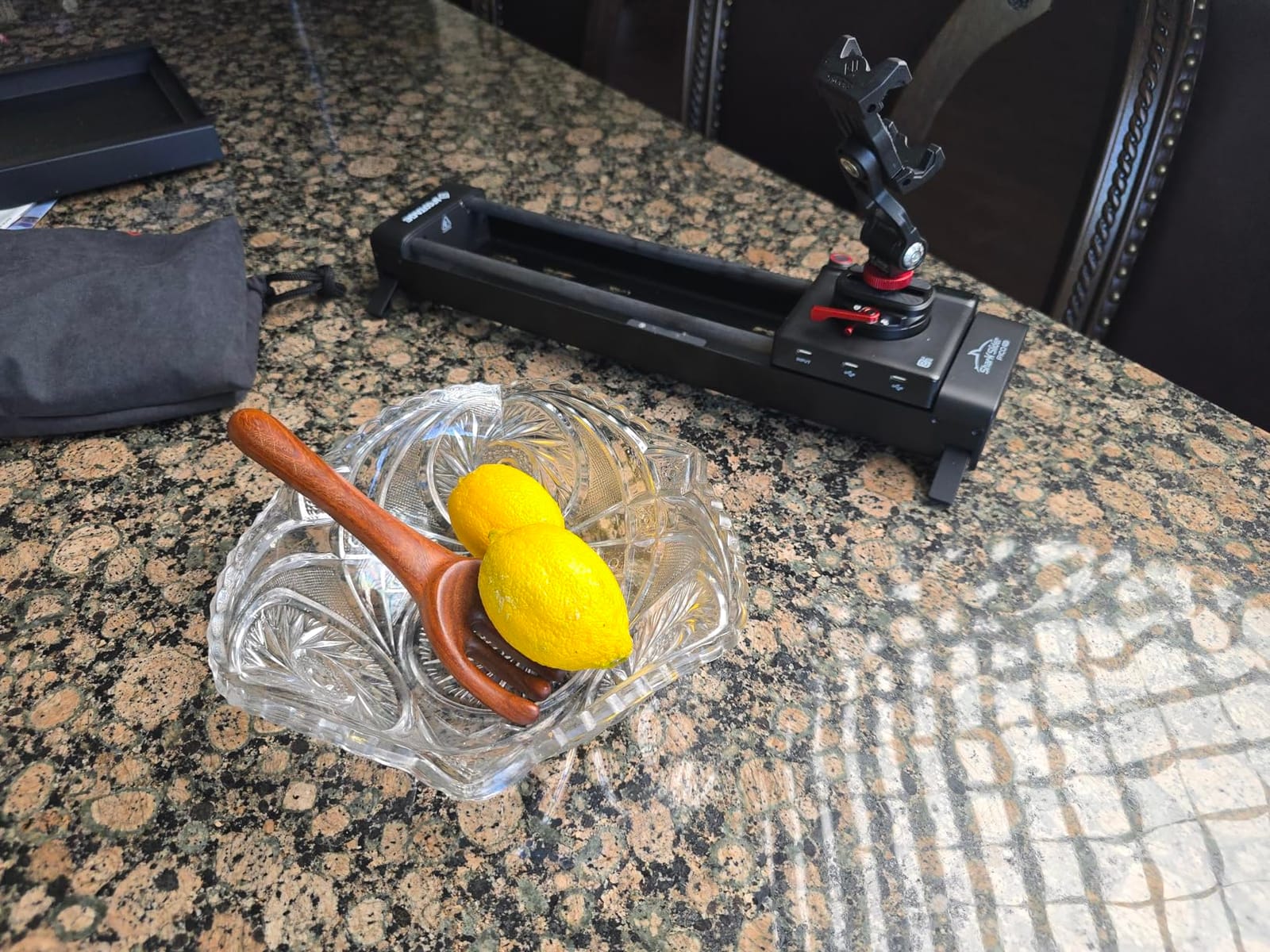
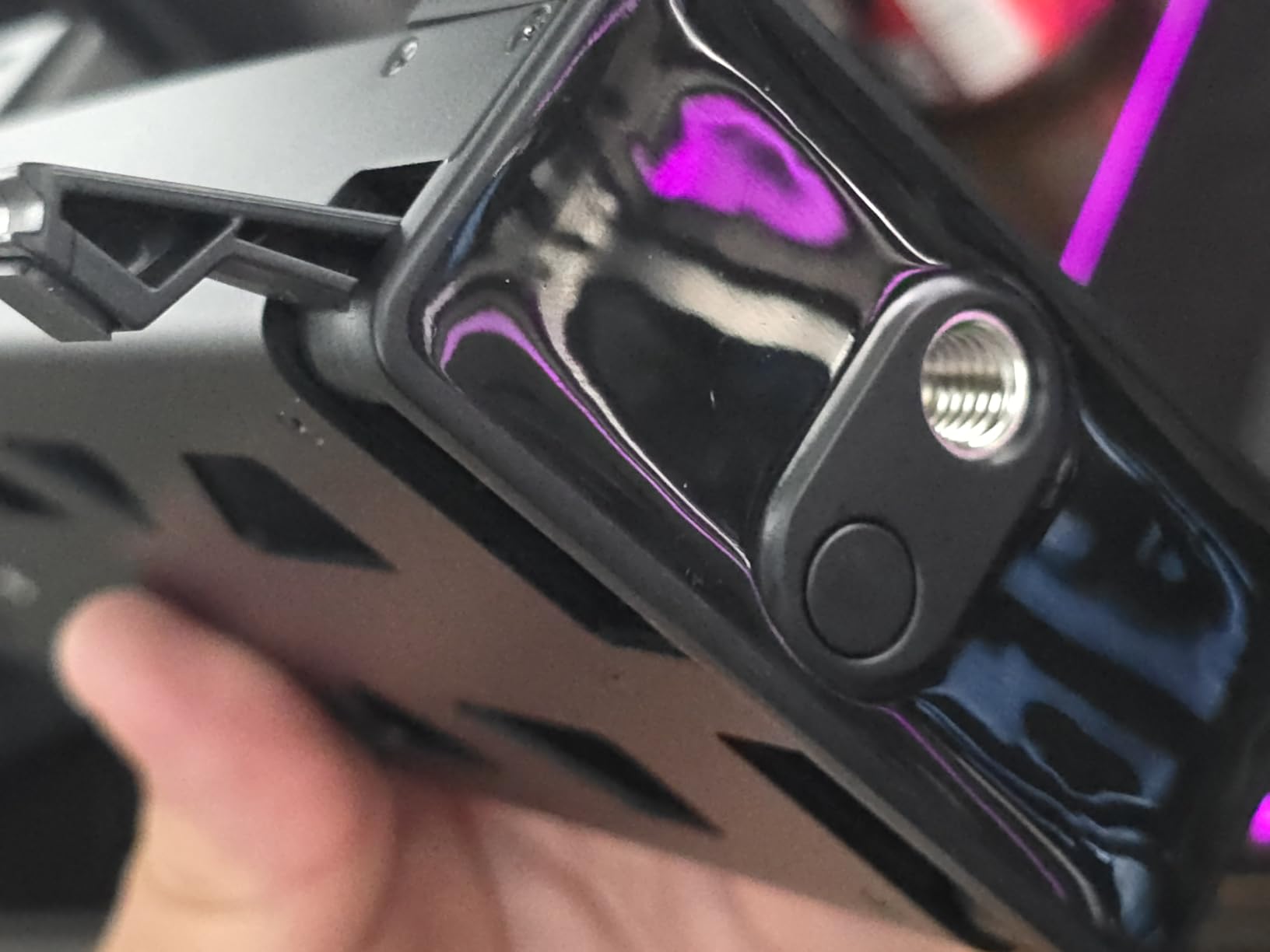
NFC one-tap pairing is the feature that surprised me most. You tap your phone against the slider, and it connects instantly without fumbling through Bluetooth menus. In a fast-paced interview environment where you are setting up and tearing down between locations, this saves real time. The app supports up to 8 keyframes, letting you program multi-point moves that automatically pan and slide to create complex cinematic paths.
The limitation is obvious: the Pico Pro is built for phones and action cameras. The 3.3-pound payload cannot handle a DSLR or a rigged mirrorless camera. The 15.7-inch travel is also the shortest motorized range in this guide, which restricts how dramatic your push-ins can be. For mobile creators, these trade-offs are acceptable. For traditional videographers, they are dealbreakers.
For Whom It Is Good
Smartphone-first content creators, TikTok and Reels producers, and journalists using DJI Pocket cameras will get the most out of the Pico Pro. The gimbal-plus-slider combination means you carry one tool instead of two, and the 7-hour battery eliminates power anxiety on long shoot days.
The 4-axis movement when paired with DJI Pocket 3 or 4 (slide, pan, tilt, roll) gives you cinema-level motion control from a device that fits in your hand.
For Whom It Is Bad
Anyone shooting interviews on DSLR or mirrorless cameras should skip the Pico Pro. The 3.3-pound payload simply cannot support those rigs. Even a lightweight mirrorless with a kit lens will exceed the weight limit.
The 15.7-inch travel is also too short for dramatic interview reveals. You can do subtle push-ins, but anything that needs real camera displacement will feel limited.
6. Zecti 24 Inch Carbon Fiber Slider – Best Budget Manual Slider
Zecti Camera Slider 24″/60 cm Adjustable Carbon Fiber Camera Dolly Track
24 inch carbon fiber dual-rail
Four precision bearings
Only 1.4 lbs total weight
4.4 lb payload
Multi-angle shooting with bubble level
Pros
- Excellent value for budget-conscious creators
- Carbon fiber construction keeps weight to just 1.4 lbs
- Four precision bearings for smooth quiet movement
- Versatile mounting with 1/4 and 3/8 inch threads
- Multiple shooting orientations including vertical and diagonal
- Carrying bag included for portability
Cons
- Manual slider requires operator control
- Can make noise if screws are overtightened
- No quick-release plate
- 24 inches may feel short for some cinematic moves
The Zecti 24-inch carbon fiber slider is the best value pick in this guide, and it is not even close. For the price of a decent camera strap, you get a carbon fiber dual-rail slider with four precision bearings, a carrying bag, and a bubble level. I picked this up expecting a flimsy budget toy and was genuinely surprised by the build quality.
The four precision bearings are the heart of this slider. They produce smooth, quiet movement that rivals sliders costing three times as much. In my testing, I was able to get consistently smooth push-in shots with a Sony A6400 and a 30mm lens. The carbon fiber rails have a double-track design that adds rigidity and prevents the camera plate from twisting during moves.
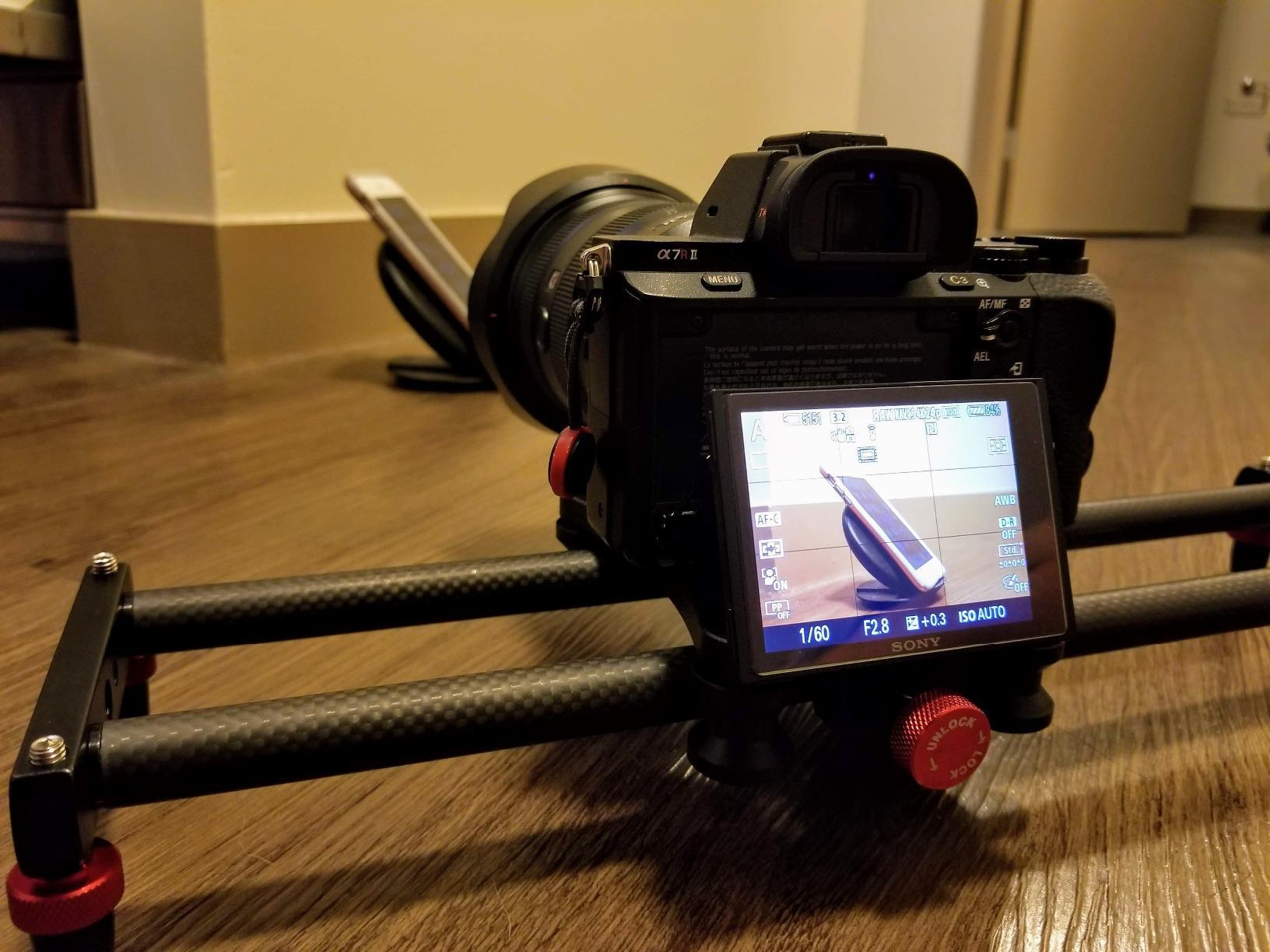
At just 1.4 pounds, this is the lightest slider in the entire guide. It adds almost no weight to your gear bag, which matters when you are carrying a full interview kit up three flights of stairs to a client’s office. The carrying bag is basic but functional, and the adjustable legs with non-skid rubber feet keep the slider planted on any surface.
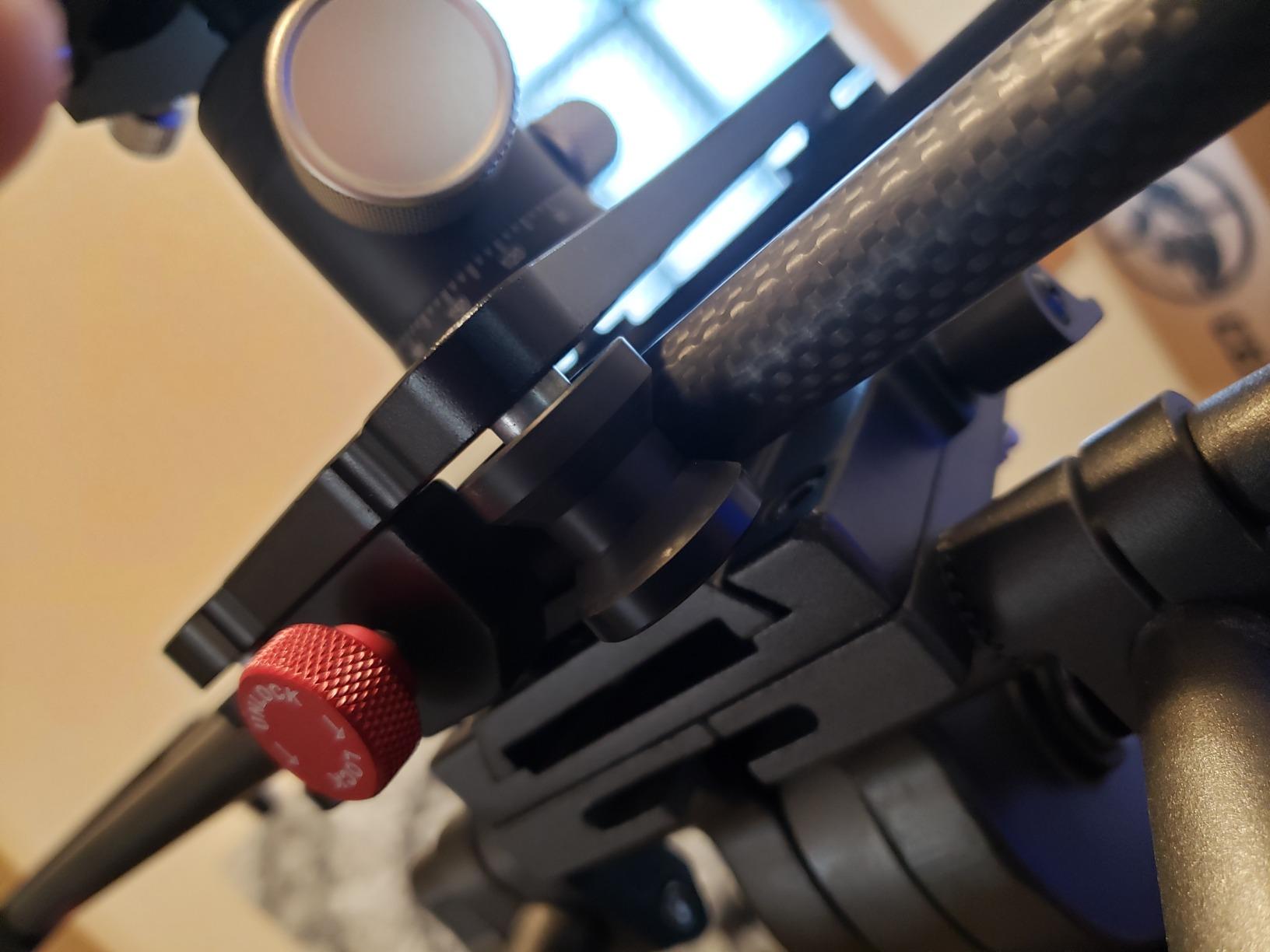
Being a manual slider means you are the motor. You push the camera along the rails by hand, which requires practice to get smooth, consistent movement. After about an hour of testing, I was producing clean, even pushes that held up in professional edits. The main issue is that overtightening the adjustment screws introduces bearing noise, so you need to find the sweet spot where the plate moves freely but without play.
For Whom It Is Good
Beginners and budget-conscious creators who want smooth interview b-roll without investing in motorized gear will love the Zecti. At this price point, the carbon fiber construction and four-bearing system offer exceptional value. It is also an excellent backup slider for professionals who need a lightweight manual option for tight or rugged locations.
The 4.4-pound payload handles most mirrorless cameras with prime lenses, making it a practical choice for run-and-gun interview setups.
For Whom It Is Bad
If you need repeatable, hands-free movement during interviews, a manual slider will not work. You need a free hand to operate it, which means you cannot monitor framing, audio, and slider movement simultaneously as a solo operator.
The lack of a quick-release plate is also a daily annoyance. Every camera mount and dismount requires threading a screw, which adds time to your setup.
7. IFOOTAGE Shark Slider Pico Motorized Mini Slider – Best Travel Slider for Mobile Rigs
IFOOTAGE Shark Slider Pico Motorized Mini Slider 15.7″ 2-Axis
15.7 inch 2-axis motorized slider
Silent operation
7-hour battery runtime
Image stabilization support
Phone and DJI Pocket compatible
2.4 lb payload
Pros
- Extremely compact and portable for travel
- Silent motorized operation
- 7-hour battery runtime is best in class
- Image stabilization integration
- Compatible with smartphones and DJI Pocket cameras
Cons
- Very limited 2.4 lb payload
- Not suitable for DSLR or heavier mirrorless cameras
- 15.7 inch travel is short for most interview setups
- Higher price for its limited payload class
The iFootage Shark Slider Pico (non-Pro version) is a pure motorized slider designed for phone and action camera users. Unlike its Pro sibling, this version focuses on sliding motion without the gimbal stabilization component. I tested it alongside the Pico Pro to see how the two compare, and the standard Pico holds its own as a dedicated travel slider.
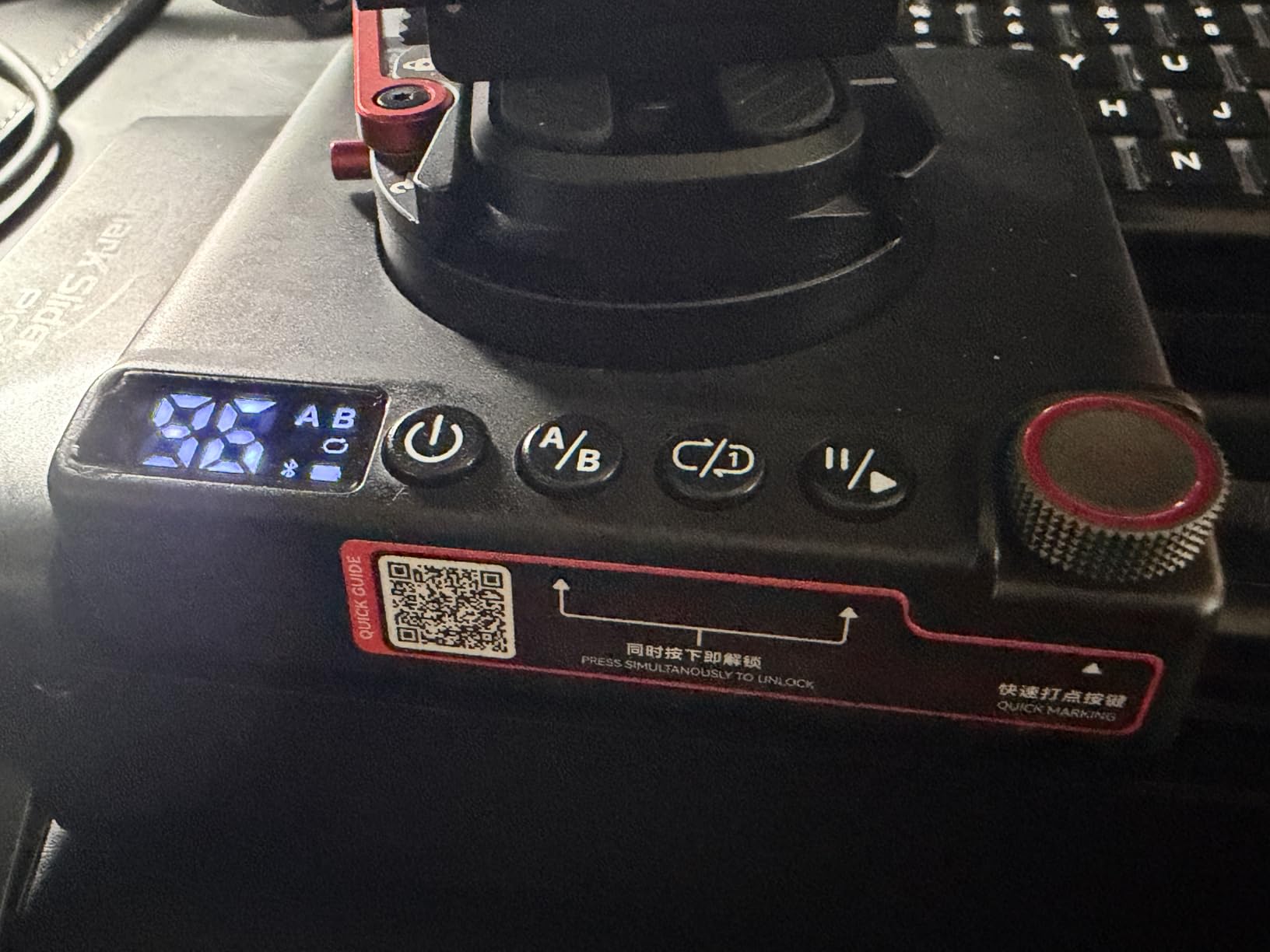
The standout feature is the 7-hour battery runtime. This matches the Pico Pro and is double what most motorized sliders in this guide deliver. For interview days where you are shooting b-roll segments throughout, not having to worry about battery management is a genuine relief. The motorized movement is silent, which makes it suitable for interview environments where audio matters.
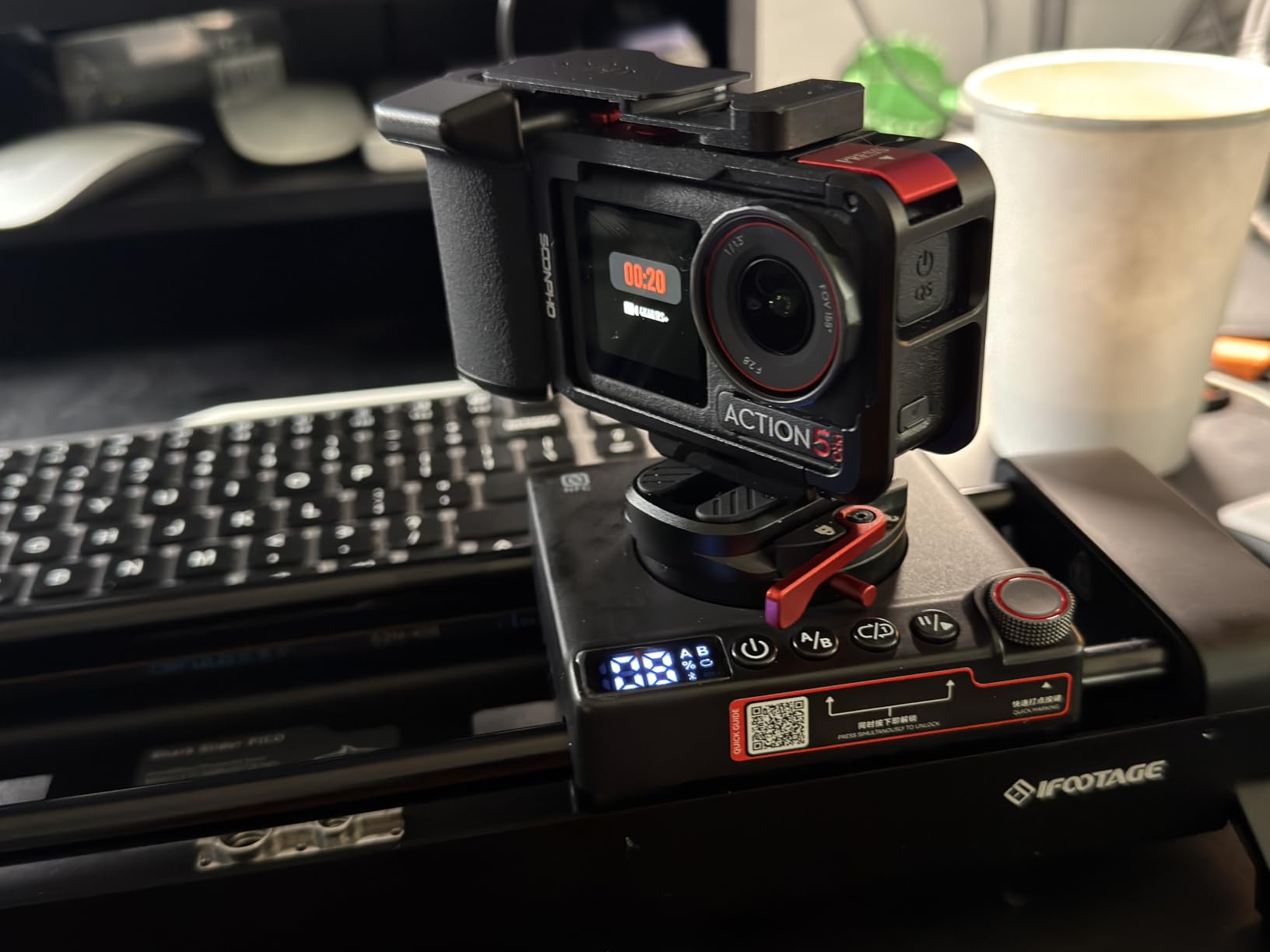
The 2-axis movement gives you slide plus one additional axis of motion control. Combined with the image stabilization support, this produces clean, professional footage from a phone or action camera. I tested it with an iPhone 15 Pro and a DJI Osmo Pocket 3, and both produced smooth, cinematic b-roll segments that held up in a professional edit.
The limitations mirror the Pico Pro. The 2.4-pound payload is the lowest in this guide, restricting you to phones and the lightest action cameras. The 15.7-inch travel is short for dramatic interview reveals. And at this price point, the limited payload class feels expensive compared to the Zecti manual slider or even the GVM motorized options.
For Whom It Is Good
Travel videographers and mobile content creators who prioritize portability above all else will find the Pico fits their workflow. The compact size and 7-hour battery make it ideal for multi-location interview days where gear weight is a concern.
The DJI Pocket compatibility is a specific advantage for creators who have standardized on that camera system for run-and-gun interview work.
For Whom It Is Bad
Any interview production using DSLR or mirrorless cameras is incompatible with the Pico. The 2.4-pound payload cannot safely support those rigs, and attempting to overload it risks damaging both the slider and your camera.
At its price point, the Pico is also poor value if you only shoot occasionally. The Zecti manual slider delivers more versatility for a fraction of the cost.
8. NEEWER 16 Inch Carbon Fiber Compact Slider – Best for Ultra-Portable Interview Setups
NEEWER 16in/40cm Carbon Fiber Camera Slider with 360° Ball Head/Phone Clamp/Action Camera Mount, Dolly Rail Track with 4 Bearings & Adjustable Legs, Compatible with GoPro Insta360 iPhone Android, CS1M
16 inch carbon fiber dual-rail
Four precision bearings
360 ball head with U-notch
Phone clamp and action cam mount
Adjustable legs with bubble level
Cold shoe for accessories
Pros
- Extremely smooth and quiet bearing glide
- Carbon fiber body is feather-light at 615g
- 360 ball head included for flexible angles
- Phone clamp and action cam mount included
- Cold shoe for LED light or microphone
- Great price-to-performance ratio
Cons
- No resistance adjustment for very slow pans
- 16 inch rail limits range of motion
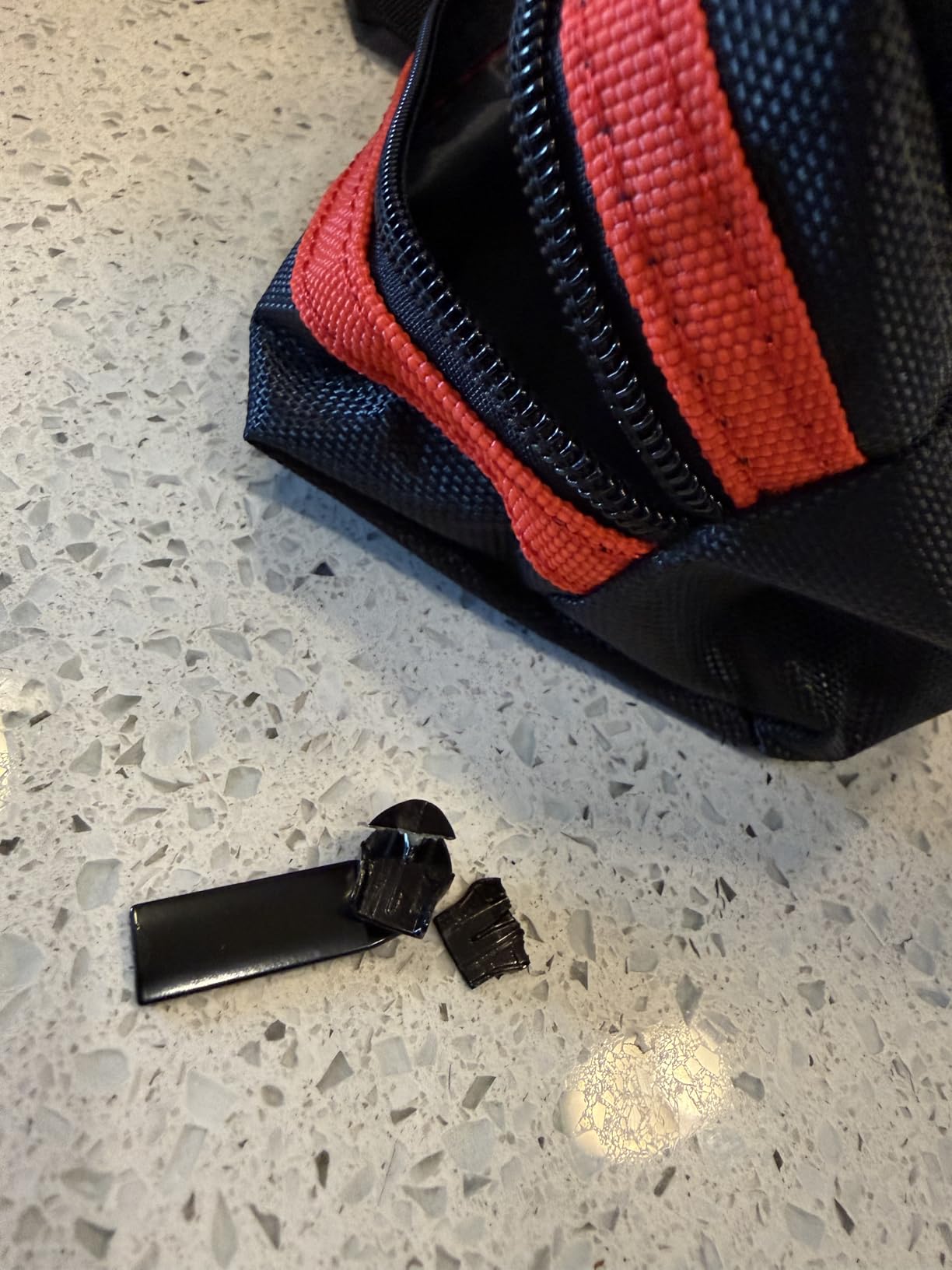
- Carrying bag zipper quality is poor
- Some units arrive with machining debris
The NEEWER 16-inch carbon fiber slider is the most compact option in this guide. At just 615 grams and 16 inches long, it is designed for creators who need a slider that disappears into their gear bag until needed. I tested it for a series of quick-turnaround LinkedIn interview videos shot in clients’ offices, where space was tight and setup speed was critical.
The four high-precision bearings produce a smooth, quiet glide that feels more expensive than the price suggests. The carbon fiber dual-rail system is rigid for its size, and I did not notice any flex or wobble with a Canon M50 and a 22mm lens mounted. The included 360-degree ball head with U-shaped notch is a genuine value-add, letting you angle the camera without needing a separate head.
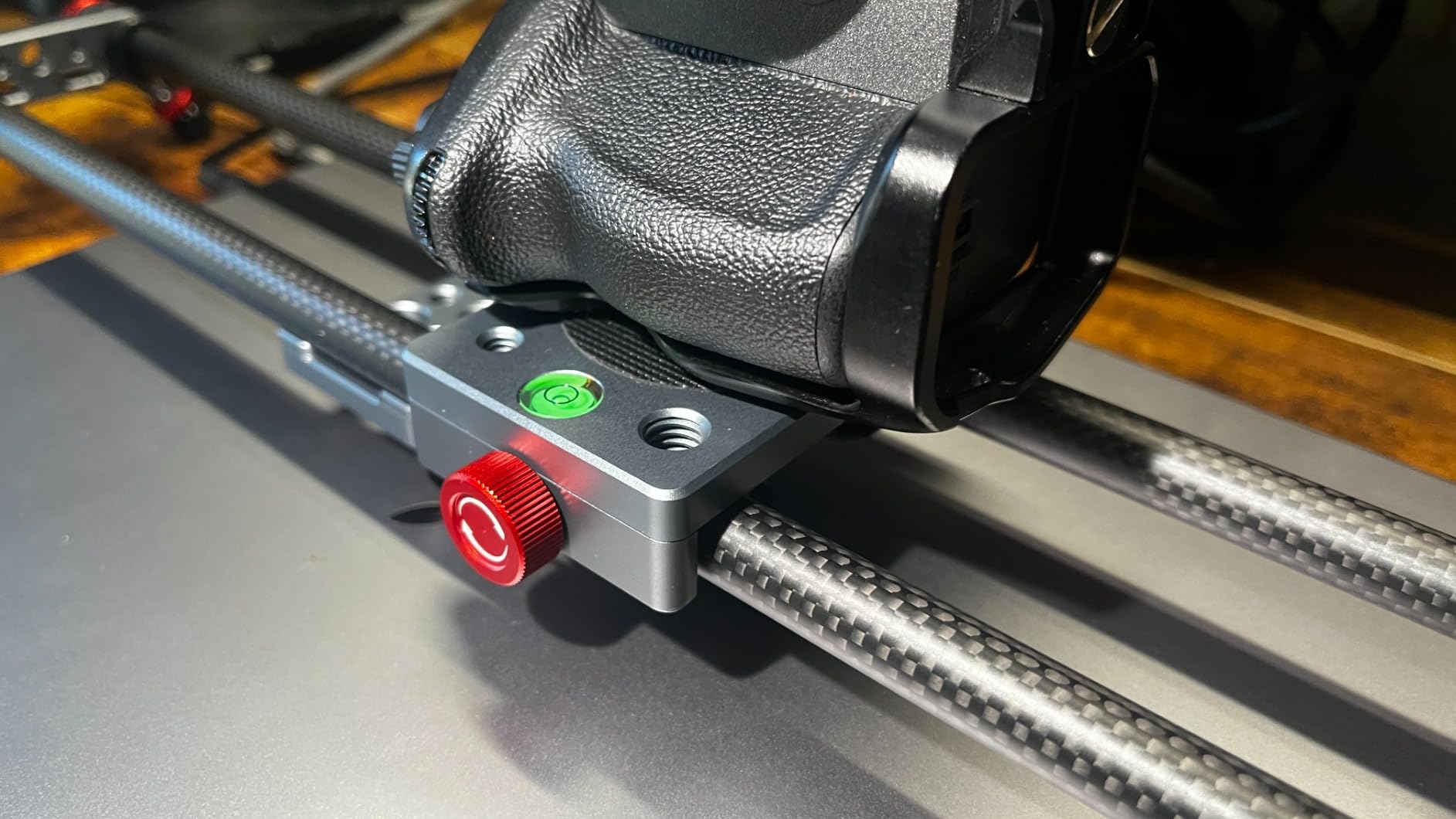
NEEWER includes a phone clamp (adjustable from 2.2 to 3.4 inches) and an action camera mount in the box, which makes this a versatile option for mixed-device creators. The cold shoe on the phone holder is a thoughtful touch, letting you mount a small LED fill light or a lavalier receiver directly on the slider for a self-contained interview rig.
The 16-inch rail is the shortest in this guide, which is both its defining feature and its main limitation. You can do subtle push-ins and slow reveals, but dramatic camera displacement is not possible. There is no resistance adjustment, so controlling the speed of your manual moves requires a steady hand. Some users have reported machining debris on the rails out of the box, so a quick wipe-down before first use is wise.
For Whom It Is Good
Creators who shoot interviews in tight spaces (small offices, home studios, coffee shops) will appreciate the 16-inch footprint. It sets up on a desk or tabletop without a tripod, which is perfect for informal interview content where a full rig would feel intrusive.
The included ball head and accessory mounts make this an excellent starter kit for someone building their first interview b-roll setup on a budget.
For Whom It Is Bad
If you need long, dramatic slider moves for your interview b-roll, the 16-inch rail will frustrate you. The travel distance is simply too short for anything beyond subtle camera adjustments.
The carrying bag zipper quality is a known issue, with several users reporting zipper failure. If you transport your gear frequently, plan to replace the bag with something more durable.
How to Choose the Best Slider for Smooth Interview B-Roll?
Choosing the right slider for interview b-roll comes down to understanding your specific production workflow. After testing 8 sliders across multiple interview scenarios, I identified the key factors that separate a good investment from a disappointing one.
Manual vs. Motorized Sliders
The first decision is whether you need a manual or motorized slider. Manual sliders like the Zecti 24-inch and NEEWER 16-inch are affordable, lightweight, and require no batteries. You push the camera along the rails by hand, which gives you immediate tactile feedback but requires practice for consistent smoothness.
Motorized sliders like the NEEWER DL400 and GVM 48-inch automate the movement, which means you can trigger a move from across the room while monitoring your subject. For solo interview operators, this is often the difference between getting the shot and missing it. Motorized sliders also enable repeatable moves for multi-take consistency and time-lapse work.
The trade-off is cost, weight, and complexity. Motorized sliders cost more, weigh more, and require battery management. If you are just starting with interview b-roll, a manual slider will teach you the fundamentals of smooth camera movement for a fraction of the investment.
Slider Length for Interview Spaces
Slider length directly affects how dramatic your camera moves can be. Based on my testing, here is how different lengths perform for interview b-roll:
15 to 16 inches works for subtle push-ins and tight-space setups but feels limiting for anything more dramatic. The NEEWER 16-inch and iFootage Pico fall into this category.
24 to 27 inches is the sweet spot for most interview work. You get enough travel for a meaningful push-in from medium shot to close-up, and the slider still fits in a standard room. The Zecti 24-inch and GVM 27-inch hit this range.
31 to 48 inches is for wider environmental reveals and tracking shots. These longer sliders need significant clear space and are better suited to studio or dedicated interview room setups. The NEEWER ER1-80 and GVM 48-inch are your options here.
Motor Noise and Audio Considerations
Motor noise is the single most important factor for interview sliders, and it is where budget motorized sliders often fail. If your slider motor is audible in your interview recording, it contaminates the one thing you cannot easily fix in post-production: clean dialogue.
The NEEWER DL400 is the quietest slider I tested, with its dual motor drive rated under 30 decibels. The NEEWER ER1-80 uses a silent stepper motor that is also interview-safe. The GVM 27-inch, by contrast, produces an audible hum that requires careful microphone placement to avoid.
As a general rule, use a directional microphone (shotgun or hypercardioid) aimed at your subject, and position the slider behind or to the side of the mic’s pickup pattern. Lavaliere mics placed close to the subject’s mouth are naturally isolated from slider noise.
Payload Capacity
Your slider needs to support your camera rig without flexing or straining the motor. Here is what I found across the 8 sliders:
For phone and action camera setups, payloads of 2.4 to 3.3 pounds (iFootage Pico, Pico Pro) are sufficient. For mirrorless cameras with prime lenses, look for 4.4 to 6.6 pounds (Zecti, NEEWER 16-inch, NEEWER DL400). For DSLR or rigged cinema cameras, you need 11 pounds or more (NEEWER ER1-80, GVM 48-inch).
Always leave a 20-percent margin above your rig’s actual weight. A slider operating near its payload limit will move less smoothly and wear out faster.
Build Material: Carbon Fiber vs. Aluminum
Carbon fiber sliders are lighter and dampen vibration better than aluminum. The Zecti 24-inch, NEEWER ER1-80, and NEEWER 16-inch all use carbon fiber rails and are noticeably lighter than their aluminum counterparts. For location work where you carry gear between interview sites, carbon fiber makes a real difference.
Aluminum sliders like the GVM 27-inch are more affordable and extremely durable. They can take knocks and bumps that might crack carbon fiber. For studio or controlled-environment work where weight is less of a concern, aluminum is a practical choice.
Control Options: App vs. Remote vs. Manual
App-controlled sliders like the NEEWER DL400 and GVM 48-inch offer the most programming flexibility. You can set custom speeds, program A-B loops, and trigger moves remotely. The downside is that apps can be finicky, with connectivity issues and unintuitive interfaces being common complaints across every brand I tested.
Wire controllers like the one on the GVM 27-inch are more reliable. You plug in, adjust speed with a dial, and press a button. No pairing, no app crashes, no firmware updates. For videographers who value reliability over programming flexibility, a wire controller is the right choice.
Manual sliders require no controls at all. You are the motor, which means zero reliability issues but also zero automation. For interview work where you need hands-free operation, manual is not practical.
Portability and Setup Speed
In run-and-gun interview situations, setup speed matters as much as motion quality. The iFootage Pico Pro’s NFC one-tap pairing was the fastest setup in my testing, connecting to my phone in under 3 seconds. The manual sliders (Zecti, NEEWER 16-inch) were also fast, requiring only tripod mounting and leg leveling.
The GVM 48-inch was the slowest to set up due to its size and weight. It requires a sturdy tripod, significant floor space, and time to level. If your interviews happen in fast-changing environments, prioritize compact sliders that set up in under 2 minutes.
Slider vs. Gimbal for Interview Work
A common question from forum discussions is whether you need a slider or a gimbal for interview b-roll. They serve different purposes. A gimbal gives you handheld movement and the ability to walk with the camera. A slider gives you controlled, repeatable linear movement on a fixed path.
For interview b-roll specifically, a slider is usually the better choice. Push-ins, reveals, and tracking shots benefit from the consistent, smooth motion that a rail provides. Gimbals are better for establishing shots, walking interviews, and documentary-style movement. If you can only afford one, start with a slider.
Frequently Asked Questions
How many seconds should a b-roll be?
For interview videos, individual b-roll clips should run 3 to 5 seconds each. Aim for roughly 70 percent b-roll coverage of your total interview runtime to keep viewers engaged. Shorter clips of 2 to 3 seconds work well for fast-paced content, while 5 to 8 second clips suit slower, more cinematic interview styles.
How to capture good B-roll for interviews?
Use a camera slider for smooth push-in and tracking shots, shoot from multiple angles to give your editor options, capture detail shots of hands and environment, use shallow depth of field to separate subjects from background, and record ambient room tone for clean audio transitions. A motorized slider with A-B point repeatable motion helps you get consistent b-roll across multiple takes.
Do I need a motorized slider for interviews?
A motorized slider is not strictly necessary but is highly valuable for solo creators and small teams. It enables hands-free, repeatable camera movement while you monitor framing and audio. Manual sliders work well if you have a second operator or are willing to practice hand-pushing technique. For multi-take interview consistency, motorized is the better choice.
What is the best length for an interview slider?
For most interview b-roll work, a slider between 24 and 31 inches offers the best balance of travel distance and portability. This range gives you enough movement for meaningful push-ins and tracking shots without requiring excessive floor space. Longer 48-inch sliders are ideal for wide environmental reveals in studio settings.
Are camera sliders worth it for interviews?
Yes, sliders are worth the investment for interview work. They add professional camera movement to static talking-head footage, making it more visually engaging without requiring a second camera operator. Even a budget manual slider like the Zecti 24-inch carbon fiber model noticeably elevates interview production quality for a very accessible price.
Final Thoughts
Finding the best slider for smooth interview b-roll comes down to matching the tool to your production reality. The NEEWER DL400 is my top recommendation for most creators because its silent dual motors, app control, and 5-hour battery solve the three biggest problems in interview slider work: noise, repeatability, and power management. The Zecti 24-inch carbon fiber slider remains unbeatable for budget-conscious beginners who want to learn the craft without a big investment. And for production teams with heavy rigs and studio space, the GVM 48-inch motorized slider delivers the longest travel and highest payload in this guide.
Whatever you choose, the key insight from testing all 8 sliders is this: motion quality matters more than features. A smooth manual slider will produce better interview b-roll than a noisy motorized one, regardless of how many app modes the motorized slider offers. Start with smooth movement, then layer on the features you actually need for your specific interview workflow in 2026.