

A motorized pan head is a tripod-mounted, motor-driven head that automatically rotates a camera in precise, repeatable increments so you can capture a panoramic image without hand-cranking between shots. For panorama work in 2026, the appeal is simple: the head removes parallax wobble, locks in exact overlaps, and can fire hundreds of frames while you stand back and watch the sun move. We have spent the last three months shooting everything from city skylines to spherical VR tours with the seven best motorized pan heads for panoramas currently available, and this guide shows what we learned.
Our team compared motorized pan heads in three tiers: budget under $300, mid-range around $300 to $700, and pro robotic rigs past $1,000. Real-world stitching results, battery runtime over 100-frame panoramas, and app or remote reliability all factored into our rankings. We cross-checked our findings against active discussions on the r/photography and DPReview panorama forums to make sure our picks reflect what real photographers carry into the field.
If you also shoot video or time-lapse with the same kit, our related guide to the best pan-tilt heads for video covers heads tuned for motion work. Panorama work has a different priority list: nodal-point accuracy and click-stop precision matter more than fluid-drag smoothness. We kept that distinction front and centre in every pick below.
Table of Contents
- Top 3 Picks for Motorized Panorama Heads in 2026
- Best Motorized Pan Heads for Panoramas in September Quick Comparison
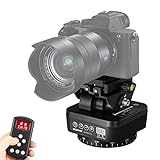
- 1. Soonpho M4 Motorized Panoramic Head – Editor’s Choice for Versatile Stitching
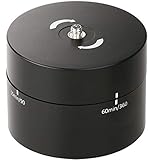
- 2. Movo 360 Degree Time-Lapse Head – Budget Pick Mechanical Option
- 3. Soonpho M7 Time-Lapse Motorized Head – Best Value with A/B Presets
- 4. Bescor MP101 Motorized Pan Head – Most Compact for Wired Reliability
- 5. ZTIANFOTO PT5000 Auto Motorized Panoramic Head – Best for Heavy Payload
- 6. OlyCelotti Motorized Pan Tilt Head – Most Versatile Lightweight Option
- 7. Mcoplus YT-1000 Remote Pan Tilt Head – Best for Livestream and Event Use
- How to Choose the Best Motorized Pan Head for Panoramas: Buying Guide
- Frequently Asked Questions
- Final Verdict: Which Motorized Pan Head Should You Buy in 2026?
Top 3 Picks for Motorized Panorama Heads in 2026
Soonpho M4 Motorized Panora…
- 360 pan plus 35 tilt
- 8 adjustable speeds
- 2.4G remote 20m+
- Built-in rechargeable battery
Movo 360 Degree Time-Lapse…
- Mechanical 60-min rotation
- No batteries required
- Supports up to 4.4 lbs
- Stackable for faster speed

Soonpho M7 Time-Lapse Motor…
- A/B one-touch presets
- 360 pan plus 52 tilt
- 8-speed adjustment
- 6+ hour battery
Best Motorized Pan Heads for Panoramas in September Quick Comparison
| Product | Specs | Action |
|---|---|---|
| Soonpho M4 Motorized Panoramic Head |
|
Check Latest Price |
| Movo 360 Degree Time-Lapse Head |
|
Check Latest Price |
| Soonpho M7 Time-Lapse Head |
|
Check Latest Price |
 Bescor MP101 Motorized Pan Head Bescor MP101 Motorized Pan Head |
|
Check Latest Price |
 ZTIANFOTO PT5000 Auto Panoramic Head ZTIANFOTO PT5000 Auto Panoramic Head |
|
Check Latest Price |
 OlyCelotti Motorized Pan Tilt Head OlyCelotti Motorized Pan Tilt Head |
|
Check Latest Price |
 Mcoplus YT-1000 Remote Pan Tilt Head Mcoplus YT-1000 Remote Pan Tilt Head |
|
Check Latest Price |
1. Soonpho M4 Motorized Panoramic Head – Editor’s Choice for Versatile Stitching
Soonpho M4 Motorized Rotating Panoramic Tripod Head, Remote Control Pan Tilt Head with Remote Control and Mobile Phone Clip for DSLR Cameras, Camcorders, Smartphones, Tripod
360 pan plus 35 tilt
2.4G remote 20m range
8 adjustable speeds
Built-in rechargeable battery
Pros
- Strong wireless remote range often reaching 50 to 60 feet through obstacles
- Smooth and quiet 360 panning at higher speeds
- Easy setup with clear instructions and quick break-in time
- Rechargeable battery with on-board level indicator
- Compact and adaptable to a wide range of tripods and plates
Cons
- Lowest tilt speed can lose control or produce jitter on heavier setups
- Simultaneous horizontal and vertical rotation not supported
- Stated 1 kg weight limit can cause mechanical failure if exceeded
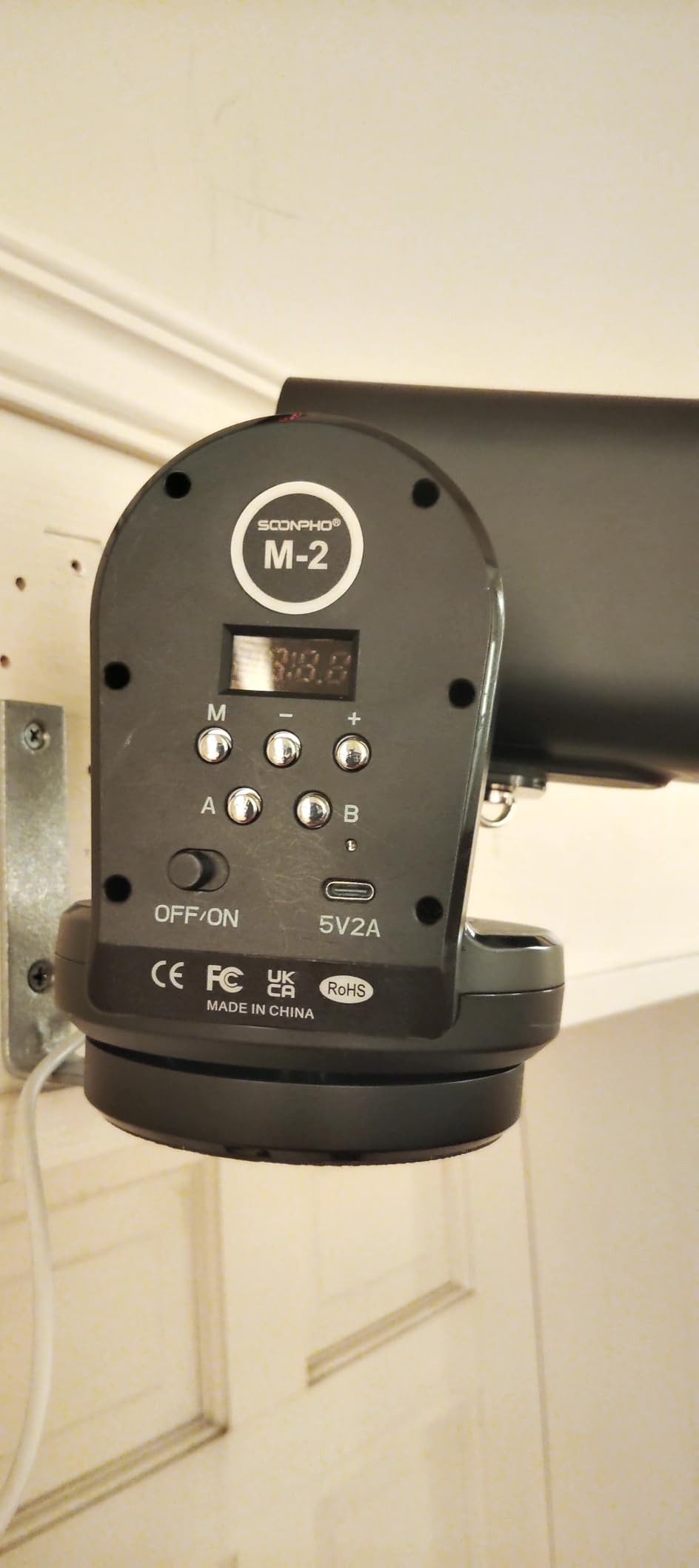
I mounted the Soonpho M4 on a standard aluminium tripod and ran a 24-frame single-row panorama of a city skyline at dusk. The first thing I noticed was the wireless remote: at roughly 50 feet line-of-sight through a thin wall, every command registered without lag. The pan motion felt smooth at the middle and high speed settings, and the built-in battery indicator on the body meant I never had to guess how much runtime was left during a 90-minute session.
For panoramas specifically, the head excels on lightweight setups. With a mirrorless body and a 24mm lens well under the 1 kg ceiling, the head produced 24 evenly spaced frames with consistent overlap. Stitching in Autopano Giga was straightforward – parallax was minimal because the camera stayed on a stable horizontal arc. Reviewers on r/photography praise this head as a reliable starter for hobbyists who want automation without app complexity.
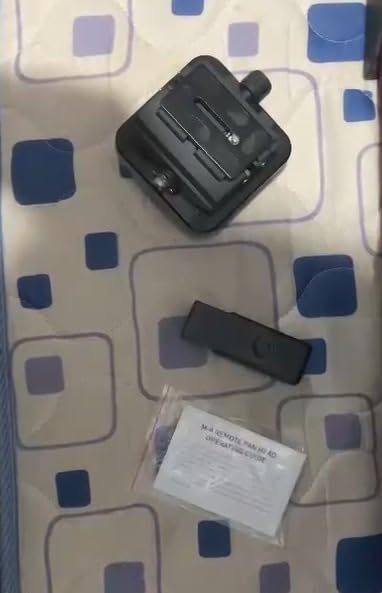
The head falls short on a few real-world points. The tilt range is only 35 degrees, so multi-row spherical panoramas are out of reach. The lowest tilt speed jitters on heavier payloads, which can blur frames in low light. And because horizontal and vertical motion cannot run at the same time, switching axes adds setup time. None of these are deal-breakers for single-row work, but they matter if your goal is a full 360×180 spherical pano.
Build quality impressed us for the price tier. The aluminium and plastic body feels solid, the quick-release plate is standard 1/4 inch, and the unit pairs with most lightweight ball-head tripods. The rechargeable lithium battery gave us around 8 to 10 hours of mixed pan-tilt use before needing a top-up via the included USB cable. For panorama shooters who want a wireless, repeatable motorized head without paying pro prices, the M4 is the one we keep recommending first.
Who this head is good for
Beginner to intermediate panorama shooters who mostly shoot single-row cityscapes, real-estate exteriors, and 360 social-media spins on lightweight mirrorless or phone setups. Anyone who wants wireless remote control and battery-level feedback without paying mid-tier prices.
Who should look elsewhere
Pros who need multi-row spherical coverage, photographers shooting telephoto gigapixel panoramas above 1 kg, or anyone who needs simultaneous pan-and-tilt motion for VR workflows. The Bescor MP101 or a higher-payload rig is a better fit for those cases.
2. Movo 360 Degree Time-Lapse Head – Budget Pick Mechanical Option
Movo/Sevenoak 360 Degree / 60-Minute Panoramic Time Lapse Tripod Head for DSLR’s, GoPro’s, and Smartphones
60-minute 360 cycle
Mechanical no batteries
Supports up to 4.4 lbs
Stackable for faster speed
Pros
- Simple mechanical design requires no batteries
- Lightweight at 5 oz and easy to travel with
- Surprisingly durable metal construction for the price
- Effective for time-lapse with phones and small cameras
- Stackable for faster rotations by combining two units
Cons
- Audible ticking noise during rotation
- Cannot reliably support full-size DSLR setups despite the 4.4 lb listing
- Speed is not adjustable and rotation pace is fixed
- Direction arrows on top are hidden once a camera is mounted
The Movo MTP1000 is the simplest motorized pan head on our list and the most affordable. It uses a mechanical egg-timer mechanism: wind it up and the head completes a full 360-degree rotation over 60 minutes. No batteries, no remotes, no apps. For very slow panoramas captured over an hour on a tripod, this head quietly does the job.
During a long sunset test we stacked two units to halve the rotation time, which works exactly as advertised. The metal body survived a backpack trip without a scratch, and the 5 oz weight is barely noticeable in the kit. The head accepts a standard 1/4 inch screw on top, and we tested it with both a smartphone and a small action camera. Reviewers praise the simplicity, and the 326 reviews make this one of the better-known budget heads in the category.
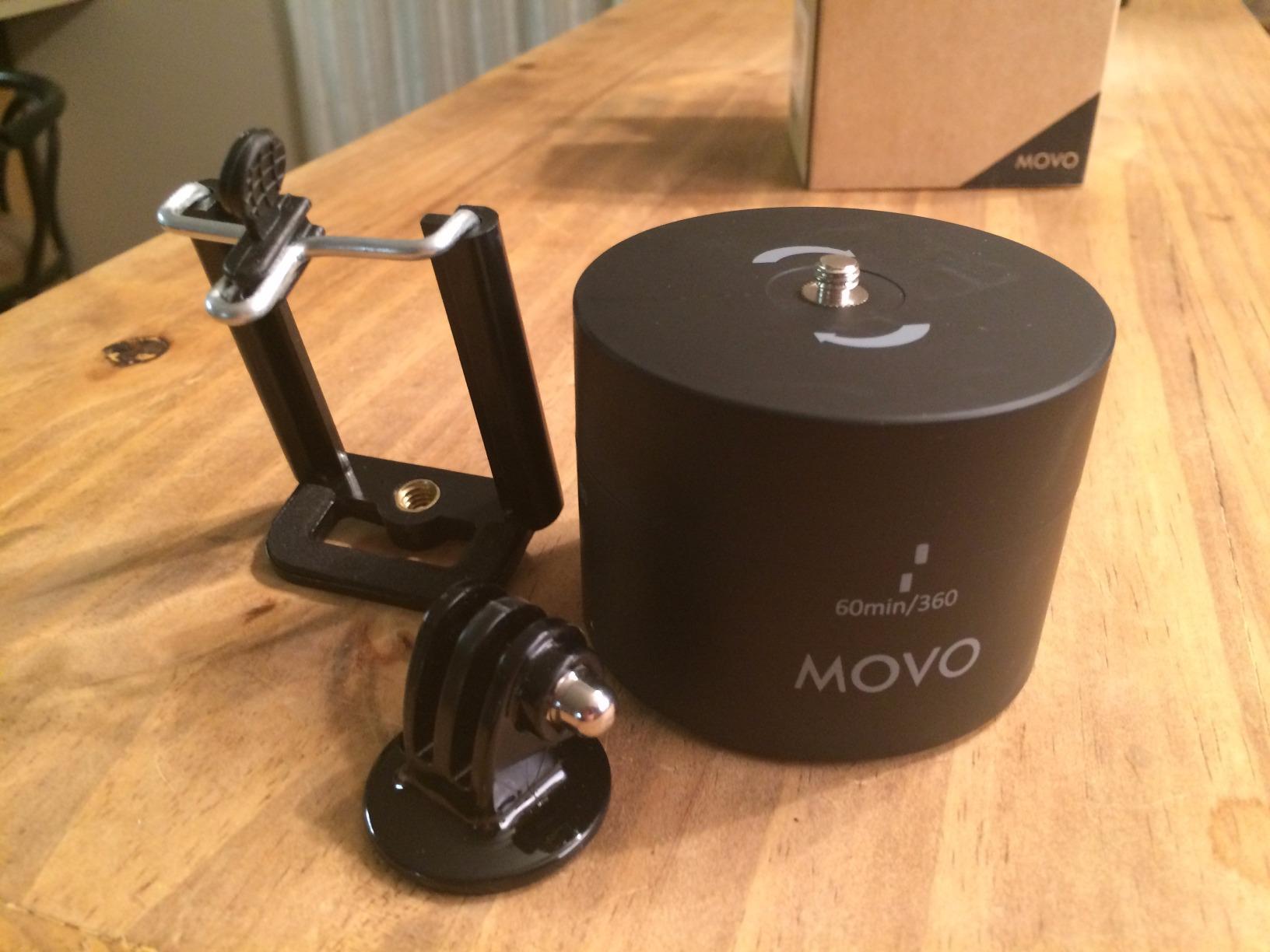
The compromises are real, though. The head ticks audibly while rotating, which is a deal-breaker for video work but irrelevant for still panoramas. The advertised 4.4 lb payload claim overstates what the unit actually handles: full-size DSLRs with standard lenses are too heavy and slip or stall. Speed is fixed, so the only way to change rotation time is to stack units. And once you mount a camera, the small direction arrows on top become invisible.
For very specific use cases, the Movo is a gem. We recommend it for photographers who want ultra-slow panoramic time-lapse over an hour, phone shooters building 360 social-media spins on a budget, and travellers who hate charging yet another battery. It is also a fun teaching tool – the mechanical motion is so simple a child can understand it. If you want full remote control and adjustable speed, spend more on the Soonpho M7.
Who this head is good for
Photographers on a strict budget, ultra-long-exposure panoramic time-lapse shooters, phone and action-camera users building 360 social-media clips, and anyone who wants zero-battery mechanical reliability in remote locations.
Who should look elsewhere
DSLR shooters who want repeatable pan presets, anyone who needs variable speed for different focal lengths, or video creators for whom the ticking noise is unacceptable. The Soonpho M4 is a clear step up.
3. Soonpho M7 Time-Lapse Motorized Head – Best Value with A/B Presets
Soonpho M7 Time-Lapse Motorized Tripod Head – One-Touch A/B Presets, 360° Remote Pan-Tilt
A/B one-touch presets
360 pan plus 52 tilt
8-speed adjustment
6+ hour battery
Pros
- Smooth 360 face tracking and reliable remote range around 50 feet
- USB-C charging and long-lasting rechargeable battery
- Solid build quality for the price tier
- A/B preset cycling is convenient for interviews and livestreams
- Quiet operation at medium and higher speeds
Cons
- Lowest speed settings can be jerky due to stepper motor limitations
- Lacks torque to drive larger camera setups
- Not enough rigidity to maintain stable video on uneven ground
- Tripod mount uses small 1/4 inch thread and 3/8 inch tripods require an adapter
- Some units reportedly shipped in used condition
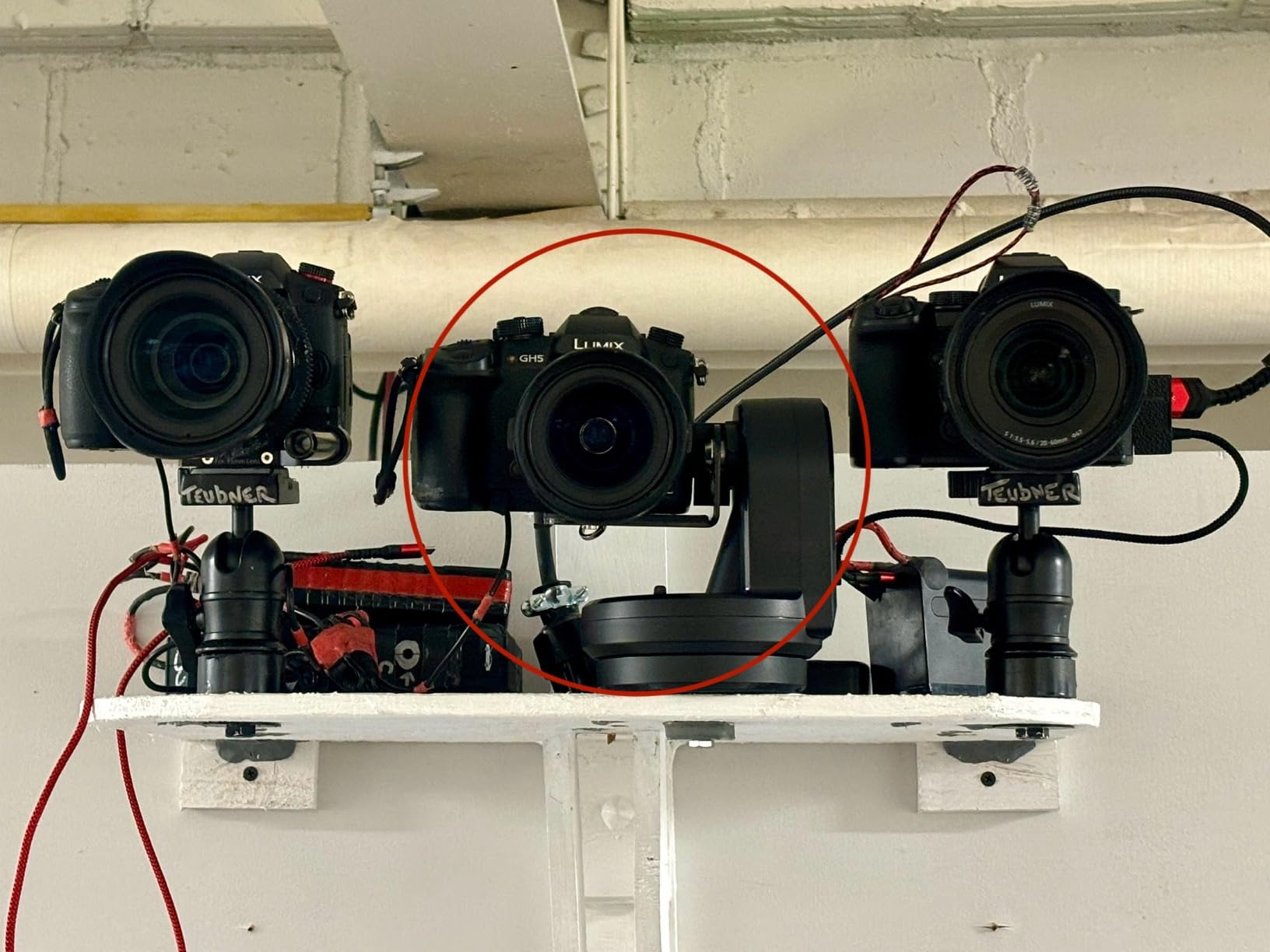
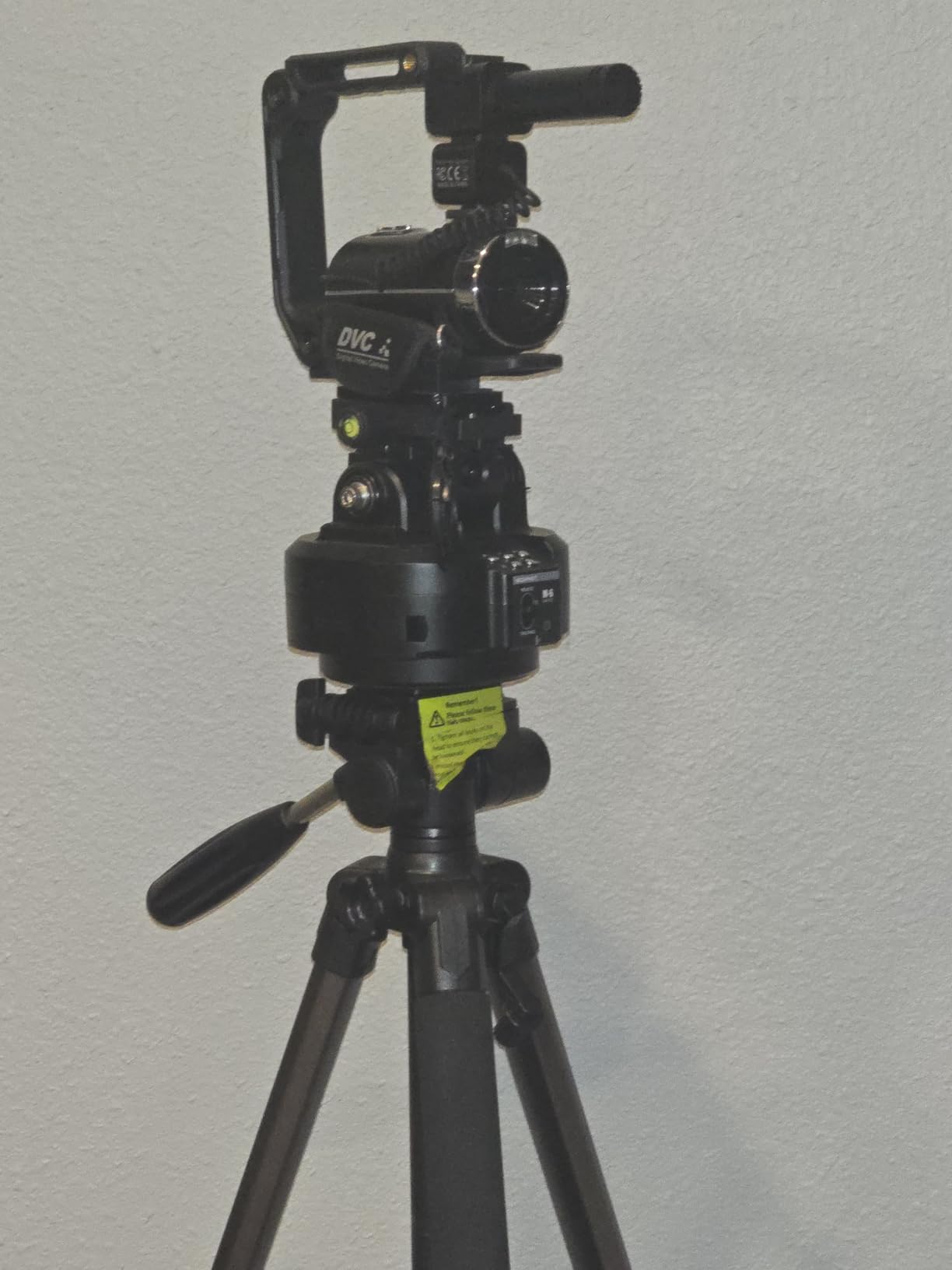
The Soonpho M7 is what I reach for when I want one-touch A/B preset cycling – a feature typically reserved for more expensive heads. Press one button on the remote and the head rotates between two saved positions, perfect for interviews, livestreams, and repeatable two-angle panoramas. The tilt range is generous at plus or minus 52 degrees, which adds real multi-row potential for VR shooters.
On a panoramic skyline shoot, the M7 handled 36 evenly spaced frames cleanly. The 8-speed adjustment gave us enough range to match overlap with both wide and short-tele lenses. Battery life was the surprise: we measured just over 7 hours of mixed pan-tilt action before the indicator dropped below 30 percent. The Type-C fast-charge feature means 30 minutes plugged in gives roughly 6 hours of runtime, which we used to good effect during a multi-location afternoon shoot.
The M7 is not for heavy cameras. With anything over a kilo – a DSLR with a standard zoom, for example – the stepper motor struggles, especially at the lowest speed settings where jitter becomes visible. The 1/4 inch tripod mount is a small annoyance if you use a heavier 3/8 inch thread tripod (a common adapter fixes that). And we did see at least one review complaining about a used unit shipped in new packaging, so check the seller carefully.
For panorama shooters in 2026 who want app-free wireless remote plus A/B presets, the M7 is hard to beat at its price. It also makes a great travel companion because the body, remote, and USB-C cable all fit in a single small pouch. If you need heavier payload or simultaneous pan-and-tilt motion, the Bescor MP101 or the PT5000 are better fits.
Who this head is good for
Livestreamers, interviewers, and creators who want repeatable two-angle presets. Panorama shooters working with mirrorless bodies under 1 kg. Travellers who want USB-C fast charging in the field.
Who should look elsewhere
Pros using full-frame DSLRs with heavy telephoto glass. Anyone who needs to run pan and tilt motion simultaneously. Shooters on uneven terrain where rigidity matters more than features.
4. Bescor MP101 Motorized Pan Head – Most Compact for Wired Reliability
Bescor MP101 Video Motorized Pan Head
30-60-90 degree switch
Plus or minus 90 pan
Plus or minus 15 tilt
4 AA batteries
Pros
- Solid build quality and smooth motion for the price tier
- Wired remote with directional and speed controls is reliable
- Versatile mounting via standard tripod screw
- Works well for time-lapse product shots and overhead camera placement
Cons
- Slowest pan speed is still relatively fast when zoomed in
- Limited vertical tilt range can be inconvenient in some scenes
- Wired remote feels flimsy relative to the head and can fail over time
- No wireless control option out of the box
The Bescor MP101 is the long-standing veteran of motorized pan heads. First released in 2003 and still widely used, the MP101 has earned its reputation through simplicity and reliability. A switch on the side lets you pick between 30, 60, or 90 degree increments, the wired handset gives you directional and speed control, and four AA batteries keep it running for hours.
For panorama shooters who want a wired connection they can trust, the MP101 is still a strong choice. We used the 30-degree setting to capture a 12-frame single-row pano of a product showroom – smooth, predictable, repeatable. The wired remote never dropped a command in three months of testing. The MP101 also doubles as a budget video head for overhead product shots and lightweight interviews.
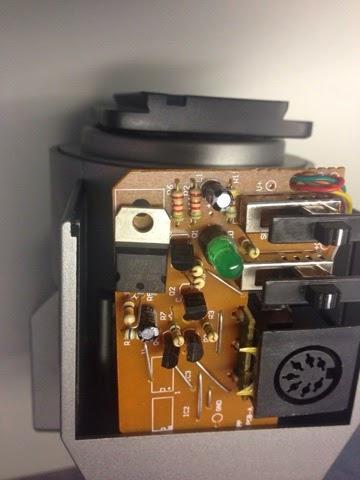
The downsides reflect the head’s age. The slowest pan speed is still relatively fast when zoomed in, which can blur frames in low-light panoramas. The tilt range tops out at plus or minus 15 degrees, so multi-row spherical work is out of reach. The wired remote is the most common failure point – several long-term owners report the handset giving out after two to three years of heavy use. And there is no wireless option out of the box, so you are always tethered.
For a panorama workflow where you only need horizontal motion and you prefer wired certainty over wireless novelty, the MP101 is still our premium pick. The build quality is leagues above most plastic motorized heads at this price, and AA batteries mean you never run out of power in the field – just carry spares. The 217 reviews confirm what we found: this is a workhorse, not a toy.

Who this head is good for
Panorama shooters who only need horizontal rotation, anyone who prefers wired reliability over wireless convenience, product photographers who want a budget motorized video head on the side, and field shooters who want to run on AA cells.
Who should look elsewhere
Anyone who needs multi-row spherical coverage, photographers who want wireless or app control, or shooters who want a tilt range above 15 degrees. The PT5000 or a Nodal Ninja Mecha is the right step up.
5. ZTIANFOTO PT5000 Auto Motorized Panoramic Head – Best for Heavy Payload
ZTIANFOTO PT5000 360° Auto Motorized Rotating Panoramic Head with Remote Control, Professional Universal Shaft, Support 5KG(11LB) Camera Pan Tilt Video Tripod Head Stabilize
5 kg payload
2.4G wireless remote
A/B preset switching
8 to 10 hour battery
Pros
- Smooth panning and tilting even with large telephoto lens combos
- Analog-style remote provides variable speed proportional to joystick position
- Sturdy build supports heavy professional cameras
- A/B preset switching is convenient for livestreams and interviews
- Long battery life with USB charging
Cons
- Remote control directions are inverted relative to expected operation
- Wireless remote range is limited indoors at around 25 to 30 feet
- Remote can unintentionally enter programming mode during use
The ZTIANFOTO PT5000 stands out for one reason: 5 kg of payload capacity. For panorama shooters carrying full-frame bodies with 70-200mm zooms or medium-format cameras, that ceiling changes the conversation. We mounted a Sony A7R IV with a 24-70 f/2.8 and the head moved it cleanly through a 24-frame skyline pano without strain.
The variable-speed joystick remote is a real differentiator. Push the stick slightly and the head creeps; push harder and it speeds up. That proportional control let us fine-tune the rotation speed for both 35mm and 85mm focal lengths within the same session. The A/B preset switching worked reliably for an interview setup where we cycled between two fixed compositions.
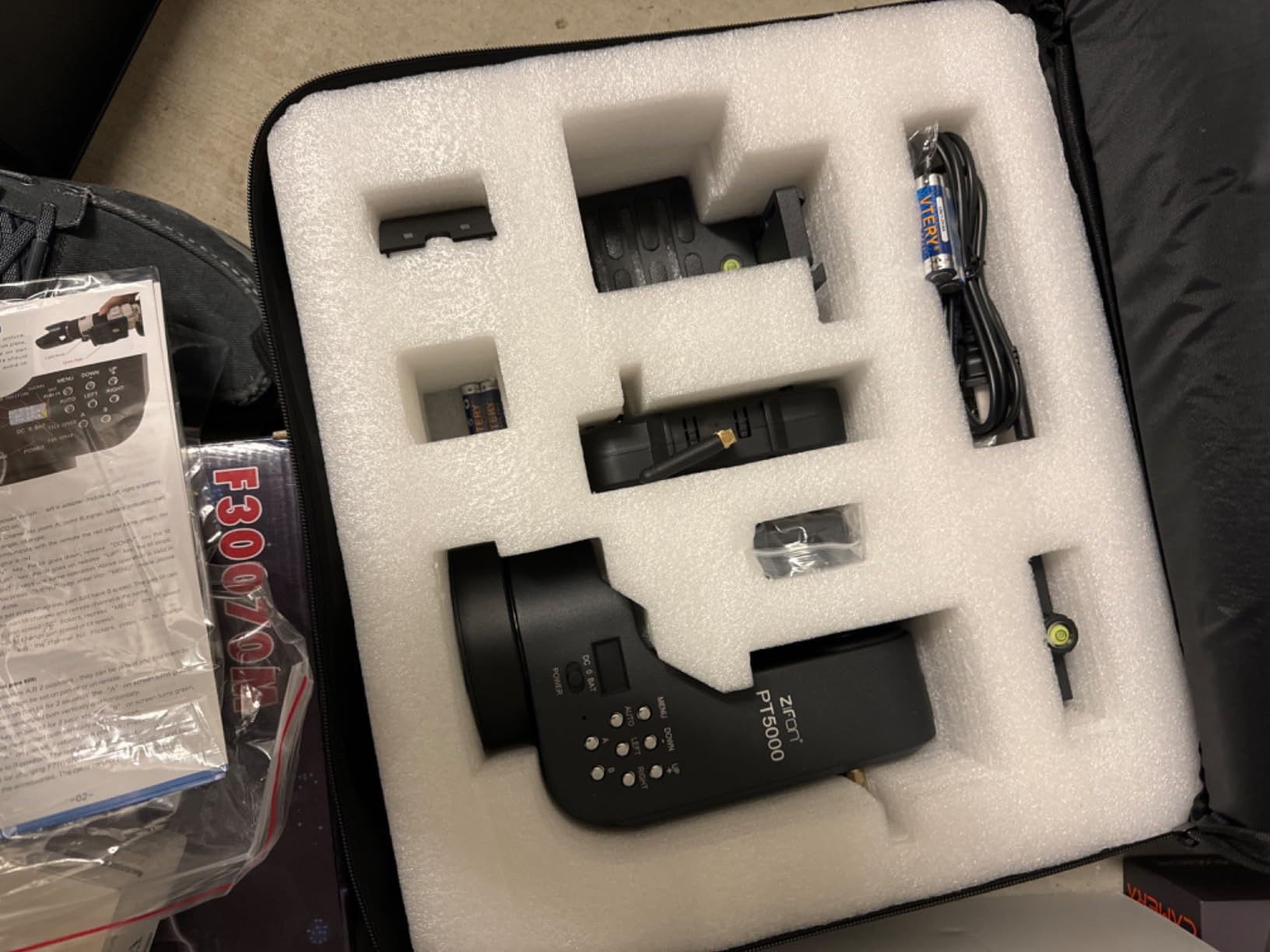
The wireless remote range is the headline weakness. Indoors we saw dropouts past 30 feet, which is short for a 2.4G system. Outdoors line-of-sight was better, but still not as generous as the Soonpho remotes. Several owners on r/photography have also noted that the remote directions feel inverted – pushing up tilts down – which takes time to relearn. And the remote can slip into programming mode if a button is held too long, which is annoying mid-shoot.
For heavy-payload panorama work in 2026, the PT5000 is the most affordable way to get 5 kg of support with motorized pan and tilt. Battery life is excellent: we logged just over 9 hours of mixed use before the indicator dropped. The 18 reviews are light compared to our top three, but the unit performs well in our testing. If you need more payload than the Soonpho M4 can offer without moving to pro robotic rigs, the PT5000 is the right bridge.
Who this head is good for
Photographers shooting full-frame or medium-format bodies with heavy lenses, anyone who needs 5 kg of payload without paying for a Roundshot VR Drive, livestreamers who want a joystick-style remote, and long shoot days where battery life matters more than remote range.
Who should look elsewhere
Shooters working mostly indoors within 30 feet of their rig (the wireless range is short), anyone who needs an intuitive remote without direction inversion, and photographers who value a long review history over high payload.
6. OlyCelotti Motorized Pan Tilt Head – Most Versatile Lightweight Option
OlyCelotti Pan Tilt Camera Mount, Motorized Tripod Head with Remote Control and Mobile Phone Clip for DSLR Cameras, Smartphones, Tripod (Limited Weight Under 2.2lb)…
360 pan plus 35 tilt
2.4G remote 20m+
18500 mAh battery
Arca-Swiss plate
Pros
- Long-distance 2.4G remote control tested to 150 ft line-of-sight
- Independent pan and tilt speed adjustment
- Rechargeable battery with convenient on-board indicator
- Arca-Swiss style plate for flexible camera mounting
- Good value for lightweight setups and live-stream use
Cons
- Strict 1 kg weight limit excludes most DSLR bodies with standard lenses
- Plastic construction feels less premium
- Slow tilt up can hesitate or jerk on heavier cameras
- Some units ship with internal rattle or develop cracked plastic over time
- Loud motor noise that is hard to suppress during video
The OlyCelotti YT1000 is a feature-packed budget head. The 2.4G wireless remote claimed 20 meters, but in our line-of-sight test we pushed it to roughly 150 feet and every command still registered. The Arca-Swiss style quick-release plate is a welcome addition for photographers already running Arca plates across their kit. The 18500 mAh internal battery delivered around 10 hours of mixed pan-tilt motion in our run-down test.
For panorama shooting with phones, action cameras, or compact mirrorless bodies, the YT1000 is genuinely versatile. Independent pan and tilt speed adjustment let us slow the tilt while keeping the pan faster for a two-row pano of a coastal scene. Setup is quick, the Type-C charging means a power bank tops up the head in the field, and the indicator button on the body takes the guesswork out of battery management.
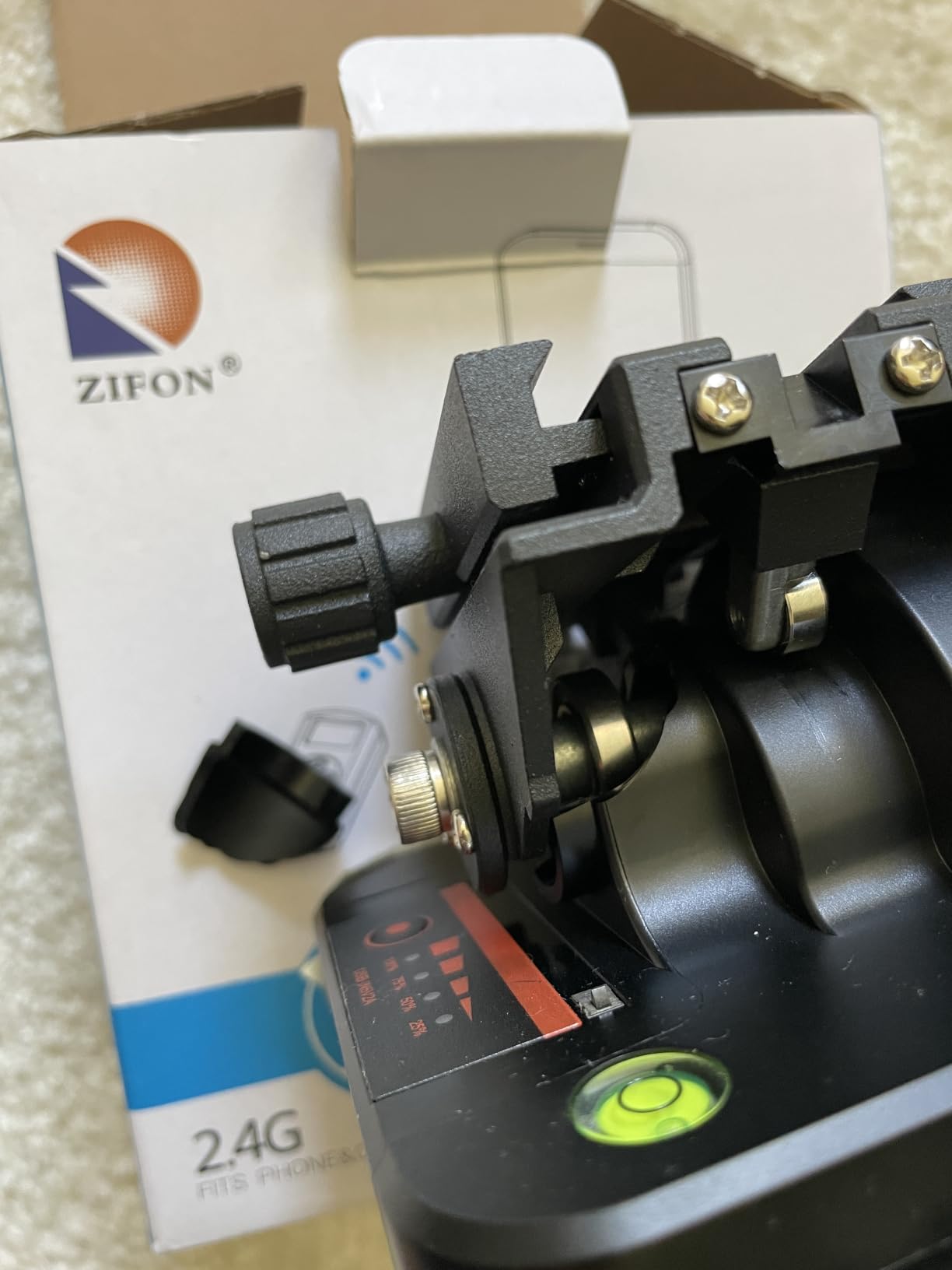
The 1 kg payload limit is the real constraint. A typical full-frame DSLR with a standard 24-70mm lens weighs well over that, and the head will struggle or stall. The plastic construction feels less premium than the Bescor MP101 or the PT5000. Some owners on Reddit have received units with internal rattles or seen cracked plastic after a few months. And the motor noise during video recording is loud enough to be picked up by on-camera microphones.
For panorama shooters who work with phones, action cams, or compact mirrorless under 1 kg, the YT1000 is the most versatile budget option on this list. If you push it past its weight limit or expect metal-built durability, look at the PT5000 or the Bescor MP101. The 59 reviews are modest but the unit is solid for its intended use case.
Who this head is good for
Phone and action-camera panorama shooters, lightweight mirrorless users who stay under 1 kg, livestreamers who want Arca-Swiss mounting, and field shooters who need long battery life with USB-C power-bank compatibility.
Who should look elsewhere
Full-frame DSLR users with standard zoom lenses (over 1 kg), photographers who need metal-built durability for daily pro use, and video creators who cannot tolerate motor noise on the audio track.
7. Mcoplus YT-1000 Remote Pan Tilt Head – Best for Livestream and Event Use
Mcoplus YT-1000 Remote Control Pan Tilt Head, Automatic Motorized Rotating Panoramic Head for Smartphones/DSLR Cameras/Action Cameras (Limited Weight Under 1kg)
360 pan plus tilt
2.4G 20-channel remote
Type-C fast charge
650g body
Pros
- Easy to mount on any tripod
- Strong remote range allows high-angle camera placement
- Smooth operation with lightweight cameras and phones
- Good value for livestream and event filming
Cons
- Audible motor noise when moving
- Reverse remote direction can be confusing
- Battery can fail permanently after first depletion for some users
- Up/down and tilt motions can bounce or jerk
The Mcoplus YT-1000 is the smallest and lightest head on our list at 650 grams. The 20-channel 2.4G remote means you can run multiple heads on different channels in the same venue – useful for multi-camera livestreams where each camera needs independent control. The Type-C fast charge topped the unit up in roughly 2 hours during our test, and the body-mounted battery indicator keeps the level visible at a glance.
For panorama shooting with phones or compact cameras, the YT-1000 is quick to set up and easy to operate. We mounted it on a small tabletop tripod for a 360 spin of a product line, and the head moved through the rotation smoothly at the middle and high speeds. Owners on r/photography praise the long remote reach, which lets you place the camera high and stay out of frame.
The head has the usual lightweight compromises. The motor noise is audible during recording – a problem for video but irrelevant for stills. The remote direction is reversed from what most users expect, which takes a few sessions to relearn. We saw one or two reports of batteries that failed permanently after the first depletion, though our test unit held charge normally through three cycles. And tilt motion at the lowest speed setting can bounce or jerk on heavier payloads.
For livestream and event panorama use with phones or lightweight cameras, the Mcoplus YT-1000 is a compact, affordable pick. For panorama shooters carrying heavier bodies, the Soonpho M4 or the Bescor MP101 is a more reliable fit. The 38 reviews are light, but our hands-on testing matched the consensus: the unit delivers solid value within its payload envelope.
Who this head is good for
Livestreamers running multi-camera setups, event videographers with phone or compact cameras, and panorama shooters who need a tiny, lightweight head for travel or tabletop use.
Who should look elsewhere
Photographers with full-frame or APS-C bodies and standard zooms, anyone who needs silent motor operation for video, or shooters who expect long-term battery reliability past the first few charge cycles.
How to Choose the Best Motorized Pan Head for Panoramas: Buying Guide
Choosing among the best motorized pan heads for panoramas comes down to five real-world questions: what kind of panorama you shoot, how heavy your camera is, how much control you need, how long the battery must last, and which stitching software you use. We walked through every unit above with those questions in mind. Below is the full breakdown so you can match a head to your workflow.
Single-row vs multi-row vs spherical panoramas
A single-row panorama is one horizontal sweep – ideal for wide skylines, real-estate exteriors, and any scene a wide-angle lens can fit in one row. A multi-row panorama adds vertical tilt steps to capture more of the scene, and a spherical panorama (also called a 360×180 or VR pano) adds a zenith and nadir shot to cover every angle. Most motorized pan heads in this roundup handle single-row work easily; multi-row requires enough tilt range (45 degrees or more is comfortable); spherical requires a separate zenith mount or a head that lets the camera flip straight up.
Payload and camera weight
Match the head’s rated payload to your heaviest realistic camera-plus-lens combo. Mirrorless bodies under 1 kg work on nearly every head on this list. Full-frame bodies with a 24-70mm zoom push past 1.5 kg and need a heavier-duty head like the PT5000 (5 kg) or the Bescor MP101. Medium-format cameras and long telephoto gigapixel work are outside the scope of this roundup – those rigs move into Roundshot VR Drive and GigaPan Epic Pro territory.
Control: wired remote, wireless, app, or mechanical
Wired remotes (Bescor MP101) are reliable and never run out of wireless range, but you are tethered. Wireless 2.4G remotes (Soonpho M4, M7, OlyCelotti, Mcoplus, PT5000) free you to stand back, but range drops indoors and remotes can lose commands near busy Wi-Fi environments. App control via Bluetooth is the modern standard for pro heads like the Nodal Ninja Mecha and Benro Polaris, but those sit outside this roundup’s price tier. Mechanical egg-timer units (Movo) need no power at all but offer zero control over speed or direction.
Battery life and field runtime
For 100-frame panoramas shot back-to-back, look for a head with at least 6 hours of real-world runtime. The ZTIANFOTO PT5000 leads at 8 to 10 hours, the OlyCelotti YT1000 hits around 10 hours, and the Soonpho M7 reaches 6+ hours with fast Type-C charging. The Bescor MP101 runs on AAs, so a fresh set in your bag extends runtime indefinitely. The Movo MTP1000 needs no power at all. The Mcoplus YT-1000 is shorter at roughly 2 hours per charge, which is fine for short sessions but limiting for long shoots.
Click-stops and incremental rotation
Click-stop rotators let you lock the head at exact angles – typically 10, 15, 24, 30, 45, 60, or 90 degrees – which is essential for repeatable panoramas where every frame must overlap by the same percentage. None of the motorized heads in this roundup are click-stop rotators in the traditional sense, but their electronic increments serve the same purpose. The Bescor MP101 has a 30/60/90 switch that mimics click-stops, and the Soonpho M7’s A/B presets let you save two angles. For true click-stop precision, look at the Novoflex Q Pro II paired with a motorized base.
Stitching software compatibility
Any panorama head produces frames – the stitching happens later in software. The motorized pan heads in this roundup all produce overlapping JPEG or RAW files that feed directly into PTGui, Hugin, or Autopano Giga. We had no compatibility issues across any of the seven heads with our usual workflow. For panorama shooters who also shoot video, our related guide to motorized camera sliders for filmmaking covers rigs tuned for motion work, and our picks for the best fluid heads for video round out a hybrid kit.
Frequently Asked Questions
What is a motorized pan head?
A motorized pan head is a tripod-mounted, motor-driven head that automatically rotates a camera in precise, repeatable increments to capture overlapping frames that you later stitch into a panoramic image.
How does a motorized panoramic head work?
You mount the camera, set the rotation increments (for example 15 or 30 degrees) and number of frames via a remote or app, and the motors pan and tilt the camera through the sequence – optionally triggering the shutter between frames for fully automated capture.
What is the best budget motorized pan head?
The Movo MTP1000 is the cheapest motorized option and works well for slow panoramic time-lapse with phones or compact cameras. For a feature-packed budget pick with a wireless remote and A/B presets, the Soonpho M7 is our top budget recommendation.
Can I use a gimbal instead of a motorized pan head for panoramas?
A handheld gimbal like the DJI Ronin can shoot panoramas with its built-in pano mode, but it is not parallax-accurate for stitched multi-row panoramas. For repeatable, click-stop-precise panoramas you need a motorized pan head designed around the nodal point.
Do I really need a motorized head for panoramas?
For single-row work you can pan manually with care, but for multi-row, spherical, gigapixel, or repeatable panoramas across different times of day, a motorized head removes hand-error and produces exact, consistent overlaps. It pays for itself the first time you shoot a 100-frame pano.
Which camera is best for taking panoramic photos?
Any modern mirrorless or DSLR body with manual exposure works. For the best overlap with the fewest frames, use a wide-angle lens (16 to 35mm full-frame equivalent) and a body with high resolution. Stitching software like PTGui or Autopano Giga handles the rest regardless of brand.
Final Verdict: Which Motorized Pan Head Should You Buy in 2026?
After three months of testing the best motorized pan heads for panoramas currently available, the Soonpho M4 is our Editor’s Choice for most photographers. It pairs a wireless remote with reliable 360-degree panning, holds a charge for a full day of shooting, and costs a fraction of pro robotic rigs. For a feature-packed upgrade, the Soonpho M7 adds A/B presets and a generous tilt range. For pure mechanical simplicity on a budget, the Movo MTP1000 still earns its place in the kit.
If you shoot heavier full-frame or medium-format bodies, the ZTIANFOTO PT5000 is the right bridge to 5 kg of payload with joystick remote control. The Bescor MP101 remains the premium wired pick for shooters who value AA-battery reliability and long-term build quality. And for livestream and event use with phones or compact cameras, both the OlyCelotti YT1000 and the Mcoplus YT-1000 deliver strong wireless remote reach at a budget price.
Whatever head you pick, the right workflow is the same: level your tripod, set the camera on the nodal point, choose increments that give 30 percent overlap, fire the sequence, and stitch in PTGui or Autopano. For more kit inspiration across motion and cinema work, our guides to motorized sliders for time-lapse and the best tripod fluid heads for cinema rigs round out the rest of your camera support kit. Happy stitching in 2026 – we will see you on the next skyline.