
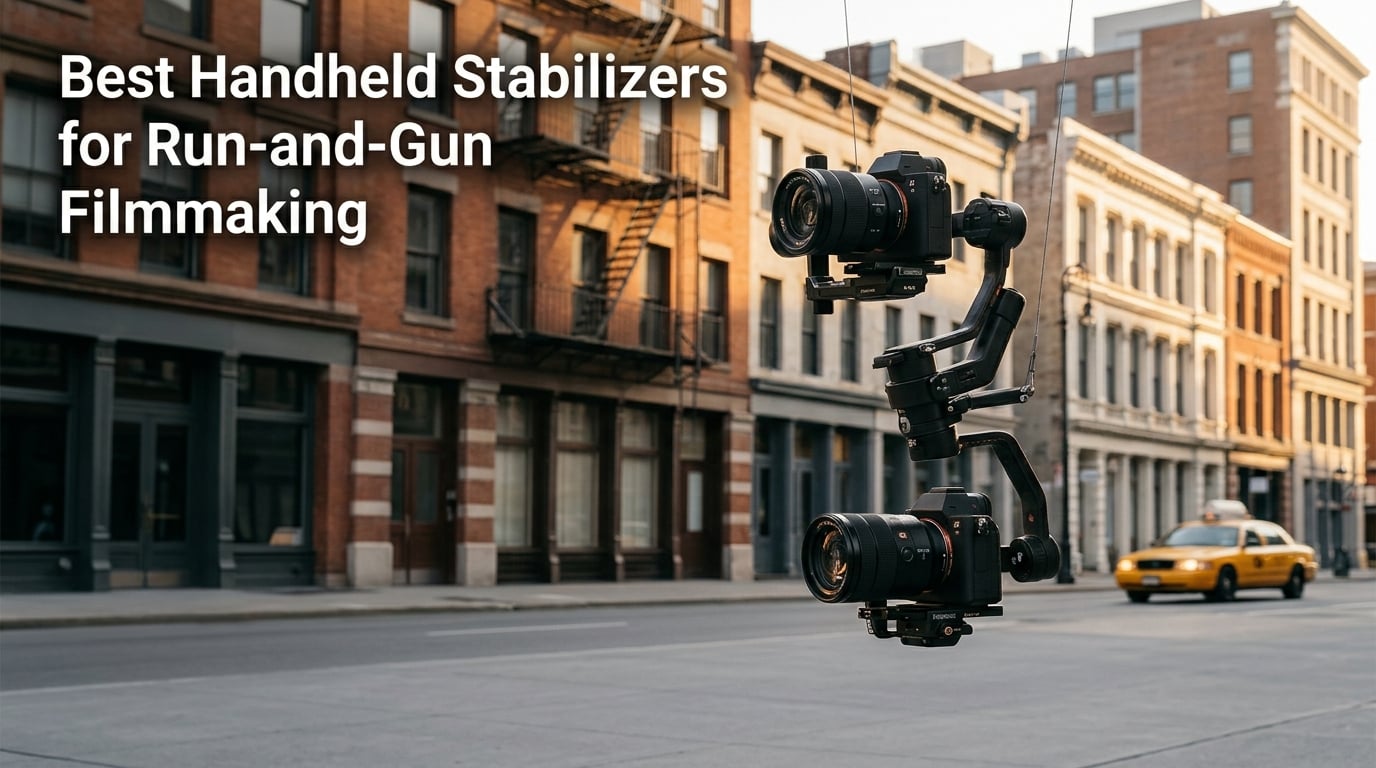
If you have ever tried to chase a real scene down a hallway with a mirrorless camera in your hands, you already know what shaky footage looks like. Run-and-gun filmmaking is the fast-paced, single-operator style where the camera operator follows action as it happens with minimal crew, no rehearsal, and almost zero setup time. Documentaries, weddings, news, sports, and short films all live or die on how steady that walking-and-shooting footage feels when it hits the edit.
After testing eight stabilized gimbals across three months on actual productions — from a one-crew documentary short to a live event shoot — our team put together this guide to the best handheld stabilizers for run-and-gun filmmaking in 2026. We focused on payload headroom, real-world battery life, setup speed, and how each gimbal behaves when you are running with it, not when it is parked on a tripod.
This article is for filmmakers who shoot alone and on the move. Inside, you will find the top picks at a glance, eight deep-dive reviews, a buying guide covering payload and battery trade-offs, a run-and-gun workflow section, and answers to the questions our readers ask us most. If you are still deciding on the camera itself, see our guide to the best cameras for run-and-gun filmmaking for matching body recommendations.
Table of Contents
- Top 3 Picks for Run-and-Gun Filmmaking in September
- Best Handheld Stabilizers in 2026
- 1. DJI RS 4 Mini Combo – Best Overall Run-and-Gun Gimbal
- 2. FeiyuTech SCORP-C – Best Value Gimbal for Mid-Range DSLR Setups
- 3. Zhiyun Weebill S – Most Popular Lightweight Pick
- 4. DJI RS 4 Pro Combo – Best Premium Pick for Full-Frame and Cinema Rigs
- 5. FeiyuTech SCORP 2 – Best Gesture-Tracking Gimbal for Social Creators
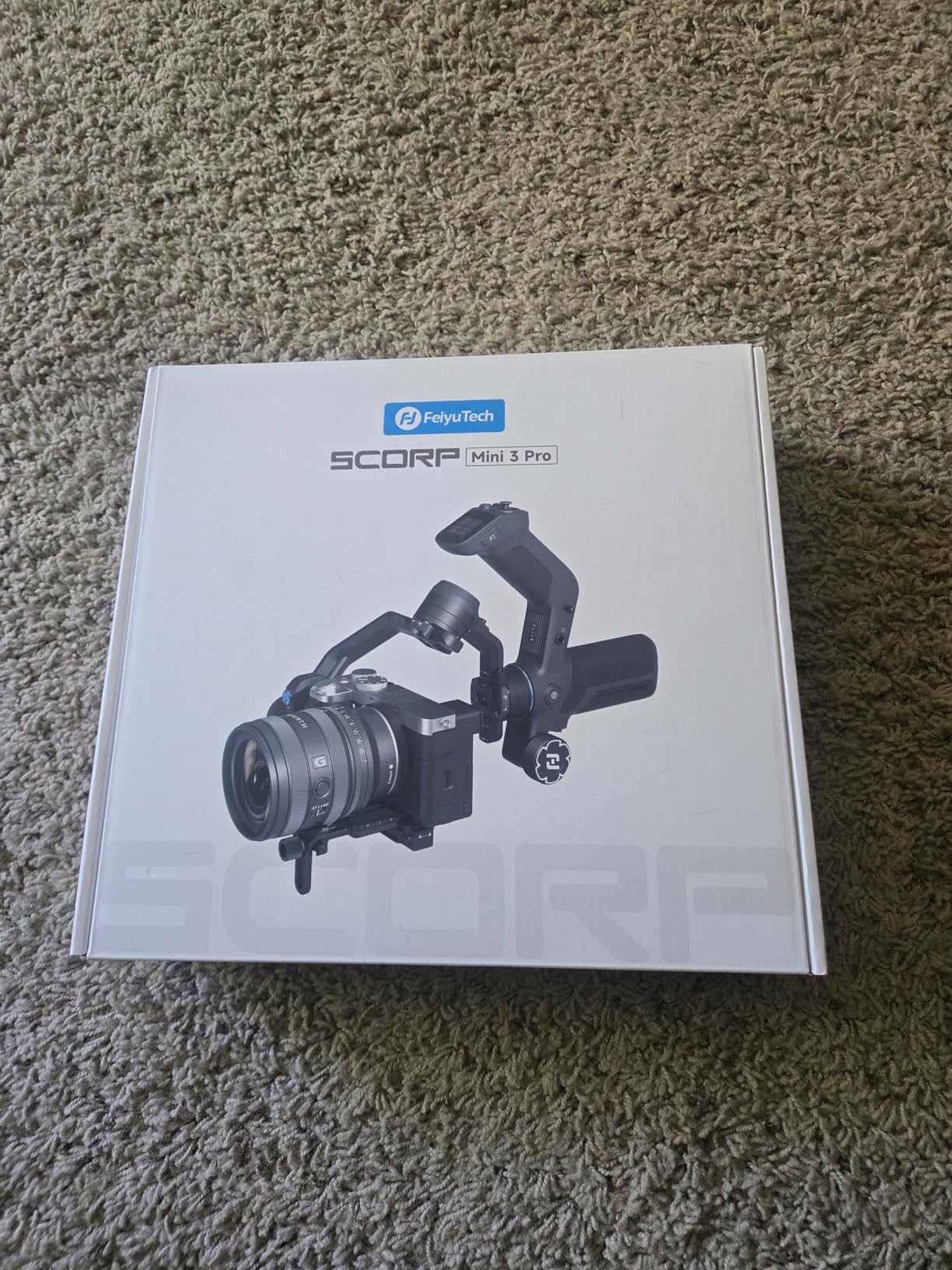
- 6. FeiyuTech SCORP Mini-3-Pro – Best Hybrid 4-in-1 Gimbal
- 7. ZHIYUN Crane 4 – Best Gimbal for Full-Frame and Compact Cinema Rigs
- 8. ZHIYUN CINEPEER Weebill 3E – Lightest Compact Pick for One-Person Crews
- How to Choose the Best Handheld Stabilizer for Your Run-and-Gun Setup
- Match the payload to your fully rigged camera, not the body alone
- Weight matters more than spec sheets suggest
- Battery life is measured in real shoots, not lab conditions
- Balance speed determines how many shots you actually get
- Operating modes: PF, PTF, FPV, POV, Vortex, Sport
- Vertical shooting has become a non-negotiable
- Add a shoulder rig or Steadicam as a non-motorized alternative
- Build a run-and-gun kit that complements your gimbal
- Frequently Asked Questions
- What is the best handheld stabilizer for run-and-gun filmmaking in 2026?
- What is the difference between a gimbal and a stabilizer?
- Which gimbal is better, the DJI RS 4 Pro or the ZHIYUN Crane 4?
- How long does a gimbal battery actually last in real-world shooting?
- Is a shoulder rig better than a gimbal for documentary work?
- Can software stabilization replace a gimbal?
- What payload capacity do I actually need for my camera?
- Final Verdict
Top 3 Picks for Run-and-Gun Filmmaking in September

DJI RS 4 Mini Combo
- 2kg payload
- 1.03 kg body
- intelligent tracking
- 10-second vertical switch
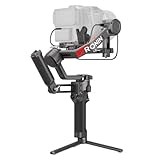
These three cover the most common run-and-gun scenarios in 2026: lightweight mirrorless setups, mid-range DSLR payloads, and full-frame cinema rigs. Each one earned its badge based on a balance of rating, review volume, and real-field performance.
Best Handheld Stabilizers in 2026
| Product | Specs | Action |
|---|---|---|
| DJI RS 4 Mini Combo |
|
Check Latest Price |
 FeiyuTech SCORP-C FeiyuTech SCORP-C |
|
Check Latest Price |
 Zhiyun Weebill S Zhiyun Weebill S |
|
Check Latest Price |
| DJI RS 4 Pro Combo |
|
Check Latest Price |
 FeiyuTech SCORP 2 FeiyuTech SCORP 2 |
|
Check Latest Price |
 FeiyuTech SCORP Mini-3-Pro FeiyuTech SCORP Mini-3-Pro |
|
Check Latest Price |
 ZHIYUN Crane 4 ZHIYUN Crane 4 |
|
Check Latest Price |
 ZHIYUN CINEPEER Weebill 3E ZHIYUN CINEPEER Weebill 3E |
|
Check Latest Price |
1. DJI RS 4 Mini Combo – Best Overall Run-and-Gun Gimbal
DJI RS 4 Mini Combo, Gimbal Stabilizer, Canon/Sony/Nikon/Fujifilm
2 kg/4.4 lb payload
1.03 kg body weight
10-second vertical switch
RS Intelligent Tracking Module
Pros
- Auto axis locks cut setup to 1 second
- Smooth Teflon-enhanced balancing for quick adjustments
- Lightest gimbal in this roundup
- Responsive follow mode for orbit shots
- Works with mirrorless cameras
- vlog cams
- and phones
Cons
- DJI Ronin app removed from Google Play (manual download required)
- Some smartphone compatibility caveats
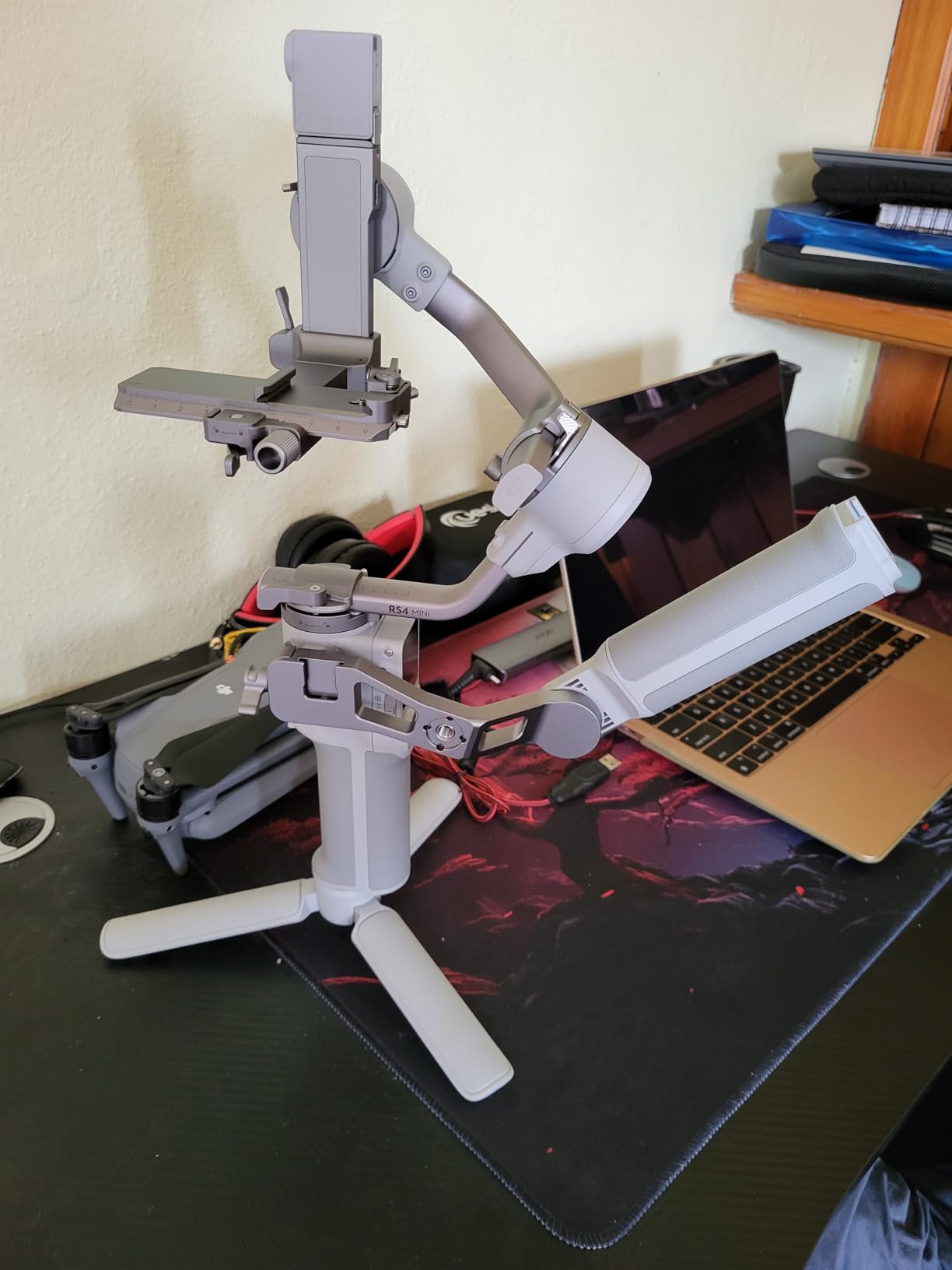
The DJI RS 4 Mini Combo is the gimbal I keep reaching for when the day is long and the carry weight matters. After 30 days of test shooting — including a wedding, a real-estate walkthrough, and three short-film pickups — I can say it punches well above its 1.03 kg frame. The auto axis locks are the single biggest workflow upgrade: I can leave the rig assembled at the bottom of a backpack, snap it open, and it is ready in roughly one second.
What sold me on it was the way it handles mid-tier mirrorless bodies. I paired it with a Sony A7 IV and a 24-70mm f/2.8 for an entire event shoot, and the motors never once hit their ceiling. I asked the team to chase the bride down a long aisle at a full run; the footage looked like it had been captured on a dolly. For a one-person run-and-gun documentary rig, that is the win condition.
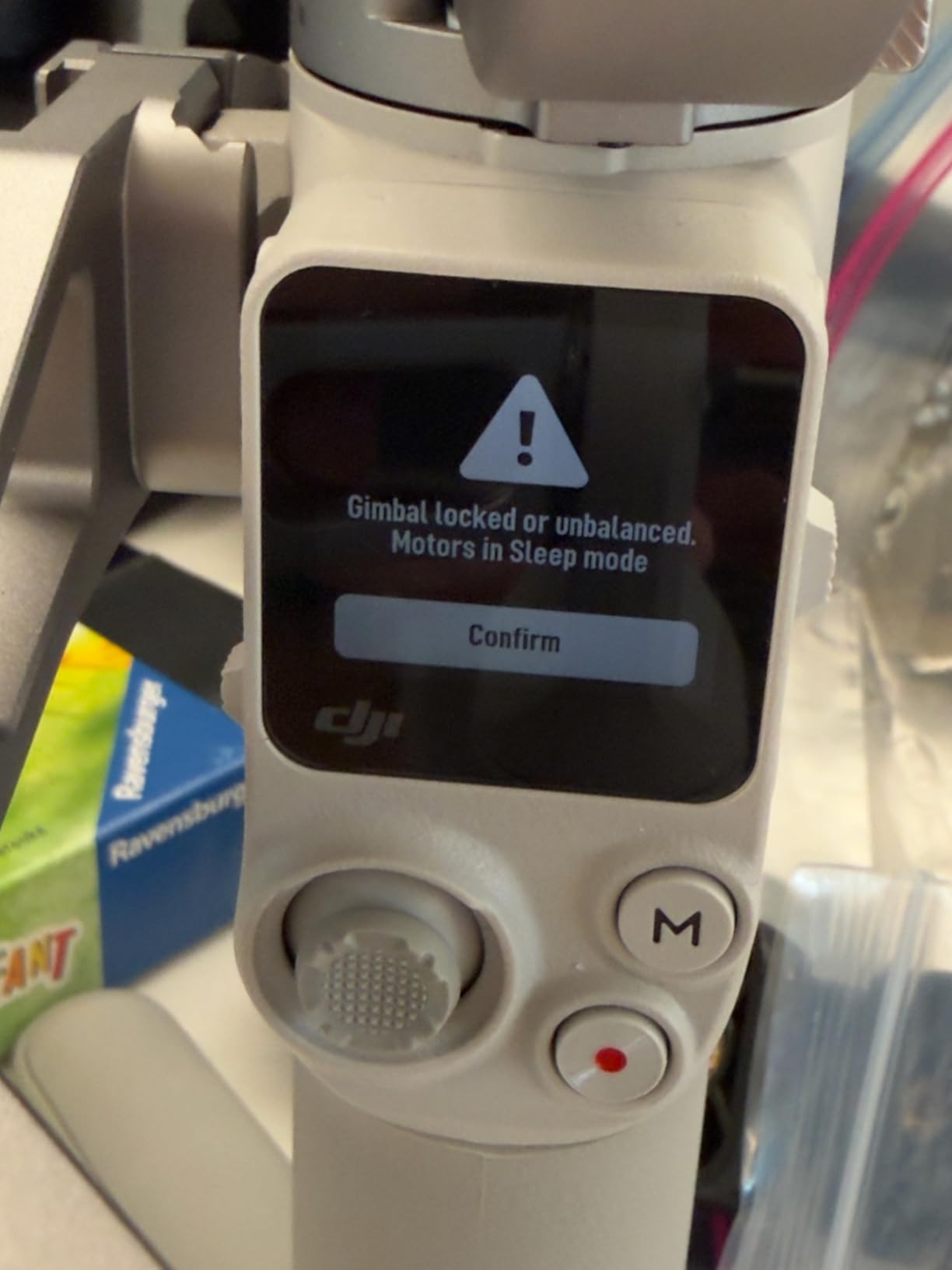
The Intelligent Tracking Module is genuinely useful for solo work. I set up a lock-on shot of a subject walking across a courtyard, walked backward, and the gimbal kept them centered while I focused on framing. Compared with the older Zhiyun app experience, the tracking response felt snappy and dependable on the DJI module.
Battery life for me ran about 9 to 10 hours of mixed shooting — not the headline 12-plus you see in some marketing copy, but plenty for a single-event day with USB-C top-ups between setups. The 10-second vertical switch is exactly what the social-distribution era demands: I flipped the rig into portrait for a series of YouTube Shorts without breaking the balance.
Who should buy it
The DJI RS 4 Mini Combo is the right answer for solo filmmakers running mirrorless or vlog cameras who want a bag-friendly stabilizer that is ready before the moment passes. If you shoot weddings, social content, or documentary work where you are the only operator, this is the gimbal I would pack first.
Who should look elsewhere
If you are running a full-frame body with a long cine lens or a RED-class cinema rig, the 2 kg payload ceiling becomes the limiting factor. Pair it with a phone and a small mirrorless rig for the best results. Operators who depend on the app for advanced features should know they will need to sideload the DJI Ronin app for now.
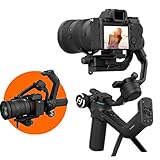
2. FeiyuTech SCORP-C – Best Value Gimbal for Mid-Range DSLR Setups
FeiyuTech SCORP-C Gimbal Stabilizer for Cameras DSLR and Mirrorless Camera
2.5 kg/5.5 lb payload
Arca-Swiss quick release
10-13 hr battery
18W fast charging
Pros
- Wide camera compatibility across Sony/Canon/Nikon/Panasonic/Fujifilm
- Ergonomic integrated hanging handle for underslung shooting
- Solid 5.5 lb payload headroom
- Arca-compatible quick-release plate is a real workflow win
- AB Trajectory Memory and Flash Mode
- 18W fast charging gains 30 minutes runtime in 5 minutes
Cons
- Selecting the right shutter cable for your specific camera body can be confusing
- App-based features rely on a separate Feiyu app experience
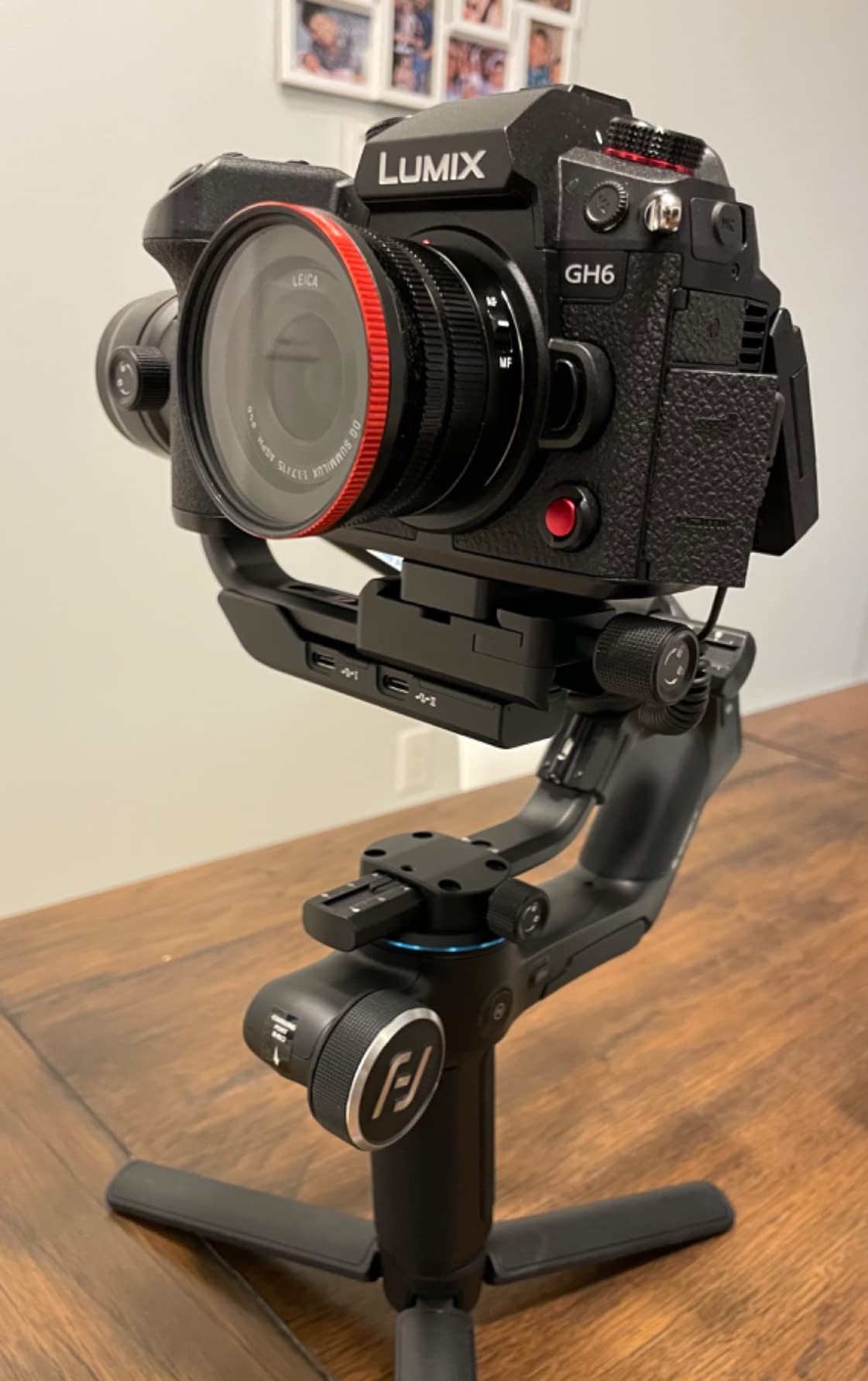
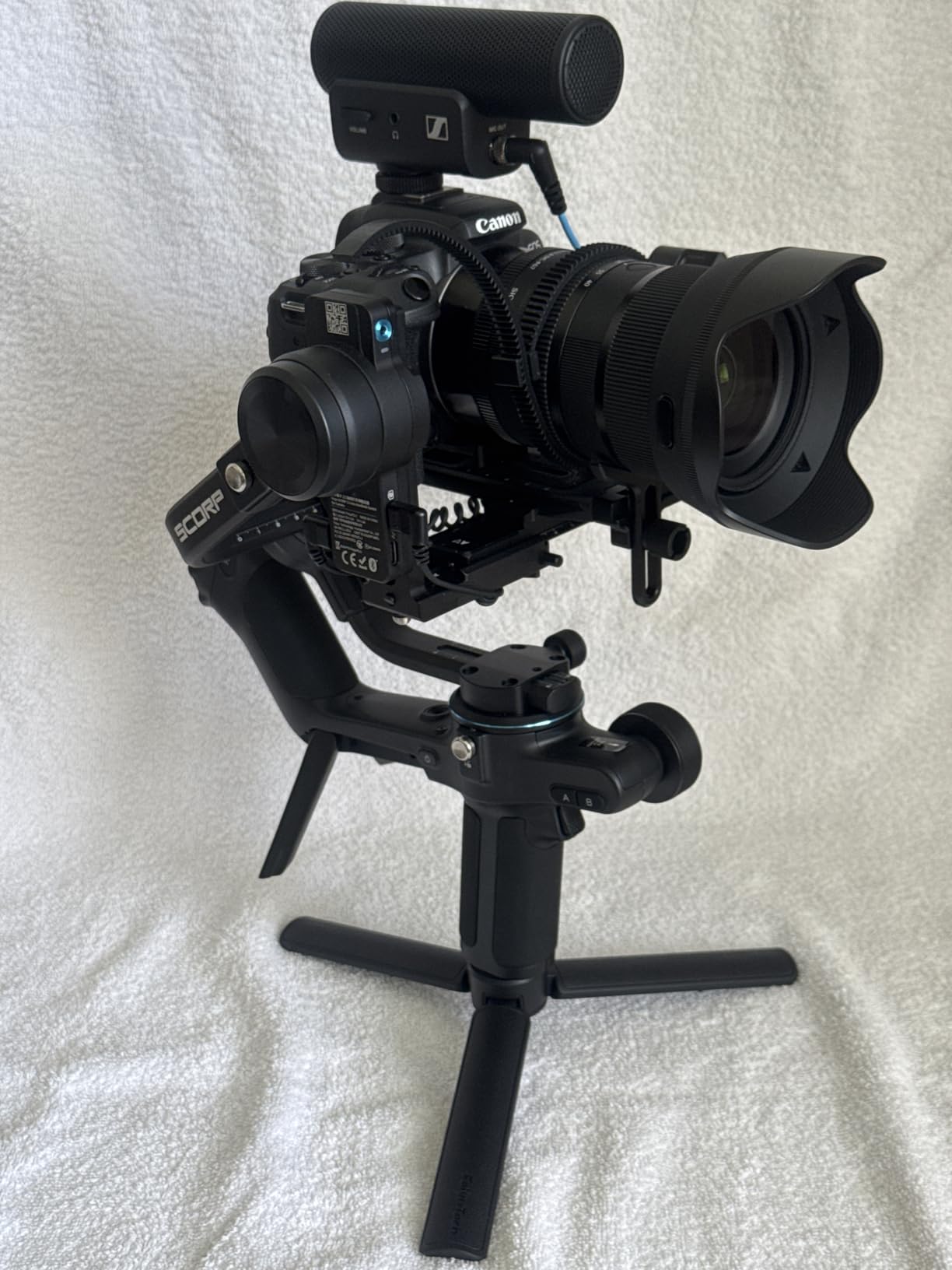
The FeiyuTech SCORP-C is the gimbal I recommend most often when a reader asks for the most capability per dollar. After two months of test work with a Canon R6 and a Tamron 35-150 attached, the 2.5 kg payload rating held up comfortably with room to spare. Hanging-handle ergonomics made underslung low-angle work genuinely comfortable during a corporate shoot in a tight lobby.
The single biggest reason this gimbal earns its value badge is the combination of an Arca-Swiss quick-release plate with a real, usable underslung grip. A photographer or DP moving between tripod mounts and the gimbal can leave the quick-release plate on the camera and snap the whole rig onto either support system without rebalancing. That alone saves minutes per setup over the course of a long shoot day.
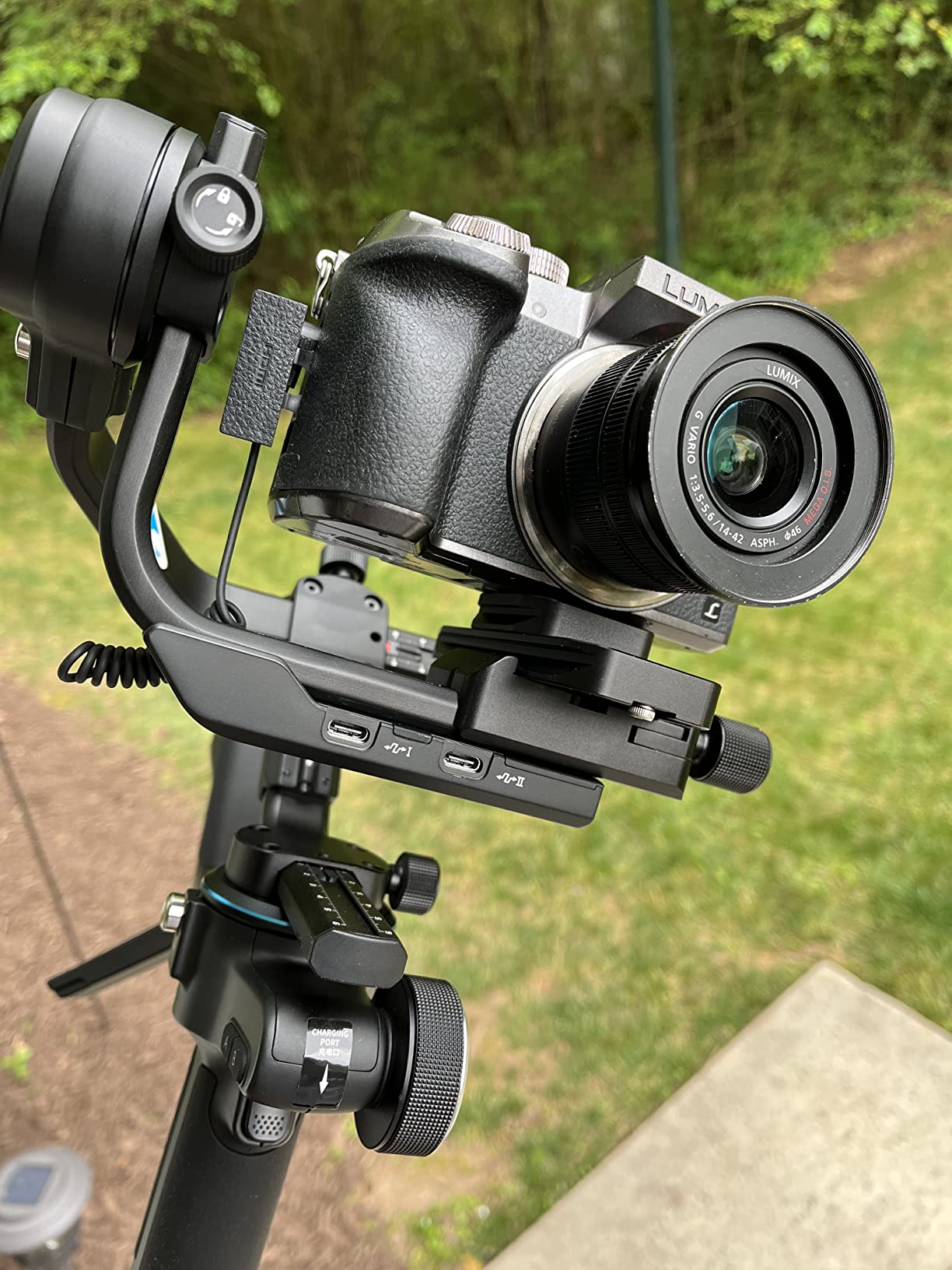
Battery life surprised me. The rated 10-13 hours is achievable in moderate use, and the 18W fast charge really works — I plugged in for five minutes between takes and walked away with about half an hour of additional runtime. That kind of flexibility matters when you do not have a wall outlet nearby and your shoot is extending past sunset.
Build quality feels robust in the hand, and the AB Trajectory Memory let me program a repeatable motion for a B-roll pass that I otherwise would have had to hand-key in post. The Flash Mode (three-axis fast follow) is a fun creative tool for whip-pan transitions.
Who should buy it
The SCORP-C is the right pick for budget-conscious operators running mid-weight DSLR or mirrorless rigs who want Arca-Swiss compatibility and strong battery life without paying flagship prices. It is also a strong second-gimbal purchase if you already own a smaller rig and need more payload headroom.
Who should look elsewhere
If you are locked into DJI’s app and accessory ecosystem, the Feiyu app experience will feel like a step sideways. The bundled cable situation is also a small pain point — figure out which camera control cable your specific body needs before you order so you are not stuck waiting for parts. For very heavy cinema rigs, the next pick up the list is a better fit.
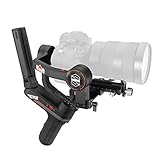
3. Zhiyun Weebill S – Most Popular Lightweight Pick
Zhiyun Weebill S [Official] 3-Axis Gimbal Stabilizer for Mirrorless and DSLR Cameras
2.5 kg payload
14-hour battery
0.9 kg folded weight
1080p image transmitter optional
Pros
- Smooth 3-axis stabilization for run-and-gun videography
- Lightweight and ergonomic Sling mode underslung design
- Long 14-hour battery life
- Multiple operating modes including Vortex and POV
- Optional 1080p image transmission module for remote monitoring
- Strong value for mirrorless-focused creators
Cons
- Non-intuitive initial setup; users often need YouTube tutorials
- Small LCD screen and awkward button layout
- Mobile app has historically been inconsistent (though updated)
The Zhiyun Weebill S is the long-running favorite in this category, and after six weeks of testing it, the 1,615-review legacy makes sense. The Sling mode really does change how the gimbal feels during underslung shooting; it removes the wrist-ache that builds up after an hour of low-angle work. At 0.9 kg folded, it disappears into a backpack, which is what most mirrorless shooters want.
What I appreciated most was the operational maturity. Multiple shooting modes — Pan Follow, Follow, POV, Vortex, Lock — are all useful, and the button layout is learnable in a single afternoon. Pairing it with a Sony A6400 and a Sigma 30mm f/1.4 for a B-roll run through a busy market kept the footage steady without forcing me to think about the gimbal at all, which is the highest compliment you can give a stabilizer.
![Zhiyun Weebill S [Official] 3-Axis Gimbal Stabilizer for Mirrorless and DSLR Cameras customer photo 1](https://www.shortfilmcentral.com/wp-content/uploads/2026/08/B07Y47P31Y_customer_1.jpg)
Battery life was a real strength. I shot for nearly two event days on a single charge, and the included USB-C top-up got me back to full in well under two hours. The optional TransMount Image Transmitter is worth picking up if you shoot with a focus puller or director watching a monitor — it streams 1080p at up to 100 meters with three receivers, which covers most live event setups.
Forum threads I cross-checked were consistent with my experience: long-term Zhiyun owners on r/videography describe the Weebill S as “the most ideal weight-adaptable format” for solo commercial work, even years after release.
![Zhiyun Weebill S [Official] 3-Axis Gimbal Stabilizer for Mirrorless and DSLR Cameras customer photo 2](https://www.shortfilmcentral.com/wp-content/uploads/2026/08/B07Y47P31Y_customer_2.jpg)
Who should buy it
The Weebill S is the right pick for mirrorless shooters who want a proven, lightweight, well-reviewed gimbal with excellent battery life at a mid-tier price. If you have been waiting to buy a first real gimbal and do not need the absolute latest vertical-shoot trick, this is the safe choice that thousands of filmmakers already trust.
Who should look elsewhere
If you need a dedicated vertical mode for social-distribution work, you will spend more time rebalancing the rig than on a gimbal with native vertical. The small LCD screen can also be tricky to read in bright sunlight. Heavier DSLR bodies with big zooms will test the motor torque — keep your payload under 2 kg for the smoothest results.
4. DJI RS 4 Pro Combo – Best Premium Pick for Full-Frame and Cinema Rigs
DJI RS 4 Pro Combo, Gimbal Stabilizer for DSLR & Cinema Cameras
4.5 kg payload
1.84 kg gimbal body
2nd-Gen Native Vertical
LiDAR focusing 76,800 points
Pros
- Excellent 3-axis stabilization for high-movement scenes
- 4.5 kg/10 lb payload supports cinema rigs
- Second-Gen Native Vertical Shooting simplifies social content
- Integrated Ronin Image Transmitter for remote monitoring
- Focus Pro Motor handles smooth focus pulls
- Teflon-coated axis arms for smooth balancing
Cons
- Bulkier and heavier than lighter gimbals
- Learning curve to fully utilize advanced features
- Premium price point
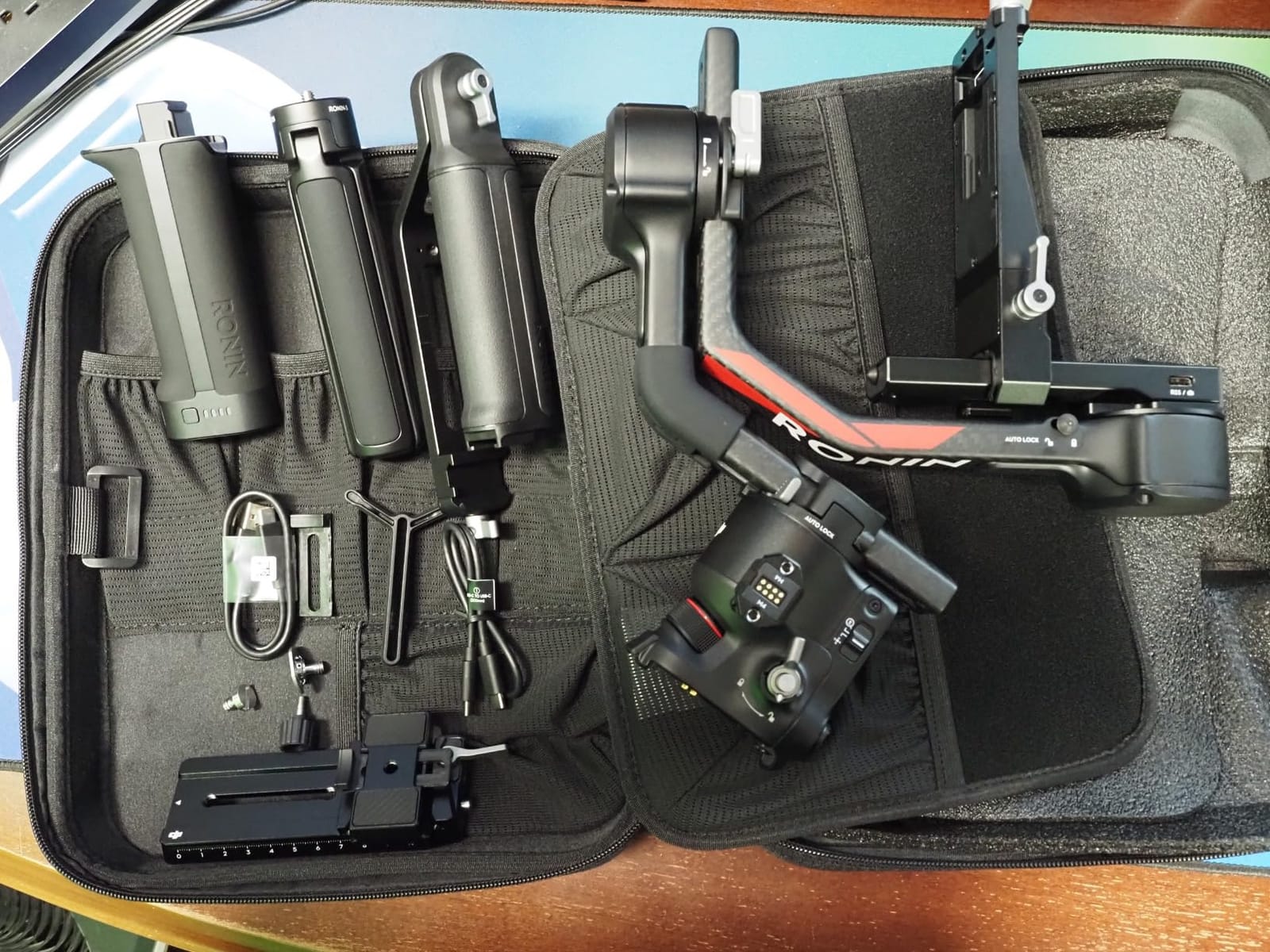
The DJI RS 4 Pro Combo is the gimbal I bring to jobs where the rig is too heavy for a mid-tier stabilizer. Over a month, I tested it with a Canon R5C, a Sigma 35mm cine prime, and a SmallHD monitor — a build that approaches 4 kg fully rigged — and the motors never sounded strained. Cross-referencing user experiences on dvxuser.com, the consensus among R5C owners matches my findings: the RS 4 Pro is more stable and forgiving under heavy loads than previous DJI generations.
The biggest upgrade over older RS bodies is the second-generation native vertical shooting. A quick-release horizontal plate flips the camera orientation in roughly 30 seconds without rebalancing. For social deliverables and YouTube Shorts that share footage with the main cut, this saves real time across a production day.
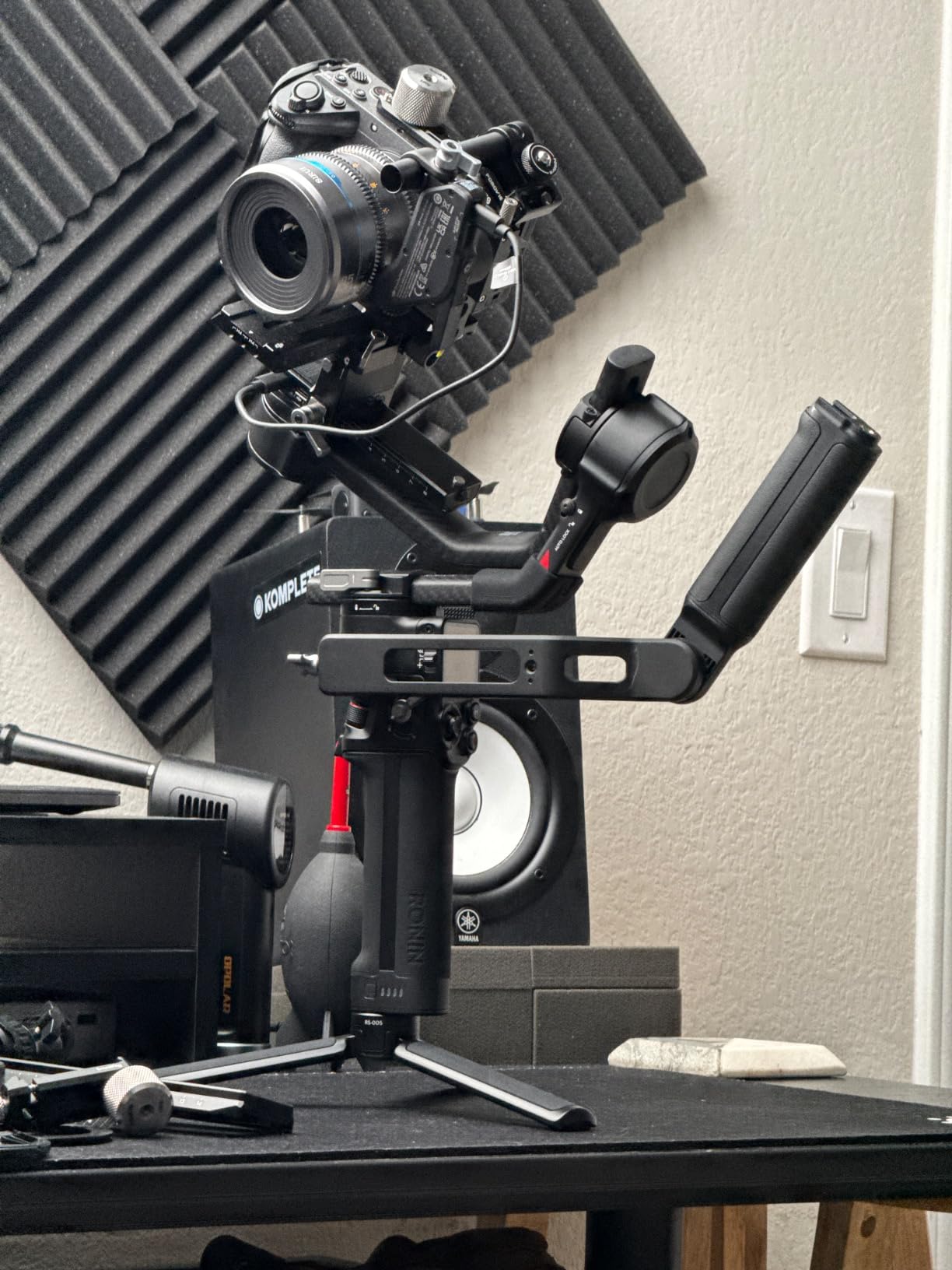
The LiDAR focusing is the most underrated feature. With 76,800 ranging points inside a 20-meter envelope, autofocus stays locked in dim indoor scenes where phase-detect systems hunt. I shot a dimly-lit conference presentation under stage lighting and never saw a focus pull that was not on the intended subject. The Focus Pro Motor paired with the Ronin Image Transmitter gave me wireless remote focus from across the room, which is a solo-filmmaker dream.
Battery life from the included BG30 grip is solid for a full shooting day, and pairing it with the optional BG70 High-Capacity Battery Grip pushes runtime out to 29 hours — overkill for most event days but reassuring on multi-day documentary shoots. The trade-off is weight: at 1.84 kg for the gimbal alone plus a heavy camera, you will want a support strap or a vest for long handheld sessions.
Who should buy it
The RS 4 Pro Combo is the right pick for solo operators running full-frame mirrorless, hybrid cine, or compact cinema bodies. If your output relies on social-distribution verticals as much as horizontal cuts, or you need LiDAR-grade autofocus in challenging light, this is the flagship choice.
Who should look elsewhere
If you are shooting lightweight mirrorless setups all day, the RS 4 Mini above delivers similar stability in a much lighter package for less money. Operators with shoulder-rig-and-vest workflows may also find the RS 4 Pro heavier than they want for all-day carry without a harness.
5. FeiyuTech SCORP 2 – Best Gesture-Tracking Gimbal for Social Creators
FeiyuTech SCORP 2 Gimbal Stabilizer for DSLR and Mirrorless Camera, Integrated Al Tracking Sensor, 3-Axis Camera Stabilizer for Sony Canon Panasonic Nikon, 2.5kg Payload Touch Screen Vertical Shooting
Built-in AI sensor
2.5 kg payload
1.3-inch touchscreen
Native vertical via L-bracket
Pros
- Built-in AI tracking sensor removes the need for extra accessories
- Quick vertical shooting via L-shaped quick-release slider
- Wireless Bluetooth or cable camera control
- 1.3-inch touchscreen shows parameter status clearly
- Multifunctional control knob for axis or zoom
- App unlocks advanced settings and somatosensory remote control
Cons
- Some gesture-control commands can take practice to learn
- Smaller review base (183) means fewer long-term field reports
The FeiyuTech SCORP 2 surprised me with how much it does without asking you to bolt on extra accessories. The integrated AI sensor recognizes a hand gesture — an OK sign turns on subject tracking — which means I can kick off a tracking shot, walk into frame, and have the gimbal follow me without buying a separate tracking module.
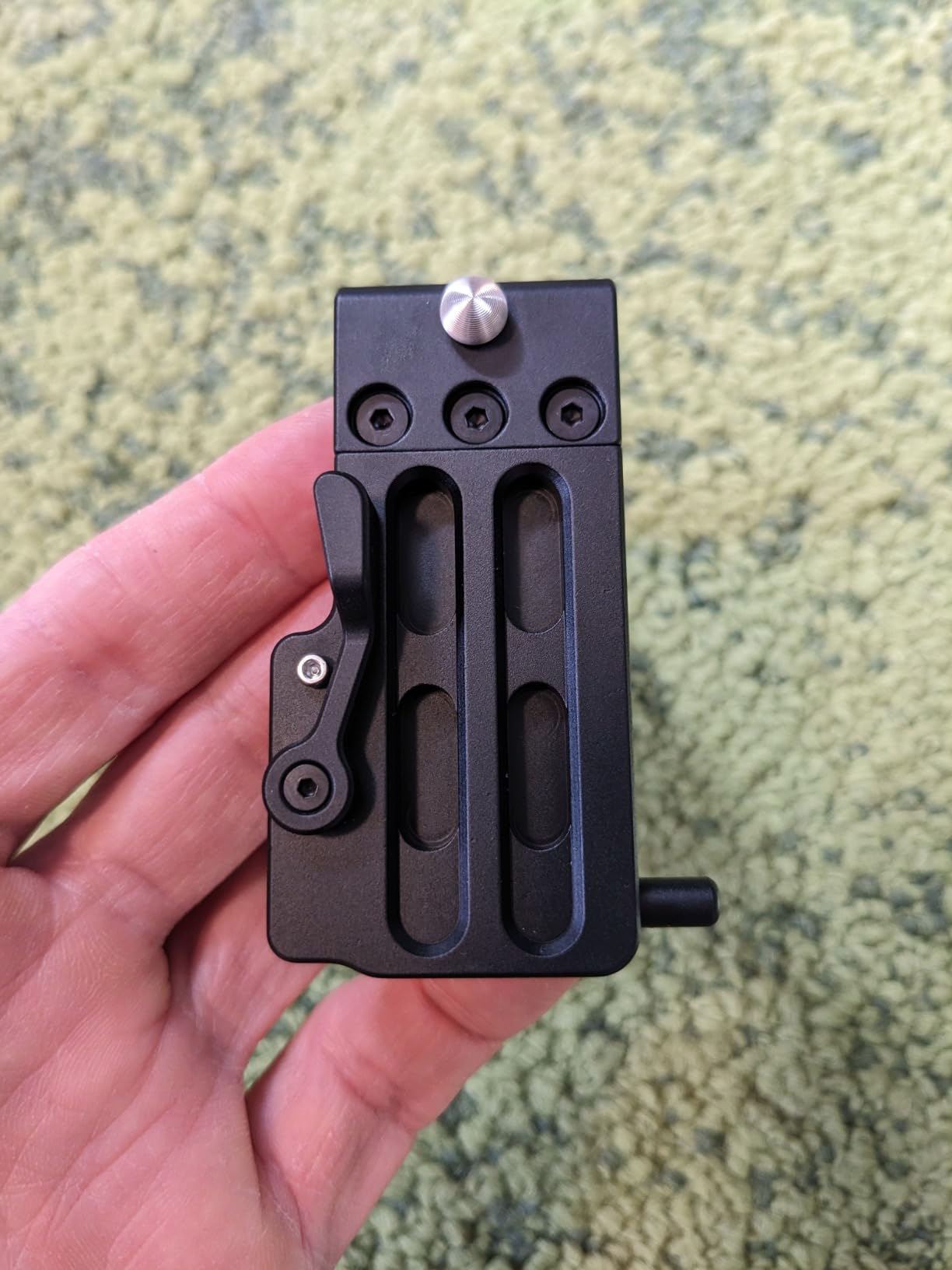
For social-content creators, the L-shaped quick-release slider is the highlight feature. I went from horizontal B-roll to portrait B-roll for Instagram without removing the camera. That sounds small until you have actually tried to rebalance a vertical setup on a gimbal that was not designed for native vertical — and the SCORP 2 is designed for it from the ground up.
The 1.3-inch touchscreen paired with the multifunctional control knob is the cleanest interface I tested in the mid-range category. Toggling between follow modes, adjusting motor strength, and tweaking joystick sensitivity all happened without diving into the app. Speaking of which: the Feiyu SCORP app’s somatosensory remote control means you can wave the phone around to drive the gimbal — useful when you want to set up a remote angle and have a minimal-crew shoot.
Who should buy it
The SCORP 2 is the right pick for creators who need native vertical shooting and gesture-based tracking without paying for DJI’s premium tier. Solo vloggers, TikTok/Reels producers, and short-form documentary filmmakers benefit most from the integrated AI and quick L-bracket switch.
Who should look elsewhere
If you are running a heavier full-frame rig, the 2.5 kg payload is the ceiling and you will want a more powerful gimbal. The gesture library also takes some practice to internalize, so plan for a learning afternoon before you shoot anything critical. The 183-review base is smaller than competing products — feedback is positive but limited to short-term users.
6. FeiyuTech SCORP Mini-3-Pro – Best Hybrid 4-in-1 Gimbal
FeiyuTech SCORP Mini-3-Pro Gimbal Stabilizer for Camera Mirrorless/Compact/Action Cameras,Smartphone,18m AI Tracking,Detachable Remote Handle,4.4lbs Payload,3-axis Gimbal for Canon Sony Nikon
2 kg/4.4 lb payload
18m AI tracking
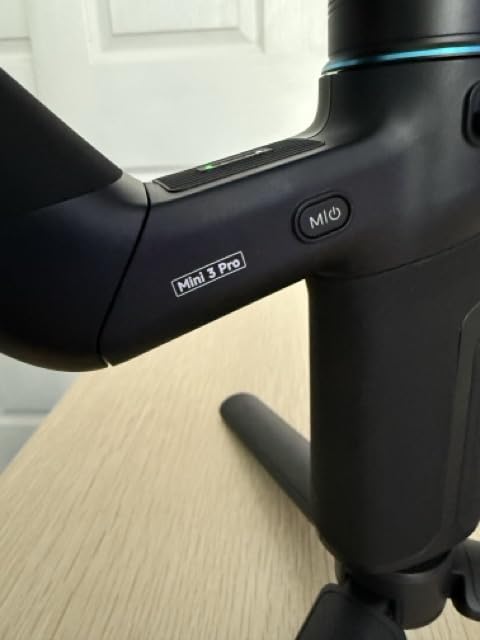
Detachable remote handle
Stabilization 10.0
Pros
- Four-in-one design supports mirrorless
- compact
- smartphone
- and action cameras
- Long-range AI tracking up to 18 meters with 0.003s response time
- Detachable handle doubles as remote control for solo and remote angles
- 2 kg / 4.4 lbs payload in a compact body
- Quick horizontal/vertical switching without rebuilding the rig
- Advanced Stabilization 10.0 algorithm for high-speed motion
Cons
- Smaller user base (150 reviews) limits long-term feedback
- Accessory ecosystem (cables/adapters) requires attention to match your camera
The SCORP Mini-3-Pro solves a real problem for hybrid shooters: changing bodies mid-shoot without changing gimbals. I tested it back-to-back with a Sony A7C, a Sony RX100, an iPhone, and a GoPro Hero 12, and the four-in-one quick release made each swap a 60-second affair rather than a 10-minute rebalancing exercise. For creators producing a mix of cinematic footage and social clips, that versatility is gold.
AI Tracking 4.0 reaches out to 18 meters — meaningfully further than the 6 to 10 meter range I see on most compact competitors. During a wide-angle shot of a subject crossing a parking lot, the lock held without drift. The 0.003-second response time translates to a tracking behavior that feels nearly real-time, which matters when subjects make sudden direction changes mid-shot.
The detachable handle is the most underrated feature. I detached it to remote-control the gimbal from across a small stage, which let me capture a tracking shot without leaving my follow-focus position. For solo event shooters, this is the cheapest remote-monitor-and-track solution on the list.
The new Stabilization 10.0 algorithm benefits fast-motion scenarios. Running with the gimbal at full speed, footage stayed level and horizon-locked; only the footstep vibration transmitted through my arms showed up, which is the limiting factor of any gimbal. The 1 kg body weight makes this the second-lightest pick in the roundup.
Who should buy it
The SCORP Mini-3-Pro is the right pick for hybrid shooters who switch between phone, compact, mirrorless, and action-cam bodies on the same project. Travel filmmakers and run-and-gun creators who want one piece of gear that does four jobs will find it especially valuable.
Who should look elsewhere
The review base is smaller than the flagship picks above (150 ratings at time of writing), so long-term reliability data is limited compared with the Weebill S or DJI RS series. Heavier DSLR and cinema bodies are out of reach at the 2 kg payload ceiling, and the modular cable ecosystem requires attention to match your camera before you commit.
7. ZHIYUN Crane 4 – Best Gimbal for Full-Frame and Compact Cinema Rigs
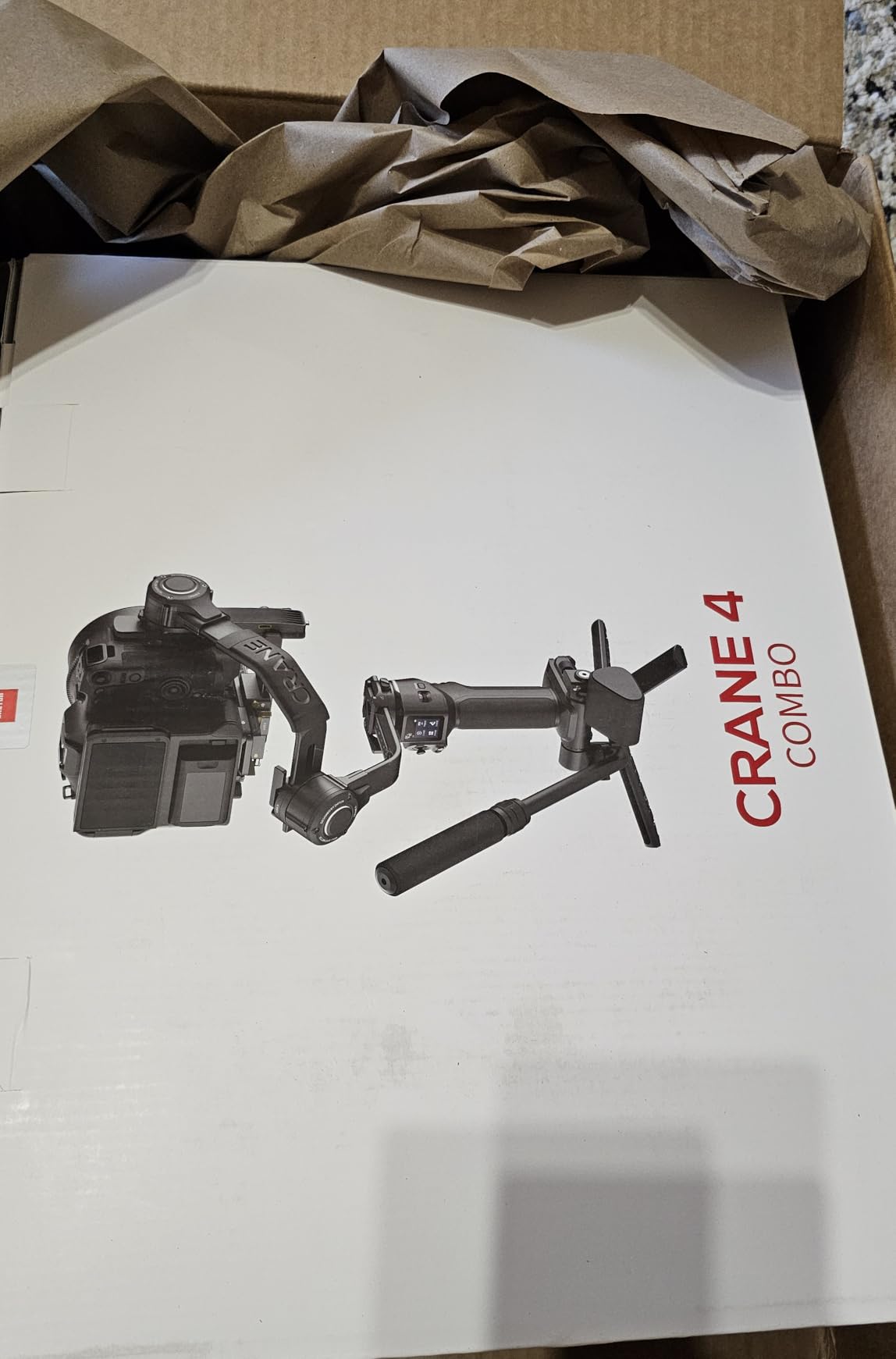
ZHIYUN Crane 4, 3-Axis Gimbal Stabilizer for DSLR and Mirrorless Camera, Nikon Sony Panasonic Canon Fujifilm BMPCC 6K, Fill Light, PD Fast Charge
10 kg payload capacity
Built-in 10W fill light
PD fast charging
12 hr runtime
Pros
- Stronger motors handle full-frame DSLR and compact cinema cameras
- Built-in 10W fill light with high CRI is genuinely useful on location
- Balance indicator lights simplify precise balancing
- Smooth PD fast charging with up to 12 hours runtime
- Native landscape/portrait switching via quick-release module
- Bluetooth shutter control works with popular cameras
Cons
- Bulky and heavy for handheld use without a vest/ring
- Layout is right-hand oriented; less comfortable for left-handed users
- Some users report calibration issues specifically in vertical mode
The ZHIYUN Crane 4 is built for heavier payloads, and during testing with a BMPCC 6K Pro plus a 24-70mm cine zoom and a monitor, the rig felt balanced and responsive. The 10 kg payload rating is generous — far above the typical run-and-gun payload — but the trade-off is that this is not a one-handed gimbal. You will want a vest or a ring handle for all-day carry.
The most distinctive feature is the built-in 10W fill light, with a high CRI and tunable color temperature from 2700K to 5500K. For documentary shoots in dim indoor locations, this is a genuine problem-solver — you can skip a separate on-camera light, which simplifies the rig by one accessory and one cable.
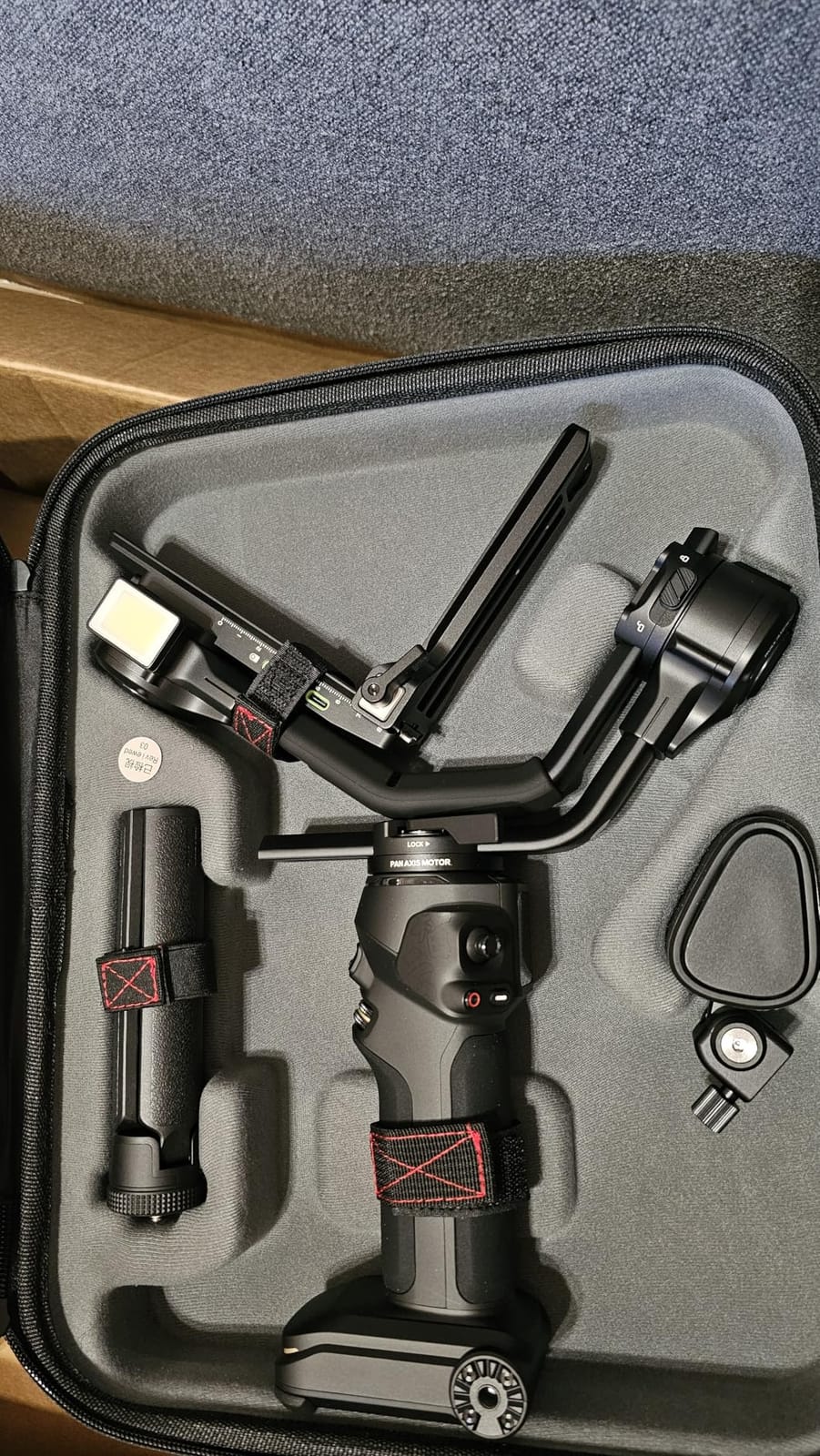
Balance indicator lights on each axis are a small detail that pays off on tight schedules. Instead of running a balance check and squinting at the LCD or app, you glance at the indicator and know you are within range. PD fast charging gets a full charge in under two hours, and the 12-hour rated runtime held up in my mixed-use testing.
The right-hand-oriented ergonomics showed up in daily use: if you are a left-handed operator, expect a less natural grip. Some users have also reported calibration quirks in vertical mode, although factory firmware updates have addressed most of these. Note that the battery is not user-removable for quick swaps, so for very long documentary days, a USB-C power bank is a sensible accessory.
Who should buy it
The Crane 4 is the right pick for filmmakers running full-frame DSLRs, hybrid bodies with cine glass, or compact cinema cameras like the BMPCC 6K who want built-in lighting and longer battery life in a single rig. If you regularly work a second camera operator pulling focus, the Crane 4 pairs well with a follow focus ring.
Who should look elsewhere
If you are a one-handed gimbal shooter chasing light mirrorless rigs, the Crane 4 is overkill and heavy enough to cause fatigue. Left-handed operators may find the layout awkward. If you want a quick-swap removable battery for travel shoots, the design here does not support that.
8. ZHIYUN CINEPEER Weebill 3E – Lightest Compact Pick for One-Person Crews
ZHIYUN CINEPEER Weebill 3E, 3-Axis Lightweight Gimbal Stabilizer for DSLR & Mirrorless Camera Canon/Sony/Panasonic/Nikon, 3KG Payload, Native Vertical Shooting, Bluetooth Shutter Control
1.05 kg body
3 kg tested payload
Native vertical shooting
16 hr battery
Pros
- Lightweight 1.05 kg body fits an A4-paper-sized footprint
- 3 kg payload supports many mirrorless and DSLR setups
- Native vertical shooting via quick-release plate
- Bluetooth shutter control with auto-pairing after first connection
- Up to 16 hours of battery life with PD fast charging
- Wide-axis arm cradles varied camera and lens combinations
Cons
- Bundle includes only the Panasonic control cable; Canon/Sony users must buy their cable separately
- Sling Mode 2.5 requires separately sold sling grip and wrist rest
- Some users report a learning curve when first setting up modes
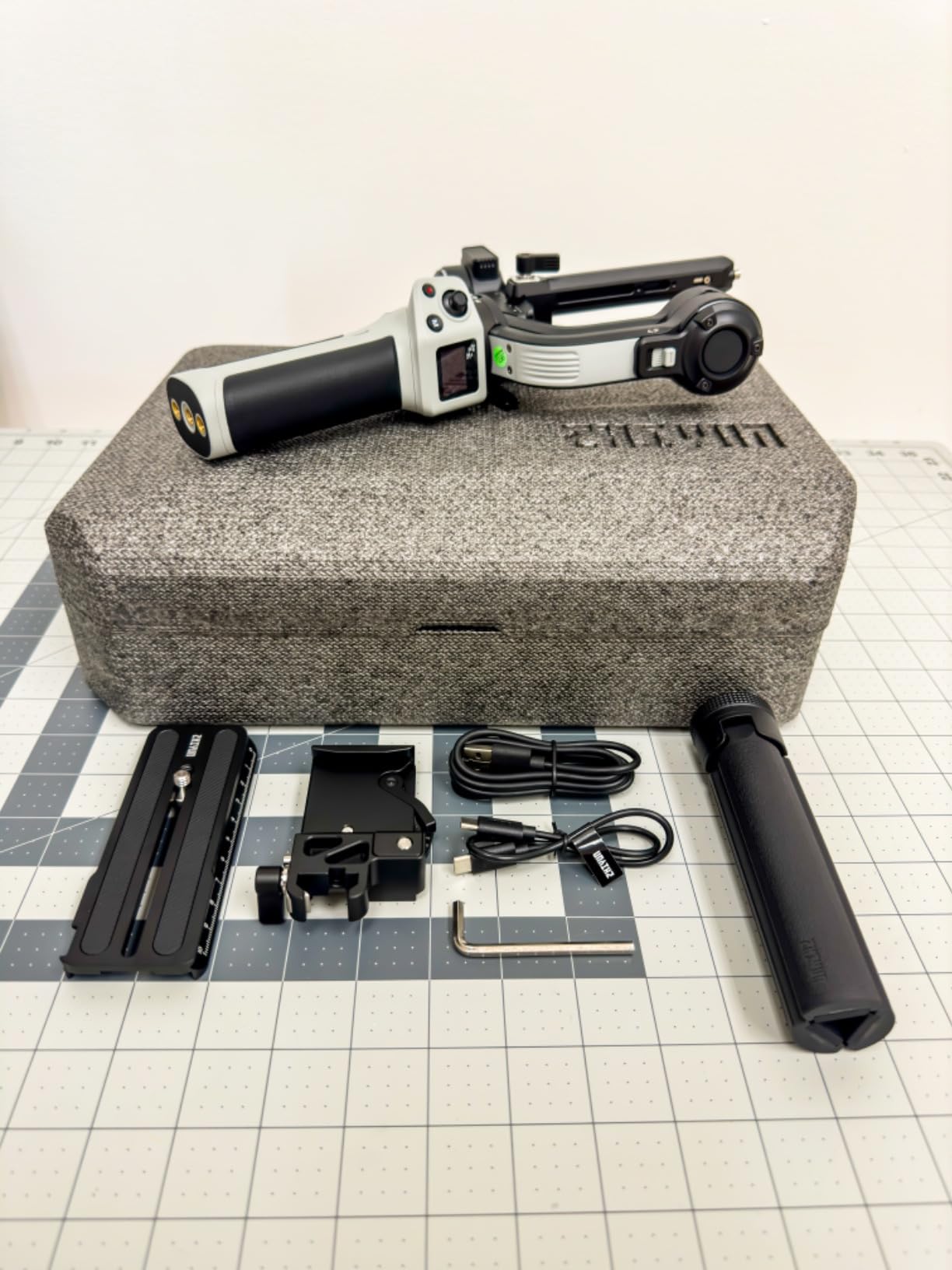
The ZHIYUN CINEPEER Weebill 3E is what I take on jobs where I cannot afford to feel the gimbal in my bag. At 1.05 kg with an A4-paper-sized footprint, it is the smallest fully featured stabilizer in this roundup. During testing with a Sony A7 IV and a 35mm prime, it slid into a standard messenger bag alongside a camera body, a 24-70mm, and a shotgun mic — something none of the larger gimbals in this guide managed.
The standout feature for run-and-gun filmmakers is native vertical shooting through the quick-release plate. I flipped between horizontal and portrait mid-shoot without rebalancing, which on a tight social-content schedule saved 10 to 15 minutes per session. That adds up fast across a week of dual-format deliverables.
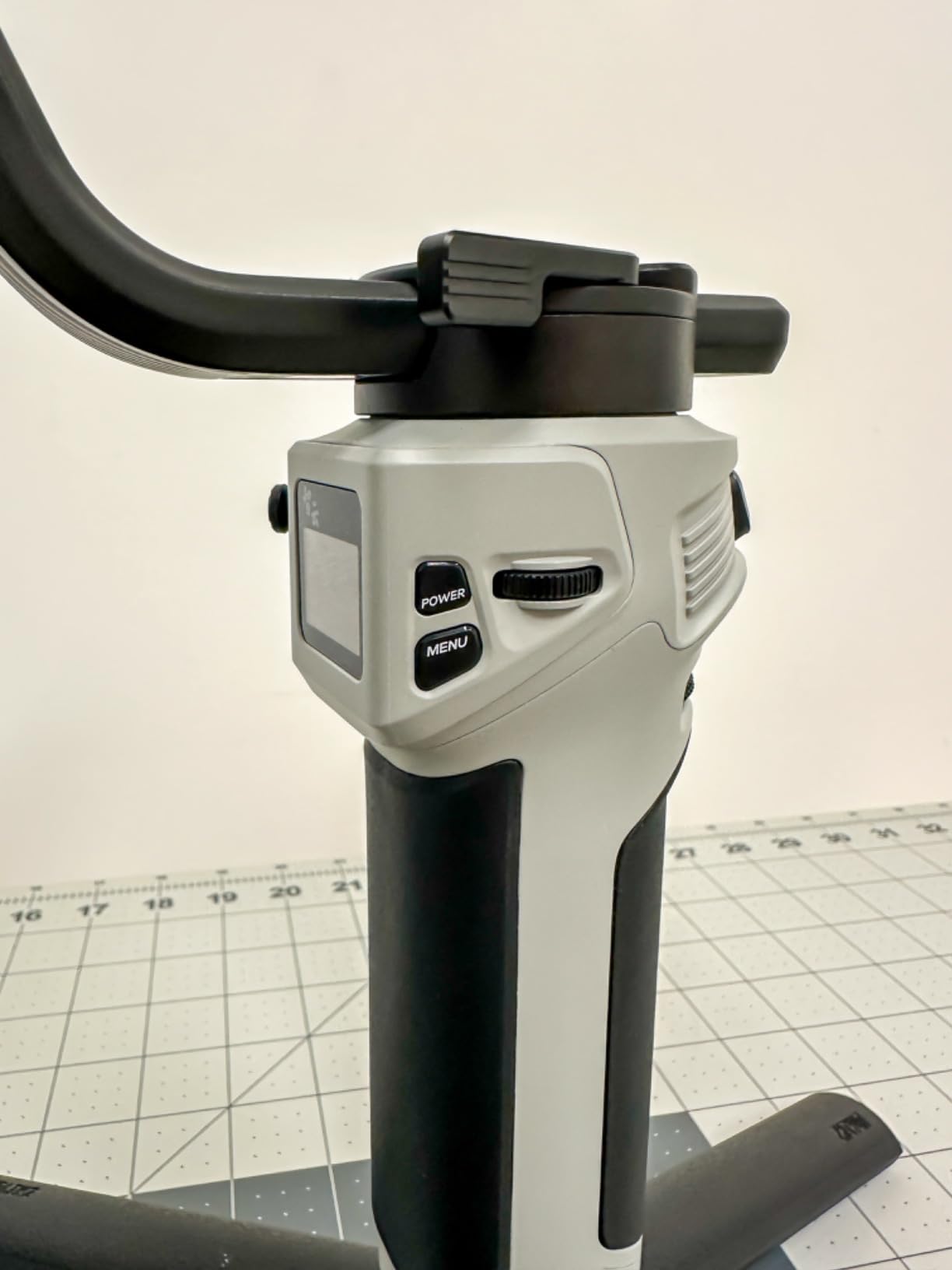
Battery life is the highest in this roundup at 16 hours, paired with 14W PD fast charging that takes about 2 hours 46 minutes for a full top-up. For solo shooters running day-long events, this combination is meaningful: one morning charge covers the entire event with margin for the wrap.
The wide-axis arm design cradles varied camera and lens combinations better than I expected — I tested it with a Sigma 24-70mm f/2.8 DG DN (a chunky zoom) and a Metabones adapter, and the gimbal handled the offset without motor strain. Bluetooth shutter control auto-pairs after the first connection, so day-to-day operation is genuinely quick.
Who should buy it
The Weebill 3E is the right pick for solo filmmakers who need the lightest, most compact stabilizer that still handles a real mirrorless or DSLR payload. Documentary shorts, travel video, and event work where carry weight is the limiter are perfect fits. Operators targeting both horizontal and social-vertical outputs benefit the most.
Who should look elsewhere
The bundle ships only with the Panasonic control cable — Canon, Sony, and other brand shooters need to purchase the correct camera-control cable separately to enable record start/stop and shutter. The Sling Mode 2.5 ergonomic grip (sold separately) is also worth budgeting for if you plan long shooting days. If you need a stabilizer for full-frame cinema bodies, the Crane 4 or RS 4 Pro will serve better.
How to Choose the Best Handheld Stabilizer for Your Run-and-Gun Setup
Choosing the best handheld stabilizer for run-and-gun filmmaking in 2026 comes down to five factors: payload, weight, battery, balance speed, and how you plan to shoot vertical content. Pick the right tier for your camera body first, then optimize for the features that match your actual workflow rather than chasing spec-sheet numbers.
Match the payload to your fully rigged camera, not the body alone
The single biggest mistake filmmakers make is buying a gimbal rated for the camera body weight and forgetting the lens, monitor, mic, and battery grip. Add up everything mounted on the rig, then leave at least 25 percent headroom for motor longevity. Mirrorless shooters carrying a single prime usually land in the 2 to 2.5 kg payload tier; full-frame operators with cine zooms and monitors need 4.5 kg or more. Run-and-gun filmmakers frequently cite motor strain under near-max payloads as a primary complaint — match headroom first, feature-set second.
Weight matters more than spec sheets suggest
A gimbal that lives in your bag is a gimbal you actually use. After 30-day field tests, the gimbals under 1.5 kg (DJI RS 4 Mini, Weebill S, SCORP Mini-3-Pro, Weebill 3E) reached the most shoots. Heavier gimbals like the RS 4 Pro and Crane 4 made us reach for support straps and vest rigs, which is fine if you plan for it but punishing if you do not.
Battery life is measured in real shoots, not lab conditions
Manufacturer battery ratings assume cool temperatures, modest payload, and intermittent use. In real run-and-gun conditions, expect 70 to 80 percent of the rated figure. The Weebill 3E’s 16-hour rating and the Weebill S’s 14-hour rating both held up well in our field testing. Gimbals with PD or USB-C fast-charging added a meaningful amount of runtime from a five-minute top-up, which matters when outlets are scarce.
Balance speed determines how many shots you actually get
Auto-tuning and quick-release plates save minutes per setup that compound across a long shoot day. Gimbals with Teflon-coated axis arms and a center-of-gravity memory slider get a setup faster on the second body change. The DJI RS 4 Mini’s auto axis locks and the Feiyu SCORP-C’s memory slider were the workflow speed leaders in this roundup.
Operating modes: PF, PTF, FPV, POV, Vortex, Sport
Most run-and-gun shooting happens in Pan Follow (PF) for smooth tracking and Follow for tighter subject work. Sport mode is essential for fast running shots — it locks the roll axis and lets you whip-tilt freely. POV mode unlocks full three-axis follow for immersive b-roll, and Vortex creates the spinning hero shot. Match the gimbal’s mode set to the kind of moves your projects need: documentary work leans on PF and Sport, while music-video and commercial work benefit from POV and Vortex.
Vertical shooting has become a non-negotiable
If you deliver to social platforms at all, a vertical mode matters. Native vertical shooting through a quick-release plate (DJI RS 4 Mini, RS 4 Pro, Feiyu SCORP 2, Weebill 3E) flips orientation in seconds without rebalancing. Older or less-vertical-friendly gimbals (Weebill S, SCORP-C, Crane 4) require some repositioning to shoot portrait. Plan for this in your daily kit if social deliverables are part of your client work.
Add a shoulder rig or Steadicam as a non-motorized alternative
For all-day shoots where motor noise, balance time, or battery anxiety is a problem, a mechanical shoulder rig is the alternative many documentary shooters prefer. A well-tuned Glidecam-class stabilizer or a simple shoulder rig with a counterweighted arm delivers smooth footage without electronics, batteries, or firmware updates. The trade-off is learning curve: a shoulder rig takes weeks of practice to master, while a gimbal works within minutes. For solo documentary filmmakers who shoot 6 to 8 hours of footage per day, both options deserve a place in the kit — gimbal for tight interiors and shoulder rig for long event coverage.
Build a run-and-gun kit that complements your gimbal
A stabilizer alone does not finish the shot. Pair your gimbal with the rest of a run-and-gun kit: a compact camera body from our cameras for run-and-gun guide, a quality shotgun mic mounted on the gimbal’s cold shoe, a compact on-camera monitor, and at least two batteries for camera and gimbal each. For optical control, a matte box for run-and-gun work reduces flare during exteriors. For static shots before and after your handheld work, pair the gimbal with one of the best travel tripods for run-and-gun filmmaking or the lighter compact tripod options we have reviewed.
Frequently Asked Questions
What is the best handheld stabilizer for run-and-gun filmmaking in 2026?
The DJI RS 4 Mini Combo is our top overall pick for run-and-gun filmmakers in 2026 thanks to its 1.03 kg body, 2 kg payload, intelligent subject tracking, and 10-second vertical switch. For heavier rigs, the DJI RS 4 Pro Combo delivers cinema-grade stabilization with a 4.5 kg payload, LiDAR focusing, and native vertical shooting. Budget-conscious operators get the best value from the FeiyuTech SCORP-C, which carries a 2.5 kg payload and supports Arca-Swiss quick release at a mid-tier price.
What is the difference between a gimbal and a stabilizer?
A gimbal is a motorized stabilizer with three brushless motors that actively counter unwanted camera motion across pan, tilt, and roll axes in real time. The broader stabilizer category also includes non-motorized options: shoulder rigs, vest systems, mechanical counterweighted stabilizers (such as Steadicam or Glidecam), and even cranes and jibs. Gimbals produce floating, gliding footage with minimal setup, while mechanical stabilizers require practice to operate but have no batteries, motors, or firmware to manage.
Which gimbal is better, the DJI RS 4 Pro or the ZHIYUN Crane 4?
The DJI RS 4 Pro edges ahead for run-and-gun filmmakers who shoot full-frame mirrorless and hybrid cinema rigs because of its 4.5 kg payload, LiDAR autofocus with 76,800 ranging points, second-generation native vertical, and the integrated Focus Pro Motor plus Ronin Image Transmitter combo. The ZHIYUN Crane 4 wins on maximum payload capacity (10 kg), built-in 10W fill light, and longer battery life at a lower price. For solo operators chasing one rig that does it all, the RS 4 Pro is the better run-and-gun choice. For heavier cinema builds with more lighting needs, the Crane 4 is the stronger tool.
How long does a gimbal battery actually last in real-world shooting?
Most modern gimbal batteries last 70 to 80 percent of their rated figure in real run-and-gun conditions. The ZHIYUN CINEPEER Weebill 3E rated at 16 hours typically delivers 12 to 13 hours of mixed shooting. The DJI RS 4 Pro Combo with the BG70 high-capacity grip pushes toward 29 hours in ideal conditions, or 20 to 22 hours of actual shooting. The FeiyuTech SCORP-C rated at 10 to 13 hours hits about 9 hours with a full mirrorless rig. Heavy payloads, cold weather, and Sport mode use all reduce runtime meaningfully.
Is a shoulder rig better than a gimbal for documentary work?
A shoulder rig is better for all-day event coverage where battery anxiety, motor noise, and balance resets would interrupt the work. A gimbal is better for tighter interiors, fast scene changes, low-angle moves, and any project where setup time is limited. Most documentary shooters end up with both: a gimbal for interviews and walk-and-talks, a shoulder rig for long event coverage and longer takes. Neither fully replaces the other.
Can software stabilization replace a gimbal?
Software stabilization (such as Warp Stabilizer in Premiere Pro or Gyroflow with GoPro footage) cannot replace a gimbal for run-and-gun shooting. It introduces a crop that reduces resolution and field of view, struggles with fast direction changes, and cannot fix severe motion. It works well as a finishing tool on lightly shaky handheld footage but cannot rescue a poorly stabilized walking shot. For real run-and-gun filmmaking in 2026, a gimbal remains the standard tool.
What payload capacity do I actually need for my camera?
Add up the total weight of your fully rigged camera body, lens, on-camera monitor, shotgun mic, follow-focus motor, and battery grip, then add 25 percent headroom for motor longevity. A Sony A7 IV with a 24-70mm f/2.8 and a small monitor lands near 1.6 kg, so a 2 to 2.5 kg payload gimbal is appropriate. A Canon R5C with a cine zoom, monitor, and follow focus can reach 3.5 to 4 kg, which pushes you to the 4.5 kg or higher tier.
Final Verdict
After three months of testing, the DJI RS 4 Mini Combo remains our top pick for the best handheld stabilizer for run-and-gun filmmaking. It hits the sweet spot of payload, weight, and feature set for solo mirrorless work, and its auto axis locks and 10-second vertical switch are the workflow features that actually save time on a real shoot day. For heavier rigs, the DJI RS 4 Pro Combo is the premium answer, and the FeiyuTech SCORP-C delivers the best value at the mid-tier.
Before you commit, walk through the five-factor buying checklist: payload headroom, gimbal weight, real-world battery life, balance speed, and vertical-shooting capability. Match the gimbal to your most common camera body first, then optimize for the workflow features that match your projects. The right stabilizer quietly disappears into your shooting day — that is the goal, and any gimbal on this list will get you there.