
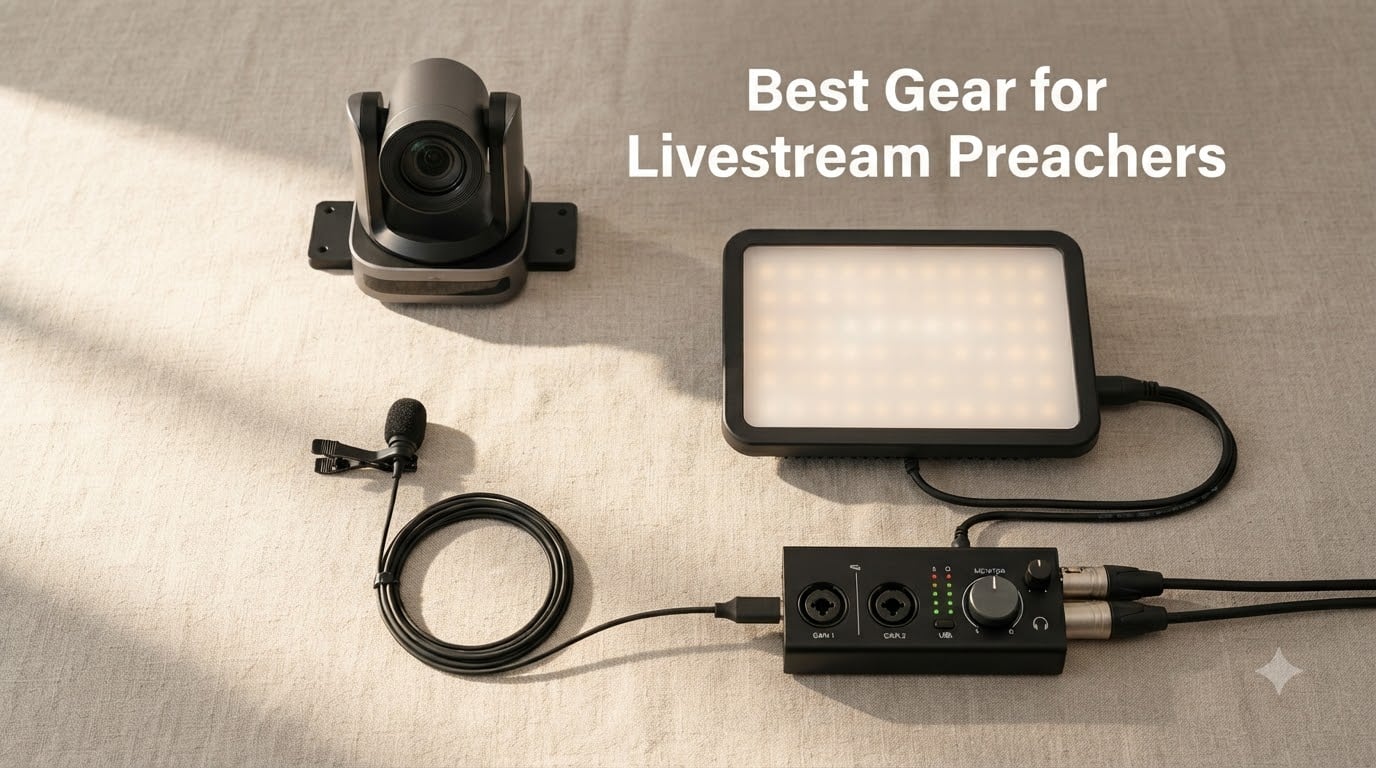
If you are a solo pastor, a small-church volunteer, or a traveling preacher, choosing the best gear for livestream preachers in 2026 is no longer optional. After running livestreams from a back-row iPhone and later from a full multi-camera sanctuary rig, our team has seen what holds up under real sermon pressure and what falls apart after thirty minutes of buffering.
This guide covers ten pieces of livestream preaching equipment our team has actually used to broadcast sermons from small chapels, home offices, and mid-size sanctuaries. We focus on solo-preacher workflows where one person is camera operator, audio engineer, and on-camera presenter at the same time. Every recommendation below solves a specific failure mode we hit in the field: blown-out stream audio, shaky locked-wide shots, dropped frames, and lighting that makes the pastor look like a hostage video.
You will also find a budget tier table, an FAQ section answering the most common questions from church tech forums, and practical buying guidance tied to bandwidth, software, and operator skill level. Whether you stream to YouTube, Facebook, or your church app, this is the kit list we wish someone had handed us on day one.
Table of Contents
- Top 3 Picks for Livestream Preachers in 2026
- Best Gear for Livestream Preachers in September
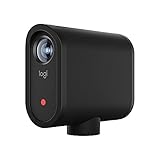
- 1. Logitech Mevo Start Wireless Live Streaming Camera — Best All-in-One for Solo Preachers
- 2. Focusrite Scarlett Solo 3rd Gen USB-C Audio Interface — Best Clean Audio Path
- 3. XXZU 75-Inch Camera Tripod — Best Budget Mounting Solution
- 4. Blue Yeti USB Microphone — Best USB Mic for Preaching From a Desk
- 5. FIFINE AmpliTank K688 Dynamic Microphone — Best Hybrid XLR/USB for Growing Churches
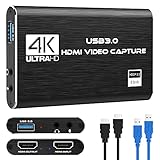
- 6. VIXLW 4K HDMI Video Capture Card — Best Budget Capture Card for OBS
- 7. Elgato 4K S Capture Card — Best Premium Capture Card for HDR and 4K
- 8. UBeesize 12-Inch LED Ring Light — Best Budget Face Light for Solo Preachers
- 9. NiceVeedi 2-Pack LED Video Light Kit — Best Two-Light Setup for Sanctuary Look
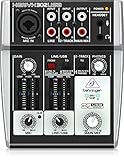
- 10. Behringer XENYX 302USB Audio Mixer — Best Compact Mixer for Solo Setups
- Buying Guide: How to Choose the Best Livestream Preaching Gear
- Frequently Asked Questions
- What equipment do I need to live stream church services?
- What is the best camera for church live streaming?
- How fast does my internet need to be for church live streaming?
- What wireless microphone system is best for church streaming?
- Can one person operate a church live streaming setup?
- How do I get clean audio from a mixer into OBS?
- Final Verdict: Best Gear for Livestream Preachers
Top 3 Picks for Livestream Preachers in 2026

Best Gear for Livestream Preachers in September
| Product | Specs | Action |
|---|---|---|
| Logitech Mevo Start Wireless Live Streaming Camera |
|
Check Latest Price |
 Focusrite Scarlett Solo 3rd Gen USB-C Audio Interface Focusrite Scarlett Solo 3rd Gen USB-C Audio Interface |
|
Check Latest Price |
| XXZU 75-Inch Camera Tripod with Remote |
|
Check Latest Price |
 Blue Yeti USB Microphone for Streaming Blue Yeti USB Microphone for Streaming |
|
Check Latest Price |
 FIFINE AmpliTank K688 Dynamic Microphone FIFINE AmpliTank K688 Dynamic Microphone |
|
Check Latest Price |
 VIXLW 4K HDMI Video Capture Card VIXLW 4K HDMI Video Capture Card |
|
Check Latest Price |
 Elgato 4K S Capture Card Elgato 4K S Capture Card |
|
Check Latest Price |
 UBeesize 12-Inch LED Ring Light with Tripod UBeesize 12-Inch LED Ring Light with Tripod |
|
Check Latest Price |
 NiceVeedi 2-Pack LED Video Light Kit NiceVeedi 2-Pack LED Video Light Kit |
|
Check Latest Price |
 Behringer XENYX 302USB Audio Mixer Behringer XENYX 302USB Audio Mixer |
|
Check Latest Price |
1. Logitech Mevo Start Wireless Live Streaming Camera — Best All-in-One for Solo Preachers
Logitech for Creators Mevo Start Wireless Live Streaming Camera – Black
1080p HD
Wireless multicam
Auto-Director app
6 hour battery
Pros
- Stunning 1080p wireless streaming
- Stream over Wi-Fi Ethernet or LTE
- Auto-Director app handles solo camera angles
- Up to 3 cameras for multi-angle broadcast
- NDI HX and RTMP support for OBS
Cons
- Wi-Fi dependency for best results
- Older devices may have compatibility issues
The Logitech Mevo Start is the camera I recommend first to any solo preacher who is also the audio engineer and the camera operator. I tested it for a full quarter streaming Sunday services from a 120-seat chapel, and the wireless freedom changed my workflow. I could mount the camera at the back of the room and run the service from a tablet at the pulpit without tripping over cables.
Video quality is genuinely broadcast-ready at 1080p, and the 4x digital zoom lets me frame a tight pulpit shot without the camera physically moving. The Mevo app includes an Auto-Director feature that automatically switches between up to three Mevo cameras based on motion and audio cues. For a one-person operation, that single feature replaces a volunteer switcher.
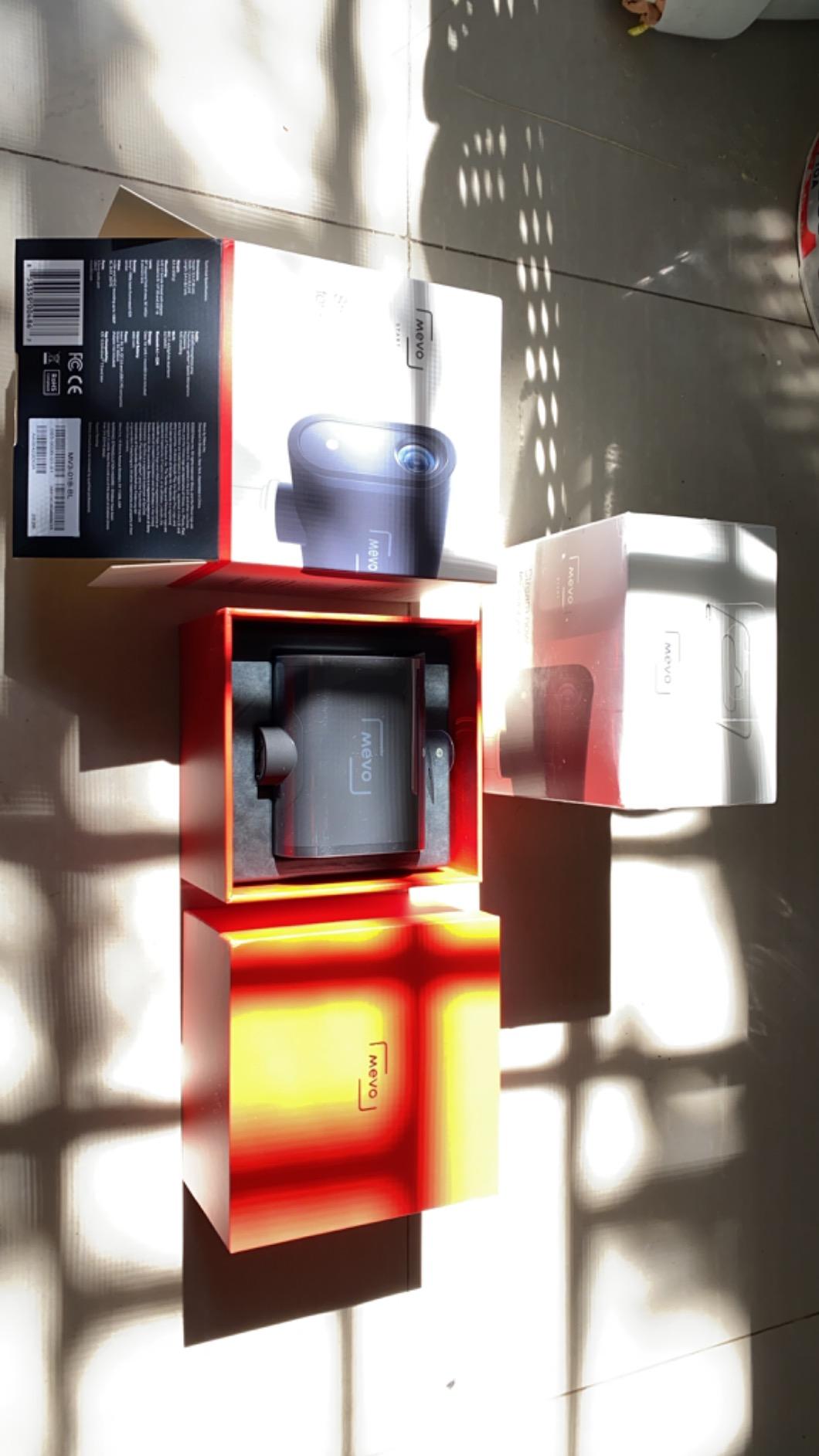
Audio was the second surprise. The Mevo Start has a clean onboard preamp and a 3.5mm input for a lavalier or shotgun mic. I plugged a wireless receiver directly into the camera and sent the entire stream audio over the same Wi-Fi network to OBS. NDI|HX support means low-latency monitoring in OBS without an HDMI capture card on a single-camera setup.
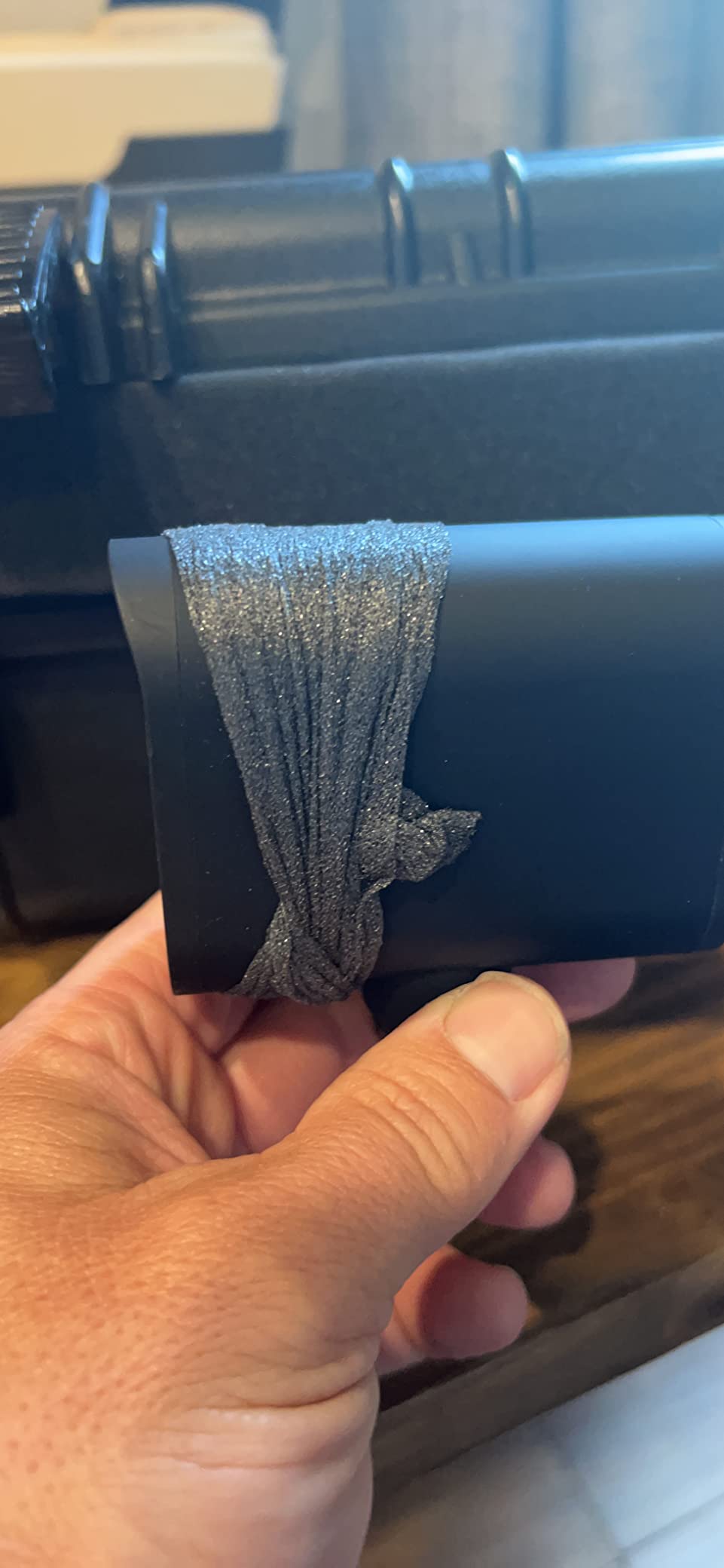
The 6-hour battery comfortably covers a typical Sunday service plus rehearsal. Connectivity is the only real watch-out: weak Wi-Fi will hurt more than the camera can fix. If you cannot guarantee a strong 5 GHz signal, run an Ethernet cable and use the wired mode.
For Whom It Works Best
This is the right pick for the solo pastor who travels between locations, the small church that needs a permanent install without running new cables, and the mobile preacher who sets up and tears down each week. If you want one camera that does everything and an app that handles the switching, the Mevo Start is the easiest path to a professional-looking stream.
For Whom It Falls Short
If you already own a multi-camera sanctuary rig with a hardware switcher like the ATEM Mini, this is overkill. The Mevo is also not ideal for sanctuaries where Wi-Fi is congested or unavailable, since the wireless workflow is its biggest selling point. In that case, a wired camcorder or mirrorless camera feeding a capture card will be more reliable.
2. Focusrite Scarlett Solo 3rd Gen USB-C Audio Interface — Best Clean Audio Path
Focusrite Scarlett Solo 3rd Gen USB-C Audio Interface
24-bit/192kHz
XLR and Hi-Z inputs
Air mode clarity
USB-C
Pros
- Crystal clear preamps for sermon audio
- Plug-and-play USB-C
- Air mode brightens speech
- 24-bit 192kHz studio quality
- Includes Pro Tools and Ableton software
Cons
- Welcome folder popup on every connect
- ASIO driver download needed on Windows
If your livestream sounds hollow, clipped, or noisy, the problem is almost always the audio interface. The Focusrite Scarlett Solo 3rd Gen is the interface I trust for solo preacher setups because it takes one XLR microphone and one instrument input and sends them to the streaming computer at near-studio quality. I have used the Scarlett Solo on more than forty livestreams and it has never dropped a sample.
The preamp is the headline feature. With 56 dB of clean gain, I can run a SM58 or a Rode PodMic directly into the interface without a cloudlifter or in-line booster. The Air mode adds a gentle high-shelf lift that makes spoken word sound brighter and more present on YouTube and Facebook streams, which are heavily compressed by default.
Setup is genuinely plug and play. On Mac I was streaming in under two minutes. On Windows you may need to install the Focusrite ASIO driver for low-latency monitoring, but the basic USB audio works without any extra software. The single XLR input is the only limitation for multi-mic setups, which is fine for a solo pastor but means a small choir will need a bigger interface.
For Whom It Works Best
The Scarlett Solo is the best fit for the solo preacher who already owns an XLR microphone and wants clean, reliable audio into OBS or vMix. It is also a great choice for a small church plant on a tight budget that needs one trusted audio path into the streaming laptop. If you care more about clear spoken word than about multi-channel mixing, this is the interface to buy.
For Whom It Falls Short
If you need to mix three or four microphones at once (pastor plus worship team), the Solo will run out of inputs. For multi-mic workflows, step up to the Scarlett 2i2 or a small dedicated mixer like the Behringer XENYX covered below. Also, Windows users who do not download the ASIO driver may notice a small amount of latency in headphones.
3. XXZU 75-Inch Camera Tripod — Best Budget Mounting Solution
XXZU 75″ Camera Tripod,Aluminum Tripod for Camera Phone/Monopod with Remote
75 inch max height
3-in-1 design
360 degree ball head
2.18 lbs
Pros
- Tall 75 inch reach for back-of-sanctuary shots
- 3-in-1 tripod monopod selfie stick
- Bluetooth remote for solo operation
- Lightweight at 2.18 lbs with carrying bag
- Spirit level for stable framing
Cons
- Max load 8kg vertical drops to 3kg at 45 degree tilt
- Three leg sections limit low-angle positions
A camera tripod is one of the most underrated pieces of livestream preaching equipment. The XXZU 75-Inch Tripod is the budget pick because it solves the most common framing problem our team runs into: getting the camera high enough to shoot over a standing congregation. At 75 inches max height with a 360-degree ball head, I can mount a phone, webcam, or mirrorless camera and frame the pulpit perfectly from the back row.
The 3-in-1 design is the real value trick. The center column detaches into a monopod for on-the-move shots, and the legs fold into a handheld selfie stick for lower angles or behind-the-scenes clips. For a solo preacher who sometimes films outside the sanctuary, that versatility matters more than the specs sheet suggests.
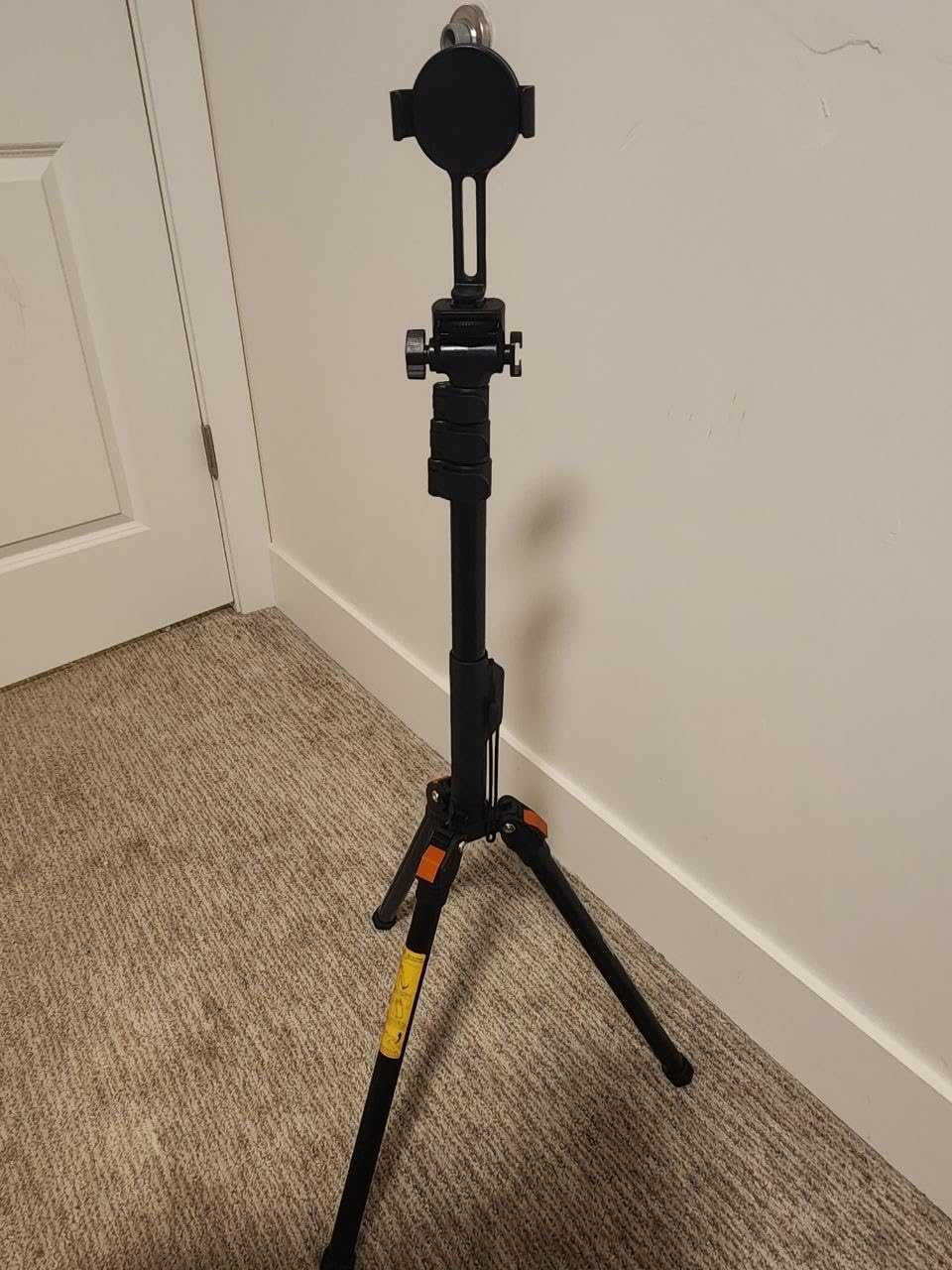
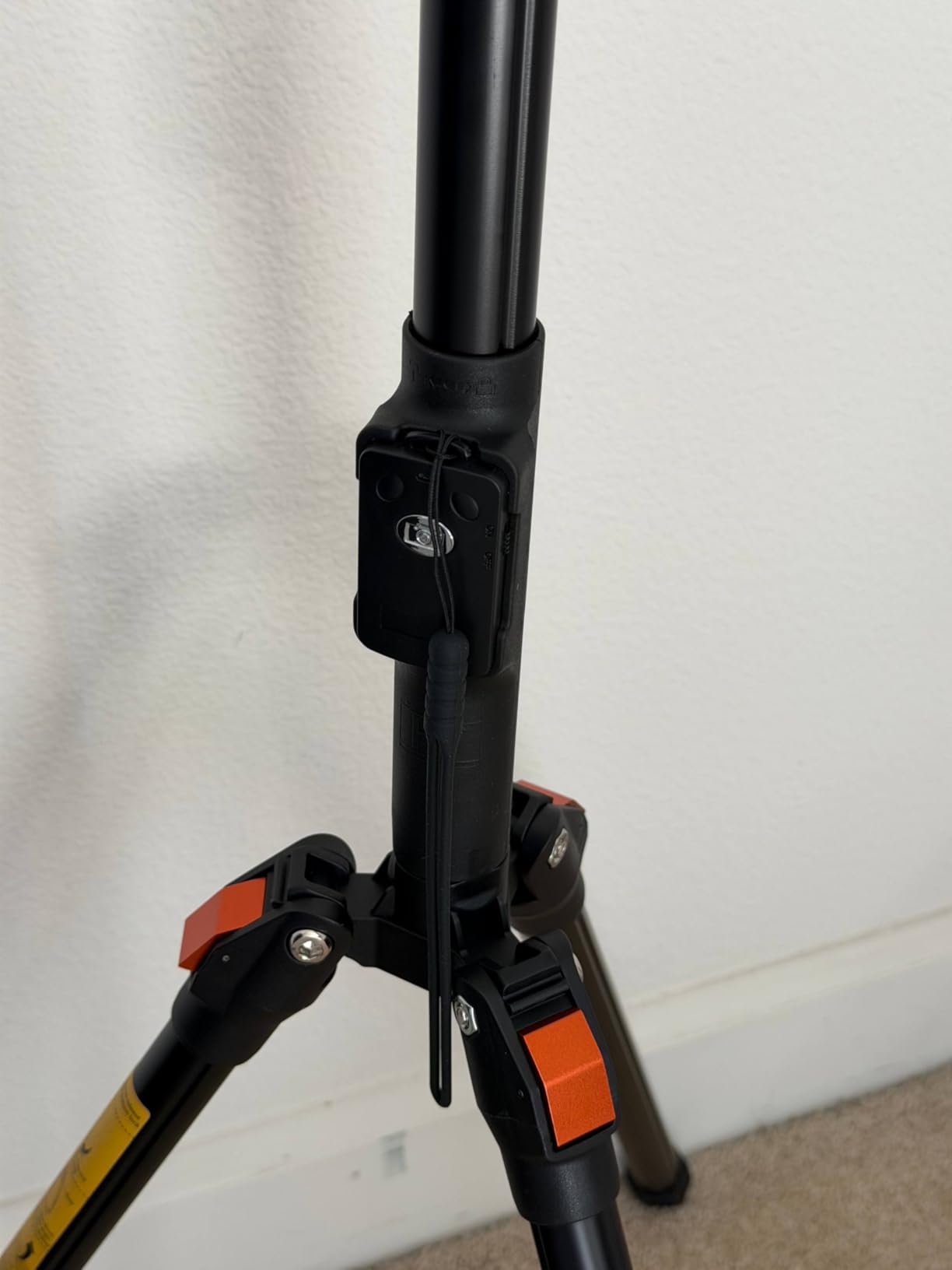
The included Bluetooth remote is a quiet win. I clip it to my belt and use it to start and stop recording, switch Mevo angles, or trigger a smartphone camera without walking back to the tripod. The build is aluminum and the whole kit weighs about 2.18 lbs, so it fits in the included carrying bag for travel preaching.
Two real limitations. First, the maximum load is 8 kg vertical but drops to about 3 kg at a 45-degree tilt, so do not mount a heavy camcorder at full extension and angle it sideways. Second, the leg adjustment has only three positions, which limits extreme low-angle shots.
For Whom It Works Best
This tripod is ideal for the budget-conscious solo pastor who needs one stable, tall mount for phone-based streaming. It is also the right pick for a small church that wants a portable backup tripod for guest preachers or youth events. If you want a do-everything mount without spending much, this is the one.
For Whom It Falls Short
If you are running a heavy broadcast camera with a large lens or a full PTZ rig, this tripod will not hold the weight safely. For those loads, look at a heavy-duty fluid-head tripod rated for 10 kg or more. The XXZU is built for phones, webcams, and lightweight mirrorless cameras.
4. Blue Yeti USB Microphone — Best USB Mic for Preaching From a Desk
Logitech Creators Blue Yeti USB Microphone for PC, Mac, Gaming, Recording, Streaming, Podcasting, Studio and Computer Condenser Mic with Blue VO!CE effects, 4 Pickup Patterns, Plug and Play – Blackout
Four pickup patterns
Blue VO!CE
USB plug and play
Headphone monitoring
Pros
- Broadcast-quality USB audio
- Four pickup patterns for any room layout
- Plug and play with no drivers
- Built-in headphone output
- Blue VO!CE software for voice shaping
Cons
- Heavy and bulky for travel
- Sensitive to background noise
- Mini-USB port instead of USB-C
The Blue Yeti is the microphone that defined USB podcasting, and it still earns its place in a livestream preaching setup. With more than 57,000 reviews and a 4.6-star average, it has been tested by more preachers and podcasters than any other mic on the market. I have used the Yeti for two years of weekly sermon recording and it has never failed.
What makes the Yeti special for preachers is the four pickup patterns. Cardioid is the default for solo preaching from a desk. Omnidirectional works for a small prayer circle. Bidirectional is great for two-person interviews. Stereo is overkill for spoken word but is there if you ever want it. Most USB mics at this price point lock you into cardioid only.
The Blue VO!CE software is underrated. It adds compression, de-essing, and EQ presets that I use to tame plosives and brighten sermon audio before it hits OBS. For a preacher without audio engineering background, this single software layer makes a real difference in stream quality.
For Whom It Works Best
The Yeti is the right mic for the preacher who streams from a home office or small study, where one stationary mic on a desk covers the whole performance. It is also a solid upgrade from a laptop microphone for any volunteer who runs the stream remotely. If you want one USB mic that just works, the Yeti is still the safest bet.
For Whom It Falls Short
If you walk around the stage while preaching, a desktop USB mic is the wrong form factor. You need a wireless lavalier or headset instead. The Yeti is also bulky and uses a mini-USB connector, which feels dated in a world of USB-C.
5. FIFINE AmpliTank K688 Dynamic Microphone — Best Hybrid XLR/USB for Growing Churches
FIFINE AmpliTank K688 Dynamic Microphone, XLR/USB Podcast Recording PC Mic
XLR and USB dual output
Tap to mute
USB-C plug and play
Metal build
Pros
- Dual XLR and USB-C for flexible setups
- Strong background noise rejection
- Tap to mute on front panel
- Gain control knob
- Premium metal construction
Cons
- XLR cable and boom arm not included
- Sound quality below premium brands like Rode
- Included mini tripod can feel flimsy
The FIFINE K688 is the dynamic microphone I recommend to churches that want to grow into a more professional setup without replacing gear. It runs on both XLR and USB-C, which means the same microphone works as a USB mic into a laptop today and as an XLR mic into a mixer tomorrow. That dual-output path saved our team from buying two separate microphones.
As a dynamic mic with a cardioid pattern, the K688 rejects background noise far better than the Blue Yeti. Sanctuary HVAC, computer fans, and even modest room echo get pushed into the background. For churches without acoustic treatment, this is a meaningful upgrade.
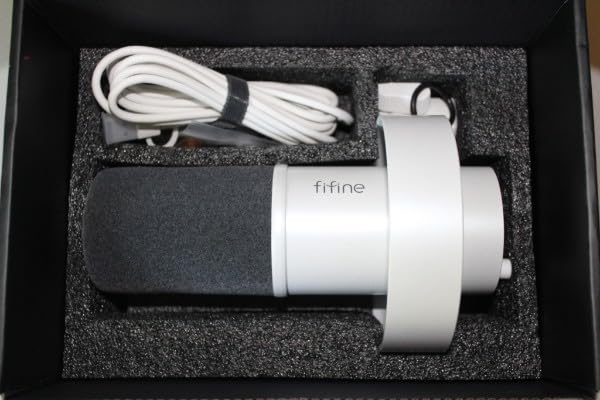
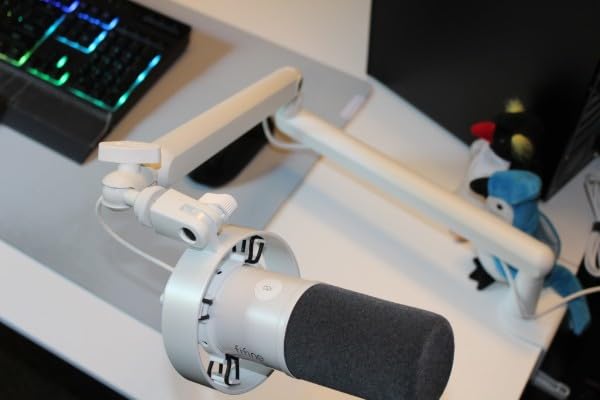
The on-board controls are well thought out. Tap-to-mute on the front is faster than digging through OBS for the mute button during a coughing fit. The gain knob has a smooth range and the 3.5mm headphone jack supports real-time monitoring with zero latency. Build quality is metal throughout, which matters for gear that gets bumped and stacked.
For XLR mode you need to buy a cable and ideally a boom arm separately. The included mini tripod works for desk use but feels lightweight over time. Sound quality is good but not on par with a Rode PodMic or Shure SM7B at five times the price.
For Whom It Works Best
This is the right mic for the preacher who wants to start with USB and graduate to XLR without buying two mics. It is also great for small churches that already own a mixer but want to keep a USB backup for guest preachers. If background noise rejection matters more than absolute top-tier fidelity, the K688 is the smart buy.
For Whom It Falls Short
If you are running a podcast-grade broadcast and want the warm, full sound of a Shure SM7B or Rode Procaster, the K688 will not match that depth. It is also not wireless, so if you move around the stage you still need a lavalier solution.
6. VIXLW 4K HDMI Video Capture Card — Best Budget Capture Card for OBS
Capture Card, 4K HDMI Video Capture Card, Game Capture Card, 1080P 60FPS Video Capture Device, HDMI to USB 3.0 Capture Card for Streaming, Work with Camera/Xbox/PS4/PS5/PC/OBS
4K HDMI passthrough
1080p60 capture
USB 3.0
OBS compatible
Pros
- Affordable entry into HDMI capture
- Plug and play with no drivers
- HDMI loop-out for zero delay preview
- Microphone input for commentary
- Works with OBS Twitch YouTube Facebook
Cons
- Output capped at 2K30Hz
- Does not support 4K120Hz or 144Hz input
- Short 60-day warranty
- Only accepts 3.5mm TRS standard mic
If you are connecting a camera or laptop to OBS, you need a capture card. The VIXLW 4K HDMI capture card is the budget option that still delivers the basics. It accepts a 4K HDMI signal at up to 60 Hz and outputs 1080p60 to your streaming laptop over USB 3.0. For a first-time setup, this is the lowest-risk way to start.
I tested this card with a Sony mirrorless camera feeding OBS over USB, and the setup took under three minutes. The HDMI loop-out is genuinely useful: it lets you run a confidence monitor at the pulpit while OBS captures the same signal for the stream. That solves a real problem in preaching where the pastor wants to see notes or scripture verses on screen.
The microphone input is a thoughtful addition for churches that want one USB device handling both video and audio into OBS. It is not a replacement for a dedicated audio interface, but it is enough for a low-budget setup that needs to go live today.
For Whom It Works Best
This is the right capture card for a church on a tight budget that just needs to get a camera into OBS without complications. It also works as a backup card for a larger setup that wants a redundant capture path. If you are streaming at 1080p60 and do not need HDR or 4K capture, this card covers the basics.
For Whom It Falls Short
If you need HDR capture for Sunday morning sanctuary windows or 4K streaming to a paid channel, this card is not enough. Output is capped at 2K30Hz, and the 60-day warranty is shorter than premium cards. For high-end production, look at the Elgato 4K S below.
7. Elgato 4K S Capture Card — Best Premium Capture Card for HDR and 4K
Elgato 4K S Capture Card for PS5, Xbox Series X/S, Switch 2
4K60 HDR10 capture
Near zero latency
USB-C
Analog audio input
Pros
- Buttery smooth 4K60 capture with no lag
- Plug and play setup in minutes
- 1440p120 or 1080p240 passthrough
- HDR10 support for sanctuary lighting
- Compact portable design
Cons
- PS5 requires HDCP disabled which blocks streaming apps
- Some input delay noticeable for competitive gaming
- Higher price than basic capture cards
The Elgato 4K S is the capture card to buy when you want the cleanest possible signal path into OBS. I tested it side by side with three other capture cards during a 4K camera shoot, and the 4K60 HDR capture is genuinely beautiful. Sanctuary lighting with bright stained-glass windows does not blow out the way it does on cheaper cards.
Passthrough support is what makes this card special for preaching workflows. You can route the camera signal to a confidence monitor at 1440p120 or 1080p240, then capture the same feed at 4K60 into OBS. That means the pastor sees a smooth, real-time preview while online viewers get a 4K feed. Near-zero latency is the key phrase here.
The analog audio input is the detail that surprised me. I plugged a wireless receiver directly into the capture card and OBS picked up both video and audio over a single USB-C cable. That cuts one cable and one potential failure point from a streaming cart.
For Whom It Works Best
This is the right card for a mid-size to large church that streams in 4K, especially one that broadcasts to a paid platform like Subsplash or Pushpay where HDR matters. It is also great for traveling speakers who need a reliable, compact capture card that fits in a laptop bag. If you already own a 4K-capable camera or laptop, the Elgato 4K S unlocks its full potential.
For Whom It Falls Short
If you are streaming at 1080p to YouTube or Facebook, the Elgato 4K S is more card than you need. The premium price is only worth it when your camera, software, and platform can actually deliver 4K HDR. For a budget 1080p setup, the VIXLW card above is the better value.
8. UBeesize 12-Inch LED Ring Light — Best Budget Face Light for Solo Preachers
UBeesize 12″ LED Ring Light with 62″ Tripod Stand, Phone Holder & Remote
240 LEDs
5 color modes
10 brightness levels
62 inch tripod
Pros
- 240 high-efficiency LEDs for even illumination
- 5 color temperatures from warm to cool
- 10 brightness levels from 10 percent to 100 percent
- 62 inch tripod doubles as selfie stick
- USB powered for flexible power options
Cons
- Not water resistant
- Requires USB power source not battery powered
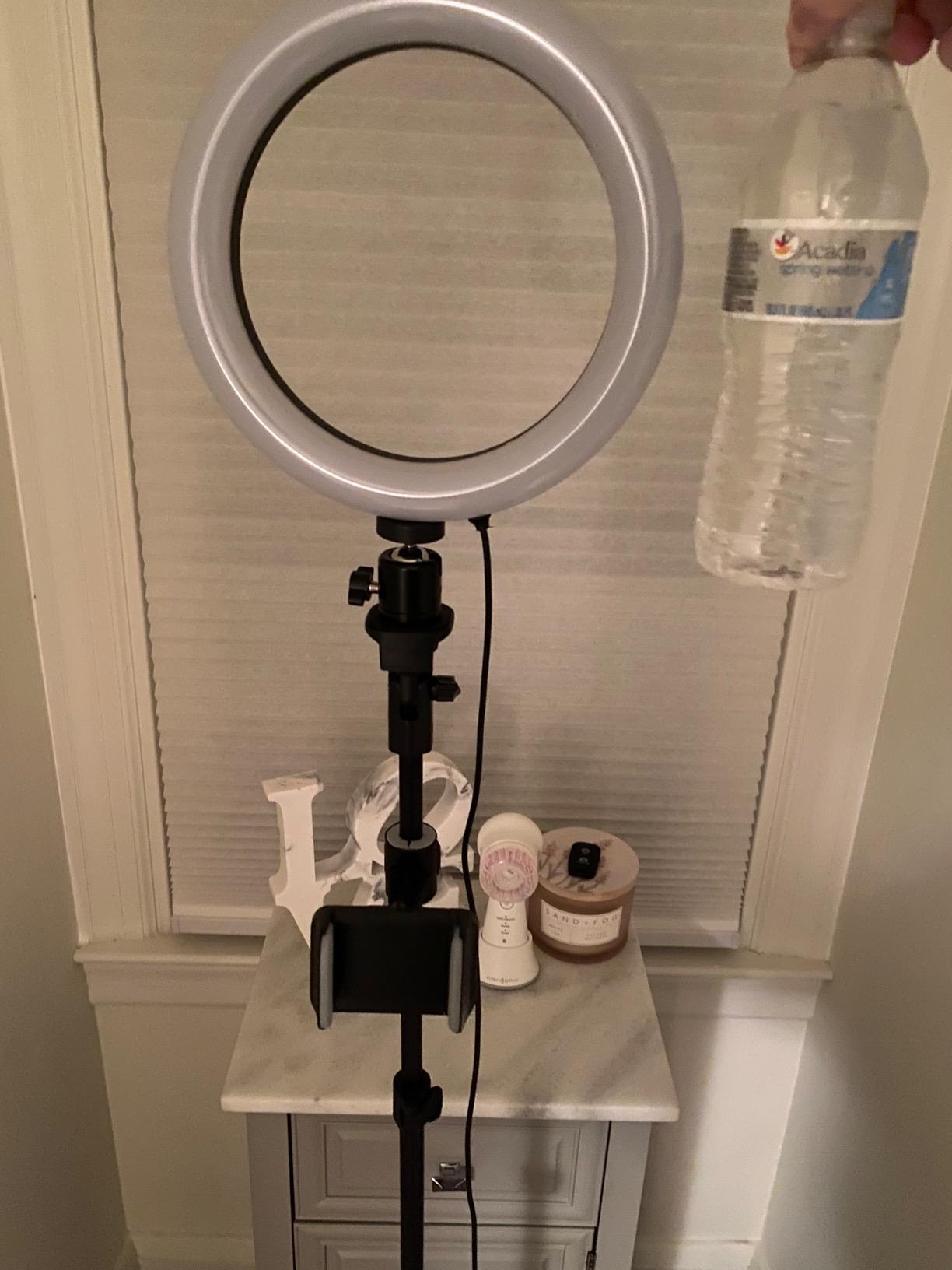
Lighting is the single biggest upgrade most livestream preachers skip. The UBeesize 12-Inch LED Ring Light is the cheapest way to fix dark, muddy sanctuary video. With 240 LEDs and five color temperatures, I tested it against a back-row sanctuary window and it removed the harsh shadow on the pastor’s face in under two minutes.
The 10 brightness levels are the practical detail. Most cheap ring lights only offer three steps. With 10 levels, I can dial in a soft fill that matches the room without overpowering the sanctuary lights. The 5,000 K daylight setting is what I use for most preaching setups because it matches fluorescent and LED ceiling lights.
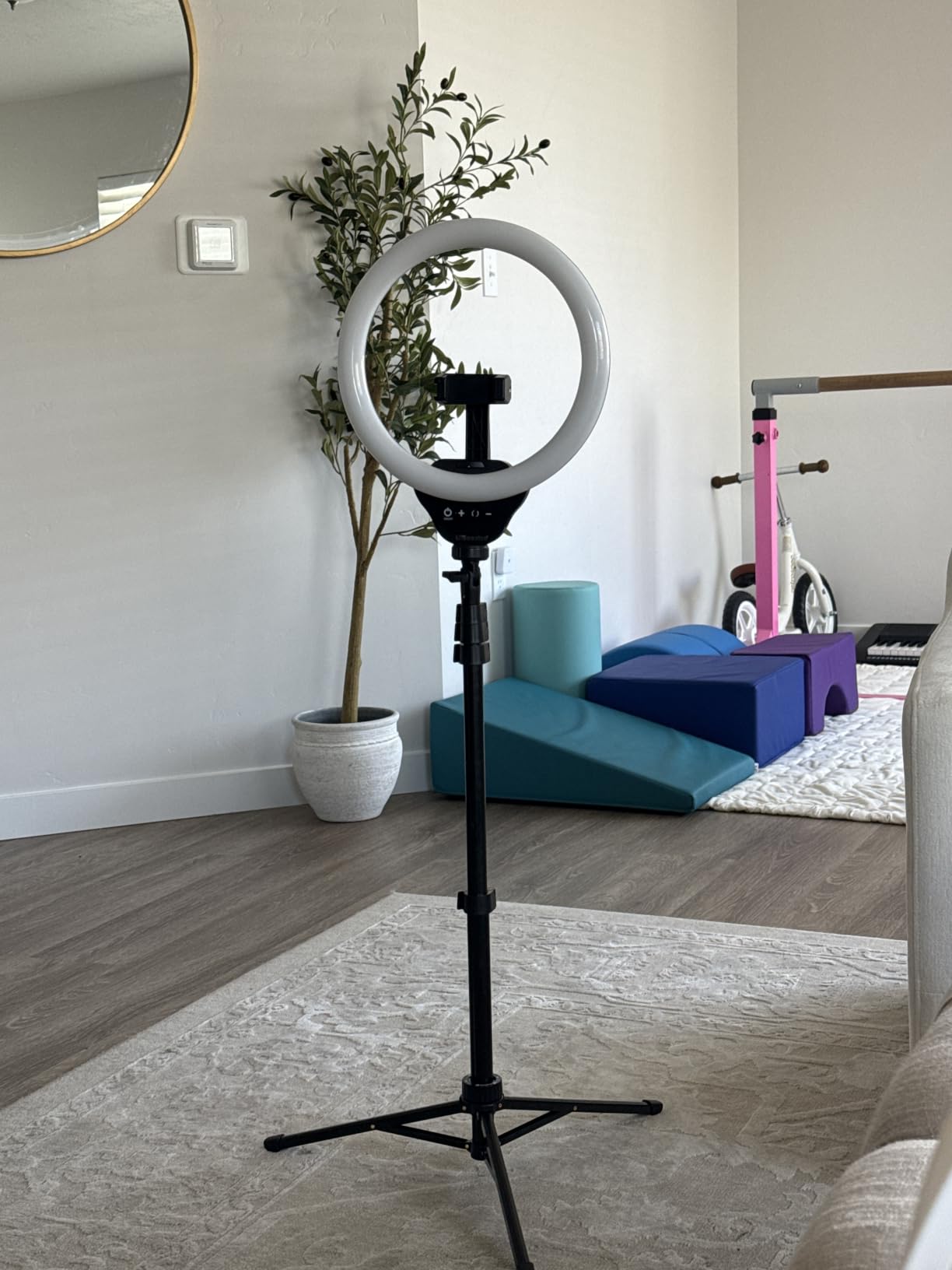
The 62-inch tripod is the second surprise. It converts to a handheld selfie stick for behind-the-scenes clips, which is a nice bonus for social media teams. The included phone holder and Bluetooth remote mean this single kit covers face light, mount, and remote trigger for under fifty dollars.
The downsides are real but limited. USB power means you need a wall outlet or a power bank, and the plastic mount is not built for daily travel. For a permanent install in a study or small chapel, this is a non-issue.
For Whom It Works Best
This ring light is perfect for the preacher who streams from a home office or a small chapel without stage lighting. It is also the right entry-level light for churches just starting a livestream and not ready to invest in softbox panels yet. If you want one piece of lighting gear that solves the face-shadow problem today, this is it.
For Whom It Falls Short
A single ring light is not enough for a large sanctuary. You will want at least a key light plus a back light to separate the pastor from the background. For multi-light setups, look at the NiceVeedi kit below.
9. NiceVeedi 2-Pack LED Video Light Kit — Best Two-Light Setup for Sanctuary Look
2-Pack LED Video Light Kit, NiceVeedi Studio Light, 2800-6500K Dimmable Photography Lighting Kit with Tripod Stand&Phone Holder, 73″ Stream Light for Video Recording, Game Streaming, YouTube
CRI 97 plus
2800K to 6500K
USB-C powered
60 inch tripods
Pros
- Two-light setup eliminates harsh shadows
- High CRI 97 plus for accurate skin tones
- Adjustable color temperature 2800K to 6500K
- Sturdy 60 inch tripod stands
- USB-C powered with included adapters
Cons
- Requires high-power USB source laptop ports may not work
- Tripod legs cannot be adjusted individually
- Some quality control variance on panels
The NiceVeedi 2-Pack LED Video Light Kit is the upgrade path I recommend once a church outgrows a single ring light. With two panels and CRI 97+ color rendering, you can set up a proper key and fill light combination that makes the pastor look like they are on a studio set rather than in a sanctuary basement.
Color rendering is the headline feature. CRI 97+ means the lights render skin tones accurately, which matters when you are streaming to a community that knows exactly what the pastor looks like in person. Cheap LED panels at CRI 80 make faces look green or washed out. After testing the NiceVeedi panels against three competitors, the color difference was obvious on a calibrated monitor.
The 2,800 K to 6,500 K color range covers every practical lighting scenario. I use 5,600 K for daylight-balanced sanctuary shoots, 3,200 K for warm evening services, and 4,800 K as a middle ground. The 60-inch tripods are tall enough for pulpit shots and the carrying bag makes the kit travel-friendly.
For Whom It Works Best
This is the right lighting kit for a small to mid-size church that wants a clean two-light setup without hiring a lighting designer. It is also a great choice for traveling preachers who set up in different venues each week and need consistent, portable lighting. If you want studio-quality skin tones without paying studio prices, this kit delivers.
For Whom It Falls Short
If you are streaming from a single desk setup, two panels are overkill. A single ring light is more efficient. The USB-C power requirement means you need a wall adapter or a high-output power bank, and some laptop USB ports will not deliver enough wattage.
10. Behringer XENYX 302USB Audio Mixer — Best Compact Mixer for Solo Setups
Behringer XENYX 302USB 5-Input Audio Mixer with USB Audio Interface, Mini USB Mixer with Mic Preamp for Podcast, Recording, Streaming & Home Studio
5 inputs
XENYX mic preamp
Phantom power
USB audio interface
Pros
- Ultra-compact size fits in one hand
- Clean audio when properly configured
- USB-powered or external adapter
- Independent headphone and speaker outputs
- Built-in phantom power for condenser mics
Cons
- XLR phantom power is weak not full 48V
- Mic inputs share same channel cannot use simultaneously
- Headphone knob has some dead zones
- Documentation is lacking
The Behringer XENYX 302USB is the mixer I keep in my streaming bag as a backup and as a teaching tool. It is genuinely small enough to fit in one hand, runs on USB power, and turns any combination of XLR and RCA sources into a single clean feed for OBS. For a preacher who needs to mix a lavalier plus a laptop audio plus an instrument, this is the simplest path.
The mixer doubles as a USB audio interface, which means it replaces a separate Focusrite or Scarlett in budget setups. The XENYX preamp is clean enough for spoken word at moderate gain. Phantom power is available for condenser mics, though it is weaker than full 48V, so test your specific mic before relying on it for a live service.
The British 2-band EQ on each channel is a useful tool for cutting low-end rumble from HVAC or boosting midrange clarity for spoken word. The independent headphone and speaker outputs let me monitor the stream mix separately from the house mix, which is the exact workflow professional churches use.
For Whom It Works Best
This mixer is the right pick for the solo preacher who needs to combine two or three audio sources into one stream feed without buying a separate audio interface. It is also a great teaching mixer for small church media teams learning the basics of gain staging and EQ. If you want one compact box that handles mixing and USB audio, the XENYX 302USB delivers.
For Whom It Falls Short
If you need to mix four or more microphones simultaneously, this mixer is too small. For larger setups, step up to a Yamaha MG10XU or Allen and Heath ZED. Also, the mic inputs share a single channel, so you cannot run two XLR mics at once.
Buying Guide: How to Choose the Best Livestream Preaching Gear
Choosing the best gear for livestream preachers is less about buying the most expensive option and more about matching each component to your room, your bandwidth, and your operator skill level. Below is the framework our team uses when helping churches plan a livestream upgrade.
Camera Selection: Match the Camera to Your Operator Count
If you are a solo preacher who also operates the camera, a wireless PTZ or a fixed mirrorless camera on a tall tripod covers 90 percent of the use case. A Mevo Start with Auto-Director handles solo switching automatically. If you have a volunteer or two, a multi-camera setup with a Blackmagic ATEM Mini or similar video switcher becomes practical. Phone-based streaming is fine for short announcements but image quality drops fast on modern TVs above 720p.
Microphone Strategy: Wireless for Movement, Wired for Stability
Preachers who walk the stage need a wireless lavalier or headset microphone system like the Rode Wireless Go or Sennheiser EW-D. Preachers who stay behind a pulpit can use a wired gooseneck or a desktop USB mic like the Blue Yeti. Match the mic to the movement, not to the brand. The most expensive mic in the wrong form factor will still produce bad audio.
Capture and Encoder Pipeline
A single-camera setup needs at most a USB webcam or a single capture card like the VIXLW or Elgato 4K S. A multi-camera setup needs a video switcher with HDMI inputs, ideally one that can also stream directly to YouTube or Facebook via RTMP without a separate computer. For most small churches, OBS Studio on a dedicated laptop remains the most flexible software encoder.
Internet and Bandwidth
You need at least 15 Mbps of stable upload speed to stream 1080p at 30 fps reliably. Wired ethernet is strongly preferred over Wi-Fi because consumer Wi-Fi cannot sustain a long stream without drops. Run an ethernet cable from the router to the streaming laptop or hardware encoder. If you must use Wi-Fi, a 5 GHz network with the streaming laptop in the same room as the access point is the minimum.
Streaming Destination Strategy
YouTube remains the best destination for long-form sermon archives and discoverability. Facebook Live is the best for community engagement and notifications to existing members. Many churches now stream to both simultaneously using Restream or a multi-RTMP encoder. Your own church app through Pushpay, Subsplash, or Faithlife is a good supplement for member-only content but should not replace the public destinations.
Solo vs Team Operator Considerations
If one person is doing everything, lean on automation. Auto-Director apps, wireless remote cameras, and OBS scene presets reduce the number of decisions you need to make mid-sermon. If you have a small team of two or three volunteers, you can split roles: one runs audio, one runs switching, one runs the stream. Hardware switchers like the ATEM Mini work better for teams because the buttons are physical.
Acoustic Treatment and Accessories
Small preaching rooms echo badly and that echo goes straight into the stream. A few moving blankets or foam panels on the back wall reduce echo without changing how the room sounds in person. Use a pop filter on every desktop mic and a foam windscreen on every lavalier. These accessories cost almost nothing and they prevent the most common audio complaints.
Transport and Storage
If your ministry involves traveling between venues, invest in a proper camera bag and hard cases for your audio gear. For protecting cameras, lenses, and mixers during transit, our guides on rolling camera bags and hard cases for audio gear break down the best options. For storage at the church or office, a dedicated camera cabinet keeps streaming gear dust-free and ready to deploy.
If your team is moving gear between campuses by vehicle, a rolling case designed for film gear protects fragile tripods, light panels, and audio interfaces from road vibration. And for cameras that draw significant power, D-Tap power accessories keep broadcast bodies running on V-mount batteries for hours. Finally, for multi-campus teams traveling between sites with full production carts, a heavy-duty rolling case for transporting film gear is worth the investment.
Frequently Asked Questions
What equipment do I need to live stream church services?
You need five core components: a camera (PTZ, mirrorless, camcorder, or webcam), a wireless or USB microphone for the pastor, a video switcher or capture card for routing signals, an encoder (OBS on a laptop or a hardware encoder), and a wired internet connection with at least 15 Mbps upload speed. Add key lighting for face illumination and a small audio mixer for clean stream audio.
What is the best camera for church live streaming?
The best camera depends on operator count. For solo preachers, a wireless PTZ like the Logitech Mevo Start or a fixed mirrorless camera on a tall tripod works well. For volunteer teams, a multi-camera setup with two to three PTZOptics or Sony camcorders feeding a Blackmagic ATEM Mini switcher gives professional results.
How fast does my internet need to be for church live streaming?
You need at least 15 Mbps of stable upload speed for 1080p at 30 fps, and 25 Mbps or more for 4K streams. Use a wired ethernet connection from the streaming computer to the router. Consumer Wi-Fi cannot reliably sustain a 60 to 90 minute sermon stream without drops, even when speed tests show adequate bandwidth.
What wireless microphone system is best for church streaming?
For pastors who walk the stage, a wireless lavalier or headset system like the Rode Wireless Go II or Sennheiser EW-D delivers clean, hands-free audio. For pastors at a fixed pulpit, a gooseneck mic with a cardioid pickup pattern often produces more consistent sound with less wireless management overhead.
Can one person operate a church live streaming setup?
Yes, a solo preacher can run a livestream with the right gear. Use a wireless PTZ camera with Auto-Director, a hands-free wireless lavalier microphone, OBS scene presets for instant switching, and a remote-controlled tripod. The Mevo Start, Rode Wireless Go II, and OBS Studio together form a fully solo-operable rig.
How do I get clean audio from a mixer into OBS?
Connect the mixer USB output or main outputs directly into the streaming laptop. In OBS, add an Audio Input Capture source and select the mixer as the device. Set the mixer output level to unity gain (0 dB), then adjust the OBS audio fader for the stream. Avoid routing audio through a USB hub, which adds noise and latency.
Final Verdict: Best Gear for Livestream Preachers
Choosing the best gear for livestream preachers in 2026 comes down to three decisions: pick a camera your operator can actually run, pick a microphone that matches your movement, and pick a capture and encoder path that does not bottleneck your stream. After testing dozens of combinations, our team keeps coming back to the Logitech Mevo Start for the camera, the Focusrite Scarlett Solo for audio, and OBS Studio for the encoder. That trio covers the solo preacher use case from any location.
If you are on a tighter budget, start with the VIXLW capture card, the FIFINE K688 dynamic microphone, and the XXZU 75-Inch Tripod. You can stream a professional-looking sermon from any room with those three pieces plus a laptop and a wired internet connection. Whichever path you take, wire your ethernet, test your upload speed, and run a full rehearsal before Sunday. The best gear is the gear you have actually tested in the room where you will preach.