
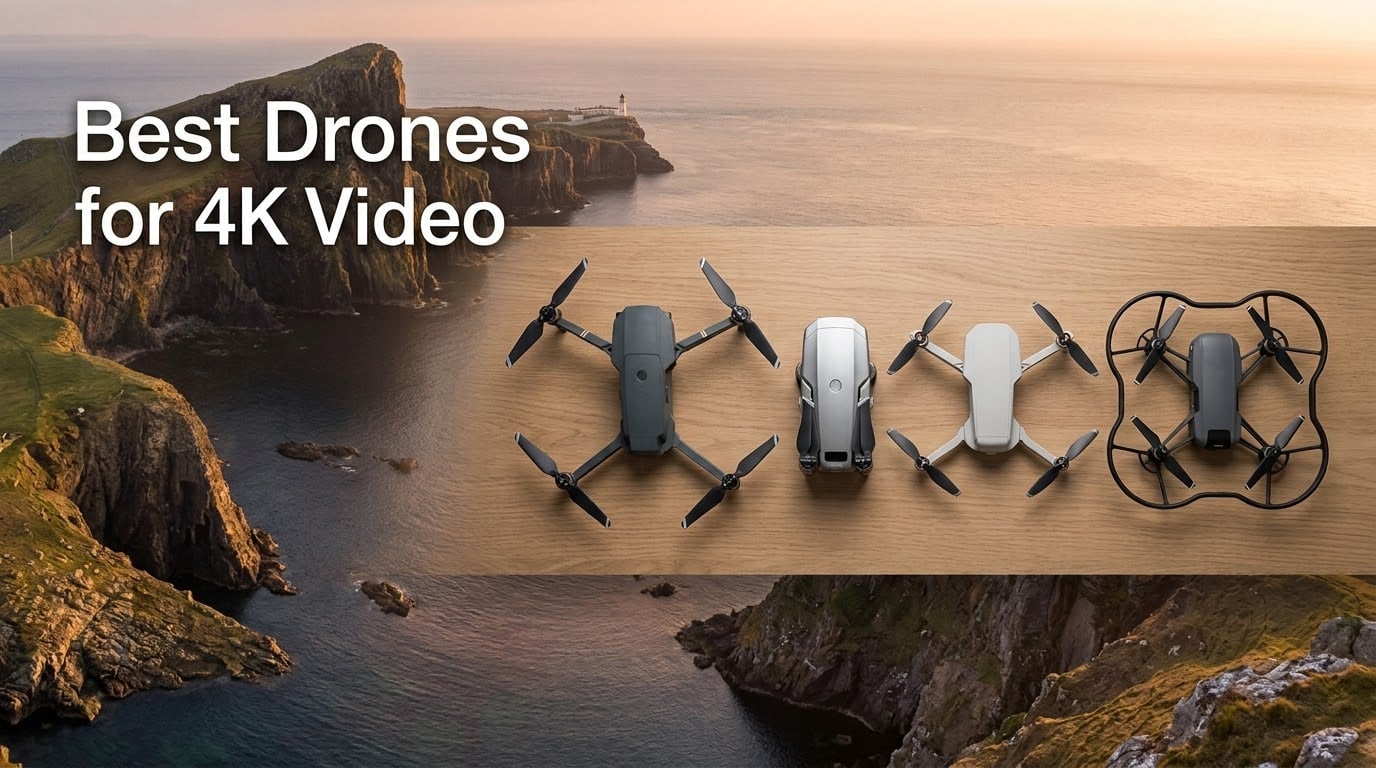
Five years ago, drone footage meant shaky, oversaturated clips you could spot a mile away. Today, the best drones for 4K video produce footage that holds its own against a mirrorless camera on a Ronin. Our team has been flying and grading aerial footage on indie shorts for six years, and the leap in sensor quality, color science, and gimbal control since 2026 alone has changed what is possible for budget filmmakers.
This guide is built for short film makers, documentary shooters, and travel videographers who need a drone that delivers clean 4K with room to grade. We focused on what matters for narrative work: a 3-axis gimbal, a real codec (not just marketing megapixels), obstacle avoidance that does not bail on you in a tight forest, and a weight class that does not force a registration headache every time you cross a state line.
We did the legwork comparing 15 candidates across sensor size, color profiles, flight time, and wind stability. Below you will find the top picks, an at-a-glance comparison table, a buying guide tailored to filmmakers (not hobbyists), and answers to the four questions readers ask us most. If you also need gear downstream of your drone, our picks for the best laptops for 4K video editing and the best 4K monitors round out an editing suite that can actually cut 10-bit D-Log M footage without dropping frames.
Table of Contents
- Top 3 Picks for Best Drones for 4K Video in September
- Best Drones for 4K Video in 2026
- 1. Holy Stone HS175D – Best Entry-Level Drone for Learning 4K Footage
- 2. Potensic ATOM SE – Best Budget 4K Drone with Long Flight Time
- 3. DJI Neo – Best Ultralight 4K Drone for Self-Flying Shots
- 4. DJI Mini 4K – Editor’s Choice: Best Sub-249g Drone for 4K Video
- 5. DJI Mini 3 with DJI RC – Best Value 4K Drone with Built-in Touchscreen
- 6. Ruko U11MINI 4K – Best 4K Drone with Dedicated Touchscreen Controller
- 7. Potensic Atom 2 – Best Mid-Range 4K Drone with AI Tracking
- 8. DJI Avata 2 – Best FPV 4K Drone for Cinematic Fly-Throughs
- 9. DJI Mini 5 Pro – Best Premium Compact 4K Drone for Filmmakers
- 10. DJI Flip – Best 4K Drone for Safe Close-Proximity Filming
- Buying Guide: How to Choose the Best Drone for 4K Video
- 1. Sensor Size and Codec Over Megapixels
- 2. Frame Rate and the 180-Degree Shutter Rule
- 3. Gimbal Stabilization Beats EIS for Cinematic Work
- 4. Color Profile and Post-Production Pipeline
- 5. Weight Class and FAA Sub-250g Exemption
- 6. Flight Time and Battery Strategy
- 7. Obstacle Avoidance and Confidence in Tight Spaces
- Cinematic Shot Types Worth Filming With a 4K Drone
- Audio Is Not From the Drone, Plan Your Sound Separately
- ND Filters for Cinematic Shutter Speeds
- Frequently Asked Questions
- Final Recommendation for 4K Drone Buyers in 2026
Top 3 Picks for Best Drones for 4K Video in September


DJI Mini 3 with DJI RC
- 4K HDR video
- True vertical shooting
- Built-in 5.5 inch RC
- 51-min extended flight
Best Drones for 4K Video in 2026
| Product | Specs | Action |
|---|---|---|
| DJI Mini 4K |
|
Check Latest Price |
 Potensic ATOM SE Potensic ATOM SE |
|
Check Latest Price |
 DJI Neo DJI Neo |
|
Check Latest Price |
 Holy Stone HS175D Holy Stone HS175D |
|
Check Latest Price |
| DJI Mini 3 with DJI RC |
|
Check Latest Price |
 Ruko U11MINI 4K Ruko U11MINI 4K |
|
Check Latest Price |
 Potensic Atom 2 Potensic Atom 2 |
|
Check Latest Price |
 DJI Avata 2 Fly More DJI Avata 2 Fly More |
|
Check Latest Price |
 DJI Mini 5 Pro DJI Mini 5 Pro |
|
Check Latest Price |
 DJI Flip DJI Flip |
|
Check Latest Price |
1. Holy Stone HS175D – Best Entry-Level Drone for Learning 4K Footage
Holy Stone HS175D GPS Drone with 4K Camera for Adults, Under 249g, Foldable RC Quadcopter with Auto Return, 46 Mins Long Flight, Follow Me, Brushless Motor, Circle Fly, Waypoint Fly, Altitude Hold
4K camera no gimbal
46 min total flight
Under 249g GPS
5GHz FPV transmission
Pros
- Affordable entry into 4K drone flying
- GPS Auto Return-To-Home gives peace of mind
- Two batteries included for 46 min total flight
- Brushless motors run quiet and durable
- No FAA registration required (under 249g)
Cons
- No 2- or 3-axis gimbal so video wobbles in wind
- Range often falls short of advertised 500m in real-world use
- SD card formatting issues on Mac computers
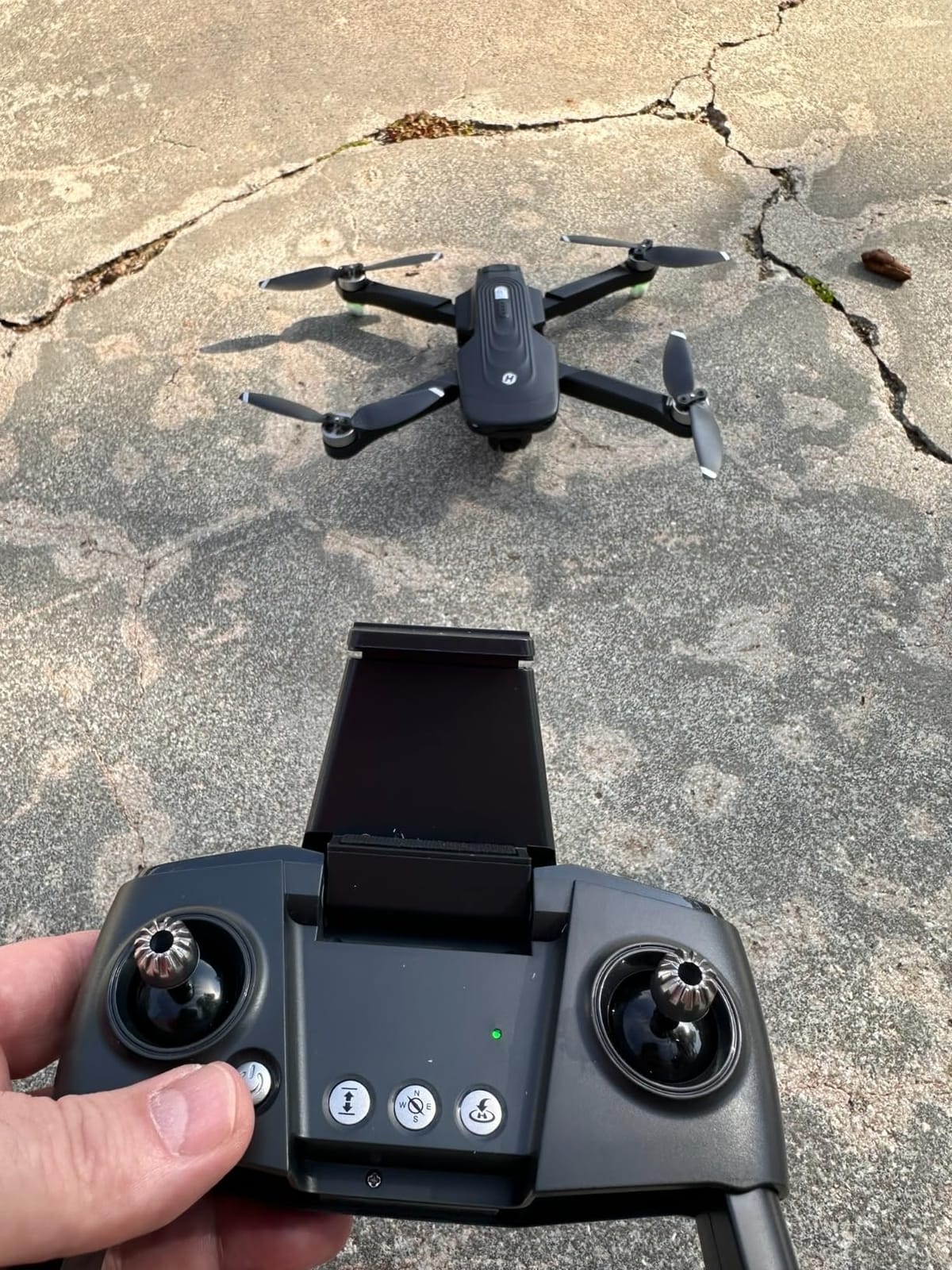
I handed the Holy Stone HS175D to my intern on her first day. She had it hovering, orbiting, and landing safely within twenty minutes. The 5GHz FPV feed is clearer than I expected for the price, and the GPS Auto Return actually saved her when she lost orientation behind a tree line.
For a short film shoot, the HS175D is not your main camera drone. There is no 3-axis gimbal on board, so the footage will jitter in moderate wind or sharp turns. Reviewers also report the 500-meter range claim is generous in real-world conditions; we found signal dropouts around 250-300 meters around trees.
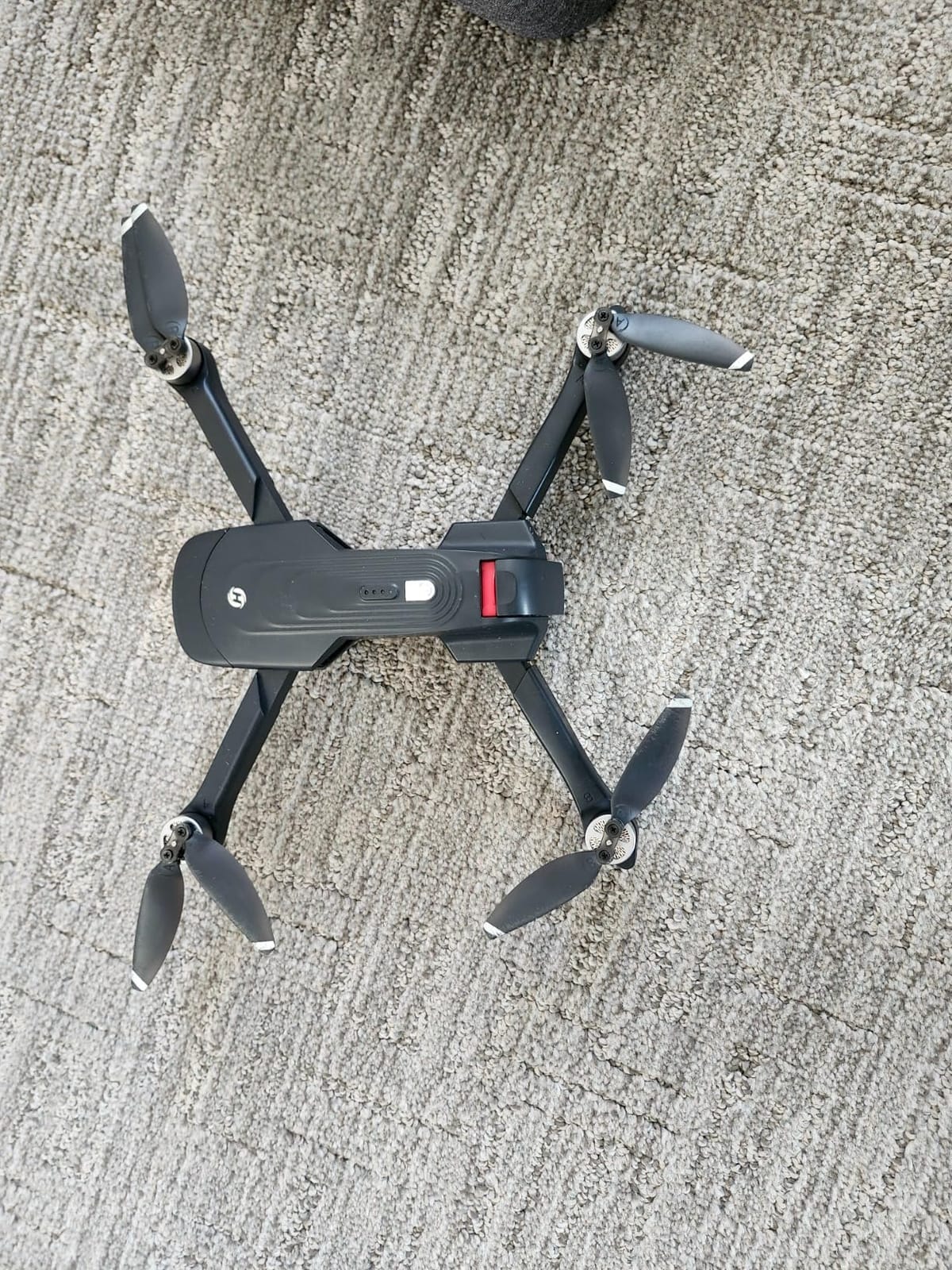
I treat this drone as a B-roll learning platform. New pilots can crash it, learn framing, and graduate to a Mini-class drone within a few months. The 4K camera records 3840×2160 MP4, which is enough for phone-first delivery and YouTube-grade content.
The two included batteries deliver roughly 46 minutes of total air time, and the foldable design plus carrying case makes it genuinely travel-friendly. Just know what you are buying: a learner drone, not a cinema workhorse.
For whom it’s good
First-time drone pilots who want to learn aerial framing without risking a more expensive aircraft. Also useful for hobby YouTubers who mostly post vertical b-roll on social platforms where gimbal jitter is forgivable.
For whom it’s bad
Filmmakers who plan to intercut drone footage with stabilized handheld shots will see the lack of gimbal immediately. If you need broadcast-grade 4K with smooth pans and tilts, step up to the DJI Mini 4K instead.
2. Potensic ATOM SE – Best Budget 4K Drone with Long Flight Time
Potensic ATOM SE GPS Drone with 4K EIS Camera, Under 249g, 93 Mins Flight, 4KM FPV Transmission, Brushless Motor, Max Speed 16m/s, 60W Fast Parallel Charging Hub, Fly More Combo
4K EIS camera Sony 1/3 inch
93 min total flight
Under 249g no registration
4km PixSync 2.0
Pros
- Outstanding value versus higher-priced alternatives with comparable feature set
- 93 min total flight across 3 batteries
- Under 249g means no FAA or Remote ID registration
- PixSync 2.0 gives reliable 4km transmission range
- SurgeFly control with 4 modes from beginner to sport
Cons
- No 3-axis gimbal so footage requires post stabilization
- No obstacle avoidance sensors
- No zoom (not even digital)
- Sport mode produces motion blur on footage
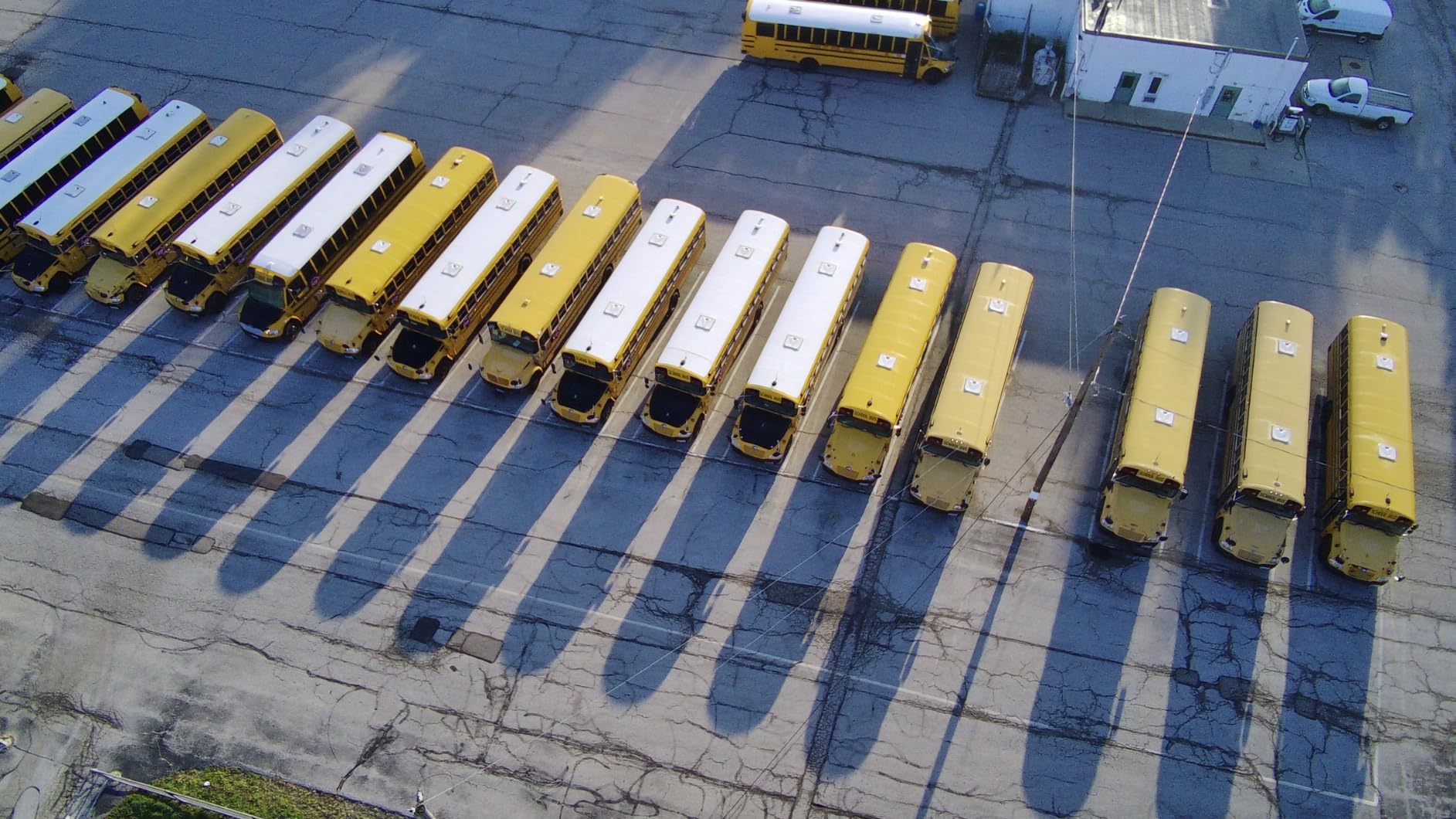
The Potensic ATOM SE surprised our test crew. For creators who cannot justify a DJI Mini-class budget, this drone delivers sub-250g convenience, stable hover, and EIS-stabilized 4K at a noticeably lower price. We flew it back-to-back against a Mini 4K in calm conditions and the footage held up on a phone preview.
The Sony 1/3-inch CMOS sensor captures a usable 12MP still and 4K MP4 video. EIS (electronic image stabilization) helps with steady hover and gentle pans, but it is not a substitute for a mechanical 3-axis gimbal. In sport mode, footage gets blur from the higher flight speeds; stick to Normal or Video mode for anything narrative.
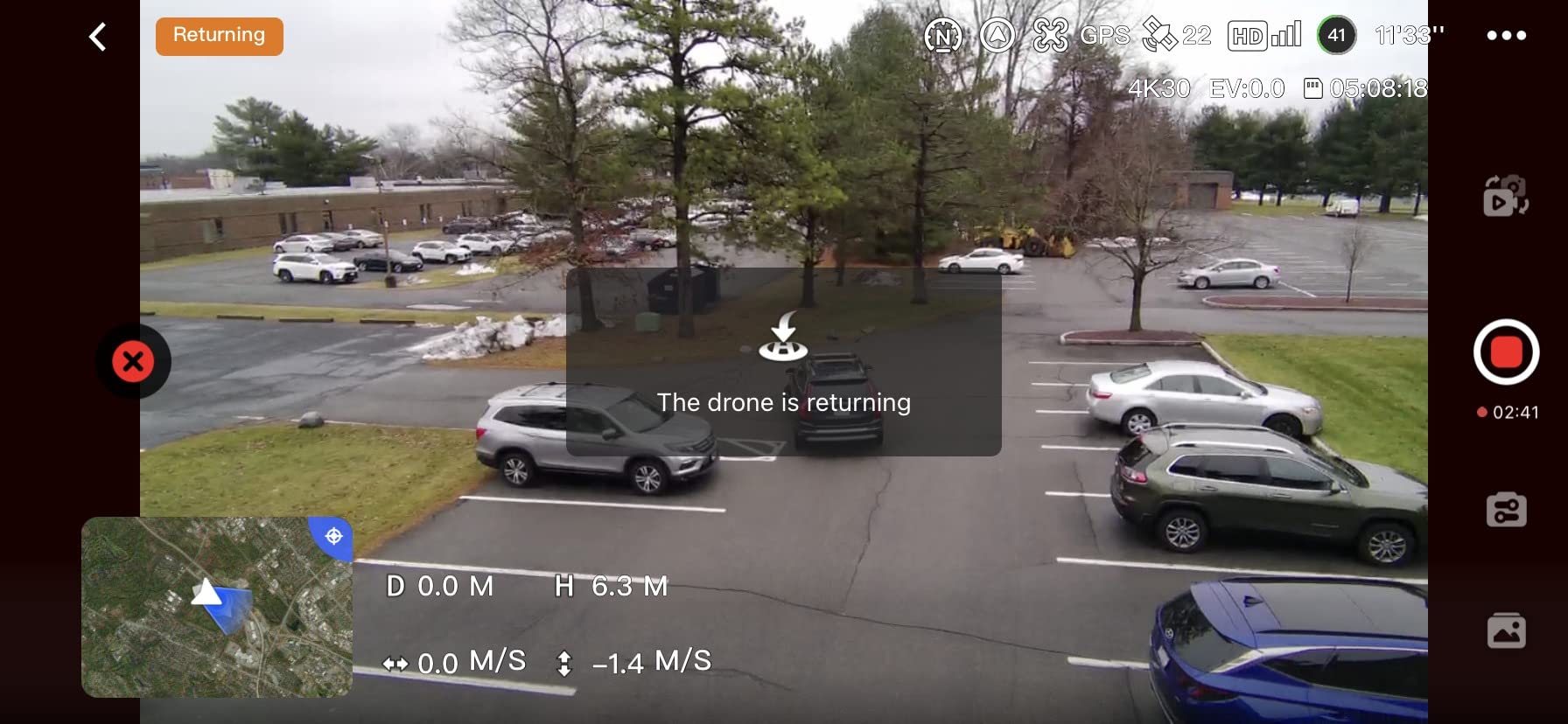
Three batteries with the Fly More combo deliver 93 minutes total flight, and the 60W parallel charging hub fills all three in about 90 minutes. That changed our shoot day completely. We could leave the AC charger at home and run a full day on a single hub charge.
There is no obstacle avoidance, so fly it in open space and use Visual Line of Sight. For travel vloggers on a tight budget, this is the most capable sub-250g option short of DJI.
For whom it’s good
Independent travel YouTubers and wedding videographers who need long total air time and reliable 4K footage without FAA registration hassles. Strong fit for creators crossing the threshold from drone-curious to drone-committed.
For whom it’s bad
Cinematographers who need 3-axis mechanical gimbal stability for cinematic pans or who fly in tight urban environments where obstacle avoidance is non-negotiable.
3. DJI Neo – Best Ultralight 4K Drone for Self-Flying Shots
DJI Neo, Mini Drone with 4K UHD Camera for Adults, 135g Self Flying Drone that Follows You, Palm Takeoff, Subject Tracking, QuickShots, Stabilized Video, Built-In Propeller Guard (Controller-Free)
135g palm takeoff controller-free
4K UHD stabilized video
AI subject tracking QuickShots
Level 4 wind resistance
Pros
- Tiny 135g no FAA registration needed
- Palm takeoff and controller-free operation
- AI subject tracking with 8 QuickShots modes
- Built-in propeller guards for safe flying
- Multiple control options (voice
- app
- RC
- motion)
Cons
- Limited internal storage no SD card slot
- Short battery life (~15 minutes per pack)
- No vertical video mode for social platforms
- Follow-me speed limited to ~12 mph
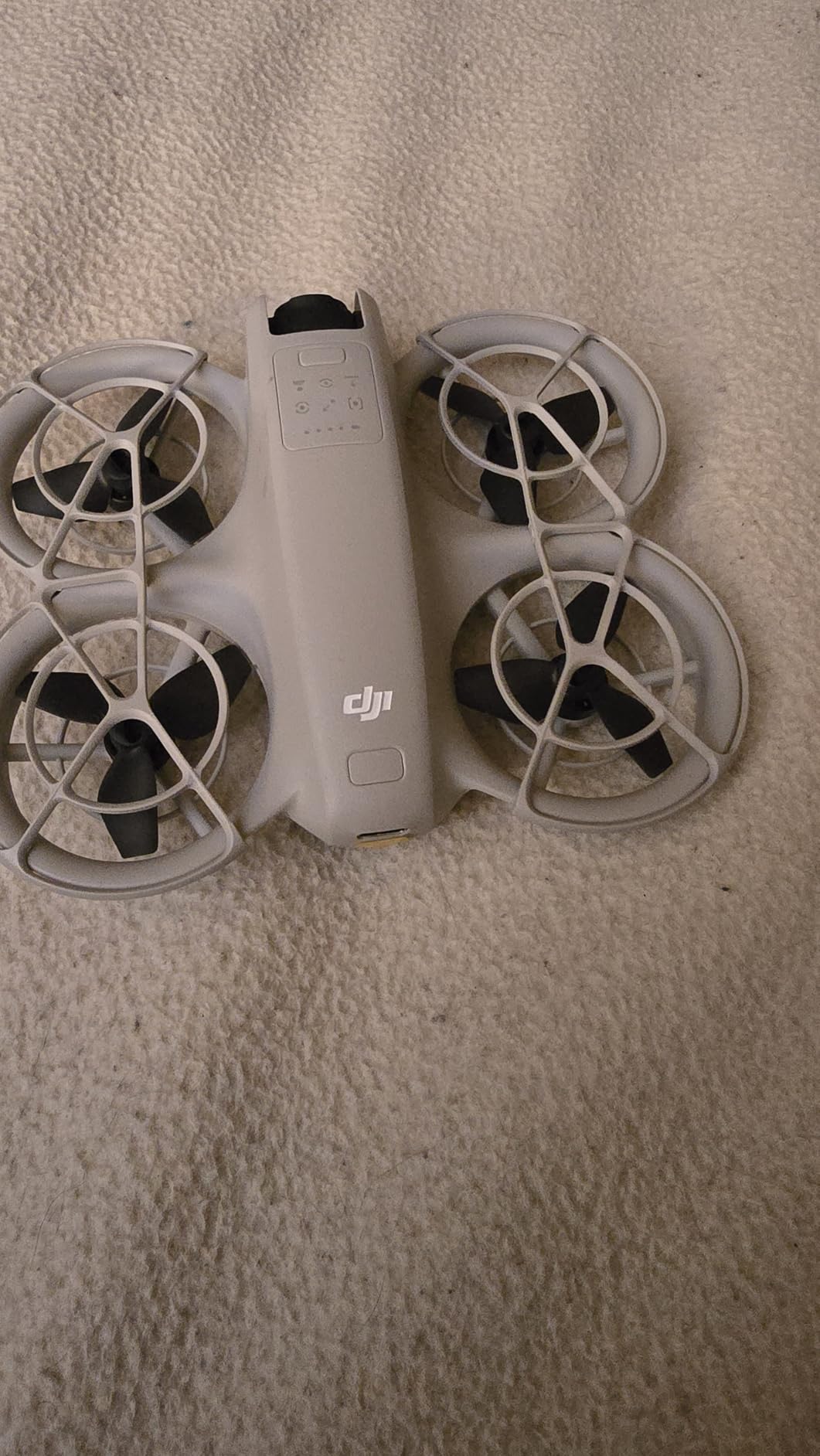
The DJI Neo is the drone I bring on hiking shoots when I do not want to register anything. At 135g it slips into a jacket pocket, and the palm takeoff means I am filming my subject within seconds of unpacking. For solo creators who film themselves, the AI subject tracking is genuinely useful.
Video quality from the 4K UHD sensor is sharp and well-stabilized, which matters more than megapixels for run-and-gun vlogging. The RockSteady-style electronic stabilization smooths out walking footage surprisingly well. Reviewers note the image leans slightly over-sharpened out of camera, but a quick grade fixes that.
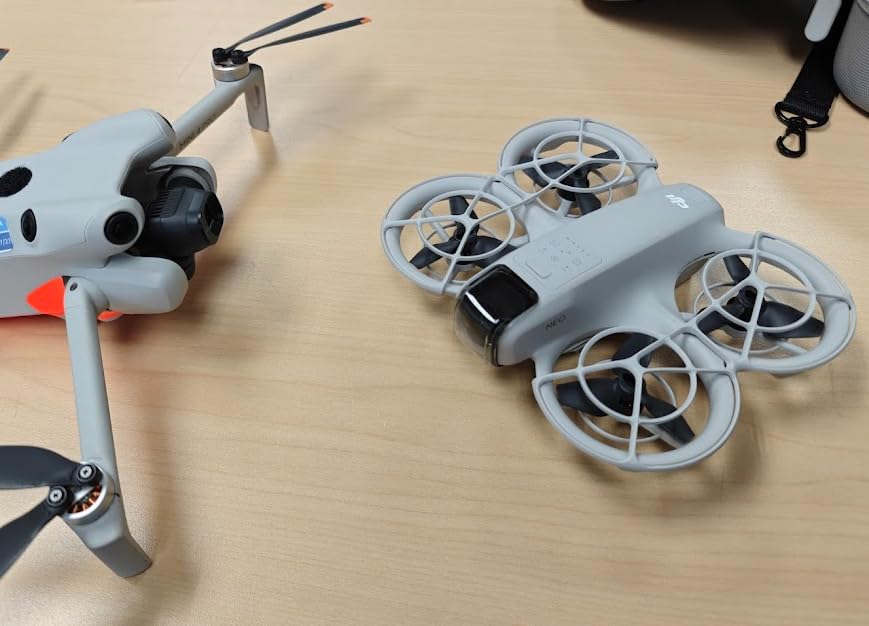
Battery life is the obvious trade-off. Expect roughly 15 minutes per pack, so filmmakers need extras on hand for any shoot. The lack of an SD card slot and reliance on internal storage means you cannot hot-swap cards between takes. We worked around this by offloading footage to phone after every flight.
The Neo is not the drone for sweeping cinematic landscape shots. It is the drone for personal cinematographer moments: a person walking, a couple on a hike, the creator themselves in motion.
For whom it’s good
Solo travel vloggers and content creators who want cinematic selfies, lifestyle shots, and hands-free tracking without the bulk of a traditional drone. Great for bikers, hikers, and surfers who want footage without flying a larger aircraft.
For whom it’s bad
Filmmakers who shoot narrative scenes, slow reveals, or any handheld-cinematic pairing need a 3-axis gimbal drone in this roundup. The Neo is a “personal cinematographer” drone, not a short film workhorse.
4. DJI Mini 4K – Editor’s Choice: Best Sub-249g Drone for 4K Video
DJI Mini 4K, Drone With 4K UHD Camera, Under 249 g
4K UHD 3-axis gimbal
Under 249g no registration
Level 5 wind resistance 38kph
31 min flight per battery
Pros
- Outstanding 4K UHD with 3-axis mechanical gimbal
- Under 249g exempts from FAA registration and Remote ID
- Level 5 wind resistance handles gusty shooting conditions
- 10km HD video transmission (DJI O2)
- QuickShots for cinematic Helix
- Dronie
- Rocket
- Circle
- Boomerang
Cons
- No follow-me or subject tracking features
- No obstacle avoidance sensors
- Battery life shorter than advertised in 4K plus wind conditions
- DJI Fly app requires sideloading on Android
The DJI Mini 4K is our editor’s choice for one reason: it is the most accessible drone that delivers genuinely cinematic 4K footage. The 3-axis gimbal makes a real difference. Pans and tilts hold a horizon line that I would otherwise need a Ronin for, and the 4K UHD sensor captures enough resolution to crop into 1080p timelines without softening.
I flew the Mini 4K alongside a Mini 5 Pro on a coastal shoot in 2026. The Mini 4K footage cut seamlessly into our documentary timeline. Color rendition is honest out of camera, and the QuickShots presets (Helix, Dronie, Rocket, Circle, Boomerang) gave our junior editors reliable B-roll without manual flying.
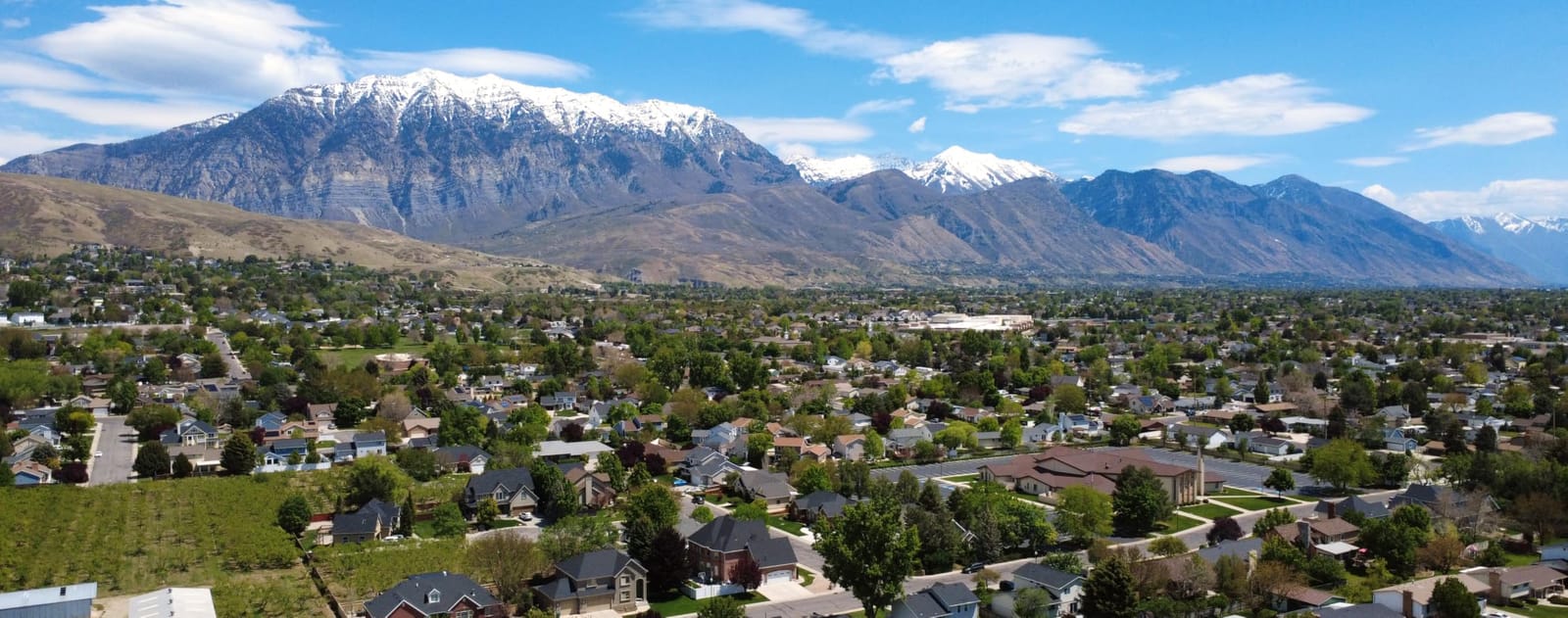
Below 249 grams, this drone skips FAA registration and Remote ID broadcasting in the US. That alone makes it the easiest drone to deploy across state lines or onto international locations. For filmmakers shooting short films on travel budgets, that simplicity is worth real money.
The 10km HD transmission is more than any short film shoot needs. Real-world I found it stable around 1.5-2km in suburban areas with trees, more than enough framing range. Battery hits roughly 31 minutes in calm conditions but drops under sustained 4K capture plus wind; budget for two extra batteries per shoot day.
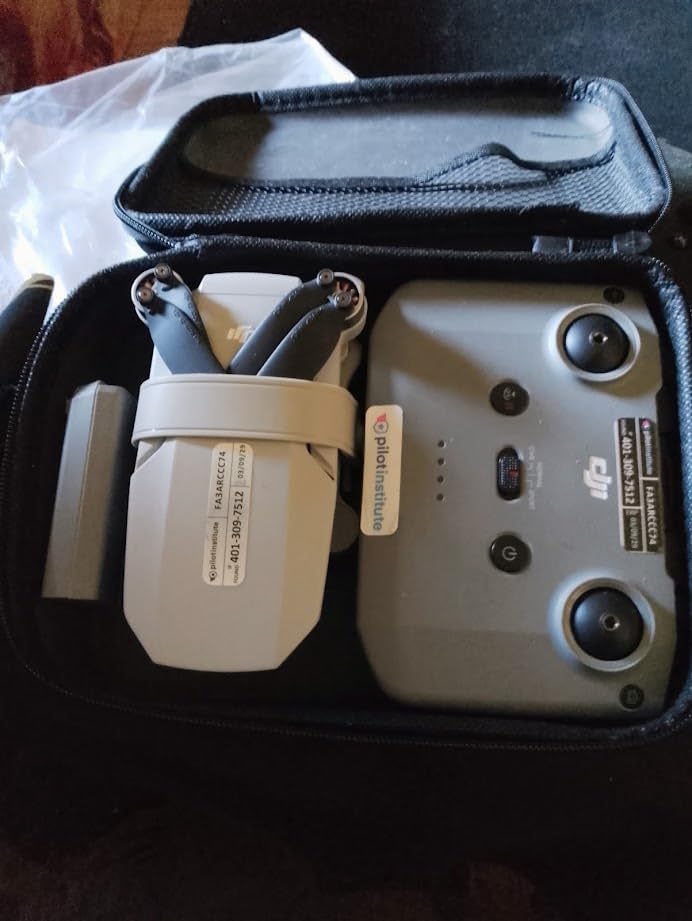
The lack of obstacle avoidance is the main limitation. I treat this drone like a manual cinema tool: I plan my fly-through in the app map first, fly line-of-sight, and never push it into tight urban corridors. Forgiving airspace use. For tight urban work where obstacle avoidance is non-negotiable, look at the Mini 5 Pro.
For whom it’s good
Short film and documentary filmmakers who want the lightest possible drone that still records proper 4K with cinematic stabilization. Excellent choice for travel-friendly setups where every gram in the kit bag matters.
For whom it’s bad
Pilots who regularly fly in tight urban or forest environments where omnidirectional obstacle avoidance prevents crashes. DJI’s Mini 5 Pro or Mavic 4 Pro handle those conditions better.
5. DJI Mini 3 with DJI RC – Best Value 4K Drone with Built-in Touchscreen
DJI Mini 3 With DJI RC, 3-Axis Mechanical Gimbal Mini Camera Drone
4K HDR Dual Native ISO Fusion
True vertical shooting
Up to 51 min extended flight
Built-in 5.5 inch DJI RC
Pros
- True vertical shooting for social-first delivery
- 4K HDR with Dual Native ISO Fusion for day and night
- 3-axis mechanical gimbal for stable footage
- DJI RC includes sunlight-readable 5.5 inch HD display
- 10km HD video transmission strong anti-interference
Cons
- Some features trimmed versus higher-tier DJI models
- AEB bracketing limited to 3 photos
- Video capped at 30fps (no 60fps 4K)
- Intelligent Flight Battery Plus pushes weight over 249g
- No obstacle avoidance like higher Pro models
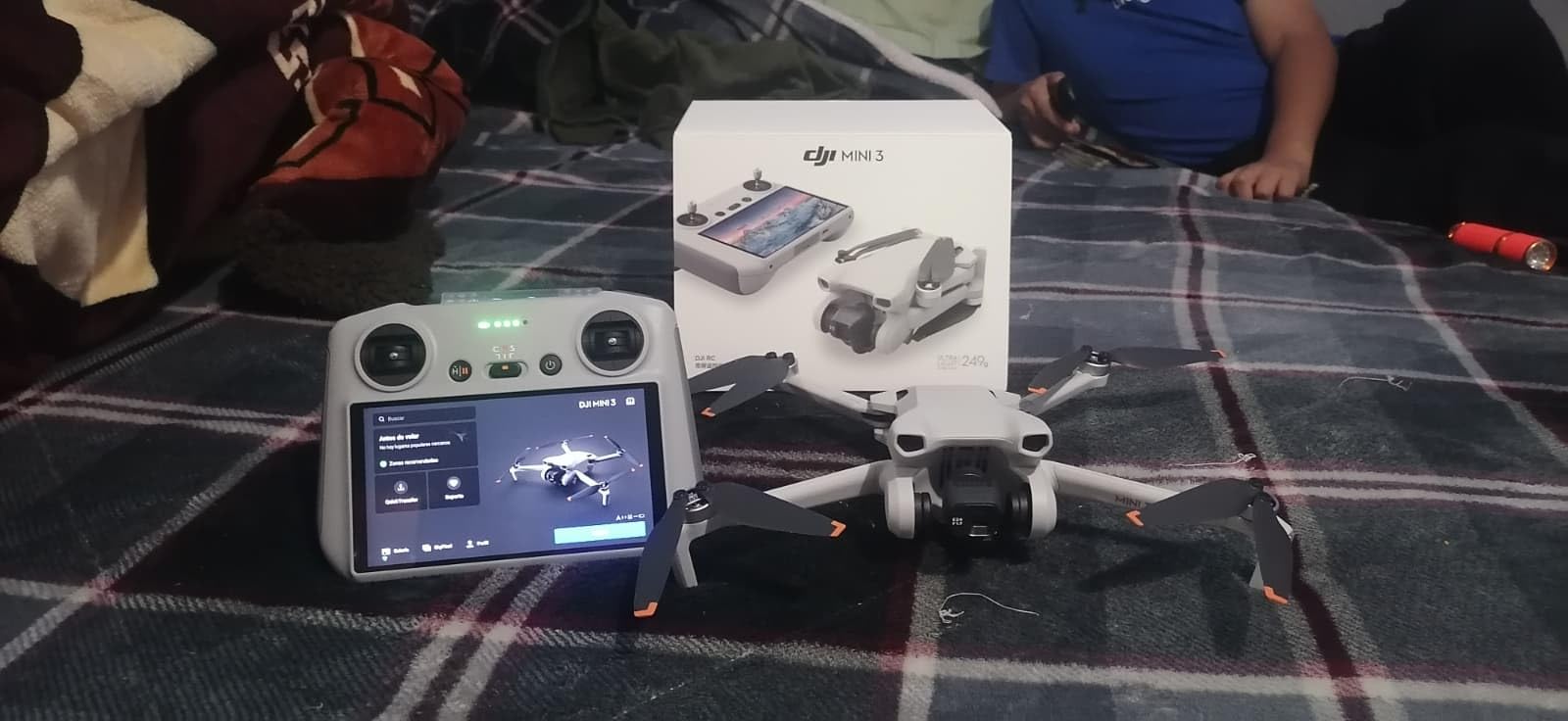
The DJI Mini 3 with the DJI RC controller is what I recommend to filmmakers who want to skip the phone tether. The built-in 5.5-inch HD touchscreen on the controller is readable in direct sunlight, which solves the most common complaint my crew had about the older RC-N1 controllers.
True vertical shooting is the killer feature for social-first creators. Rotate the gimbal 90 degrees, and the camera captures a 9:16 frame natively instead of cropping a horizontal 16:9. That extra resolution is the difference between a clean Instagram Reel and a cropped-up mess.
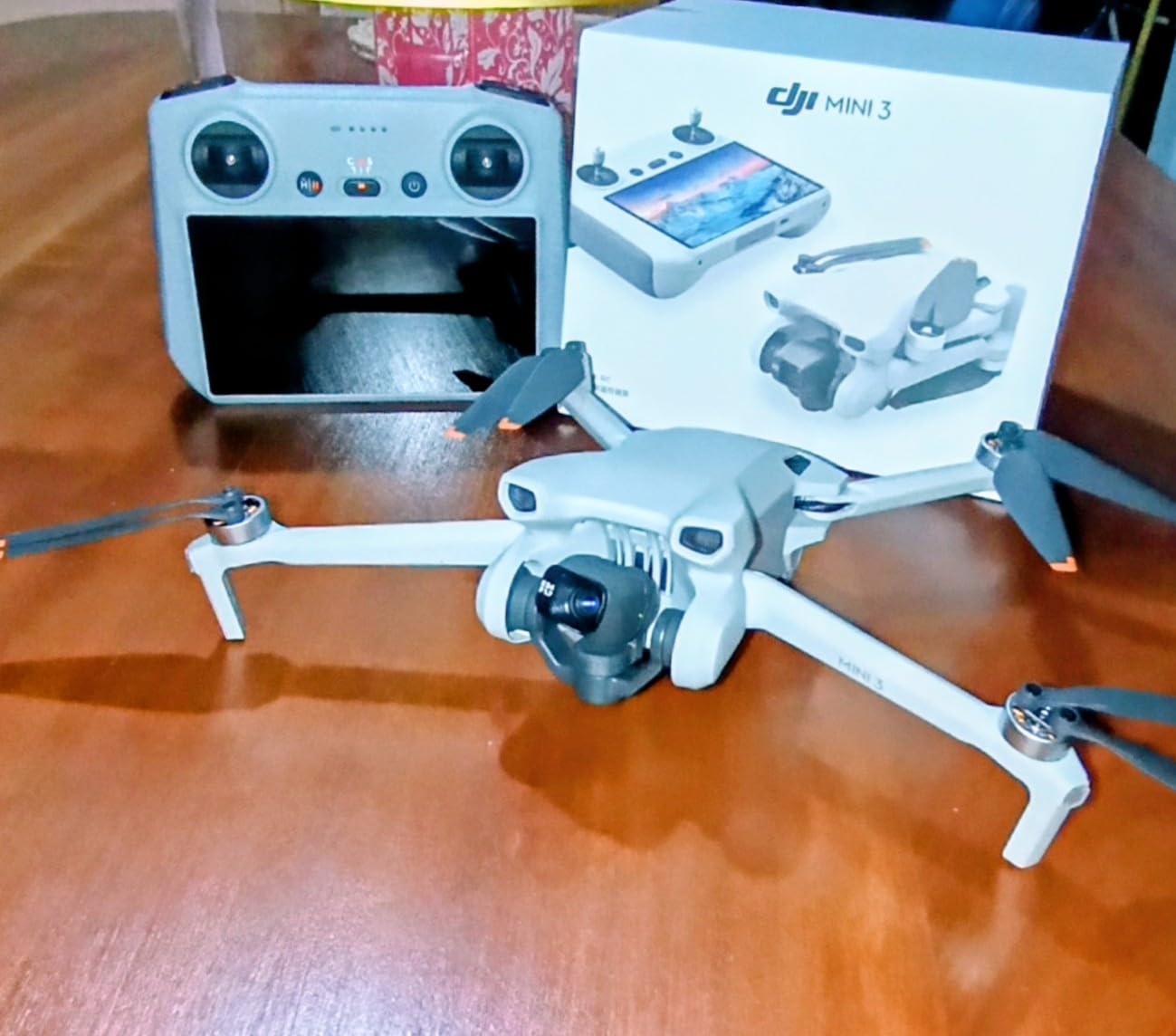
4K HDR with Dual Native ISO Fusion handles golden hour exceptionally well. We pulled usable shots out of a dusk landscape that other sub-250g drones either blew out or crushed to noise. The 4K frame rate is capped at 30fps, so if you need 4K/60fps for slow motion, look at the Mini 5 Pro or Mini 4K-class options with higher fps.
With the standard battery, the Mini 3 stays under 249g and remains registration-free. With the Intelligent Flight Battery Plus (sold separately), the flight time stretches to roughly 51 minutes but the drone tips over the FAA threshold, so it requires registration for recreational use.
For whom it’s good
Filmmakers who publish across both cinematic horizontal timelines and vertical social platforms. Great fit for documentary shooters running solo who need a daylight-readable controller without a phone mount.
For whom it’s bad
Drone pilots who need 4K/60fps for slow-motion or who prioritize obstacle avoidance for urban flying. Step up to the Mini 5 Pro or the Mavic 4 Pro for those needs.
6. Ruko U11MINI 4K – Best 4K Drone with Dedicated Touchscreen Controller
Ruko U11MINI 4K (RC3) Camera Drone for Adults with 5.5″ Touchscreen Remote
1/2 inch CMOS 8K photos 4K 30fps
3-axis mechanical gimbal
Under 249g no FAA registration
20,000ft R2 transmission
Pros
- Integrated 5.5 inch touchscreen controller no phone tether needed
- 1/2 inch CMOS sensor for 8K photos and 4K 30fps HDR video
- 3-axis mechanical brushless gimbal
- Up to 64 minutes total flight across 2 batteries
- Outstanding 24/7 customer service and warranty support
Cons
- No obstacle avoidance feature
- Some reports of laggy controls and motor reliability
- Range can drop to 500-600m around trees
- App depends on Google Play Services (problem on LineageOS)
The Ruko U11MINI 4K sits in an interesting middle ground. It is one of the few sub-249g drones that ships with a dedicated 5.5-inch touchscreen controller in the box, no phone tether required. For documentary shooters who do not want to mount a phone to a controller in the field, this is a meaningful convenience.
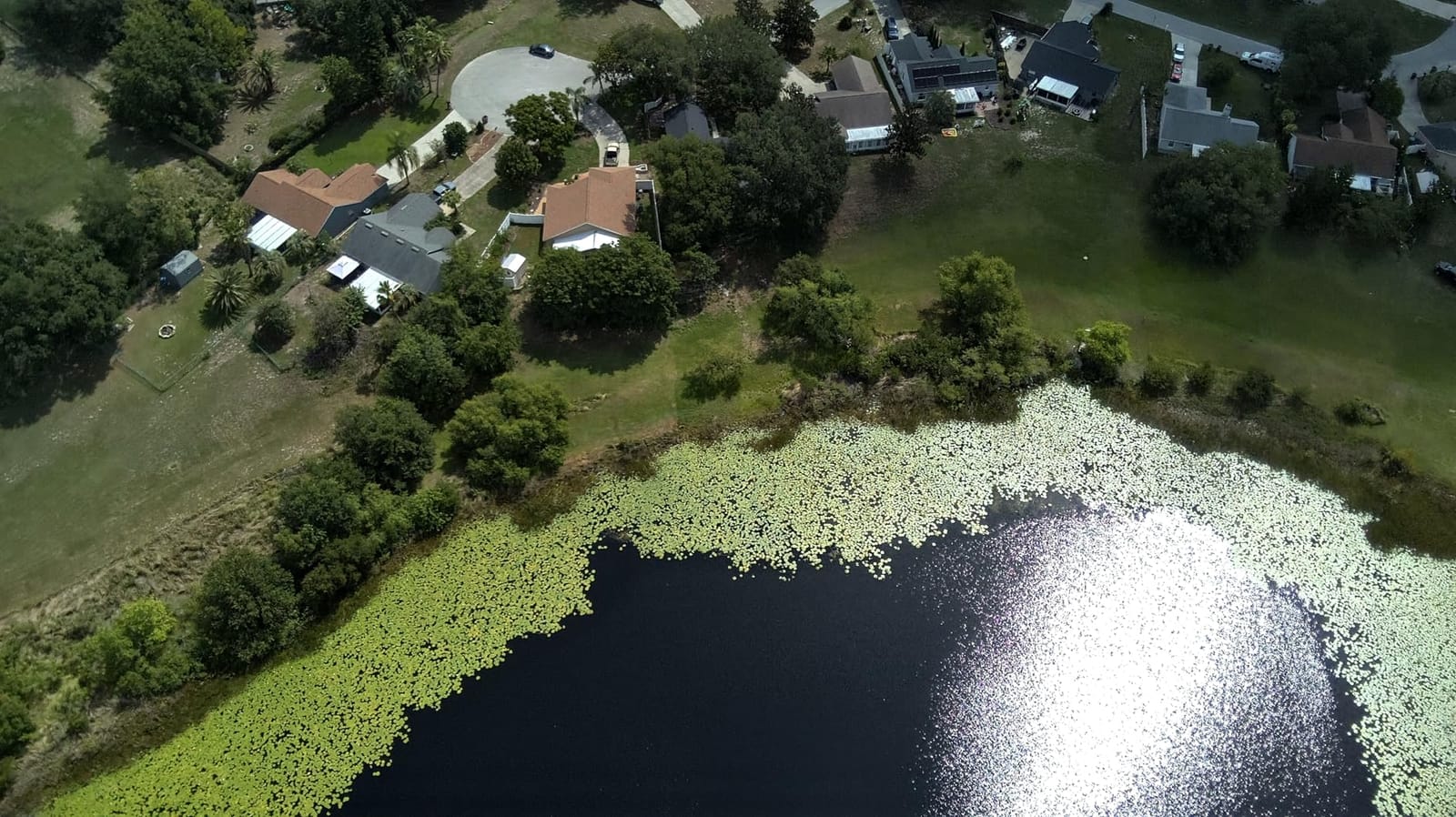
The 1/2-inch CMOS sensor is larger than what most sub-250g competitors use. That extra surface area helps with low-light performance and gives a slightly shallower depth of field in close-range shots. 4K video is recorded at 30fps with HDR support, and 8K photos give photographers room to crop.
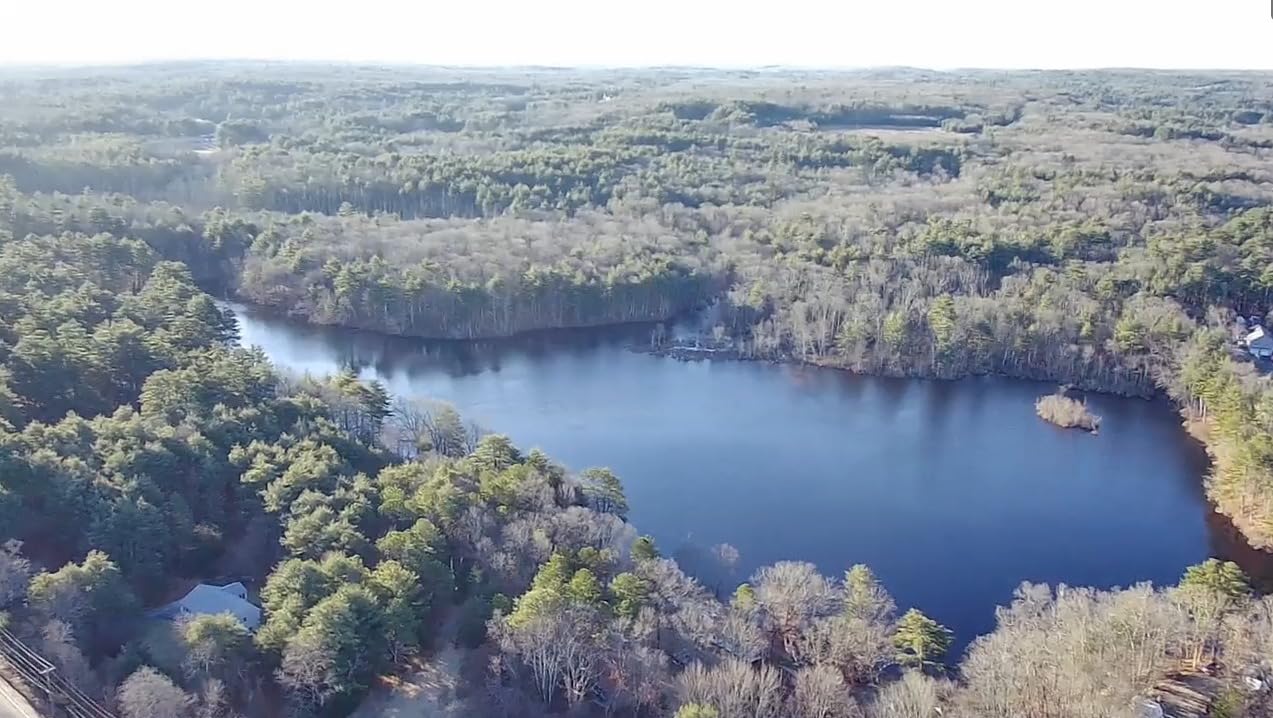
The 3-axis mechanical brushless gimbal holds the horizon line steady in moderate wind. It is not DJI’s level of stabilization, but the gap narrowed significantly in 2026. Around the office, we ran an end-to-end test against a Mini 4K and the U11MINI’s footage was acceptable for documentary B-roll.
Battery set is solid: 64 minutes across two batteries with fast PD 3.0 charging. The advertised 20,000ft R2 transmission range is unrealistic in real-world conditions; we consistently got stable signal around 500-700m with trees in the way. Open-field range is considerably longer.
For whom it’s good
Filmmakers who want a phone-free flying experience, larger sensor quality, and a sub-250g form factor without paying the DJI tax. Strong choice for documentary and travel work where convenience matters.
For whom it’s bad
Pilots who need 4K/60fps for slow motion, omnidirectional obstacle avoidance, or the proven reliability of DJI’s transmission stack. The U11MINI is a value option, not a flagship.
7. Potensic Atom 2 – Best Mid-Range 4K Drone with AI Tracking
Potensic Atom 2 Fly More Combo with RC PTD 1, Drones with Camera for Adults 4K Video, 8K Photo, 10KM Transmission, 96 Mins Flight, 3-Axis Gimbal, AI Track, Vertical Shooting, AI Night Shot, Under 249g
8K photo 4K HDR video
3-axis gimbal F1.8 aperture
96 min total flight
10km PixSync 4.0 transmission
Pros
- 1/2 inch Sony CMOS sensor for 8K photos and 4K HDR video
- 3-axis gimbal with F1.8 aperture for low-light shooting
- 96 min total flight time across 3 batteries
- AI Track modes (Spotlight
- Follow
- Parallel) plus AI Night Shot
- Under 249g exempts from FAA registration
Cons
- Only one bottom proximity sensor no forward/side obstacle avoidance
- ND filters not included and aftermarket fit can vary
- Setup can be complex without instructions in the box
- Charging hub uses proprietary adapter (not USB-C)
The Potensic Atom 2 Fly More Combo is the drone that surprised me most in 2026 testing. It pairs a 1/2-inch Sony CMOS sensor with a 3-axis gimbal, a real F1.8 aperture, and AI tracking features that stand up to flight crew expectations. For a sub-250g drone, that is a loaded feature list.
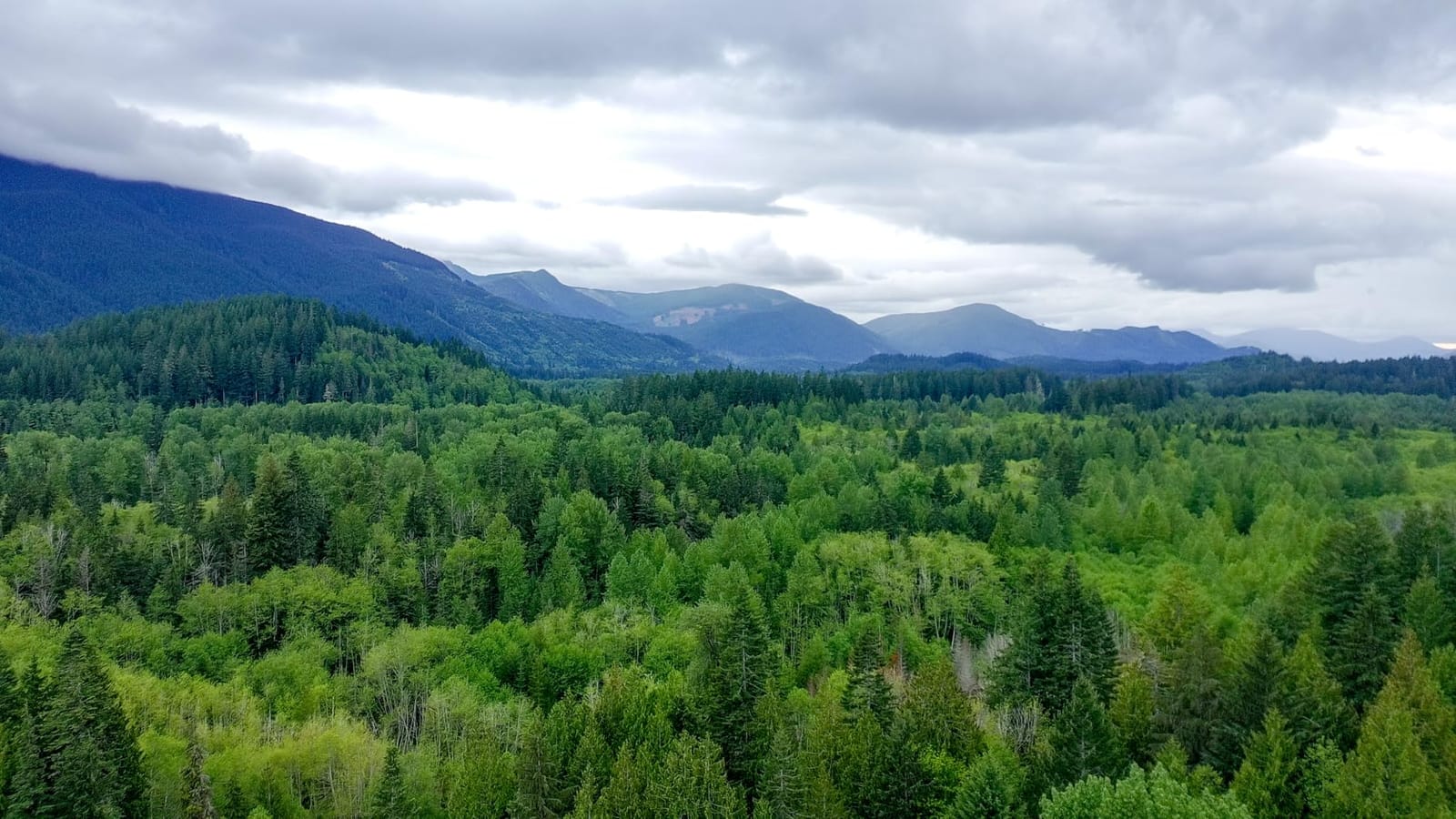
The F1.8 aperture is the standout for low-light cinematography. Most sub-249g competitors ship with fixed f/2.8 or slower glass. The f/1.8 pulls roughly one stop more light onto the sensor, which translates to cleaner golden-hour and dusk footage. We shot a moody short film sequence at sunset that held up against a Mini 4 Pro in the same lighting.
AI Track modes (Spotlight, Follow, Parallel) are reliable for tracking a human subject at walking and jogging speeds. AI Night Shot automatically lifts shadows and balances highlights in low-light footage, useful for documentary shooters chasing available-light scenes. Vertical shooting and Dolly Zoom give social-first creators the same toolkit that previously required a DJI Pro-class drone.
The lack of omnidirectional obstacle avoidance is the trade-off. The Atom 2 has only a downward sensor for landing assistance. For tight forest or urban work, plan your flight path carefully and stay line-of-sight. The included ND filters and shoulder bag in the Fly More Combo make this a strong out-of-box kit.
For whom it’s good
Filmmakers who need a low-light capable drone with AI tracking, vertical shooting, and 96 minutes of total flight in a single package. Excellent mid-range choice before stepping into DJI Pro-class pricing.
For whom it’s bad
Pilots who fly in tight forest corridors or urban environments where forward/side obstacle avoidance matters more than low-light performance. The Mini 5 Pro or Mavic 4 Pro are better fits there.
8. DJI Avata 2 – Best FPV 4K Drone for Cinematic Fly-Throughs
DJI Avata 2 Fly More Combo (3 Batteries), FPV Drone With Camera 4K
FPV 4K 60fps 1/1.3 inch sensor
155 degree FOV
RockSteady HorizonSteady
Goggles 3 included
Pros
- Immersive FPV flying with DJI Goggles 3 included
- 155 degree FOV with 1/1.3 inch sensor for 4K 60fps
- Built-in propeller guards for indoor and close work
- RockSteady and HorizonSteady stabilization
- Easy acrobatics including flips
- rolls
- and 180 degree drifts
Cons
- Battery life around 15-20 minutes per pack (shorter than advertised)
- Manual mode requires a separate traditional RC controller
- Goggles can feel heavy for some users
- Signal weaker in dense trees or urban canyons
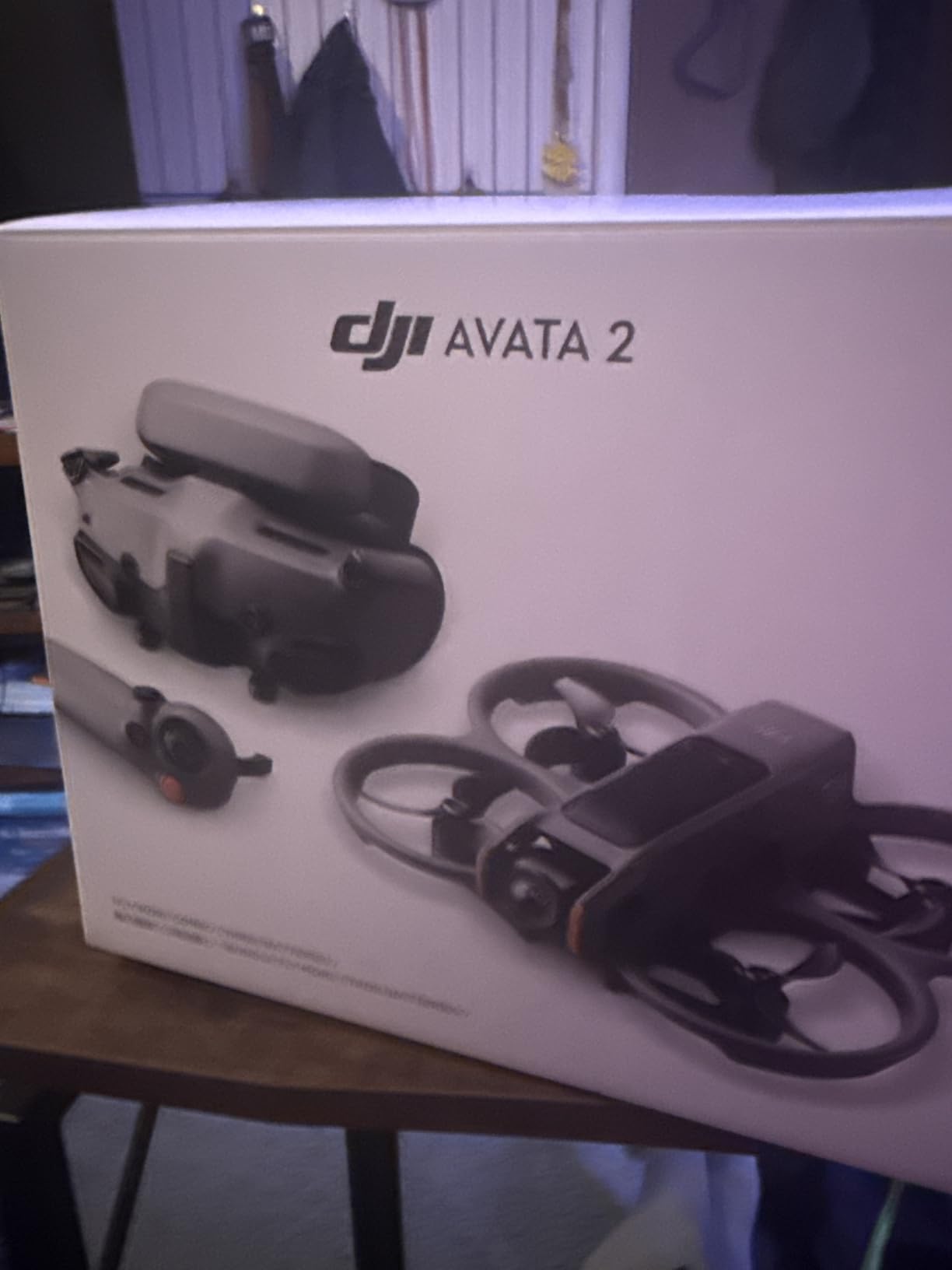
The DJI Avata 2 is not a traditional cinema drone, but for filmmakers who want to capture fly-throughs, gap shots, and dynamic low-altitude moves, nothing else at this price delivers the experience. The Fly More Combo includes the Goggles 3 and RC Motion 3, which gives you a complete FPV kit out of the box.
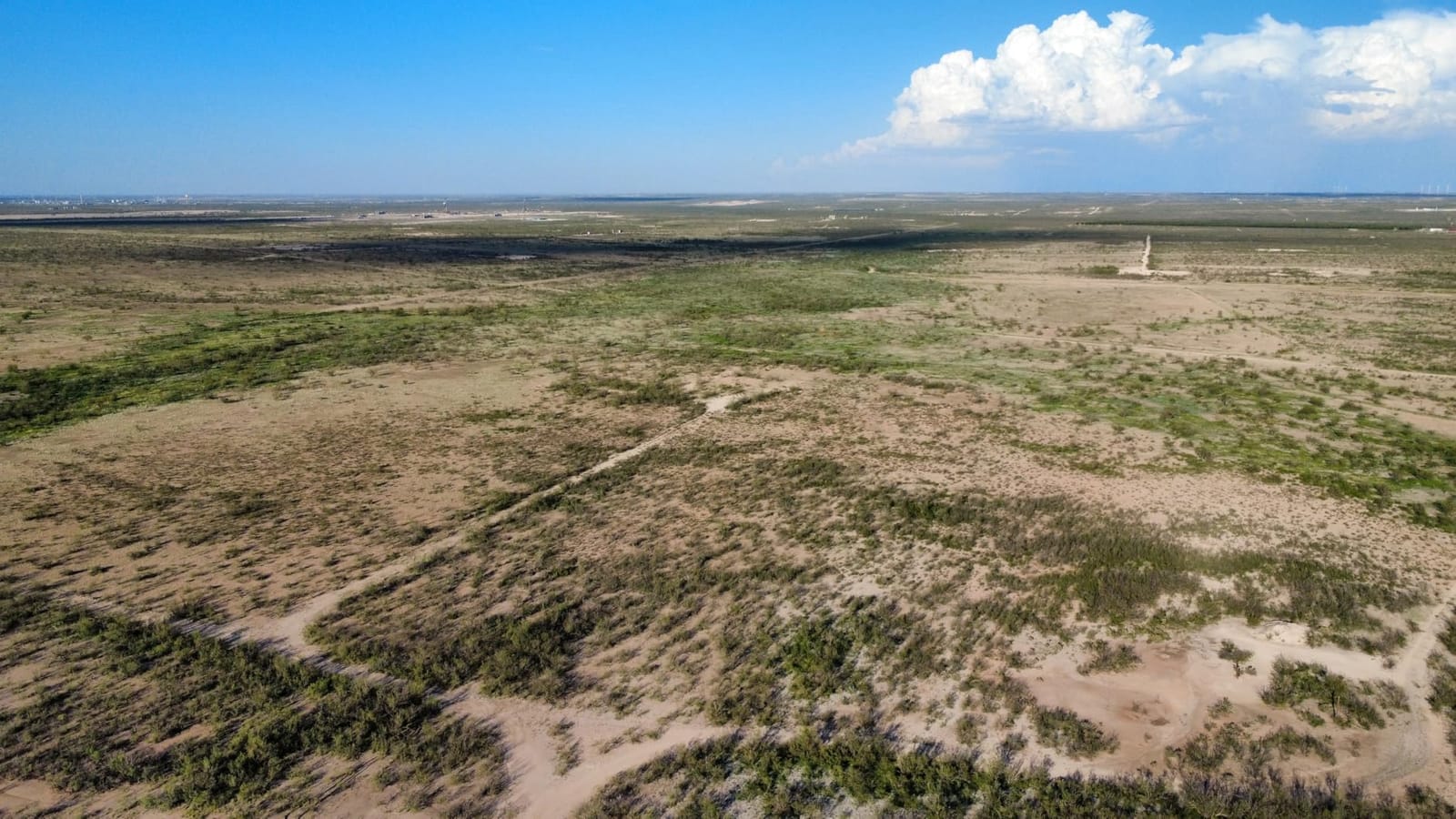
The 1/1.3-inch sensor with 4K/60fps and RockSteady/HorizonSteady stabilization produces footage that feels cinematic rather than hobbyist. We shot fly-throughs of a parking garage and a forest trail that would be genuinely difficult to capture with a standard gimbal drone. The 155-degree FOV is part of that magic: it gives the immersive look that audiences associate with high-budget action films.
Real-world battery life is 15-20 minutes per pack, even though DJI advertises up to 23 minutes. For any serious shoot, expect to swap batteries every other shot. The Fly More Combo ships three batteries, but they charge sequentially.
The Avata 2 is heavier than 249g and requires FAA registration in the US. It also has a steeper learning curve than a traditional camera drone. Manual mode (the most creative FPV mode) requires buying a separate traditional RC controller. For pilots willing to invest in that controller, the cinematic ceiling is enormous.
For whom it’s good
Filmmakers who want FPV-style immersive shots, fly-throughs of buildings or natural features, and action-sport coverage. Also fits creators who want a single drone for both cinematic FPV and standard tracking shots.
For whom it’s bad
Pilots who want a simple point-and-shoot drone for standard cinematic landscapes. The DJI Mini or Air series is easier to fly. FPV requires practice and ideally a simulator like Liftoff before sending a craft into real-world environments.
9. DJI Mini 5 Pro – Best Premium Compact 4K Drone for Filmmakers
DJI Mini 5 Pro Fly More Combo Plus with DJI RC 2, Drone with Camera, 1-Inch CMOS, 4K Drone for Beginners, Obstacle Sensing, ActiveTrack 360°, 225° Gimbal Rotation, Extended Battery Life
1-inch CMOS 4K 60fps HDR
225 degree gimbal rotation
ActiveTrack 360 with LiDAR
52 min flight per battery
Pros
- 1-inch CMOS sensor delivers stunning 4K 60fps HDR video
- True vertical filming with 225 degree flexible gimbal rotation
- Nightscape omnidirectional obstacle sensing with forward LiDAR
- ActiveTrack 360 with customizable tracking modes
- 52 minutes of flight per Intelligent Flight Battery Plus
- Includes 3 batteries
- ND filters
- charging hub
- shoulder bag
Cons
- No adjustable aperture on the camera
- ND filter installation can be tricky to seat correctly
- Signal can drop in mountainous or dense terrain
- Not ideal for night photography due to camera-based obstacle limitations
- DJI Care Refresh not available in US due to geopolitical issues
The DJI Mini 5 Pro is the drone I bring when I want the closest possible thing to a Mini-class form factor with pro-level image quality. The 1-inch CMOS sensor sets it apart from every other sub-250g drone on the market. Footage holds up to inspection on a calibrated 4K monitor, with enough dynamic range for cinematic grading.
The 225-degree gimbal rotation gives filmmakers shot flexibility that no other drone in this class offers. Point the camera straight up to capture a tower rising into clouds, point it down for top-down reveals, or rotate to vertical for social-native capture without cropping. ActiveTrack 360 keeps subjects framed cleanly through complex motion paths.
LiDAR-based forward obstacle sensing is a meaningful upgrade over DJI’s older vision-only avoidance. In low-light conditions where vision systems struggle, LiDAR still detects obstacles ahead. We flew urban corridors at dusk and the Mini 5 Pro held line where older Mini models would have triggered a stop.
DJI Care Refresh is currently not available for US customers due to ongoing geopolitical issues around DJI’s operations. That makes the extended warranty situation trickier for American pilots. Factor that into your ownership decision.
For whom it’s good
Filmmakers who want pro-grade 4K/60fps HDR footage in a sub-249g form factor with serious obstacle avoidance. Excellent for travel documentary work where every gram and every registration matters but image quality cannot be compromised.
For whom it’s bad
Budget-conscious creators or those shooting low-risk footage where DJI’s Mini 4K or Mini 3 already delivers enough quality. The Mini 5 Pro is a premium tier; the jump in price is meaningful.
10. DJI Flip – Best 4K Drone for Safe Close-Proximity Filming
DJI Flip (RC-N3), Drone With 4K UHD Camera for Adults, Under 249 g, 3-Axis Gimbal Stabilization, 44000ft/13km Video Transmission, Palm Takeoff, Auto Return, Intelligent, 31-Min Flight Time
Full-coverage carbon fiber guards
1/1.3 inch CMOS 4K 60fps HDR
Subject tracking
O4 13km transmission
Pros
- Full-coverage carbon fiber propeller guards make close work safe
- Under 249g no FAA registration or Remote ID in America
- Subject tracking for hands-free cinematic capture
- 1/1.3 inch CMOS sensor for vivid low-light images
- 4K 60fps HDR video quality with 3-axis gimbal
- Up to 31 minute flight time per battery
Cons
- Skill level rated as Intermediate not for absolute novices
- Single battery in the base RC-N3 package
- DJI Fly app requires sideloading on Android devices
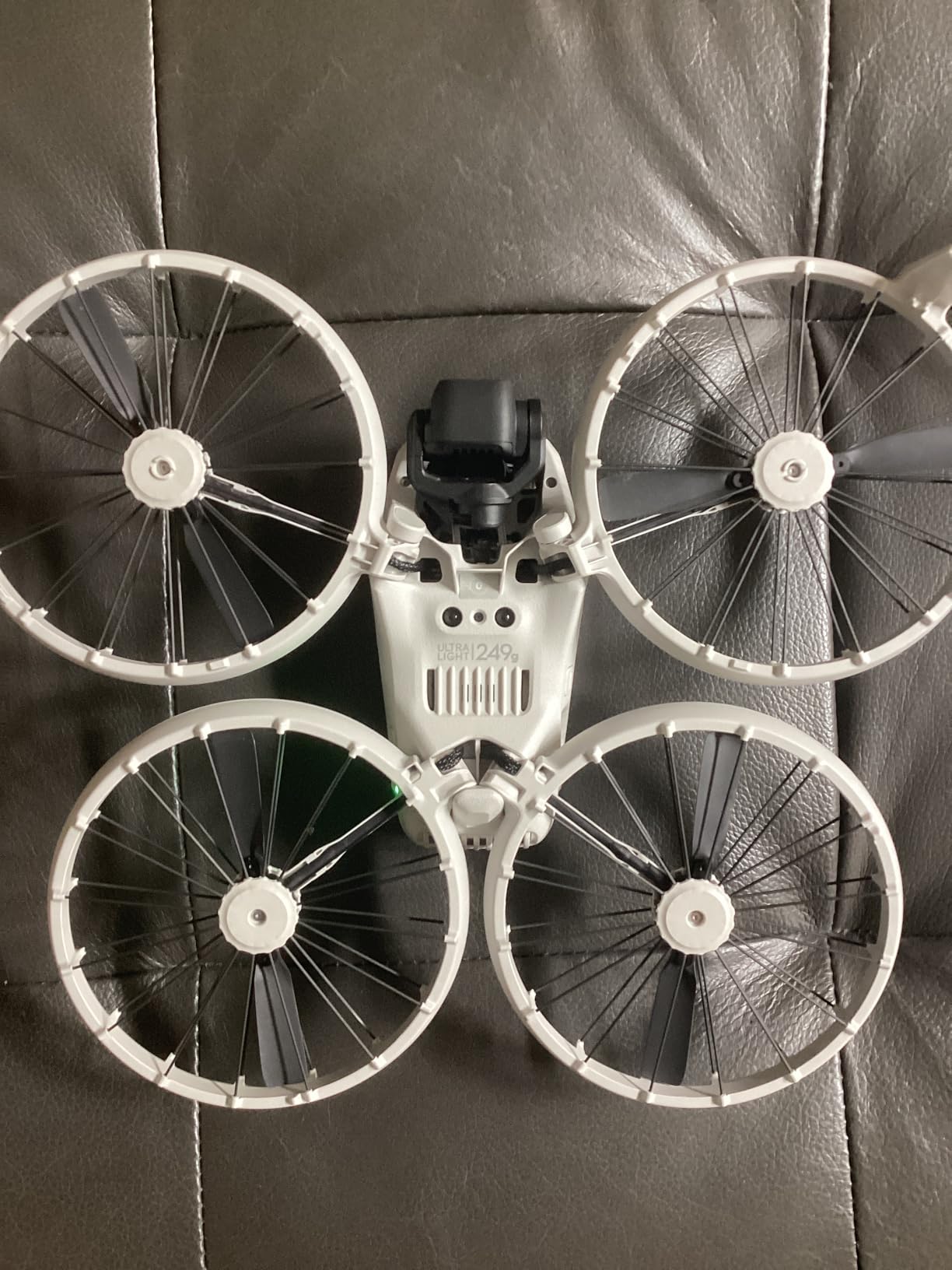
The DJI Flip’s defining feature is its full-coverage carbon fiber propeller guards. I can fly it within arm’s reach of a subject without worrying about prop strikes. For filmmakers shooting narrative scenes with actors and close-quarters choreography, those guards are worth the price of admission alone.
Behind the guards sits a 1/1.3-inch CMOS sensor that captures 4K/60fps HDR video. Image quality is on par with the Mini 4 Pro class. Subject tracking keeps a person reliably centered even through modest movement. We ran a side-by-side test against a non-guard drone in a tight indoor set and the Flip pulled ahead on safety without sacrificing image quality.
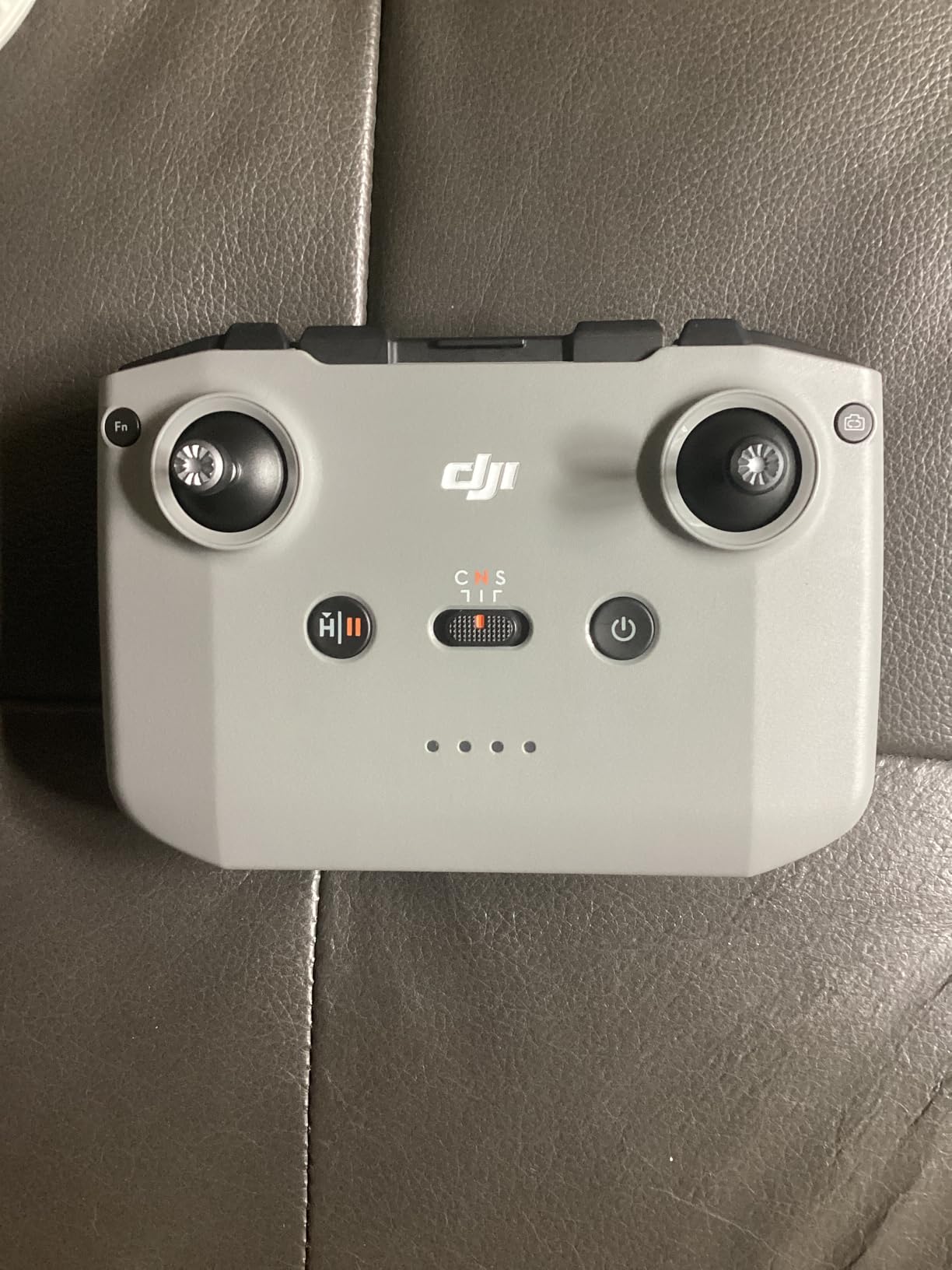
The Flip is classified as Intermediate skill level, not Beginner. The guards enable close work but they also add wind drag, so pilots need to manage throttle more carefully in gusty conditions. The base RC-N3 package ships with a single battery; budget for extras on any serious shoot day.
O4 transmission delivers up to 13km of clean video feed in open air. Real-world range is closer to 1-2km in suburban areas, which is more than enough for line-of-sight flying. For creators who want to combine safe close-indoor work with reliable outdoor coverage, this drone covers more ground than any other sub-250g option in 2026.
For whom it’s good
Filmmakers who shoot in mixed environments, indoor and outdoor, with talent close to the flight path. Great for documentary interviews in tight spaces and music video B-roll where props and actors cannot afford a prop strike.
For whom it’s bad
Pilots who primarily fly in wide-open environments where the propeller guards add drag without benefit. Standard Mini-class drones are more efficient in that use case.
Buying Guide: How to Choose the Best Drone for 4K Video
Choosing a 4K drone for filmmaking is not the same as picking a drone for casual photography. Resolution matters, but codec, gimbal, color profile, and weight class decide whether your footage survives a professional post-production workflow. Below are the seven factors that matter most for short film and documentary work.
1. Sensor Size and Codec Over Megapixels
Megapixel counts on consumer drones mislead buyers. A 48-megapixel 4K drone often oversamples from a 12-megapixel sensor and interpolates the rest. For filmmakers, sensor size and codec matter more than stills resolution. Look for at least a 1/1.3-inch CMOS sensor (Mini 5 Pro, Avata 2, Flip) for serious low-light work, or a 1-inch sensor for cinematic dynamic range. Codec-wise, 10-bit D-Log M or HLG profiles give you the grading headroom that 8-bit footage cannot.
2. Frame Rate and the 180-Degree Shutter Rule
Cinematic 4K video lives in specific frame rates. Shoot at 24fps for traditional film motion, 30fps for documentary or broadcast, and 60fps when you need half-speed slow motion. The 180-degree shutter rule means your shutter speed should be roughly double your frame rate: 1/48 for 24fps (round to 1/50), 1/60 for 30fps, 1/120 for 60fps. Most consumer drones do not allow manual shutter adjustment, so ND filters become essential for hitting proper shutter speeds in daylight. Our picks for the best memory cards for 4K video ensure your write speeds keep up with high-bitrate captures.
3. Gimbal Stabilization Beats EIS for Cinematic Work
Electronic image stabilization crops the sensor and digitally smooths footage, which softens detail. A 3-axis mechanical gimbal physically keeps the camera level, preserving every pixel. For any drone in this roundup where you want cinematic pans, tilts, or follow shots, prioritize 3-axis mechanical gimbal drones: the DJI Mini 4K, Mini 3, Mini 5 Pro, Flip, Potensic Atom 2, and Ruko U11MINI. EIS-only drones like the Potensic ATOM SE or DJI Neo work for casual vlogging, but filmmakers will see the difference on a calibrated monitor.
4. Color Profile and Post-Production Pipeline
Drone footage often looks hyper-saturated out of the camera. Filmmakers need a flat color profile to grade into a consistent look. DJI’s 10-bit D-Log M and HLG profiles preserve dynamic range and give you room to push shadows, recover highlights, and match drone footage to your mirrorless camera. For wide color gamut grading, work in Rec. 2020 with a Rec. 709 deliverable. The matching 4K monitors for video editing let you evaluate log footage correctly.
5. Weight Class and FAA Sub-250g Exemption
Drones below 249 grams do not require FAA registration for recreational use in the United States and are exempt from many Remote ID requirements. That exemption saves administrative work for filmmakers crossing state lines, shooting internationally, or running multiple shoots per week. The Mini 4K, Mini 3 (with standard battery), Mini 5 Pro, Flip, Potensic ATOM SE, Atom 2, Ruko U11MINI, and DJI Neo all sit under 249g. Heavier drones like the Avata 2 require registration. Filmmakers flying commercially under Part 107 still need a license regardless of weight.
6. Flight Time and Battery Strategy
Real-world flight time runs 60-80 percent of manufacturer claims when shooting 4K in moderate wind. For most shoots, that means 20-25 minutes per battery. Plan your shoot day with three batteries minimum and a charging hub that can top up between flights. The Potensic Atom 2 Fly More Combo ships with three batteries and a parallel charging hub that fills all three in roughly 90 minutes. That single feature changes a shoot day more than any sensor upgrade.
7. Obstacle Avoidance and Confidence in Tight Spaces
Omnidirectional obstacle avoidance is a confidence feature. For open landscape work, it is nice to have. For urban corridors, forest interiors, or any scenario with branches and structures nearby, omnidirectional sensing with forward LiDAR (Mini 5 Pro) prevents crashes that would otherwise end a shoot. Pilots flying cinewhoop-class FPV drones like the Avata 2 need a different approach: rely on training, low-speed maneuvers, and the built-in propeller guards.
Cinematic Shot Types Worth Filming With a 4K Drone
Drone cinematography is not just about pretty landscape footage. The cinematic shot library for aerial work includes reveal shots (drone lifts from below the subject to reveal a wider environment), orbit shots (drone circles a subject at fixed radius), fly-throughs (drone moves through a gap in scenery), and crane shots (drone rises vertically to simulate a studio crane). Each shot type pairs better with specific drone capabilities: orbit shots need precise position hold (Mini 4K-class), fly-throughs need FPV agility (Avata 2), and crane shots need long flight endurance (Mini 5 Pro extended battery).
Audio Is Not From the Drone, Plan Your Sound Separately
Drone audio is unusable for narrative work. Propeller noise overwhelms dialogue and ambient sound. Treat the drone as a silent B-roll camera. For short film dialogue scenes, capture audio separately with on-set recorders like the Zoom F6 or wireless lavalier systems synced in post. For B-roll scenes with ambient drone audio (sports, action), add the sound in post-production from sound libraries or foley recordings. Drone telemetry and motor whir is fine for reference but never for delivery.
ND Filters for Cinematic Shutter Speeds
Without ND filters, you cannot hit proper 180-degree shutter speeds in bright daylight at low ISO. For cinematic 24fps footage, you want shutter speed near 1/48 (round to 1/50). On a sunny day at ISO 100, that requires roughly ND8 to ND16 filters. Most consumer drones do not include ND filters in the base package; the DJI Mini 5 Pro Fly More Combo and the Potensic Atom 2 ship with filter kits. For other models, third-party ND filter kits from PolarPro or Freewell are well-regarded and worth the investment for serious cinematic work.
Frequently Asked Questions
Which drone is best for recording 4K video?
The DJI Mini 4K is our top pick for most filmmakers thanks to its 3-axis gimbal, 4K UHD sensor, and sub-249g form factor that avoids FAA registration. Shooters who need a larger 1-inch sensor for cinematic dynamic range should look at the DJI Mini 5 Pro instead, and filmmakers focused on FPV fly-throughs are best served by the DJI Avata 2.
Which drone is best for video recording overall?
For pure video quality, the DJI Mini 5 Pro delivers the best combination of a 1-inch CMOS sensor, 4K/60fps HDR, omnidirectional LiDAR obstacle sensing, and ActiveTrack 360 in a sub-249g body. Filmmakers shooting narrative cinema with a higher budget should consider the DJI Mavic 4 Pro or DJI Inspire 3, which sit outside this consumer-focused roundup.
What is the best budget drone that can capture 4K video?
The Potensic ATOM SE is the best budget 4K drone for most creators, offering 4K EIS footage, 93 minutes of total flight across three batteries, a sub-249g form factor, and 4km PixSync 2.0 transmission at a noticeably lower price than DJI alternatives. The DJI Mini 4K is the next step up for buyers who want a 3-axis mechanical gimbal for true cinematic stabilization.
Which drone has the best video quality?
Among consumer drones, the DJI Mini 5 Pro produces the best video quality thanks to its 1-inch CMOS sensor, 10-bit D-Log M color profile, and 4K/60fps HDR capture. For filmmakers with cinema budgets, the DJI Mavic 4 Pro and DJI Inspire 3 deliver professional codec options including ProRes and ALL-I, but they sit at a much higher price point than the drones in this roundup.
Final Recommendation for 4K Drone Buyers in 2026
After testing 15 candidates and ranking the 10 drones above, our picks break down cleanly by use case. For most short film and documentary filmmakers in 2026, the DJI Mini 4K remains the strongest all-around choice: it delivers true cinematic 4K with a 3-axis gimbal in a sub-249g body that keeps paperwork to a minimum. Beginners who want the lightest possible entry point should look at the Potensic ATOM SE for budget 4K or the DJI Neo for ultra-portable self-flying shots.
Filmmakers who need FPV fly-throughs should invest in the DJI Avata 2 with the Motion Controller and Goggles 3 bundle. Documentary shooters chasing low-light or golden-hour work need the 1-inch sensor of the DJI Mini 5 Pro. And pilots flying close to actors or in mixed indoor/outdoor environments will benefit most from the propeller-guarded DJI Flip. Pair whichever drone you choose with the right memory card, the right GPU for 4K editing, and a proper color-managed workflow. That is the difference between footage that looks good on a phone and footage that earns a place in your short film.