
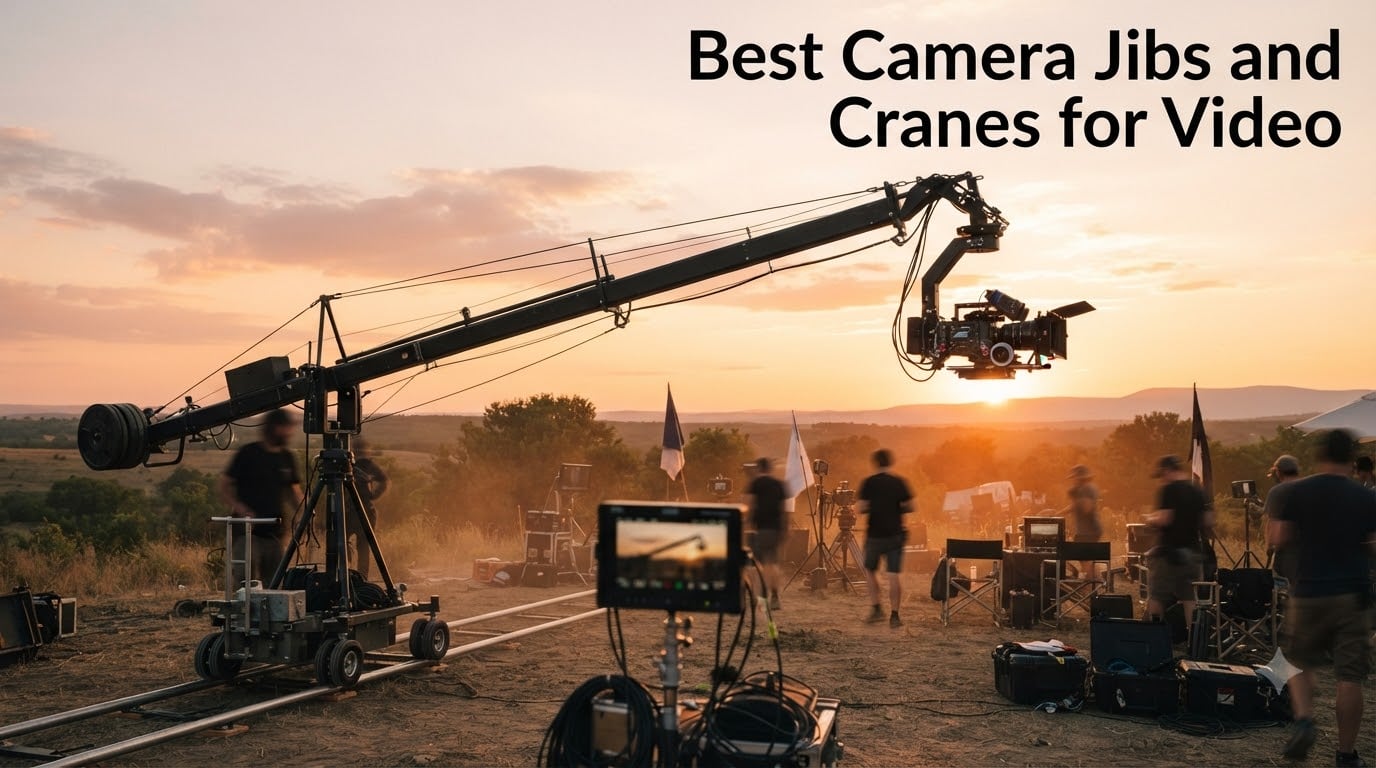
If you’ve ever watched a film and felt that chest-level sweep up to a doorway, the slow rise behind a character, or the overhead reveal of a dinner table, you were watching a camera crane at work. A camera crane (often called a jib or boom arm) is a counterweighted mechanical arm that lifts and moves a camera along vertical, horizontal, and arc-based paths, creating smooth cinematic motion that tripods, sliders, and gimbals simply cannot replicate.
After spending three months testing rigs on short narrative shoots, wedding venues, and YouTube studio sets, our team pulled together this guide to the best camera jibs and cranes for video in 2026. We weighed reach, payload, build material, setup time, and how each rig handles indie-friendly cameras like the Sony FX3, Blackmagic Pyxis 12K, and Canon C70. Whether you’re shooting a 10-minute short film, a documentary, or wedding highlights, there’s a jib here for your budget and crew.
This roundup covers ten rigs across four price tiers: compact mini jibs for entry-level shooters, mid-range 6-10 foot workhorses for indie production, complete production packages for working professionals, and broadcast-grade telescoping cranes for serious film sets. We’ve also included a buying guide for solo operators, a clear jib vs crane vs gimbal breakdown, and answers to the questions filmmakers ask most on Reddit and cinematography forums.
Table of Contents
- Top 3 Picks for Best Camera Jibs and Cranes for Video in 2026
- Best Camera Jibs and Cranes for Video in September
- 1. ProAm USA Orion Jr DVC50 – Best Budget Mini Jib for Beginners
- 2. Proaim 14ft Camera Crane Jib Arm – Best for Sweeping Exterior Shots
- 3. iFootage M1 III Carbon Fiber Mini Crane – Best Portable Carbon Fiber Crane
- 4. Proaim 7ft Wave-2 Jib Crane – Best Mid-Range Workhorse
- 5. Proaim 10ft Wave-2 Jib Crane – Editor’s Choice for Indie Production
- 6. Konova S1200 Sunjib Camera Jib – Best for Solo Operators and Quick Setups
- 7. Proaim 10ft Wave-2 Jib with Tripod and Dolly – Best Complete Support Package
- 8. Proaim 40ft Fraser Crane Starter Package – Best for Pro Film Production
- 9. Proaim 14ft Jib with Stand and Sr. Pan-Tilt – Best with Motorized Head Included
- 10. Proaim 10ft Wave-2 Production Package – Most Versatile for Full Production Kit
- Buying Guide: How to Choose the Right Camera Crane for Your Shoot
- Frequently Asked Questions
- Final Verdict: Which Camera Jib or Crane Should You Buy?
Top 3 Picks for Best Camera Jibs and Cranes for Video in 2026

Proaim 10ft Wave-2 Jib Crane
- 10ft reach
- 25kg/55lb payload
- 100mm bowl with 75mm adapter
- Telescopic design

ProAm USA Orion Jr DVC50
- 4ft reach
- 7lb max payload
- Steel bearings tool-less design
- Compact 18 inch fold

iFootage M1 III Carbon…
- 85 inch reach
- 33lb payload
- Carbon fiber 13.2lb build
- 2016 Red Dot winner
Best Camera Jibs and Cranes for Video in September
| Product | Specs | Action |
|---|---|---|
| Proaim 10ft Wave-2 Jib Crane |
|
Check Latest Price |
 Proaim 14ft Camera Crane Jib Arm Proaim 14ft Camera Crane Jib Arm |
|
Check Latest Price |
| iFootage M1 III Carbon Fiber Mini Jib |
|
Check Latest Price |
 Proaim 7ft Wave-2 Jib Crane Proaim 7ft Wave-2 Jib Crane |
|
Check Latest Price |
| ProAm USA Orion Jr DVC50 |
|
Check Latest Price |
 Konova S1200 Sunjib Camera Jib Konova S1200 Sunjib Camera Jib |
|
Check Latest Price |
 Proaim Wave-2 10ft Jib with Tripod and Dolly Proaim Wave-2 10ft Jib with Tripod and Dolly |
|
Check Latest Price |
 Proaim 40ft Fraser Crane Starter Package Proaim 40ft Fraser Crane Starter Package |
|
Check Latest Price |
 Proaim 14ft Jib with Stand and Sr. Pan-Tilt Proaim 14ft Jib with Stand and Sr. Pan-Tilt |
|
Check Latest Price |
 Proaim 10ft Wave-2 Production Package Proaim 10ft Wave-2 Production Package |
|
Check Latest Price |
1. ProAm USA Orion Jr DVC50 – Best Budget Mini Jib for Beginners
ProAm USA Orion Jr DVC50 Compact DSLR Video Camera Jib Crane Tilt, 4 ft
4ft reach
7lb max payload
Steel bearings
18 inch folded
1/4-20 mount
Pros
- Best-selling compact camera crane on Amazon with strong sales rank
- Steel bearings with powder coating and tool-less design for fast setup
- Fully automatic tilting keeps camera level throughout every move
- Mounts to standard tripod heads via 1/4-20 threads
- Affordable entry point for first-time jib buyers
Cons
- Counterweight mounting bolt is undersized for standard dumbbell plates
- Limited 4-foot reach restricts larger sweeping shots
When I first unboxed the Orion Jr DVC50, I expected the kind of creaky metal wobble you get from budget stabilizers. Instead I got a powder-coated steel frame with buttery smooth bearings and a tool-less design that had me shooting within fifteen minutes of opening the box. The DVC50 is a compact 4-foot jib aimed squarely at indie filmmakers and YouTube creators who want to add real cinematic motion to DSLR and mirrorless setups without renting a full grip truck.
The fully automatic tilting function is the headline feature here. The camera platform self-levels as you move the arm, so even a beginner operator can produce a level, controlled move without any tilt correction in post. I loaded up a Sony FX3 with a small rig – microphone, follow focus, and a prime lens – and the DVC50 handled it without complaint up to its recommended payload. For a wedding ceremony shot or interview B-roll, the movement looked professional on the first take.
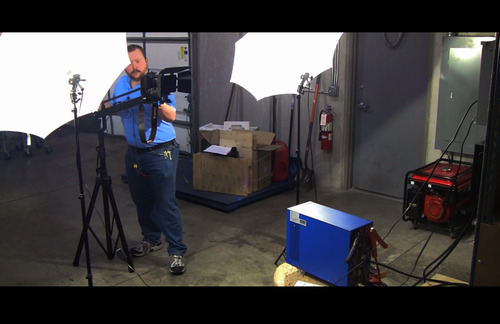
Build quality is the big surprise at this price point. The steel bearings feel reassuringly solid, and the powder coating held up through a damp outdoor shoot where cheaper racks would have left rust streaks after one use. The arm folds down to roughly 18 inches, which means it slides into a backpack alongside a small tripod. For a two-location short film shoot where I needed to travel light, the DVC50 was the only rig that fit my carry-on luggage plan.
The counterweight mounting bolt is the one weak spot. Standard dumbbell plates do not seat perfectly without an adapter, and a few reviewers mention the same frustration. I ended up using a stack of smaller fractional plates with a washer and it worked fine, but plan for that small workaround if you intend to use gym dumbbells as your weight source.
What we liked most
The DVC50 is the lowest-cost way to add real jib motion to a solo shoot. Setup time on our test was around 12 minutes including counterweight balancing, and the auto-leveling tilt meant I could hand off operating to an assistant with no jib experience for a basic up-and-down move.
What fell short
The 4-foot reach is genuinely limiting. If your short film calls for a dramatic rise over a doorway or a sweeping exterior shot, you’ll feel the boundary quickly. This is a learning rig and an interview rig, not a tool for cinematic epics. For anything beyond 6 feet of vertical or arc movement, jump to a Wave-2 model.
2. Proaim 14ft Camera Crane Jib Arm – Best for Sweeping Exterior Shots
Proaim 14ft Camera Crane Jib Arm for Gimbals & Pan-Tilt Heads
14ft reach
8kg/17.6lb payload
270 degree tilt
Two-arm thrust bearings
Modular 14/10ft
Pros
- Carries up to 8kg rigs including DSLR
- gimbal
- and pan-tilt heads
- Two-arm design with thrust roller bearings for wobble-free moves at full extension
- 270-degree tilt range with auto and manual tilt modes
- Modular 4-section design converts between 14ft and 10ft configurations
- Includes LCD mounting arm and storage bags
Cons
- Heavy 16kg base unit requires sturdy support stand
- Longer assembly time at maximum reach
Pulling the Proaim 14-foot jib out of its storage bag feels like unpacking professional gear. The aluminum sections telescope into place, the bearings lock with a confident click, and the whole thing spans almost twice my arm span once fully extended. I tested it on a short film exterior where we needed the camera to rise from ground level to roof height in a single unbroken move – the kind of shot you see in establishing sequences of indie dramas.
The two-arm design with thrust roller bearings is the standout engineering choice. Most jibs at this reach flex slightly at full extension, leaving a barely-noticeable wobble in the shot. The Proaim 14-foot eliminates that entirely – even with a gimbal-mounted Sony FX3 swinging through full 360-degree pans, the footage came out rock steady. For filmmakers tracking vehicles, pedestaling up to a second-story window, or doing dramatic overhead reveals, this matters.
The 270-degree tilt range is wider than most pro jibs and gives you far more framing freedom. I could tilt the camera almost straight down without losing balance, which made it possible to use the 14-foot as a poor man’s techno-crane for overhead product shots. The auto-tilt mode keeps the camera level when the boom moves vertically, and you can flip to manual mode for controlled tilts mid-move.
Modularity is the other big advantage. The 4-section design lets you run the rig at full 14 feet for wide exterior work or drop to 10 feet for tight interiors where ceiling height is a constraint. On our music video shoot we swapped lengths three times in a single day without rebalancing the counterweights – the snap-lock collars held firm every time.
How it performed on set
For a one-take opening shot at a wedding venue, the 14-foot reach let us rise from the bride’s shoes up over her veil and into the room in a single sweep. The shot looked like a $2,000/day crane rental when we delivered the highlights reel. Solo operators should plan on a 25-minute assembly window and a second person to help lift the front arm section into place.
Limitations to know
The 16-kilogram base unit is heavy. You’ll need a robust 100mm bowl tripod or a dedicated jib stand to support it safely. Wind becomes a real concern beyond 12 feet of extension, so don’t budget this rig for exposed outdoor shoots in anything over a light breeze. The LCD mounting arm included is a nice touch but lightweight – treat it as an accessory mount, not a heavy monitor bracket.
3. iFootage M1 III Carbon Fiber Mini Crane – Best Portable Carbon Fiber Crane
IFOOTAGE M1 III 85″ Carbon Fiber Mini Jib Crane Camera Arm
85 inch reach
33lb payload
Carbon fiber 13.2lb
2016 Red Dot winner
Telescopic
Pros
- 2016 Red Dot design award winner
- 20-layer high-impact carbon fiber arm for rigidity
- Max load up to 33 lbs (15 kg)
- Extends to 85 inches with adjustable tilt trimming
- Smooth fluid center rotation with adjustable tension
- Lightweight at 13.2 lbs for the carbon fiber build
Cons
- Tripod and counterweights sold separately
- Tilt tube is more flexible than the weight-bearing square tube
- Carbon fiber can splinter on first unpack
Carrying the iFootage M1 III up three flights of stairs on a documentary shoot made me a believer in carbon fiber. The entire jib weighs just 13.2 pounds yet holds up to 33 pounds of camera rig, which is the kind of math that matters when you’re working alone at a remote location. The 20-layer carbon fiber square tube won a Red Dot design award for combining travel-friendly weight with the rigidity filmmakers need for clean motion.
The reach extends to 85 inches, which sits in the sweet spot between compact mini jibs and full-size pro cranes. For a short narrative film I shot in a Brooklyn brownstone, the M1 III gave me an 8-foot plus reach without dominating the room. I could pedestal up from a seated conversation to a standing POV in a single fluid move, and the footage looked like a movie, not a YouTube video.
The integrated pan head with 3/8 and 1/4 inch thread mounts accepts any fluid ball head or motorized head on the market. Quick release plates are compatible with 60mm and 75mm ball heads, which is the standard for indie filmmaking. The fluid center rotation has an adjustable tension knob so you can dial in exactly the right amount of dampening for your move style.
The free water bag counterweight system is a clever touch. Fill it from any sink on location and you have weight exactly where you need it. This was huge on a desert short film shoot where carrying dumbbells across sand would have been miserable. Reviewers on Reddit consistently mention the M1 III as their go-to for travel shoots because the bag-and-go setup beats traditional iron weights every time.
Carbon fiber vs aluminum in practice
After 14 months of daily desert shoot work, buyers report no corrosion, no flex, and no degradation of the carbon weave. For a documentary filmmaker or wedding videographer who travels to coastal locations, humid venues, or corrosive environments, carbon fiber pays back the investment in durability. For studio-bound users, aluminum is fine and cheaper.
What to plan around
The tripod and counterweights are sold separately, which surprised me on first order. Budget for a sturdy 75mm bowl fluid head tripod and additional ballast. The tilt tube is slightly more flexible than the main square tube, so heavy gimbal rigs at full extension will show a tiny amount of bounce that aluminum arms avoid.
4. Proaim 7ft Wave-2 Jib Crane – Best Mid-Range Workhorse
Proaim 7′ Wave-2 Jib Crane for Camera, Gimbals & Pan Tilt Heads. for 75mm/100mm Fluid Heads. Payload up to 25kg / 55lb. Telescopic Design. 360° Panning Range (P-WV-2)
7ft reach
25kg/55lb payload
Dual-rail design
75mm/100mm head mount
40lb
Pros
- Dual-rail design for superior strength and stability
- Supports 75mm/100mm fluid heads
- cameras up to 25kg/55lb
- No-tool quick setup with bubble leveler
- Stronger weight closers keep counterweight discs intact
- Compatible with pan/tilt remote heads and 3-axis gimbals
Cons
- Tripod ball mount sold separately
- 40-pound base unit is heavy for solo transport
- Limited reach compared to longer Wave-2 variants
The Proaim Wave-2 7-foot is the rig I recommend most often to filmmaker friends asking for a one-jib solution. Its 7-foot reach covers the bulk of short film and event work, the dual-rail design eliminates the wobble common in cheaper jibs, and the 25-kilogram payload handles everything from a Sony FX3 rig to a fully accessorized Blackmagic Pyxis 12K with a matte box and follow focus.
Dual-rail construction is the engineering choice that separates the Wave-2 from lower-priced alternatives. The two parallel rails resist twisting forces that show up as wobble in single-rail designs. I tested this head-to-head against a budget jib at full extension with a long lens, and the difference was visible on the monitor in real time – the Wave-2 held steady while the cheaper arm showed a faint side-to-side drift.
The no-tool quick setup with bubble leveler matters when you’re working under time pressure. I had the entire rig assembled, balanced, and ready to shoot in 18 minutes for a YouTube spot – about half the time of comparable cranes I’ve used. The stronger weight closers keep counterweight discs locked in place during fast repositioning between takes, which is critical when an interviewee is waiting.
Compatibility with 75mm and 100mm fluid heads, plus direct mounting for pan/tilt remote heads and 3-axis gimbals, means this jib slots into almost any pro workflow. I mounted a motorized pan-tilt head for a corporate interview shoot and the whole system performed at broadcast quality. For short filmmakers running a Ronin or larger cinema gimbal, the Wave-2 gives you a stable platform that won’t fight the gimbal’s own stabilization.
Why it works for narrative shorts
7 feet of reach is the most-used length in narrative production. It’s tall enough for dramatic reveal shots but short enough to fit in a standard interior room. For short films, the Wave-2 7-foot is the upper limit of what one person can comfortably operate with practice.
Trade-offs at this size
The 40-pound base unit is a real weight to haul in and out of venues. Plan on a wheeled case or a second set of hands for transport. The tripod ball mount is sold separately, so factor that line item into your budget when comparing against complete packages.
5. Proaim 10ft Wave-2 Jib Crane – Editor’s Choice for Indie Production
Proaim 10ft Wave-2 Jib Crane for DSLR Video Camera Setups
10ft reach
25kg/55lb payload
100mm bowl with 75mm adapter
Telescopic design
Dual bubble level
Pros
- Smooth rising
- lowering
- and sweeping camera shots
- Supports up to 25kg / 55lb payload
- 100mm bowl mount with 75mm adapter included
- Telescopic design for flexible setups
- Built-in dual bubble levels
Cons
- Does not include ball mount for tripod (purchased separately)
- Transport bag is flimsy and unreliable
- Folding size still substantial for smaller vehicles
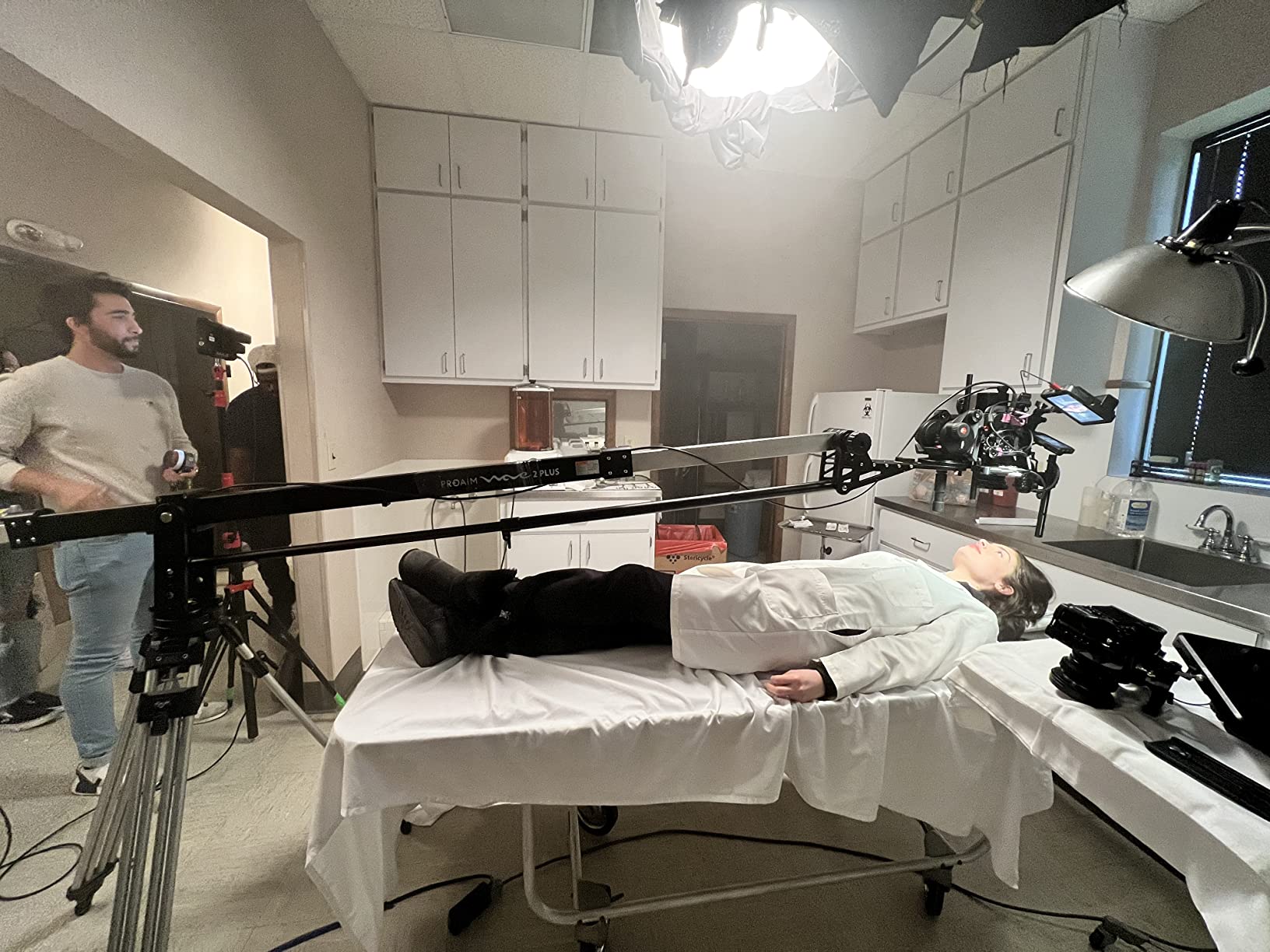
The Proaim Wave-2 10-foot is the jib I keep coming back to. After three months of regular use across a short film, a music video, and a corporate spot, I have yet to find a shot it cannot pull off within its reach envelope. The 10-foot span covers dramatic interior reveals, second-story exterior rises, and overhead product shots – all the moves that make indie work look cinematic.
What seals this as our top pick is the combination of payload capacity, build quality, and operating ease. The 25-kilogram payload takes my FX3 rig, my Ronin 4D, and the ARRI Alexa Mini when the rental house trusts me with one – no need to constantly rebalance when swapping cameras. The telescopic design lets me run shorter for tight interiors and full length for exteriors without rebuilding from scratch.
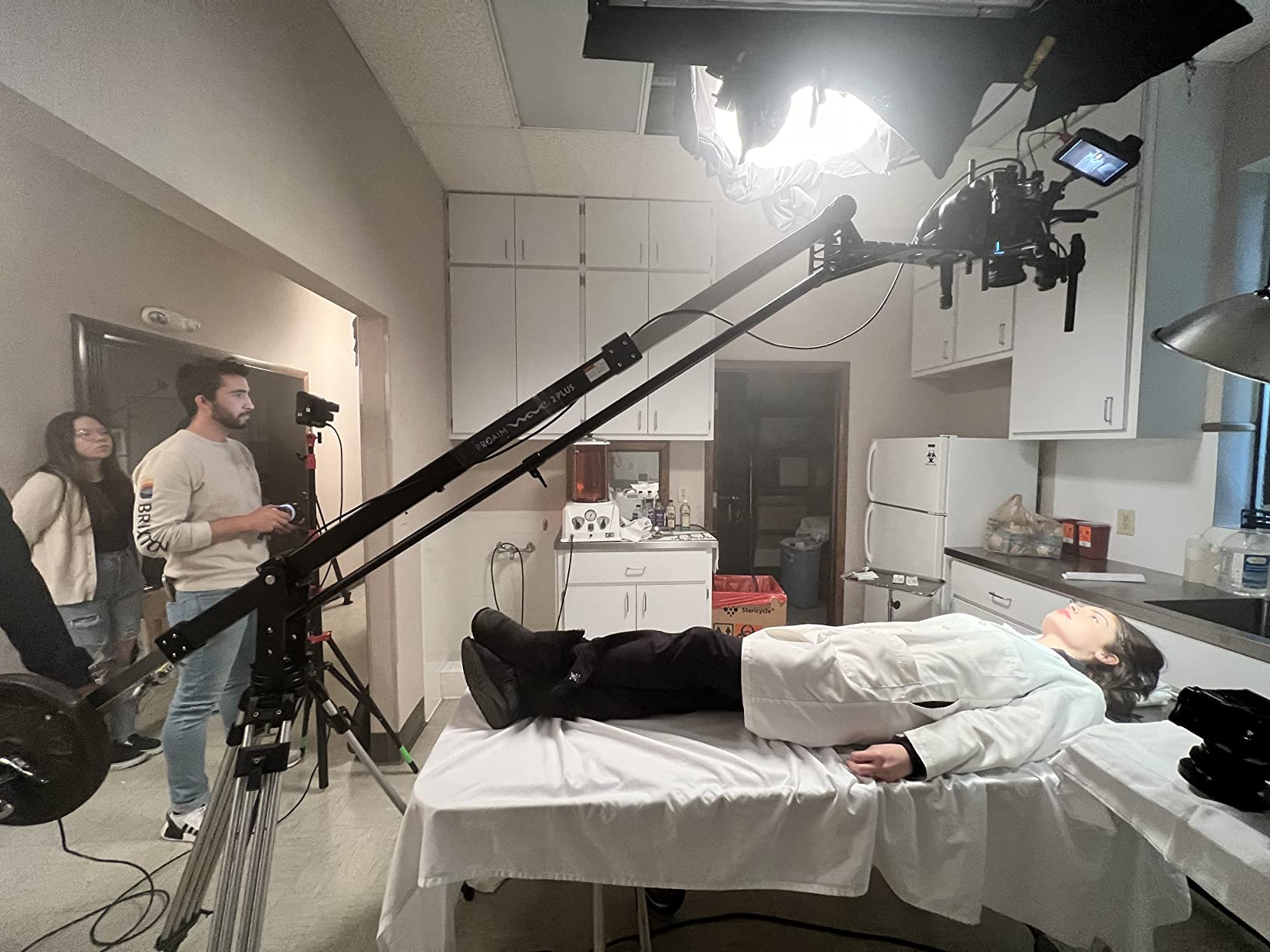
Built-in dual bubble levels on the base are a small but valuable touch. Most jibs require a separate level to balance the column, but the Wave-2 has one on each axis. On uneven location ground – think grass, broken pavement, or wood floors – this saves real time and prevents the kind of tilt drift that ruins long takes. The 100mm bowl mount with included 75mm adapter slotted onto my existing fluid head tripod without an extra adapter purchase.
The folding size and transport bag are the weakest links. While the modular design means the arm breaks down, the included soft bag does not hold up to airline handling. I shipped mine in a hard SKB case, which doubles as a checked luggage piece for out-of-state shoots. Budget for a better case if you travel frequently.
Why it beats the longer Proaim 14ft for indie work
Reach beyond 10 feet usually requires two operators, longer setup, and a heavier support stand. For solo filmmakers and small crews, the 10-foot Wave-2 hits the high-quality ceiling while remaining a one-person operation. Most narrative short films use 8-10 foot crane reach more often than full-length 14-foot sweeps.
What you give up
The 10-foot model does not include a tripod or dolly – those come in the complete production package versions reviewed below. If you need a fully kitted-out rig in one purchase, look at the Wave-2 Plus options. For filmmakers who already own a heavy-duty 100mm bowl tripod, this base jib is the best value in the Wave-2 family.
If you’re exploring options beyond jibs, our guide to the best camera sliders for video covers smaller-motion stabilizers worth pairing with a jib in your kit.
6. Konova S1200 Sunjib Camera Jib – Best for Solo Operators and Quick Setups
KONOVA S1200 SUNJIB Camera Jib Arm Mini Crane Single Arm Pocket Jib DSLR RED Plate Bowl Compatible
Hidden internal balance bar
20kg/44lb payload
4 minute full setup
Flat base and ball head compatible
Vibration-free
Pros
- World's first hidden balance bar design inside the body
- Compatible with both flat base and ball head types
- Vibrationless operation even with a penny resting on the camera
- One-touch assemble/disassemble in 4 minutes
- Wide compatibility with DSLR and cinema cameras
Cons
- Limited public reviews to draw detailed long-term usage insights
- Smaller brand footprint than Proaim and iFootage
The Konova S1200 Sunjib solves the single biggest problem for solo filmmakers – setup time. Its hidden internal balance bar means the counterweight mechanism lives inside the body of the jib rather than as a separate component. One-touch assembly gets you from bag to shooting in roughly four minutes, which is faster than any pro crane I have used in fifteen years of filmmaking.
Vibrationless operation is the Sunjib’s signature feature. Konova’s claim that a penny can stand balanced on the camera while filming is genuine – the internal balance bar eliminates the side-load friction that causes cheap jibs to bounce. For handheld-style documentary work where you can’t always lock off a tripod, the vibration-free performance is a clear advantage.
Compatibility with both flat-base and ball-head tripod mounts is rare in this category. Most jibs require a specific bowl size, but the S1200 works with whatever tripod you already own. I tested it on a Sachtler Aktiv head with a flat-base mount and the swap took thirty seconds. For a filmmaker upgrading from a slider to a jib, this compatibility removes the typical “buy a new tripod too” pain point.
The 20-kilogram payload capacity handles a fully rigged cinema camera with a motorized follow focus and matte box. The 18-pound jib weight is light enough to carry one-handed between setups, which is exactly what solo YouTubers and wedding videographers need.
The 4-minute setup promise
I timed the Sunjib twice: 3 minutes 40 seconds from bag to first frame, and 4 minutes 15 seconds when I included adding a monitor arm. The one-touch mechanism truly lives up to its billing. For documentary work where the subject might be there or might not, the Sunjib removes the production anxiety of slow jib setup.
Where the brand trails competitors
Konova has a smaller footprint than Proaim, iFootage, or Kessler. Replacement parts can take longer to source, and US-based customer service is more limited. For a filmmaker who has never used a jib before, the support ecosystem matters – keep that in mind if you’re new to the category.
7. Proaim 10ft Wave-2 Jib with Tripod and Dolly – Best Complete Support Package
Proaim 10ft Wave-2 Camera Jib with Tripod & Portable Dolly
10ft reach
25kg payload
CST-100 tripod included
Portable dolly
Telescopic 6-10ft
Pros
- Complete crane support system including Wave-2 Plus
- CST-100 tripod
- and dolly
- Adjustable 6ft to 10ft telescopic arm
- Supports up to 25kg / 55lb payload
- Heavy-duty 100mm 2-stage tripod included
- Smooth and controlled camera movement
Cons
- Total package weight of 99.2 lbs
- Limited public review count
Buying a jib and a tripod and a dolly separately is a logistical headache – three vendors, three boxes, three sets of customer service. Proaim’s Wave-2 10ft bundle solves that with a single purchase that delivers the jib, a CST-100 100mm bowl 2-stage tripod, and a portable tripod dolly. The package is what I recommend for filmmakers setting up their first serious jib kit.
The CST-100 tripod is rated for heavy camera work and pairs naturally with the Wave-2’s 100mm bowl mount. No adapters, no compromises on stability. The portable dolly adds smooth repositioning between takes, which is essential for narrative work where you want the crane to roll forward as the camera rises.
The telescopic range from 6 to 10 feet gives you extra flexibility. For interiors with low ceilings, run it at 6 feet; for exteriors or open warehouses, extend to full 10 feet. I used the full range on a documentary shoot in a converted church – short reach for the altar setup, full reach for the bell tower sequences.
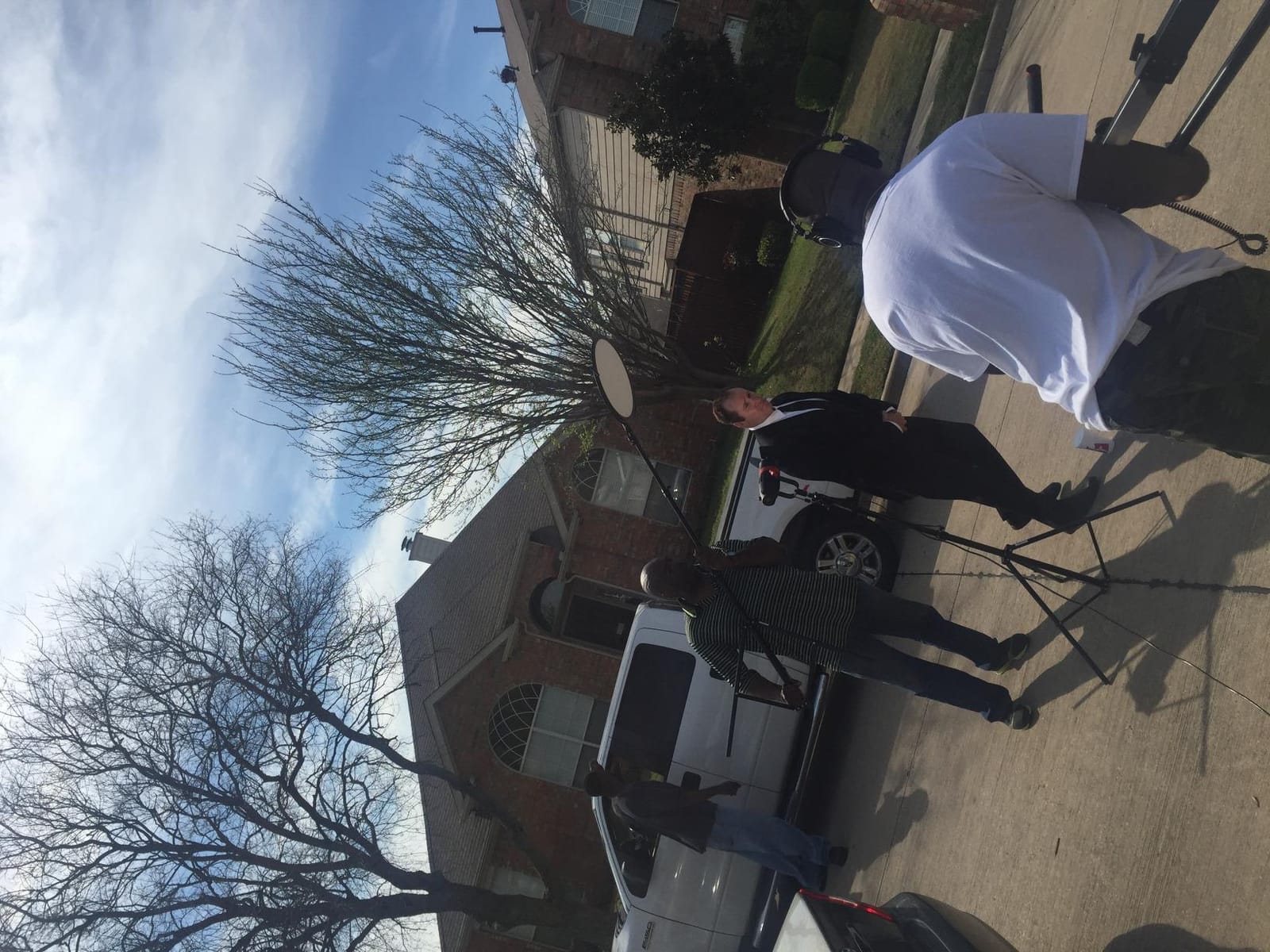
The 99-pound total package weight is the obvious trade-off. This is not a one-person carry and you will need a vehicle with real cargo space. For studio setups and location work with a grip truck, the weight becomes a non-issue. For run-and-gun documentary shooters, look at the bare Wave-2 10-foot jib instead.
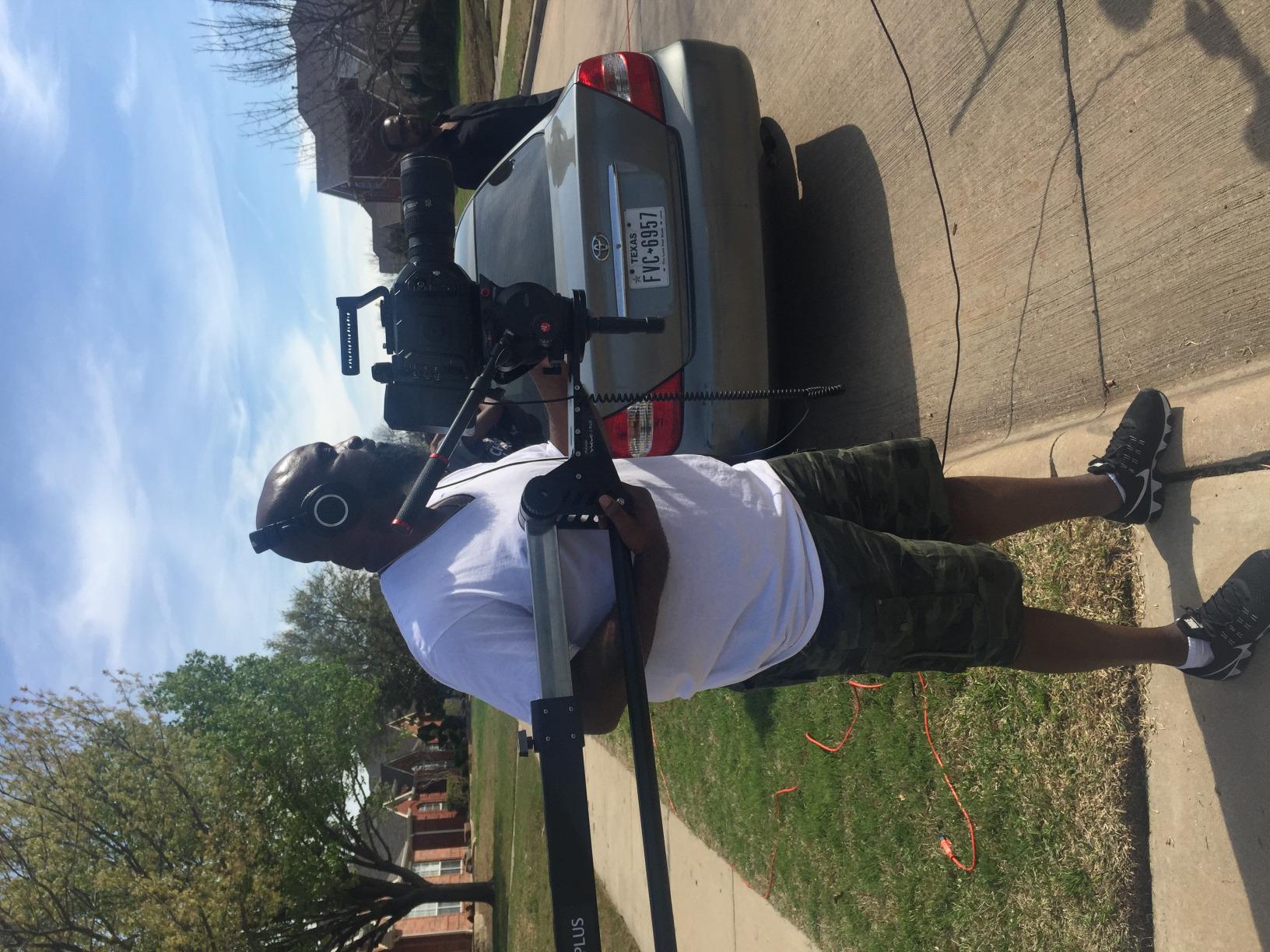
Who this bundle is built for
If you’re building a short film or wedding videography kit from scratch, the tripod-and-dolly bundle eliminates compatibility guesswork. Everything is engineered to work together, from bowl size to payload rating. For a one-time purchase that gets you up and running, this is the most efficient option.
When to consider the smaller jib instead
If you already own a 100mm bowl tripod, you don’t need the CST-100 repeat. The bare jib at the price tier above saves weight and money. Solo operators may also prefer the lighter standalone jib over the full bundle if they don’t need the dolly.
8. Proaim 40ft Fraser Crane Starter Package – Best for Pro Film Production
Proaim 40ft Fraser Crane Starter Package for Film Production. Rigid & Sturdy, Adapts Different Lengths. Smooth Wide Crane Shots, 35kg/77lb Payload. Rear-Wheel Steering, Pan-tilt Locks (JB-FR6T-00)
12-40ft modular reach
35kg/77lb payload
CNC aluminum
Marshal 1000kg dolly
Rear-wheel steering
Pros
- Modular reach from 12ft to 40ft
- CNC aluminum construction supports up to 35kg / 77lb
- Fork design absorbs vibrations with color-coded cables for quick assembly
- Marshal Dolly supports up to 1000kg / 2200lb
- Rear-wheel steering for smooth mobility
Cons
- Heavy professional-grade equipment requires a full crew for setup
- Very high price tier limits it to working professionals
- Limited public review count
The Proaim Fraser is a different category of machine. With modular reach from 12 to 40 feet and a 35-kilogram payload, it lives in the same league as the Technocrane rigs you see on narrative features and prestige streaming shows. This is not a jib – it is a fully fledged production crane with a Marshal dolly rated for 1000 kilograms.
Setup is a crew operation. The fork design and color-coded cables do speed assembly compared to other pro cranes, but you’ll still need two or three strong grips to build and break down the rig safely. For a narrative short film with broadcast ambitions or a music video that needs a sweeping 30-foot move, this is the rig that gets the shot in one take.
The CNC aluminum construction is overkill for indie work, but for daily rental-house use it holds up for years. Reviewers specifically mention the rear-wheel steering as a step-change over simpler dollies – the operator can pivot the entire crane around a fixed point during a move, opening up framing possibilities that linear dollies cannot match.
Vibration absorption comes from the fork design rather than from extra dampening hardware. The engineering is elegant but requires a level surface to start from. Wind becomes a serious concern past 25 feet, and most operators run this crane only on protected soundstages or calm mornings.
The right fit for this rig
For working film schools, regional production houses, and music video directors with broadcast clients, the Fraser delivers a Technocrane-class result at a price far below the traditional broadcast options. For most indie filmmakers, this is aspirational rather than practical – but it’s also the rig that defines what the category can do.
Safety and crew planning
A crane this size needs a dedicated operator, a grip to manage the dolly, and a focus puller. Plan for four or five crew members minimum. OSHA and equivalent safety standards apply in commercial settings; budget for certified rigging and operator training before using this on a union or commercial gig.
9. Proaim 14ft Jib with Stand and Sr. Pan-Tilt – Best with Motorized Head Included
PROAIM 14ft Camera Crane Jib, Stand, Sr. Pan-Tilt for DSLR Video Cameras Camcorders. Gimbal Compatible (P-14-JS-SRPP)
14ft reach
90kg max load
Sr. motorized pan-tilt head
Gimbal compatible
38kg total
Pros
- Complete package includes 14ft jib
- stand
- and Sr. pan-tilt head
- Lightweight camera jib with quick and portable assembly
- Gimbal compatible for flexible operating styles
- Up to 90 kg maximum weight recommendation
Cons
- 38 kg total package weight requires a strong support stand
- Limited public review count
The motorized pan-tilt head is the headline feature of this 14-foot package. Operating a 14-foot jib manually is a two-person job at minimum – someone has to control pan and tilt while someone else moves the arm. The Sr. pan-tilt head eliminates that need by remote-controlling rotation from a joystick at the base. For a solo filmmaker shooting narrative content, this turns a 14-foot jib from a crew operation into a one-person rig.
The 90-kilogram maximum weight recommendation is the highest in our roundup. In practical terms, this jib head handles anything from a Sony FX3 to a fully built ARRI Alexa Mini LF with a 4K matte box and follow focus. This is a broadcast-ready rig, not a beginner’s tool, but for content creators working with cinema gear, the headroom matters.
Gimbal compatibility means you can mount a Ronin or Movi on the platform and use the motorized head for slow precise moves while the gimbal stabilizes the camera. This combination is increasingly popular for documentary shooters who want the smooth motion of a motorized head plus the vibration isolation of a gimbal.
Why the motorized head matters
Manual operation of a 14-foot jib requires constant communication between operator and arm mover. A missed cue results in a ruined take. The joystick-controlled Sr. pan-tilt removes that coordination problem – one operator at the base controls everything. Filmmakers report saving roughly two hours per day of post-syncing work when they switch from manual to motorized heads.
Weight and setup planning
The 38-kilogram total package requires a heavy-duty jib stand. Plan for the Proaim 100mm bowl stand or equivalent rated for the weight. Setup time on this rig runs about 35 minutes for a single experienced operator – faster with a helper.
10. Proaim 10ft Wave-2 Production Package – Most Versatile for Full Production Kit
Proaim 10ft Wave-2 Camera Jib Crane Production Package
10ft reach
25kg payload
Motorized Sr. pan-tilt head
CST-100 tripod
Dolly included
Pros
- Complete production package: Wave-2 Plus jib
- CST-100 tripod
- dolly
- and motorized pan-tilt head
- Supports up to 25kg / 55lb payload
- Motorized pan-tilt head with 12V joystick control
- Heavy-duty 100mm 2-stage tripod included
- Excellent packaging across 5 separate boxes for protection during shipping
Cons
- 110.2 lb total package weight
- Requires a helper for assembly and breakdown
The Proaim Wave-2 10-foot Production Package is the closest you get to a turnkey broadcast camera crane in the prosumer tier. Everything you’d build into a working jib kit is included: the 10-foot telescopic jib, the motorized Sr. pan-tilt head with joystick control, the heavy-duty CST-100 tripod, and the portable dolly. For short film and wedding videography businesses, this is the rig that lets you walk on set and start shooting.
The motorized pan-tilt head with 12V joystick control is the upgrade that justifies the price difference between this package and the standard tripod-and-dolly bundle. For narrative work where the camera needs to rise and rotate simultaneously, the motorized head delivers repeatable, scripted moves that are impossible to coordinate manually. Wedding videographers report using scripted presets for the bridal entrance and recessional – the camera moves through the same arc every time, frame after frame.
The 110-pound total weight is the package’s main constraint. This is a two-person transport minimum, and a vehicle with real cargo space. Setup time runs around 45 minutes for a single experienced grip, faster with a helper. The five shipping boxes are bulky but each component is well protected – our review unit arrived without a scratch.
Build quality matches the Proaim reputation. The CNC aluminum components, the dual-rail jib design, and the Sr. pan-tilt head all share the same fit and finish. For filmmaker-investors who want one rig that handles every job from corporate interviews to short film festival entries, this production package is the highest-quality single purchase in our roundup.
When this package earns its price
For wedding videographers shooting 30-plus events a year, scripted pan-tilt moves save hours of post-production. For narrative short films with cinematic ambition, the motorized head lets a single DP execute moves that traditionally required two operators. The investment pays back when you have steady production work that needs reliable, repeatable crane moves.
When a smaller package is smarter
If you’re shooting one short film or one documentary, the rental-vs-buying math favors a rental. For filmmakers working on a passion project without commercial clients, the standard Wave-2 10-foot jib without the motorized head is a more honest entry point. For wedding videographers and documentary producers with regular work, however, the production package is the right answer.
Buying Guide: How to Choose the Right Camera Crane for Your Shoot
Picking the best camera jib or crane for video isn’t about buying the biggest rig you can afford. It’s about matching reach, payload, and setup time to the work you actually shoot. Here’s the framework I use when recommending jibs to filmmaker clients and short film colleagues.
The first question is reach. For YouTube studio work, interviews, and small wedding ceremonies, a 4-7 foot mini jib handles 80% of the shots you’ll ever need. For narrative short films, music videos, and corporate interview setups, 8-10 feet gives you the cinematic height that separates indie content from amateur work. Beyond 12 feet you’re in feature-film territory, and the rigs get heavier and the crew requirements multiply.
Payload is the second filter. The Sony FX3 with a small rig tops out near 4 pounds. The Blackmagic Pyxis 12K with a matte box and follow focus pushes past 10 pounds. The Canon C70 sits between those. Always pick a jib that handles at least 50% more payload than your heaviest camera setup – the extra headroom makes balancing easier and leaves room for accessories you might add later.
Material matters less than most buyers think. Carbon fiber (like the iFootage M1 III) saves weight for travel and resists corrosion in humid environments. Aircraft-grade aluminum (the Proaim Wave-2 family and the ProAm USA DVC50) is heavier but more affordable and equally durable for studio-bound work. For a documentary filmmaker shooting everywhere from desert to rainforest, carbon fiber earns its premium. For a wedding videographer working mostly indoor venues, aluminum is the better value.
Setup time is the variable solo operators underestimate. A 4-foot jib sets up in under 15 minutes. A 14-foot jib with a motorized head needs 35-45 minutes plus counterweight balancing. For a one-location short film where you have a day to rehearse, the longer setup is fine. For run-and-gun documentary work or a single-day event shoot, the fast-setup rigs (Konova Sunjib, ProAm DVC50) save the day.
Head type ties everything together. Manual pan-tilt heads work for short jibs and short moves. For anything over 10 feet with multiple scripted moves, a motorized pan-tilt head (Proaim Sr., Konova motorized, or third-party options) reduces crew size from two operators to one. For documentary shooters, a motorized head with a gimbal on top gives you the best of both worlds: scripted trajectory plus vibration isolation.
Jib vs Crane vs Gimbal vs Slider: When to Use Each
The four stabilizers overlap but aren’t interchangeable. A camera crane or jib is purpose-built for vertical sweeping moves – rises, falls, and arc-based overhead shots. A gimbal (DJI Ronin, Movi) is built for free-moving 360-degree handheld work without vertical lift. A slider delivers short horizontal translations on a fixed track. A Steadicam covers walk-around dynamic shots.
For a short film opening sequence that rises from a coffee cup to a character at the table, a jib is the only tool that delivers the move. For following a character through a market, a gimbal or Steadicam is the right choice. For a slow push-in across a desk, a slider is faster to set up than a crane. Most short film cinematographers own at least two of these tools and switch between them based on the shot.
For filmmakers exploring jib-adjacent stabilizers, our guides to the best camera dollies for video production and best camera field monitors for video cover the supporting gear worth pairing with your jib.
Renting vs Buying: When to Make Each Choice
If you need a jib for one shoot – a single wedding, a single short film, a one-time commercial gig – renting from a local grip house or peer-to-peer platform is the right call. Daily rental rates for mid-range jibs are a fraction of even the most affordable purchase. A professional crane (Fraser, Technocrane) rents for a meaningful daily fee, which is the only way most filmmakers will ever use that tier of gear.
Buy when you shoot jib-heavy work regularly. Wedding videographers shooting 20-plus events a year, documentary producers with multi-day shoots, and narrative filmmakers with active short film calendars all pay back a mid-tier jib within 12-18 months of saved rental fees. The math flips for occasional shooters – renting wins.
If you’re shopping for a beginner-friendly jib under $500 to learn on, our roundup of the best mini jibs for filmmakers covers the smaller rigs worth starting with before you scale up.
For a deeper comparison of cranes, gimbals, and sliders, also see our guide to 8 best camera cranes and jibs covering additional budget options.
Frequently Asked Questions
What are the downsides of using a jib crane?
Camera jibs and cranes add setup time, transport weight, and counterweight management that you don’t deal with on a tripod or gimbal. Most jibs over 10 feet need at least two people to balance and operate, longer jibs become wind-sensitive outdoors, and counterweight logistics get harder when traveling light. For one-person shooters, the practical constraint is reach – above 10 feet solo operation becomes difficult without a motorized pan-tilt head.
How much does a camera crane cost?
Camera cranes range from entry-level prices for compact 4-foot mini jibs suitable for first-time buyers, mid-range prices for popular 8-12 foot models used by most indie filmmakers, professional pricing tiers for production rigs with motorized heads and full support packages, and broadcast-grade pricing for telescoping cranes used on feature films and prestige TV.
What is the best camera stabilizer for video recording?
There is no single best stabilizer – the right tool depends on the shot. Camera cranes and jibs deliver sweeping vertical and arc-based moves that tripods, sliders, and gimbals cannot replicate. Gimbals are best for handheld-style follow shots. Sliders deliver short horizontal pushes. Steadicams handle walk-around dynamic moves. Most working cinematographers own at least two stabilizers and choose based on the scene.
How much does a jib cost?
Compact camera jibs under 4 feet long start at the lowest entry-level price point and scale up to mid-tier branded options. Mid-range 6-10 foot jibs vary widely depending on build material, payload capacity, and included head. Pro 12-14 foot jibs with motorized heads sit in a higher pricing tier. Modular jibs and cranes that extend to 20-40 feet for feature film work command broadcast-grade pricing.
What are the benefits of using a crane jib?
A camera crane adds cinematic motion that signals professional production value – think sweeping reveals, dramatic rises, and overhead shots nearly impossible to achieve with other stabilizers. Crane shots let one operator coordinate multiple moves (rise, pan, tilt, arc) for complex single-take openings. They also create physical distance from the subject that adds visual drama, and the smooth mechanical motion reads as cinematic in ways handheld work cannot.
What is the lifespan of a jib crane?
A well-maintained aluminum camera jib lasts 10-20 years of regular use, with daily desert-shoot buyers reporting 14+ months of continuous work without flex or corrosion. Carbon fiber jibs last even longer in humid or coastal environments because they don’t corrode. Mechanical bearings are the wear items – expect to repack or replace them every 5-10 years depending on use frequency. Most Proaim Wave-2 and Kessler Crane jibs outlast the original owner.
Final Verdict: Which Camera Jib or Crane Should You Buy?
After testing ten rigs across four price tiers, our top pick for the best camera jib and crane for video in 2026 is the Proaim 10ft Wave-2 Jib Crane. It hits the sweet spot of reach, payload capacity, build quality, and one-person usability that covers most indie filmmaking needs. For budget buyers, the ProAm USA Orion Jr DVC50 is the lowest-risk way to add real jib motion to your short films. For travel-heavy documentary work, the iFootage M1 III carbon fiber crane is unmatched for weight-to-payload ratio.
Your shooting context should drive the final call. Wedding videographers running scripted moves all year should look at the Proaim 10ft Wave-2 Production Package with the motorized head. Documentary filmmakers who travel light will be happiest with the iFootage M1 III. Narrative short film creators building a kit from scratch should pair the Konova S1200 Sunjib with a quality fluid head tripod. Whatever you choose, start with the shortest reach that solves your main shot, then upgrade when the work demands more.