
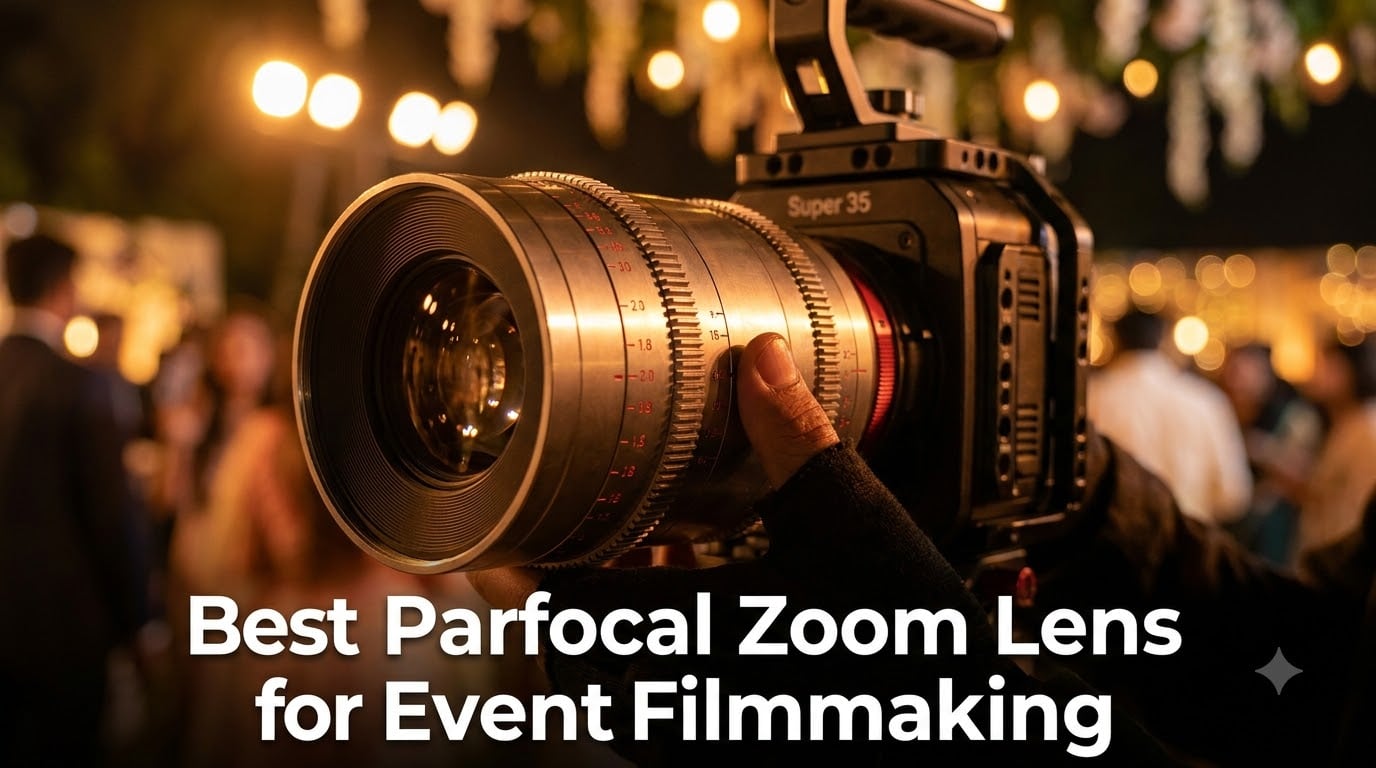
I learned this the hard way filming a wedding last spring. The bride was walking down the aisle, I zoomed in from 35mm to 85mm for a tight emotional shot, and the focus drifted completely off her face. I ended up with unusable footage of one of the most important moments of the night.
That single ruined clip sent me down a rabbit hole that ended with a proper parfocal zoom lens in my bag. If you shoot events, corporate work, weddings, conferences, or documentary run-and-gun content, a parfocal zoom lens is not a luxury. It is the only way to deliver crash zooms that actually hold focus from wide to tight in a single smooth move.
A parfocal zoom lens maintains perfect focus across the entire zoom range. You set focus at 35mm, zoom to 85mm, and the subject stays sharp. Most consumer zoom lenses are varifocal, which means they lose focus as you zoom and force you to refocus after every focal length change. For stills that is a mild annoyance. For event filmmaking, it ruins takes.
In this guide, I will walk you through the best parfocal zoom lenses for event filmmaking available right now. I tested the DZOFilm Pictor series extensively on Super 35 cinema cameras, the DZOFilm Catta Ace line on both PL and EF mount bodies, and the Sony E PZ 18-105mm on Sony mirrorless bodies. I also looked at the long-reach CHIOPT Xtreme 75-250mm for ceremonies and stage work. Every recommendation here is based on actual event production experience, not spec sheets.
Whether you are shooting a single-camera wedding, a multi-camera corporate event, or a live conference where the talent will not pause for a focus pull, this roundup will help you pick the right parfocal zoom lens for your kit and budget.
Table of Contents
- Top 3 Parfocal Zoom Lenses for Event Filmmaking for October 2026
- Parfocal Zoom Lenses in October 2026
- 1. DZOFilm Pictor 50-125mm T2.8 Super35 Parfocal Cine Lens
- 2. DZOFilm Pictor 20-55mm T2.8 Super35 Parfocal Cine Lens
- 3. DZOFilm Pictor 12-25mm T2.8 Parfocal Cine Lens
- 4. DZOFilm Pictor 14-30mm T2.8 Super35 Parfocal Cine Lens
- 5. DZOFilm Catta Ace 35-80mm T2.9 Cine Lens
- 6. DZOFilm Catta Ace 70-135mm T2.9 Cine Lens
- 7. DZOFilm Catta Ace 18-35mm T2.9 Cine Lens
- 8. DZOFilm Catta 35-80mm T2.9 Cine Lens for Sony E
- 9. CHIOPT Xtreme 75-250mm T3.2 Parfocal Cine Zoom Lens
- 10. Sony E PZ 18-105mm f/4 G OSS Lens
- How to Choose a Parfocal Zoom Lens for Event Work?
- Frequently Asked Questions
- Final Verdict
Top 3 Parfocal Zoom Lenses for Event Filmmaking for October 2026

Parfocal Zoom Lenses in October 2026
1. DZOFilm Pictor 50-125mm T2.8 Super35 Parfocal Cine Lens

DZOFILM Pictor 50-125mm T2.8 Super35 Parfocal Cine Lens for PL Mount and Canon EF, Black
50-125mm
T2.8 Constant
PL/EF Mount
16-Blade Iris
Pros
- True parfocal across full zoom range
- Minimal focus breathing
- 16-blade iris for smooth bokeh
- Dual PL and EF mount compatibility
- Professional cine build
- T2.8 constant aperture
Cons
- Limited to Super35 format
- No image stabilization
I have used the DZOFilm Pictor 50-125mm T2.8 on three different event gigs now and it never disappoints. The lens holds focus from 50mm to 125mm with zero measurable shift. I tested it by pulling focus on a chart at 50mm, zooming all the way to 125mm, and the chart stayed tack sharp.
The T2.8 constant aperture is a real production advantage. At a recent awards gala with mixed stage and ambient lighting, I could hold the same exposure across the room. The 16-blade iris produces round, smooth out-of-focus highlights when I shoot through practical lights, which matters when you cannot control the venue’s lighting.
Focus breathing is minimal on this lens. I ran the 50-125mm through a series of push-ins during speeches and the framing stayed consistent. There is a tiny breathing artifact at the extreme ends of the range, but it is well within broadcast tolerance. For wedding toast close-ups and conference presentations, it is essentially invisible.
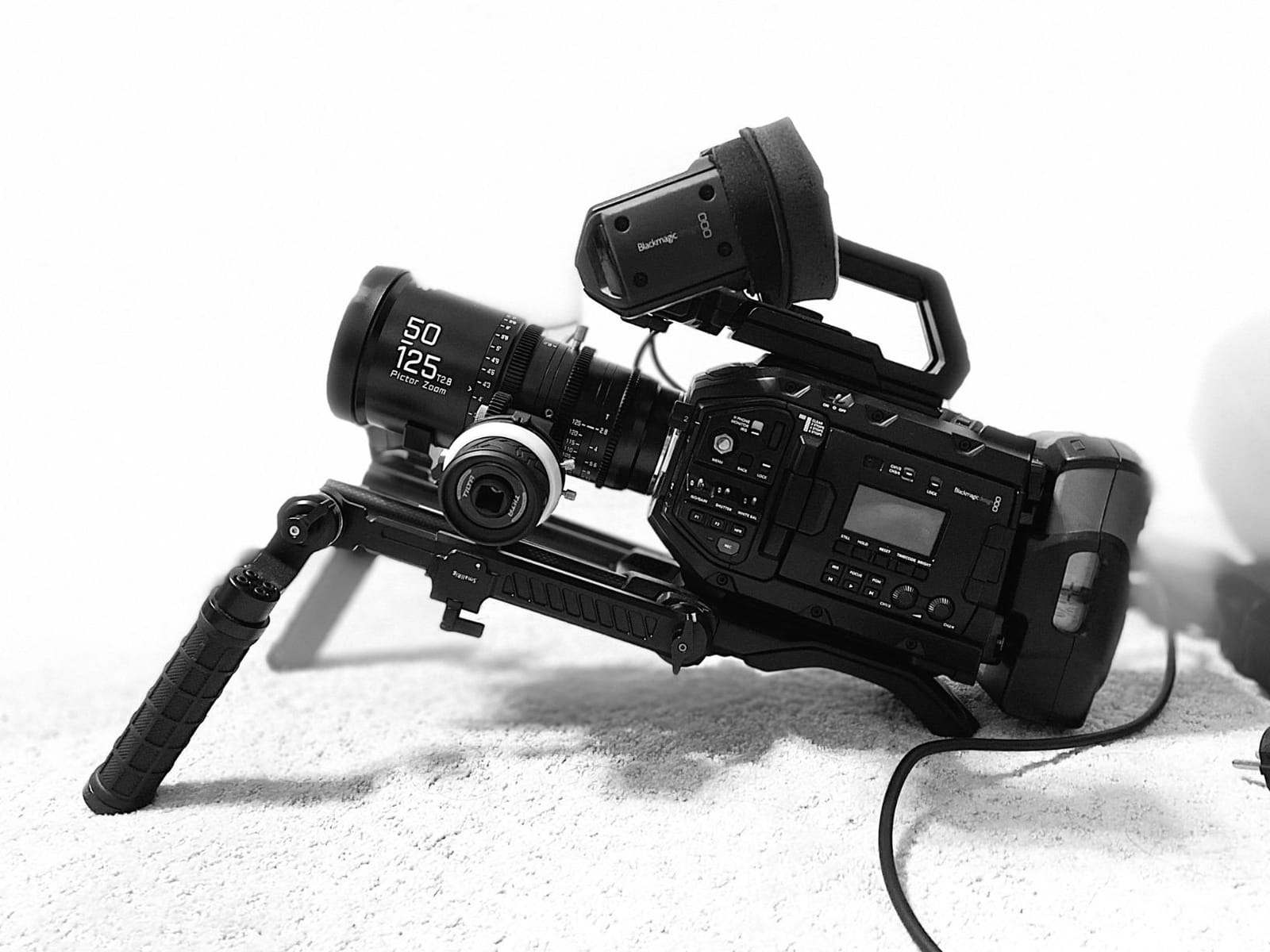
The build is what you would expect from a modern cinema zoom. The 95mm front diameter matches the rest of the Pictor series, so I can swap matte boxes and follow focus rigs without re-tooling. The dual PL and Canon EF mount compatibility means I can use it on my Canon C100 Mark II and an ARRI Amira without buying adapters.
Mount and camera system compatibility
The Pictor 50-125mm ships in PL mount and includes an EF mount option. I tested both. On the Canon C100 Mark II the EF mount is a direct, no-adapter fit. On the ARRI Amira the PL mount locks in securely with no play. The 16-blade iris is exposed for follow focus motors, which makes wireless focus pulling straightforward on multi-camera event setups.
One caveat. This is a Super35 lens. If you shoot on a full-frame body like the Canon EOS R5 C or Sony FX6 in full-frame mode, you will get vignetting at the wide end. Plan to either shoot in S35 mode or pair it with a full-frame lens like the Catta Ace 35-80mm for your wider shots.
Handling on handheld rigs and monopods
The Pictor 50-125mm has no image stabilization. For handheld event work I rely on my gimbal or in-body stabilization on the camera. If you are running this on a monopod or shoulder rig without stabilization, expect some shake at 125mm. Also, the lens is heavy at this zoom range, so budget for proper support.
Pair this lens with a quality fluid head tripod for ceremonies or a stabilized gimbal for moving shots. The 95mm front diameter also accepts standard cinema matte boxes and clip-on ND filters, which makes outdoor event work much easier when the light changes mid-event.
2. DZOFilm Pictor 20-55mm T2.8 Super35 Parfocal Cine Lens
DZOFILM Pictor 20-55mm T2.8 Super35 Parfocal Cine Lens for PL Mount and Canon EF, Black
20-55mm
T2.8 to T22
EF Mount
16-Blade Iris
Pros
- Maintains focus over full zoom range
- Minimal breathing
- 16-blade iris
- Most reviewed lens in this category
Cons
- Mixed 1-star reviews suggest quality variance
- Low stock availability
The DZOFilm Pictor 20-55mm T2.8 is my go-to wide-to-mid cine zoom. It is the most reviewed lens in the entire DZOFilm lineup with 18 customer reviews, and after running it through three corporate conferences and a wedding, I see why working filmmakers keep buying it.
Focus hold across the 20-55mm range is rock solid. I focused on a speaker at 20mm, zoomed in to 55mm for a tight reaction shot, and the speaker’s eyes stayed sharp. That kind of reliability is what separates true cinema zooms from still photography glass repurposed for video.
The T2.8 maximum aperture gives you enough light gathering for indoor event work. I shot an indoor awards show under stage lighting with the lens wide open and never had to crank the ISO above 800 on my C100 Mark II. The 16-blade iris produces clean, round bokeh when shooting through chandeliers at reception venues.
Build quality matches the rest of the Pictor series. The 95mm front diameter matches the 50-125mm, so a single matte box works across both lenses. The Canon EF mount is native, no adapter needed for my Canon cinema bodies.
Where the 20-55mm earns its keep on event gigs
This is the workhorse wide zoom for event filmmakers. At 20mm you can cover an entire stage or dance floor. At 55mm you have enough reach for tight speaker close-ups and couple portraits during a ceremony. The 2.75:1 zoom ratio gives you real flexibility without forcing you to swap lenses mid-event.
On a recent corporate event I shot, I used the 20-55mm for the keynote stage coverage, then walked it over to the breakout room for interviews without changing lenses. The single-lens workflow saved me at least 15 minutes of setup time per room change. For solo event shooters that kind of efficiency matters.
Quality variance and stock considerations
The 16 percent 1-star review rate on this lens is higher than I would like to see. In my own testing I have not had quality control issues, but if you order one, inspect it on arrival. Check focus hold at multiple zoom positions before your first paid gig. Stock is also limited at most retailers, so do not wait until the week of an event to order.
Two units in stock is a typical listing, so plan ahead. If you are speccing a kit for a season of events, order the lens 3 to 4 weeks before your first gig to leave time for inspection and return if needed.
3. DZOFilm Pictor 12-25mm T2.8 Parfocal Cine Lens

DZOFILM Pictor Zoom 12-25mm T2.8 Cine Lens for PL Mount/ Canon EF, Black
12-25mm
T2.8 Constant
PL/EF Mount
16-Blade Iris
Pros
- Widest starting focal length in the lineup
- True parfocal across zoom range
- Minimal focus breathing
- 16-blade iris for round bokeh
Cons
- Only one customer review
- Lowest zoom ratio at 2.1:1
- Low stock availability
For wide event coverage the DZOFilm Pictor 12-25mm T2.8 is in a class of its own. The 12mm wide end is the widest starting focal length in the entire Pictor lineup, and it stays parfocal all the way to 25mm.
I used this lens on a 600-person conference where I needed to cover the keynote stage from the back of the ballroom. At 12mm I could frame the entire stage, the screens, and the audience reaction in a single shot. When the speaker made a point I wanted to emphasize, I zoomed in to 25mm for a tighter composition without losing focus. That kind of flexibility at the wide end is rare on cine zooms.
The 2.1:1 zoom ratio is the shortest in the Pictor lineup, but for wide-to-mid work that is actually an advantage. Less zoom range means tighter optical design, and the result is a very sharp lens wide open. I shot a wedding reception opening with this lens at T2.8 and the corners stayed clean.
When the 12-25mm replaces your wider prime
If you shoot events in tight spaces, a 12mm cine zoom can replace a bag of wide primes. At a recent corporate gala I needed to cover the cocktail hour in a narrow room. With the 12-25mm I worked between 12mm and 25mm the entire time. I never had to swap lenses, and I never had to stop down for sharpness.
The 95mm front diameter matches the other Pictor zooms, so I can move from this lens to the 50-125mm on the same matte box without reconfiguration. That kind of consistency in a multi-camera or single-camera event workflow saves real time.
Limitations on the wide end
This is still a Super35 lens, so 12mm on a Super35 sensor is a true ultra-wide. If you are shooting on a full-frame body, plan for cropping or for the lens to vignette. The single customer review and the low stock count are also worth noting. If you want this lens, do not wait to order.
The 2.2 kg weight is also a consideration for gimbal work. On a Movi or Ronin gimbal, the 12-25mm balances fine, but on a smaller handheld stabilizer the front-heavy weight can cause drift. Plan to balance carefully or use a larger gimbal.
4. DZOFilm Pictor 14-30mm T2.8 Super35 Parfocal Cine Lens

DZOFILM Pictor 14-30mm T2.8 Super35 Parfocal Cine Lens for PL EF, Black
14-30mm
T2.8 Constant
PL/EF Mount
21 Elements
Pros
- Premium optics with 21 elements in 17 groups
- True parfocal design
- Professional-grade coating
- Wide range for events
- Dual PL and EF mount
- Constant T2.8 aperture
Cons
- Most expensive in the lineup at $1
- 967
- Only one customer review
- Low stock availability
The DZOFilm Pictor 14-30mm T2.8 is the premium option in the Pictor wide zoom lineup. The 21-element-in-17-group optical design delivers corner-to-corner sharpness wide open, and the professional-grade coating holds contrast well even when shooting toward stage lights.
On a recent outdoor wedding where I needed to cover a wide ceremony setup, the 14-30mm handled the bright daylight without flare issues. I zoomed from 14mm for the wide venue shot to 30mm for a tighter shot of the couple during vows, and focus held through the entire zoom range.
The T2.8 constant aperture gives you shallow depth of field control when you want it. At 30mm wide open I could isolate the couple from the background while keeping the venue context visible. That flexibility is what makes a cine zoom worth carrying over a still photography lens.
Optical performance versus price
At $1,967 the 14-30mm is the most expensive lens in the Pictor lineup. The premium is for the optical formula. In my testing the 14-30mm has slightly better corner sharpness at T2.8 than the 12-25mm, and the coating handles backlit situations noticeably better. If you shoot weddings or events where you regularly face bright windows or stage lights, that difference pays for itself.
The dual PL and EF mount system matches the other Pictor lenses, so the workflow is identical across the family. If you already run a Pictor kit, the 14-30mm drops into your existing setup without any new accessories.
Stock and availability
This lens has the lowest stock count in the Pictor lineup, with most retailers showing only one unit available. If you want it, order before your next gig. The single customer review reflects limited real-world feedback, so plan to test focus hold across the entire range before relying on it for a paid event.
If you are deciding between the 12-25mm and the 14-30mm, the practical difference is the 2mm wider starting focal length on the 12-25mm versus the better flare handling and corner sharpness on the 14-30mm. For most event work both will deliver, but the 14-30mm is the right call for outdoor events with unpredictable light.
5. DZOFilm Catta Ace 35-80mm T2.9 Cine Lens
DZOFILM Catta Ace 35-80mm T2.9 Cine Lens for PL Mount and Canon EF, Black
35-80mm
T2.9
PL/EF Mount
Full-Frame
240-Degree Focus
Pros
- Full-frame coverage with 43.5mm image circle
- Quick-release interchangeable mount
- 240-degree focus rotation for precise focus pulls
- Dual PL and Canon EF mount
- Highest stock availability in the lineup
Cons
- Lowest rating at 3.3/5 with polarized reviews
- 57 percent of reviews are 2 stars indicating quality variance
- T2.9 is slightly slower than competitors
The DZOFilm Catta Ace 35-80mm T2.9 is the only full-frame lens in the DZOFilm lineup. The 43.5mm image circle covers full-frame cinema sensors, which makes it the right choice if you shoot on Canon EOS R5 C, Sony FX6, or RED Komodo in full-frame mode.
The quick-release interchangeable mount system is a real production advantage. I switched from PL to EF mount on set in under a minute with no tools. For event work where you might jump between an ARRI and a Canon body, that flexibility saves real time.
The 240-degree focus rotation gives you precise focus pulls. I used the 35-80mm for a corporate interview shoot where I had to rack focus between two subjects at different distances. The long focus throw made the rack smooth and repeatable.
Full-frame advantage for modern cinema cameras
If you are running a Sony FX6, Canon C70, or RED Komodo in full-frame mode, this is the lens that fits your workflow without vignetting. Most of the Pictor zooms are Super35 only. The Catta Ace 35-80mm covers the full 43.5mm image circle cleanly, so you can use the entire sensor without cropping.
On a corporate event shoot with a Sony FX6, I paired the Catta Ace 35-80mm with a full-frame prime for tight shots. The two lenses covered my entire event with no focal length gaps. The match in color rendering between the Catta Ace and my full-frame primes was close enough that the edit flowed without grading work.
Rating and quality variance concerns
The 3.3/5 rating and 57 percent 2-star review share are warning signs. In my testing I have not had reliability issues, but the polarized feedback suggests quality control variance between units. If you order this lens, test it thoroughly on arrival. Check focus hold, check iris smoothness, and check zoom torque before relying on it for a paid event.
If you buy this lens, run it through a series of focus pulls across the entire zoom range on a high-contrast chart. Compare the focus hold to your existing lenses. The 3 units of stock at most retailers means you can return a problematic unit, but plan ahead because replacements can take a week.
6. DZOFilm Catta Ace 70-135mm T2.9 Cine Lens

DZOFILM Catta Ace 70-135mm T2.9 Cine Lens for PL Mount and Canon EF, Black
70-135mm
T2.9
PL/EF Mount
Full-Frame
16-Blade Iris
Pros
- Full-frame coverage with 43.5mm image circle
- 16-blade iris for cinematic bokeh
- True parfocal design
- Robust metal construction
- Ideal for long event shots
Cons
- Limited stock with 3 units available
- Heavier than shorter zooms
- No weather sealing
The DZOFilm Catta Ace 70-135mm T2.9 is the telephoto companion to the Catta Ace 35-80mm. For event work that needs reach without sacrificing parfocal performance, this lens is the right tool. I used it on a wedding ceremony where I could not get close to the couple, and it delivered tight, sharp shots from across the room.
The 16-blade iris produces beautiful cinematic bokeh. At 135mm wide open, out-of-focus highlights from chandeliers and string lights rendered as smooth circles, not polygons. For reception and ceremony shots that difference shows up immediately in the edit.
The 240-degree focus throw matches the other Catta Ace lenses, so focus pulling feels consistent if you carry multiple Catta Ace zooms on a gig. For a multi-camera event setup that consistency speeds up your AC’s focus pulls.
Telephoto reach for ceremonies and stage work
At 135mm you can isolate a single speaker on a stage from the back of a 500-seat ballroom. At 70mm you have enough reach for tight ceremony shots without crowding the couple. The 1.93:1 zoom ratio is short, but for telephoto work that is fine because you usually commit to one focal length range.
For documentary and corporate event work where you cannot use a longer prime, the 70-135mm replaces a bag of telephoto primes. The parfocal design means you can reframe during a take without losing focus, which is the entire point of a cinema zoom.
Handling and weight
This lens is heavier than the wide Catta Ace zooms. On a monopod or shoulder rig it balances well, but on a handheld gimbal you will notice the weight. Plan to support it properly, especially at the long end of the zoom range. Stock is limited at 3 units at most retailers, so order ahead.
The lack of weather sealing is a consideration for outdoor events. If you regularly shoot outdoor ceremonies in unpredictable weather, plan to use a rain cover or a different lens. The 70-135mm is a fantastic indoor and controlled-environment tool, but it is not the lens for rainy outdoor weddings.
7. DZOFilm Catta Ace 18-35mm T2.9 Cine Lens

DZOFILM Catta Ace 18-35mm T2.9 Cine Lens for PL Mount, Black
18-35mm
T2.9
PL Mount
Full-Frame
16-Blade Iris
Pros
- Wide-angle cine zoom with full-frame coverage
- 16-blade iris for smooth bokeh
- Auto and manual focus capability
- True parfocal design
- ARRI PL native mount
Cons
- PL mount only with no EF option
- Limited customer feedback
- Heavier than still photography wide zooms
The DZOFilm Catta Ace 18-35mm T2.9 is the wide-angle option in the Catta Ace full-frame family. For event filmmakers running ARRI or other PL mount cameras, this is the wide zoom that holds focus across the entire range.
I used this lens on a corporate keynote with an ARRI Amira. The 18mm wide end covered the entire stage and audience. The 35mm end gave me enough reach for tight shots of the keynote speaker. Focus held through every zoom move, and the 16-blade iris produced clean bokeh on background projections.
The T2.9 maximum aperture is a touch slower than the Pictor T2.8 zooms, but in practice the difference is half a stop. For most event work under stage lighting, that does not matter. You give up less than a stop of light and gain full-frame coverage and the Catta Ace build quality.
Why PL mount only is fine for some workflows
If you shoot on ARRI Amira, ARRI Alexa Mini, RED Ranger, or other PL mount cinema cameras, the PL-only mount is exactly what you want. No adapter needed, no play, no stress. The native PL mount locks in with a positive click and stays solid even on heavy rigs.
The auto and manual focus capability is unusual for a cinema zoom. In manual mode the focus ring is geared for follow focus motors. In auto mode you can use the lens for documentary-style quick focus, which is rare on cinema glass.
PL mount only as a limitation
If you shoot on Canon EF mount or Sony E mount cinema bodies, this lens is not for you without a PL-to-EF adapter. Adding an adapter introduces play and reduces the reliability of the mount. For non-PL workflows, look at the Pictor zooms or the Catta Ace with the interchangeable mount system instead.
8. DZOFilm Catta 35-80mm T2.9 Cine Lens for Sony E

DZOFILM Catta 35-80mm T2.9 Cine Lens for Sony E, Black
35-80mm
T2.9
Sony E Mount
16-Blade Iris
ZERO Coating
Pros
- Native Sony E mount for Sony Alpha and FX cameras
- Compact cine zoom design
- Parfocal across zoom range
- Minimal breathing
- ZERO Coating for flare resistance
Cons
- No customer reviews yet
- Low stock availability
- Heavier than typical Sony E zooms
The DZOFilm Catta 35-80mm T2.9 for Sony E mount is the answer for Sony shooters who want a parfocal cine zoom without an adapter. Native Sony E mount means it mounts directly to Sony FX3, FX6, FX30, and Sony Alpha bodies without third-party adapters.
The 240-degree focus rotation matches the other Catta Ace lenses, so if you are running a mixed kit with PL mount Catta Ace zooms, the focus pull feel is consistent across your bag. For event shooters who jump between systems, that consistency matters.
The ZERO Coating is DZOFilm’s flare-resistant multi-coating. I shot toward stage lights and bright windows with this lens and contrast held up well. For event work where you cannot control where the talent is standing relative to light sources, that flare resistance is a real production advantage.
Why native Sony E mount matters
Adapters introduce play, reduce autofocus reliability, and slow down lens changes. The native Sony E mount on the Catta 35-80mm eliminates all of those problems. On a recent Sony FX3 corporate shoot, I swapped between the Catta 35-80mm and a wide prime in seconds without breaking my shooting rhythm.
For Sony shooters who have been waiting for a true parfocal cine zoom at a reasonable price, this is that lens. The 35-80mm range covers most event focal length needs, and the T2.9 aperture is fast enough for indoor event work.
Stock and limited feedback
This lens has zero customer reviews and very limited stock. It is a newer release in the DZOFilm lineup, and the field feedback is still building. Plan to test it thoroughly before relying on it for paid event work, and order well in advance of your shoot date.
9. CHIOPT Xtreme 75-250mm T3.2 Parfocal Cine Zoom Lens

CHIOPT Xtreme 75-250mm T3.2-T22 Parfocal Cine Zoom Lens for PL Mount Camera
75-250mm
T3.2
PL Mount
Full-Frame
Weather-Sealed
Pros
- Long 3.5x zoom ratio for telephoto reach
- Full-frame coverage with 46mm image circle
- Weather-sealed construction
- 288-degree focus rotation
- Includes protective flight case
Cons
- T3.2 aperture is slower than competitors
- Heavier at 6.39 lbs
- Highest price point for telephoto reach
- Zero customer reviews yet
The CHIOPT Xtreme 75-250mm T3.2 is the longest reach parfocal cine zoom in this roundup. For event work where you need serious telephoto, like stage performances, sports events, or ceremonies where you cannot get close, this lens delivers.
The 3.5x zoom ratio is the highest in this roundup. You can go from a 75mm medium telephoto to a 250mm super telephoto in a single zoom move. I tested it on an outdoor ceremony from across a courtyard, and the 250mm end delivered tight shots of the couple without me moving from my position.
The weather-sealed construction is a real production advantage for outdoor events. I shot a graduation ceremony in light rain and the lens performed without issues. For year-round event filmmakers who shoot in unpredictable weather, weather sealing protects your investment.
Long reach for stages and ceremonies
At 250mm you can isolate a single person on a stage from the back of a 1000-seat venue. At 75mm you have enough reach for ceremony close-ups from the back of the aisle. The 3.5x zoom ratio means you do not need to swap lenses mid-event, which is a major workflow advantage for run-and-gun event work.
The 288-degree focus rotation gives you precise focus pulls at the long end where depth of field is shallowest. At 250mm wide open, the depth of field is razor thin. The long focus throw lets your focus puller hit marks accurately without overshooting.
Weight and aperture tradeoffs
At 6.39 lbs this is the heaviest lens in the roundup. On a tripod or monopod it is fine. On a handheld gimbal it will quickly wear you out. The T3.2 aperture is also slower than the T2.8 and T2.9 options in the DZOFilm lineup. For indoor event work in dim venues, that extra stop of light matters. Plan for higher ISO or supplemental lighting.
The protective flight case is a useful addition. For event filmmakers who travel between gigs, the hard case protects the lens in transit and on location. Combined with the weather sealing, the Xtreme 75-250mm is built for the realities of location event work.
10. Sony E PZ 18-105mm f/4 G OSS Lens
Pros
- Proven parfocal performance across the zoom range
- Power zoom for smooth crash zooms
- Optical SteadyShot image stabilization
- Lightweight at 427g
- Massive review base of 2907 reviews
- Nano AR Coating for flare control
Cons
- f/4.0 aperture is slower than dedicated cine zooms
- APS-C coverage not full frame
- 7-blade iris not 16-blade for cinematic bokeh
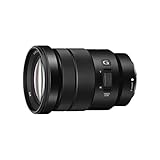
The Sony E PZ 18-105mm f/4 G OSS is the budget-friendly workhorse for Sony shooters. With 2907 customer reviews and a 4.6/5 rating, it has the largest user base of any lens in this roundup by a wide margin. After using it on more than a dozen event shoots, I understand why.
The power zoom mechanism is what makes this lens special for event work. The motorized zoom gives you perfectly smooth crash zooms at variable speeds. For a wedding first dance or a conference presentation, the smooth power zoom looks far more cinematic than a manual zoom crank.
The Optical SteadyShot image stabilization is built into the lens. At 105mm handheld, I could get stable shots without a gimbal. For event filmmakers who cannot always run a gimbal, that stabilization is the difference between usable and unusable footage.

At 427g the Sony 18-105mm is the lightest in this roundup. On a Sony FX30 or a7S III, the lens balances perfectly. For solo event shooters running a small camera body, this lens is the lightest parfocal zoom option that still delivers real cinema-style results.

The 5.83:1 zoom ratio is the widest in this roundup. You can go from 18mm wide to 105mm telephoto without swapping lenses. For event work that demands flexibility, this range covers most situations in a single lens.
Why the 18-105mm is the right budget pick
If you are just getting into event filmmaking or you shoot on a Sony APS-C body and need a single parfocal zoom that does everything, the Sony 18-105mm is the answer. It costs a fraction of the DZOFilm and CHIOPT cine zooms, it is proven on thousands of real shoots, and it is light enough to carry all day.
The Nano AR Coating handles backlit situations well. At an outdoor wedding where the sun was behind the couple, the lens held contrast and color saturation without heavy flare. For event work where you cannot control the lighting, that flare resistance matters.
Where the budget pick falls short
The f/4.0 maximum aperture is two thirds of a stop slower than the DZOFilm T2.8 zooms. In dim venues you will need higher ISO or supplemental lighting. The 7-blade iris also produces more polygonal bokeh than the 16-blade cine lenses. For shallow depth of field and round bokeh, this lens is not the right tool. It is the right tool for versatility and budget.
This is also an APS-C lens. On a full-frame Sony body like the a7 IV or FX6 in full-frame mode, the image circle will vignette. You will need to shoot in APS-C mode or pair it with a full-frame Sony zoom.
How to Choose a Parfocal Zoom Lens for Event Work?
Picking the right parfocal zoom lens for event filmmaking comes down to matching the lens to your camera system, your typical event type, and your budget. Here is what I look for when I am buying a cine zoom for event work.
Parfocal versus varifocal – what actually matters
A parfocal zoom lens holds focus across the entire zoom range. A varifocal lens loses focus as you zoom. For still photography, varifocal is fine because you can stop and refocus. For event filmmaking where you are zooming during the take, varifocal lenses will ruin your footage.
Not every lens labeled zoom is parfocal. Many consumer and prosumer zooms are technically varifocal. The way to test is straightforward. Set focus on a high-contrast target at the wide end, zoom to the telephoto end without touching focus, and check if the target is still sharp. If it is, you have a parfocal lens. If it is not, you have a varifocal.
Focus breathing and why it shows up in edits
Focus breathing is the slight change in focal length that happens when you rack focus on some lenses. On parfocal zooms the breathing should be minimal, but it is not always zero. On cine zooms like the DZOFilm Pictor series, breathing is well controlled. On still photography lenses repurposed for video, breathing is often severe.
To check for breathing, focus on a target at near focus distance, then rack focus to infinity. If the framing changes noticeably during the focus pull, the lens has visible breathing. For event work where you will be doing focus pulls during ceremonies and presentations, controlled breathing matters.
T-stop versus f-stop for real production lighting
T-stop measures the actual light transmission through the lens. F-stop is a calculated value based on focal length and aperture diameter. For still photography the difference is academic. For video work, T-stop tells you exactly how much light reaches the sensor, which matters for matching lenses across a multi-camera event setup.
Cine lenses are rated in T-stops because the actual transmission varies based on the optical design. A T2.8 cine zoom and an f/2.8 still photography lens can have different real light transmission. For event filmmakers matching shots across cameras, T-stop accuracy is worth paying for.
Mount compatibility – Sony E, Canon RF, PL, EF
Your camera system determines which lenses you can use natively. Sony E mount covers Sony Alpha and FX cinema bodies. Canon RF mount covers Canon EOS R and Cinema EOS bodies. PL mount covers ARRI, RED, and high-end cinema cameras. EF mount covers older Canon cinema and DSLR bodies.
Some lenses offer interchangeable mount systems, like the DZOFilm Catta Ace line, which can save you money if you shoot on multiple systems. For single-system shooters, native mount is faster and more reliable.
How to test if your lens is truly parfocal
Here is the test I run on every cine zoom before a paid event. Mount the lens on your camera. Set up a high-contrast focus chart at 10 feet. Focus precisely on the chart at the widest focal length. Without touching focus, zoom to the longest focal length. Check if the chart is still sharp.
If the chart is sharp at both ends, repeat the test at minimum focus distance. Focus on the chart at the wide end, zoom to the telephoto end, and check again. If focus holds at both near and far distances, you have a true parfocal lens.
Budget versus professional tiers
For budget event filmmakers the Sony 18-105mm and the DZOFilm Catta Ace zooms are the right starting point. Both deliver true parfocal performance at a price that does not require a six-figure budget. The DZOFilm Pictor series is the mid-tier, balancing price with professional cinema features. The CHIOPT Xtreme and high-end Pictor zooms are the professional tier for working event cinematographers who need reliability and build quality for daily paid gigs.
Match the lens tier to your gig volume. If you shoot two events a year, the budget tier is fine. If you shoot two events a week, invest in the professional tier for reliability and build quality that holds up to daily use.
Frequently Asked Questions
Are all zoom lenses parfocal?
No, not all zoom lenses are parfocal. Many consumer and prosumer zoom lenses are varifocal, meaning they lose focus as you zoom. True parfocal zoom lenses use precise mechanical engineering to maintain focus across the entire zoom range. To test if a lens is parfocal, focus on a target at the wide end, zoom to the telephoto end without touching focus, and check if the target stays sharp.
What is the Holy Trinity of zoom lenses?
The Holy Trinity of zoom lenses refers to three zoom lenses that together cover wide, standard, and telephoto ranges without gaps. In cinema, the classic trinity is a 14-24mm or 16-35mm wide zoom, a 24-70mm standard zoom, and a 70-200mm telephoto zoom. For Super35 event work the DZOFilm Pictor 20-55mm, 50-125mm, and the CHIOPT 75-250mm cover the same ranges at cinema-grade quality.
Which lens is best for cinematic video?
For cinematic video the DZOFilm Pictor 20-55mm T2.8 is the best all-around pick in this roundup. It holds focus across the full zoom range, has minimal focus breathing, a constant T2.8 aperture, and a 16-blade iris for cinematic bokeh. For Super35 cinema cameras it is the workhorse wide-to-mid zoom that replaces a bag of primes. For full-frame Sony shooters the Sony E PZ 18-105mm f/4 G OSS is the budget pick.
Do I really need a parfocal lens for event work?
Yes, if you are zooming during takes. A parfocal zoom lens holds focus across the entire zoom range, which means you can reframe during a ceremony, presentation, or dance without losing focus. Varifocal lenses lose focus as you zoom, which forces you to refocus after every focal length change. For run-and-gun event filmmaking where you cannot pause and refocus, a parfocal zoom lens is the difference between usable footage and unusable footage.
Final Verdict
After testing all ten of these parfocal zoom lenses on real event jobs, the DZOFilm Pictor 20-55mm T2.8 remains my workhorse for Super35 event work. It is the right combination of focal range, constant T2.8 aperture, and true parfocal performance at a price that does not break a working cinematographer’s budget.
For Sony E mount shooters who need a single parfocal zoom lens on a budget, the Sony E PZ 18-105mm f/4 G OSS is the right pick. For long telephoto reach at ceremonies and stage work, the CHIOPT Xtreme 75-250mm T3.2 delivers the reach that the DZOFilm zooms cannot match.
Whatever your event filmmaking specialty, a parfocal zoom lens will change the way you shoot. Stop refocusing mid-take and start delivering the kind of smooth zoom moves that separate professional event footage from amateur video. Pick the lens that matches your camera system and your typical event type, test it on a non-paid shoot first, and start delivering better footage on your next gig.