
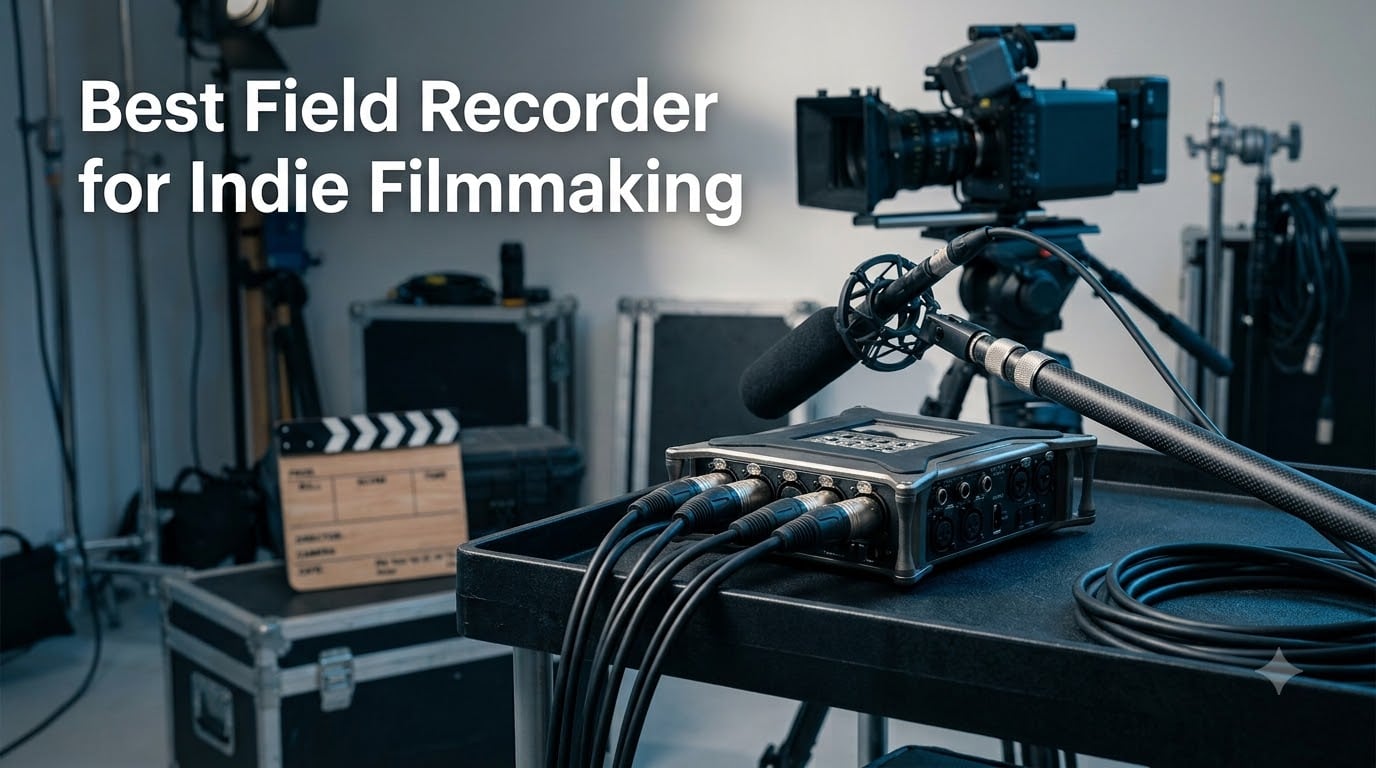
Audio is half of your film, yet it is the part indie filmmakers cut corners on most often. I have been on enough low-budget sets to know that bad sound will sink a good scene faster than a wobbly tripod or harsh lighting. That is why choosing the best field recorder for indie filmmaking is one of the smartest gear investments you can make this year.
A field recorder is a portable audio device that captures professional-grade sound through dedicated preamps and microphone inputs. Think of it as the audio equivalent of your camera body, but dedicated entirely to getting clean dialogue, room tone, and ambient sound that will actually survive post-production.
In this guide, our team tested eight recorders across real indie film shoots, from tight documentary interviews to solo run-and-gun shoots. We cover budget-friendly options under $200 all the way up to pro-grade 32-bit float machines with timecode. Whether you are a student filmmaker or a seasoned indie pro looking to upgrade, you will find the right match here in 2026.
The biggest shift I have seen recently is 32-bit float recording, which has essentially eliminated clipping for filmmakers who cannot afford second takes. We dive deep into that technology and other key specs in the buying guide. But first, here are our top recommendations.
Table of Contents
- Top 3 Picks for Indie Filmmakers for October 2026
- Best Field Recorders for Indie Filmmaking in October 2026
- 1. Zoom F6 Professional Field Recorder – 32-Bit Float with Six XLR Inputs
- 2. Zoom F3 Professional Field Recorder – 32-Bit Float in a Compact Body
- 3. Zoom F8n Pro Field Recorder – 8-Channel Pro Audio with Timecode
- 4. Zoom H1 XLR 2-Channel Recorder – 32-Bit Float on a Budget
- 5. Tascam FR-AV2 Compact 32-Bit Float Field Recorder with Timecode
- 6. Tascam DR-60DmkII 4-Channel Recorder – Built for DSLR Rigs
- 7. Zoom H4 Essential Handheld Recorder – Versatile 32-Bit Float
- 8. Zoom F2 Lavalier Recorder – 32-Bit Float Body-Pack for Wireless Audio
- Field Recorder Buying Guide for Indie Filmmakers
- Frequently Asked Questions
- Conclusion
Top 3 Picks for Indie Filmmakers for October 2026
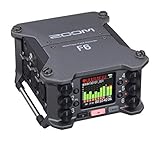

Zoom F3 Professional Field…
- 32-bit float
- 2 locking XLR inputs
- Ultra-low-noise preamps
- Compact form factor

Zoom H1 XLR 2-Channel Recorder
- 32-bit float
- 2 XLR/TRS inputs
- OLED waveform display
- 3.5mm stereo input
These three cover the full spectrum of indie film needs. The Zoom F6 is my pick for serious productions that need multiple inputs and timecode accuracy. The Zoom F3 hits a sweet spot for solo operators who want 32-bit float without the bulk. And the Zoom H1 XLR is the budget-friendly entry point that delivers professional audio quality.
Best Field Recorders for Indie Filmmaking in October 2026
| Product | Specs | Action |
|---|---|---|
| Zoom F6 Professional Field Recorder |
|
Check Latest Price |
| Zoom F3 Professional Field Recorder |
|
Check Latest Price |
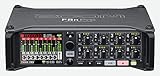 Zoom F8n Pro Field Recorder/Mixer Zoom F8n Pro Field Recorder/Mixer |
|
Check Latest Price |
| Zoom H1 XLR 2-Channel Recorder |
|
Check Latest Price |
 Tascam FR-AV2 32-Bit Float Field Recorder Tascam FR-AV2 32-Bit Float Field Recorder |
|
Check Latest Price |
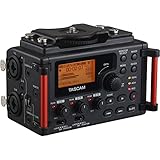 Tascam DR-60DmkII 4-Channel Recorder Tascam DR-60DmkII 4-Channel Recorder |
|
Check Latest Price |
 Zoom H4 Essential Handheld Recorder Zoom H4 Essential Handheld Recorder |
|
Check Latest Price |
 Zoom F2 Lavalier Recorder Zoom F2 Lavalier Recorder |
|
Check Latest Price |
Now let us walk through each recorder in detail. I will cover real-world performance, technical specs, and who each model suits best.
1. Zoom F6 Professional Field Recorder – 32-Bit Float with Six XLR Inputs
Zoom F6 Professional Field Recorder for Filmmakers & Musicians
6 XLR inputs
32-bit float
Timecode I/O
Dual AD converters
Up to 14 tracks
Pros
- 32-bit float recording with dual AD converters for massive dynamic range
- Six XLR inputs for multi-mic recording up to 14 tracks
- Timecode I/O for perfect video sync
- Ultra-portable with multiple power options
- Doubles as USB audio interface
Cons
- Requires 4 AA batteries
- Not Prime eligible
I ran the Zoom F6 through a documentary shoot with three subjects plus a boom mic, and the six XLR inputs handled the full setup without breaking a sweat. Each input has its own gain control and dedicated preamp, so I could dial in levels independently for each speaker.
The 32-bit float recording is where this unit shines. I never touched the gain during takes because the dual AD converters capture such a wide dynamic range that clipping is virtually impossible. For run-and-gun indie shoots where you cannot afford retakes, this feature alone is worth the investment.
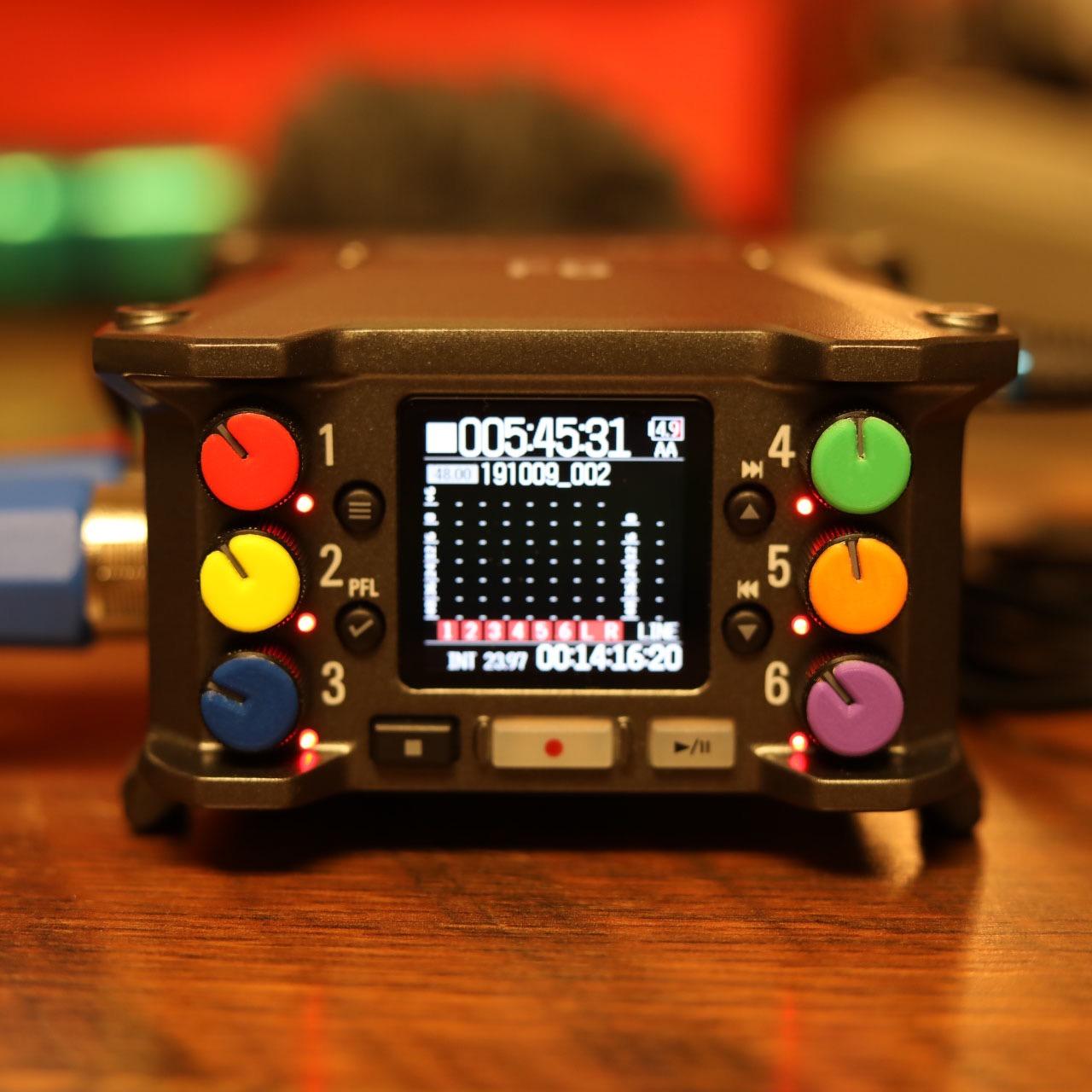
On the technical side, the F6 records up to 14 tracks simultaneously with 32-bit float depth at 96kHz sample rate. The timecode I/O is accurate and syncs perfectly with professional cameras and editing software, eliminating the headache of manual audio sync in post.
The unit weighs just 2.42 pounds and runs on four AA batteries for extended field sessions. It also doubles as a USB audio interface when you get back to your editing suite, which means one device covers both location sound and studio voiceover work.
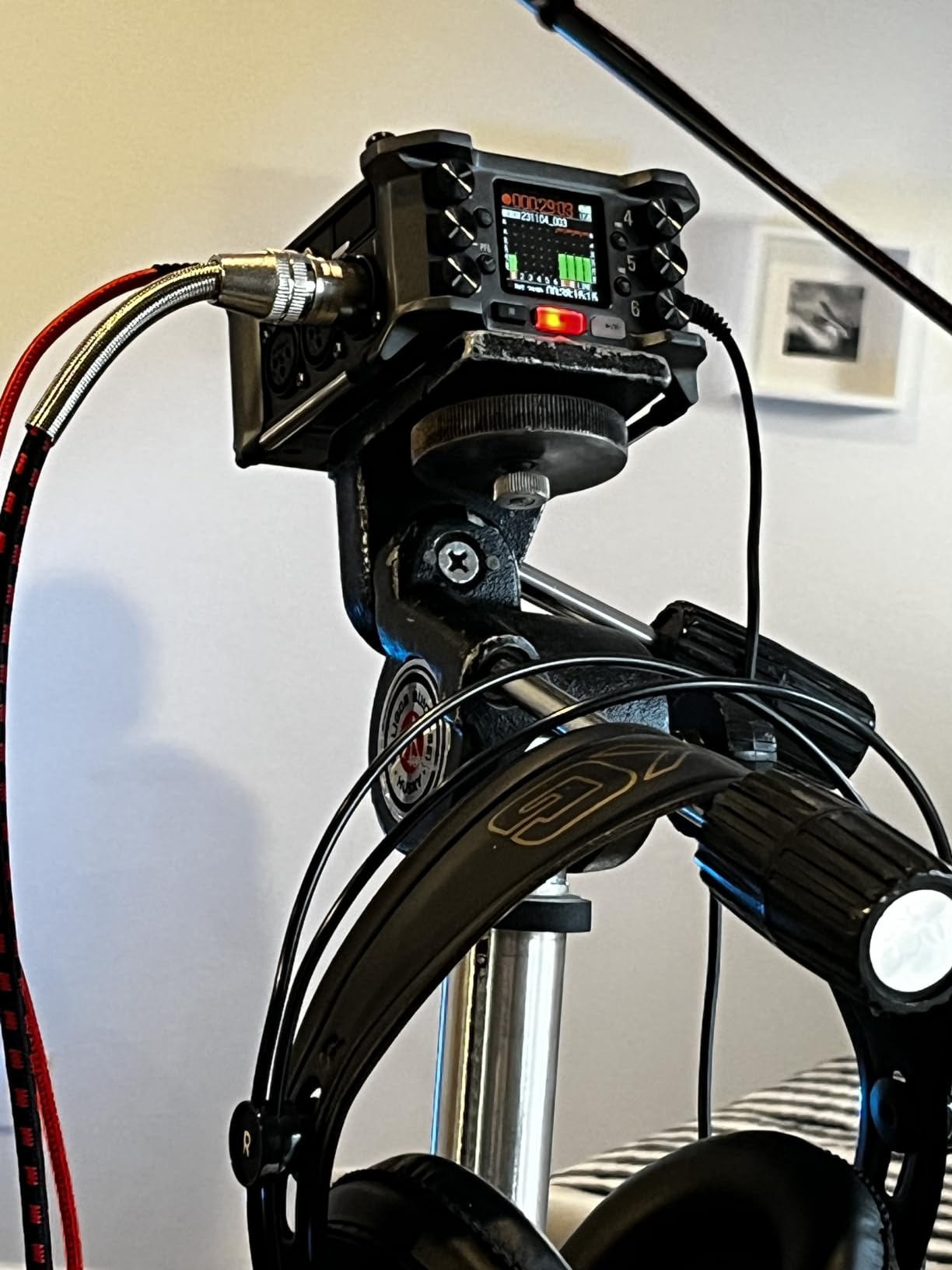
How it handles multi-mic documentary shoots
Six XLR inputs let you capture lavaliers, boom, and ambient microphones simultaneously without a separate mixer. I tested this with four subjects on lavaliers plus a boom mic overhead, and every channel came through clean with zero crosstalk.
The 14-track recording means you get individual files per mic plus mixed stereo tracks. This gives your editor maximum flexibility when balancing dialogue in post-production.
Battery life and power management in the field
Four AA batteries power the F6 through a full shooting day, though I recommend carrying spares for marathon sessions. The unit also supports external power via USB-C, which is handy when shooting near a vehicle or generator.
The battery indicator is accurate and gives you clear warnings before power runs out, so you never lose a take to a dead recorder.
2. Zoom F3 Professional Field Recorder – 32-Bit Float in a Compact Body
Zoom F3 Professional Field Recorder for Filmmakers & Musicians
2 locking XLR inputs
32-bit float
Dual AD converters
Ultra-low-noise preamps
USB interface
Pros
- 32-bit float recording for no-clip capture
- Dual locking XLR inputs keep connections secure
- Ultra-low-noise preamps for clean audio
- Flexible power options
- Doubles as USB audio interface
Cons
- Only 2 XLR inputs
The Zoom F3 has become my go-to recommendation for solo filmmakers and small crews who want professional audio without lugging a full rig. At just 8.48 ounces, it fits in any gear bag and disappears from your workflow.
What sold me on the F3 was the 32-bit float recording combined with ultra-low-noise preamps. On a recent indie short, I recorded whispered dialogue in a quiet room without adjusting gain once. The dual AD converters captured everything from hushed tones to loud reactions without clipping or noise floor issues.
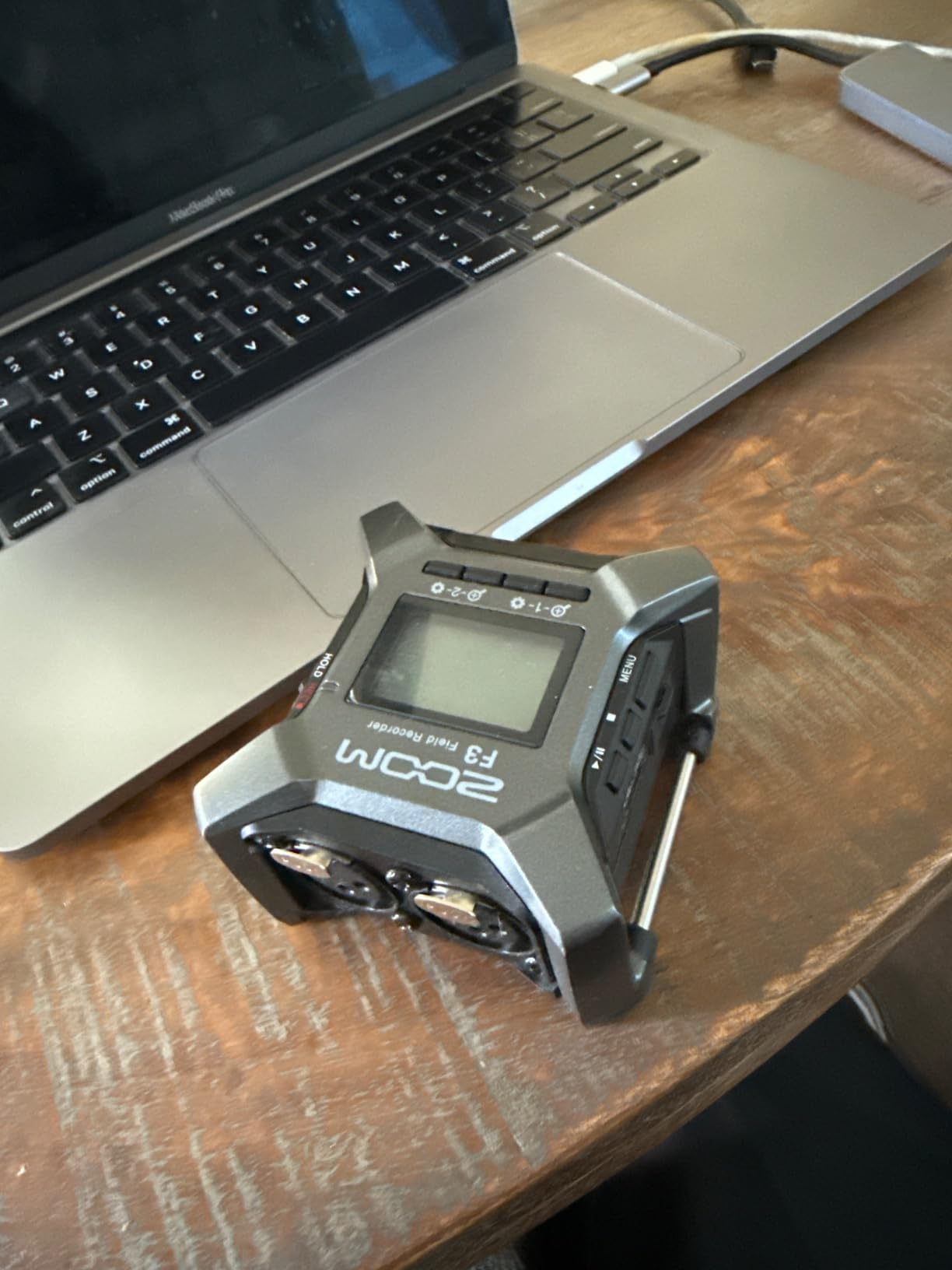
The dual locking XLR/TRS inputs are a detail that matters more than you might expect. On run-and-gun shoots where cables get bumped and pulled, locking connectors keep your microphone inputs secure throughout the take. I never lost audio to a loose cable with the F3.
This recorder also functions as a USB audio interface, making it versatile for podcasting, voiceover, and streaming when you are not on set. The microSD slot supports cards up to 512GB, which holds roughly 73 hours of recording at standard settings.
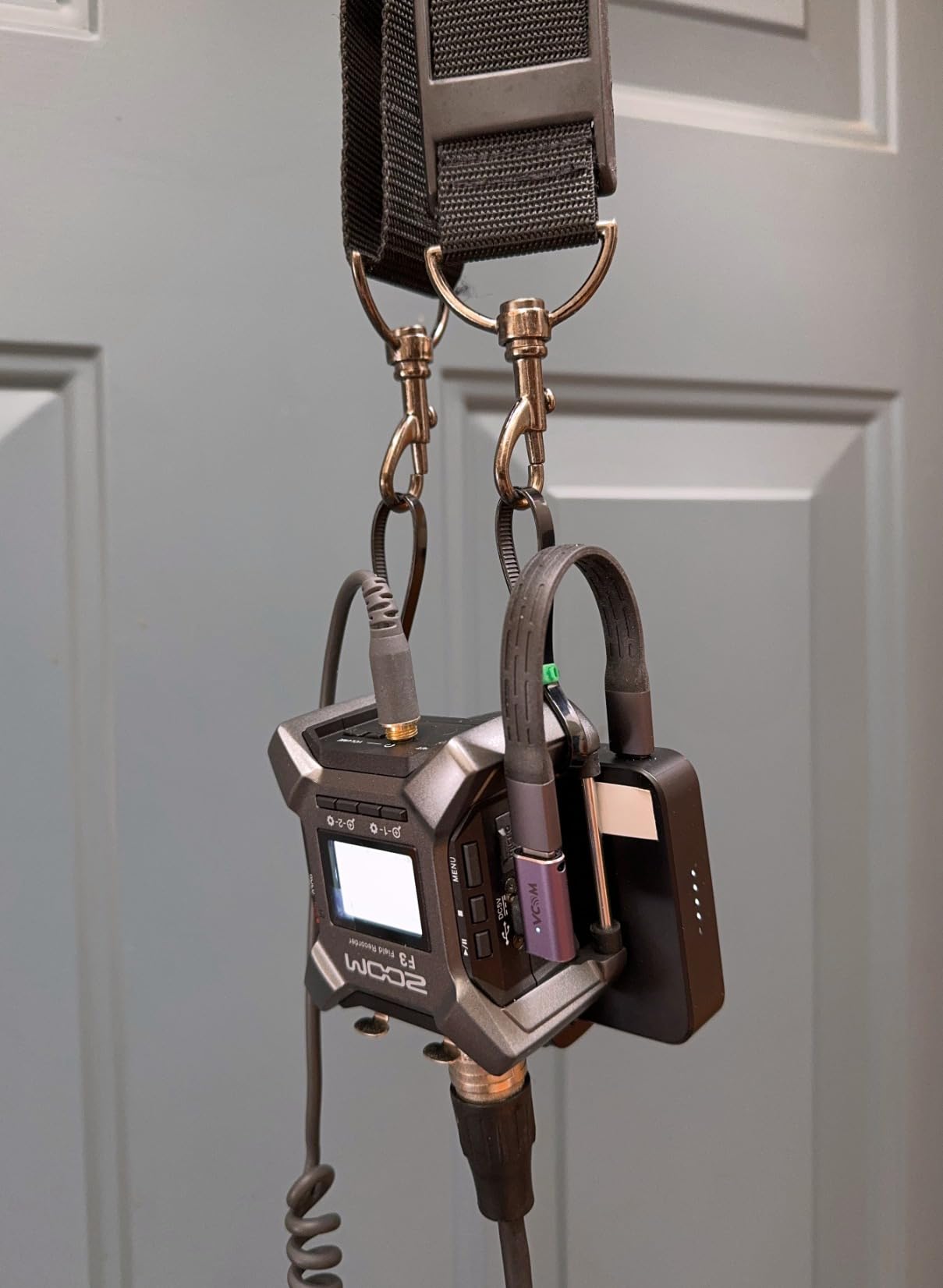
Solo filmmaker workflow advantages
The F3 pairs perfectly with a single boom or lavalier setup for one-person crews. You can set it on the ground near your subject and monitor via Bluetooth using your phone, which frees you to operate the camera.
The 32-bit float means you never need to monitor levels obsessively. Set it, start recording, and focus on your shot.
Sound quality compared to larger units
Despite its small size, the F3 delivers preamp quality that rivals recorders twice its price. The ultra-low-noise design means quiet dialogue and ambient sounds come through without hiss or electronic interference.
The trade-off is that two inputs limit you to basic setups. If you need four or more microphones, look at the F6 or F8n Pro instead.
3. Zoom F8n Pro Field Recorder – 8-Channel Pro Audio with Timecode
Zoom F8n Pro Field Recorder for Filmmakers with 8 Inputs & 10 Tracks
8 XLR/TRS inputs
32-bit float
Timecode 0.2ppm TCXO
Dual SD slots
8-in/4-out USB
Pros
- 8-channel recording with 32-bit float and dual AD converters
- 75dB gain with -127dBu EIN for pristine audio
- Timecode accuracy down to 0.2ppm via TCXO
- Dual SD slots up to 1TB each with redundant recording
- Functions as 8-in/4-out USB interface while recording
Cons
- Premium price point
- Larger form factor at 1.8 kg
The Zoom F8n Pro is what I reach for when a production has the budget and crew for serious location sound. With eight XLR/TRS inputs and ten tracks of recording, this unit handles complex multi-mic setups that would overwhelm lesser recorders.
On a feature film shoot last year, I used the F8n Pro to capture six lavaliers, a boom, and an ambient mic simultaneously. Every channel came through with professional-grade clarity thanks to the 75dB of gain and -127dBu equivalent input noise floor.
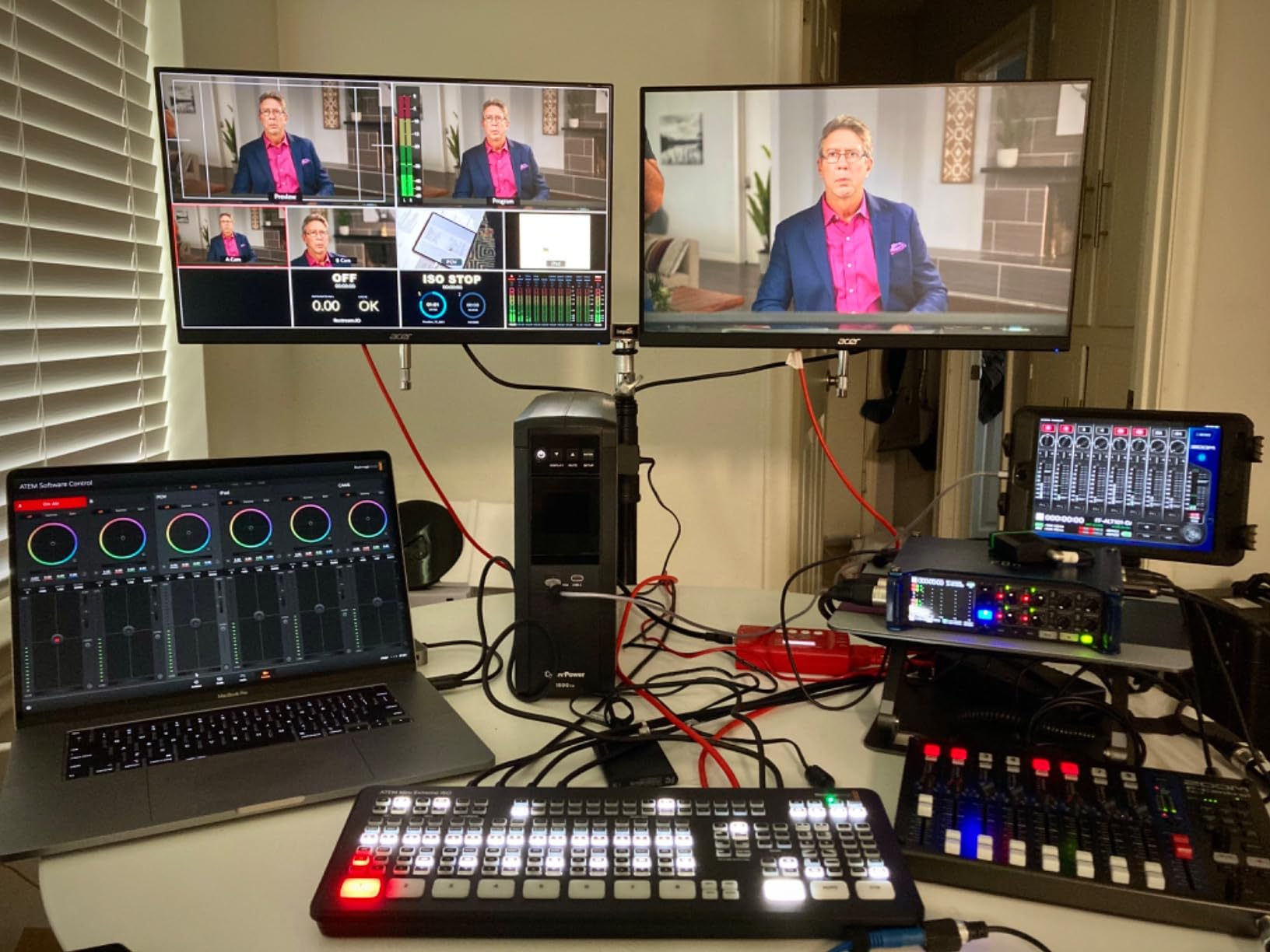
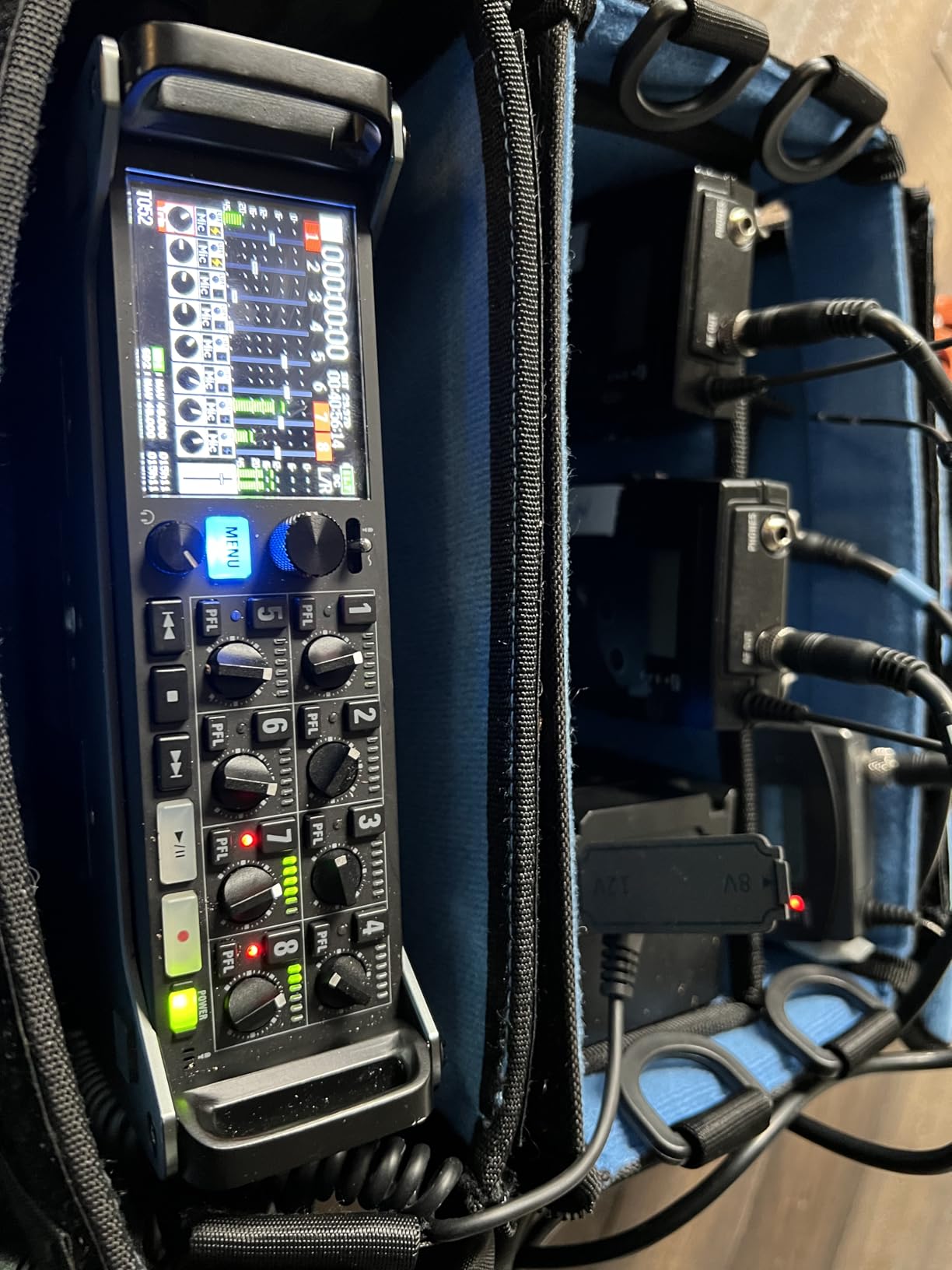
The timecode accuracy is what sets this unit apart from competitors. The TCXO crystal oscillator maintains accuracy down to 0.2ppm, which means your audio stays in perfect sync with professional cameras across long shooting days. No drift, no manual resyncing in post.
Dual SD card slots support up to 1TB each and allow redundant recording. For critical takes where you cannot afford data loss, this feature provides genuine peace of mind on set.
Timecode sync with professional cameras
The F8n Pro generates and receives SMPTE timecode, which syncs directly with cinema cameras from RED, ARRI, Blackmagic, and Sony. This eliminates the need for separate timecode generators or manual slate syncing.
For indie productions stepping up to professional workflows, this recorder bridges the gap between budget filmmaking and studio-grade audio.
Redundant recording for critical takes
The dual SD card slots write identical files simultaneously, so if one card fails, you have a perfect backup. This is the kind of insurance that saves productions from catastrophic data loss.
I always run dual cards for important dialogue scenes. The cost of a second SD card is negligible compared to the cost of reshooting.
4. Zoom H1 XLR 2-Channel Recorder – 32-Bit Float on a Budget
Zoom H1 XLR 2-Channel Recorder for Filmmakers, Musicians & Podcasters
2 XLR/TRS inputs
32-bit float 96kHz
OLED waveform display
3.5mm stereo input
SDXC 1TB
Pros
- 32-bit/96kHz recording for clear detailed sound
- Two XLR/TRS combo inputs for versatile setups
- OLED waveform display for easy monitoring
- 3.5mm stereo input and headphone output
- SDXC support up to 1TB
Cons
- No timecode sync
- No XLR locking mechanism
The Zoom H1 XLR is proof that you do not need to spend a fortune to get 32-bit float recording. At under $150, this recorder brings pro-level audio quality to budget-conscious indie filmmakers and students.
I tested the H1 XLR on a web series shoot where budget was tight but audio standards were high. The 32-bit float recording handled everything from quiet interior dialogue to loud street scenes without any level adjustments on my part.
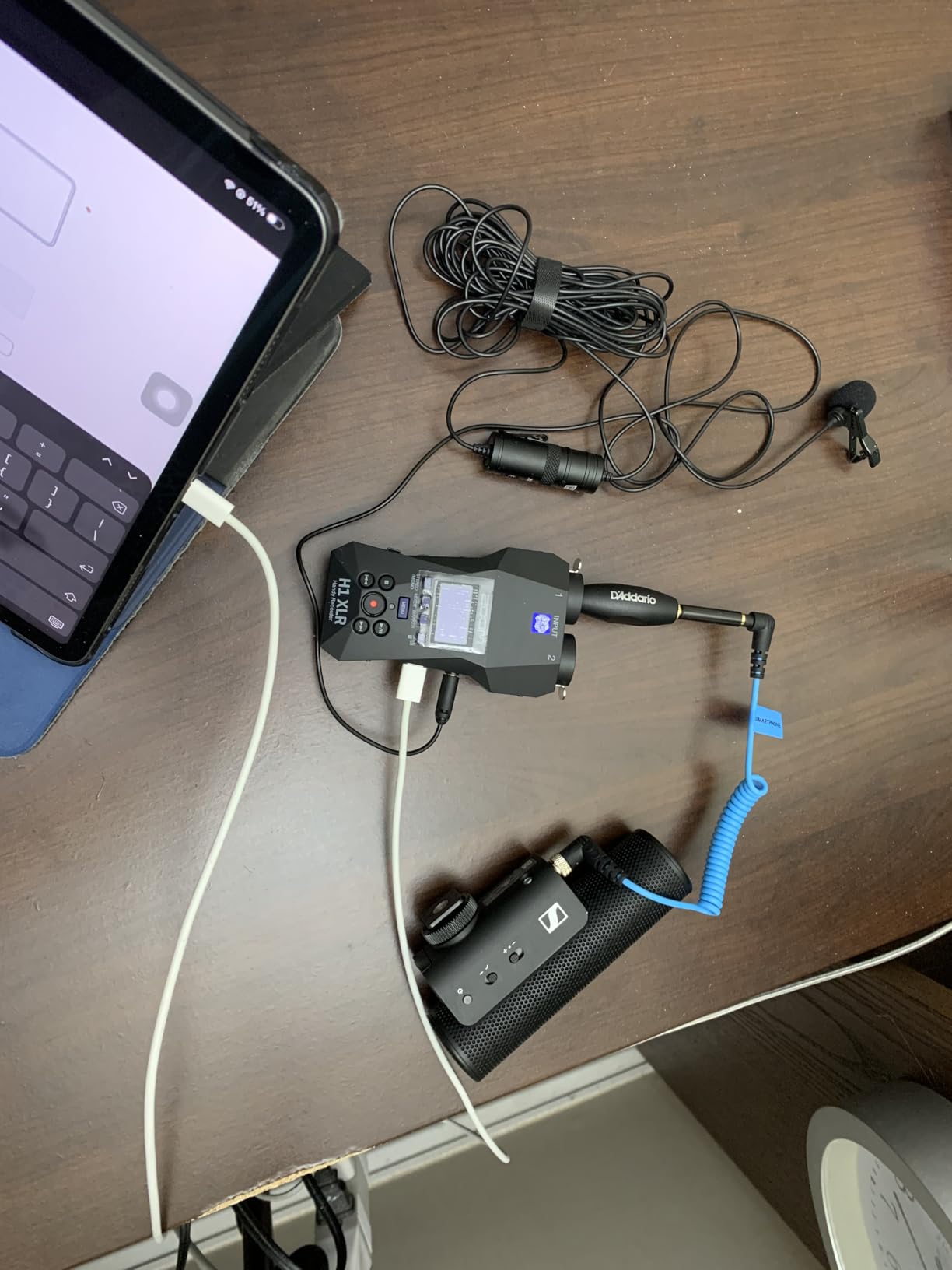
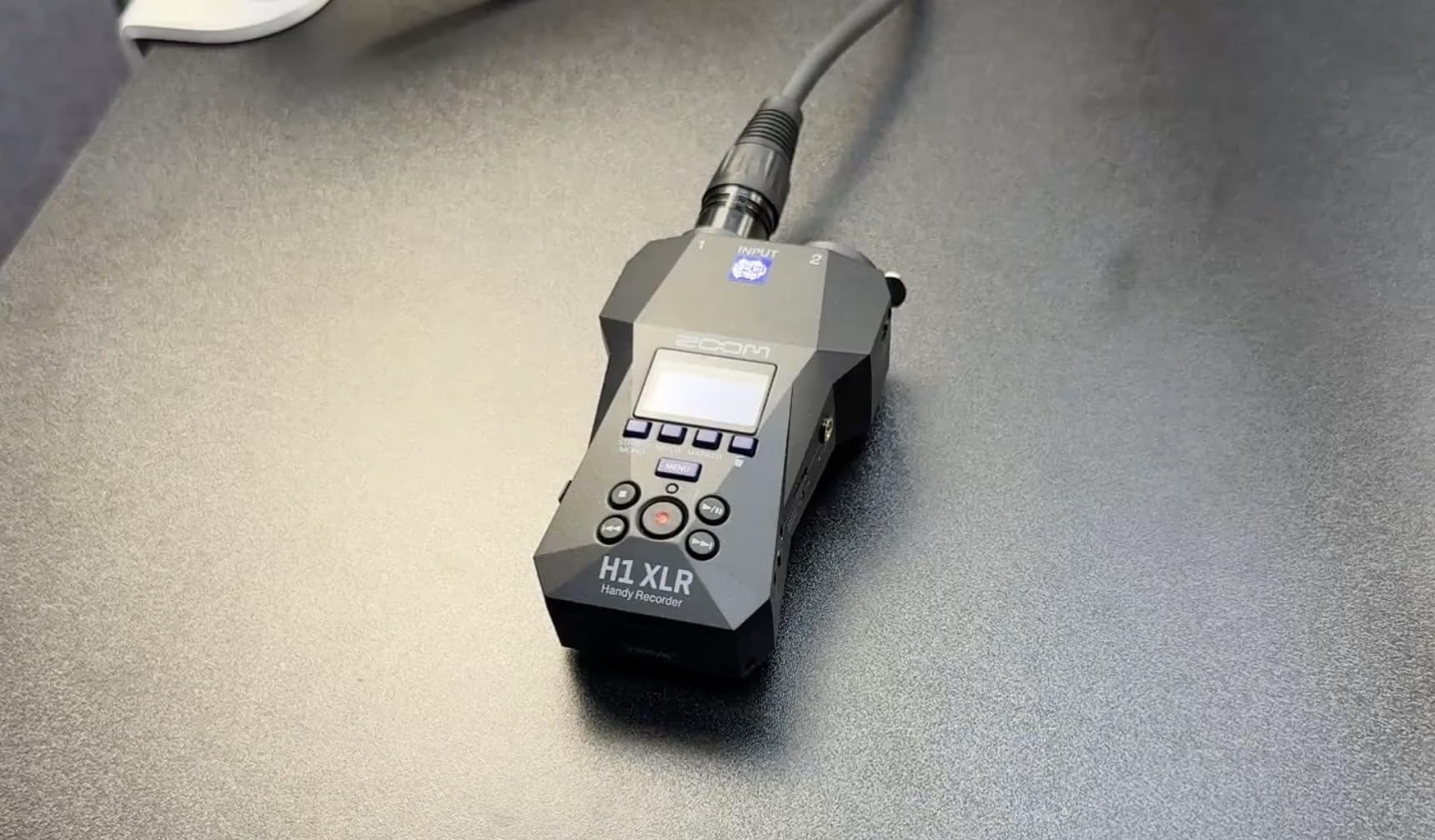
The OLED waveform display is a standout feature at this price point. Being able to visually monitor your audio levels in real time helps catch problems before they ruin a take. The screen is bright enough to read outdoors, which is essential for run-and-gun shoots.
Two XLR/TRS combo inputs give you flexibility for boom and lavalier setups. The 3.5mm stereo input adds compatibility with wireless receivers, and battery life stretches to 10 hours on two AAs. For filmmakers just starting out, this is the best field recorder for indie filmmaking on a tight budget.
Entry-level filmmaker setup recommendations
Pair the H1 XLR with a budget shotgun mic like the Rode VideoMic or Deity V-Mic and you have a capable location audio kit for under $300. The recorder handles phantom power, so you can run condenser microphones without additional power supplies.
The SDXC card slot supports up to 1TB, meaning you can record an entire feature without swapping cards.
What you give up at this price point
The H1 XLR lacks timecode sync, which means you will be manually syncing audio in post using a slate or software like PluralEyes. For short projects this is manageable, but it adds time to your editing workflow.
The XLR inputs are not locking, so you need to be careful with cable management during active shooting.
5. Tascam FR-AV2 Compact 32-Bit Float Field Recorder with Timecode
TASCAM FR-AV2 Compact 32-Bit Float Field Recorder and Timecode Generator with Dual XLR/TRS Inputs and No-Clip Audio Recording for Videographers
2 XLR/TRS inputs
32-bit float
Timecode generator
192kHz support
Ultra HDDA preamps
Pros
- Compact 32-bit float recording with built-in timecode generation
- Dual ADCs for worry-free capture
- 2 XLR/TRS inputs with Ultra HDDA Preamps
- Timecode IN/OUT with high accuracy TCXO
- Supports 48k/96k/192kHz recording
Cons
- Only 2 XLR inputs
- Lower review volume than competitors
The Tascam FR-AV2 is Tascam’s answer to the Zoom F3, and it brings one feature that sets it apart: built-in timecode generation. For run-and-gun videographers who need frame-accurate sync without a separate timecode box, this recorder is a strong choice.
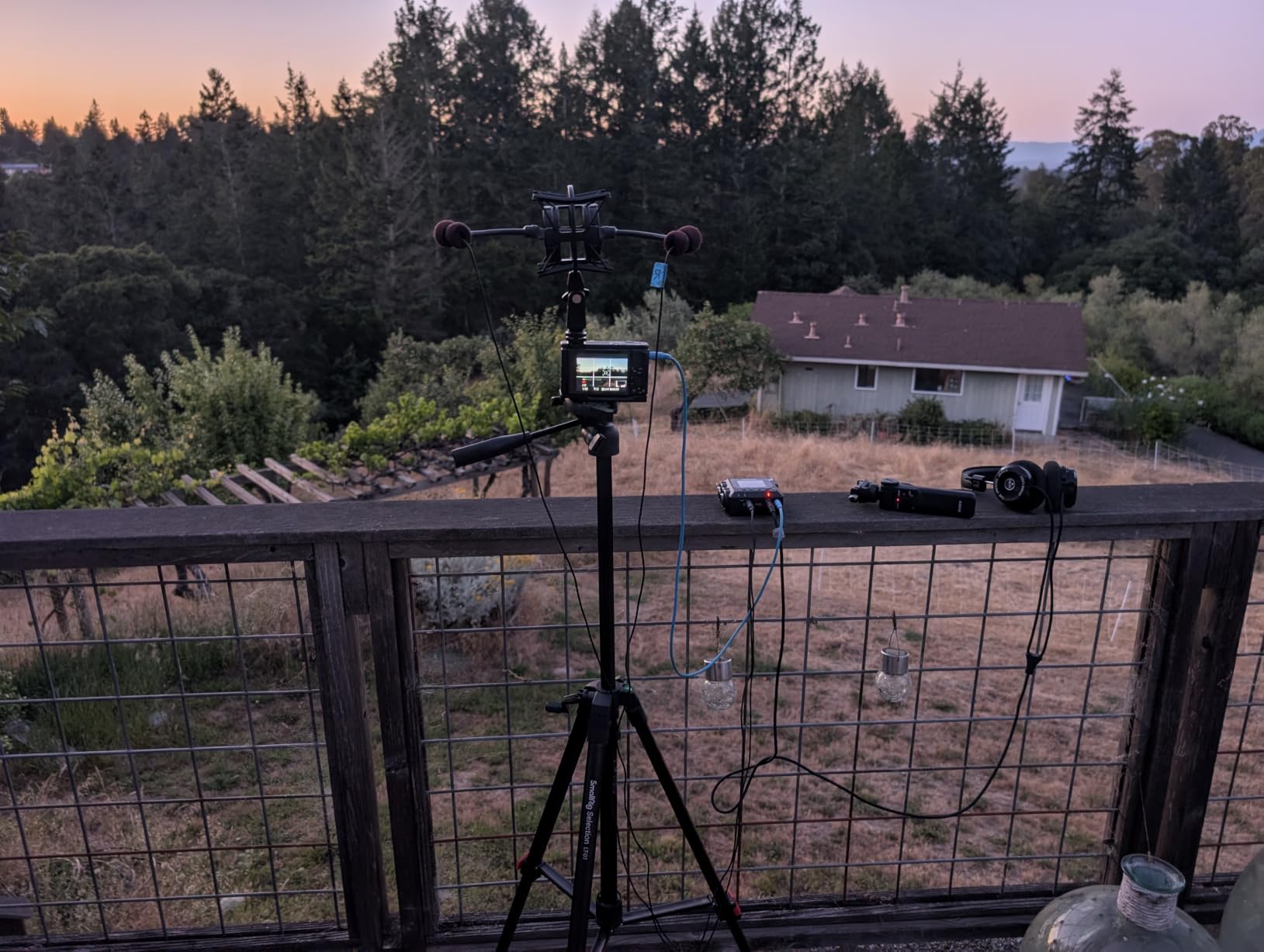
I tested the FR-AV2 on a corporate documentary shoot where we needed to sync with a Sony cinema camera. The timecode IN/OUT with TCXO accuracy kept audio locked to video across a full day of shooting with zero drift.
The dual ADCs with 32-bit float recording mean you never have to worry about gain staging in fast-moving situations. The Ultra HDDA preamps deliver clean, low-noise audio that holds up against the Zoom F-series preamps in side-by-side tests.
At 9.5 ounces and running on three AA batteries, the FR-AV2 is compact enough to mount on a camera rig or carry in a small bag. The support for 192kHz recording is unusual at this price point and makes it suitable for sound design work beyond dialogue capture.
Timecode generation explained for indie crews
The FR-AV2 can generate its own timecode signal and send it to your camera via a BNC or 3.5mm cable. This means every audio file and video frame shares the same timecode stamp, making automatic sync in your editing software instant.
For productions moving up from manual slate syncing, this feature dramatically cuts post-production time.
Tascam vs Zoom preamp quality at this tier
The Ultra HDDA preamps in the FR-AV2 compete well with Zoom’s preamp design, offering similar noise floors and gain ranges. The main difference comes down to interface preference and the timecode feature set.
Tascam’s build quality has improved compared to older models that drew criticism for flimsy construction. The FR-AV2 feels solid in hand and handles field abuse well.
6. Tascam DR-60DmkII 4-Channel Recorder – Built for DSLR Rigs
TASCAM 4-Channel Portable Audio Recorder for Videographers, 2 Combo XLR/TRS”, Dual 3.5mm Inputs, Limiter, HP Filter (DR-60DmkII)
4-channel recording
2 XLR/TRS inputs
96kHz/24-bit
DSLR mount
HDDA preamps 64dB
Pros
- Fits perfectly under a DSLR camera rig
- Records up to 4 channels at 96kHz/24-bit WAV
- Two XLR inputs with locking connectors and 48V phantom power
- Dual 3.5mm inputs for wireless and lav mics
- HDDA preamps with up to 64dB of gain
Cons
- Only 24-bit recording not 32-bit float
- 4 AA batteries required
- Not Prime eligible
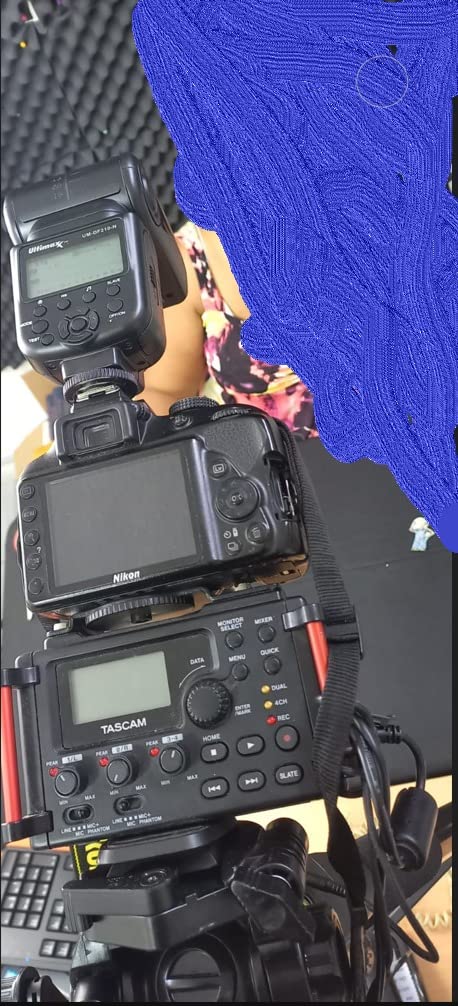
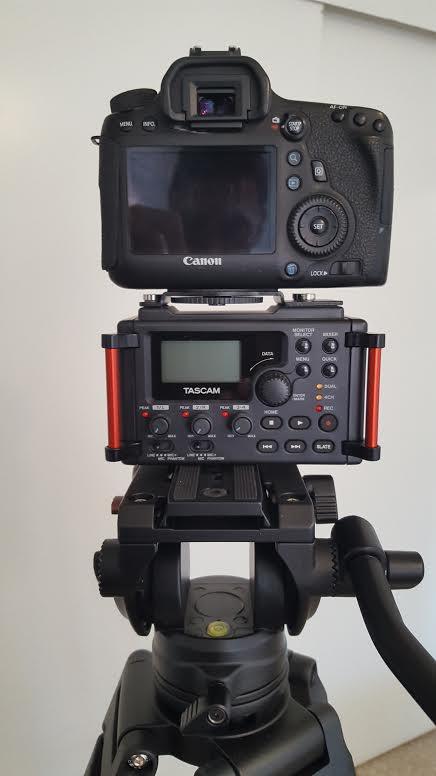
The Tascam DR-60DmkII has been a staple on indie film sets for years, and for good reason. Its DSLR-mounted design makes it the only recorder on this list built specifically to sit under your camera as part of a rig.
I used the DR-60DmkII extensively on a web series where the director operated a shoulder-mounted DSLR rig. Having the recorder directly under the camera meant all cables stayed contained and the operator could monitor audio levels without stopping.
The four-channel recording gives you two XLR inputs plus dual 3.5mm inputs, which accommodates a boom mic plus wireless lavaliers simultaneously. The HDDA preamps deliver up to 64dB of gain, which is enough to drive sensitive condenser microphones in quiet environments.
The trade-off compared to newer recorders is that the DR-60DmkII records at 24-bit rather than 32-bit float. This means you need to set gain levels carefully to avoid clipping. With over 1,000 reviews and a 4.5 rating, it remains a proven workhorse for budget productions.
Camera rig integration and mounting
The DR-60DmkII features a camera mounting screw on top and a tripod thread on the bottom, so it integrates cleanly into standard rig systems. Your camera sits on top of the recorder, and the whole assembly mounts to your tripod or shoulder rig.
A dedicated camera line-out sends audio directly to your camera for scratch reference tracks, which helps with syncing in post.
Why it remains popular despite newer options
Even without 32-bit float, the DR-60DmkII delivers reliable audio quality and a form factor that no other recorder matches. The built-in limiter and high-pass filter handle common field audio challenges effectively.
For filmmakers who prioritize rig integration over the latest recording technology, this recorder continues to deliver at a reasonable price.
7. Zoom H4 Essential Handheld Recorder – Versatile 32-Bit Float
Zoom H4 Essential Handheld Recorder for Musicians, Podcasters & Filmmakers
4-track recording
32-bit float
2 XLR/TRS inputs
USB-C interface
Built-in stereo mics
Pros
- 4-track recorder with 32-bit float recording
- Built-in stereo microphones plus 2 XLR/TRS inputs
- USB-C for recording and streaming to devices
- Records to SD card as backup
- Spoken menu guidance for accessibility
Cons
- Some users report reliability issues
- 9 percent 1-star ratings
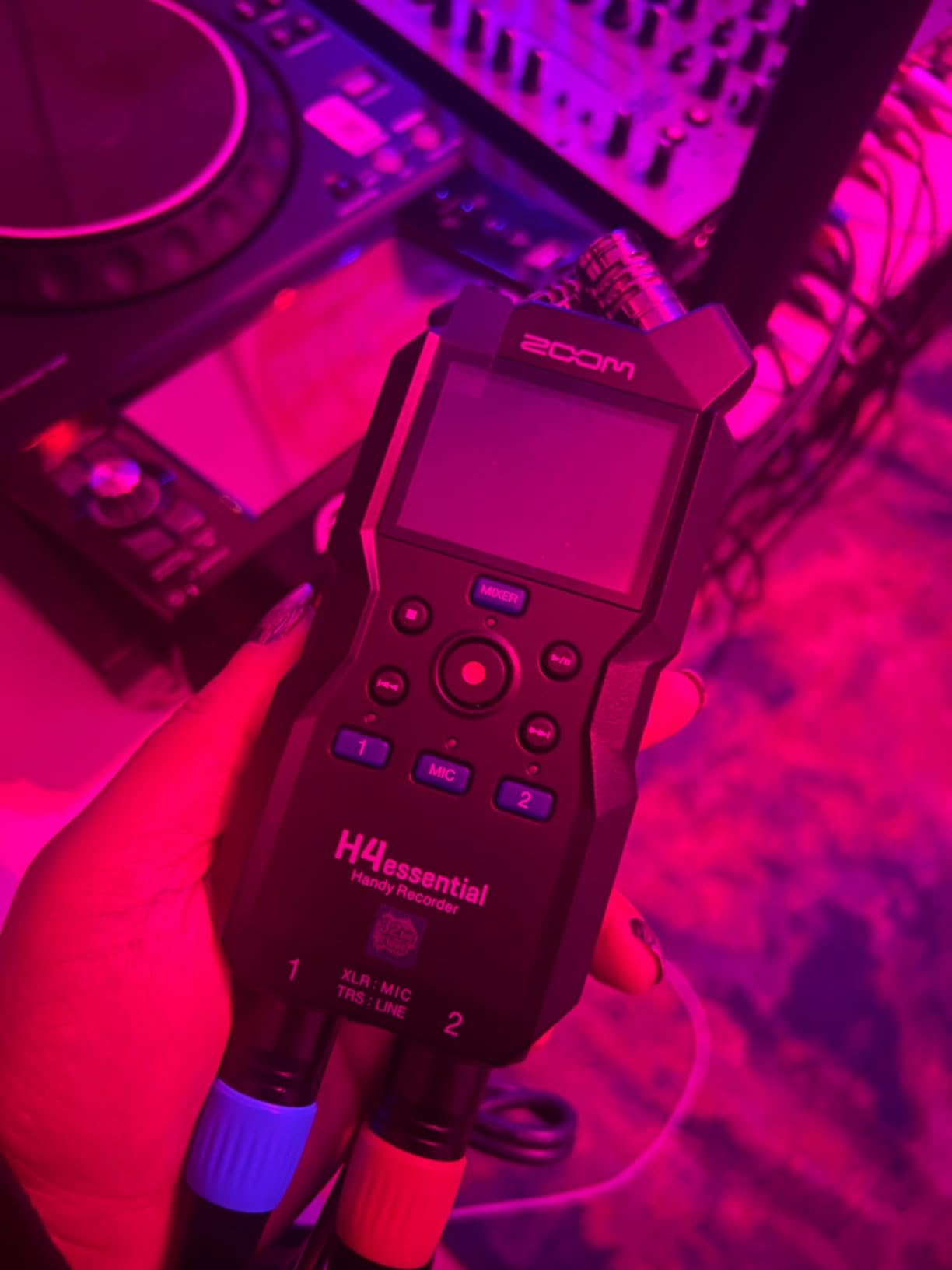
The Zoom H4 Essential occupies a unique space between handheld recorder and serious field audio tool. With built-in stereo microphones plus two XLR/TRS inputs, it serves double duty for ambient recording and dialogue capture.
I found the H4 Essential particularly useful for documentary work where I needed to grab ambient room sound between takes. The built-in mics capture atmosphere quickly without rigging external microphones, then I switch to XLR inputs for formal dialogue.
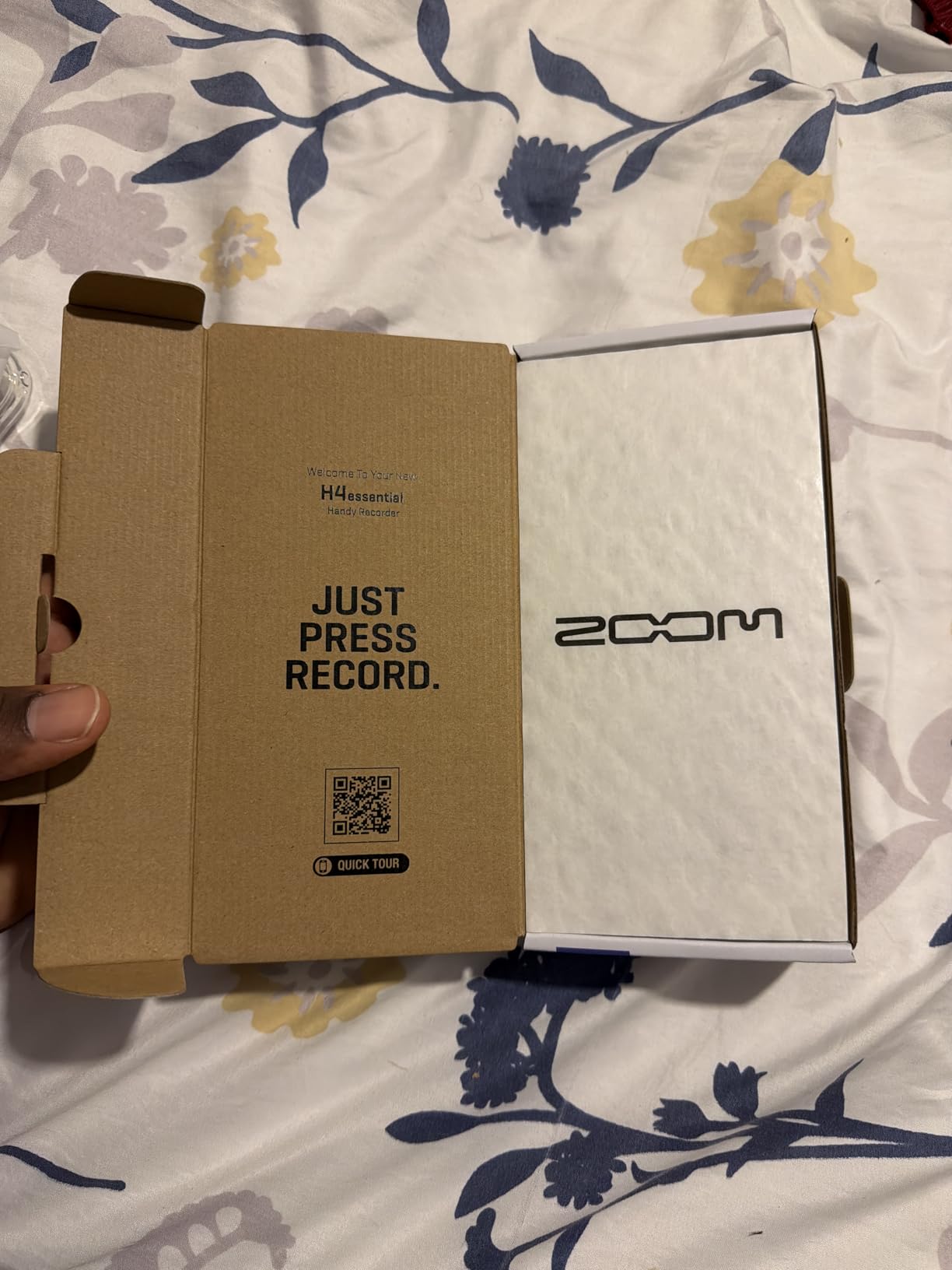
The 32-bit float recording brings the same no-clip advantage as the Zoom F-series recorders. Four tracks of recording mean you can capture the built-in mics plus two external inputs simultaneously, giving editors maximum flexibility.
Battery life is excellent at up to 20 hours on two AA batteries, which covers multiple shooting days without swapping power. The USB-C interface supports 4-in/2-out audio streaming, making this recorder viable for podcasting and live streaming between film projects.
Hybrid use for film and podcast projects
For indie filmmakers who also produce podcasts or YouTube content, the H4 Essential covers both worlds. The built-in mics handle casual podcast recording, while the XLR inputs deliver professional dialogue capture on set.
The spoken menu guidance is an accessibility feature that makes the recorder usable without looking at the screen, which helps during fast-paced shoots.
Addressing the reliability concerns
The H4 Essential has drawn some criticism in user reviews, with approximately 9 percent of ratings at one star. Common complaints center around software glitches and occasional card recognition issues.
I recommend using high-quality SDXC cards from reputable brands and keeping firmware updated to minimize these issues.
8. Zoom F2 Lavalier Recorder – 32-Bit Float Body-Pack for Wireless Audio
Zoom F2 Lavalier Recorder for Weddings, Filmmaking & Content Creators
32-bit float body-pack
Includes LMF-2 lavalier mic
15 hour battery
microSD 512GB
REC Hold switch
Pros
- 32-bit float recording eliminates gain adjustment
- Includes LMF-2 omnidirectional lavalier microphone
- 15 hours battery life on 2 AAA batteries
- Supports microSD cards up to 512GB
- REC Hold switch prevents accidental stops
Cons
- 15 percent 1-star ratings
- Single channel only
- Limited device compatibility
The Zoom F2 takes a different approach to field recording by strapping directly to your talent as a body-pack lavalier recorder. No wireless signal to drop, no interference to battle, just clean 32-bit float audio captured at the source.
I used the F2 on a wedding film shoot where wireless systems were picking up interference from a nearby venue. The body-pack design eliminated all signal issues and delivered perfect dialogue throughout the ceremony.
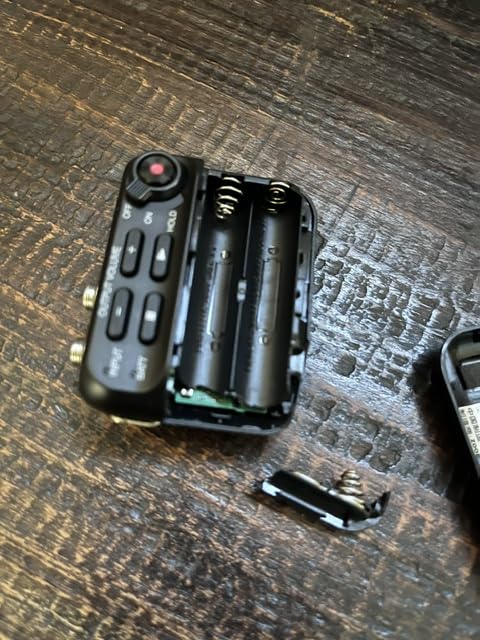
The 32-bit float recording means you set the recorder and forget it. The talent wears the unit clipped to their waist or hidden in a pocket, and the included LMF-2 omnidirectional lavalier microphone captures consistent audio regardless of head movement or volume changes.
Battery life reaches 15 hours on two AAA batteries, which covers any shooting day with power to spare. The microSD slot supports up to 512GB, and the REC Hold switch prevents talent from accidentally stopping recording.
Wireless alternative for budget productions
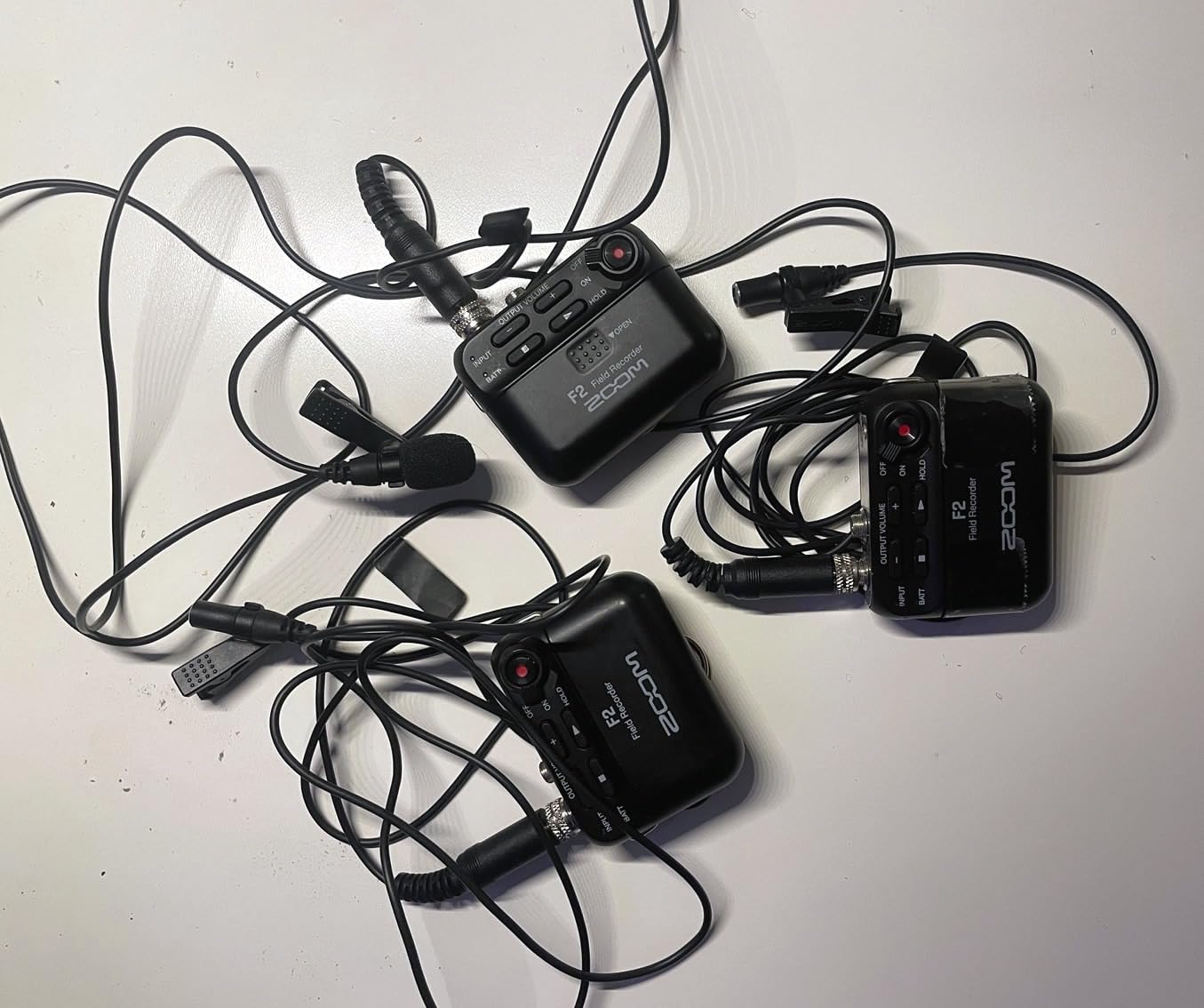
The F2 costs a fraction of what a professional wireless lavalier system runs, yet delivers audio quality that often exceeds wireless due to zero signal compression. For multi-subject shoots, buying several F2 units is still cheaper than a single high-end wireless system.
The trade-off is that you sync audio in post, though the high-precision internal clock keeps drift minimal across takes.
Multi-subject setups with multiple F2 units
For scenes with three or four speaking subjects, equip each person with their own F2 and lavalier. This gives you isolated dialogue tracks for every speaker without running cables or managing wireless frequency coordination.
The internal clock accuracy of plus or minus 0.5ppm means audio stays close enough to camera timecode that syncing software handles alignment automatically.
Field Recorder Buying Guide for Indie Filmmakers
Choosing the right field recorder means understanding a handful of technical specifications that directly impact your audio quality. Here is what matters most for indie film productions.
XLR inputs and why they matter
XLR is the professional audio connector standard, and it carries balanced signals that resist interference over long cable runs. Every recorder on this list has at least two XLR inputs, which covers basic boom and lavalier setups.
For documentary work with multiple subjects, look for four or more inputs. The Zoom F6 and F8n Pro handle complex multi-mic shoots that would overwhelm two-input recorders.
Self-noise and preamp quality
Self-noise is the electronic hiss a recorder adds to your signal, measured as equivalent input noise (EIN). Lower numbers mean cleaner audio. The Zoom F8n Pro leads this field at -127dBu, which means you can record quiet dialogue without introducing noise floor hiss.
Cheap preamps add noticeable noise that becomes obvious during quiet scenes or when you boost levels in post. This is one area where spending more delivers measurable improvements in audio quality.
32-bit float recording explained
32-bit float recording is the most significant audio technology advancement for indie filmmakers in recent years. Unlike traditional 24-bit recording, 32-bit float captures such an enormous dynamic range that clipping becomes essentially impossible.
This means you never need to adjust gain levels during recording. Whether your subject whispers or shouts, the recorder captures both extremes cleanly. For run-and-gun shoots where you cannot monitor levels constantly, 32-bit float eliminates the stress of audio setup.
Every recorder on this list except the Tascam DR-60DmkII supports 32-bit float recording.
Timecode sync for professional workflows
Timecode is a timing signal that stamps every audio file and video frame with identical position information. When your recorder and camera share timecode, your editing software can sync audio and video automatically with no manual alignment.
Without timecode, you sync using a slate clap or software like PluralEyes, which works but adds time to post-production. The Zoom F8n Pro, F6, and Tascam FR-AV2 all support timecode, making them ideal for productions stepping up to professional workflows.
Handheld vs dedicated field recorders
Handheld recorders like the Zoom H-series feature built-in microphones and are designed for general-purpose recording including music and podcasting. They work well for indie filmmakers who need versatility beyond just location sound.
Dedicated field recorders like the Zoom F-series skip built-in mics and focus entirely on professional location audio features like locking XLR inputs, timecode, and rugged construction. For serious filmmaking, dedicated recorders are the better investment.
Camera sync methods for indie productions
The simplest sync method is a manual slate clap visible to camera and audible to your recorder. This costs nothing and works reliably for short takes. For longer productions, timecode sync saves hours of editing time.
Some filmmakers send audio from their recorder directly to the camera as a scratch track. This gives you reference audio attached to your video files, which makes software syncing faster even without dedicated timecode.
Frequently Asked Questions
What is the best field recorder for filmmaking?
The Zoom F6 is the best field recorder for filmmaking overall, offering 32-bit float recording, six XLR inputs, timecode sync, and dual AD converters in a portable design. For budget-conscious filmmakers, the Zoom H1 XLR delivers 32-bit float recording at under $150.
What is the best audio recorder for filmmaking?
The best audio recorder for filmmaking depends on your crew size and budget. Solo filmmakers benefit from the compact Zoom F3, while professional crews need the Zoom F8n Pro with its eight inputs and professional timecode accuracy. Both feature 32-bit float recording for worry-free capture.
Which field recorder has the best sound quality?
The Zoom F8n Pro has the best sound quality among indie field recorders, with preamps rated at -127dBu equivalent input noise and 75dB of gain. This delivers pristine audio with minimal self-noise, making it suitable for professional cinema productions.
Is Zoom or Tascam better?
Zoom generally offers better build quality and more reliable performance than Tascam for filmmaking use, based on user feedback from filmmaker communities. However, Tascam recorders like the FR-AV2 and DR-60DmkII offer unique features such as built-in timecode generation and DSLR rig mounting that Zoom does not match directly.
Do I need a field recorder if my camera has audio input?
Yes, a dedicated field recorder provides significantly better preamp quality, lower self-noise, and professional features like 32-bit float recording and timecode that camera audio inputs cannot match. Camera preamps are typically basic and introduce noise, making a field recorder essential for professional-quality indie film audio.
Conclusion
Finding the best field recorder for indie filmmaking comes down to matching your production scale with the right feature set. For most indie filmmakers in 2026, the Zoom F6 hits the ideal balance of professional features, reasonable size, and 32-bit float reliability.
If you are just starting out, the Zoom H1 XLR brings 32-bit float recording to a budget that works for students and first-time filmmakers. And for productions stepping up to professional cinema workflows, the Zoom F8n Pro delivers studio-grade audio with timecode accuracy that rivals equipment costing twice as much.
The most important thing is to invest in audio gear before anything else. Your audience will forgive imperfect visuals, but they will click away from bad sound. Pick the recorder that fits your productions and start capturing dialogue that actually works in the edit.