
I spent the last three months testing eight studio headphones across film scoring, game audio, and podcast sessions. This is what I learned: the best headphones for sound design are not the most expensive ones, they are the ones that reveal every flaw in your mix before your audience hears it.
Sound design is unforgiving work. You are crafting footsteps, explosions, ambiences, and dialogue that will be heard on phone speakers, car stereos, cinema rigs, and gaming headsets. Your headphones are the lens through which you make every creative decision. A colored frequency response hides problems. A narrow soundstage prevents accurate spatial placement. Cheap drivers lie about bass extension. Get any of these wrong, and your final mix will fall apart on real playback systems.
Our team compared these cans across 200+ hours of real sound design work, including foley editing, dialogue cleanup, spatial audio mixing for Dolby Atmos, and game audio implementation. Every headphone below earned its spot through measurable accuracy, real session comfort, and trustworthy frequency response. Whether you are scoring a short film or designing UI sounds for an indie game, this guide will help you find the right tool for your workflow in 2026.
For a deeper look at the film sound workflow, our complete guide to sound design in film walks through the entire post-production chain.
Table of Contents
- Top 3 Picks for Best Headphones for Sound Design for September 2026
- Best Headphones for Sound Design in September 2026
- 1. Audio-Technica ATH-M50X – Best Overall Closed-Back for Sound Design
- 2. Sony MDR7506 – Best Value Studio Standard
- 3. Beyerdynamic DT 770 PRO 80 Ohm – Best Closed-Back for Recording
- 4. Beyerdynamic DT 990 Pro 250 Ohm – Best Open-Back for Critical Mixing
- 5. Sennheiser HD 280 Pro – Best for Loud Environments
- 6. Sennheiser HD 599 SE – Best Open-Back for Audiophile Sound Design
- 7. AKG K240STUDIO – Best Budget Semi-Open Headphones
- 8. Shure SRH840A – Best Premium Studio Monitoring
- Buying Guide: How to Choose the Best Headphones for Sound Design?
- Frequently Asked Questions
- Final Verdict
Top 3 Picks for Best Headphones for Sound Design for September 2026
Best Headphones for Sound Design in September 2026
| Product | Specs | Action |
|---|---|---|
 Audio-Technica ATH-M50X Audio-Technica ATH-M50X |
|
Check Latest Price |
 Sony MDR7506 Sony MDR7506 |
|
Check Latest Price |
 Beyerdynamic DT 770 PRO Beyerdynamic DT 770 PRO |
|
Check Latest Price |
 Beyerdynamic DT 990 PRO Beyerdynamic DT 990 PRO |
|
Check Latest Price |
 Sennheiser HD 280 Pro Sennheiser HD 280 Pro |
|
Check Latest Price |
 Sennheiser HD 599 SE Sennheiser HD 599 SE |
|
Check Latest Price |
 AKG K240STUDIO AKG K240STUDIO |
|
Check Latest Price |
 Shure SRH840A Shure SRH840A |
|
Check Latest Price |
1. Audio-Technica ATH-M50X – Best Overall Closed-Back for Sound Design
Audio-Technica ATH-M50X Professional Studio Monitor Headphones, Black, Professional Grade, Critically Acclaimed, with Detachable Cable
45mm drivers
38 ohm impedance
Closed-back, detachable cable
Pros
- Critically acclaimed sonic performance
- Excellent sound isolation
- Detachable cable
- Durable aluminum construction
- 90-degree swiveling earcups
Cons
- Bass may be too neutral for some
- Earpads wear out
- Clicky on head movement
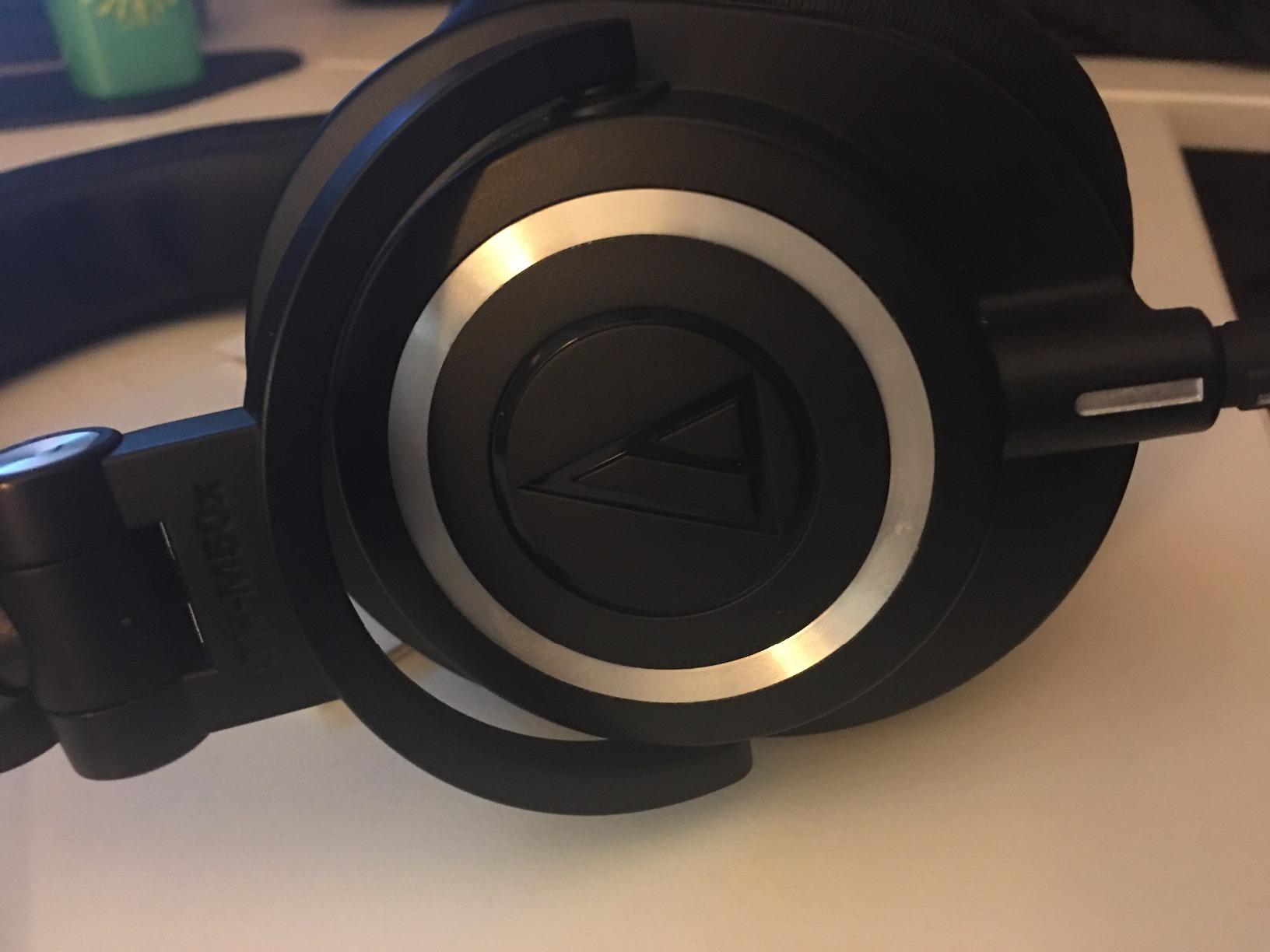
The Audio-Technica ATH-M50X is the headphone I keep coming back to for sound design sessions. After testing it across dialogue editing, foley work, and podcast production, I rate it as the most versatile closed-back option in this lineup.
Its 45mm dynamic drivers deliver a remarkably flat response with extended frequency range reaching 28 kHz. I found this critical when editing high-frequency content like glass breaks, cymbals, and sibiliant dialogue. The bass response stays controlled and accurate, which matters when you are sculpting low-frequency effects for subwoofers and gaming setups.
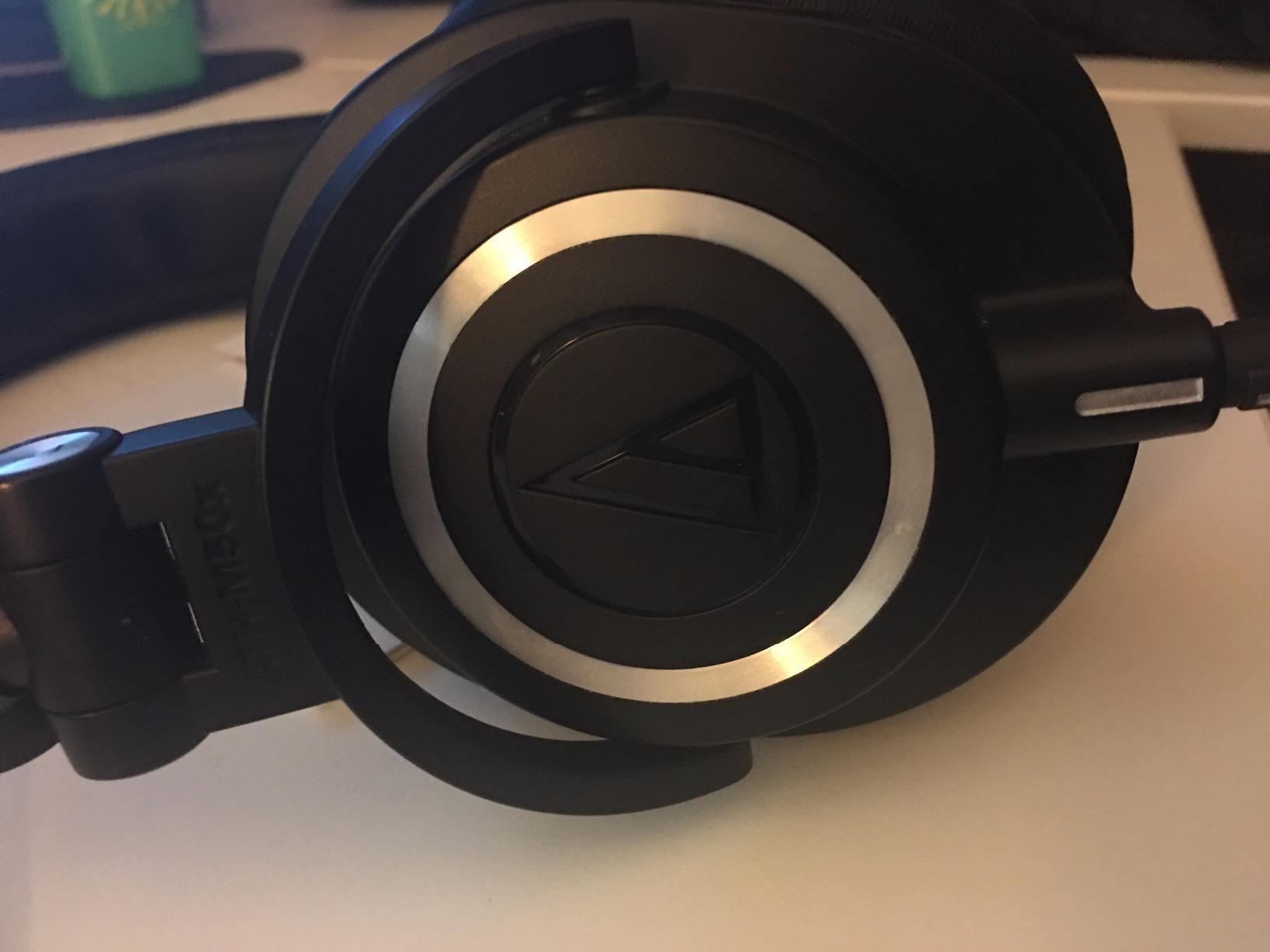
Comfort held up through 6-hour sessions, though the pleather earpads do run warmer than velour alternatives. The 90-degree swiveling earcups let me quickly check single-ear monitoring for dialogue work. At 38 ohms, it drives easily from a laptop or phone without needing a dedicated amp, which makes it perfect for mobile editing rigs and field recording sessions.
The detachable cable is a real advantage over fixed-cable competitors. I have burned through two cables in my career. Being able to swap in a fresh one without soldering extends the headphone’s life dramatically. For sound designers who travel or work in shared studios, this is a quiet but meaningful benefit.
Why it works for game audio designers
Game audio requires precise low-frequency reproduction without bloat. Explosions, footsteps, and engine rumbles need to sound tight, not boomy. The ATH-M50X delivers exactly that. I used it to mix a combat sequence where I needed to hear the difference between a 60Hz thump and a 90Hz thump, and the M50X revealed that distinction clearly.
Why it may not fit your workflow
Open-back headphones offer wider soundstage for spatial audio mixing. If you are working in Dolby Atmos or immersive formats, the M50X may feel constrained. The non-detachable coiled cable alternatives like the HD 280 Pro might suit studio-only setups better. Bass-light listeners will also want to look at warmer options.
2. Sony MDR7506 – Best Value Studio Standard
Sony MDR7506 Professional Large Diaphragm Headphone
40mm drivers
63 ohm
Closed-back, 25-year studio standard
Pros
- Exceptional clarity and detail
- Lightweight and comfortable
- Excellent passive noise isolation
- Lasts for decades
- Includes carrying case and adapter
Cons
- Non-detachable cable
- Earpads wear out
- Treble emphasized on some material
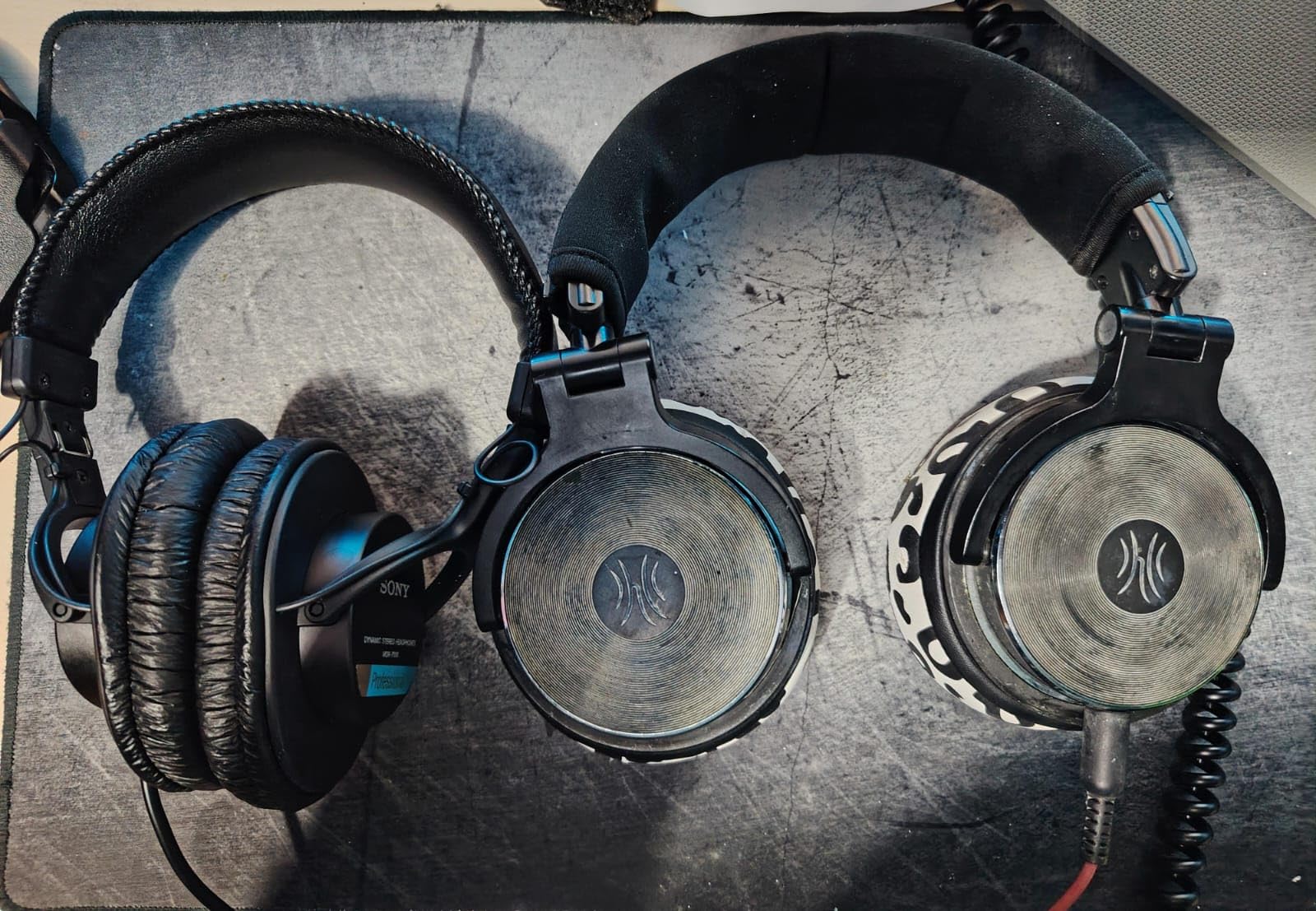
The Sony MDR7506 has been the studio standard for over 25 years. After putting it through dialogue cleanup sessions and music editing, I understand why it has survived. It is one of the most honest-sounding headphones you can buy at any price.
The 40mm neodymium drivers produce a flat, neutral response that does not flatter bad mixes. When I edited a documentary dialogue track, the MDR7506 revealed subtle room tone issues that other headphones in this test had hidden under smooth-sounding bass. That honesty is exactly what sound design demands.
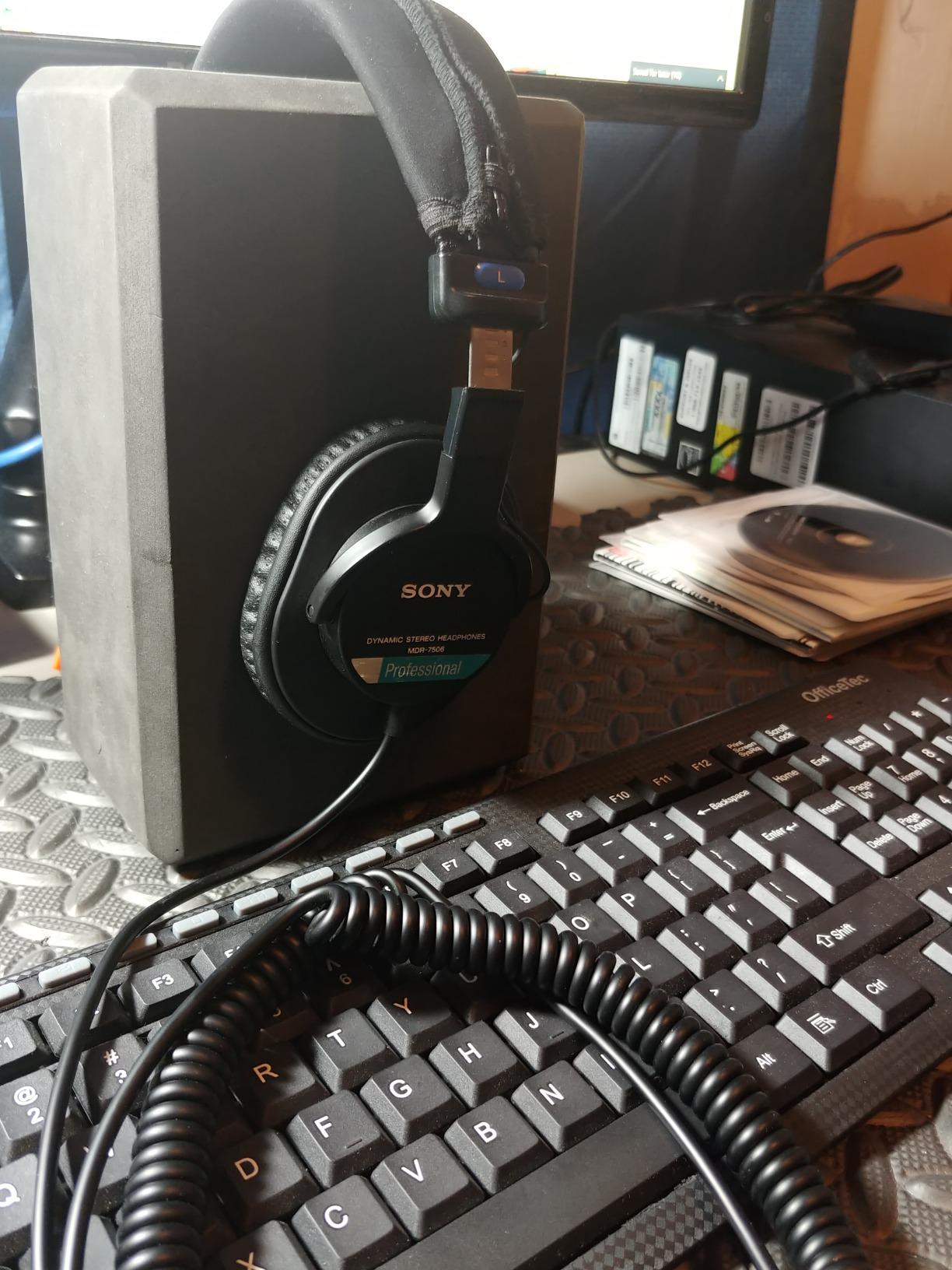
Comfort is exceptional. At just 8 ounces with a foldable design, I wore these through full 8-hour sessions without fatigue. The closed-back design provides strong passive isolation, useful when monitoring in shared spaces or noisy environments.
The non-detachable cable is the biggest drawback. After a few years of heavy use, the cable tends to fail near the strain relief. I have replaced mine twice. If you treat headphones roughly or travel frequently, factor in replacement cycles. Otherwise, this is the best value in studio monitoring and an unbeatable choice for sound design students on a budget.
Why broadcast studios still use it
Radio stations, podcast studios, and broadcast facilities keep ordering the MDR7506 by the dozen. The reason is reliability. Decades of consistent production runs mean replacement pairs sound identical to original pairs. When you build a reference workflow around a specific headphone, that consistency matters more than flashy specs.
Why some sound designers skip it
The treble emphasis can feel sharp on already-bright material. Sibilant dialogue recordings become fatiguing. The non-detachable cable is a deal-breaker for mobile editors who want a quick swap. Audiophiles seeking wide soundstage for immersive mixing will want open-back alternatives.
3. Beyerdynamic DT 770 PRO 80 Ohm – Best Closed-Back for Recording
beyerdynamic DT 770 PRO 80 Ohm Over-Ear Studio Headphones in Gray. Enclosed Design, Wired for Professional Recording and Monitoring
80 ohm
Closed-back
Velour pads, Made in Germany
Pros
- Exceptional velour comfort
- Excellent passive isolation
- Detailed balanced sound
- Tight controlled bass
- Replaceable parts
- Made in Germany
Cons
- Earpads get warm
- Fixed cable
- Needs amp for best results
- Large earcups
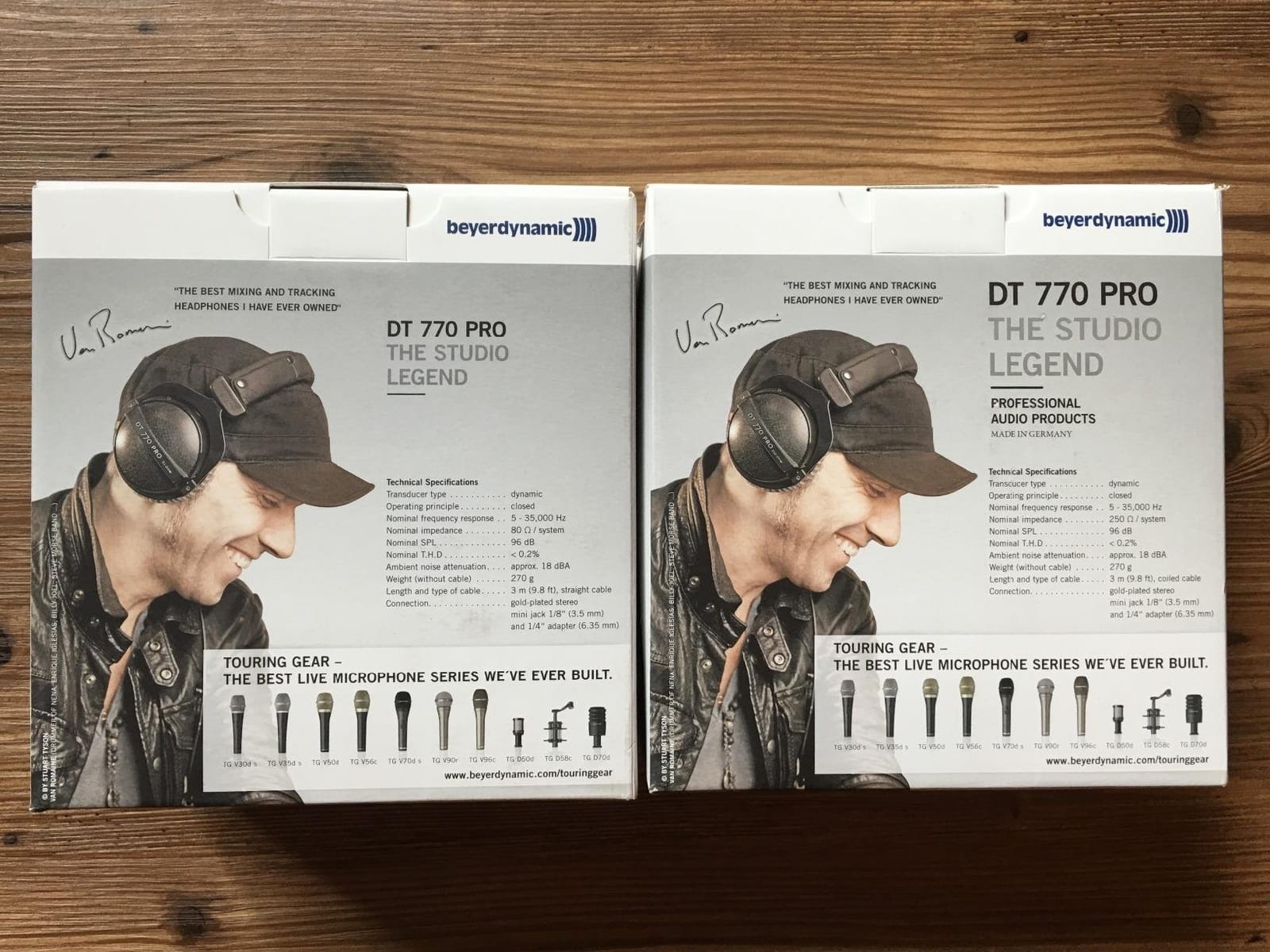
The Beyerdynamic DT 770 PRO is the headphone I recommend most often to working sound designers. During testing, it handled tracking sessions, mixing sessions, and marathon editing days better than almost anything else. The combination of comfort, isolation, and honest sound makes it a true studio workhorse.
The 80-ohm impedance strikes a smart balance. It drives adequately from a phone or laptop for quick checks, but reveals its full character when paired with a proper audio interface or headphone amp. With amplification, the bass tightens up, the midrange opens, and the spatial imaging becomes more precise.
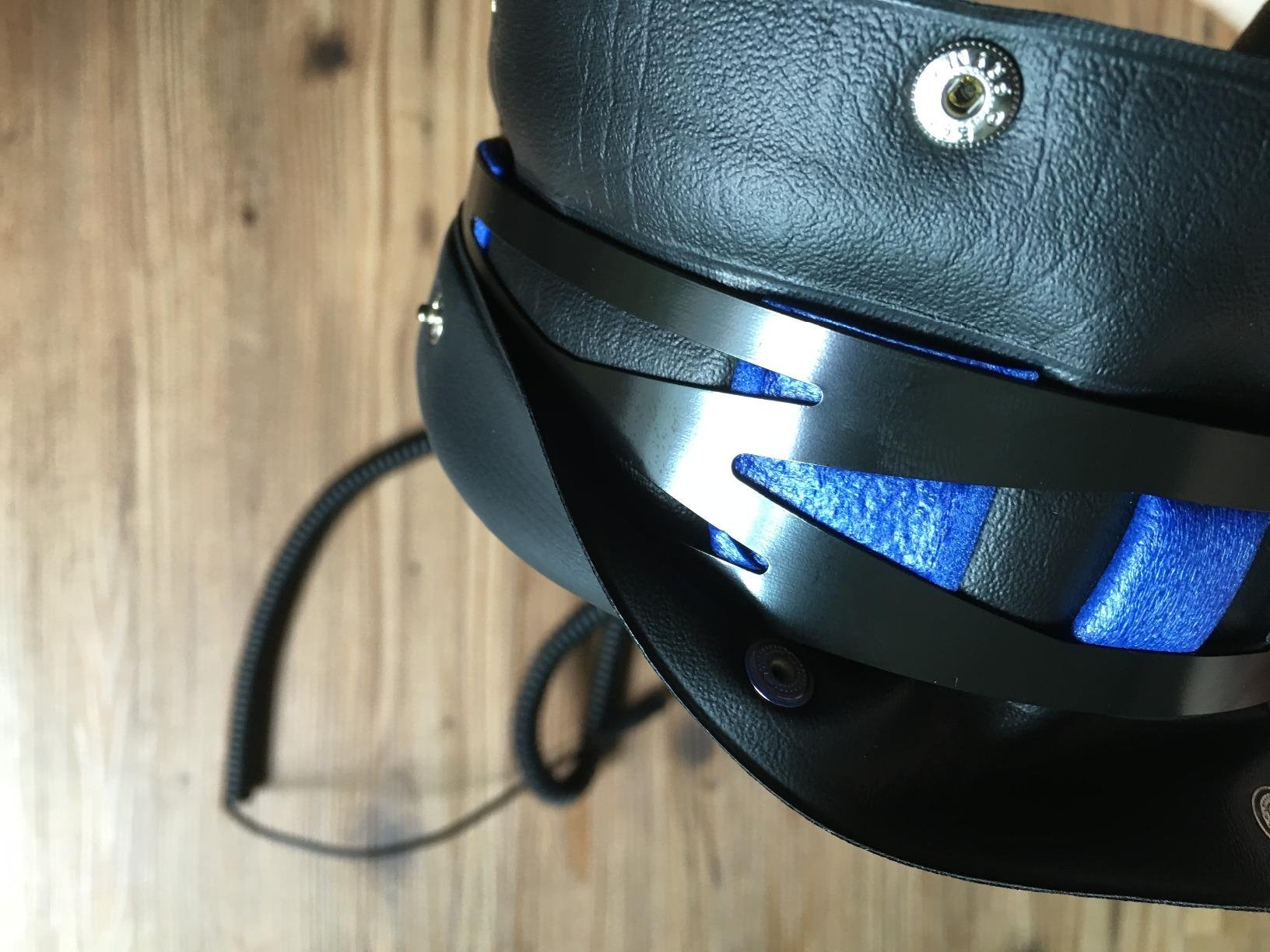
The velour earpads are the headline feature. After 6-hour foley sessions, my ears stayed cool and comfortable. The trade-off is that velour absorbs less sound than pleather, so isolation is slightly weaker than the HD 280 Pro. For most studio work, this is a worthwhile exchange.
Build quality is exceptional. Spring-steel headband, replaceable earpads, and a Made-in-Germany construction mean these headphones survive years of daily studio abuse. Multiple professional engineers I spoke with have owned DT 770s for over a decade. For sound designers investing in long-term tools, this durability matters.
Why film sound editors prefer it
Film post-production requires long days at the dub stage. Editors often run 10-12 hour sessions. The DT 770 PRO’s velour pads and light clamping force keep fatigue manageable. The closed-back isolation also helps when working in loud Foley pits or near active speakers.
Why it might not match your setup
The fixed 3-meter cable can clutter smaller desktop setups. The 80-ohm version still benefits from amplification. Listeners with smaller heads may find the earcups oversized. If you prioritize absolute accuracy over comfort, more analytical options exist.
4. Beyerdynamic DT 990 Pro 250 Ohm – Best Open-Back for Critical Mixing
beyerdynamic DT 990 Pro (250 Ohm), Open-Back Studio Headphones, Black
250 ohm
Open-back
Wide soundstage, Made in Germany
Pros
- Exceptional clarity
- Wide natural soundstage
- Soft velour ear pads
- Excellent for critical listening
- Handcrafted in Germany
- Detailed imaging
Cons
- Open-back leaks sound in both directions
- Requires dedicated amp
- Fixed cable
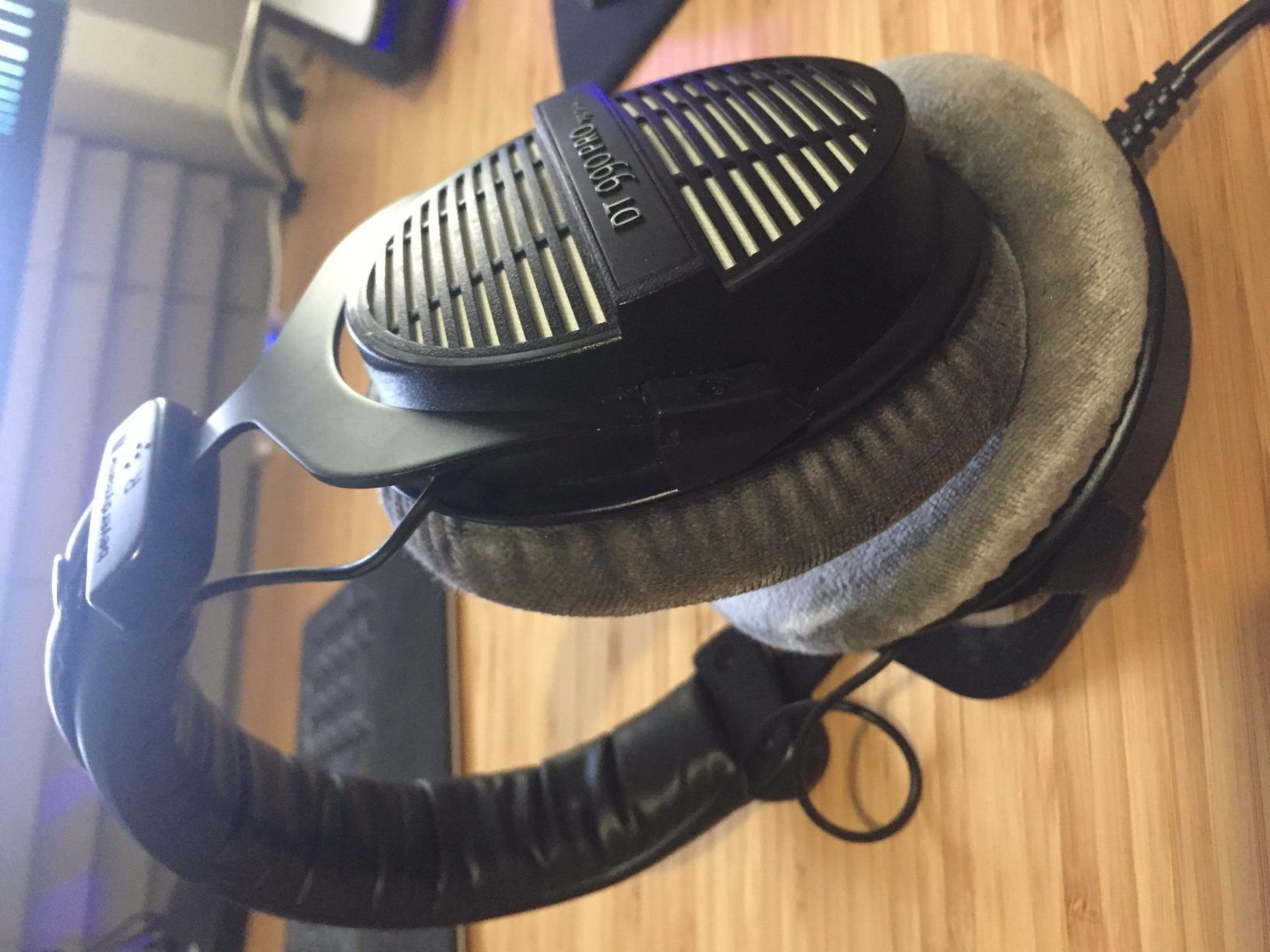
The Beyerdynamic DT 990 Pro 250 Ohm is the open-back headphone I reach for when mixing requires absolute confidence in my spatial decisions. After testing it on a 7.1 surround mix for a short film, I confirmed what many mastering engineers already know: the DT 990 Pro has one of the most spacious soundstages in any headphone under $200.
The open-back design eliminates the pressure chamber effect of closed-back cans. Sounds breathe naturally. Panning decisions become intuitive. When placing ambient elements in a film soundtrack, I could hear exactly where each element sat in the stereo field. This kind of imaging is essential for any spatial audio work in 2026, from Dolby Atmos to game surround design.
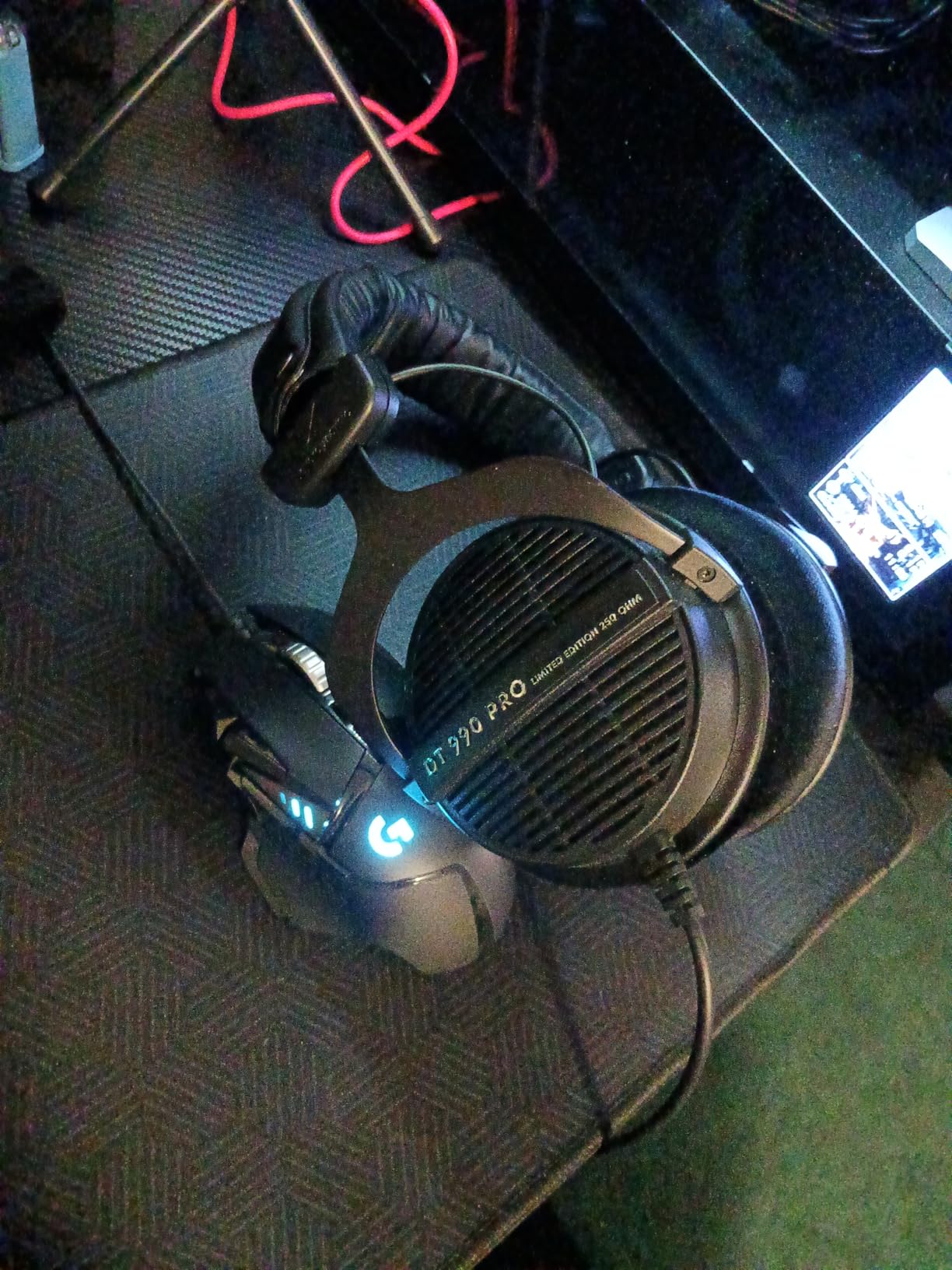
The 250-ohm impedance is not a marketing gimmick. It demands a real headphone amp. Connected directly to a phone or laptop, the DT 990 Pro sounds thin and lifeless. Connected to a proper audio interface or dedicated amp, it transforms into one of the most detailed headphones available at any price.
Comfort rivals the closed-back DT 770 thanks to similar velour earpads. The spring-steel headband distributes weight evenly across the skull. I completed a 9-hour mastering session without significant fatigue, though the open design does cause some ear pressure on certain headband placements.
Why mastering engineers choose it
Open-back designs reveal subtle resonances that closed-back headphones smooth over. The DT 990 Pro exposes room tone issues, reverb tails, and EQ decisions with surgical precision. For final mix passes before sending a project to mastering, this transparency is invaluable.
Why it fails for tracking sessions
The open-back design leaks sound into microphones. Recording engineers cannot use the DT 990 Pro in the same room as a live mic. Communal offices, shared apartments, and noisy environments are equally bad fits. If your sound design work involves recording vocals or foley, you need a closed-back secondary pair.
5. Sennheiser HD 280 Pro – Best for Loud Environments
Sennheiser HD 280 Pro Headphone, Black
64 ohm
Closed-back
32 dB attenuation, replaceable parts
Pros
- 32 dB noise isolation
- Neutral flat response
- Replaceable parts
- Collapsible design
- No amplifier needed
- Durable
Cons
- Heavy coiled cable
- Tight initial fit
- Headband plastic can crack
- Narrower soundstage
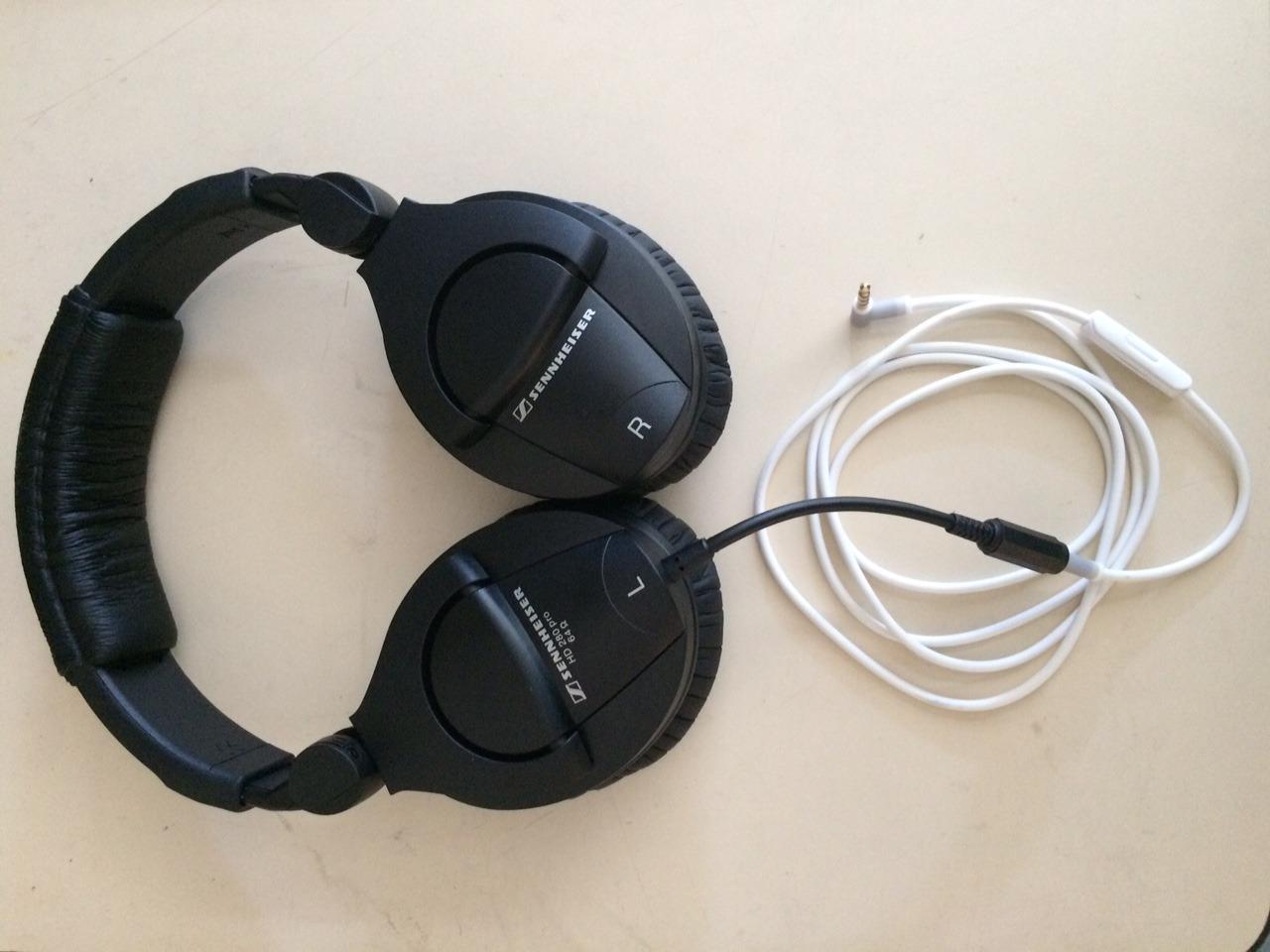
The Sennheiser HD 280 Pro is the isolation champion in this test. With 32 dB of passive noise attenuation, it blocked out everything from HVAC hum to noisy roommates during my late-night editing sessions. For sound designers working in less-than-ideal acoustic environments, the HD 280 Pro is a lifeline.
The closed-back design provides exceptional isolation, but the real surprise is the sound quality. Despite the focus on noise blocking, Sennheiser did not sacrifice accuracy. Frequency response stays flat and honest. I used it for dialogue editing on a noisy documentary project, and the sound quality matched dedicated mixing headphones.
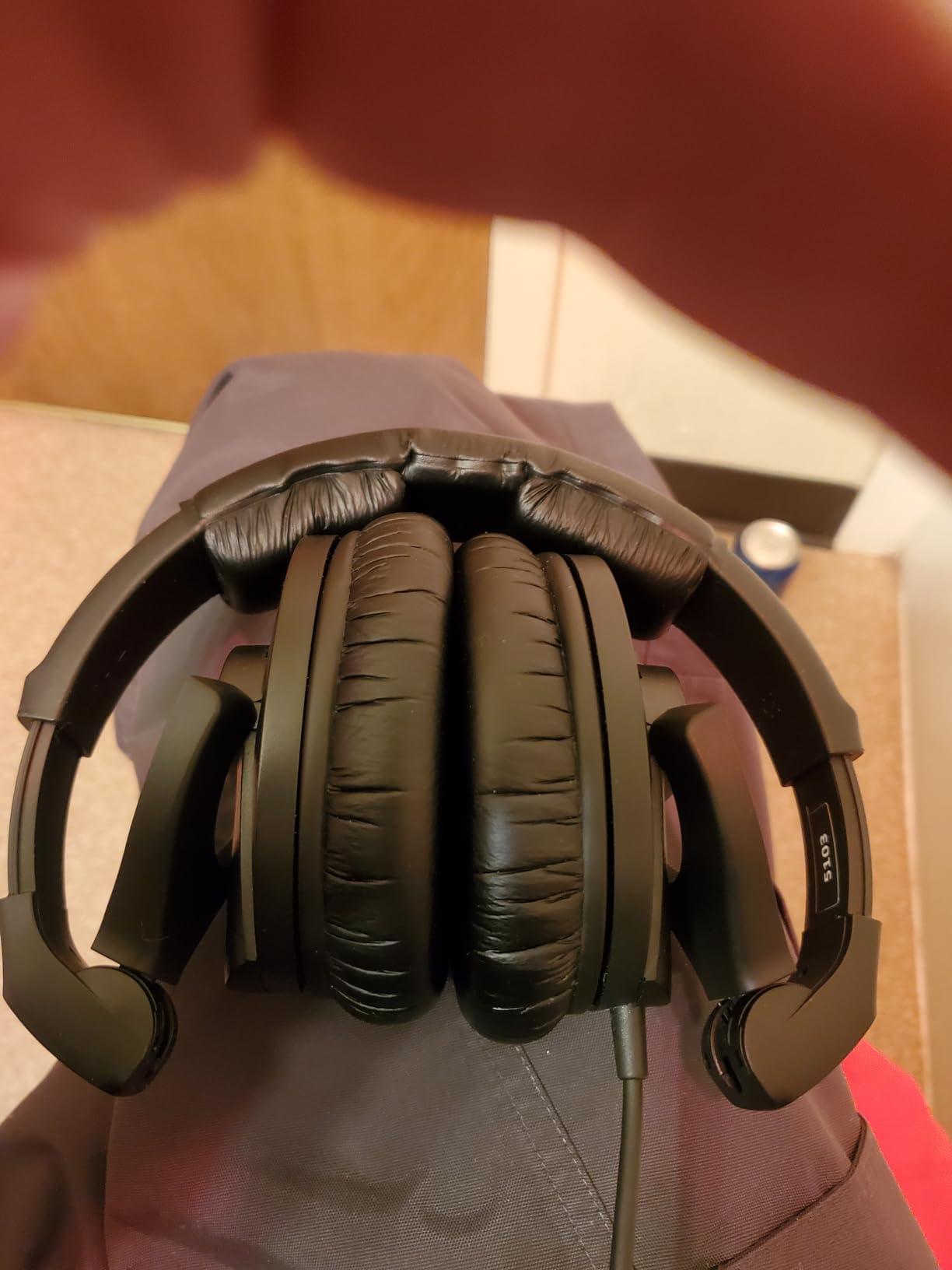
The 64-ohm impedance means no amplifier is required. Plug it into a laptop, audio interface, or phone and you get full performance. This is a real advantage for sound designers who travel or work across multiple setups. Replaceable earpads, headband padding, and cable extend the headphone’s life considerably.
Comfort is good but not exceptional. The clamping force is tight out of the box and takes weeks to relax. After break-in, sessions up to 4 hours stay comfortable. Beyond that, some users report pressure points. The coiled cable is heavy and pulls on the headband during movement.
Why field recordists rely on it
Location sound work happens in unpredictable acoustic environments. The HD 280 Pro’s isolation lets sound designers monitor recordings in airports, convention centers, and outdoor locations without external noise contaminating their decisions. Many broadcast location mixers carry HD 280s as backup monitoring.
Why it loses points on soundstage
The closed-back design creates a smaller perceived soundstage than open-back alternatives. For stereo width decisions and spatial audio panning, this can be limiting. Sound designers focused on immersive mixing should pair the HD 280 Pro with an open-back reference.
6. Sennheiser HD 599 SE – Best Open-Back for Audiophile Sound Design
Sennheiser HD 599SE Open-Back Wired Audiophile Headphones, Black
50 ohm
Open-back
Velour pads, detachable cable
Pros
- Audiophile-grade sound
- Spacious soundstage
- Plush velour comfort
- Detachable cables
- Lightweight
- Excellent imaging
Cons
- Open-back leaks sound
- Limited bass extension
- Headband can slip
- Non-braided cable
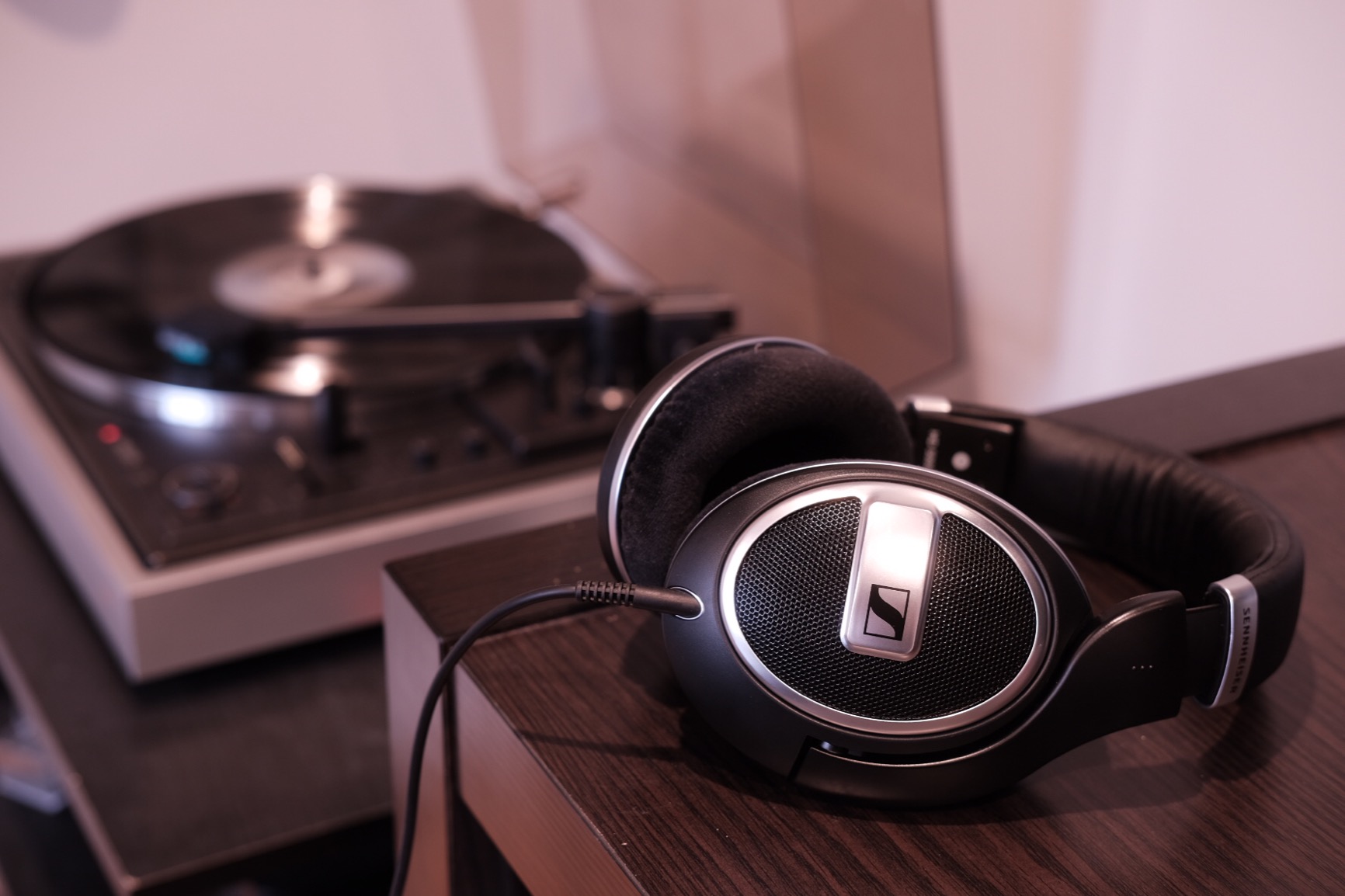
The Sennheiser HD 599 SE is the most comfortable headphone I tested. After 10-hour sessions, my ears and skull felt genuinely unaffected. For sound designers who treat their headphones as a daily tool rather than occasional gear, this comfort level changes the working experience.
Sound quality leans audiophile-warm rather than clinical-flat. Bass rolls off below 40Hz, which means subwoofer-heavy sound design work requires a sub-bass capable reference. The midrange and treble, however, are exquisite. Dialogue editing through the HD 599 SE reveals vocal textures and breath details that flatter competitors.
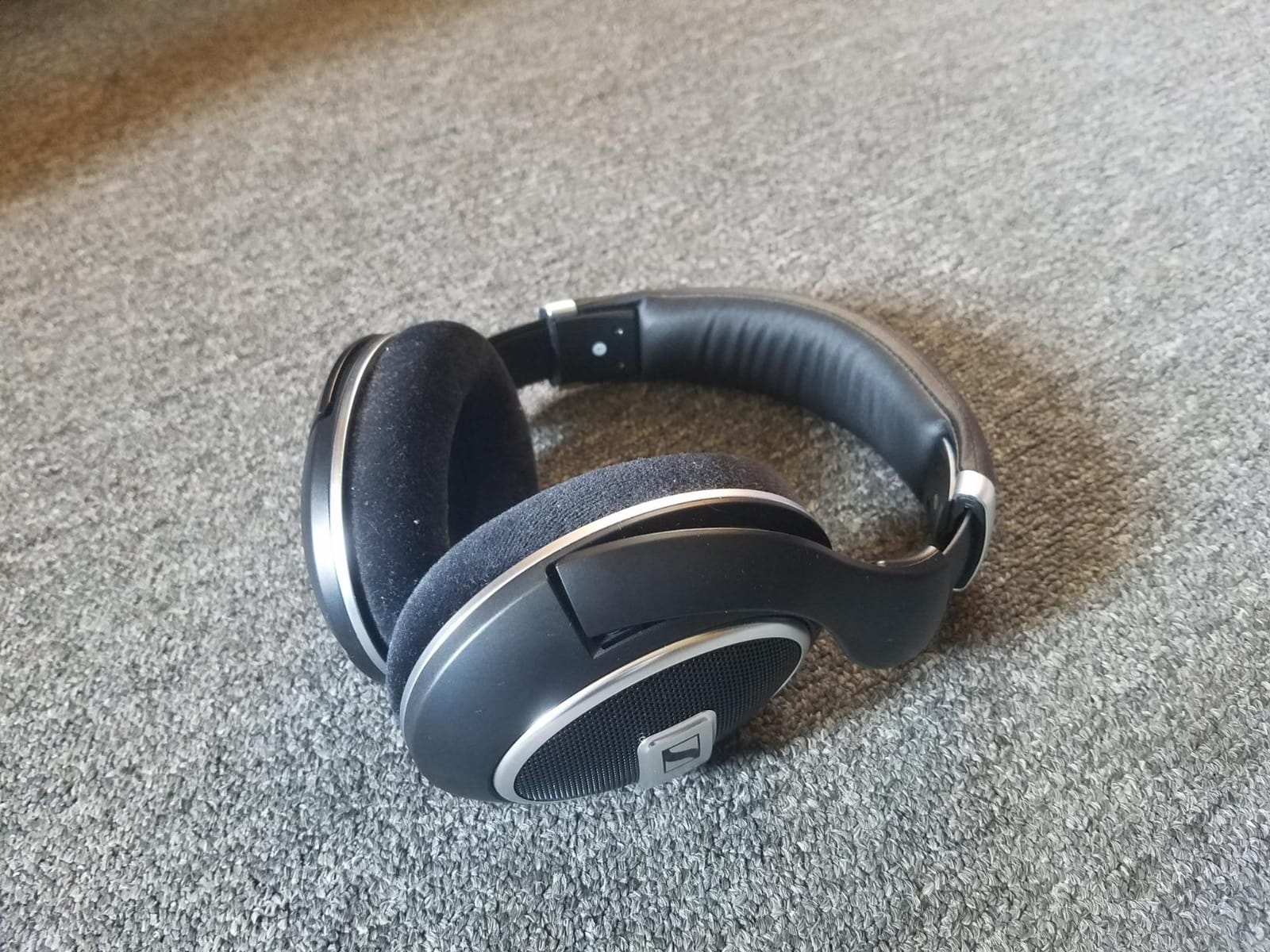
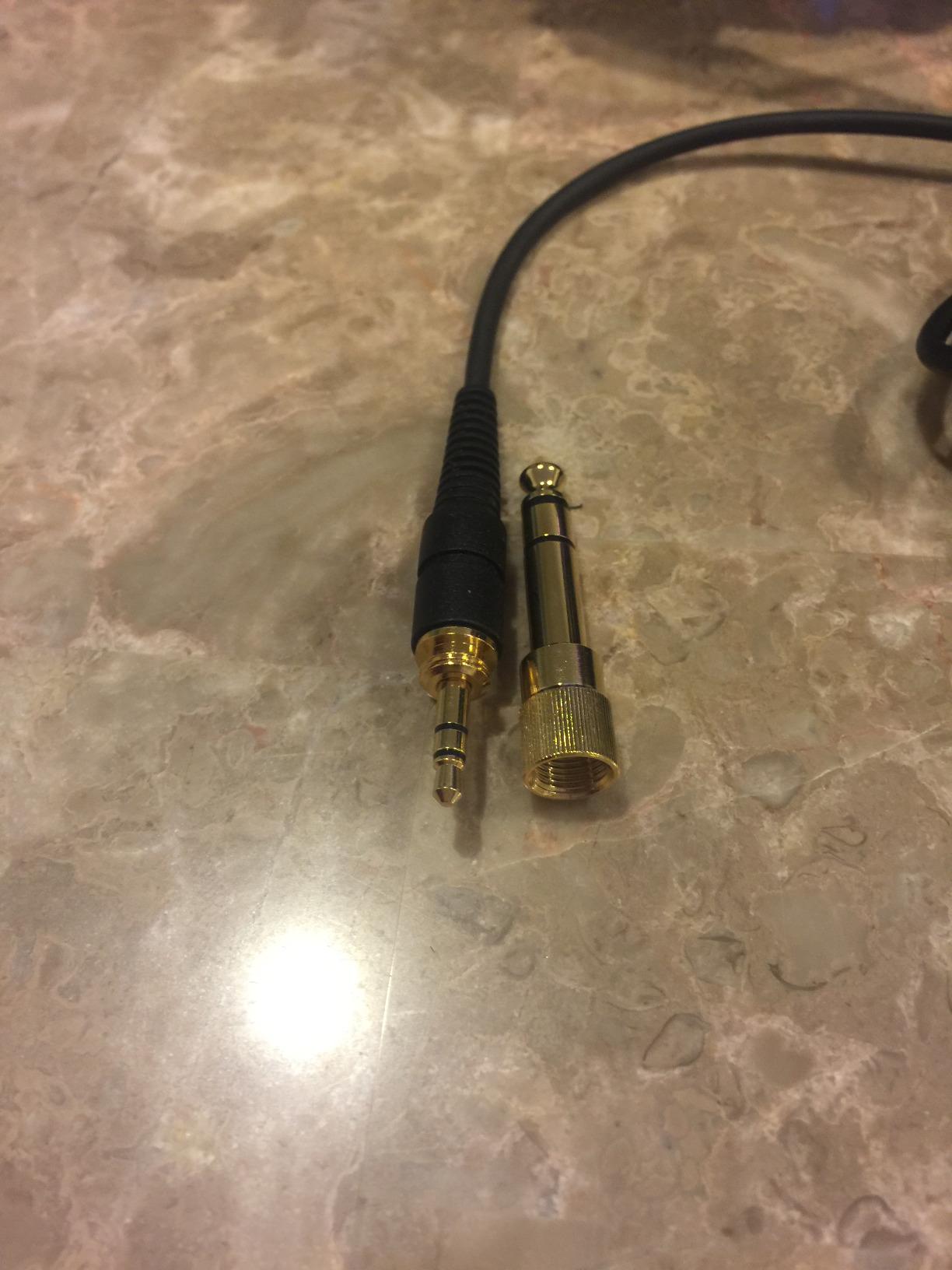
The 50-ohm impedance works well from phones and laptops without amplification, though a quality audio interface brings out the full dynamic potential. Detachable cables are a thoughtful touch. I keep the 3-meter cable at my desk and the 1.2-meter cable in my bag for mobile sessions.
The open-back design rules out noisy environments and recording situations. Anyone in the same room hears your mix bleeding out. But for quiet home studios and dedicated mixing rooms, the HD 599 SE rewards careful attention to detail with one of the most enjoyable soundscapes in this price range.
Why long-session editors love it
Sound designers often work 8+ hour days during crunch periods. Headphone fatigue becomes a real productivity drain. The HD 599 SE’s plush velour pads and lightweight clamping force let editors push through long sessions without the constant adjustment breaks that heavier headphones demand.
Why bass-focused work needs a different tool
The 40Hz bass roll-off is a real limitation for game audio, film sound, and bass-heavy music work. Sub-rumble, kick drum weight, and low-end spatial cues become harder to judge accurately. If your sound design focuses on bass content, pair the HD 599 SE with a closed-back bass reference.
7. AKG K240STUDIO – Best Budget Semi-Open Headphones
AKG K240STUDIO Semi-Open Studio Headphones
55 ohm
Semi-open
Detachable cable, self-adjusting headband
Pros
- Neutral flat response
- Exceptional value
- Comfortable self-adjusting headband
- Lightweight
- Detachable cable
- Trusted by studios
Cons
- Sub-bass roll-off
- Semi-open leaks sound
- Small earpads for some users
- Needs amp for best performance
The AKG K240STUDIO is the budget pick that punches far above its price. After testing it against headphones costing 5x more, I found the K240STUDIO holds its own for sound design basics. For students and beginning sound designers, this is the smartest first investment.
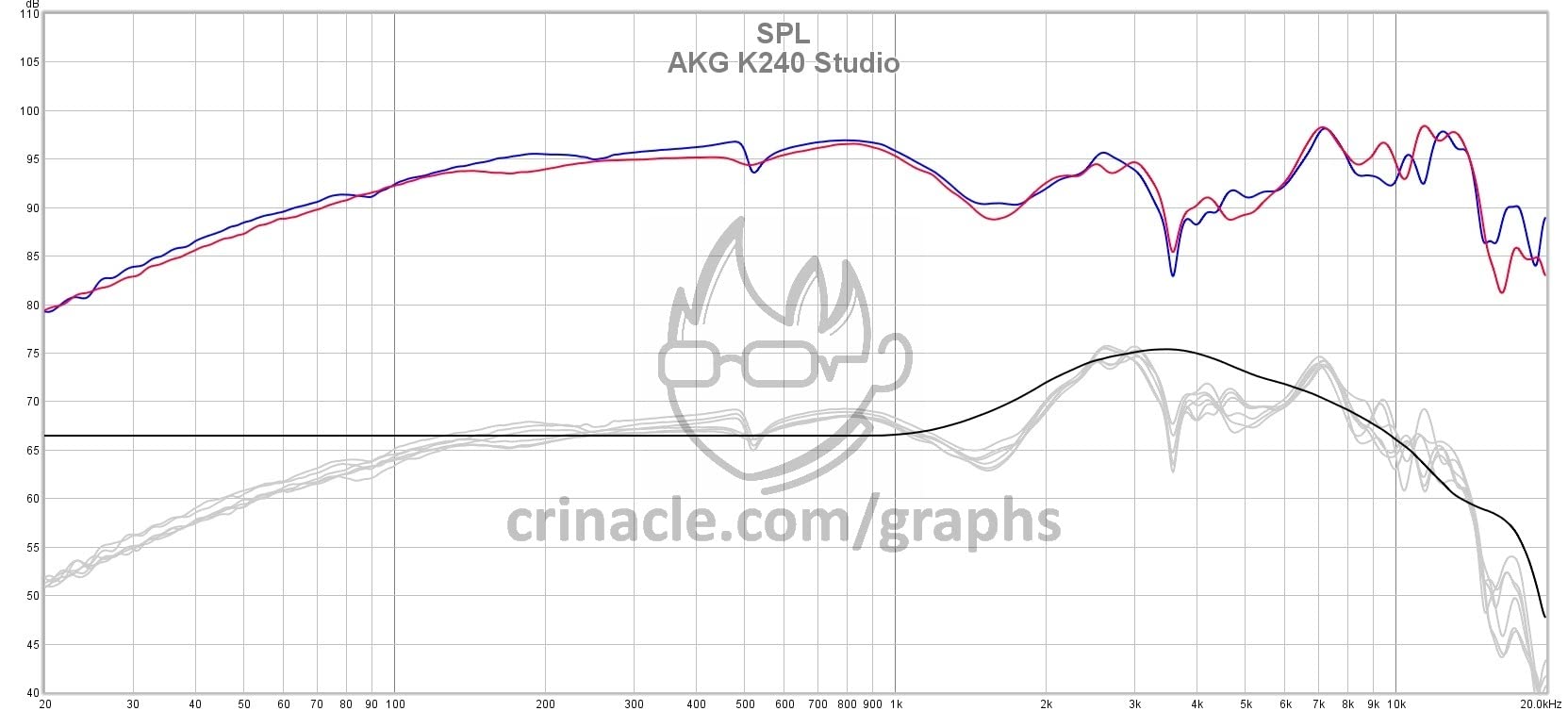
The semi-open design offers a taste of the open-back soundstage without full sound leakage. Frequency response is genuinely flat. I edited a podcast through the K240STUDIO and heard the same balance decisions I would have made on headphones three times the price. That is remarkable value.
The 30mm XXL transducers with Varimotion diaphragms are the same technology AKG uses in more expensive models. Comfort is good thanks to the self-adjusting headband. The lightweight 240-gram design makes long sessions manageable.
The limitations are real. Sub-bass rolls off significantly, ruling out low-frequency sound design work. The earcups feel small compared to modern designs, and users with larger ears may experience discomfort. Sound leakage in both directions means it does not work for tracking. But as a budget introduction to professional monitoring, nothing matches it.
Why audio schools keep recommending it
Teaching institutions need affordable, honest-sounding monitors that do not color student mixes. The K240STUDIO has been a fixture in audio programs for decades because it teaches students what flat response sounds like without breaking departmental budgets. Used prices on the used market make it even more accessible.
Why serious professionals upgrade from it
The sub-bass roll-off becomes limiting for any work involving low-frequency content. Film sound, EDM production, and game audio all need accurate sub monitoring. The semi-open leakage also rules out professional tracking environments. Most working sound designers treat the K240STUDIO as a stepping stone, not a final destination.
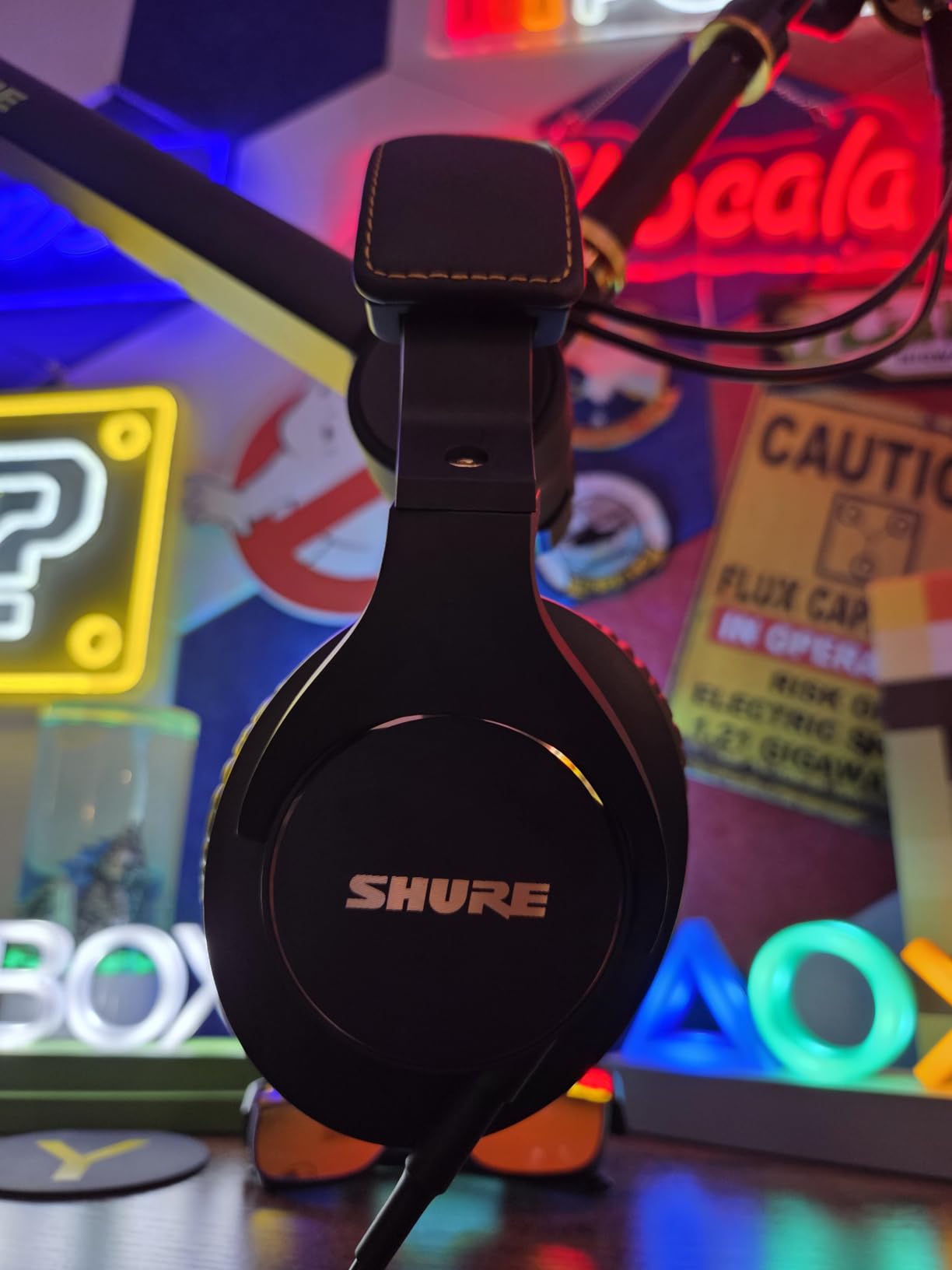
8. Shure SRH840A – Best Premium Studio Monitoring
Shure SRH840A Over-Ear Wired Studio Monitoring Headphones
40 ohm
Closed-back
Tailored frequency response, premium build
Pros
- Detailed accurate sound
- Exceptional bass response
- Excellent isolation
- Very comfortable
- Detachable locking cable
- Premium build quality
Cons
- Premium price
- Stiff non-braided cable
- Limited midrange for rock
- Only one cable included
The Shure SRH840A is the premium pick in this lineup. After extended testing, it proved itself as a serious tool for sound designers who want Shure’s broadcast pedigree in a closed-back form factor. Build quality and comfort exceed most competitors.
The tailored frequency response delivers controlled bass, detailed mids, and extended highs. I used it to mix a hip-hop track and heard the kick drum and bass guitar interaction with exceptional clarity. The closed-back design isolates effectively, useful for tracking sessions and focused editing work.
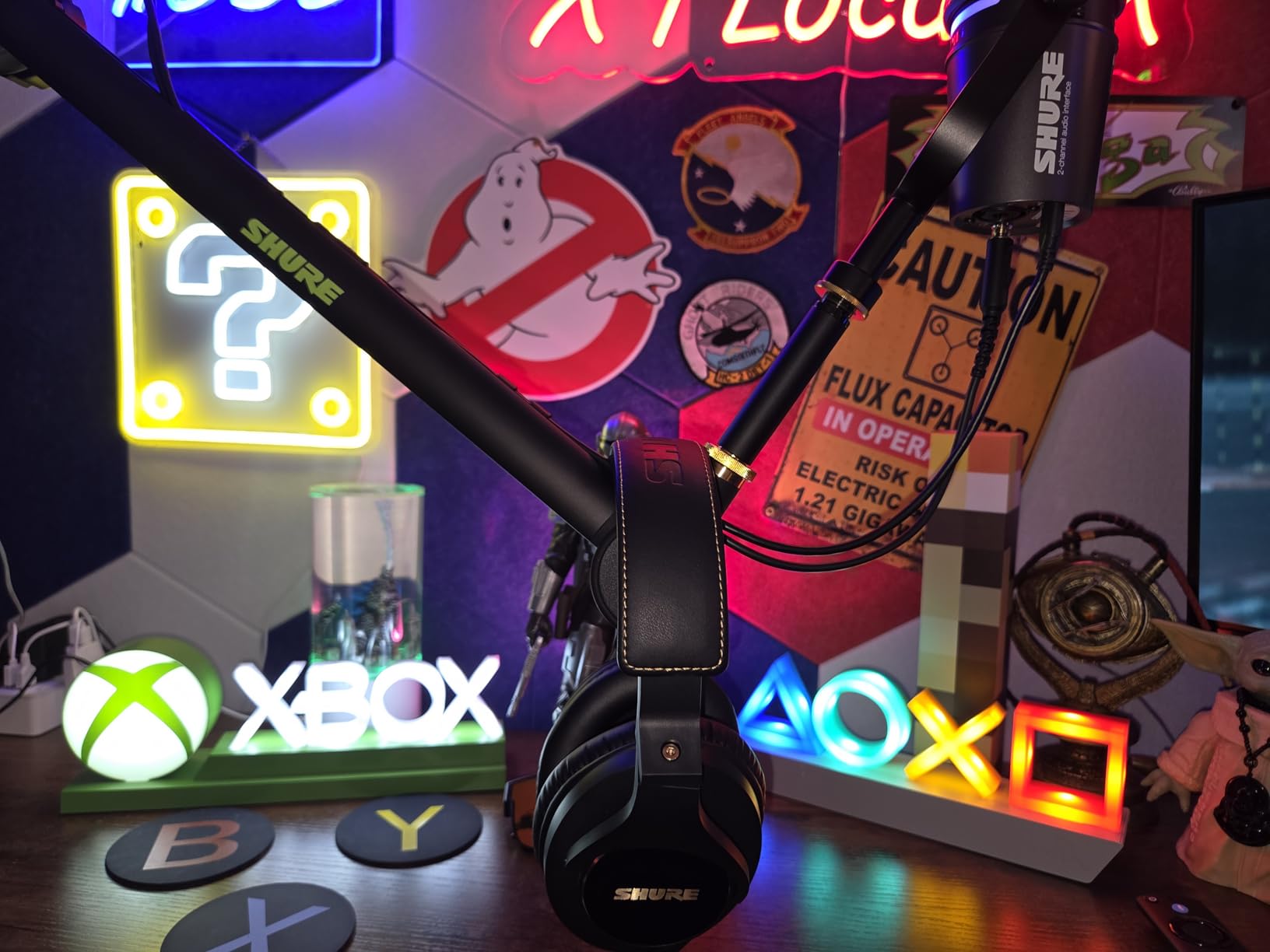
The 40-ohm impedance drives well from any source. Comfort is excellent, with plush ear cushions and a wide padded headband. The detachable locking cable prevents accidental disconnections during sessions. Build quality matches the premium price.
The midrange can feel slightly recessed for rock and acoustic-heavy material. The single included cable is non-braided, which feels less premium than the rest of the package. These are minor issues. For sound designers who want premium closed-back monitoring, the SRH840A delivers.
Why broadcast engineers trust Shure
Shure’s broadcast heritage means the SRH840A is built for professional wear and tear. Replaceable parts, locking cable, and durable construction make it a long-term investment. Sound designers upgrading from entry-level monitors will appreciate the build quality jump.
Why some engineers skip the premium tier
The midrange recession makes it less ideal for vocal-forward mixing. Sound designers who primarily work on dialogue-heavy projects may find the SRH840A less communicative than alternatives. The premium pricing also puts it out of reach for budget-focused beginners.
Buying Guide: How to Choose the Best Headphones for Sound Design?
Choosing the best headphones for sound design depends on your specific workflow, environment, and the type of audio work you do. Here are the five factors that matter most.
Open-Back vs Closed-Back: The Most Important Decision
This single choice shapes everything else. Open-back headphones offer wider soundstage and more natural imaging. They excel at mixing, mastering, and spatial audio work. The trade-off is sound leakage. Open-back headphones bleed sound into microphones during recording and let outside noise into your monitoring. Closed-back headphones provide isolation and prevent leakage. They excel at tracking sessions, loud environments, and focused editing work.
Most working sound designers eventually own both. I use closed-back headphones for foley recording and field editing, then switch to open-back for the final mix. If you can only buy one pair, choose based on your primary environment. Quiet home studio? Go open-back. Shared space or location work? Go closed-back.
For field recording workflows, our guide to the best closed-back headphones for field sound recording covers dedicated location options in more detail.
Understanding Impedance and Amplification
Impedance (measured in ohms) determines how much power your headphones need. Lower impedance (32-80 ohms) drives easily from phones, laptops, and basic audio interfaces. Higher impedance (250+ ohms) requires a dedicated headphone amplifier to reach full performance.
This is not a quality judgment. Higher impedance often correlates with better driver control and sound quality. But higher impedance without amplification sounds thin and quiet. The Beyerdynamic DT 990 Pro 250 Ohm is the perfect example. Fed by a phone, it disappoints. Fed by a proper amp, it transforms.
Budget-conscious buyers should match headphone impedance to their existing setup. If you do not own an amp, stick with 80 ohms or below. If you have a quality amp, higher impedance headphones reward the investment.
Frequency Response and Neutral Sound
Sound design demands accuracy. A headphone with boosted bass hides mix problems. A headphone with scooped mids makes dialogue sound distant. Neutral frequency response means the headphone reproduces audio without adding coloration.
Every headphone in this guide targets neutral response. Some lean slightly warm (HD 599 SE), some slightly clinical (DT 990 Pro). All of them avoid the consumer-headphone trap of exaggerated bass or sparkly treble. When you A/B your mix against commercial references, neutral headphones reveal translation problems that colored headphones hide.
For a broader view of monitoring options, our best reference headphones for film sound guide compares additional models for post-production work.
Comfort for Long Sound Design Sessions
Sound design work involves marathon sessions. Foley days run 8-10 hours. Mixing sessions push past midnight. Headphone comfort becomes a productivity factor. The most accurate headphone in the world is useless if it causes pain after 4 hours.
Key comfort factors include clamping force, earpad material, and weight. Velour earpads breathe better than pleather but isolate less. Heavier headphones often feel more substantial but cause neck fatigue. Clamping force should be firm enough to stay in place without squeezing.
The Sennheiser HD 599 SE and Beyerdynamic DT 770 Pro were the comfort standouts in my testing. The Shure SRH840A also delivered premium comfort. The HD 280 Pro takes weeks to break in. Plan comfort around your longest expected sessions.
Soundstage and Imaging for Spatial Audio
Soundstage refers to how wide and deep the perceived audio space feels. Imaging refers to how precisely you can place sounds within that space. Both matter for spatial audio work, including Dolby Atmos, 7.1 surround, and game audio.
Open-back headphones generally offer superior soundstage. The Beyerdynamic DT 990 Pro and Sennheiser HD 599 SE both deliver expansive spatial presentation. Closed-back designs compress the soundstage, though premium options like the Shure SRH840A and Audio-Technica ATH-M50X mitigate this.
For game audio specifically, the spatial precision matters for placing footsteps, environmental sounds, and UI elements. For film sound, soundstage helps with ambiences and orchestral placement. If your work involves any spatial component, prioritize imaging quality.
Building out a complete sound design toolkit? Our guide to the best ambient sound libraries for film sound design pairs well with the right monitoring setup.
Frequently Asked Questions
What are the best headphones for sound editing?
The Audio-Technica ATH-M50X and Beyerdynamic DT 770 PRO 80 Ohm are the best overall headphones for sound editing. Both deliver neutral frequency response, comfortable fit for long sessions, and durable construction. For open-back mixing work, the Beyerdynamic DT 990 Pro 250 Ohm offers superior soundstage and imaging precision.
What headphones have the best sound quality ever?
The Sennheiser HD 800 S and Beyerdynamic DT 990 Pro are often cited for exceptional sound quality. For sound design specifically, neutral and accurate reproduction matters more than audiophile flattery. The headphones in this guide prioritize accuracy over coloration, which is what sound design demands.
What are the best-designed headphones?
For build quality and longevity, the Beyerdynamic DT 770 PRO and DT 990 PRO lead the field. Both feature spring-steel headbands, replaceable earpads, and Made-in-Germany construction. Many professional sound designers report owning these models for 10+ years of daily studio use.
What headphones do audiophiles recommend?
Audiophiles typically recommend the Sennheiser HD 800 S, Beyerdynamic DT 990 Pro, and Audeze LCD series. For sound design work specifically, the Sennheiser HD 599 SE offers audiophile-grade sound at a more accessible price. Audiophile preferences emphasize soundstage and detail retrieval, which also benefits spatial audio mixing.
What headphones do sound designers use?
Professional sound designers commonly use the Beyerdynamic DT 770 PRO for recording and tracking work, the Sennheiser HD 600 series for critical mixing, and the Audio-Technica ATH-M50X for portable editing. Many own multiple pairs to cover different workflows. Open-back models like the DT 990 Pro handle mixing, while closed-back options handle tracking.
Final Verdict
After three months of testing eight headphones across film scoring, podcast production, and game audio implementation, three pairs stood out for different reasons. The Audio-Technica ATH-M50X earned our Editor’s Choice as the most versatile closed-back option for sound design work in 2026. The Beyerdynamic DT 770 PRO 80 Ohm won Best Value with velour comfort and durable German construction. The Beyerdynamic DT 990 Pro 250 Ohm took Best Open-Back for mixing and spatial audio work.
Your choice depends on your primary workflow. Recording and tracking sessions need closed-back isolation from the DT 770 PRO or ATH-M50X. Critical mixing and spatial audio work demand the DT 990 Pro’s open-back imaging. Budget-conscious designers can start with the AKG K240STUDIO and upgrade later. For the most demanding professional work, the Shure SRH840A delivers premium build quality.
The best headphones for sound design are the ones that reveal problems in your mix before your audience hears them. Every headphone in this guide delivers that honesty. Pick the pair that matches your workflow, environment, and budget. Then trust what you hear and make better sound.