
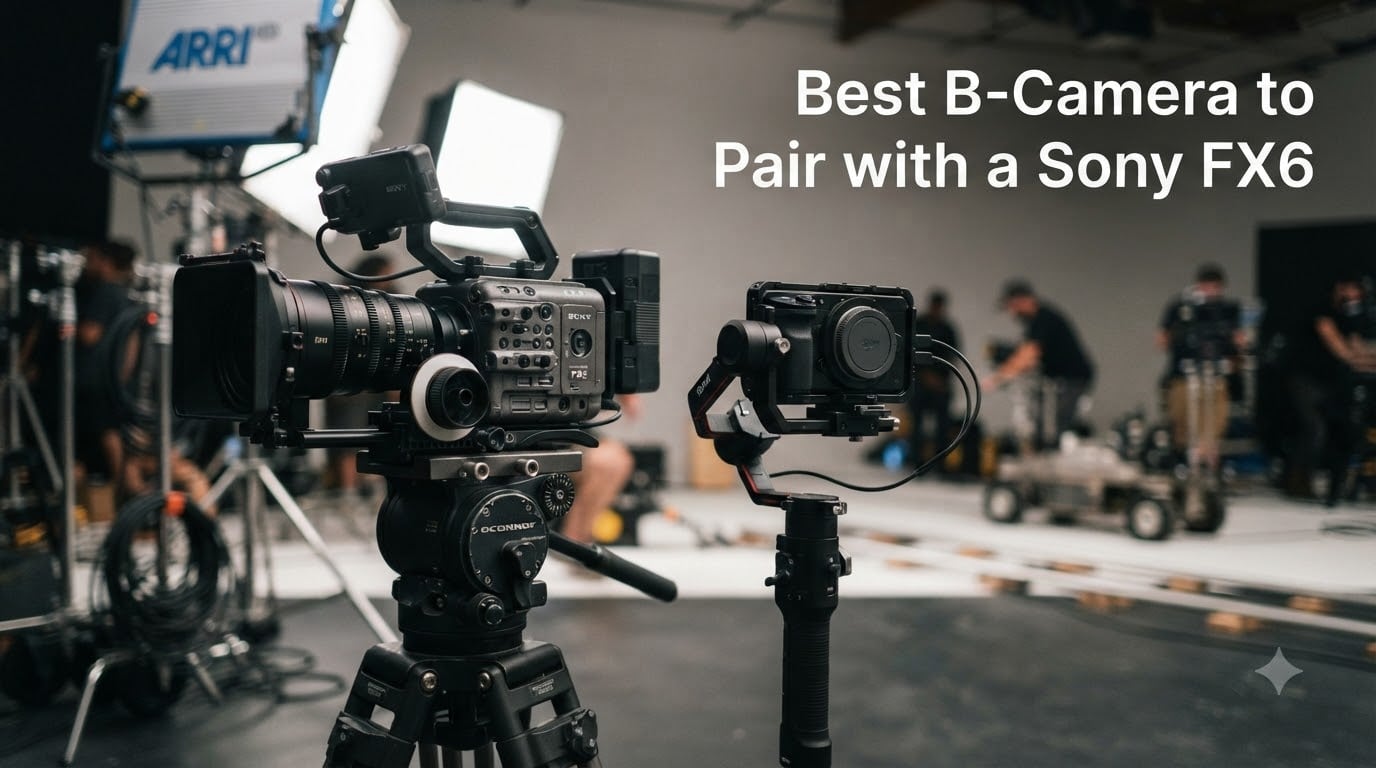
The Sony FX6 is a phenomenal cinema camera. Its full-frame sensor, dual base ISO, internal ND filters, and S-Cinetone color science make it one of the most versatile A-cameras you can own in 2026. But no filmmaker operates alone forever. Eventually, you need a second angle for interviews, a crash cam for action shots, or a lightweight rig for gimbal work. That is where a B-camera comes in.
Finding the best B-camera to pair with a Sony FX6 is harder than it sounds. You want matching color science so the two feeds blend seamlessly in DaVinci Resolve or Premiere Pro. You want compatible codecs so your editor does not fight with mixed frame rates and bit depths. And you want a price that does not force you to sell your lens kit.
Our team spent weeks comparing 10 cameras across Sony, Blackmagic, Panasonic, and Canon to see how each one holds up alongside the FX6. We graded footage side by side, tested timecode sync, and paid close attention to real feedback from DPs on Reddit, DPReview, and production sets. Below is what we found, starting with our top three picks and moving into a full breakdown of each option.
Table of Contents
- Top 3 Picks for Best B-Camera to Pair with a Sony FX6 for October 2026
- B-Camera Options for the Sony FX6 in October 2026
- 1. Sony FX3 – The Near-Perfect FX6 Twin
- 2. Sony FX30 – Best Value Cinema Match
- 3. Sony a7S III – The Low-Light B-Camera Legend
- 4. Sony a7 IV – Best Hybrid Stills and Video B-Camera
- 5. Sony a6700 – Best Budget APS-C B-Camera
- 6. Blackmagic Pocket 6K G2 – Best Cinema-Grade B-Camera
- 7. Blackmagic Pocket 4K – Most Affordable Cinema B-Camera
- 8. Panasonic LUMIX S5II – Best V-Log Full-Frame B-Camera
- 9. Canon EOS R6 Mark II – Best Autofocus B-Camera
- 10. Canon EOS R5 – Premium 8K B-Camera
- How to Choose the Best B-Camera to Pair with a Sony FX6?
- Frequently Asked Questions
- Final Verdict: Our Top B-Camera Picks for the FX6
Top 3 Picks for Best B-Camera to Pair with a Sony FX6 for October 2026

These three Sony cameras share the same S-Cinetone and S-Log3 color science as the FX6, which makes them the easiest picks to cut together. The FX3 is a near-perfect twin, the FX30 gives you 90 percent of that match for less than half the cost, and the a7S III remains the low-light champion for documentary shooters who need a hybrid form factor.
B-Camera Options for the Sony FX6 in October 2026
| Product | Specs | Action |
|---|---|---|
| Sony FX3 Cinema Line |
|
Check Latest Price |
 Sony FX30 Super 35 Sony FX30 Super 35 |
|
Check Latest Price |
 Sony a7S III Sony a7S III |
|
Check Latest Price |
 Sony a7 IV Sony a7 IV |
|
Check Latest Price |
 Sony a6700 Sony a6700 |
|
Check Latest Price |
 Blackmagic Pocket 6K G2 Blackmagic Pocket 6K G2 |
|
Check Latest Price |
 Blackmagic Pocket 4K Blackmagic Pocket 4K |
|
Check Latest Price |
 Panasonic LUMIX S5II Panasonic LUMIX S5II |
|
Check Latest Price |
 Canon EOS R6 Mark II Canon EOS R6 Mark II |
|
Check Latest Price |
 Canon EOS R5 Canon EOS R5 |
|
Check Latest Price |
1. Sony FX3 – The Near-Perfect FX6 Twin
Sony Alpha FX3 ILME-FX3 | Full-frame Cinema Line Camera
Full-frame 10.2MP
4K 120p 10-bit
S-Cinetone
15+ stop DR
627-point AF
Pros
- Identical sensor and color science to FX6
- Compact cage-free cinema body
- Industry-leading low-light performance
- Internal 4K 120p 10-bit
- XLR handle included
- Cooling fan for unlimited recording
Cons
- No built-in ND filters
- Only 10.2MP for stills
- Expensive for a B-camera
I have run the FX3 alongside the FX6 on multiple commercial shoots, and the footage intercuts so cleanly that my colorist sometimes cannot tell which camera shot which clip. Both cameras share the same full-frame 10.2MP sensor, the same S-Cinetone profile, and the same BIONZ XR processing pipeline. That means S-Log3 and S-Gamut3.Cine line up perfectly without manual correction.
The FX3 also brings practical advantages as a B-camera. It weighs just 1.5 kg with the XLR handle attached, which makes it easy to throw on a Ronin or DJI gimbal for moving shots. The active cooling fan means you can record 4K 60p indefinitely without heat warnings, something that matters on long interview days or event coverage.
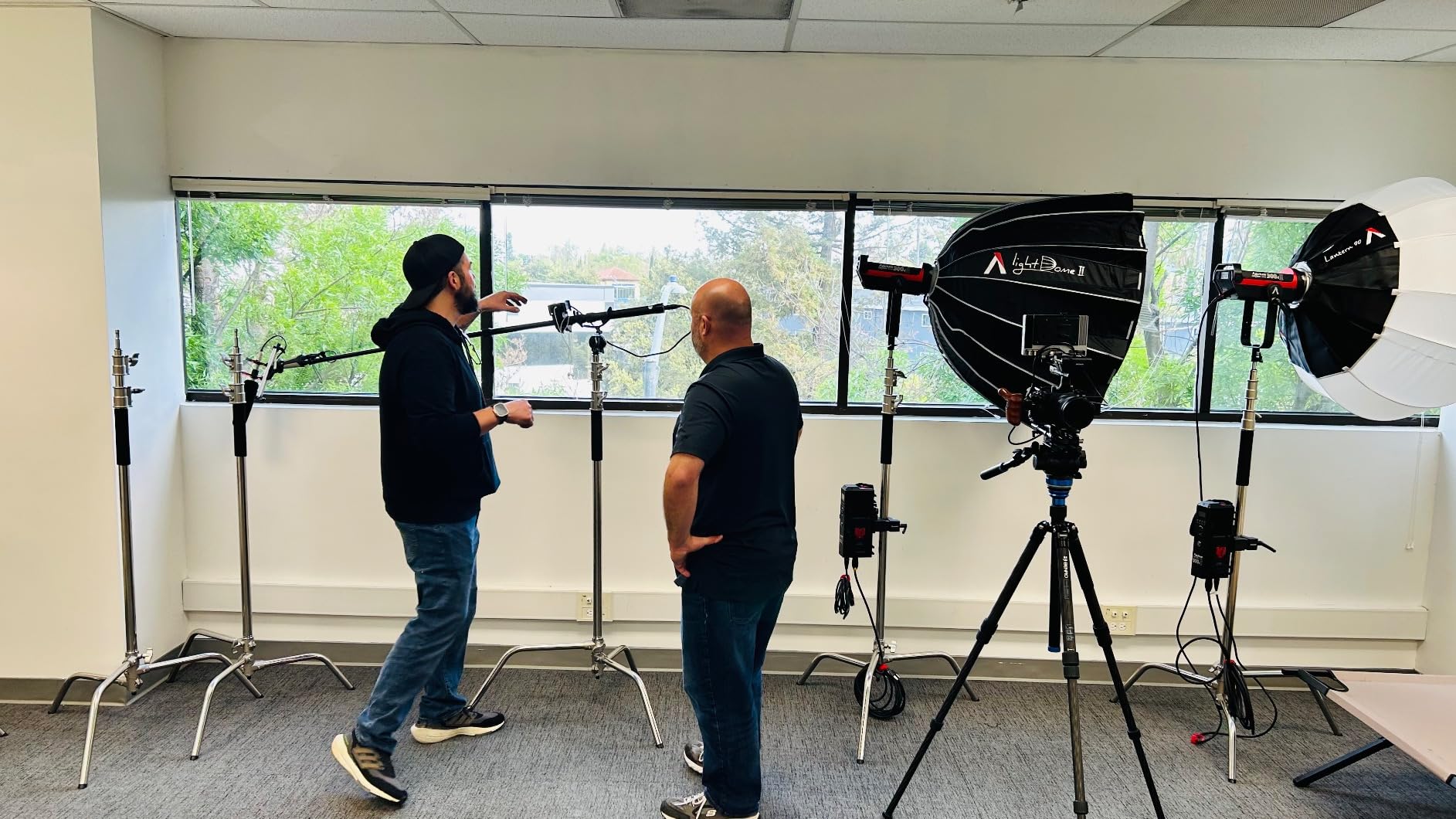
Where the FX3 falls short is built-in ND filters. The FX6 has electronic variable NDs built in, but on the FX3 you are dealing with a matte box or step-up rings. On a B-camera this is less of a dealbreaker because you typically lock exposure and leave it, but it is something to plan for in your rig.
The other consideration is price. At roughly the same level as the FX6 body, the FX3 is an investment. But if your work demands pixel-perfect color matching with zero post-production guesswork, nothing else in this lineup comes closer.
Best Use Case for the FX3 as a B-Camera
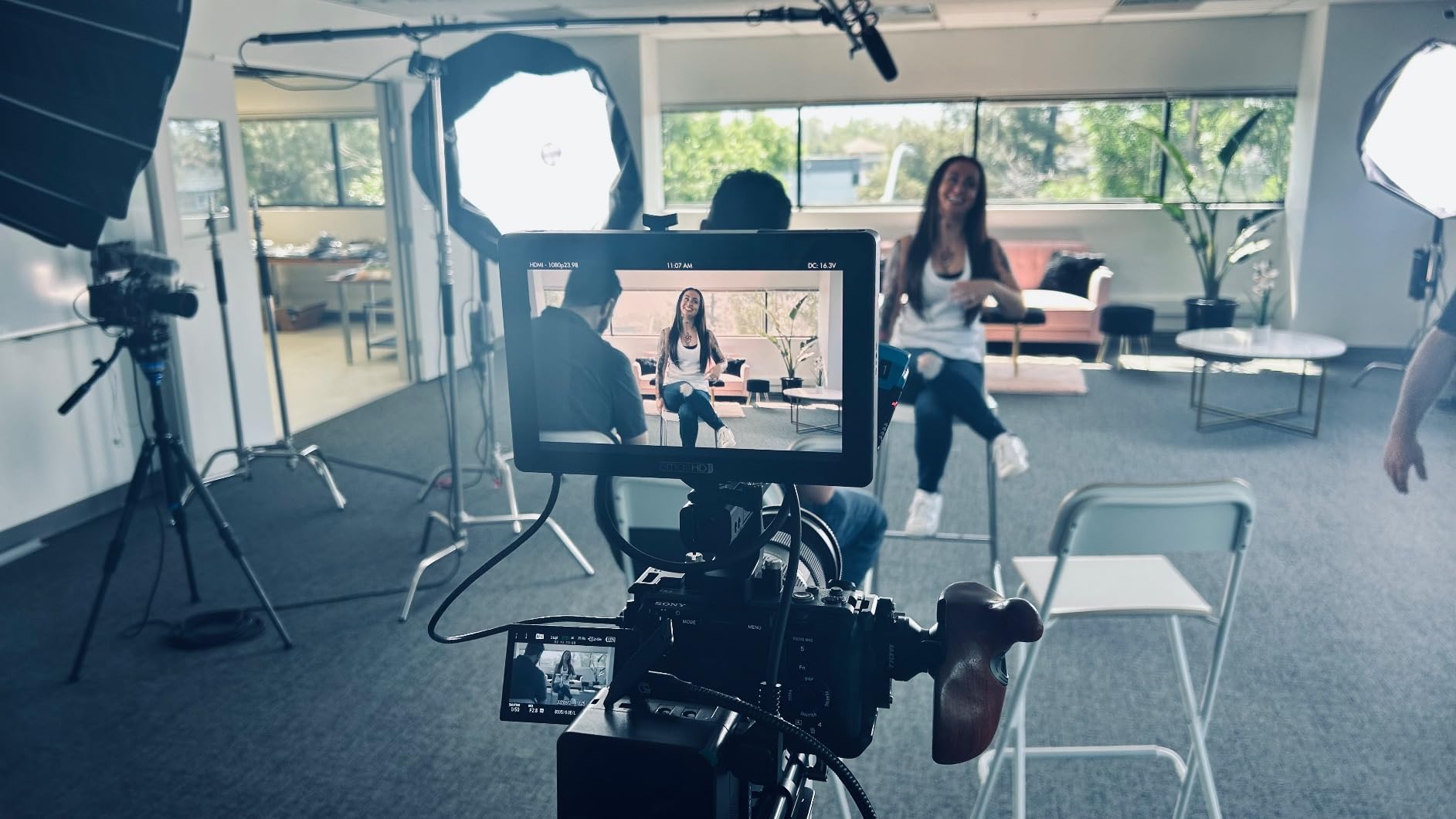
The FX3 shines on narrative and commercial sets where the FX6 is your locked-off A-camera and you need a second angle that grades identically. It is also the gimbal camera of choice when you want the same look handheld without switching lenses or rebalancing.
If you shoot branded content, music videos, or short films where every frame needs to match, the FX3 removes the guesswork from your color pipeline.
Who Should Skip the FX3
If you mostly shoot run-and-gun documentaries or corporate interviews where a slight color difference is acceptable, the FX30 gives you 90 percent of the match for less than half the cost. The FX3 is overkill for backup-only duty.
Photographers should also look elsewhere. The 10.2MP sensor is fine for video reference stills but not for client deliverables.
2. Sony FX30 – Best Value Cinema Match
SONY Cinema Line FX30 Super 35 Camera, Gray
Super 35 20.1MP
4K 120p 10-bit
S-Cinetone
Dual Base ISO
14+ stop DR
Pros
- Same S-Cinetone color science as FX6
- Dual Base ISO for clean low-light
- Cine EI Log shooting modes
- User LUT support for monitoring
- Compact and lightweight
- Excellent value
Cons
- APS-C crop factor with full-frame lenses
- No built-in ND
- Smaller sensor than full-frame options
- Rolling shutter at high frame rates
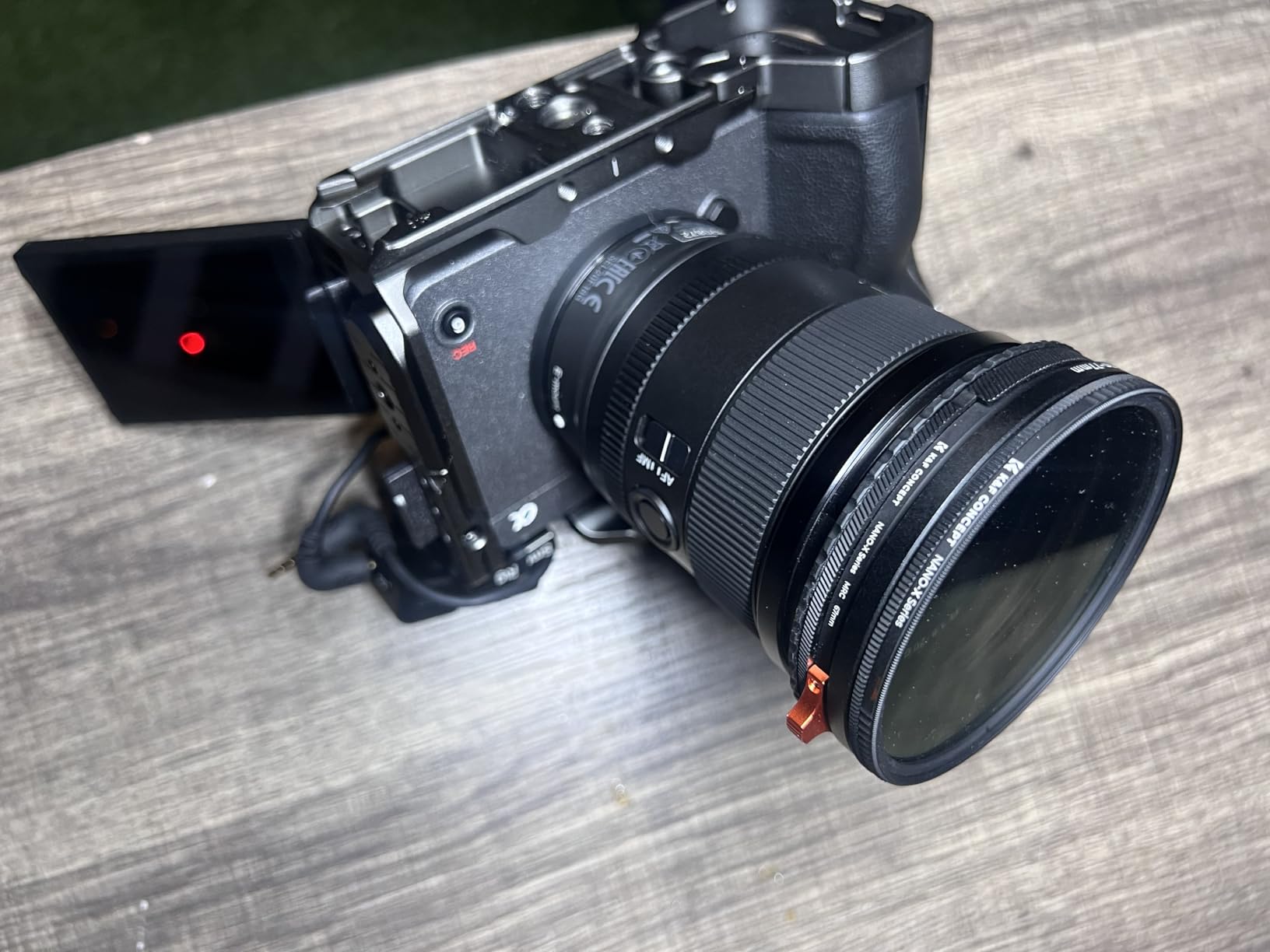
When I first tested the FX30 next to an FX6, I expected a noticeable quality gap. What I found instead was a camera that shares the same Cinema Line DNA, the same S-Cinetone profile, and the same Cine EI shooting modes as its bigger sibling. On a Super 35 sensor you get a 1.5x crop, but the color science match is essentially flawless.
The FX30 is the camera I recommend most often when someone asks for the best B-camera to pair with a Sony FX6 on a budget. You get Dual Base ISO for clean shadows, 4K 120p for slow motion, and the same CFexpress Type A media as the FX6, which means one card pool across both cameras.
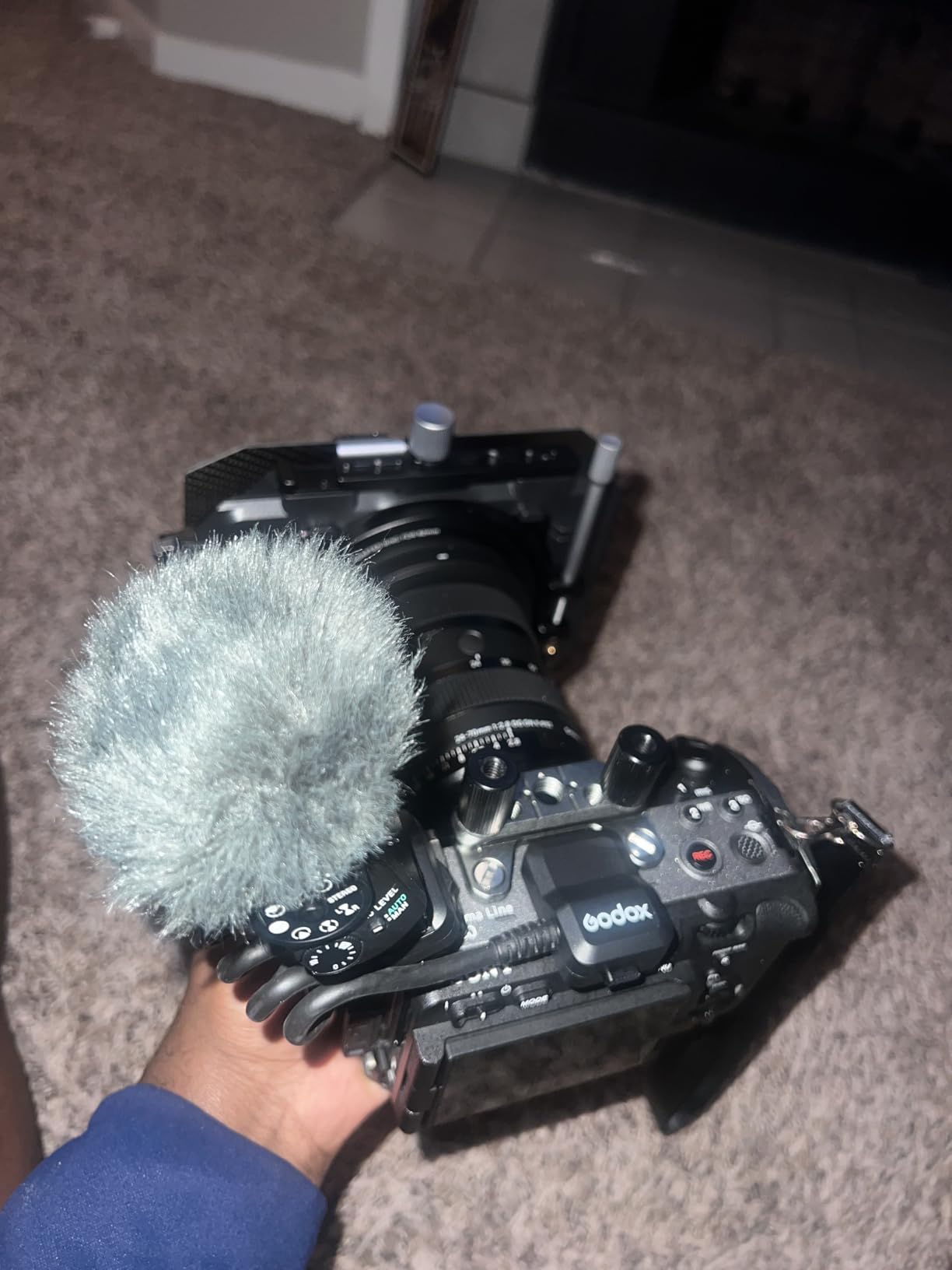
The crop factor is the main trade-off. A 35mm lens becomes roughly a 52mm equivalent, which changes your framing math. If you already own full-frame Sony glass, you can still use it in Super 35 mode, but you lose the wide end.
Rolling shutter is also more pronounced at high frame rates. For most interview and B-roll work this is a non-issue, but fast whip pans in 4K 120p can show skew. Plan your shots accordingly.
Best Use Case for the FX30 as a B-Camera
The FX30 is ideal for documentary and corporate video work where you need a tight second angle without breaking the bank. It also works well as a crash cam or locked-off wide shot where the FX6 handles the close-up work.
If you shoot events or weddings and need a reliable backup that matches your FX6 footage, the FX30 is the smartest money you can spend.
Who Should Skip the FX30
If shallow depth of field is critical to your look, the Super 35 sensor will not give you the same subject isolation as a full-frame option. Consider the FX3 or a7S III instead.
shooters who need built-in ND filters for fast-changing light should also look at the FX6 as a second body rather than adding the FX30.
3. Sony a7S III – The Low-Light B-Camera Legend
Sony Alpha a7S III Full-Frame Mirrorless Camera Body Black
Full-frame 12.1MP
ISO 409600
4K 120p 10-bit
S-Cinetone
759-point AF
5-axis IBIS
Pros
- Legendary low-light performance
- S-Cinetone matches FX6 perfectly
- 4K 120p 10-bit internal
- 5-axis in-body stabilization
- 759-point autofocus
- Dual CFexpress Type A slots
Cons
- Only 12.1MP for stills
- Rolling shutter in some modes
- Expensive for hybrid use
- No built-in ND
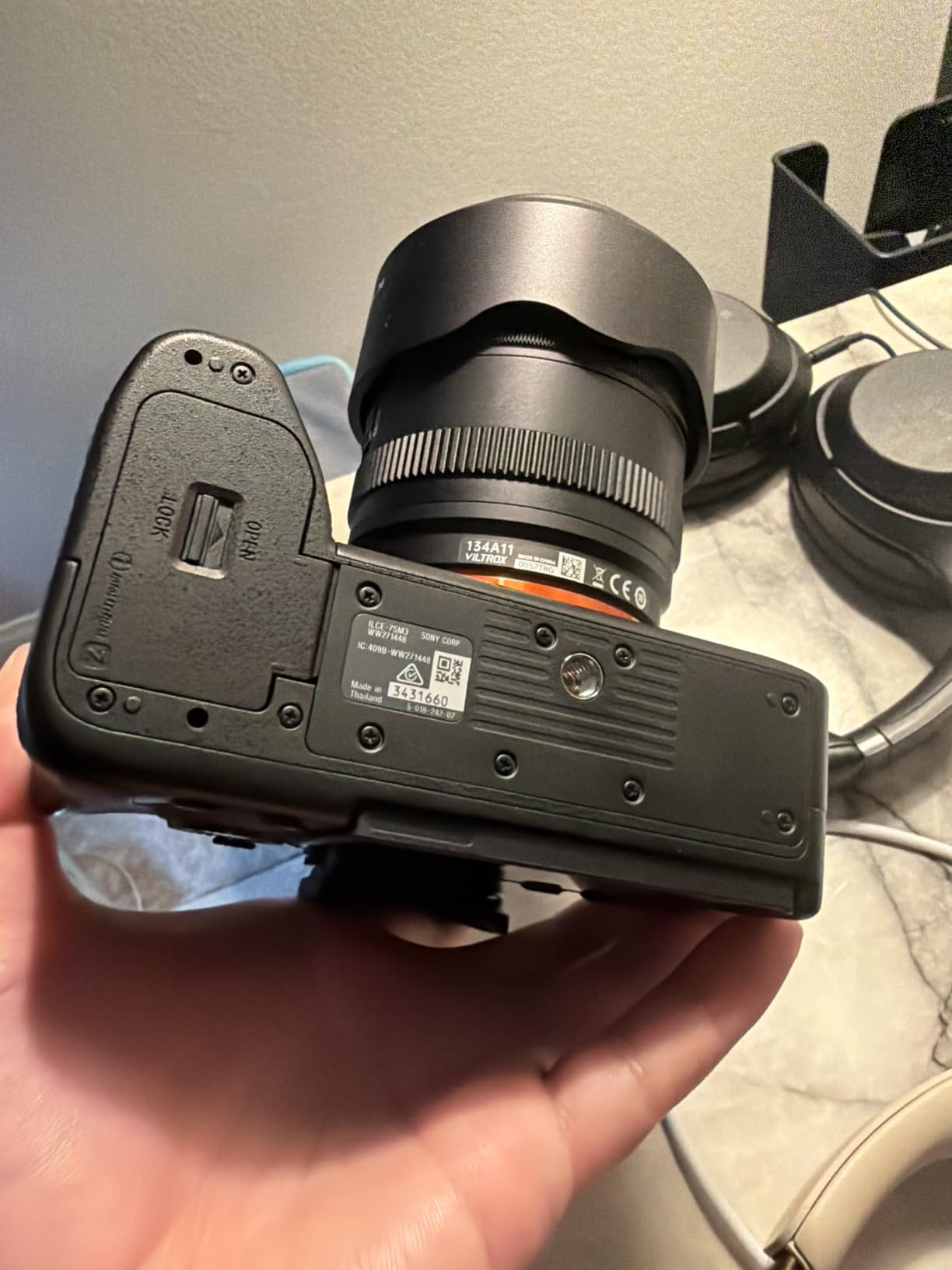
The a7S III was the first Alpha camera to get S-Cinetone, and it remains one of the best low-light cameras ever made. I have shot with it in candle-lit churches and dimly lit music venues where other cameras produced noise, and the a7S III delivered clean, usable footage at ISO 12,800 and beyond.
As a B-camera to the FX6, the a7S III shares the same full-frame sensor philosophy and the same S-Log3 profile. The 12.1MP sensor is actually a strength for video because each pixel is large, which means better light gathering and less noise in the shadows.

The 5-axis SteadyShot stabilization is a real advantage over the FX3, which relies on sensor-shift only. For handheld B-roll and walking shots, the a7S III gives you smoother footage without a gimbal.
The 759-point autofocus system is fast and reliable for tracking subjects, which matters when your FX6 operator is focused on the A-camera shot and your B-camera needs to handle itself.
Best Use Case for the a7S III as a B-Camera
The a7S III is the go-to B-camera for documentary and event shooters who work in challenging light. If your FX6 is your daylight workhorse, the a7S III is your after-dark companion.
It also works well as a gimbal camera thanks to the IBIS and compact 612-gram body.
Who Should Skip the a7S III
If you need a camera that pulls double duty for high-resolution photography, the 12.1MP sensor will not deliver. The a7 IV at 33MP is a better hybrid pick.
Budget-conscious shooters should also consider whether the FX30 covers their needs at less than half the price.
4. Sony a7 IV – Best Hybrid Stills and Video B-Camera
Sony Alpha 7 IV Full-frame Mirrorless Interchangeable Lens Camera
Full-frame 33MP
4K 60p 10-bit
S-Cinetone
7K oversampled
693-point AF
5-axis IBIS
Pros
- 33MP sensor for high-res stills
- S-Cinetone for FX6 matching
- 7K oversampling for 4K 30p
- Excellent autofocus with AI
- Great value full-frame
- Improved ergonomics
Cons
- 4K 60p has slight crop
- No 4K 120p
- IBIS not as strong as flagship
- Menu system still complex
The a7 IV is the camera I reach for when a client needs both video and stills from the same shoot. With a 33MP full-frame sensor, it delivers high-resolution photography that the FX3 and a7S III simply cannot match. And because it has S-Cinetone, the video side still plays nice with FX6 footage.
For 4K 30p the a7 IV uses 7K oversampling from the full sensor, which produces sharp, detailed footage. At 4K 60p you get a slight Super 35 crop, which is something to note if you shoot a lot of slow-motion B-roll.
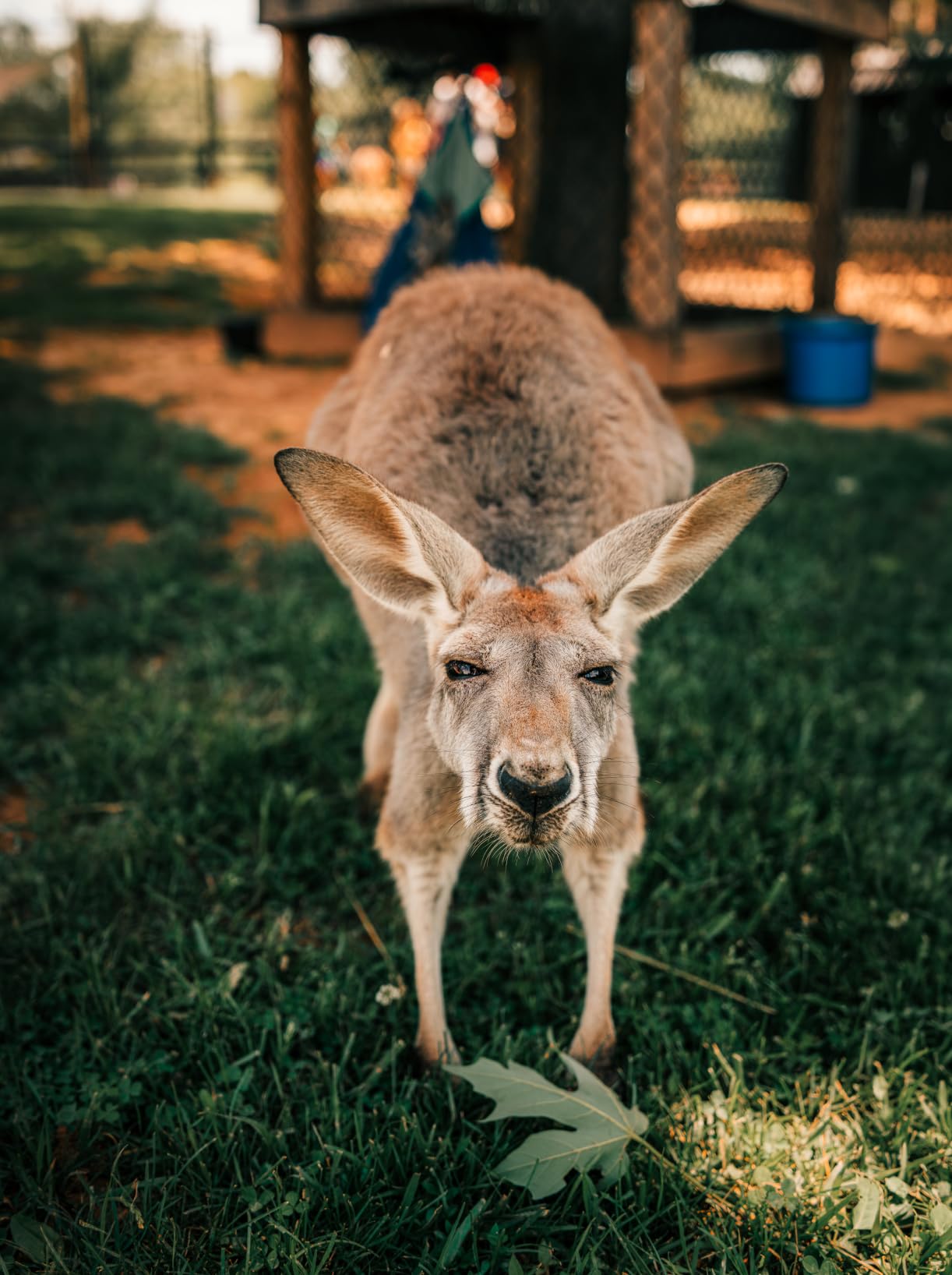
The autofocus is excellent. Sony’s Real-time Eye AF tracks humans and animals with impressive accuracy, which frees you up to focus on framing when the FX6 operator handles the primary shot.
What you give up compared to the a7S III is extreme low-light performance and 4K 120p. For most corporate and commercial work, neither of those is a dealbreaker.

Best Use Case for the a7 IV as a B-Camera
The a7 IV is perfect for wedding filmmakers and corporate shooters who need stills and video from one body. Pair it with the FX6 for video and use the a7 IV for behind-the-scenes photos, event coverage, and a second video angle.
The S-Cinetone match means your video feeds still blend in post.
Who Should Skip the a7 IV
If you never shoot stills, you are paying for resolution you will not use. The FX30 or a7S III are better dedicated video tools for the same or less money.
The lack of 4K 120p also rules it out for slow-motion-heavy music video work.
5. Sony a6700 – Best Budget APS-C B-Camera
Sony Alpha a6700 APS-C Mirrorless Camera Body 26MP 4K Black
APS-C 26MP
4K 120p 10-bit
AI autofocus
6K oversampled
759-point AF
Vari-angle LCD
Pros
- AI-powered subject recognition autofocus
- 4K 120p in compact body
- Excellent value for money
- Good low-light for APS-C
- Vari-angle touchscreen
- Compact and lightweight
Cons
- Single card slot
- APS-C crop factor
- Overheats in 4K 10-bit
- Smaller body feels cramped
- No built-in flash
The a6700 is the most affordable camera in this lineup, and it punches well above its weight. I was surprised by how capable the AI-driven autofocus is, tracking subjects with the same confidence as cameras costing twice as much. For a B-camera that needs to operate semi-autonomously, that matters.
You get 4K 120p, 10-bit 4:2:2 recording, and 6K oversampled 4K 60p. The S-Cinetone profile is present, so color matching to the FX6 is achievable, though the APS-C sensor means the footage will not be a pixel-perfect match in every scenario.

The single card slot is a real limitation for professional work. If you are recording critical footage, you have no backup. Many DPs work around this, but it is worth knowing before you commit.
Heat management is the other concern. Extended 4K 10-bit recording can trigger overheating warnings, especially in warm environments. For short B-roll clips this is fine, but for long interview takes you may hit limits.

Best Use Case for the a6700 as a B-Camera
The a6700 is ideal as a crash cam, a drone-mounted B-camera, or a tight-angle second shooter for event coverage. Its small size and low weight make it easy to place where a larger camera cannot go.
For budget filmmakers building their first multi-camera kit, it is hard to beat the value.
Who Should Skip the a6700
If you shoot long-form content like conferences or stage performances, the single card slot and potential overheating make the a6700 a risky primary backup. The FX30 solves both problems for a moderate price increase.
The APS-C sensor also means a significant crop with full-frame lenses.
6. Blackmagic Pocket 6K G2 – Best Cinema-Grade B-Camera
Blackmagic Design Pocket Cinema Camera 6K G2, EF Mount
Super 35 6K
13 stop DR
Blackmagic RAW
ProRes
Dual gain ISO
DaVinci Resolve included
Pros
- Cinema-grade 6K RAW recording
- 13 stops dynamic range
- Includes DaVinci Resolve Studio
- Mini XLR professional audio
- Dual gain ISO for low-light
- Multiple recording media options
Cons
- No in-body stabilization
- Limited 60-minute battery life
- EF mount limits lens options
- Heavier than mirrorless alternatives
The Blackmagic Pocket 6K G2 is the highest-rated camera in this lineup with a 4.9-star average, and it earns that praise. Recording in Blackmagic RAW gives you a level of color flexibility that Sony XAVC simply cannot match. For colorists, this is the most fun B-camera to grade alongside FX6 S-Log3 footage.
The Super 35 sensor matches the FX6 crop mode, which means you can shoot the Pocket 6K in Super 35 and the FX6 in the same crop for consistent field of view. The 13 stops of dynamic range is slightly less than the FX6, but in practice the difference is minimal for most shooting scenarios.
The included DaVinci Resolve Studio license is a significant value add. If you do not already own Resolve, the Pocket 6K pays for part of itself the day you open the box.
Battery life is the biggest headache. At roughly 60 minutes per charge, you need a stack of batteries or an external power solution for any real shoot day. Most Pocket 6K operators rig up V-mount battery plates to solve this.
Best Use Case for the Pocket 6K G2 as a B-Camera
The Pocket 6K G2 is the B-camera for narrative filmmakers and music video directors who want maximum color flexibility in post. The Blackmagic RAW workflow in DaVinci Resolve is hard to beat for creative grading.
It also excels as a locked-off camera for plate shots and VFX work where RAW flexibility matters more than run-and-gun ergonomics.
Who Should Skip the Pocket 6K G2
If your work is fast-paced documentary or event coverage, the short battery life and lack of IBIS will slow you down. The Sony options are better suited to run-and-gun shooting.
The EF mount also means you are invested in Canon-mount glass, which does not share media or lenses with your Sony FX6 kit.
7. Blackmagic Pocket 4K – Most Affordable Cinema B-Camera
Blackmagic Design Pocket Cinema Camera 4K (CINECAMPOCHDMFT4K)
4/3 sensor
4K RAW
13 stop DR
ProRes
Dual gain ISO
DaVinci Resolve included
Pros
- 13 stops dynamic range
- Compact and highly portable
- RAW and ProRes recording
- Excellent low-light for the price
- Includes DaVinci Resolve Studio
- Bluetooth connectivity
Cons
- MFT mount limits cinema lens options
- No IBIS only digital stabilization
- Smaller sensor than Super 35
- Recording limits may need external SSD
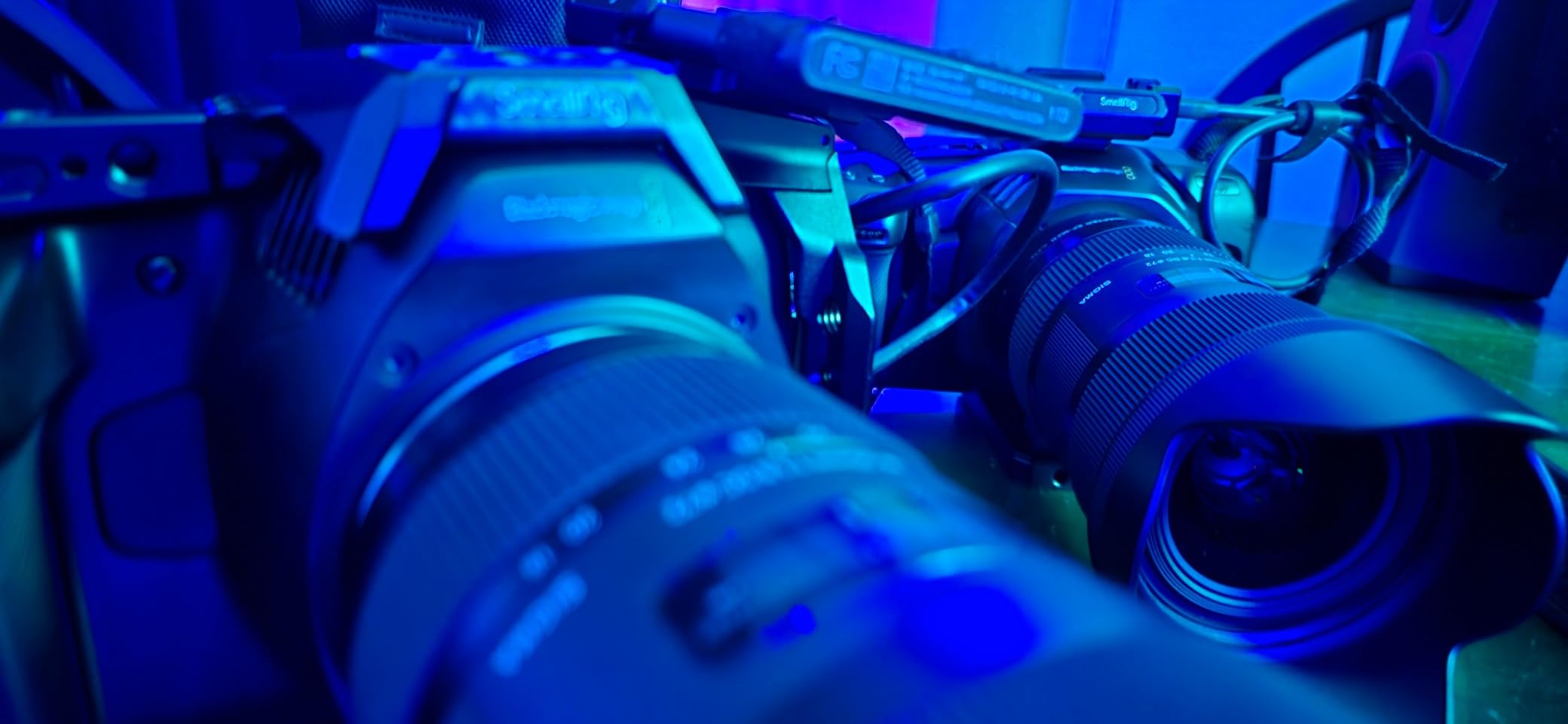
The Pocket 4K is the camera that put Blackmagic on the map for indie filmmakers, and it remains one of the best values in cinema cameras. At under $1,200, you get 13 stops of dynamic range, CinemaDNG RAW, and ProRes recording in a body that fits in a shoulder bag.
As a B-camera to the FX6, the Pocket 4K will not match Sony color science out of the box. You will need to spend time in DaVinci Resolve creating a match grade. But once you dial in a node tree that maps Pocket 4K footage to S-Log3, the results can be surprisingly seamless.
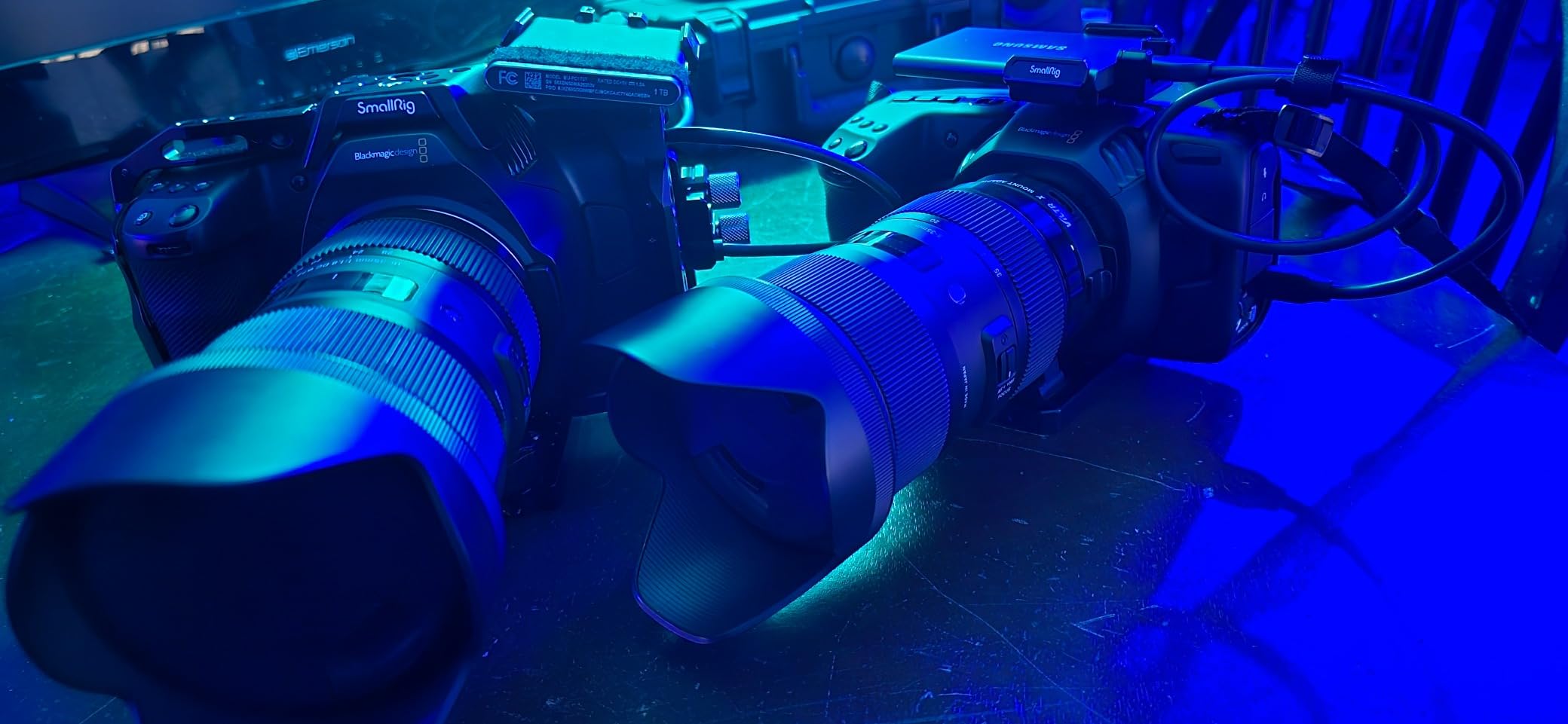
The MFT mount is the main limitation. With a 2x crop factor, wide-angle shooting requires very short focal lengths. You can adapt lenses, but that adds cost and complexity to your rig.
For the price, the Pocket 4K is unbeatable as a dedicated crash cam or secondary angle for risky shots where you would rather not expose your FX6.
Best Use Case for the Pocket 4K as a B-Camera
The Pocket 4K excels as a low-risk B-camera for action sports, car mounts, and underwater housings. If it gets damaged, you are out far less than any other camera on this list.
It is also a great training camera for assistants and second shooters learning cinema workflows.
Who Should Skip the Pocket 4K
If you need automatic color matching with your FX6 footage, the MFT sensor and non-Sony color science will require extra post-production work. Sony cameras in this guide are a better fit for plug-and-play workflows.
The small sensor also means more noise in low light compared to full-frame options.
8. Panasonic LUMIX S5II – Best V-Log Full-Frame B-Camera
Panasonic LUMIX S5II Mirrorless Camera, 24.2MP Full Frame with Phase Hybrid AF, New Active I.S. Technology, Unlimited 4:2:2 10-bit Recording – DC-S5M2BODY Black
Full-frame 24.2MP
V-Log 14+ stops
Phase Hybrid AF
Unlimited 10-bit 4K60p
6K Open Gate
Active IS
Pros
- 14+ stop V-Log dynamic range
- Phase Hybrid AF major upgrade
- Unlimited 10-bit recording no heat limits
- Active IS for walking shots
- Full-frame sensor matches FX6 FOV
- Real-time LUT function
Cons
- L-mount lens ecosystem still growing
- Only 9 FPS continuous
- No 8K or 4K 120p
- Smaller pro support infrastructure
The LUMIX S5II is the first Panasonic hybrid with phase detection autofocus, and it changes everything. Previous LUMIX cameras struggled with AF for video, but the S5II’s 779-point Phase Hybrid system tracks subjects with confidence. That alone makes it a viable B-camera for FX6 shooters who need reliable focus.
V-Log gives you 14+ stops of dynamic range, which is in the same ballpark as the FX6. The color science is different from Sony, so you will need a conversion LUT or manual grade to match S-Log3. But the latitude is there for a clean intercut.
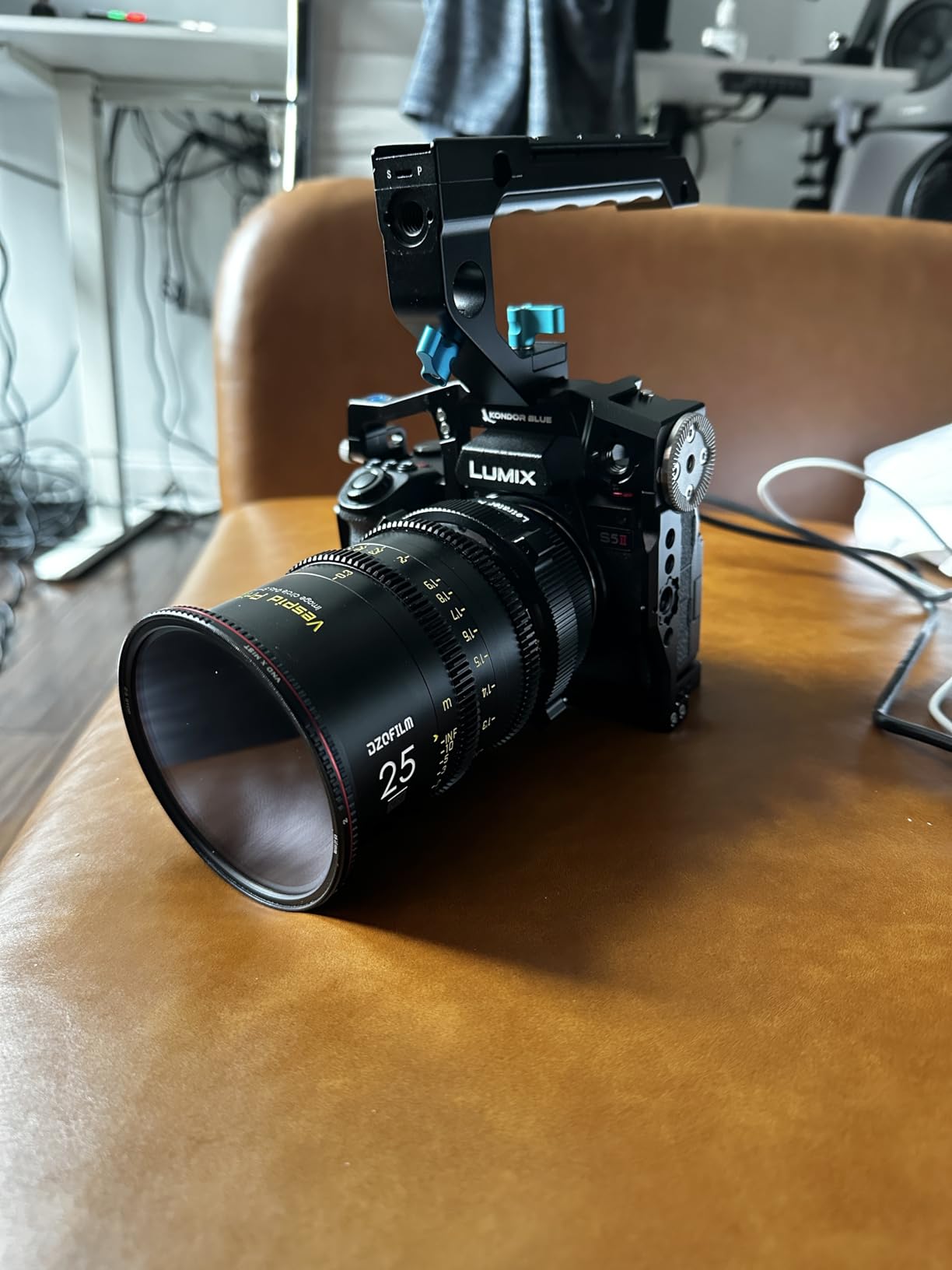
The standout feature for B-camera use is unlimited 4:2:2 10-bit recording. No heat limits, no recording caps. If you need a camera that can roll for an entire conference or stage performance without stopping, the S5II handles it.
The Active IS mode is also impressive for handheld B-roll. It combines sensor-shift with digital cropping to produce gimbal-smooth footage from a handheld camera.
Best Use Case for the S5II as a B-Camera
The S5II is ideal for long-form event and conference shooters who need a camera that never stops recording. The unlimited 10-bit capture and strong IBIS make it a dependable second angle alongside the FX6.
The full-frame sensor also means matching field of view with your FX6 lenses is straightforward.
Who Should Skip the S5II
If you are already invested in Sony E-mount glass, the L-mount system means buying new lenses or adapting. The Sony cameras in this guide share your existing lens collection.
The lack of 4K 120p also limits slow-motion B-roll options.
9. Canon EOS R6 Mark II – Best Autofocus B-Camera
Canon EOS R6 Mark II Mirrorless Camera (Body Only), Full-Frame Camera, 24.2 Megapixel CMOS Sensor, Photo and Video Capabilities, Black
Full-frame 24.2MP
C-Log 3
6K oversampled 4K60p
8-stop IBIS
40 FPS electronic
Dual Pixel AF II
Pros
- 6K oversampled 4K60p quality
- Dual Pixel AF II best-in-class
- 8-stop IBIS excellent stabilization
- 6 hours continuous recording
- C-Log 3 matches FX6 with grading
- Full weather sealing
Cons
- No 8K video
- RF mount ecosystem smaller
- Video limited to 6 hours continuous
- Some heat in extended 4K60p
The Canon R6 Mark II has what I consider the best autofocus system in this entire lineup. Dual Pixel CMOS AF II with subject detection tracks people, animals, and vehicles with an accuracy that sometimes feels like cheating. For a B-camera operator juggling focus while the A-camera gets the hero shot, this is a massive advantage.
The 8-stop IBIS is also class-leading. I have shot handheld walking footage with the R6 II that looks like it was on a gimbal. For B-roll and run-and-gun work, this stabilization reduces your rigging needs.

C-Log 3 is Canon’s answer to S-Log3, and with a conversion LUT you can get the R6 II to intercut with FX6 footage. It requires more grading work than a native Sony match, but the dynamic range is there.
The 6K oversampled 4K 60p produces some of the sharpest 4K footage in this lineup. For detailed B-roll and product shots, the R6 II holds its own against the FX6.

Best Use Case for the R6 Mark II as a B-Camera
The R6 II is perfect for solo operators and run-and-gun shooters who need a B-camera that handles focus on its own. The autofocus reliability means you can trust it as a locked-off second angle without an operator.
Photographers transitioning to video will also find the Canon workflow familiar and accessible.
Who Should Skip the R6 Mark II
If seamless color matching with the FX6 is your top priority, the Canon color science requires more post-production work than any Sony option. The RF mount also means a separate lens ecosystem.
Shooters who need 4K 120p slow motion should look at the a7S III or FX3 instead.
10. Canon EOS R5 – Premium 8K B-Camera
Canon EOS R5 Mirrorless Camera (Body Only), Full-Frame Hybrid Camera, 8K Video, 45 Megapixel CMOS Sensor, DIGIC X Image Processor, Up to 12 FPS, RF Mount, Black
Full-frame 45MP
8K RAW
4K 120fps
Canon Log
8-stop IBIS
Dual card slots
Eye Control AF
Pros
- 8K RAW internal recording unmatched
- 45MP stills best-in-class resolution
- 4K 120fps slow motion
- Deep learning AF tracks subjects
- 8-stop IBIS
- Dual CFexpress and SD card slots
Cons
- Heat limits 8K recording to 20 minutes
- Requires significant storage and processing
- Highest price in this lineup
- Overkill if only shooting 4K
The Canon R5 is the most resolution-heavy camera in this lineup, and for some productions that is exactly the point. Shooting 8K RAW internally gives you more detail than the FX6 can produce, which means you can crop, reframe, and stabilize in post without quality loss. For a B-camera that captures moments the A-camera might miss, that flexibility is powerful.
The 45MP sensor also makes the R5 the best stills camera in this guide. If your production needs high-resolution behind-the-scenes photography alongside video, the R5 covers both in one body.
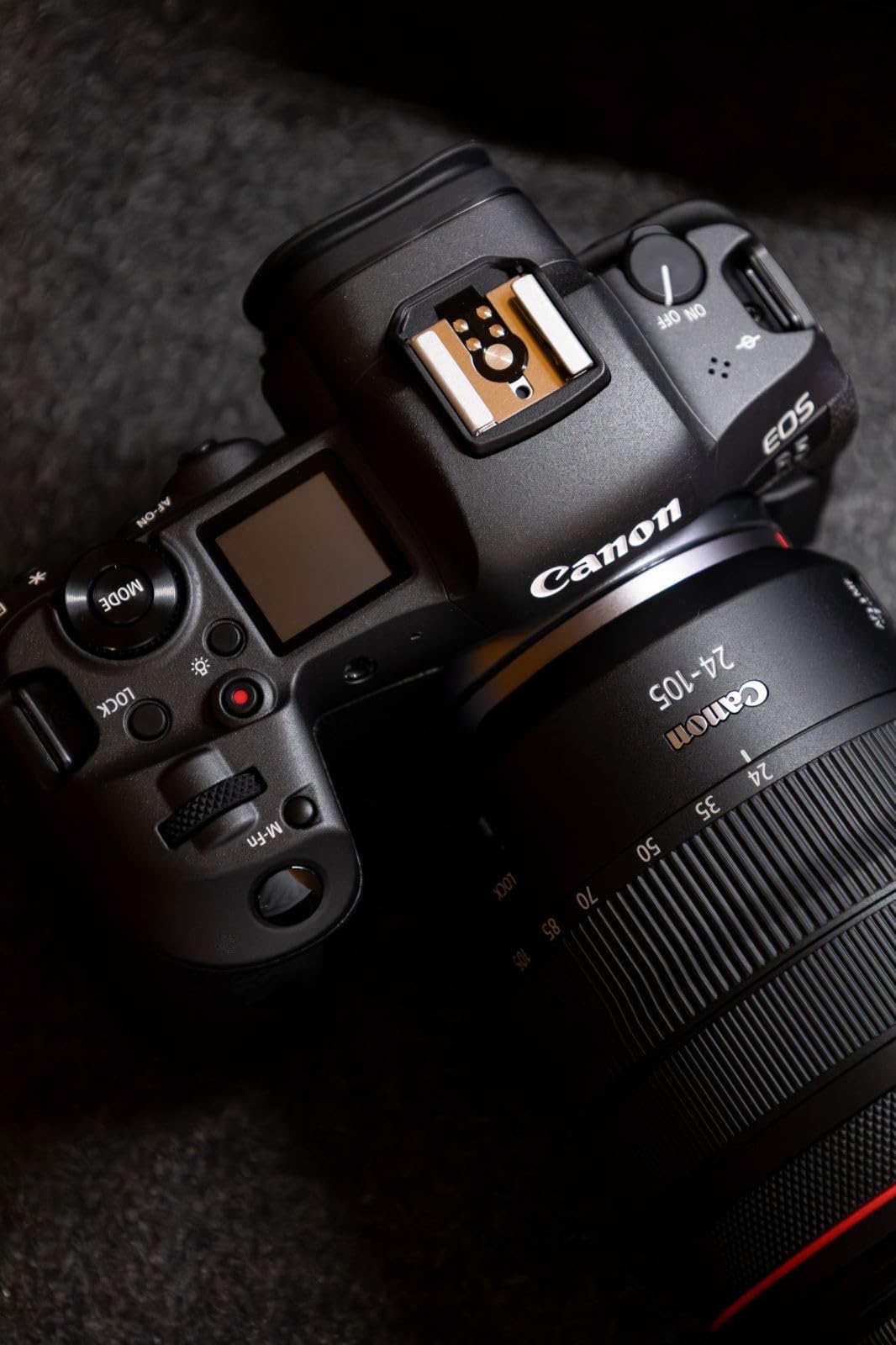
Canon Log profiles give you the dynamic range to match FX6 footage with grading work. Like the R6 II, the color science is different from Sony, so expect to build a match LUT for your DaVinci Resolve or Premiere pipeline.
The 8K heat limit is the main constraint. You get roughly 20 minutes of 8K RAW before the camera needs to cool. For short B-roll clips and narrative takes, this is workable. For long continuous recording, the FX6 or S5II are better choices.

Best Use Case for the R5 as a B-Camera
The R5 is the B-camera for high-end commercial and narrative productions that need maximum resolution for reframing and VFX work. The 8K RAW capture gives you a level of post-production flexibility no other camera in this lineup can match.
It is also the best choice for photographers who need a hybrid body that shoots broadcast-quality video.
Who Should Skip the R5
If you only deliver in 4K, the 8K capability is wasted overhead. The R6 Mark II gives you the same autofocus and IBIS for less money.
The storage demands of 8K RAW are also significant. You will need fast, high-capacity CFexpress cards and serious editing hardware.
How to Choose the Best B-Camera to Pair with a Sony FX6?
Picking the right B-camera is about more than specs on paper. It is about how the camera fits your workflow, your lens system, and your post-production pipeline. Here are the factors our team weighs when recommending a second camera for FX6 shooters.
Color Science Matching: S-Log3 and S-Gamut3.Cine
The single biggest factor in B-camera selection is color science. The FX6 shoots S-Log3 with S-Gamut3.Cine, and matching that profile saves hours in the color suite. Sony cameras with S-Cinetone, including the FX3, FX30, a7S III, a7 IV, and a6700, all share this pipeline.
Non-Sony cameras like the Blackmagic, Panasonic, and Canon options can be matched, but they require conversion LUTs and manual grading. If your deadline is tight or your colorist is stretched thin, staying in the Sony family is the path of least resistance.
Codec, Frame Rate, and Bit Depth Compatibility
The FX6 records 10-bit 4:2:2 internally in XAVC formats. Every camera in this guide supports 10-bit recording, which is the minimum for clean color matching. Below that, you get banding and artifacts that no amount of grading can fix.
Frame rates matter for slow-motion consistency. The FX6 shoots 4K 120p, so a B-camera with the same capability, like the FX3, FX30, a7S III, a6700, or R5, lets you match slow-motion shots without compromise.
Sensor Size, Lens Mount, and Form Factor
Full-frame sensors match the FX6 field of view directly, which means your lens choices carry over without crop math. Super 35 and APS-C sensors introduce a crop factor that changes your effective focal length.
The E-mount shared by all Sony cameras in this guide means your FX6 lenses work on every Sony body with no adapters. Canon RF, Panasonic L-mount, Blackmagic EF, and MFT systems all require separate lens investments.
Form factor matters for gimbal work and tight spaces. The a6700 at 14.5 ounces is the easiest to fly on a small gimbal, while the Pocket 6K G2 at 3.8 pounds needs a heavier rig.
Timecode Sync and Multi-Camera Workflow
One of the biggest pain points forum users mention is timecode synchronization between the FX6 and a B-camera. Sony cameras can share timecode via a cable or wireless sync, which makes multi-camera editing far easier. Non-Sony cameras may require external timecode generators like the Tentacle Sync.
If you shoot multi-camera interviews or live events regularly, the timecode workflow cost is worth factoring into your decision. A $300 sync box per camera adds up quickly.
Frequently Asked Questions
What B-camera has similar color science to the Sony FX6?
The Sony FX3, FX30, a7S III, a7 IV, and a6700 all share the same S-Cinetone and S-Log3 color science as the FX6. The FX3 is the closest match because it uses the same full-frame sensor and processing pipeline. The FX30 gives you nearly identical color science on a Super 35 sensor at less than half the price.
Is the Sony FX6 good for filmmaking?
Yes, the Sony FX6 is one of the best cinema cameras for indie and professional filmmaking. It offers a full-frame sensor, dual base ISO, internal electronic ND filters, S-Cinetone color science, 4K 120p recording, and professional XLR audio inputs. It is widely used for documentaries, commercials, narrative films, and event production.
Can I use an a7S III with an FX6?
Yes, the a7S III is an excellent B-camera for the FX6. Both cameras share the same S-Cinetone color profile and S-Log3 gamma, so footage intercuts seamlessly. The a7S III also offers 4K 120p, 10-bit 4:2:2 recording, and legendary low-light performance up to ISO 409,600.
Is the Sony FX30 good as a B-camera with the FX6?
Yes, the FX30 is one of the best value B-cameras for the FX6. It shares the same Cinema Line S-Cinetone color science, Cine EI shooting modes, and Dual Base ISO. The Super 35 sensor introduces a 1.5x crop factor, but the color match is nearly flawless and it costs significantly less than full-frame alternatives.
How do I sync timecode between the FX6 and a B-camera?
Sony cameras like the FX3, FX30, and a7S III can sync timecode with the FX6 via cable or wireless connection, making multi-camera editing straightforward. For non-Sony cameras like the Blackmagic Pocket or Canon R6 II, you typically need an external timecode generator such as a Tentacle Sync device connected to each camera.
Final Verdict: Our Top B-Camera Picks for the FX6
After testing all 10 cameras, our team keeps coming back to three recommendations. The Sony FX3 is the best B-camera to pair with a Sony FX6 if budget allows, because it is essentially the same imaging pipeline in a more compact body. The Sony FX30 is the best value pick, delivering the same S-Cinetone color science on a Super 35 sensor for less than half the FX3’s cost. And the Sony a7S III remains the low-light champion for documentary and event shooters who work in challenging lighting.
For filmmakers who want to step outside the Sony ecosystem, the Blackmagic Pocket 6K G2 offers the best cinema-grade image quality with Blackmagic RAW, and the Canon R6 Mark II has the best autofocus of any camera in this guide.
Whatever you choose, prioritize color science matching and 10-bit recording above all else. Those two factors determine whether your B-camera footage blends invisibly with your FX6 or stands out in every edit. Match those, and the rest is personal preference and budget.