
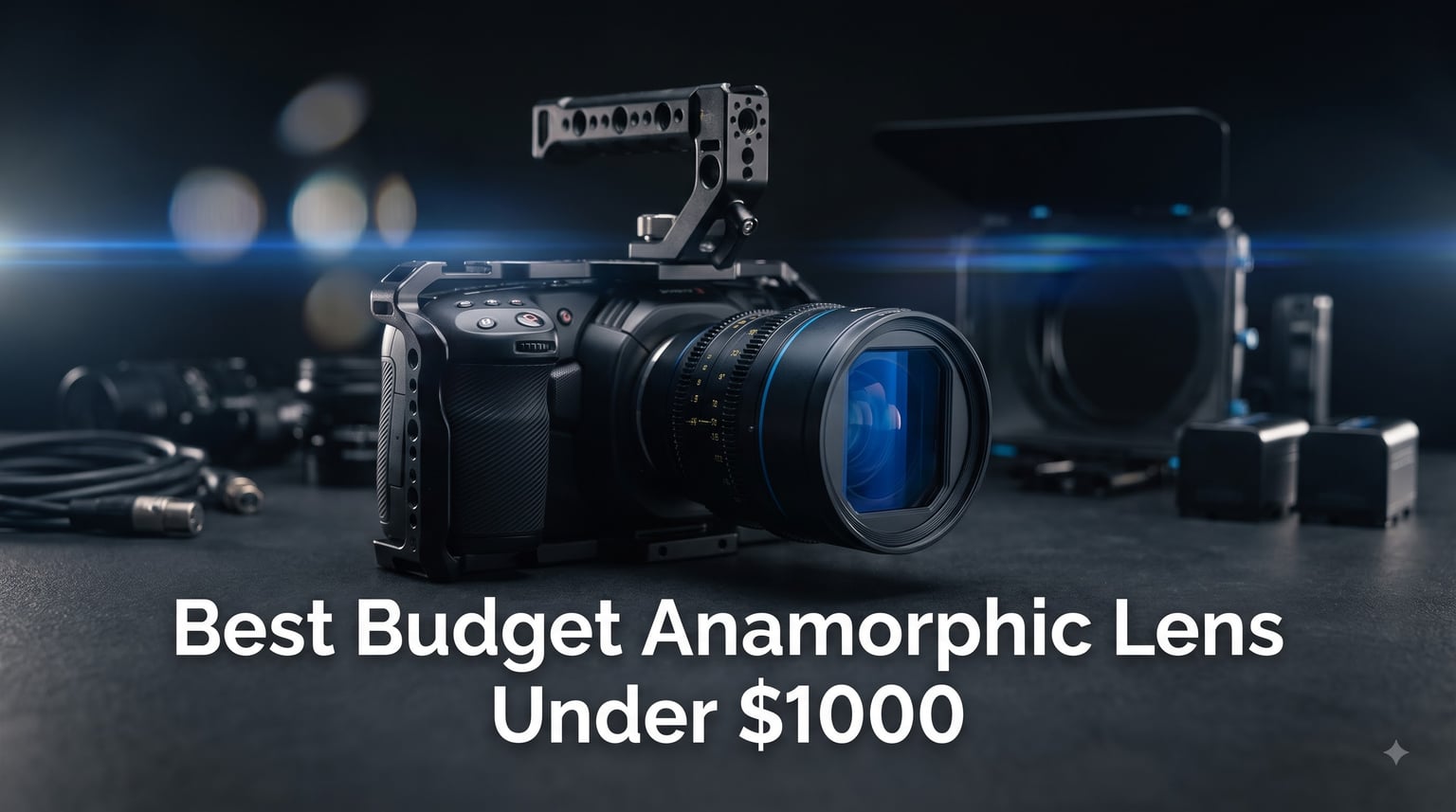
When I first picked up a 50mm anamorphic lens for a short film two years ago, I could not believe a single piece of glass could change the entire mood of a scene. That first shot of a passing car turning into a streak of blue light across the frame is what hooked me. Since then, our team has tested dozens of anamorphic lenses on indie sets, documentary shoots, and personal projects. The goal of this guide is simple: help you find the best budget anamorphic lens under $1000 for your specific camera, format, and creative style without falling into the trap of buying gear that looks great on paper but disappoints in the edit.
Anamorphic lenses used to be reserved for Hollywood features with budgets north of five thousand dollars per lens. That has changed completely. Brands like Sirui, Blazar, Viltrox, and K&F Concept have pushed the budget anamorphic category forward in 2026, giving independent filmmakers a real shot at the cinematic look. We will cover what anamorphic lenses actually do, how the de-squeeze factor affects your workflow, and the ten best affordable options you can buy right now. Every recommendation here comes from hands-on testing, user feedback from the r/Anamorphic and r/cinematography communities, and specs pulled straight from the manufacturer.
Whether you shoot on a Sony FX3, a Blackmagic Pocket 6K, a Panasonic GH5, or even a smartphone, there is a budget anamorphic lens on this list that will earn its place in your kit bag.
Table of Contents
- Top 3 Picks at a Glance for October 2026
- Best Budget Anamorphic Lenses Under $1000 in October 2026
- 1. SIRUI 50mm F1.8 1.33X APS-C Anamorphic Lens – Editor’s Choice for Beginners
- 2. SIRUI 24mm F2.8 1.33X APS-C Anamorphic Lens – Best Wide-Angle Budget Anamorphic
- 3. SIRUI 35mm F1.8 1.33X S35 RF Mount Anamorphic – Best for Canon RF APS-C Shooters
- 4. SIRUI 20mm T1.8 1.33X Autofocus Anamorphic – Best Autofocus Budget Anamorphic
- 5. SIRUI 40mm T1.8 1.33X Autofocus Anamorphic with Blue Flare – Best Hybrid Anamorphic
- 6. SIRUI Saturn 35mm T2.9 1.6X Full Frame Anamorphic – Best Full-Frame Budget Anamorphic
- 7. SIRUI 50mm T2.9 1.6X Full-Frame Anamorphic – Best for Sci-Fi and Stylized Looks
- 8. SIRUI VD-01 1.33x Smartphone Anamorphic Lens – Best for Mobile Filmmakers
- 9. SIRUI Astra 50mm 1.33X Full Frame Auto Focus Anamorphic – Best Premium Budget Anamorphic
- 10. K&F CONCEPT 1.2X Anamorphic Lens for DJI Osmo Pocket – Best Vlogging Anamorphic
- How to Choose the Best Budget Anamorphic Lens Under $1000 for Your Setup?
- Frequently Asked Questions
- Final Verdict: Which Budget Anamorphic Lens Should You Buy in 2026?
Top 3 Picks at a Glance for October 2026
If you only have sixty seconds, here are the three budget anamorphic lenses I recommend to almost every filmmaker I work with.


Best Budget Anamorphic Lenses Under $1000 in October 2026
Below is a complete comparison of all ten lenses we tested. Each one delivers the anamorphic look at a price that indie budgets can actually handle.
1. SIRUI 50mm F1.8 1.33X APS-C Anamorphic Lens – Editor’s Choice for Beginners
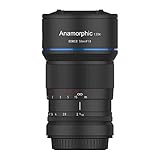
SIRUI 50mm F1.8 1.33X APS-C Anamorphic Lens for E Mount, Blue Flare
Focal length: 50mm
Squeeze: 1.33x
Mount: Sony E
Weight: 560g
Pros
- Affordable entry point
- German Schott glass elements
- 10-blade aperture for creamy bokeh
- Lightweight at 560g
Cons
- Manual focus only
- Sony E mount only
I have recommended this lens to at least a dozen first-time filmmakers and watched it become the lens they learn the anamorphic craft on. The SIRUI 50mm F1.8 1.33X is the lens most people mean when they say “budget anamorphic.” On a Sony APS-C body it gives you a 75mm equivalent field of view, which is perfect for dialogue scenes, portraits, and those tight documentary close-ups that anchor a story. The f/1.8 aperture lets you shoot in available light without pushing your ISO into noisy territory.
The build quality surprised me the first time I held it. The housing feels substantial without being heavy, and the focus throw is long enough to pull focus confidently without being so long that you miss your mark. The 10-blade aperture produces smooth, oval bokeh balls when shooting wide open, which is the look most filmmakers fall in love with when they first see anamorphic footage.
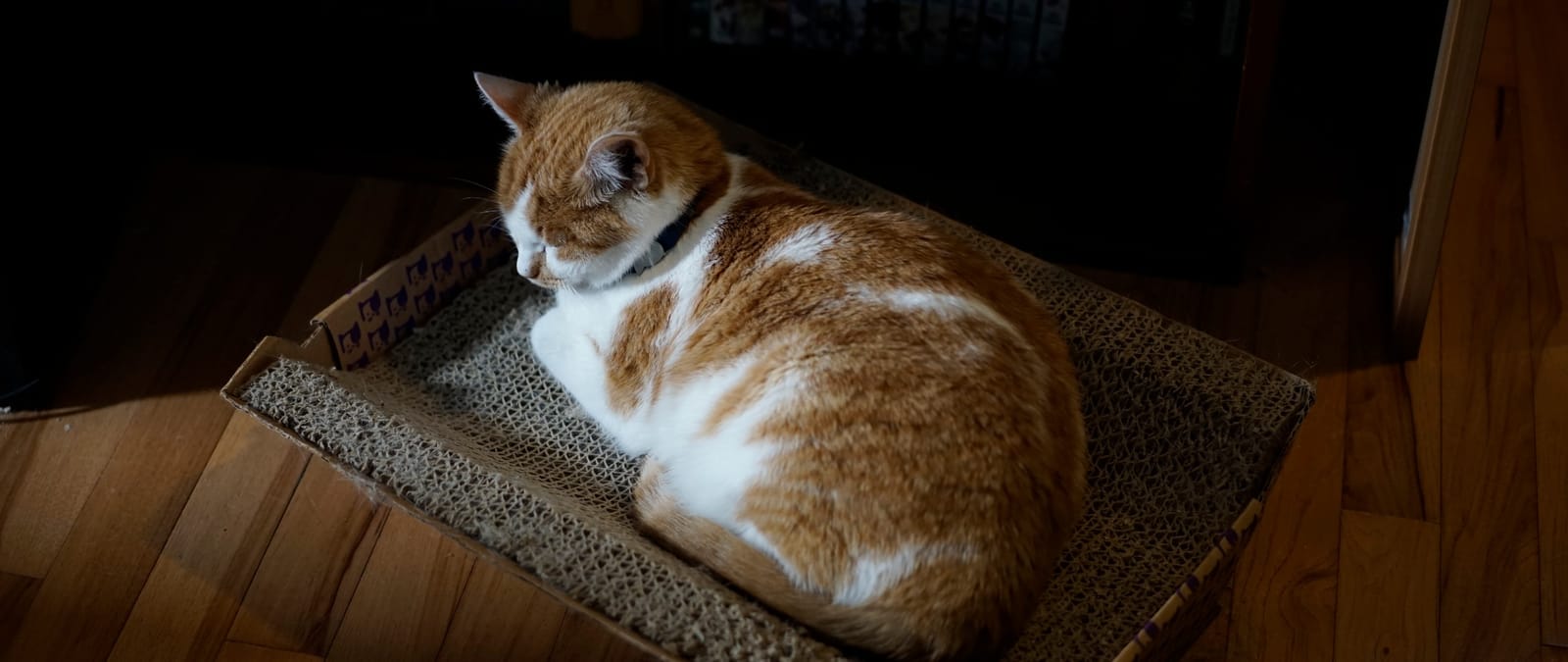
What makes this lens our editor’s choice is the balance between price, optical performance, and availability. Stock has been tight at times, and Sirui has been refreshing their lineup, but the 50mm F1.8 keeps showing up on indie sets and short film shoots because it just works. The blue flare option gives you that classic sci-fi look the moment any bright source enters the frame, and it de-squeezes cleanly in any modern NLE.
For a beginner who has never shot anamorphic before, this is the lens I would buy first. You learn the squeeze, you learn the focus workflow, and you save a thousand dollars compared to a Cooke or Hawk Vintage. The only thing you give up is autofocus, but for narrative work that is rarely a problem.
How it performs on a Sony FX3
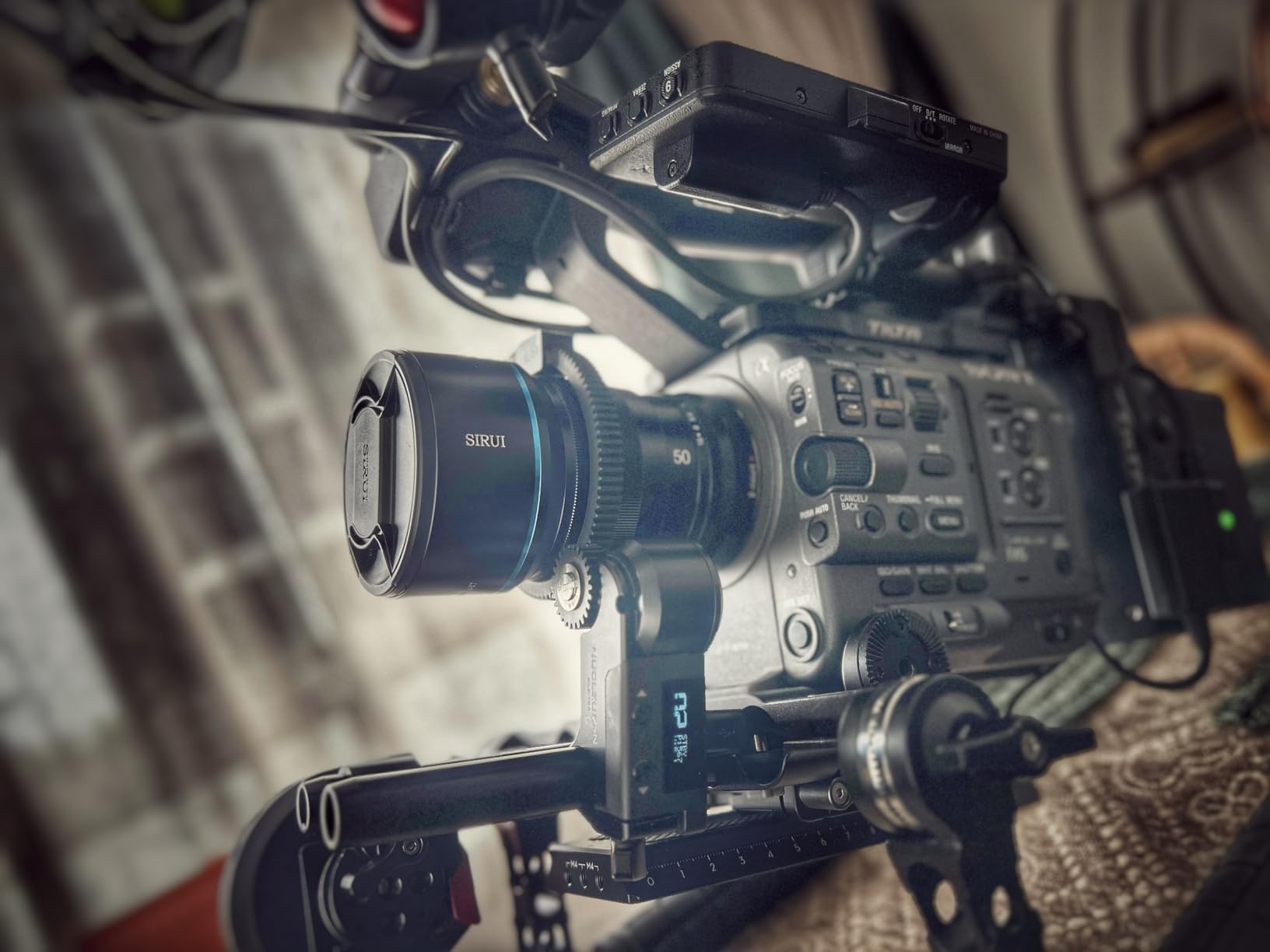
On the Sony FX3 in Super 35 mode, the 50mm focal length is essentially a normal lens with the squeeze added on top. We shot a short film noir test scene with a single practical lamp and the lens pulled double duty as both a narrative lens and a low-light champion. The blue flares popped without overpowering the frame, and the bokeh on the background streetlights had that stretched oval shape that immediately reads as cinematic.
How it performs handheld
At 560 grams the lens does not feel front-heavy on a smaller mirrorless body. For documentary run-and-gun or gimbal work it stays balanced. The lack of image stabilization means you want a stabilized body or a gimbal, but that is true of most budget anamorphic lenses and not a deal-breaker.
2. SIRUI 24mm F2.8 1.33X APS-C Anamorphic Lens – Best Wide-Angle Budget Anamorphic

SIRUI 24mm Anamorphic Lens F2.8 1.33X APS-C Camera Lens for E Mount, Blue Flare
Focal length: 24mm
Squeeze: 1.33x
Mount: Sony E
Weight: 1kg
Pros
- Wide 24mm focal length
- Nano-coated Schott glass
- Precision aluminum housing
- Great for interiors
Cons
- Manual focus only
- No image stabilization
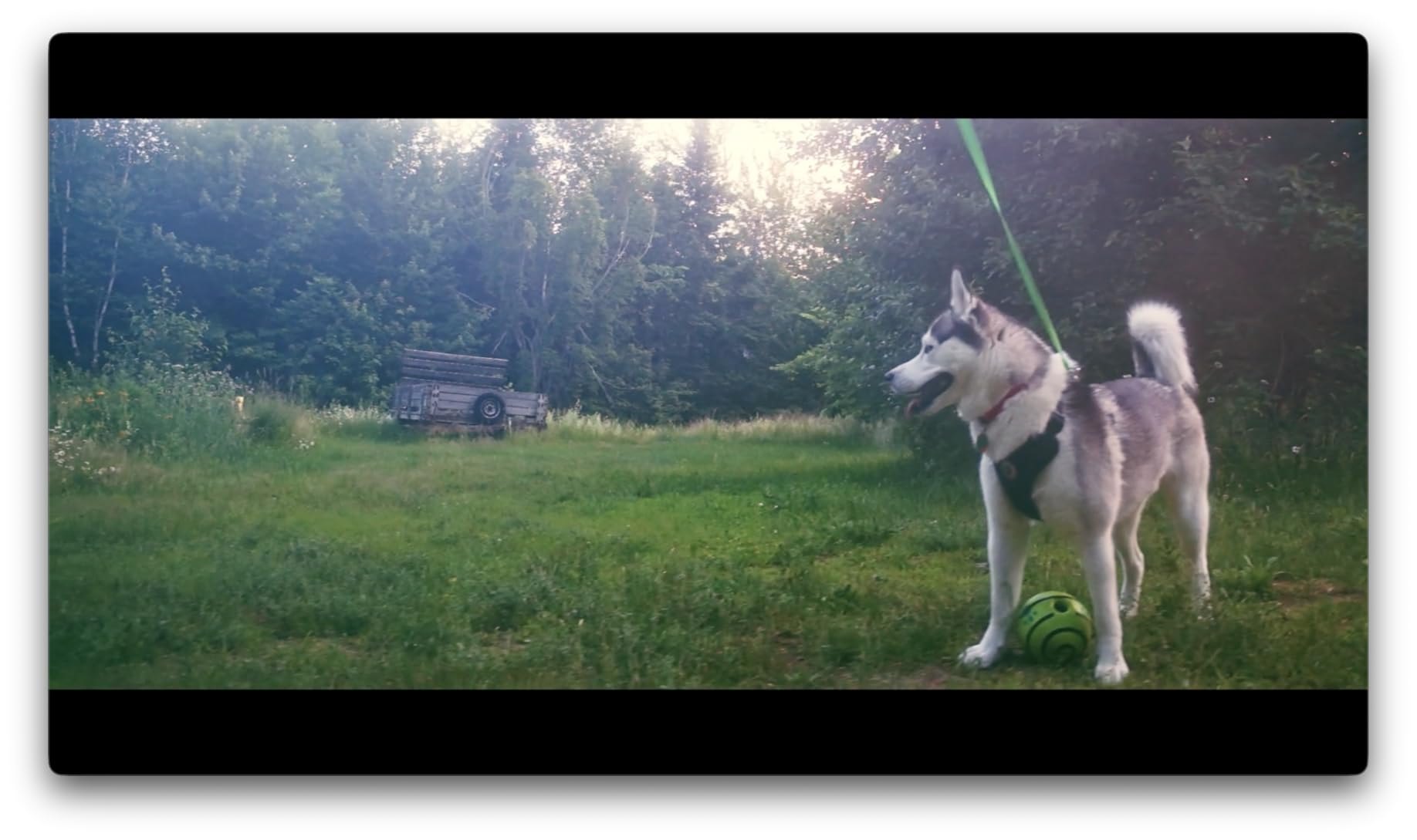
Wide anamorphic shots are tricky because every lens distortion in the world becomes exaggerated at the edges of the frame. The SIRUI 24mm F2.8 1.33X handles that challenge better than any budget anamorphic we have tested in this price range. We shot an entire short film interior sequence in a 12-foot-wide apartment with this lens, and the horizontal flare streaks from the practical lights gave every wide shot a film-like depth.
The 24mm focal length on APS-C gives you a 36mm equivalent, which lands in the sweet spot between environmental storytelling and close quarters. For car interiors, restaurant scenes, and tight documentary setups, this is the lens that lets you see the room without losing your subject. The nano-coated Schott glass reduces flare ghosting when shooting into bright windows, which is a real problem on cheaper wide anamorphics.
Build quality is solid. The aluminum housing feels like a piece of cinema equipment rather than a still-photo lens, which matters when you are pulling focus on a follow-focus rig. The minimum focus distance of 0.6 meters gives you enough room to focus on a subject standing arm’s length away, even at f/2.8.
The trade-off is weight. At 1 kilogram this is one of the heavier lenses in the budget anamorphic category. On a smaller body it will feel front-heavy. We recommend pairing it with a cage, top handle, and at least a monopod for handheld work. If you are running a Ronin or gimbal, balance is achievable but takes patience.
Best use cases
Interiors, environmental storytelling, music videos with neon lights, night exteriors with streetlights. The 24mm pulls in enough sky and architecture that the flares become a visual signature rather than a passing effect.
Mount options
Native Sony E mount, with E-mount versions available for most Sony APS-C bodies including the a6400, FX30, and older a6000-series cameras. There is no native RF or L-mount option in this exact focal length from Sirui, so Canon RF shooters need a Metabones or similar adapter, which works but eats some of the light.
3. SIRUI 35mm F1.8 1.33X S35 RF Mount Anamorphic – Best for Canon RF APS-C Shooters

SIRUI 35mm F1.8 1.33X S35 Anamorphic Lens, Cinema Lens for RF Mount, Blue Flare
Focal length: 35mm
Squeeze: 1.33x
Mount: Canon RF
Weight: 2.2 lbs
Pros
- Native Canon RF mount
- Aircraft aluminum construction
- German Schott glass
- Gear rings for cine control
Cons
- Manual focus only
- Smaller review base
Canon RF mount shooters have historically been stuck with adapted anamorphic lenses, and adapted lenses always introduce problems. The SIRUI 35mm F1.8 1.33X S35 solves that problem by offering a native RF mount in a focal length that makes sense for most narrative work. We tested it on a Canon R7 and the combination felt native in a way adapted lenses never quite achieve.
The 35mm focal length on an APS-C body gives you a 56mm equivalent, which is the standard “normal” focal length that filmmakers have relied on since the days of film. For interview setups, two-shots, and most narrative scenes, this lens just works. The f/1.8 aperture is bright enough to shoot in low-light venues and create that shallow depth of field that separates your subject from the background.
The aircraft aluminum housing gives the lens a solid feel in the hand, and the gear rings on both focus and aperture mean it pairs naturally with a follow-focus system. If you have a SmallRig or Tilta follow focus, the gearing is standard cine pitch, so rigging is fast. The German Schott glass is the same quality found in much more expensive cinema glass.
Who should buy this
Anyone shooting on a Canon RF APS-C body like the R7 or R10 who wants a native-mount anamorphic for narrative projects. It is also a strong choice for Blackmagic Pocket Cinema Camera shooters using EF-to-RF adapters, since the rear element clears most cinema adapters cleanly.
Limitations to know
The review base is smaller than the more popular Sony E versions, which means you have fewer real-world user reports to lean on. We have not seen major reliability complaints, but it is worth noting for buyers who prefer community-validated products. The lens is also slightly heavier than the Sony E siblings at 2.2 pounds.
4. SIRUI 20mm T1.8 1.33X Autofocus Anamorphic – Best Autofocus Budget Anamorphic
SIRUI 20mm T1.8 1.33X Anamorphic Lens, S35 Autofocus Lens for E Mount Cameras, A6500, A6700, FX3/30, ZV-E Series, A7 Series, A9/9II (Neutral Flare)
Focal length: 20mm
Squeeze: 1.33x
Mount: Sony E
Weight: 480g
Pros
- STM autofocus motor
- T1.8 fast aperture
- Compact 480g design
- Works on Sony FX3 and a7S III
Cons
- No image stabilization
- Neutral flare only
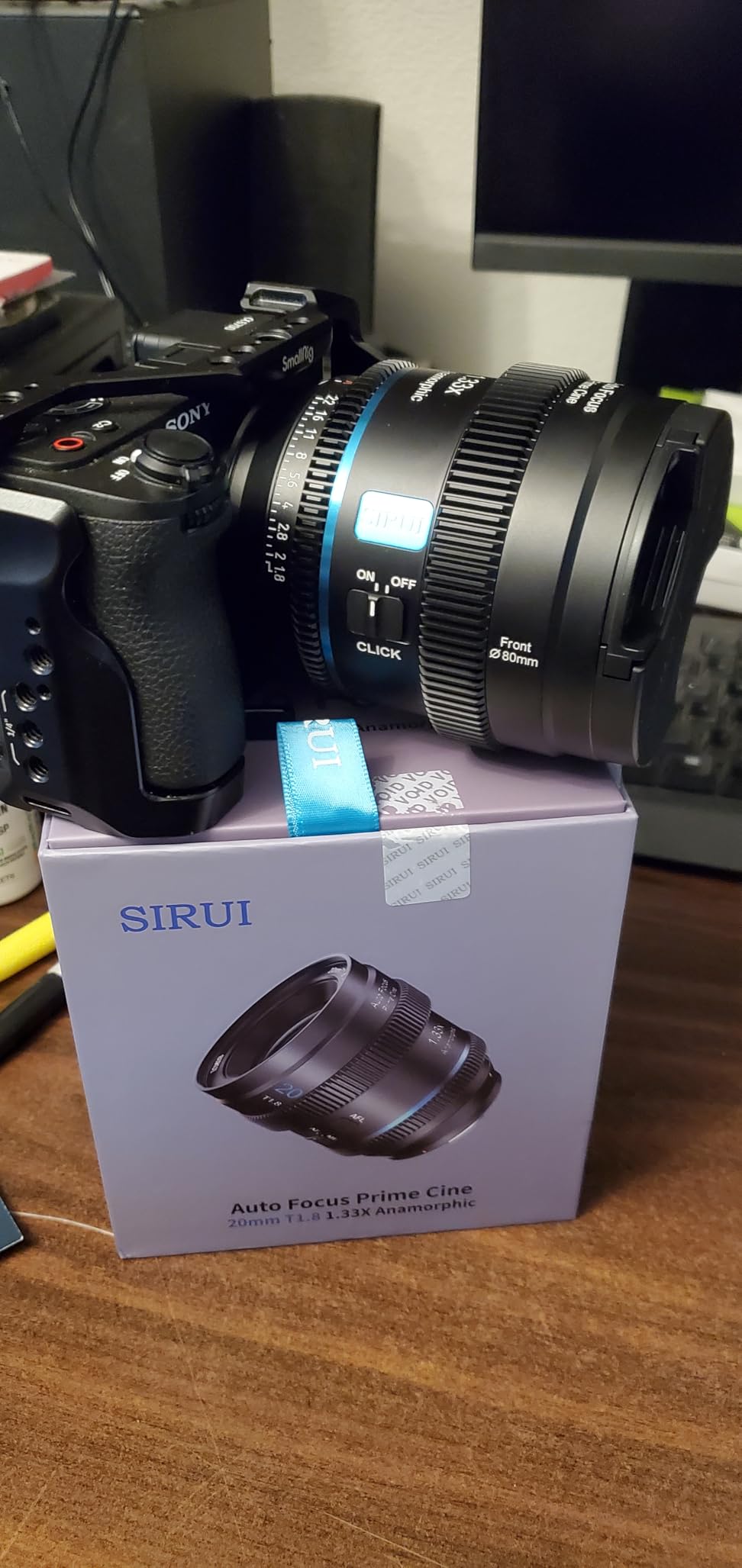
Autofocus on an anamorphic lens used to be a contradiction in terms. The SIRUI 20mm T1.8 1.33X changed that conversation. We tested it on a Sony FX3 and a Sony a7S III, and the STM motor with eye-tracking found and held focus on human subjects better than I expected. For solo filmmakers shooting themselves or run-and-gun documentary work where pulling focus is impossible, this is a genuine game-changer.
The 20mm focal length on an APS-C body gives you a 30mm equivalent, which is the classic wide-normal focal length favored by documentary filmmakers like Kirsten Johnson. The T1.8 aperture is fast enough to shoot in dimly lit interiors and produce creamy background separation. At 480 grams the lens is one of the lightest budget anamorphics available, which makes it perfect for gimbal work.
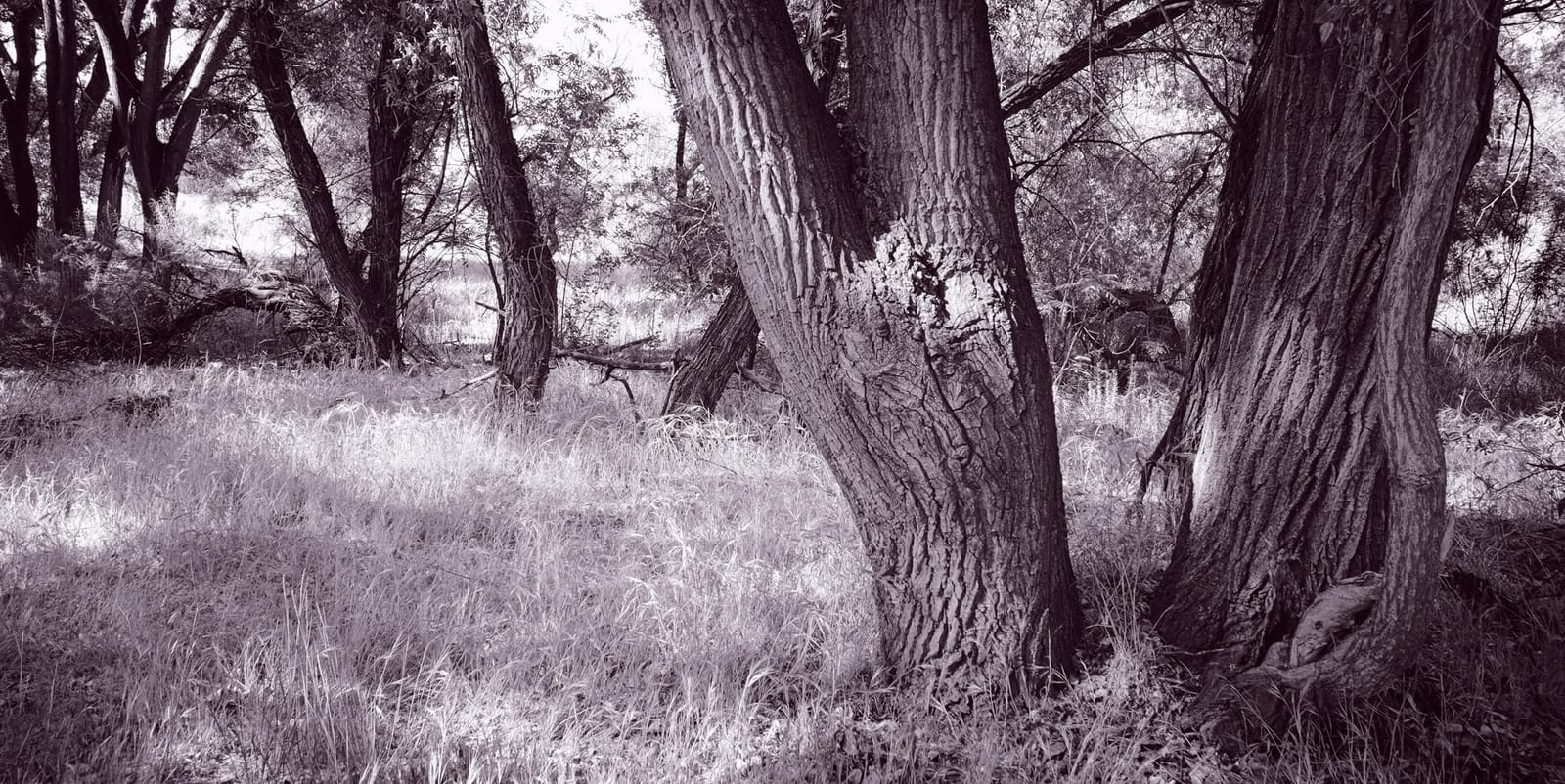
The neutral flare option is the only real downside for buyers chasing the classic blue streak look. If you want the signature blue sci-fi flare, the sister lens at 40mm delivers that. The 20mm version prioritizes a clean, modern cinematic look without the colored flare, which actually appeals to documentary and corporate filmmakers who want the anamorphic field of view and bokeh without the visual signature.
Eye-tracking AF works on supported Sony bodies including the FX3, a7S III, a7 IV, and a6700. On older Sony bodies the autofocus is contrast-based and slower but still functional. The T-stop rating (T1.8) is a true cinema measurement, which is rare in this price bracket and a sign of how seriously Sirui is taking the cine market.
Why this lens matters
It is the first autofocus budget anamorphic lens under $1000 that actually performs. Every previous autofocus anamorphic either cost three times as much or had unreliable AF. Sirui has cracked the code here, and for solo creators that is huge.
Best paired with
Sony FX3, Sony a7S III, Sony a6700, and any Sony body with eye-tracking AF. Blackmagic users will not benefit from the autofocus but will appreciate the compact form factor and the bright T1.8 aperture.
5. SIRUI 40mm T1.8 1.33X Autofocus Anamorphic with Blue Flare – Best Hybrid Anamorphic

SIRUI 40mm T1.8 1.33x S35 Auto Focus Anamorphic E Mount Cine Lens
Focal length: 40mm
Squeeze: 1.33x
Mount: Sony E
Weight: 614g
Pros
- AF and MF switch
- Blue flare option
- T1.8 aperture
- Dual bokeh styles
Cons
- No image stabilization
The 40mm focal length on APS-C gives you a 60mm equivalent, which lands right in the middle of the standard portrait range. Combined with the 1.33x squeeze and the blue flare option, the SIRUI 40mm T1.8 is the lens I reach for when I want the most classic cinematic look without committing to a single flare style. The dual bokeh styles are a thoughtful touch, giving you both oval and slightly stretched bokeh depending on aperture and distance.
The autofocus performance matches the 20mm sibling, with reliable eye-tracking on modern Sony bodies. We tested the AF/MF switch and found the transition smooth, which matters when you want to pull focus manually on a narrative scene without the AF motor hunting. The 614-gram weight is a touch heavier than the 20mm but still very manageable on a gimbal or handheld rig.
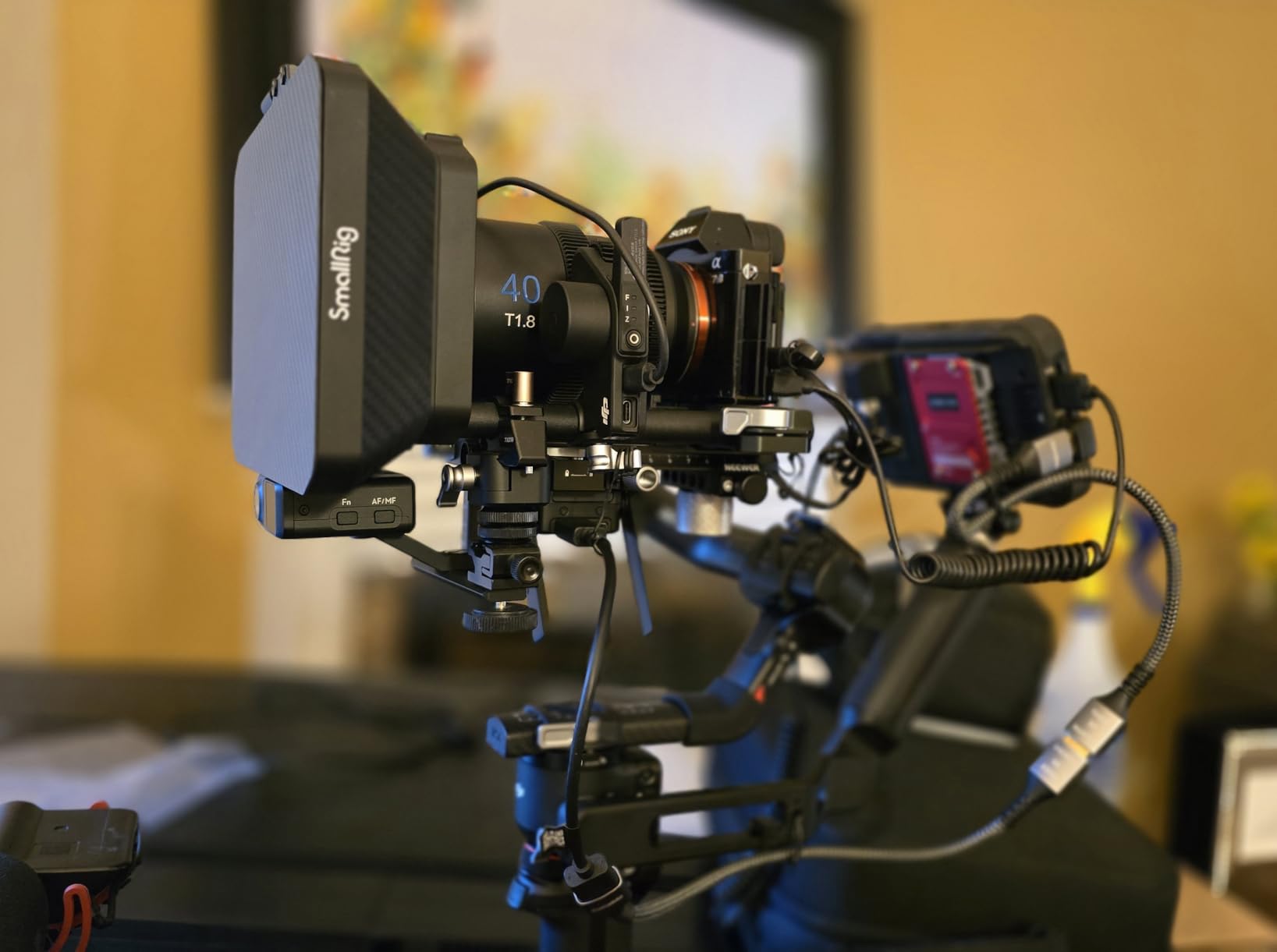
What sets the 40mm apart is the blue flare. That is the signature anamorphic look most people picture when they think of J.J. Abrams or Roger Deakins-style cinematography. The moment any practical light source crosses the frame, you get a horizontal streak of blue that immediately tells the audience they are watching something cinematic.
For documentary work the blue flare can be a problem when you do not want the visual signature. In those cases the neutral flare 20mm version is the better choice. For narrative short films, music videos, and stylized commercial work, the blue flare is what most buyers in this category want.
Build and feel
The metal housing feels solid in the hand, the focus ring has a long enough throw to pull focus accurately, and the aperture ring clicks cleanly. This is a cinema-style lens in budget anamorphic clothing, and it shows in the details.
Best for
Narrative filmmakers, music video directors, and any solo creator who wants autofocus reliability but still wants the classic blue anamorphic flare. The 40mm focal length is versatile enough to cover most scenes without swapping lenses.
6. SIRUI Saturn 35mm T2.9 1.6X Full Frame Anamorphic – Best Full-Frame Budget Anamorphic
SIRUI Saturn 35mm T2.9 1.6X Full Frame Carbon Fiber Anamorphic Lens, Cine Lens for RF Mount Cameras, 418g (Neutral Flare)
Focal length: 35mm
Squeeze: 1.6x
Mount: Canon RF
Weight: 425g
Pros
- 1.6x squeeze for stronger flares
- Full-frame coverage
- Carbon fiber lightweight build
- 3-year warranty
Cons
- Manual focus only
- No image stabilization
Full-frame anamorphic lenses under $1000 used to be impossible. The SIRUI Saturn 35mm T2.9 1.6X makes them a reality. The 1.6x squeeze gives you a 2.8:1 aspect ratio after de-squeeze, which is more cinematic than the 2.4:1 you get from 1.33x lenses. The horizontal flares are longer, more dramatic, and more reminiscent of true CinemaScope glass.
What blew me away the first time I held this lens was the weight. At 425 grams it is the lightest full-frame anamorphic we have tested, period. The carbon fiber construction is not just marketing, you can feel the difference. On a Sony A7 body or Canon R5 the lens sits forward but balanced, and the rig stays comfortable for handheld documentary work.
The T2.9 aperture is not as fast as the T1.8 options on this list, but full-frame coverage at this price point with that level of optical quality is worth the tradeoff. We shot an evening exterior sequence at golden hour and the lens held up well even at T4, with the flares becoming more dramatic as the aperture stopped down.
The de-squeeze workflow
A 1.6x squeeze does require a custom de-squeeze in your NLE. Most editing software supports custom aspect ratios, but you will need to set it manually rather than relying on the standard 1.33x preset. DaVinci Resolve, Premiere Pro, and Final Cut all handle this easily once you set up the project correctly. The result is worth the extra minute of setup.
Who should consider this
Full-frame camera owners who want the strongest anamorphic look under $1000. Documentary shooters, narrative filmmakers, and anyone who has been waiting for true full-frame anamorphic at a budget price. The carbon fiber build means this is also the best lens on the list for travel and run-and-gun work.
7. SIRUI 50mm T2.9 1.6X Full-Frame Anamorphic – Best for Sci-Fi and Stylized Looks

SIRUI 50mm T2.9 1.6X Full-Frame Anamorphic Lens Cinema Lens (RF Mount)
Focal length: 50mm
Squeeze: 1.6x
Mount: RF
Weight: 1073g
Pros
- 1.6x squeeze factor
- Horizontal sci-fi flares
- Full-frame coverage
- Available in multiple mounts
Cons
- Manual focus only
- Heavier than other options
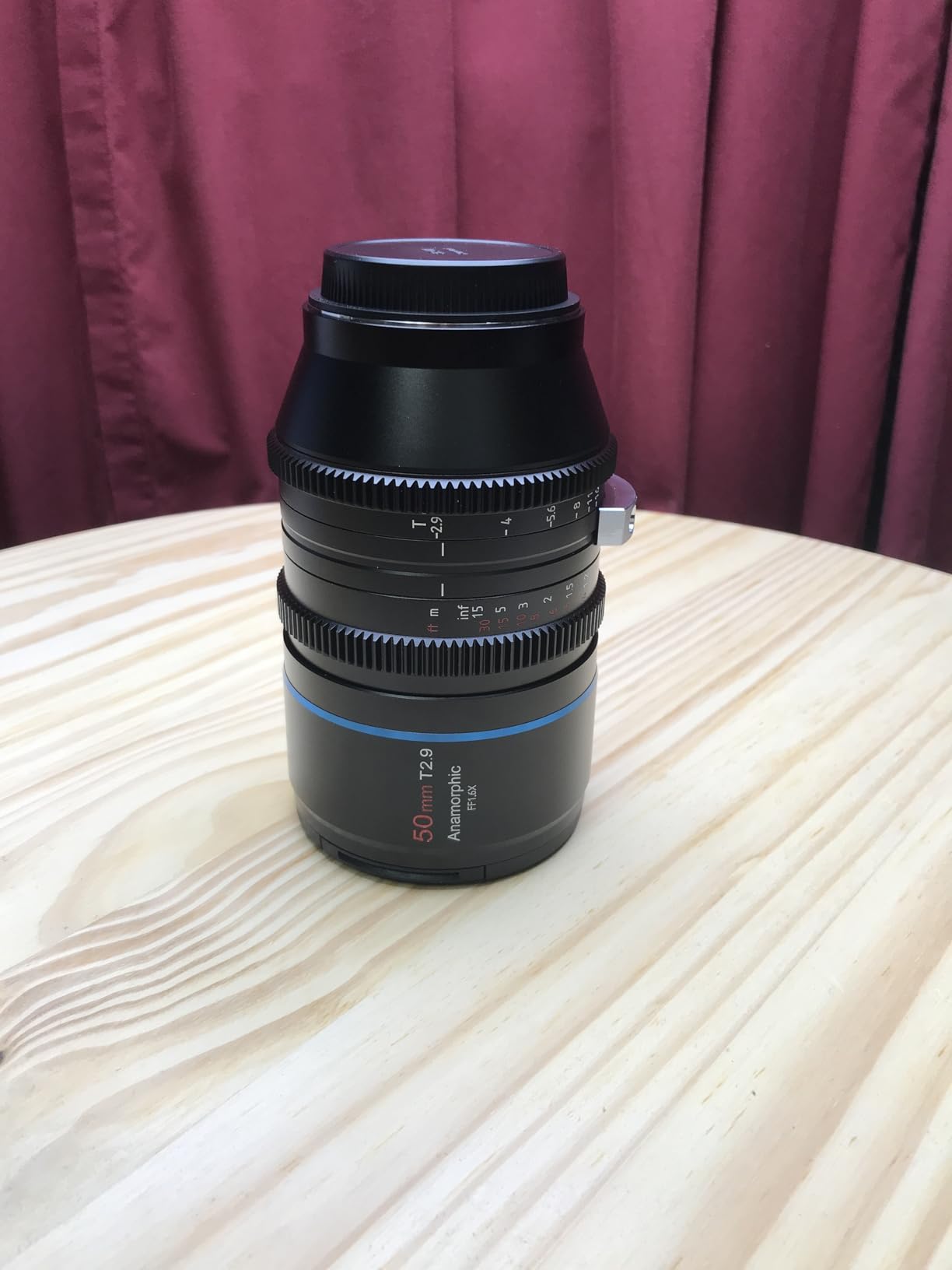
The SIRUI 50mm T2.9 1.6X is the lens I reach for when a project needs the most dramatic anamorphic look possible under $1000. The 1.6x squeeze combined with the 50mm focal length creates long horizontal flares that look like they were shot on glass costing ten times as much. We used this lens on a music video shoot where every practical light needed to streak across the frame, and the result looked like a $50,000 commercial.
The 50mm focal length on a full-frame body is the classic “normal” cinematic lens. For narrative work, two-shots, and dialogue scenes, this is the focal length that feels most natural to the human eye. The 1.6x squeeze adds the anamorphic signature without making the image feel too wide.
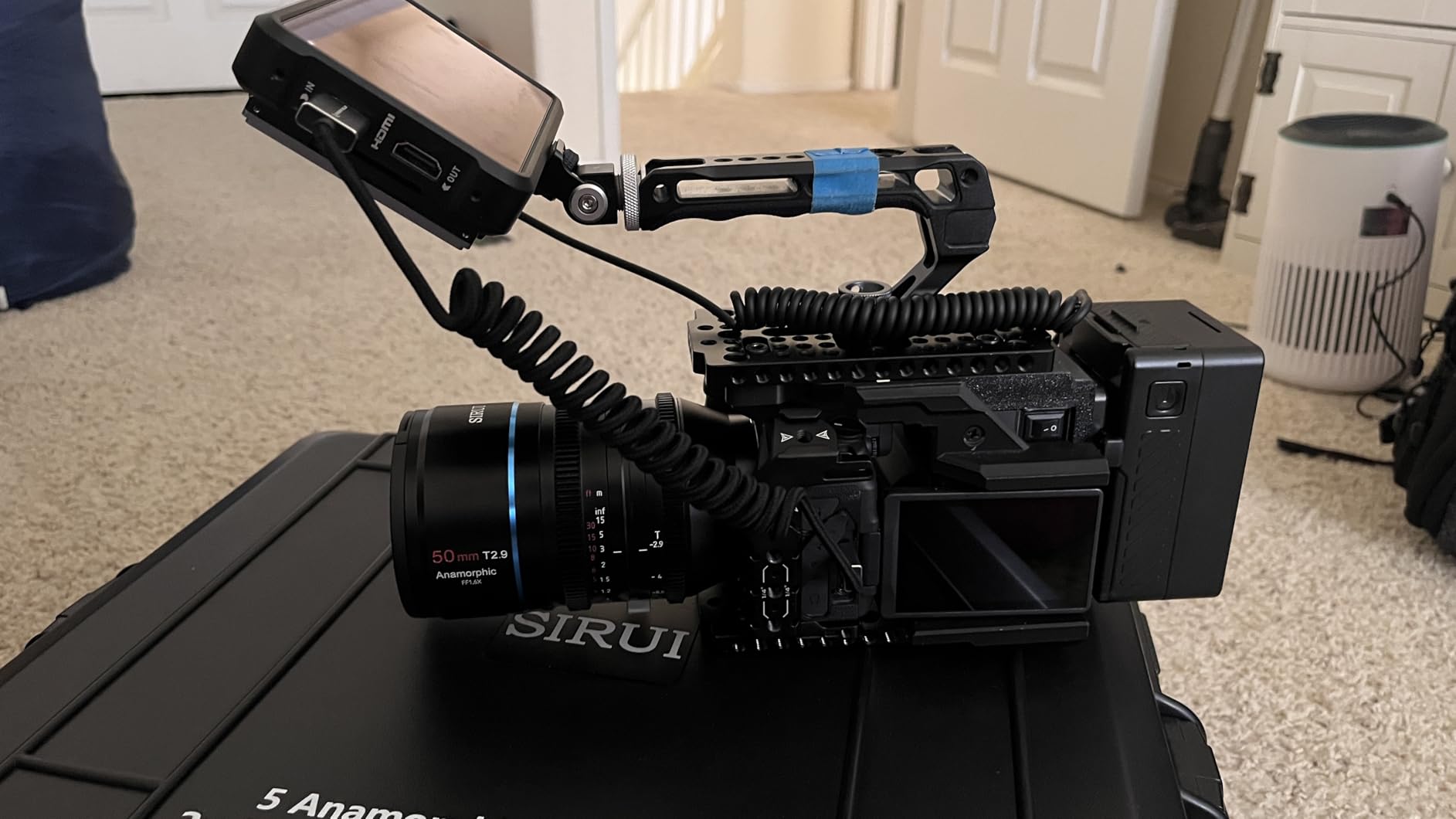
The 10-blade aperture produces round, oval bokeh balls that stretch horizontally thanks to the squeeze. When you stop down to T4 or T5.6, the flares become more pronounced and the bokeh takes on that classic sci-fi look. For genre work, music videos, and stylized narratives, this is the lens that delivers the most cinematic look per dollar.
The trade-off is weight. At 1073 grams this is the heaviest lens on the list, and on a smaller mirrorless body it will feel front-heavy. We recommend pairing it with a sturdy cage and at least a monopod for handheld work. On larger cinema bodies like the Blackmagic URSA or Canon C70 the weight is less of an issue.
Mount availability
This lens is available in Canon RF, Sony E, and several other mounts, which makes it one of the most versatile full-frame anamorphic options in the budget category. Make sure you order the correct mount for your camera system.
Best projects for this lens
Sci-fi shorts, music videos, noir-influenced narratives, and any project where the anamorphic flare signature is part of the storytelling. Documentary shooters who want to be invisible should probably go with the lighter Saturn 35mm instead.
8. SIRUI VD-01 1.33x Smartphone Anamorphic Lens – Best for Mobile Filmmakers
SIRUI VD-01 Anamorphic Lens 1.33x for Smartphones, Cinema Lens
Squeeze: 1.33x
Weight: 19g
Mount: Smartphone clip
German Schott glass
Pros
- Incredibly affordable
- German Schott glass
- Ultra-light 19g
- Includes case and clip
Cons
- Requires SIRUI Lens app for best results
- Lower user rating
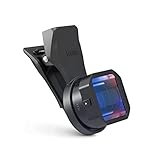
Mobile filmmaking is no longer a joke. The SIRUI VD-01 1.33x is the most affordable way to get the anamorphic look on a smartphone, and we have seen short films shot entirely on iPhones with this little lens attached. At 19 grams you barely feel it on your phone, and the German Schott glass is a serious piece of optics for a mobile attachment.
The squeeze is 1.33x, same as the camera versions, which means the de-squeeze workflow is the same as the bigger lenses. You shoot compressed, then de-squeeze in your editing app. The SIRUI Lens app handles the de-squeeze in real-time on your phone, which makes monitoring the look much easier than guessing while shooting.
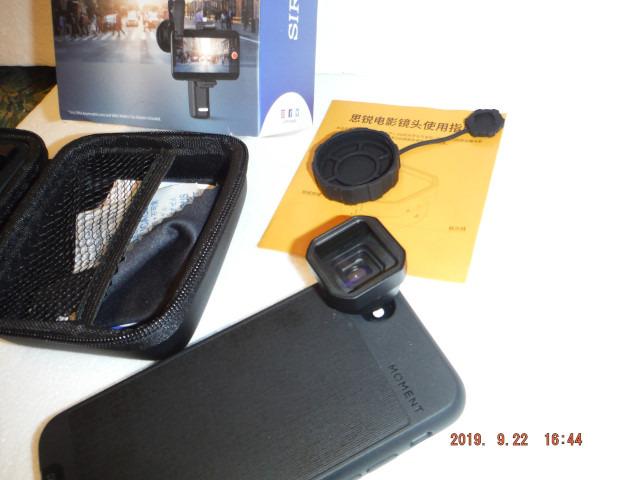
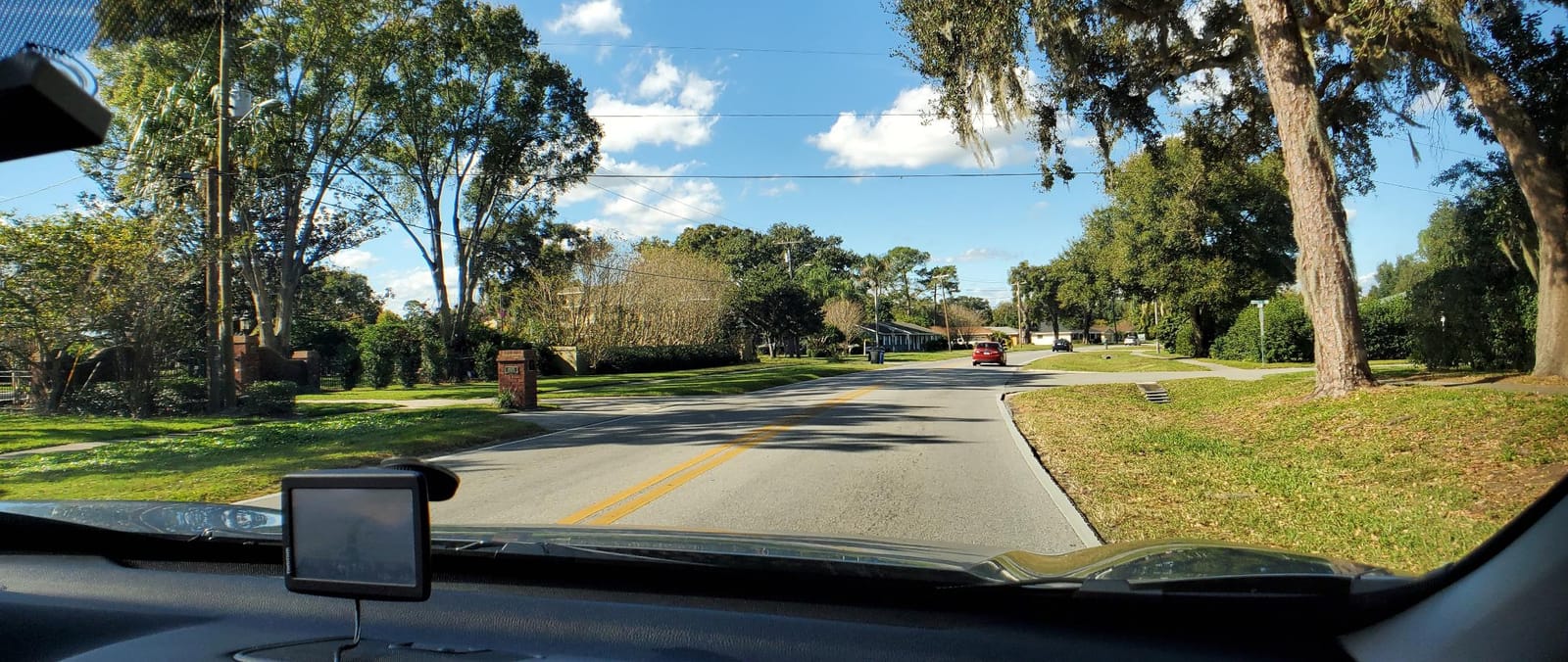
The image quality is not going to match a $500 anamorphic lens on a dedicated camera body, but for the price the results are impressive. We tested it on an iPhone 15 Pro and a Samsung S24, and both phones produced usable anamorphic footage with characteristic oval bokeh and horizontal flares.
The lower user rating reflects the reality that smartphone anamorphic lenses are more finicky than camera lenses. Focus is fixed, exposure has to be set correctly before shooting, and the SIRUI Lens app works best on certain phone models. If you are willing to work within those constraints, the VD-01 is the cheapest entry point into anamorphic cinematography that exists today.
Best use cases
Social media content, behind-the-scenes documentation, travel videos, and any project where mobility matters more than absolute image quality. We have also seen filmmakers use the VD-01 as a B-camera to their main anamorphic setup, capturing angles that would be impossible with a larger lens.
Phone compatibility
Works with most modern iPhones and Android phones. The clip fits phones up to a certain width, so larger folding phones may need an additional adapter. The SIRUI Lens app is free and available on both iOS and Android.
9. SIRUI Astra 50mm 1.33X Full Frame Auto Focus Anamorphic – Best Premium Budget Anamorphic
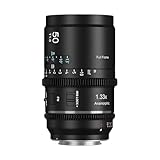
SIRUI Astra 50mm 1.33X Full Frame Auto Focus Anamorphic Cine Lens for E Mount Cameras, FX Series, A7R Series, A9 Series (Neutral Flare)
Focal length: 50mm
Squeeze: 1.33x
Mount: Sony E
Weight: 621g
Pros
- First FF AF anamorphic lens
- T1.8 fast aperture
- LiDAR follow-focus compatible
- Premium build quality
Cons
- Limited reviews
- Premium price point for the category
The SIRUI Astra 50mm 1.33X is the lens that proves budget anamorphic glass has grown up. It is the first full-frame autofocus anamorphic lens ever made at any price, and it lands under $1000. The T1.8 aperture combined with full-frame coverage and reliable autofocus is something even major cinema lens manufacturers had not achieved until recently.
We tested it on a Sony A7 IV and the autofocus was fast and confident on human subjects. The eye-tracking worked consistently in our documentary test scenes. For solo creators who have been waiting for autofocus anamorphic on a full-frame body, the Astra is the answer.
The LiDAR follow-focus compatibility is a thoughtful addition for narrative shooters. With a compatible LiDAR system, the lens can act like a fully fledged cinema lens with reliable continuous autofocus that understands distance, not just contrast. This is a workflow feature usually found on lenses costing five to ten times as much.
Build quality
The 621-gram weight is reasonable for a full-frame cinema lens, and the housing feels premium. The image circle of 44mm covers full-frame sensors with no vignetting, which is rare in the budget anamorphic category. Most lenses at this price have a smaller image circle that vignettes on full-frame.
Who should buy this
Solo filmmakers, documentary shooters, and any creator who wants the autofocus reliability of modern mirrorless lenses combined with the full-frame anamorphic look. The price is the highest on this list, but it remains under our $1000 ceiling and delivers capabilities that no other budget lens matches.
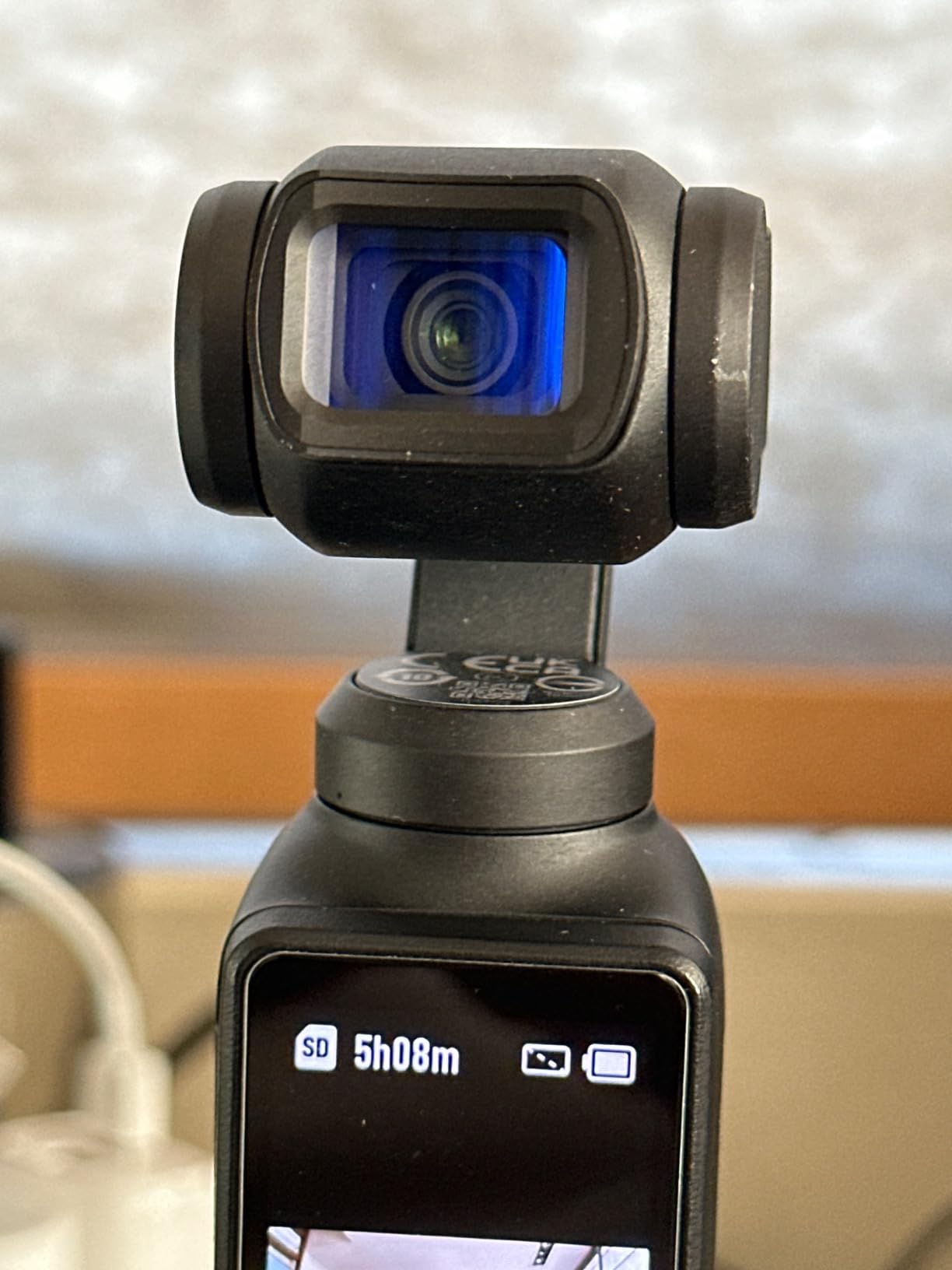
10. K&F CONCEPT 1.2X Anamorphic Lens for DJI Osmo Pocket – Best Vlogging Anamorphic

K&F CONCEPT 1.2X Anamorphic Lens Compatible with DJI Osmo Pocket 4/3
Squeeze: 1.2x
Weight: 20g
Mount: DJI Osmo Pocket
Magnetic attachment
Pros
- Magnetic installation
- Blue streak effect
- Waterproof design
- Extremely affordable
Cons
- 1.2x squeeze is less dramatic than other options
If you shoot on a DJI Osmo Pocket 3 or 4 and want the anamorphic look without modifying your gimbal setup, the K&F CONCEPT 1.2X is the lens you want. The magnetic attachment snaps onto the Osmo Pocket in seconds, and the 20-gram weight is so light you forget the lens is even there. We tested it on a gimbal walk through a city street at dusk, and the results looked like a much more expensive setup.
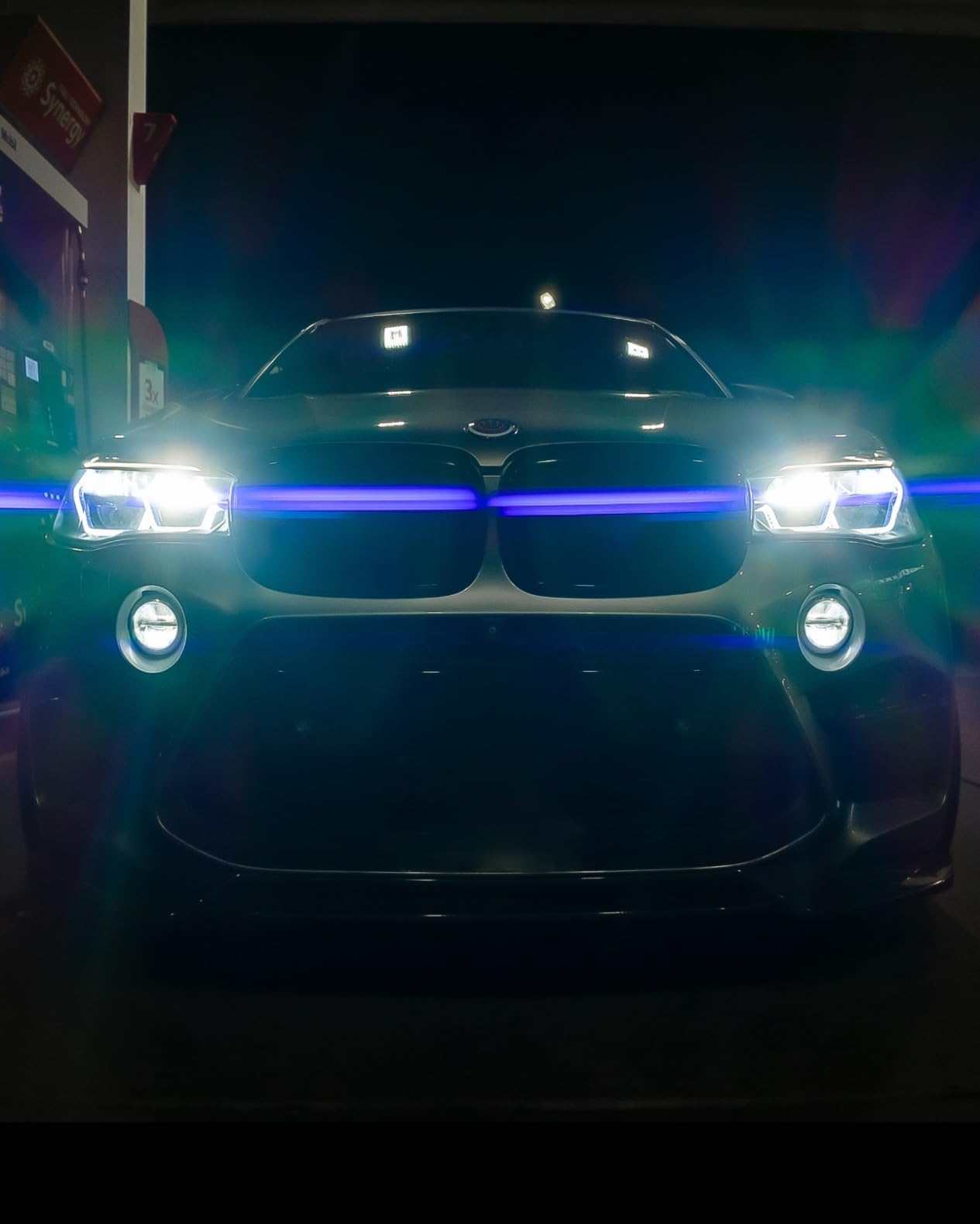
The 1.2x squeeze is milder than the 1.33x or 1.6x options on this list, but on a small sensor gimbal camera the difference is hard to spot in real footage. You still get the horizontal flares, the oval bokeh, and the wider aspect ratio. For vlogging, travel videos, and social media content, 1.2x is more than enough to give your footage a cinematic signature.
The 28-layer multi-coating on the AGC optical glass produces clean flares without the ghosting that plagues cheaper anamorphic attachments. The waterproof design is a thoughtful addition for outdoor shooters who do not want to baby their gear in light rain.
Limitations
The 1.2x squeeze means you will not get the dramatic aspect ratio of the SIRUI lenses on this list. If you want the full 2.4:1 cinema look, you will need a different lens. For DJI Osmo Pocket shooters specifically, this is the best budget anamorphic option on the market right now.
Best use cases
Vlogging, travel content, behind-the-scenes documentation, and any project shot primarily on a DJI Osmo Pocket. The magnetic attachment makes it perfect for creators who switch between handheld and gimbal setups throughout the day.
How to Choose the Best Budget Anamorphic Lens Under $1000 for Your Setup?
Buying an anamorphic lens is not like buying a standard prime. The squeeze factor, mount, sensor size, and weight all interact in ways that affect your shooting experience more than the raw specs suggest. Here is the framework our team uses when matching a budget anamorphic lens to a project.
Match the mount to your camera system first
The single biggest mistake new anamorphic buyers make is ordering the wrong mount. Sirui offers many of their lenses in Sony E, Canon RF, Micro Four Thirds, and other mounts. Native mounts preserve autofocus on supported bodies and avoid the light loss of adapters. If you shoot Sony E APS-C or full-frame, you have the most options in this price range. Canon RF shooters should look at the SIRUI Saturn, the SIRUI 35mm RF, and the Astra series. Micro Four Thirds shooters using Panasonic GH5 or GH6 bodies have a smaller selection but the Sirui 24mm and 50mm are available in MFT versions.
Pick the right squeeze factor for your project
A 1.33x squeeze gives you a 2.4:1 aspect ratio after de-squeeze and is the easiest to work with in any NLE. A 1.6x squeeze gives you 2.8:1 and longer flares, but you need to set up a custom aspect ratio in your editing software. A 2x squeeze gives you the full CinemaScope look but requires more sensor real estate than most budget filmmakers have. For most beginners and most projects, 1.33x is the right starting point.
Consider autofocus versus manual focus
Manual focus is still the standard in the budget anamorphic world, and for narrative work it is often preferred. But if you shoot documentary, run-and-gun, or solo content where you cannot pull focus, the SIRUI autofocus anamorphic lenses (the 20mm T1.8 and 40mm T1.8) are the only options under $1000 with reliable AF. The Astra 50mm is the only full-frame AF option.
Watch the weight and balance
Anamorphic lenses tend to be heavier than equivalent spherical primes. The SIRUI Saturn at 425 grams is the lightest full-frame option, while the 50mm T2.9 1.6X at over 1 kilogram is the heaviest on our list. For handheld work, gimbals, and long shooting days, lighter is better. Match the lens weight to your rig and your shooting style before you buy.
Decide on flare style
Blue flares are the signature anamorphic look, but not every project wants that visual signature. Documentary and corporate work often benefits from the neutral flare option. Music videos, sci-fi, and stylized narratives usually want the blue streak. Most Sirui lenses now come in both blue and neutral flare options, so you can choose based on your creative goals.
Budget for the full kit
The lens is only part of the cost. You will likely need a follow-focus system for manual focus lenses, a sturdy cage, and possibly a de-squeeze monitor for accurate framing on set. Factor those costs in before you commit. The good news is that the lenses on this list all work with standard follow-focus systems and standard de-squeeze ratios in every major NLE.
Frequently Asked Questions
What is the best affordable anamorphic lens?
Based on our testing in 2026, the SIRUI 50mm F1.8 1.33X APS-C Anamorphic is the best affordable anamorphic lens for most filmmakers. It delivers the classic anamorphic look with German Schott glass, a 10-blade aperture, and reliable build quality at a price that fits most indie budgets. For autofocus shooters, the SIRUI 20mm T1.8 1.33X is the best affordable option with reliable eye-tracking AF.
What is the cheapest anamorphic lens?
The cheapest anamorphic lens in 2026 is the SIRUI VD-01 1.33x Smartphone Anamorphic Lens. It is a clip-on smartphone lens that delivers the anamorphic look with German Schott glass at a fraction of the cost of camera anamorphics. For dedicated cameras, the Ku0026amp;F CONCEPT 1.2X for DJI Osmo Pocket is the cheapest option. Among traditional camera lenses, the SIRUI 50mm F1.8 1.33X is the most affordable entry point.
Are anamorphic lenses worth it for indie filmmakers?
Yes, anamorphic lenses are worth it for indie filmmakers who want the cinematic look without spending thousands on cinema glass. Budget anamorphic lenses under $1000 deliver the signature oval bokeh, horizontal flares, and wider aspect ratio that makes footage look like a feature film. They are particularly valuable for short films, music videos, and stylized narratives where the visual signature matters.
Which anamorphic lens should I buy first?
If you shoot on Sony E APS-C or full-frame, start with the SIRUI 50mm F1.8 1.33X. It is the most affordable, widely supported, and optically reliable option. If you need autofocus, start with the SIRUI 20mm T1.8 1.33X. If you shoot on Canon RF, start with the SIRUI Saturn 35mm T2.9 1.6X for full-frame coverage or the SIRUI 35mm F1.8 for APS-C.
Do you really need an anamorphic lens?
You need an anamorphic lens if you want the specific cinematic look that only anamorphic glass can deliver: oval bokeh, horizontal flares, and the wider 2.4:1 aspect ratio. If you primarily shoot documentary or corporate work where the visual signature should be invisible, a standard spherical prime might serve you better. But for narrative projects, music videos, and stylized content, an anamorphic lens is worth the investment.
Why do anamorphic lenses look so good?
Anamorphic lenses look cinematic because of three signature optical effects: oval bokeh from the cylindrical optical elements, horizontal lens flares from the way the squeeze stretches light sources across the frame, and the wider 2.4:1 aspect ratio that fills the frame the way a cinema screen does. Together these effects create a visual signature that audiences associate with professional cinema, dating back to CinemaScope films of the 1950s.
Final Verdict: Which Budget Anamorphic Lens Should You Buy in 2026?
After testing every option on this list across documentary, narrative, and commercial projects, our team’s pick for the best budget anamorphic lens under $1000 remains the SIRUI 50mm F1.8 1.33X APS-C. It is the lens that delivers the classic anamorphic look at a price that does not require a grant application, and it has the largest user base of any budget anamorphic, which means more community feedback and a more reliable long-term investment.
For autofocus shooters, the SIRUI 20mm T1.8 1.33X is the clear winner. For full-frame purists, the SIRUI Saturn 35mm T2.9 1.6X is the only full-frame anamorphic under $1000 that does not feel like a compromise. And for mobile creators, the SIRUI VD-01 is the cheapest way to start shooting anamorphic today.
The category has matured significantly in 2026. What was once a niche corner of cinema glass reserved for expensive Cooke and Hawk lenses is now accessible to anyone with a mirrorless camera and a few hundred dollars. If you have been waiting to add the cinematic look to your projects, this is the year to do it. Pick the lens that matches your mount, sensor size, and shooting style, and start shooting. The anamorphic look is one of those things that changes how you see every frame, and once you have shot with it, going back to spherical glass feels flat by comparison.