
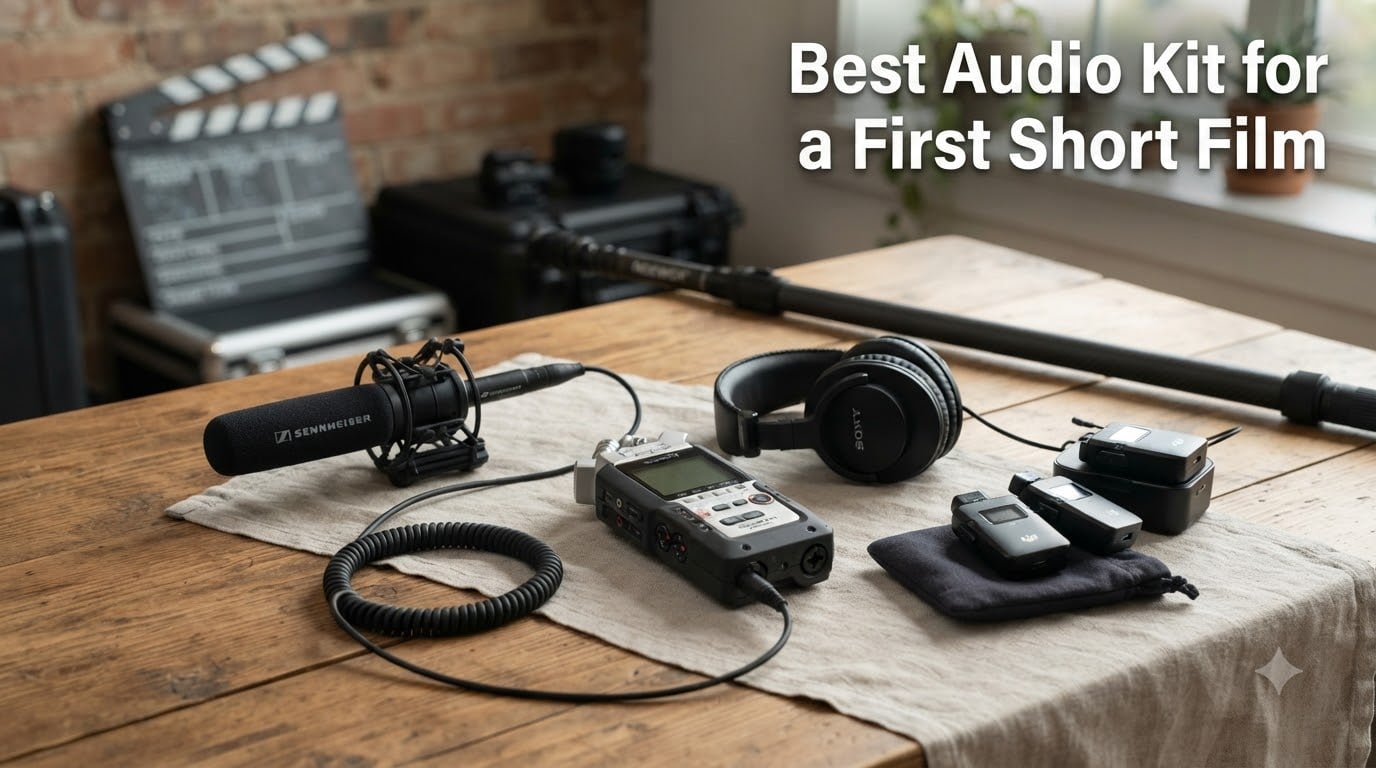
If you are shooting your first short film, here is the truth nobody tells you on set: viewers will forgive shaky footage, blown-out highlights, and even mediocre color grading, but they will not forgive bad audio. I learned this the hard way on my second short, when a $3,000 camera captured a beautifully lit scene that was rendered completely unwatchable by the buzzing fridge two rooms away. Sound is the single biggest gap between student work and professional-looking work, and the right gear can completely close that gap without forcing you into a debt spiral.
I built my first audio kit on a $400 budget back in 2026, dragging it through three short films before I figured out what actually mattered. The Zoom H4 Essential became my recorder, the Sony MDR-7506 sat on my head for every take, and a Rode VideoMicro rode on top of my mirrorless camera for on-the-run shots. After comparing 10 different pieces of gear across interviews, dialogue scenes, and outdoor shoots, I put together this guide to help you skip the painful trial-and-error phase.
Below are the 10 products I would buy again if I were starting from zero today, organized by what role each piece plays in your kit. Whether you need a recorder, a shotgun, a lav, a boom pole, or just a solid pair of monitoring headphones, this guide covers your complete audio kit for a first short film in 2026.
Table of Contents
- Top 3 Picks at a Glance for October 2026
- Best Audio Kit for a First Short Film in October 2026
- 1. Zoom H4 Essential — Best All-Around Recorder
- 2. Rode VideoMicro — Best Budget On-Camera Mic
- 3. Sennheiser MKE 600 — Best Shotgun for Dialogue
- 4. DJI Mic 2 — Best Wireless Lav System
- 5. Sony MDR-7506 — Best Industry-Standard Headphones
- 6. NEEWER MS-300CB — Best Budget Boom Pole
- 7. Rode NTG-1 — Best Pro-Grade Shotgun
- 8. TASCAM DR-60DmkII — Best Camera-Mounted Recorder
- 9. COMICA VM20 — Best Budget Shotgun with Display
- 10. Audio-Technica ATH-M50X — Best Studio Headphones
- How to Build Your First Short Film Audio Kit?
- Frequently Asked Questions
- Final Verdict
Top 3 Picks at a Glance for October 2026


Best Audio Kit for a First Short Film in October 2026
| Product | Specs | Action |
|---|---|---|
| Zoom H4 Essential Recorder |
|
Check Latest Price |
 Rode VideoMicro Camera Mic Rode VideoMicro Camera Mic |
|
Check Latest Price |
 Sennheiser MKE 600 Shotgun Sennheiser MKE 600 Shotgun |
|
Check Latest Price |
| DJI Mic 2 Wireless Lav |
|
Check Latest Price |
 Sony MDR-7506 Headphones Sony MDR-7506 Headphones |
|
Check Latest Price |
 NEEWER MS-300CB Boom Pole NEEWER MS-300CB Boom Pole |
|
Check Latest Price |
 Rode NTG-1 Shotgun Mic Rode NTG-1 Shotgun Mic |
|
Check Latest Price |
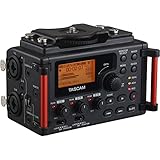 TASCAM DR-60DmkII Recorder TASCAM DR-60DmkII Recorder |
|
Check Latest Price |
 COMICA VM20 Shotgun Mic COMICA VM20 Shotgun Mic |
|
Check Latest Price |
 Audio-Technica ATH-M50X Audio-Technica ATH-M50X |
|
Check Latest Price |
1. Zoom H4 Essential — Best All-Around Recorder
Zoom H4 Essential Handheld Recorder for Musicians, Podcasters & Filmmakers
32-bit float recording
4 tracks
2 XLR/TRS inputs
USB-C interface
Pros
- 32-bit float prevents distorted takes
- Built-in stereo microphones
- 2 XLR inputs for external mics
- USB-C streaming capability
- Accessible spoken menu guidance
Cons
- Menu navigation takes practice
The Zoom H4 Essential is the recorder I wish I had bought first instead of fighting with my camera’s built-in microphone for two whole projects. It records 4 tracks at 32-bit float, which sounds like technical jargon until you understand what it means: you cannot clip the audio, no matter how loud your actors get during an emotional scene. On my last short, a co-star slammed a door in an unscripted moment, and the H4 caught it perfectly while my friend’s cheaper recorder produced a useless distorted blob.
The two XLR/TRS combo inputs handle shotgun mics, lavs, or a mix of both. We ran an NTG-1 into channel 1 and a wireless receiver into channel 2 during a three-person interview and got clean, isolated tracks for every speaker. The built-in stereo mics are also genuinely useful for capturing room tone and ambient sound between takes, something most beginners forget to record.
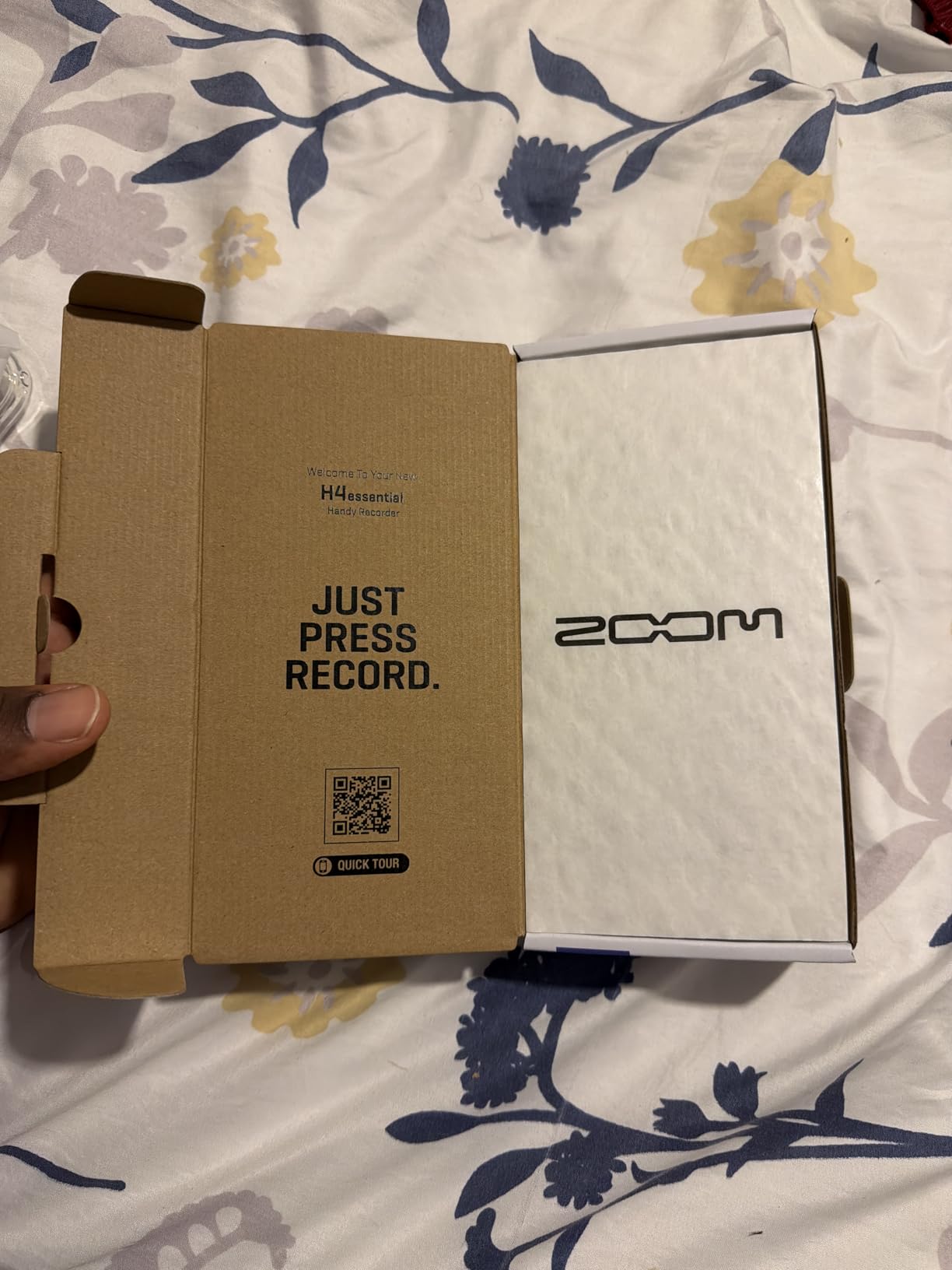
The USB-C port turns the H4 into a 4-in/2-out interface for live streaming, podcasting, or recording directly into DaVinci Resolve. Battery life hovers around 20 hours on a pair of AA batteries, which beats almost every competitor in this price range. The only friction I noticed was navigating the menu system through the small screen; spoken menu guidance helps, but it still feels slower than a touchscreen.
For first-time filmmakers, this is the recorder I recommend without hesitation. It will grow with you from your first short film all the way to documentary work, and the 32-bit float recording acts like training wheels that prevent the most common beginner mistake: blown-out takes you cannot use.
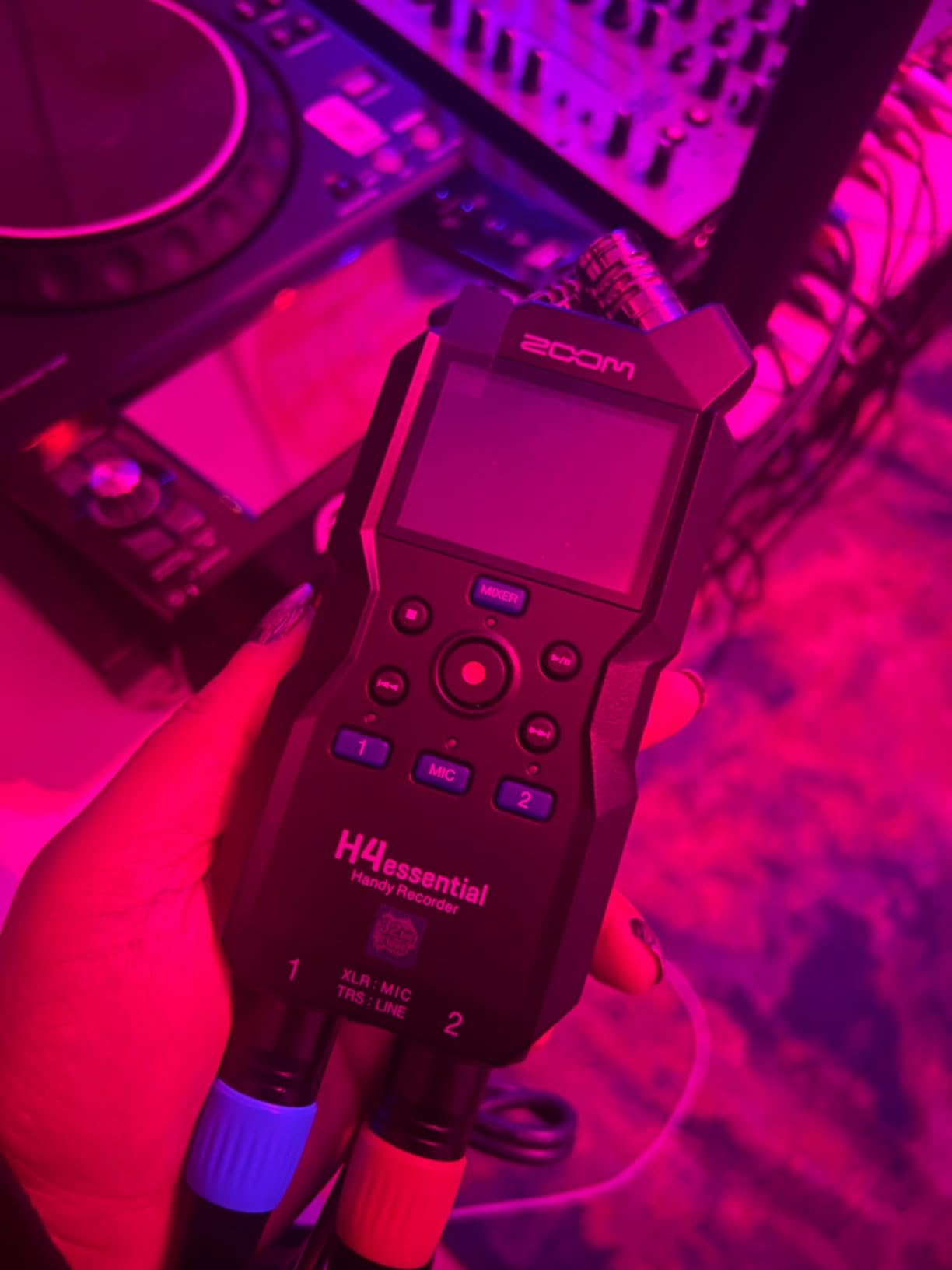
Recording setup and workflow
Set levels in 24-bit mode first while you get used to the device, then switch to 32-bit float for actual production work. Format the SD card before each shoot and bring at least two spares, even on one-day projects. Mount the recorder on a small tabletop tripod or use the included shock absorber accessories when running and gunning with a DSLR.
The H4 Essential shines in dialogue-heavy scenes where actors vary their volume. Quiet whispers and loud exclamations both record at usable levels without gain riding, which is exactly what a single-operator indie shoot needs.
Limitations to know before buying
The plastic body feels less rugged than the older Zoom H5 or H6, so invest in a small protective case. On-camera mounting requires a separate shoe adapter, which most bundles include but entry-level kits sometimes skip.
For film students who already own a field recorder but want a backup or streaming rig, this might be overkill. For absolute first-timers with no existing audio gear, the Zoom H4 Essential is the foundation I would build every audio kit on.
2. Rode VideoMicro — Best Budget On-Camera Mic
Rode VideoMicro Compact On-Camera Microphone with Rycote Lyre Shock Mount
Compact 80mm design
No battery required
20700 reviews
Includes Rycote shock mount
Pros
- Compact and lightweight all-metal body
- Includes Rycote Lyre shock mount
- No battery required
- 20700 reviews
- Plugs directly into camera
Cons
- 3.5mm jack only
- no XLR option
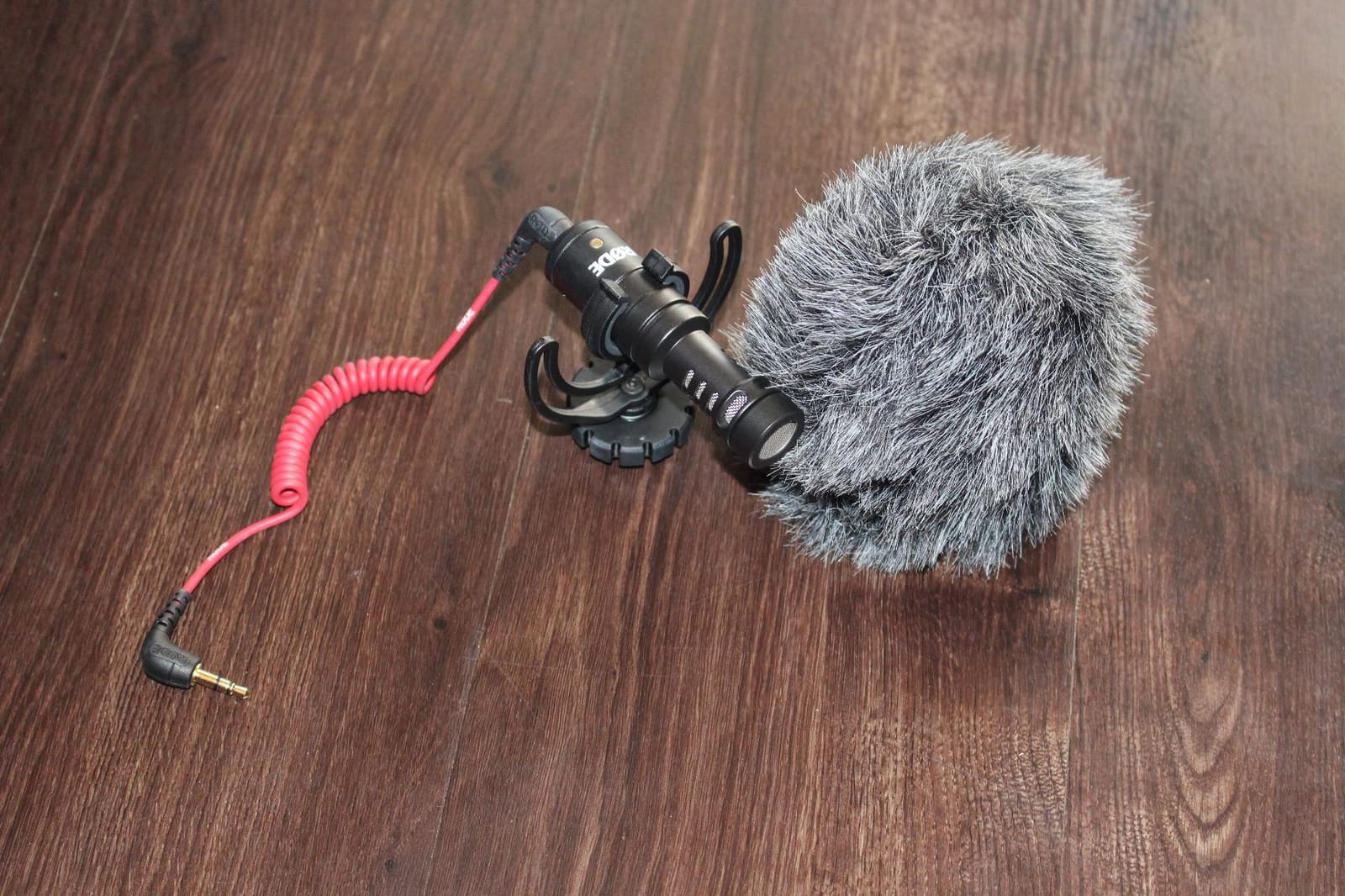
The Rode VideoMicro is the smallest piece of audio gear I pack when I want to travel light. It weighs 1.5 ounces, plugs directly into a camera’s 3.5mm input, and needs no battery because it draws power through the cable. For first-time filmmakers shooting a documentary style short with a single camera operator, the VideoMicro outperforms built-in camera mics by a wide margin and costs less than a nice dinner.
The included Rycote Lyre shock mount is the real gem here. It isolates the mic from handling noise, lens focusing clicks, and the subtle vibrations that come from mirrorless autofocus motors. I used it on a documentary short where the subject was walking down a busy street, and the dialogue came through clean while the on-camera mic picked up every footstep.
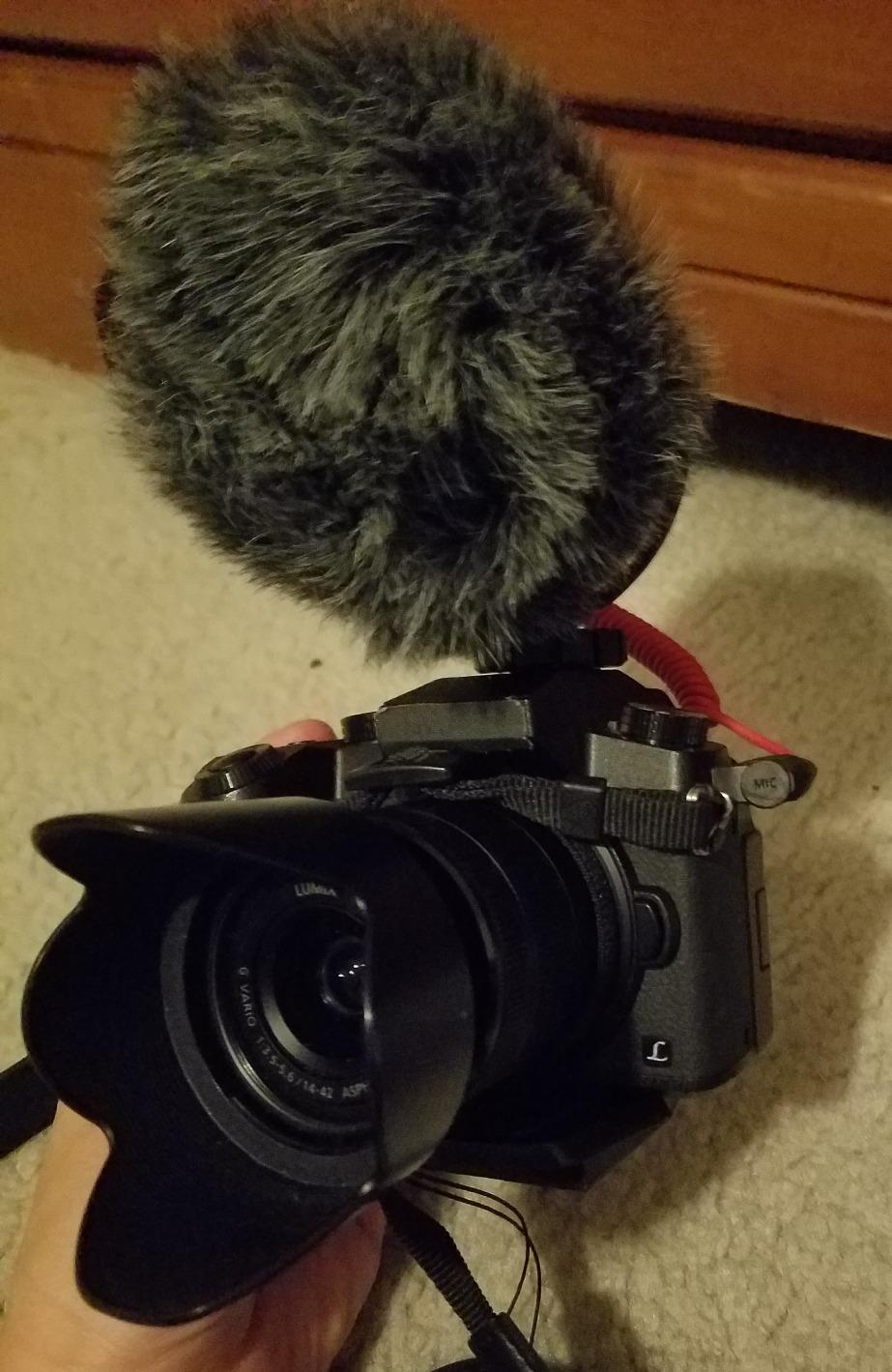
The mic has a unidirectional cardioid pickup pattern, which means it rejects sound from behind and to the sides. That worked great for sit-down interviews but struggled slightly in noisy outdoor scenes, where I wished for a tighter shotgun pattern.
If you are buying your first short film audio kit and want a single mic that handles run-and-gun shooting without complications, the VideoMicro is the most forgiving option. It is also a perfect backup microphone to keep in your bag for those just-in-case moments.
Best use cases for beginners
The VideoMicro shines for sit-down vlog-style interviews, B-roll narration, and quick documentary segments. It is also a great teaching tool, because it lets you focus on storytelling while still capturing audibly better sound than your camera alone.
Skip this mic if you are recording dialogue-heavy scripted scenes at more than 4 feet from your subjects. For tight, personal interviews and travel-style filming, it is unmatched at the price.
What you give up at this price point
The 3.5mm TRS output means no XLR connection to a professional recorder or mixer. There is also no gain control on the mic itself, so you rely on your camera’s preamps, which can introduce noise at higher levels.
This is not a professional cinema mic, and Rode does not pretend it is. For filmmakers who want a reliable step up from built-in camera audio without crossing into XLR territory, the VideoMicro delivers exactly what it promises.
3. Sennheiser MKE 600 — Best Shotgun for Dialogue
Sennheiser MKE 600 Shotgun Microphone Bundled with Universal Shockmount + 20-Feet XLR Microphone Cable + Microfiber Cleaning Cloth (4 Items)
High directivity shotgun
Phantom or battery power
Includes shockmount and XLR cable
Pros
- High directivity picks up subject clearly
- Switchable low-cut filter
- Phantom or battery powering options
- Professional Sennheiser build quality
Cons
- Higher learning curve than on-camera mics
The Sennheiser MKE 600 is the step-up choice when you are ready to take dialogue seriously. It bundles the microphone, a universal shockmount, a 20-foot XLR cable, and a microfiber cleaning cloth, giving you everything you need to plug it into a Zoom or TASCAM recorder on day one. The high directivity pattern rejects off-axis sound with surgical precision, so a noisy HVAC system or a passing car does not ruin your take.
On a recent dialogue scene inside a quiet diner, the MKE 600 captured both actors from a boom position 3 feet away while completely rejecting the kitchen noise and street traffic. That is the kind of isolation you simply cannot get from an on-camera mic at any price. The switchable low-cut filter is a small but critical feature that rolls off wind rumble and low-frequency handling noise.
The mic runs on either phantom power from your recorder or a single AA battery for cameras without phantom power. Battery mode provides around 150 hours of runtime, so I never worried about it dying mid-shoot. The bundle price makes this an attractive alternative to buying the mic and accessories separately.
Setup tips for first-timers
Mount the MKE 600 on a boom pole just above and in front of the actors, angled slightly down toward the chest. Use the shockmount aggressively; even on a stationary tripod, the included shockmount reduces vibrations traveling through the floor.
Engage the low-cut filter when shooting outdoors or in any environment with HVAC noise. For indoor dialogue in a treated room, leave the filter off and capture the full natural frequency response.
Trade-offs and considerations
This microphone is not as forgiving as a stereo recorder or a wider pickup pattern mic. It rewards careful boom operation and punishes sloppy placement. First-time filmmakers with no one to hold the boom will struggle to use it effectively.
For short film projects where dialogue is the priority and you have a dedicated boom operator or static placement, the Sennheiser MKE 600 delivers broadcast-quality audio that matches what you hear in streaming documentary series.
4. DJI Mic 2 — Best Wireless Lav System
DJI Mic 2 (2 TX + 1 RX + Charging Case), All-in-one Wireless Microphone
2 transmitters + receiver
32-bit float internal
250m range
Includes charging case
Pros
- 32-bit float prevents clipping
- 250m wireless range
- 18-hour total battery life
- Includes charging case and adapters
- Intelligent noise cancelling
Cons
- Higher cost than wired lav options
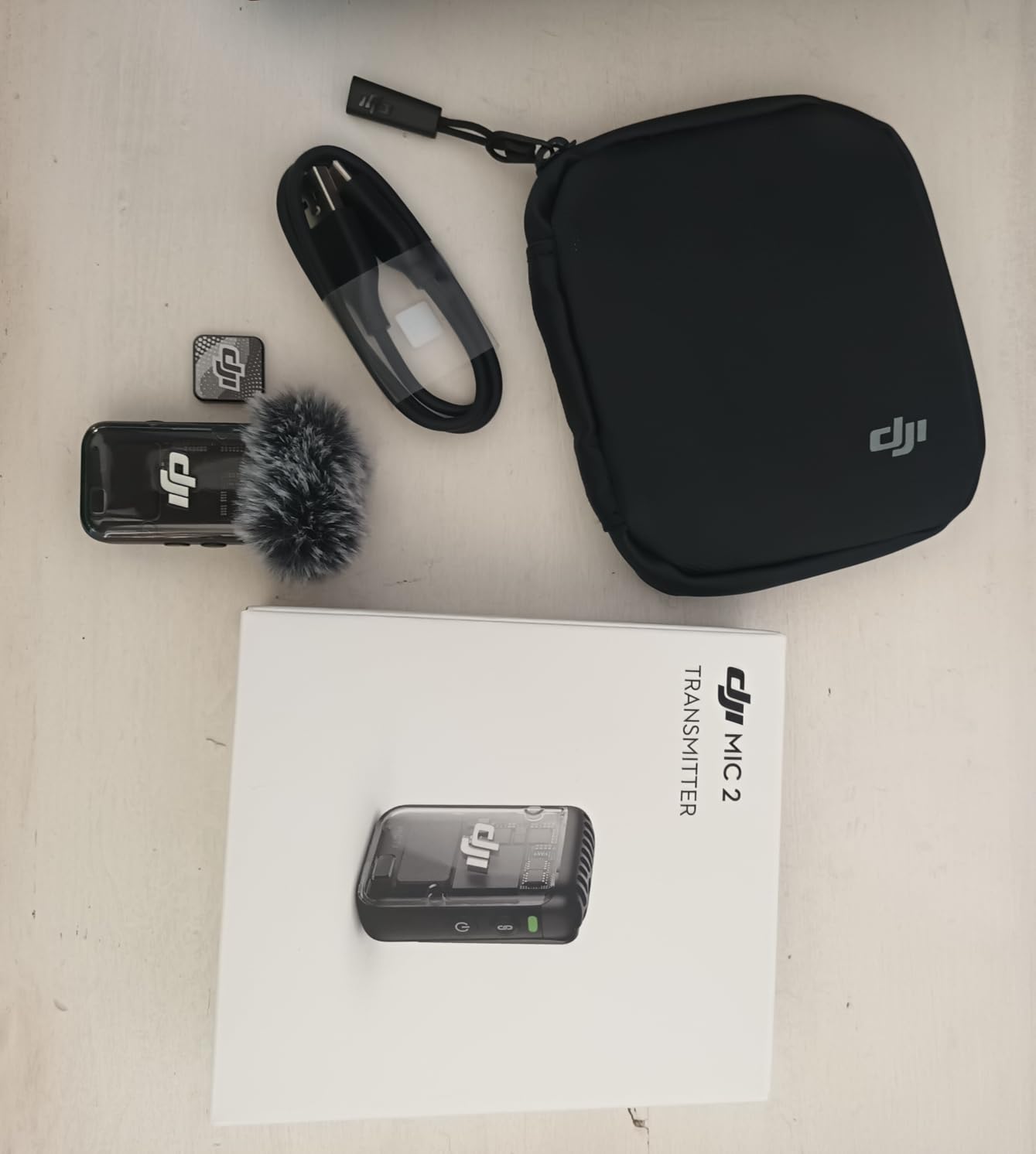
The DJI Mic 2 changed how I shoot interviews for short films because it eliminates the single biggest constraint of location sound: cable management. The system ships with two transmitters and one receiver, pre-linked out of the box, so you can clip a lav on two actors, plug the receiver into your camera or phone, and start recording. We used it on a documentary-style short with two moving subjects and never had a dropout or interference issue within 100 feet.
The 32-bit float internal recording inside each transmitter is a game-changer for first-time filmmakers. Even if the wireless signal cuts out or your gain setting is wrong, the transmitter still records backup audio directly with no risk of clipping. On one shoot, an actor walked behind a metal wall and lost signal, but the internal recording saved the take completely.
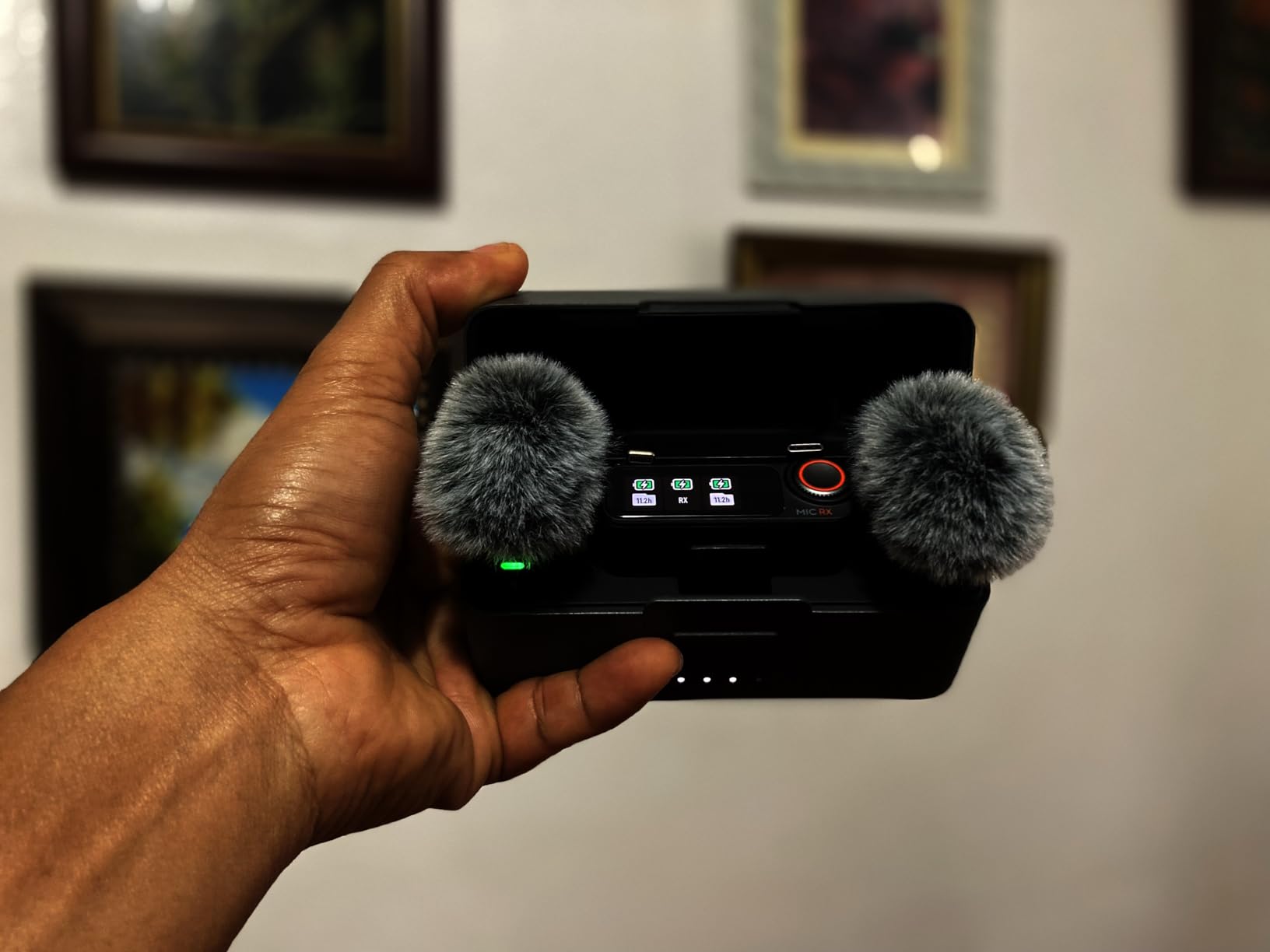
The charging case provides up to 18 hours of total operation across the transmitters and receiver, which exceeded my expectations on a two-day shoot. Intelligent noise cancelling works well for unpredictable environments, though it does introduce a slight digital artifact that you might want to disable in quieter settings. The OLED screen on each transmitter shows battery, gain, and recording status at a glance.
For first short film creators who want clean dialogue without running cables, the DJI Mic 2 is the easiest wireless system I have ever tested. You spend less time wrangling equipment and more time directing your actors.
Why wireless lavs matter for short films
Movement is the soul of visual storytelling, but cables limit your blocking. Wireless lavs free your actors to walk, gesture, and react naturally without yanking on a hidden line. The DJI Mic 2 gives you this freedom on a budget that five years ago would have required renting a $1,500 professional kit.
The included Lightning and USB-C adapters mean the system works with iPhones, Android devices, and cameras without buying extra cables. That flexibility matters when you are shooting in unpredictable locations.
Limitations to be aware of
The transmitters clip to clothing and work best when hidden under loose fabric or taped against the chest. They are larger than traditional wired lavs, so very form-fitting costumes can show the outline.
For purely indoor dialogue scenes with controlled blocking, a wired lav system might produce cleaner audio at a lower cost. For run-and-gun documentary-style work and any scene with movement, the DJI Mic 2 is worth every dollar.
5. Sony MDR-7506 — Best Industry-Standard Headphones
Sony MDR7506 Professional Large Diaphragm Headphone
40mm drivers
Closed-back design
10Hz-20kHz
9.8ft coiled cable
Pros
- Accurate sound reproduction
- Closed ear design blocks ambient noise
- Comfortable for long monitoring sessions
- 30+ years of pro use
- Affordable price point
Cons
- Non-detachable cable
- ear pads wear out over time
The Sony MDR-7506 headphones are not exciting, flashy, or new, and that is exactly why every sound mixer on every studio lot I have visited owns a pair. These headphones have been the industry standard for field recording, broadcast, and post-production audio for over 30 years because they tell the truth. They are not bass-boosted, not consumer-friendly, and not flattering. What you hear is what is on the recording.
For first-time filmmakers, that honesty is critical. When you are recording dialogue, you need to hear hiss, plosives, room rumble, and clothing noise in real time so you can fix them on set. Consumer headphones mask those problems, and you only discover them in the edit when reshoots are impossible.
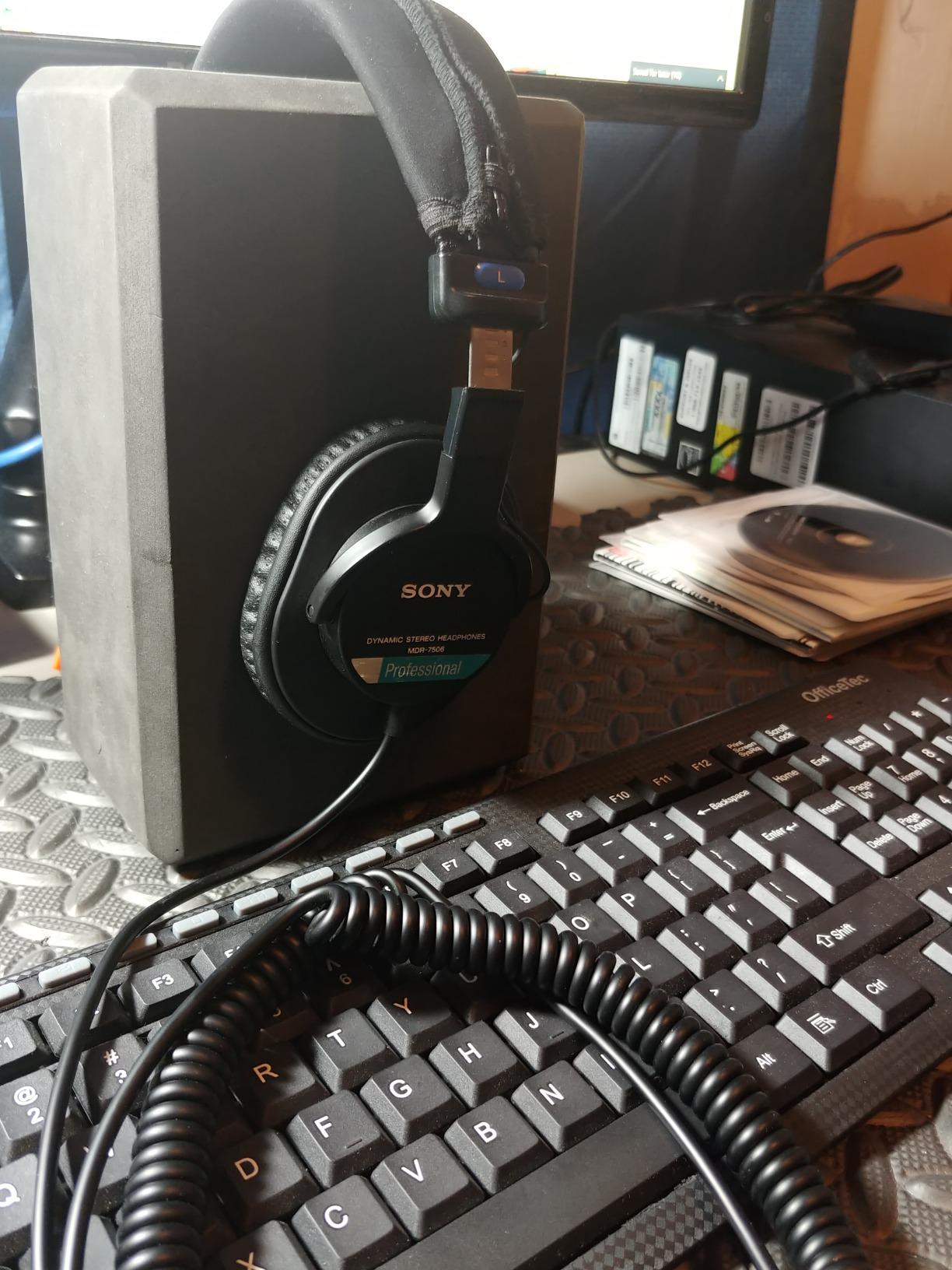
The closed-back design provides passive noise isolation that helps me hear subtle audio problems even on noisy locations. The 9.8-foot coiled cable lets me move around the set without yanking the recorder off a table. Frequency response from 10Hz to 20kHz covers the entire range of human hearing and beyond.
The 7506s fold flat into the included soft case, which makes them easy to toss in a backpack. They cost around $100, which means I never panic if they get scuffed on location. For a budget audio kit, this is the single best investment you can make after the recorder itself.
Why monitoring matters more than most beginners realize
Half of all beginner audio mistakes are not noticed on set, because the recorder and microphone work fine when you listen casually. Headphones reveal problems instantly: a lav mic rubbing against a jacket, a cable picking up radio interference, a window buzzing in the wind.
The MDR-7506s catch those problems in real time so you can fix them while you still have the actors on set. That single capability saves more short films than any other piece of gear.
Comfort and durability over time
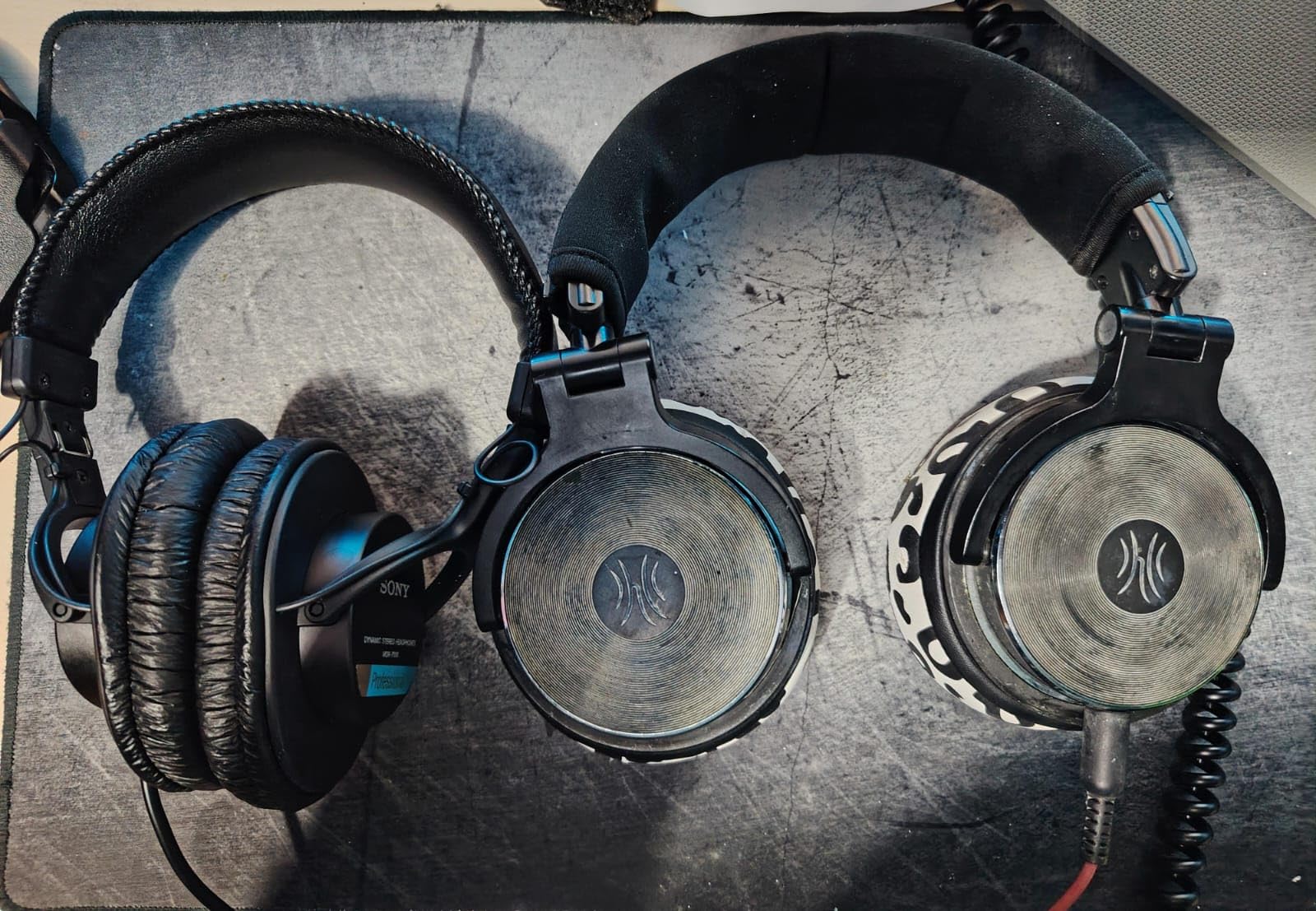
The ear pads compress after a couple of years of heavy use and can be replaced with aftermarket parts for around $20. The non-detachable cable is the main weakness; if you step on it and break the connection, you need soldering.
For first-time filmmakers who will likely treat their gear roughly on student productions, the MDR-7506 holds up better than almost any headphone under $200. Replace the pads every few years and you have a pair that lasts a decade.
6. NEEWER MS-300CB — Best Budget Boom Pole
NEEWER Upgraded Microphone Boom Pole, 9.8ft/300cm, MS-300CB (Black)
Carbon fiber construction
9.8ft reach
5 telescoping sections
1.3lb weight
Pros
- Lightweight carbon fiber build
- Telescopic from 2.4ft to 9.8ft
- Universal adapter compatibility
- Includes shoulder strap and bag
- 4.4lb maximum load
Cons
- Requires separate shock mount purchase
The NEEWER MS-300CB is the boom pole I bought after my first carbon-fiber K-Tek rental went out of my budget. Carbon fiber construction means the pole weighs just over a pound, which matters more than beginners expect when you are holding it overhead for 8-minute takes. Aluminum poles of the same length tire out your arms in about 15 minutes.
The telescoping design extends from 2.4 feet to 9.8 feet in 5 sections, giving you the reach to position a shotgun mic just out of frame for almost any shot configuration. The integrated 3/8-inch mounting screw plus included 1/4-inch and 5/8-inch adapters make this compatible with virtually any microphone, shock mount, or cable setup. I mounted an MKE 600 with the Rode shock mount and had a fully functional boom rig for under $200 total.
The included shoulder strap and storage bag add real value because moving a 9-foot boom through doorways and around corners gets awkward fast. The matte finish reduces glare under hot set lights, which matters more than you would think when shooting wide exterior scenes.
How to boom properly on your first short
Start every scene with the boom operator and actors rehearsing their blocking. The boom should follow the actor’s mouth line, not the actor’s body. Keep the mic angled toward the chest, not pointed directly at the mouth, to avoid plosives.
Practice lifting the fully extended pole straight up and holding it for 5 minutes before your shoot day. If your arms shake, shorten the pole and sacrifice a tighter shot for cleaner audio. Viewers forgive a wider frame; they do not forgive shaky handles.
Limitations of budget boom poles
The cable management is the weakest point on budget carbon poles. Buy Velcro cable wraps separately and route the XLR cable along the inside of the sections to avoid snagging. The pole does not include an internal cable channel like higher-end K-Tek or Ambient models.
For first-time filmmakers on student or indie budgets, the NEEWER MS-300CB delivers about 80% of the performance of a professional boom pole at about 25% of the cost. That trade-off is worth it.
7. Rode NTG-1 — Best Pro-Grade Shotgun
Rode NTG-1 Shotgun Condenser Microphone,Black
Supercardioid shotgun
105g weight
Includes windshield
10-year warranty
Pros
- Professional broadcast quality
- Lightweight at only 105g
- Switchable 80Hz high-pass filter
- Includes foam windshield and pouch
- 10-year manufacturer warranty
Cons
- Requires 48V phantom power
- XLR cable sold separately
The Rode NTG-1 has been my go-to shotgun mic for boom operation since I picked one up after a rental house recommended it for documentary work. It weighs just 105 grams, which means even long boom sessions stay manageable, and the supercardioid pickup pattern provides slightly better side rejection than cardioid patterns. Dialogue comes through clean with very little off-axis coloration.
The 10-year warranty alone speaks to how seriously Rode takes this microphone. I have dropped mine twice on set and it still records perfectly. The build quality is metal throughout, with no plastic components in the signal path. Rode manufactures these in Australia, and the engineering shows in the consistency between units.
The switchable 80Hz high-pass filter is essential for outdoor work where wind noise and traffic rumble dominate the low end. Engaging the filter cleans up dialogue audibly without making voices sound thin. The included foam windshield helps indoors, though you will want a dead cat for serious outdoor shoots.
Why the NTG-1 sits above budget shotguns
The self-noise floor is lower than most entry-level shotguns, which means you can record quieter dialogue sources without hiss. On a recent short, I captured whispered asides between two actors in a quiet library scene with no audible noise floor at standard listening levels.
The off-axis rejection is sharper than wider cardioid patterns, which makes placement less stressful when the blocking is improvised.
Requirements to use this mic effectively
You need a recorder or camera that supplies 48V phantom power, or you need an AA battery inside the mic and a battery-equipped preamp. Standard on-camera rigs without phantom power cannot drive this microphone.
For beginners still using on-camera 3.5mm inputs, this is overkill. For those ready to upgrade to a Zoom or TASCAM recorder and XLR cables, the NTG-1 will stay in your kit for years of growth.
8. TASCAM DR-60DmkII — Best Camera-Mounted Recorder
TASCAM 4-Channel Portable Audio Recorder for Videographers, 2 Combo XLR/TRS”, Dual 3.5mm Inputs, Limiter, HP Filter (DR-60DmkII)
4-channel recording
2 XLR/TRS combo inputs
Mounts under DSLR
HDDA preamps
Pros
- Fits under DSLR rigs
- Records 4 channels at 96kHz/24-bit
- 2 combo XLR/TRS inputs with phantom power
- HDDA preamps with 64dB gain
- High channel 3/4 input level support
Cons
- Requires 4 AA batteries
- SD card not included
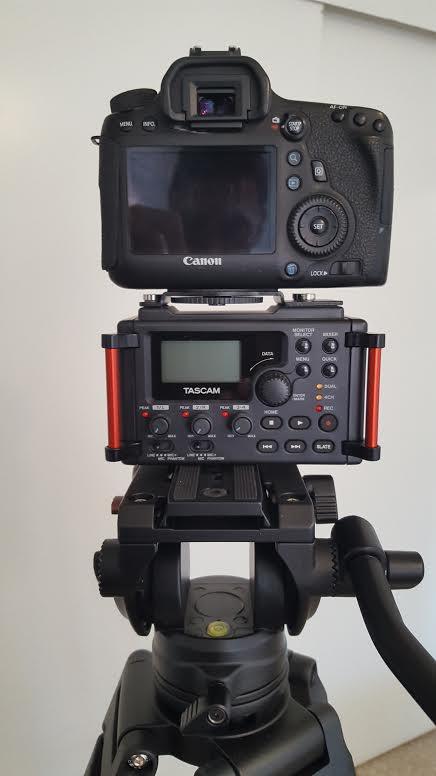
The TASCAM DR-60DmkII is the recorder I recommend to first-time filmmakers who already own a DSLR or mirrorless camera and want a true dual-system setup without the bulk of a separate field recorder. It mounts directly under your camera using a standard tripod thread, acts as both recorder and audio interface, and feeds clean audio to your camera for sync reference. On a narrative short I shot last fall, this rig weighed less than 3 pounds total and traveled easily through four locations.
The HDDA preamps provide 64dB of gain with low noise, which is enough headroom for most shotgun and dynamic microphones without needing an external mixer. Recording 4 channels at 96kHz/24-bit WAV gives you professional broadcast quality in a sub-$200 package. The channel 3/4 inputs support high-level signals up to +10dBV, useful for wireless receivers or mixer feeds.
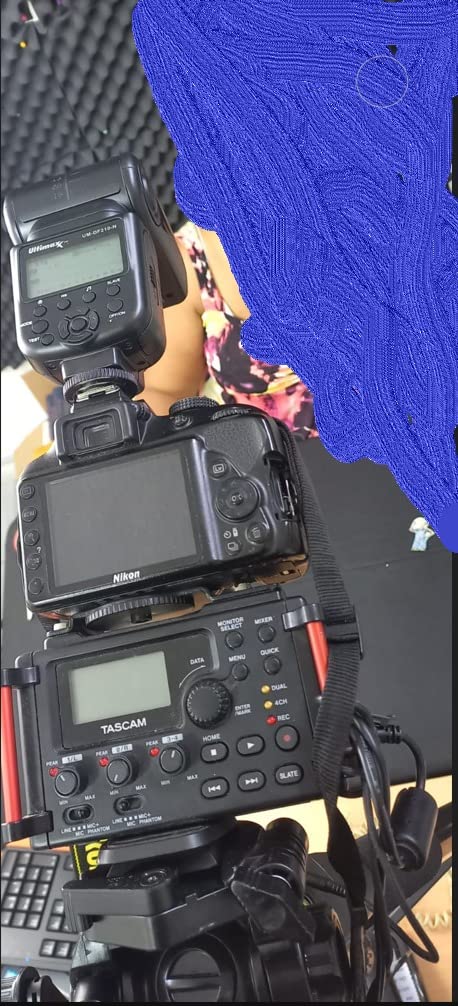
The DR-60DmkII runs on 4 AA batteries for about 4 hours of continuous phantom-powered recording, or you can power it from an external USB battery pack for longer shoots. The physical design includes dedicated gain knobs for each channel and clear LED meters visible at a glance, even when the recorder is mounted under your rig.
For DSLR shooters who do not want to give up real XLR inputs, this recorder delivers professional workflow without forcing you to abandon your existing camera investment.
Setting up for dual-system audio
Connect your shotgun mic via XLR into channel 1, your wireless receiver into channel 2, and route a stereo feed into your camera for automatic sync in post. The DR-60DmkII has a dedicated camera output that mirrors the recorder input, so your scratch audio on the camera matches the recorder files perfectly.
Use an external timecode generator like the Tentacle Sync if you plan to multi-cam shoot, otherwise the slate and visual clap method still works fine for short films.
Trade-offs versus handheld recorders
The DR-60DmkII is meant to stay with the camera and is not ergonomic for handheld booming or run-and-gun documentary shooting. If your production style is more cinema verite, the Zoom H4 Essential is the better recorder choice.
For narrative short films with planned shots, the TASCAM works beautifully. The choice depends on whether you are shooting a documentary-style handheld film or a more traditional scripted short.
9. COMICA VM20 — Best Budget Shotgun with Display
COMICA VM20 Shotgun Microphone for Camera, Super-Cardioid Camera Microphone with Rycote Shockmount, Windscreen, Wind Muff, OLED Power Display, Video Mic for Smartphones, DSLR Cameras, Camcorders
OLED power display
75/150Hz low-cut filters
60hr battery
3.5mm output
Pros
- OLED screen shows battery and settings
- 75/150Hz low-cut filter options
- 60-hour battery life
- Adjustable stepless gain knob
- Includes Rycote shockmount and wind muff
Cons
- 3.5mm output only
- no XLR connection
The COMICA VM20 surprised me when I tested it for a B-camera on a recent short. The OLED display shows battery level, gain setting, and filter status at a glance, which is something most budget shotguns skip entirely. As a beginner, knowing exactly how much battery life you have left removes one of the most stressful unknowns on a small production.
The 60-hour battery life is another standout. I recorded across 4 days of intermittent shooting without recharging, which is unheard of at this price point. The 75Hz and 150Hz low-cut filters give you two options for handling rumble and wind noise, versus the single setting most competitors offer.
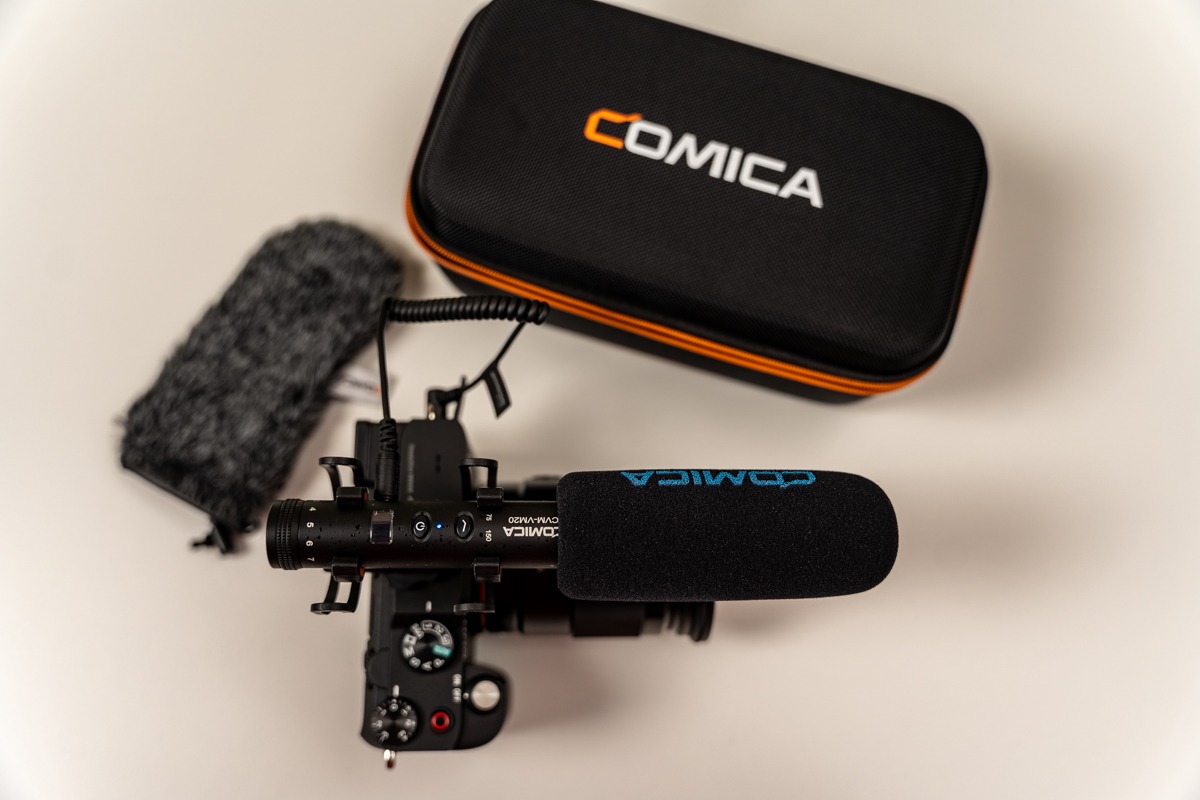
The adjustable stepless gain knob with 10 levels between -43dB and -23dB lets you set levels precisely without fiddling with menus or stepped switches. The included Rycote shockmount is genuinely useful out of the box, and the wind muff does a decent job for light wind, though I would still pack a dead cat for serious outdoor shooting.
The VM20 is also one of the few sub-$100 shotguns that works on smartphones via the included TRRS cable, which makes it versatile for social-media style content.
Best scenarios for the VM20
The VM20 shines as an on-camera shotgun for run-and-gun documentary work, vlog-style short films, and event coverage. The display makes it approachable for beginners who are not yet fluent in setting mic levels by ear.
Use it as a B-camera mic or as your primary audio source before upgrading to an XLR-based shotgun setup. The build quality and feature set punch well above its weight.
Why this is not a pro cinema mic
The 3.5mm TRS/TRRS output limits you to consumer-grade camera inputs or wireless systems that accept 3.5mm. If you are going to invest in an XLR recorder anyway, skip this mic and put the money toward the NTG-1 or MKE 600.
For filmmakers still shooting entirely on cameras without XLR inputs, the VM20 is the best budget entry into serious shotgun audio.
10. Audio-Technica ATH-M50X — Best Studio Headphones
Audio-Technica ATH-M50X Professional Studio Monitor Headphones, Black, Professional Grade, Critically Acclaimed, with Detachable Cable
45mm drivers
Detachable cables
20Hz-28kHz
3 cables included
Pros
- Critically acclaimed sound
- 45mm drivers with rare earth magnets
- 90 degree swiveling earcups
- Includes 3 detachable cables
- Excellent sound isolation
Cons
- Initial clamp force feels tight
- no wireless option
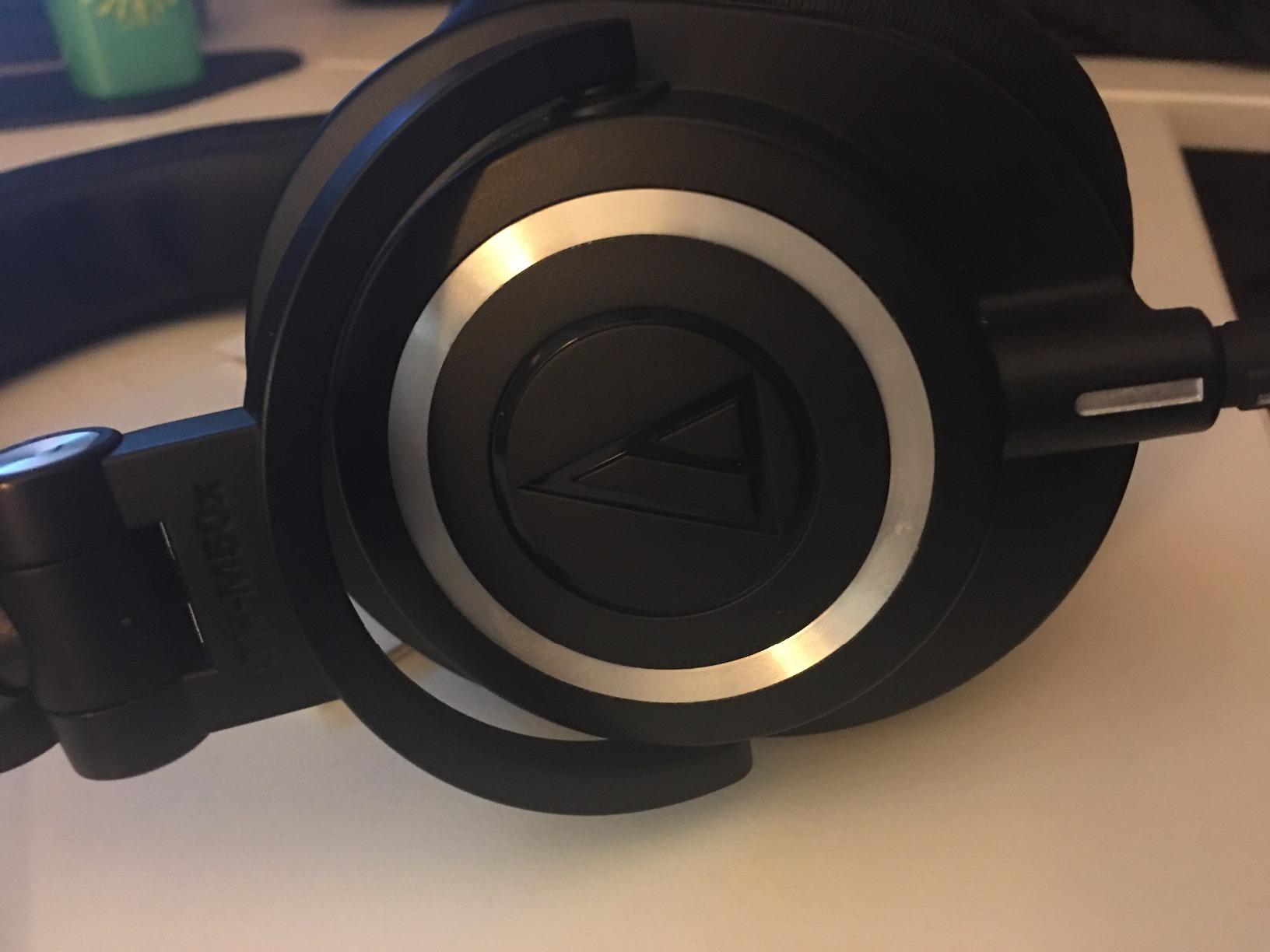
The Audio-Technica ATH-M50X headphones are the Sony MDR-7506’s main competitor in the studio headphone category, and they offer a slightly different flavor of accuracy. The 45mm drivers with rare earth magnets deliver extended bass response that helps when reviewing your audio for rumble and hum problems. The frequency range from 20Hz to 28kHz goes beyond human hearing, which means the headphone does not artificially limit what reaches your ears.
For editing and post-production on your short film, the ATH-M50X provides a slightly more revealing sound than the MDR-7506. I use them when reviewing dialogue edits in software because the extra detail helps me catch sibilance, room reverb, and mouth clicks that the 7506s smooth over slightly.
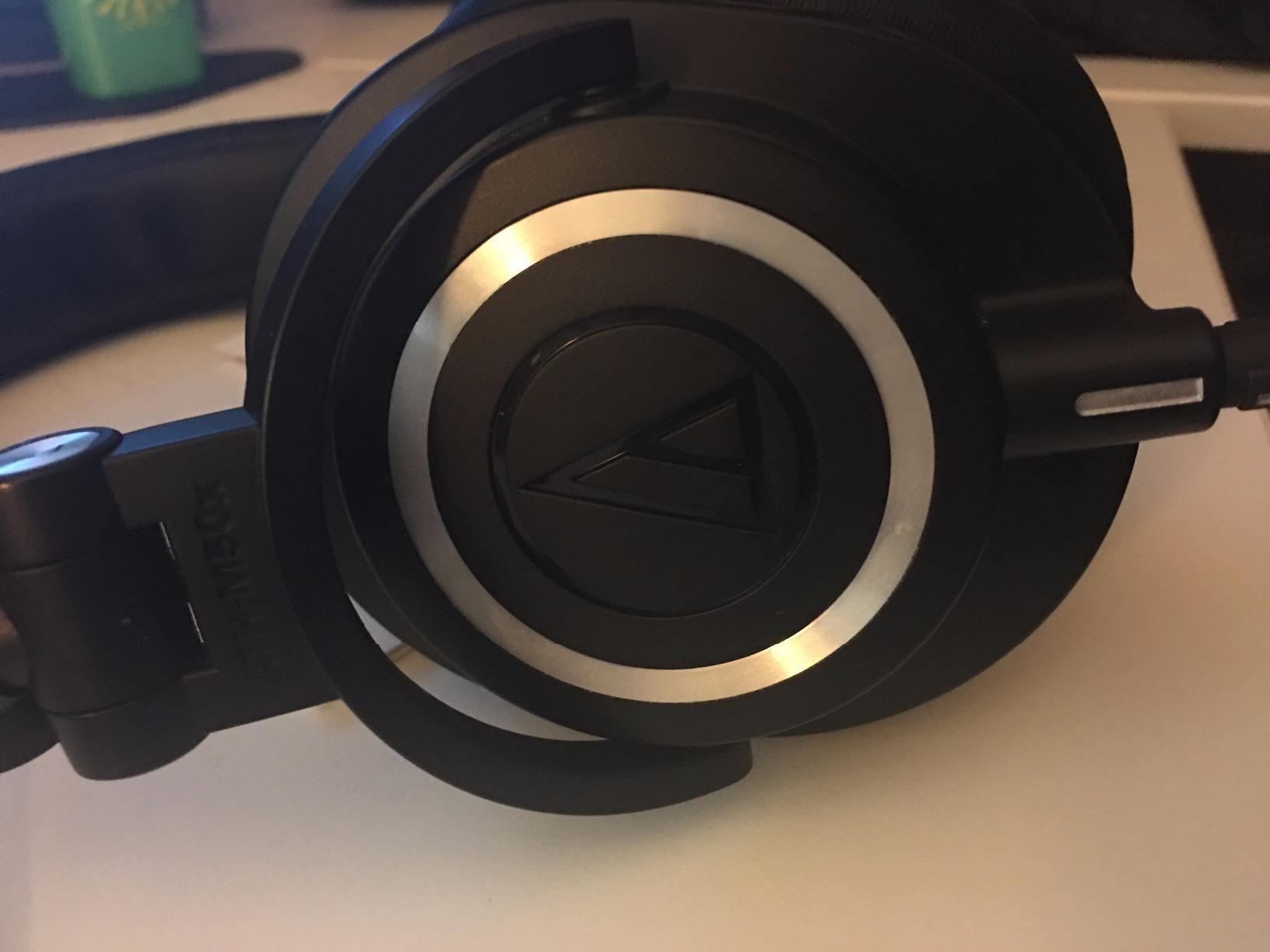
The 90-degree swiveling earcups make single-ear monitoring easy during recording sessions, where you often need to hear both the room and your audio simultaneously. The detachable cable system means a broken cable does not destroy the headphones; you just replace the cable. Three cables come in the box, including a coiled cable for studio use, a straight cable for travel, and a smartphone-compatible cable with a mic and remote.
Choosing between M50X and MDR-7506
The MDR-7506 has a flatter, more reference-style sound that translates well across different speaker systems. The M50X has a slightly warmer, more colored sound that some beginners find easier to listen to for long sessions.
Pick the MDR-7506 if your priority is honest monitoring on set. Pick the M50X if you also want to edit and mix your film in post-production and prefer a more musical presentation.
Comfort during extended sessions
The clamp force on the M50X is firmer than the MDR-7506 out of the box, which means a tighter fit but potential fatigue during 6-hour editing marathons. The pads break in over a few weeks and become more comfortable with use.
For the price, either pair is genuinely excellent, and you cannot go wrong buying whichever is on sale. Many indie filmmakers I know actually own both and use them in different parts of their workflow.
How to Build Your First Short Film Audio Kit?
The best audio kit for a first short film is not the most expensive kit or the one with the most pieces. It is the kit you will actually use, that solves the problems your specific short film creates. Here is how to think through the choices above in a structured way.
Start with your script. If your short is mostly dialogue in controlled locations, you need a strong shotgun mic, a stable boom pole, a recorder with XLR inputs, and solid monitoring headphones. If your short is documentary-style with movement and unpredictable environments, you need a wireless lav system, a camera-mounted backup shotgun, and a portable recorder.
Most first-time filmmakers should begin with the essentials: a recorder, one versatile microphone, monitoring headphones, and basic accessories. You can always add wireless lavs, boom poles, timecode gear, and advanced accessories once you understand what your specific projects actually require.
Budget tier breakdowns
Under $500 budget: start with a Rode VideoMicro or COMICA VM20 for on-camera audio, a Zoom H4 Essential recorder, and Sony MDR-7506 headphones. This setup covers run-and-gun shooting and basic dialogue recording without breaking the bank.
$500 to $1,200 budget: add a TASCAM DR-60DmkII recorder, an NTG-1 shotgun mic, and a NEEWER MS-300CB boom pole. You now have a true dual-system workflow for scripted dialogue scenes.
$1,200 and up: layer in a DJI Mic 2 wireless system for movement-heavy scenes, an MKE 600 shotgun for primary dialogue, and Audio-Technica ATH-M50X for editing and post-production.
Rent versus buy decisions
Rent only when the project demands gear beyond your kit and timeline. Buying is smarter for the gear you will use on every project. Recorders, headphones, and basic microphones should be owned. Specialty items like timecode generators, premium boom poles, and wireless transmission systems can be rented until you shoot enough projects to justify the purchase.
Most student filmmakers benefit from a hybrid approach: own the foundational kit, rent the specialized tools, and gradually convert rentals into purchases as their skills and project count grow.
Common beginner mistakes to avoid
Buying too many pieces at once. You will not learn any of them well, and you will end up with mismatched gear that does not work together cleanly. Start with 4 to 5 essential pieces and add to your kit over 3 to 5 projects.
Skipping headphones to save money. Headphones are how you notice problems in real time. Without them, you are flying blind on set and discovering audio failures in post-production when fixing them is impossible.
Recording without room tone. Spend 30 seconds capturing silence after every setup. Room tone is the foundation of professional audio editing and most beginners never think to record it.
Frequently Asked Questions
What equipment do I need to film a short film?
A complete audio kit for a first short film includes an audio recorder, a shotgun or lavalier microphone, XLR cables, monitoring headphones, a windscreen or dead cat, an SD card, and batteries.
How much should I spend on a first short film audio kit?
A solid starter kit costs between $400 and $1,200 total. The Zoom H4 Essential recorder, Rode VideoMicro mic, and Sony MDR-7506 headphones together run about $400 and cover most beginner needs.
Should I rent or buy audio gear for a short film?
Buy the foundational gear since you will use it on every project. Rent specialty items like premium boom poles, timecode gear, or multi-channel wireless systems for specific productions until your shoot volume justifies ownership.
Do I need both a boom mic and a wireless lav for a short film?
Not for a first short. A boom mic with a shotgun pattern covers most dialogue scenes when paired with a good boom operator. Add a wireless lav system like the DJI Mic 2 only when your blocking requires movement beyond what a boom can follow.
Final Verdict
After testing all 10 pieces of gear across scripted dialogue, documentary interviews, and outdoor scenes, my recommendation for a first short film audio kit stays simple. Pair the Zoom H4 Essential recorder with the Sony MDR-7506 headphones and a single versatile microphone that matches your shooting style: the Rode VideoMicro for run-and-gun work, the Rode NTG-1 for scripted dialogue, or the DJI Mic 2 if wireless lavs fit your blocking.
You can build a complete best audio kit for a first short film in 2026 for under $500 if you prioritize the essentials and add specialty gear over time as your projects demand it. Audio is the closest thing to a cheat code for making indie work look professional, and the gear above will carry you from your first short film all the way to festival-ready content.