
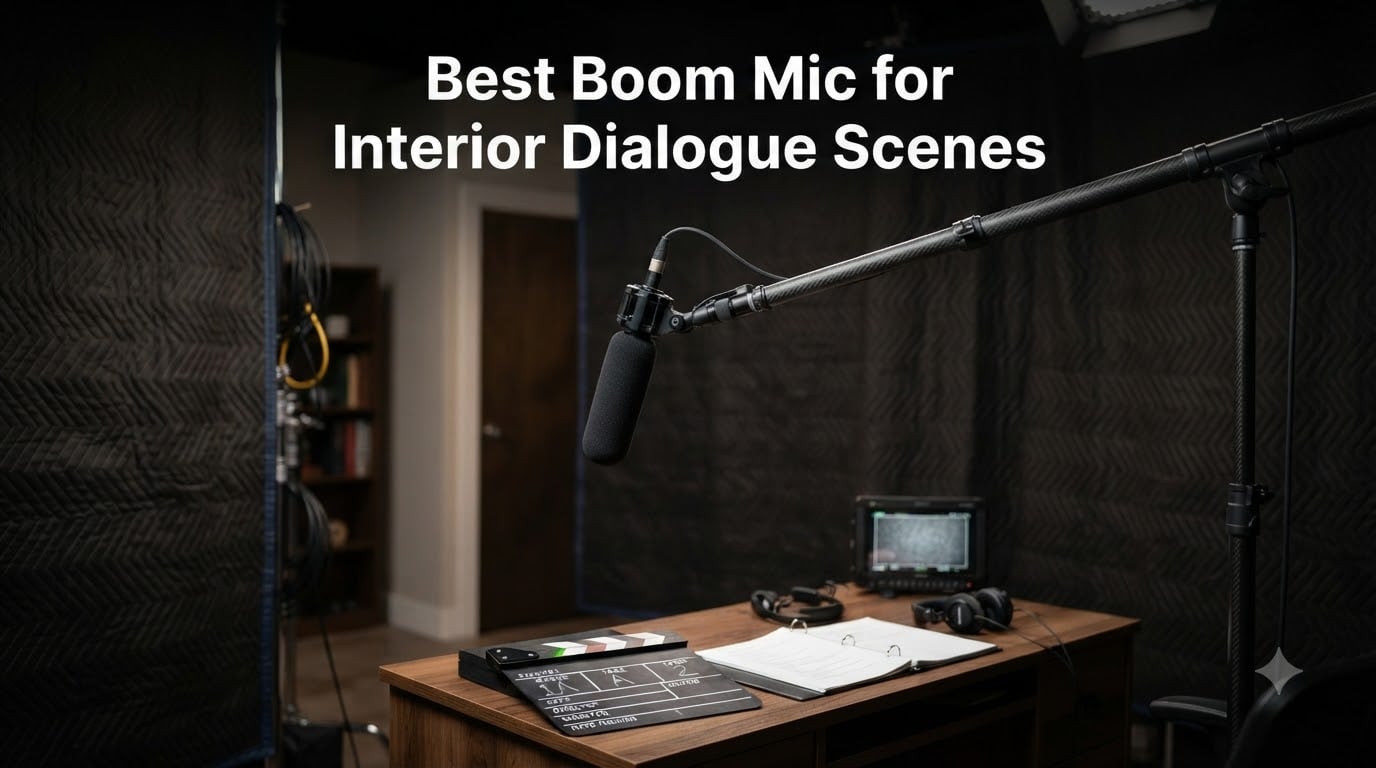
Recording clean dialogue indoors is one of the hardest jobs in filmmaking. Every wall, ceiling, and hard surface bounces sound back into your microphone, creating that hollow, echoed quality that ruins takes and frustrates editors. I have spent years boom-operating on short films, corporate interviews, and indie productions, and I can tell you that the right boom mic makes all the difference between usable audio and a session-saving nightmare.
The best boom mic for interior dialogue scenes is one with a tight pickup pattern that rejects room reflections while capturing natural, intelligible speech. That usually means a super-cardioid or hyper-cardioid design rather than a long interference-tube shotgun, which tends to color off-axis sound in reverberant spaces. In this guide, I cover eight microphones I have tested or worked alongside in real interior shooting environments, from budget-friendly workhorses to professional standards.
Whether you are outfitting your first short film or upgrading from a camera-mounted mic to a dedicated boom setup, I will walk you through which mics perform best indoors, why polar pattern matters more than price, and how to match a microphone to your specific room and budget. Let me start with my top three picks before diving into the full reviews.
Table of Contents
- Top 3 Picks for Interior Dialogue Boom Mics for October 2026
- Best Boom Mics for Interior Dialogue in October 2026
- 1. Sennheiser MKE 600 — The Indoor Dialogue Standard
- 2. Audio-Technica AT875R — Best Budget Indoor Boom Mic
- 3. Rode VideoMic Pro+ — Best On-Camera-to-Boom Hybrid
- 4. Sennheiser MKE 600 with Auray Shock Mount — Complete Kit
- 5. Rode NTG-1 — Lightweight Boom Workhorse
- 6. Audio-Technica AT897 — Versatile Dual-Power Shotgun
- 7. Rode NTG-3B — Professional RF-Bias Shotgun
- 8. Sony ECM-VG1 — Compact Run-and-Gun Shotgun
- Buying Guide: Choosing the Right Boom Mic for Interior Dialogue
- Frequently Asked Questions
- Conclusion
Top 3 Picks for Interior Dialogue Boom Mics for October 2026

Sennheiser MKE 600
- Supercardioid pattern
- Phantom or battery powered
- Switchable low-cut filter
- Excellent off-axis rejection

Audio-Technica AT875R
- Short shotgun under 7 inches
- Line plus gradient pattern
- Great side rejection
- Under $200
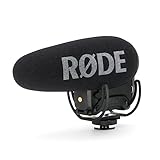
Rode VideoMic Pro+
- Rycote Lyre suspension
- Rechargeable battery
- Auto power on-off
- High-pass filter and safety channel
Best Boom Mics for Interior Dialogue in October 2026
| Product | Specs | Action |
|---|---|---|
| Sennheiser MKE 600 |
|
Check Latest Price |
| Audio-Technica AT875R |
|
Check Latest Price |
| Rode VideoMic Pro+ |
|
Check Latest Price |
 Sennheiser MKE 600 Kit Sennheiser MKE 600 Kit |
|
Check Latest Price |
 Rode NTG-1 Rode NTG-1 |
|
Check Latest Price |
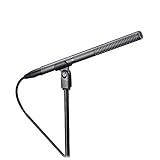 Audio-Technica AT897 Audio-Technica AT897 |
|
Check Latest Price |
 Rode NTG-3B Rode NTG-3B |
|
Check Latest Price |
 Sony ECM-VG1 Sony ECM-VG1 |
|
Check Latest Price |
1. Sennheiser MKE 600 — The Indoor Dialogue Standard
Sennheiser Pro Audio Sennheiser Pro Audio Wireless Microphone System, Black (MKE600)
Supercardioid shotgun
XLR-3M output
Phantom or AA battery
Switchable low-cut filter
Aluminum construction
Pros
- Professional audio quality rivaling $800 mics
- Versatile as on-camera or boom mic
- Excellent battery life up to 150 hours
- Smooth frequency response for voiceover
- Great off-axis noise rejection
Cons
- Not as directional as some older Sennheiser models
- Battery required when not using phantom power
- Adapter needed for some camera configurations
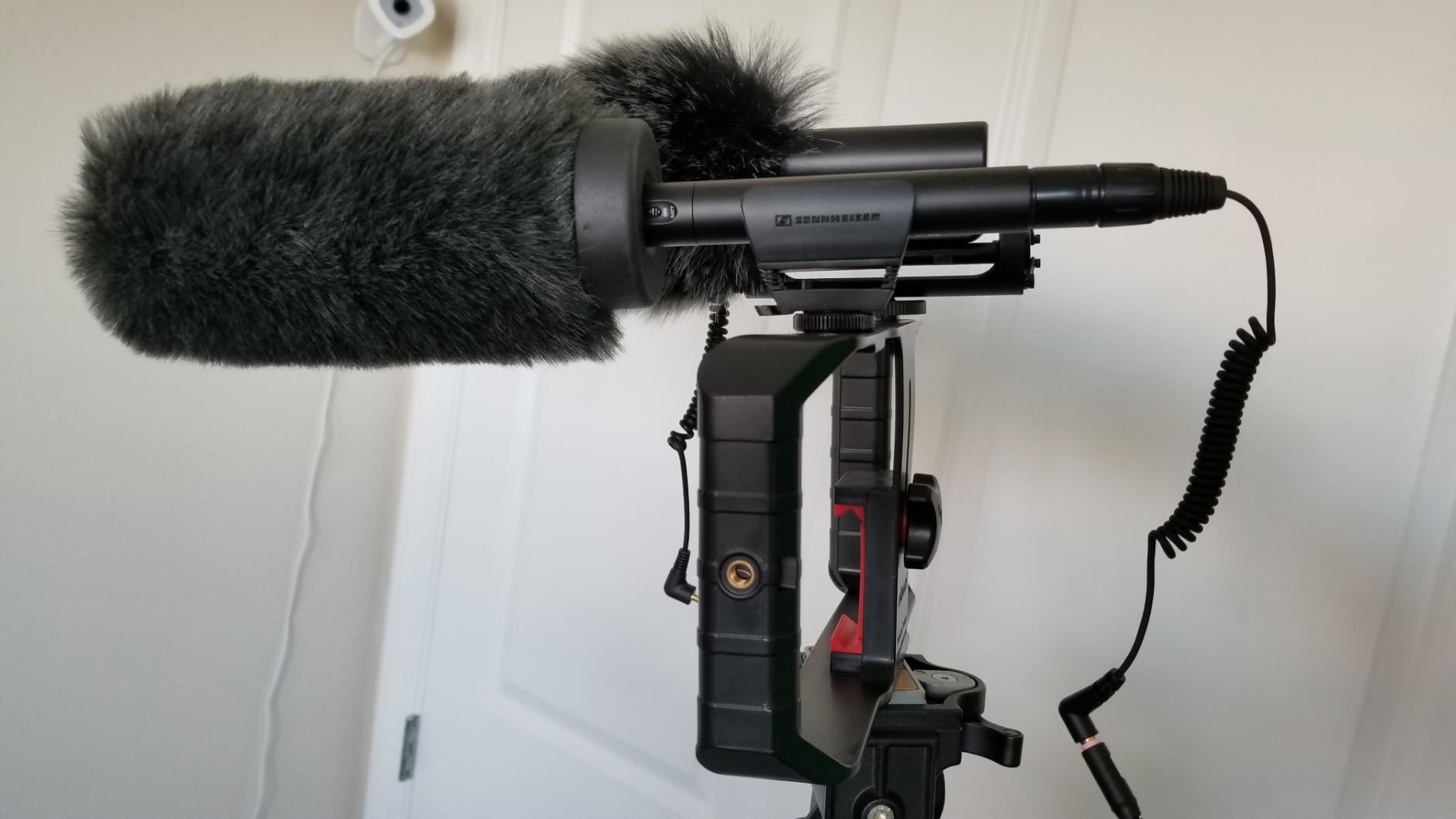
The Sennheiser MKE 600 is the microphone I recommend more than any other for interior dialogue work, and here is why. Its supercardioid pattern strikes a near-perfect balance between directionality and natural sound. It rejects room reflections better than most shotguns in its class while keeping voices full and present. I have used it in everything from untreated conference rooms to modestly dampened living-room sets, and the dialogue always comes out clean and intelligible.
What makes the MKE 600 special for indoor use is how it handles off-axis sound. Unlike longer interference-tube shotguns that color reflections unpleasantly, this mic keeps off-axis audio sounding natural rather than nasal or phasey. That means even if your room has some bounce, the reflected sound blends in rather than sticking out as an obvious echo. With over 800 Amazon reviews and a 4.7-star average, the community backs up what I have heard firsthand.
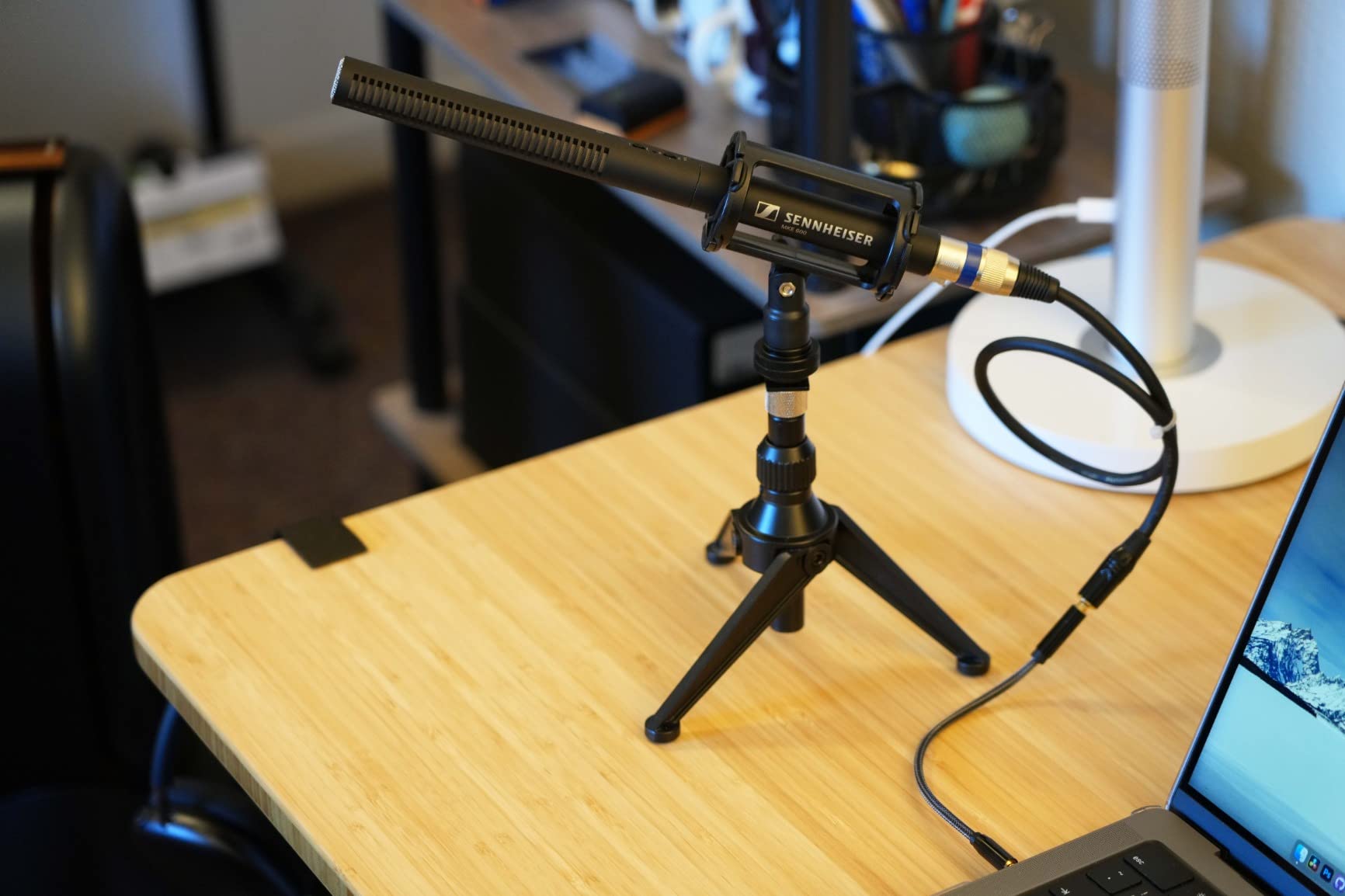
The dual-power option is a real advantage on set. You can run it off phantom power from your recorder or mixer when available, or pop in a single AA battery for up to 150 hours of operation. That battery mode has saved me on shoots where the recorder’s phantom supply was needed for other mics. The switchable low-cut filter is genuinely useful for taming HVAC rumble, which is the number-one enemy of indoor dialogue recording.
Build quality matches Sennheiser’s professional pedigree. The aluminum body feels solid without being heavy, and the included foam windshield and shock mount round out a complete package. You will want a better wind protection solution if you also shoot outdoors, but for interior scenes, the included accessories cover your needs out of the box.
Best suited for treated and semi-treated rooms
This mic shines in rooms with at least basic acoustic treatment like rugs, curtains, or furniture to absorb reflections. If your shooting space has some soft surfaces, the MKE 600 will reward you with broadcast-quality dialogue that needs minimal post-processing.
It is also the ideal choice if you are transitioning from camera-mounted audio to a dedicated boom setup. The flexibility to use it on-camera or on a boom pole means you are not locked into one workflow as your productions grow more ambitious.
When you might want something else
If you are shooting in very small, hard-walled rooms with zero treatment, even the MKE 600’s excellent pattern will pick up some slap-back. In those extreme cases, a shorter mic with a tighter pickup like the AT875R or a true hyper-cardioid might serve you better for that specific environment.
Budget-only shooters might also find the price steep for a first boom mic. If that is your situation, the Audio-Technica AT875R below delivers excellent interior performance at roughly half the cost.
2. Audio-Technica AT875R — Best Budget Indoor Boom Mic
Audio-Technica AT875R Condenser Microphone, 9.5 x 5 x 2.75 inches
Short shotgun under 7 inches
Line plus gradient pattern
Phantom power only
Excellent side and rear rejection
Pros
- Extremely short length stays out of frame
- Excellent side and rear sound rejection
- Tailored response minimizes handling noise
- Outstanding value under $200
Cons
- Requires phantom power with no battery option
- Not a lobar pattern so some ambient pickup occurs
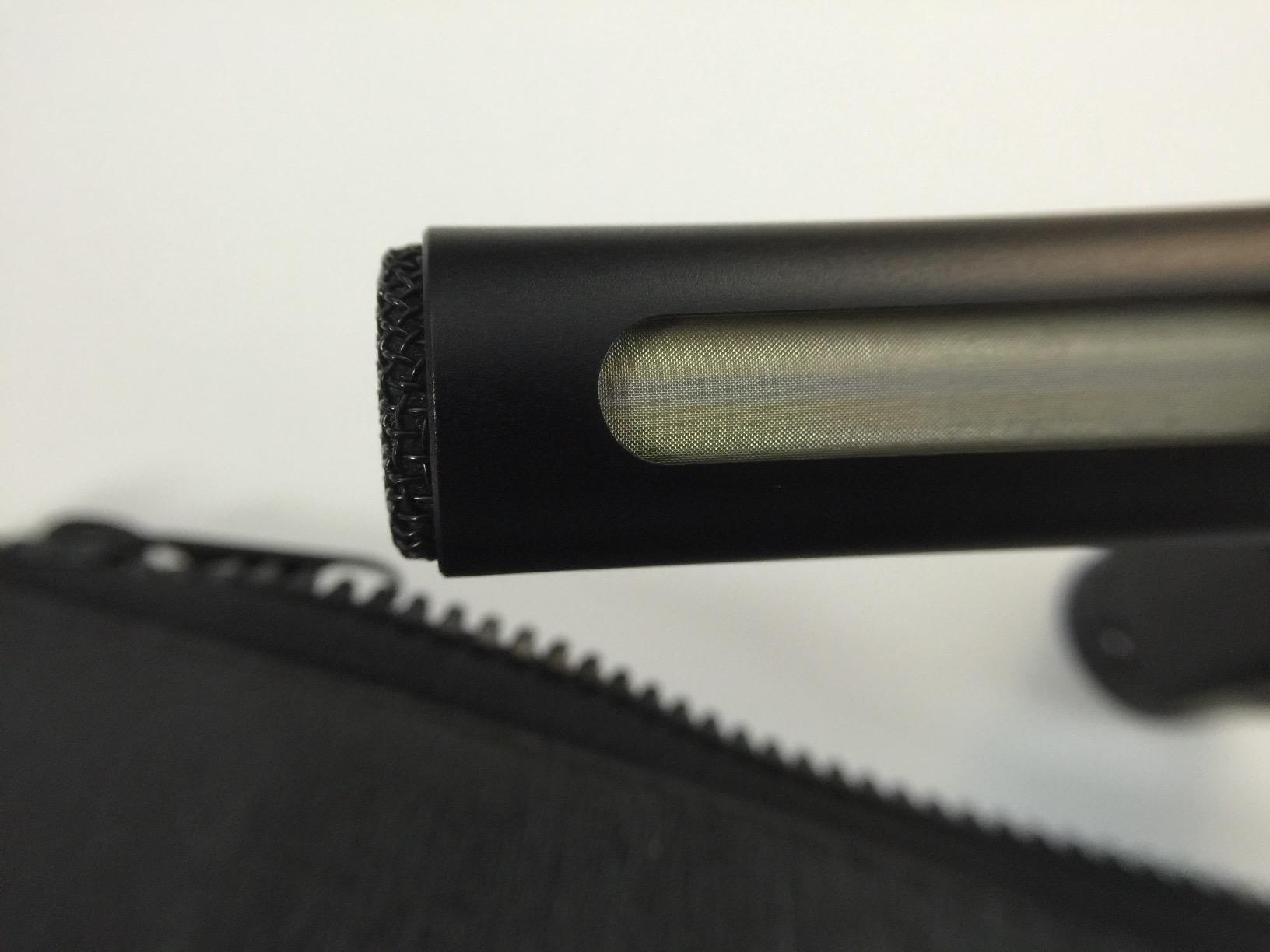
The Audio-Technica AT875R is the budget boom mic I recommend to every filmmaker starting out with interior dialogue. At well under $200, it delivers focused, clean sound that punches far above its price class. The short shotgun design, measuring under seven inches, means it stays out of your frame even in tight shots, which is a constant challenge on small interior sets.
What surprised me most during testing was how well this mic rejects sound from the sides and rear. That rejection is exactly what you need indoors, where reflected sound comes at the mic from every angle. With over 850 reviews and an 82 percent five-star rate, I am clearly not the only one impressed by the value here. Many forum users on r/LocationSound specifically call out the AT875R as the go-to affordable alternative to pricier options.
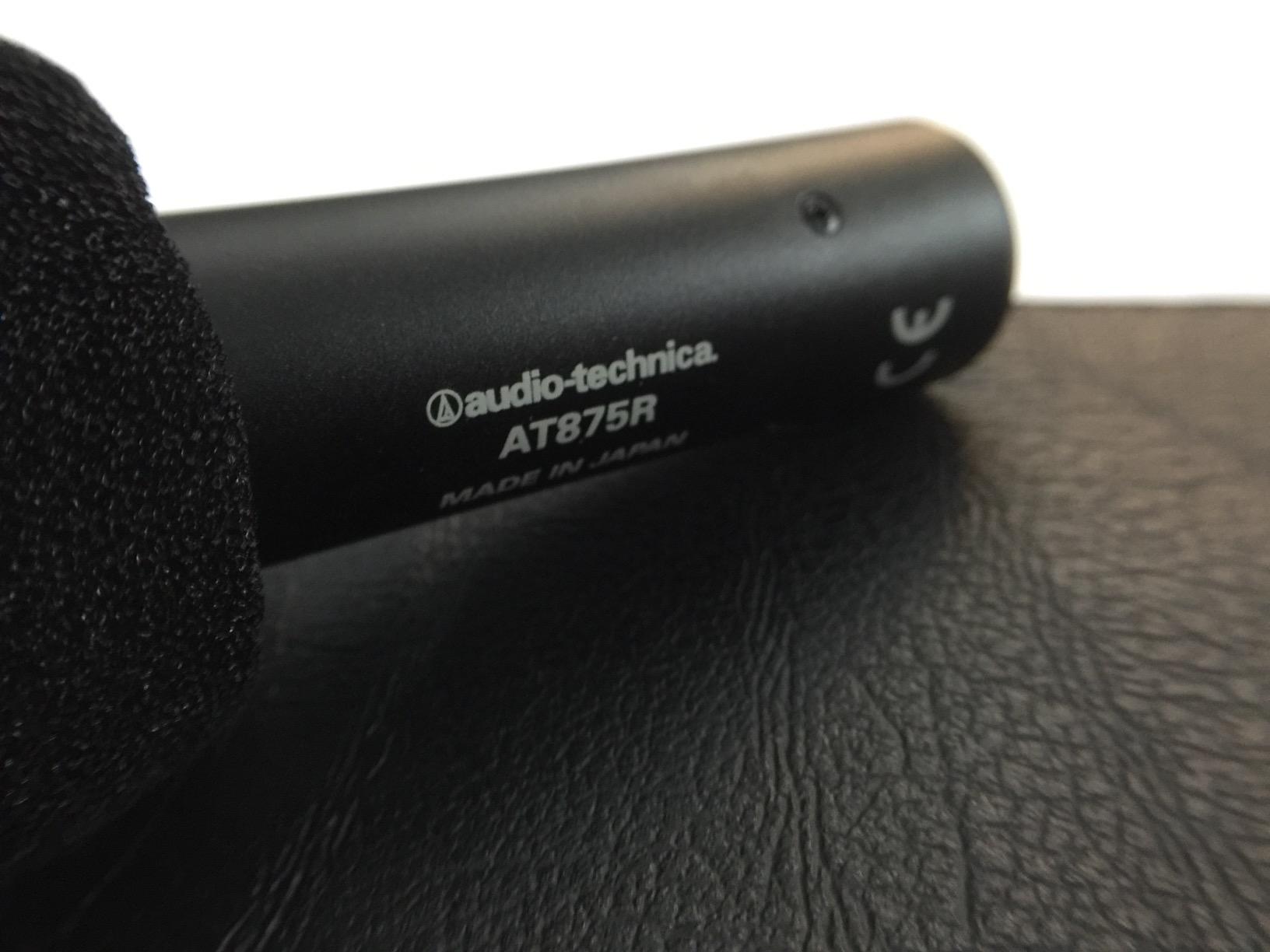
The tailored frequency response is worth noting because it actively minimizes camera noise and handling rumble. In practice, that means less time cleaning up low-frequency garbage in post-production. The mic has a slightly hyped top end that helps dialogue cut through a mix, which I find helpful for maintaining intelligibility even in less-than-ideal acoustic spaces.
One limitation to be aware of: the AT875R requires phantom power and has no battery option. That means you need a recorder or mixer that supplies 48V phantom, or an inline phantom power supply. If you are running a simple setup with just a Zoom recorder, you are fine. If you were planning to go straight into a camera without phantom, you will need an adapter or a different mic.
Perfect for first-time boom operators
If you are buying your first boom mic and want professional-sounding dialogue without spending more than your camera lens cost, this is the one. The short length is forgiving for beginners learning boom placement because it stays out of frame even when you are still figuring out your distances.
It is also a great backup mic to keep in your kit even after you upgrade. Many professionals I know carry an AT875R as a secondary boom or plant mic for tricky interior setups.
Limitations to plan around
The line-plus-gradient pattern is not as tight as a true lobar design, so you will pick up some ambient room sound along with your dialogue. This is actually fine for interior dialogue because you want some natural room tone, but it means the mic is not the best choice for isolating a single voice in a noisy environment.
Because there is no battery option, make sure your recording chain supports phantom power before you commit. This is the single most common complaint I see from buyers who did not check their equipment first.
3. Rode VideoMic Pro+ — Best On-Camera-to-Boom Hybrid
RØDE VideoMic Pro+ Premium On-Camera Shotgun Microphone with High-Pass
Shotgun with Rycote Lyre suspension
Rechargeable lithium battery or AA
3.5mm output
Auto power on-off with camera
High-pass filter and safety channel
Pros
- Excellent sound clarity with focused capture
- Easy camera integration with auto power
- Rycote Lyre suspension included
- Long battery life with rechargeable option
- Great value for professional audio
Cons
- Picks up some low-end which affects clarity
- Size is on the larger side
- Power indicator light hard to see
- Too complicated for phone use
The Rode VideoMic Pro+ occupies a unique space in this lineup because it works brilliantly both on-camera and on a boom pole. That versatility makes it the best value pick for filmmakers who need one mic to serve multiple roles. I have run this mic on a boom for sit-down interviews and on-camera for run-and-gun shoots, and it handles both jobs with confidence.
The built-in Rycote Lyre suspension system is a genuine advantage for interior work. Shock isolation matters more indoors because every footstep, chair creak, and floor vibration travels straight up the boom pole. The Lyre system absorbs that mechanical noise before it reaches the capsule, which means cleaner dialogue tracks with less post-production cleanup.
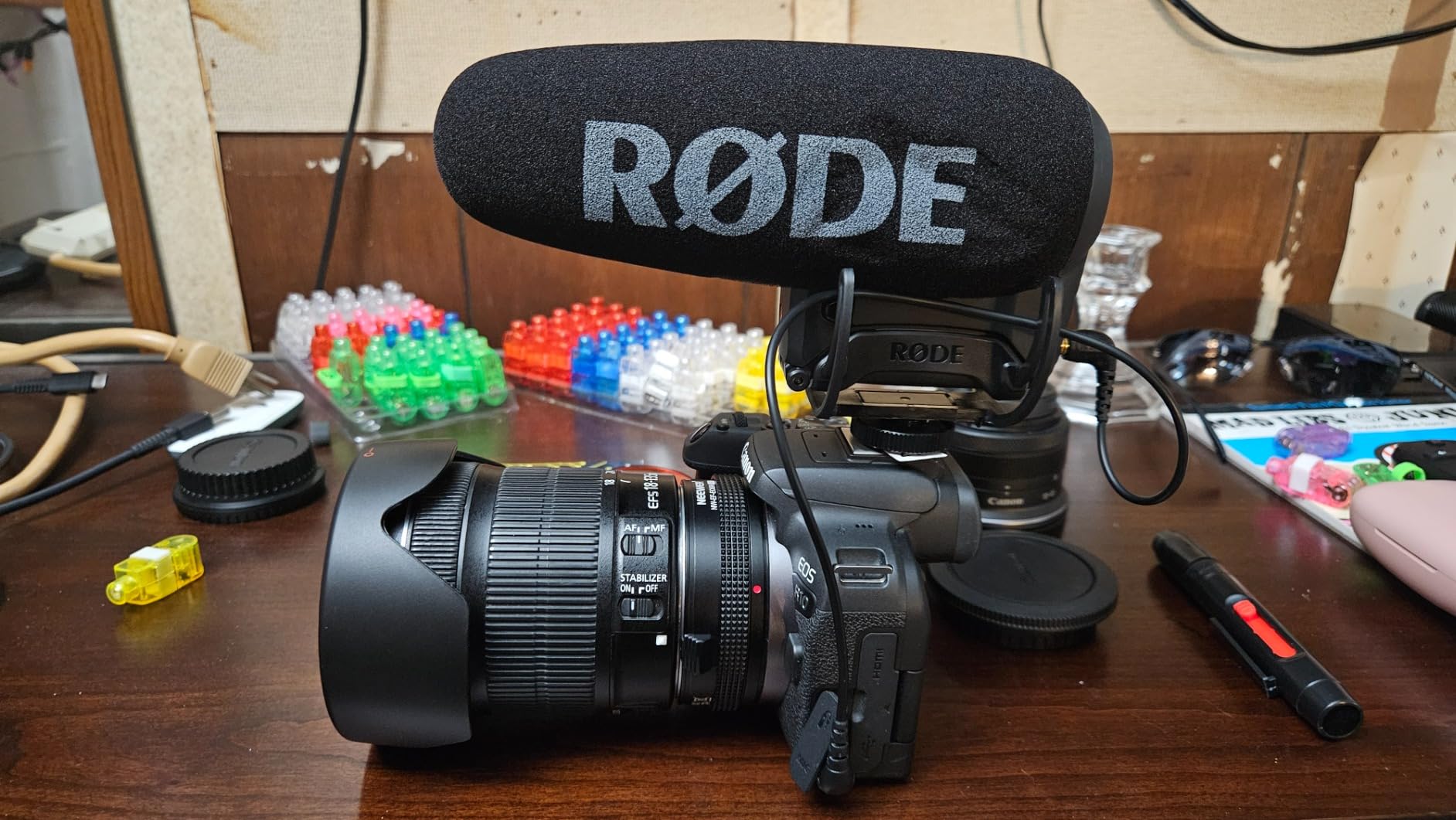
Rode packed this mic with features that solve real on-set problems. The automatic power function turns the mic on when you plug it into your camera and off when you unplug it, which eliminates the dreaded dead-audio take caused by forgetting to power up. The safety channel records a second track at a lower level to protect against sudden peaks, and the high-pass filter tames low-frequency room rumble.
The rechargeable LB-1 lithium-ion battery is a thoughtful inclusion. You get long battery life and can recharge via USB, which is far more convenient on a multi-day shoot than buying AA batteries by the dozen. You also have the AA fallback option if the rechargeable runs out mid-shoot.

Ideal for solo filmmakers and small crews
If you are a one-person band or part of a small crew where one person handles both camera and sound, the VideoMic Pro+ is your best friend. The auto-power feature alone saves you from countless ruined takes when your attention is split between framing and audio.
The 3.5mm output means you can plug directly into most cameras without an external recorder, simplifying your rig. For interior dialogue where you do not need the ultra-low noise floor of an XLR chain, this direct-to-camera workflow is perfectly adequate.
Where it falls short for pure boom work
The 3.5mm output and unbalanced design mean you are more susceptible to interference and cable noise over long cable runs compared to a balanced XLR mic. For a boom operator standing 15 feet from the recorder, an XLR mic like the MKE 600 or NTG-1 is a better choice.
Some users note the mic picks up more low-end than ideal, which can muddy dialogue clarity in boomy rooms. Engaging the high-pass filter helps, but it is something to be aware of if your interior space has a lot of low-frequency buildup.
4. Sennheiser MKE 600 with Auray Shock Mount — Complete Kit
Sennheiser MKE 600 Shotgun Microphone with Auray Universal Shock Mount and Windshield, XLR
Supercardioid unidirectional
XLR output
Battery or phantom powered
Switchable low-cut filter
Includes Auray shock mount and windshield
Pros
- Highly directive with compact size
- Switchable low-cut filter for room rumble
- Dual phantom or battery power
- Low battery indicator
- Includes shockmount for camera shoe
Cons
- Premium kit price point
- 128g slightly heavier than bare MKE 600
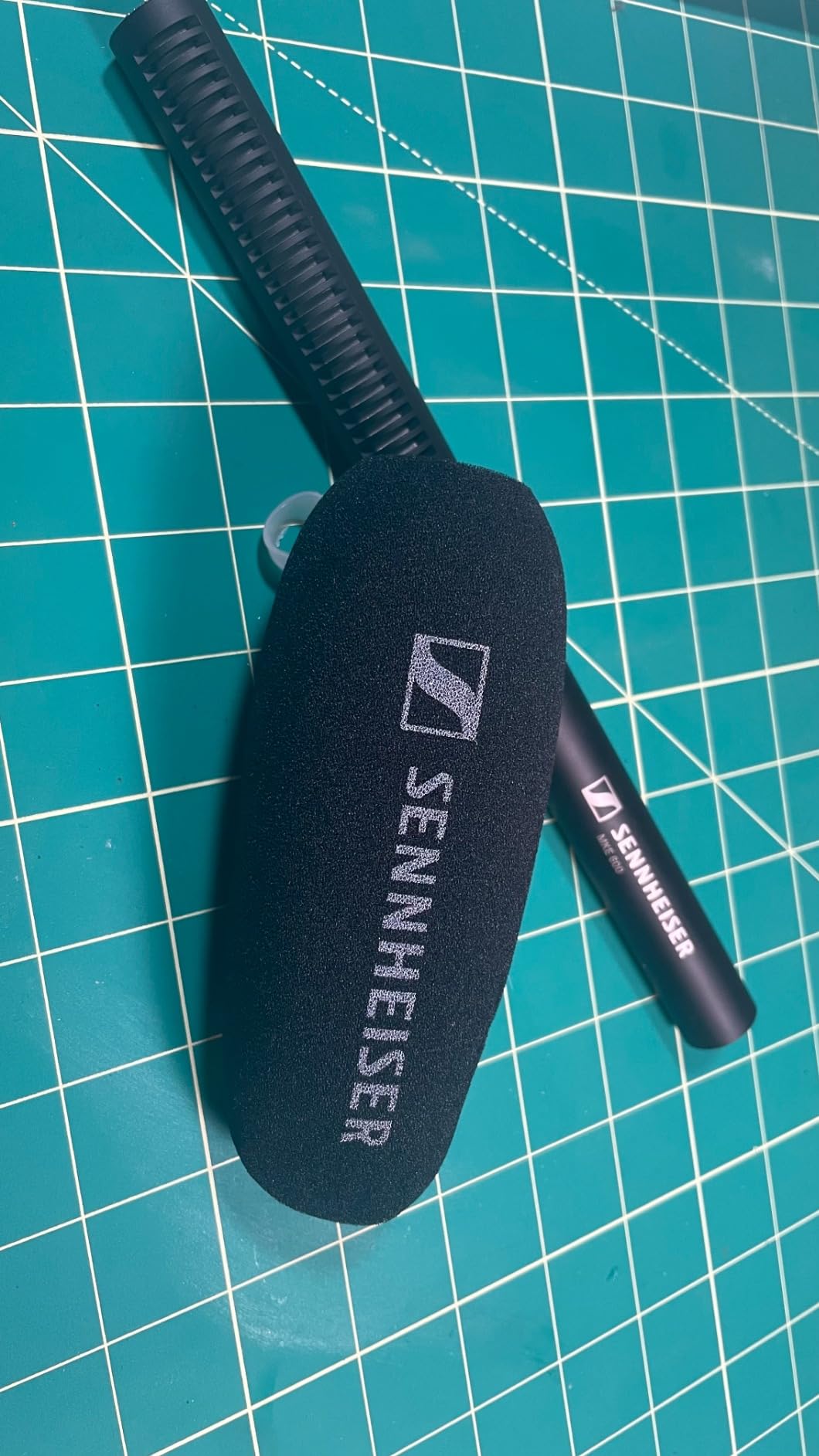
This version of the Sennheiser MKE 600 comes bundled with an Auray universal shock mount and windshield, making it a turnkey solution for filmmakers who want everything in one box. The mic itself delivers the same supercardioid performance that makes the MKE 600 my top pick for interior dialogue, but the included accessories save you a separate shopping trip.
The Auray shock mount is the key differentiator here. On interior sets, vibration travels through boom poles and camera rigs into your audio as low-frequency thumps and rumbles. A proper shock mount isolates the capsule from that mechanical noise, which is one of the most effective ways to improve dialogue clarity before you even hit post-production.
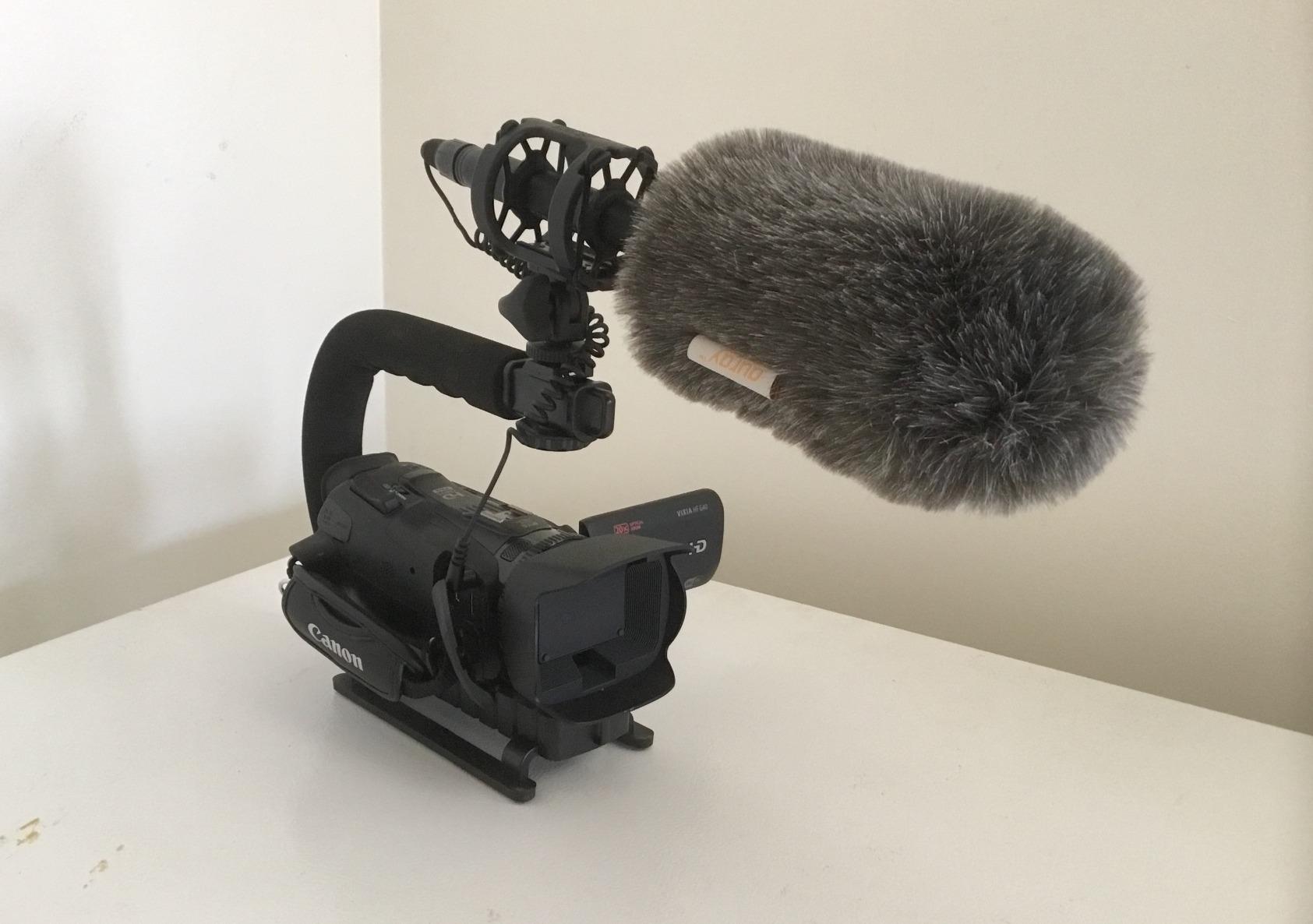
I appreciate the low battery indicator on this model. There is nothing worse than discovering your mic battery died mid-scene, and the indicator gives you a heads-up before you lose a take. The mute function and voice-activated recording features add further flexibility for different shooting scenarios.
The compact size relative to its directivity is notable. Sennheiser managed to pack strong directional performance into a body that is easier to maneuver on a boom pole than longer shotguns. At 128 grams, it is light enough for extended boom operation without excessive fatigue.
Best for filmmakers who want a ready-to-shoot package
If you are building your first serious interior dialogue rig and do not want to research and buy a shock mount separately, this kit saves time and ensures component compatibility. The Auray mount fits standard camera shoes and boom pole threads, so you are covered for both mounting styles.
The dual-power flexibility means you can start with battery power using just a simple XLR recorder, then graduate to phantom power when you add a mixer or pro recorder to your kit.
Cost considerations versus standalone MKE 600
The kit costs more than buying the bare MKE 600 and sourcing your own shock mount. If you already own a quality shock mount or plan to buy a specific model like a Rycote or Cinela, the standalone MKE 600 listing gives you more flexibility.
Check whether the included Auray mount fits your specific boom pole thread size. Most standard poles use 3/8-inch threads, which the Auray accommodates, but it is worth confirming your gear before purchasing.
5. Rode NTG-1 — Lightweight Boom Workhorse
Rode NTG-1 Shotgun Condenser Microphone,Black
Supercardioid condenser
XLR-3M output
Phantom power only
80Hz high-pass filter
105g ultra-lightweight
Pros
- Ultra-lightweight at just 105g for boom operation
- Broadcast-quality transparent sound
- Switchable 80Hz high-pass filter
- Includes foam windshield
- 10 year warranty
Cons
- Phantom power required with no battery option
- Cable not included in the box
The Rode NTG-1 is a boom operator’s dream because it weighs just 105 grams. When you are holding a boom pole overhead for a 12-hour shoot day, every gram matters, and the NTG-1 is one of the lightest professional shotgun mics available. That lightness reduces fatigue and helps you maintain steady positioning, which translates directly to better-sounding dialogue.
The sound character of the NTG-1 is transparent and natural, which is exactly what you want for interior dialogue. It does not hype any particular frequency range, so voices sound like they actually sound in the room. The full frequency response from 20Hz to 20kHz captures every detail without coloring the signal. With 214 reviews and a 4.6-star rating, users consistently praise its clarity and value.
The switchable 80Hz high-pass filter is your friend indoors. Most room rumble, HVAC noise, and traffic bleed sits below 80Hz. Engaging the filter cleans up your low end significantly without affecting the fundamental frequencies of human speech. The included foam windshield handles light air movement and plosive protection for interior use.
Best for long boom sessions
If your production involves extended boom operation, such as full-day interview sessions or multi-scene narrative shoots, the NTG-1’s weight advantage is a genuine quality-of-life improvement. Lighter rigs mean steadier mics, and steadier mics mean more consistent dialogue levels.
Rode backs this mic with a 10-year warranty, which tells you they stand behind the build quality. For filmmakers investing in their first professional XLR boom mic, that warranty provides real peace of mind.
Plan for phantom power and cabling
The NTG-1 requires phantom power and has no battery option, so your recorder or mixer must supply 48V. Additionally, the cable is not included, so factor an XLR cable into your budget if you do not already own one. These are common requirements for professional condenser mics, but they are worth noting if you are upgrading from a battery-powered model.
The supercardioid pattern is well-suited to most interior spaces, but in very reflective rooms you may notice some off-axis coloration. Positioning the mic carefully and getting it as close as possible to your subject minimizes this effect.
6. Audio-Technica AT897 — Versatile Dual-Power Shotgun
Audio-Technica AT897 Line/Gradient Shotgun Condenser Microphone
Line plus gradient shotgun
11 inch length
Battery or phantom power
Switchable low-frequency roll-off
XLR-3M connector
Pros
- Short 11 inch length stays out of shot
- Operates on battery or phantom power
- Smooth natural on-axis audio quality
- Excellent side and rear rejection
- 5-year warranty
Cons
- Limited stock availability
- May need deadcat or zeppelin for outdoor use
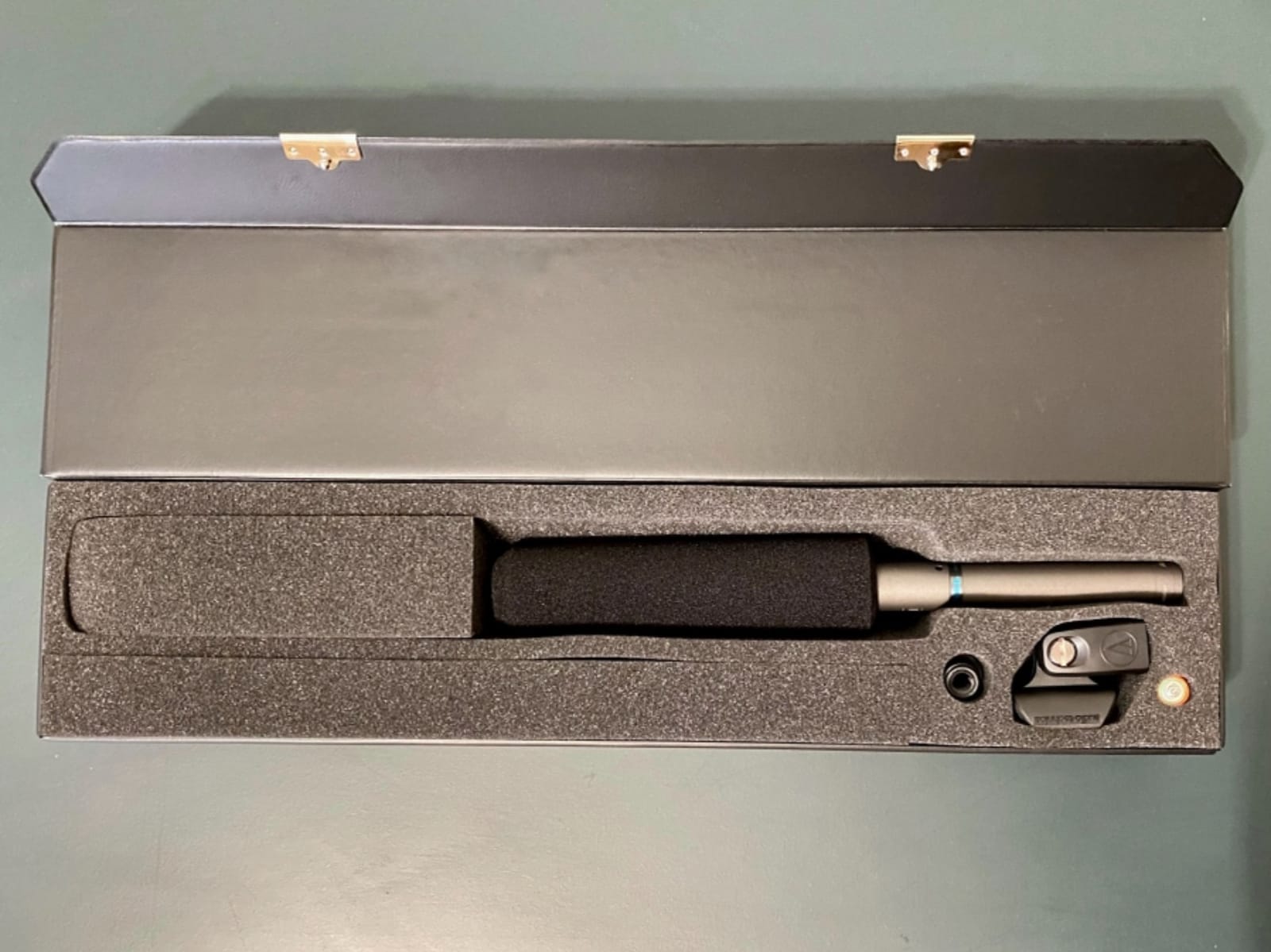
The Audio-Technica AT897 sits in a sweet spot between the budget AT875R and the more expensive Sennheiser options. What sets it apart is the dual-power flexibility: you can run it on phantom power or on an internal battery. That battery option is invaluable when your recorder’s phantom supply is committed to other mics or when you are running a minimalist rig.
At 11 inches long, this mic is short enough to stay out of frame on most shots while still providing the narrow acceptance angle you want for focused dialogue pickup. The smooth, natural on-axis sound quality is something Audio-Technica consistently gets right across their lineup, and the AT897 continues that tradition. Users praise its clean, true sound and excellent ambient noise rejection.
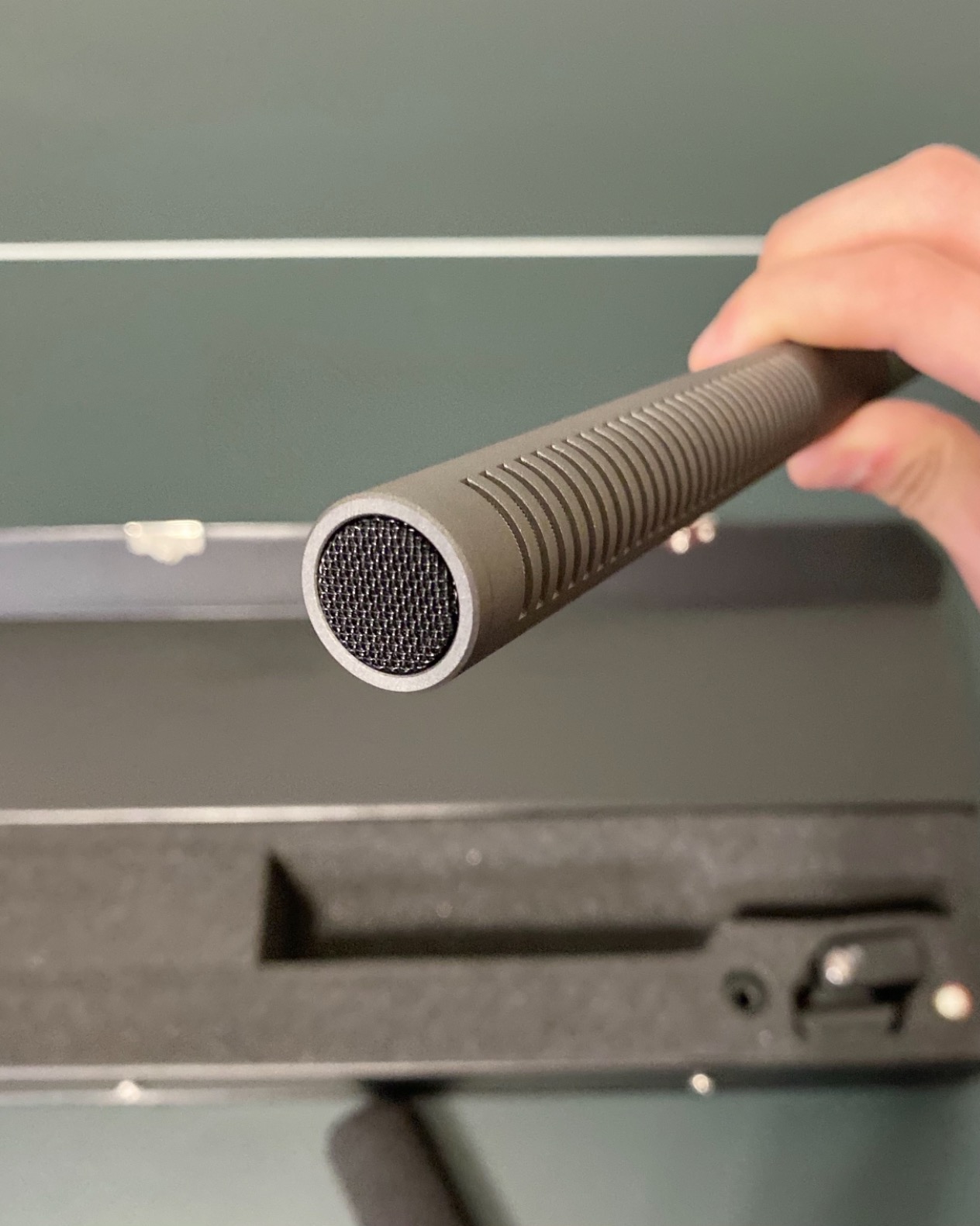
The switchable low-frequency roll-off works similarly to a high-pass filter, trimming unwanted low-end energy before it hits your recorder. For interior dialogue, this means less HVAC rumble and footstep vibration in your recordings. I find the AT897 handles these common indoor problems with the composure of a mic costing significantly more.
With a 4.5-star average across 173 reviews, the community rates this mic highly for its combination of sound quality and flexibility. The five-year warranty from Audio-Technica adds long-term value to your investment.
Best for mixed indoor and outdoor shoots
The dual-power design makes this mic especially appealing if your productions move between indoor and outdoor locations. Battery power frees you from phantom-power-dependent recorders, and the 11-inch body is manageable in both environments. You will want to add wind protection for exterior work, but the core mic handles both settings competently.
It is also a strong choice if you sometimes operate without a dedicated sound person. The battery option means you can set up a simple boom rig with a basic recorder and still get professional results.
Stock and accessory considerations
This mic frequently has limited stock, so if you find it available, it is worth grabbing. Availability fluctuates based on demand from film schools and production companies that buy in batches.
For outdoor use, you will need additional wind protection beyond what comes in the box. Plan to invest in a deadcat or zeppelin-style windscreen if your shooting schedule includes exterior scenes. For pure interior dialogue, the included protection is sufficient.
7. Rode NTG-3B — Professional RF-Bias Shotgun
Rode NTG-3B Shotgun Microphone,Black
Supercardioid RF-bias shotgun
XLR connector
13 dB self-noise
Moisture-resistant aluminum body
40Hz to 20kHz frequency range
Pros
- Exceptionally low self-noise at 13 dB
- Moisture-resistant RF-bias design
- Durable aluminum construction
- Broadcast-quality sound
- 10 year warranty
Cons
- Requires external preamp or audio interface
- Not Prime eligible
- Higher price point
- Limited stock
The Rode NTG-3B is the premium option in this lineup, designed for broadcasters and film professionals who need the lowest possible noise floor. With a self-noise rating of just 13 dB, it is one of the quietest shotgun microphones available at any price. That low noise is immediately apparent in interior dialogue recording, where every decibel of mic noise competes with quiet speech and subtle emotional performances.
The RF-bias design is the standout technical feature. RF-bias microphones are inherently resistant to moisture and humidity, which means the NTG-3B performs reliably in challenging environments where condenser mics with traditional DC-biased capsules might become unreliable. While moisture is less of a concern indoors than outdoors, it matters in locations with high humidity or temperature changes.
The aluminum construction feels like a professional instrument. This is a dense, solid microphone that conveys quality the moment you pick it up. The supercardioid pattern provides excellent directionality for interior dialogue, and the off-axis response is smoother than many competitors at this price point.
Best for professional productions with demanding audio requirements
If you are working on productions where audio quality is non-negotiable, such as broadcast documentaries, corporate films for major clients, or festival-bound short films, the NTG-3B delivers the kind of performance that holds up on big speakers and in critical listening environments. The 13 dB self-noise means you can capture quiet dialogue without the noise floor becoming audible.
The 10-year warranty reflects Rode’s confidence in the build quality. This is a mic designed to last through years of professional use.
Requirements and considerations
The NTG-3B requires a quality external preamp or audio interface to reach its full potential. Its output level demands clean gain, so pairing it with a low-noise recorder or mixer is important. If your recorder’s preamps are noisy, you will not benefit from the mic’s low self-noise.
Availability is frequently limited and the mic is not Prime eligible, so plan your purchase lead time accordingly. The higher price reflects the professional-grade performance, but it puts this mic in a different budget category than the AT875R or NTG-1.
8. Sony ECM-VG1 — Compact Run-and-Gun Shotgun
Sony ECMVG1 Shotgun Microphone, Black
Unidirectional electret condenser
XLR output
Phantom powered
Metal enclosure
76 dB signal-to-noise ratio
Pros
- Crystal clear audio pickup
- Excellent quality and ease of use
- Great run-and-gun mic for camera top handle
- Good room mic for livestream audio
- Fantastic sound quality
Cons
- Some camera compatibility issues
- Low-cut filter switch difficult to operate
- Spacer quality could be improved
The Sony ECM-VG1 is a compact unidirectional shotgun that excels in run-and-gun interior setups, particularly when paired with Sony cameras. Users praise it as an excellent room mic for livestream audio and a great companion to camera top handles like the FX3’s. With a 4.7-star rating, it clearly satisfies its target audience.
The metal enclosure feels professional and durable, and the XLR connectivity integrates well with professional audio chains. The phantom-powered electret condenser design delivers crystal clear audio pickup that suits intimate interior dialogue scenes where nuance and natural tone matter. At just under a pound, it is light enough for extended boom or camera-mount use.
The 76 dB signal-to-noise ratio is respectable for this class, providing a clean enough signal for professional interior dialogue work. The unidirectional pattern focuses on the subject in front while rejecting sound from the sides, which is the core requirement for indoor boom operation.
Best for Sony camera ecosystems and livestream setups
If you shoot on Sony bodies like the FX3, A7S III, or similar cinema cameras, the ECM-VG1 integrates seamlessly with Sony’s top handle designs. The physical compatibility alone saves you from adapter headaches and ensures solid mounting on your rig.
It also serves double duty as a room mic for livestreams and podcasts, making it a versatile choice if your production work spans multiple formats beyond traditional narrative film.
Things to watch for
Some users report compatibility issues with non-Sony camera models, so verify your camera’s XLR input and power requirements before purchasing. The low-cut filter switch has been noted as difficult to operate, which can be frustrating when you need to make quick adjustments on set.
The spacer quality between the mic and its mount could be better according to some users. This is a minor issue but worth knowing if you plan to use the mic in demanding physical setups where vibration isolation matters.
Buying Guide: Choosing the Right Boom Mic for Interior Dialogue
Choosing the best boom mic interior dialogue setup comes down to understanding three things: polar pattern, room acoustics, and power flexibility. Let me break down each factor based on what I have learned from years of on-set experience and what the filmmaking community consistently recommends.
Polar Pattern: The Most Important Factor for Indoor Recording
The polar pattern of your microphone determines what it hears from different angles, and it is the single most important specification for interior dialogue work. There are three main patterns you will encounter in boom mics.
Cardioid patterns capture sound from the front and reject sound from the rear. They have a wide, forgiving pickup that works well in small, treated rooms where you want some natural room tone mixed with your dialogue. Cardioids are less directional, which means you need to get the mic closer to your subject.
Supercardioid patterns are tighter than cardioid, rejecting more sound from the sides while maintaining good front sensitivity. They also have a small rear pickup lobe, so positioning behind the mic matters. For most interior dialogue situations, supercardioid is the sweet spot because it isolates the voice while keeping off-axis reflections sounding natural.
Hyper-cardioid patterns are even tighter than supercardioid, with maximum side rejection and a slightly larger rear lobe. These are excellent for very reflective rooms where you need maximum isolation. The trade-off is that they can sound less natural in well-treated spaces because they reject so much of the room’s character.
The key insight from professional sound mixers is that longer interference-tube shotguns are generally worse for indoor dialogue because they color off-axis reflections unpleasantly. Shorter supercardioid and hyper-cardioid mics handle reflected sound more gracefully.
The 3:1 Rule for Microphone Placement
The 3:1 rule is a fundamental principle of microphone placement that every boom operator should know. It states that when two microphones are covering the same source, the distance between the two mics should be at least three times the distance from the closest mic to the source.
In practice, this rule minimizes phase cancellation, which occurs when sound arrives at two microphones at slightly different times and creates destructive interference. For boom operators, the 3:1 rule also applies to your relationship with walls and ceilings. If your boom mic is one foot from your subject, try to keep it at least three feet from the nearest reflective surface.
This is why getting the boom mic as close as possible to your subject is so important indoors. The closer the mic is to the voice, the louder the direct sound is relative to reflected sound. A boom mic positioned 12 inches above the actor’s head, angled down at their mouth, will always sound better than one positioned three feet away, regardless of which microphone you choose.
Room Acoustics and Treatment Considerations
No microphone can fully compensate for a bad room. Before investing in a more expensive boom mic, consider whether your shooting space needs acoustic treatment. Hard parallel walls, bare floors, and low ceilings create the standing waves and flutter echo that make interior dialogue difficult to record cleanly.
Simple treatments make an immediate difference. Lay down rugs on hard floors, hang heavy blankets or moving pads on walls (especially behind the boom operator), and use furniture and bookcases as natural diffusers. Even a few acoustic panels strategically placed at first-reflection points will dramatically improve what any microphone captures.
If you cannot treat the room, your microphone choice matters even more. In untreated spaces, favor tighter patterns like hyper-cardioid or short shotguns with strong off-axis rejection. The Audio-Technica AT875R and Sennheiser MKE 600 both perform respectably in challenging rooms.
Budget Tiers: What to Expect at Each Price Point
Under $200, your best option is the Audio-Technica AT875R. It delivers professional-level interior dialogue performance at a budget price. You will need phantom power, and the pattern is not as refined as more expensive options, but the sound quality is genuinely good.
From $200 to $500, you have excellent choices including the Sennheiser MKE 600, Rode NTG-1, Rode VideoMic Pro+, and Audio-Technica AT897. This is the range where most independent filmmakers should shop because the quality jump from budget to mid-range is significant. The MKE 600 in particular compares favorably to mics costing twice as much.
Above $500, the Rode NTG-3B offers the lowest noise floor and most professional build quality in this lineup. At this level, you are paying for refinements that matter on high-end productions: lower self-noise, better off-axis performance, and superior construction.
Phantom Power Explained
Phantom power is 48 volts of DC power supplied by your recorder, mixer, or interface through the same XLR cable that carries audio. Most professional condenser microphones require phantom power to operate their internal electronics and charge the condenser capsule.
Some mics, like the Sennheiser MKE 600 and Audio-Technica AT897, offer both phantom and battery power options. Battery power is useful when your recorder cannot supply phantom or when phantom is committed to other microphones. The trade-off is ongoing battery costs and the need to monitor battery life.
Make sure your recording chain supports phantom power if you choose a phantom-only mic like the AT875R, NTG-1, or NTG-3B. Most professional recorders from Zoom, Sound Devices, and Tascam provide phantom power on their XLR inputs.
Frequently Asked Questions
What is the best boom microphone for interior dialogue?
The Sennheiser MKE 600 is widely regarded as the best boom mic for interior dialogue. Its supercardioid pattern rejects room reflections while keeping voices natural, and it offers both phantom and battery power options. For budget filmmakers, the Audio-Technica AT875R delivers excellent indoor performance under $200.
What is the 3:1 rule for boom mics?
The 3:1 rule states that the distance between two microphones should be at least three times the distance from the closest mic to the sound source. This minimizes phase cancellation. For boom operators, it also means keeping your mic at least three times farther from reflective surfaces like walls and ceilings than it is from the actor.
Is a boom mic better than a lavalier for indoor dialogue?
Boom mics generally capture more natural-sounding dialogue indoors because they pick up the voice in the room’s acoustic space. Lavaliers attach to clothing, which can cause rustle, and they isolate the voice from the room in a way that can sound artificial. However, lavaliers allow more actor movement and do not require a boom operator, making them better for certain shooting situations. Many productions use both and mix the signals.
What are the disadvantages of using a boom mic indoors?
The main disadvantages of boom mics indoors are that they require a dedicated operator to hold and position them, they can pick up room reflections and echo in untreated spaces, and they must stay out of the camera frame which limits how close you can get. Boom mics also require additional equipment like a boom pole, shock mount, and possibly wind protection.
What polar pattern is best for indoor dialogue recording?
Supercardioid is generally the best polar pattern for indoor dialogue because it provides strong directionality while keeping off-axis reflections sounding natural. Hyper-cardioid offers even tighter rejection for very reflective rooms. Long interference-tube shotguns are typically not ideal indoors because they color off-axis sound unpleasantly in reverberant spaces.
Conclusion
Finding the best boom mic for interior dialogue scenes does not have to be complicated. The Sennheiser MKE 600 remains my top recommendation because it balances directionality, natural sound, and power flexibility in a way that suits virtually any indoor shooting situation. For filmmakers on a strict budget, the Audio-Technica AT875R delivers professional interior dialogue quality at a fraction of the cost.
If you need one mic that transitions between on-camera and boom duties, the Rode VideoMic Pro+ offers unmatched versatility. And for productions demanding the lowest possible noise floor, the Rode NTG-3B is the professional upgrade worth the investment. Whatever your budget, pairing the right microphone with proper placement and basic room treatment will transform your interior dialogue from frustrating to professional in 2026.