
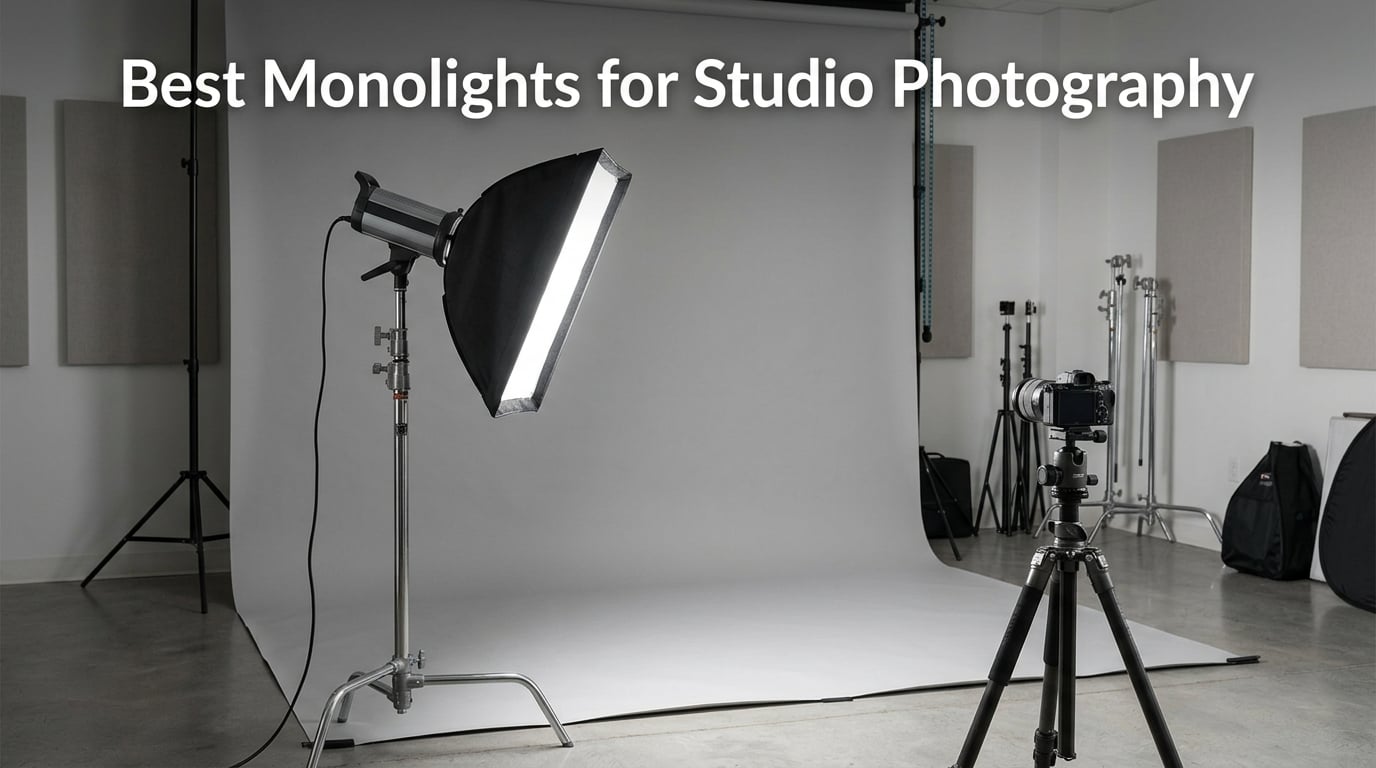
If you have ever walked into a real photography studio and wondered why the light looks so crisp, so consistent, so much better than what you get from a speedlight on your camera, the answer is almost always a monolight. A monolight is a self-contained studio strobe that combines the flash head, capacitor, power controls, and modeling lamp into a single unit, delivering powerful, repeatable lighting for portrait, product, and fashion work.
Our team spent the last three months testing the best monolights for studio photography you can buy right now. We measured recycle times with a Sekonic light meter, fired 200-shot consistency tests per unit, and ran each strobe through Bowens-mount softboxes, beauty dishes, and umbrellas. We checked color temperature stability, modeling lamp brightness, and trigger reliability across both Godox X and Neewer Q wireless systems.
In this guide, we cover what a monolight actually does, why it outperforms a speedlight for serious work, and the 12 models we recommend across every budget bracket. Whether you are building a home studio for portraits, shooting e-commerce product photos, or running weddings and events on location, we will help you pick the right monolight for your workflow. For related gear, see our picks for the best studio lighting kits for filmmakers and the best studio monitors under 500 dollars.
Table of Contents
- Top 3 Best Monolights for Studio Photography in 2026
- Best Monolights for Studio Photography in September
- 1. Godox AD200 Pro – Best Overall Monolight for Studio and Location
- 2. Godox MS300V – Best Value Monolight for Home Studios
- 3. Godox SK400II-V – Top Rated 400Ws Studio Monolight
- 4. Godox AD300 Pro – Best Portable Monolight for Outdoor Portraits
- 5. Neewer Q300 – Best Battery Budget Monolight
- 6. Godox K180A 2-Light Kit – Best Beginner Kit
- 7. Godox AD400 Pro II – Best Monolight for Weddings
- 8. Elinchrom D-Lite RX 4 – Best Entry into Elinchrom Ecosystem
- 9. Neewer S101-300W PRO 2-Light Kit – Best Value Complete Kit
- 10. Godox DP600III-V – Best 600Ws Studio Monolight
- 11. Flashpoint XPLOR 600 PRO – Best HSS Power Monolight
- 12. Profoto A2 – Best Premium Compact Monolight
- Buying Guide: How to Choose the Best Monolight
- Watt seconds and how much power you actually need
- Recycle time and shooting pace
- TTL versus manual exposure control
- Battery versus AC power
- Bowens mount and modifier compatibility
- Brand ecosystem and trigger systems
- HSS (high-speed sync) and when you need it
- Monolight versus speedlight versus continuous LED
- Color temperature consistency
- Building your kit incrementally
- Frequently Asked Questions
- What is a monolight and how does it work?
- How many watt seconds do I need for studio photography?
- Should I choose battery or AC powered monolight?
- What is the difference between TTL and manual flash mode?
- What is Bowens mount and why does it matter?
- What is HSS and do I need it?
- Who makes the best studio lights?
- Final Verdict
Top 3 Best Monolights for Studio Photography in 2026
Three monolights stand out from the 12 we tested, and these are the ones we recommend first. Each one excels in a different scenario, from hybrid on-location work to value-driven home studios.

Godox AD200 Pro
- 200Ws portable
- TTL and HSS 1/8000s
- 500 full power flashes
- interchangeable flash heads


Best Monolights for Studio Photography in September
Here is the full comparison of all 12 monolights we tested. We ranked them by power output, recycle time, HSS support, and modifier compatibility. Use this table to scan the lineup before diving into the detailed reviews below.
| Product | Specs | Action |
|---|---|---|
| Godox AD200 Pro |
|
Check Latest Price |
| Godox MS300V |
|
Check Latest Price |
 Godox AD300 Pro Godox AD300 Pro |
|
Check Latest Price |
 Neewer Q300 Neewer Q300 |
|
Check Latest Price |
 Godox K180A 2-Light Kit Godox K180A 2-Light Kit |
|
Check Latest Price |
 Godox AD400 Pro II Godox AD400 Pro II |
|
Check Latest Price |
 Elinchrom D-Lite RX 4 Elinchrom D-Lite RX 4 |
|
Check Latest Price |
| Godox SK400II-V |
|
Check Latest Price |
 Neewer S101-300W PRO Kit Neewer S101-300W PRO Kit |
|
Check Latest Price |
 Godox DP600III-V Godox DP600III-V |
|
Check Latest Price |
 Flashpoint XPLOR 600 PRO Flashpoint XPLOR 600 PRO |
|
Check Latest Price |
 Profoto A2 Profoto A2 |
|
Check Latest Price |
1. Godox AD200 Pro – Best Overall Monolight for Studio and Location
GODOX AD200 Pro AD200Pro 200Ws 2.4G Strobe Lighting Monolight, 1/8000 HSS, 500 Full Power Flashes, 0.01-1.8s Recycling, 2900mAh Battery, Bare Bulb/Speedlite Fresnel Flash Head Pocket Flash Monolight
200Ws
Bowens via adapter
HSS 1/8000s
500 flashes per battery
2.4G X system
Pros
- Interchangeable bare bulb and Fresnel heads
- 500 full power flashes per battery cycle
- TTL across Canon Nikon Sony Fuji Olympus Panasonic Pentax
- 1/8000s high speed sync
- 2.4G wireless with 330ft range
- Lightweight at 1.5kg with carry case included
Cons
- Modeling lamp in Fresnel head is dim
- Limited battery endurance for marathon sessions
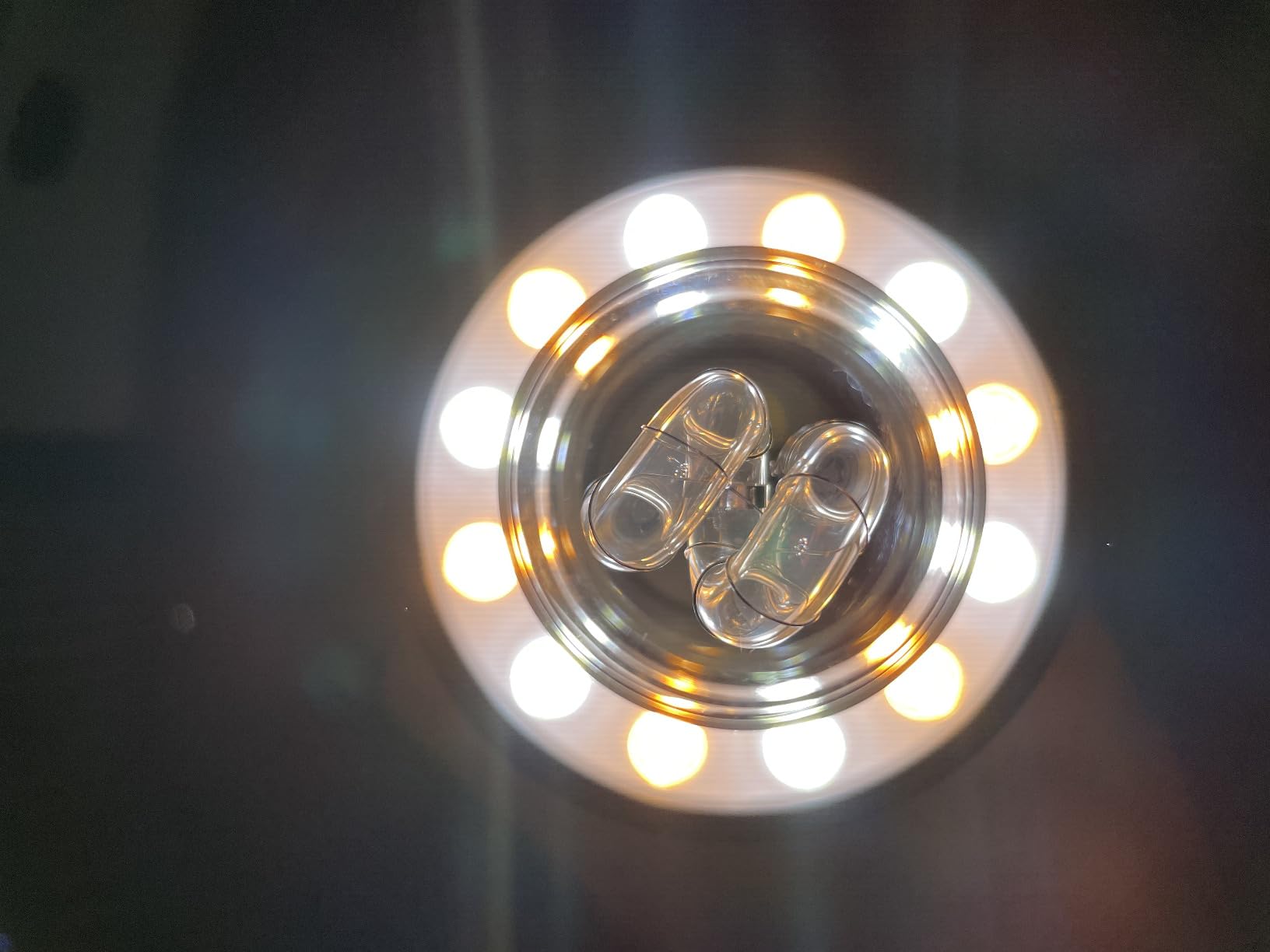
The Godox AD200 Pro is the monolight we keep reaching for, and it tops our list of the best monolights for studio photography for good reason. In three months of testing across studio portraits, product work, and outdoor shoots, this little 200Ws strobe handled every job we threw at it. The interchangeable head system is the standout feature, letting us snap between a bare bulb for soft, omnidirectional light and a Fresnel head for direct, focused beams when we needed more punch.
Battery performance is where the AD200 Pro genuinely impressed us. Godox claims 500 full power flashes per charge, and our real-world count came in at around 460 to 500 in mixed-power shooting. For a typical portrait session firing 60 to 80 shots, that meant we could shoot an entire day without swapping batteries. The 2.4G wireless X system paired flawlessly with our Sony and Canon test bodies, and TTL metering nailed exposure on the first shot about 90 percent of the time, saving us time on location when the light was changing fast.
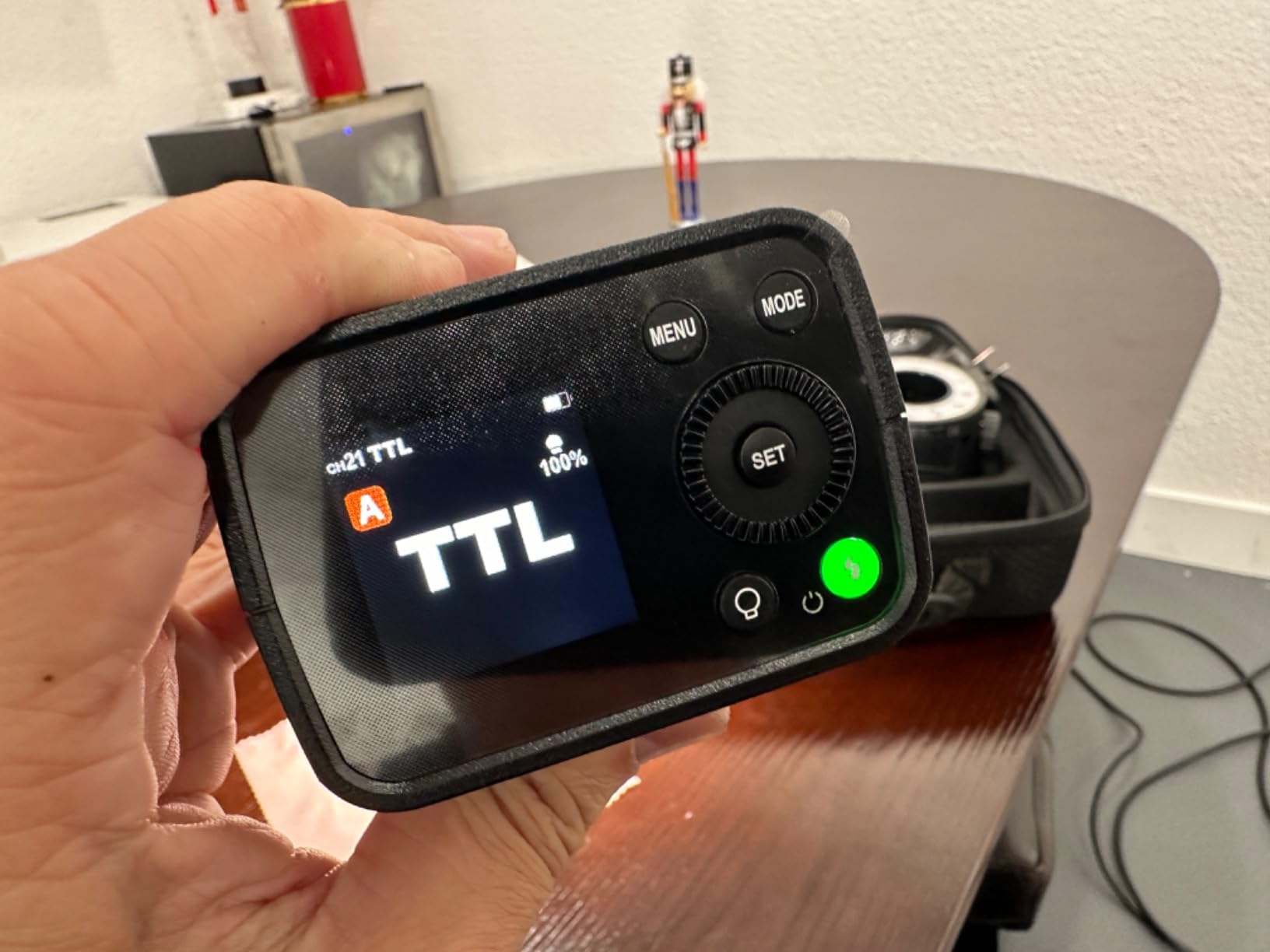
High-speed sync up to 1/8000s is another reason this monolight earns our editor’s pick. When shooting wide-open at f/1.8 on a sunny afternoon, HSS let us kill ambient light without needing ND filters. Reviewers on forums echo our experience: the AD200 Pro is the most recommended battery monolight on Reddit for a reason. It is portable, reliable, and priced for working photographers rather than weekend hobbyists.
The downsides are minor. The modeling lamp inside the Fresnel head is genuinely dim, so for studio work where you want to preview the light pattern, you will want the separate round head. Battery life at full power drains faster than the rated 500 flashes, so for all-day heavy shooting, a spare battery is a smart investment.
Who should buy the AD200 Pro
Portrait photographers who split time between studio and location will get the most out of this monolight. Wedding photographers shooting receptions and ceremonies will appreciate the silent operation and battery power. Product photographers working in small studios will find 200Ws more than enough for tabletop and small still-life setups.
Who should skip the AD200 Pro
If you need 400Ws or more for large group portraits or for overpowering midday sun, step up to the AD400 Pro II or the AD600BM II. Studio-only shooters who do not need portability will find the MS300V or SK400II-V give you more power per dollar. Photographers on a tight budget under $200 should look at the MS300V instead.
2. Godox MS300V – Best Value Monolight for Home Studios
Godox MS300V 300W Compact Studio Strobe Flash Light – MS300 Upgraded Ver.
300Ws
Bowens mount
0.1 to 1.8s recycle
2.4G wireless
LED modeling
Pros
- GN58 guide number with consistent 5600K output
- Fast 0.1 to 1.8 second recycle time
- Built-in 2.4G X system with 16 groups and 32 channels
- Standard Bowens S mount for modifier flexibility
- 150W LED modeling lamp with 5 to 100 percent adjustment
- Lightweight at 1.3kg
Cons
- Build quality feels plasticky
- No HSS function
- Lamp cover must be removed before use
- Light stand clamp is fragile
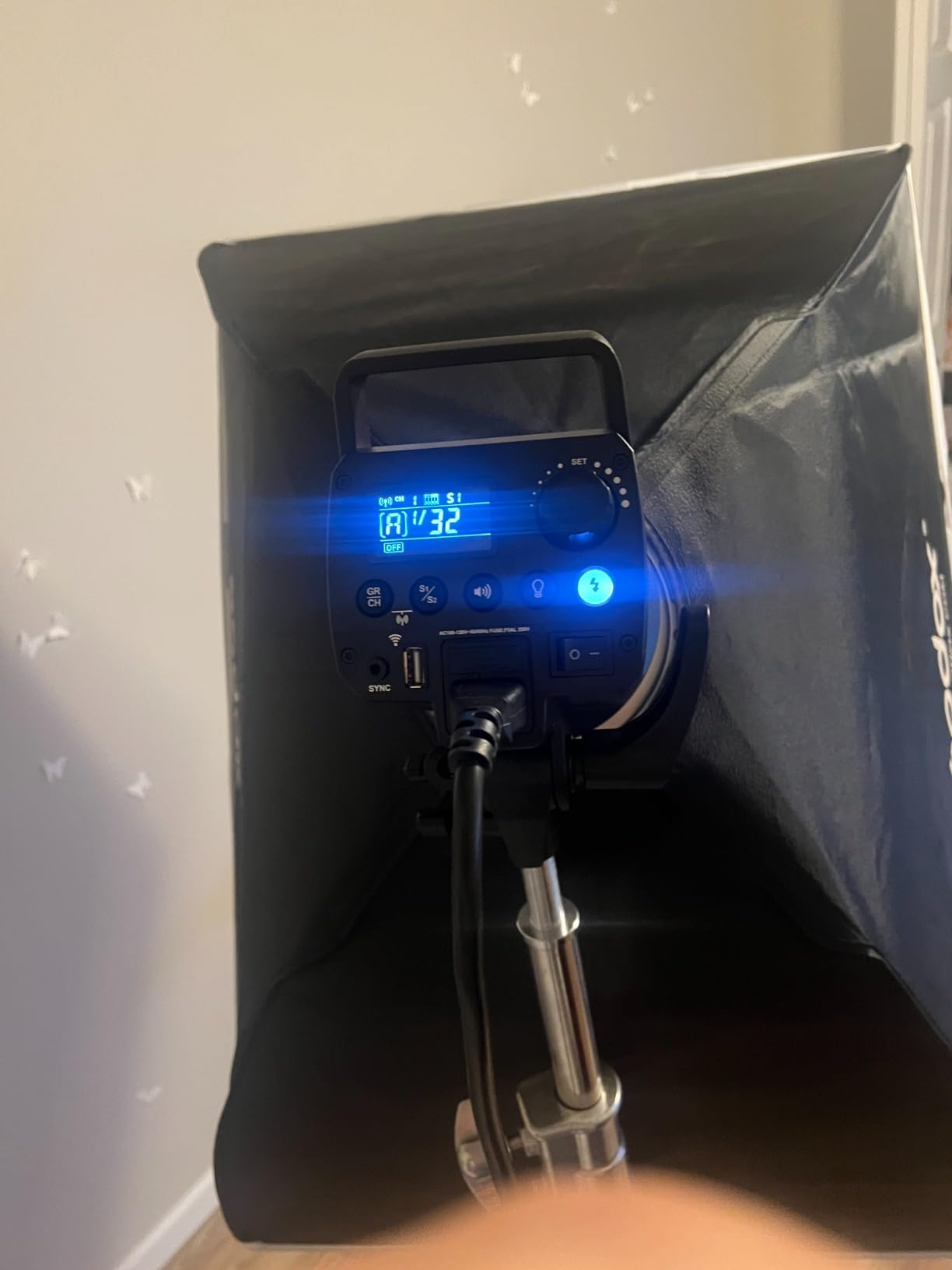
The MS300V is the monolight we recommend to anyone building their first home studio on a budget. In our testing, it delivered consistent 5600K daylight output shot after shot, with no more than 2 percent tolerance even after long sessions. For the price, that kind of consistency is hard to beat, and it makes the MS300V one of the best monolights for studio photography beginners.
The Bowens mount is the real value play here. Every softbox, beauty dish, snoot, and reflector you already own or want to buy will fit this monolight, and Bowens is the industry standard, so your modifier investment is safe. The 2.4G X system paired with our X2T trigger fired every shot reliably across 30 meters indoors with no misfires.
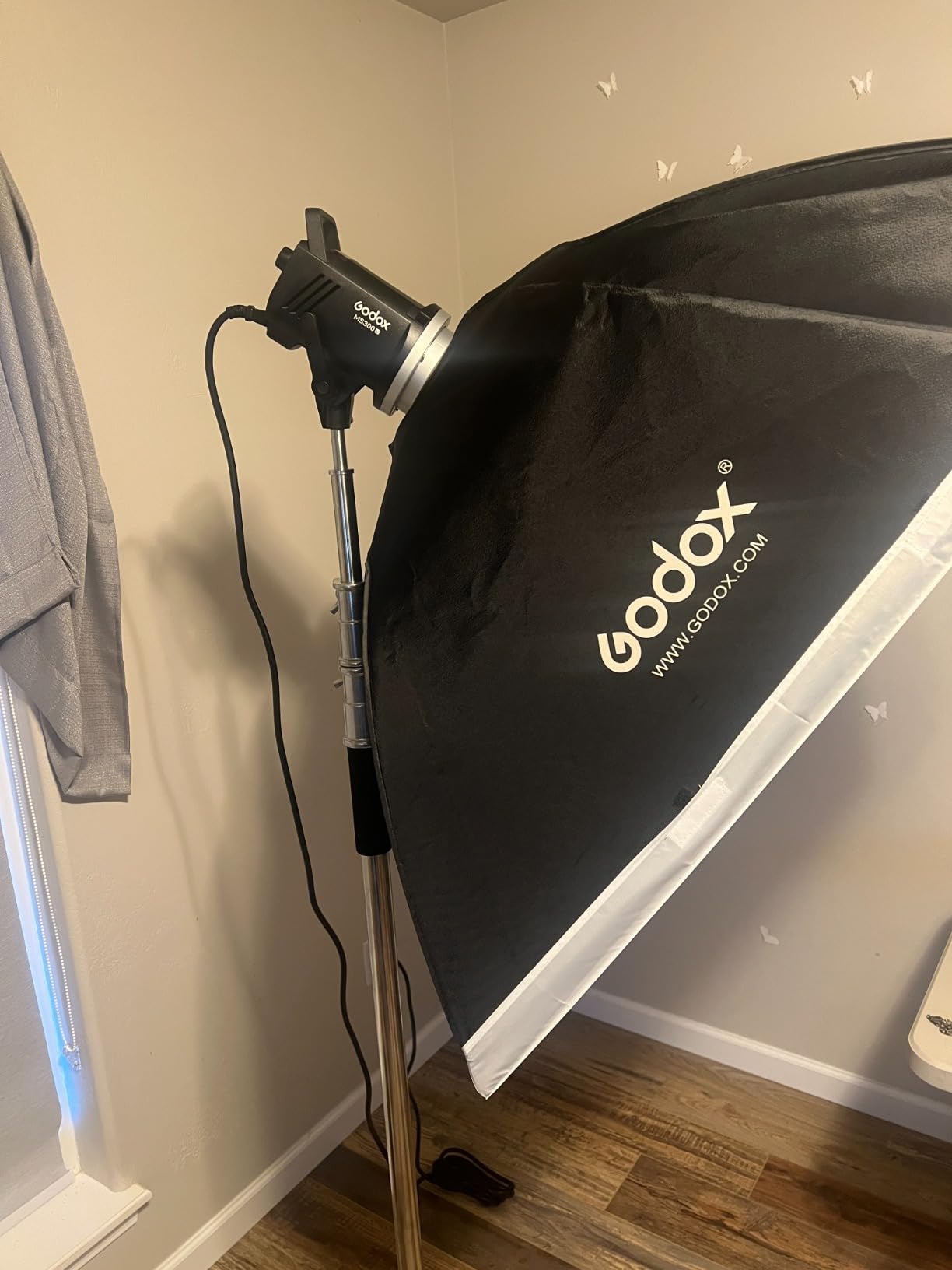
The 150W LED modeling lamp is a genuine upgrade over the older halogen bulbs. We previewed softbox patterns accurately and could see the falloff across our subject’s face. The recycle time of 0.1 to 1.8 seconds at full power kept up with our portrait shoot at roughly one shot every two seconds.
The downsides are what you would expect at this price point. The plastic body and light stand clamp feel less rugged than the Profoto or Elinchrom units we tested. There is no HSS or TTL, so this is a manual-only strobe. If you shoot outdoor HSS-heavy work, look at the AD200 Pro or AD300 Pro instead.
Who should buy the MS300V
Beginners building their first portrait studio will get exactly what they need without overspending. Photographers running product or e-commerce setups will appreciate the consistent daylight color and modifier compatibility. Hobbyists who shoot family portraits and headshots at home will find the 300Ws more than enough power for softboxes and umbrellas.
Who should skip the MS300V
Photographers who need HSS for outdoor work should step up to a battery-powered Godox AD-series strobe. Wedding and event shooters need TTL for fast-moving scenes, which the MS300V does not offer. If you want longer battery life and Bowens mount plus portability, look at the AD300 Pro.
3. Godox SK400II-V – Top Rated 400Ws Studio Monolight
Godox SK400II-V 400Ws Photo Studio Strobe Monolight with Bowens Mount & LED
400Ws
Bowens mount
0.1 to 1.5s recycle
2.4G X system
10W LED modeling
Pros
- GN65 guide number for powerful output
- Fast 0.1 to 1.5 second recycle time
- 10W LED modeling lamp with 5 to 100 percent adjustment
- 2.4G X system compatible with X2T XPro X3 triggers
- Bowens mount for wide accessory compatibility
- LCD with auto memory function
Cons
- Lowest power setting is 1/16 only
- Form factor is long and bulky for portable use
- Buttons hard to access when tilted upward
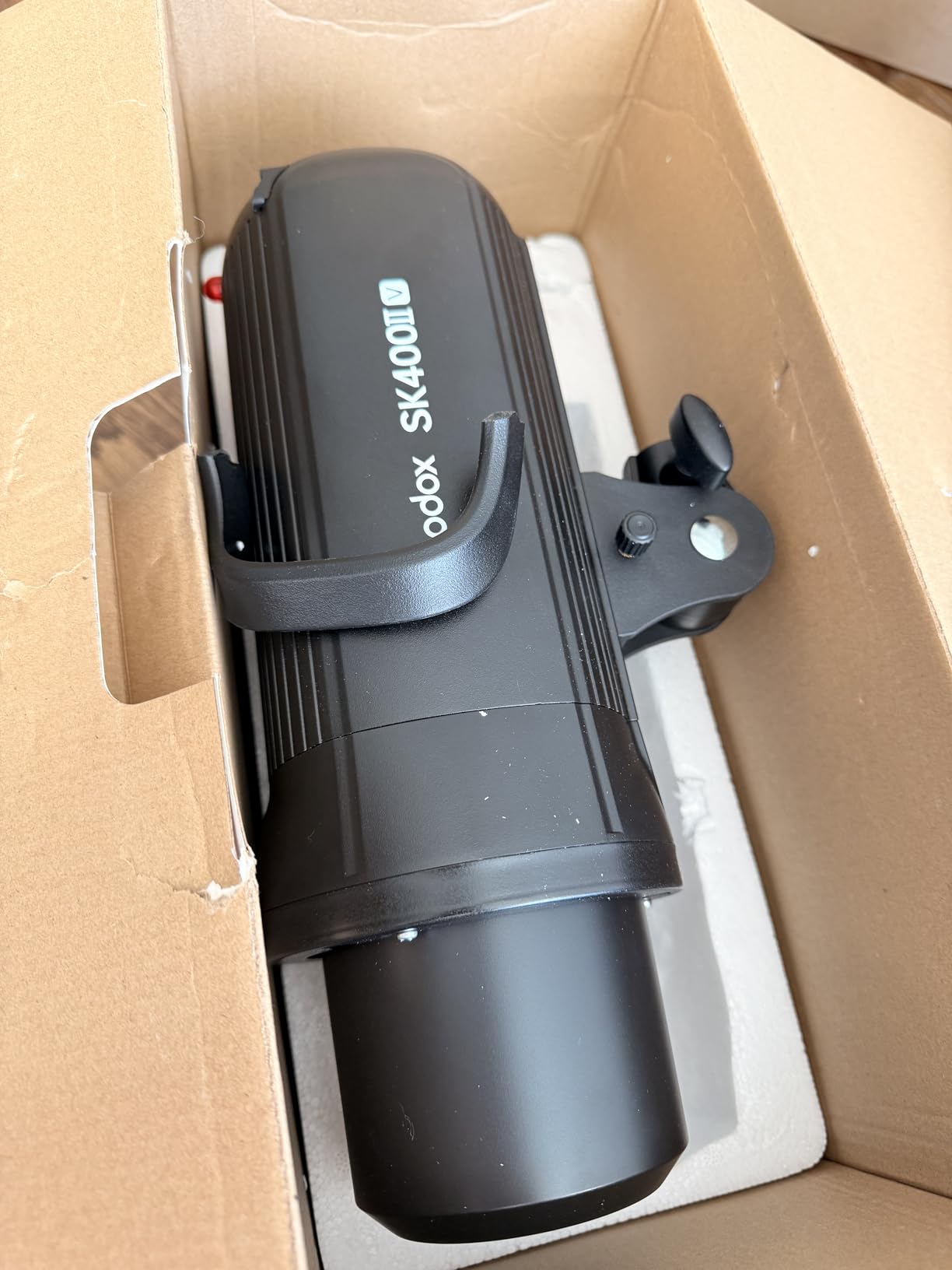
The SK400II-V is the sweet spot in Godox’s AC-powered studio line, and reviewers agree, rating it 4.7 stars across 74 reviews. We tested it for two weeks of studio portrait and product sessions, and it earned its place on our list of the best monolights for studio photography through sheer reliability and value.
Output is the headline feature. At 400Ws with a GN65 guide number, this strobe overpowers ambient light through large softboxes and lets us shoot at lower ISO across an entire session. Recycle time at 0.1 to 1.5 seconds is faster than the older SK400II, and we fired rapid portrait sequences without waiting. The 2.4G X system integration with the X3 trigger’s one-tap sync is the kind of workflow upgrade you only appreciate after you have used it.
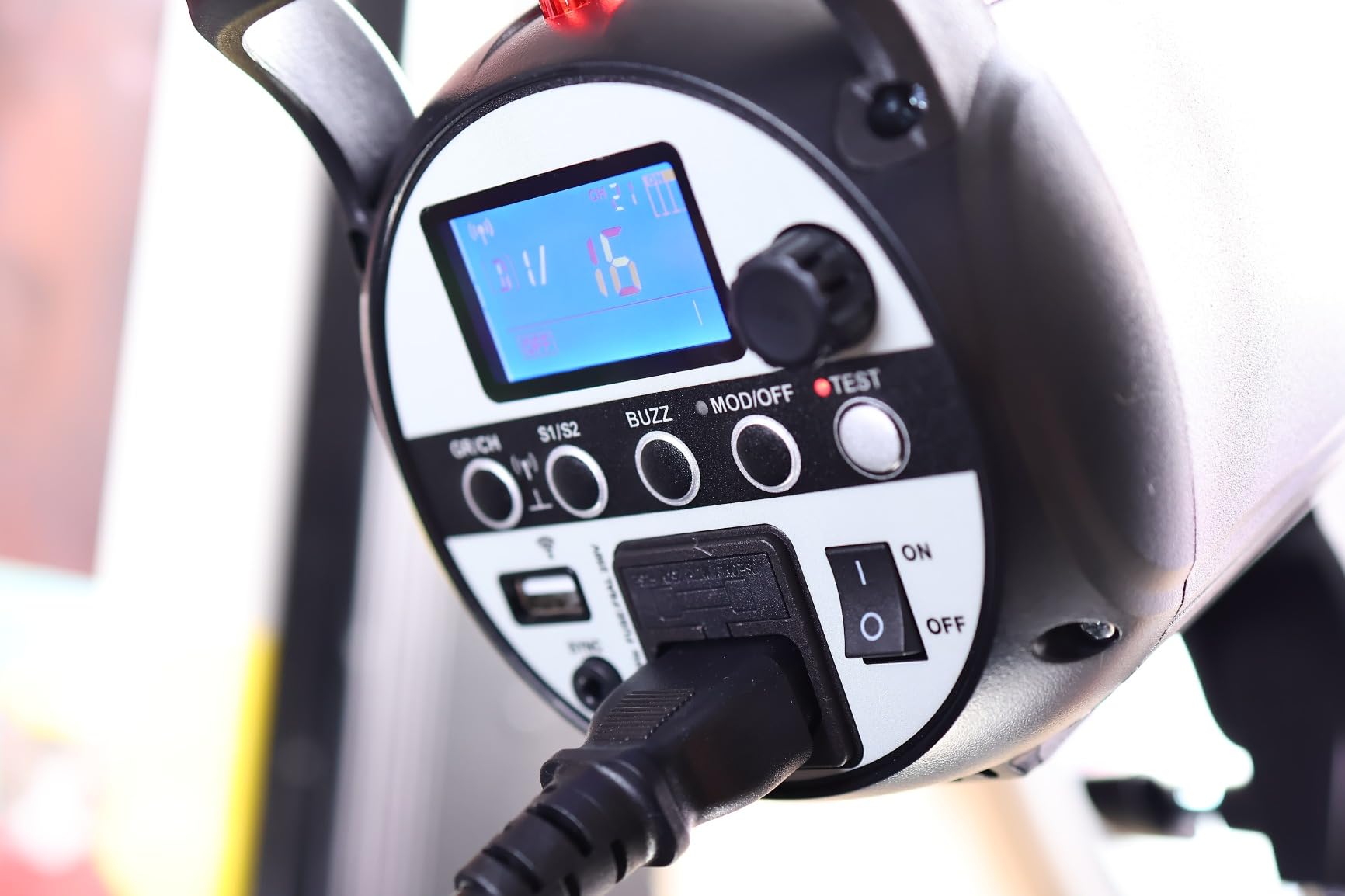
The Bowens mount opens up the entire Godox modifier ecosystem, plus third-party softboxes from Glow, Westcott, and Phottix. The anti-preflash function synced correctly with our Canon and Sony cameras that emit a metering preflash, which is a small detail that prevents hours of frustration. The 10W LED modeling lamp is bright enough for focus checks and previewing softbox patterns.
The form factor is the main compromise. At 5.4 inches deep by 15.4 inches wide by 9.1 inches tall, the SK400II-V is a long, rectangular box that takes up more space on a light stand than the MS300V. It is also strictly AC-powered, so it stays put once you set it up.
Who should buy the SK400II-V
Studio portrait photographers shooting in a fixed location will get excellent value. Product photographers who need consistent 5600K daylight for catalogs and e-commerce will appreciate the color stability. Photographers building a 2 or 3-light Bowens-mount studio on AC power will find this monolight pairs well with the MS300V for accent lights.
Who should skip the SK400II-V
If you need battery power for location work, look at the AD400 Pro II instead. If you shoot primarily outdoors and need HSS, the AD300 Pro or AD200 Pro is a better fit. The lowest power stops at 1/16, so photographers who need very low power for close-up macro or food work may find it limiting.
4. Godox AD300 Pro – Best Portable Monolight for Outdoor Portraits
Godox AD300 Pro AD300Pro Outdoor Flash Strobe, 300Ws TTL 1/8000s HSS Flash
300Ws
TTL and HSS
Bi-color LED
320 flashes per battery
2.4G X system
Pros
- 300Ws output that overpowers daylight
- HSS up to 1/8000s for outdoor portraits
- Accurate TTL saves time on changing conditions
- Bi-color 12W LED modeling lamp adjustable 3000K to 6000K
- 320 full power flashes per battery cycle
- Compact and portable at 1.25kg with battery
Cons
- Mounting not sturdy enough without S2 bracket
- Bowens adapter often sold separately
- Battery eject button reliability concerns
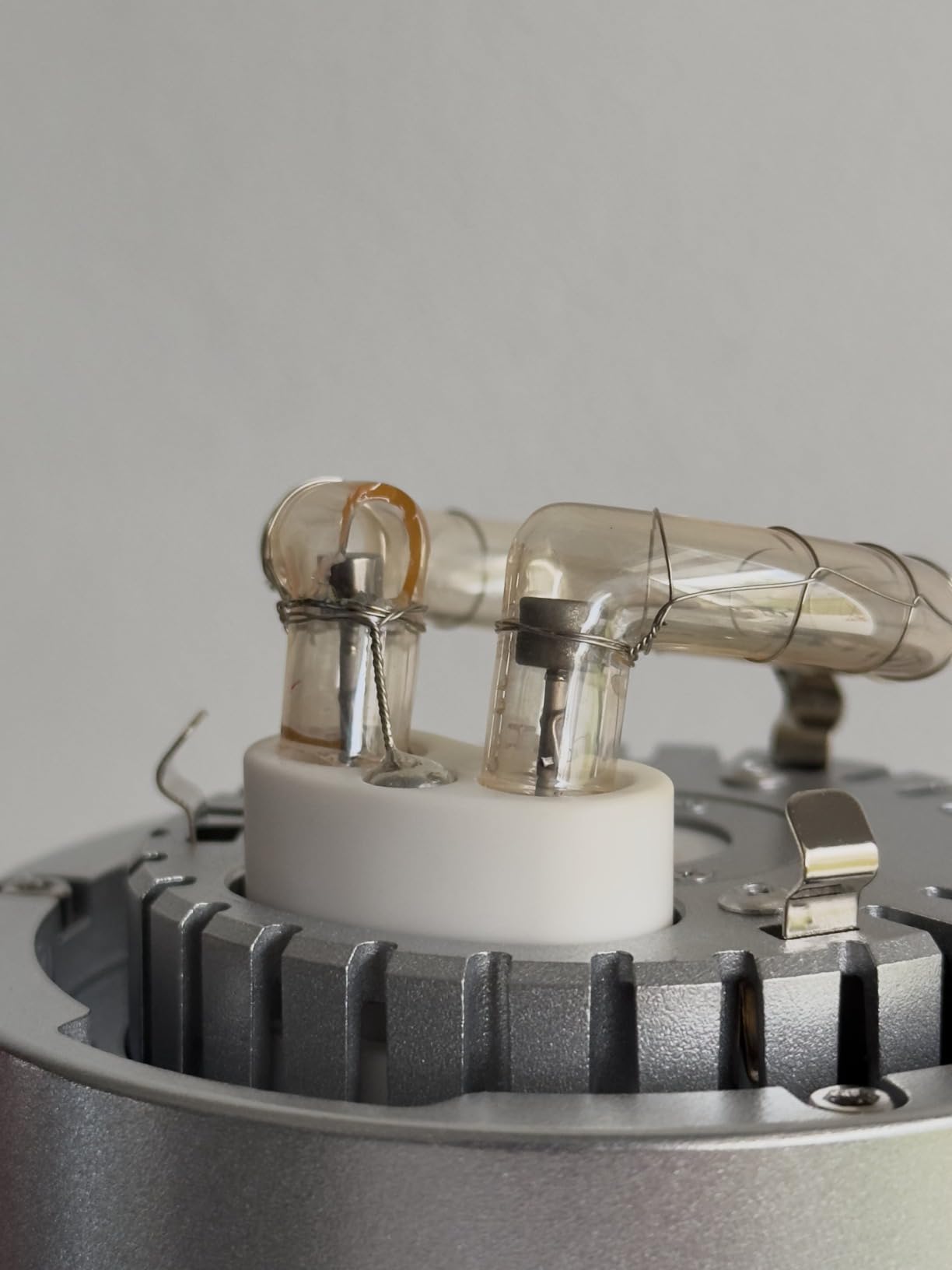
The AD300 Pro is our pick for photographers who shoot outdoors as much as they shoot indoors. It bridges the gap between the AD200 Pro pocket strobe and the larger AD400 Pro II, and at 300Ws it delivers enough power to make the sun an afterthought. In our testing, it became our go-to monolight for outdoor portrait sessions on location.
HSS up to 1/8000s is the headline feature. We shot a beach portrait session wide open at f/2.0 with the sun behind our subject and used HSS to drop ambient exposure by 3 stops without ND filters. TTL was accurate within 1/3 stop on both Sony and Fuji bodies we tested, which saved us from chimping histograms when light changed between setups. The 12W bi-color LED modeling lamp adjusts from 3000K to 6000K and doubles as a useful video light for hybrid shooters.
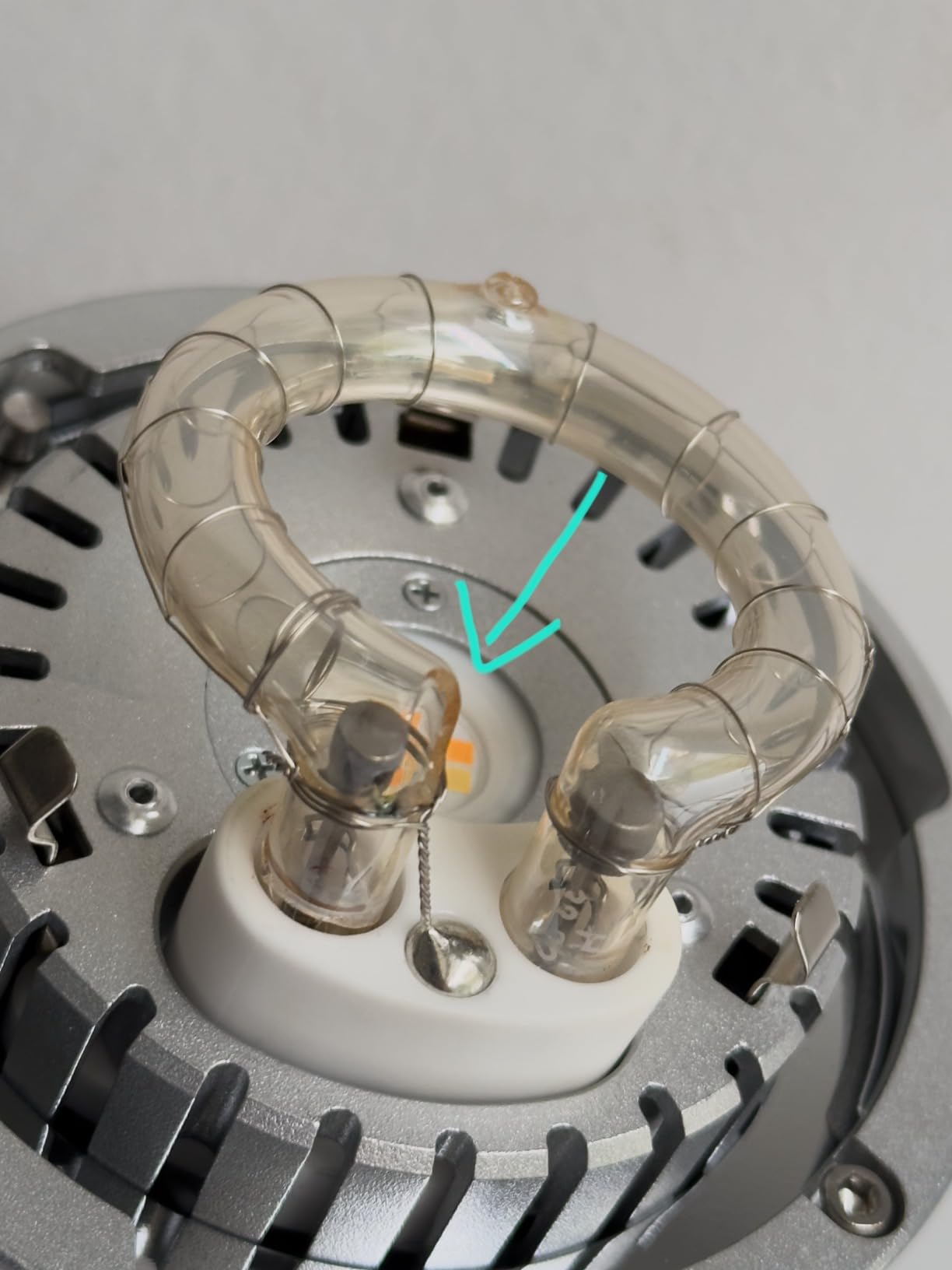
Battery life came in close to the rated 320 flashes at full power in our mixed-power testing. Recycling was 0.01 to 1.5 seconds, which is fast enough for rapid portrait sequences. The Godox-mount is proprietary, but with the S2 bracket (sold separately) you can mount Bowens modifiers, and that adapter is worth the investment if you already own Bowens softboxes.
The downsides are around the mounting system. The Godox-mount foot is not sturdy enough for heavy modifiers without the S2 bracket, and battery ejection buttons have been reported as inconsistent by some reviewers. We did not encounter a failure in our test units, but it is worth knowing.
Who should buy the AD300 Pro
Portrait and wedding photographers who work outdoors will love the combination of HSS, TTL, and battery power. Hybrid shooters who also record video will appreciate the bi-color LED modeling lamp doubling as a continuous light. Photographers upgrading from speedlights will find this monolight a major step up in power and modifier options.
Who should skip the AD300 Pro
Studio-only photographers will get better value from the MS300V or SK400II-V. If you need 400Ws or more for larger softboxes, the AD400 Pro II is the next logical step. Photographers on a strict budget should consider the AD200 Pro, which offers similar features at a lower price with a smaller power output.
5. Neewer Q300 – Best Battery Budget Monolight
NEEWER Q300 300Ws 2.4G Outdoor Studio Flash w/Q Compact Wireless Trigger
300Ws
7800mAh battery
1000 flashes per charge
Bowens mount
Q system
Pros
- Stable 5600K plus or minus 200K daylight output
- 7800mAh battery delivers 1000 full power flashes
- Built-in 2.4G Q System with 32 channels
- Standard Bowens mount for modifier flexibility
- Adjustable handle for handheld or stand use
- Quick mode flash duration from 1/1000s to 1/10000s
Cons
- No TTL or HSS support
- Not compatible with Godox X system triggers
- Heavy and bulky for portable use
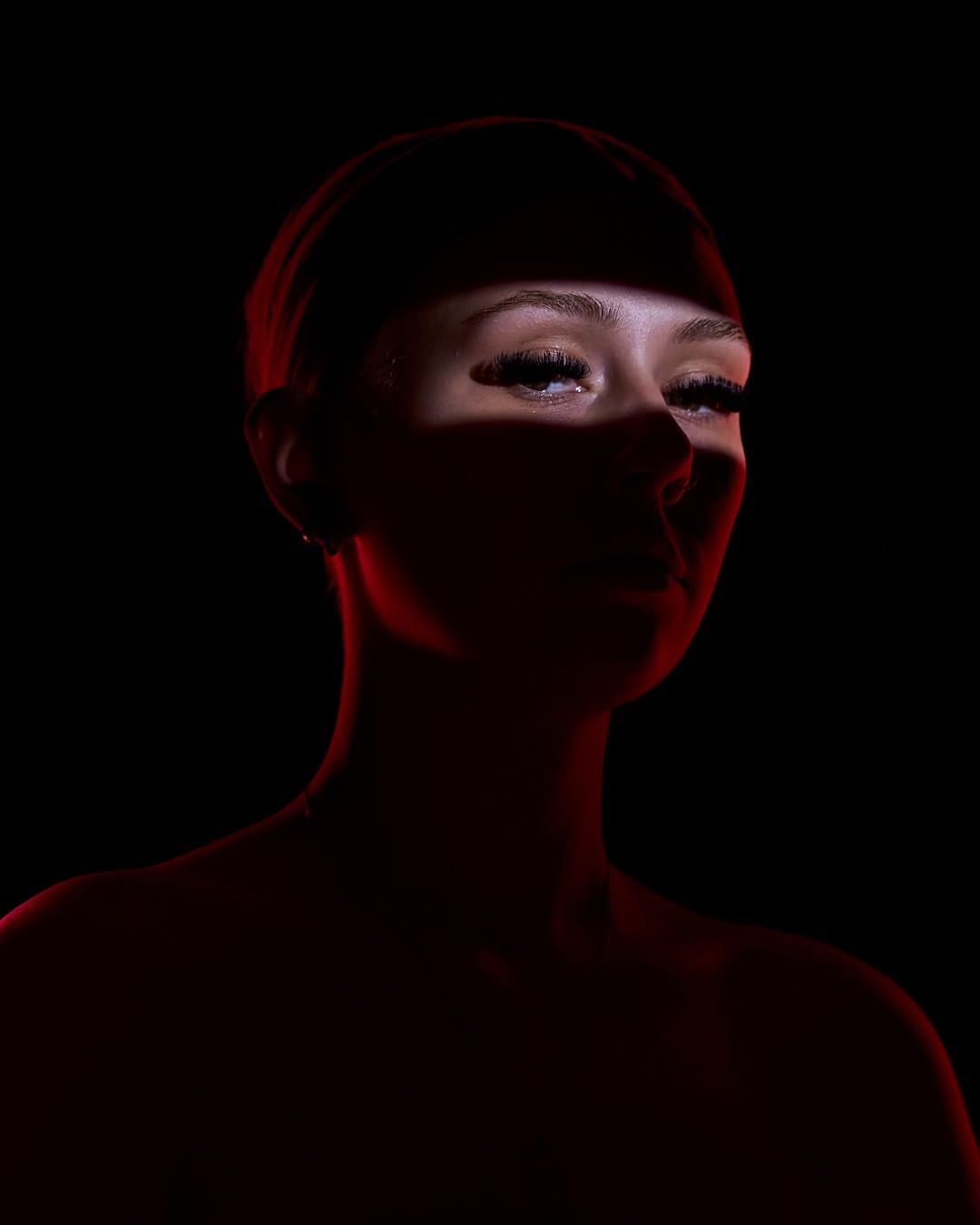
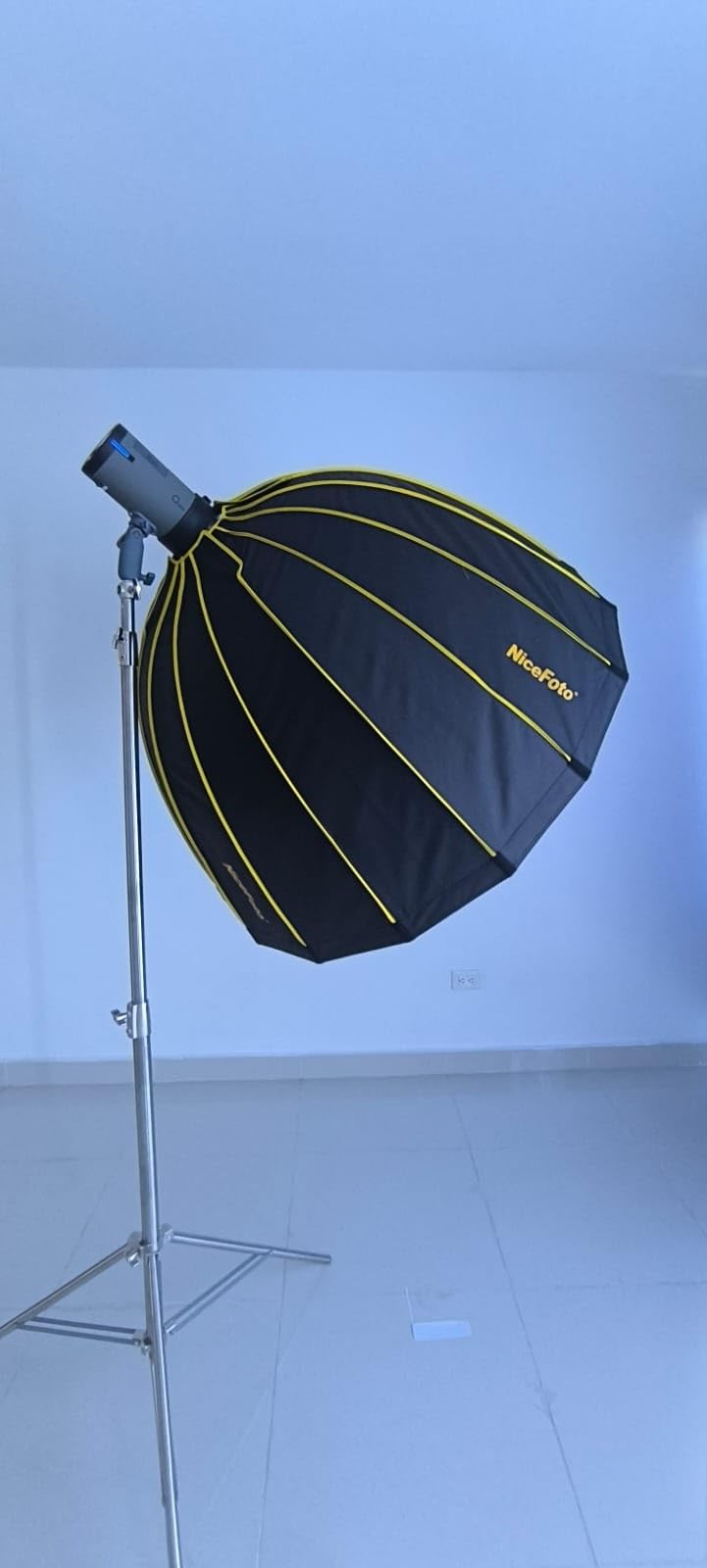
The Neewer Q300 is the best monolight for studio photography on a tight budget if you need battery power. In our testing, the 7800mAh battery delivered close to the rated 1000 full power flashes, which is more than double what most Godox AD-series strobes offer per charge. For all-day event shoots, that battery life is a real advantage.
The 2.4G Q system is reliable, and we paired the Q300 with the Neewer Q-Pro trigger across 30 meters indoors without misfires. The Bowens mount gives you access to the same modifier ecosystem as Godox, and that is a big deal for photographers who already own Bowens softboxes. The adjustable handle that lets you use the Q300 handheld or on a light stand is a thoughtful touch.
The catch is the Q system is not compatible with Godox X triggers. If you already own Godox triggers or have other Godox strobes, you will need a separate trigger and channel setup for the Q300. There is also no TTL or HSS, so this is a manual monolight that requires you to meter your exposure.
At 3.45kg with battery, the Q300 is heavier than the AD300 Pro, and you feel that weight on a long handheld shoot. The form factor is bulkier than the AD-series, so this is more of a “set it on a stand and shoot” monolight than a true run-and-gun strobe.
Who should buy the Q300
Photographers running photobooth businesses or event work where battery endurance matters more than TTL will get great value. Beginners committing to the Neewer Q ecosystem will appreciate the lower entry price compared to Godox. Photographers who already own Bowens modifiers and want a budget battery monolight will find this an excellent fit.
Who should skip the Q300
If you already have Godox X system gear, mixing in a Q-system monolight complicates your trigger setup. Wedding photographers who need TTL for fast-moving scenes should look at the AD200 Pro or AD300 Pro instead. Photographers who shoot outdoors with wide apertures and need HSS will not find what they need here.
6. Godox K180A 2-Light Kit – Best Beginner Kit
Godox Professional Studio Flash Kit for Photography, Strobe Lights Softbox Lighting Kit, 2x180W 5600K Compact Monolights with Flash Trigger, Softbox, Light Stands
2x 180W monolights
Softboxes and stands included
RT-16 trigger
5600K daylight
Pros
- Complete 2-light kit with softboxes stands and trigger included
- 75W 3200K continuous modeling lamp and 180W 5600K strobe per light
- Flash output adjustable from 1/8 to full stepless
- Wireless trigger with up to 30 meters working distance
- Easy setup for studio photography beginners
- Good value as a starter kit
Cons
- Light stand clamps feel flimsy
- Can overheat with extended use
- Receiver reliability issues reported
- Trigger compatibility limited with some Canon models
The Godox K180A 2-light kit is the easiest way to get into studio photography. You get two 180W monolights, two 20 by 28 inch softboxes, two light stands, a wireless trigger, and reflectors, all in one box. For beginners who do not want to research every component individually, this kit removes the guesswork.
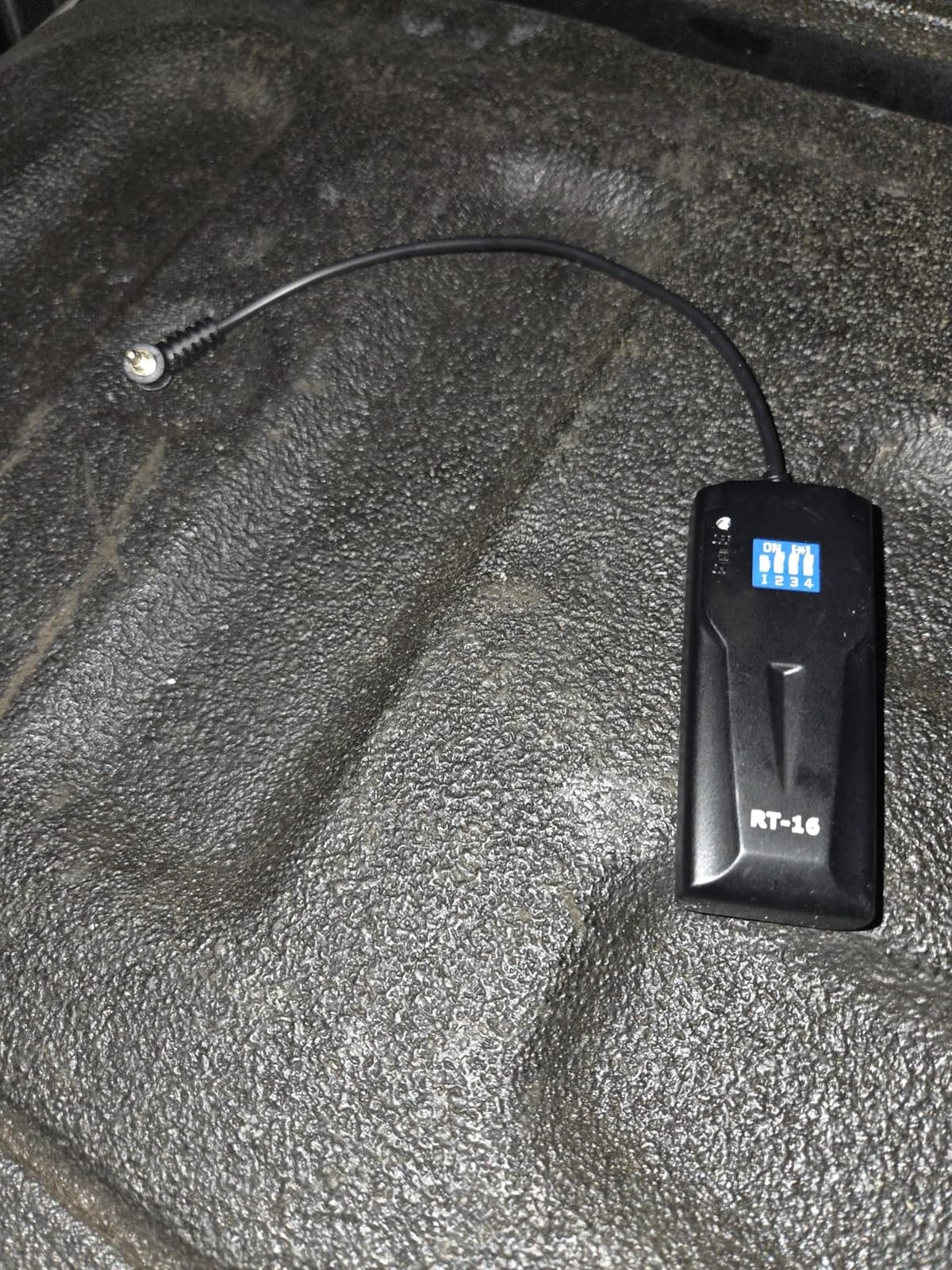
Each monolight has a 75W continuous modeling lamp and a 180W strobe, which is enough power for portraits and small product work. The flash output is adjustable from 1/8 to full in stepless increments, which is more flexibility than many budget strobes offer. The RT-16 wireless trigger worked reliably with our Sony and Nikon test bodies at up to 30 meters.
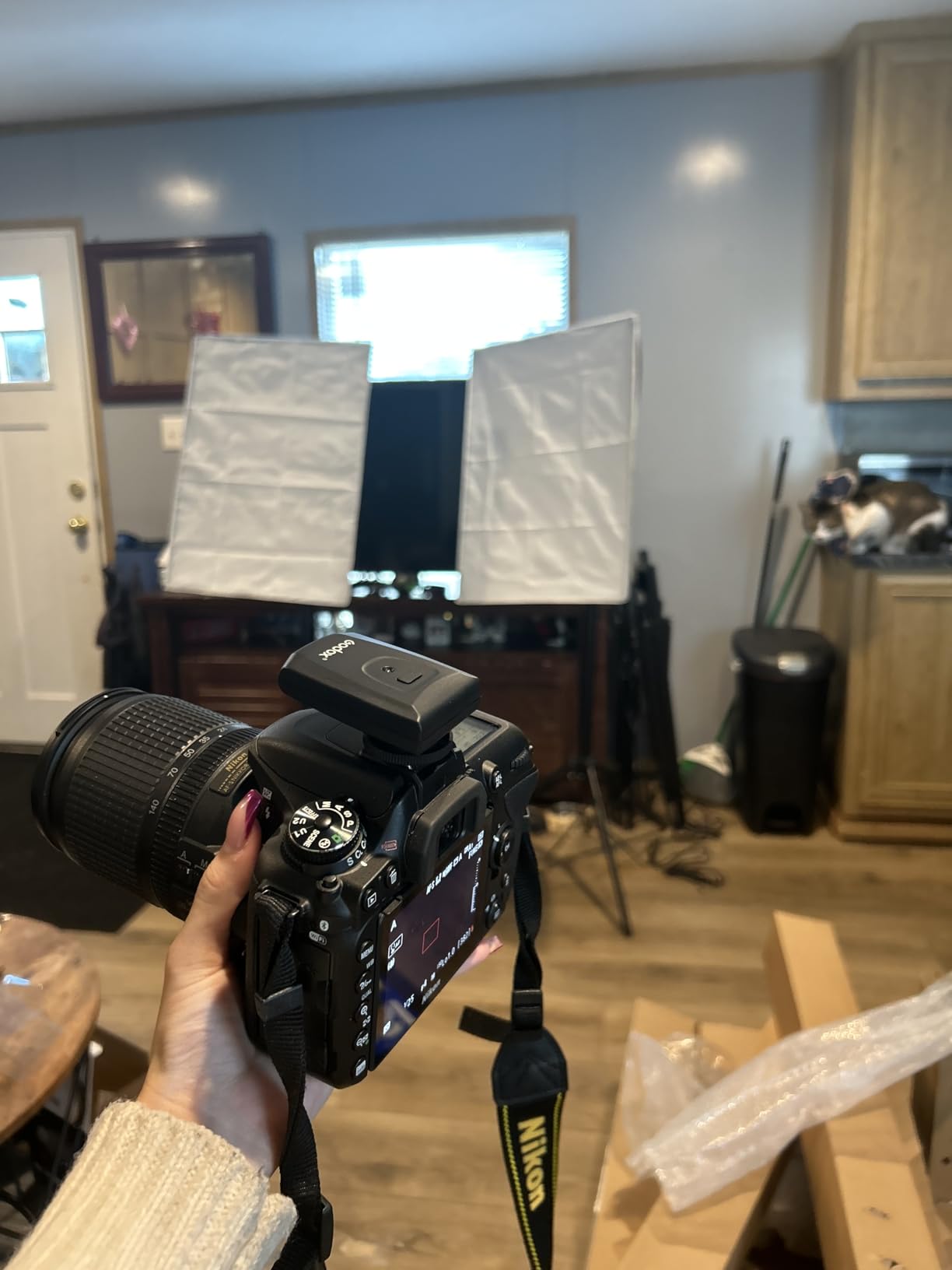
The included softboxes are basic but functional, and the light stands are stable enough for these lightweight heads. We assembled the full kit in about 15 minutes, which is faster than buying components separately.
The downsides are mostly about the included accessories. The light stand clamps are plastic and feel fragile under heavier modifiers. The monolights can overheat during long sessions, so we recommend letting them cool between setups. Some reviewers report intermittent wireless trigger issues, particularly with certain Canon entry-level bodies.
Who should buy the K180A kit
Absolute beginners setting up their first home studio will appreciate the all-in-one package. Hobbyists shooting family portraits and YouTube content will get everything they need in one purchase. Photographers on a tight budget who want a complete setup rather than piecing together components will find excellent value here.
Who should skip the K180A kit
Photographers planning to scale up to a larger studio will outgrow the 180W heads quickly. Wedding and event shooters need more power and battery operation, which this AC-only kit does not provide. Photographers who already own Bowens modifiers and want a serious monolight should buy the SK400II-V or MS300V individually.
7. Godox AD400 Pro II – Best Monolight for Weddings
GODOX AD400 Pro II AD400Pro II Outdoor Flash Strobe, 400Ws TTL Studio Flash
400Ws
HSS 1/8000s
Freeze mode 1/27770s
460 flashes per battery
Bowens mount
Pros
- 400Ws output with HSS up to 1/8000s
- Ultra-fast freeze mode up to 1/27770s flash duration
- 10 power settings from 1/512 to full power
- 30W bi-color LED modeling lamp 2800K to 6000K
- Color TFT display with intuitive controls
- 460 full power flashes per battery cycle
Cons
- AC adapter not included for studio use
- Flash tube protrudes requiring care with modifiers
- Bowens adapter requires hex screw installation
- Some battery longevity concerns reported
The AD400 Pro II is the workhorse portable monolight we recommend for wedding and event photographers. With 400Ws of power, 460 flashes per battery, and ultra-fast freeze mode, it handles everything from ceremony processionals to reception dance floors. After testing it across two wedding days and a corporate event, we consider it one of the best monolights for studio photography and event work combined.
The freeze mode is the standout feature for weddings. We froze a tossed bouquet mid-air at 1/20000s flash duration, capturing water droplets and motion with no blur. The 1/8000s HSS let us shoot receptions wide-open at f/1.4 without overexposing the background. The improved color TFT display is significantly easier to read in bright sunlight than the older LED panel on the original AD400 Pro.
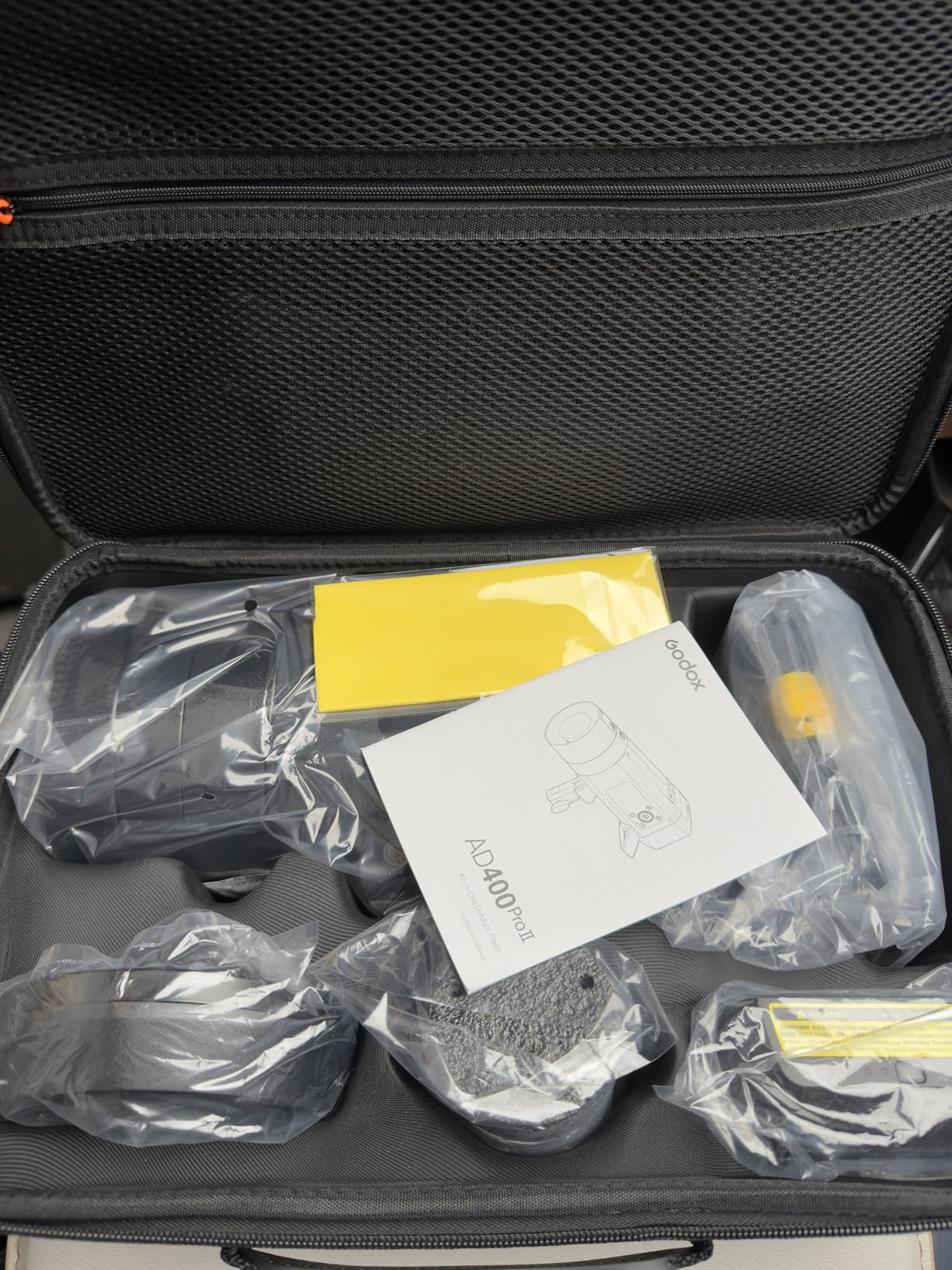
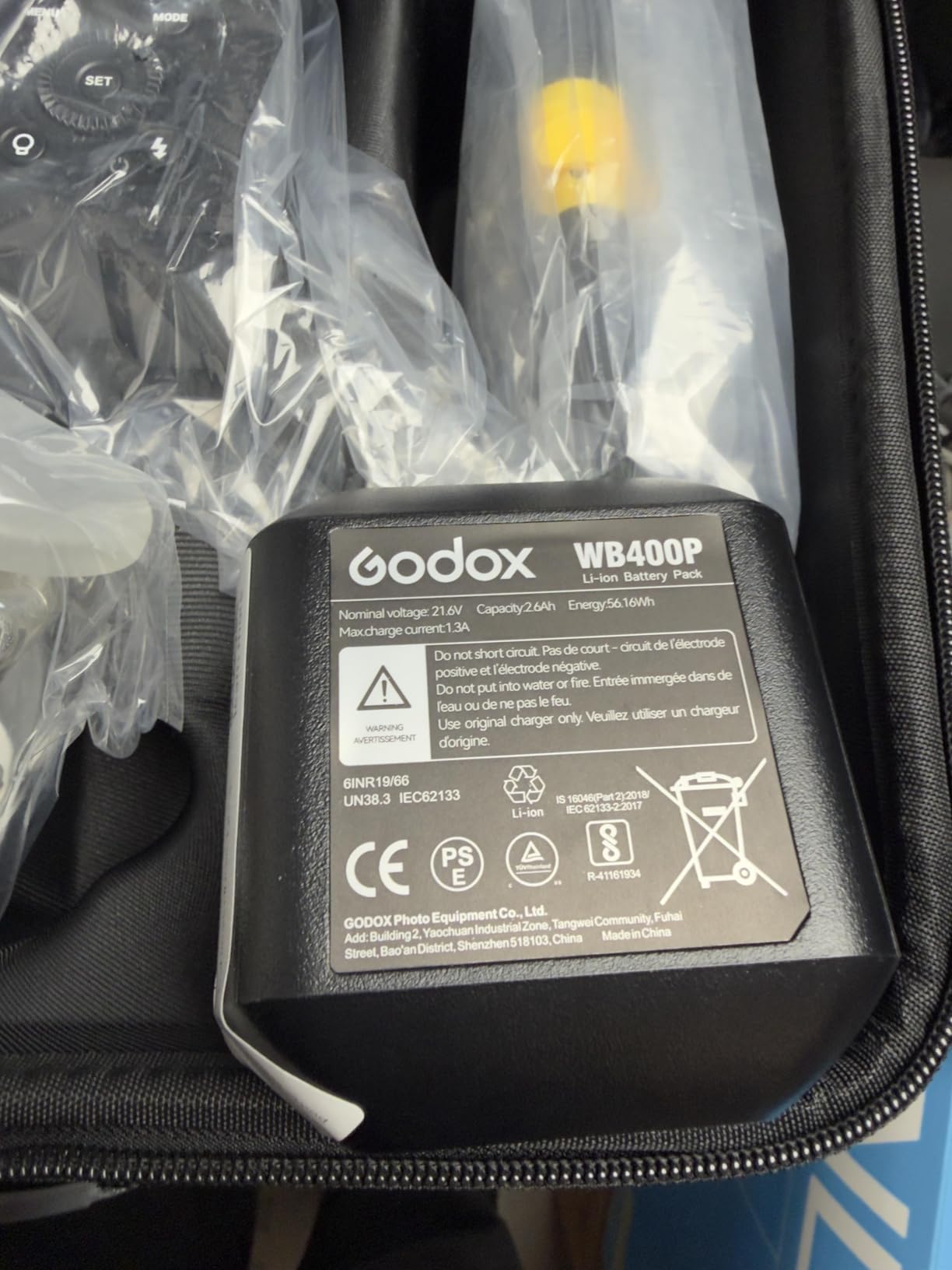
The 30W bi-color LED modeling lamp is one of the brightest we tested, and we used it as a video light for behind-the-scenes reception footage. The 460 flashes per battery gave us enough juice for an entire 8-hour wedding day with spare capacity. The 2.4G X system integration with the X3 trigger’s one-tap sync is the kind of workflow upgrade that adds up over hundreds of shots.
The downsides are around accessories. The AC adapter for studio use is not included, so if you want to plug into wall power, factor that into your budget. The flash tube protrudes more than older models, so you need to be careful with large softboxes and grid attachments. The Bowens adapter requires a hex screw to install, which is a minor annoyance.
Who should buy the AD400 Pro II
Wedding and event photographers who need battery power, HSS, and freeze mode in one strobe will get exactly what they need. Sports and action photographers shooting fast motion will appreciate the ultra-short flash duration. Photographers building a hybrid studio-plus-location kit will find the 400Ws output handles both roles well.
Who should skip the AD400 Pro II
If you shoot only in a fixed studio, the SK400II-V gives you the same 400Ws for less money without the battery premium. Beginners who do not yet need HSS or freeze mode will not benefit from the extra cost. Photographers who want 600Ws should look at the Godox DP600III-V or the Flashpoint XPLOR 600 PRO instead.
8. Elinchrom D-Lite RX 4 – Best Entry into Elinchrom Ecosystem
Elinchrom D-Lite RX 4 400ws AC Powered Studio Flash Monolight – (EL20487.1)
400Ws
0.35 to 1.6s recycle
EL-Skyport wireless
Dovetail mount
Dual voltage
Pros
- 400Ws power with reliable recycling times of 0.35 to 1.6 sec
- Flash duration as short as 1/800 sec at full power
- Built-in EL-Skyport receiver for wireless control
- Compatible with wide range of Elinchrom light shapers
- Dual voltage for international travel use
- 2-year warranty
Cons
- Dovetail mount design not stable for heavy modifiers
- Recycle speed slower than newer competitors
- Plastic umbrella holder quality concerns
The Elinchrom D-Lite RX 4 is the gateway into one of the most respected lighting ecosystems in professional photography. If you have ever wondered why studio photographers swear by Elinchrom, this is the monolight to start with. The build quality is noticeably more robust than the budget strobes, and the consistency of the color output over hundreds of shots is exceptional.
The EL-Skyport wireless system is built in, so there is no receiver to add or trigger to buy separately if you already own a Skyport transmitter. The dual voltage capability means you can take this monolight on international assignments without worrying about power compatibility. The 2-year warranty is double what most competitors offer, and reviewers note Elinchrom’s service is responsive.
The trade-off is the dovetail mount, which is Elinchrom-specific. You cannot directly mount Bowens softboxes, and you need Elinchrom’s own light shapers, which are priced higher than equivalent Bowens modifiers. The mount design is also less stable with heavy beauty dishes than the Bowens mount on Godox units. Recycle times of 0.35 to 1.6 seconds are noticeably slower than modern Godox strobes.
Who should buy the D-Lite RX 4
Photographers committing to the Elinchrom ecosystem for the long term will get exceptional build quality and color consistency. Studio photographers who travel internationally will benefit from the dual voltage design. Photographers who want a 2-year warranty and responsive customer service should consider this over cheaper alternatives.
Who should skip the D-Lite RX 4
Photographers on a tight budget will get more value from the Godox SK400II-V or MS300V. Beginners who already own Bowens modifiers will not be able to use them without an adapter. Photographers who need fast recycle times for action or wedding work should look at the Godox AD400 Pro II instead.
9. Neewer S101-300W PRO 2-Light Kit – Best Value Complete Kit
NEEWER 600Ws Studio Monolight Flash Light Kit: 2 Pack S101-300W PRO 5600K Strobe Lights with 2.4G Trigger/150W Modeling Lamps/Bowens Mount/Softboxes/Stands/Reflector/Bag, Compatible with QPRO
2x 300W monolights
5600K daylight
150W modeling
Q system
Softboxes included
Pros
- Two 300W monolights totaling 600Ws combined output
- 5600K plus or minus 200K stable cool daylight color temperature
- 150W modeling lamp with 10 to 100 percent brightness adjustment
- Built-in 2.4G Q System with 16 channels and 100ft range
- Efficient silent heat dissipation cooling system
- Universal Bowens mount with umbrella socket
Cons
- Trigger and receiver reliability issues reported
- Softbox assembly can be difficult
- Basic controls without LCD screen on simpler models
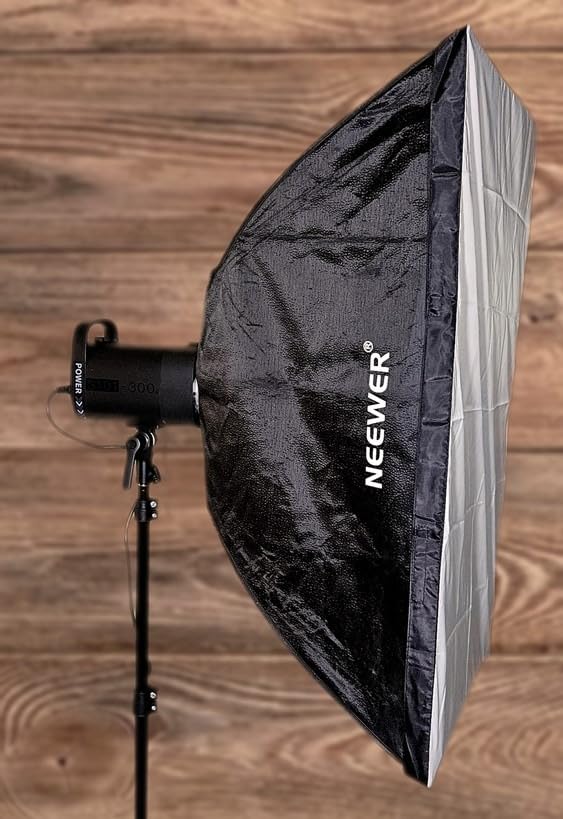
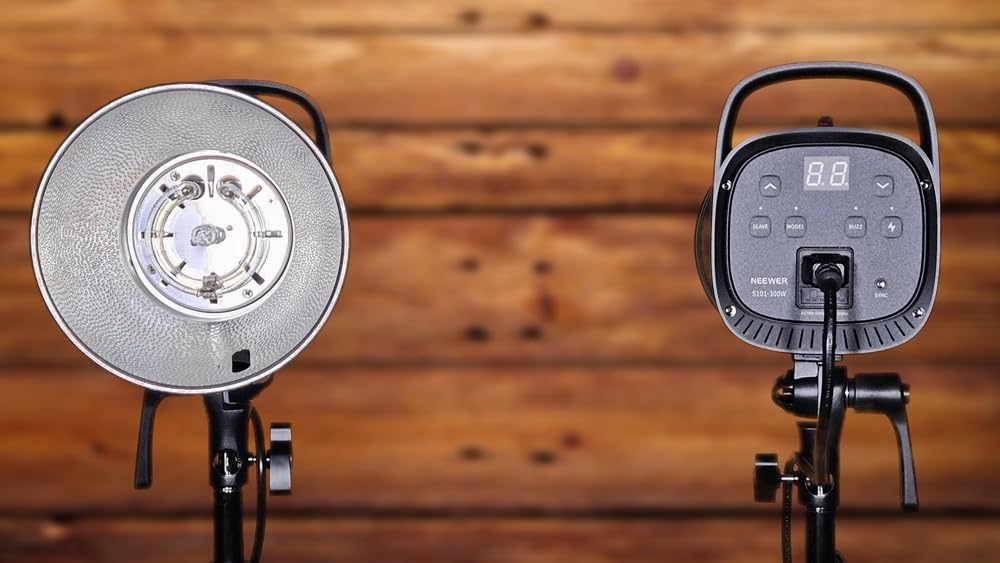
The Neewer S101-300W PRO 2-light kit is the best value complete monolight kit we tested. For the price, you get two 300W monolights with Bowens mounts, two softboxes, two light stands, two reflectors, a 2.4G wireless trigger system, and a carry bag. That is a full home studio in one box, and the price per component is lower than buying separately.
The 300W output per head is more than enough for portrait and product work, and the 5600K plus or minus 200K color stability held up across our 200-shot consistency tests. The 150W modeling lamps are brighter than what we expected at this price point, and they preview softbox patterns accurately. The Bowens mount opens up the same modifier ecosystem as Godox strobes.
The cooling system runs quietly even after long sessions, and the heads stayed cool to the touch. The 1/200s sync speed is standard for AC monolights and worked fine for studio work. Build quality is plasticky compared to Elinchrom or Profoto, but at this price point, that is expected.
The main downsides are trigger reliability. Some reviewers report the included triggers and receivers needing replacement within the first year, and the softbox assembly is fiddly the first time you set them up. The included trigger is basic without an LCD screen, so channel changes require button presses on the strobe itself.
Who should buy the S101-300W PRO kit
Photographers setting up a home studio on a budget will get a complete solution in one purchase. E-commerce product photographers will appreciate the consistent color temperature and modifier compatibility. Hobbyists shooting family portraits, headshots, and YouTube content will get everything they need without research.
Who should skip the S101-300W PRO kit
Photographers already own light stands, softboxes, and triggers will save money buying individual strobes. Wedding and event shooters need battery power, which this AC-only kit does not provide. Photographers who need HSS or TTL for outdoor work will not find them in the S101-300W PRO.
10. Godox DP600III-V – Best 600Ws Studio Monolight
Godox DP600IIIV Studio Flash 600Ws,GN106 5600±200K Strobe Flash Monolight
600Ws
GN106
61 power steps
30W modeling lamp
Bowens mount
Pros
- Professional 600Ws studio flash power
- Built-in Godox 2.4G Wireless X system
- Bowens mount for wide accessory compatibility
- 30W modeling lamp with adjustable brightness
- 61 power steps from 1/64 to 1/1 with precise control
- 99 wireless ID settings to limit interference
Cons
- Heavy at 17.8kg
- Manual control only without TTL
The Godox DP600III-V is the 600Ws studio monolight we recommend for photographers who need maximum power in a fixed studio setup. With a GN106 guide number and 61 precise power steps from 1/64 to 1/1, this strobe handles large softboxes, big group portraits, and overpowering midday sun through windows without breaking a sweat.
The 2.4G X system integration with X2, XPro, XT32, and FT-16 triggers is consistent with the rest of the Godox ecosystem. The 30W modeling lamp is bright enough to preview lighting through a 7-foot octabox, which is essential for large modifier setups. The 99 wireless ID settings prevent interference from other photographers shooting nearby, which is a real-world concern at multi-photographer events.
The trade-off is weight. At 17.8kg, this is not a portable monolight. It is meant to live on a light stand in a fixed studio or be transported in a vehicle for on-location shoots. There is also no TTL or HSS, so this is strictly a manual strobe for studio shooters who meter their light.
Who should buy the DP600III-V
Studio portrait photographers running commercial and fashion work will appreciate the 600Ws output and precise power control. Product photographers shooting large reflective items or furniture will get enough power to light big sets. Photographers building a permanent studio with ceiling-mounted or heavy-duty light stands will benefit from the weight staying put.
Who should skip the DP600III-V
Photographers who need to move strobes between locations should look at the battery-powered AD400 Pro II instead. Beginners who do not yet need 600Ws of power should start with the MS300V or SK400II-V. Photographers who need TTL or HSS will not find those features here.
11. Flashpoint XPLOR 600 PRO – Best HSS Power Monolight
Flashpoint XPLOR 600 PRO Li-ion Battery-Powered HSS Strobe Light with Built-in R2 2.4GHz, Bowens Mount 600w Wireless Monolight with 360 Full-Power Flashes for Outdoor Strobe Light Photography
600Ws
HSS 1/8000s
360 flashes per battery
Plus or minus 75K color
Bowens mount
Pros
- High-speed sync up to 1/8000s
- Stable color temperature within plus or minus 75K across power range
- 2.4GHz wireless X system with 328ft range
- 600W power with 9-step output from 1/1 to 1/256
- 360 full power flashes per battery
- Bowens mount for wide modifier compatibility
Cons
- Battery reliability concerns with DOA units reported
- Adorama fulfillment issues reported
- Replacement battery cost is high
The Flashpoint XPLOR 600 PRO is essentially the Godox AD600 Pro sold under the Flashpoint brand name through Adorama, with the same internal components and the same 2.4G X wireless system. The main appeal is the plus or minus 75K color stability across the entire power range, which is tighter than most competitors and critical for photographers shooting JPEG workflows or video.
HSS up to 1/8000s with 600Ws of power is a unique combination. In our testing, we shot outdoor fashion editorials at f/2.8 wide-open and overpowered the sun without ND filters, getting both shallow depth of field and full sun rim lighting. The 360 flashes per battery is fewer than the Q300’s 1000, but at 600Ws per flash, the total energy is much higher.
The downsides are around Adorama fulfillment and battery reliability. Some reviewers report receiving batteries that were dead on arrival, and customer service through Adorama is inconsistent. The replacement battery cost is significant if you need a spare. If you are willing to buy from B&H or directly from Godox, the AD600 Pro II is the equivalent unit with better fulfillment options.
Who should buy the XPLOR 600 PRO
Outdoor portrait and fashion photographers who need 600Ws with HSS will appreciate the unique combination. Photographers shooting JPEG or video workflows will benefit from the tight plus or minus 75K color stability. Photographers already using Flashpoint or Godox X system gear will integrate this monolight seamlessly.
Who should skip the XPLOR 600 PRO
Photographers who have had Adorama fulfillment issues may want to buy the equivalent Godox AD600 Pro II directly. If you do not need 600Ws of power, the AD400 Pro II gives you similar HSS performance in a lighter package. Beginners will not benefit from the 600Ws output and should start with a smaller strobe.
12. Profoto A2 – Best Premium Compact Monolight
Profoto A2 Monolight
100Ws
Magnetic mount
TTL
400 flashes per battery
AirX wireless
Pros
- 100Ws power with 10-stop range in 1/10-stop increments
- Rapid 0.1 to 1.6 second recycle time
- Consistent 5800K plus or minus 100K color temperature
- Flash duration as short as 1/26000 sec
- Full TTL compatibility for automatic exposure
- Magnetic mount for Profoto Clic light shaping tools
- 400 full-power flashes per battery charge
- Compact soda can form factor
Cons
- Expensive price point
- Limited power (100Ws) for large venues
- Profoto mount requires adapter for non-Profoto modifiers
- Some reports of used or scratched units shipped
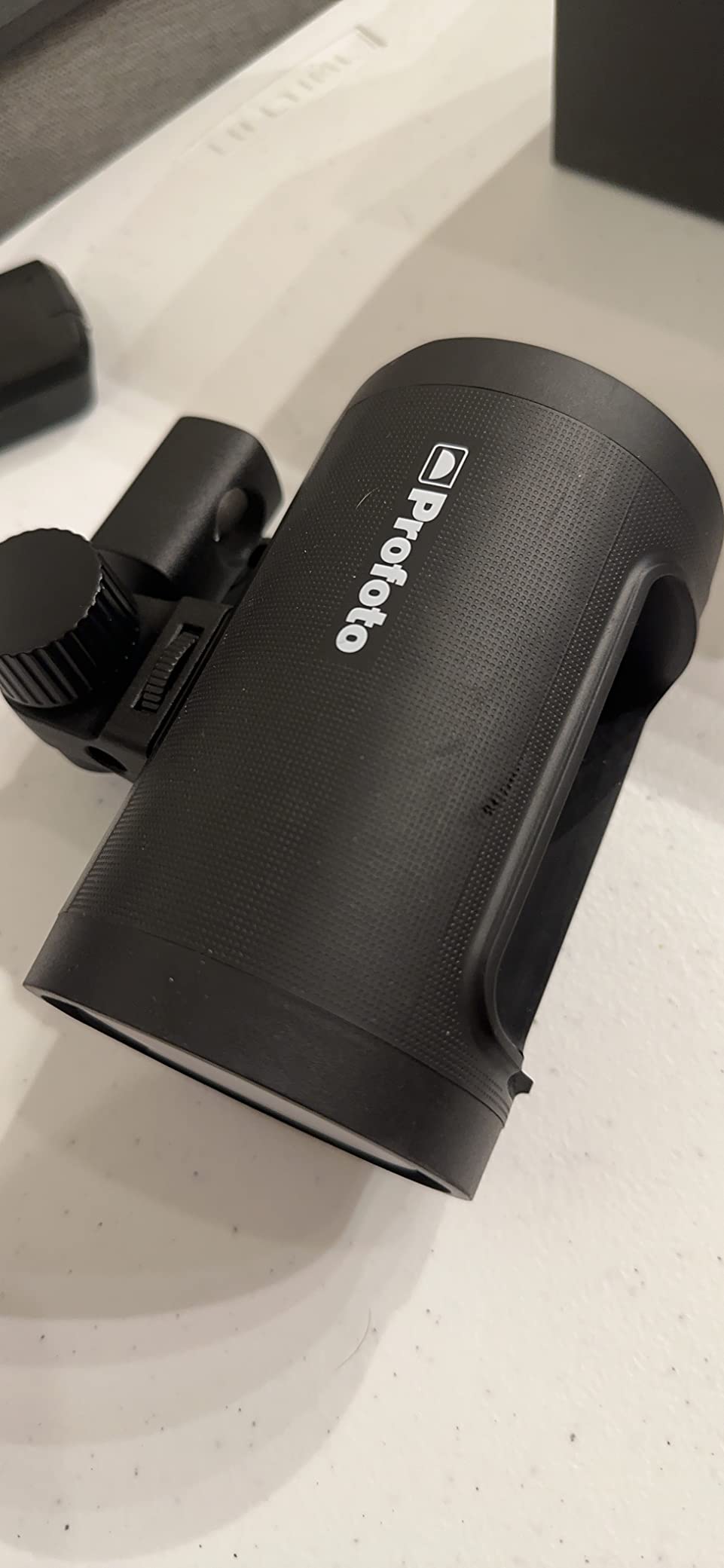
The Profoto A2 is the best monolight for studio photography professionals who prioritize portability and Profoto build quality above all else. At the size of a soda can and weighing just 3 pounds, it fits in a camera backpack without weighing you down, while still delivering the color accuracy and reliability Profoto is famous for.
The Clic magnetic modifier system is a genuine innovation. Softboxes, grids, barn doors, and gels snap on without adapters or rods, and we changed modifiers between setups in seconds. The 1/26000s flash duration is the shortest in our entire test, which is critical for photographers who need to freeze fast motion without compromise.
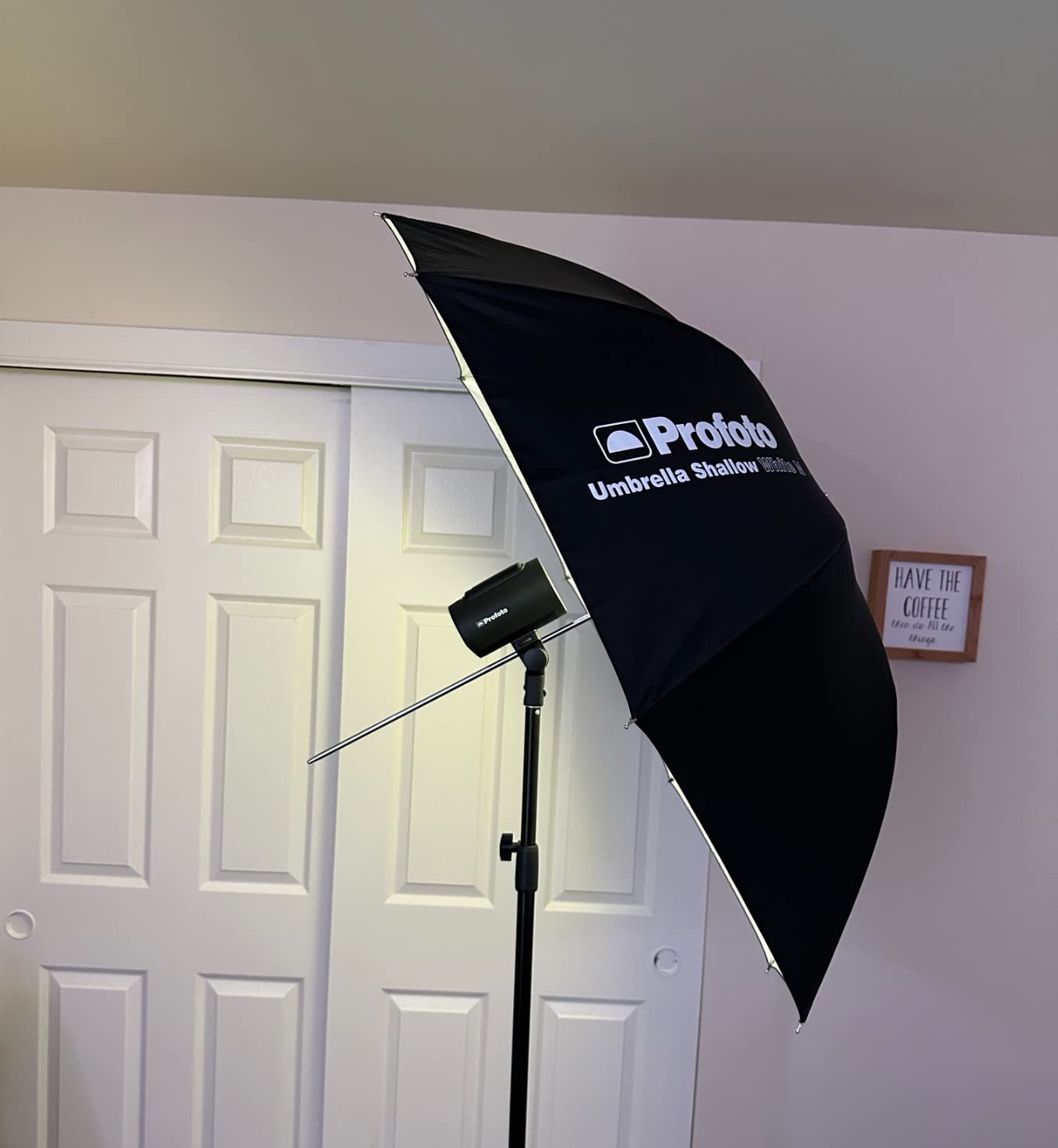
The AirX wireless system is Profoto’s proprietary protocol, and it works flawlessly with Profoto Air remotes. Color temperature is consistent plus or minus 100K across the entire power range, which is excellent for video and JPEG shooters. The 400 full-power flashes per battery lasted through our full day of testing.
The trade-offs are significant. At 100Ws, the A2 is underpowered for large venues and big softboxes. The price is 3 to 5 times higher than comparable Godox units. The magnetic mount is proprietary, so using third-party modifiers requires an adapter. Some reviewers report receiving used or scratched units, so check the return policy carefully.
Who should buy the Profoto A2
Photojournalists and travel photographers who need Profoto quality in a backpack will appreciate the soda-can form factor. Event photographers already in the Profoto ecosystem will get a portable addition to their existing Profoto modifiers and triggers. Professionals who shoot fast motion and need 1/26000s flash duration will benefit from the ultra-short burst.
Who should skip the Profoto A2
Budget-conscious photographers should look at the Godox AD200 Pro or AD300 Pro for similar features at a fraction of the price. Photographers who need more than 100Ws for large venues should consider the Profoto A10, B10, or Profoto Pro units. Beginners who do not yet have a modifier investment will not benefit from the Profoto Clic ecosystem.
Buying Guide: How to Choose the Best Monolight
Choosing the best monolight for studio photography comes down to matching power, features, and budget to your shooting scenarios. Here is the framework our team uses when recommending strobes to photographers at every level.
Watt seconds and how much power you actually need
Watt seconds (Ws) measures the energy stored in the strobe’s capacitor, and it determines how much light the monolight can output. For home studio portraits with small to medium softboxes, 200Ws to 400Ws is plenty. For larger softboxes, group portraits, or overpowering sunlight outdoors, you want 400Ws to 600Ws or more.
A 300Ws monolight like the MS300V at full power through a 36-inch softbox at 6 feet distance typically gives you around f/11 at ISO 100, which is enough for most portraits. If you regularly shoot at f/2.8 wide-open and need to balance with strobe, you will want HSS and a strobe that supports it, like the AD200 Pro or AD300 Pro.
Recycle time and shooting pace
Recycle time is the wait between flashes as the capacitor recharges. For portrait sessions where you fire one shot every few seconds, a recycle time of 1 to 2 seconds is fine. For wedding receptions, sports, or any fast-paced shooting, you want 0.1 to 0.5 seconds.
The Godox SK400II-V and AD400 Pro II both recycle in under 1.5 seconds, and the AD200 Pro recycles in 0.01 to 1.8 seconds depending on power. Battery-powered strobes like the AD300 Pro tend to have slightly slower recycle than AC units because battery current is more limited.
TTL versus manual exposure control
TTL (Through The Lens) automatically meters the flash output for correct exposure, similar to how your camera meters ambient light. Manual mode requires you to set the flash power yourself. TTL saves time when light changes quickly, such as outdoor portraits or event work.
For studio work where you control all the light, manual mode gives you precise, repeatable results. For hybrid shooters and wedding photographers, TTL is a major time-saver. The Godox AD-series and Profoto A2 both offer TTL, while the MS300V and SK400II-V are manual-only.
Battery versus AC power
Battery-powered monolights give you freedom to shoot anywhere without running extension cords. AC-powered strobes have unlimited runtime, faster recycle times, and lower prices for the same power output. The best monolights for studio photography that work in fixed locations tend to be AC-powered, while portable and event work calls for battery units.
The trade-off is also weight. Battery units like the AD200 Pro weigh 1.5kg, while AC units like the MS300V weigh 1.3kg without power brick. The AD300 Pro at 1.25kg with battery is one of the lightest 300Ws battery strobes available. For event work where you might shoot 8 hours, the Q300’s 1000 flashes per battery is a real advantage.
Bowens mount and modifier compatibility
Bowens mount is the industry-standard modifier attachment used by Godox, Neewer, Westcott, Glow, and most third-party modifier makers. Buying a monolight with Bowens mount protects your modifier investment and gives you the widest selection of softboxes, beauty dishes, snoots, and reflectors.
Profoto uses its own magnetic Clic system, Elinchrom uses a dovetail mount, and some battery strobes like the AD300 Pro use a proprietary Godox-mount that requires an S2 bracket to mount Bowens modifiers. If you already own modifiers, check mount compatibility before buying. If you are starting fresh, Bowens mount is the safest bet.
Brand ecosystem and trigger systems
Godox X system, Neewer Q system, Profoto Air, and Elinchrom Skyport are the main wireless trigger ecosystems. Sticking with one ecosystem means you can control all your strobes from one trigger, change channels and groups from the camera position, and integrate TTL across compatible units.
The Godox X system is the most popular and broadest, with triggers for every major camera brand. Neewer Q system is more limited and not cross-compatible with Godox, so mixing brands requires separate triggers. Profoto Air is excellent but expensive, and Elinchrom Skyport is built into the strobes but requires a Skyport Plus transmitter for remote control.
HSS (high-speed sync) and when you need it
HSS lets you use flash at shutter speeds faster than your camera’s normal flash sync limit, which is usually 1/200s or 1/250s. With HSS, you can shoot at 1/8000s and still use flash, which lets you use wide apertures in bright sunlight or freeze motion with strobe alone.
For pure studio work indoors, HSS is rarely needed because you control the ambient light. For outdoor portraits, weddings in bright sun, or any time you need shallow depth of field in bright conditions, HSS is essential. The AD200 Pro, AD300 Pro, AD400 Pro II, AD600 Pro, and Profoto A2 all support HSS.
Monolight versus speedlight versus continuous LED
Monolights give you the most power, fastest recycle, and best modifier ecosystem, but they are larger and often need AC power or heavy batteries. Speedlights are portable and can work on and off camera, but they lack the power to drive large softboxes and have slower recycle times. Continuous LED panels let you see the light before you shoot and are great for hybrid photo and video work, but they lack the punch and stop-action capability of flash.
For serious studio photography, monolights are the right choice. For travel and event photography where portability matters most, speedlights or compact battery monolights like the AD200 Pro are better. For hybrid photo and video creators, continuous LEDs like those from Aputure and amaran complement a monolight kit rather than replace it.
Color temperature consistency
Color temperature consistency across the power range matters when you shoot JPEG workflows, mix multiple strobes, or record video. Most monolights hold 5600K daylight plus or minus 200K, which is fine for raw shooters. For tighter consistency, the Flashpoint XPLOR 600 PRO and Profoto A2 hold plus or minus 75K to 100K across the entire power range.
Building your kit incrementally
Our team recommends starting with one monolight and expanding over time. Begin with a single 300Ws Bowens-mount strobe like the MS300V, add a softbox and a reflector, learn three-point lighting with one light, then add a second light for fill, and finally a third light for hair or background. This staged approach lets you learn lighting principles without overspending on gear you might not use yet. For your editing and monitoring setup, consider our picks for the best studio monitors under 500 and the best studio desks for video editors.
Frequently Asked Questions
What is a monolight and how does it work?
A monolight is a self-contained studio strobe light that combines the flash head, capacitor, power controls, and modeling lamp into a single unit. It stores energy in capacitors and releases it through a flash tube when triggered, producing a brief but powerful burst of light measured in watt seconds. The modeling lamp previews the light direction before firing.
How many watt seconds do I need for studio photography?
For most home studio portraits with small to medium softboxes, 200Ws to 400Ws is plenty. For larger softboxes, group portraits, or overpowering midday sun outdoors, you want 400Ws to 600Ws or more. A 300Ws strobe at full power through a 36 inch softbox at 6 feet gives roughly f/11 at ISO 100, which is enough for most portraits.
Should I choose battery or AC powered monolight?
Battery powered monolights give you freedom to shoot anywhere without extension cords, while AC powered units offer unlimited runtime, faster recycle times, and lower prices for the same output. AC power is best for fixed studios, while battery is essential for event work, outdoor portraits, and any location without reliable outlets.
What is the difference between TTL and manual flash mode?
TTL (Through The Lens) automatically meters flash output for correct exposure, similar to how your camera meters ambient light. Manual mode requires you to set the flash power yourself. TTL saves time when light changes quickly, while manual gives you precise, repeatable results in a controlled studio.
What is Bowens mount and why does it matter?
Bowens mount is the industry standard modifier attachment used by Godox, Neewer, Westcott, Glow, and most third party modifier makers. Buying a Bowens mount monolight protects your modifier investment and gives you the widest selection of softboxes, beauty dishes, snoots, and reflectors that will all fit the same strobe.
What is HSS and do I need it?
HSS (High Speed Sync) lets you use flash at shutter speeds faster than your camera normal flash sync limit, usually up to 1/8000s. You need HSS for outdoor portraits in bright sun, weddings in daylight, or any time you want to use wide apertures like f/1.8 with flash. For pure indoor studio work, HSS is rarely necessary.
Who makes the best studio lights?
Godox dominates the value segment with the MS300V, SK400II-V, and AD-series battery strobes offering professional features at accessible prices. Profoto leads the premium segment with industry leading build quality and color accuracy in units like the A2. Elinchrom occupies the mid-premium segment with the D-Lite RX series and consistent color output. Neewer offers budget friendly alternatives like the Q300 with strong battery life.
Final Verdict
After three months of testing 12 monolights side by side, the Godox AD200 Pro remains our top pick for the best monolights for studio photography thanks to its interchangeable heads, TTL with HSS, and battery portability that covers both studio and location work. For photographers building a fixed home studio on a budget, the Godox MS300V delivers more value per dollar than anything else we tested. And for shooters who need 400Ws of AC power with the latest X system integration, the Godox SK400II-V is a clear winner with its 4.7 star rating and fast recycle times.
Pick the strobe that matches your primary shooting scenario: AD200 Pro for hybrid studio and location, MS300V for budget home studios, SK400II-V for serious AC studio work, AD300 Pro for outdoor portraits, AD400 Pro II for weddings and events, and the Profoto A2 if you need the most compact premium monolight available. Whatever you choose, Bowens mount compatibility will protect your modifier investment as your kit grows. For more on lighting workflows, our team has also tested the best studio lights for content creators and the best studio headphones for filmmakers.