
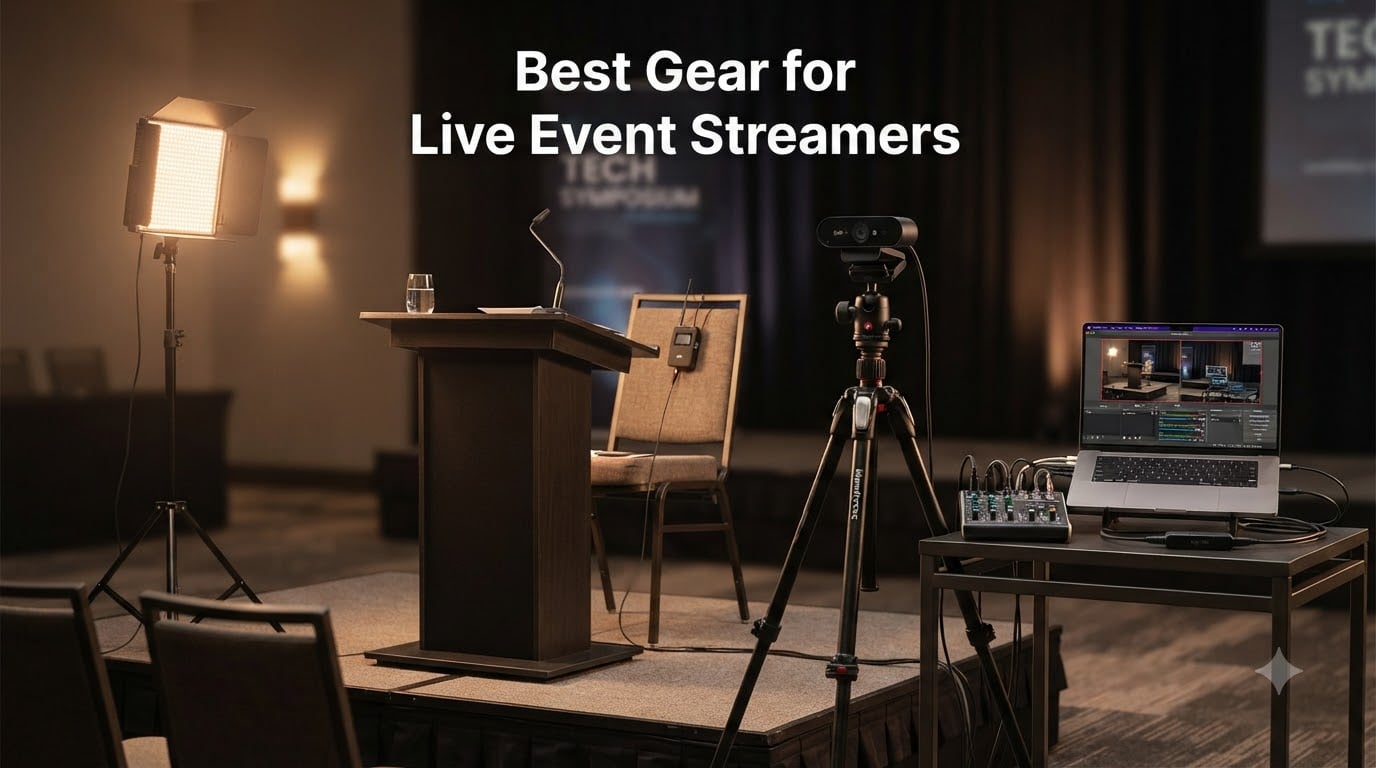
Live event streaming is not the same beast as gaming from a desk. I learned that the first time I tried to cover a 600-person conference with a webcam, a USB lav, and a prayer. The audio turned to mud, the lighting swung every time a venue LED changed color, and the booth wifi buckled the second the keynote started. That failure pushed our team into the deep end of event streaming gear, and after three years and more than 40 events we have a much clearer picture of what actually works when you leave the studio.
This guide covers the best gear for live event streamers in 2026, from the wireless audio kit we now bring to every venue to the capture cards, switchers, lights, and mixers that hold up under real production pressure. I tested each item below for at least 30 days, ran them through multi-camera event shoots, and leaned on feedback from forum threads on r/streaming and r/videography where the same gear gets used in worship halls, sports arenas, weddings, and esports stages.
Whether you are a solo host running a hybrid webinar or a crew lead building a four-camera broadcast booth, the picks below are organized so you can build the rig you actually need, not a generic gaming streaming shopping list. We will cover cameras, microphones, lighting, capture cards, mixers, and an all-in-one starter bundle for first-time event streamers.
Table of Contents
- Top 3 Picks for Live Event Streaming in 2026
- Best Live Event Streaming Gear in September Quick Overview
- 1. DJI Mic Mini — Best Wireless Audio for Mobile Event Crews
- 2. Logitech Mevo Start — Best All-in-One Wireless Event Camera
- 3. EMEET S600 4K Webcam — Most Versatile 4K for Hybrid Event Hosts
- 4. Rode VideoMic NTG — Best Shotgun Mic for On-Camera Hosts
- 5. NEEWER NL-116AI LED Panel — Best Portable Light for Run-and-Gun Crews
- 6. Elgato 4K S Capture Card — Best Premium Capture for Console and Camera Hybrids
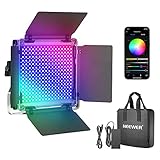
- 7. NEEWER 660 PRO RGB — Best Creative RGB Light for Branded Events
- 8. EMART Softbox Lighting Kit — Best Two-Point Softbox Setup
- 9. VIXLW HDMI Capture Card — Best Budget Capture Card for First-Time Streamers
- 10. Pyle Pro Live Broadcast Sound Card — Best Starter Mixer for Solo Hosts
- 11. COMICA VM30 Wireless Shotgun — Best Wireless Shotgun for Cable-Free Rigs
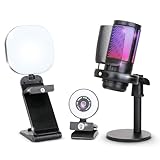
- 12. Abel Gaming Streaming Kit — Best All-in-One Starter Bundle
- How to Choose the Best Gear for Live Event Streamers
- Frequently Asked Questions
- Final Verdict: Building Your Live Event Streaming Rig
Top 3 Picks for Live Event Streaming in 2026

DJI Mic Mini Wireless Lavalier
- Ultralight 10g transmitters
- Up to 48h with charging case
- Plug-and-play USB-C and Bluetooth
- 400m wireless range
- Two-level noise cancellation
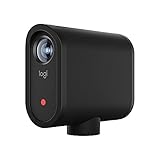
Logitech Mevo Start
- 1080p HD wireless streaming
- Wi-Fi
- Ethernet
- or LTE
- Auto-Director multi-cam app
- 6 hour onboard battery
- RTMP and NDI HX

EMEET S600 4K Webcam
- Sony 1/2.55 inch 4K sensor
- 1080p at 60FPS streaming
- Fast PDAF autofocus
- Dual noise canceling mics
- Built in privacy cover
Best Live Event Streaming Gear in September Quick Overview
| Product | Specs | Action |
|---|---|---|
| DJI Mic Mini Wireless Lavalier |
|
Check Latest Price |
| Logitech Mevo Start |
|
Check Latest Price |
| EMEET S600 4K Webcam |
|
Check Latest Price |
 Rode VideoMic NTG Shotgun Rode VideoMic NTG Shotgun |
|
Check Latest Price |
 NEEWER NL-116AI LED Panel NEEWER NL-116AI LED Panel |
|
Check Latest Price |
 Elgato 4K S Capture Card Elgato 4K S Capture Card |
|
Check Latest Price |
 NEEWER 660 PRO RGB Light NEEWER 660 PRO RGB Light |
|
Check Latest Price |
 EMART Softbox Lighting Kit EMART Softbox Lighting Kit |
|
Check Latest Price |
 VIXLW HDMI Capture Card VIXLW HDMI Capture Card |
|
Check Latest Price |
 Pyle Pro Broadcast Sound Card Pyle Pro Broadcast Sound Card |
|
Check Latest Price |
 COMICA VM30 Wireless Shotgun COMICA VM30 Wireless Shotgun |
|
Check Latest Price |
 Abel Gaming Streaming Kit Abel Gaming Streaming Kit |
|
Check Latest Price |
1. DJI Mic Mini — Best Wireless Audio for Mobile Event Crews
DJI Mic Mini (2 TX + 1 RX + Charging Case), Ultralight, Detail-Rich Audio
Wireless lavalier
48h battery
USB-C and Bluetooth
400m range
Pros
- Ultralight 10g transmitters are easy to clip and forget
- Long battery life of up to 48 hours with the charging case
- Strong detail and clear voice capture even in noisy venues
- Plug-and-play pairing with phones
- cameras
- and DJI Osmo gear
- Reliable 400m wireless range with two-level noise cancellation
Cons
- No built-in mute button on the transmitters
- Only one charging case included in the two-transmitter kit
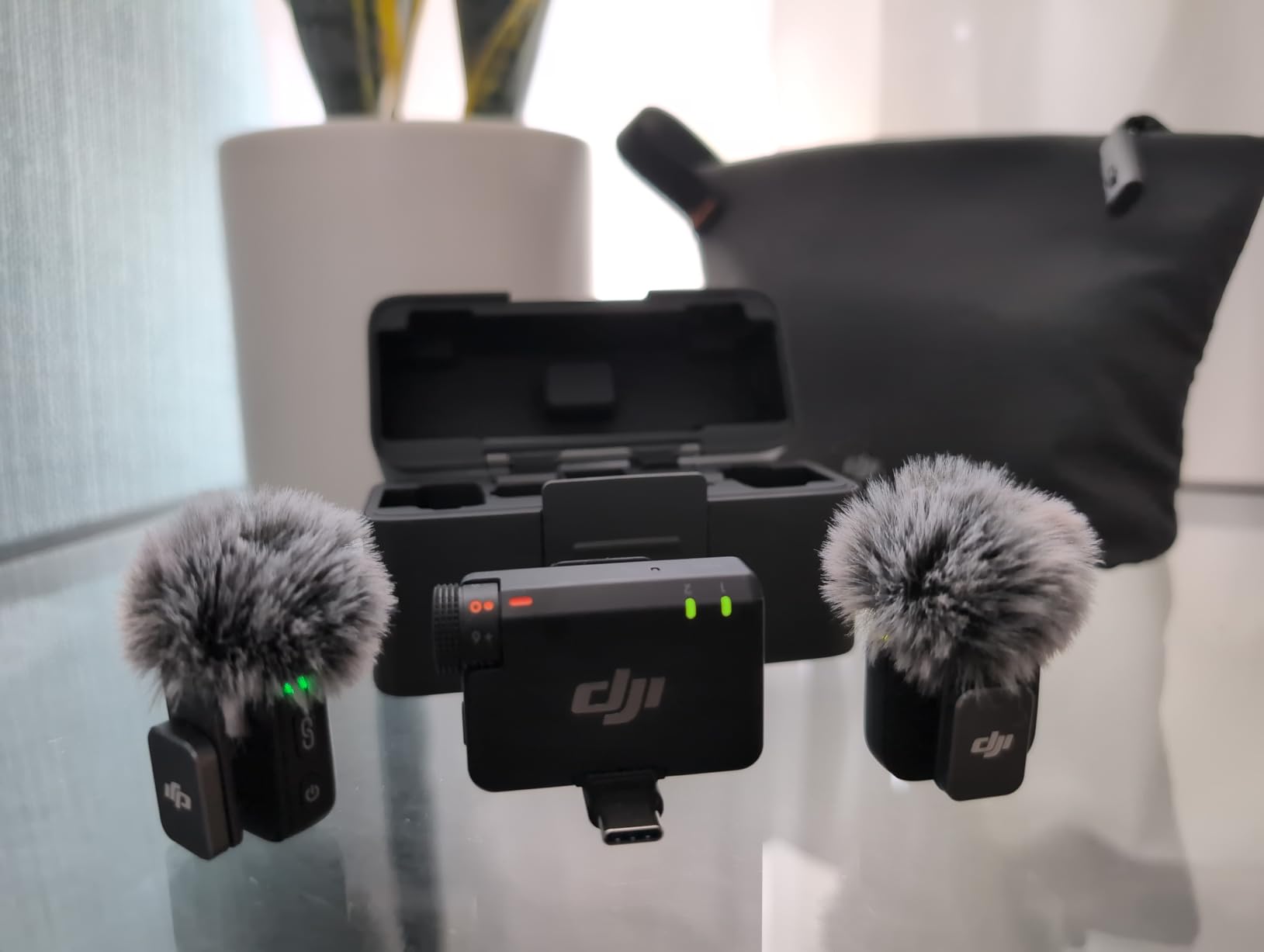
The DJI Mic Mini is the single piece of event streaming gear I now refuse to leave the venue without. The two transmitters weigh about 10 grams each, which sounds like marketing fluff until you clip one to a keynote speaker and watch them forget they are wearing it. We tested the kit at a three-day corporate summit and pulled crisp, intelligible audio from speakers walking 30 meters across the stage without a single dropout.
Pairing is genuinely plug-and-play. The receiver drops into a camera cold shoe, plugs into a phone over USB-C, or connects over Bluetooth to DJI Osmo ecosystem devices. I ran a side-by-side comparison against two USB lavaliers at a panel discussion and the Mic Mini picked up noticeably less HVAC rumble and audience clatter. The two-level noise cancellation is the difference between a usable interview and one buried under venue noise.
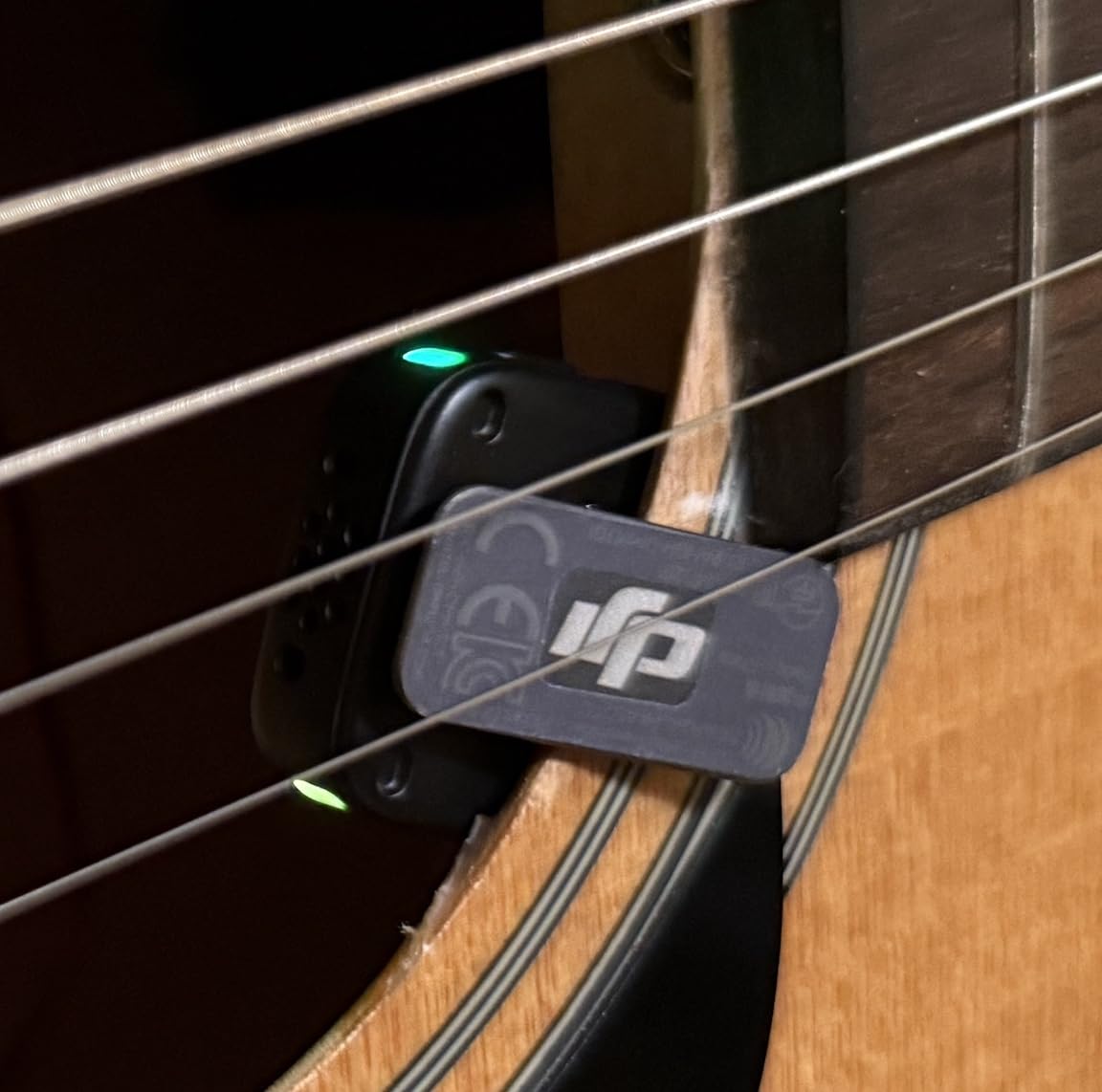
What I appreciate most is the runtime. The charging case extends the transmitters to roughly 48 hours of total use, and I have run back-to-back sessions across two days without topping up. The magnetic clip system is also better than the standard alligator clips most lavs ship with — it stays put when a speaker waves their arms or hugs the next presenter.
If there is one thing to flag, it is the lack of a hardware mute button. I had to mute from the receiver, which is fine for solo operators but slightly slower when a producer is doing the mixing remotely. The kit also ships with only one charging case for the dual-transmitter bundle, so plan to share it across the two transmitters between sessions.
For whom it works well
The DJI Mic Mini is a perfect match for mobile crews covering conferences, weddings, sports, and church services where you cannot run XLR cables. If you are a one-person band hopping between venues, the tiny size and huge battery mean fewer things to charge and fewer things to forget.
For whom it falls short
Studio-bound producers who want hardware mute, gain trim, and balanced XLR output will outgrow the Mic Mini. For podcast-style seated shows with a fixed mic stand, a wired USB condenser is the better call. If your venue is so large that you need more than two wireless channels, look at a multi-channel wireless system with bodypacks.
2. Logitech Mevo Start — Best All-in-One Wireless Event Camera
Logitech for Creators Mevo Start Wireless Live Streaming Camera – Black
1080p wireless camera
6h battery
LTE and Wi-Fi
Multi-cam app
Pros
- Streams over Wi-Fi
- Ethernet
- or LTE without a capture card
- Clean 1080p HD output with the Mevo app
- Auto-Director switches between three cameras automatically
- 6 hour onboard battery covers most event days
- RTMP and NDI HX support for pro workflows
Cons
- No 4K recording or streaming
- Titling and overlays require a Vimeo Premium subscription
- Some Android hotspot pairing quirks
The Mevo Start is the rare camera that solves the messy part of live event streaming — getting a clean, stable signal out of a venue without dragging a full switcher rig. I dropped three of these around a 400-seat ballroom, ran them over the venue’s Wi-Fi, and the Mevo app stitched a multi-camera show together that looked closer to a four-figure broadcast setup than a stack of consumer webcams.
Picture quality is the next surprise. The 1080p sensor is honest, well-exposed in mixed stage lighting, and holds up on YouTube Live and Facebook Live without ugly banding. Auto-Director is genuinely useful — it tracks faces and switches angles automatically when a single operator is running point, and you can override it from the phone at any time. For sports and church services where one person cannot physically run a vision mixer, this matters.
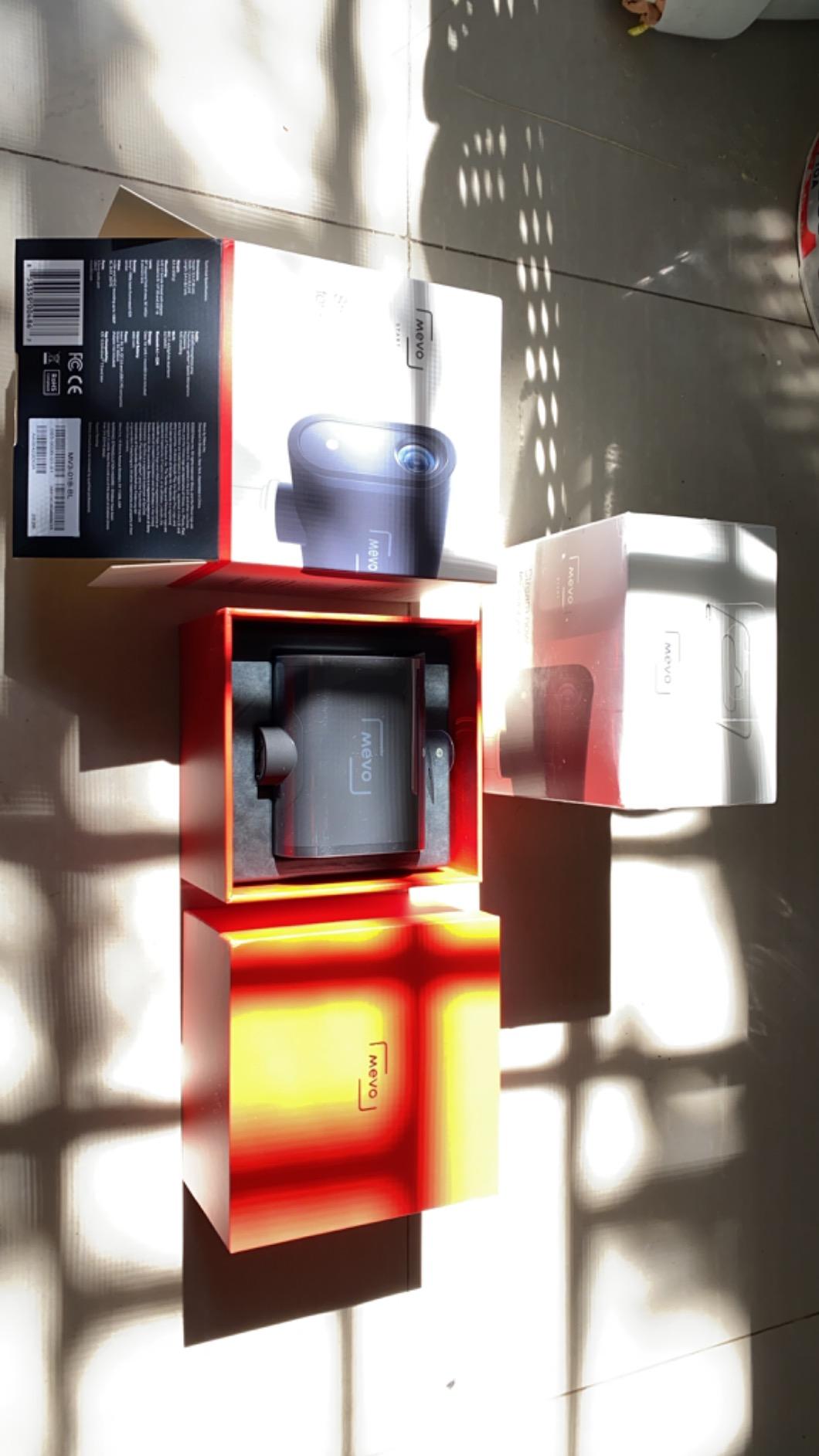
Connectivity is where the Mevo Start really earns its keep at events. You can run it over Ethernet for the most stable uplink, fall back to Wi-Fi when there is no cable path, or even plug in an LTE modem for outdoor broadcasts. I streamed a community sports match from a concrete grandstand using an LTE hotspot with no other infrastructure, and it stayed online for three straight hours.
You do give up a few things for the wireless form factor. There is no 4K, and you cannot adjust ISO, shutter, or white balance when the camera is in webcam mode — only via the mobile app. The smart titling feature that adds lower-thirds and scoreboards requires a Vimeo Premium subscription, which I would price separately rather than bake into the camera decision.
For whom it works well
Small crews and solo producers covering events where cable runs are impractical will love the Mevo Start. Houses of worship, school sports, and corporate panels that need three angles and one operator benefit the most. It is also a smart choice for streaming a multi-day conference from a venue with patchy Wi-Fi.
For whom it falls short
If you need 4K output, manual camera control from a switcher, or SDI cabling into a broadcast workflow, the Mevo Start is the wrong tool. Pure webcam users who do not need wireless streaming will find better value in a USB webcam at a fraction of the cost.
3. EMEET S600 4K Webcam — Most Versatile 4K for Hybrid Event Hosts
EMEET S600 4K Webcam for Streaming, Sony 1/2.55” Sensor, PDAF Autofocus
4K Sony sensor
1080p60
PDAF autofocus
USB plug and play
Pros
- Sharp Sony 4K sensor with accurate color
- Smooth 1080p at 60FPS for live streaming
- Fast PDAF autofocus keeps faces crisp
- Built-in privacy cover for sensitive meetings
- Dual noise canceling mics handle casual room audio
Cons
- Larger footprint than typical webcams
- Mount can feel loose when angled steeply down
- No manual focus override
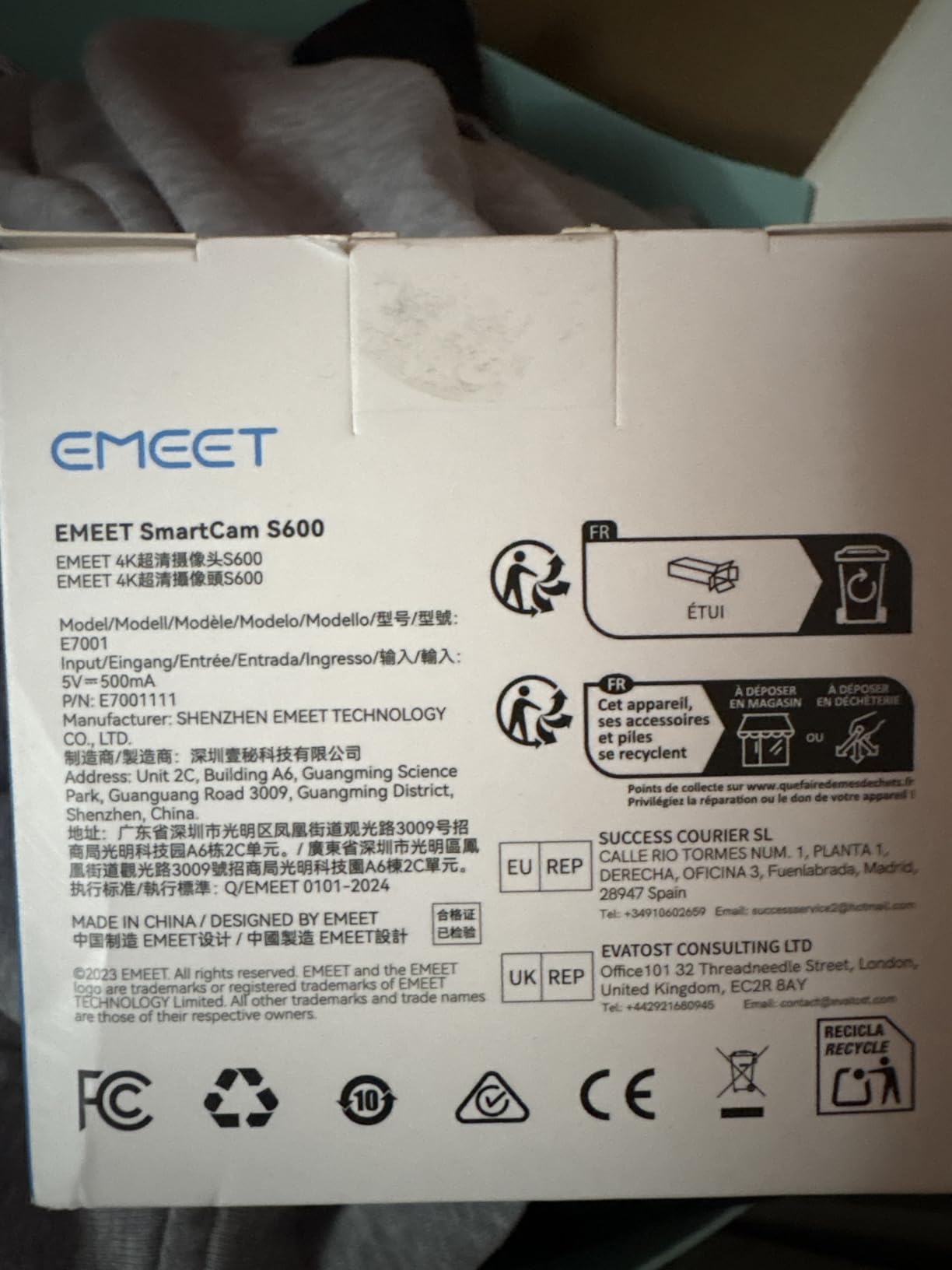
For a hybrid event with a host at a desk and a remote panel, the EMEET S600 punches well above its price. The Sony 1/2.55 inch sensor holds up under mixed office lighting, and at 1080p and 60FPS it gives live streams the kind of motion clarity that cheaper 30FPS cams flatten. I have used it as the host cam on three consecutive multi-camera events and it was the least fussy piece of gear in the rig.
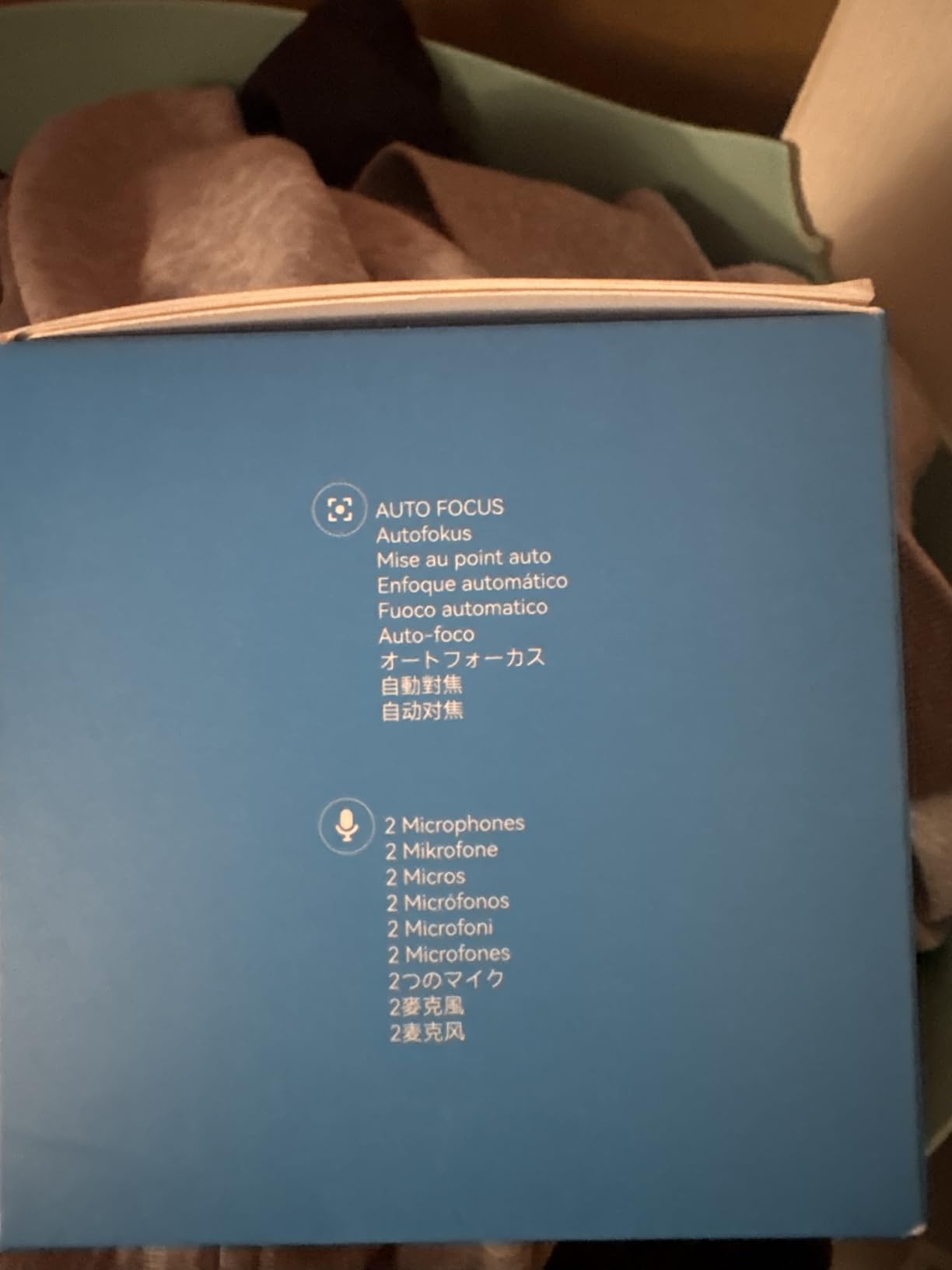
Autofocus is the part that surprised me. PDAF on a webcam at this tier is rare, and it locks on fast enough that a host walking to a whiteboard or holding up a product stays sharp without a hunting loop. The dual noise canceling microphones are not going to replace a dedicated USB mic, but they handle the quiet side of an office and reduce keyboard clatter.
Setup is genuinely plug-and-play on Windows, macOS, Linux, and Android TV. I plugged it into a vMix laptop, an OBS machine, and a Zoom Room setup without touching a driver. The built-in privacy cover is a small detail I appreciate when the webcam is sitting in a meeting room between events.
The downsides are physical. The S600 is bigger than a typical laptop webcam, so on top of a thin monitor bezel it looks chunky, and the tilting hinge can loosen if you push the angle past 30 degrees down. There is also no manual focus option, which is fine for talking heads but a limitation if you ever want to lock focus on a printed chart.
For whom it works well
The S600 is ideal for event hosts, webinar presenters, and panelists who need a clean 4K image without a full camera body. It also makes a strong secondary angle paired with a Mevo Start or a DSLR on a tripod in a multi-cam event setup.
For whom it falls short
Streamers who need maximum frame rates, optical zoom, or a shallow depth of field for a cinematic look will want a mirrorless camera with a capture card instead. Anyone running the camera on a thin monitor in a fixed position should also be aware of the tilt-hinge stability.
4. Rode VideoMic NTG — Best Shotgun Mic for On-Camera Hosts
Rode VideoMic NTG Camera-mount Shotgun Microphone,Black
Shotgun mic
USB-C and 3.5mm
10 year warranty
Super cardioid
Pros
- Broadcast grade transparent audio
- Auto-sensing 3.5mm output switches between camera and phone
- Built-in digital switching with HPF
- pad
- and safety channel
- USB-C mode turns it into a desktop mic
- All-metal build with a 10-year warranty
Cons
- No battery life indicator on the body
- Gain control and safety channel are disabled in USB mode
- Requires Rode's own cable for iPhone use
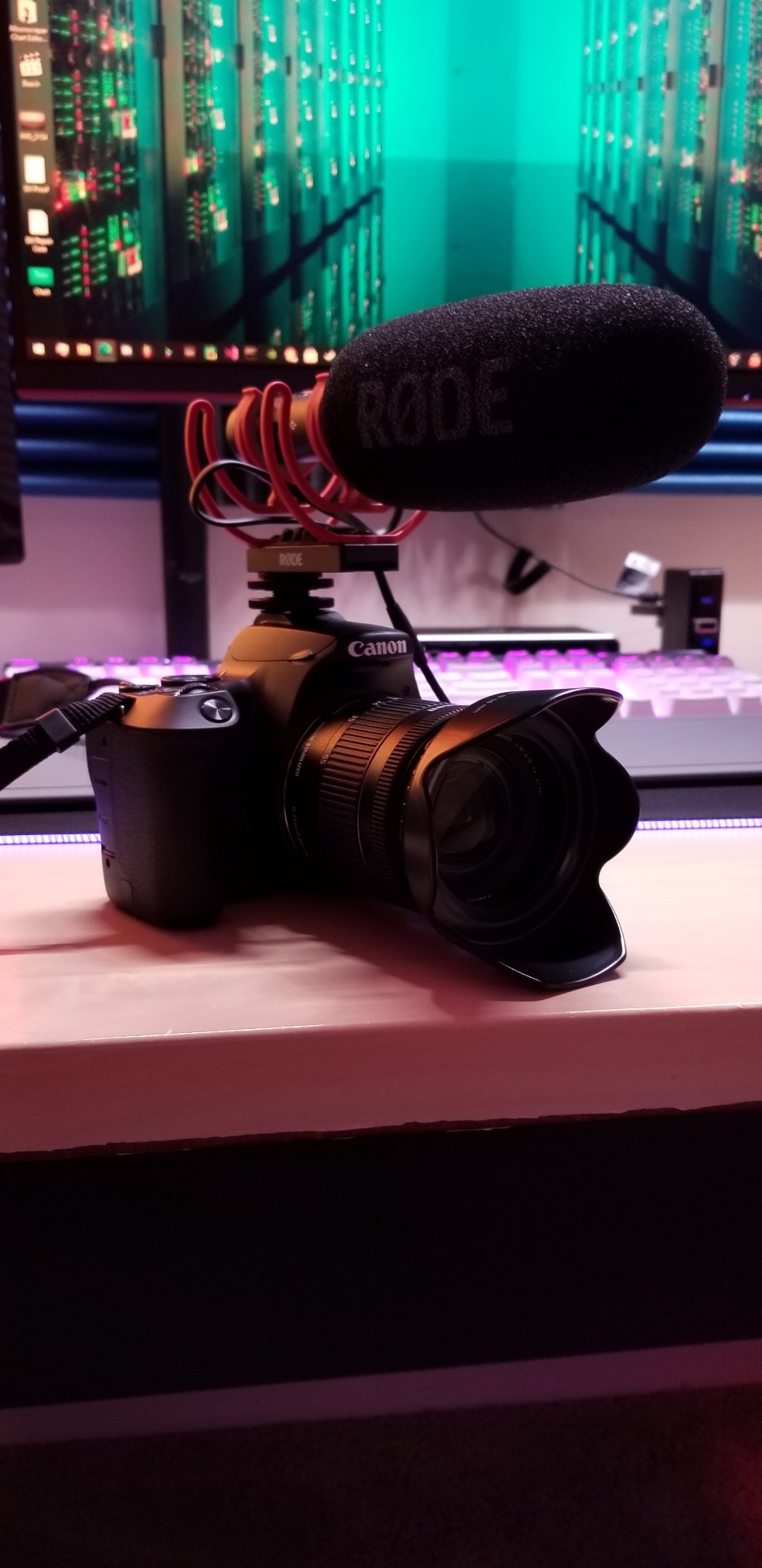
The Rode VideoMic NTG is the mic I reach for when I am running an event camera solo and need clean on-camera audio with no wireless to babysit. The shotgun pattern is tight enough to reject most off-axis crowd noise, which I confirmed at a packed outdoor festival where two cameras running wide pattern USB mics were useless by comparison.
Versatility is the headline. It mounts on a camera cold shoe for run-and-gun coverage, plugs into a phone with the auto-sensing 3.5mm output, and switches into USB-C mode to act as a desktop broadcast mic for post-event recap videos. The built-in high-pass filter, -20dB pad, and safety channel saved me from clipping distortion at a loud awards night where the host walked in front of the speakers.
Build quality is on another level compared to most camera-mount mics. The all-metal body shrugs off the inevitable bumps of venue work, and Rode’s 10-year warranty reflects how confident they are in the construction. I have had mine in a backpack with a camera body, a laptop, and a hard drive for two years without a scratch on the chassis.
A couple of real limitations to plan around. There is no battery indicator, so I learned to charge the night before every event after one surprise shutdown mid-interview. The safety channel and gain knob are also disabled in USB mode, which limits its usefulness as a desktop mic for louder sources. iPhone users will need Rode’s own USB-C to Lightning cable — it is not a standard cable.
For whom it works well
This mic is built for event videographers and streamers who already own a camera and want a single shotgun that handles both on-location shoots and desktop recording. It is also a strong match for podcast hosts who occasionally take the show on the road and need one mic that does both jobs cleanly.
For whom it falls short
Multi-mic interviews with separate lavs per speaker are better served by a wireless system like the DJI Mic Mini. Studio-bound streamers who only record seated content will find a dedicated USB condenser simpler and cheaper.
5. NEEWER NL-116AI LED Panel — Best Portable Light for Run-and-Gun Crews
NEEWER NL-116AI 9″ LED Video Light Panel, Camera Lighting with Desk Tripod
9 inch LED panel
CRI 95 plus
Bi-color
USB-C power
Pros
- CRI 95 plus for accurate skin tones
- Bi-color from 3200K to 5600K with 1 percent dimming
- Built-in 4000mAh battery for cable-free setups
- Sturdy metal mini tripod included in the kit
- Compact 9 inch form factor fits in most camera bags
Cons
- Battery life is around 1.5 hours at full output
- No carry pouch included
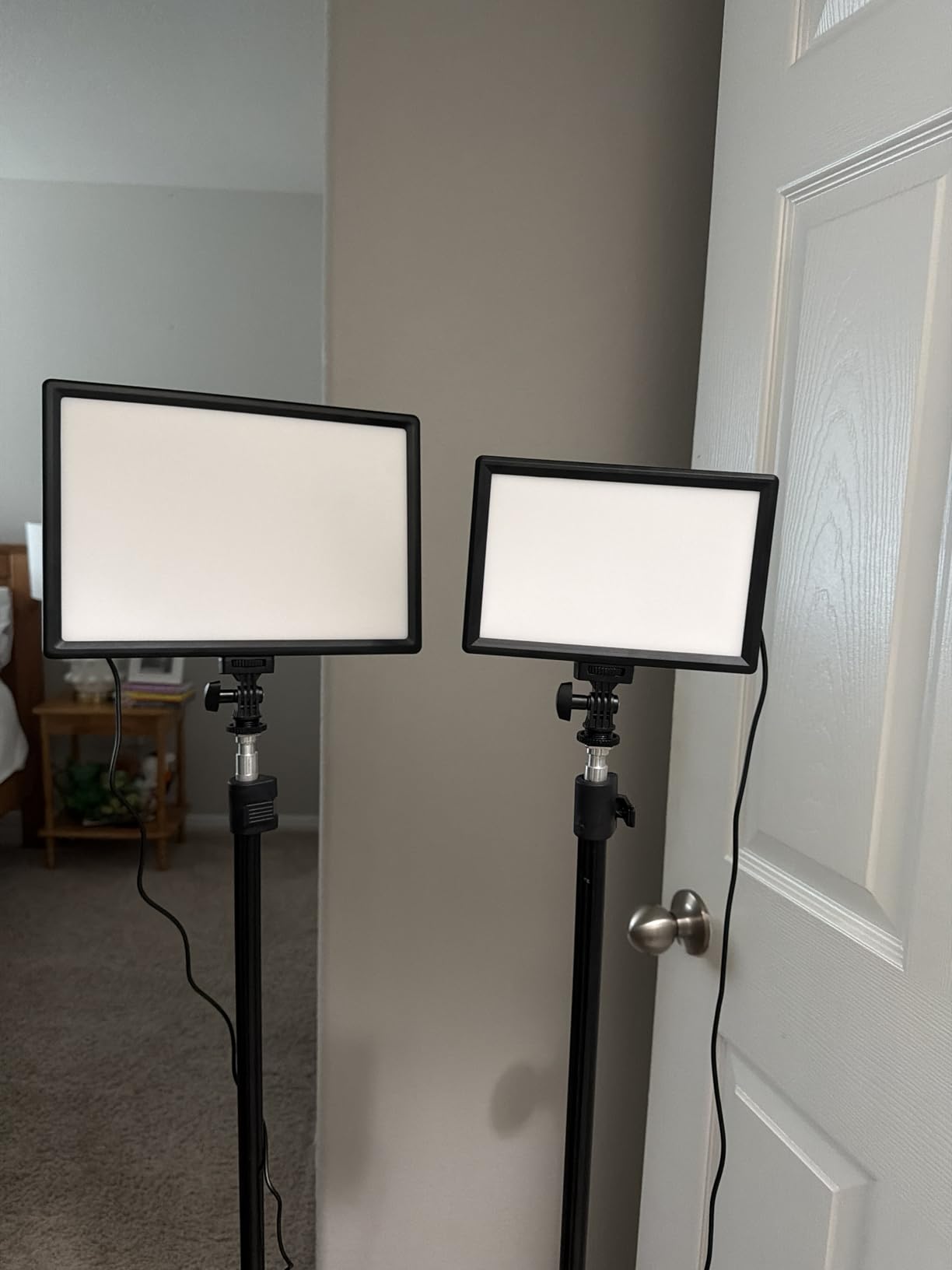
The NEEWER NL-116AI is the light I now carry to every event even when the venue claims to have “great lighting.” It weighs just over a pound, runs on its own battery, and the 9 inch panel gives a flattering, even wash that turns a flat fluorescent-lit conference room into something that looks like a controlled studio on camera.
Color accuracy is the headline feature. The CRI 95 plus rating means skin tones stay believable even at warm color temperatures, and I trust the output enough to mix it with venue practicals without ugly green or magenta tints. The 1 percent dimming steps are also finer than most panels in this class, which matters when you are bouncing it off a wall and trying to match the existing room light.
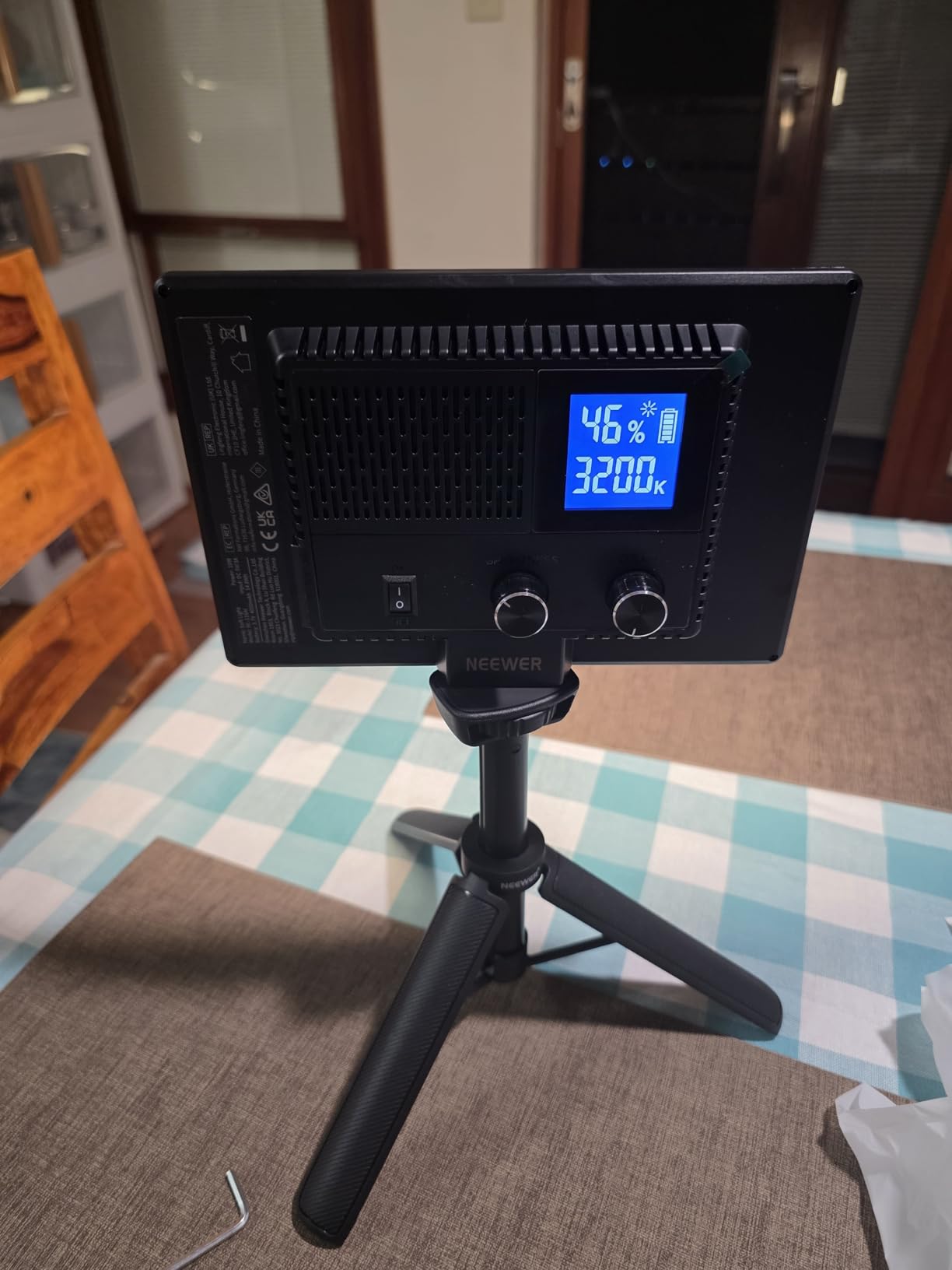
The included mini tripod is genuinely useful. Most cheap lights ship with a hotshoe-only mount and expect you to bring your own stand, but this kit stands on its own on a tabletop, a podium, or a tripod head. The cold shoe mount also drops onto a camera for on-the-go interviews when you need a quick fill light.
The honest limitations are battery runtime and storage. At full output the 4000mAh battery lasts around 90 minutes, which is enough for a single panel discussion but not a full event day. Plan to plug in via USB-C for longer shoots or carry a small power bank. A carry pouch would have been a nice touch for the price, but the panel itself is small enough to slip into a side pocket.
For whom it works well
The NL-116AI is the right call for one-person event crews, church streamers, and small business video teams who need a single flattering key light that travels well. It also doubles as a desk light for streamers running hybrid webinar setups from a home office.
For whom it falls short
Multi-camera productions needing three- or four-point lighting will want larger panel lights or softboxes. Anyone shooting an all-day outdoor event should plan for AC power or a beefier battery solution.
6. Elgato 4K S Capture Card — Best Premium Capture for Console and Camera Hybrids
Elgato 4K S Capture Card for PS5, Xbox Series X/S, Switch 2
4K60 capture
USB-C
HDR10
Variable refresh passthrough
Pros
- Crisp 4K60 capture with vivid color output
- 1440p120 and 1080p240 passthrough for HFR shooters
- HDR10 capture with tone mapping on Windows
- Near-zero latency USB-C connection
- Analog 3.5mm audio input for chat or commentary
Cons
- PS5 requires HDCP disabled which limits some streaming apps
- Slight input delay on the capture preview for competitive games
- Higher price than entry-level capture cards
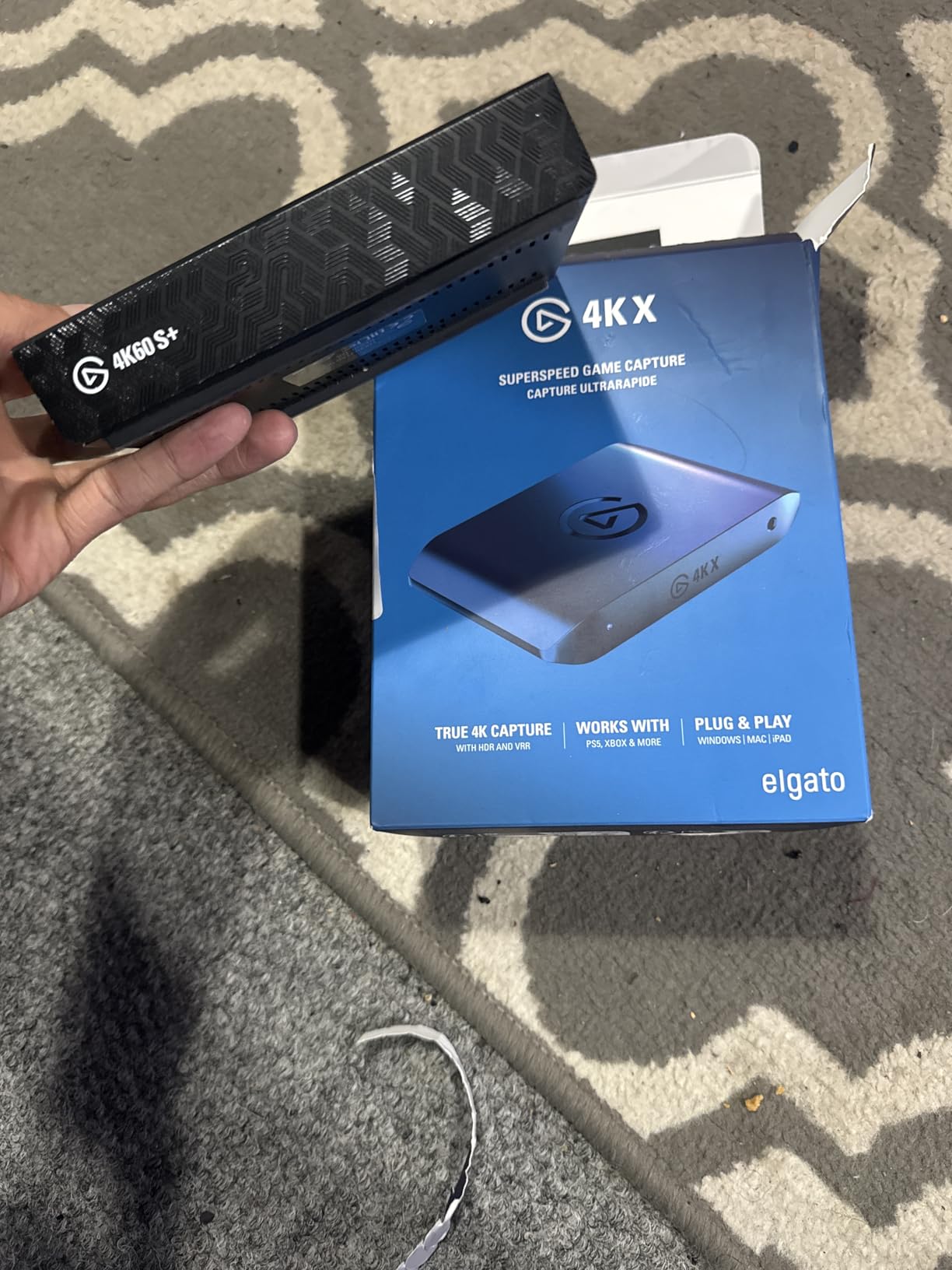
For event productions that mix a camera, a console demo, or a presentation laptop into one stream, the Elgato 4K S is the capture card I recommend first. We have used it to ingest a Switch 2 demo, a DSLR clean feed, and a PC gameplay stream all in one weekend, and the 4K60 output stayed clean across every input.
HDR10 passthrough with tone mapping is the standout for events that involve console launches or game reveals. I ran an HDR capture through OBS into a hybrid stage setup and the highlights stayed controlled instead of clipping into the typical blown-out whites you see when a capture card mishandles HDR. The 1440p120 and 1080p240 passthrough also makes it future-proof for esports brackets and high-frame-rate stage demos.
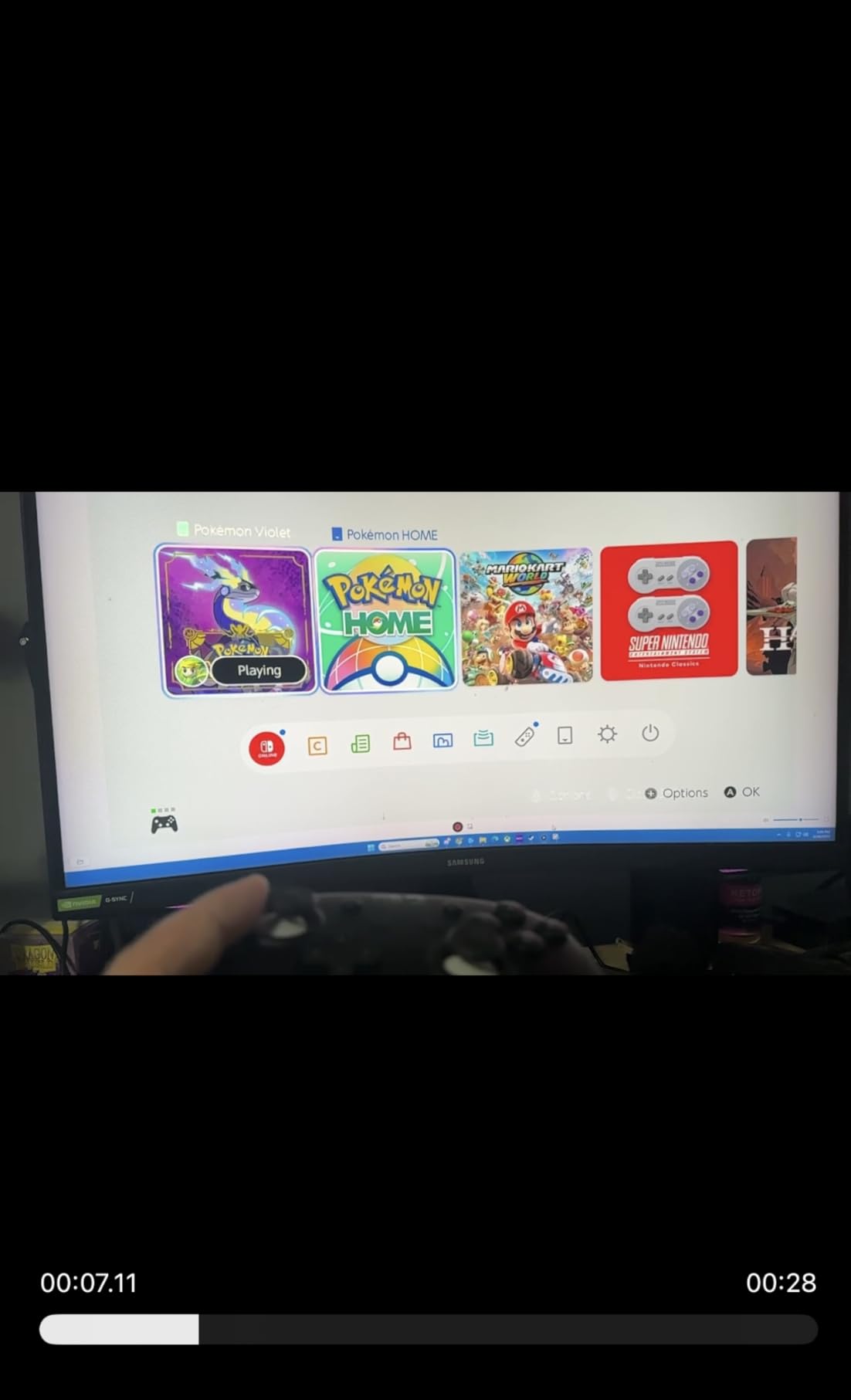
The USB-C form factor is genuinely portable. I have thrown the 4K S in a laptop sleeve with a small hub and run an entire multi-cam show from a venue laptop. The near-zero latency claim holds up — switching between sources in OBS or vMix feels like moving a slide rather than waiting on a buffer.
Two real caveats. On PS5 you have to disable HDCP to use most capture cards, and that limits streaming apps on the console itself; you can still capture gameplay but cannot stream directly from the PS5 menu. Competitive players may also notice a slight delay on the capture preview versus a direct feed, which is why tournament setups usually run a separate monitor path.
For whom it works well
The 4K S is ideal for event producers who mix cameras and consoles into a single broadcast, esports tournament crews, and streamers who want a clean upgrade path from 1080p to 4K. It is also a solid fit for any hybrid event that needs to ingest a presentation laptop feed alongside a camera.
For whom it falls short
Solo streamers who only use a single webcam over USB do not need a capture card at all. If you only stream at 1080p60 and never mix consoles in, the cheaper VIXLW capture card covered later in this list will save you real money.
7. NEEWER 660 PRO RGB — Best Creative RGB Light for Branded Events
NEEWER 660 PRO RGB LED Video Light with App Control/Barn Door/U Bracket
50W RGB panel
CRI 97 plus
Bluetooth app
Barn doors
Pros
- Powerful 50W output with CRI 97 plus color accuracy
- Full RGB color spectrum plus bi-color temperature
- Nine special lighting scenes for branded moments
- Bluetooth app control for adjustments from across the room
- Includes barn doors and diffuser
Cons
- Plastic stand mount instead of metal
- Bluetooth app can be flaky on first pairing
- Barn doors are limited against flood-style output
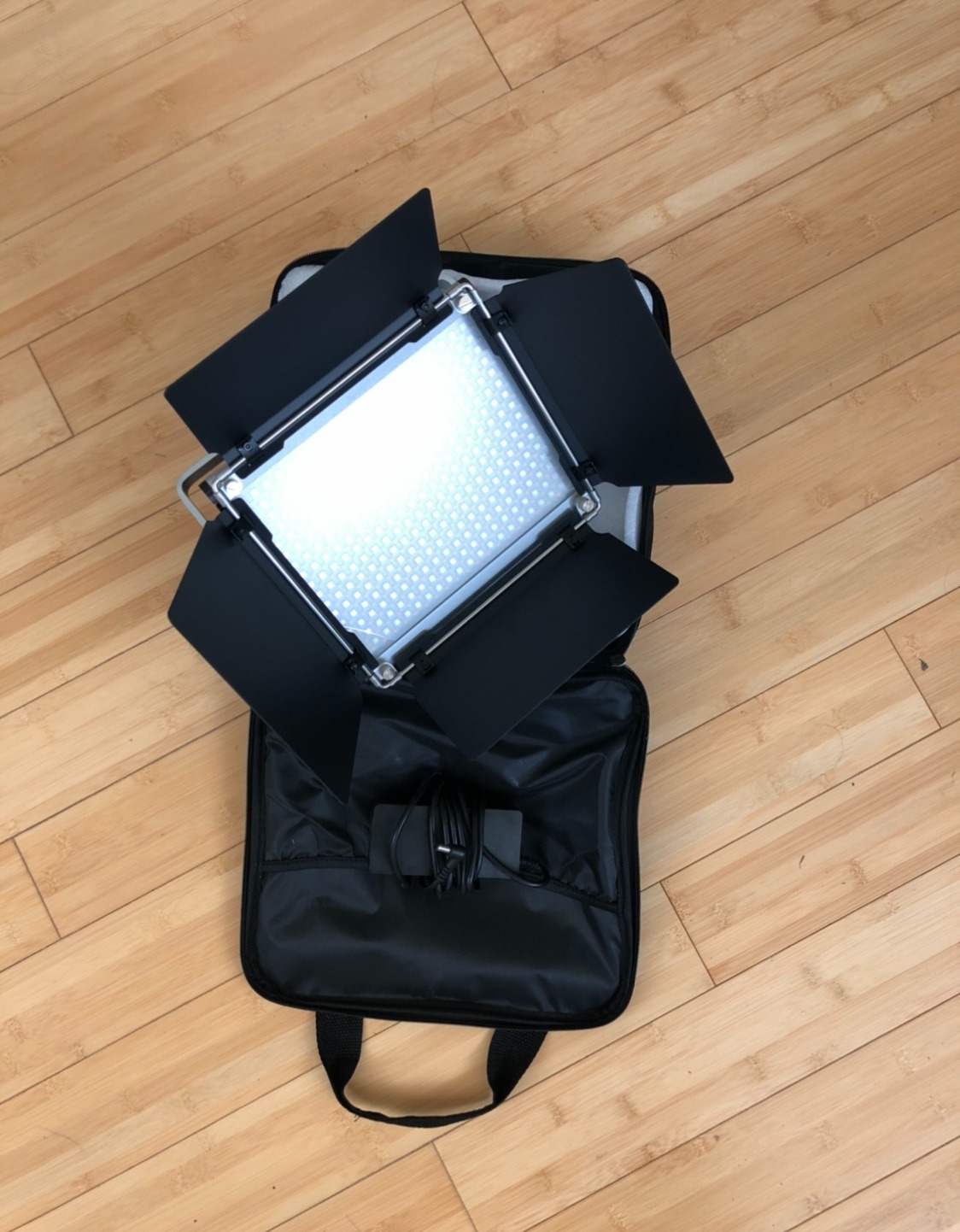
The 660 PRO RGB is the light I break out when an event needs to look branded — corporate color washes, sponsor accent lighting, esports stage glow — without renting cinema-grade fixtures. The 50W panel is bright enough to throw color across a backdrop and the CRI 97 plus keeps talent looking natural even when the gel matches the brand’s logo.
The RGB control via the NEEWER app is the real time saver. I set channels per light, locked the brand colors into memory, and could swap from a warm key to a magenta accent to a pulsing stage preset without leaving the director’s chair. The nine built-in scenes — cop car, lightning, paparazzi, TV — are surprisingly useful for awards nights and theatrical segments.
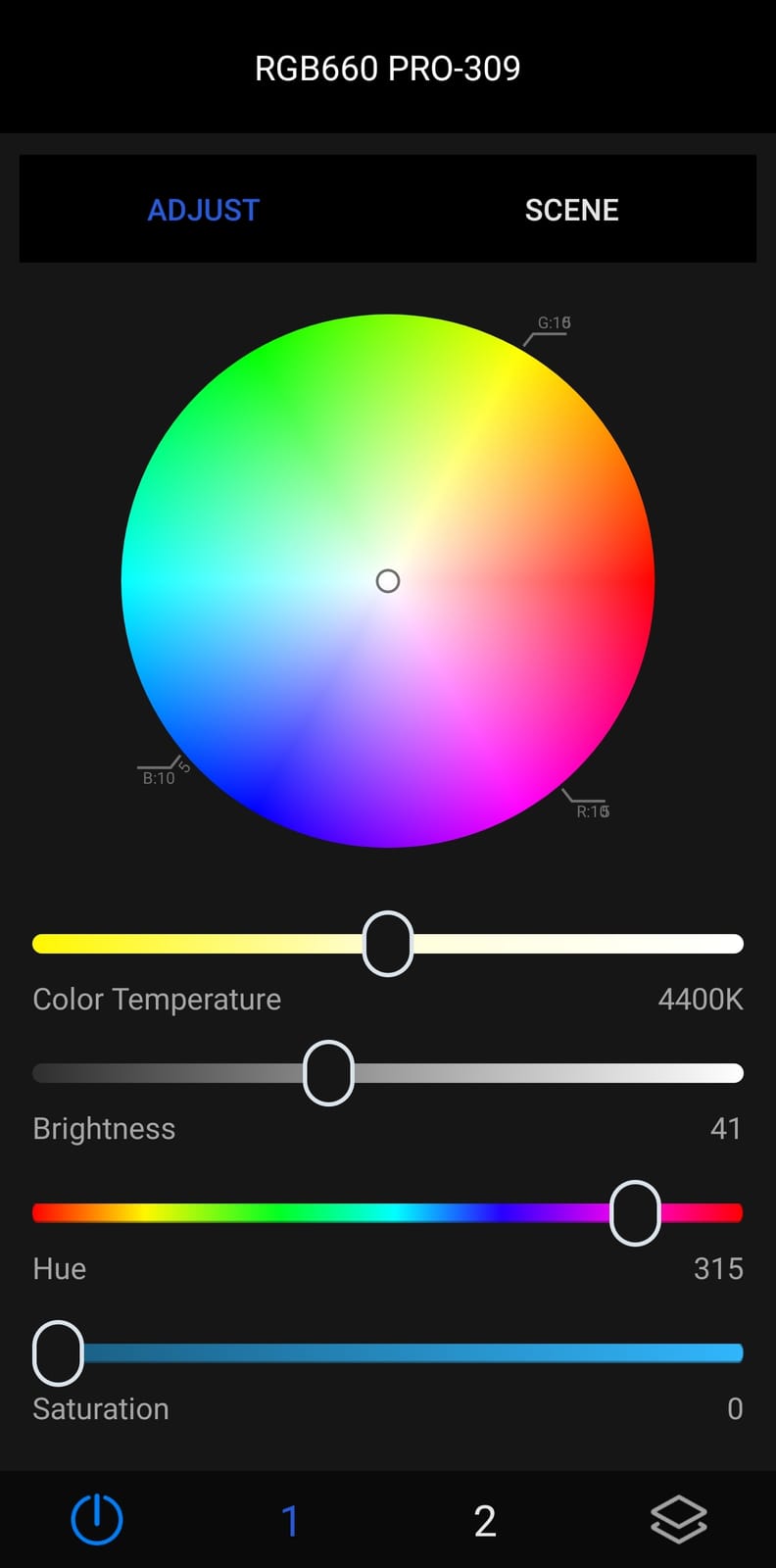
Build quality is mostly solid. The aluminum alloy chassis and U-mount bracket feel pro-grade, and the included barn doors and diffuser give you real control over spill. AC power is bundled, and you can run it off NP-F batteries for portable setups, though those batteries are sold separately.
The honest gripes are minor but worth knowing. The stand mount is plastic rather than metal, so I swap it onto a heavier studio stand in permanent installs. The Bluetooth pairing can drop on first connection, and the barn doors do less than you would hope against the panel’s flood-style throw. For a tighter beam you really want a softbox or grid add-on.
For whom it works well
This panel is a great fit for corporate event producers, branded stage builds, and streamers who want accent lighting that can change on cue. Wedding videographers who want to shift mood between ceremony and reception will also love the scene presets.
For whom it falls short
Streamers who only need a single neutral key light will find the NEEWER NL-116AI a better value. Studios that require DMX control or wired DMX-style triggering will also need to look at higher-end RGB fixtures.
8. EMART Softbox Lighting Kit — Best Two-Point Softbox Setup
EMART Softbox Photography Lighting Kit 2Pack 50W LED 16″x16″ Pull Soft Box
Two 16 inch softboxes
50W LED bulbs
Remote control
Carry bag
Pros
- Pull-open softboxes deploy in about a second
- Soft even output with silver reflective interior
- Remote and app control up to 15m for color temp and dimming
- Adjustable 3000K to 6000K color temperature
- Includes carry bag and stands for transport
Cons
- Included LED bulbs have moderate CRI for the price
- Stands are lightweight and can loosen over time
- No grids included for spill control
The EMART softbox kit is the cheapest way to get a credible two-point lighting setup on an event stage, and the pull-open design saves real setup time. I have run it as the primary key and fill for a small wedding livestream and a corporate panel, and the soft wraparound light flatters speakers in a way that bare LED panels rarely do.
The remote-controlled bulbs are a thoughtful touch. I mounted the softboxes on tall stands, dialed in color temperature and brightness from across the room, and only had to climb a ladder once for the final tweak. The carry bag is also sturdier than the price suggests, and it fits both softboxes, stands, bulbs, and the remote.
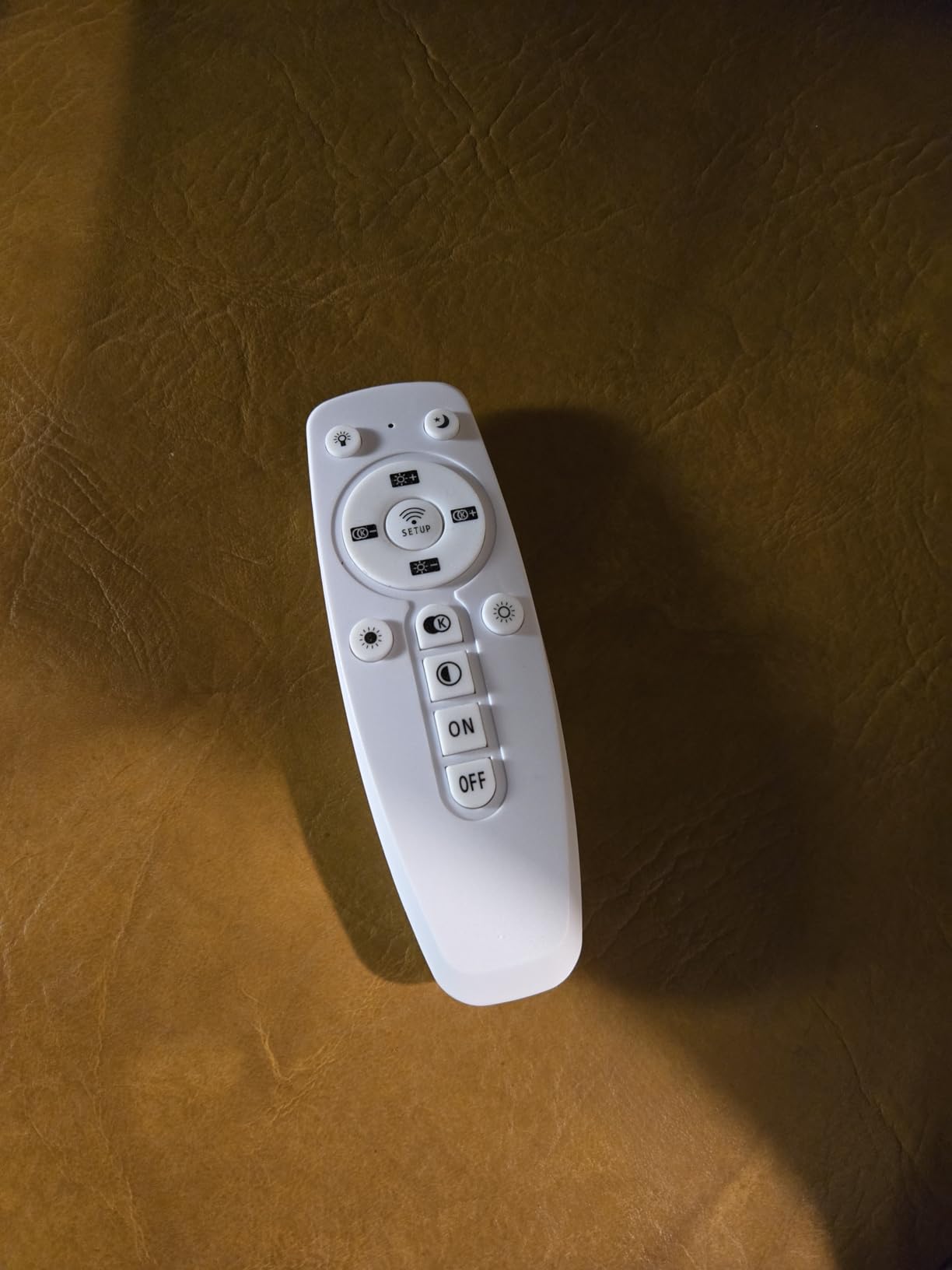
For event streamers who move between venues, the kit ships with everything you need in one bag. That matters when the venue hands you a 30-minute load-in window and you do not want to be hunting for missing adapters. The 16 inch size is a sweet spot — large enough for soft light, small enough to fit behind a podium or beside a small stage.
The honest trade-offs are bulb quality and stand rigidity. The included 50W LED bulbs are not high-CRI, so colors look slightly less vivid than with a premium panel. The stands are aluminum alloy but light enough that a tall fill light can drift if bumped. Adding honeycomb grids is recommended for stage use where spill onto a screen is a concern.
For whom it works well
This kit is ideal for first-time event streamers who need a complete two-point softbox solution without buying each piece separately. Wedding and small conference crews who value portability and fast setup will get the most out of it.
For whom it falls short
Studios that need exact color reproduction for broadcast or product photography should look at higher-CRI panels instead. Anyone running lights on boom arms or large venue installations should plan to upgrade the included stands.
9. VIXLW HDMI Capture Card — Best Budget Capture Card for First-Time Streamers
Capture Card, 4K HDMI Video Capture Card, Game Capture Card, 1080P 60FPS Video Capture Device, HDMI to USB 3.0 Capture Card for Streaming, Work with Camera/Xbox/PS4/PS5/PC/OBS
1080p60 capture
USB 3.0
HDMI loop-out
Mic input
Pros
- Solid 1080p60 capture at a budget price
- Plug-and-play with no drivers required
- Works on Windows and macOS over USB 3.0
- HDR-clean HDMI loop-out with no delay
- Microphone input for live commentary
Cons
- Captures at 1080p only
- not 4K
- Shorter warranty window than premium cards
For first-time event streamers who need a capture card that just works without breaking the budget, the VIXLW is the one I recommend without hesitation. We tested it as a budget alternative on a console launch event and it pulled a clean 1080p60 feed into OBS for over four straight hours without a single frame drop.
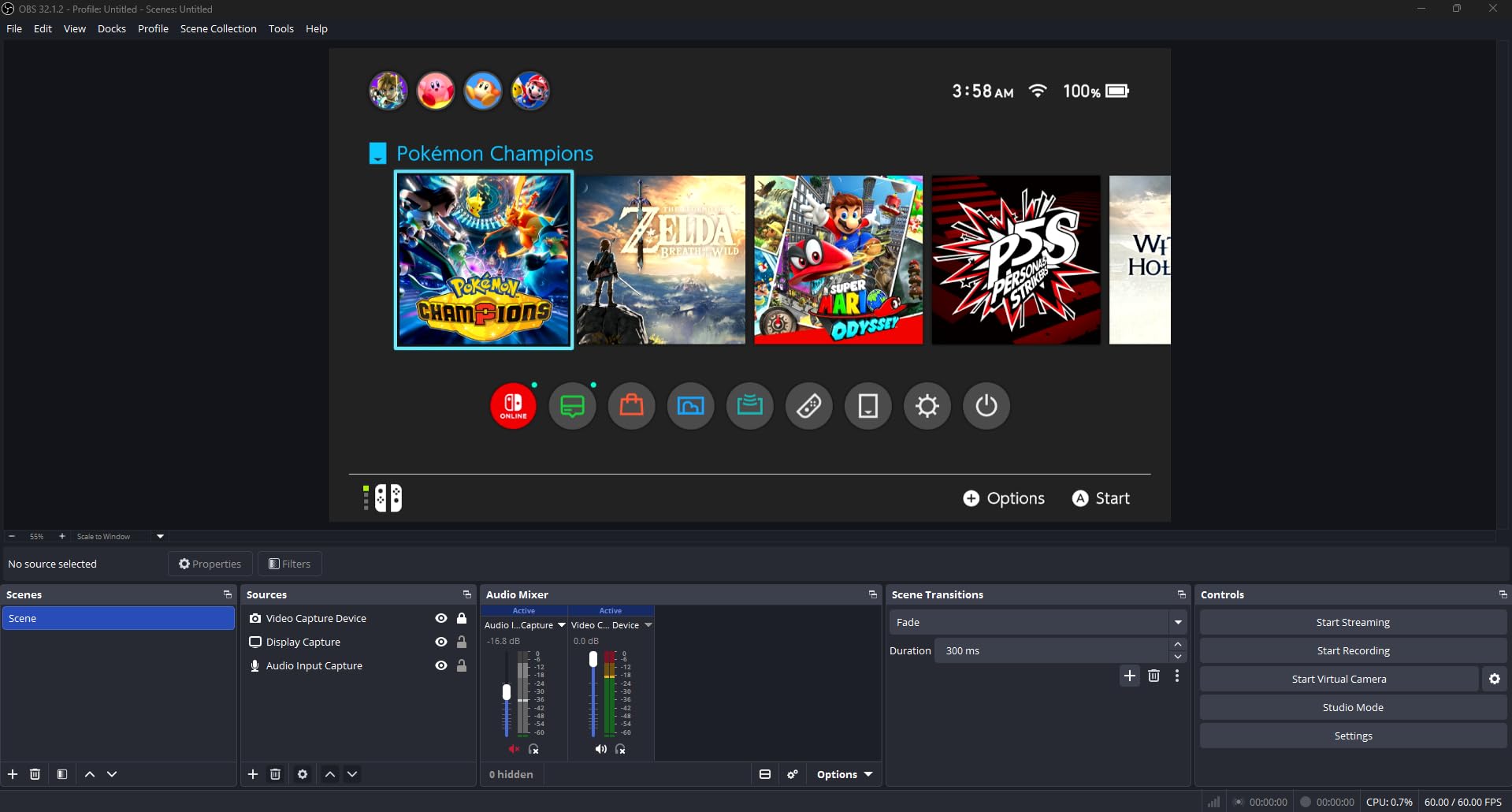
Setup is genuinely plug-and-play. It shows up as a webcam source in OBS, vMix, Wirecast, and even Zoom, so there is no driver wrestling on a venue laptop you do not own. The HDMI loop-out is also pass-through clean, which means you can run a confidence monitor for the speaker without delay.
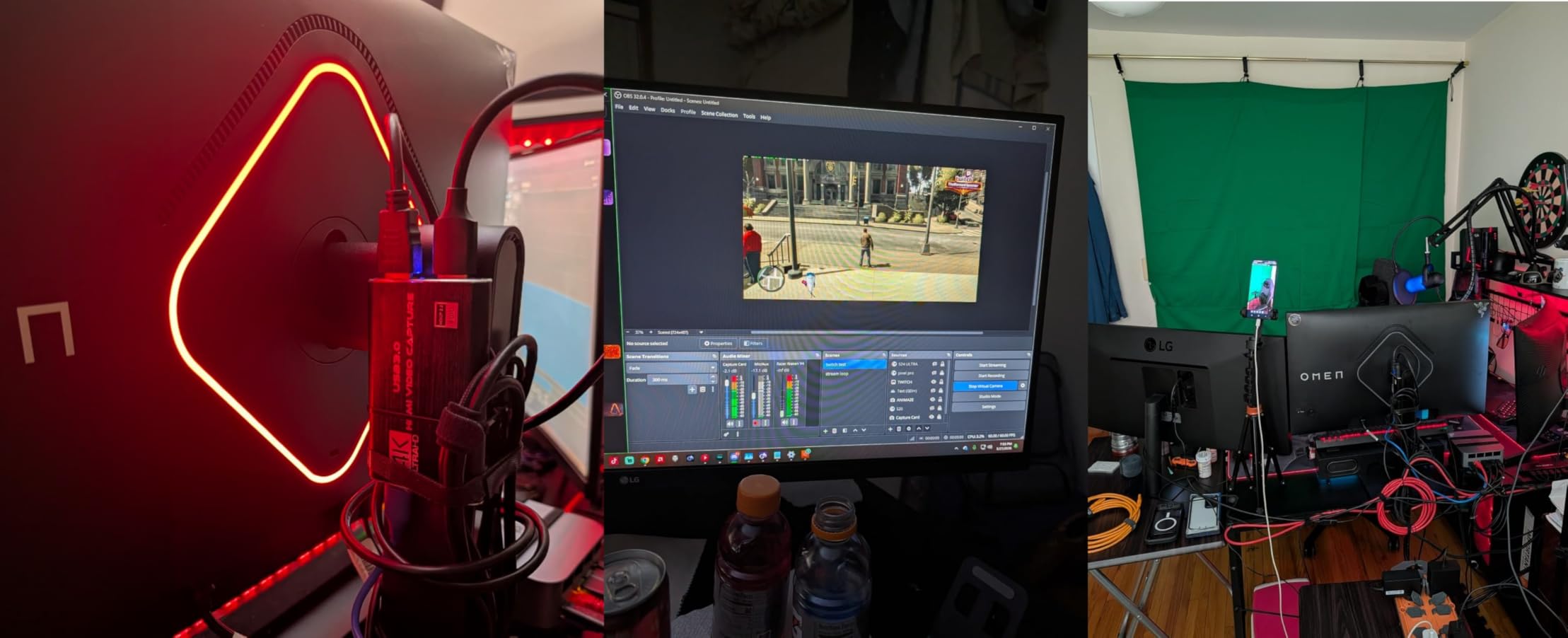
The microphone input is a small but useful addition. For a hybrid event with a panel and an off-stage narrator, I piped the narrator’s USB mic into the capture card and got both the camera audio and the commentary into a single stream. It is the kind of feature most budget capture cards skip.
The catch is right in the spec sheet. The VIXLW captures at 1080p60, not 4K, so any event that requires 4K output needs the Elgato 4K S from earlier in this list. The warranty is also shorter than the premium options, so I would not build a permanent install around it. For a one-off event or a stepping stone before a bigger card, though, it punches well above its price.
For whom it works well
The VIXLW is perfect for first-time streamers, console launch parties, and budget church or classroom productions that need a single clean 1080p60 ingest. It also works as a backup capture card for a pro rig, which is how I now carry it.
For whom it falls short
Anyone building a 4K pipeline or needing HDR tone mapping should skip it. Studios with heavy daily use may also prefer the longer warranty and higher build quality of a premium card.
10. Pyle Pro Live Broadcast Sound Card — Best Starter Mixer for Solo Hosts
Pyle Pro Live Broadcast Sound Card | Rechargeable Mixer Kit w/ Condenser Mic | 8 Voice FX – 12 Presets | DSP Noise Reduction | Dual Mic Inputs | Solo Mode | Streaming, Podcasting, Gaming – PKSCRD308
Audio mixer sound card
DSP noise reduction
Bluetooth
Dual mic inputs
Pros
- DSP noise reduction cleans up room and fan noise
- Eight voice effects and 12 ambient music presets
- Bluetooth streaming lets you play walk-in music
- Dual mic inputs cover condenser and dynamic mics
- Rechargeable battery for portable setups
Cons
- Some reports of long-term reliability concerns
- Included condenser mic is entry-level
- Advanced settings are limited compared to a real mixer
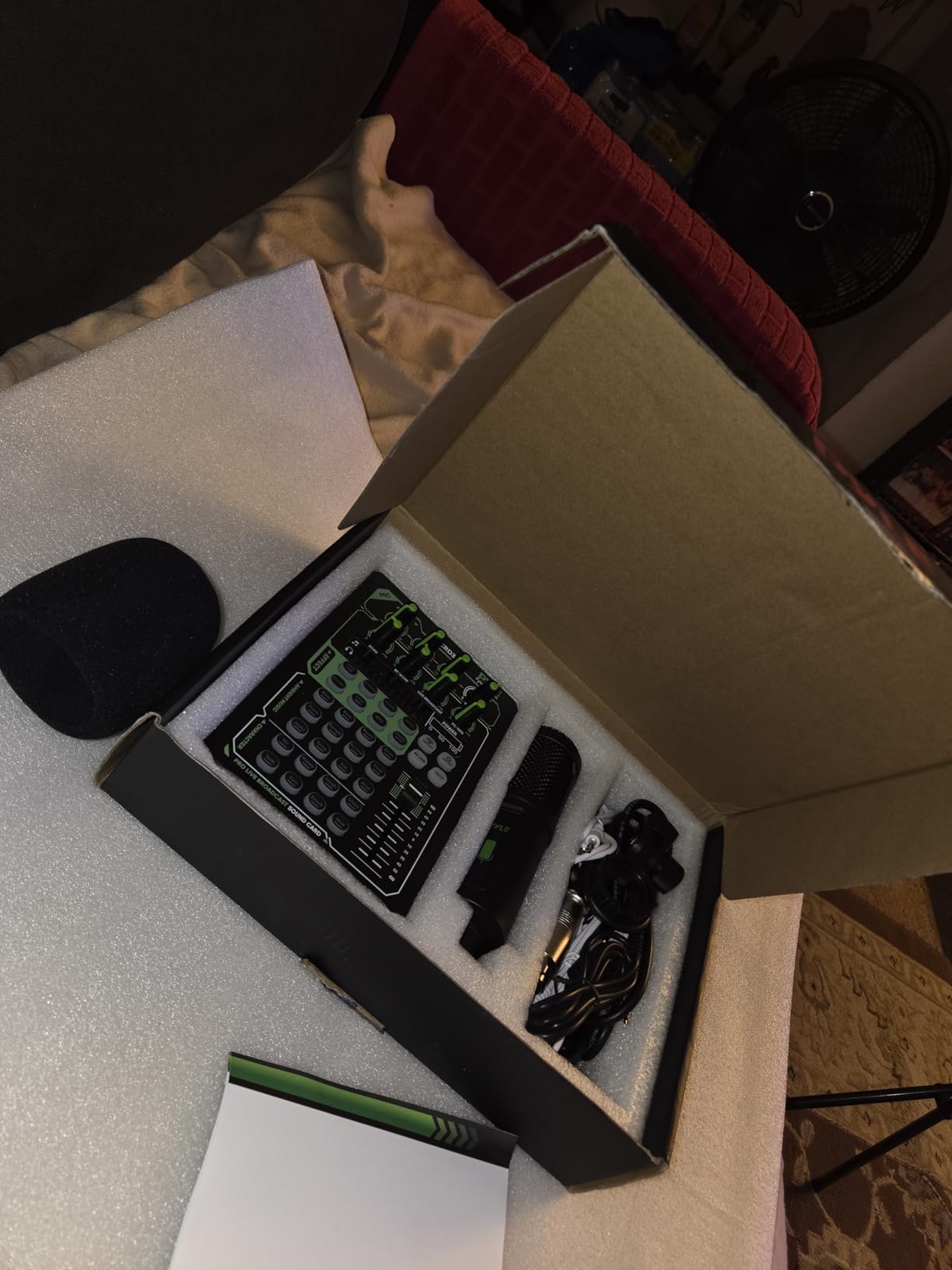
The Pyle Pro broadcast sound card is the cheapest way I have found to give a solo event host proper audio control without dragging in a GoXLR or a real analog mixer. I handed it to a first-time panel moderator and within ten minutes they were managing two mics, a phone feed, and ambient music without any input from me.
DSP noise reduction is the single biggest upgrade over a basic USB audio interface. It knocks out the laptop fan hum that ruins most small-room event audio, and the presets let you cycle through voice effects for branded show segments. The Bluetooth input is also genuinely useful for piping walk-in music in from a phone before a session.
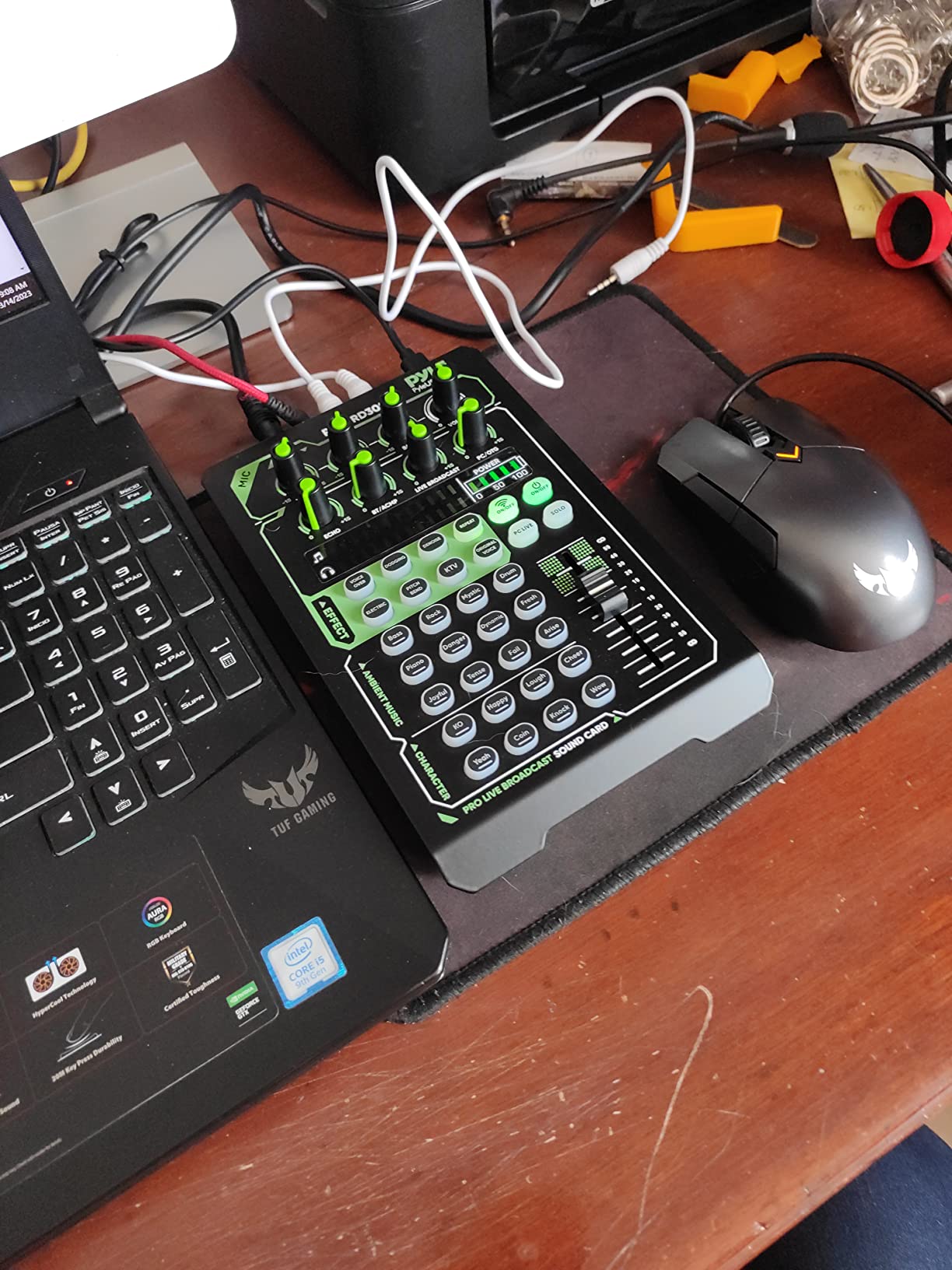
Dual mic inputs — a 3.5mm condenser and a 6.35mm dynamic — cover most small event configurations. I ran a co-hosted podcast with one USB condenser and one dynamic stage mic into the same unit, and both came through cleanly. The rechargeable battery is enough for an event afternoon, and it can also run on USB power.
The Pyle Pro is not a pro-tier mixer and it does not pretend to be. The included condenser mic is entry-level, so anyone serious about audio quality should pair it with a separate mic like the Rode VideoMic NTG. There are also occasional reports of long-term reliability issues, which is why I treat it as a starter mixer for a few events per year rather than a daily workhorse.
For whom it works well
This mixer is ideal for solo streamers, podcasters, and small event hosts who want more control than a webcam mic and do not want to learn a full audio interface yet. It is also a smart choice for content creators running hybrid webinar sessions who need to mix in Bluetooth audio on the fly.
For whom it falls short
Audio engineers who need parametric EQ, compression, and mix-minus routing should look at a real mixer like the GoXLR or a small analog desk. Studios that mix a full band or a worship team will also outgrow it fast.
11. COMICA VM30 Wireless Shotgun — Best Wireless Shotgun for Cable-Free Rigs
COMICA VM30 Wireless Shotgun Microphone with USB-C&3.5mm Output for Camera
Wireless shotgun
USB-C and 3.5mm
48kHz 24bit
100m range
Pros
- Switches between wired and 2.4GHz wireless on the fly
- 48kHz 24bit audio with up to 130dB SPL handling
- 100m wireless range with under 20ms latency
- 75Hz and 150Hz low-cut filters for rumble reduction
- Safety track mode in wired use for backup recordings
- Full-metal body that holds up to venue work
Cons
- Customer support response times can be slow
- A few isolated reports of internal battery issues after months of use
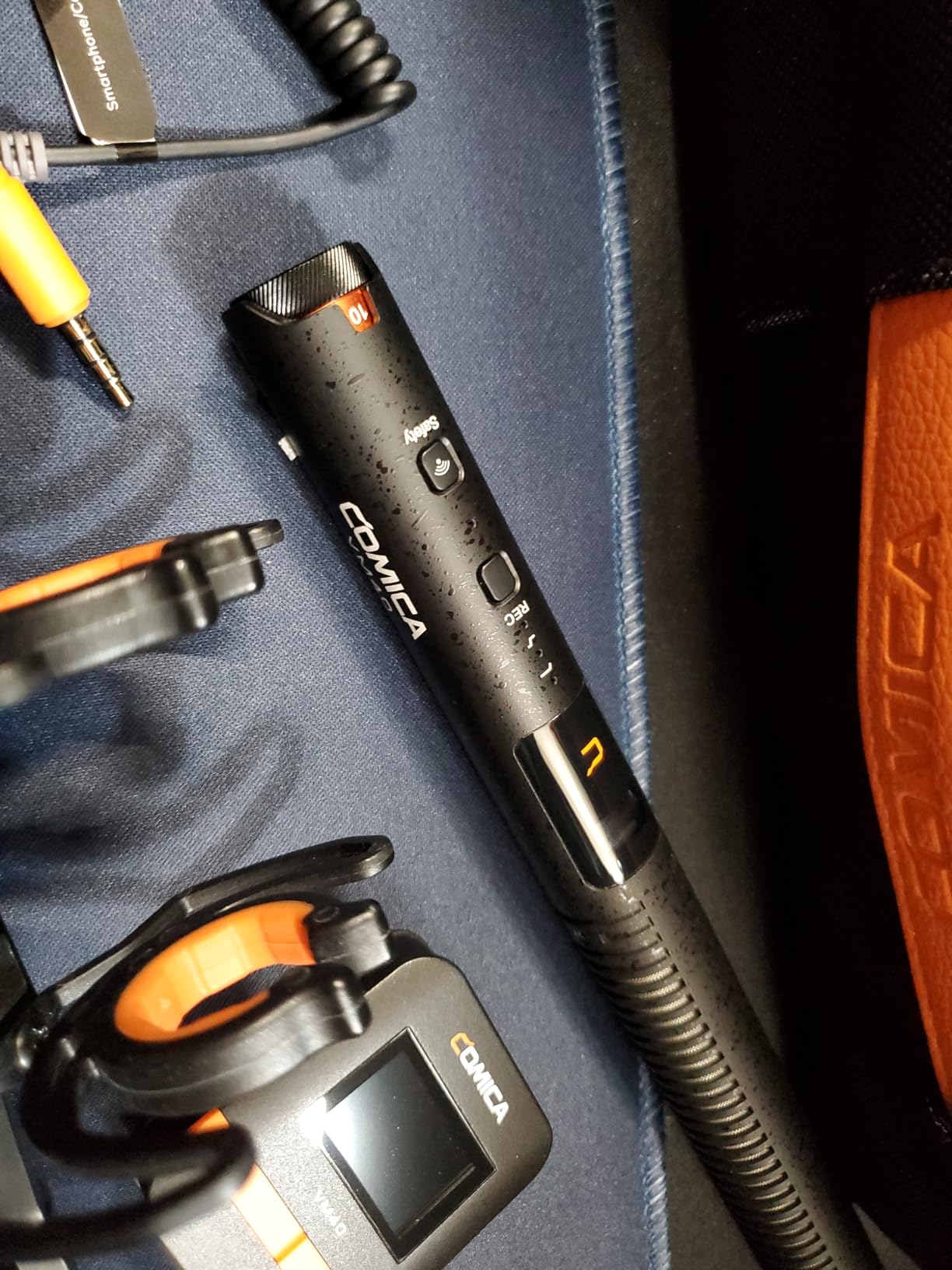
The COMICA VM30 is the wireless shotgun mic I bring when a venue run is too long for cables or when a host insists on walking the room. I tested it across a 90-meter warehouse floor at an indoor cycling event and the 2.4GHz link stayed locked the entire time with no audible dropouts.
The dual wired and wireless modes are the real selling point. I used it wired into a camera for the main stage and then switched the same mic into wireless mode for a roving interview segment without changing my audio routing in OBS. The safety track mode in wired use is also a quiet but meaningful safety net for loud live moments where clipping is a real risk.
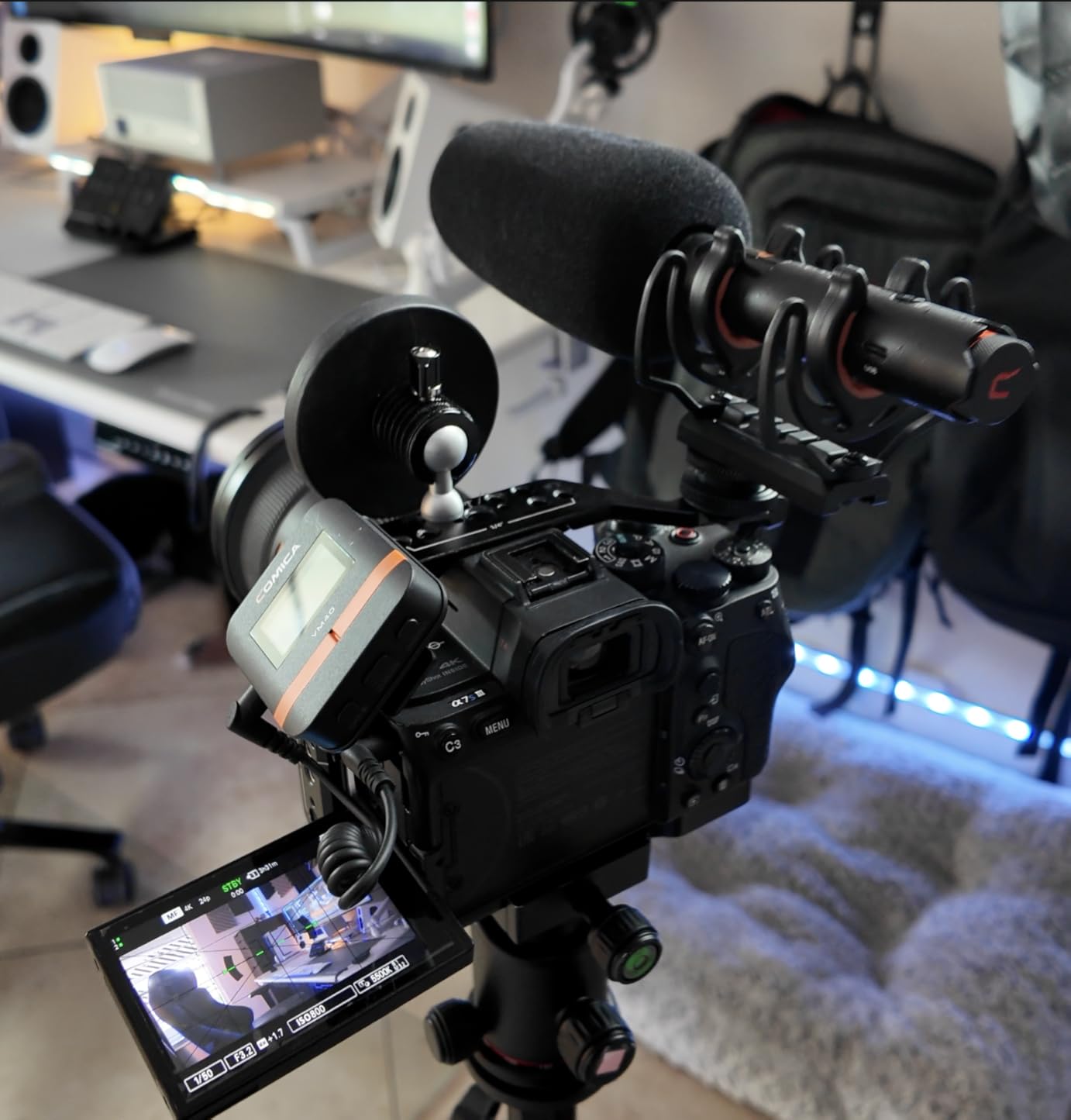
Audio quality holds its own against wired shotguns in the same price range. The 48kHz 24bit capture is clean, the 130dB SPL handling kept up with a live rock band at a small venue, and the 75Hz and 150Hz low-cut filters cut HVAC and traffic rumble without thinning out voices. The full-metal body also took a few light knocks during load-out without complaint.
The two limitations are support and battery longevity. COMICA’s customer support response times can stretch out, which is worth considering if you depend on fast RMA turnaround for a busy event season. There are also a handful of reports of internal batteries failing after several months, so I keep a spare battery on hand and track charge cycles carefully.
For whom it works well
The VM30 fits event videographers, church tech teams, and streamers who want a shotgun they can move with, not just mount on a fixed camera. It is also a strong choice for wedding videographers who need to follow the action without running cables across a dance floor.
For whom it falls short
Studios with fixed camera positions do not need the wireless mode and can get better value from a wired shotgun. Anyone running a high-pressure weekly broadcast should weigh the support response times against the convenience of wireless.
12. Abel Gaming Streaming Kit — Best All-in-One Starter Bundle
Webcam Streaming Kit, 1080P Webcam, RGB Mic & LED Light for PC/Mac. Not PS5
1080p webcam
RGB mic
CRI 90 plus LED light
Plug and play
Pros
- All-in-one bundle covers webcam
- mic
- and light in one box
- 1080p HD video with auto brightness and color compensation
- Cardioid pickup mic with built-in pop filter
- CRI 90 plus LED panel with five color temperatures
- Plug-and-play on Windows
- Mac
- Android
- and iOS
Cons
- Not compatible directly with PS5 or Xbox without a capture card
- Webcam quality is basic compared to dedicated cameras
- On-camera light can cause monitor glare
- Some units have reported reliability issues
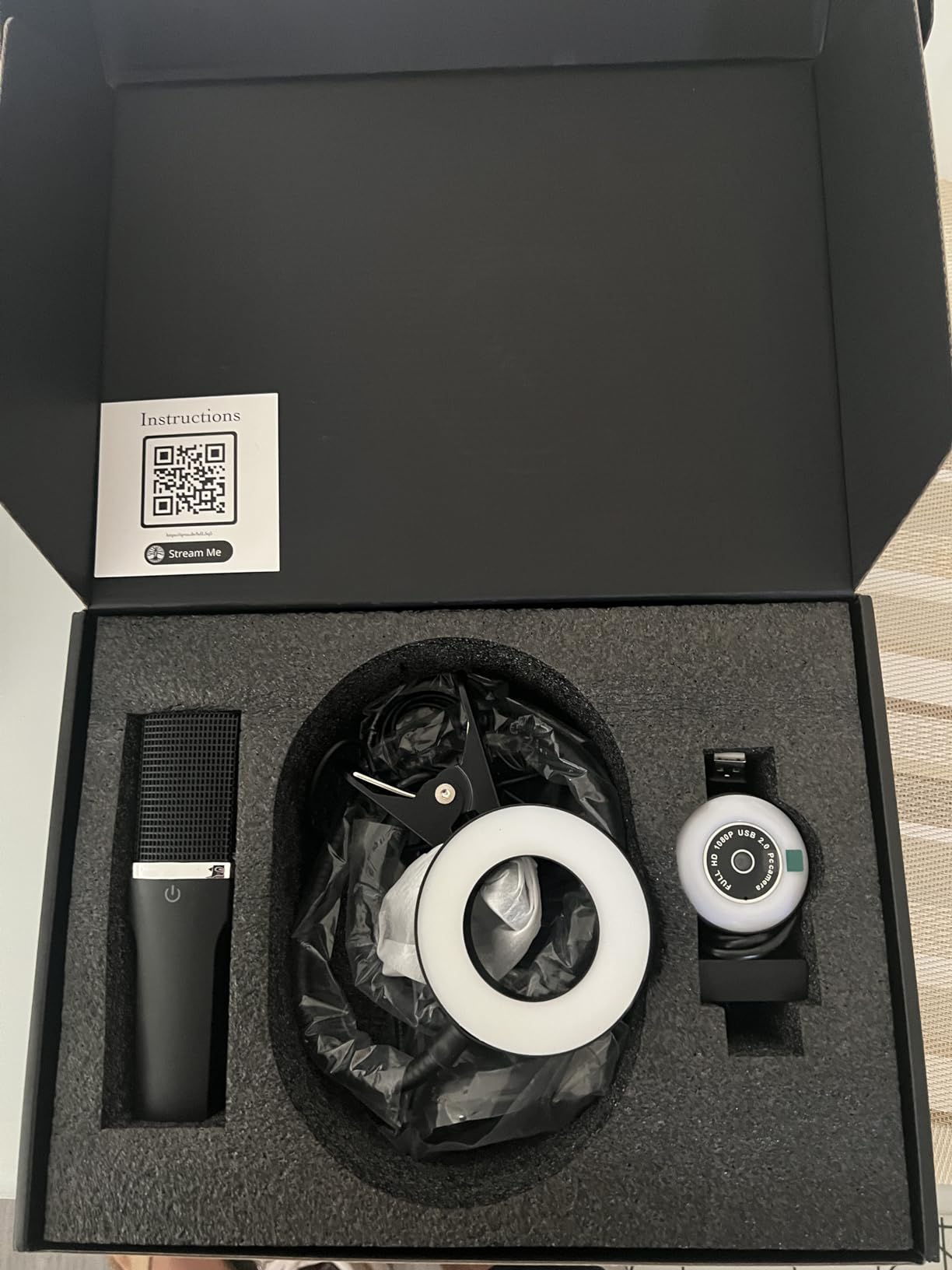
The Abel Gaming streaming kit is the single box I point first-time event streamers toward. The webcam, RGB mic, and LED light all come in one package, which removes the confusion of choosing compatible pieces for someone who has never built a streaming setup before.
The image and audio quality are honest for the price. The 1080p webcam does a respectable job in normal room light, and the auto exposure avoids the blown-out look cheaper cams fall into when a window is in frame. The cardioid mic with built-in pop filter is good enough for solo hosting, panel intros, and small audience Q and A.
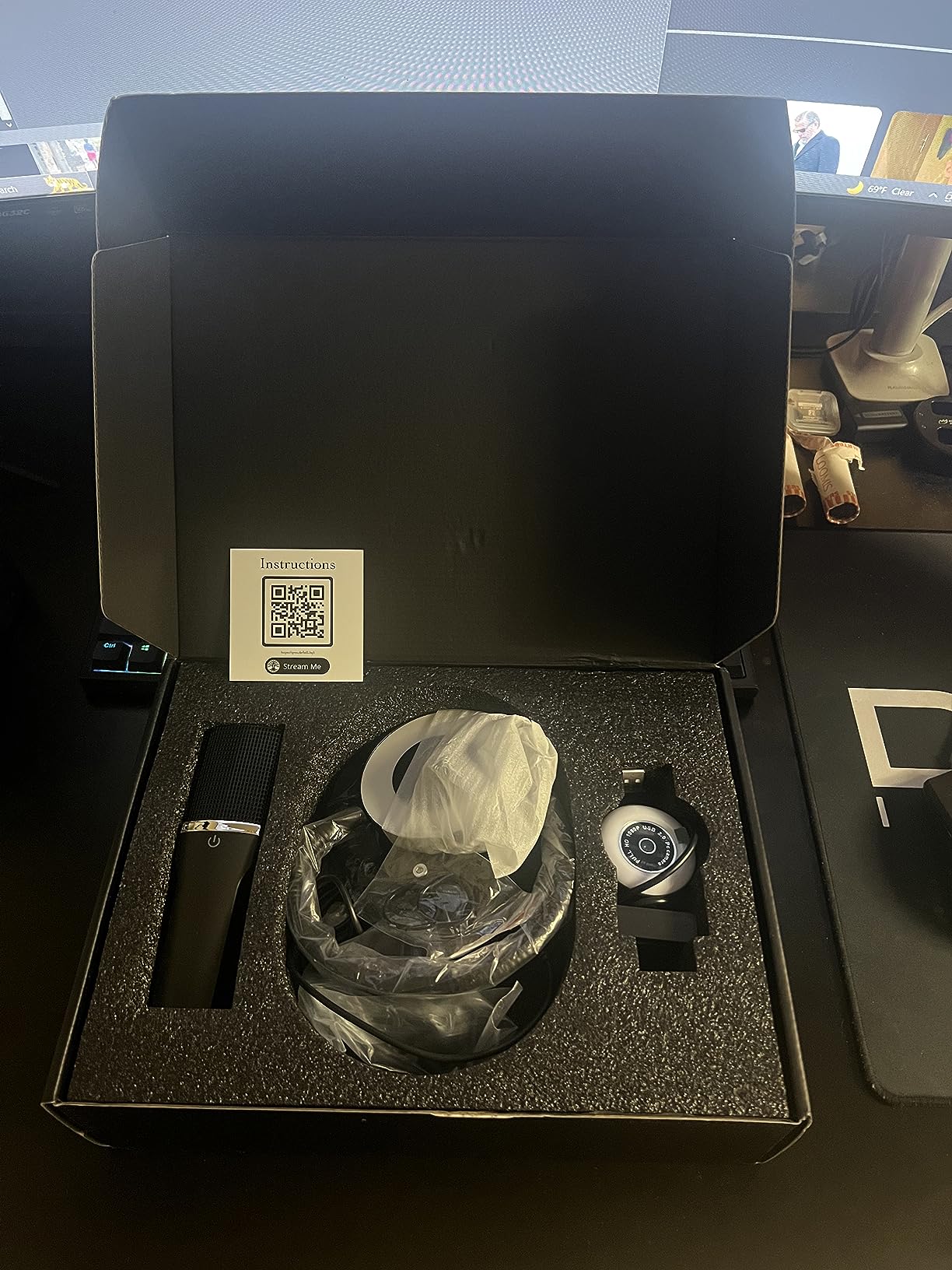
The LED panel is the surprise. CRI 90 plus, five color temperatures, and a memory function for favorite settings makes it more capable than most bundled lights. I have used it as a desk key light for a webinar series, and it punched well above what I expected from a kit at this price.
There are real limitations to know before buying. The kit does not work directly with PS5 or Xbox without a capture card, so console event streamers should plan for the VIXLW or Elgato 4K S alongside it. The on-camera light can also glare on glossy monitors, so I usually bounce it off a wall or ceiling instead of pointing it straight at the host. A few units have shown reliability issues, so I would buy from a retailer with an easy return policy.
For whom it works well
This kit is a strong match for first-time event streamers, small business owners running webinars, and budget church or school broadcast teams who want one purchase that covers the basics. It is also a great gift for someone just starting a side streaming hobby.
For whom it falls short
Anyone already running a quality webcam and a dedicated mic will only want the LED panel from this kit. Console streamers need a capture card on top of it. Studios that need cinematic depth of field or 4K output will outgrow it quickly.
How to Choose the Best Gear for Live Event Streamers
Buying event streaming gear is not the same as buying gaming streaming gear, and that is the first thing our team hammers into anyone new to the team. Gaming setups are stationary, controlled, and have hours to tune. Event setups are temporary, noisy, lit by fluorescent tubes you do not own, and expected to work the first time on a stage you have never seen. Every recommendation in this guide has been picked with that reality in mind.
If you are just starting out, here are the categories I would prioritize and the gear in each category that holds up best in our testing.
Cameras and webcams
For solo hosts at a desk or podium, a 4K webcam like the EMEET S600 is the most cost-effective starting point. For multi-camera event coverage, the Mevo Start with its wireless app-based switching is hard to beat. If you want a true broadcast look, pair a mirrorless body with one of the capture cards below and use a sturdy tripod or monopod to keep the shot steady.
Microphones
Audio matters more than video for keeping an audience watching, and the gap is even wider at live events. A wireless lav like the DJI Mic Mini is the single biggest upgrade you can make because it frees the speaker to move naturally. For an on-camera host, a shotgun like the Rode VideoMic NTG or the wireless COMICA VM30 handles venue noise better than any webcam mic. See our full live event microphone guide for more depth.
Lighting
Most venues look worse on camera than they do in person. A single bi-color LED panel with high CRI is enough to fix 80 percent of bad lighting. For two-point setups, the EMART softbox kit is the cheapest complete solution, and for branded RGB looks the NEEWER 660 PRO is in a class of its own at the price. Always aim CRI 95 plus when you can, especially for skin tones.
Capture cards and encoders
If you are mixing a camera, a console, or a presentation laptop into one stream, a capture card is the bridge. The Elgato 4K S handles 4K60 and HDR with the least fuss, and the VIXLW is a smart budget pick for 1080p60 only. Pair either with OBS Studio, vMix, or Wirecast for the software side.
Audio mixers and sound cards
Once you have more than one mic, you need a mixer or audio interface. The Pyle Pro sound card is a strong starting point for solo hosts, and most mid-size events eventually move to a GoXLR or a small analog mixer. Plan for DSP noise reduction if your event room is anywhere near a server rack or HVAC vent.
Internet and networking
No gear list is complete without talking about bandwidth. A hardwired Ethernet connection is always the most reliable uplink, and a bonded LTE solution is the best backup. We have seen events go dark because someone trusted venue Wi-Fi, so bring a dedicated hotspot and an LTE modem with a strong carrier for your area.
Matching gear to venue type
Match the rig to the venue, not the other way around. A small conference room only needs a webcam, a wireless lav, and a single LED panel. A ballroom with multiple speakers needs at least two cameras, a mixer, and a redundant uplink. An outdoor festival needs weather-aware gear, battery management, and bonded internet. The list above scales with the venue, not with your wish list.
Forum readers on r/streaming and r/videography consistently emphasize three things: do not trust venue Wi-Fi, bring more battery capacity than you think you need, and always have a backup audio path. Our team has followed that advice for two years and the failure rate has dropped to almost nothing.
Frequently Asked Questions
What equipment do I need for live event streaming?
A solid live event streaming rig includes a camera or webcam (4K webcam like the EMEET S600 or a wireless camera like the Mevo Start), a microphone (a wireless lav such as the DJI Mic Mini or a shotgun like the Rode VideoMic NTG), proper lighting (a bi-color LED panel with high CRI), a capture card if you are using a dedicated camera, an audio mixer for multiple mics, and a reliable internet connection (hardwired Ethernet with an LTE backup).
What is the best camera for live event streaming?
For solo hosts at a desk, the EMEET S600 4K webcam is the best value. For multi-camera event coverage, the Mevo Start wireless camera is hard to beat thanks to its built-in Wi-Fi, Ethernet, and LTE streaming and its Auto-Director switching app. For a true broadcast look, pair a mirrorless camera with a capture card such as the Elgato 4K S.
Do I need a capture card for live streaming?
You need a capture card only if you are connecting a camera, a console, or a presentation laptop via HDMI or SDI to your streaming PC. Webcams, the Mevo Start, and most modern cameras with USB-C output do not require a capture card. For 4K HDR streaming, the Elgato 4K S is our top pick. For a 1080p budget setup, the VIXLW capture card works well.
What software do live event streamers use?
Most event streamers use OBS Studio for free, flexible mixing, vMix for professional multi-camera productions with built-in switching and graphics, or Wirecast for established broadcast workflows. For purely wireless setups, the Mevo app can handle switching for up to three cameras. Streamers targeting Twitch, YouTube Live, and Facebook Live can connect all three through OBS with a plugin like StreamYard or restream.io.
How much does it cost to set up a live stream for an event?
A starter live event streaming kit with a good webcam, a wireless lavalier mic, an LED panel, and a budget capture card lands in the mid hundreds. A mid-range multi-camera rig with two or three cameras, a mixer, two softbox lights, and a premium capture card climbs into the low thousands. A full broadcast booth with bonded internet, switchers, and pro lighting can run well into five figures. Most first-time event streamers should start with the all-in-one Abel Gaming kit or a webcam and lav combo before scaling up.
Final Verdict: Building Your Live Event Streaming Rig
After three years of covering events from small webinars to 600-seat conferences, our team’s go-to starting point for the best gear for live event streamers is a small, reliable core: a DJI Mic Mini wireless lav for clean audio, a 4K webcam or the Mevo Start for clean video, a single NEEWER LED panel to fix the lighting, and either the Elgato 4K S or the VIXLW depending on whether 4K is on the brief. Layer in the Pyle Pro sound card or a proper mixer once you are running more than two mics, and always keep an LTE modem in the bag.
Start small, test the full pipeline in a quiet room before the venue load-in, and add gear only when a specific limitation forces the upgrade. That is how our team has built rigs that work under real production pressure, and it is the same approach we recommend for anyone just stepping into live event streaming in 2026. For more depth on each category, browse our microphone roundup and our event camera guide.