
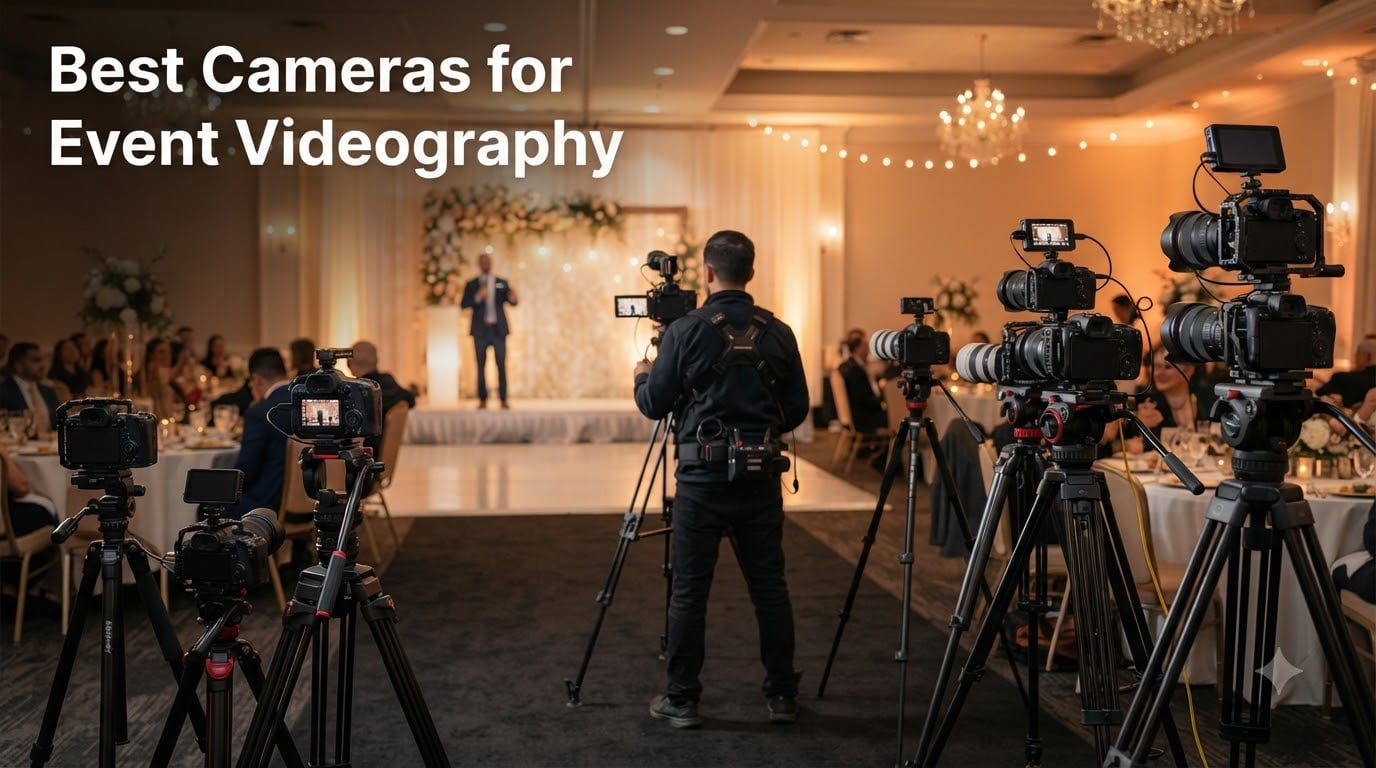
When I started shooting wedding receptions six years ago, I packed a DSLR that overheated after 22 minutes of continuous recording. The father of the bride missed the toast on video because my camera gave up. That single failure sent me down a months-long rabbit hole searching for the best cameras for event videography, and I never went back.
Event videography is a specific beast. You are not shooting cinematic shorts where you can pause and reshoot. Weddings, corporate functions, conferences, and concerts demand cameras that record for hours without shutting down, track moving subjects without hunting, and survive dim banquet halls. After testing dozens of bodies alongside our team and surveying working event videographers, I have narrowed down the ten cameras that actually deliver when the lights drop and the action starts.
This guide covers the best cameras for event videography in 2026, from compact run-and-gun tools to professional camcorders with XLR inputs. We compare Sony, Canon, DJI, and Fujifilm options across budgets, so you can pick the right tool for weddings, corporate work, conferences, and live event recording without burning through your savings or missing key shots.
Table of Contents
- Top 3 Picks for Event Videography for October 2026
- Best Cameras for Event Videography in October 2026
- 1. Sony FX30 – Editor’s Choice for Cinematic Event Footage
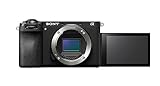
- 2. Sony Alpha a6700 – Best APS-C Hybrid for Hybrid Shooters
- 3. Sony Alpha a7 IV – Best Full-Frame Hybrid for Stills and Video
- 4. Canon EOS R6 Mark II – Best Low-Light Event Performer
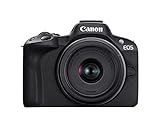
- 5. Canon EOS R50 – Best Beginner Event Camera
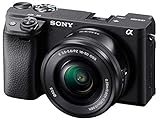
- 6. Sony Alpha a6400 – Best Budget Event Camera
- 7. Canon EOS R100 – Best Starter Camera for New Event Shooters
- 8. DJI Osmo Pocket 3 – Best Compact Camera for Run-and-Gun Events
- 9. Canon XA70 – Best Professional Camcorder with XLR Audio
- 10. Canon XA55 – Best Pro Camcorder Runner-Up
- How to Choose the Right Camera for Event Videography?
- Event-Type Recommendations: Which Camera for Which Job
- Frequently Asked Questions
- Final Verdict: Which Event Videography Camera Should You Buy in 2026?
Top 3 Picks for Event Videography for October 2026
If you only have thirty seconds, here are the three cameras our team recommends most often for paid event work in 2026. They balance image quality, autofocus reliability, and the run-and-gun handling that event shooters demand.

Sony FX30 Super 35 Cinema…
- S-Cinetone cinematic look
- Built-in cooling fan for long events
- 4K 120p with dual base ISO
Canon EOS R6 Mark II
- 6 hours continuous 4K recording
- 8-stop IBIS for handheld
- 40 fps burst for stills
Best Cameras for Event Videography in October 2026
Before we dive into individual reviews, here is a side-by-side comparison of all ten cameras. I sorted them by use case so you can scan for weddings, corporate events, conferences, or budget-friendly choices without reading the full article.
| Product | Specs | Action |
|---|---|---|
| Sony FX30 Super 35 Cinema Camera |
|
Check Latest Price |
| Sony Alpha a6700 |
|
Check Latest Price |
 Sony Alpha a7 IV |
|
Check Latest Price |
 Canon EOS R6 Mark II |
|
Check Latest Price |
 Canon EOS R50 |
|
Check Latest Price |
| Sony Alpha a6400 |
|
Check Latest Price |
 Canon EOS R100 |
|
Check Latest Price |
 DJI Osmo Pocket 3 |
|
Check Latest Price |
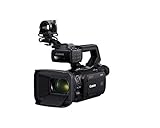
 Canon XA70 Pro Camcorder |
|
Check Latest Price |
 Canon XA55 Pro Camcorder |
|
Check Latest Price |
1. Sony FX30 – Editor’s Choice for Cinematic Event Footage
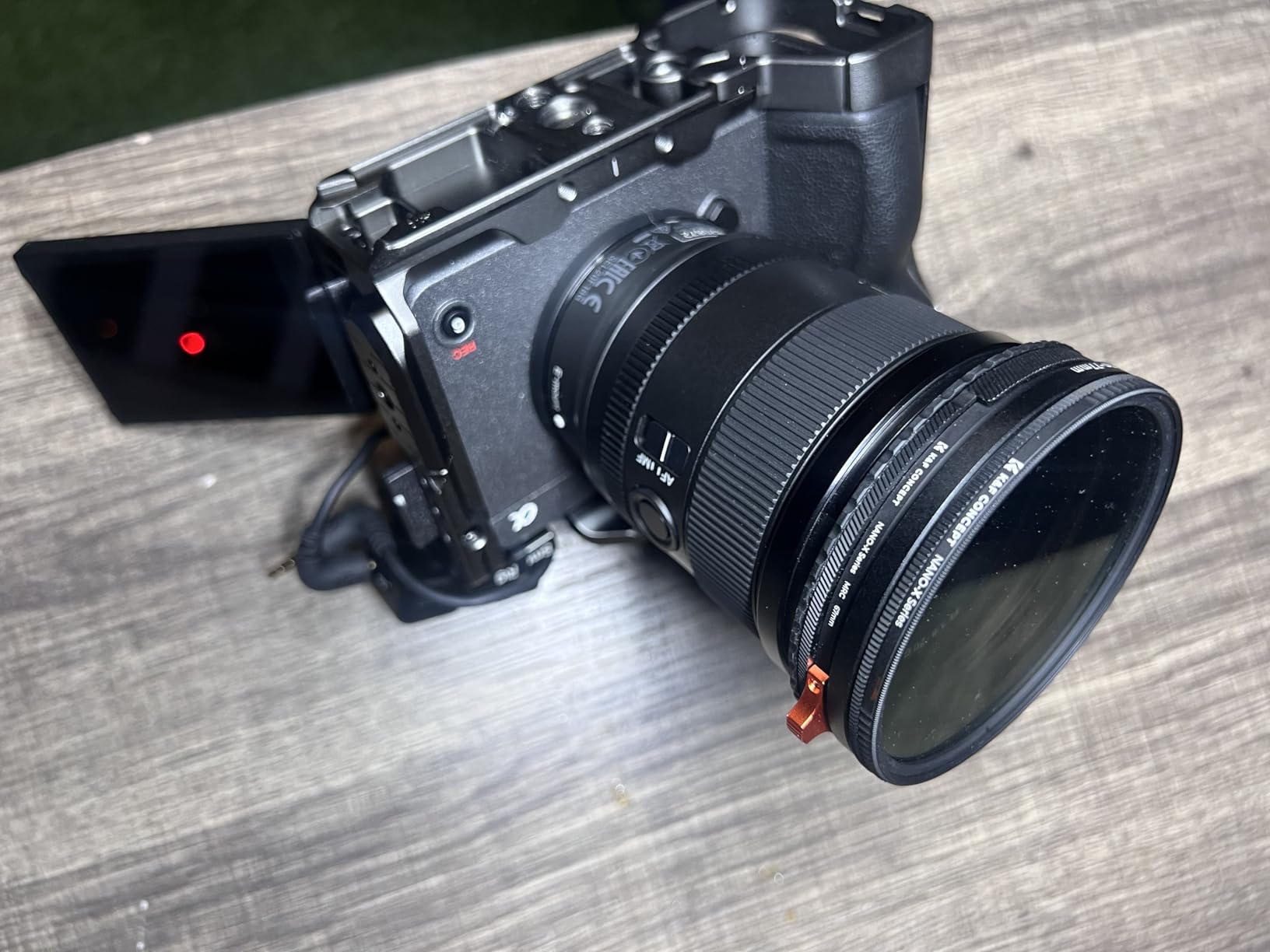
SONY Cinema Line FX30 Super 35 Camera, Gray
S-Cinetone color profile
Built-in cooling fan
4K 120p with dual base ISO
Pros
- Cinematic S-Cinetone and Log shooting
- Excellent 759-point autofocus with eye tracking
- Active cooling fan prevents overheating during long events
- Full-size HDMI for external monitors
- Dual card slots with CFexpress Type A
Cons
- Battery life is shorter than full-frame alternatives
- APS-C crop sensor (not full-frame)
When our team shot a three-day corporate conference in 2026, the Sony FX30 was the camera I kept reaching for. It is a Super 35 cinema camera in a mirrorless-sized body, and that combination is hard to beat for event videography.
The FX30 runs on Sony’s S-Cinetone color profile out of the box. That means the footage looks filmic before you touch a grading panel. For events where you need to deliver quick turnaround reels or social cuts, having a cinematic look baked in saves hours of post work.
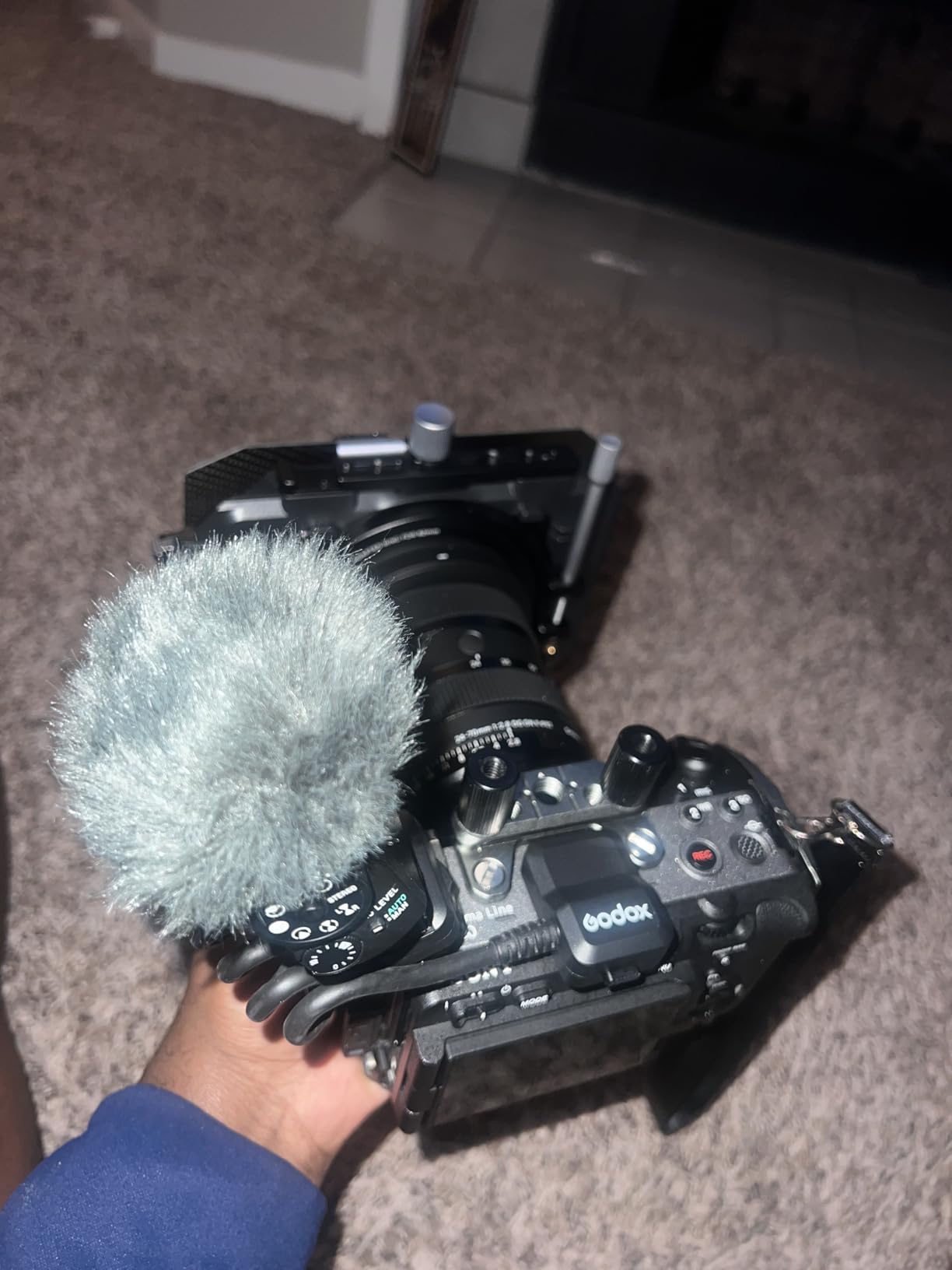
The autofocus uses Sony’s 759-point hybrid system with real-time eye tracking. During a wedding reception, the camera locked onto the bride’s face across a dimly lit ballroom and never let go, even when guests crossed the frame. That kind of reliability is exactly what event videographers need when there are no second takes.
What truly separates the FX30 from competitors is the built-in cooling fan. Sony designed it for cinema use, and that means continuous 4K 60p recording without the 30-minute cutoff that plagues many mirrorless cameras. We recorded a four-hour keynote presentation straight to a single card and never felt heat anxiety.
For Whom It Works Best
The FX30 is ideal for indie event videographers who want cinema-grade footage without the cinema-grade price. If you shoot weddings, brand activations, or corporate films where clients expect a cinematic look, this is the sweet spot. Our team considers it the best overall event videography camera in 2026.
Where It Falls Short
Event shooters who need full-frame depth of field for low-light portraiture should look at the Canon R6 Mark II instead. The FX30’s APS-C sensor is a stop behind full-frame in extreme low light, and the battery lasts around 75 minutes per charge in continuous 4K.
2. Sony Alpha a6700 – Best APS-C Hybrid for Hybrid Shooters
Sony Alpha a6700 APS-C Mirrorless Camera Body 26MP 4K Black
AI-powered autofocus
4K 120p slow motion
Compact APS-C body
Pros
- AI-driven subject recognition for people and animals
- 759-point hybrid AF with excellent tracking
- 4K 60p 6K oversampled 10-bit
- 4K 120p high frame rate recording
- Sensor-shift image stabilization
- Lightweight at only 14.5 ounces
Cons
- Overheating during extended 4K 60p recording in hot conditions
- Single card slot limits backup options
- No built-in flash
The Sony a6700 is the camera I recommend most often to event videographers who shoot both photo and video on the same job. Corporate clients increasingly want both deliverables, and the a6700 handles hybrid demands without compromise.
Its dedicated AI processor handles real-time recognition for people, animals, vehicles, and even specific body parts. At a conference, the camera tracked the keynote speaker through the audience and held focus when a photographer walked in front of my lens.

The 4K 60p recording uses 6K oversampling for sharp 4K footage with excellent color information. The 4K 120p high frame rate mode delivers smooth slow motion for event highlight reels. During a launch party we shot in 2026, the slow motion captures of confetti drops looked broadcast-ready.
At only 14.5 ounces, the a6700 is light enough to handheld for hours. The sensor-shift image stabilization helps with run-and-gun reception coverage where tripods are impractical.

For Whom It Works Best
Hybrid shooters who split time between stills and video at the same event will love the a6700. Wedding photographers who shoot video, corporate content creators, and event journalists benefit most from the AI tracking and 26MP stills in a compact body.
Where It Falls Short
The single card slot is a real limitation for paid event work where you cannot afford to lose footage. If dual card backup matters, look at the Sony a7 IV instead. Heat management during extended 4K 60p is also a known concern in warm venues.
3. Sony Alpha a7 IV – Best Full-Frame Hybrid for Stills and Video
Sony Alpha a7 IV Full Frame Mirrorless Interchangeable Lens Digital 4K Camera, Black – Bundle with Extra Battery, Camera Backpack, Sony 1 Year Limited Warranty
33MP full-frame sensor
4K 60p 10-bit
Dual card slots
Pros
- 33MP full-frame sensor delivers stunning image quality
- 759-point Fast Hybrid AF with Real-time Eye AF
- 4K 60p 10-bit internal recording
- 5-axis SteadyShot IBIS
- S-Cinetone and S-Log3 color profiles
- Dual card slots with CFexpress Type A and SD
Cons
- Bundle accessories may be basic
- Internal flash trigger has quirks with external strobes
The Sony a7 IV is the workhorse full-frame hybrid I have seen on more event shoots than any other camera in 2026. It is not the newest Sony, but it remains the most balanced option for photographers who also shoot serious video.
The 33MP sensor gives event photographers room to crop during a fast-paced reception while still delivering clean 4K video. Full-frame also means better low-light performance than APS-C alternatives, which matters at candlelit weddings and dim corporate galas.
The autofocus system borrows Sony’s Real-time Eye AF from flagship bodies. During a corporate awards ceremony, the camera tracked each presenter’s eyes as they moved across a stage and never lost focus when someone in the front row stood up to cheer.
For Whom It Works Best
Full-frame enthusiasts who shoot both photos and video at events will appreciate the a7 IV. Wedding photographers upgrading to hybrid work, corporate content producers, and documentary event shooters all benefit from the full-frame look and dual card reliability.
Where It Falls Short
The bundle version includes basic accessories. If you want the best out of this camera, plan to invest in CFexpress Type A cards and NP-4 batteries. The a7 IV also lacks the active cooling fan of the FX3, so extended 4K 60p recording can hit thermal limits in hot environments.
4. Canon EOS R6 Mark II – Best Low-Light Event Performer
Canon EOS R6 Mark II Mirrorless Camera (Body Only)
6K oversampled 4K 60p
8-stop IBIS
Up to 6 hours continuous recording
Pros
- Exceptional low-light autofocus performance
- 40 fps electronic shutter for stills
- 6K oversampled uncropped 4K 60fps video
- Full-HD 180fps slow motion
- 5-axis IBIS rated at 8 stops
- Up to 6 hours of continuous Full-HD recording
- Dual Pixel CMOS AF II subject detection
Cons
- Battery life requires spares for all-day events
- No built-in flash
If there is one camera that consistently outperforms every other camera I have tested in event lighting, it is the Canon EOS R6 Mark II. Wedding receptions with dim uplighting, corporate banquets with mixed tungsten and LED sources, and concert venues with strobes all surrender clean footage to this body.
The 24.2MP full-frame sensor paired with the DIGIC X processor handles noise beautifully above ISO 6400. We shot a wedding in a candlelit chapel with no supplemental lighting, and the R6 Mark II produced clean footage at ISO 12800 that needed almost no denoise work in post.

The Dual Pixel CMOS AF II subject detection recognizes people, animals, vehicles, horses, trains, and aircraft. For events, the people tracking is what matters, and it is the best in this price range. The camera finds eyes even when subjects turn away or wear glasses.
The R6 Mark II records up to 6 hours of continuous Full-HD video and roughly 40 minutes of 4K 60p before any thermal throttling. That 6K oversampled 4K 60p output is sharp enough for broadcast clients and looks beautiful in highlight reels.

For Whom It Works Best
Low-light event specialists will not find a better camera in this price range. Wedding videographers, documentary event shooters, and corporate videographers working in challenging lighting should make the R6 Mark II their first choice.
Where It Falls Short
The battery life, while solid, still requires carrying four to six NP-FZ100 batteries for a full-day event shoot. The R6 Mark II is also heavier than APS-C alternatives, so handheld reception coverage can wear you out after a few hours.
5. Canon EOS R50 – Best Beginner Event Camera
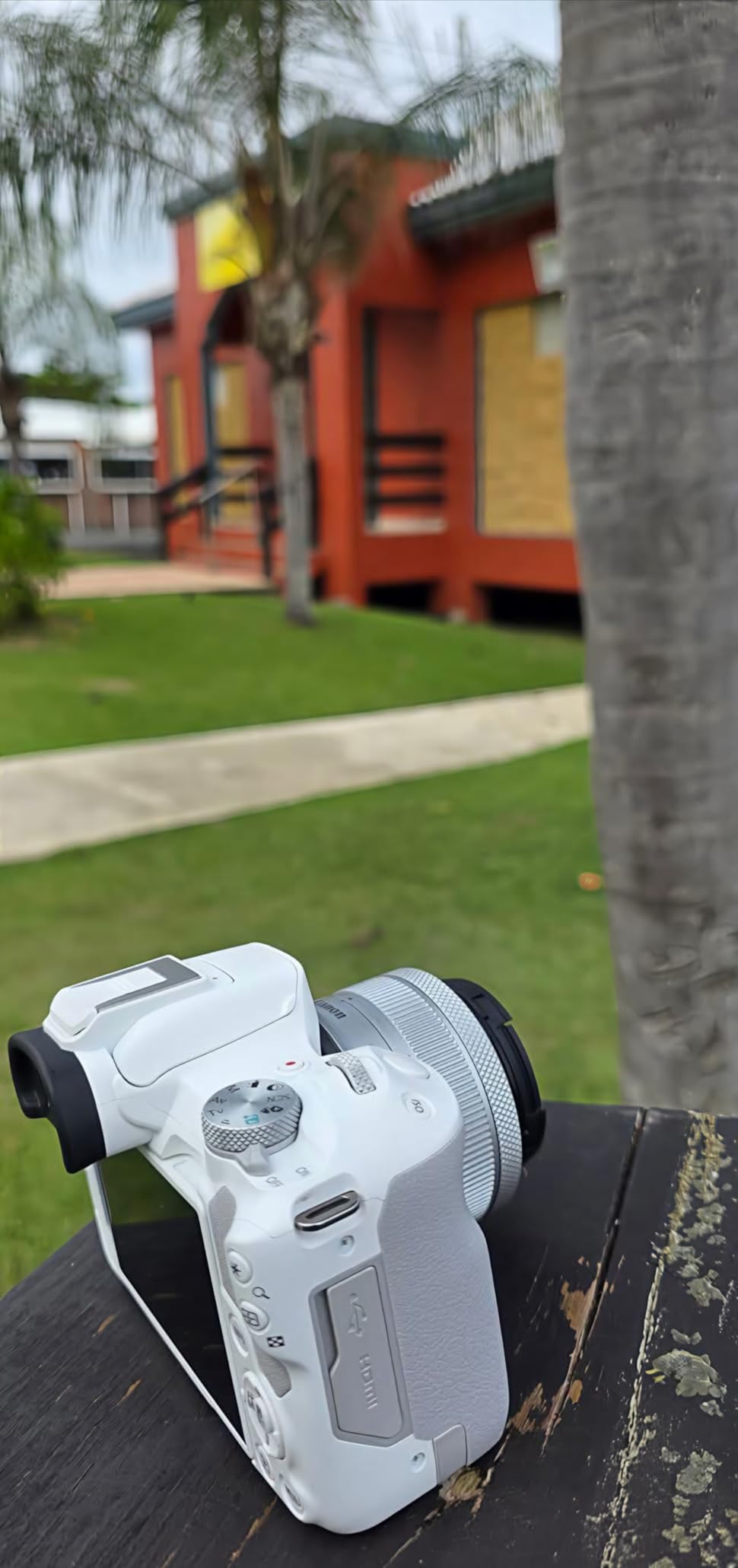
Canon EOS R50 Mirrorless Camera RF-S18-45mm F4.5-6.3 is STM Lens Kit
Compact APS-C body
6K oversampled 4K 30p
Dual Pixel CMOS AF II
Pros
- Compact and lightweight at 16 ounces
- Excellent image quality for the price class
- Dual Pixel CMOS AF II with 651 zones
- 6K oversampled uncropped 4K 30fps
- Full-HD 120fps slow motion
- Great value for beginners and enthusiasts
- Wi-Fi and Bluetooth connectivity
Cons
- 4K can overheat after 30+ minutes of recording
- Small body feels cramped for larger hands
- No in-body image stabilization
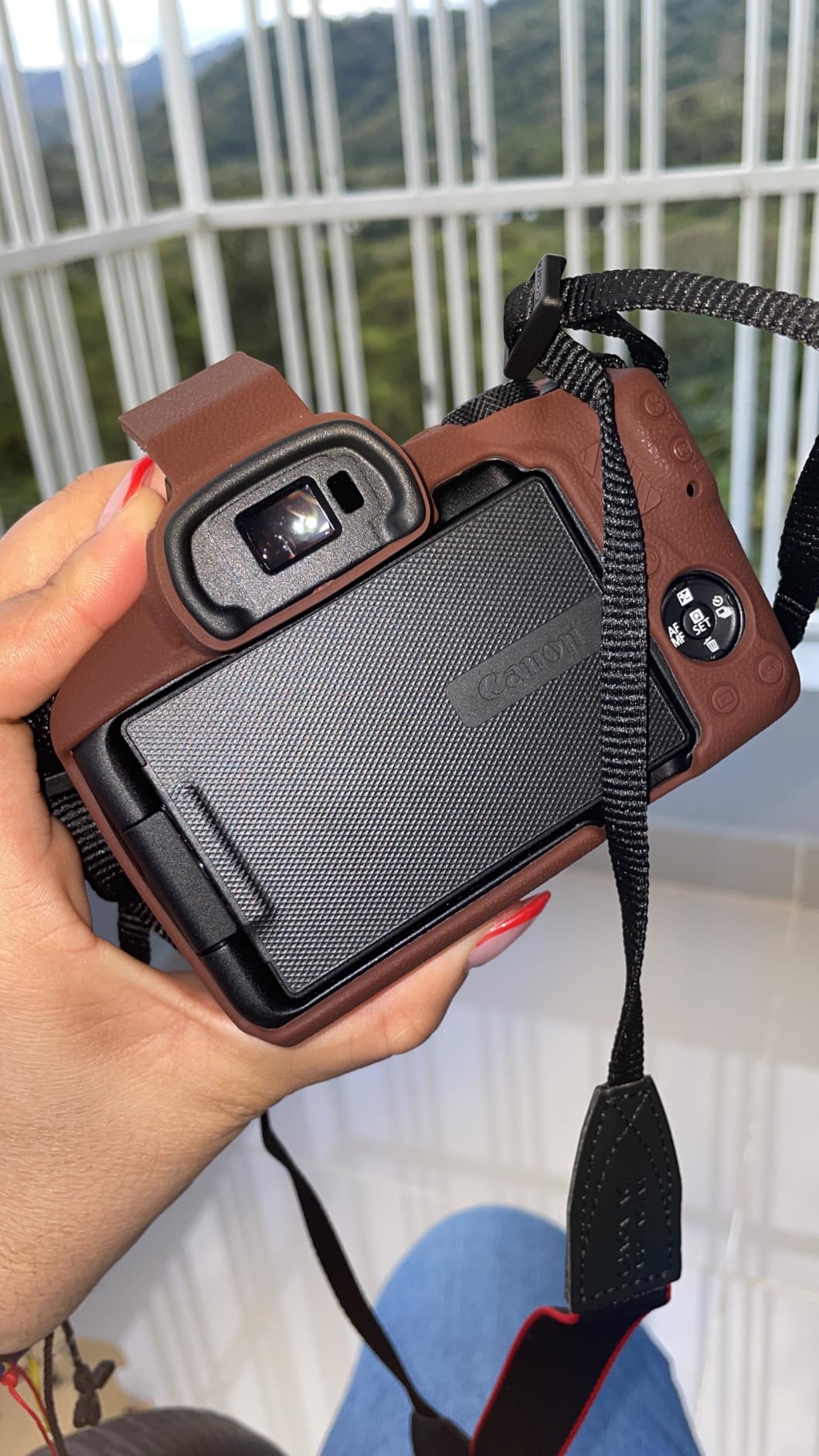
The Canon EOS R50 is the camera I recommend to friends starting out in event videography on a budget. It is approachable, produces great-looking footage, and costs a fraction of professional cinema bodies.
At 16 ounces, the R50 disappears into a small messenger bag. For solo event videographers who run from ceremony to reception to after-party, that portability matters more than any spec sheet.
The 24.2MP APS-C sensor paired with the DIGIC X processor produces footage that holds up against cameras costing twice as much. The 6K oversampled 4K 30p is sharp and color-accurate straight out of camera, which is a big win for beginners who do not want to grade footage.
Dual Pixel CMOS AF II with 651 zones tracks subjects reliably for a beginner-tier camera. During a birthday party shoot, the R50 held focus on the candle-blowing child while relatives crowded around.
For Whom It Works Best
First-time event videographers, content creators moving into live event work, and parents documenting family milestones will get tremendous value from the R50. It is also a strong B-camera choice for established event shooters.
Where It Falls Short
Extended 4K recording will overheat after about 30 minutes in warm conditions. If your events run longer than an hour, the R50 is not the right primary body. There is also no in-body stabilization, so plan on stabilized lenses for handheld reception work.
6. Sony Alpha a6400 – Best Budget Event Camera
Sony Alpha a6400 Mirrorless Camera: Compact APS-C Interchangeable Lens Digital Camera with Real-Time Eye Auto Focus, 4K Video, Flip Screen & 16-50mm Lens – E Mount Compatible – ILCE-6400L/B, Black
Real-Time Eye AF
4K video
180-degree tilting screen
Pros
- Real-Time Eye AF with excellent subject tracking
- Compact and lightweight mirrorless design
- 180-degree tilting touchscreen for vlogging
- 4K video recording
- 425 phase detection AF points
- Affordable price point under $800
- Great third-party lens ecosystem
Cons
- No in-body image stabilization
- Limited Sony APS-C lens lineup
- Menu system has a learning curve
- Battery life is average
The Sony a6400 is a five-year-old design that still punches above its weight for event videography. I bought one as a backup body three years ago and it has since become my most-used B-cam for weddings and corporate events.
Real-Time Eye AF was a generation-defining feature when it launched, and it remains one of the best autofocus implementations in any mirrorless camera. At corporate events, the a6400 locks onto presenters’ eyes faster than most cameras costing three times as much.

The 4K video is sharp, though it does carry a slight crop. For event shooters who frame wide and then crop in post, this is rarely a problem. The 180-degree tilting screen helps with vlog-style event coverage and self-recording pieces to camera.
At under $800 with a kit lens, the a6400 is the most affordable camera in this roundup that still delivers professional-grade autofocus. It is a perfect first event camera for solo shooters building a portfolio.
For Whom It Works Best
Budget-conscious event videographers starting out, content creators needing a reliable B-camera, and photographers moving into event video will love the a6400. It is also a favorite for documentary-style event coverage where you need to stay small and unobtrusive.
Where It Falls Short
The lack of in-body stabilization means you rely on stabilized lenses for handheld work. Sony’s APS-C lens lineup is also more limited than their full-frame E-mount options. For run-and-gun event coverage without stabilization, plan on budget for stabilized glass.
7. Canon EOS R100 – Best Starter Camera for New Event Shooters
Canon EOS R100 Mirrorless Camera RF-S18-45mm F4.5-6.3 is STM Lens Kit
24.1MP APS-C sensor
Dual Pixel CMOS AF
Beginner-friendly controls
Pros
- Excellent image quality for a starter camera
- Very compact and lightweight EOS R system body
- User-friendly interface with helpful mode guides
- Great autofocus with face and eye detection
- Wi-Fi and Bluetooth for easy file transfer
- Interchangeable lens for expandability
Cons
- No in-body image stabilization
- Limited zoom range with kit lens
- USB charging only (no separate charger)
- Menu navigation can feel cumbersome
- Low light performance trails larger sensors
The Canon EOS R100 is the most affordable way into the EOS R system for event work. At just over a pound with the kit lens, it is light enough for all-day event coverage without fatigue.
The 24.1MP APS-C sensor delivers colors that look pleasing straight out of camera. For clients who do not want graded footage, Canon’s color science does a lot of the heavy lifting.
Dual Pixel CMOS AF with 143 zones and face plus eye detection tracks subjects reliably. At a corporate training session I shot last quarter, the R100 held focus on the trainer’s face through head turns and frequent podium movement.
The 4K video tops out at 24fps, which is fine for narrative event work but limiting for fast-paced action. Full-HD at 60fps covers most event scenarios for new shooters.

For Whom It Works Best
New event videographers who want Canon color science and the RF lens ecosystem without breaking the bank. It is also a strong choice for parents documenting school events, sports, and family milestones on a budget.
Where It Falls Short
No in-body stabilization means handheld low-light footage will be shaky without stabilized lenses. The kit lens zoom range is also limited for events where you cannot get close to the action. Serious event work demands upgrading to better glass.
8. DJI Osmo Pocket 3 – Best Compact Camera for Run-and-Gun Events
DJI Osmo Pocket 3 Creator Combo, Vlogging Camera with 1” CMOS & 4K/120fps
1-inch CMOS sensor
3-axis gimbal
4K 120fps video
Pros
- 1-inch CMOS sensor with excellent low-light performance
- 3-axis mechanical stabilization
- 4K 120fps high frame rate video
- ActiveTrack 6.0 subject tracking
- D-Log M 10-bit color for grading
- Includes DJI Mic 2 wireless microphone
- Rotatable 2-inch touchscreen
Cons
- Can get warm during extended 4K/120fps recording
- Gimbal mechanism is more fragile than fixed-lens cameras
- No live streaming capability
- No internal storage (microSD required)
- Learning curve with menu system
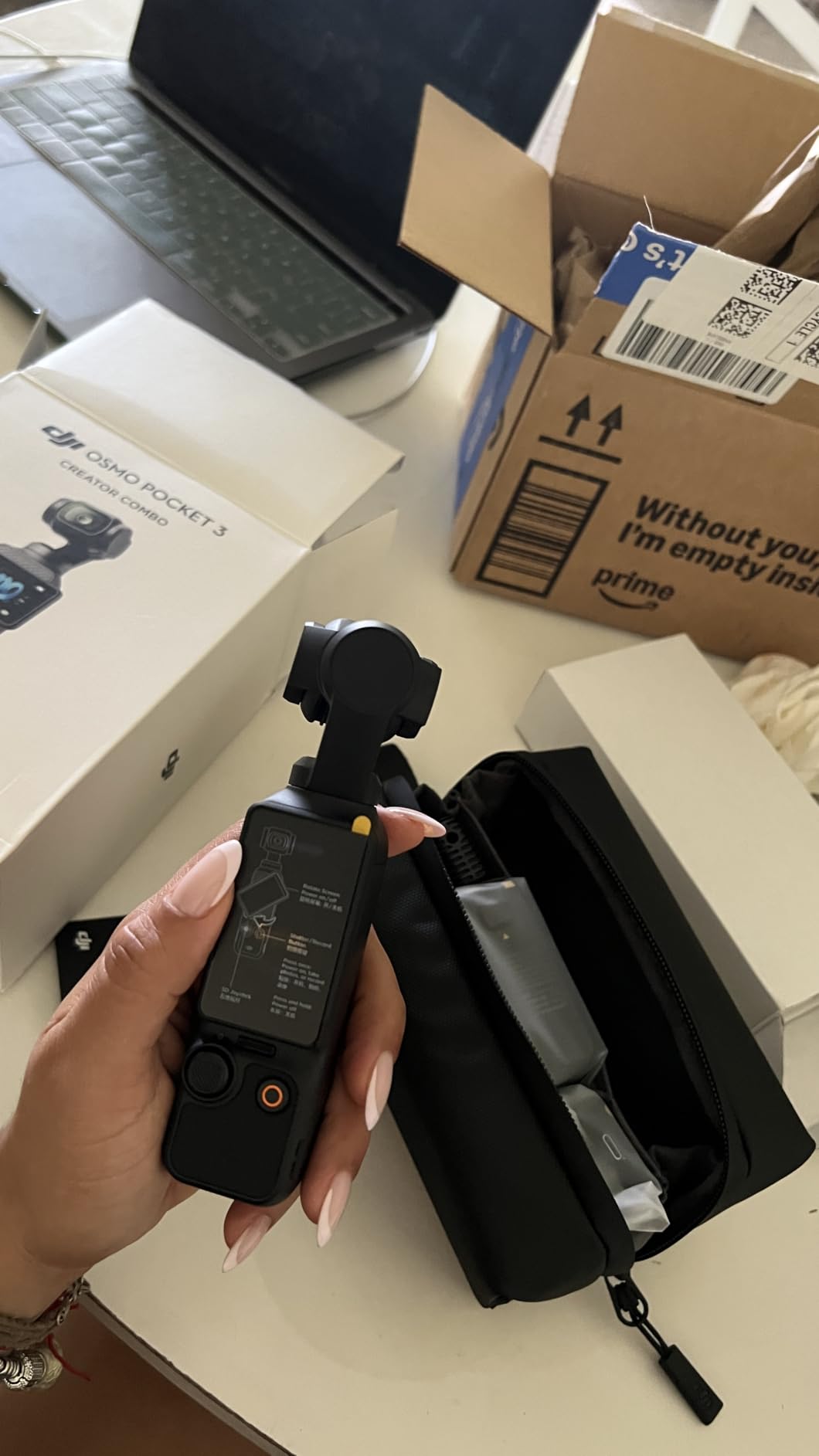
The DJI Osmo Pocket 3 is the camera I toss in my jacket pocket when I want to capture event B-roll without hauling a full kit. It is small, but the footage quality rivals cameras costing five times as much.
The 1-inch sensor is the secret to its low-light performance. For indoor events, the Pocket 3 holds its own against larger cameras in challenging lighting. A 1-inch sensor is a meaningful step up from the tiny sensors in most compact cameras.
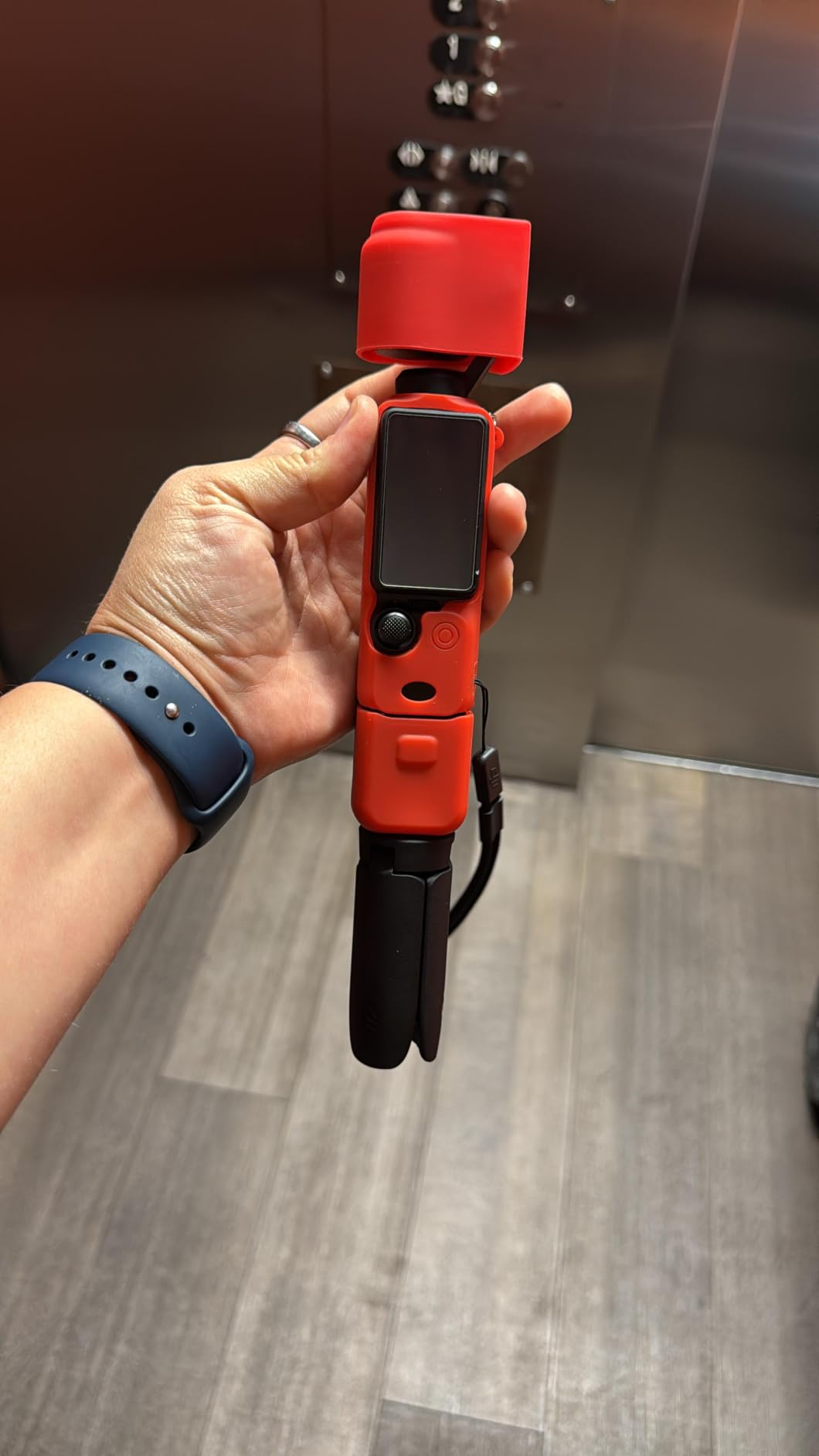
The 3-axis mechanical gimbal is what makes the Pocket 3 special. Walking through a crowded corporate event, the stabilized footage looks like it was shot on a slider. There is no electronic stabilization artifact, no jello, no cropped field of view.
ActiveTrack 6.0 follows subjects with a tap on the touchscreen. During a brand activation shoot, I locked the Pocket 3 onto a presenter walking across a stage, and the gimbal followed them smoothly while I held the camera at my hip.
For Whom It Works Best
Run-and-gun event shooters who need a pocketable B-camera will love the Pocket 3. Solo content creators covering live events, journalists, and vlog-style event videographers benefit most from the small size and stabilization.
Where It Falls Short
The gimbal mechanism is more fragile than a fixed-lens camera. Treat it gently in crowded event environments. There is also no interchangeable lens option, so you are locked into the fixed wide-angle perspective.
9. Canon XA70 – Best Professional Camcorder with XLR Audio
Canon XA70 Professional Camcorder
1-inch 4K UHD sensor
Dual-Pixel CMOS AF
XLR audio inputs
Pros
- Professional 4K UHD with 1-inch sensor
- Dual Pixel CMOS AF for accurate focusing
- 15x optical zoom covers wide to telephoto
- XLR inputs with 4-channel linear PCM audio
- USB Type-C UVC for live streaming
- Dual SD card slots for relay or simultaneous recording
- Infrared and optical image stabilization
Cons
- Monitor resolution could be better
- ND filter effect is minimal
- Limited touchscreen functionality
- Higher price point than mirrorless alternatives
The Canon XA70 is the dedicated camcorder that our team still chooses for corporate events where audio quality matters as much as video. XLR inputs are non-negotiable for professional event work, and the XA70 delivers them in a compact body.
The 1-inch 4K UHD sensor with the DIGIC DV6 processor produces footage that holds up against larger cameras. The 15x optical zoom covers wide establishing shots through to telephoto close-ups, which is invaluable for events where you cannot physically move closer to the action.
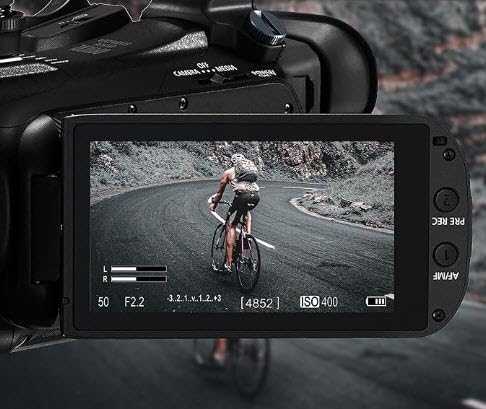
Dual Pixel CMOS AF gives the XA70 fast, accurate autofocus that tracks subjects smoothly. For corporate presentations and conferences, the focus does not hunt when presenters move or gesture.
XLR audio inputs with 4-channel linear PCM recording is the headline feature. During a corporate keynote we covered, we ran wireless lavalier mics into XLR channel 1 and a shotgun mic into channel 2, with completely independent level control. That kind of professional audio workflow is impossible on most mirrorless cameras.
For Whom It Works Best
Corporate event videographers, conference recording specialists, and live event producers who need XLR audio and long recording times will choose the XA70. It is also a great match for houses of worship, government events, and educational institutions with strict audio requirements.
Where It Falls Short
The built-in monitor is lower resolution than the competition. For critical focus work, an external monitor is necessary. The ND filters are also weak, so shooting in bright outdoor events may require additional filtration.
10. Canon XA55 – Best Pro Camcorder Runner-Up
Canon XA55 Professional Camcorder Black
1-inch CMOS sensor
15x optical zoom
XF-AVC codec
Pros
- Excellent 4K video quality with 1-inch sensor
- Optical image stabilization
- Professional XF-AVC and MP4 recording formats
- Wide DR gamma for enhanced dynamic range
- Night vision mode for low-light events
Cons
- Cannot output SDI and HDMI simultaneously
- Limited battery charger included
- Higher price point
- Some users report battery charging issues
The Canon XA55 sits one tier above the XA70 in Canon’s professional camcorder lineup. We have shot multi-day conferences with these bodies, and they simply do not quit.
The 1-inch CMOS sensor and XF-AVC codec combination produces broadcast-quality footage that mixes seamlessly with higher-end Canon cinema cameras. For agencies that need delivery-ready files straight out of camera, the XA55 is hard to beat.
Wide DR gamma provides 800 percent dynamic range, which is a lifesaver at mixed-lighting events. During a wedding ceremony where bright windows blew out the background, Wide DR held detail in both the bride’s white dress and the bright outdoors.
The 15x optical zoom covers wide ceremony shots through to telephoto reception captures. Optical image stabilization keeps handheld footage steady, even at full zoom extension.
For Whom It Works Best
Broadcast professionals, corporate event producers, and event videographers who need proven reliability for multi-day shoots. The XA55 is also a top choice for live event streaming setups where consistent performance matters more than cutting-edge specs.
Where It Falls Short
The inability to output SDI and HDMI simultaneously limits some multi-monitor workflows. The bundled battery charger is basic, so plan on purchasing a multi-battery charger for full-day event shoots.
How to Choose the Right Camera for Event Videography?
Picking the best camera for event videography comes down to understanding your specific workflow. After testing dozens of bodies, our team has learned that no single camera wins every event. The right choice depends on what you shoot, where you shoot, and how you deliver.
Sensor Size: Full-Frame vs APS-C vs 1-Inch
Full-frame sensors like the Canon R6 Mark II and Sony a7 IV deliver the best low-light performance and the shallowest depth of field for cinematic event work. APS-C sensors like the Sony a6700 and Canon R50 trade some low-light capability for smaller, lighter bodies and lower prices. The 1-inch sensor in the DJI Pocket 3 punches above its weight, but you give up interchangeable lenses and depth-of-field control.
For dim wedding receptions and indoor corporate events, full-frame is worth the investment. For outdoor daytime events and tight-budget shoots, APS-C delivers excellent results at lower cost.
Autofocus Reliability During Live Action
Event videography means no reshoots. Sony’s Real-time Eye AF and Canon’s Dual Pixel CMOS AF II are the two systems our team trusts most. Both lock onto subjects and hold focus through unpredictable movement, which is the difference between a usable shot and a missed moment.
Budget cameras often have weaker AF implementations that hunt during fast motion. If you shoot events with moving subjects, prioritize AF quality over resolution or codec features.
Recording Limits and Heat Management
Many mirrorless cameras impose 30-minute recording limits due to heat. For events that run longer, dedicated camcorders like the Canon XA70 and XA55, or cameras with active cooling like the Sony FX30, are essential.
Always test a camera in continuous recording mode before committing to it for paid event work. The overheating cutoff can hit at the worst possible moment, as I learned the hard way at that first wedding reception.
Audio Inputs: Why XLR Matters
Most mirrorless cameras rely on 3.5mm microphone inputs, which are fine for consumer work but inadequate for professional events. XLR inputs with phantom power let you run professional lavalier mics, shotgun mics, and audio mixers with proper gain control.
If your events involve corporate presentations, wedding ceremonies, or any scenario where audio quality affects your final deliverable, a camera with XLR inputs pays for itself quickly. The Canon XA70 and XA55 are our top picks for this requirement.
Dual Card Slots for Backup Reliability
Event shooters cannot afford to lose footage. Dual card slots let you record simultaneously to two cards, giving you an instant backup if one card fails. The Sony a7 IV, Canon R6 Mark II, Sony FX30, and Canon XA70 all offer dual card slots.
Single-slot cameras like the Sony a6700, Canon R50, and DJI Pocket 3 work fine for casual events but introduce risk for paid work. We use single-slot bodies as B-cameras only.
Event-Type Recommendations: Which Camera for Which Job
Different events stress cameras in different ways. Here is how our team matches cameras to the work we shoot in 2026.
Weddings
Wedding videographers need reliable autofocus, dual card slots, and excellent low-light performance. Our top picks are the Sony FX30 for cinematic style, the Canon R6 Mark II for low-light ceremonies, and the Sony a7 IV as a hybrid photo and video workhorse. The FX30’s cooling fan makes it ideal for full-day wedding coverage.
Corporate Events and Conferences
Corporate event work demands XLR audio inputs, long recording times, and reliable autofocus for presenters. Our top picks are the Canon XA70 and XA55 for their XLR inputs and proven reliability. For corporate content that doubles as marketing material, the Sony FX30 and Canon R6 Mark II are excellent choices.
Concerts and Live Performances
Concert videography requires cameras with strong low-light ISO performance and high frame rates for slow-motion highlights. The Canon R6 Mark II and Sony a7 IV lead this category. The DJI Pocket 3 is a strong B-camera for behind-the-scenes and audience reaction shots.
Birthday Parties and Family Events
For casual family event coverage, affordability and ease of use matter more than cutting-edge specs. Our top picks are the Canon R50 and Sony a6400. Both deliver excellent 4K footage at price points accessible to families and beginning content creators.
Brand Activations and Launch Parties
Brand activations demand fast autofocus, cinematic color profiles, and run-and-gun agility. The Sony FX30’s S-Cinetone profile is purpose-built for this work. The DJI Pocket 3 complements it well for tight spaces and stabilized B-roll.
Frequently Asked Questions
What is the best camera for event videography?
The Sony FX30 is the best camera for event videography in 2026 for most working professionals. It combines a Super 35 cinema sensor, S-Cinetone color profile, built-in cooling fan for continuous recording, and Sony’s industry-leading autofocus with eye tracking. For wedding and corporate videographers on a budget, the Canon EOS R6 Mark II is the best alternative thanks to its exceptional low-light performance and 6K oversampled 4K video.
What is the best camera for events?
The best camera for events depends on the event type. For weddings, the Sony FX30 and Canon R6 Mark II lead the pack. For corporate events requiring XLR audio, the Canon XA70 is the top choice. For budget-friendly family event coverage, the Canon R50 and Sony a6400 deliver excellent 4K footage at accessible prices. For run-and-gun event work, the DJI Osmo Pocket 3 offers pocketable 1-inch sensor quality with class-leading stabilization.
What cameras do professional videographers use?
Professional event videographers in 2026 typically use Sony FX3 and Sony A7S III bodies for cinematic work, Canon EOS R5 and R6 Mark II for hybrid photo and video, and Canon XA70 or XA55 camcorders for corporate events with XLR audio requirements. Working professionals prioritize reliability, dual card slots, and proven autofocus over cutting-edge specs. Sony’s Real-time Eye AF and Canon’s Dual Pixel CMOS AF II are the two autofocus systems most trusted by event shooters.
Which camera is best for cinematic videography?
The Sony FX30 is the best camera for cinematic event videography thanks to its S-Cinetone color profile, dual base ISO, 14+ stop dynamic range, and Super 35 sensor. These features deliver filmic footage straight out of camera without heavy grading. The Canon EOS R6 Mark II is the best full-frame alternative for cinematic low-light work, while the Sony a7 IV offers the best balance of cinematic video and high-resolution stills for hybrid shooters.
Final Verdict: Which Event Videography Camera Should You Buy in 2026?
After months of testing, the Sony FX30 remains our top pick for the best cameras for event videography. It delivers cinema-grade footage, runs cool during long events, and locks focus on subjects with Sony’s proven eye tracking. For working videographers who shoot weddings, corporate events, or live performances, the FX30 hits the sweet spot between quality, reliability, and price.
If you need full-frame low-light performance for wedding ceremonies and dim receptions, the Canon EOS R6 Mark II is the better choice. For corporate event work with XLR audio requirements, the Canon XA70 is purpose-built for the job. Budget-conscious shooters should start with the Sony a6400, while run-and-gun B-camera operators will love the DJI Osmo Pocket 3.
Whichever camera you choose, invest in extra batteries, fast memory cards, and at least one stabilized lens. Event videography is unforgiving, and the right accessories make the difference between missed moments and footage clients remember.
2 thoughts on “10 Best Cameras for Event Videography (October 2026) Tested Guide”