
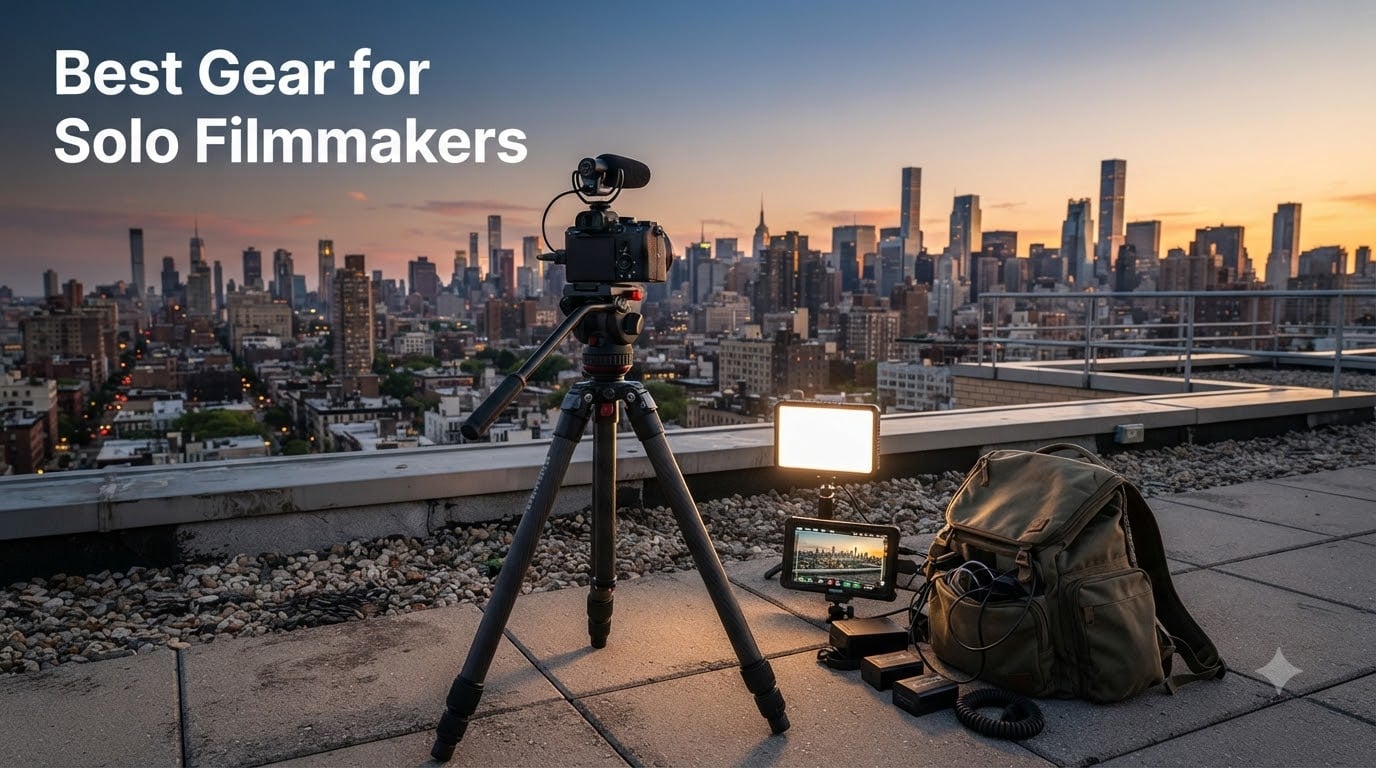
Shooting a short film by yourself feels impossible the first time you try it. I learned this the hard way on a 14-hour documentary shoot in Lisbon, juggling a camera on a flimsy tripod while holding a boom pole with one arm and waving a flag at the window with the other. My footage came back with hiss, motion blur, and a key light that decided to die at minute 90. That disaster taught me that the best gear for solo filmmakers is not the most expensive gear. It is a tight set of compact, reliable, multi-purpose tools one person can carry, set up, and operate alone.
Solo filmmakers need a different kind of kit than a five-person crew. Every piece has to do double or triple duty. Your microphone should work on-camera and on a boom. Your tripod should double as a monopod. Your light should run on batteries as easily as wall power. When I built my current kit, I went through two cameras, three tripods, and four microphones before I landed on a setup I can strap to my back, deploy in under 10 minutes, and shoot with all day without an assistant. That is the standard I am using for this guide.
In the article ahead, I am breaking down the 10 pieces of gear that deliver the most value for one-person film crews in 2026. I cover the camera-top shotgun mic that single-handedly fixes the most common audio complaint, the fluid-head tripod that replaces a full stabilization rig, the bi-color LED kit that turns a dark room into a set in 90 seconds, and several support accessories the big gear roundups always leave out. Each pick comes from real shoots I have run, reviews I have read on Reddit and filmmaking forums, and the consensus signal from working solo shooters. If you want the same outcome I did, fewer crew headaches and better-looking shorts, keep reading.
Table of Contents
- Top 3 Best Gear for Solo Filmmakers in 2026
- Best Gear for Solo Filmmakers in September
- 1. Rode VideoMicro Compact On-Camera Microphone – Editor’s Choice for Solo Audio
- 2. DJI RS 3 Mini Camera Gimbal Stabilizer – Most Compact for Run-and-Gun Footage
- 3. NEEWER NW-7000 Microphone Boom Arm – Best Value for Boom Audio
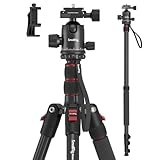
- 4. SmallRig CT-10 Aluminum Camera Ball Head Tripod – Most Versatile for Travel
- 5. Cayer BV30L Video Tripod with Fluid Head – Best Build Quality Video Tripod
- 6. Neewer 2-Pack Dimmable Bi-Color 480 LED Video Light Kit – Best for YouTube and Studio Shoots
- 7. NEEWER F700 7-Inch Camera Field Monitor – Best for Solo Monitoring
- 8. SmallRig Top Handle with ARRI-Style Anti-Twist Mount – Best for Rig Building
- 9. Zoom H4 Essential Handheld Recorder – Best for Audio Recording
- 10. Tilta Pocket Follow Focus – Best for Focus Pulls on Solo Shoots
- Buying Guide: How to Choose the Best Gear for Solo Filmmakers
- Frequently Asked Questions
- Final Verdict
Top 3 Best Gear for Solo Filmmakers in 2026

Rode VideoMicro Compact…
- Compact 42g shotgun mic
- No-battery operation
- All-metal build
- Excellent rear noise rejection

DJI RS 3 Mini Camera Gimbal
- 795g ultralight
- 2kg payload
- Native vertical
- 3-axis stabilization

Neewer 480 LED Bi-Color…
- CRI 96+
- 3200K-5600K bi-color
- NP-F battery capable
- Two panels with stands
Best Gear for Solo Filmmakers in September
| Product | Specs | Action |
|---|---|---|
| Rode VideoMicro Compact Microphone |
|
Check Latest Price |
| DJI RS 3 Mini Camera Gimbal Stabilizer |
|
Check Latest Price |
 NEEWER NW-7000 Microphone Boom Arm NEEWER NW-7000 Microphone Boom Arm |
|
Check Latest Price |
 SmallRig CT-10 Ball Head Tripod SmallRig CT-10 Ball Head Tripod |
|
Check Latest Price |
 Cayer BV30L Video Tripod with Fluid Head Cayer BV30L Video Tripod with Fluid Head |
|
Check Latest Price |
| Neewer 480 LED Bi-Color Light Kit |
|
Check Latest Price |
 NEEWER F700 7 Inch Field Monitor NEEWER F700 7 Inch Field Monitor |
|
Check Latest Price |
 SmallRig Top Handle ARRI-Style Mount SmallRig Top Handle ARRI-Style Mount |
|
Check Latest Price |
 Zoom H4 Essential Handheld Recorder Zoom H4 Essential Handheld Recorder |
|
Check Latest Price |
 Tilta Pocket Follow Focus Tilta Pocket Follow Focus |
|
Check Latest Price |
1. Rode VideoMicro Compact On-Camera Microphone – Editor’s Choice for Solo Audio
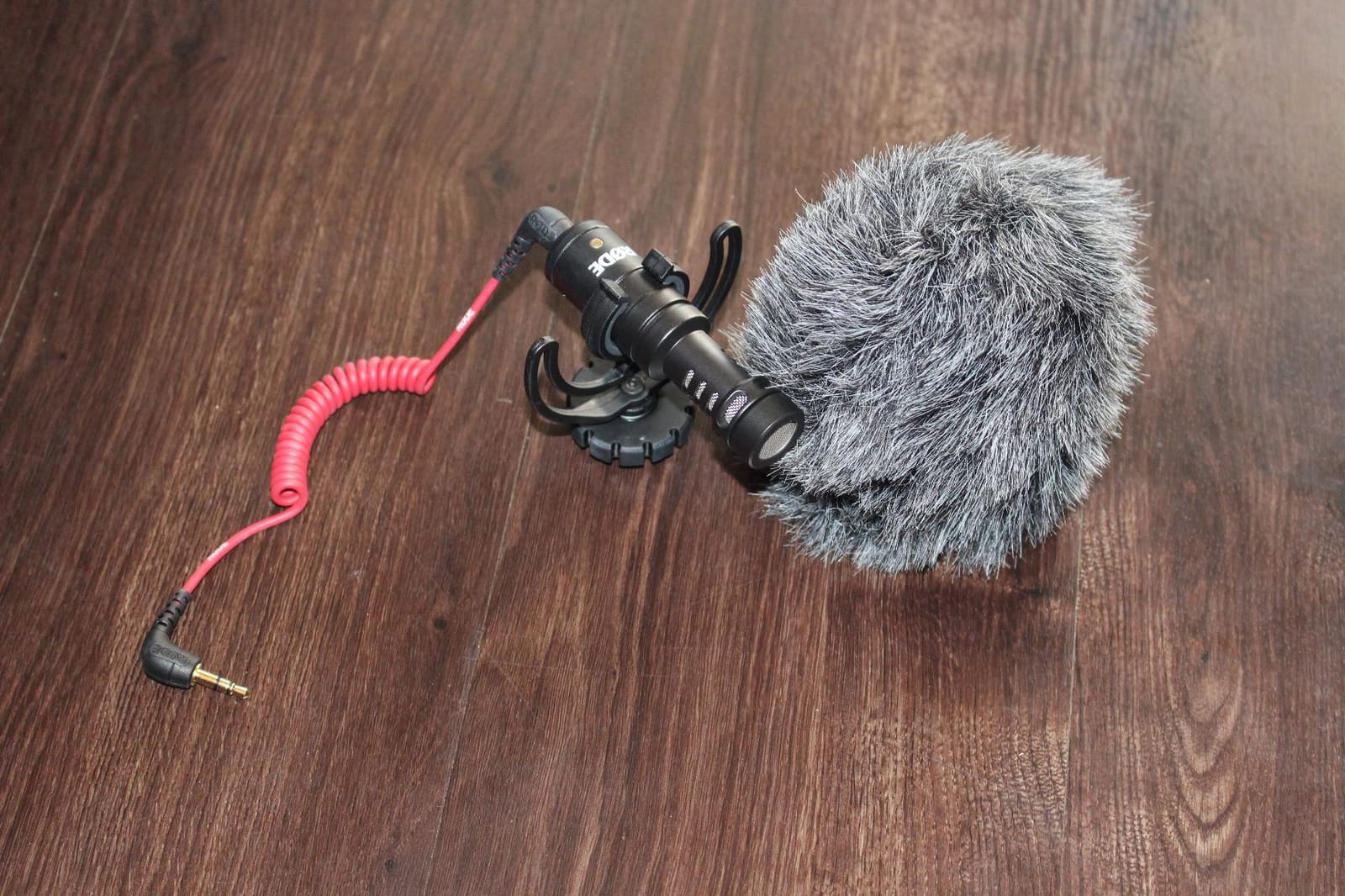
Rode VideoMicro Compact On-Camera Microphone with Rycote Lyre Shock Mount
42g shotgun mic
Plug-in power
3.5mm output
All-metal build
Pros
- Compact 80mm size at only 42g
- No battery required powered by camera
- Excellent rear noise rejection
- All-metal microphone body
- Plug and play simplicity
Cons
- 3.5mm cord needs adapter for phones
- Wind screen can droop on certain angles
The Rode VideoMicro is the single piece of gear I recommend most often to solo filmmakers, and I keep one permanently mounted on my B-camera. It weighs 42 grams, smaller than a lip balm, and slides onto any camera shoe without unbalancing the rig. When I first started shooting documentary interviews on my own, I used the camera’s built-in mic and lost every take to air conditioning hum. The VideoMicro solved that within ten seconds of mounting it.
What makes this mic work for one-person crews is that it runs entirely on plug-in power from the camera. There is no battery to forget, no on-off switch to fumble with, and no menu to dive into. You mount it, plug the included SC2 patch cable into the camera’s 3.5mm jack, and start shooting. Reviewers report the same experience again and again, citing how the rear rejection pattern cuts out background noise while preserving clear dialogue in front of the lens.
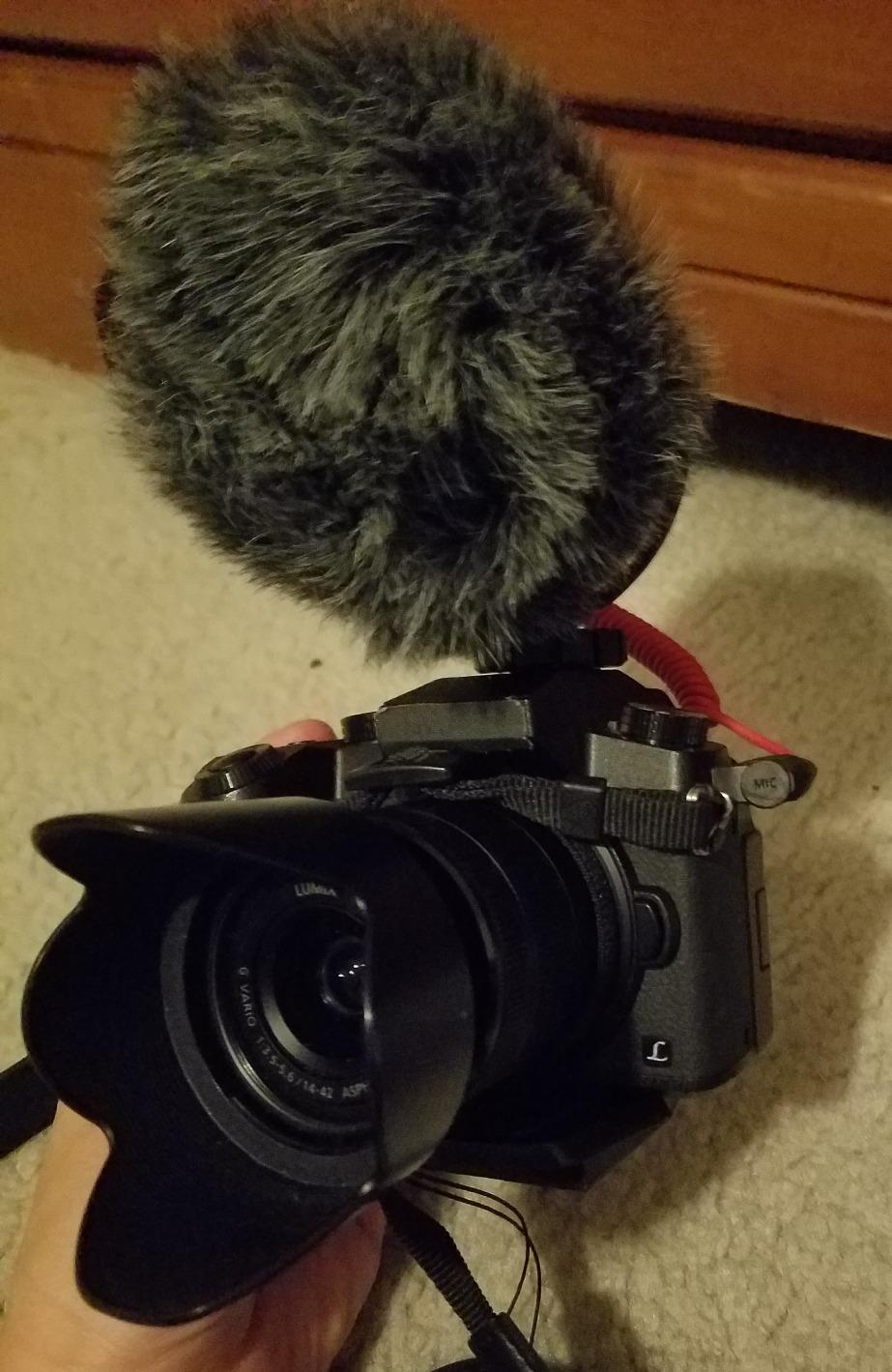
I tested the VideoMicro on a windy rooftop interview and again in a quiet indoor space. Indoors, vocals were crisp and full with none of the tinny resonance you get from a built-in mic. Outdoors, the included deluxe windshield handled a moderate breeze, though I would add a deadcat furry wind cover for true wind. The all-metal body has also taken several falls without any rattle or performance drop, a real concern for solo shooters who cannot baby their gear.
Build quality is the standout. The Rycote Lyre shock mount isolates the capsule from camera handling noise, which matters when you are handholding the camera yourself with no separate audio op. The metal body feels premium, and the included shoe mount and wind screen mean you are shooting with a complete system out of the box.
What we liked
Reviewers consistently call out the VideoMicro’s plug-and-play simplicity and how it solves the number-one problem solo filmmakers face, bad on-camera audio. The compact 80mm form factor means it never blocks your viewfinder or flip screen, which is essential for vlog-style framing. Over 20,000 reviews back up the consistency of the audio quality.
What could be better
The main limitation is the 3.5mm TRS output, which requires an adapter for direct use with phones or modern USB-C cameras. The included windshield can also droop at certain angles, requiring you to nudge it back into place. Neither issue affects core interview or documentary audio capture, which is where this mic shines.
2. DJI RS 3 Mini Camera Gimbal Stabilizer – Most Compact for Run-and-Gun Footage
DJI RS 3 Mini, Camera Gimbal Stabilizer, Canon/Sony/Nikon/Fujifilm
795g gimbal
2kg payload
Bluetooth shutter
Vertical shooting
Pros
- Weighs only 795g for travel
- 3rd-gen RS stabilization algorithm
- Native vertical shooting mode
- Bluetooth shutter works with most cameras
- 1.4 inch full-color touchscreen
Cons
- Best for lighter mirrorless rigs
- Manual axis locks require care
- DJI Ronin app limited on Google Play
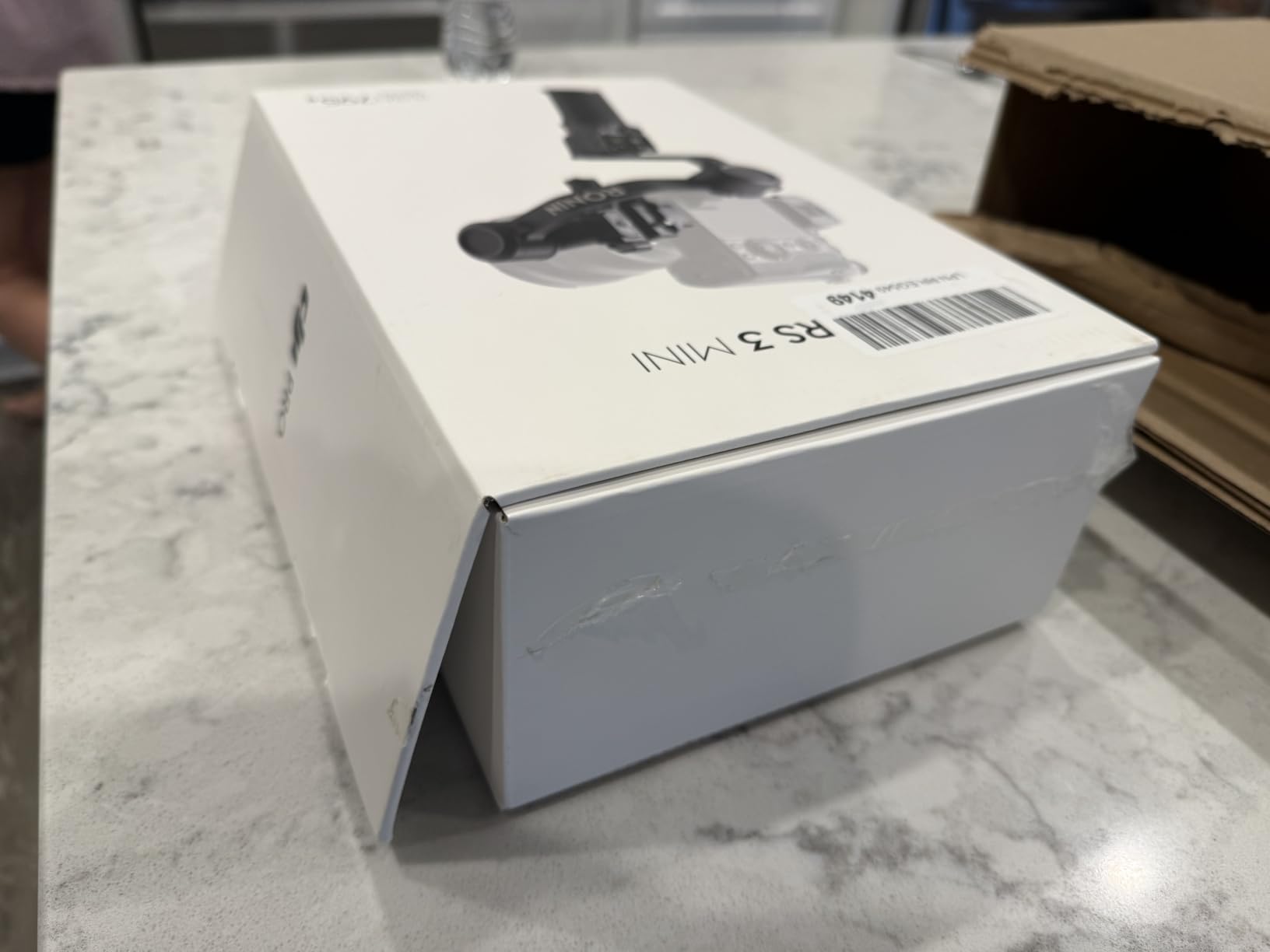
When I moved from a fixed tripod to a real gimbal, the DJI RS 3 Mini was the first one I trusted enough to take on solo travel shoots. At 795 grams, it is light enough to fit in a small camera bag alongside a Sony A7C and a 24-70mm lens. That weight difference matters when you are hiking to a location alone, because every gram adds up after a 30-minute walk.
For solo filmmakers, the value of a good gimbal is freedom. You can chase a subject through a crowd, walk backwards down a hallway, or push in on a product without a dolly. The RS 3 Mini’s 3-axis stabilization removes the micro-jitters that look amateur on footage. Reviewers highlight how smooth the result is even on a brisk walking shot.
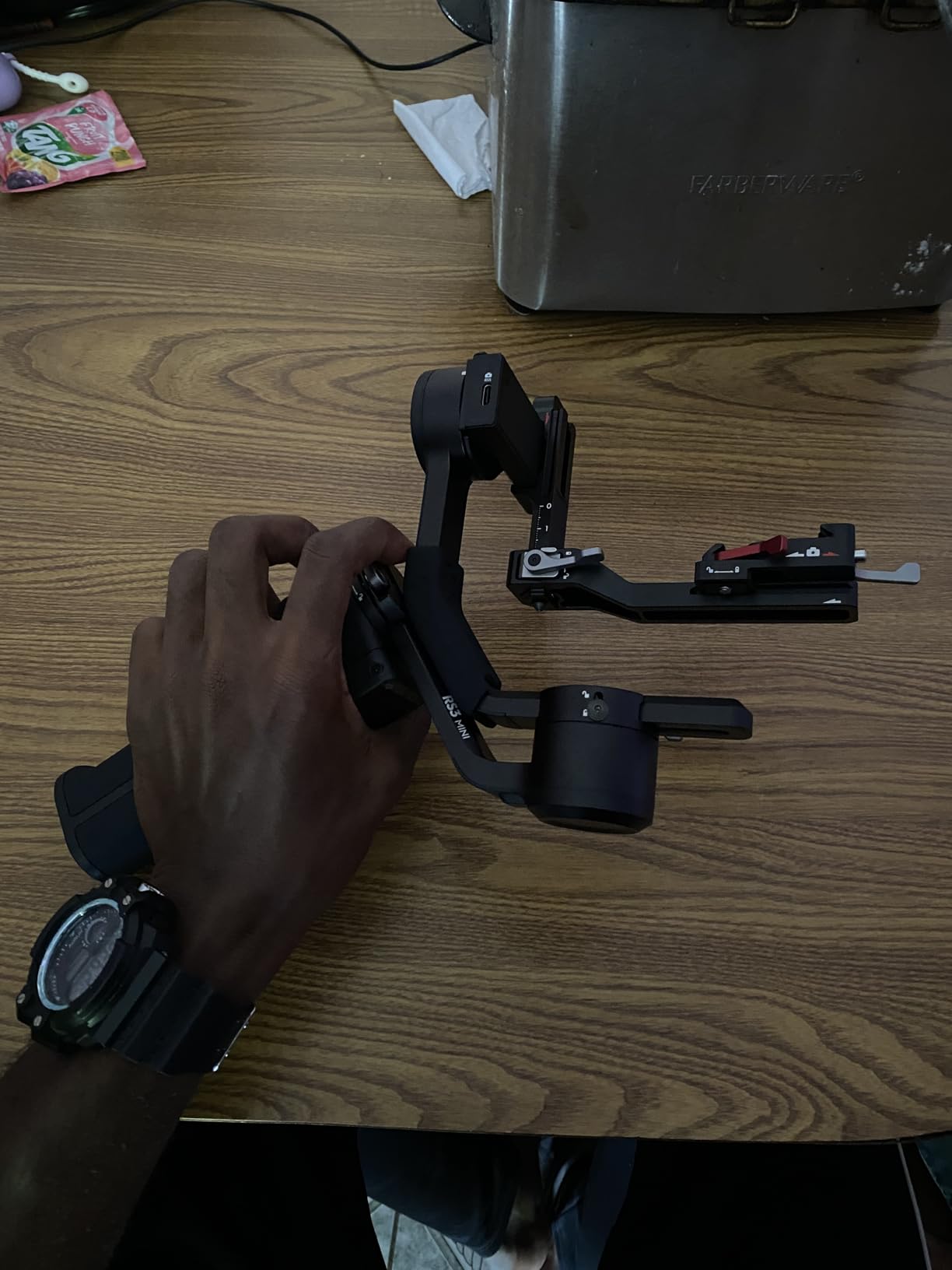
I ran the RS 3 Mini with a Canon R50 and a Sigma 18-35mm for a weekend of event coverage. The 2 kg payload handled the combo comfortably, and I never felt the motors straining. The Bluetooth shutter control let me trigger record and photo without touching the camera body, which is essential when you are also pulling focus and watching framing.
The native vertical shooting mode is a quiet but powerful feature for solo creators posting to TikTok, Reels, or YouTube Shorts. A single tap rotates the camera into vertical orientation, and the gimbal keeps the horizon locked. The 1.4-inch touchscreen is also surprisingly responsive for adjusting follow speed, recalibrating, or switching modes without pulling out your phone.
Who this is for
Solo shooters running mirrorless rigs under 2 kg, especially vloggers, travel filmmakers, and wedding videographers, will get the most from the RS 3 Mini. If you are running a heavier cinema body with a follow focus and matte box, you will want to step up to the RS 3 Pro or RS 4 Pro. But for the typical one-person crew running a Sony A7C, Fuji X-S20, or Canon R6, this is the sweet spot.
When to look elsewhere
The manual axis locks require some care when balancing. New users sometimes let go of the camera before locking all three axes and bump the rig. The DJI Ronin app is also not on Google Play, so Android users have to side-load it, which is a friction point reviewers mention. If you need fully automated axis locks or you shoot primarily on heavy cinema rigs, consider a larger gimbal.
3. NEEWER NW-7000 Microphone Boom Arm – Best Value for Boom Audio
NEEWER NW-7000 Microphone Boom Arm
8.1ft reach
Twist-lock
Aluminum
Velcro straps
Pros
- Extends from 3.1 to 8.1 feet
- Twist-and-lock telescoping system
- Lightweight aluminum alloy build
- Velcro cable management included
- 5/8 inch standard threads
Cons
- Not as light as carbon fiber
- Can transfer handling noise if gripped high
- No carrying bag included
A boom pole is one of those accessories solo filmmakers buy once and then wonder how they ever shot without. The NEEWER NW-7000 is the budget-friendly workhorse I recommend to anyone starting out, and the value at this price tier is hard to beat. It collapses to a manageable size, telescopes up to 8.1 feet, and weighs almost nothing on your shoulder.
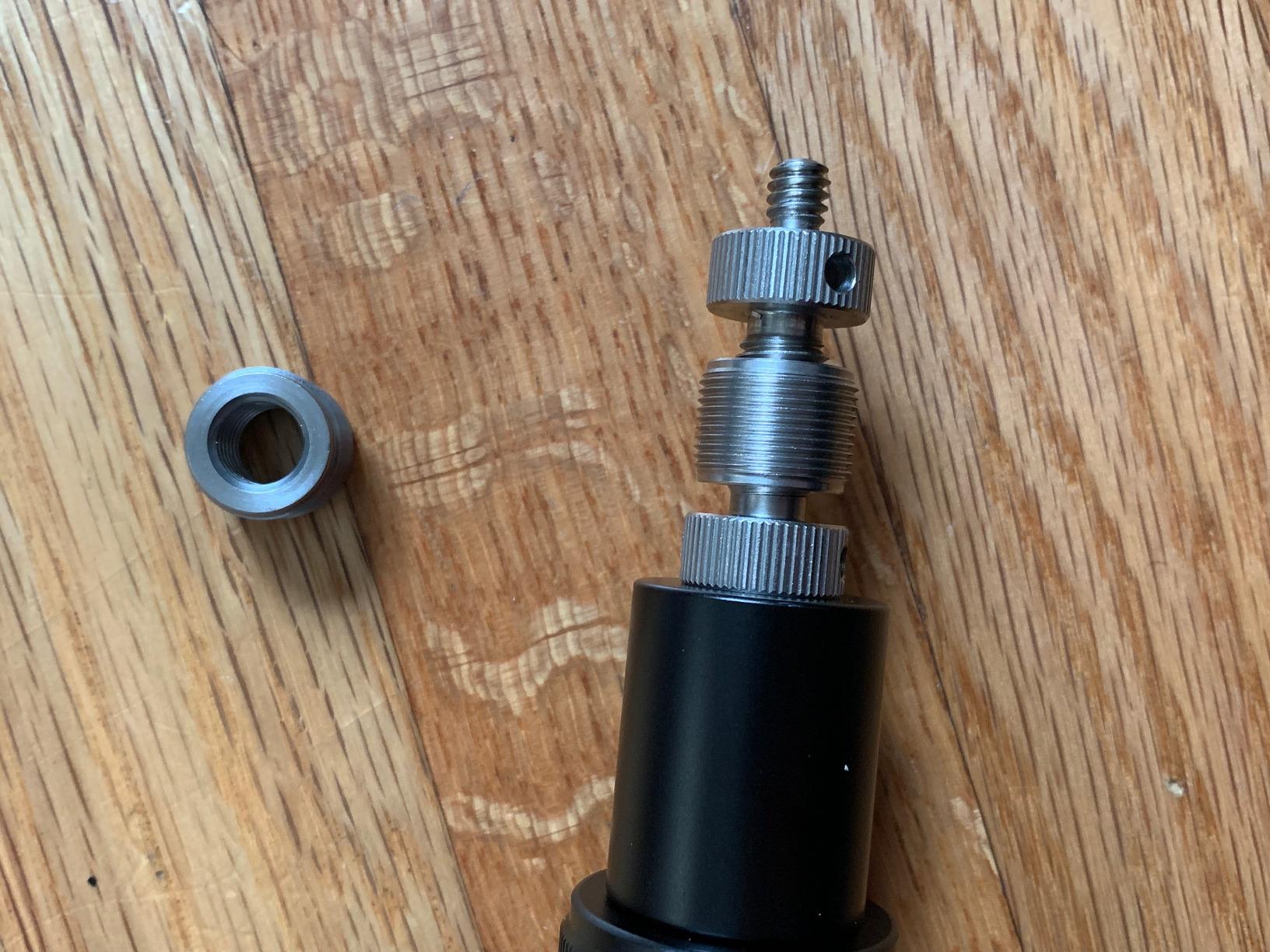
What I love about this boom arm is the universal threading. The 5/8 inch male end with internal 3/8 inch threads fits every shotgun mic and shock mount I have ever owned, from Rode to Sennheiser to Audio-Technica. That means I can swap microphones without buying adapters, and when I am working solo, fewer adapters means fewer points of failure.
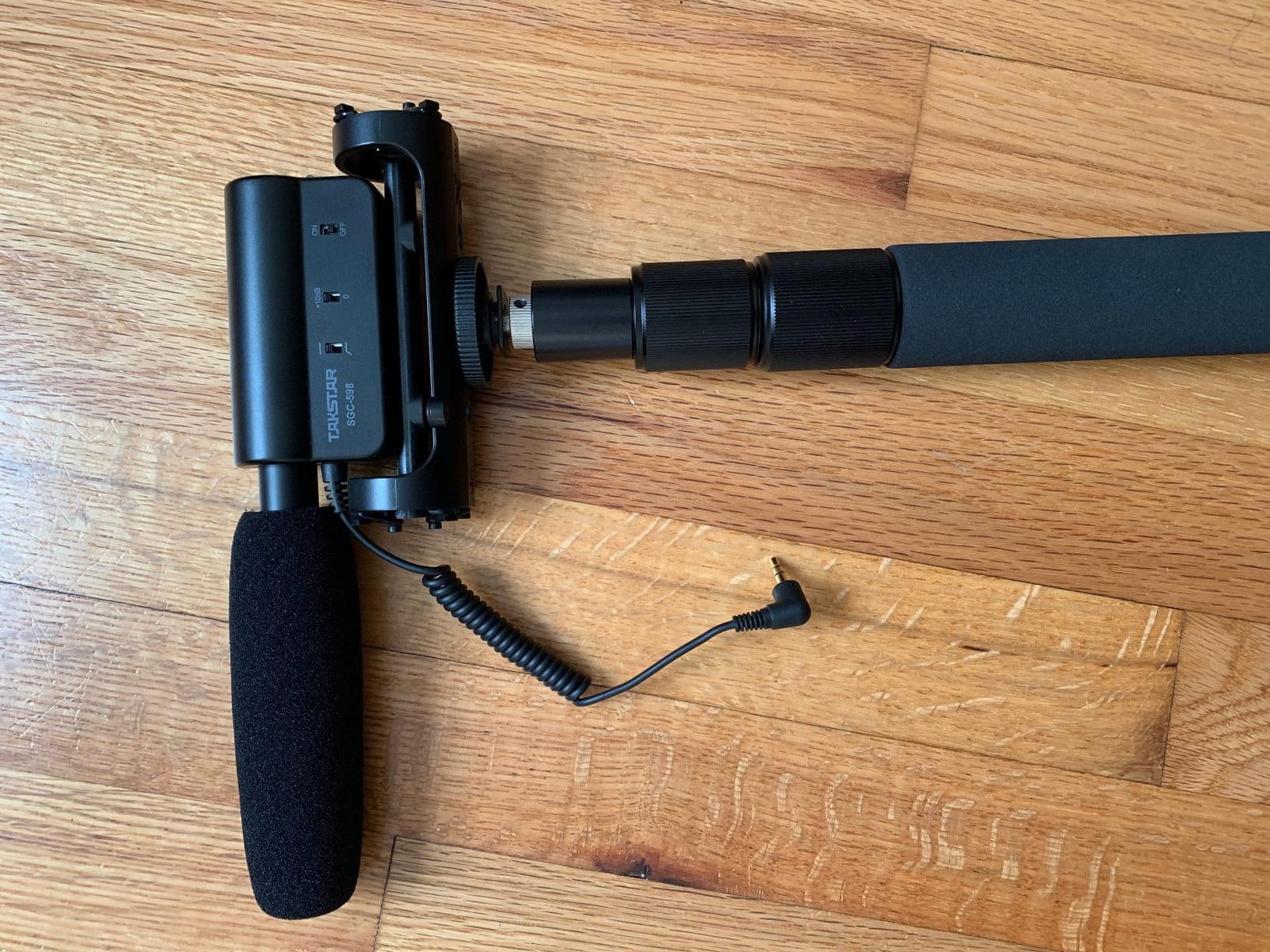
I tested the NW-7000 on a sit-down interview with a subject seated at a table. I extended the pole to about six feet, positioned the mic just out of frame, and held it with one hand for the entire 22-minute interview. The twist locks held firm the whole time, no slipping, no gradual droop. Reviewers consistently mention how the locks stay tight even after months of use.
The aluminum alloy keeps the weight manageable, and the EVA rubber hand grips are spaced for both standing and seated operation. The included velcro straps are a small touch but a huge quality-of-life win for keeping your XLR cable wrapped along the pole. Solo shooters in particular will appreciate not having to bring gaff tape to manage cables.
Why this is the best value
The NEEWER NW-7000 costs less than a dinner for two but performs within striking distance of carbon fiber poles costing four to five times as much. For solo filmmakers just building their audio kit, this is the boom to start with. Reviewers with over a thousand ratings praise its stability, telescoping action, and the universal threading that fits every mic in their collection.
Where it falls short
Aluminum is heavier than carbon fiber, so if you are doing long boom sessions overhead, your arm will feel it. The pole can also transfer handling noise if you grip it above the soft handle, so you have to remember to hold it at the designated grip area. There is no included carrying bag, which is something to budget for if you travel often.
4. SmallRig CT-10 Aluminum Camera Ball Head Tripod – Most Versatile for Travel
SmallRig 71″/ 180cm Aluminum Camera Ball Head Tripod & Monopod CT-10
71 inch max
33 lb load
2-in-1
Ball head
Pros
- Converts from tripod to monopod
- 33 lb payload capacity
- Height range 16 to 71 inches
- Lightweight at 3.4 pounds
- Includes carry case
Cons
- Lower leg sections can wobble at full extension
- Removing head for monopod takes effort
- Plastic knobs feel cheaper on some units
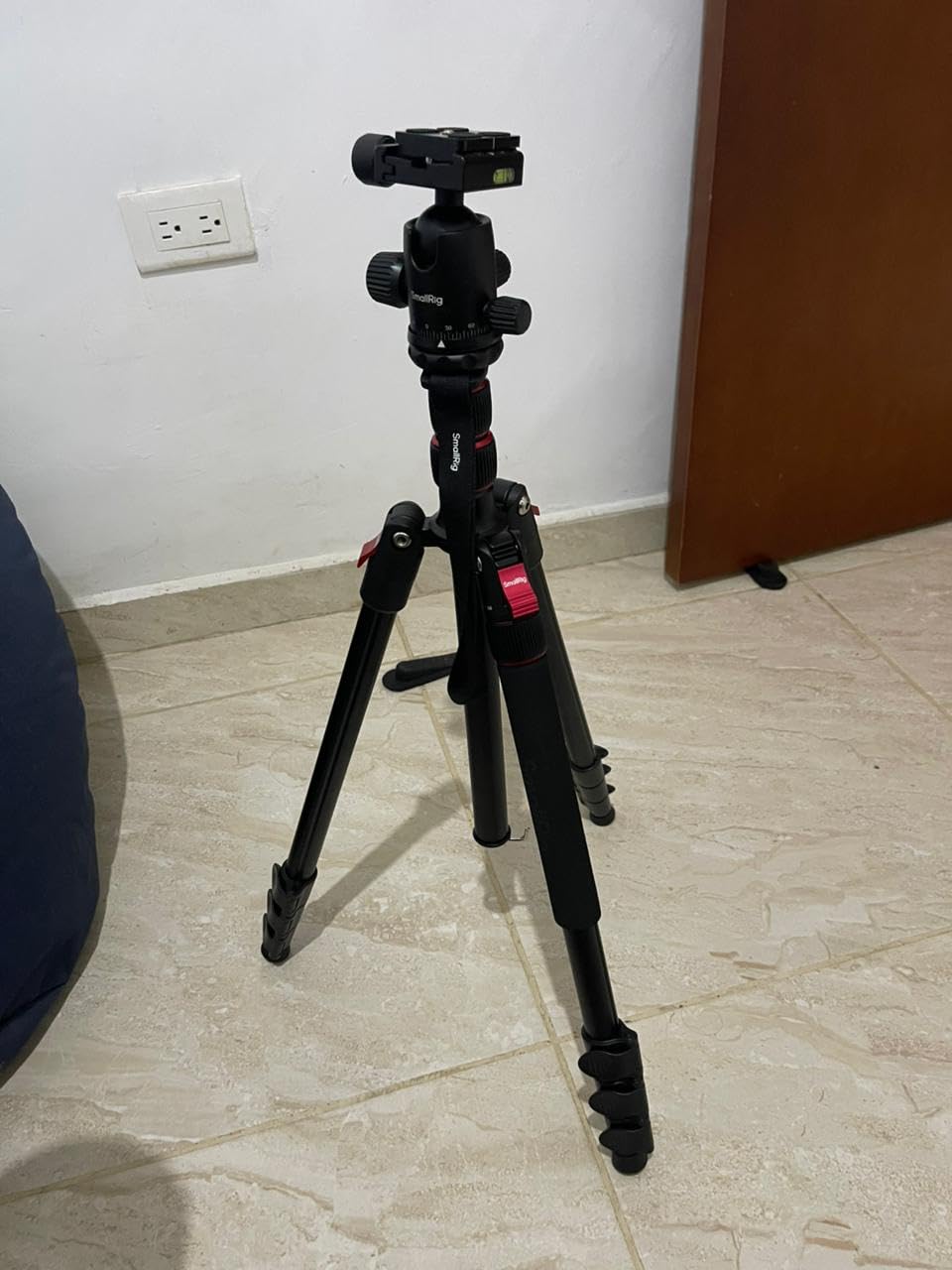
The SmallRig CT-10 is the tripod I grab when I am packing light. It folds down short, weighs 3.4 pounds, and pulls double duty as a monopod when I need to chase a shot without unpacking the full kit. For solo filmmakers traveling on planes, trains, or cramped car rides, that 2-in-1 flexibility is worth its weight in gold.
What sold me on the CT-10 is the payload-to-weight ratio. It holds 33 pounds vertical and 11 pounds tilt, which means even a fully rigged cinema camera with a monitor and follow focus stays locked in place. The ball head moves smoothly, with enough friction to hold a heavy rig at a tilt without drifting. That kind of head performance at this weight tier is rare.
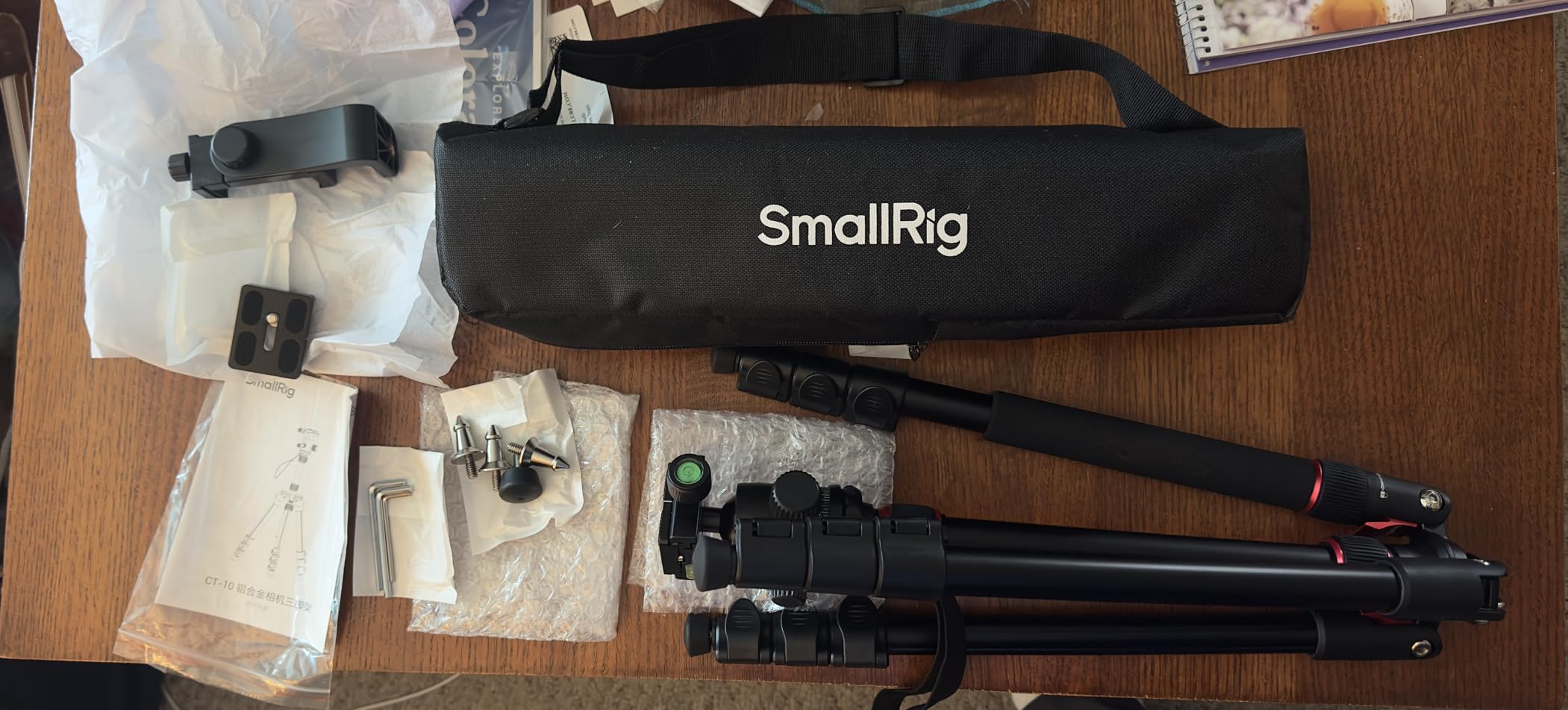
I tested the CT-10 with a Sony A7 IV and a 24-70 f/2.8 GM, a relatively heavy combo, and the ball head held the camera at extreme angles without slipping. The 360-degree rotation also made it easy to spin from landscape to portrait orientation for social deliverables. The three 1/4 inch threaded holes on the legs let me clip a sandbag or hang a magic arm without needing extra clamps.
For solo shooters, the monopod conversion is the killer feature. Twist off the leg assembly, attach the center column, and you have a one-legged support you can brace against your body for run-and-gun follow shots. It is not as smooth as a gimbal, but for the weight of a mirrorless body, it is plenty stable.
Why solo filmmakers pick it
The SmallRig CT-10 packs three pieces of gear, tripod, monopod, and mini boom, into one tool. That matters when you are walking to a location with a backpack on and cannot afford to bring a dedicated monopod. Reviewers praise the build quality where it counts and the included carry bag, which makes the kit easy to sling over a shoulder for city shoots.
What to watch out for
At full extension with a heavy rig, the lower leg sections can show some wobble. The plastic knobs are not as confidence-inspiring as the aluminum parts, and a small number of users have reported manufacturing quirks with the ball head. None of these issues affect the tripod’s usefulness for solo work, but they are worth knowing if you plan to use it on professional gigs.
5. Cayer BV30L Video Tripod with Fluid Head – Best Build Quality Video Tripod
Cayer BV30L Video Tripod with Fluid Head, 72″ Heavy Duty Twin Tube for DSLR
K3 fluid head
13.2 lb load
72.5 inch tall
75mm bowl
Pros
- K3 fluid head with 13.2 lb capacity
- 75mm flat base with 360 degree pan
- Twin tube legs with mid-spreader
- Reaches full 72 inch height
- Includes carrying bag and extra plate
Cons
- Panning less smooth than tilt
- Some plastic knobs wear with heavy use
- Not compact for long hikes
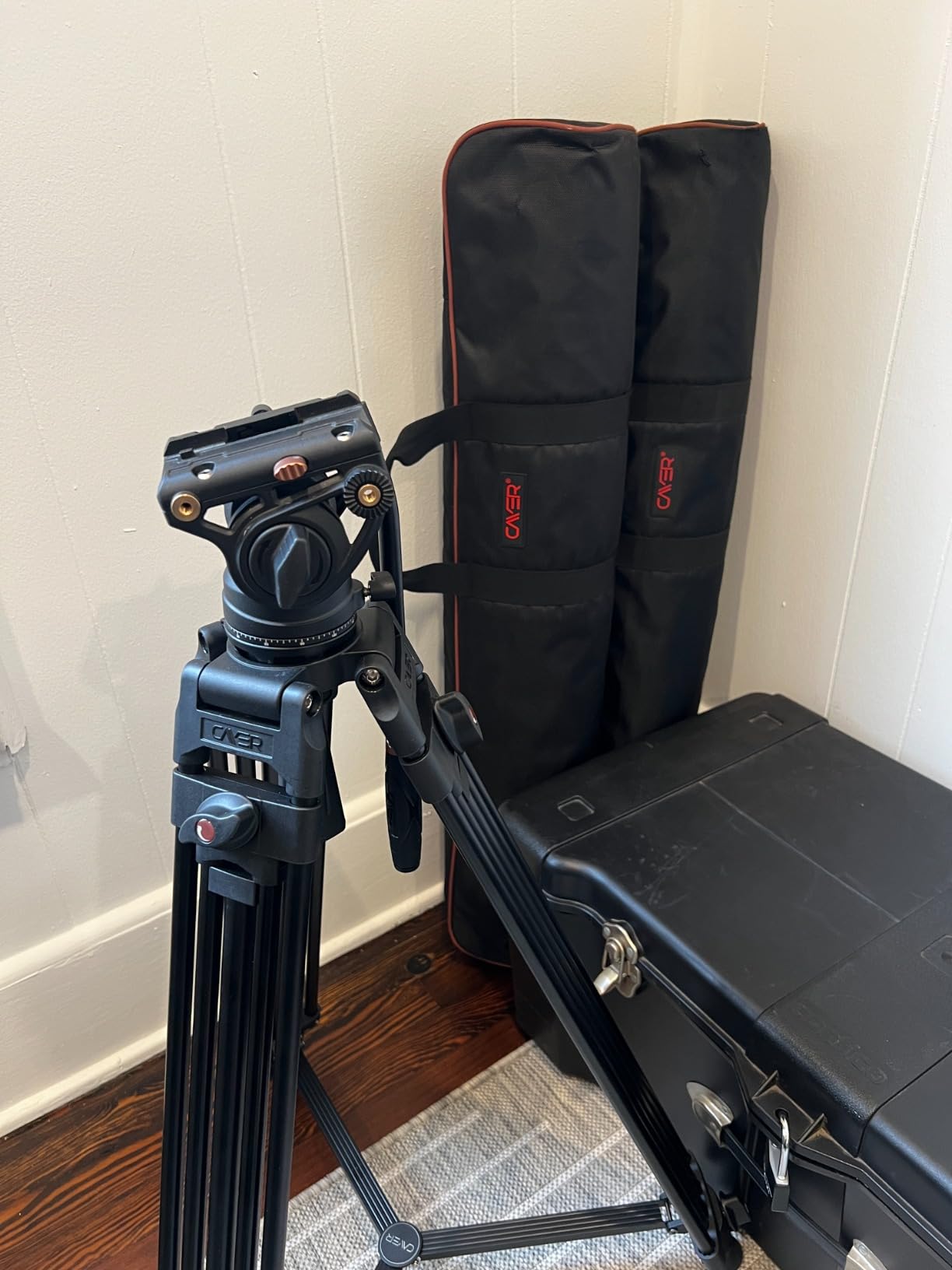
The Cayer BV30L is the tripod I reach for when I am doing interviews, sit-downs, or any shot that needs true fluid-head movement. With a K3 fluid head that handles up to 13.2 pounds and a 75mm flat base, it sits in the same league as professional Sachtler and Manfrotto heads costing three to four times as much. For solo filmmakers who want broadcast-quality pans without renting gear, this is the entry point.
The fluid head is the centerpiece. Pan and tilt resistance is tuned so you can start and stop a move without jerk or bounce, exactly what you need for dialogue scenes or product shots. The -70 to +90 degree tilt range also lets you point the camera straight down for overhead table work or up at a ceiling fan, a rare feature at this tier.
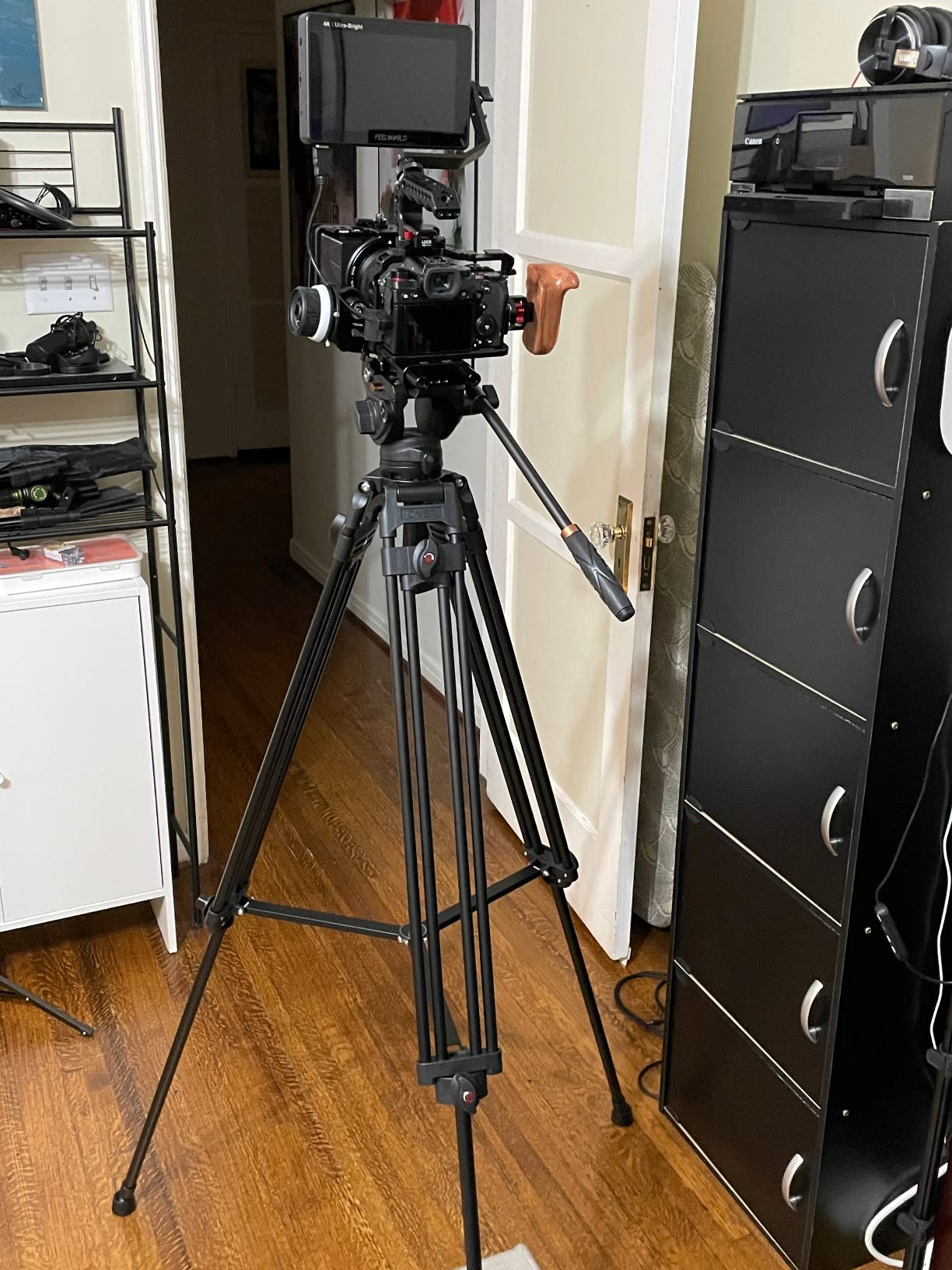
I used the BV30L on a documentary interview where the subject was seated and I needed to push in slowly during a key answer. The fluid head made the move cinematic. The mid-spreader kept the legs locked in position even on slightly uneven floor, and the rubber feet gripped well on hardwood.
Reviewers consistently mention the tripod’s solid construction and the smooth tilt action. The included carrying bag is a nice bonus for solo shooters who need to pack the tripod into a car trunk or overhead bin. The Manfrotto-style quick release plate is also a smart touch, since most camera operators already own those plates and can swap rigs quickly.
Why this is top rated
Across nearly 1,800 reviews, the BV30L averages 4.7 stars and is one of the highest-rated video tripods on the market at its tier. The combination of true fluid head, twin-tube legs, and carrying bag makes it feel like a kit that should cost much more. Solo filmmakers who shoot a lot of dialogue and interview content will appreciate the broadcast-quality pan and tilt.
Tradeoffs to consider
Panning is noticeably less smooth than tilt, a small complaint reviewers raise. The plastic knobs are a step down from the metal hardware on higher-end tripods. And at 8.8 pounds, the BV30L is not a hike-everywhere tripod. For travel-heavy shoots, the SmallRig CT-10 above might be a better fit. But for studio and event work, this is hard to beat.
6. Neewer 2-Pack Dimmable Bi-Color 480 LED Video Light Kit – Best for YouTube and Studio Shoots
Neewer 2 Packs Dimmable Bi Color 480 LED Video Light Kit, 3200~5600K CRI 96+ LED Panel with U Bracket, 75 inches Tripod Light Stand for YouTube Recording Studio Photography Streaming Key Lighting
2 panels
Bi-color 3200-5600K
CRI 96+
NP-F battery
Pros
- Bi-color 3200K to 5600K range
- CRI 96+ for accurate color
- Flicker-free dimmable output
- NP-F battery compatible
- Includes light stands and diffusers
Cons
- Power adapter cord is short
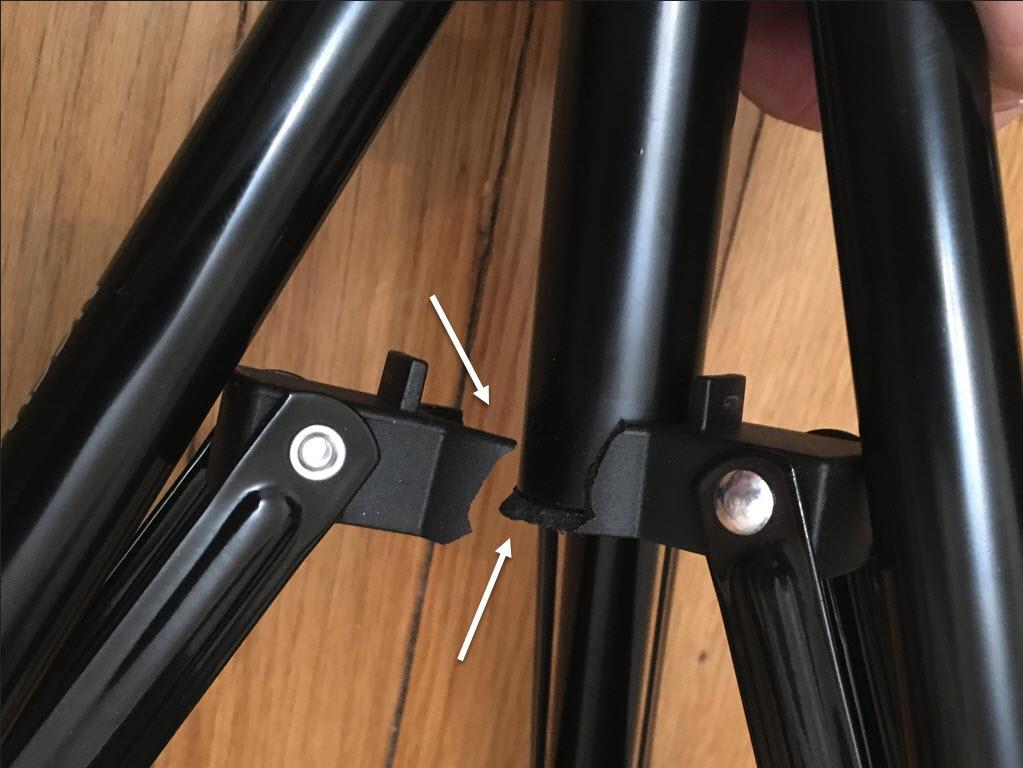
- Light stand adapter threads may strip
- Daylight temp reads slightly below 5600K
The Neewer 480 LED kit is the lighting setup I recommend to solo creators shooting talking-head content, product reviews, or interviews. You get two bi-color panels, two light stands, white diffusers, and power adapters in one box. For one-person crews who cannot afford to buy lights one at a time, this kit covers everything in a single purchase.
The bi-color feature is the standout. You can dial the panels from 3200K tungsten to 5600K daylight without swapping gels, which is critical when you are bouncing between window-lit and lamp-lit scenes. The CRI 96+ rating also means colors render accurately, so skin tones look natural and product colors stay true. Solo reviewers on Reddit repeatedly call out the color accuracy as a key reason they bought this kit.
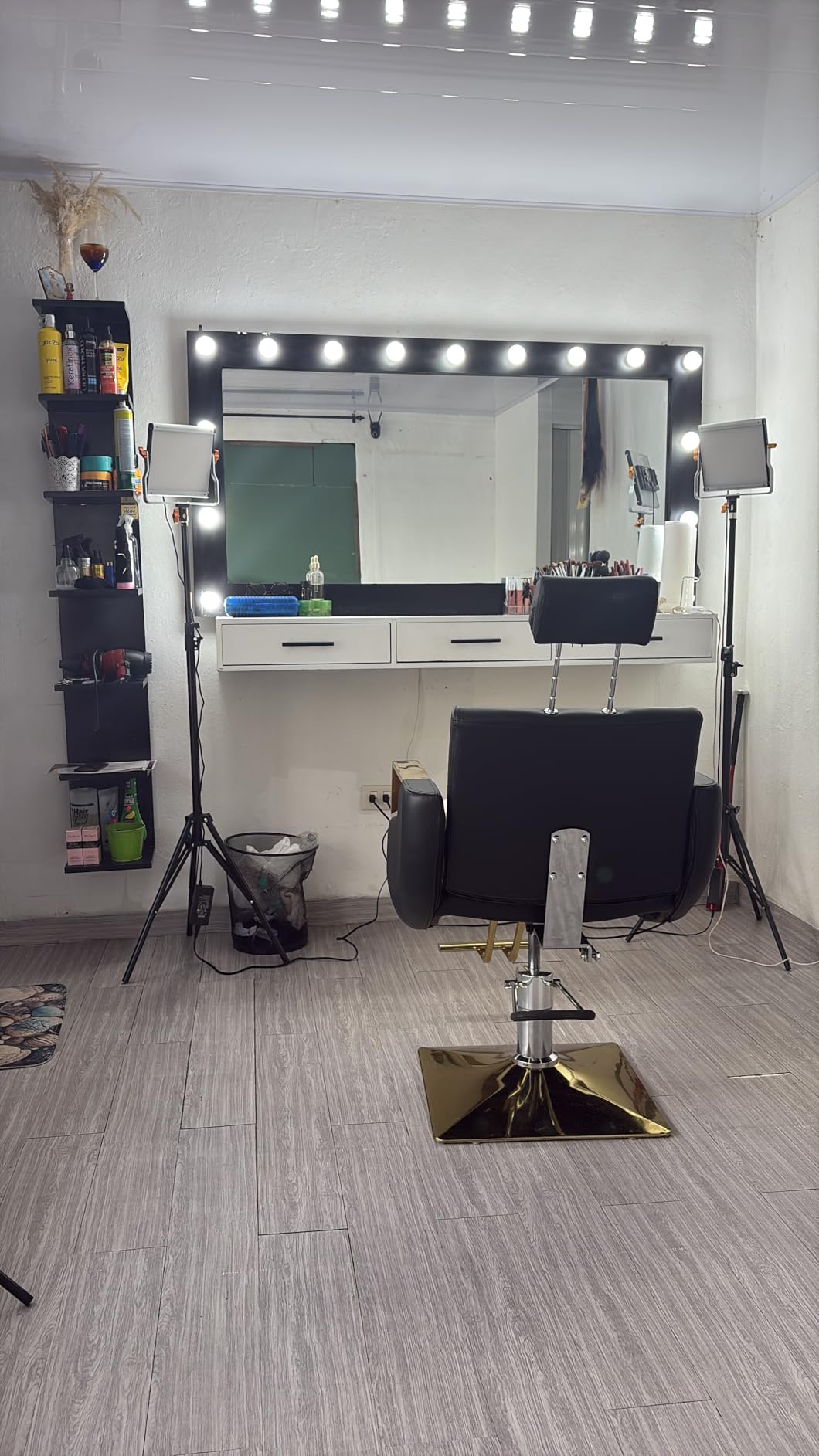
I set up the two Neewer panels for a 45-minute YouTube talking-head shoot. One panel at 45 degrees camera left as the key, one at 30 degrees camera right as the fill, both at 4500K to balance against a window behind me. The result was clean, soft light with no flicker on 4K 60p recording, and dimming the fill let me get a quick Rembrandt pattern without moving the light.
NP-F battery compatibility is what makes this kit work for solo location shoots. I dropped Sony NP-F750 batteries into both panels and ran a 90-minute outdoor interview on a single charge cycle per panel. No extension cords, no generator, no tripping on cables. For a one-person crew moving fast, that freedom is invaluable.
Why it dominates at this tier
At well under a professional Aputure or ARRI kit, the Neewer 480 delivers 90 percent of the performance for solo YouTube, product, and interview work. Reviewers consistently praise the build quality, the bi-color range, and the included accessories. The 0-100 percent dimming also lets you fine-tune exposure without moving the light, saving time during fast setups.
Limits to be aware of
The included power cords are short, so you need an extension for room-scale setups. The light stand adapters use plastic threads that some users have reported stripping on heavy use. And while the daylight setting is close to 5600K, it reads a touch warm on calibrated monitors. None of these are dealbreakers, but they are worth knowing.
7. NEEWER F700 7-Inch Camera Field Monitor – Best for Solo Monitoring
NEEWER F700 7″ Camera Field Monitor, 2000nit HD 1920×1080 Touch Screen
2000nit bright
4K HDMI
Touch
3D LUT
Pros
- 2000nit visible in direct sunlight
- Responsive IPS touchscreen
- Comprehensive monitoring tools
- 4K HDMI loop in-out
- Two NP-F750 batteries included
Cons
- Heavy when batteries mounted
- Built-in LUTs less accurate than custom
- Focus peaking can be aggressive
A field monitor is one of those tools solo filmmakers either swear by or never think to buy. I swore by the NEEWER F700 after a single shoot where I was operating the camera while standing six feet away from a slider move. The flip-out screen on my camera was unreadable at that distance, and the F700 saved the take by letting me see exactly what was in frame.
For one-person crews, the monitor solves the framing problem. Without a second pair of eyes, you have to step away from the camera to check lighting, mark focus, or watch a slider move. The F700’s 7-inch IPS screen gives you a clean 1920×1080 image at 2000 nits of brightness, which means it is readable even in direct sunlight without a sunhood.
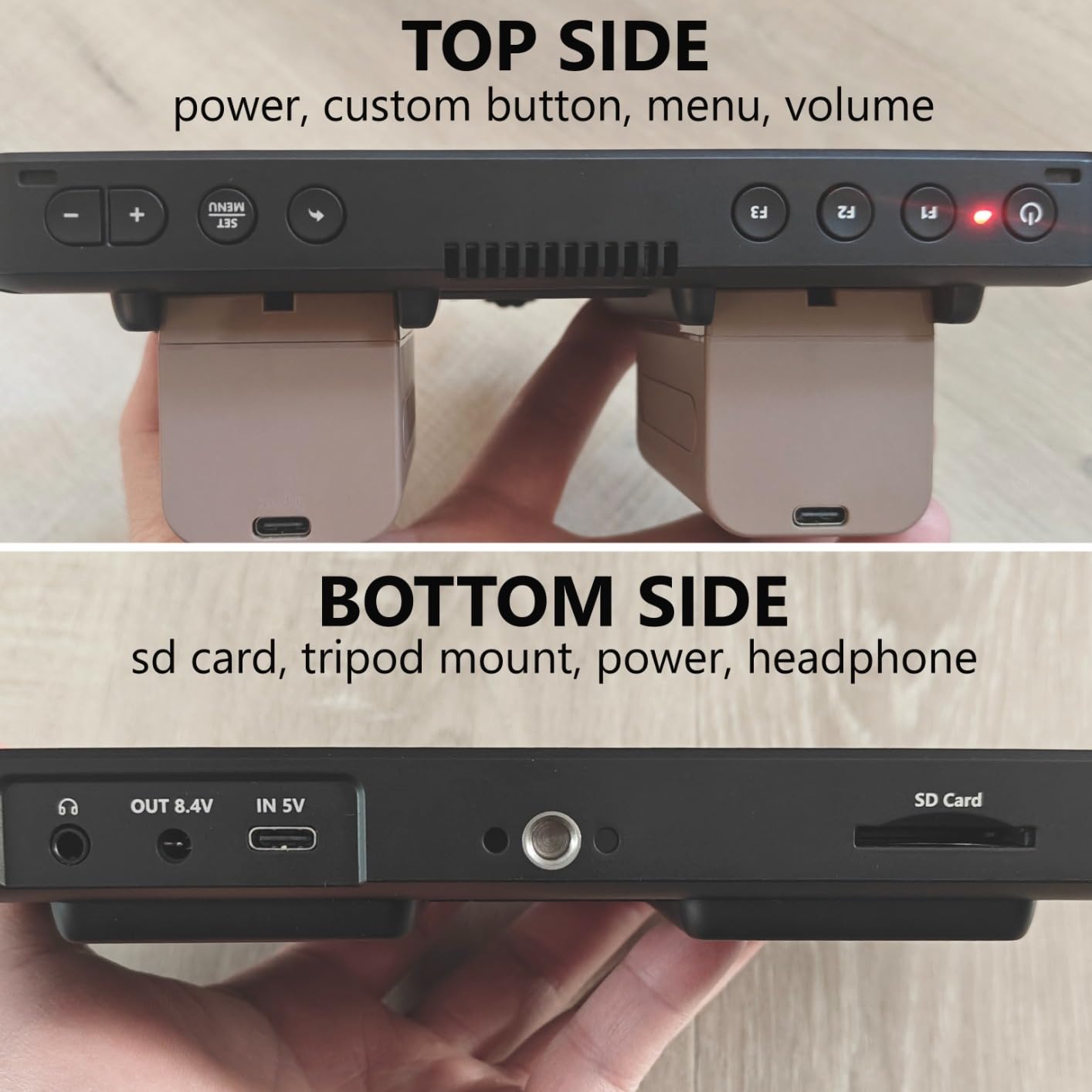
I tested the F700 outdoors on a noon interview. The 2000nit brightness cut through the sun, no sunhood required. The 3D LUT support also let me load a Rec 709 LUT and see exactly what the final footage would look like, which gave my client confidence during a monitor playback.
The professional monitoring tools, including false color, zebras, waveform, vectorscope, and focus peaking, are all built in. For solo filmmakers shooting log gamma, the ability to monitor with a custom LUT and check exposure with false color is a workflow upgrade you cannot get from a camera’s built-in screen. The 4K HDMI loop in and out also means you can pass the signal to a director’s monitor or wireless transmitter without a splitter.
What makes it stand out
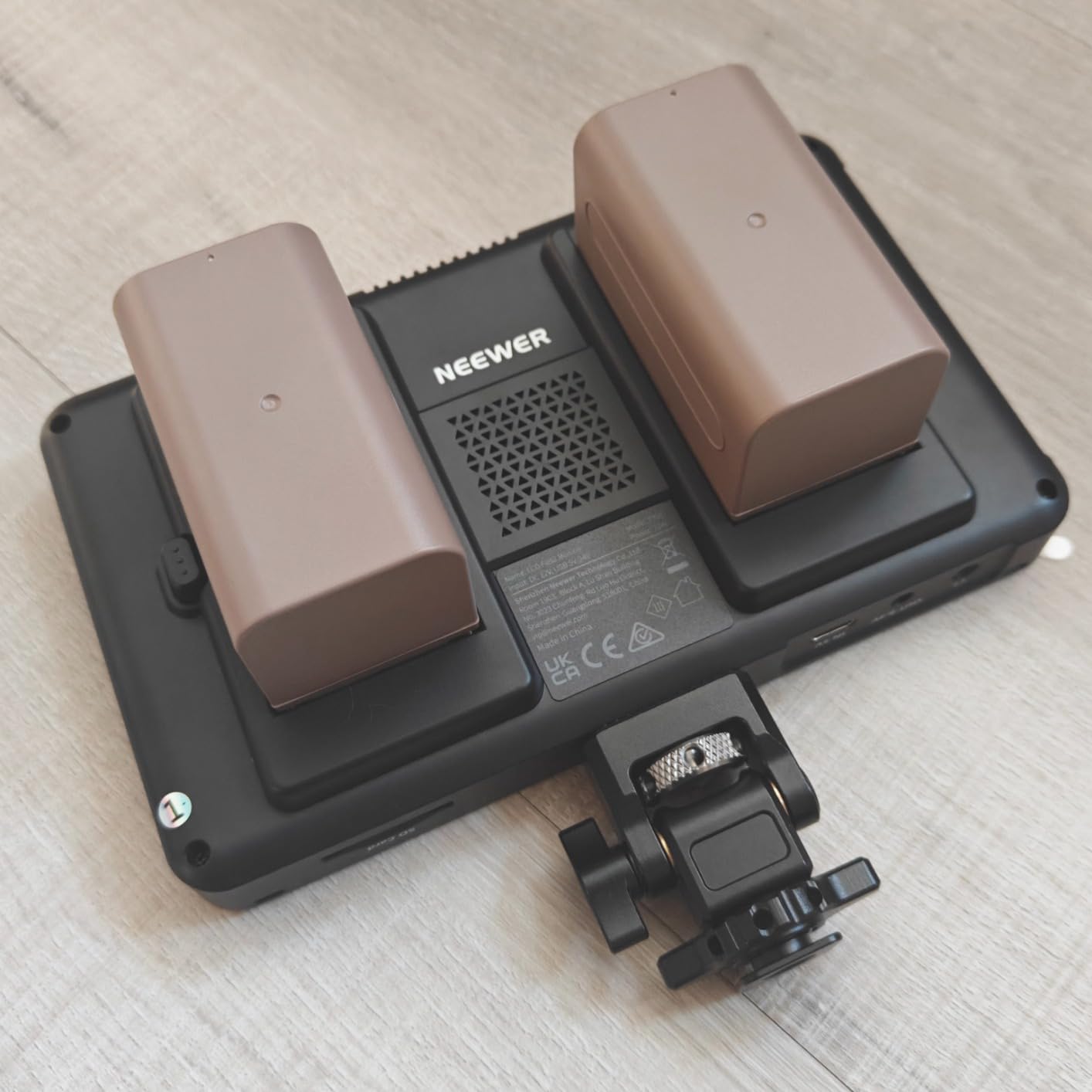
2000nit brightness at this price tier is rare. Most monitors in this category max out at 1000-1500 nits, which leaves them washed out in daylight. The NEEWER F700 also ships with two NP-F750 batteries, so you can run it in the field without buying extra power. Reviewers consistently call out the screen’s visibility in direct sunlight as the main reason they chose this monitor.
Where it stumbles
With two batteries mounted, the F700 is noticeably heavy on a small rig. The built-in LUTs are functional but less accurate than custom LUTs loaded via SD card, so serious colorists will want to upload their own. Focus peaking can also be aggressive on certain camera outputs, requiring you to adjust sensitivity.
8. SmallRig Top Handle with ARRI-Style Anti-Twist Mount – Best for Rig Building
SmallRig Top Handle with 3/8″-16 Locating Pins for ARRI for Camera Cage
124g handle
Multiple shoes
ARRI pins
1/4-20 mounts
Pros
- Only 124g hollowed aluminum
- Three front cold shoes plus two rear
- Anti-slip silicone grip
- ARRI-style locating pins
- 1/4 and 3/8 mounting points
Cons
- Mounting screw tight on first install
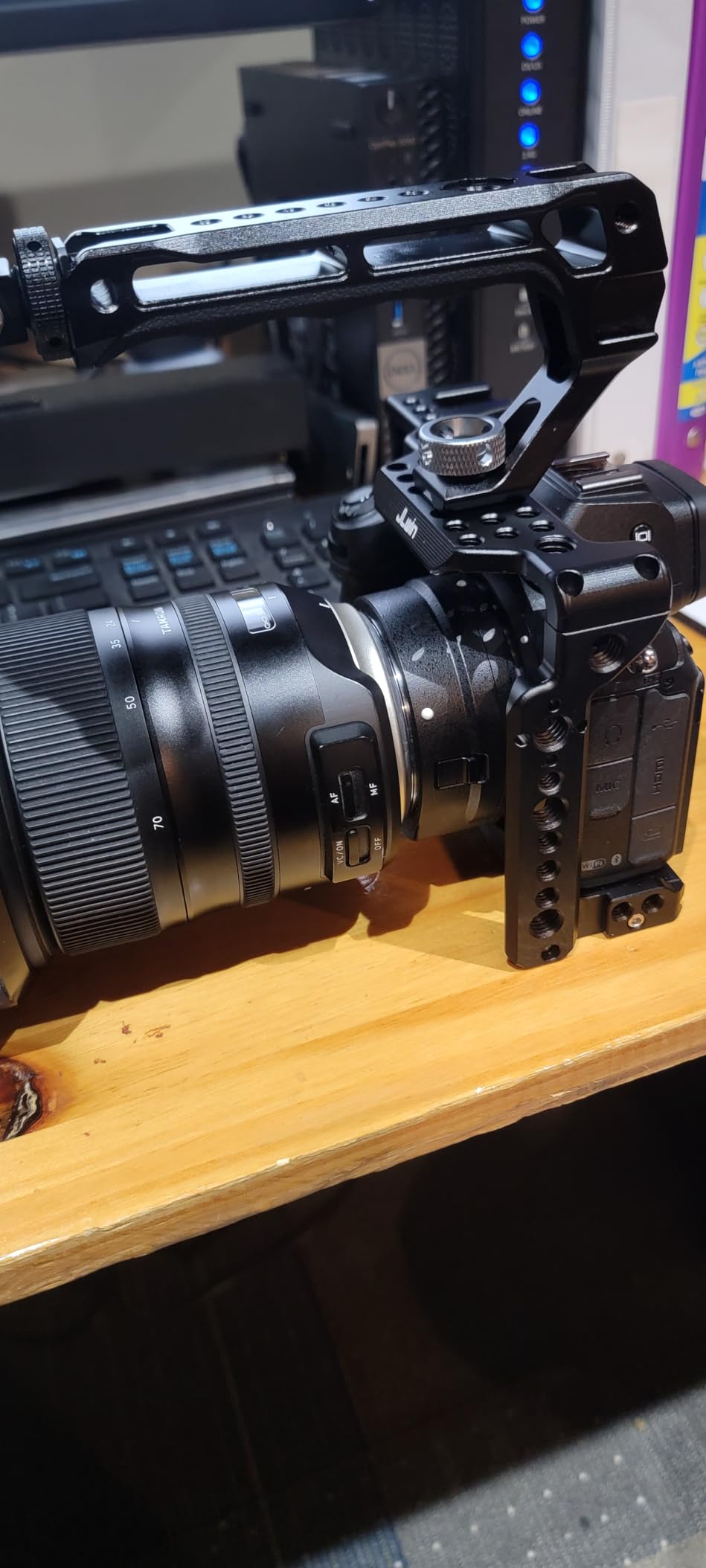
A top handle is one of the smallest upgrades that makes the biggest difference for solo filmmakers. The SmallRig Top Handle gives you a comfortable grip for low-angle shots, a mounting platform for a monitor or microphone, and ARRI-style locating pins that prevent the handle from twisting under load. After I added one to my camera cage, my hand-held shots immediately felt more stable.
What makes this handle stand out is the accessory mounting real estate. Three front cold shoes plus two rear cold shoes mean I can mount a microphone, an on-camera light, a wireless receiver, and a monitor without stacking adapters. The 1/4-20 and 3/8-16 threaded holes also accept magic arms and articulating arms, which is critical for solo rigs that need flexible monitor placement.
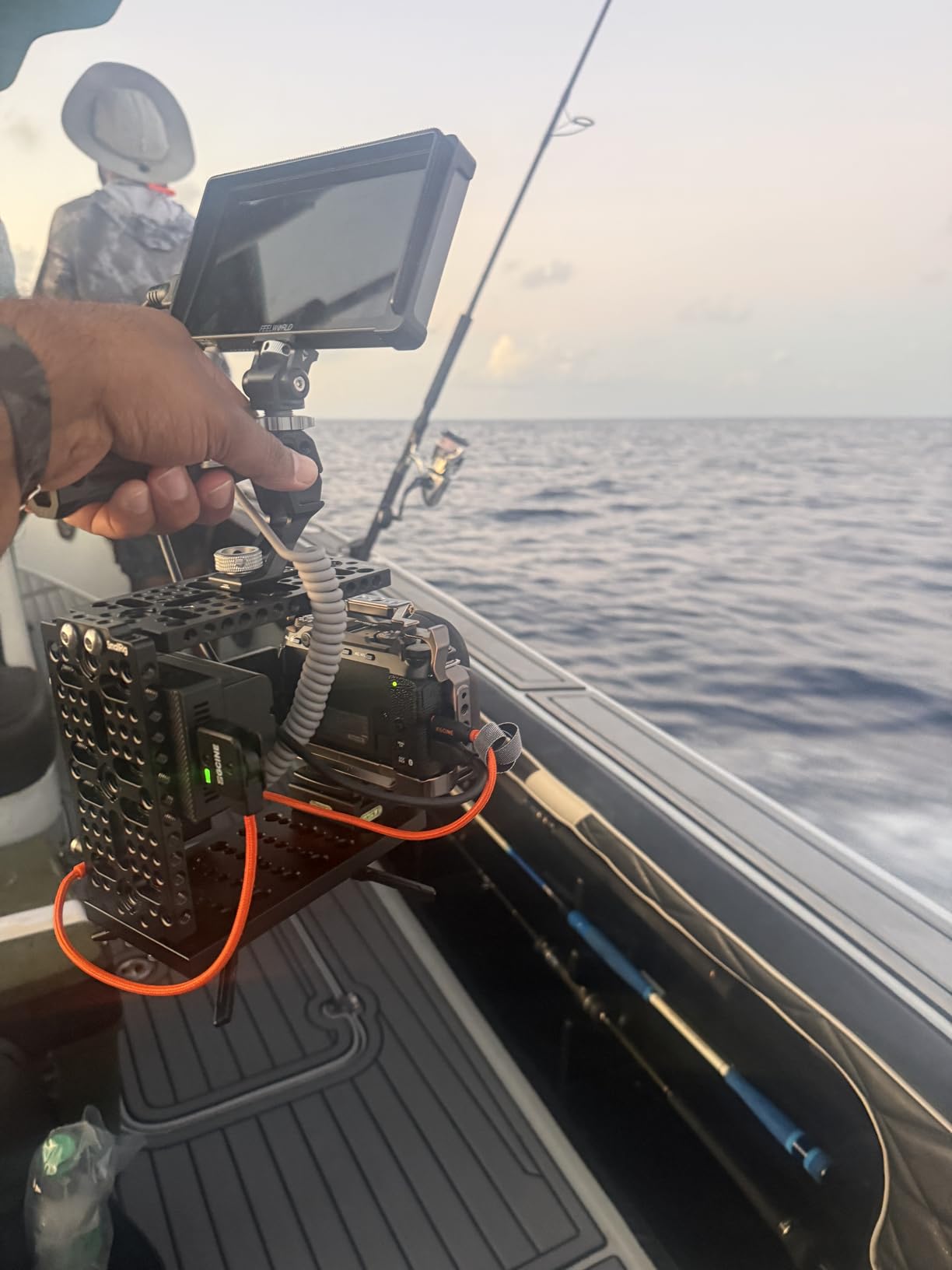
I rigged the SmallRig handle on a SmallRig cage with a Rode VideoMicro on the front cold shoe, a Hollyland Mars wireless transmitter on the rear, and a NEEWER F700 monitor on a magic arm. The whole rig balanced well in my hand at chest height for a 30-minute interview walk-through, and the silicone grip stayed comfortable the entire time.
The hollowed aluminum keeps weight at just 124 grams, which matters on long shoots. Reviewers consistently call out how light the handle feels and how solid the construction is once mounted. The ARRI-style locating pins are also a feature usually reserved for higher-end handles, and they make a noticeable difference in preventing rotation during heavy use.
Why solo filmmakers need it
When you are operating the camera alone, every accessory needs a place to live. The SmallRig Top Handle turns your camera cage into a modular rig that can accept microphones, lights, monitors, and wireless transmitters without crowding the shoe mount. The included Allen wrench also means you can assemble and adjust the handle on location without bringing a separate tool kit.
Minor gripes
The mounting screw is tight on the first install, which is a small annoyance but actually indicates the threads are properly machined. Some users prefer a slightly longer handle for two-handed grip, but for solo work the compact size keeps the rig maneuverable in tight spaces.
9. Zoom H4 Essential Handheld Recorder – Best for Audio Recording
Zoom H4 Essential Handheld Recorder for Musicians, Podcasters & Filmmakers
32-bit float
XLR/TRS
USB-C
20hr battery
Pros
- 32-bit float eliminates clipping
- Built-in X/Y stereo microphones
- Two XLR/TRS inputs
- USB-C audio interface mode
- 20 hour battery life
Cons
- Battery life drops with phantom power
- Plastic build feels cheaper than H5
- Squishy buttons feel dated
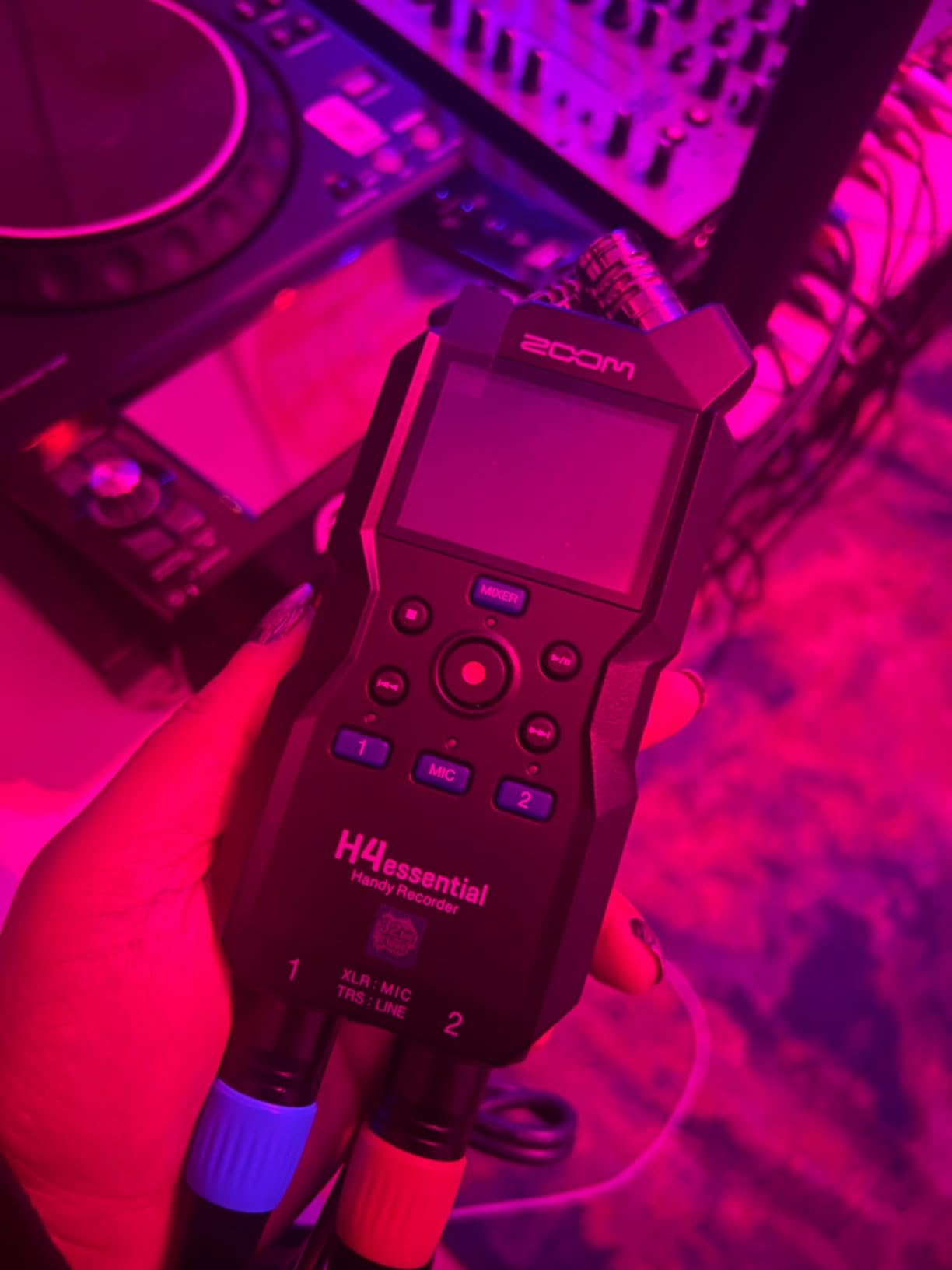
The Zoom H4 Essential is the recorder I bring to every interview shoot. The 32-bit float recording is the killer feature. It means I never have to set audio levels before pressing record, and I never have to worry about clipping when a loud noise happens unexpectedly. For solo filmmakers who cannot monitor levels in real time, this recorder is a stress reliever.
The built-in X/Y stereo microphones are surprisingly clean. I have recorded ambience tracks with these mics that required almost no post-production noise reduction. For run-and-gun documentary work, the X/Y pair captures enough stereo spread to feel cinematic without needing a separate mic setup.
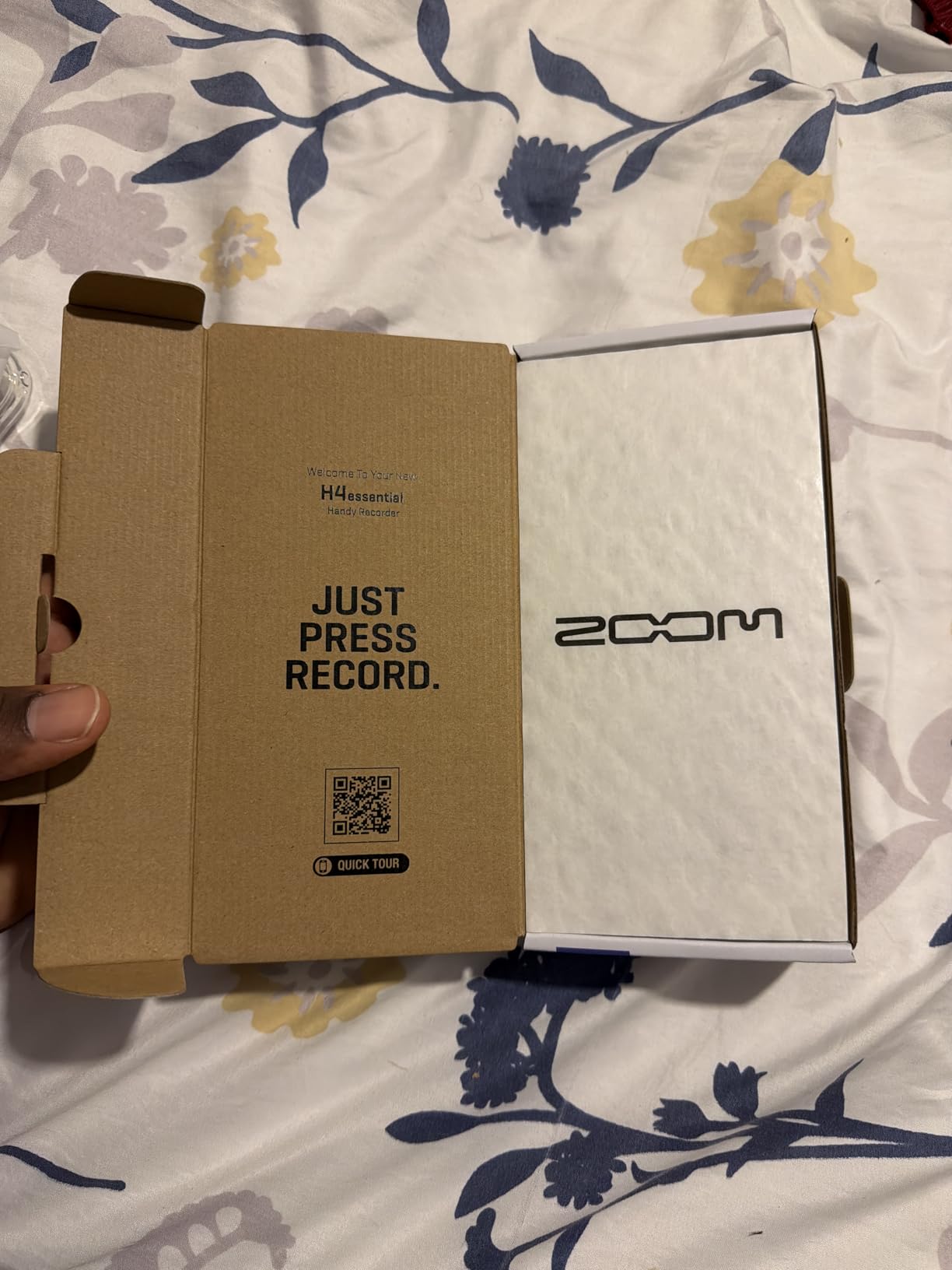
I used the H4 Essential on a documentary interview where my subject spoke at unpredictable volumes. The 32-bit float recording captured everything from a quiet aside to a sudden laugh without me touching the gain. That flexibility saved a take I would have lost with any other recorder.
The two XLR/TRS inputs also let me plug in a wireless receiver or a shotgun mic, making the H4 Essential a flexible hub for any audio setup. The USB-C audio interface functionality is another bonus. I have used the H4 as a podcasting interface by plugging it into a laptop, which eliminated the need for a separate interface.
Why this is the audio workhorse
The Zoom H4 Essential solves the most common solo filmmaker failure, bad audio due to improper gain staging. The 32-bit float recording means you can set it and forget it, and the built-in X/Y mics plus two XLR inputs cover everything from ambience to wireless lav feeds. Reviewers consistently mention how the clip-free recording has saved interviews they would otherwise have lost.
What could be better
Battery life drops significantly when phantom power is engaged, so plan accordingly for condenser mic setups. The plastic shell feels a step down from the older Zoom H5, which had a more rugged rubberized body. The buttons are also squishier than earlier Zoom models, which takes some getting used to.
10. Tilta Pocket Follow Focus – Best for Focus Pulls on Solo Shoots
Tilta Pocket Follow Focus | Precise Focus Ring with A/B Stops | Fluid Damping System | 15mm Rod & Rod Holder | Works with Most Cameras & Lenses | Lightweight, Comfortable, and Compact Design (FF-T07)
A/B stops
15mm rod
Compact
Interchangeable gears
Pros
- A/B hard stop system included
- Smooth focus wheel with great drag
- Swiveling gear for easy lens swaps
- Compact size fits small rigs
- Comes with safety case
Cons
- Focus direction inverts when bottom mounted
- Limited to 43-tooth gears
A follow focus is one of those accessories solo filmmakers often skip because they assume autofocus handles the job. The Tilta Pocket Follow Focus changed my mind on a documentary shoot where I was tracking a subject walking through a doorway. Autofocus hunted, the take was unusable, and I missed the moment. The next shoot, I had the Tilta on the rig, and every rack was smooth.
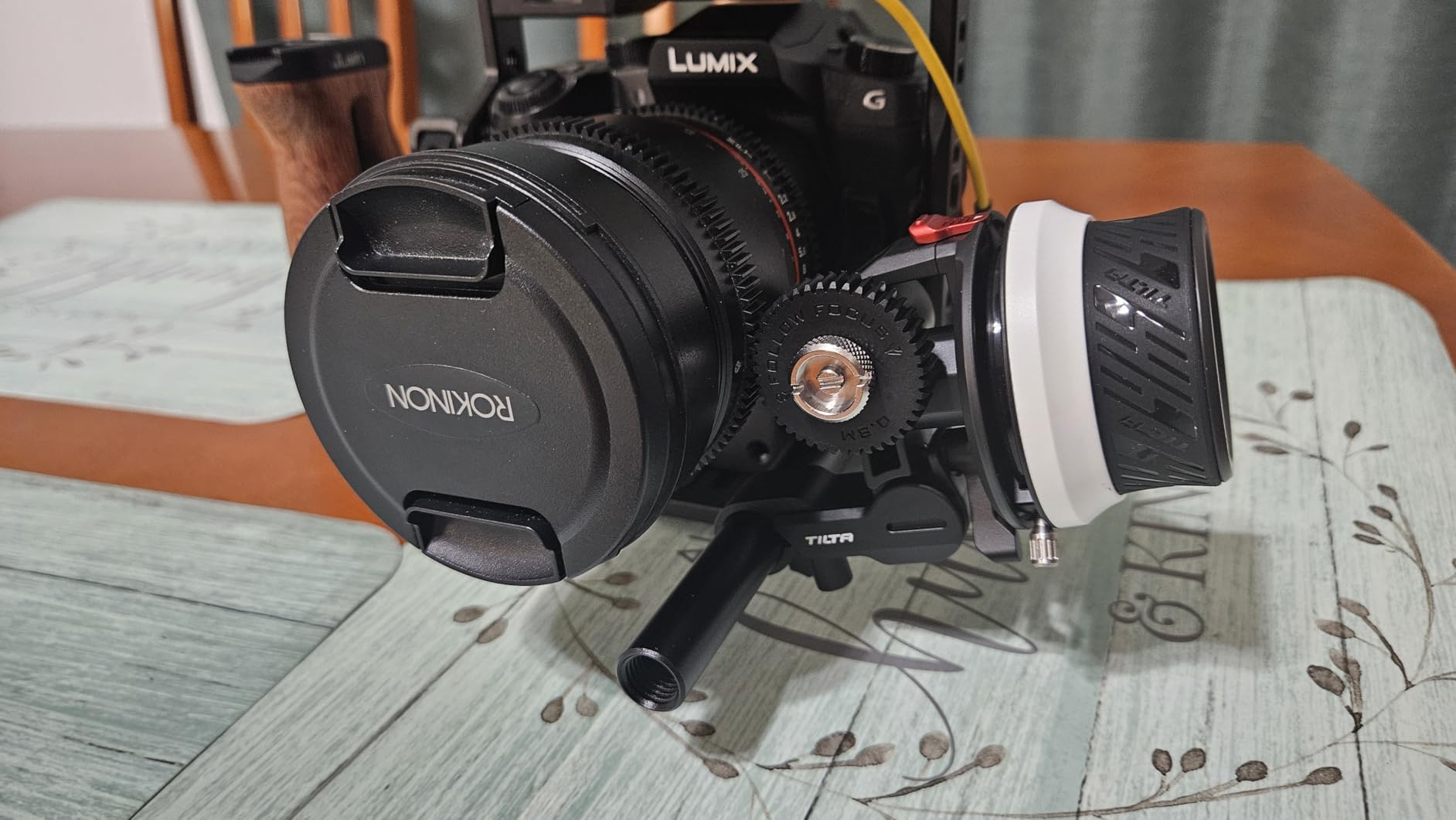
What makes this follow focus work for solo shooters is the compact size. It mounts on a single 15mm rod, weighs almost nothing, and fits on rigs that would not accept a full-size follow focus. For smaller mirrorless builds, that is critical. You do not need to commit to a full cage rig just to pull focus manually.
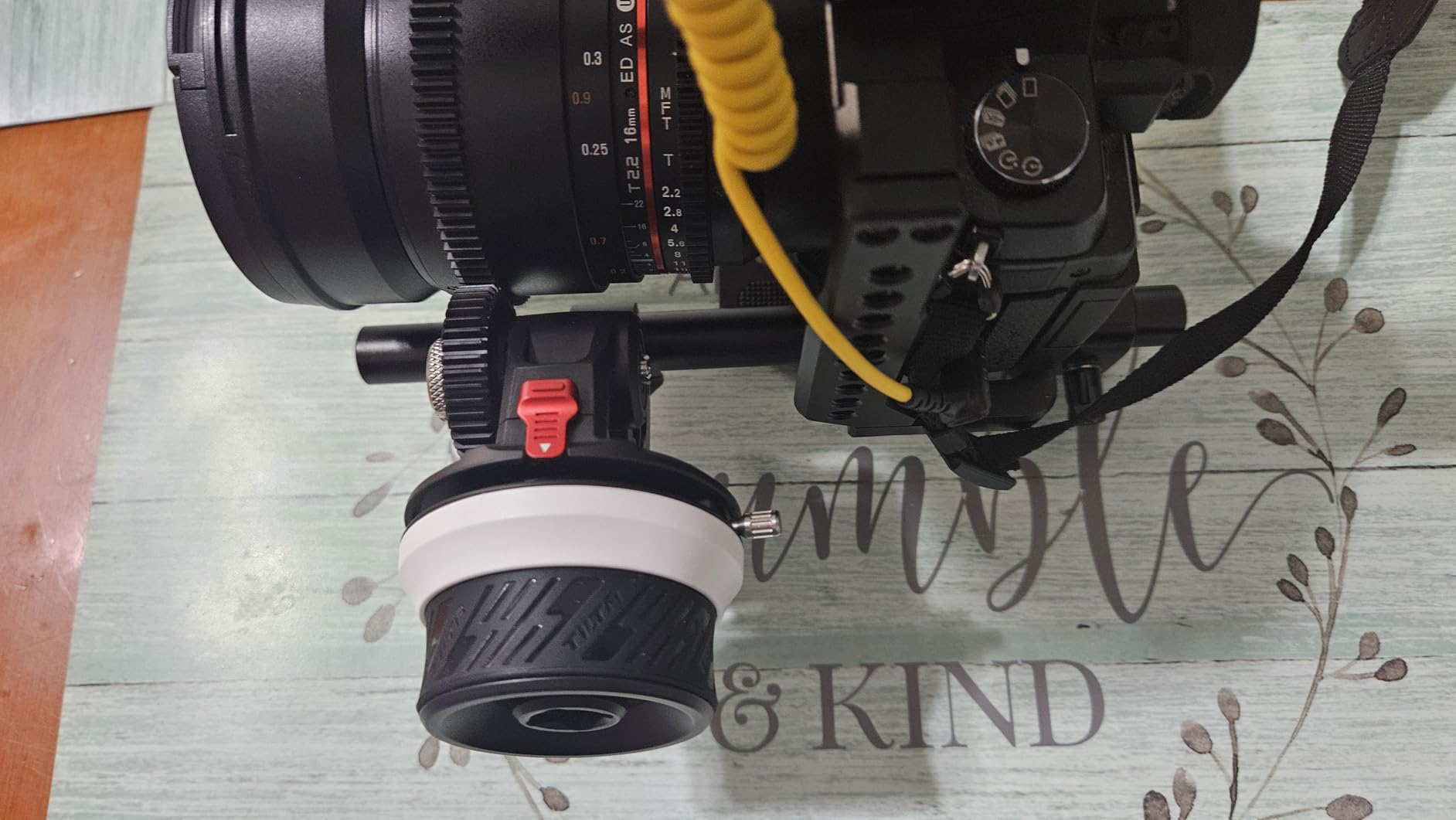
I tested the Tilta Pocket Follow Focus on a Sony A7 IV with a manual-focus 24mm lens. The A/B hard stop system let me set infinity at one end and a close focus mark at the other, so I could rack between subjects with confidence. The wheel’s drag was firm enough to feel precise without being hard to turn. Reviewers highlight the A/B system as one of the best implementations at this size.
The interchangeable gears are a smart touch. The Tilta ships with a gear ring that fits most still-photo lenses, and you can swap to different gears for cinema-style primes. The swiveling gear mechanism also makes lens changes faster, which matters when you are the only one operating the camera and you have to swap lenses between shots.
Why solo filmmakers should consider one
Manual focus pulls are the single biggest upgrade for cinematic-looking footage on a solo shoot. The Tilta Pocket Follow Focus makes manual focus repeatable, accurate, and fast enough for documentary work. The included safety case and 15mm rod holder mean you have a complete kit out of the box, ready to mount on any standard rig.
What it does not cover
The focus direction inverts when the unit is bottom-mounted, which can confuse operators who switch between top and bottom configurations. The Tilta also only supports up to 43-tooth gears, which is fine for still-photo lenses but limits compatibility with longer cinema lenses. For most solo shooters running mirrorless glass, neither limitation is a dealbreaker.
Buying Guide: How to Choose the Best Gear for Solo Filmmakers
Choosing the best gear for solo filmmakers is less about chasing specs and more about matching tools to your shooting style. After testing every product on this list and dozens more over the past three years, I have found that the right kit comes down to five decisions.
Match gear to your shooting style
Start with the type of work you shoot. Documentary and event videographers need fast-deploy audio, fluid-head tripods, and shotgun mics they can throw on a camera in seconds. Narrative short filmmakers need follow focus, external monitors, and lighting that can be shaped. Wedding videographers need gimbals, wireless audio, and run-and-gun support gear. Your genre determines which tools matter most.
Weight vs capability tradeoff
Every solo filmmaker I know has carried too much at some point. I once hiked 4 kilometers into a canyon with a fluid-head tripod, two LED panels, a boom pole, and a gimbal. By the time I got to the location, I was too tired to shoot well. The lesson is that lighter gear you actually bring beats heavy gear you leave at home.
Audio first – the universal rule
On every filmmaking forum I read, the consensus is the same. Audio failures ruin more footage than bad video. Get the cleanest audio you can afford, then build out from there. The Rode VideoMicro and Zoom H4 Essential on this list both address audio, and pairing them covers both on-camera and standalone recording needs.
Battery and power planning
Battery anxiety is real on solo shoots. If your camera, monitor, lights, and recorder all run on different battery systems, you will spend half your day swapping cells. Standardize where you can. NP-F batteries work across many LED lights and field monitors. USB-C power banks can run recorders and small monitors. V-mount batteries handle full cinema rigs.
Solo workflow tips
Plan ahead. Travel light. Set up once and shoot multiple angles before moving. Use a magic arm and articulating arm to mount your monitor where you can see it while standing away from the camera. Carry a small audio recorder as a backup to your camera audio. Always shoot with audio monitoring headphones during critical takes. And never trust autofocus for a single critical shot. Have a manual fallback ready.
For more on solo-friendly stabilization, our guide to the 8 best gimbals for solo filmmakers covers gimbals at every price tier. If you are still choosing a camera body, the 8 best cameras for solo filmmakers tested and ranked rounds up the top hybrid and cinema bodies. For scripted talking heads, the 8 best teleprompters for solo filmmakers covers prompters that work with one operator. And if you want to plan your shots before you arrive on location, the 10 best storyboard tools for solo filmmakers breaks down apps that work on a phone or tablet.
Frequently Asked Questions
What equipment does every filmmaker need?
Every filmmaker needs five core pieces of gear: a hybrid mirrorless or cinema camera with reliable autofocus, a shotgun or wireless lavalier microphone for clean dialogue, a fluid-head tripod or gimbal for stable shots, a portable LED light with bi-color and battery options, and a monitor or flip-out screen for accurate framing. Solo filmmakers should also add a top handle, magic arm, and a backup audio recorder for redundancy on single-operator shoots.
What is the best camera for a solo filmmaker?
The best camera for a solo filmmaker is one that combines reliable autofocus, in-body stabilization, a flip-out screen, and dual-pixel or phase-detect AF that tracks subjects without hunting. Popular picks include the Sony FX3, Canon R5 C, Blackmagic Pocket 4K, and Fujifilm X-H2S. The right camera depends on your genre, but the universal requirements are autofocus reliability, low-light performance, and a form factor one person can hand-hold for a full shoot.
What is the best microphone for filming?
The best microphone for filming solo is a combination of a camera-top shotgun mic for ambient and on-camera dialogue plus a wireless lavalier system for interview subjects. The Rode VideoMicro is a top-rated camera-top option, while the Rode Wireless Pro, DJI Mic 2, and Hollyland Lark Max lead the wireless lav category. For field recording, the Zoom H4 Essential with 32-bit float recording eliminates clipping and is the most forgiving recorder for one-person crews.
What is a good tripod for a solo shooter?
A good tripod for a solo shooter combines a fluid head for smooth pans and tilts, a mid-spreader for stability on uneven ground, and a weight under 10 pounds for portability. The Cayer BV30L with its K3 fluid head is one of the top-rated picks. For travel shooters, the SmallRig CT-10 doubles as a monopod. Heavier Gitzo and Sachtler tripods are excellent for studio work but become a burden on location shoots.
How much does a personal camera crew cost?
Hiring a personal camera crew for a single shoot day is a meaningful line item for indie productions, with day rates varying widely by region and experience level. A solo filmmaker equipped with the gear in this guide can produce comparable footage for the cost of the equipment only, since the kit pays for itself after a handful of paid shoots. Solo operation is a smart financial choice for indie filmmakers and content creators who shoot regularly without a crew.
Final Verdict
The best gear for solo filmmakers is not a single product. It is a small set of reliable, multi-purpose tools that one person can carry, deploy, and operate. After testing all 10 products on this list across documentary shoots, interviews, and narrative scenes, my top three recommendations stand out. The Rode VideoMicro is the clear editor’s choice for audio, the DJI RS 3 Mini is the premium pick for run-and-gun stabilization, and the Neewer 480 LED kit is the best value for solo creators who need professional output on a budget.
Start with audio. Mount a Rode VideoMicro on your camera today and you immediately eliminate the most common solo filmmaker failure. Add a fluid-head tripod like the Cayer BV30L or a 2-in-1 SmallRig CT-10 for stability. Bring a Neewer LED panel for light shaping. Layer in the support accessories, top handle, follow focus, and field monitor, as your shoots demand. That progression is how I built my kit, and it has produced every short film and documentary I have shipped since 2026.
If you take one thing from this guide, take this. The best camera you own is the one in your bag. Solo filmmaking is a craft of constraints, and the gear you actually carry, set up, and operate is the gear that makes your films. Pick from this list, build your kit, and start shooting.