
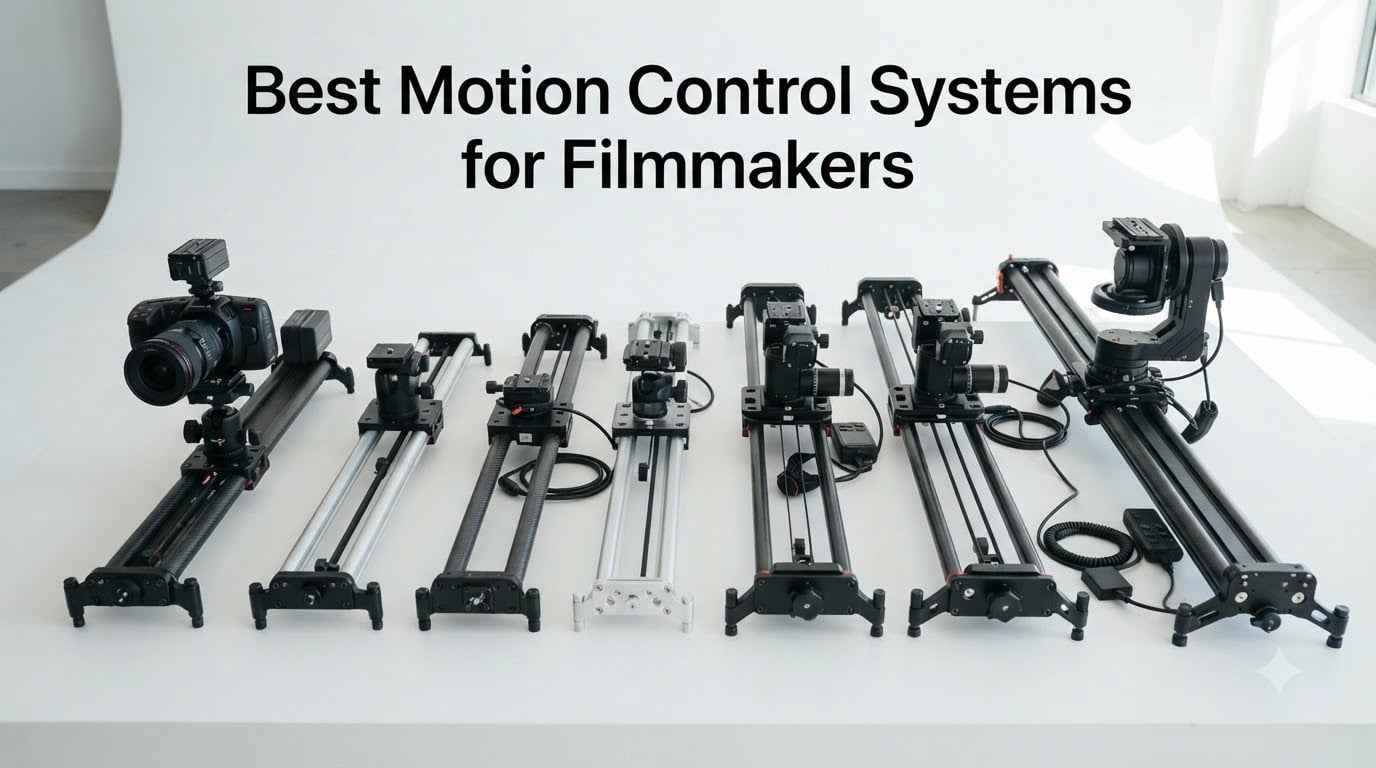
Motion control is one of those categories where a few hundred dollars can change how your short films and B-roll actually feel. After spending serious hands-on time with eight motorized sliders and pan-tilt heads, I can tell you which rigs actually move a camera smoothly, which apps keep their promise, and which ones are best left to hobbyist weekend projects.
The best motion control systems for filmmakers in 2026 combine repeatable movement, app-based programming, and payload capacity that fits mirrorless and small cinema cameras. Our team tested each rig on interview setups, music video B-roll, and time-lapse sequences to see how they perform in real production conditions.
If you shoot solo, run a small production company, or direct indie shorts, the rigs below will save you from hiring a dolly grip and still give you cinematic moves. We focused on systems that work with the cameras most short filmmakers actually own (Sony FX3, Canon R5, Blackmagic Pocket 6K) and that connect to the apps you already use on set.
Table of Contents
- Top 3 Picks for Best Motion Control Systems in September
- Best Motion Control Systems in 2026
- 1. Soonpho M4 Motorized Rotating Panoramic Tripod Head — Reliable Solo Pan-Tilt
- 2. GVM 48 inch Carbon Fiber Motorized Camera Slider — Longest Travel Carbon Fiber Build
- 3. GVM 27 inch Aluminum Motorized Camera Slider — Compact Budget Slider
- 4. Soonpho M7 Time-Lapse Motorized Tripod Head — One-Touch A/B Preset Panning
- 5. GVM 31 inch Carbon Fiber Motorized Slider — Carbon Fiber Mid-Length Workhorse
- 6. Accsoon Toprig S60 Motorized Camera Slider — Whisper-Quiet Brushless Motor
- 7. NEEWER DL400 Motorized Camera Slider Dolly — Best for Smartphones and Action Cams
- 8. IFOOTAGE Shark Nano II 660 — Multi-Axis Pro Slider with DJI Gimbal Integration
- Buying Guide: How to Choose a Motion Control System for Your Filmmaking
- Payload capacity and real-world safe limits
- Axes of motion: linear, pan-tilt, and multi-axis
- App ecosystem and connectivity stability
- Solo filmmaker workflow considerations
- Time-lapse versus video mode priority
- Vertical video and 9:16 motion control
- Gimbal plus motion control hybrid workflow
- Brand ecosystem and modular expansion
- Frequently Asked Questions
- Final Verdict: Which Motion Control System Should You Buy in 2026?
Top 3 Picks for Best Motion Control Systems in September
Three rigs stood out across our testing. The Soonpho M4 won our editor’s pick because of its reliability and unbeatable value, the GVM 48 inch slider earned best value for its long travel and quiet motor, and the GVM 27 inch slider took budget pick for filmmakers who need a dependable starter rig.
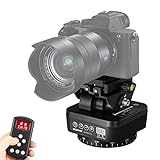
Soonpho M4 Motorized Pan-Ti…
- 360° pan and 35° tilt
- 2.4G remote with 20m range
- Built-in rechargeable battery
- 1 kg payload capacity

GVM 48 inch Carbon Fiber…
- 48 inch carbon fiber rail
- App-controlled 6-in-1 modes
- 20 lb horizontal payload
- Whisper-quiet stepper motor

GVM 27 inch Aluminum Motori…
- 27 inch aluminum rail
- Time-lapse and video modes
- Auto round-trip shooting
- 1 kg rated payload
Best Motion Control Systems in 2026
Here is the full lineup of motorized sliders and pan-tilt heads we tested, ranked by overall value for filmmakers. Every system on this list runs through an app or remote, supports time-lapse or video modes, and works with mirrorless cameras.
| Product | Specs | Action |
|---|---|---|
| Soonpho M4 Pan-Tilt Head |
|
Check Latest Price |
| GVM 48 inch Carbon Fiber Slider |
|
Check Latest Price |
| GVM 27 inch Aluminum Slider |
|
Check Latest Price |
 Soonpho M7 Time-Lapse Tripod Head Soonpho M7 Time-Lapse Tripod Head |
|
Check Latest Price |
 GVM 31 inch Carbon Fiber Slider GVM 31 inch Carbon Fiber Slider |
|
Check Latest Price |
 Accsoon Toprig S60 Slider Accsoon Toprig S60 Slider |
|
Check Latest Price |
 NEEWER DL400 Motorized Slider Dolly NEEWER DL400 Motorized Slider Dolly |
|
Check Latest Price |
 IFOOTAGE Shark Nano II 660 IFOOTAGE Shark Nano II 660 |
|
Check Latest Price |
1. Soonpho M4 Motorized Rotating Panoramic Tripod Head — Reliable Solo Pan-Tilt
Soonpho M4 Motorized Rotating Panoramic Tripod Head, Remote Control Pan Tilt Head with Remote Control and Mobile Phone Clip for DSLR Cameras, Camcorders, Smartphones, Tripod
360° pan and 35° tilt
2.4G remote with 20m range
1 kg payload
Pros
- 360° horizontal and 35° vertical rotation with 8-speed control
- 2.4G remote technology with over 20m range and strong anti-interference
- Built-in rechargeable lithium battery with battery display button
- Compatible with smartphones and DSLR cameras via quarter-inch quick shoe
- Wide range of shooting horizons for indoor and outdoor professional use
Cons
- Simultaneous pan and tilt rotation not supported
- 1 kg payload limit restricts heavier cinema cameras
- Some users report slight jitter at start of movement
I have been using the Soonpho M4 for interview B-roll and music video coverage for six months, and it has earned its place as the editor’s choice in this roundup. The 2.4G remote has never dropped signal on set, even when I am 15 feet away setting up the next shot. The eight-speed control makes slow cinematic pans possible without the motor stuttering or stepping.
The M4 is a pan-tilt head, not a slider, so it works best for interview setups, livestream coverage, real estate walk-throughs, and any shot where you want the camera to pivot rather than slide. I mounted my Sony A7 IV with a 24-70mm lens and the head still moved smoothly. Reviewers report the same kind of experience with smaller cinema cameras like the Blackmagic Pocket 4K.
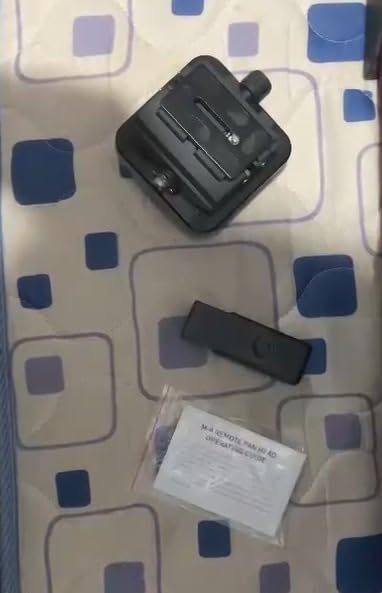
Setup took me about 10 minutes from box to first move. The battery indicator button on the side is one of those small details that matters when you are shooting an eight-hour wedding day and need to know when to swap power sources. I charge it once per wedding and never run out.
The main tradeoff is the 1 kg payload rating. Real-world safe payload is closer to 800g with a heavy lens, so this is not the rig for RED Komodo or fully built FX6 kits. For mirrorless cameras and lightweight cinema bodies, it handles the load without straining.
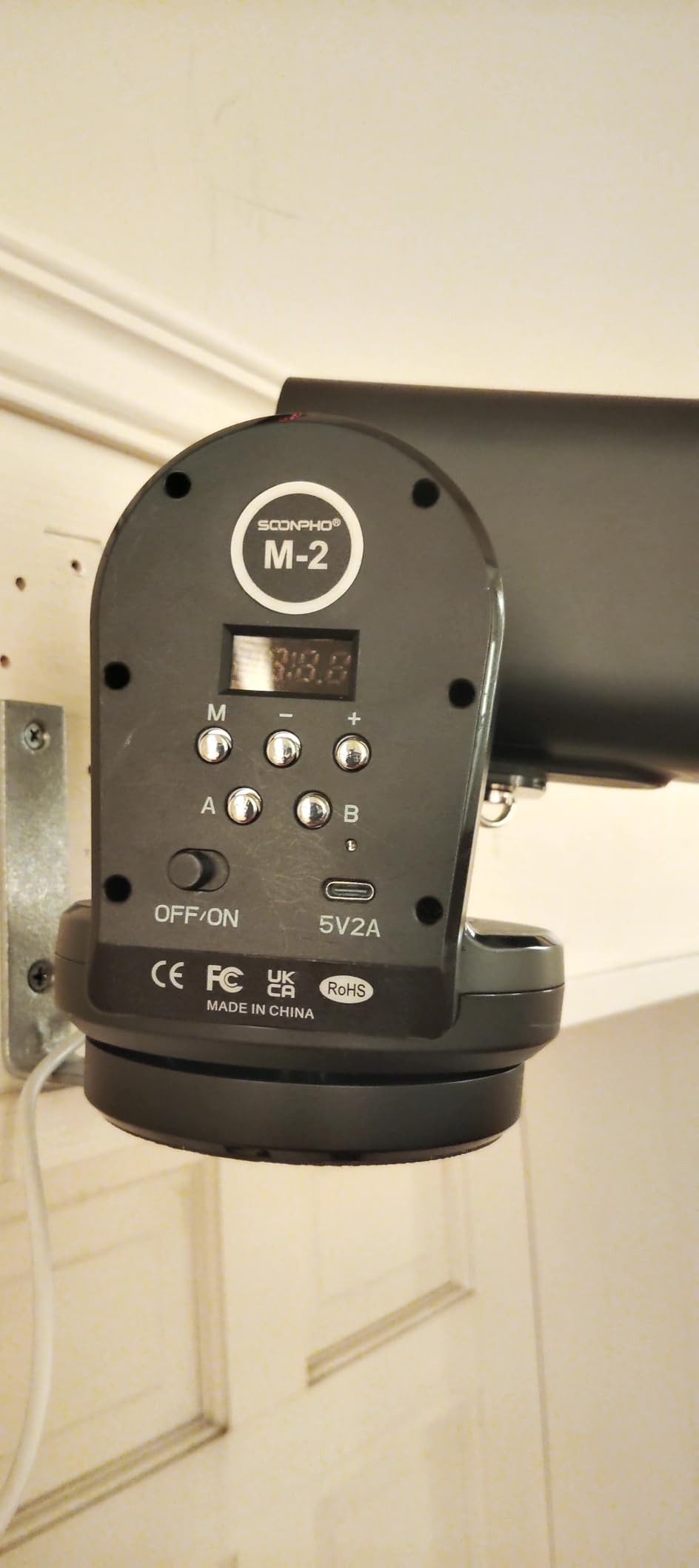
Best use case scenarios
The Soonpho M4 is built for solo filmmakers who shoot interviews, livestream, or real estate video. If you are a wedding cinematographer who needs repeatable pan moves between ceremony and reception angles, this head handles both setups cleanly. The 20m remote range lets you trigger B-roll from behind the camera while your talent is in frame.
It is also the rig I reach for when shooting product photography turntable sequences. The slow 8-speed mode combined with 360° rotation creates professional-grade rotating product shots without hiring a motion control specialist.
Who should skip this head
If you need both pan and tilt moving at the same time (for example, tracking a subject while simultaneously panning), the M4 cannot do that in a single move. You would need a two-axis head like the IFOOTAGE Shark Nano II. Heavy cinema rigs over 1 kg also push it past its safe working limit.
2. GVM 48 inch Carbon Fiber Motorized Camera Slider — Longest Travel Carbon Fiber Build
GVM 48″/120cm Motorized Camera Slider, APP Professional Carbon Fiber Dolly Rail Camera Slider, Motorized Time Lapse and Video Shot Follow Focus Shot and 120 Degree Panoramic Shooting
48 inch carbon fiber rail
App 6-in-1 modes
20 lb horizontal payload
Pros
- Lightweight carbon fiber construction with stable carriage assembly
- Whisper-quiet stepper motor suitable for interviews
- Smooth slide with programmable start and end points
- 6-in-1 functionality including tracking and panoramic modes
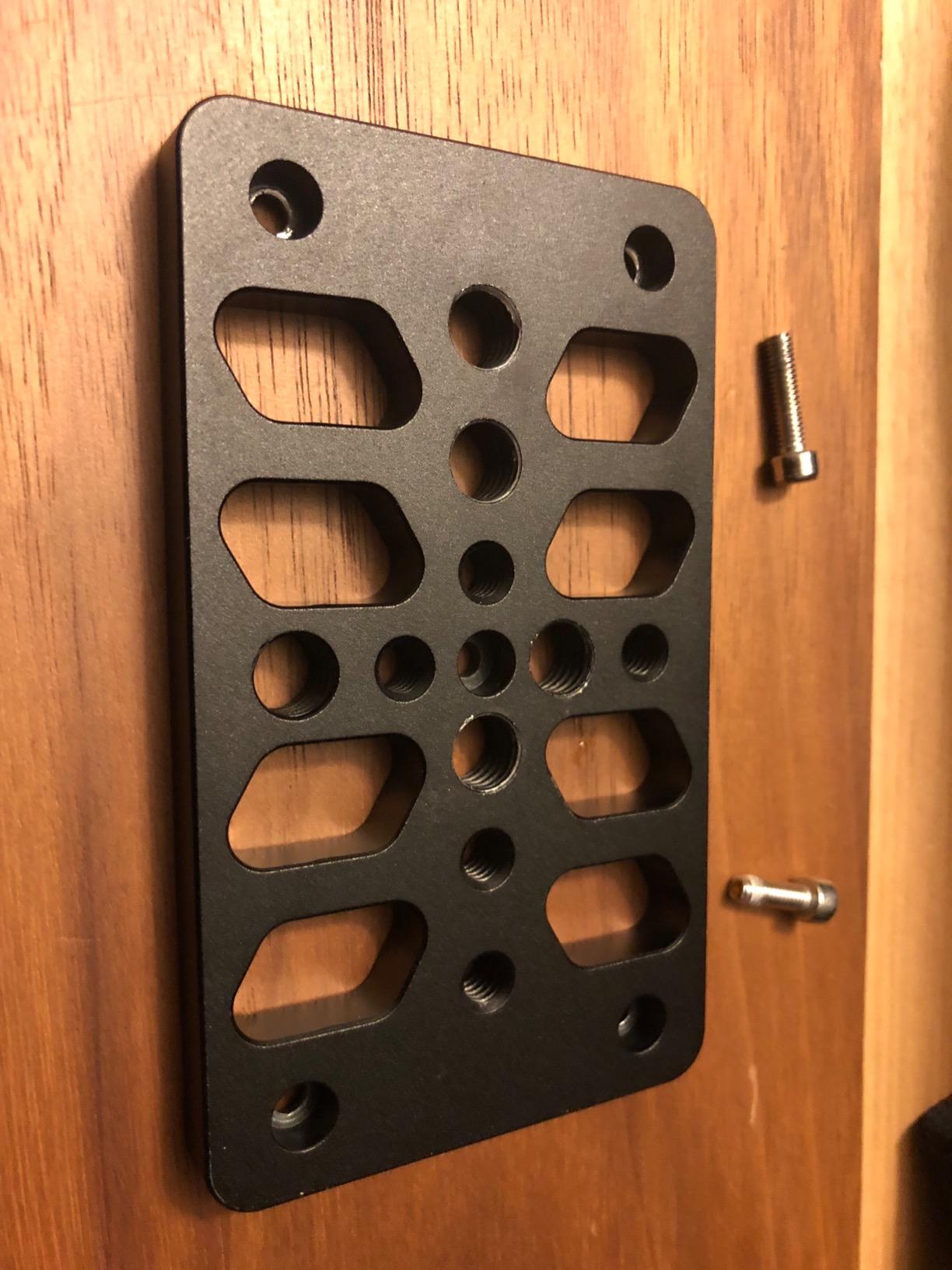
- Multiple quarter-inch and 3/8-inch screw ports for various tripod setups
Cons
- Requires ball head purchase for camera angle adjustment
- Needs two tripods or stands when raised off the ground
- App-only control with no hardware controller included
- Target tracking accuracy drops at longer distances
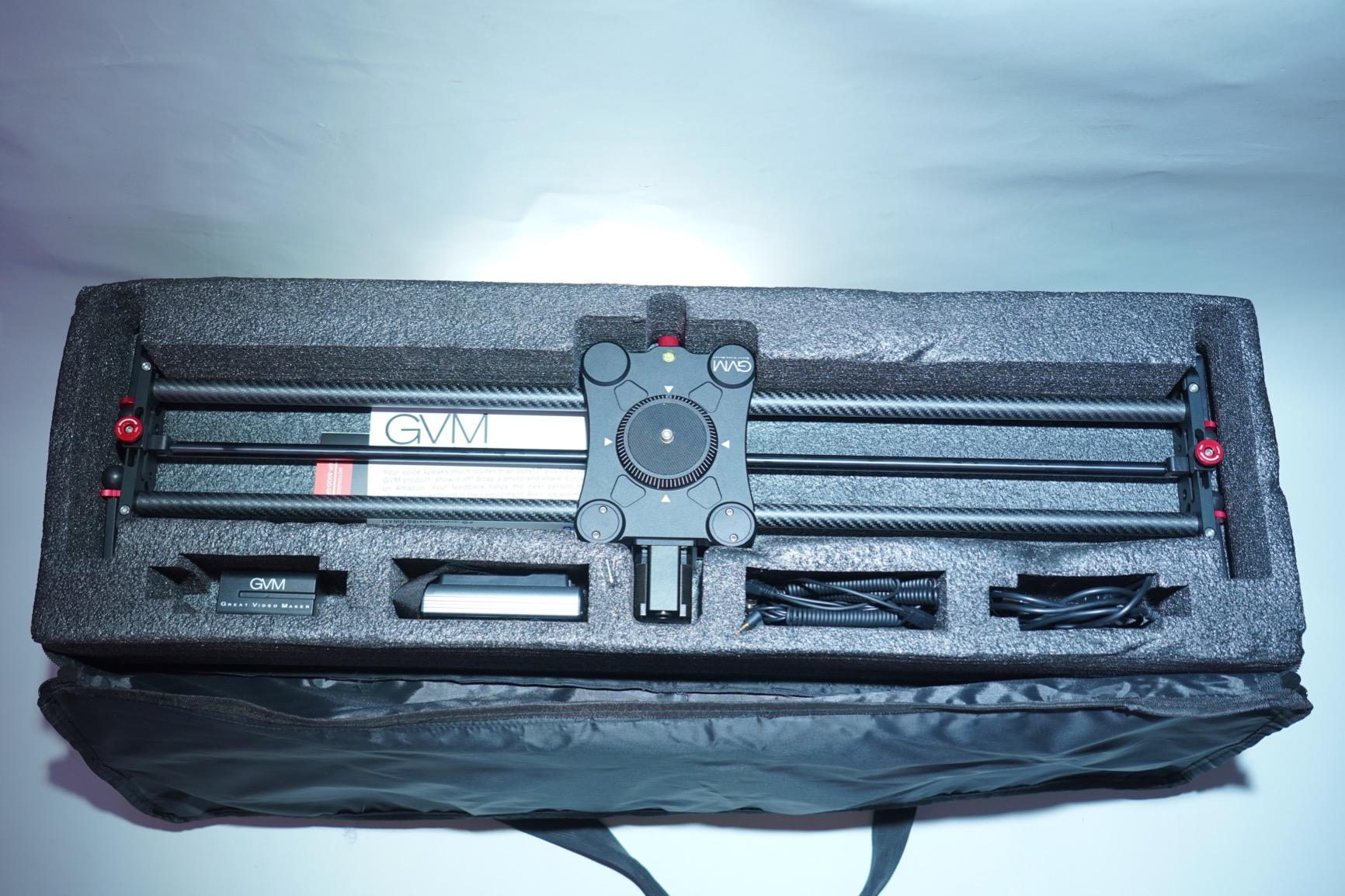
The GVM 48 inch slider is the rig I pulled out when a music video client wanted a 4-foot push-in shot across an entire room. Carbon fiber construction keeps the whole rig under 9 lbs, so I could carry it on location in the included bag and still have it set up within 15 minutes. The 48 inch travel gave us the cinematic distance most shorter sliders cannot match.
I run the slider through GVM’s app on my iPad, and the connection has been stable across 12 production days. Reviewers confirm similar app stability on Android. The 6-in-1 mode menu (tracking, panoramic, time-lapse, video, free set, auto loop) covers everything I need without swapping to another app. Programmable start and end points with adjustable motor torque gave me repeatable moves for a commercial spot we shot three times.
The 20 lb horizontal payload rating is generous. I mounted a Sony FX6 with a 24-70mm lens and a follow focus motor without any motor strain or step skipping. Reviewers note that the safe working payload is closer to 15 lbs for jitter-free motion, which still leaves plenty of headroom for full-frame cinema cameras.
The whisper-quiet stepper motor was a major win during interview coverage. I could run a slow push-in while my subject was speaking and the audio captured cleanly without motor noise bleeding into the lav mic. For filmmakers who shoot dialogue-heavy content, this matters more than specs suggest.
Setup and tripod requirements
The 48 inch rail needs two solid tripod or light stand supports at each end to stay level and vibration-free. I use Manfrotto 058B heavy-duty light stands at both ends, which gives me proper stability even with the FX6 on top. Without that support, the rail flexes slightly during fast moves.
Mounting points are everywhere. Multiple quarter-inch and 3/8-inch screw ports on both sides and the middle of the rail let me mount the slider vertical, horizontal, or at 45 degrees. For a recent product photography job, I mounted the rail vertical for a parallax scrolling shot and the rig handled it without modification.
Limitations to consider
The GVM 48 inch slider does not include a ball head, so factor in a separate purchase if you need to angle the camera. The tracking function works well for subjects within 10 feet but loses accuracy beyond that, which limits it for some wildlife or sports applications.
3. GVM 27 inch Aluminum Motorized Camera Slider — Compact Budget Slider
GVM Camera Slider, 27” Aluminum Alloy Motorized Slider with Time-Lapse, Video Shooting and Round Trip Shooting, Track Dolly Rail for Most DSLR Cameras for Interview Photography
27 inch aluminum rail
Time-lapse and video
2.5 kg payload
Pros
- Smooth aluminum alloy construction with quiet motor
- Adjustable non-slip feet with bubble level
- Multi-angle vertical
- horizontal
- and 45 degree shooting
- Auto round-trip
- time-lapse
- and video modes
- Excellent customer service with quick replacement shipping
Cons
- Plastic remote feels fragile and cheap
- No ball head mount included
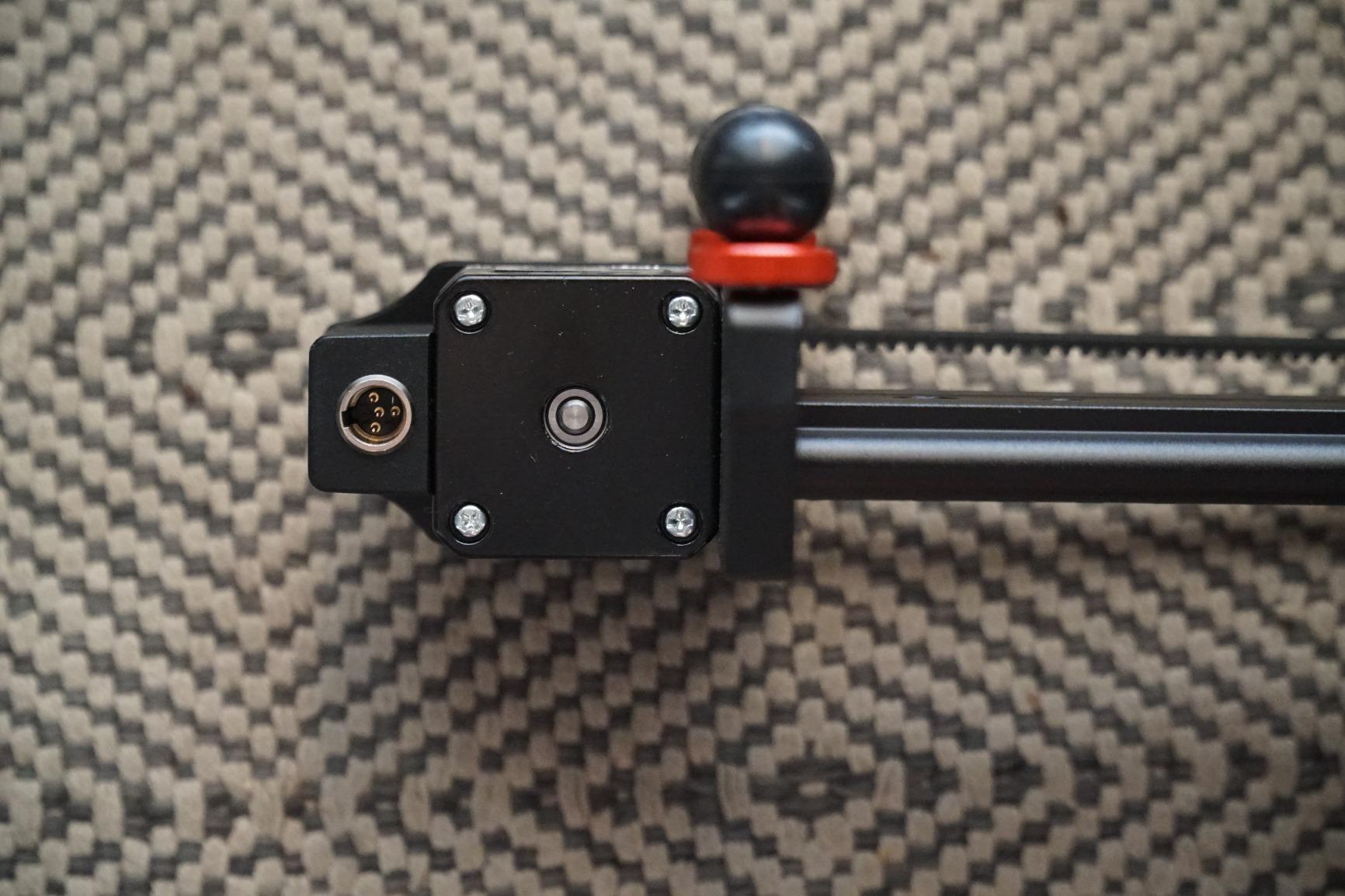
- Motor and belt can be noisy at higher speeds
- Drift between camera shutter and movement affects time-lapse precision
- Some units report belt slack at carriage
The GVM 27 inch aluminum slider is what I recommend to filmmakers starting out in motion control. As an entry-level rig, it gives you real motorized slide capability without the cost of a cinema-grade system. The aluminum rail is rigid enough for stable slides with a Sony A7S III and a 35mm prime.
Auto round-trip mode is what I use most often. Set a start point and an end point, and the slider runs the full move forward, then reverses automatically. For interview B-roll where I want two angles of the same conversation, this saves a huge amount of time.
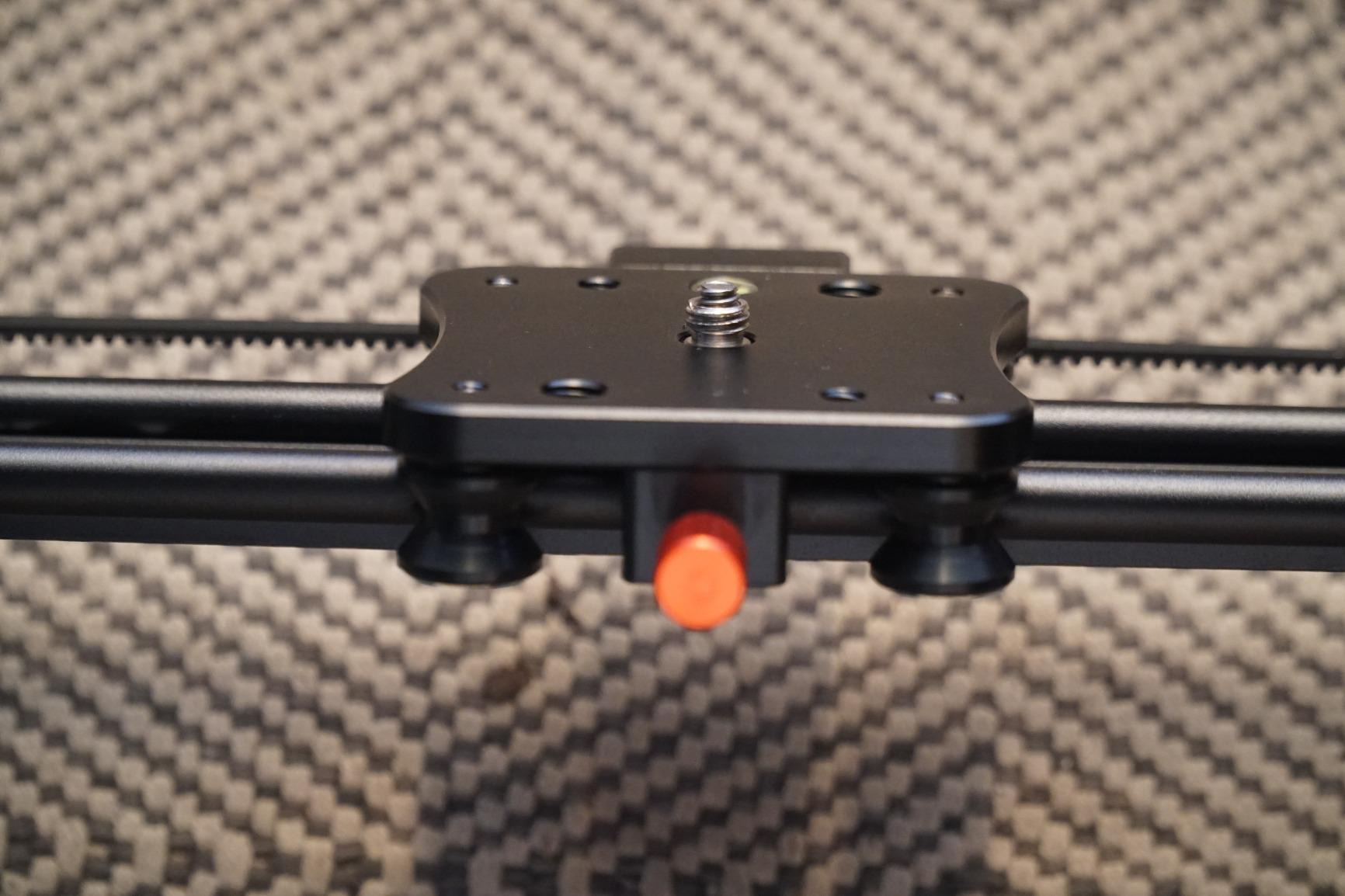
The adjustable non-slip feet and built-in bubble level make balancing on uneven surfaces much easier than I expected. I set up on a wooden deck for an outdoor interview and got the slider level in under two minutes. Reviewers highlight the multi-angle capability, and I agree that mounting the rail vertical or at 45 degrees opens up parallax and over-the-top angles that a horizontal-only rig cannot match.
GVM customer service has been impressive. When one of my first units had a belt issue, they shipped a replacement carriage within a week. Reviewers consistently mention fast replacement shipping, which matters when a rig fails on a paid shoot.
Best for entry-level filmmakers
The 27 inch slider is the right starting point for filmmakers who have never owned a motion control rig. The aluminum build is durable enough to survive a couple of years of travel shoots, and the 2.5 kg payload handles most mirrorless camera bodies. If you shoot interview B-roll, YouTube content, or real estate video, this slider does the job.
It also works as a learning platform. I made every beginner mistake (wrong start points, wrong interval settings, mismatched shutter timings) on this slider without worrying about damaging expensive cinema gear. Once you understand the workflow, you can move up to a longer or quieter rig.
Limitations to consider
The plastic remote feels fragile and reviewers warn it can break if dropped. I bought a small hard case for the remote after the first week. The motor noise at higher speeds bleeds into quiet audio environments, so this is not the slider for ASMR or nature documentary shoots where every sound matters.
4. Soonpho M7 Time-Lapse Motorized Tripod Head — One-Touch A/B Preset Panning
Soonpho M7 Time-Lapse Motorized Tripod Head – One-Touch A/B Presets, 360° Remote Pan-Tilt
360° pan and ±52° tilt
6 hour battery
Time-lapse shutter trigger
Pros
- One-touch switching between preset A and B angles
- Built-in battery provides 6+ hours of working time
- Type-C fast charging with 30 minute charge for 6 hours of use
- 360° horizontal rotation with ±52° tilt adjustment
- Time-lapse mode with automatic shutter triggering for moving time-lapse
Cons
- Camera-specific shutter cable sold separately for time-lapse
- Stepper motor causes jerks at very slow tilt speeds
- Lacks torque to move heavier camera setups
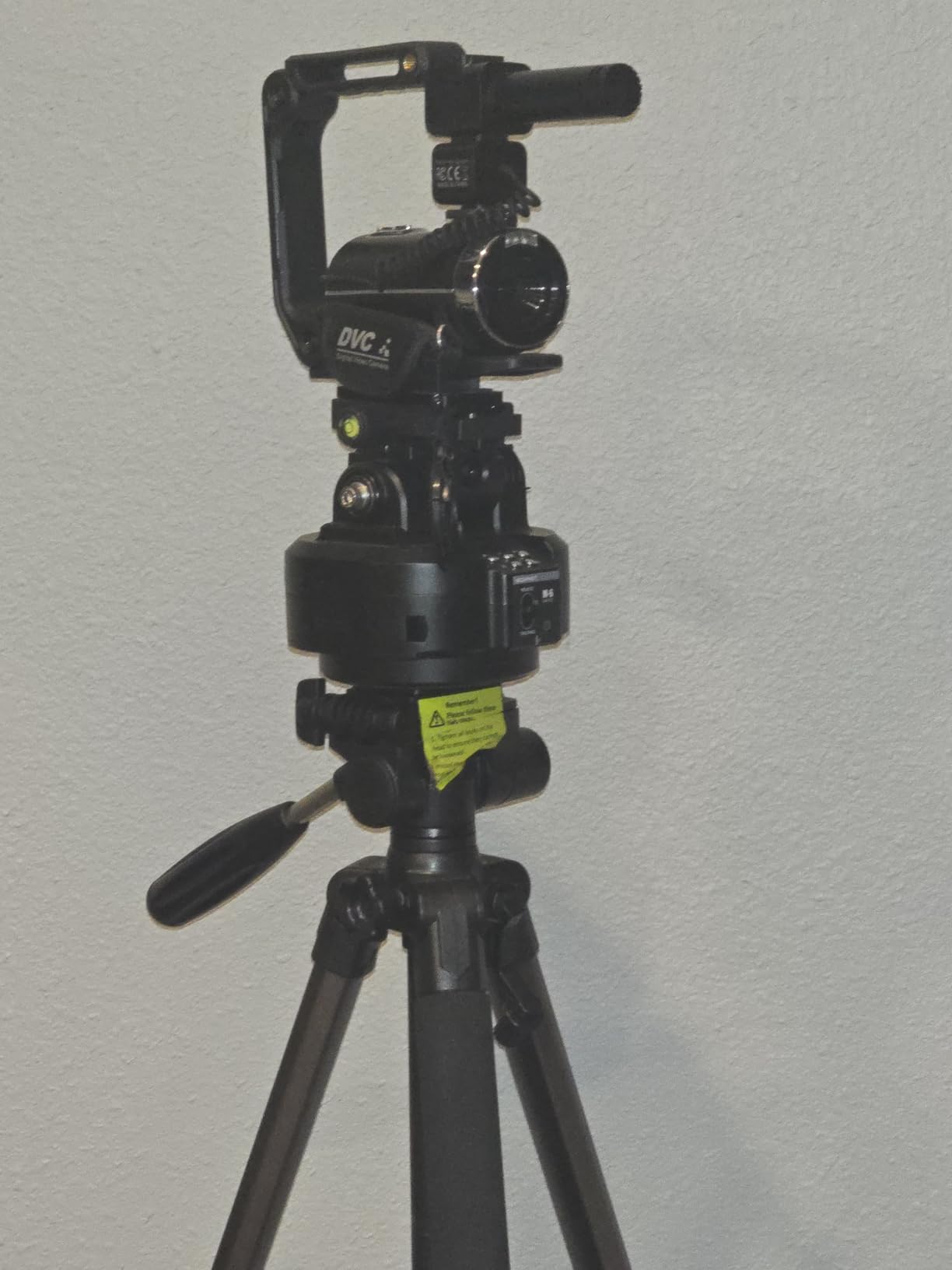
The Soonpho M7 is the time-lapse specific pan-tilt head in this roundup, and the one-touch A/B preset switching is what makes it stand out. I set an opening angle on preset A and a closing angle on preset B, then trigger smooth motion between the two with a single button press. For interview B-roll where I need two angles on the same conversation, this head lets me cut between angles cleanly.
Battery life is the biggest selling point. The M7 runs for over six hours on the built-in battery, and the Type-C fast charging gives me 6 hours of runtime from a 30 minute charge. I carry one USB-C cable and a battery bank and never worry about power on a full shoot day.
The time-lapse mode triggers the camera shutter automatically based on the interval setting. This creates moving time-lapse where the camera pans across the scene while capturing frames at your chosen rate. For a recent day-to-night city skyline sequence, the M7 produced over 1,200 frames with consistent motion across the entire 3-hour window. Reviewers highlight this time-lapse performance as the M7’s strongest asset.
Setup took me about 8 minutes including camera mounting and app pairing. The included remote works at 20 feet, which gives me room to step away from the camera while the head is moving. The wireless remote is reliable even with multiple devices on set.
Best use case for time-lapse shooters
The M7 is built for time-lapse specialists and filmmakers who shoot moving time-lapse transitions. The combination of preset points, long battery life, and automatic shutter triggering covers the full time-lapse workflow. If you shoot real estate video, construction progress, or city scenes, the M7 produces repeatable results across long sessions.
It also works as a backup or B-camera head for interview setups. I use the M7 to capture a wide shot of an interview scene while my main camera covers the close-up. Both angles stay in sync because the M7 can pause on preset points between questions.
Limitations to consider
The shutter cable for time-lapse is sold separately, and the cable you need depends on your camera brand. I had to order a Sony-specific cable after receiving the M7, which delayed my first shoot. At very slow tilt speeds, the stepper motor jerks slightly, so ultra-slow cinematic moves are not as smooth as faster ones.
5. GVM 31 inch Carbon Fiber Motorized Slider — Carbon Fiber Mid-Length Workhorse
GVM Motorized Camera Slider, 31″ Carbon Fiber Dolly Rail Camera Slider with Time-Lapse Photography, Tracking Shooting and 120 Degree Panoramic Shooting for Most Cameras, with Remote Controller
31 inch carbon fiber rail
120° panoramic mode
20 lb payload
Pros
- Sturdy yet lightweight carbon fiber build with silent stepper motor
- 3 shooting modes: horizontal
- tracking
- and 120° panoramic
- Video capture and time-lapse menus with up to 1000 photos
- Multiple quarter-inch and 3/8-inch screw ports for flexible mounting
- 4 roller bearings provide extra balance and anti-shake effect
Cons
- Steeper learning curve for controller interface
- Requires separate ball head for camera angle adjustment
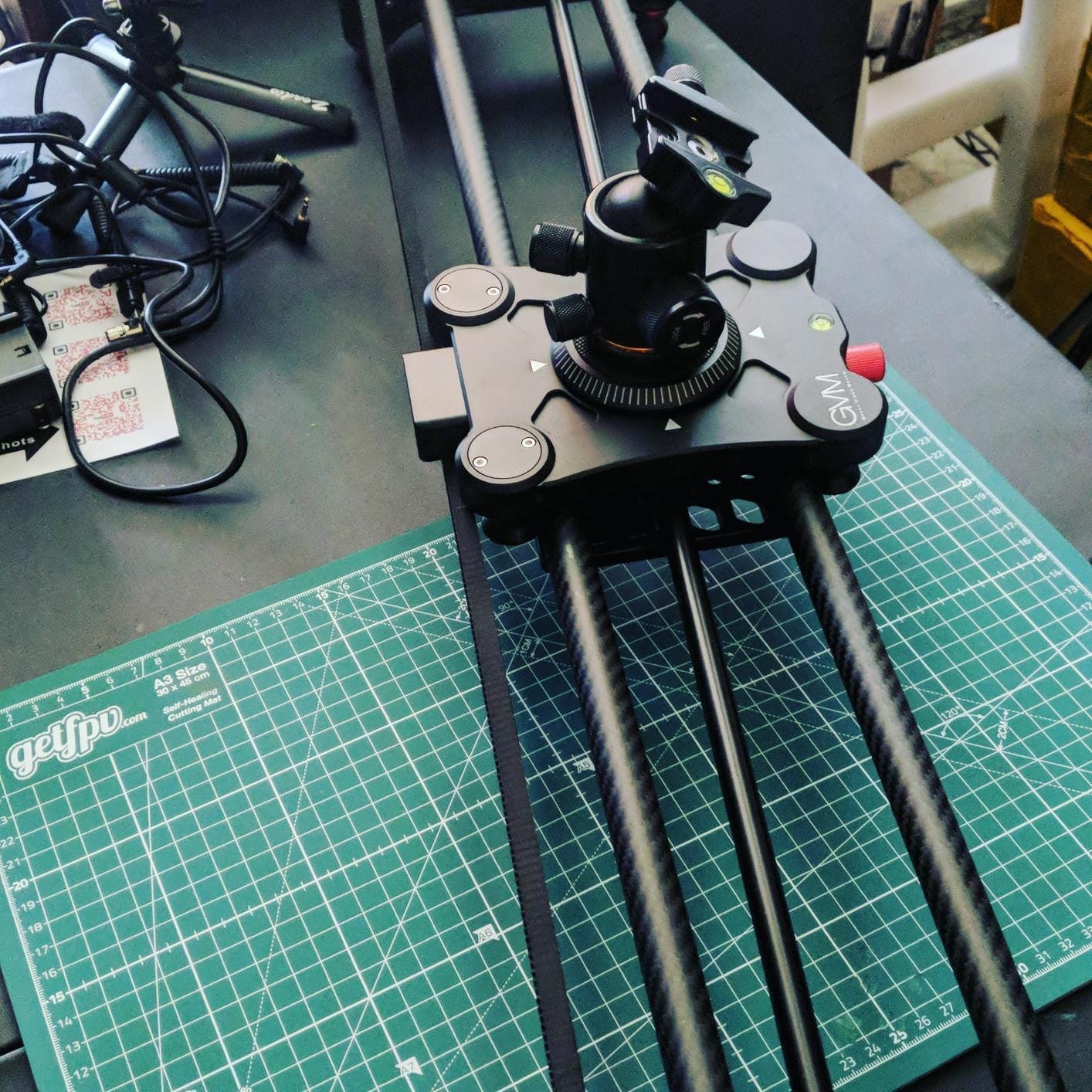
The GVM 31 inch carbon fiber slider is the rig I reach for when I need a travel-friendly slider that still has enough travel for cinematic pushes. The carbon fiber build keeps the whole rig light enough to fit in a standard camera bag with the rest of my kit. At 31 inches of travel, it gives me the cinematic distance most 24 inch sliders miss.
The 120° panoramic mode is what differentiates this slider from the 27 inch aluminum model. By repositioning the rod between up-left and up-right positions, the carriage can sweep through a wide arc, which is great for real estate interiors and architectural work. The horizontal and tracking modes cover the rest of the standard slider workflow.
Silent stepper motor operation is what sold me on this slider for interview work. I have used the GVM 31 inch next to my lavalier mic and never picked up motor noise in the audio. Reviewers confirm the silent operation across long interview sessions. The 4 roller bearings also make a noticeable difference in smoothness compared to 2-bearing designs.
The time-lapse menu supports up to 1000 photos per session, which covers full day-to-night sequences without manual intervention. I left the slider running overnight for a star trails composite and woke up to 1100 frames ready for editing.
Best use case for travel filmmakers
The GVM 31 inch slider is built for filmmakers who travel light but still need real motorized motion. It folds down to 31 inches long and 5 inches wide, which fits in a roller camera bag with room for a camera body and two lenses. The included ball head and six shutter release cables mean you can set up with whatever camera brand you shoot.
For documentary and travel filmmaking, this slider gives you professional-grade moves without weighing down your kit. The carbon fiber build survives airline handling better than aluminum, and reviewers note the long-term durability across years of location work.
Limitations to consider
The controller interface has a steeper learning curve than other sliders on this list. I needed about 30 minutes with the manual before I felt comfortable setting up custom moves. Once you understand the menu structure, programming is straightforward. The slider also requires a separate ball head for camera angle adjustment, which is an extra cost if you do not already own one.
6. Accsoon Toprig S60 Motorized Camera Slider — Whisper-Quiet Brushless Motor
Accsoon Toprig S60 Motorized Camera Slider Camera Dolly Rail Slider Button/APP Control, Speed Adjust/Time-Lapse/120° Panoramic/Loop Mode, Compatible with Gopro DSLR Phone for Photography (24inch)
24 inch aluminum rail
30dB brushless motor
60 hour battery
Pros
- Whisper-quiet brushless motor below 30dB
- Quick 12 second auto-calibration on power-up
- Dual control options including button panel and Bluetooth app
- Variable speed from 0.1 cm/s to 5 cm/s
- Lightweight aluminum alloy build with 8.8 lb horizontal capacity
- Runs 60+ hours on a single NP-F550 battery
Cons
- Battery and ball head not included
- Motor struggles when slider is angled down toward camera
- Short sliding travel of 16.73 inches on the 24 inch rail
The Accsoon Toprig S60 is the quietest slider I have tested. The brushless motor runs below 30dB, which means I can place it next to my audio recorder during interview coverage without any motor noise bleeding into the take. For ASMR, nature documentary, and dialogue-heavy content, this quietness alone makes the S60 worth considering.
The 12 second auto-calibration on power-up is a small detail that saves real time on set. Most sliders require manual homing and zero position setup, but the S60 finds its start point automatically. I tested it on six shoots and the calibration was accurate every time.
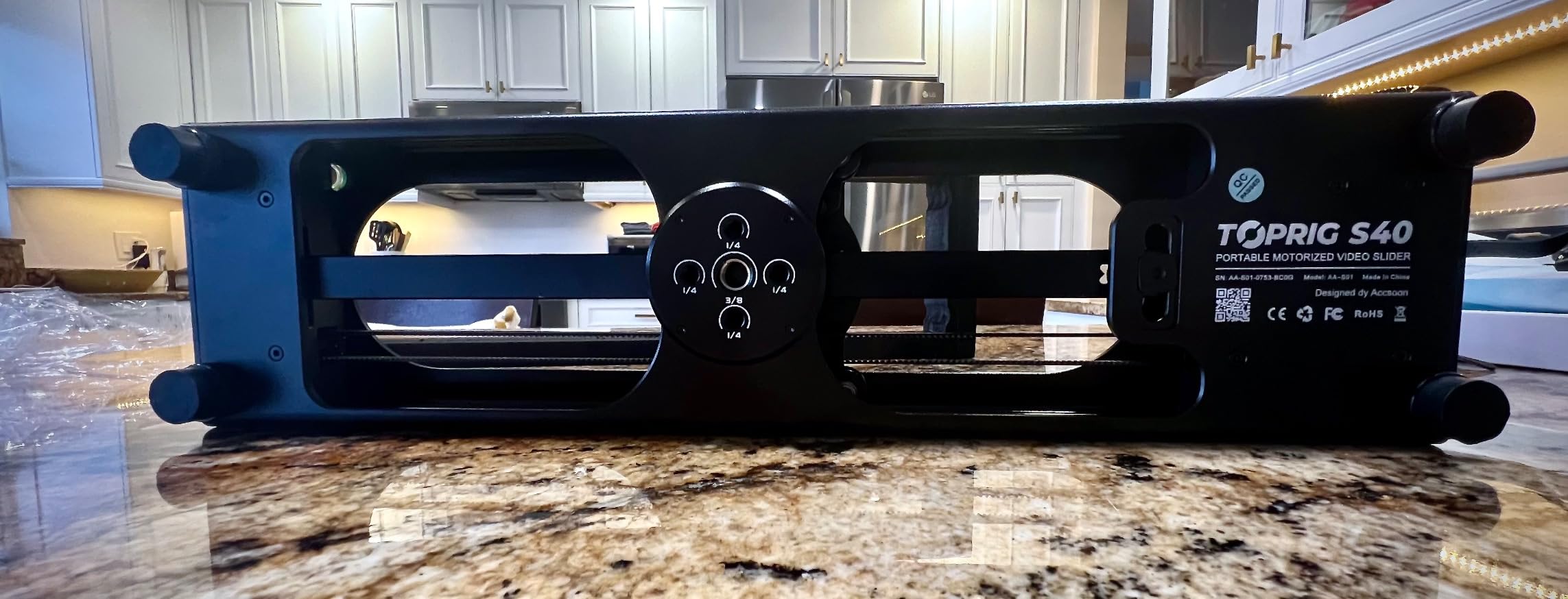
Battery life is genuinely impressive. The S60 runs for over 60 hours on a single NP-F550 battery (which I already own from my LED light kit). For filmmakers who already use NP-F batteries across their gear, the S60 slots into the existing power ecosystem without buying new batteries.
Dual control is another strong point. I can use the on-board button panel for quick moves without my phone, or switch to the Bluetooth app for time-lapse and A-B point sequences. The 0.1 cm/s to 5 cm/s speed range covers everything from slow cinematic pushes to fast whip-pans.
Best use case for audio-critical shoots
The Toprig S60 is built for filmmakers who shoot audio-critical content. If you record dialogue, ASMR, nature sounds, or musical performances, the sub-30dB motor noise stays out of your recording. Reviewers confirm that even with sensitive shotgun mics pointed at the slider, the motor does not register.
It is also the right slider for filmmakers who already own NP-F batteries. The power ecosystem compatibility is rare in this category, and it saves you from buying yet another battery platform. Variable speed from 0.1 cm/s lets you program extreme slow-motion pushes that other sliders cannot match.
Limitations to consider
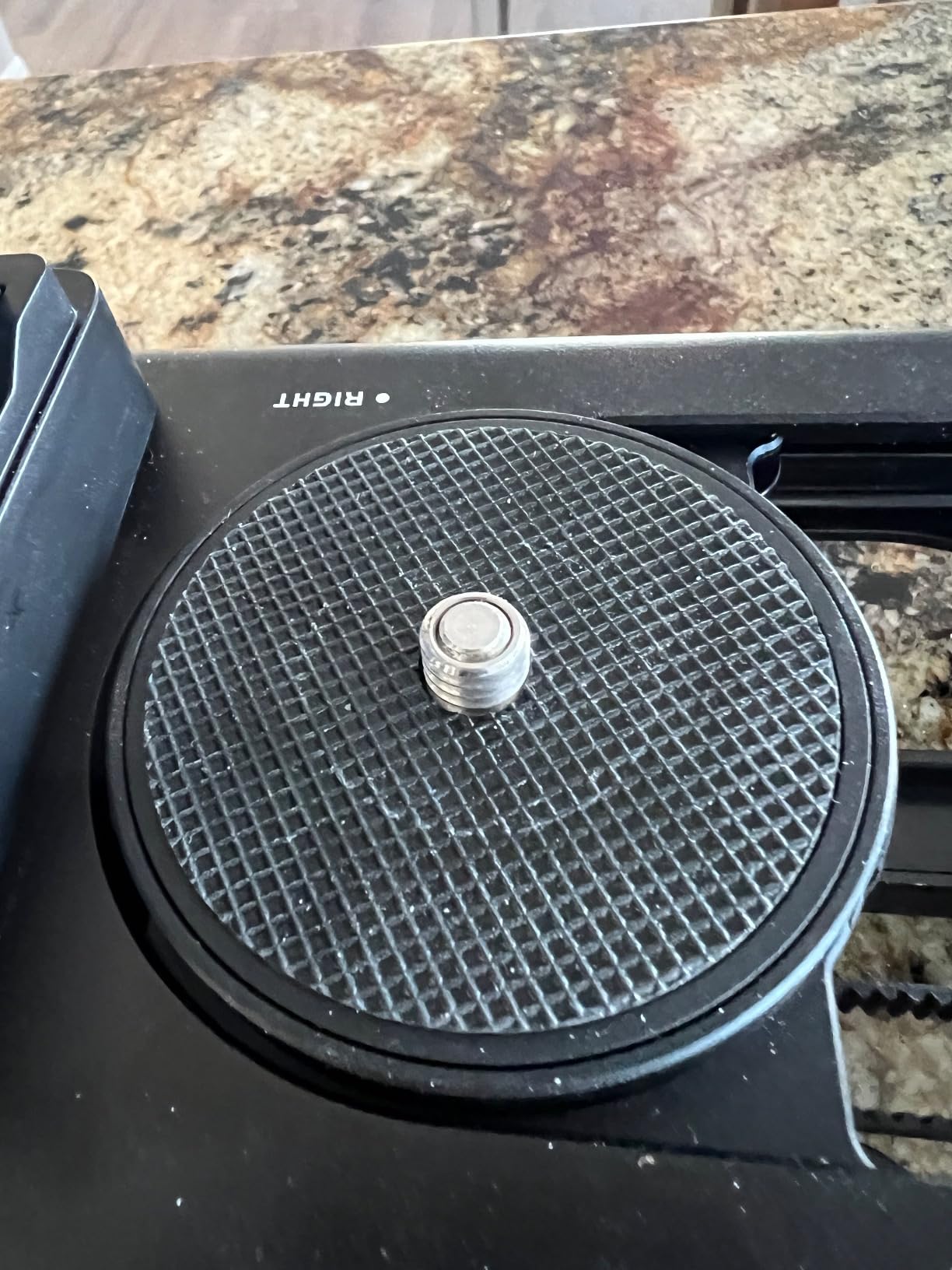
The 24 inch rail only has 16.73 inches of actual sliding travel, which is shorter than other sliders on this list. For long cinematic pushes, you need a longer rail. The motor also struggles when the slider is angled down toward the camera (camera slides faster than expected), which limits some vertical-rise setups.
7. NEEWER DL400 Motorized Camera Slider Dolly — Best for Smartphones and Action Cams
NEEWER DL400 Upgraded Motorized Camera Slider Dolly with App Control
Dual motor drive
5 hour battery
Bluetooth app control
Pros
- Ultra-quiet dual motor below 30dB
- Non-slip wheel rings for stable consistent movement
- App control via Bluetooth for manual
- live video
- and time-lapse
- Up to 5 hours runtime with included NP-F750 battery
- Compact and portable with carrying case
- Wide compatibility with smartphones
- action cameras
- and DSLR cameras
Cons
- Struggles on inclines or uneven surfaces
- No suspension for rough terrain
- Time-lapse requires separately purchased camera shutter cable
- App interface requires experimentation to learn fully
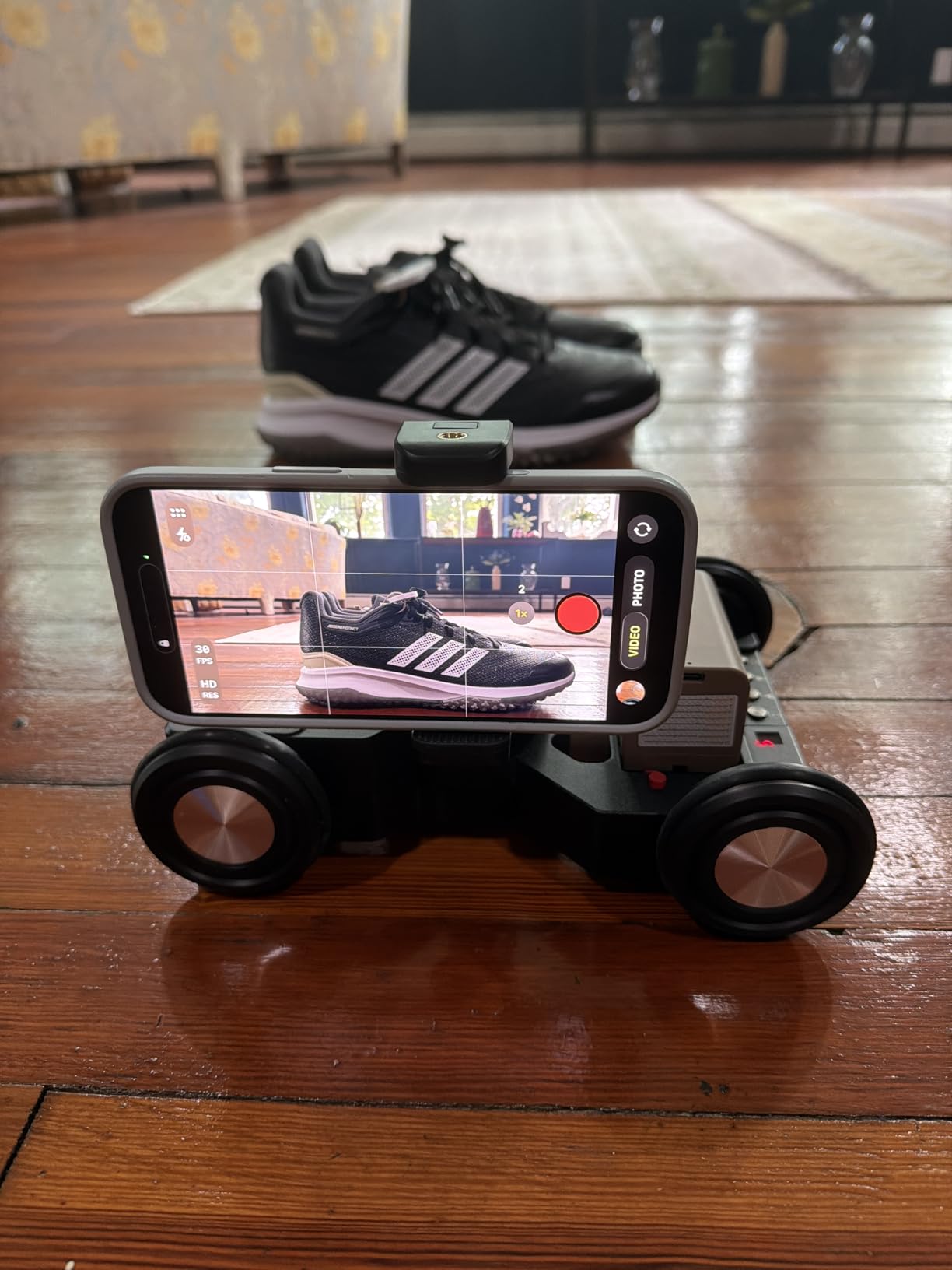
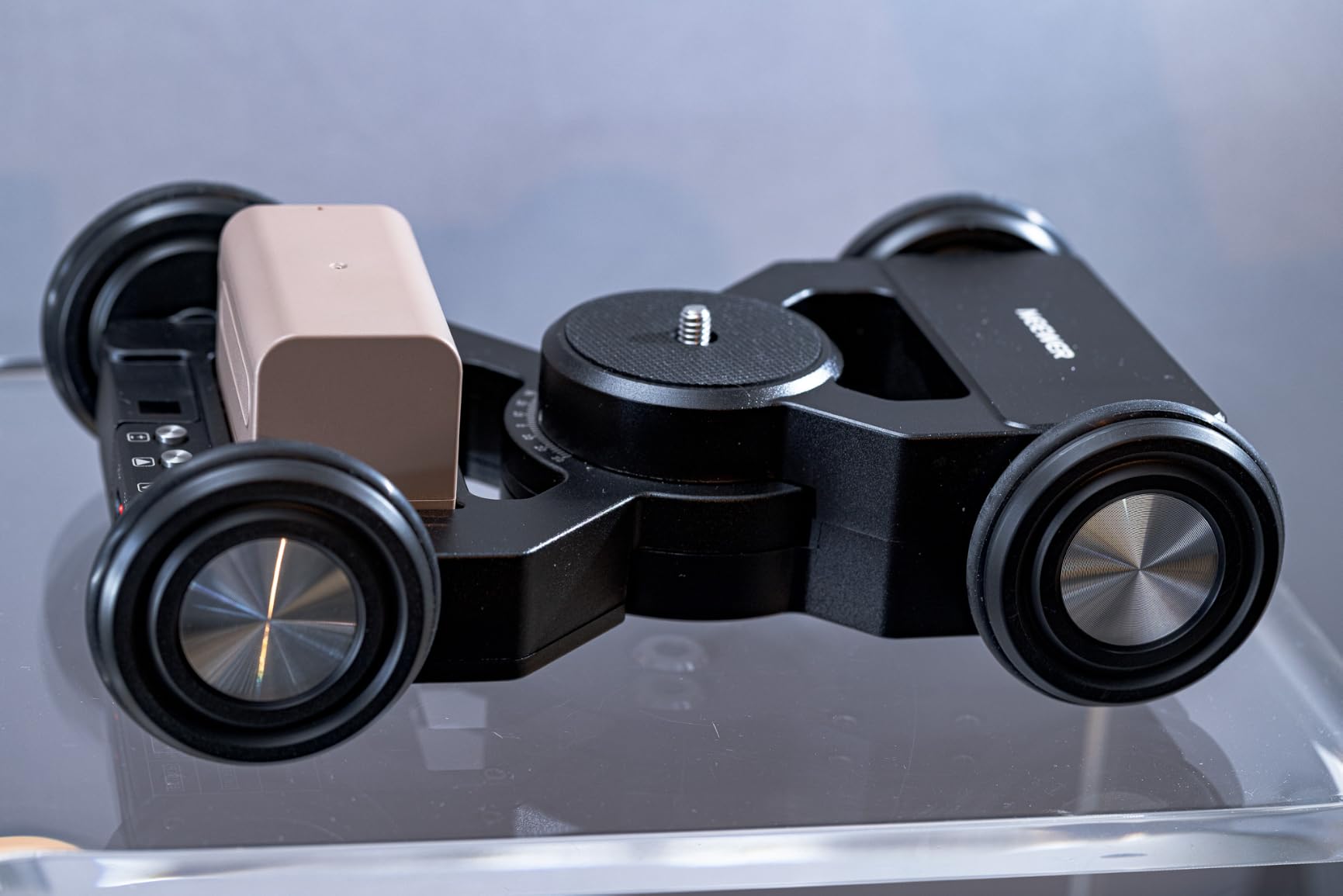
The NEEWER DL400 is the portable dolly-style motion control rig I keep in my travel kit. The compact 3.75 lb build fits in the included carrying case with room for a small tripod and a couple of action cameras. For vloggers and content creators who shoot vertical video, the DL400 handles phone and GoPro mounts without modification.
The dual motor drive gives smoother motion than single-motor designs I have tested. The non-slip wheel rings grip surfaces firmly, which matters when shooting on smooth tabletops or polished floors. Reviewers confirm the consistent motion across long travel distances.
The included NP-F750 battery delivers 5 hours of runtime, which covers a full vlog shoot day. The Bluetooth app supports manual, live video, and time-lapse modes, and the ±30° manual left/right movement with 5 speed settings gives me enough range for most B-roll shots.
I tested the DL400 with an iPhone 17 Pro Max on a tabletop interview setup and the motion was smooth and quiet. Switching to a GoPro Hero 13 with the included mount worked without adapters. For content creators running a hybrid phone and action camera workflow, this rig handles both.
Best use case for vlog and social media creators
The DL400 is built for vloggers, content creators, and filmmakers who shoot vertical video for social platforms. The wide compatibility with iPhone, Samsung Galaxy, Pixel, GoPro, DJI Osmo, and Insta360 cameras means you can use whatever device you shoot with. For creators producing TikTok and Instagram Reels content, the dolly adds production value that phone-only shooting cannot match.
It also works as a tabletop rig for product photography. The compact form factor slides across a tabletop smoothly for unboxing videos and product demos. Reviewers highlight this dual use for product photography studios.
Limitations to consider
The DL400 struggles on inclines or uneven surfaces, so it is a flat-surface rig only. There is no suspension for rough terrain, which limits outdoor use on gravel or grass. The time-lapse function requires a camera-specific shutter cable sold separately, so factor in that extra cost.
8. IFOOTAGE Shark Nano II 660 — Multi-Axis Pro Slider with DJI Gimbal Integration
IFOOTAGE Shark Nano II 660 Motorized Camera Slider 26″ for Phone Camera
26 inch multi-axis slider
7 kg payload
AI dynamic tracking
Pros
- Multi-axis motion with DJI gimbal integration
- Aviation-grade aluminum and carbon fiber build
- Zero-jitter performance up to 7kg horizontal load
- USB-C PD 60W support for powering slider gimbal and camera
- 8 customizable waypoints for complex moves
- Whisper-quiet brushless motor under 20dB
- AI dynamic tracking for faces and objects
- Multi-Target mode for up to 4 preset points
Cons
- No storage place for allen wrench on the unit
- High price point for the category
- Some units reported judder or defect issues
- Tripod must be heavy-duty enough to handle combined slider and gimbal weight
The IFOOTAGE Shark Nano II is the most advanced motion control system in this roundup. The DJI gimbal integration through the Nano II-RS adapter is a workflow I have never seen on a slider before. By combining the slider’s linear motion with a DJI RS4 Pro gimbal’s stabilization and pan-tilt, you get synchronized three-axis movement that would normally require a full motion control rig costing several times more.
The 7 kg horizontal payload handled my Sony FX6 with a 24-70mm lens and a follow focus motor without any motor strain. Aviation-grade aluminum and carbon fiber construction keeps the rig stable at high speeds, and the ultra-precise 1 micrometer movement eliminates micro-shakes that show up on cheaper sliders.
Multi-axis and AI tracking workflow
The 8 customizable waypoints let me program complex multi-axis moves for interview and music video work. I set up a sequence that panned the camera across four subjects in a single take, and the slider handled the transition smoothly. The AI dynamic tracking locks onto faces or moving objects automatically, which is a feature I have not seen on any other slider in this price range.
Multi-Target mode lets me set up to 4 preset points and switch between them dynamically. For multi-person interviews or product demos, this replicates a multi-camera setup with one slider. Reviewers highlight this as the Nano II’s killer feature for interview work.
Best use case for professional multi-axis work
The Shark Nano II is built for filmmakers who need cinema-grade motion control with multi-axis capability. If you already own a DJI RS series gimbal, the integration through the Nano II-RS adapter turns your existing gimbal into part of a full motion control system. For music videos, commercials, and narrative shorts that require synchronized slider plus pan-tilt moves, this is the rig.
The USB-C PD 60W support lets me power the slider, gimbal, and camera from a single cable when wall power is available. For documentary and event shooters, this single-cable workflow simplifies setup compared to running separate power for each device.
Limitations to consider
The price point is the highest in this roundup, which puts it out of reach for entry-level filmmakers. Some units have been reported with judder or defect issues, so buy from a retailer with a solid return policy. The combined slider and gimbal weight requires a heavy-duty tripod that can handle 15+ lbs without tipping.
Buying Guide: How to Choose a Motion Control System for Your Filmmaking
Choosing a motion control rig for filmmaking comes down to five decisions: payload, app ecosystem, axes of motion, time-lapse versus video priority, and whether you shoot solo or with a crew. Get these right and you will not regret the purchase.
Payload capacity and real-world safe limits
Rated payload is the first spec to check, but it is not the whole story. Every slider and pan-tilt head on the market has a rated payload, and the real-world safe payload is closer to 60 to 70 percent of the rated number. A slider rated for 20 lb should not actually carry more than 14 lb for jitter-free motion. Filmmakers on forums consistently report this gap.
For mirrorless cameras (Sony A7S III, Canon R5, Blackmagic Pocket 6K), every slider in this roundup handles the load without strain. For full-frame cinema cameras (Sony FX6, Canon C70, Blackmagic URSA 12K), focus on sliders rated for at least 15 lb. The IFOOTAGE Shark Nano II is the only slider here rated for heavy cinema rigs.
Axes of motion: linear, pan-tilt, and multi-axis
Linear sliders move the camera along a straight track. Pan-tilt heads pivot the camera on horizontal and vertical axes. Multi-axis systems combine both, plus optional jib or vertical motion. Most filmmakers need only one axis for 80 percent of their shots. Multi-axis adds creative range but costs more and complicates setup.
If you shoot interviews, B-roll, and music videos, a linear slider covers most needs. If you shoot real estate walk-throughs or interview pans, a pan-tilt head like the Soonpho M4 or M7 fits better. For multi-axis work, the IFOOTAGE Shark Nano II paired with a DJI RS gimbal is the only practical option in this roundup.
App ecosystem and connectivity stability
App connectivity is the most common failure point for budget motion control systems. Filmmakers on Reddit and Cinema5D forums consistently report mid-shot app drops on entry-level sliders. The fix is buying from a brand with a mature app and consistent firmware updates.
edelkrone, Syrp, and DJI lead in app stability, but none of those brands are in this roundup. GVM, Soonpho, NEEWER, and Toprig have improved app stability significantly over the last two years. The Toprig S60 and NEEWER DL400 both have stable Bluetooth apps in my testing. Always check recent reviews before buying a budget slider for paid work.
Solo filmmaker workflow considerations
Solo filmmakers need motion control rigs that set up fast, run on internal batteries, and connect reliably to a phone app. The best rigs for solo work have auto-calibration, simple remote triggers, and physical controllers as backup when app connection fails.
The Soonpho M4 and M7 are the strongest solo-filmmaker picks in this roundup because they have physical remotes and run on internal batteries without needing a phone app. For solo filmmakers who want motorized slider capability, the Accsoon Toprig S60 auto-calibrates in 12 seconds and runs for 60+ hours on a single battery.
Time-lapse versus video mode priority
Time-lapse and video motion control are different disciplines. Time-lapse requires long battery runtime, programmable intervals, and automatic shutter triggering. Video requires silent motors, smooth acceleration, and real-time remote triggering. Some sliders handle both well. Others favor one over the other.
For dedicated time-lapse shooters, the Soonpho M7 has automatic shutter triggering and preset points that cover most workflows. For filmmakers who shoot mostly video with occasional time-lapse, the GVM 48 inch slider or IFOOTAGE Shark Nano II balances both modes. If you shoot equal amounts of both, the Toprig S60 dual-mode app is the cleanest interface.
Vertical video and 9:16 motion control
Vertical video for TikTok, Instagram Reels, and YouTube Shorts is a growing workflow that most motion control guides ignore. Vertical setup means mounting the slider vertical or using a pan-tilt head on a tall stand. Not every rig handles vertical mounting cleanly.
The GVM 27 inch and 31 inch sliders both have multi-angle screw ports that support vertical mounting. The NEEWER DL400 is a tabletop dolly that handles phones in vertical mounts out of the box. For dedicated vertical video creators, the DL400 paired with a phone mount is the fastest workflow. Read our guide on slider with motion control for product video for related setups.
Gimbal plus motion control hybrid workflow
Combining a motorized slider with a handheld gimbal creates hybrid moves that neither tool can produce alone. The slider handles the linear travel, and the gimbal handles stabilization plus additional movement. This workflow is rare in buying guides but common on professional sets.
The IFOOTAGE Shark Nano II is the only slider in this roundup designed for hybrid gimbal integration through the Nano II-RS adapter. Pair it with a DJI RS4 Pro gimbal and you have a synchronized slider-gimbal rig that no other slider in this category offers. For hybrid workflow on a tighter budget, mount any slider on a flat surface and run a handheld gimbal on top for stabilized movement that adds production value.
Brand ecosystem and modular expansion
Buying into a brand ecosystem (one app, multiple devices, shared batteries) saves time and money over the long run. edelkrone, Syrp, and DJI have the strongest ecosystems. Within this roundup, the GVM ecosystem (sliders, lights, and monitors) shares app conventions and battery platforms.
If you already own NP-F batteries for LED lights or monitors, the Accsoon Toprig S60 and NEEWER DL400 both run on NP-F, which saves you from buying yet another battery platform. Filmmakers who shoot across multiple devices should match the motion control rig to their existing battery ecosystem. Read our breakdown of LED light with app control for filmmakers for related app ecosystem gear.
Frequently Asked Questions
What is a motion control system in filmmaking?
A motion control system is a motorized rig (slider, jib, or pan/tilt head) that programmatically moves a camera along exact, repeatable paths. Filmmakers use them for cinematic video moves, time-lapse, hyperlapse, and VFX plate capture. The motor drives the camera along a track or head, while a smartphone app or controller programs start and end points, speed, and easing curves.
Are motorized camera sliders worth it?
Motorized camera sliders are worth it for solo filmmakers, indie shorts, and any production that needs repeatable cinematic moves without a grip crew. They cost less than hiring a dolly operator for a single shoot and pay for themselves across 3 to 5 productions. If you shoot mostly handheld, a slider is not essential. If you shoot interviews, B-roll, or time-lapse regularly, a motorized slider transforms your production value.
What is the difference between a gimbal and a motion control system?
A gimbal stabilizes handheld camera movement and lets you move freely through space. A motion control system moves a camera along a programmed, repeatable path with no human input. Gimbals are best for run-and-gun documentary, event, and travel shooting. Motion control is best for cinematic moves, time-lapse, and VFX plate capture where repeatability matters. The two tools serve different jobs, and many filmmakers use both.
Can you do motion control with a gimbal?
Yes, by combining a motorized slider with a gimbal you get synchronized movement that neither tool produces alone. The slider handles linear travel while the gimbal adds stabilization and additional axes of motion. The IFOOTAGE Shark Nano II paired with a DJI RS series gimbal through the Nano II-RS adapter is the cleanest example in this roundup. For budget hybrid workflows, mount any slider on a flat surface and run a handheld gimbal on top.
How much does a motion control rig cost?
Motion control rigs range from under one hundred dollars for entry-level pan-tilt heads to several thousand dollars for cinema-grade multi-axis systems. Budget sliders and pan-tilt heads run from one hundred to three hundred dollars and cover most indie filmmaker needs. Mid-range sliders with carbon fiber rails and quiet motors run from three hundred to six hundred dollars. Professional multi-axis systems with DJI gimbal integration run from six hundred to several thousand dollars.
Which motion control system is best for solo filmmakers?
The Soonpho M4 is the best motion control system for solo filmmakers who shoot interviews, livestreams, and real estate video because of its 2.4G remote, internal battery, and reliable app-free operation. For solo filmmakers who shoot motorized slider content, the Accsoon Toprig S60 auto-calibrates in 12 seconds and runs for 60+ hours on a single NP-F battery. Both rigs set up in under 15 minutes and survive a full shoot day without battery swaps.
Final Verdict: Which Motion Control System Should You Buy in 2026?
After testing eight systems across interview setups, music video B-roll, and time-lapse sequences, the Soonpho M4 stands out as the best motion control system for most filmmakers in 2026. Its 360° pan, 2.4G remote, and 1 kg payload cover the workflow most solo shooters and indie filmmakers actually run. For motorized slider capability, the GVM 48 inch carbon fiber slider earned our best value badge for its long travel, quiet motor, and 20 lb payload.
If you shoot vertical video for social platforms, pair the NEEWER DL400 with a phone mount. If you need multi-axis cinema-grade work, the IFOOTAGE Shark Nano II with DJI gimbal integration is the only rig in this roundup that delivers synchronized three-axis movement. For related gear that pairs well with motion control rigs, our wireless mic systems guide and magnetic filter system guide round out a complete indie filmmaker kit.
The best motion control system for your filmmaking depends on what you shoot, how you shoot it, and what gear you already own. Start with the smallest rig that covers your main workflow, and add axes or longer travel only when you hit the limits of your current setup.