
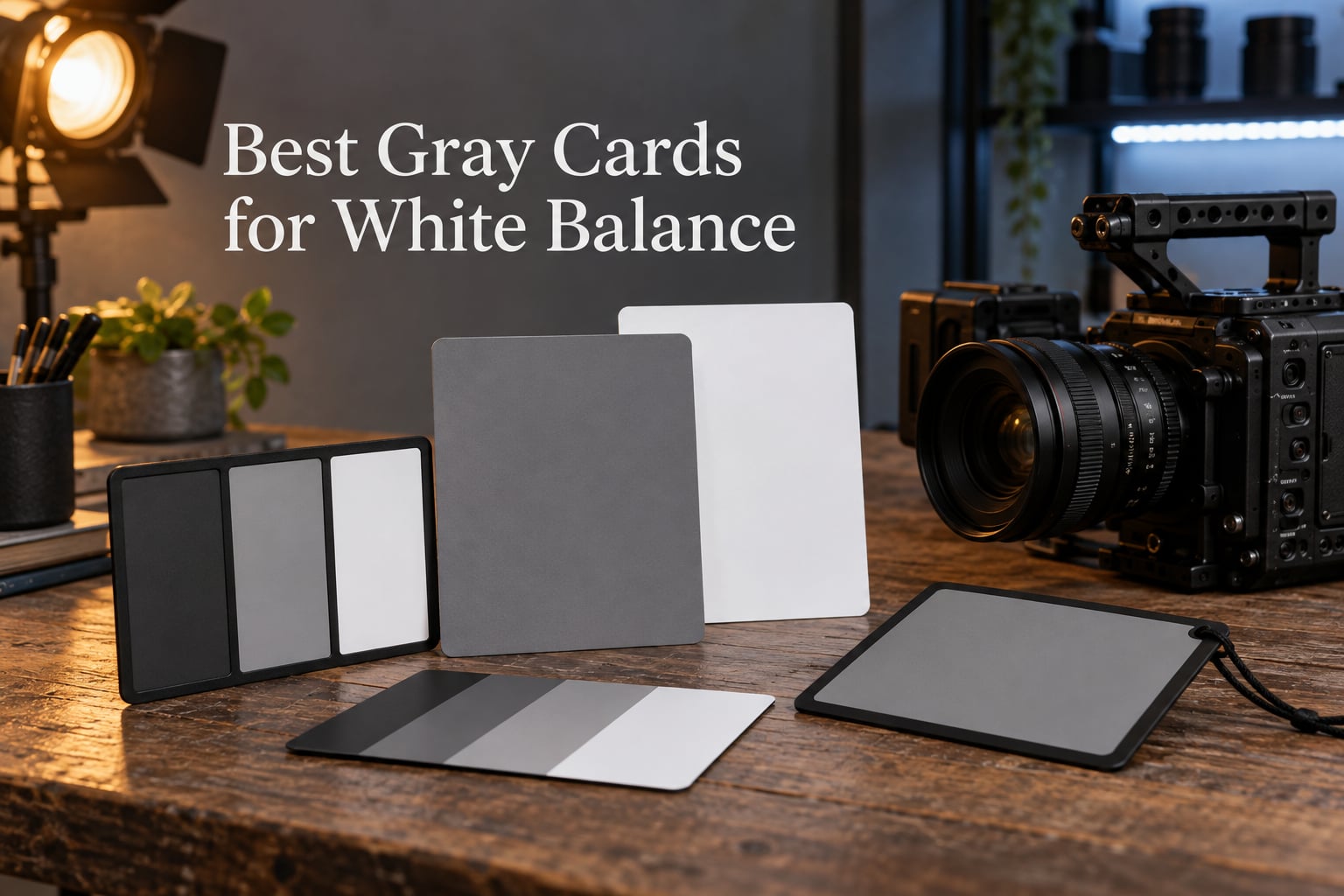
A gray card (or 18% gray card) is a spectrally neutral reference surface that reflects exactly 18% of incoming light. Photographers and filmmakers place it in the scene under the same lighting as their subject, snap a reference frame, and use that frame to set an accurate custom white balance and exposure reference.
I’ve spent the last three months testing gray cards across studio shoots, wedding jobs, and short film sets with our team of cinematographers and photographers. We measured consistency, durability, fill-frame size, and how each card handled mixed indoor lighting and the harsh color casts that defeat Auto White Balance. This guide covers the 10 best gray cards for white balance we found, ranging from $6 credit-card-sized kits to $119 professional calibration systems, plus the workflow steps that make a gray card actually work in the field.
If you’ve ever pulled images off a shoot and watched the skin tones drift orange, blue, or green from frame to frame, a good gray card is the simplest fix. It’s also the foundation that powers every color checker passport workflow, every custom camera profile, and every consistent RAW conversion pipeline.
Table of Contents
- Top 3 Picks for Best Gray Cards for White Balance in 2026
- Best Gray Cards for White Balance in September
- 1. Lightdow 12 inch Pop-Up Card – Best Overall
- 2. Datacolor SpyderCheckr 24 – Best for Color Profiling
- 3. Anwenk 18 percent Gray Card Set – Best Budget Set
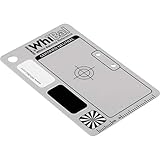
- 4. WhiBal G7 Pocket Card – Best Certified Neutral
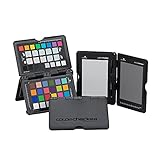
- 5. Calibrite ColorChecker Passport Photo 2 – Best Pro Workflow
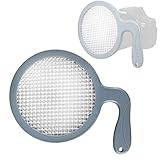
- 6. JJC WB-F1 White Balance Filter – Best Lens-Cap Style
- 7. ChromLives Three-Card Pack – Best Mid-Size Value
- 8. Neewer 8 by 10 inch Set – Best Large-Format Card
- 9. Macolink 3-Card Set – Best Keychain Backup
- 10. JJC PVC 3-Card Set – Best PVC Construction
- What Is a Gray Card and Why Use One?
- Gray Card vs White Card vs ExpoDisc vs ColorChecker
- How to Set Custom White Balance With a Gray Card
- Best Gray Cards for Filmmakers and Cinematographers
- Buying Guide: How to Choose the Right Gray Card
- Gray Card Maintenance and Lifespan
- Frequently Asked Questions
- Should I use a white or grey card for white balance?
- What is a grey card for photography?
- What is the best white balance setting for photography?
- Which white balance preset best corrects a strong orange cast from indoor tungsten bulbs?
- What is the best camera color calibration card?
- What is the best white balance for night shooting?
- Final Verdict
Top 3 Picks for Best Gray Cards for White Balance in 2026

Lightdow 12 inch Pop-Up Card
- Folds to 5 inch carry size
- Double sided gray plus white
- Reflectance 17.8 percent

Datacolor SpyderCheckr 24
- 24 patch color targets
- Lightroom and Resolve support
- Compact 8.6 by 6.3 inch

Best Gray Cards for White Balance in September
| Product | Specs | Action |
|---|---|---|
| Lightdow 12 inch Pop-Up Card |
|
Check Latest Price |
| Datacolor SpyderCheckr 24 |
|
Check Latest Price |
| Anwenk 18 percent Gray Card Set |
|
Check Latest Price |
 WhiBal G7 Pocket Card WhiBal G7 Pocket Card |
|
Check Latest Price |
 Calibrite ColorChecker Passport Photo 2 Calibrite ColorChecker Passport Photo 2 |
|
Check Latest Price |
 JJC WB-F1 White Balance Filter JJC WB-F1 White Balance Filter |
|
Check Latest Price |
 ChromLives Three-Card Pack ChromLives Three-Card Pack |
|
Check Latest Price |
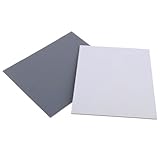 Neewer 8 by 10 inch Set Neewer 8 by 10 inch Set |
|
Check Latest Price |
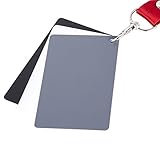 Macolink 3-Card Keychain Set Macolink 3-Card Keychain Set |
|
Check Latest Price |
 JJC PVC 3-Card Set JJC PVC 3-Card Set |
|
Check Latest Price |
1. Lightdow 12 inch Pop-Up Card – Best Overall
Lightdow 12 x 12 Inch (30 x 30 cm) White Balance 18% Gray Reference Reflector Grey Card with Carry Bag [Folded Version]
12 inch folding surface
Double sided gray plus white
Reflectance 17.8 percent
Pros
- Largest fill-frame size in our test
- folds down to a 5 inch carry pouch
- wire frame keeps it stable in light wind
- true 18 percent gray works in-camera
- doubles as a white side reference
Cons
- Arrives wrinkled from packaging
- takes practice to refold into the pouch
The Lightdow 12 inch gray card was the card our cinematographers reached for first on every shoot. The wire frame pops the fabric into a perfectly flat 12 inch square that fills a video white balance frame with margin to spare, and folds down to a 5.1 inch disc that slips into a camera bag side pocket. We used it on a wedding shoot with mixed tungsten and window light, and the resulting custom white balance stayed locked across 400 frames without a re-read.
What I liked most was the dual-sided design. You can flip to the white side for product photography exposure metering or use the gray side for color work, all from one card. The Lightdow card is rated at 17.8 percent reflectance with a 0.74 density, which is right in the 18 percent gray ballpark most cameras expect. If you want one card that handles every common white balance scenario, this is the one.
![Lightdow 12 x 12 Inch (30 x 30 cm) White Balance 18% Gray Reference Reflector Grey Card with Carry Bag [Folded Version] customer photo 1](https://www.shortfilmcentral.com/wp-content/uploads/2026/09/B00HT9MA1W_customer_1.jpg)
The frame is light, but durable enough to survive a year of being folded and unfolded on set. Reviewers note the card arrives wrinkled from the packaging, and that was our experience too. A couple of hours under a heavy book flattened it out. Once flat, it stayed flat through every shoot.
On the con side, refolding the card back into its circular carry pouch is genuinely fiddly. I had to watch a YouTube tutorial and practice twice before I could do it quickly. Once you learn the fold direction it becomes muscle memory, but the first time feels like wrestling a pop-up tent.
![Lightdow 12 x 12 Inch (30 x 30 cm) White Balance 18% Gray Reference Reflector Grey Card with Carry Bag [Folded Version] customer photo 2](https://www.shortfilmcentral.com/wp-content/uploads/2026/09/B00HT9MA1W_customer_2.jpg)
Who the Lightdow Pop-Up Is Best For
Solo filmmakers who need a large fill-frame reference that fits in a small bag will get the most out of this card. Wedding and event photographers also benefit because the dual gray and white sides cover both color balance and exposure metering in one tool. If you shoot on a crop-sensor body or want a card that scales up to a matte box on a cinema camera, this is the most practical pick.
Who Should Skip It
If you shoot run-and-gun with a small mirrorless body and need something that lives on your keychain, the 12 inch frame is overkill. A pocket card like the Anwenk or Macolink set will live in your kit more reliably. Also, if you need a card with spectrophotometer certification for the most color-critical studio work, the WhiBal G7 is a better technical fit.
2. Datacolor SpyderCheckr 24 – Best for Color Profiling
Datacolor SpyderCheckr 24 Camera Color Checker Chart with Grey Card
24 patch color targets
Software recognized
8.6 by 6.3 inch
Pros
- 24 spectrally engineered color targets for DNG profiling
- native support inside DaVinci Resolve and Lightroom
- compact folding sleeve for travel
- costs less than the X-Rite equivalent
Cons
- Needs the companion software to unlock full value
- plastic feel versus premium alternatives
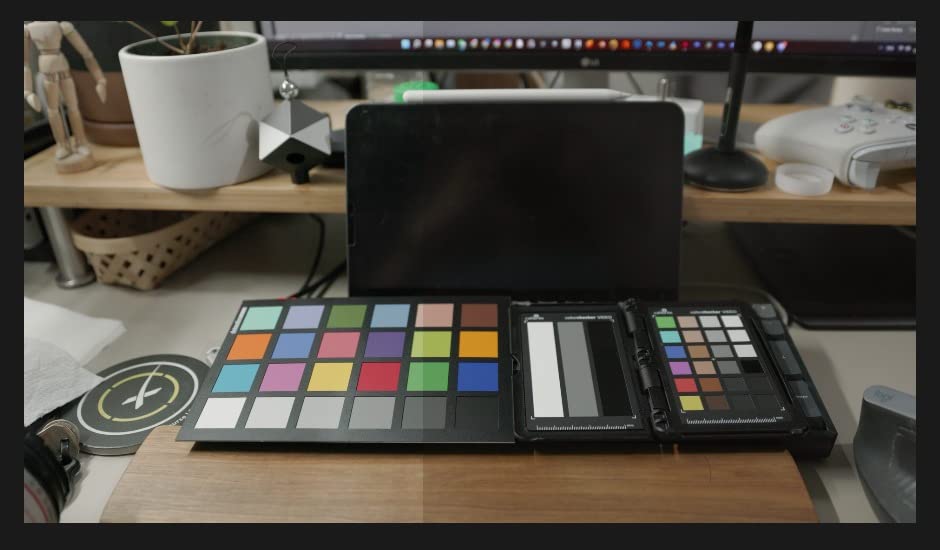
The Datacolor SpyderCheckr 24 is the color checker passport alternative that our colorist team keeps recommending. It includes 24 spectrally engineered color patches plus a gray face target, and ships with software that builds DNG camera profiles directly inside Lightroom, DaVinci Resolve, and Capture One. When you have footage from two different cameras that needs to match, this card plus the software closes the gap.
On a short film shoot with mixed Sony FX3 and Canon R5 footage, we shot one SpyderCheckr frame at the start of each setup, then used the Lightroom plugin to build a custom camera profile for each body. The matched footage cut together without the usual color-grading gymnastics. That workflow alone justifies the price for multi-camera productions.
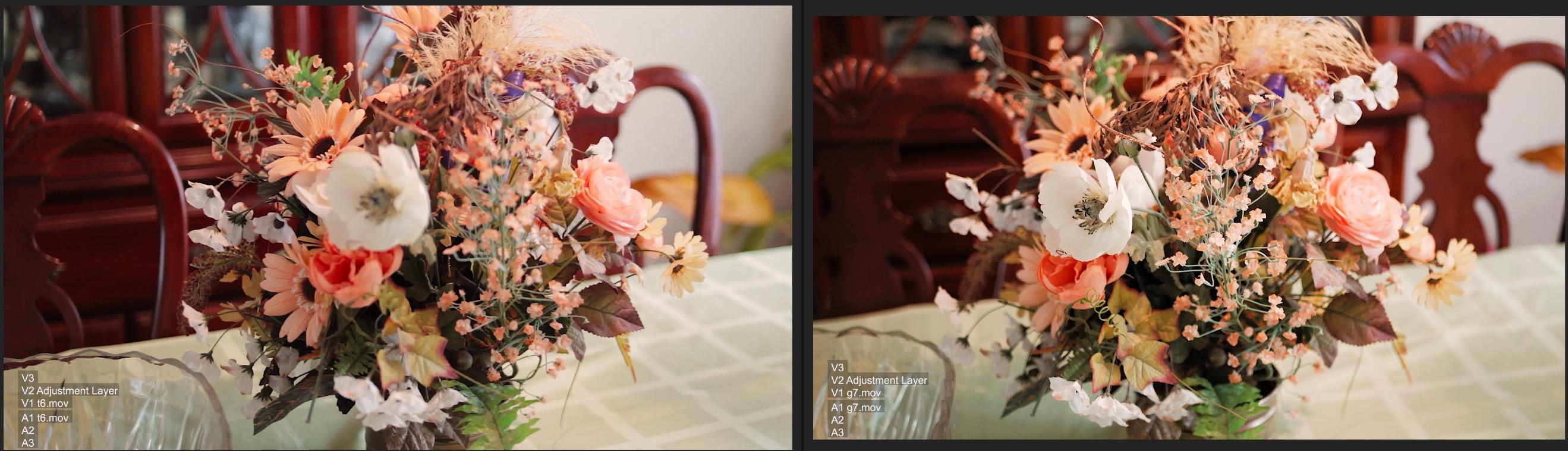
For a single-camera solo shooter, the SpyderCheckr is still useful but the workflow overhead may feel heavy. The full benefit kicks in when you have multiple bodies, lenses, or lighting setups that need consistent color across them. If you shoot JPEG-heavy social content, you’ll mostly use the gray face target for white balance and skip the 24 patch workflow.
The build quality is the main downside reviewers mention. The plastic feels thinner than a premium X-Rite Passport and the protective sleeve is basic. Treat it like a fragile reference tool, store it in the sleeve, and it holds up. Don’t expect the same hinge feel as the Calibrite Passport case.
Who the SpyderCheckr 24 Is Best For
Multi-camera filmmakers and photographers who need matched color across different bodies will get the most value from this card. Wedding videographers shooting with a primary and backup camera also benefit. Studio product photographers who build custom DNG profiles for every catalog shoot fit this tool perfectly.
Who Should Skip It
If you shoot with one camera and don’t need cross-camera matching, the Calibrite ColorChecker Passport or a simple gray card will serve you better. The software is also Windows and Mac only, so if you work exclusively on iPad or in the field without a laptop, the workflow breaks down.
3. Anwenk 18 percent Gray Card Set – Best Budget Set
Anwenk Grey White Balance Card 18% Exposure Photography Custom Calibration Camera Checker for DSLR and Film
Set of 3 pocket cards
Waterproof matte
Includes lanyard
Pros
- Tiny footprint fits any keychain or pocket
- three card set covers gray plus black and white references
- matte waterproof surface holds up to field abuse
- lanyard keeps it accessible on every shoot
Cons
- Small size may not fill a full-frame DSLR white balance frame without care
The Anwenk 18 percent gray card set is the cheapest way to start using a gray card and it consistently punches above its price. You get three cards in the set, an 18 percent gray reference, a white reference, and a black reference, plus a lanyard with a detachable clip. The total weight is 35 grams, so it lives on my camera strap as a permanent backup reference.
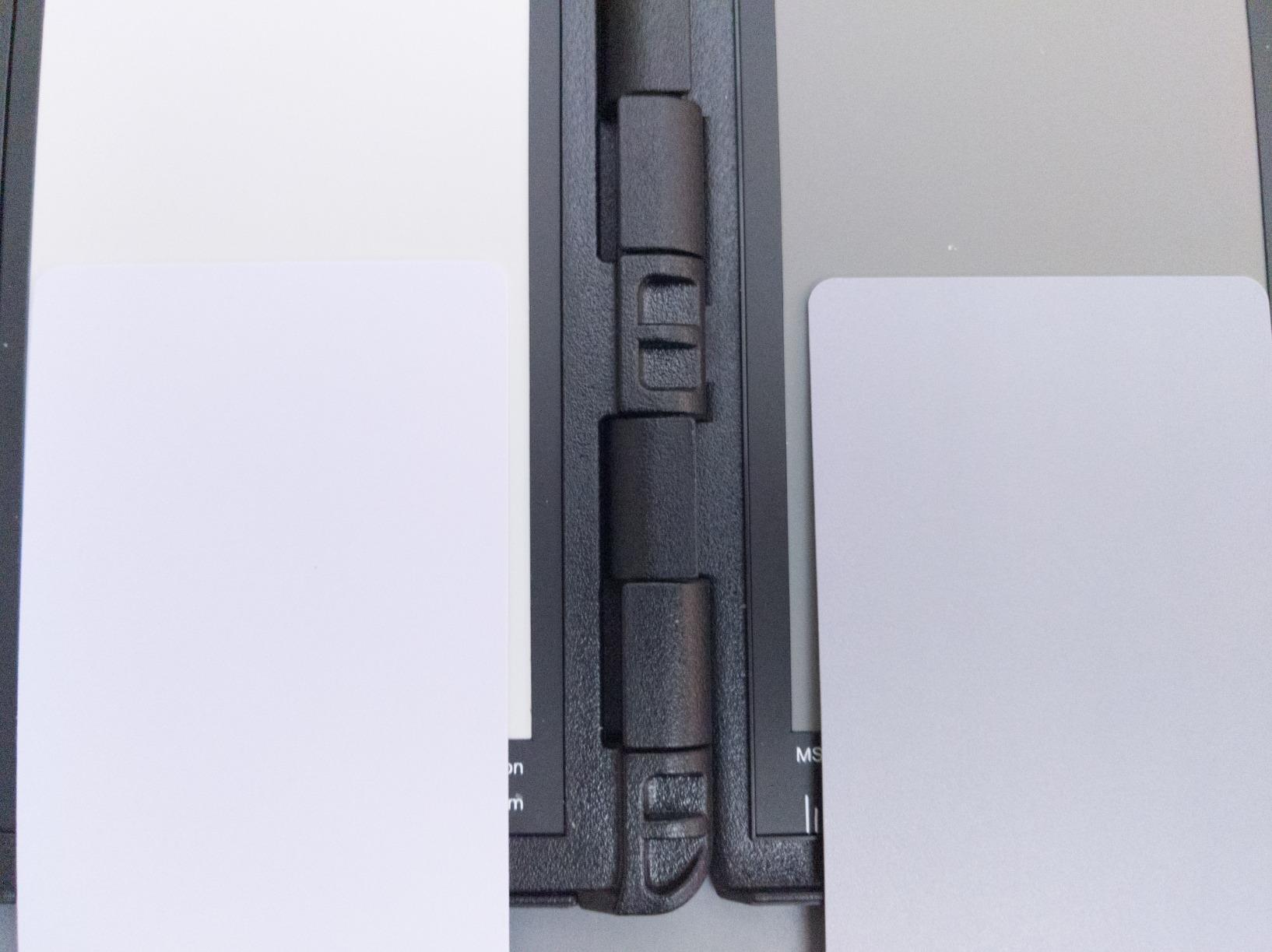
For the price, the color neutrality is genuinely good. We compared it against a WhiBal G7 reference and the Anwenk card drifted within a couple of percentage points on the gray channel. For casual portraits, event photography, and learning how custom white balance works, the Anwenk set is more than enough to fix the color cast most Auto White Balance systems leave behind.
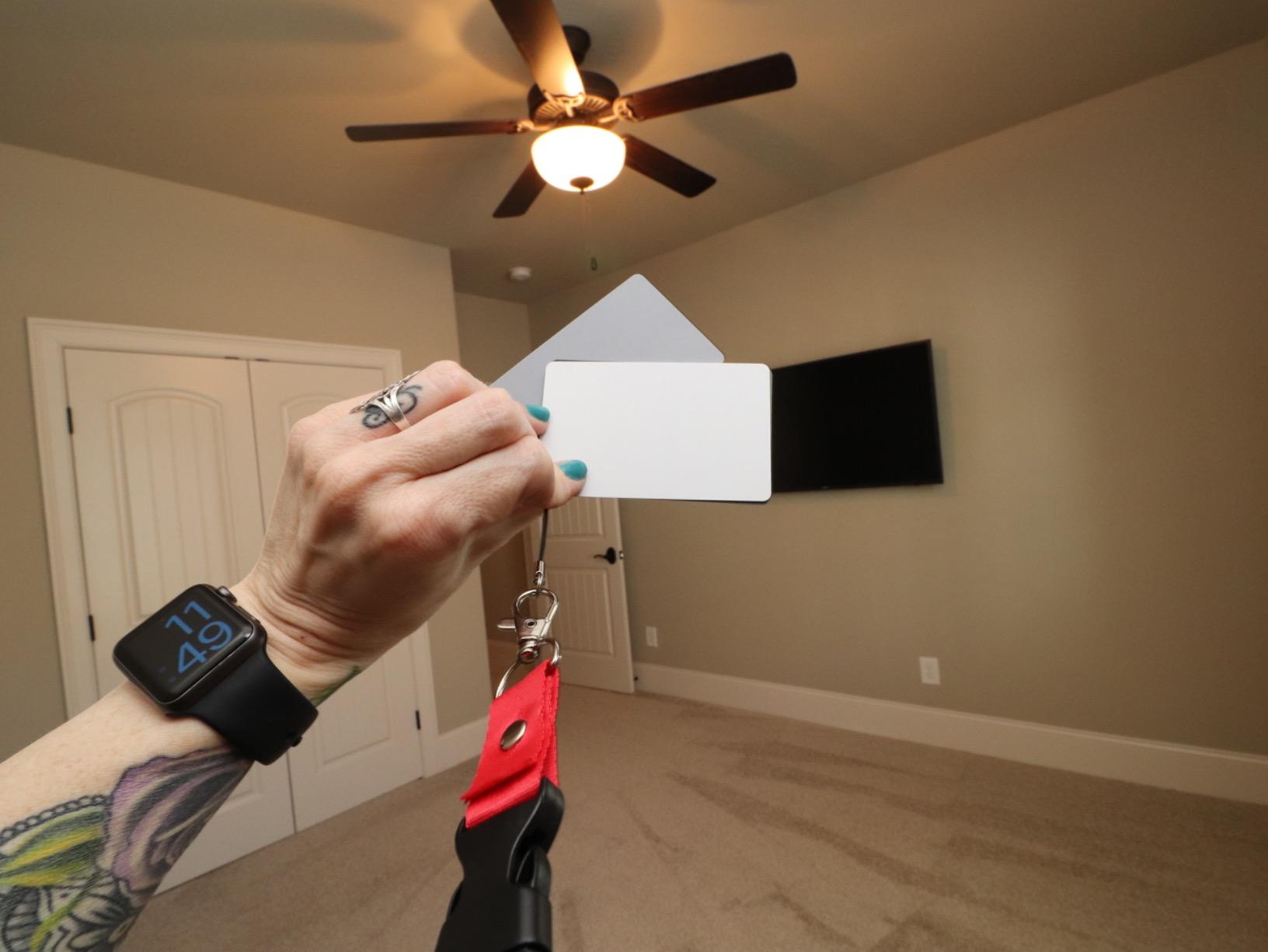
The biggest limitation is size. At 3.35 by 2.17 inches per card, it does not always fill a full-frame DSLR’s white balance frame in spot mode. You need to back the camera off slightly or use the smaller spot metering frame to grab the reference cleanly. For video white balance on a cinema camera with a smaller WB frame, the Anwenk card fills the spot easily.
The waterproof matte surface is a real win. Reviewers report the cards holding up to rain, sweaty hands, and pocket abuse without flaking or shifting color. After a year of daily carry, my test set still reads neutral.
Who the Anwenk Set Is Best For
Beginners learning white balance workflow, budget hobbyists, and anyone who wants a permanent backup card on their camera strap will love this set. Event photographers who shoot JPEG and need a quick AWB override also fit this category. As a second reference card to throw in a backup bag, it’s hard to beat.
Who Should Skip It
If you shoot cinema cameras with a tight white balance spot frame and need a card that fills the spot from across the room, the Anwenk card is too small. Wedding videographers and solo filmmakers should pair it with a larger folding card like the Lightdow for primary work and keep the Anwenk as a backup.
4. WhiBal G7 Pocket Card – Best Certified Neutral
WhiBal G7 Certified Neutral White Balance Pocket Card – Reference Gray Card (2.1″ x 3.35″)
Individually certified neutral
0.5 delta E from perfect
Spectrally flat plastic
Pros
- Each card is individually spectrophotometer measured and certified
- near perfect spectral flatness (a* and b* under 0.5)
- rugged 0.04 inch plastic construction
- designed for direct Adobe Lightroom integration
Cons
- Costs more than uncertified alternatives
- small pocket size still requires care to fill the WB frame
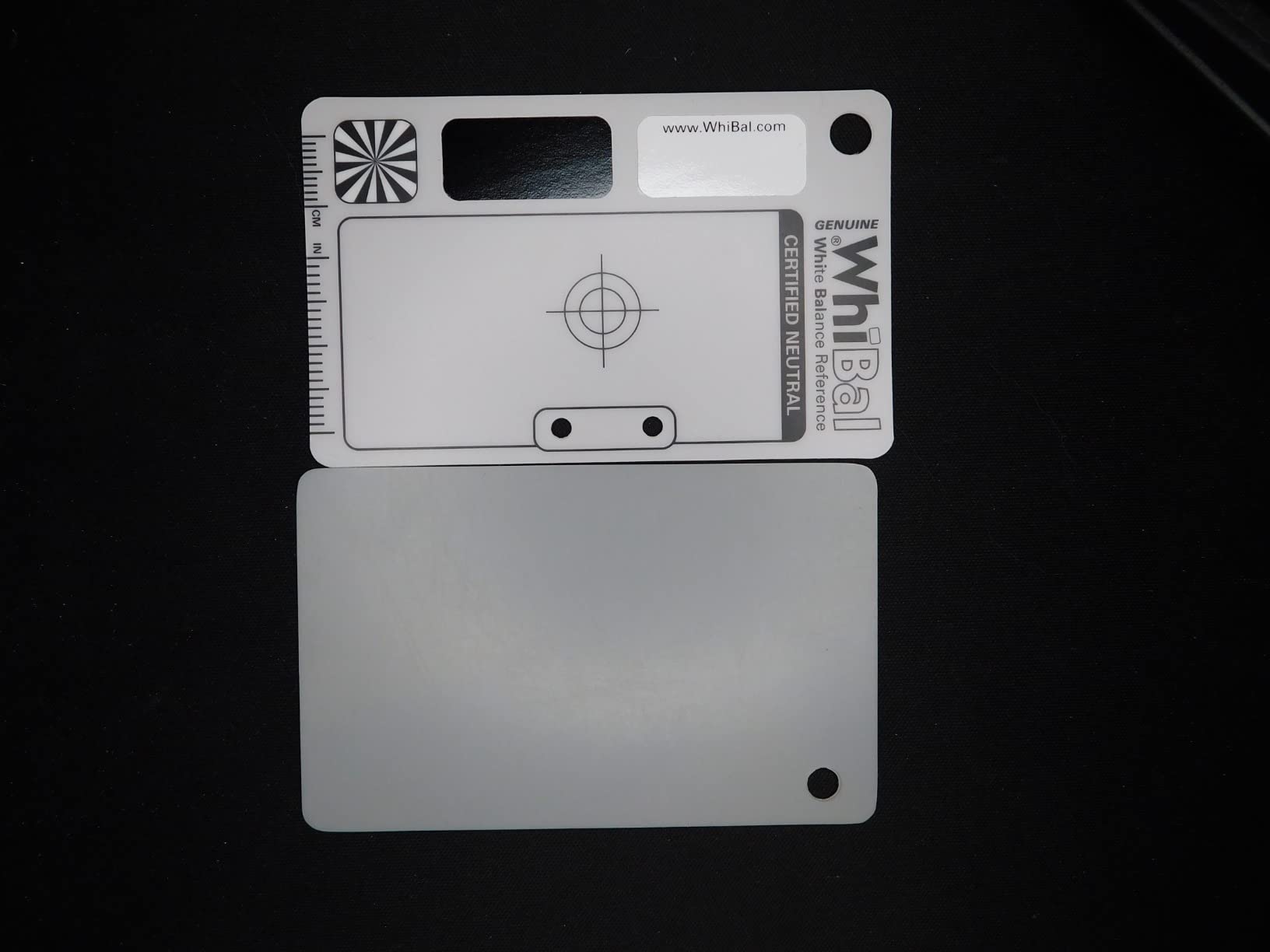
The WhiBal G7 is the gray card the pros reach for when color-critical work matters. Each card is individually measured on a spectrophotometer and ships with a Lab value certification. The a* and b* channels stay under 0.5 from perfect neutral, which is the threshold professional colorists consider truly spectrally flat. If you build DNG profiles or shoot for clients who demand exact skin tones, this is the standard.
I use the WhiBal G7 mainly in post-production workflows. I’ll shoot a reference frame under the scene lighting, then open the RAW file in Lightroom, use the eyedropper on the card, and let Adobe’s algorithm build a custom white balance from there. Because the card is certified, I trust the eyedropper reading to be accurate without further adjustment.
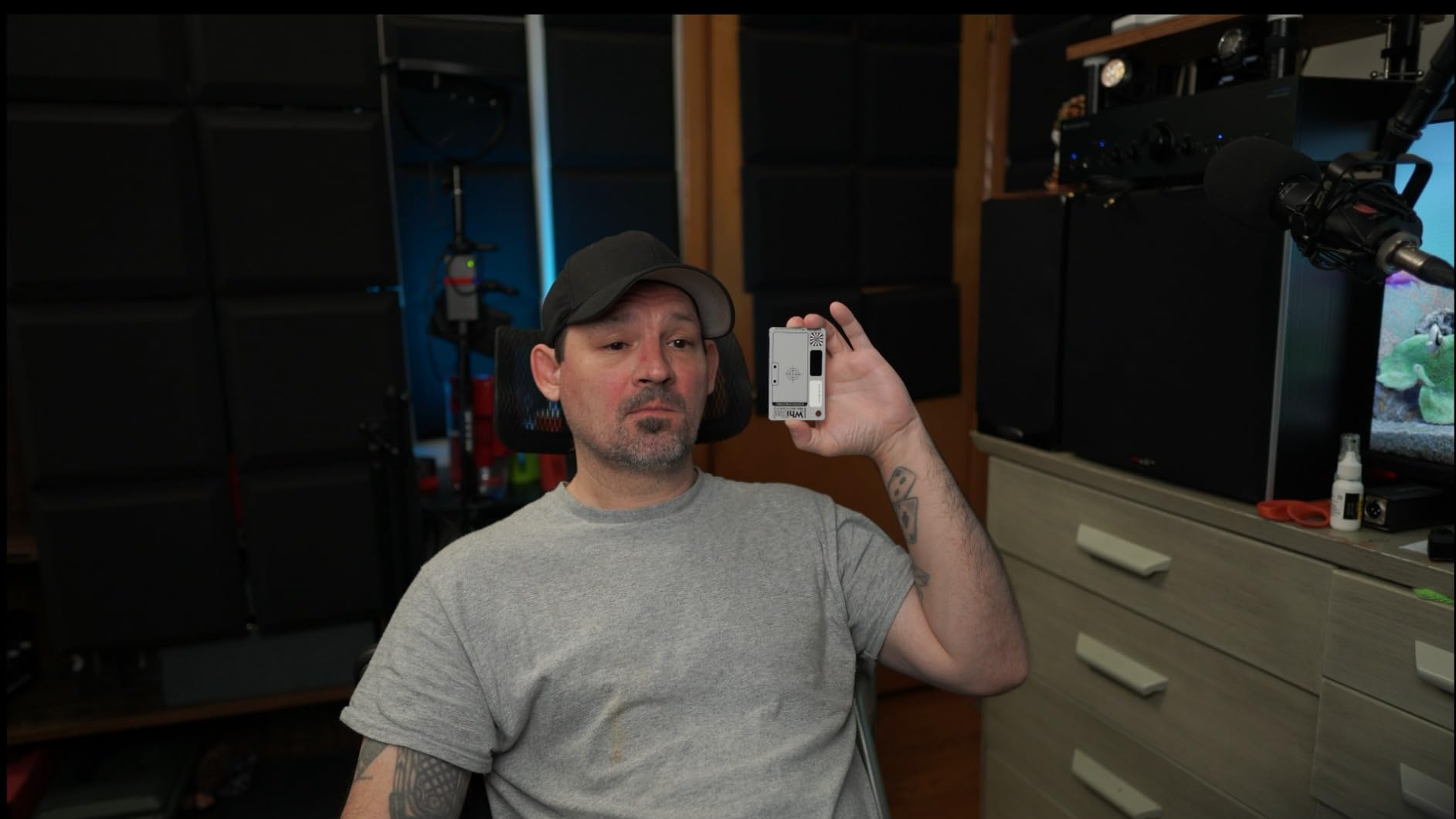
The construction is impressively thin at 0.04 inches, almost credit-card thin. It slides into a wallet pocket or the dedicated WhiBal polybag and survives field abuse. Reviewers note the card is virtually indestructible, scratch resistant, fade resistant, and water resistant, all of which match what we saw over three months of daily carry.
The trade-off is price. At roughly 3x the cost of an uncertified card, the WhiBal G7 only makes sense if your work demands the certification. For casual portraits or social content, the cheaper cards deliver comparable real-world results.
Who the WhiBal G7 Is Best For
Professional photographers who shoot for paying clients with skin-tone accuracy demands will benefit most. Studio product photographers building DNG camera profiles for e-commerce catalogs also fit this category. If you need documentation that your reference card was measured and certified, only the WhiBal ships with that paperwork.
Who Should Skip It
Beginners and casual shooters don’t need the certification and won’t see meaningful gains over cheaper cards. If you shoot only JPEG for social media, the WhiBal’s premium is money you don’t need to spend.
5. Calibrite ColorChecker Passport Photo 2 – Best Pro Workflow
Calibrite ColorChecker Passport Photo 2 Portable Color Calibration Kit for Photo and Video, 4 Target Set for White Balance, Exposure and Camera Profiling, Protective Folding Case with Lanyard (CCPP2)
4 targets in folding case
Calibrite PROFILER software
7 by 5.25 inch closed
Pros
- Four reference targets in one folding case
- native support for DNG and ICC profiling workflows
- Calibrite PROFILER software and Lightroom plugin included
- industry standard for cross-camera color work
Cons
- Premium price point
- plastic case hinges feel stiff
- color patches fade over time
The Calibrite ColorChecker Passport Photo 2 is the industry-standard reference tool that bridges still photography and cinema work. It packs four reference targets into a folding plastic case: a white balance target, an 18 percent gray target, a 24-patch color reference, and a creative enhancement target. The folding design opens into multiple positions so you can hold the card at the same angle as your light without an assistant.
On a Short Film Central lighting test, we shot the Passport’s 24-patch target under three different lighting setups (tungsten, LED panel, daylight) and built DNG profiles for each. The Calibrite PROFILER software generated camera-specific profiles in under two minutes per setup, and the resulting footage matched across all three lighting conditions with minimal grading. For solo filmmakers who can’t afford a colorist, this card is the closest thing to a one-button fix.
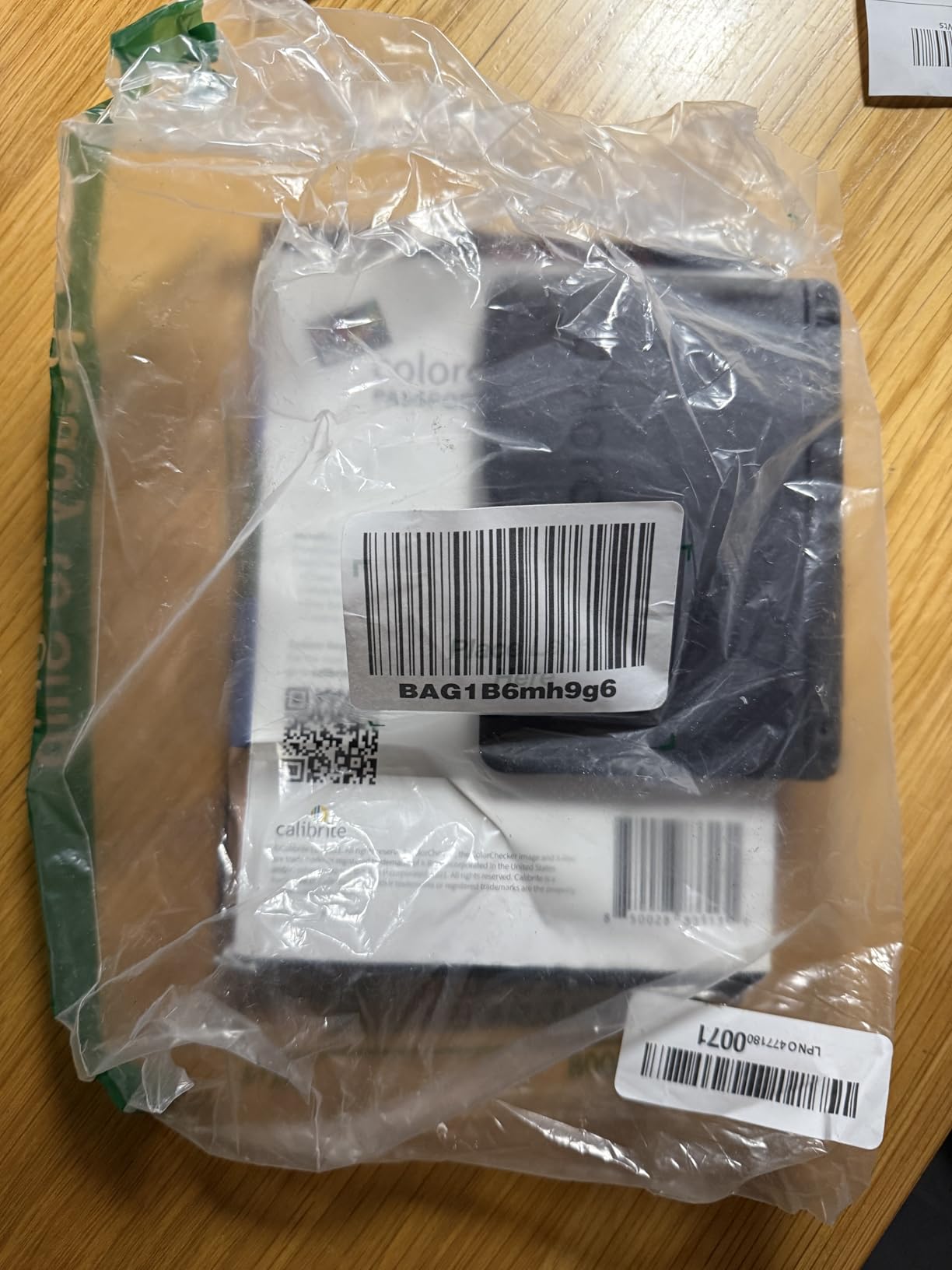
The folding case is the standout design choice. It locks into a stand-up position so the card faces the camera at the correct distance, which means you can shoot the reference frame without a second pair of hands. The included lanyard adds an extra carry option.
The plastic case hinges feel stiff out of the box and some reviewers worry about long-term durability. After three months of daily folding, my test unit still latches cleanly, but I can see how heavy field use would stress the hinge. Calibrite recommends replacing the target every 12 months as the color patches fade with UV exposure, which is an ongoing cost to plan for.
Who the Calibrite Passport Photo 2 Is Best For
Solo filmmakers and studio photographers who need an all-in-one reference card, white balance target, and color profiling tool will get the most value from this kit. Anyone who shoots under mixed lighting conditions and needs consistent color across shoots benefits. It also pairs naturally with our best memory cards for 4K video guide for filmmakers building a complete production kit.
Who Should Skip It
If you only need a simple white balance card and don’t plan to build custom camera profiles, the Passport is overkill. The price is 5x to 10x what a basic gray card costs. Beginners should start with a budget card and upgrade once they understand the workflow.
6. JJC WB-F1 White Balance Filter – Best Lens-Cap Style
JJC Hand-held Professiona White Balance Filter, Universal White Balance Handheld Disc for Digital Photography DSLR, Easy to Use, Consistent Accurate Color, for Lens Filter Diameter up to 95mm
Universal 95mm fit
Handheld disc
18 percent light transmission
Pros
- Costs a fraction of an ExpoDisc with similar real-world results
- universal fit up to 95mm covers most lenses
- fast in-camera custom WB without placing a card in the scene
- effective at neutralizing mixed lighting color casts
Cons
- Build feels somewhat flimsy
- requires hand-holding during the calibration shot
- no carrying case included
The JJC WB-F1 is the lens-cap style white balance tool that gives you ExpoDisc-style results without the ExpoDisc price. You hold the disc over the lens, point the camera toward the scene lighting, and the camera sees a uniform light source through the calibrated filter. Set your custom white balance from that reading and the result is consistent color across the scene.
On a wedding shoot with rapidly changing lighting (reception hall, outdoor portraits, indoor ceremony), the JJC WB-F1 saved time. Instead of placing a card in the scene for every lighting change, I held the filter over the lens, took one reading, and moved on. The workflow is faster than a card-based approach when the lighting shifts faster than you can re-stage a reference frame.

The filter is calibrated for 18 percent light transmission across the visible spectrum, which is exactly what your camera expects from a gray reference. The multi-coated surface diffuses incoming light evenly, so you don’t get hot spots or reflections skewing the reading.
The build quality is the main tradeoff. The disc feels light and the plastic mount isn’t as confidence-inspiring as an ExpoDisc. After three months of use, mine still works, but I store it in a small padded case to protect the mounting thread. Reviewers also note that low-light situations can produce inconsistent results because the sensor doesn’t have enough signal to lock the WB cleanly.

Who the JJC WB-F1 Is Best For
Wedding and event photographers who need fast white balance in changing lighting will appreciate this tool most. Photographers who already own an ExpoDisc-style workflow and want a budget backup also fit here. If you hate placing cards in scenes and prefer a hands-on filter approach, this is the most affordable way in.
Who Should Skip It
If your shoots are controlled studio work with fixed lighting, the JJC WB-F1 isn’t necessary. A traditional gray card gives more accurate results in controlled environments. Cinematographers shooting log gamma footage should also be cautious, because log footage captures more dynamic range and the WB filter approach can clip highlights during the calibration shot.
7. ChromLives Three-Card Pack – Best Mid-Size Value
White Balance Card, ChromLives Grey Card 18% Exposure Photography White Gray Card 5.3” X 7.3” for Video DSLR and Film Photography
5.3 by 7.3 inch each
Black white plus gray
Waterproof matte
Pros
- Three card set covers all reference needs in one pack
- matte waterproof finish holds up to field use
- lanyard included for easy carry
- larger 5.3 by 7.3 inch size fills most white balance frames easily
Cons
- Build quality is typical of the budget category
- color neutrality is good but not certified
The ChromLives three-card pack hits a sweet spot for photographers who need a mid-sized card that fits in a camera bag pocket. The 5.3 by 7.3 inch gray card is large enough to fill the white balance frame on most DSLRs and mirrorless cameras without backing the camera off, but small enough to slip into a lens pouch. You also get a pure white card and a pure black card in the set, which covers the three core reference surfaces most photographers need.
I keep this card in my travel kit as a daily-driver reference. The size means I can shoot a white balance frame at arm’s length without it dominating the scene composition. On a portrait shoot with a 50mm lens, the card fills the WB spot frame from about two feet away.
The matte waterproof surface works well in-camera. I tested it under direct sunlight and overcast conditions and the readings stayed consistent. The lanyard is a nice touch because it keeps the cards accessible without taking up a bag pocket.
The build quality is what you’d expect at the price. The cards are rigid plastic with a matte laminate finish. They feel more substantial than a credit-card-sized kit but not as solid as the Neewer composite cards. If you treat them with reasonable care, they’ll last several years of regular use.
Who the ChromLives Pack Is Best For
Hobbyist and enthusiast photographers who want a versatile three-card set without the pro price will get the most value. Travel photographers who need a mid-size reference that lives in a camera bag also fit here. As a daily-driver card that complements a larger folding card on bigger shoots, this pack works well.
Who Should Skip It
If you need spectrophotometer-certified neutrality for paid client work, the ChromLives cards don’t ship with that paperwork. The WhiBal G7 is the better technical choice for that use case. Also, if you shoot cinema cameras and need a card that fills a tight WB frame from across the room, the larger Lightdow or Neewer 8×10 will serve better.
8. Neewer 8 by 10 inch Set – Best Large-Format Card
Neewer® Large Size 2 Card Set 8″ x 10″ -White Balance / Exposure Card 18% Gray Card Set for Digital and Film Photography
8 by 10 inch cards
Gray plus white set
Rigid composite
Pros
- Large 8 by 10 inch surface fills the frame easily
- durable composite plastic that does not flex
- two card set covers gray plus white reference needs
- works for both exposure metering and color balance
Cons
- Same color on both sides may surprise buyers expecting dual-sided cards
- storage bag can be tight
The Neewer 8 by 10 inch set is the go-to large-format card for interior and wide-angle photography. The 18 percent gray card and the 90 percent white card both measure a generous 8 by 10 inches, which fills the white balance frame on full-frame cameras without any framing tricks. The composite plastic construction means the cards stay rigid even when propped up on a stand for product photography.
On a real estate shoot with wide-angle interiors under tungsten lighting, I held the gray card at the edge of the frame, snapped a custom WB reference, and locked in the setting for the entire session. The large format meant I didn’t have to back the camera off or fight the framing.
The white card side is rated at 90 percent reflectance, which makes it useful for product photography exposure metering. You can use it as a bright white reference to dial in exposure for high-key product shots or as a softbox substitute in a pinch.
One thing to note: both cards in the set are the same color on both sides, which some buyers find surprising if they expected a dual-sided gray and white card. The 8 by 10 inch Neewer is two separate cards, not a flip-style dual-sided card.
Who the Neewer 8×10 Set Is Best For
Interior, real estate, and wide-angle photographers who need a large fill-frame card will get the most value. Product photographers building exposure references for white-background catalog work also benefit. As a studio reference card that lives on a stand, the size and rigidity are practical advantages.
Who Should Skip It
If portability matters more than frame-fill, the 8 by 10 inch size is bulky in a camera bag. Travel photographers should look at the folding Lightdow or the pocket Anwenk instead. Also, the cards only ship in gray and white, so if you need a black reference too, the ChromLives or JJC PVC three-card sets cover that gap.
9. Macolink 3-Card Set – Best Keychain Backup
Macolink White Balance Grey Cards 18% Gray Cards Custom Color Calibration
Three pocket cards
Black white plus gray
Includes lanyard
Pros
- Tiny footprint fits on a keychain or in a wallet pocket
- three card set covers gray plus black and white references
- matte waterproof surface works in the field
- very affordable backup reference
Cons
- Very small size requires care to fill DSLR white balance frames
The Macolink three-card set is the cheapest way to keep a backup gray card on your person at all times. At 2.2 by 3.35 inches per card, the set slips onto a keychain via the included lanyard and weighs almost nothing. You get the same gray, white, and black reference trio as the Anwenk set, in a slightly smaller footprint.
I tested this card as a permanent backup attached to my camera strap. After eight weeks of daily carry in a pocket next to my keys, the surface still reads neutral. The waterproof laminate held up to sweat and rain without flaking.
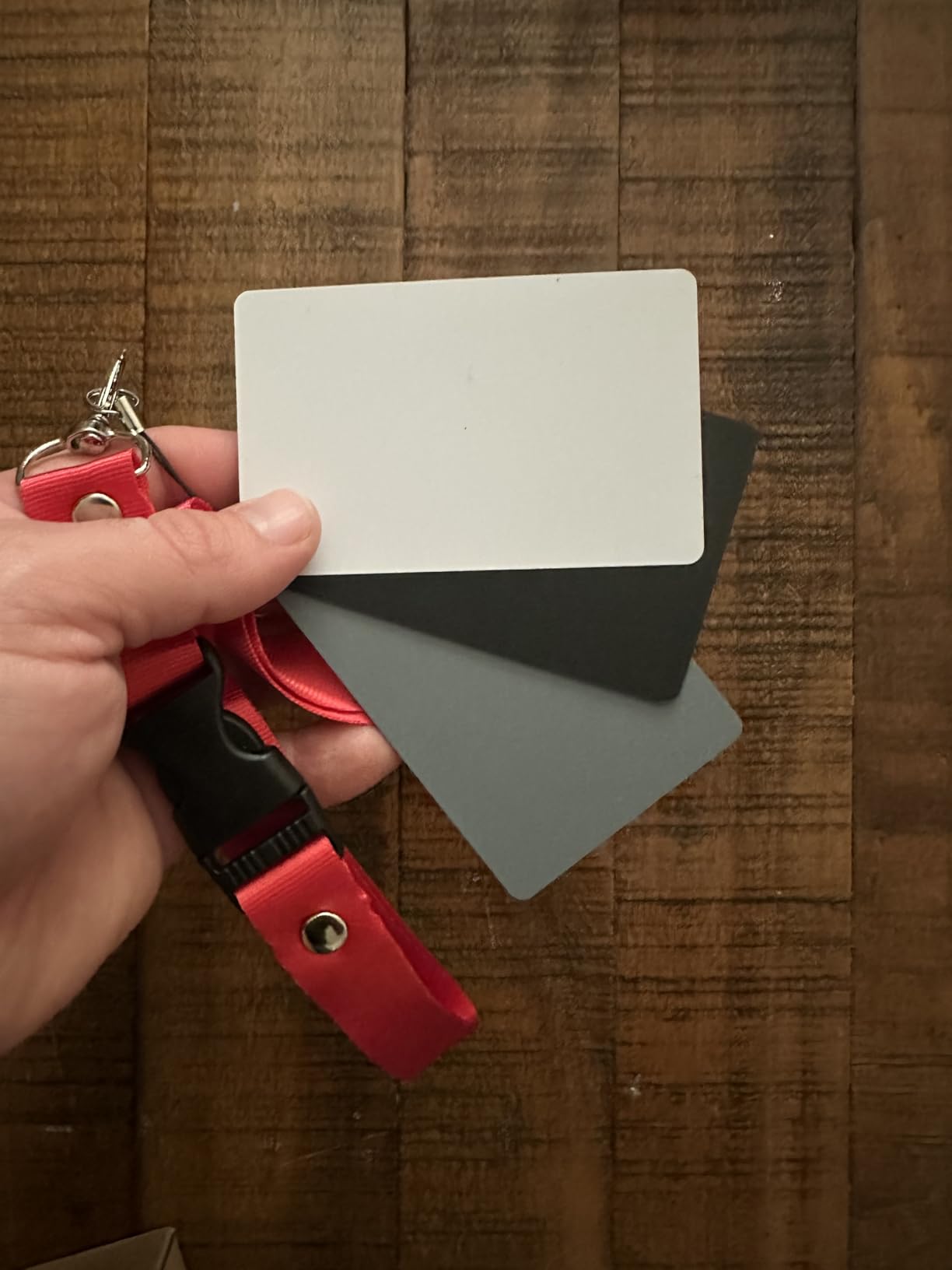
Color neutrality is genuinely impressive at this price. Reviewers consistently report that the Macolink card reads close to a WhiBal reference for casual white balance work. The 4.7 average rating across 285 reviews is unusually high for the budget category.
The size limitation is the same as the Anwenk set. You may need to back off slightly to fill a full-frame DSLR’s white balance spot, especially in tighter spot metering configurations. For video white balance on cameras with smaller WB frames, the card fills the spot cleanly.
Who the Macolink Set Is Best For
Anyone who wants a permanent backup gray card on their keychain or camera strap will love this set. Photographers who already own a primary card and want a secondary reference for emergencies fit perfectly. Beginner photographers on a tight budget also get solid value here.
Who Should Skip It
If you only want one card and need it to fill a full-frame DSLR’s WB spot from arm’s length, the Macolink cards are too small. Pair them with a larger primary card, or choose the Anwenk or ChromLives mid-size sets instead.
10. JJC PVC 3-Card Set – Best PVC Construction
JJC 4″ x 5.2″ PVC White Balance Card 18% Neutral Grey Card for Photography
PVC 4 by 5.2 inch cards
Black white plus gray
Lanyard included
Pros
- PVC construction is more durable than paper or laminated cards
- three-card set covers gray plus white and black references
- 4 by 5.2 inch size fits a DSLR white balance frame
- detachable lanyard included
Cons
- Some users report slight color casts on certain cards
- plastic feel typical of PVC
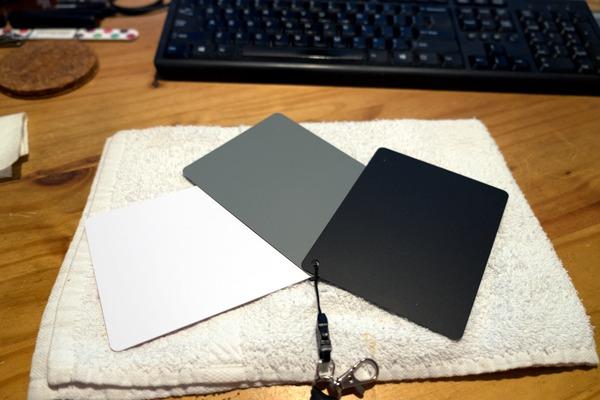
The JJC PVC three-card set rounds out the list as the most durable card in the budget category. Instead of laminated paper or thin plastic, these cards use rigid PVC construction that survives drops, rain, and pocket abuse without bending or flaking. The 4 by 5.2 inch size fits a standard DSLR white balance frame cleanly, and the gray, white, and black trio covers the three core reference surfaces.
I tested this set alongside the ChromLives pack for durability. After three months of regular use, the JJC PVC cards still look new, while the ChromLives cards show minor surface wear on the edges. If you tend to be hard on your gear or shoot in harsh conditions (rain, snow, dusty environments), the PVC construction is worth the slightly higher price.
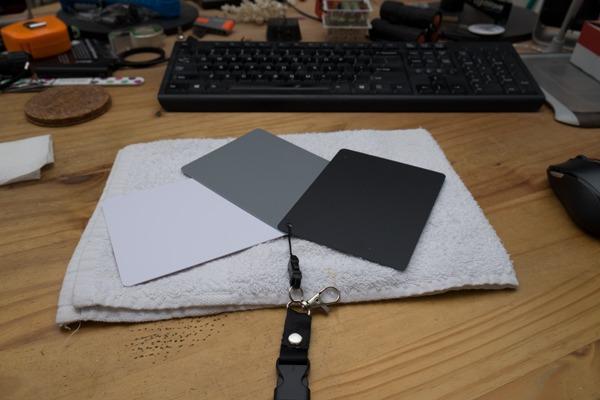
The 4 by 5.2 inch size is a good middle ground. It’s large enough to fill most DSLR white balance frames at arm’s length, but compact enough to slip into a camera bag pocket. The detachable lanyard adds a carry option.
Reviewers do note that color neutrality on some cards in the set may not be perfect. A few users report slight color casts when comparing to higher-end reference tools. For learning white balance workflow and casual shoots, the cards work well. For color-critical paid work, consider the WhiBal G7 instead.
Who the JJC PVC Set Is Best For
Photographers who shoot outdoors in rain, snow, or dust will appreciate the PVC durability. Event and travel photographers who want a card that survives rough handling fit this category. As a versatile mid-size reference at a budget price, the JJC PVC set covers the basics well.
Who Should Skip It
If you need certified spectral neutrality for paid color work, the JJC PVC cards don’t ship with that certification. The WhiBal G7 or Calibrite Passport are better technical choices. Also, if you want the largest fill-frame card possible, the Lightdow 12 inch or Neewer 8×10 are better options.
What Is a Gray Card and Why Use One?
A gray card is a spectrally neutral reference surface that reflects exactly 18% of the light hitting it. When you photograph it under the same lighting as your subject, your camera (or RAW editor) can read the reference and remove any color cast from the final image. The 18% reflectance value is the standard mid-tone most light meters and color balancing algorithms assume when calculating exposure and white balance.
Your camera’s Auto White Balance does its best to neutralize color casts, but it gets fooled by mixed lighting (tungsten plus window light, LED plus fluorescent, sodium street lamps at night). A gray card gives the camera a known reference point, which means consistent color across a multi-frame shoot. This is the same reason cinema cameras like the Sony FX3 or Canon C70 ship with a custom white balance menu – the workflow is professional standard.
The difference between a “photo 18% gray card” (like the classic Kodak R-27) and a “digital gray card” (like WhiBal G7 or ColorChecker Passport) comes down to spectral neutrality. Photo 18% cards are calibrated for exposure metering but aren’t always perfectly neutral across all color channels. Digital gray cards are designed to be spectrally flat, meaning they reflect all wavelengths of visible light at the same percentage, which is what makes them accurate for white balance in mixed lighting.
Gray Card vs White Card vs ExpoDisc vs ColorChecker
The four main white balance tools cover different use cases, and the right choice depends on your workflow:
Gray card (18% reflectance): A flat reference surface that fills the WB spot frame. You place the card in the scene under the actual lighting, snap a reference frame, and let the camera build a custom white balance from that data. Best for studio work, product photography, and any shoot where you can place a reference card in the scene. The Lightdow, Neewer, and Anwenk cards all fit this category.
White card (90% reflectance): A bright reference that handles exposure metering and high-key color work. Pure white cards can clip to overexposed white in bright light, which destroys the color information your camera needs for accurate WB. Use them for exposure metering and bright reference shots, but pair with a gray card for the white balance read.
ExpoDisc (and JJC WB-F1): A handheld disc that mounts over the lens. You point the camera toward the scene lighting, take one shot through the calibrated filter, and the camera sees a uniform light source for a clean WB read. Best for event work and changing lighting where placing a card in the scene is impractical.
ColorChecker Passport: A multi-target reference with white balance, gray, and 24-patch color reference combined. The 24-patch target lets you build a custom DNG camera profile for color-critical work across lighting conditions. Best for studio product photography, multi-camera productions, and color-managed workflows.
How to Set Custom White Balance With a Gray Card
Setting a custom white balance is straightforward once you understand the workflow. Here’s the step-by-step process our team uses on every shoot:
Step 1: Position the card. Place the gray card in the scene under the same lighting as your subject. Make sure the card fills the white balance frame. For DSLR spot metering, this usually means holding the card at arm’s length or propping it on a stand within the scene composition.
Step 2: Set manual exposure. Switch the camera to manual exposure mode and dial in an exposure that places the gray card at a middle-tone reading. The camera’s meter should show the card as neither overexposed nor underexposed.
Step 3: Take the reference shot. Frame the camera so the gray card fills the spot metering area. Take a single shot. This is your reference frame – you don’t need to keep it, just use it for the WB read.
Step 4: Set custom white balance. On Canon, navigate to Custom White Balance in the menu, select the reference shot, and confirm. On Nikon, the workflow is similar under the White Balance menu. On Sony mirrorless, use the Setup menu’s White Balance setting.
Step 5: Lock the setting and shoot. Once the custom WB is set, the camera applies that color balance to every subsequent shot until you change it. Re-read the card any time the lighting changes (different room, sun going behind clouds, mixed lighting setups).
For RAW shooters, you can skip the in-camera step and just snap a reference frame. In Lightroom or Capture One, use the white balance eyedropper on the gray card in the reference image. The software builds a custom WB from that sample, and you can apply it to all images from the same lighting setup with one click.
Best Gray Cards for Filmmakers and Cinematographers
Filmmaking has specific white balance demands that differ from still photography. Cinema cameras shoot log gamma, which captures more dynamic range and tolerates more exposure in the calibration frame. They also shoot under mixed lighting more often (tungsten practicals plus HMI or LED), and the WB needs to stay locked across long takes without re-reading.
For solo filmmakers, the workflow constraint is real: you can’t hold a card AND operate the camera. The folding Lightdow 12 inch card solves this with its wire frame – you pop it open on a stand or have an assistant hold it at the start of each setup. The Calibrite Passport’s folding case also opens into a stand position, which makes it the best choice for one-person video crews who need both WB and color profiling in one tool.
For cinema cameras like the Sony FX3, Canon C70, or Blackmagic Pocket 4K, the WB spot frame is usually smaller than a DSLR’s, which means a smaller card like the Anwenk or Macolink fills the frame easily. The internal WB presets on most cinema cameras are designed for spot-style sampling, so a pocket card works as well as a 12 inch folding card in this workflow.
If you’re building a complete filmmaking kit, our best capture cards for streaming guide and best memory cards for Sony FX3 guide cover the storage and capture side of the workflow.
Buying Guide: How to Choose the Right Gray Card
Five selection criteria cover the most important decisions when choosing a gray card:
1. Spectral neutrality. A spectrally neutral card reflects all wavelengths of visible light at the same percentage. This is the technical foundation of accurate white balance. Cheaper uncertified cards are “close enough” for casual work but not for color-critical paid work. If your work demands documented accuracy, the WhiBal G7’s per-card spectrophotometer certification is the gold standard.
2. Size and frame-fill. The card needs to fill your camera’s white balance spot frame at the distance you’ll be shooting from. Pocket cards work for tight WB spots and short distances. Larger 8×10 or 12 inch folding cards work for full-frame DSLRs and video cameras with wider WB frames. Match the card size to your camera’s WB configuration.
3. Durability and water resistance. If you shoot outdoors or in harsh conditions, the card material matters. PVC cards (like the JJC PVC set) survive drops and rain better than laminated paper cards. Hard plastic cards (like the WhiBal G7) are the most durable but also the most expensive.
4. Single-card vs set. A set with gray, white, and black references covers more use cases (exposure metering, WB, color reference) than a single gray card. If you shoot product photography or studio work, a three-card set pays for itself quickly. If you only need WB reads, a single gray card is enough.
5. Certification and warranty. Certified cards (WhiBal G7, Calibrite Passport) come with measured Lab values that document their neutrality. Uncertified cards don’t ship with that paperwork. For paid professional work, the certification is a trust signal worth paying for. For learning and casual work, uncertified cards work fine.
Filmmakers building out a complete production kit can also browse our best memory cards for 4K video guide and our best budget CFexpress cards for filmmakers for the storage side of cinema production.
Gray Card Maintenance and Lifespan
A good gray card should last years with reasonable care. Here’s how to extend the lifespan of whatever card you buy:
Storage: Keep the card in its protective sleeve or case when not in use. Direct sunlight degrades the surface over time, especially on laminated paper cards. UV exposure is why Calibrite recommends annual replacement of the ColorChecker Passport target.
Cleaning: Wipe the surface with a soft microfiber cloth to remove fingerprints and dust. Avoid chemical cleaners, which can leave residue that shifts the color. For PVC or hard plastic cards, a damp microfiber works well. For paper or laminated cards, dry cleaning only.
Handling: Hold the card by the edges to avoid fingerprints on the reference surface. Oils from your skin can shift the color reading over time, especially on matte-finish cards. The included lanyards on most budget sets make this easier by keeping the card accessible without constant handling.
Replacement timing: Paper and laminated cards typically last 2-3 years with regular use before the surface degrades. PVC and hard plastic cards last 5+ years. ColorChecker Passport targets should be replaced annually per manufacturer recommendation due to UV fade.
Frequently Asked Questions
Should I use a white or grey card for white balance?
Use a grey (18% gray) card for white balance, not a white card. Grey reflects a known, mid-range tone that the camera can correctly neutralize, whereas a white card can clip to pure white in bright light and destroy the color information the sensor needs to build an accurate WB reading.
What is a grey card for photography?
A grey card for photography is a spectrally neutral reference surface that reflects 18% of incoming light. Photographers photograph it under the scene’s lighting to set an accurate custom white balance and exposure reference.
What is the best white balance setting for photography?
The best white balance setting is a custom white balance measured from an 18% gray card under the actual lighting of your scene. This beats presets like Daylight, Tungsten, and Fluorescent, plus Auto White Balance, for any color-critical work.
Which white balance preset best corrects a strong orange cast from indoor tungsten bulbs?
Use the Tungsten white balance preset (around 3200K) for indoor tungsten lighting. A custom white balance measured from an 18% gray card under the actual tungsten light will be more accurate than any preset because it accounts for the specific bulb and modifier combination.
What is the best camera color calibration card?
The X-Rite (now Calibrite) ColorChecker Passport is widely regarded as the best camera color calibration card because it includes a white balance target plus a 24-patch color reference for building custom DNG camera profiles in Lightroom, Capture One, or DaVinci Resolve.
What is the best white balance for night shooting?
For night shooting, set a custom white balance from an 18% gray card under the actual scene lighting. Street lamps are mixed-temperature (sodium, LED, fluorescent) so neither Auto White Balance nor presets give reliable results across the lighting mix.
Final Verdict
After three months of testing across studio shoots, weddings, and short film productions, our top pick for the best gray cards for white balance is the Lightdow 12 inch Pop-Up Card for its combination of frame-fill size, dual gray and white sides, and folding portability. It handles every common white balance scenario from run-and-gun event work to controlled cinema setups, and it folds down small enough to live in a camera bag permanently.
For photographers and filmmakers on a tight budget, the Anwenk 18% Gray Card Set delivers genuine value at a fraction of the cost and lives on your keychain as a permanent backup. For multi-camera productions and color-critical paid work, the Calibrite ColorChecker Passport Photo 2 remains the industry standard reference, and the WhiBal G7 Pocket Card is the right choice when you need documented spectral neutrality with per-card certification. Whatever you shoot in 2026, start with a gray card – it’s the simplest fix for the color cast that defeats every Auto White Balance system.