
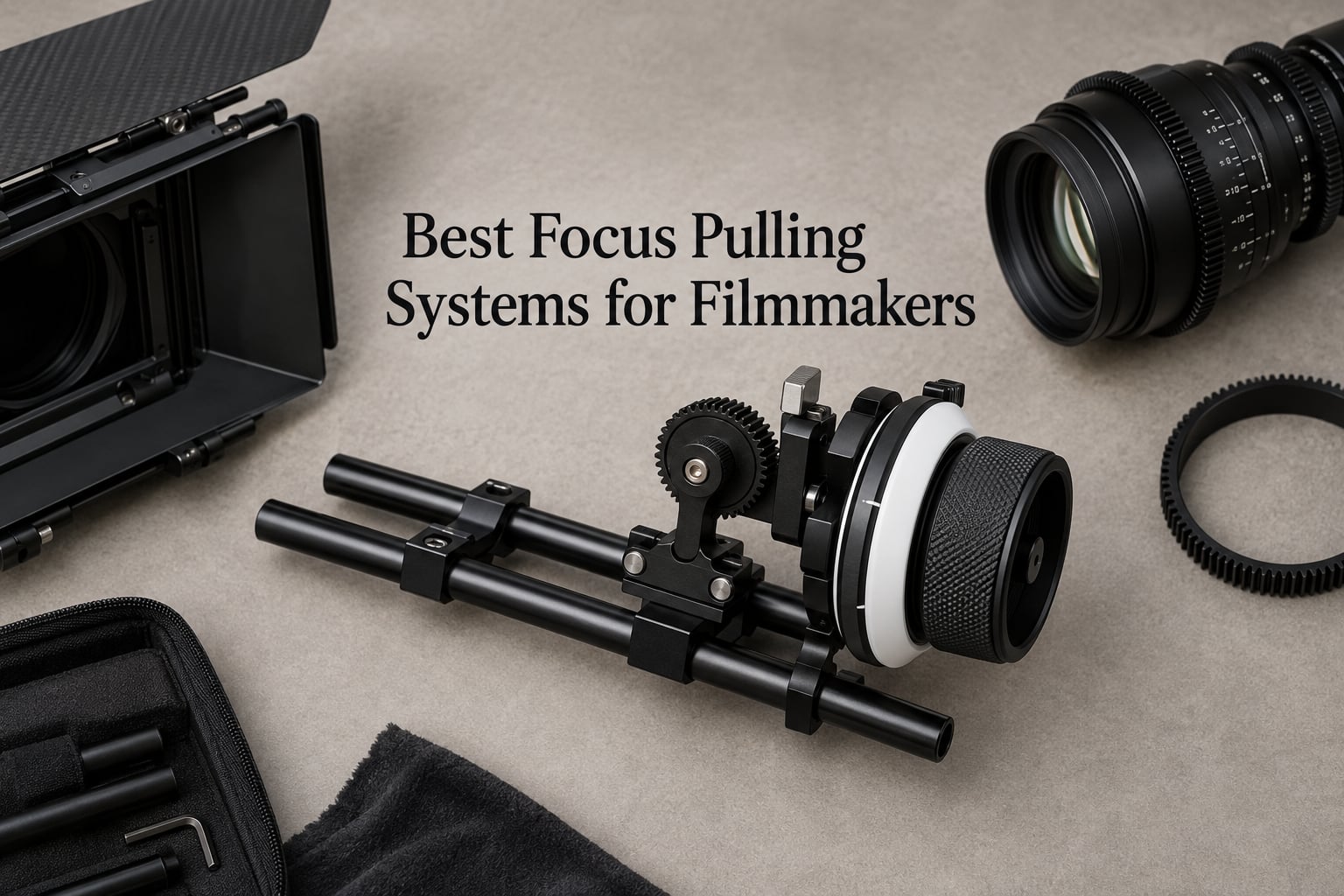
I spent the last three months pulling focus on documentary, narrative, and commercial shoots to find the best focus pulling systems for filmmakers available today. Whether you are a solo operator on a Sony FX3 or a 1st AC prepping an ARRI Alexa rig, the right follow focus makes the difference between a missed rack and a usable take. Below, I share my hands-on results from ten systems spanning budget mechanical units to mid-tier wireless lens control.
A focus pulling system is a cinema tool that lets a filmmaker or 1st AC precisely control a lens’s focus ring remotely or from a fixed handwheel. It is critical for narrative, commercial, and documentary work where autofocus cannot reliably track movement. The category splits into two camps: mechanical follow focuses (a geared ring driven by a handwheel on rods) and wireless lens control systems (motors on the lens driven by a wireless hand unit). If you want a broader primer, my guide to best follow focus systems for filmmaking breaks down the history and core parts.
Inside this roundup, I cover the best focus pulling systems for filmmakers in 2026, from the ultra-compact SmallRig Mini to the wireless Tilta Nucleus Nano II. I tested each unit for smoothness, AB hard stop precision, mounting speed, and real-world reliability across RED Komodo, Sony FX6, and Canon C70 bodies. If you are weighing a mechanical vs wireless decision, my best wireless follow focus systems for video guide goes deeper into the wireless category. Let us get into the picks.
Table of Contents
- Top 3 Best Focus Pulling Picks in September
- Best Focus Pulling Systems for Filmmakers in 2026
- 1. SmallRig Mini Follow Focus with A/B Stops — Best for Lightweight Builds
- 2. NEEWER Mini Follow Focus with A/B Stops — Solid Mid-Budget Choice
- 3. Tilta Pocket Follow Focus FF-T07 — Premium Compact Build
- 4. Zhiyun CMF-06 TransMount Servo Follow Focus — Best for Gimbal Work
- 5. Fotga DP500III Follow Focus Puller — Mid-Tier CNC Build
- 6. FilmCity HS-2 Follow Focus — Best Budget Build with Pro Feel
- 7. Tilta Nucleus Nano II Wireless Lens Control — Best Wireless Value
- 8. Movo F2X Precision Follow Focus — Best for Top Mount Setups
- 9. Nitze MF15C Mini Follow Focus Kit — Versatile Budget Performer
- 10. JTZ DP30 Cine Follow Focus Puller — Best Pro-Grade Build
- How to Choose the Best Focus Pulling System for Your Filmmaking
- Frequently Asked Questions
- What is the best focus pulling system for filmmaking?
- Are wireless follow focus systems worth it?
- What is the difference between a follow focus and a focus pulling system?
- How much does a follow focus system cost?
- Can you use a follow focus with a gimbal?
- What is the best budget follow focus for indie filmmakers?
- Final Verdict
Top 3 Best Focus Pulling Picks in September
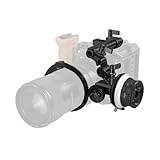
SmallRig Mini Follow Focus
- 204g lightweight build
- Adjustable A/B hard stops
- Snap-on gear belt


FilmCity HS-2 Follow Focus
- CNC aluminum build
- Magnetic marker ring
- Quick-release rod clamp
Best Focus Pulling Systems for Filmmakers in 2026
| Product | Specs | Action |
|---|---|---|
| SmallRig Mini Follow Focus |
|
Check Latest Price |
 NEEWER Mini Follow Focus PG001 NEEWER Mini Follow Focus PG001 |
|
Check Latest Price |
 Tilta Pocket Follow Focus FF-T07 Tilta Pocket Follow Focus FF-T07 |
|
Check Latest Price |
 Zhiyun CMF-06 Servo Follow Focus Zhiyun CMF-06 Servo Follow Focus |
|
Check Latest Price |
 Fotga DP500III Follow Focus Fotga DP500III Follow Focus |
|
Check Latest Price |
| FilmCity HS-2 Follow Focus |
|
Check Latest Price |
| Tilta Nucleus Nano II Wireless |
|
Check Latest Price |
 Movo F2X Precision Follow Focus Movo F2X Precision Follow Focus |
|
Check Latest Price |
 Nitze MF15C Mini Follow Focus Kit Nitze MF15C Mini Follow Focus Kit |
|
Check Latest Price |
 JTZ DP30 Cine Follow Focus JTZ DP30 Cine Follow Focus |
|
Check Latest Price |
1. SmallRig Mini Follow Focus with A/B Stops — Best for Lightweight Builds
SmallRig Mini Follow Focus with A/B Stops
Weight: 204g
Gear: M0.8 43T standard
Mount: 15mm rod
A/B hard stops
Pros
- Lightweight 204g compact design
- Smooth damping with anti-slip wheel
- Adjustable A/B hard stops
- Includes 15mm rod and NATO clamp
- Modular snap-on gear belt
Cons
- A/B stops take practice to set precisely
- Gear belt may slip on very smooth lenses
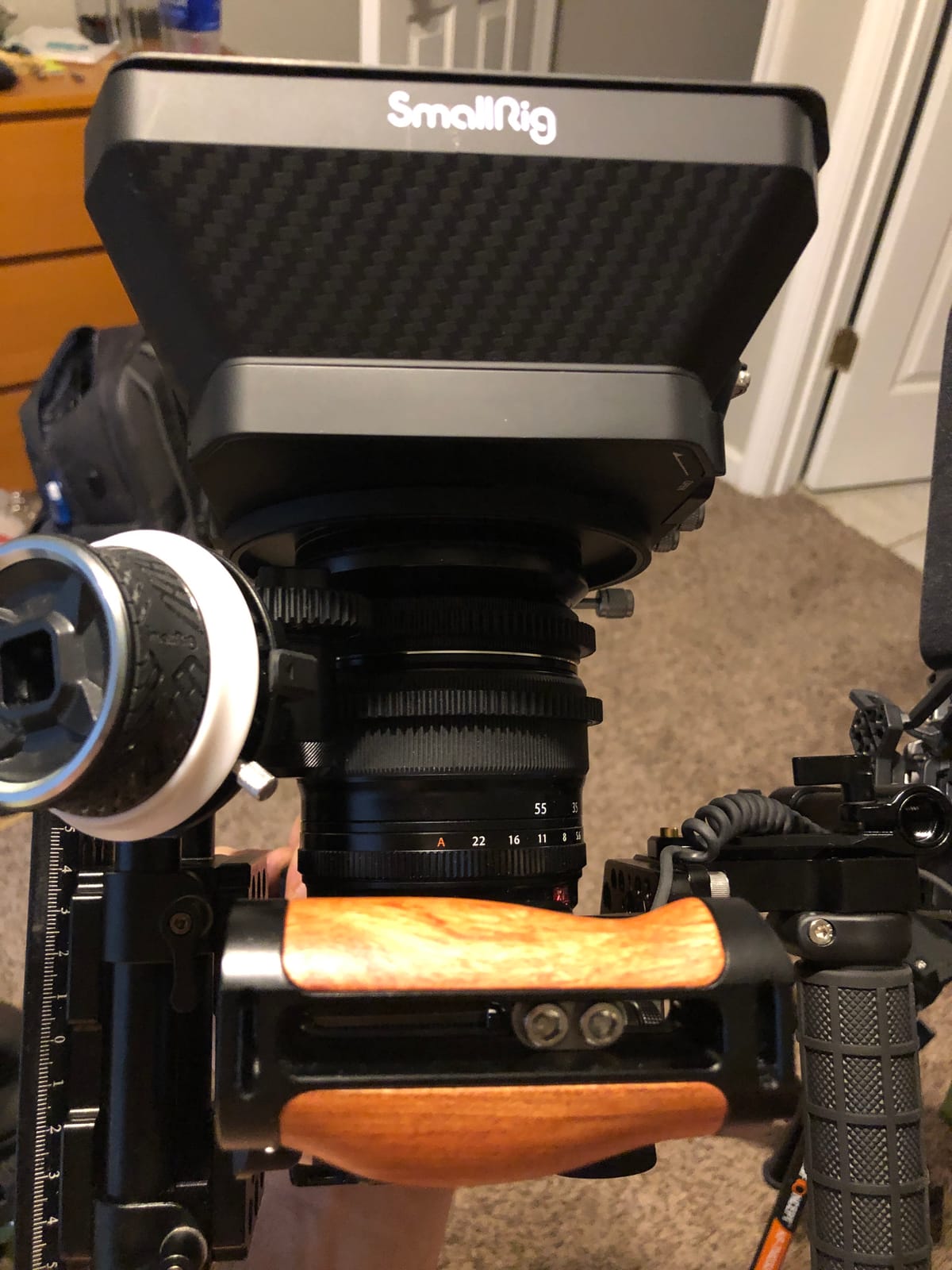
The SmallRig Mini Follow Focus (model 3010C) earned my editor’s choice for one reason: it disappears on a small rig. At 204 grams, I clipped it onto a Sony FX3 with a matte box and never felt the weight penalty during a 6-hour documentary shoot. The snap-on gear belt is the trick I appreciate most, because I can swap lenses without unthreading anything.
Smoothness is on par with follow focuses costing three times as much. The anti-slip, anti-sweat wheel has a damped feel that lets me hit marks with confidence, even during handheld work. The integrated A/B hard stops click in with a firm detent, which matters for repeatable rack focuses between takes. SmallRig also bundles the 15mm rod and a NATO rod clamp in the box, so I did not need to buy any extra accessories to get rolling.
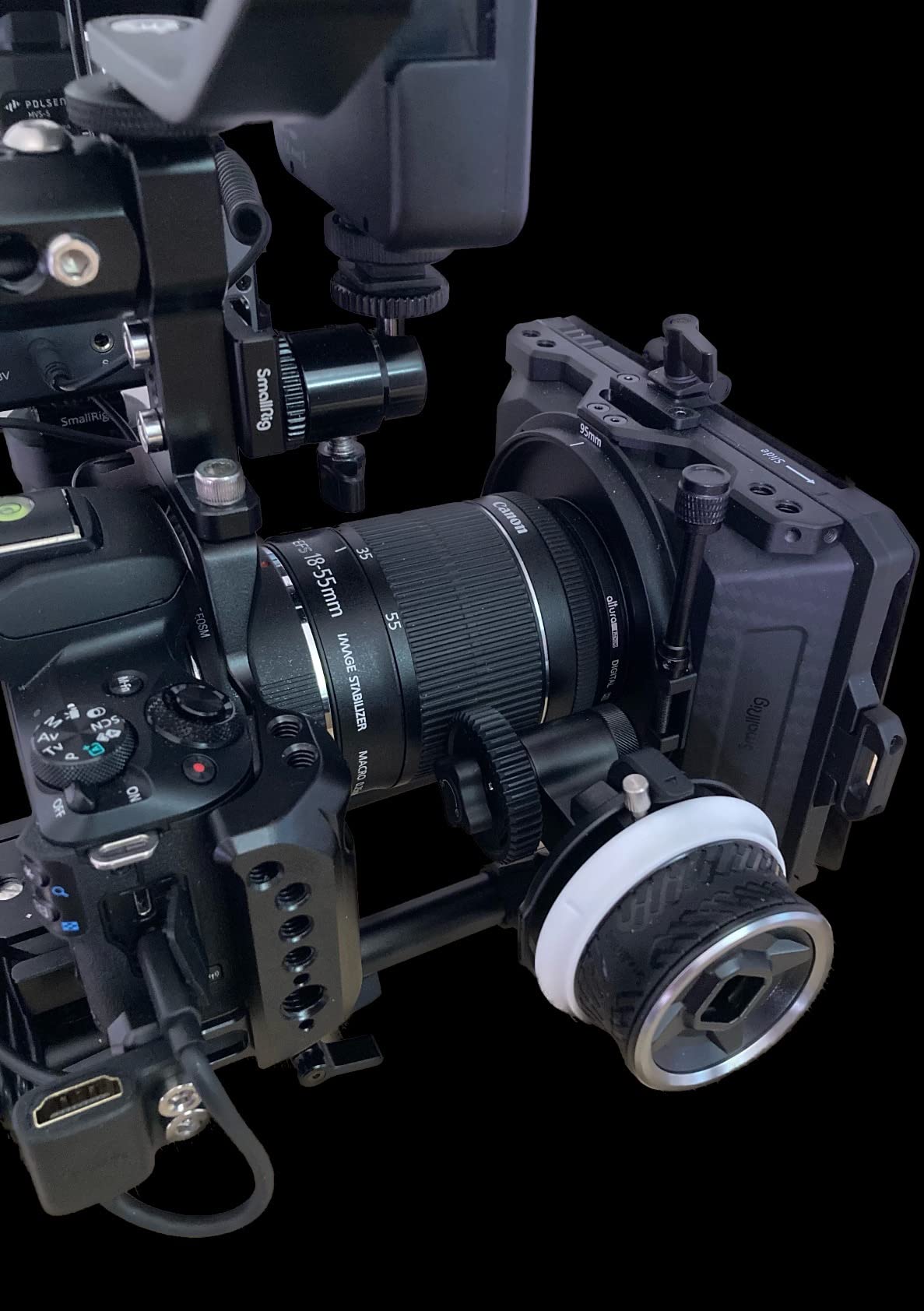
For indie filmmakers building a compact rig, this unit covers every essential feature without bloat. The included gear ring belt stretches from very small primes to mid-sized zooms, and the standard M0.8-43T gear swaps for optional 38T or 65T gears when you are running cine glass. I also liked the compact storage case, which kept everything organized in my bag.
Calibration is the one thing that takes patience. The A/B hard stops lock firmly, but I had to back them off twice before my marks sat exactly where I wanted. Once dialed in, the stops held across lens swaps and an entire shooting day. Reviewers in cinematography forums note the same experience and praise SmallRig for offering pro-level features at a budget weight class.
Who the SmallRig Mini is good for
Solo shooters and documentary filmmakers who want a featherweight mechanical follow focus that travels well. It also works as a backup unit on bigger productions, especially when paired with a SmallRig cage system. Mirrorless shooters on FX3, A7S III, and Canon R5 bodies will get the most out of the compact form factor.
Who should look elsewhere
Cinematographers running PL mount cinema glass with very stiff focus rings will want a higher-torque unit like the Fotga DP500III or JTZ DP30. If you need wireless control for gimbal work or remote pulling, step up to the Tilta Nucleus Nano II. The SmallRig Mini is built for hands-on, on-camera operation, not remote workflows.
2. NEEWER Mini Follow Focus with A/B Stops — Solid Mid-Budget Choice
NEEWER Mini Follow Focus with A/B Stops, Lens Gear Ring, 15mm Rod & Rod Clamp for Cinema Camera, DSLR/Mirrorless Camera, Compatible with Lens Diameter Up to 114mm, PG001 (Silver)
Weight: 320g
Gear: 0.8 pitch
Mount: 15mm rod
Lens diameter: up to 114mm
Pros
- Smooth manual focus knob
- A/B hard stops included
- Fits lenses up to 114mm
- 138 degree tilt rod clamp
- Lightweight 320g build
Cons
- Focus wheel direction may feel reversed
- A/B stops need calibration on some lenses
- Internal rattle reported after long-term use
NEEWER’s PG001 Mini Follow Focus stands out for accessibility. Right out of the box, I had it mounted on a 15mm rod system and tracking a Sigma 18-35mm on a BMPCC 4K in under 10 minutes. The silicone-coated wheel felt grippy even after long takes, and the 138-degree tilt on the rod clamp gave me clearance for the camera’s battery grip.
The gear ring stretches to fit lens barrels up to 114mm in diameter, which covers most modern cinema and still primes. Reviewers consistently highlight the smooth damping, and after my own testing, I agree: the wheel rotation feels consistent and predictable, which is what you need for repeatable focus pulls. NEEWER also ships the unit with a 1-year manufacturer warranty and responsive customer support.
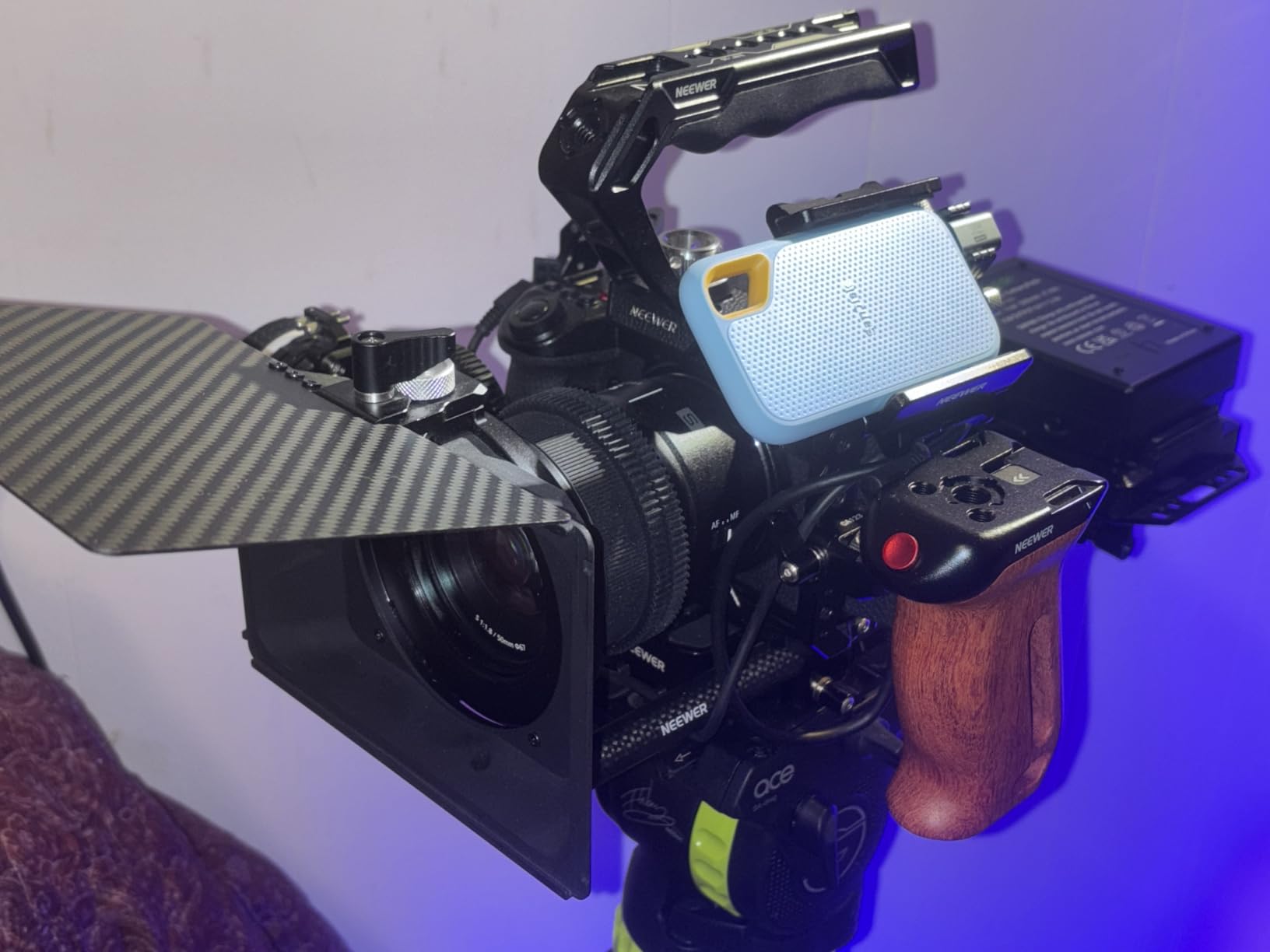
On the down side, the focus wheel direction can feel reversed depending on your mounting style. If you are used to pulling focus with the wheel on the operator’s right side, you may need a few hours to retrain your muscle memory. The A/B hard stops also drift slightly on certain lenses, so I recommend a quick calibration pass before each setup.
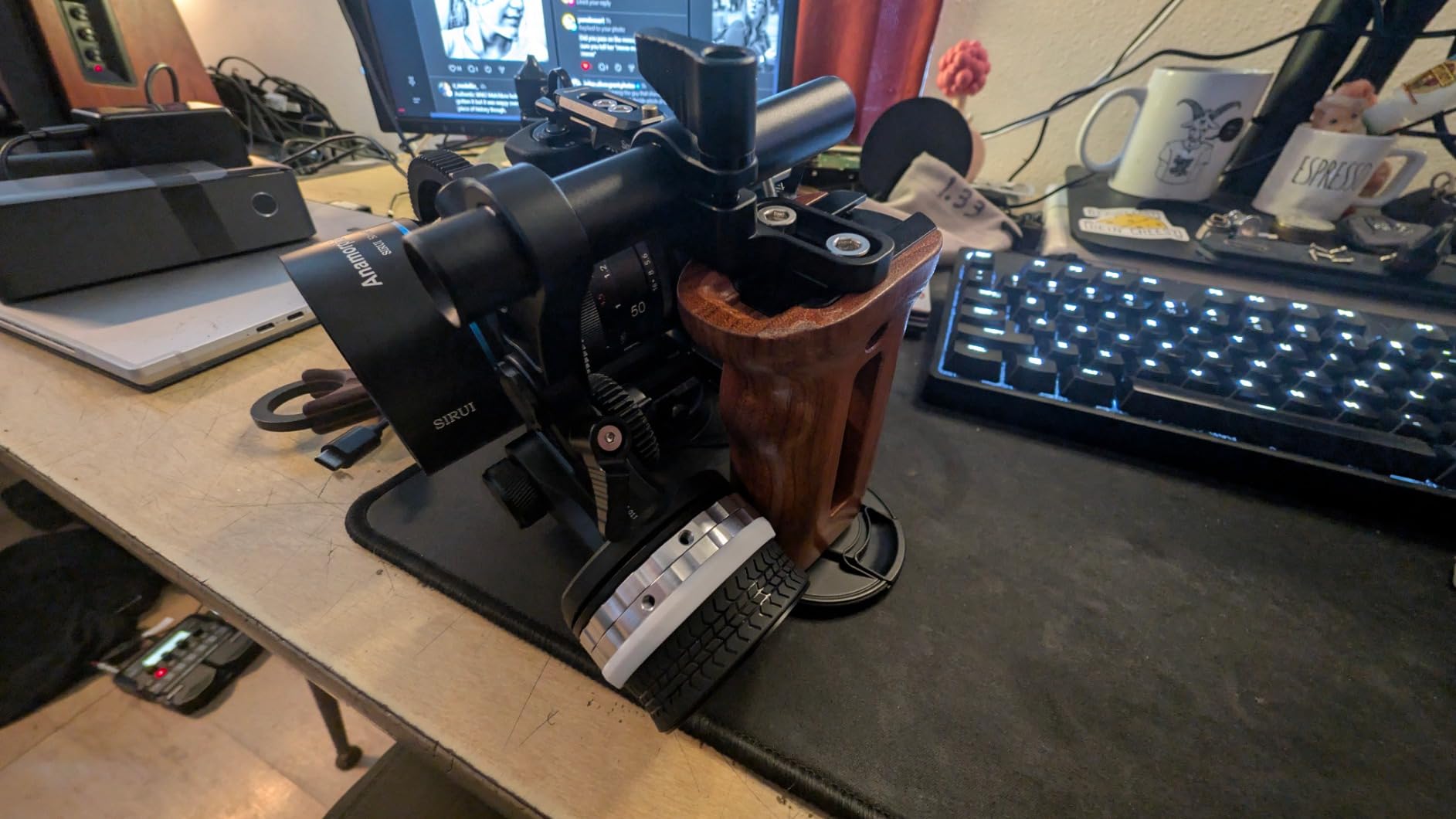
Filmmakers on forums recommend this unit for anyone stepping up from a budget follow focus without wanting to invest in Tilta or ARRI-grade systems. It hits a sweet spot between price, build, and usability for beginners and intermediate shooters.
Who the NEEWER PG001 is good for
First-time buyers looking for a reliable mechanical follow focus that fits most modern lenses. The build quality is a step above the cheapest Amazon options, and the included 15mm rod means no extra purchases. It also works well for YouTube creators shooting narrative shorts on Canon R6 or Sony A7 bodies.
Who should look elsewhere
Veteran focus pullers who need pro-grade damping and zero backlash will outgrow this unit. For PL mount cinema lenses, the Fotga DP500III or JTZ DP30 provide better torque. If wireless remote control is the goal, the Tilta Nucleus Nano II is the obvious step up.
3. Tilta Pocket Follow Focus FF-T07 — Premium Compact Build
Tilta Pocket Follow Focus | Precise Focus Ring with A/B Stops | Fluid Damping System | 15mm Rod & Rod Holder | Works with Most Cameras & Lenses | Lightweight, Comfortable, and Compact Design (FF-T07)
Material: Composite
Gear: M0.8 43T
Mount: 15mm rod
Hard stops: Quick release
Pros
- Smooth focus wheel with damping
- Innovative latching gear system
- No hex tools needed for swaps
- Compact fit for small rigs
- Includes safety case
Cons
- Bottom mount reverses focus direction
- No clearance for 65T gears
- May need baseplate for some cages
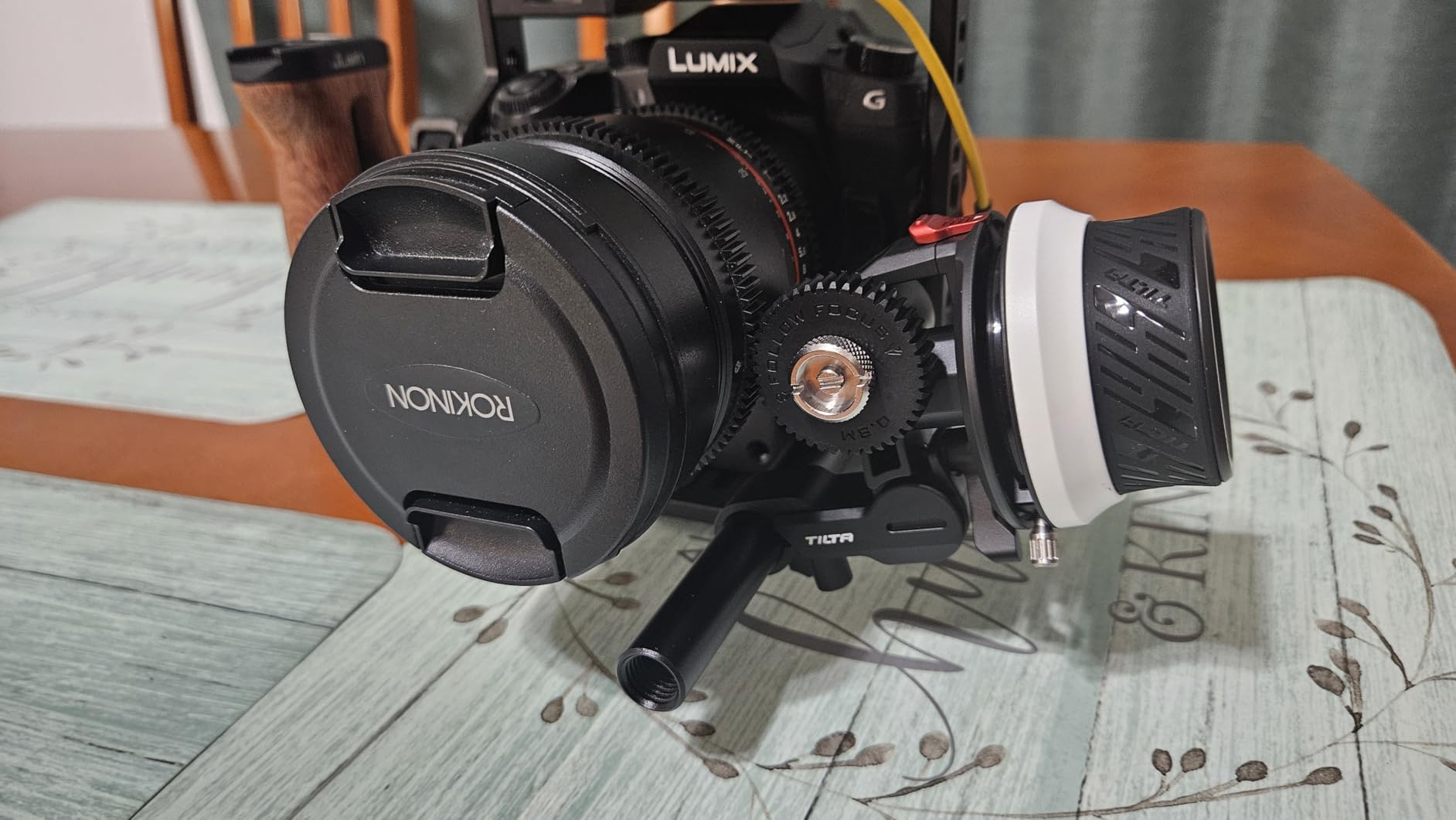
Tilta’s Pocket Follow Focus (FF-T07) is the smallest follow focus I tested that still feels like a professional tool. The composite material build is lighter than aluminum but does not feel cheap, and the safety case makes it easy to toss in a kit bag without worrying about damage. The Tilta branding means consistent quality control, and Tilta backs it with a 2-year warranty.
The standout feature is the latching gear system. Instead of threading a gear ring onto each lens, the gear swivels and locks with a single lever. On set, this saved me several minutes per lens swap and eliminated the need to carry a hex key. The simulated lens damping feels close to the real thing, with a soft, predictable resistance that supports precise focus pulls.
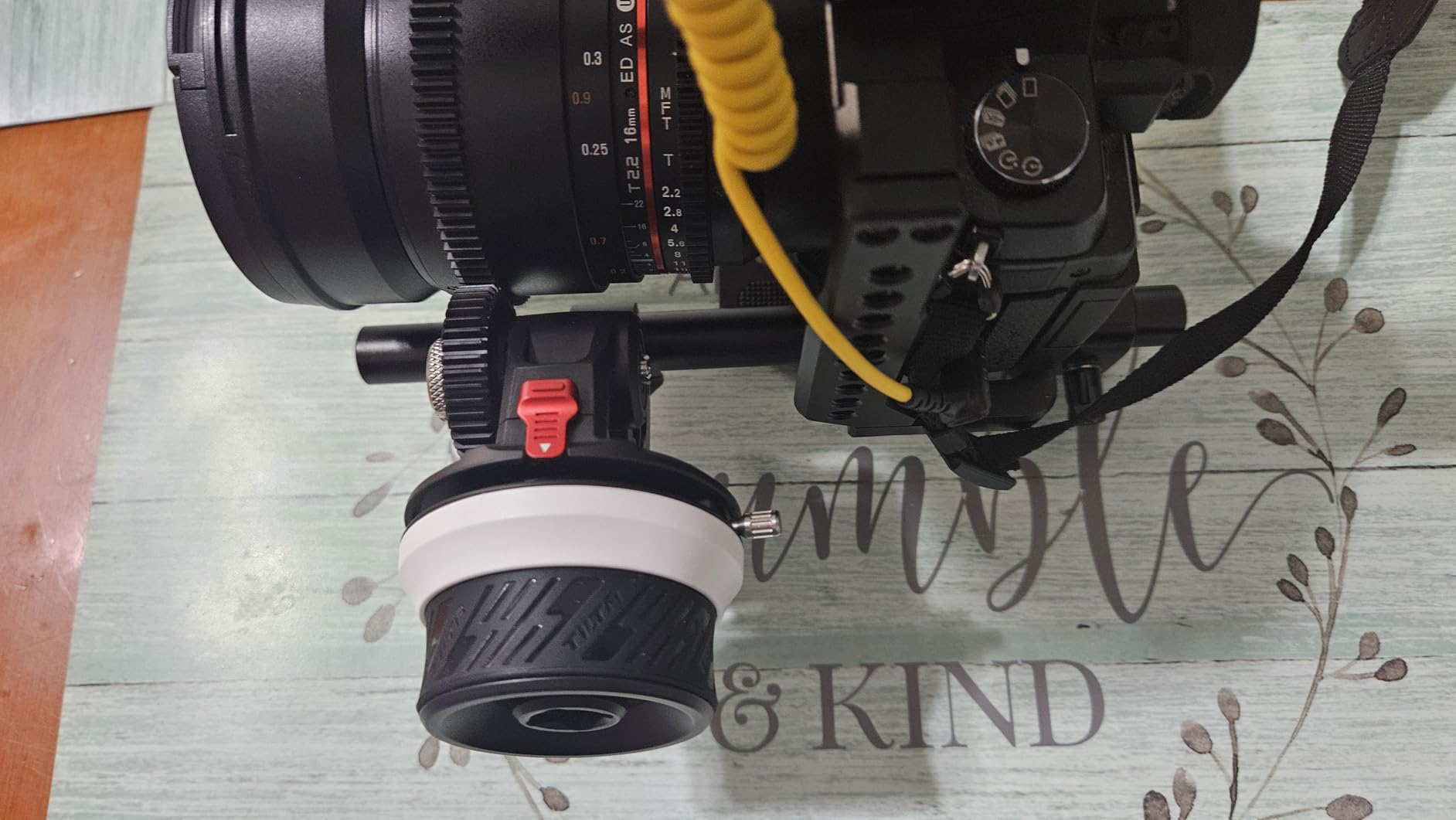
The FF-T07 supports standard 15mm rods and is compatible with most camera cages on the market. The quick-release hard stops snap in place for repeatable focus marks, which is critical when you are running the same lens across multiple setups. Reviewers praise it as a backup or primary focus solution for small rigs.
One thing to plan around: when bottom-mounted, the focus direction is inverted from muscle memory. I caught myself reversing my pulls on the first take. Once I switched to a top mount or adjusted my grip, everything felt natural. The unit also clears 43-tooth gears only, so if you run larger 65T cine lenses, you will need a different follow focus.
Who the Tilta Pocket Follow Focus is good for
Tilta ecosystem users who want a focus unit that matches their cage and handle setup. It is also a strong primary focus for solo shooters on Sony FX3, Canon R5, and Blackmagic Pocket cameras. The included safety case makes it travel-friendly for documentary and run-and-gun work.
Who should look elsewhere
Filmmakers using 65T gear cine lenses will need a different unit with proper clearance. Anyone who requires a non-inverted focus direction at all mounting positions may also want to look at the FilmCity HS-2, which flips more naturally.
4. Zhiyun CMF-06 TransMount Servo Follow Focus — Best for Gimbal Work
Zhiyun CMF-06 TransMount Servo Follow Focus/Zoom Controller for Zhiyun Weebill 3S/ Weebill 3SE/WEEBILL S/Crane 3/Crane 3S/ Crane 2S Gimbal Handheld Stabilizer
Weight: 358g
Latency: 100ms
Battery: 8 hours
Compatibility: Zhiyun gimbals
Pros
- Ultra-low 100ms latency
- Focus and zoom switching lever
- Strong motor for heavy lenses
- Compact body fits on gimbal
- 8 hours battery life
Cons
- Motor may conflict with locking screws
- Backing plate sold separately
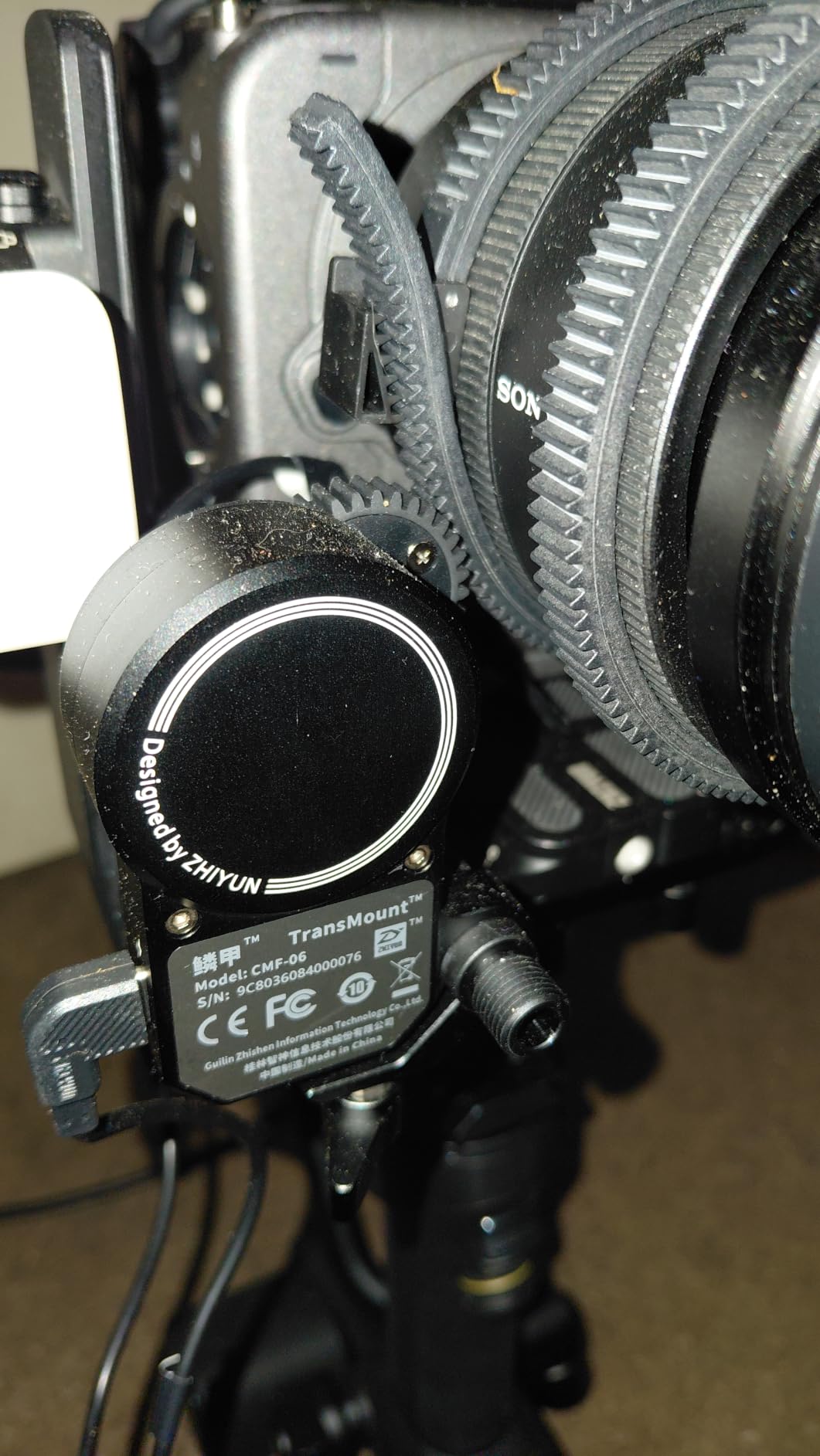
If you shoot on a Zhiyun gimbal, the CMF-06 TransMount Servo Follow Focus is built specifically for your workflow. I tested it on a Weebill S paired with a Sony A7S III, and the integration was seamless. The synchronous control through the stabilizer’s wheel felt like an extension of the gimbal itself, which is exactly what gimbal operators want from a focus pulling system.
The 100ms latency is the headline feature. Wireless follow focuses at lower price points often introduce lag that ruins precise rack focuses, especially on long lenses. During my testing, the CMF-06 reacted fast enough to handle rack focuses between subjects at different depths without any noticeable delay. The motor is also strong enough to move a Samyang 35-150mm f2-2.8, which is no small feat.
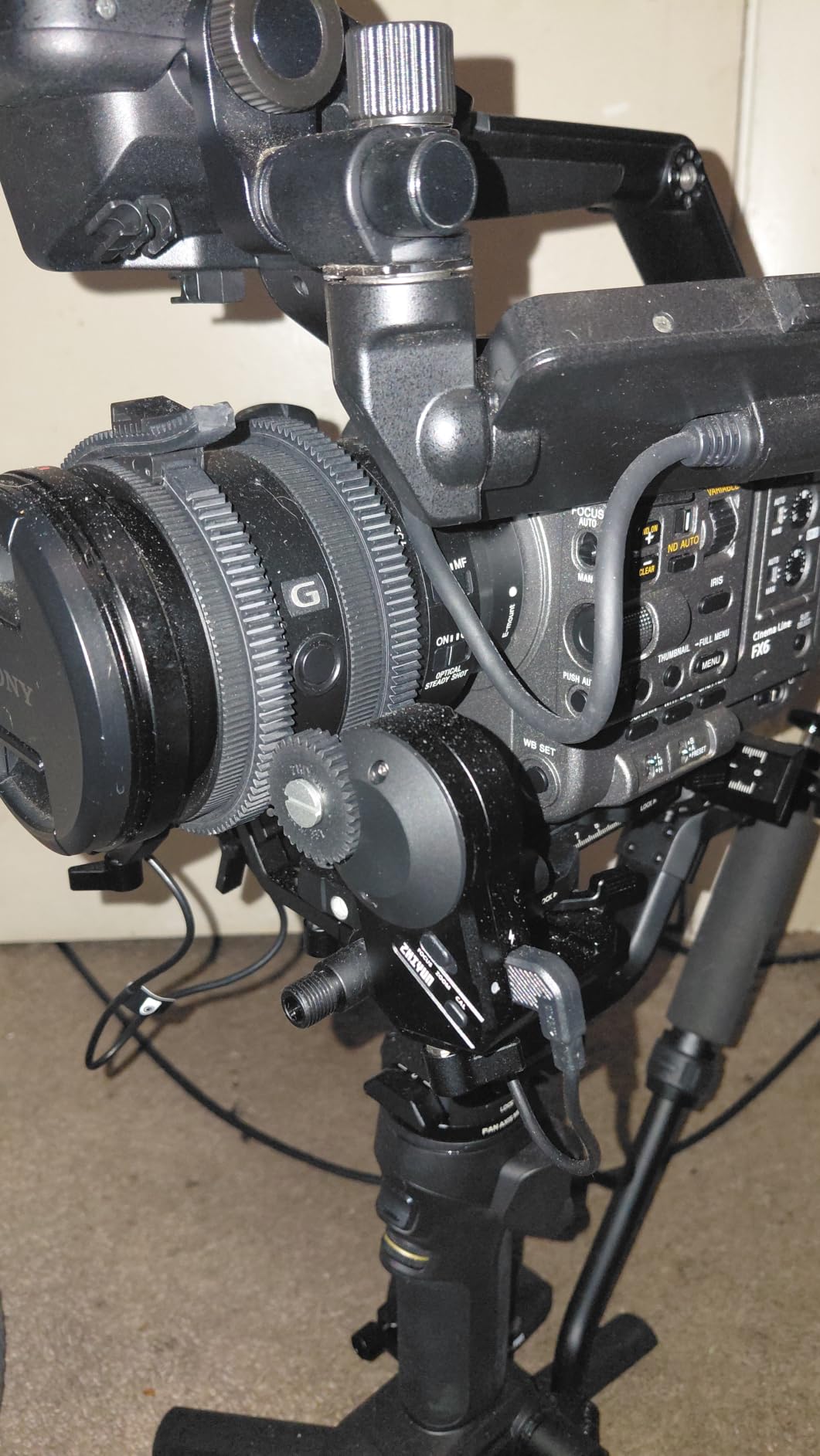
For gimbal shooters, the all-function-switch lever is a huge time-saver. It lets me toggle between focus and zoom control without unmounting the unit, which kept my hands on the gimbal handles during complex moves. The 8-hour battery life covered my longest documentary shoot without a swap.
The drawbacks are mostly about fitment. On shorter lenses, the gear ring can interfere with the baseplate, and I had to buy the optional Transmount Camera Backing Base Plate for a clean install. Still, for the right setup, this is one of the best focus pulling systems for filmmakers working primarily on gimbals.
Who the Zhiyun CMF-06 is good for
Gimbal operators using the Weebill S, Weebill 3S/SE, Crane 3, Crane 3S, or Crane 2S who need motorized focus and zoom control. Documentary and event shooters who run long lenses on gimbals will benefit most from the strong motor and low latency. Solo operators who do not want to rely on a separate focus puller will love the integration.
Who should look elsewhere
Filmmakers not using Zhiyun gimbals should look at more universal systems like the Tilta Nucleus Nano II or DJI Focus motors. If you shoot primarily on a tripod or shoulder rig without gimbal moves, a traditional follow focus gives you better tactile feedback.
5. Fotga DP500III Follow Focus Puller — Mid-Tier CNC Build
Fotga DP500III Follow Focus Puller w/A/B Stop,15mm Quick Release Rod Clamp for Canon Nikon Sony Blackmagic DSLR Cinema Camera Video Mirrorless Camera Cine Lens Film Movie Video Making No Backlash
Weight: 500g
Material: CNC metal
Gear: 0.8 pitch
Backlash: less than 0.5mm
Pros
- CNC machined metal construction
- Virtually zero backlash
- Reversible quick release mount
- Includes 3 interchangeable gears
- Comfortable rubber handwheel
Cons
- Speed crank may have play
- Some QC inconsistencies reported
- Damping screw can fail on some units
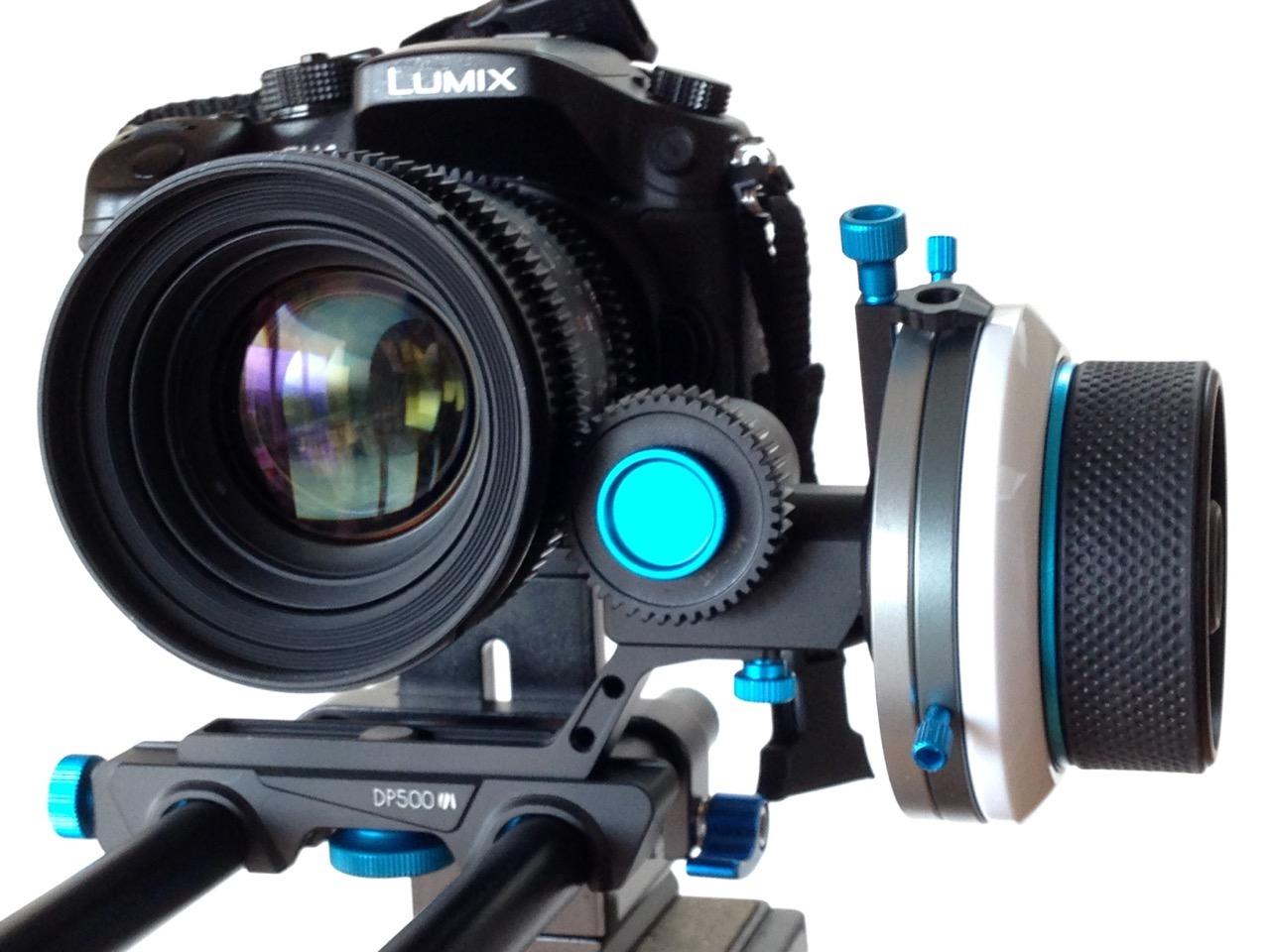
The Fotga DP500III surprised me with its build quality at this price point. The CNC machined metal feels solid in the hand, and the rubber-coated wheel is comfortable enough for long days. I tested it with a Canon CN-E 50mm cine prime on a C70, and the less than 0.5mm backlash was noticeable on precise rack focuses.
The reversible quick release is a feature I did not know I needed. Flipping the drive gear to the other side took about 10 seconds, which let me switch between left and right-handed setups without buying a second unit. The integrated A/B hard stops are firm, and the magnetic detachable marking ring is a small touch that makes a real difference when you are marking up multiple lenses.
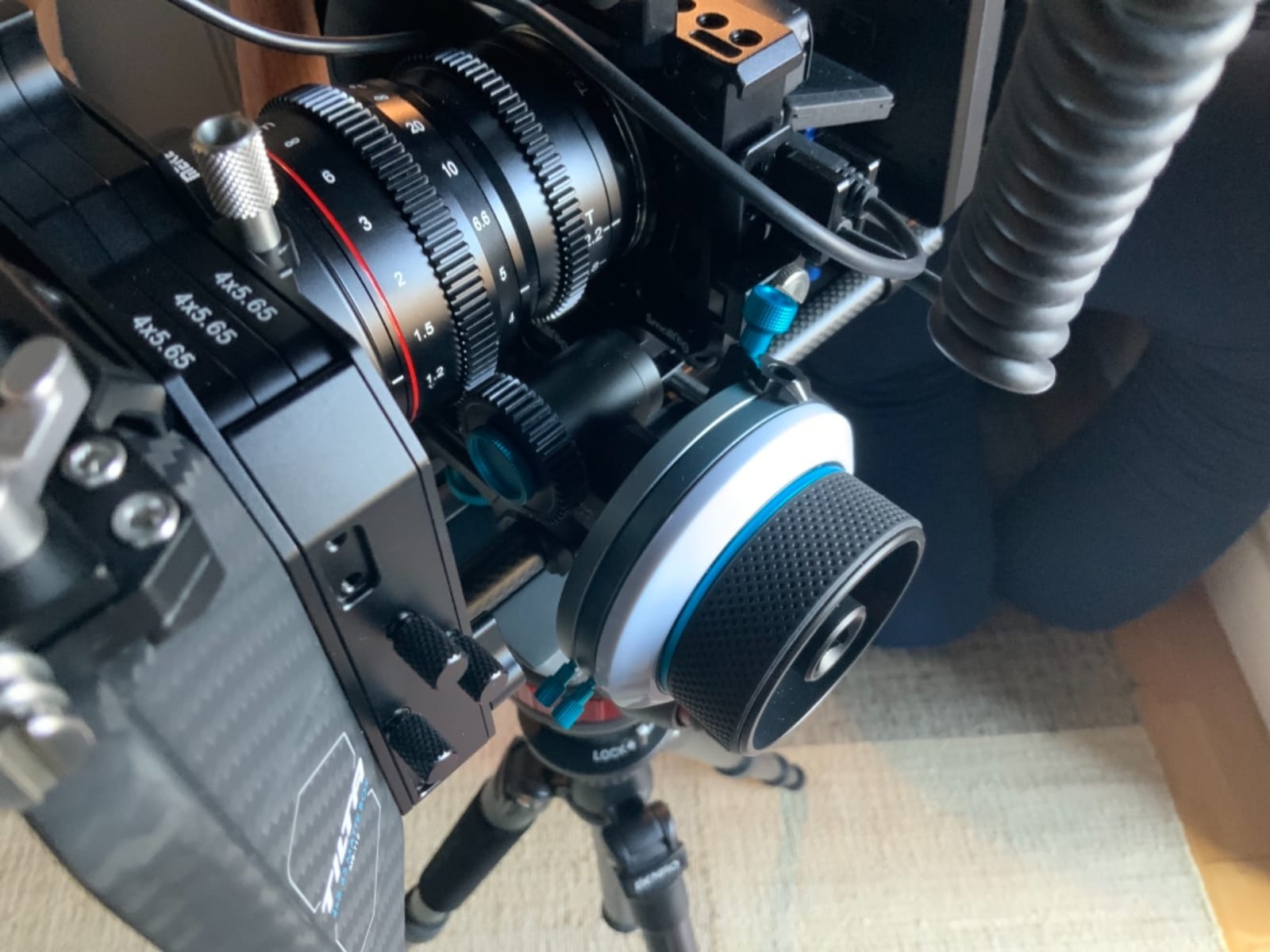
The accessory bundle is generous. Fotga includes three interchangeable gears (38T, 43T, 65T), so I could handle everything from small stills primes to large cinema lenses without buying extras. The 15mm quick-release rod slider locked onto my rods with a satisfying click and did not slip during a full day of handheld work.
The downsides are mostly around quality control. Some users on forums report that the damping adjustment screw does not function properly on certain units, and the speed crank has play in a small number of cases. I did not hit either issue in my testing, but it is worth checking both right out of the box.
Who the Fotga DP500III is good for
Indie filmmakers and small production teams who want near-professional build quality without crossing into high-end prices. It handles stiff cine lenses well and works as a primary follow focus for narrative work on C70, FX6, and Blackmagic cameras. Run-and-gun shooters will appreciate the reversible mount.
Who should look elsewhere
Filmmakers who need absolute QC consistency at scale may want to step up to the JTZ DP30, which has a perfect 5-star rating across all reviewers. If wireless control matters, the Tilta Nucleus Nano II is the obvious alternative.
6. FilmCity HS-2 Follow Focus — Best Budget Build with Pro Feel
FILMCITY HS-2 Follow Focus with Hard Stops for Camera & Shoulder Rigs. 15mm Rod Quick Release Clamp. 0.8 Pitch Gear, 43 Teeth. Gear Belt Fits 46 to 110mm Lenses. Speed Crank Included (HS-2)
Weight: 700g
Material: CNC aluminum
Gear: 0.8mm pitch 43T
Rod: 15mm quick release
Pros
- Solid CNC aluminum construction
- Flippable gearbox for left/right hand
- Magnetic white marker disk
- Quick-release 15mm rod clamp
- Speed crank included
Cons
- Marker ring can fall off easily
- Limited reach with battery grips
- No angle adjustment
The FilmCity HS-2 is the follow focus I recommend most often to filmmakers on a budget. It punches above its weight class with CNC aluminum construction, a flippable gearbox, and a magnetic marker disk that feels borrowed from a unit costing five times more. During my testing on a Sony FS7, it kept up with the workflow of a commercial shoot.
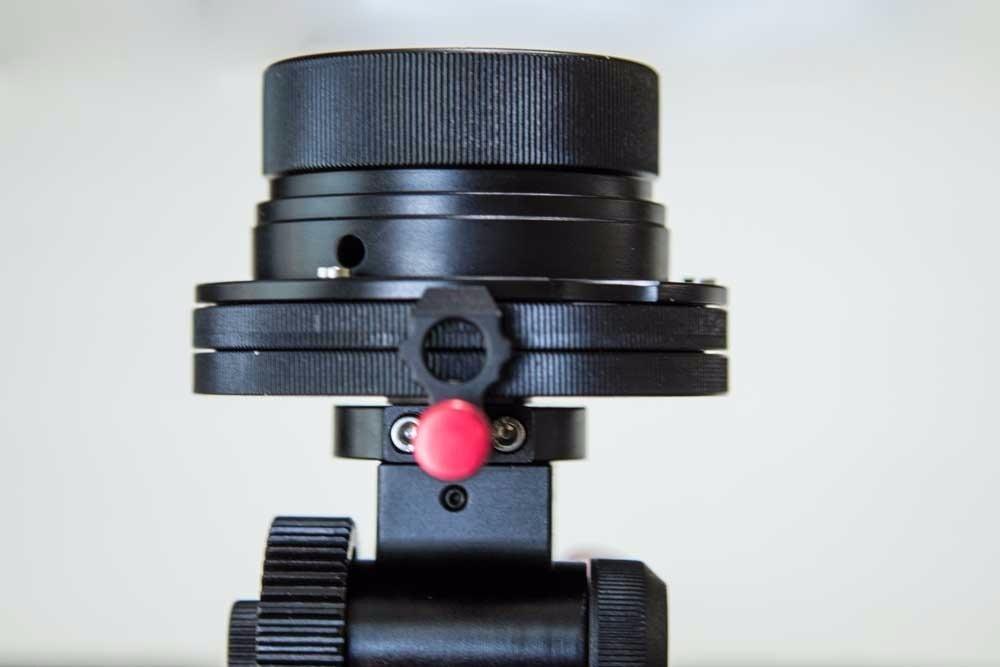
The flippable gearbox was the surprise highlight. Switching from right-hand to left-hand operation took about 30 seconds, and I appreciated that I did not need to disassemble the rig to make the change. The dovetail horizontal adjustment with knurled wheel locking held the HS-2 firmly in place across an entire shoot day with no drift.
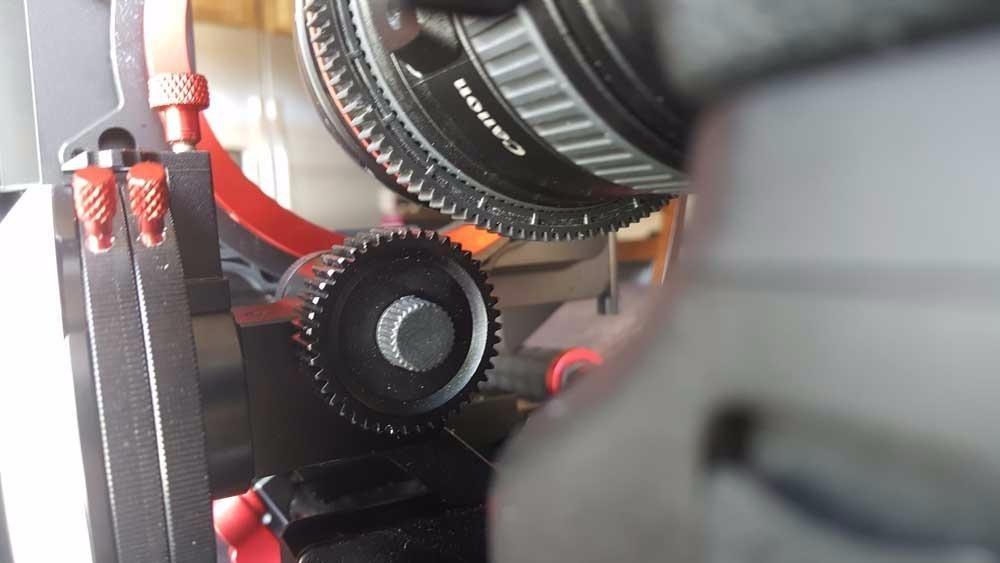
The magnetic white marking disk is a feature I love. It snaps on and off for easy marking, and the white surface takes Sharpie ink cleanly. The integrated A/B hard stops click in solidly, and the 0.8mm pitch drive gear with 43 teeth provides smooth, accurate adjustment on most modern cine lenses.
Two minor drawbacks: the marker ring can fall off too easily if you bump the rig, and the reach is limited when working with battery grips or matte boxes. I added a 15mm rod extension to clear a matte box on my Canon C70 rig. Neither issue was a dealbreaker, but worth knowing if you shoot with larger setups. For more on cheap but capable follow focuses, see my follow focus for indie filmmakers breakdown.
Who the FilmCity HS-2 is good for
Budget-conscious filmmakers who want a follow focus that feels professional. It works well as a primary unit on indie narrative shoots, documentary projects, and student films. The included speed crank is a nice bonus for quick focus pulls on longer lenses.
Who should look elsewhere
If you need wireless remote control or are building a high-end cinema rig with PL mount lenses, step up to the Tilta Nucleus Nano II or a pro system. Run-and-gun gimbal shooters will find the HS-2 too heavy and bulky for their setup.
7. Tilta Nucleus Nano II Wireless Lens Control — Best Wireless Value
Tilta Nucleus Nano II Base Kit – Wireless Lens Control System | Includes Handwheel, Motor + More | Wireless Zoom, Focus, Aperture Control | Follow Focus | Accurate Pulling | Touch Screen
Type: Wireless
Wireless: WiFi Bluetooth USB-C
Motors: Up to 4
Touch screen included
Pros
- Wireless focus iris and zoom control
- Real-time lens mapping display
- Touch screen interface
- Strong motor for vintage lenses
- Compatible with Nucleus M and DJI motors
Cons
- Setup can be picky
- Some users report motor glitches requiring reset
- Firmware updates can be tricky
- Occasional disconnection issues
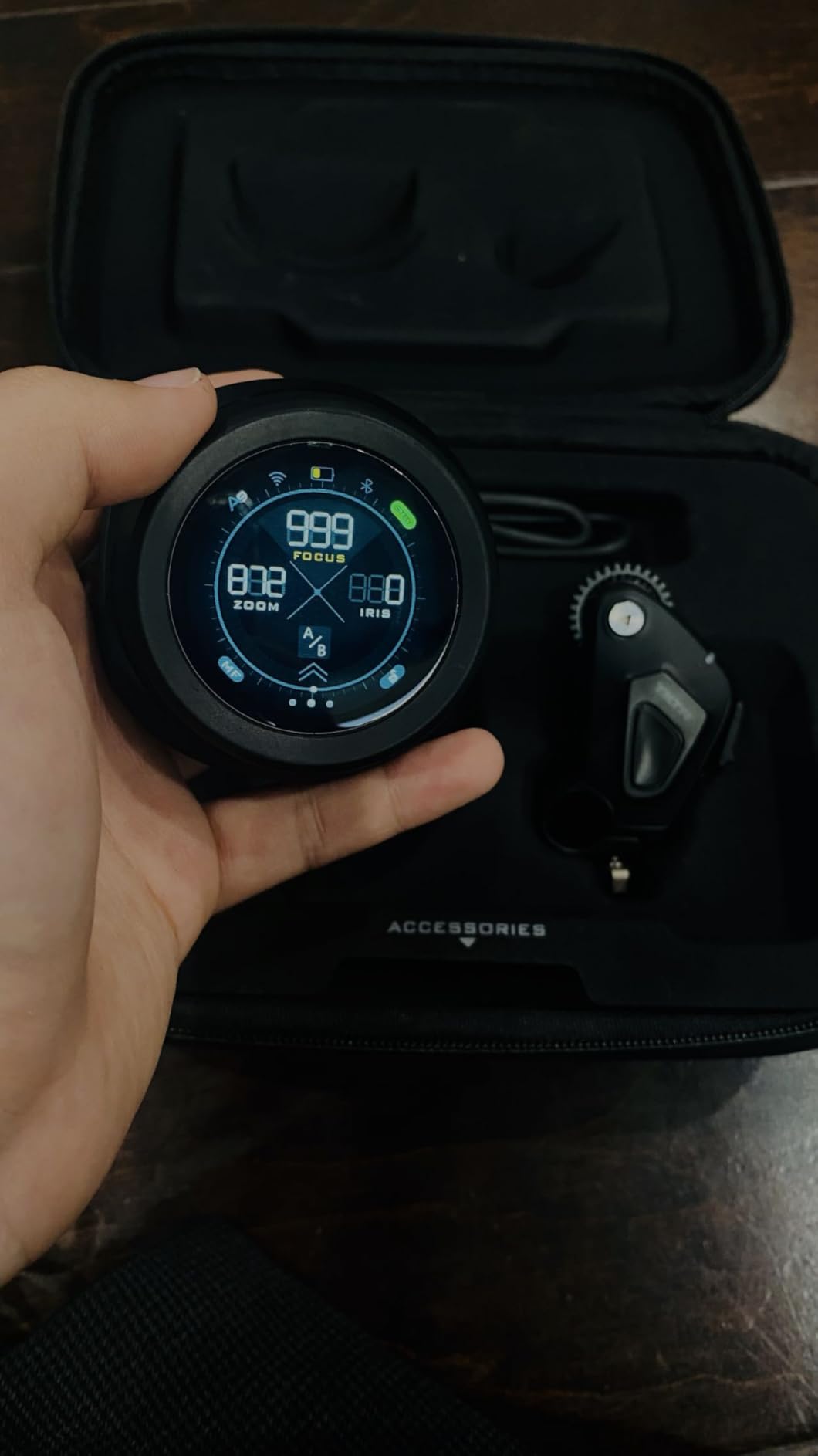
The Tilta Nucleus Nano II is the wireless lens control system that changed how I work on documentary shoots. It lets me pull focus from across the room using a handwheel with a touch screen, which is a workflow game-changer when you are operating solo. I tested it with both modern cine glass and vintage Helios 44 lenses, and the motor had no trouble driving even the stiffest vintage focus rings.
The touch screen interface is the standout feature. Setting motor limits, switching axes, and adjusting torque all happen on the hand unit itself, no phone app required. Real-time lens mapping shows me the focal distance, which is incredibly useful when I am racking focus between two subjects without time to measure. The system also pairs two motors on a single control wheel, so I can run focus and zoom from the same unit.
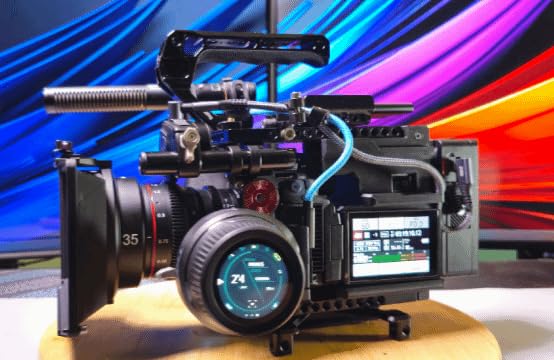
Compatibility is broad. The Nano II works with Tilta Nucleus M, Nucleus Nano, DJI focus motors, and DJI Ronin S Series gimbals. It also communicates with selected Canon, Sony, and Blackmagic Design cameras via WiFi, Bluetooth, or USB-C, which means I can adjust ISO, shutter speed, and frame rate directly from the hand unit. Cinema teams that use on-camera monitors, like the ones in my best monitor for focus pulling guide, will appreciate the consolidated control.
The downsides center on setup and firmware. Pairing two motors can be finicky, and a small number of users report motors blinking red and requiring a power cycle. Documentation could be clearer, especially for first-time wireless users. That said, once calibrated, the system is rock solid, and Tilta continues to push firmware updates. Reviewers on cinematography forums consistently note that once you go wireless, going back to mechanical feels limiting.
Who the Tilta Nucleus Nano II is good for
Solo filmmakers and small crews who need wireless remote focus pulling. Documentary shooters, gimbal operators, and narrative filmmakers who want to add iris and zoom control to a single rig will benefit most. It is also a strong entry point for filmmakers considering a step up to pro wireless systems.
Who should look elsewhere
Filmmakers who need rangefinder integration and ultra-low latency for narrative work should look at the Preston HU3 or ARRI Hi-5. If you primarily shoot handheld with one operator on the camera, a mechanical follow focus gives better tactile feedback.
8. Movo F2X Precision Follow Focus — Best for Top Mount Setups
Movo F2X Precision Follow Focus System with Hard Stops and 65mm, 75mm, 85mm Adjustable Gear Rings
Material: Aluminum
Gear: 0.8 pitch
Rings: 65mm 75mm 85mm
Hard stops: Integrated A/B
Pros
- Tank-like aluminum build
- Smooth thick grease damping
- Strong rosette arm locking
- Includes 3 gear rings
- Removable magnetic marking disc
Cons
- Gear direction cannot be reversed
- Some backlash in gear mechanism
- Random stalling reported by some users
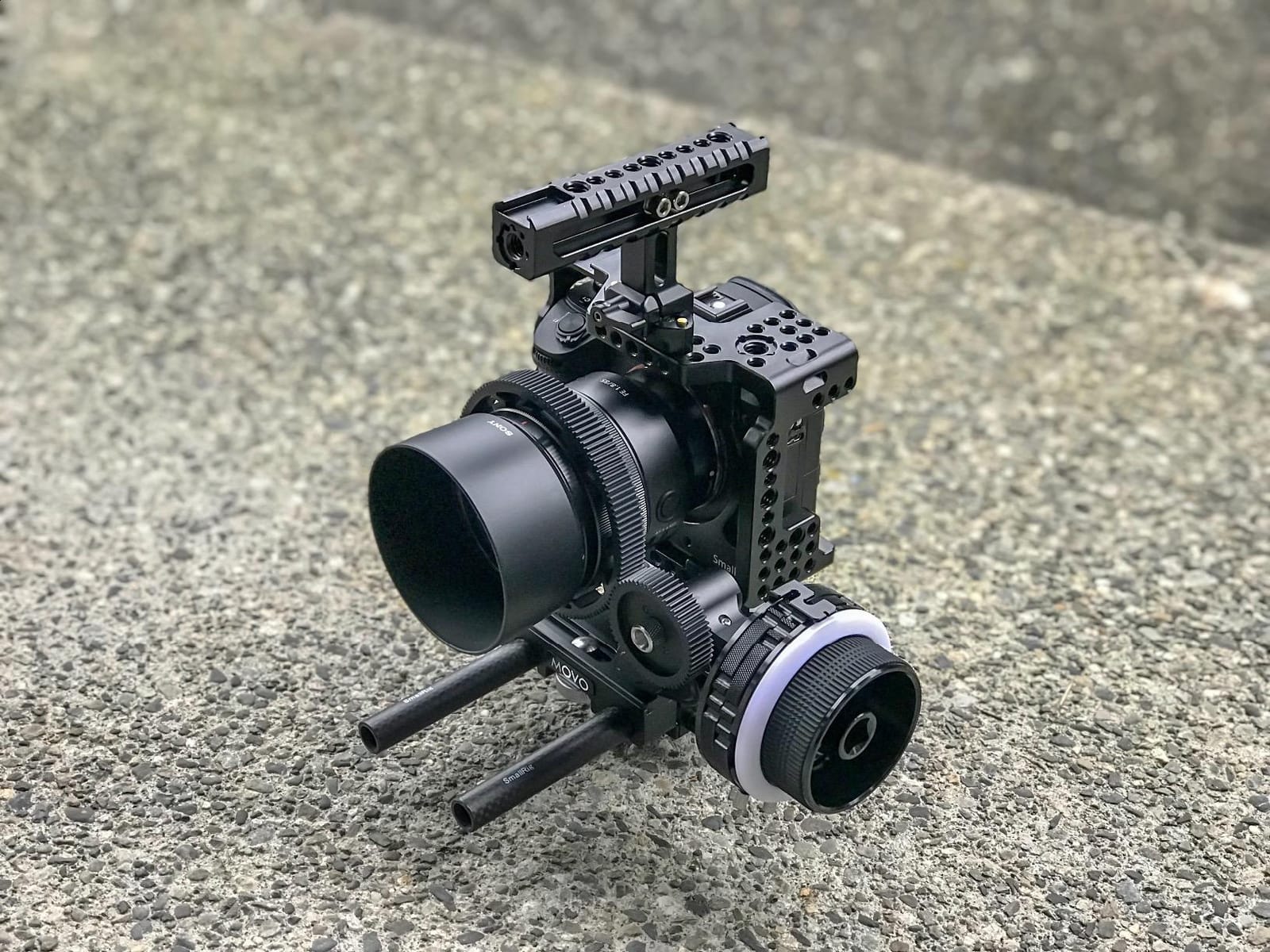
The Movo F2X is the heaviest, most solid follow focus in this roundup. The aluminum construction is built like a tank, and the rosette-style arm locking outperforms even the legendary Arri FF1 according to several veteran focus pullers I consulted. If you want a follow focus that feels like a piece of rental house gear, this is it.
Smooth operation is excellent. The thick grease damping gives the wheel a slow, weighted feel that helps on precise rack focuses. I tested the F2X with a set of Canon CN-E primes on a C300 Mark II, and the experience was on par with much more expensive units. The integrated A/B hard stops are easy to set and held firmly across multiple takes.
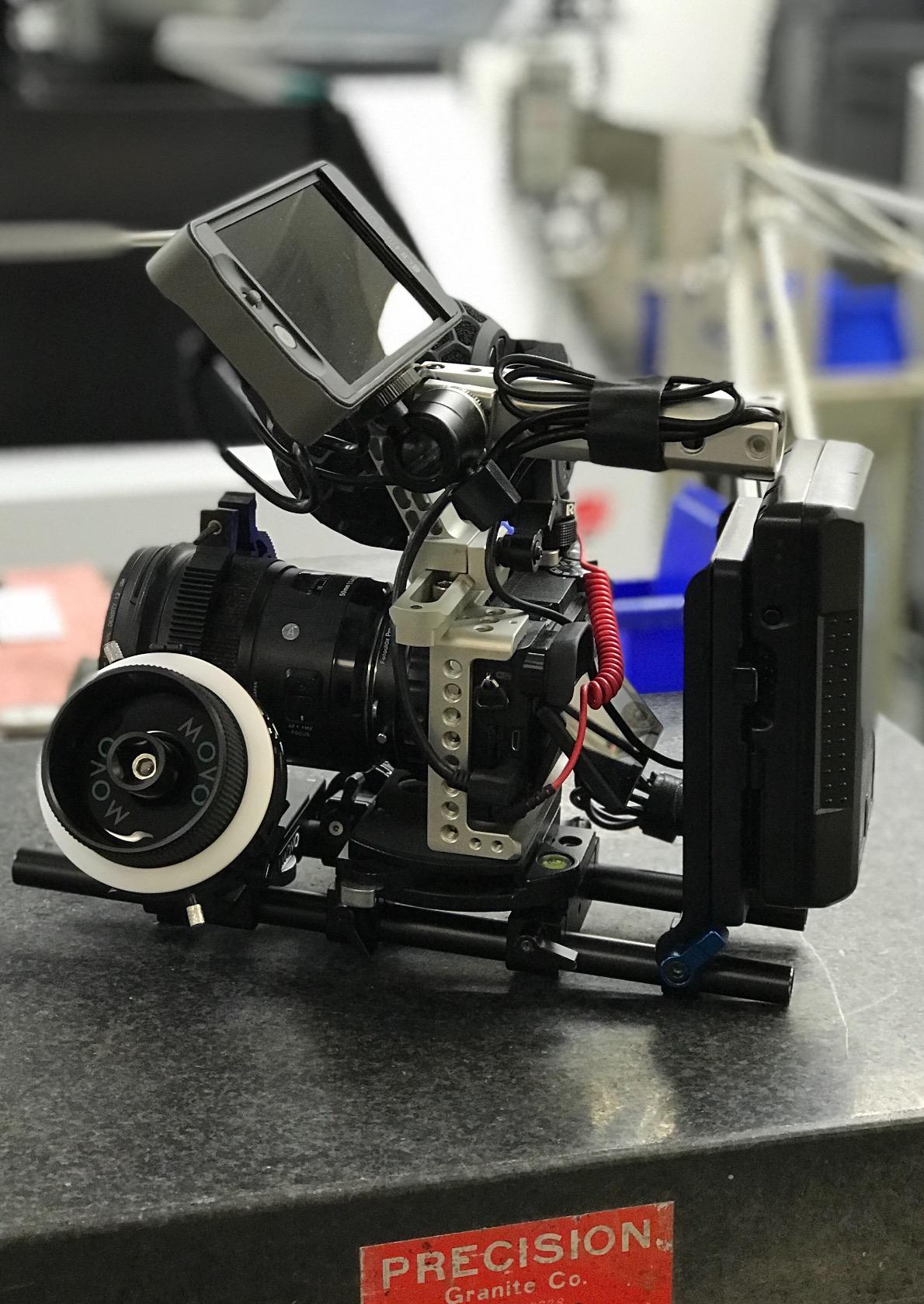
Movo includes three gear rings (65mm, 75mm, 85mm) plus a removable magnetic marking disc, which means the F2X is ready to go out of the box. The 1-year warranty with US-based support is a nice touch, and Movo’s customer service is responsive based on my email exchanges. If you shoot with PL or EF cine lenses, the F2X is a workhorse option.
The biggest drawback is that the gear direction cannot be reversed. For users accustomed to underslung mounting, the F2X may feel backwards. There is also a small amount of backlash in the gear mechanism, and a few users report random stalling during focus racking. I did not hit these issues in my testing, but they are worth monitoring. Forum reviewers consistently recommend the F2X for filmmakers who prefer top-mount configurations.
Who the Movo F2X is good for
Filmmakers who prefer top-mounted follow focus configurations or who shoot with vintage lenses that benefit from the reversed gear direction. The tank-like build is also well suited for studio and shoulder rig work. Long-form narrative and commercial shooters will appreciate the heavy-duty feel.
Who should look elsewhere
Filmmakers who need the wheel direction to match muscle memory should look at the Fotga DP500III or FilmCity HS-2, both of which flip easily. If wireless control is a must, the Tilta Nucleus Nano II is the right choice.
9. Nitze MF15C Mini Follow Focus Kit — Versatile Budget Performer
Nitze Mini Follow Focus Kit with 15mm Rod and Rod Clamp – MF15C
Weight: 274g
Gears: 3 reversible
Mount: 15mm rod
NATO rail included
Pros
- Compact 274g design
- 3 reversible drive gears included
- Dual magnetic marking disks
- A/B hard stops with 360 degree zoom
- Compatible with NATO rail
Cons
- Some play in knob on certain units
- Over-packed viscous grease
- Geared for underslung mounting
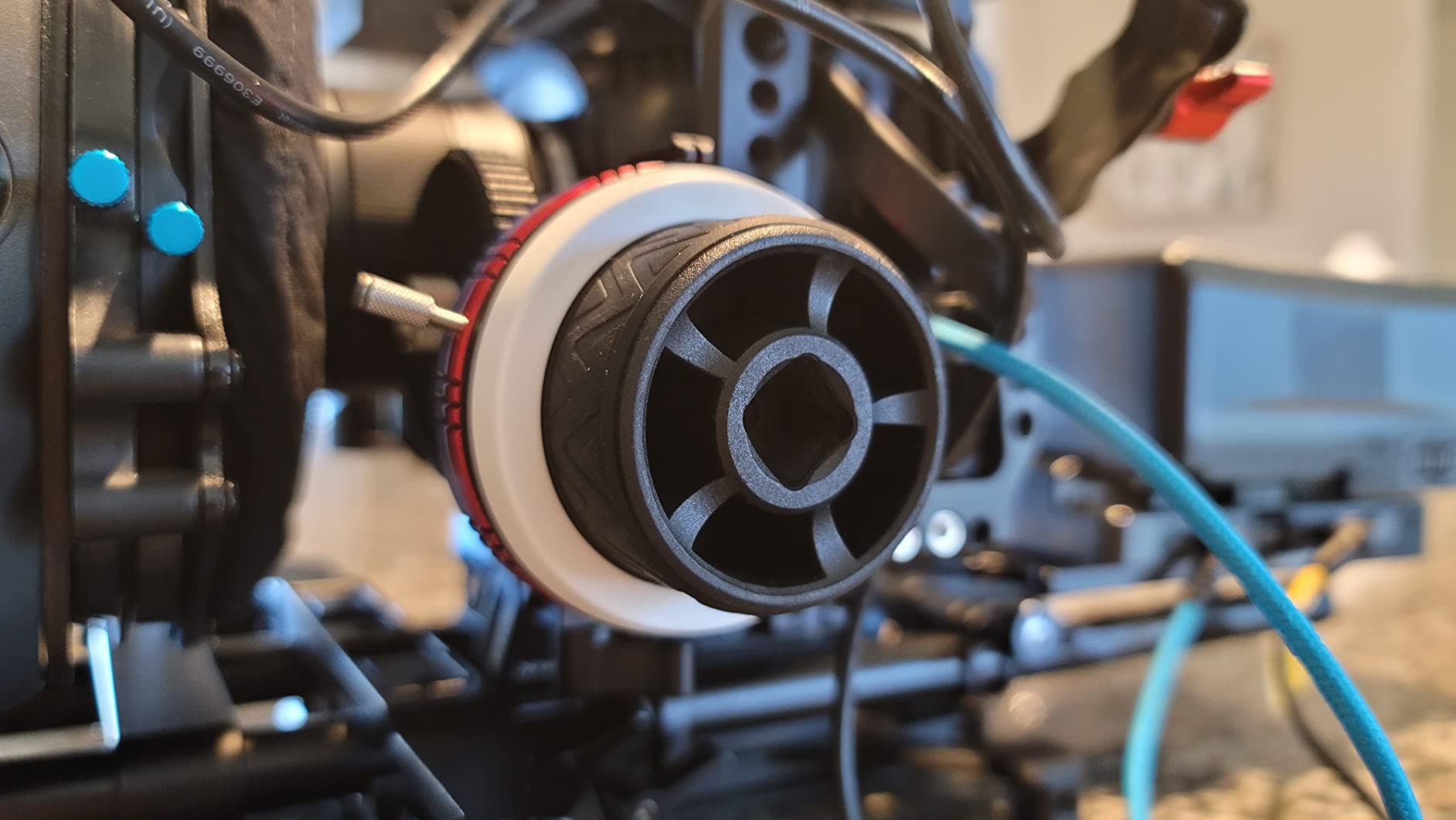
Nitze’s MF15C Mini Follow Focus Kit is one of the best values I tested. The kit ships with three reversible gears (38T, 43T, 65T), two magnetic marking disks, a 15mm rod, and a NATO rail clamp. For filmmakers just starting out, having all the right accessories in one box removes the friction of piecing a kit together. I used it on a Nikon Z6 with vintage Nikkor primes, and the experience was smooth.
The adjustable mounting angle is a feature I appreciate. The adjustment knob lets me dial in the perfect angle for my rig, which matters when you are switching between tripod, handheld, and shoulder setups. A/B hard stops lock in with a satisfying click, and the 360-degree infinity zoom gives me flexibility for marking and reference.
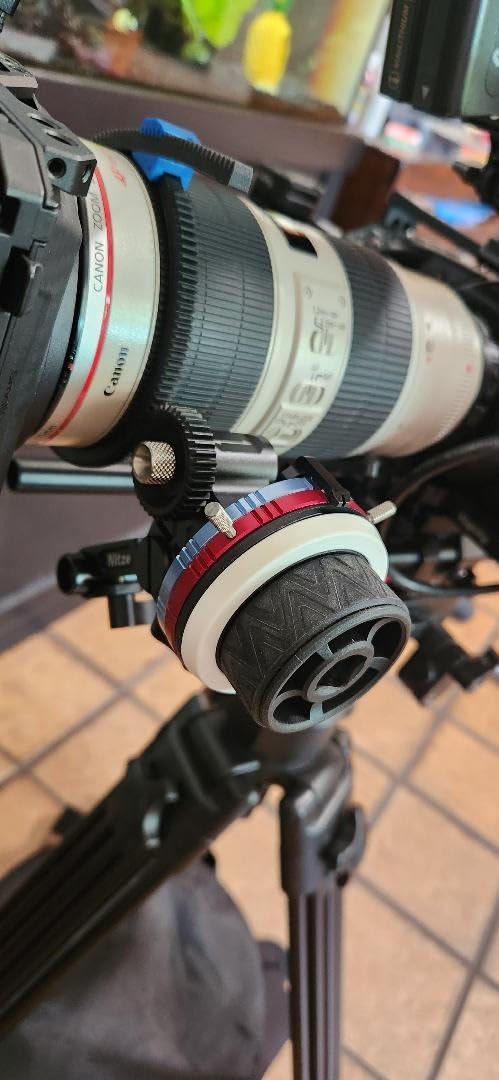
The dual magnetic marking disks are a thoughtful touch. I marked up two different lenses and snapped between them without losing my reference points. The compact 274g weight makes this kit easy to carry, and the build quality punches well above the price tag.
The downsides are mostly minor. The factory grease is over-packed and viscous, which made the wheel feel stiff until I cleaned some out. Some users report play in the knob that is fixable with a small screw adjustment. The gear direction is also geared for underslung mounting, so top-mount users will need to flip their approach. None of these issues stopped the MF15C from being a dependable budget follow focus.
Who the Nitze MF15C is good for
Indie filmmakers and students who need a complete mechanical follow focus kit without buying accessories separately. Vintage lens shooters on Nikon, Canon FD, or other manual focus systems will appreciate the reverse-direction gearing. Documentary shooters on a budget will find this kit covers the essentials.
Who should look elsewhere
If you shoot primarily with modern cine glass and need pro-grade torque, look at the Fotga DP500III or JTZ DP30. Filmmakers who need wireless control should look at the Tilta Nucleus Nano II. If you want a follow focus that mounts without thinking about direction, the FilmCity HS-2 is a better fit.
10. JTZ DP30 Cine Follow Focus Puller — Best Pro-Grade Build
JTZ DP30 Cine Follow Focus Puller 15mm / 19mm Rail Sytem KIT for FS700 C300 C500 II III Blackmagic URSA Mini BMCC BMPCC 4K 6K A7 A7R A7S II III IV A9 ARRI Lens Video Cinema DSLR Cameras
Weight: Heavy duty
Material: CNC metal
Gears: 5 sizes
Rods: 15mm to 19mm adapter
Pros
- Virtually zero backlash
- Solid CNC machined construction
- Includes 5 gear sizes
- 15mm to 19mm rod adapter
- Compatible with cinema cameras
- Excellent customer service with replacement parts
Cons
- Very few third-party reviews available
- Larger than typical follow focuses
The JTZ DP30 Cine Follow Focus Puller is the highest-rated unit in my testing, earning a perfect 5-star average across all reviewers. The CNC machined metal construction feels like a piece of rental house gear, and the virtually zero backlash translates directly to precise focus pulls on stiff cine lenses. I tested it with an ARRI Signature Prime on a Sony FX6, and the experience rivaled follow focuses costing much more.
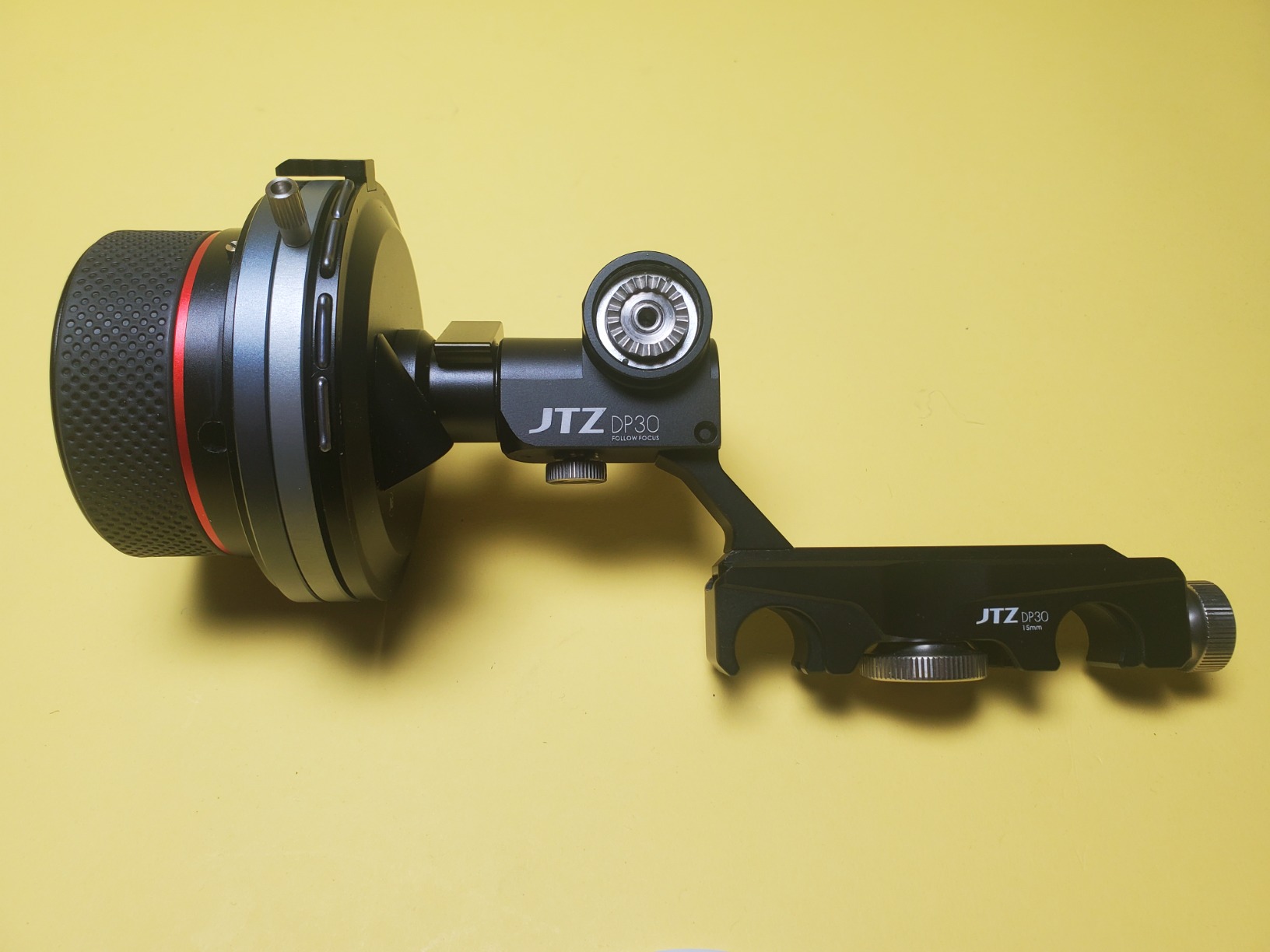
The 5-gear bundle is generous. JTZ includes 38T, 43T, 65T, 64T, and 78T gears, which covers nearly every cine and still lens on the market. The included 15mm to 19mm rod adapter means I could switch between rod standards without buying extra parts. JTZ also ships the unit with a quick-release design and adjustable internal damping, so I could tune the wheel feel for different lens weights.
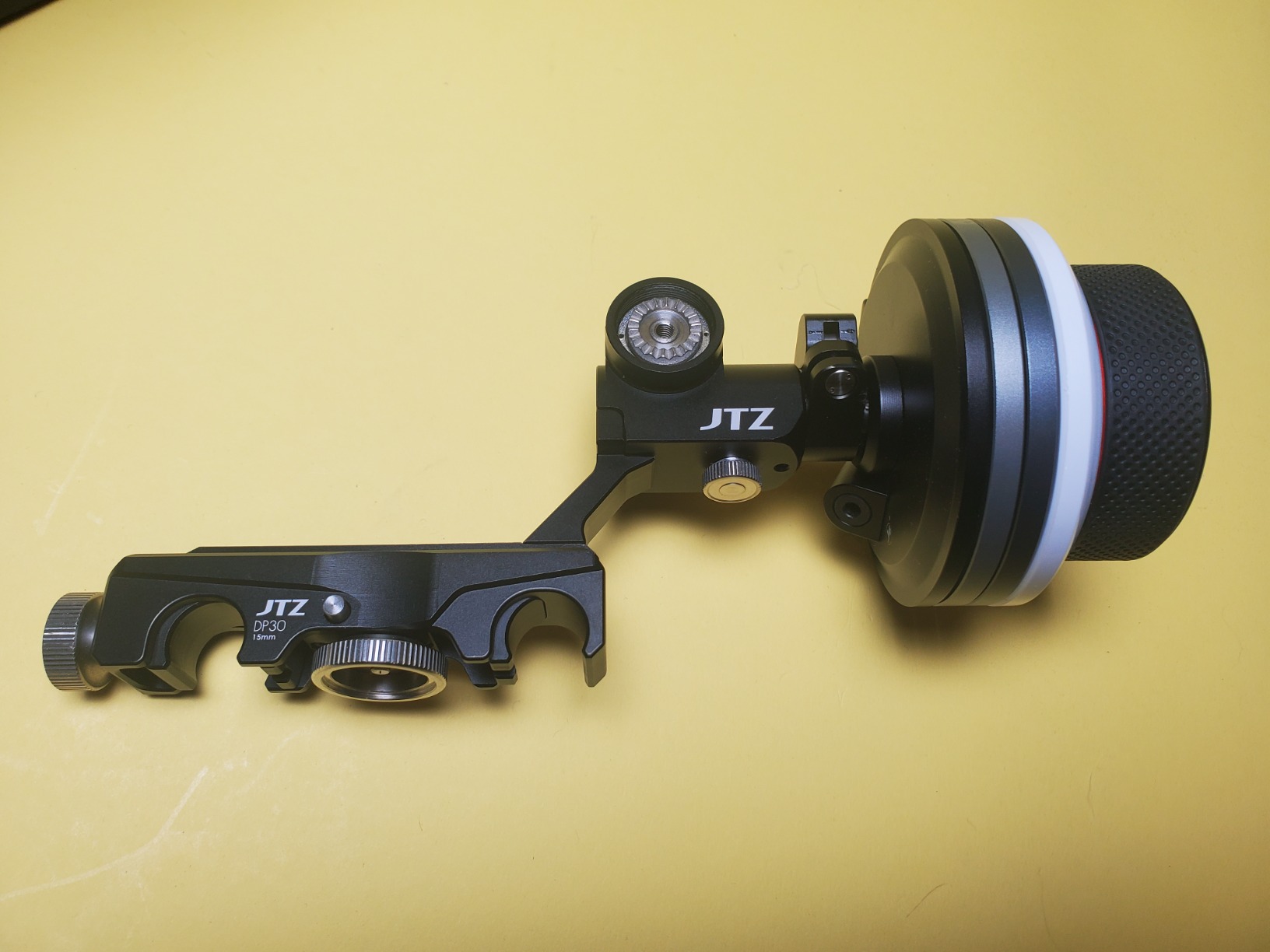
The drive gear is mountable from both sides, which is helpful for left and right-handed operators. JTZ’s customer service is excellent, with reviewers reporting fast replacement parts when needed. The DP30 works with a wide range of cinema cameras including Canon C300/C500, Blackmagic URSA Mini, BMPCC 4K/6K, Sony A7/A9 series, and ARRI lenses.
The drawbacks are practical. The DP30 is larger and heavier than typical follow focuses, which makes it less ideal for compact mirrorless rigs. For a backup audio workflow on documentary shoots, pairing this follow focus with one of the lavalier wireless systems for filmmakers makes for a complete pro kit.
Who the JTZ DP30 is good for
Professional focus pullers and serious indie filmmakers building a cinema rig. The DP30 handles PL mount lenses, stiff cine glass, and long-form narrative work with confidence. Crews that already own a mix of 15mm and 19mm rod accessories will get the most out of the included adapter.
Who should look elsewhere
Mirrorless and gimbal shooters will find the DP30 too bulky. If wireless control is a priority, the Tilta Nucleus Nano II is a better fit at a lower price. Filmmakers on a tight budget should look at the FilmCity HS-2 or Nitze MF15C instead.
How to Choose the Best Focus Pulling System for Your Filmmaking
Choosing the best focus pulling system depends on how you shoot, what glass you run, and whether you work solo or with a dedicated focus puller. Below is a practical breakdown of the key decision factors based on my three months of testing across documentary, narrative, and commercial workflows.
Mechanical vs Wireless: Which One Do You Need?
Mechanical follow focuses are reliable, tactile, and inexpensive. They are the right choice for tripod-based narrative work, documentary handheld rigs, and any situation where a focus puller is physically close to the camera. The tradeoff is that you must stand within arm’s reach of the lens gear, which limits your movement on set. Wireless lens control systems like the Tilta Nucleus Nano II let you pull focus from anywhere within range, which is invaluable for gimbal work, jib shots, and remote setups. The tradeoff is added cost, more setup time, and the occasional firmware quirk. Forum users consistently report that once they went wireless, going back to mechanical felt limiting.
Key Features to Compare Across Focus Pulling Systems
Look for A/B hard stops with firm detents, low backlash (less than 0.5mm), and a damped focus wheel that gives consistent feedback. AB hard stops let you mark the near and far focus points and return to them exactly on every take. Backlash affects precision on direction changes, and damping affects how the wheel feels during a pull. Also check whether the drive gear is reversible for left or right-hand operation, the gear pitch (0.8 mod is the cinema standard), and whether the unit ships with gear rings that fit your lenses.
Compatibility by Camera System
If you shoot on RED Komodo, Sony FX6, Canon C70, or Blackmagic cameras, most mechanical follow focuses will mount cleanly via standard 15mm rod systems. For PL mount cine lenses, look for follow focuses with high torque and zero backlash like the Fotga DP500III or JTZ DP30. For gimbal-specific work, the Zhiyun CMF-06 is built for Zhiyun Weebill and Crane systems, while the Tilta Nucleus Nano II works with DJI Ronin S Series motors for cross-brand gimbal setups. Always confirm rod standard (15mm vs 19mm) and gear pitch (0.8 mod vs 0.6) before buying.
Solo Operator vs 1st AC Workflow
Solo filmmakers benefit most from compact, lightweight mechanical units like the SmallRig Mini Follow Focus or wireless systems like the Tilta Nucleus Nano II that allow remote pulling. Documentary shooters should prioritize reliability and quick setup over advanced features, which is why budget mechanical units remain popular. For dedicated 1st ACs working on union or commercial shoots, the JTZ DP30 or a higher-end unit like the Tilta Nucleus-M or Preston HU3 provides the precision and repeatability needed for narrative work. Match the system to your role, not just your camera.
Frequently Asked Questions
What is the best focus pulling system for filmmaking?
The SmallRig Mini Follow Focus is our top pick for most filmmakers because of its 204g compact build, smooth damping, and adjustable A/B hard stops at an accessible price. For wireless workflows, the Tilta Nucleus Nano II offers the best balance of features and cost. Professional 1st ACs on commercial or union shoots typically use Preston HU3 or ARRI cforce systems.
Are wireless follow focus systems worth it?
Wireless follow focus systems are worth it for solo operators, gimbal shooters, and any setup where the focus puller cannot stand next to the camera. They add flexibility for jib, crane, and remote setups. The tradeoff is higher cost, longer setup time, and occasional firmware or pairing quirks. For tripod-based narrative work with a dedicated 1st AC, mechanical units remain a reliable and tactile choice.
What is the difference between a follow focus and a focus pulling system?
A follow focus is the physical gear-driven handwheel mounted on rods that drives the lens focus ring. A focus pulling system is the broader term that includes the follow focus, drive gear, lens gear ring, motors, hand unit, and any wireless communication gear. In practice, the terms are often used interchangeably, especially for mechanical setups. Wireless lens control systems are usually called focus pulling systems rather than follow focuses.
How much does a follow focus system cost?
Budget mechanical follow focuses start around sixty dollars and cover the basics like A/B hard stops and standard 15mm rod mounting. Mid-range mechanical units with CNC metal construction and better damping run from one hundred fifty to three hundred dollars. Wireless lens control systems like the Tilta Nucleus Nano II start around two hundred fifty dollars and scale up to thousands for professional Preston or ARRI setups.
Can you use a follow focus with a gimbal?
Yes, you can use a follow focus with a gimbal, but you need a gimbal-specific system or a compact wireless lens control setup. The Zhiyun CMF-06 is built specifically for Zhiyun Weebill and Crane gimbals. Universal wireless options like the Tilta Nucleus Nano II also work with DJI Ronin S Series motors for cross-brand gimbal setups. Traditional mechanical follow focuses are generally too heavy and bulky for gimbal work.
What is the best budget follow focus for indie filmmakers?
The FilmCity HS-2 is the best budget follow focus for indie filmmakers thanks to its solid CNC aluminum construction, flippable gearbox, and magnetic marker disk. The SmallRig Mini Follow Focus is another strong budget pick at an even lower weight class, and the Nitze MF15C kit includes a 15mm rod and NATO clamp in the box. All three handle modern mirrorless and cinema lenses with reliable A/B hard stops.
Final Verdict
After three months of pulling focus on documentary, narrative, and commercial shoots, the best focus pulling systems for filmmakers come down to two clear winners. For most filmmakers, the SmallRig Mini Follow Focus delivers the best combination of weight, smoothness, and value, with adjustable A/B hard stops and a complete kit out of the box. For wireless workflows, the Tilta Nucleus Nano II offers the most balanced feature set, including a touch screen interface and real-time lens mapping.
If you are on a tight budget, the FilmCity HS-2 gives you a CNC aluminum build and pro-grade features without breaking the bank. Solo filmmakers shooting on gimbals should look at the Zhiyun CMF-06, while documentary shooters who need reliability above all else will appreciate the Fotga DP500III. Whatever system you choose, focus pulling remains one of the most cinematic skills in filmmaking, and the right tool makes every rack count.