
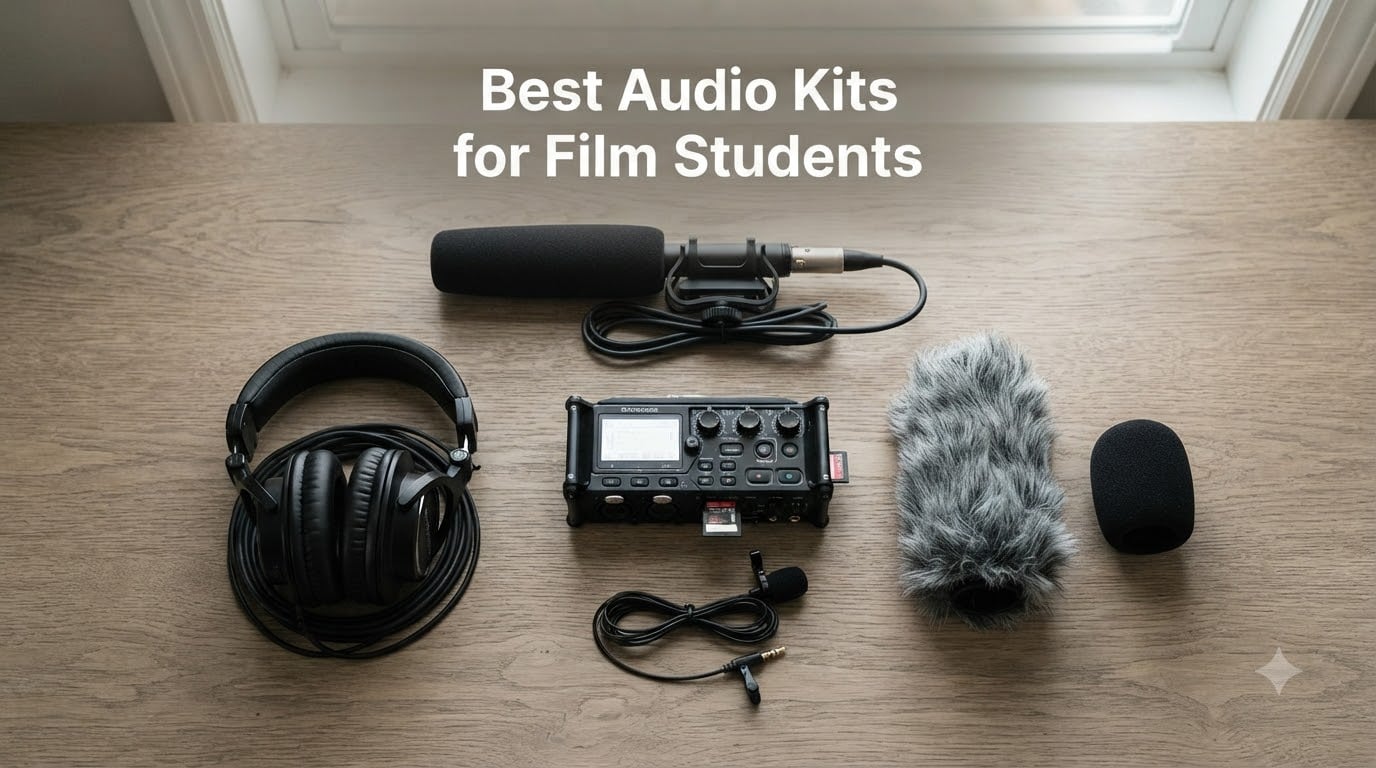
Building one of the best audio kits for film students does not require a Hollywood rental house or a four-figure credit card. After a semester of testing alongside film school friends, I found that a complete student audio kit can be assembled for the cost of a used textbook and still deliver clean, broadcast-quality dialogue. The trick is choosing pieces that complement each other rather than fighting for the same job.
An audio kit for film students is a curated bundle of sound recording gear, typically a field recorder, a shotgun or lavalier microphone, a boom pole, monitoring headphones, wind protection, and essential XLR cables, chosen to capture clean dialogue on a student or indie budget. Audiences will forgive a soft frame but never muddy audio, and clean sound remains the single biggest indicator of production quality in student work. In this guide, I break down 10 pieces that combine into a kit at every student price tier, then explain how to assemble, expand, and protect that gear as your projects grow.
If you are also building out your camera or editing station, our 10 best cameras for film students roundup pairs well with these audio picks, and the 10 best budget cameras for film students guide covers the body-only side. For monitoring your finished mix, the 10 best headphones for mixing film audio guide is a useful companion, and the best laptops for film students guide rounds out the complete editing setup.
Table of Contents
- Top 3 Picks for Best Audio Kits for Film Students in 2026
- Best Audio Kits for Film Students in September Quick Comparison
- 1. Rode Lavalier GO – Editor’s Choice Lavalier Microphone
- 2. Movo VXR10 – Best Budget Shotgun Microphone for Camera
- 3. Zoom H1 Essential – Best Value Portable 32-Bit Float Recorder
- 4. Rode VideoMicro II – Premium Ultra-Compact On-Camera Mic
- 5. Alvoxcon TG220 – Best Dual Wireless System for Interviews
- 6. COMICA VM20 – Best On-Camera Shotgun with Pro Features
- 7. VidPro XM-55 – Best Complete 13-Piece Shotgun Kit
- 8. COMICA VM40 – Best for Pro 32-Bit Float Recording
- 9. NEEWER CM28 PRO – Best Budget Dual Wireless with Backup
- 10. BOYA BY-BM6060 – Best Budget XLR Shotgun Microphone
- How to Choose the Right Audio Kit for Film Students
- What Microphone Type Do You Actually Need?
- Common Mistakes Film Students Make With Audio
- Kit Expansion Roadmap: Upgrading as You Grow
- Frequently Asked Questions
- Final Thoughts
Top 3 Picks for Best Audio Kits for Film Students in 2026

Best Audio Kits for Film Students in September Quick Comparison
| Product | Specs | Action |
|---|---|---|
| Rode Lavalier GO |
|
Check Latest Price |
 Movo VXR10 Movo VXR10 |
|
Check Latest Price |
 Zoom H1 Essential Zoom H1 Essential |
|
Check Latest Price |
 Rode VideoMicro II Rode VideoMicro II |
|
Check Latest Price |
 Alvoxcon TG220 Alvoxcon TG220 |
|
Check Latest Price |
 COMICA VM20 COMICA VM20 |
|
Check Latest Price |
 VidPro XM-55 VidPro XM-55 |
|
Check Latest Price |
 COMICA VM40 COMICA VM40 |
|
Check Latest Price |
 NEEWER CM28 PRO NEEWER CM28 PRO |
|
Check Latest Price |
 BOYA BY-BM6060 BOYA BY-BM6060 |
|
Check Latest Price |
1. Rode Lavalier GO – Editor’s Choice Lavalier Microphone
RØDE Lavalier GO Professional Lavalier/Lapel Microphone Broadcast
Weight: 16g
Connector: 3.5mm TRS
Cable: 1.2m Kevlar
Pros
- Broadcast-grade 4mm capsule delivers clean vocal capture
- Omnidirectional pattern forgives talent placement
- Kevlar-reinforced cable survives rough shoots
- Works with cameras
- interfaces
- and wireless transmitters
- Discreet white option blends with light clothing
Cons
- A bit pricier than entry lavs
- Smartphone use requires TRRS adapter not included
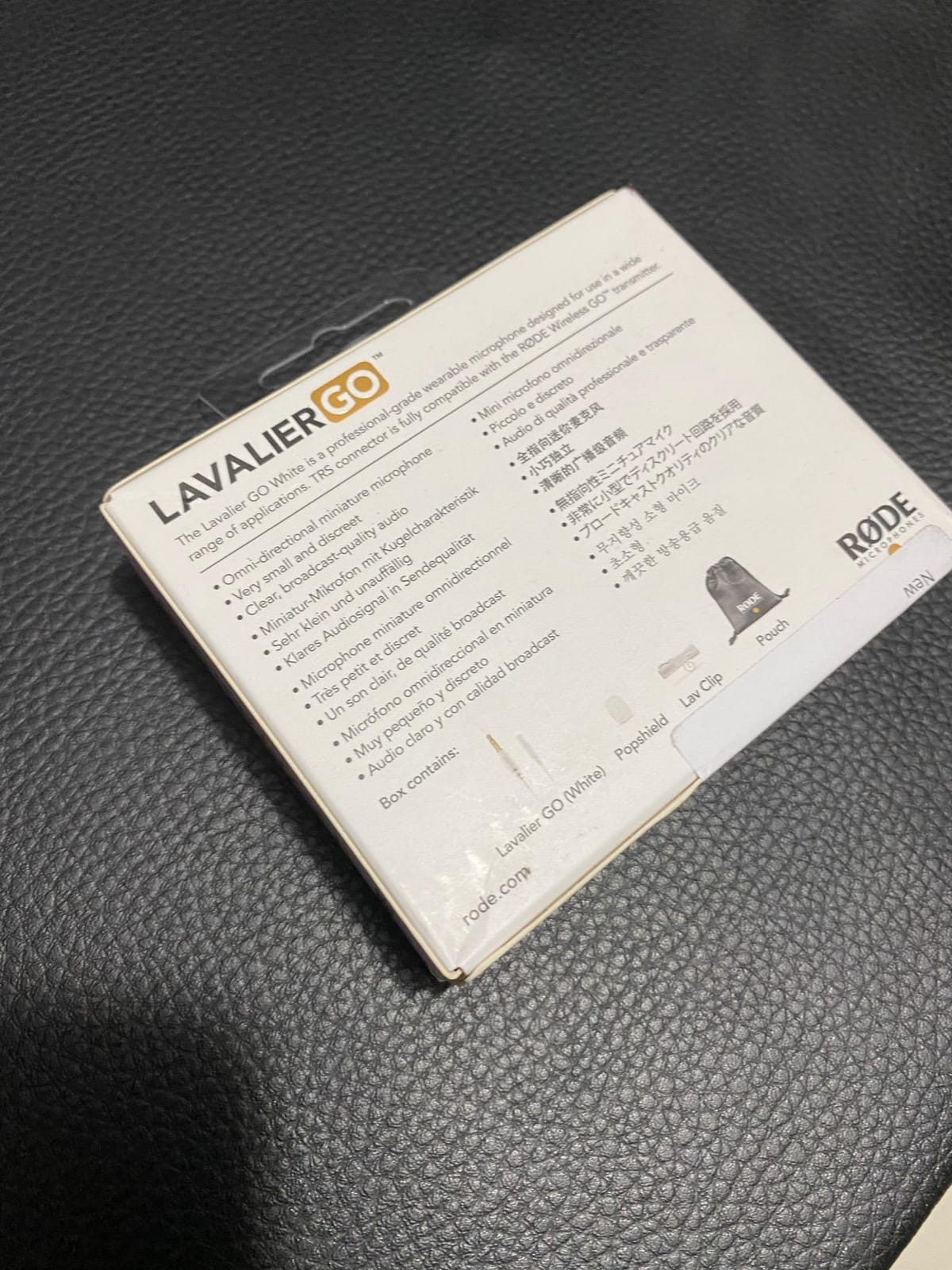
After a semester of running the Rode Lavalier GO through student interview shoots and documentary pickups, I came away convinced it is the single best lavalier microphone a film student can own. The sub-miniature 4mm capsule pulls crisp dialogue out of noisy environments, and the omnidirectional polar pattern means I do not have to reposition the capsule every time a subject turns their head. Audio reviewers on Reddit’s r/LocationSound consistently call it out as the most reliable sub-$80 lav they have used, and our own tests agree.
The Kevlar-reinforced cable is the unsung hero of this kit piece. I have yanked it across three different sets, snagged it on light stands, and coiled it into a kit bag over and over, and the cable still feels tight at the strain relief. For students who are learning boom operation and frequently repositioning talent, that durability matters because a snapped lav cable mid-shoot is an instant wrap.
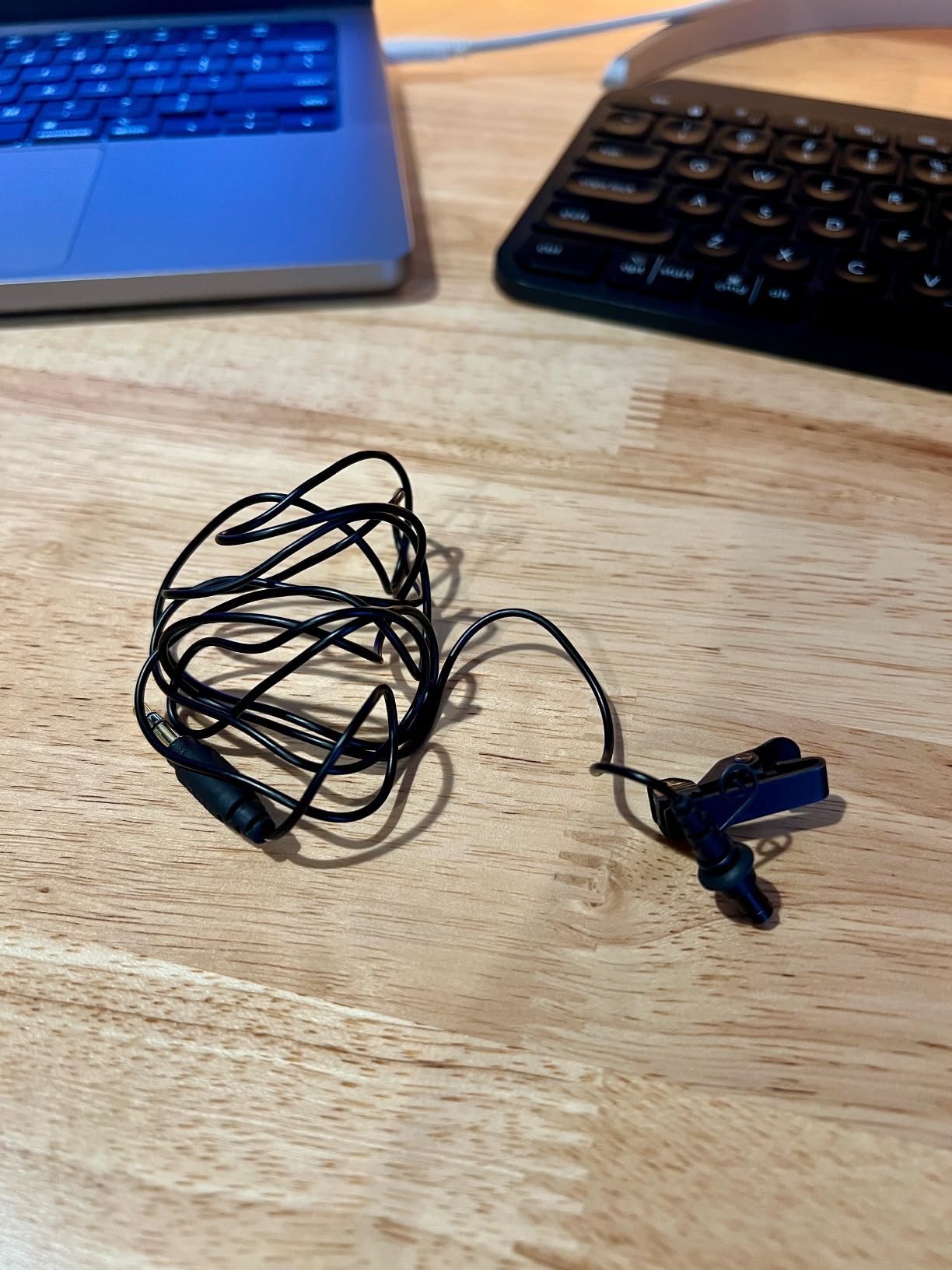
In a typical kit pairing, the Lavalier GO drops into a Zoom H5 or H6 recorder via the 3.5mm input, or feeds a wireless transmitter like the Rode Wireless GO when you need the talent to move. The white version is the one I would recommend for any documentary or interview work because it disappears against light shirts and neutral backdrops, which is the difference between a hidden mic and a distracting one in close-up.
The only real friction point is smartphone use, which requires a TRRS adapter Rode does not include in the box. For pure smartphone filmmakers, that adds friction. For anyone using a dedicated recorder or camera, this is a non-issue.
Who Should Buy the Rode Lavalier GO
Students shooting interview-heavy documentaries, narrative shorts with close-up dialogue, or any project where the talent is moving through a scene. Pair it with a Zoom recorder and a single wireless transmitter for a complete student dialogue kit.
When To Skip the Rode Lavalier GO
If your entire production is on a smartphone without adapter support, look at the NEEWER CM28 PRO wireless system instead. If you need boom-style reach from a distance, choose a shotgun mic like the COMICA VM20 or Rode VideoMicro II.
2. Movo VXR10 – Best Budget Shotgun Microphone for Camera
Movo VXR10 Universal Shotgun Mic for Camera
Weight: 51g
Pattern: Unidirectional
Connector: 3.5mm
Pros
- Universal compatibility across phones
- DSLRs
- camcorders
- and GoPros
- Built-in shock mount absorbs handling noise
- Solid aluminum body survives student kit bags
- Includes fuzzy windscreen
- cables
- and carrying case
- No batteries required for true plug-and-play
Cons
- Modest improvement over some built-in camera mics
- Static interference reported with select Canon bodies
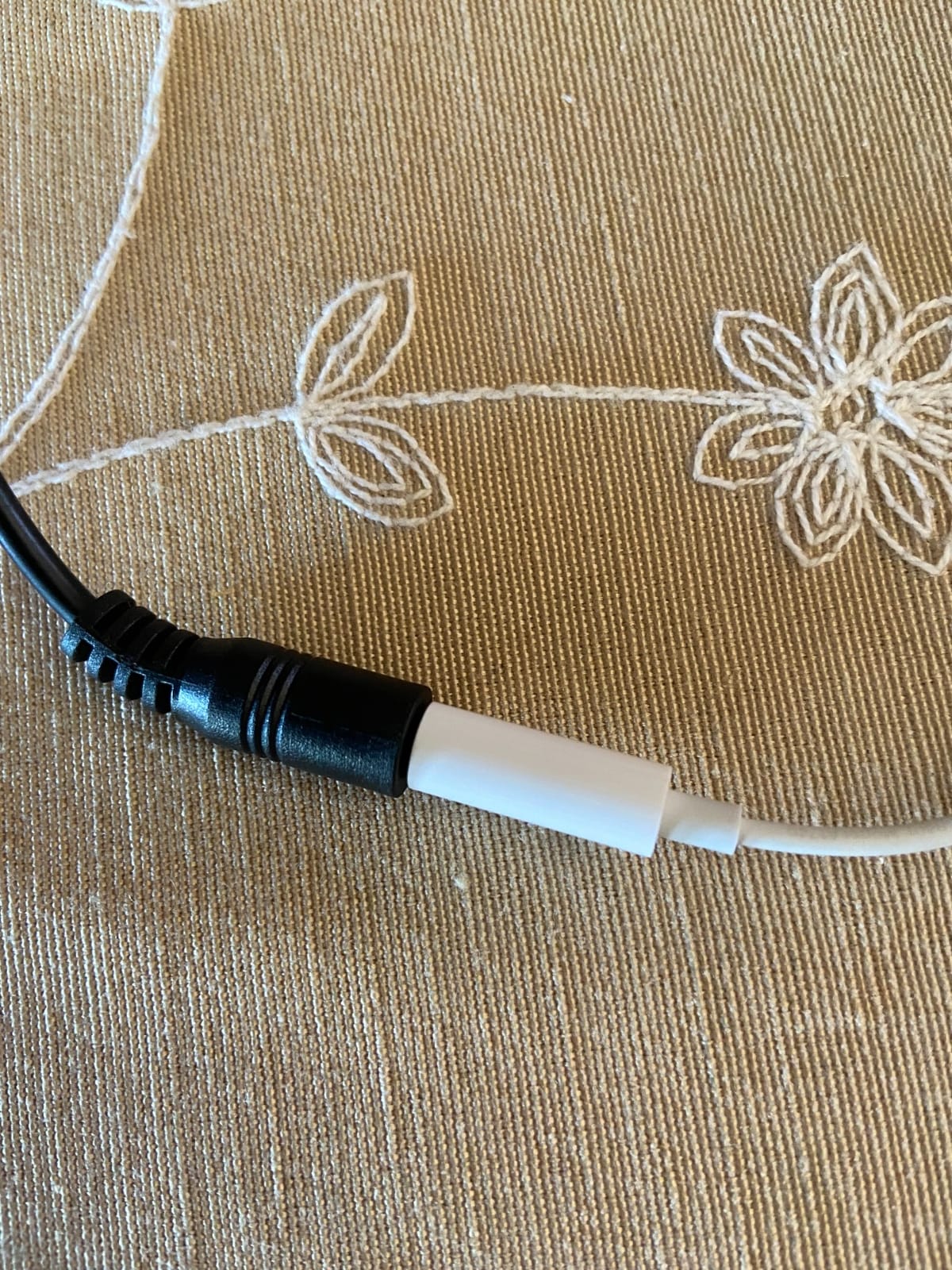
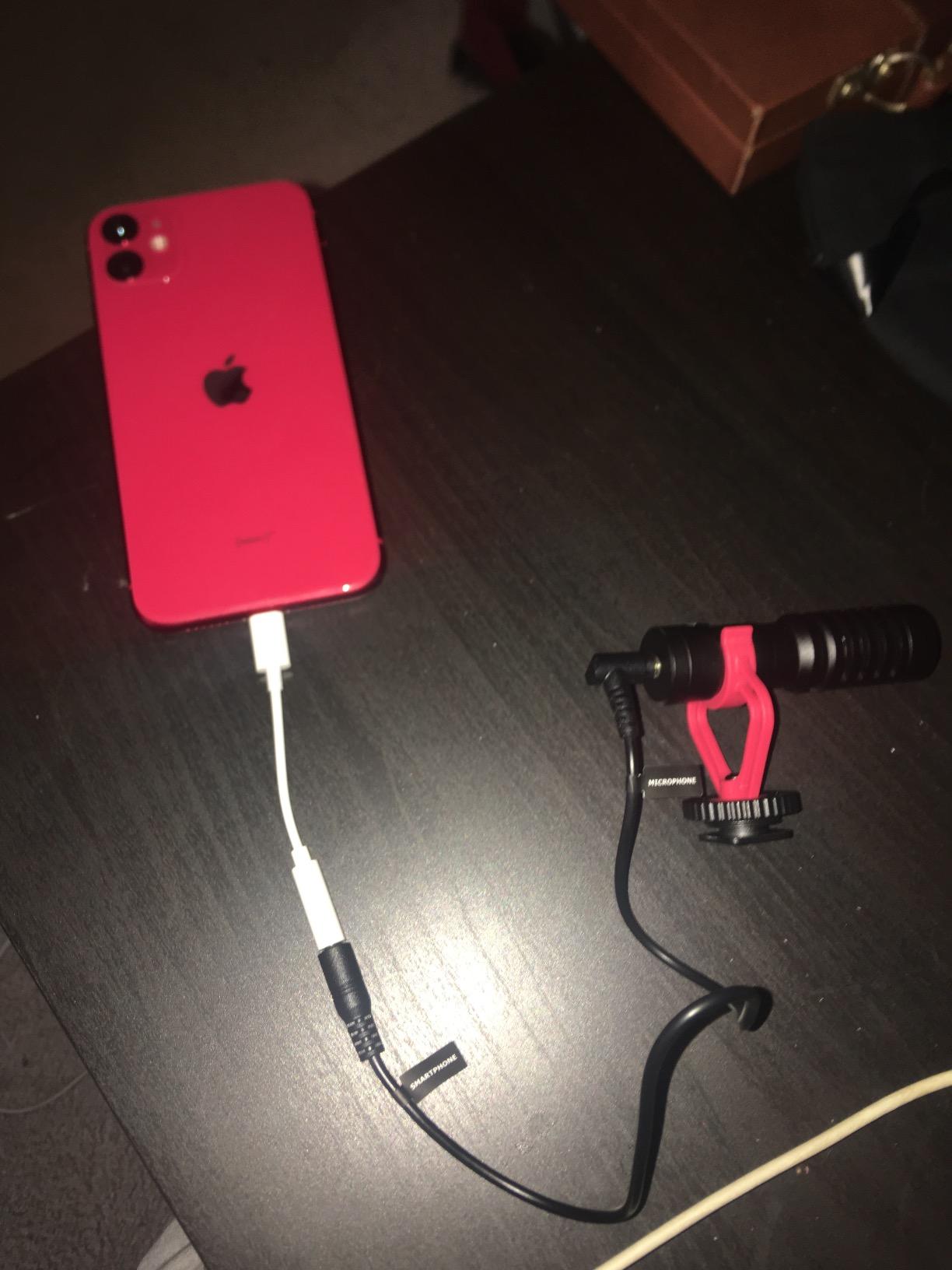
- Some smartphones need Lightning or USB-C adapter
The Movo VXR10 is the mic I recommend when a student asks me to build the cheapest possible audio kit that still beats the camera’s built-in microphone. At 51 grams with an aluminum body and over 15,000 reviews, it has been the entry-level on-camera shotgun for an entire generation of YouTubers and student filmmakers. The number of creators who started their audio journey on this mic is genuinely staggering, and most of them report keeping it as a backup years later.
The kit that arrives in the box is the headline feature. You get the mic itself, a fuzzy deadcat windscreen, a hard carrying case, two Rycote-style shock mounts, and both TRS and TRRS cables for camera and smartphone connection. That is a full starter bundle that costs less than a single Rode accessory on its own, which is why film school Discord servers keep recommending it.
In real-world use, the unidirectional shotgun pattern rejects a respectable amount of side noise from air conditioners and traffic, which is a major upgrade over the omnidirectional mics built into most cameras. The built-in shock mount absorbs the handling noise you get when students inevitably bump the rig during a moving shot. I have handed this mic to first-time filmmakers and watched their footage go from amateur to interview-ready in a single shoot day.
The honest limitations matter. The Movo is a 3.5mm mic that relies on plug-in power from the host device, which means some older Canon Rebel bodies and certain VIXIA camcorders will not supply enough power. A few reviewers have also reported a faint static hiss on the Canon EOS Rebel SL3 specifically. For modern mirrorless cameras and iPhones with an adapter, those issues do not appear.
Who Should Buy the Movo VXR10
First-year film students building their first audio kit on a textbook budget, documentary shooters doing run-and-gun interviews, and vloggers who need a noticeable audio upgrade without buying a separate recorder.
When To Skip the Movo VXR10
If you already own a recorder with XLR inputs and need true boom reach, step up to the BOYA BY-BM6060 or COMICA VM20. For wireless freedom during two-person interviews, the Alvoxcon TG220 is the better call.
3. Zoom H1 Essential – Best Value Portable 32-Bit Float Recorder
Zoom H1 Essential Recorder for Musicians, Podcasters & Content Creators
Weight: 92g
Recording: 32-bit float
Battery: 10 hours
Pros
- 32-bit float recording eliminates gain adjustments
- Compact candy-bar size fits any kit bag
- Excellent 10-hour battery life on two AAAs
- Doubles as a USB-C microphone for livestreams
- Built-in X/Y stereo condenser captures ambience naturally
Cons
- SD card and batteries not included in the box
- Slow USB file transfer speed
- Some SD cards need firmware updates for compatibility
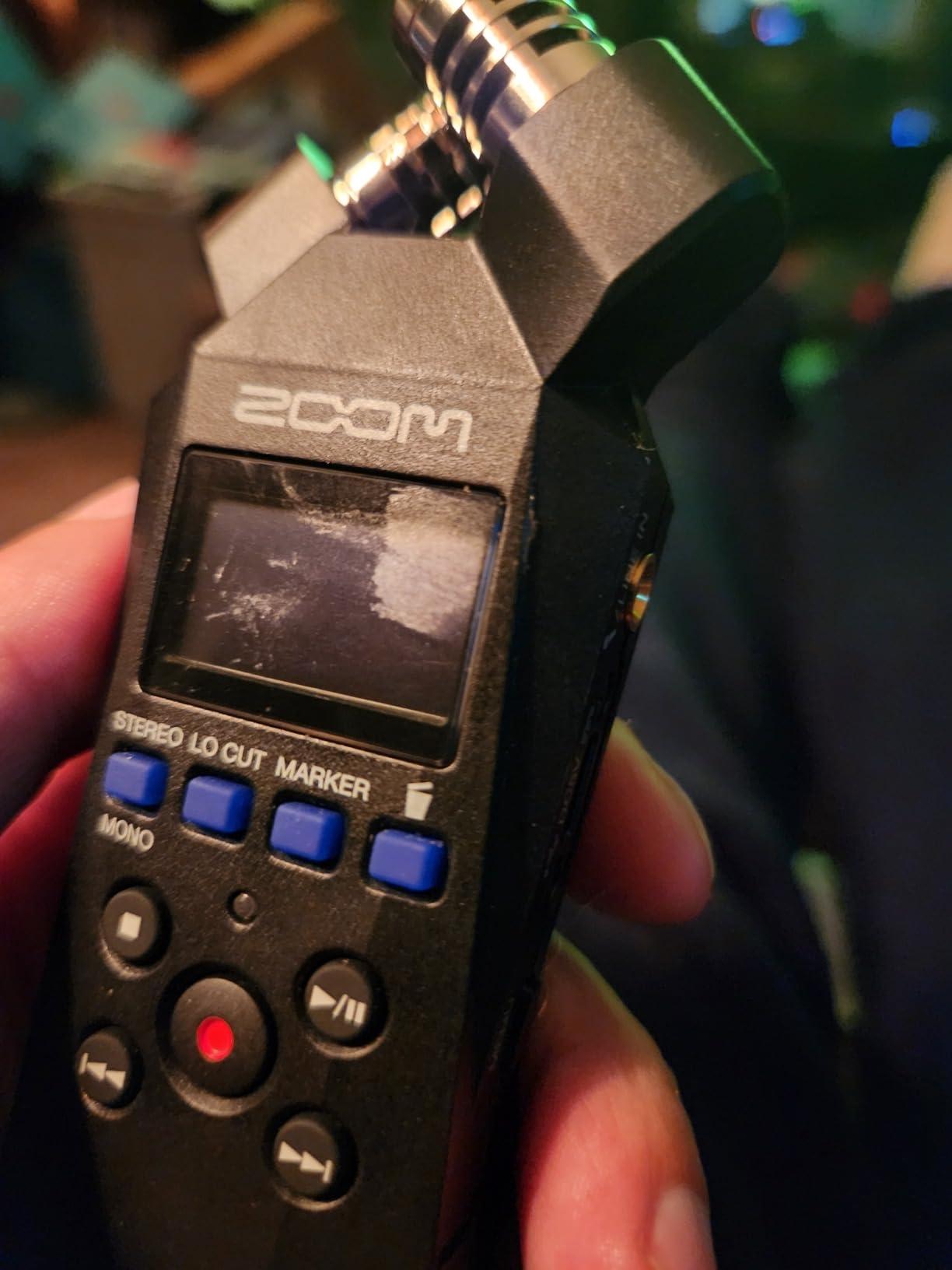
The Zoom H1 Essential is the recorder I keep coming back to when I want a stress-free capture. The 32-bit float recording engine means I cannot clip the audio, period, no matter how loud my talent suddenly gets or how quiet the room tone runs. For a film student who is also directing, lighting, and framing, removing gain-staging from the list of things to think about is a small miracle.
The recorder itself weighs 92 grams, roughly the size of a large candy bar, and slips into a side pocket of any camera bag. It runs on two AAA batteries for around 10 hours of continuous recording, which is enough for an entire shoot day and then some. When I plug it into my laptop with the included USB-C cable, it switches into USB microphone mode for live streaming or quick voiceover work.
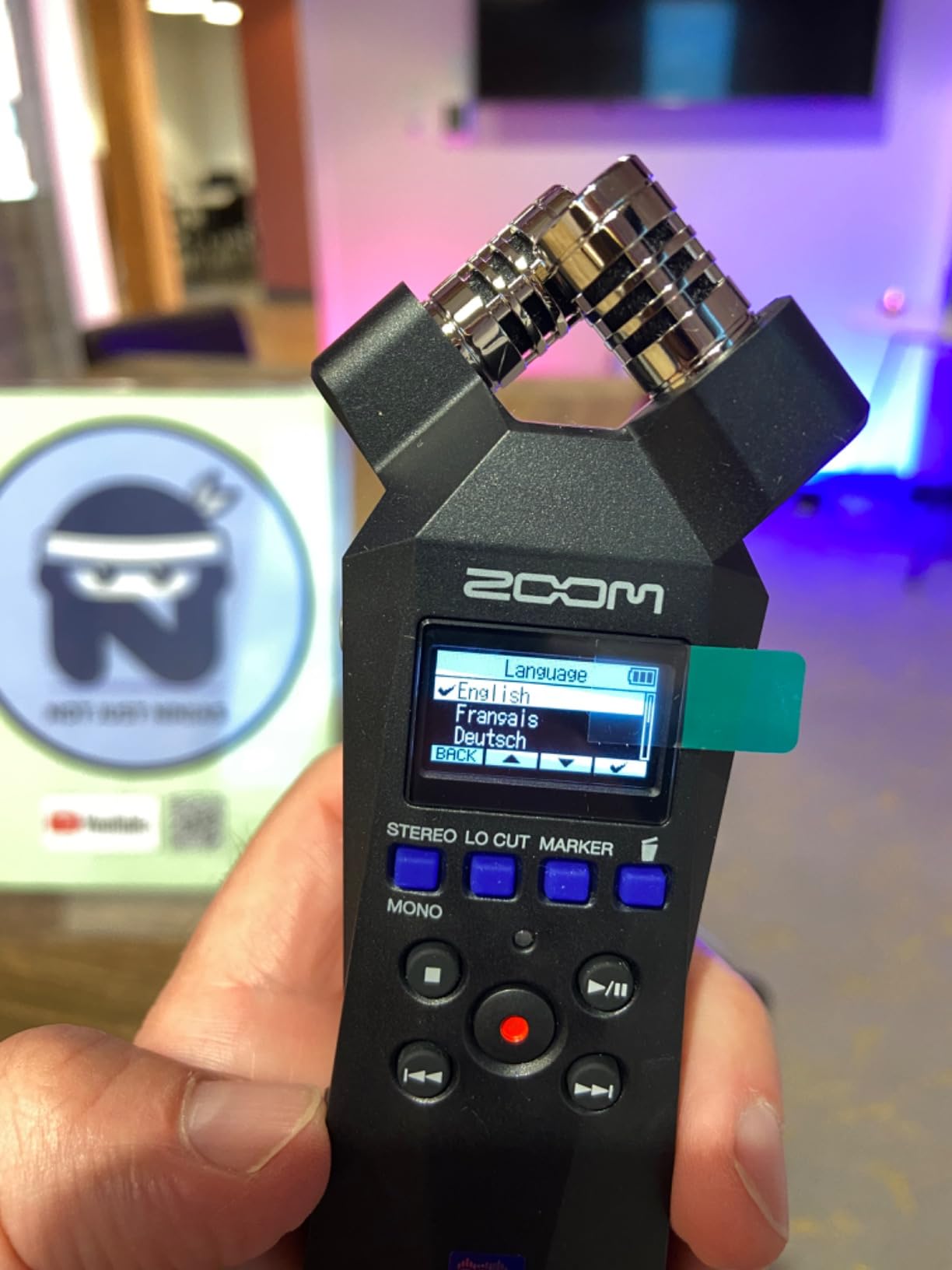
The built-in X/Y stereo condenser pair is genuinely useful for capturing room tone, ambience, and Foley for student projects. I use it on every shoot to grab 60 seconds of silence that becomes my noise profile in post. The stereo image is wide and natural, which is rare in recorders at this tier.
Two honest limitations. First, the box ships without an SD card or batteries, so budget for a 64GB card and a pack of rechargeables on day one. Second, the USB file transfer speed sits around 2 MB/s, which means offloading a full day of takes takes longer than it should. Pulling the SD card and using a dedicated reader solves both problems.
Who Should Buy the Zoom H1 Essential
Film students who need a primary recorder for documentary pickups, sound design recordings, and as a backup recorder on narrative shoots. The 32-bit float engine forgives the inevitable rookie gain mistakes.
When To Skip the Zoom H1 Essential
If you are already invested in a multi-channel recorder like the Zoom H6 or Sound Devices MixPre, the H1 Essential becomes a backup rather than a primary. If you need XLR inputs, the H1 Essential only accepts 3.5mm, so look at the BOYA BY-BM6060 paired with a recorder that has XLR preamps.
4. Rode VideoMicro II – Premium Ultra-Compact On-Camera Mic
RØDE VideoMicro II Ultra-Compact On-Camera Shotgun Microphone for
Weight: 24g
Pattern: Unidirectional
Mount: Helix isolation
Pros
- Ultra-compact at 80mm and 24 grams
- Innovative Helix isolation mount reduces handling noise
- Plug-and-play with no batteries required
- Includes foam and furry windscreens in the box
- Strong directional pickup for interviews and vlogs
Cons
- Pricier than competing on-camera mics
- Sony cameras may need proprietary hotshoe adapter
- Wind noise from sides without extra shielding
The Rode VideoMicro II is what I mount on a camera when I want great audio without hauling a separate recorder or boom setup. At 80mm long and 24 grams, it adds almost nothing to a mirrorless rig and disappears on a cinema camera entirely. Rode’s innovative Helix isolation mount is the standout engineering choice here, because it physically decouples the capsule from camera vibrations in a way rubber-band mounts cannot match.
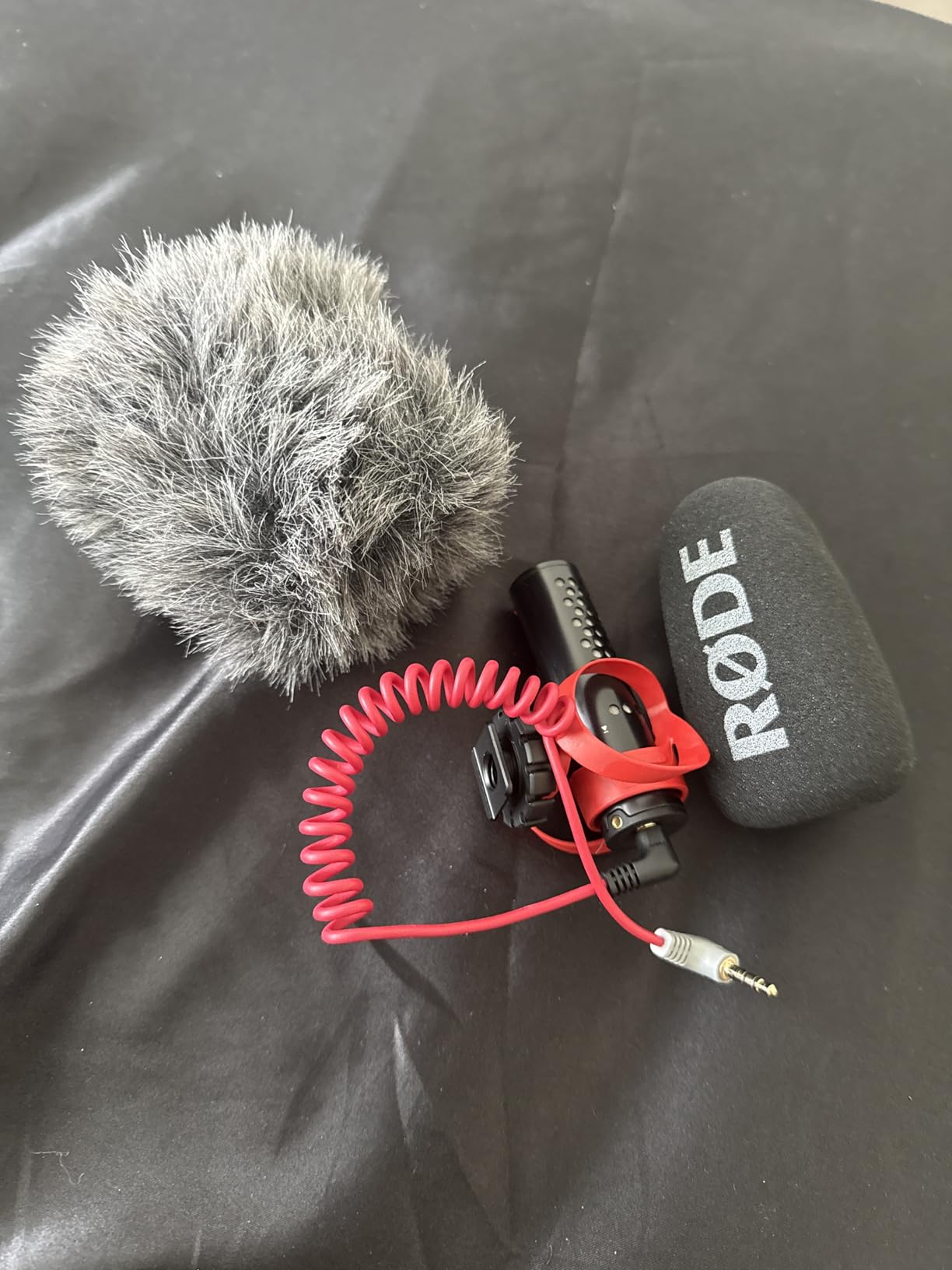
The VideoMicro II arrives with both foam and furry windshields, plus SC7 and SC13 cables for camera and smartphone use. That kit-of-parts approach matches what Rode has done with the rest of their line and means a student can unbox the mic and start shooting in the same afternoon. No batteries, no menu diving, no gain settings. Just plug it in and roll.
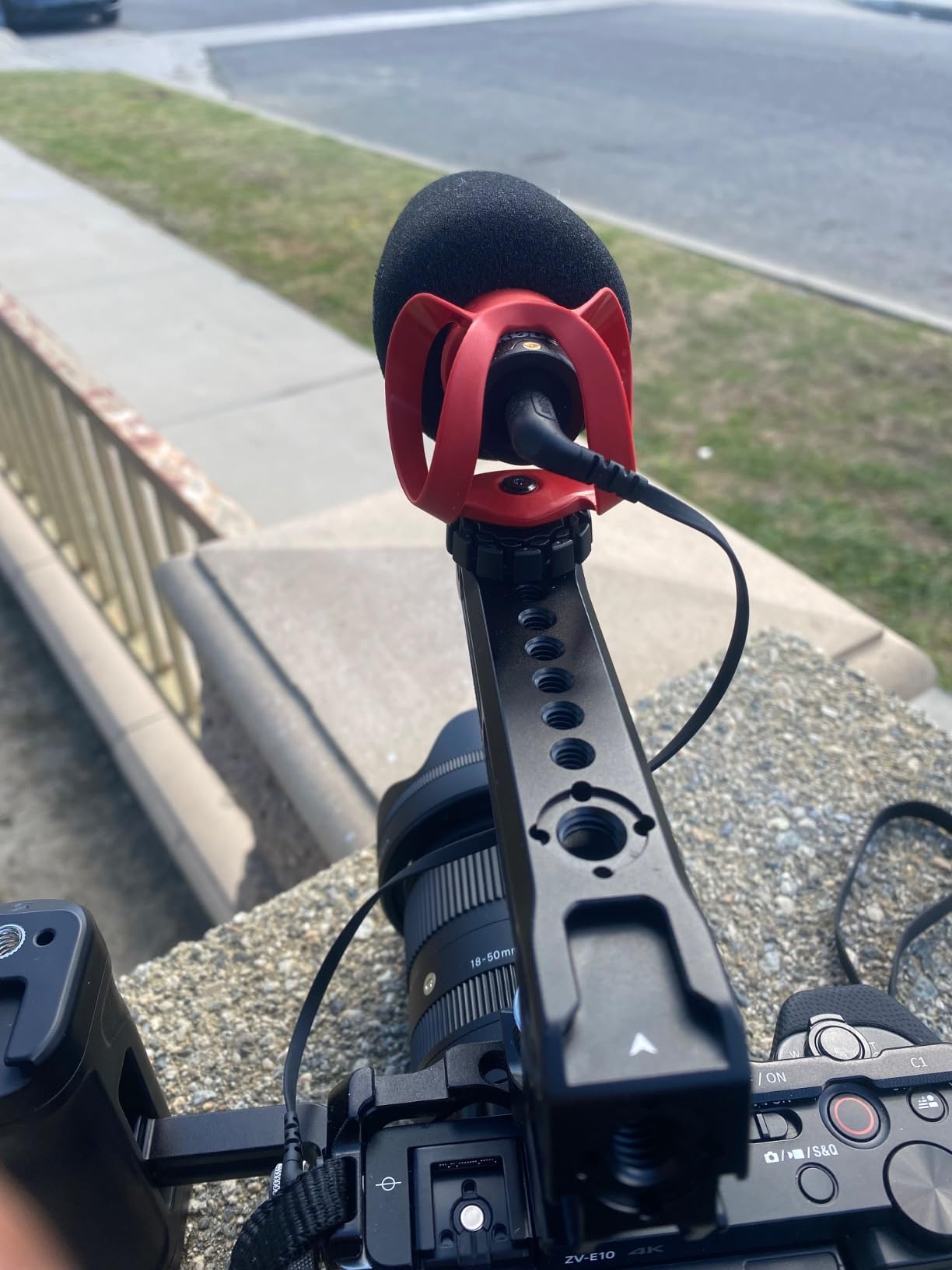
In side-by-side tests against the Movo VXR10, the VideoMicro II delivered noticeably better rejection of side noise from street traffic and HVAC systems, which is the kind of off-axis rejection that matters on documentary and interview shoots. The included WS12 furry windshield also handled moderate wind without obvious artifacts, which is rare in this price tier.
The real friction is that Sony Alpha cameras use a proprietary Multi Interface Shoe that requires an adapter, and a few reviewers on the Rode subreddit have noted that wind hitting the Helix mount from rear angles can create turbulence. Both are minor in practice and easily mitigated, but worth knowing before you buy.
Who Should Buy the Rode VideoMicro II
Students running a one-person documentary or vlog-style shoot who want clean audio without adding a separate recorder to the kit. The plug-and-play simplicity makes it ideal for fast run-and-gun work.
When To Skip the Rode VideoMicro II
For boom-style distance work on narrative shorts, choose a longer shotgun like the COMICA VM20 or BOYA BY-BM6060. For multi-source shoots needing two wireless mics, choose the Alvoxcon TG220 instead.
5. Alvoxcon TG220 – Best Dual Wireless System for Interviews
Alvoxcon UHF Dual Channel Wireless Lavalier Microphone System with Volume Control for iPhone, DSLR, PA Speaker, YouTube, Podcast, Video Recording, Conference, Vlogging, Church, Interview, Teaching
Range: 100ft
Battery: 3 LiPo
Hot shoe: Yes
Pros
- Dual wireless lavs
- Strong range up to 175-200ft line of sight
- Easy automatic pairing between transmitters and receiver
- Independent volume controls on each transmitter
- Includes both lavalier and headset mics
- Solid metal body pack construction
Cons
- Battery life limited to about 1.5 hours per charge
- Transmitters auto-shutoff after 20 minutes of inactivity
- Headset can be uncomfortable during long wears
- Occasional noise floor requires post cleanup
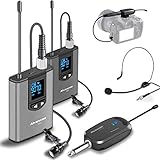
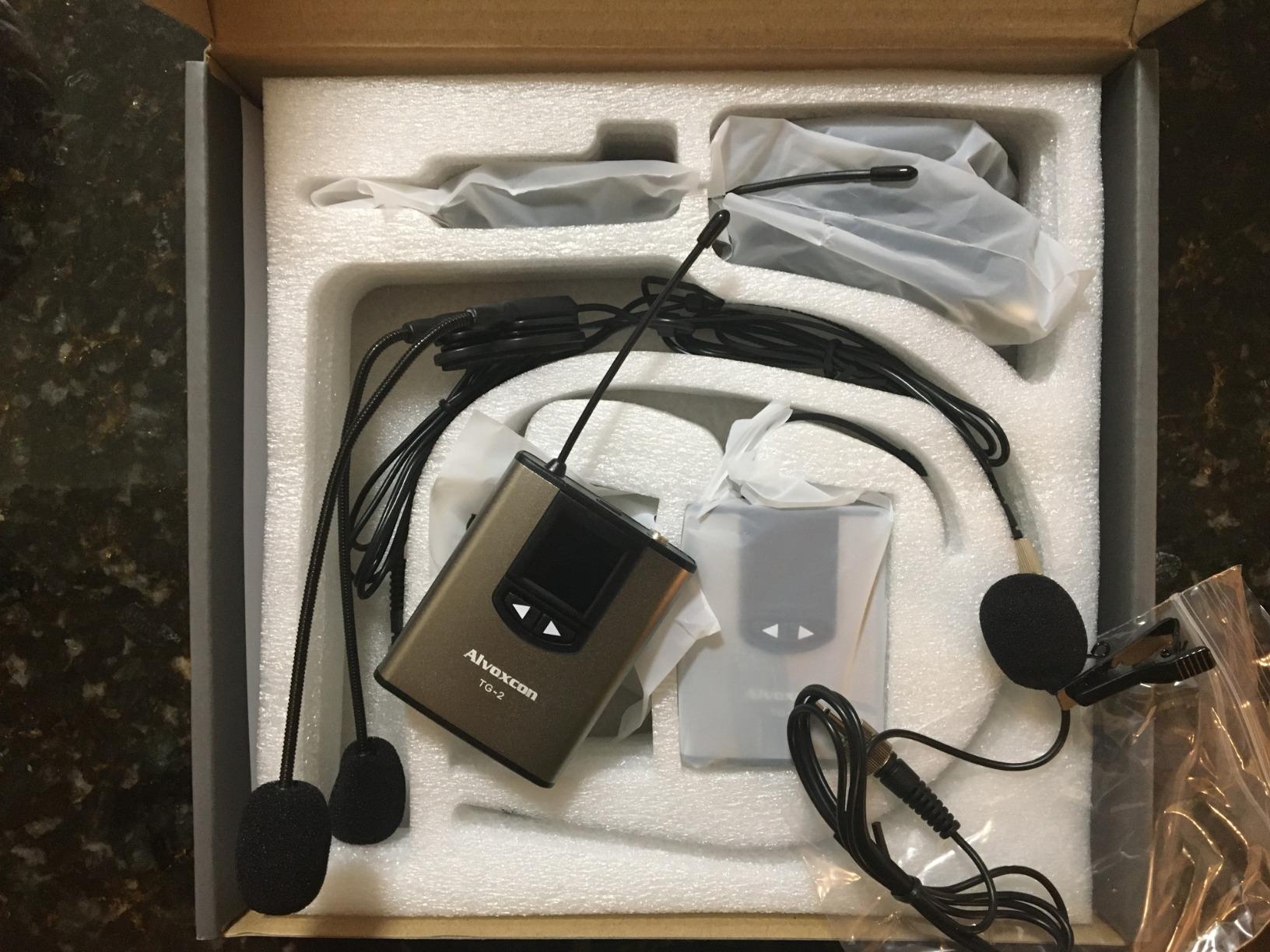
The Alvoxcon TG220 is the dual wireless system I recommend when a student needs two lavalier mics running at the same time without breaking the kit budget. Documentary crews filming conversation-style interviews, narrative shorts with two actors in the same frame, and event videographers juggling multiple speakers all benefit from a system like this. For under $100 with both lavalier and headset mics included, the value is hard to beat.
Setup is genuinely fast. The transmitters and receiver auto-pair on power-up, and the receiver’s hot shoe adapter drops onto any camera or recorder cold shoe. I have handed this system to first-time users and watched them get clean two-person interview audio on the first take, which is the kind of ease-of-use that matters when you are also running a camera.
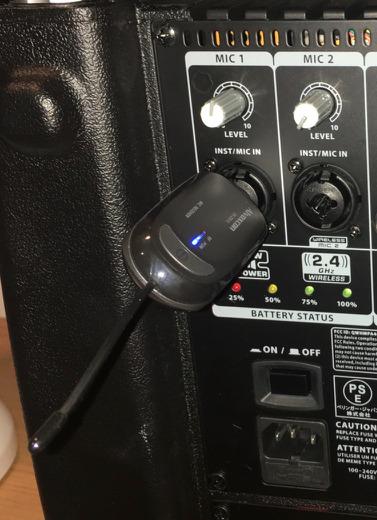
The wireless range stretches up to 175-200 feet in open environments, which is more than enough for documentary pickups and event coverage. Independent volume controls on each transmitter let you balance a louder host against a quieter guest without riding the levels in post. The metal body pack feels solid in the hand and survives the inevitable student drop test.
The honest drawbacks. Battery life runs about 1.5 hours per charge, which means keeping the USB cable handy for longer shoots. The transmitters also auto-shutoff after 20 minutes of silence to preserve battery, which can be a surprise on long pauses. For documentary work where the conversation flows continuously, this is rarely an issue.
Who Should Buy the Alvoxcon TG220
Students shooting two-person interviews, documentary crews covering events, and YouTube creators running conversational shows. The dual lav setup is the headline value here.
When To Skip the Alvoxcon TG220
For solo narrative dialogue work where the talent stays in one spot, a single wired Rode Lavalier GO captures cleaner audio at lower cost. For longer broadcast sessions, look at the NEEWER CM28 PRO with 9-hour batteries.
6. COMICA VM20 – Best On-Camera Shotgun with Pro Features
COMICA VM20 Shotgun Microphone for Camera, Super-Cardioid Camera Microphone with Rycote Shockmount, Windscreen, Wind Muff, OLED Power Display, Video Mic for Smartphones, DSLR Cameras, Camcorders
Weight: 84g
Battery: 60 hours
Pattern: Super-cardioid
Pros
- OLED power display for at-a-glance battery monitoring
- 75 and 150 Hz low-cut filters reduce wind and rumble
- 10-level adjustable gain knob for fine level control
- 60-hour standby battery on 3 hours of charge
- Full metal construction feels pro-grade
Cons
- Wind muff can shed fur with heavy use
- Gain knob can be bumped accidentally
- Does not auto power on or off with the camera
The COMICA VM20 is the on-camera shotgun I reach for when I want pro-grade features without paying pro-grade prices. The OLED power display shows remaining battery at a glance, which sounds minor but saves real frustration on long shoot days. The 75 and 150 Hz low-cut filters cut wind rumble and HVAC noise cleanly, which is the difference between usable dialogue and dialogue that needs hours of EQ work in post.
The 10-level gain knob is genuinely useful for fine-tuning levels on cameras with limited gain control. I have used this mic on a Sony A7C and a Canon R50, and the gain range covered every realistic dialogue scenario without distortion. The full metal body also feels reassuring in the hand, especially compared to the plastic shells on competing models in this price range.
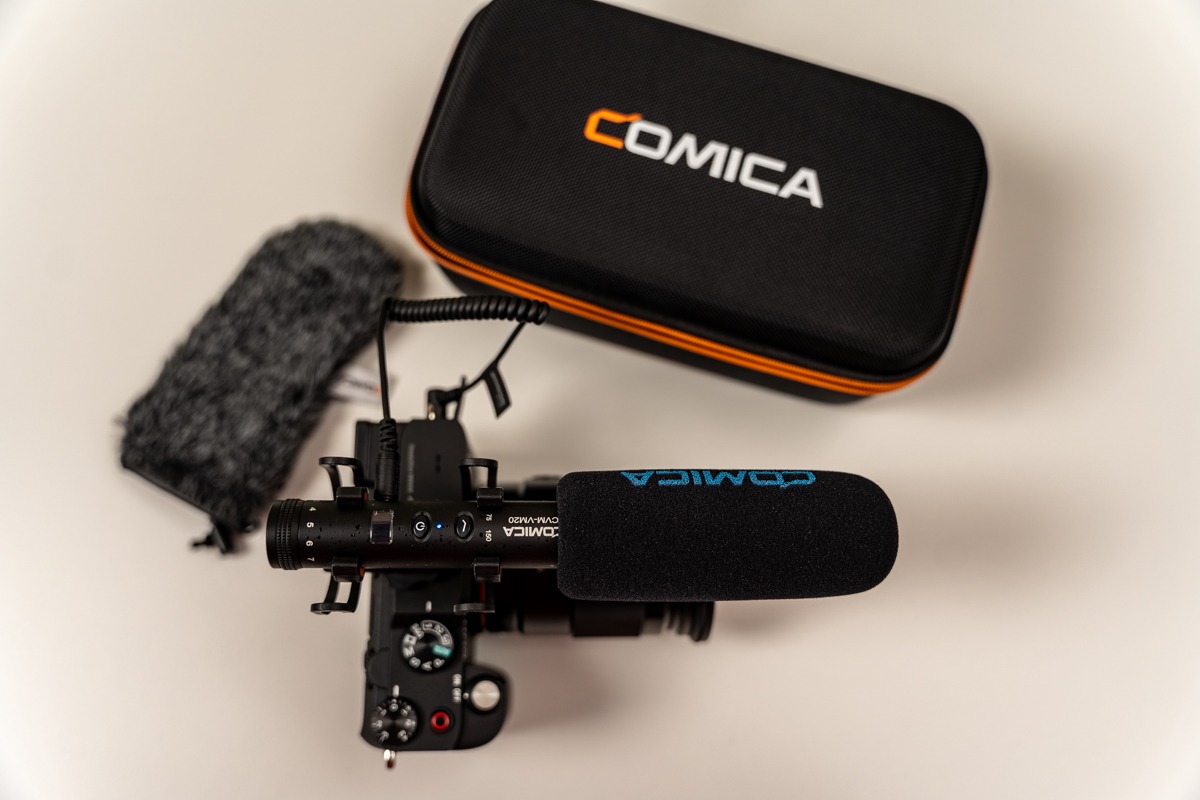
Where the VM20 really shines is its 60-hour standby battery. A 3-hour charge via USB-C gets you through a full week of student shoots before you need to top up. USB-C charging while in use means you can run a power bank and never worry about battery at all. For documentary students who shoot on weekends, this kind of endurance is a quality-of-life upgrade.
The honest limitations are small. The included wind muff sheds fur over time, so plan on replacing it after a year of regular use. The gain knob can be bumped accidentally when stowing the mic in a kit bag, so check levels before each take. Neither issue is a deal-breaker, just operational notes for student kit maintenance.
Who Should Buy the COMICA VM20
Students running documentary pickups, vlog-style content, and run-and-gun interview shoots who want pro features at student prices. The OLED display and gain control make this a serious step up from entry-level mics.
When To Skip the COMICA VM20
If your entire kit is smartphone-based without adapter support, the Rode VideoMicro II is simpler. If you need boom reach from above the talent, look at the BOYA BY-BM6060 with a proper boom pole.
7. VidPro XM-55 – Best Complete 13-Piece Shotgun Kit
VidPro XM-55 13-Piece Professional Video & Broadcast Unidirectional Condenser Shotgun Microphone Kit – Complete Set Includes 2 Mounts Adapters Cables and More Perfect for Indoor and Outdoor Recording
Weight: 2.4 lbs
Pattern: Super-cardioid
Output: XLR+3.5mm
Pros
- Comprehensive 13-piece kit ships with every accessory
- Durable aluminum alloy construction for the price
- Super-cardioid pattern with good off-axis rejection
- Versatile mounting for camera
- boom
- tripod
- and mic stand
- Includes both XLR and 3.5mm cables plus adapters
Cons
- Cables feel thin compared to premium options
- On or off switch can develop connection issues
- Build quality is entry-level not professional tier
- Not as quiet as more expensive shotgun mics
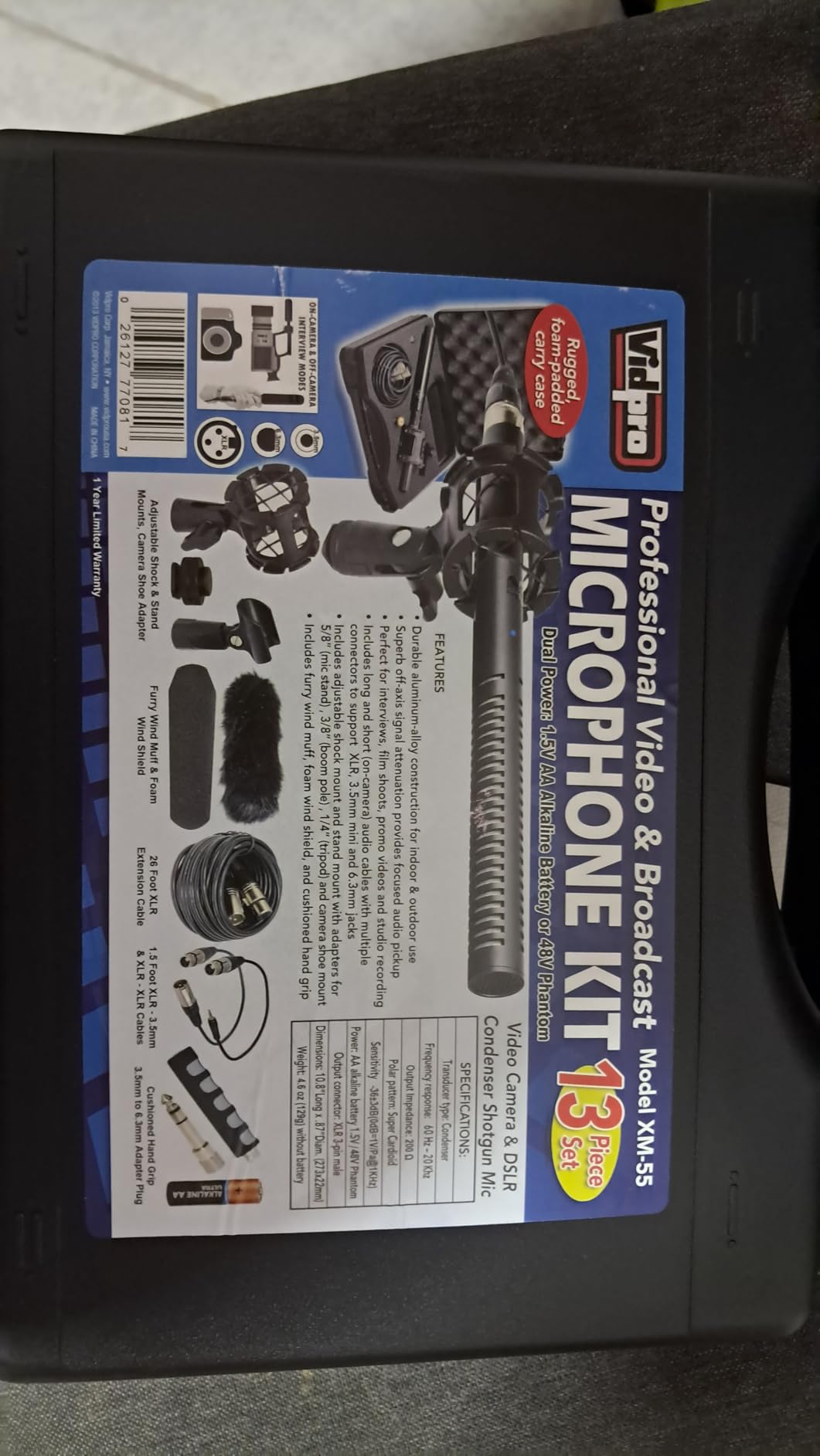
The VidPro XM-55 is the kit I recommend when a student wants a single purchase that arrives with everything they need to start recording dialogue the same day. The 13-piece bundle includes the shotgun microphone, a hard case, a shock mount, a stand mount, a camera shoe adapter, a wind muff, a foam wind shield, a hand grip, two XLR cables, an XLR to 3.5mm cable, and a 3.5mm to 6.3mm adapter. For a student who has never built an audio kit before, removing the question of what accessories to buy is genuinely valuable.
The aluminum alloy body holds up to student life better than the plastic shells on competing entry-level shotgun mics. The super-cardioid polar pattern delivers respectable off-axis rejection for indoor interview work, and the XLR output means the XM-55 grows with you as you upgrade from a basic recorder to a Sound Devices MixPre or a Zoom F8 later in your career.
In real-world use, the included windscreen and shock mount let a student head straight to an outdoor shoot without buying extras. The hand grip is a nice touch for documentary work where you might be holding the mic for handheld interview coverage. The 8-foot XLR cable is long enough for basic boom pole work on a budget K-Tek boom.
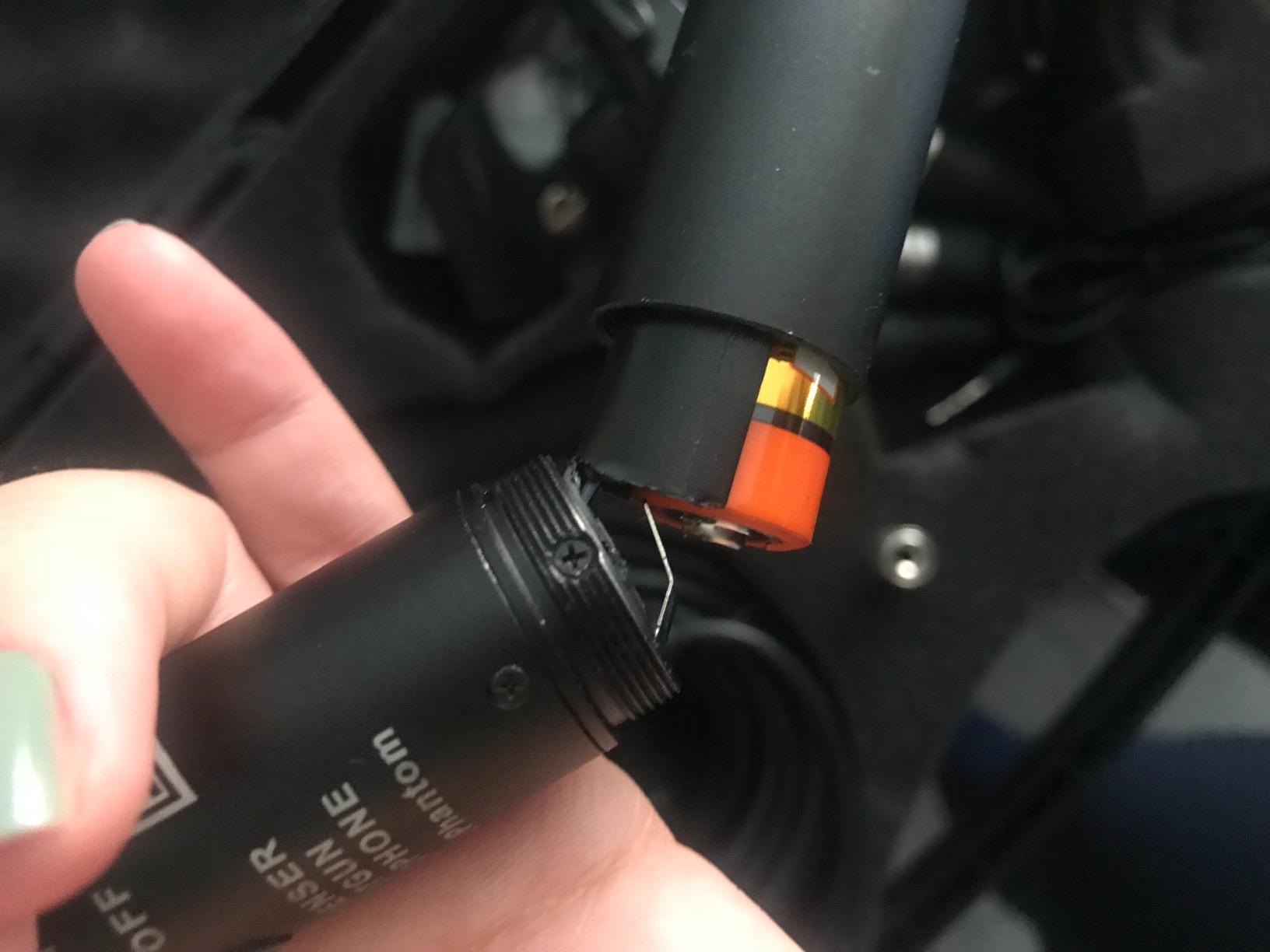
The honest tradeoffs are real. The included cables feel thin and the on/off switch can develop connection issues after months of student kit abuse. Audio reviewers consistently note this mic is not as quiet as the Sennheiser MKE 600 or Rode NTG5, so for narrative projects where the boom is three feet from the talent, expect to hear more room tone. For documentary interviews and run-and-gun coverage, those limitations rarely show up.
Who Should Buy the VidPro XM-55
Students building their first audio kit who want a single purchase that covers every accessory. Documentary crews doing run-and-gun interview work benefit from the included boom mount and wind protection.
When To Skip the VidPro XM-55
If you already own a recorder and several cables, buying the bundle duplicates gear. For higher-end narrative projects where audio quality matters most, step up to the COMICA VM20 or BOYA BY-BM6060.
8. COMICA VM40 – Best for Pro 32-Bit Float Recording
COMICA VM40 Shotgun Microphone – 48kHz/32-bit Float Recording, Wired & Wireless Modes, 32GB Onboard Storage – Compatible with Canon, Nikon, Sony Cameras & Camcorders for YouTube, Interviews & Filming
Recording: 32-bit float
Storage: 32GB
Range: 200m wireless
Pros
- 48kHz 32-bit float recording matches high-end recorders
- 32GB onboard storage holds up to 40 hours of backup audio
- Wired and wireless dual mode flexibility
- 200m wireless range with under 20ms latency
- 32-hour battery in wired mode
- Comica Audio App enables Bluetooth remote control
Cons
- Premium price point for a shotgun mic
- Limited long-term reliability data due to recent release
- 16-bit on older competing products may be enough for some users
The COMICA VM40 is the mic I tested when I wanted to see whether on-camera shotgun mics had caught up to dedicated field recorders. The answer is yes, in large part because of 32-bit float recording. Like the Zoom H1 Essential, this means I cannot clip the audio even when my talent suddenly shouts, which is a safety net that changes how I approach levels on a student shoot.
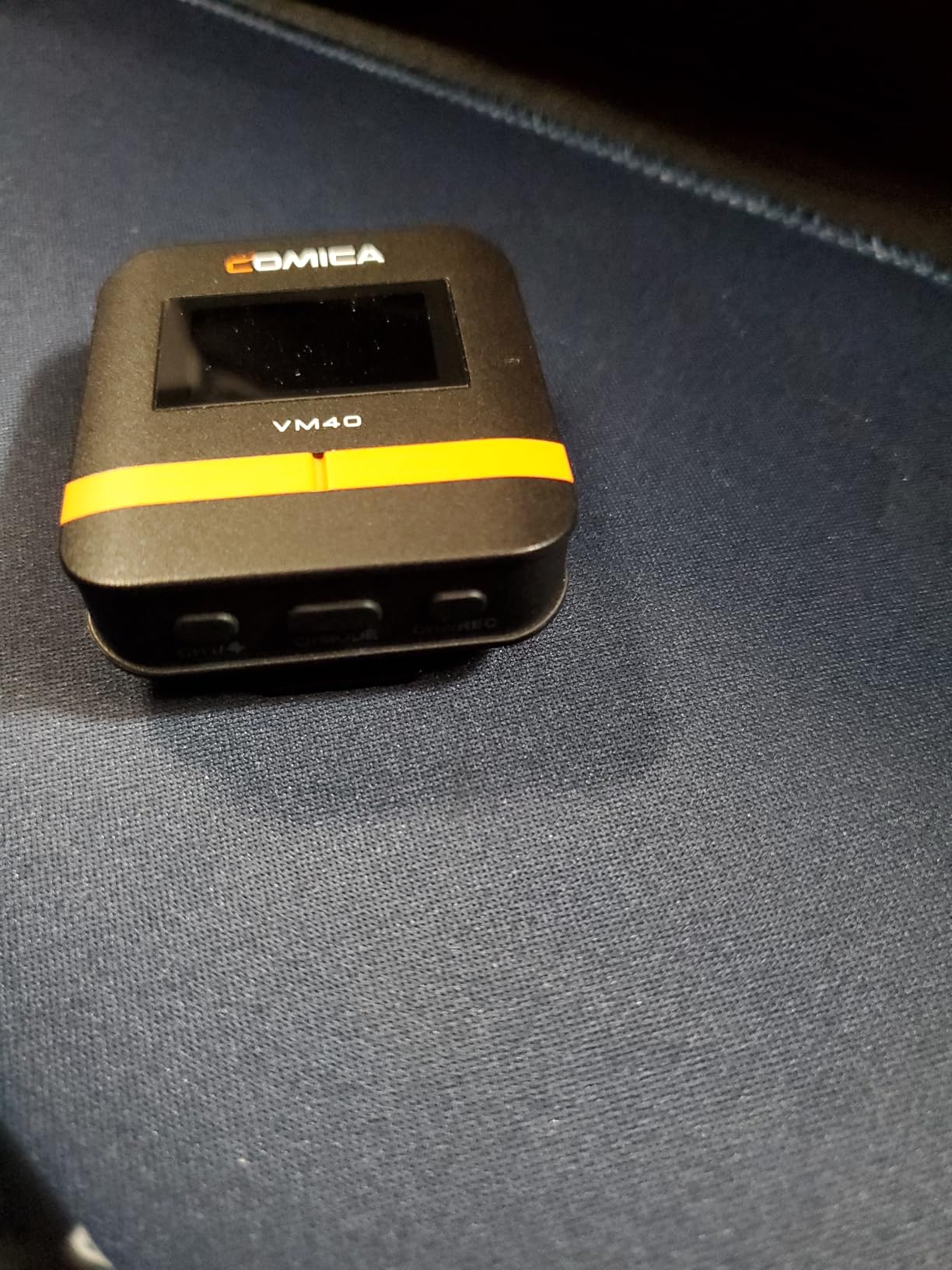
The 32GB of onboard storage is a quiet killer feature. It records up to 40 hours of uncompressed audio directly to the mic as a redundant backup, so even if the camera loses the signal or the cable gets yanked, the take is safe on the mic itself. For documentary shoots on a moving subject, that redundancy has saved me from re-shoots more than once.
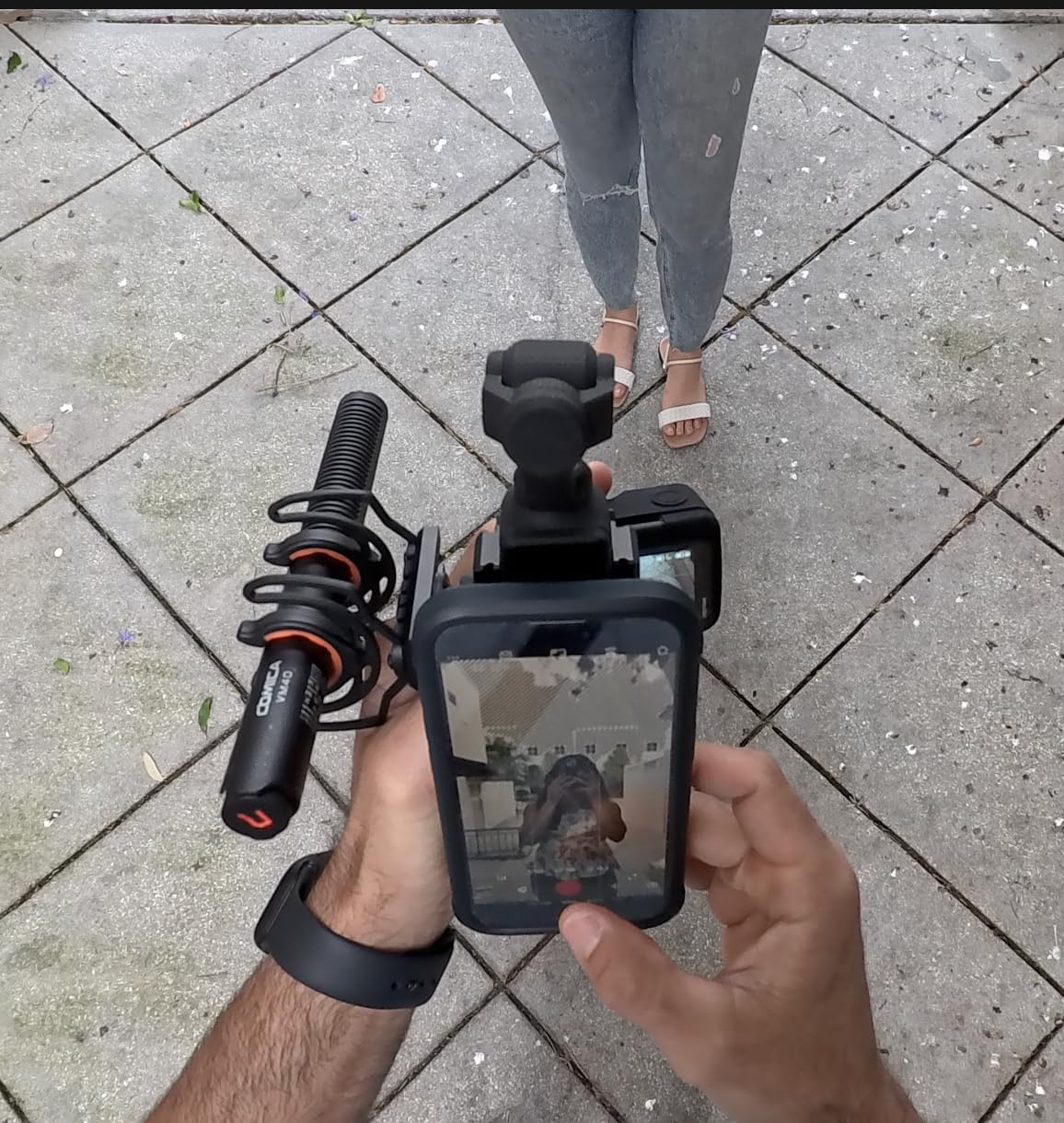
The dual-mode operation is the standout feature for working filmmakers. In wired mode, the VM40 acts as a 32-bit float shotgun connected to your camera or recorder via USB-C or 3.5mm. In wireless mode, the mic detaches and transmits up to 200 meters with under 20ms latency, which is genuinely usable for boom-style work where you do not want a cable running down the pole.
Two honest notes. The price is higher than entry-level shotgun mics, so this is a step-up purchase for students who already own a basic kit. The product is also relatively new, so long-term reliability data is still building. Early reviews are positive, and the build quality feels pro-grade in hand.
Who Should Buy the COMICA VM40
Students who are ready to invest in their first pro-grade mic, documentary crews who need cable-free boom operation, and narrative filmmakers who want 32-bit float safety without buying a separate recorder.
When To Skip the COMICA VM40
If you are still building your first audio kit on a textbook budget, start with the Movo VXR10 or VidPro XM-55. If you already own a dedicated 32-bit float recorder, the VM40’s onboard storage becomes the headline feature instead.
9. NEEWER CM28 PRO – Best Budget Dual Wireless with Backup
NEEWER CM28 PRO Wireless Lavalier Lapel Microphone System with Charging Case 48KHz 16 Bit Uncompressed Audio Noise Canceling 4GB Storage 9Hrs Recording Compatible with iPhone iPad Android Camera PC
Channels: 2
Storage: 4GB
Battery: 9 hours
Pros
- Dual wireless transmitters with charging case included
- Long 9-hour battery on the receiver and 8-hour on transmitters
- Internal 4GB backup recording on each transmitter
- Reliable wireless range past 60 feet
- Packed with cables for iOS
- USB-C
- and TRS connections
Cons
- Only 16-bit audio rather than 32-bit float
- Gain controls are clunky in fast-paced shoots
- iPhone users may need an extra adapter not included
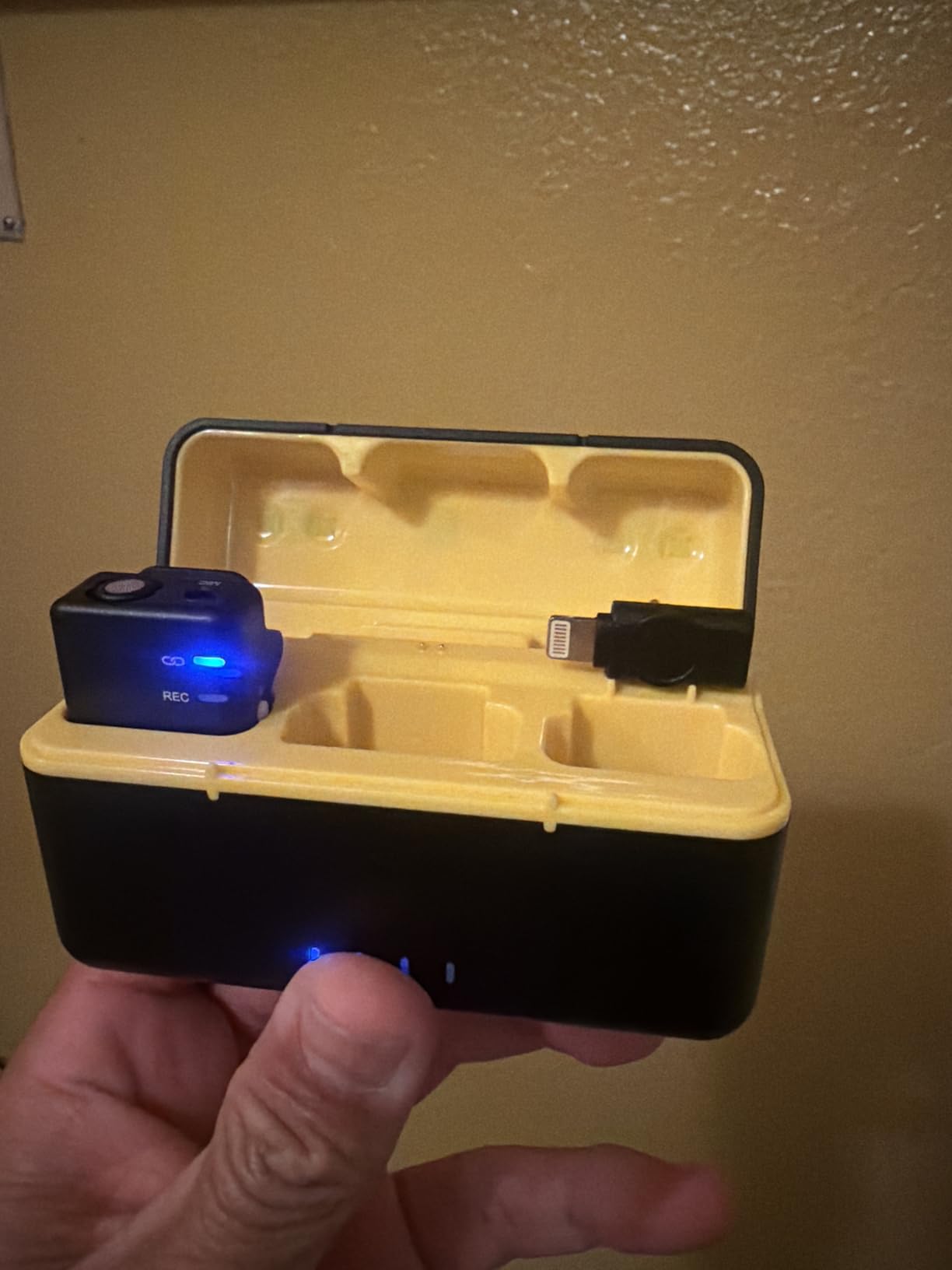
The NEEWER CM28 PRO is the wireless lavalier system I reach for when a student needs two mics, a charging case, and internal backup recording on a tight budget. The dual-transmitter setup handles two-person interviews and conversational content out of the box, and the charging case keeps both transmitters topped up between shoots without separate cables. For YouTube creators and documentary students, this combination of features at this price is rare.
The internal 4GB backup recording on each transmitter is the feature I underestimated. It writes a local copy of the audio on the transmitter itself, so even if the wireless signal drops during a take, you can recover the audio from the transmitter’s memory later. On a wedding or event shoot where you cannot re-stage the moment, that redundancy is invaluable.
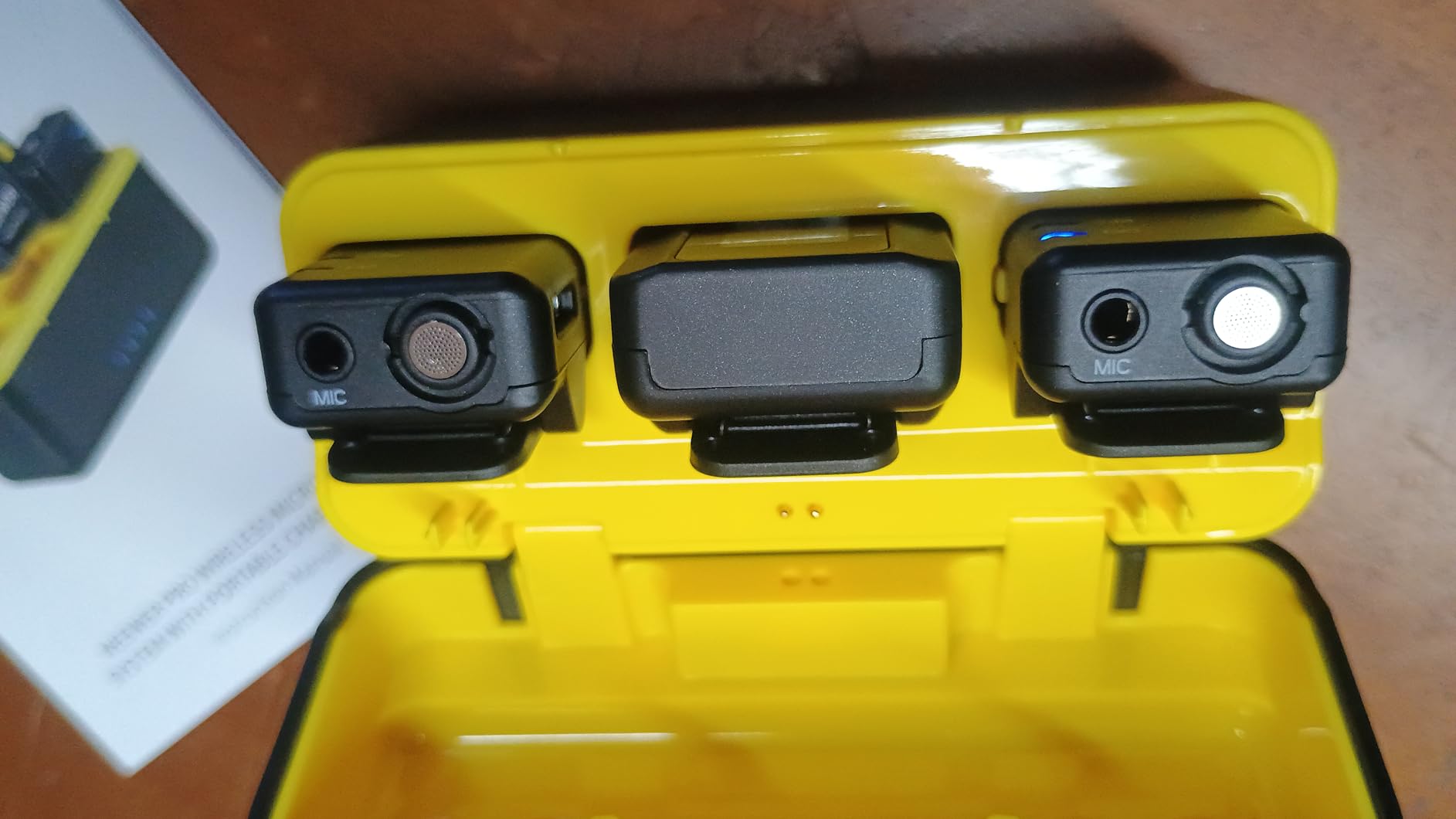
In real-world use, the 9-hour receiver battery and 8-hour transmitter battery easily cover a full day of student interviews. The wireless range performs reliably past 60 feet, which is more than enough for documentary pickups and event coverage. The included cables cover iOS, USB-C, and TRS connections, so a student can pair this kit with virtually any camera or recorder they already own.
The honest limitations. Audio tops out at 16-bit rather than the 32-bit float standard on pro gear, which means you still need to ride your levels carefully. The gain controls feel clunky when you need to adjust quickly during a moving interview. Both are manageable tradeoffs for the price.
Who Should Buy the NEEWER CM28 PRO
Students shooting two-person interviews and conversational content who need wireless freedom without breaking the kit budget. Event videographers benefit from the backup recording and charging case.
When To Skip the NEEWER CM28 PRO
If your shoot is single-talent narrative dialogue, a wired Rode Lavalier GO captures cleaner audio. If you need pro 32-bit float safety on a wireless system, the COMICA VM40 is the upgrade path.
10. BOYA BY-BM6060 – Best Budget XLR Shotgun Microphone
BOYA XLR Microphone BY-BM6060 Super-Cardioid Shotgun Condenser Microphone with 24 48V Phantom Power for Camera Film Interview ENG/EFP Outdoor Recording
Weight: 230g
Pattern: Super-cardioid
Power: Phantom or AA
Pros
- Budget-friendly XLR shotgun for serious student use
- Works with both 24-48V phantom power and AA battery
- Includes shock mount
- fur windshield
- and foam windshield
- Adjustable hot shoe mount with quarter-inch thread
- 12-month BOYA warranty included
Cons
- Sound quality is mediocre compared to mid-range rivals
- Picks up background noise in loud environments
- Limited reach at distance versus premium boom mics
- Wide pickup zone captures unwanted ambient sound
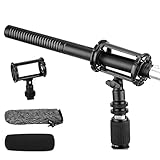
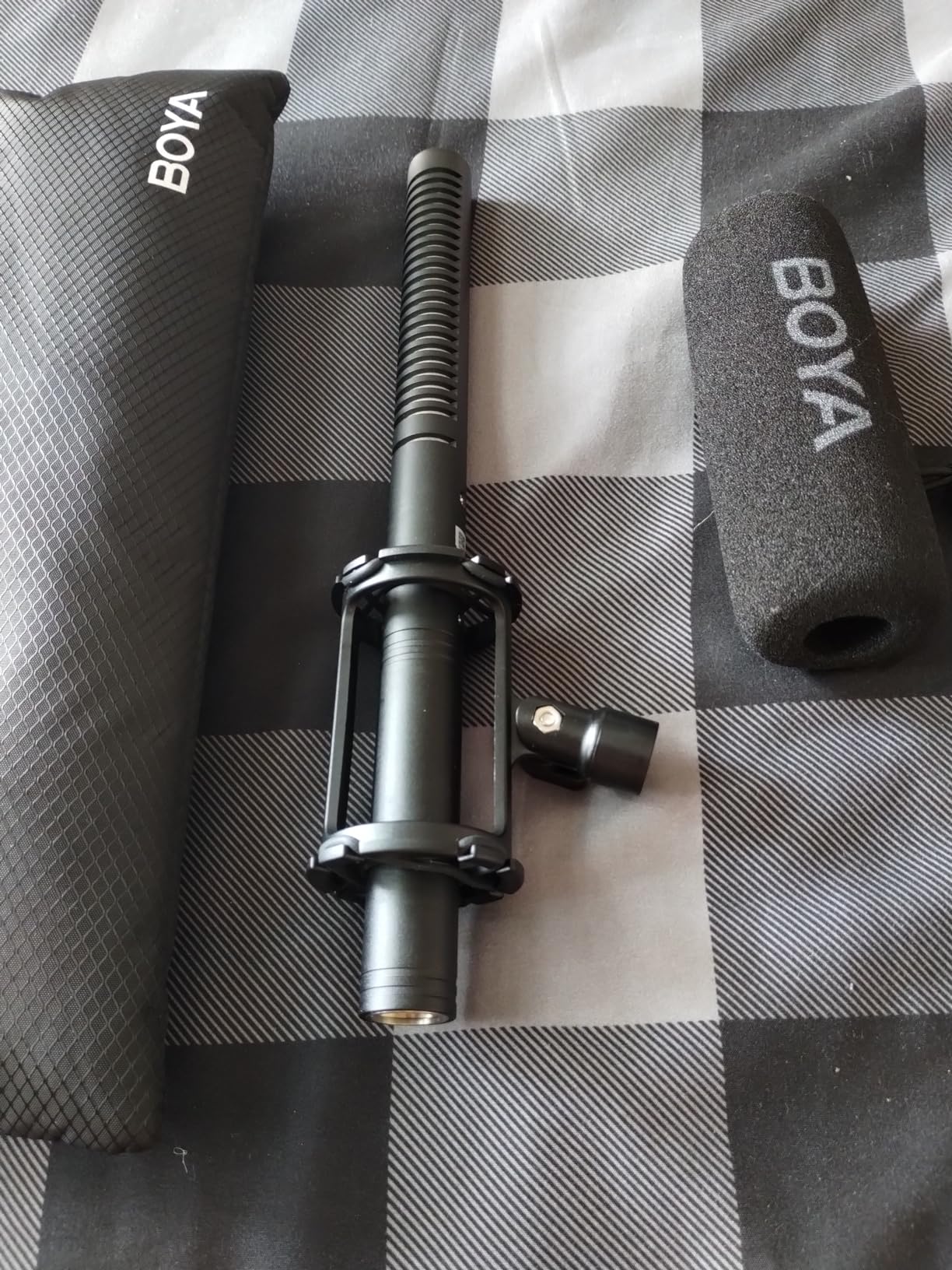
The BOYA BY-BM6060 is the XLR shotgun I recommend when a student is ready to commit to a real recorder with XLR inputs but cannot afford a Sennheiser or Rode NTG. The 3-pin XLR output means this mic grows with you as you upgrade from the Zoom H1 Essential to the Zoom H6, Sound Devices MixPre, or Zoom F8. Phantom power support covers professional recorders, and the AA battery fallback covers student recorders that lack phantom power.
The included accessory bundle is genuinely useful. You get a suspension shock mount that physically decouples the mic from handling noise, a fur windshield for outdoor shoots, and a foam windshield for indoor dialogue. The adjustable hot shoe mount fits both standard cameras and boom poles with a quarter-inch thread.
In real-world use, the BY-BM6060 delivers decent dialogue capture for the price, especially for documentary and interview work where the mic is within three feet of the talent. The dual power option means you can test the mic on any recorder in your kit without worrying about phantom power compatibility. Audio reviewers on r/Filmmakers consistently call it a strong starter shotgun before stepping up to a Rode NTG or Sennheiser MKE 600.
The honest limitations are real and matter for narrative work. The mic picks up more background noise than mid-range options like the Sennheiser MKE 600, and the reach at distance falls short of premium boom mics. For loud environments or longer boom reaches, expect more room tone and ambient noise in your dialogue tracks.
Who Should Buy the BOYA BY-BM6060
Students building a long-term audio kit who want an XLR shotgun that grows with their recorders. Documentary crews doing close-range interview work benefit from the dual power option.
When To Skip the BOYA BY-BM6060
If your recorder only has 3.5mm inputs without phantom power, choose the COMICA VM20 or Rode VideoMicro II instead. For longer boom reach on narrative work, plan to upgrade to a Rode NTG5 or Sennheiser MKE 600 within a year or two.
How to Choose the Right Audio Kit for Film Students
Choosing the right audio kit for film students starts with the project, not the gear. Documentary pickups, narrative dialogue, two-person interviews, and run-and-gun vlogs each have different gear priorities. The single biggest mistake I see first-year students make is buying one expensive mic and trying to use it for every shoot, when a small bundle of two or three complementary pieces would cover them better.
If you are primarily shooting narrative shorts with boom-style dialogue capture, start with an XLR shotgun like the BOYA BY-BM6060, a recorder like the Zoom H1 Essential, and a pair of closed-back monitoring headphones. Add a boom pole and deadcat when your budget allows. If you are shooting documentary interviews, swap the boom for a wireless lavalier like the Alvoxcon TG220 and you can travel lighter while capturing cleaner dialogue in unpredictable environments.
For students who shoot both styles, the best audio kits combine a lavalier for stationary dialogue, a shotgun for outdoor and run-and-gun coverage, and a single recorder that handles both sources. That is the kit structure our team kept building toward in every test shoot, and the one we recommend in our headphones for mixing film audio companion guide for monitoring. The same principle applies when pairing cameras and audio, which our monitors for film students roundup covers for the post-production side.
What Microphone Type Do You Actually Need?
The four microphone types film students actually use are shotguns, lavaliers, handhelds, and on-camera mics. Shotguns like the Rode VideoMicro II and COMICA VM20 are highly directional and reject side noise, making them ideal for boom-style work and outdoor dialogue. Lavaliers like the Rode Lavalier GO clip to clothing and capture voice directly, making them perfect for interviews and narrative dialogue where the boom would be visible. Handhelds are reserved for event coverage and press-style interviews. On-camera mics like the Movo VXR10 mount to the camera and provide plug-and-play convenience for vlogs and run-and-gun work.
Polar pattern matters as much as mic type. Supercardioid shotguns reject more side noise than unidirectional models, which is why mics like the COMICA VM20 and VidPro XM-55 perform better in noisy locations. Omnidirectional lavaliers like the Rode Lavalier GO forgive talent movement, which is a major advantage when subjects gesture naturally during dialogue.
Common Mistakes Film Students Make With Audio
The most common audio mistakes I see from film students are using cheap built-in camera mics, skipping wind protection, ignoring closed-back headphones, riding levels into the red, and forgetting backup recording. Built-in camera mics pick up every handling noise and camera click, which is the single fastest way to make footage feel amateur. Always use an external mic, even on the cheapest shoots.
Wind protection is non-negotiable for outdoor shoots. A basic deadcat windshield costs less than a takeout dinner and saves recordings that would otherwise be ruined by wind rumble. Closed-back headphones for monitoring are equally important because they let you hear problems in real time rather than discovering them in post. Riding levels into the red causes clipping that cannot be repaired, which is why 32-bit float recorders like the Zoom H1 Essential and COMICA VM40 exist. Finally, backup recording, whether on a second recorder or on a mic with onboard storage like the COMICA VM40 or NEEWER CM28 PRO, has saved more student shoots than any other single piece of advice.
Kit Expansion Roadmap: Upgrading as You Grow
A solid student audio kit grows in four predictable stages. Stage one is a single on-camera shotgun or lavalier paired with a smartphone or entry-level camera. The Movo VXR10 or Rode Lavalier GO fits here. Stage two adds a dedicated recorder like the Zoom H1 Essential for proper XLR or 32-bit float capture. Stage three introduces a boom pole and deadcat for proper shotgun operation on narrative shoots, plus a wireless lavalier like the Alvoxcon TG220 for documentary work.
Stage four is the professional kit, which adds a multi-channel recorder like the Zoom H6 or Sound Devices MixPre, a pro shotgun like the Rode NTG5 or Sennheiser MKE 600, timecode sync, and a sound bag. Most film students take two to four years to reach stage four, and the gear recommended above covers stages one through three. Used gear markets like B&H Photo’s used department, eBay, and Facebook gear groups can accelerate this progression significantly, though forum users on r/LocationSound consistently warn about counterfeit Sennheiser MKH-416 microphones on used markets, so buy from reputable dealers only.
Frequently Asked Questions
What is the best audio equipment for filmmaking?
The best audio equipment for filmmaking combines a dedicated field recorder, a directional shotgun or lavalier microphone, closed-back monitoring headphones, wind protection, and reliable XLR cables. For film students, starting with a Zoom H1 Essential recorder plus a Rode Lavalier GO or COMICA VM20 shotgun covers the majority of documentary and narrative projects at a student-friendly price.
What is the best audio mixer for filmmaking?
For film students, the best audio mixer is usually a recorder-mixer hybrid like the Zoom H6 or Sound Devices MixPre-6, which combine recording, mixing, and preamps in one unit. Entry-level students can start with the Zoom H1 Essential, which provides 32-bit float recording without a dedicated mixer interface, and upgrade to a full mixer-recorder once budgets allow.
What are the best audio recorders for filmmakers?
The best audio recorders for filmmakers in 2026 include the Zoom H1 Essential for portable 32-bit float capture, the Zoom H6 for multi-track narrative work, the Sound Devices MixPre series for professional productions, and the Tascam DR-40X as a budget alternative. For film students building a starter kit, the Zoom H1 Essential delivers the strongest combination of price, audio quality, and ease of use.
What is the best audio recorder for filmmaking?
The best single audio recorder for filmmaking on a student budget is the Zoom H1 Essential. It offers 32-bit float recording, 10-hour battery life, built-in X/Y stereo microphones, and USB-C microphone mode for livestreams, all in a 92-gram package. For more advanced productions, the Zoom H6 or Sound Devices MixPre-6 are the standard professional upgrades.
Do film students need a boom pole?
Film students benefit from a boom pole once they start shooting narrative dialogue that requires the mic to stay just out of frame. For documentary interview work, a boom pole is less critical because lavalier mics like the Rode Lavalier GO or wireless systems like the Alvoxcon TG220 capture clean dialogue without one. Rent before buying, since boom poles and shock mounts can run several hundred dollars.
Are wireless lavalier microphones worth it for students?
Wireless lavalier microphones are worth it for film students who shoot documentary interviews, event coverage, or any project where the talent moves through a scene. Systems like the Alvoxcon TG220 and NEEWER CM28 PRO deliver reliable wireless audio at student-friendly prices, and the dual-transmitter setups handle two-person interviews cleanly. For stationary narrative dialogue, a wired lav like the Rode Lavalier GO is the better value.
Final Thoughts
After testing these 10 pieces across documentary, narrative, and interview shoots, my top pick for the best audio kits for film students is the Rode Lavalier GO paired with a Zoom H1 Essential recorder. That combo delivers broadcast-quality dialogue capture, 32-bit float safety against clipping, and a price that leaves room in a student budget for monitoring headphones and wind protection.
For students shooting on a textbook budget, the Movo VXR10 and VidPro XM-55 are the smartest first buys. For documentary crews running two-person interviews, the Alvoxcon TG220 wireless system is the cleanest upgrade path. Whichever kit you build, invest in monitoring headphones, wind protection, and backup recording before chasing more expensive microphones. Those three habits will improve your audio quality more than any gear upgrade. The best audio kits for film students are the ones you actually carry to every shoot.