
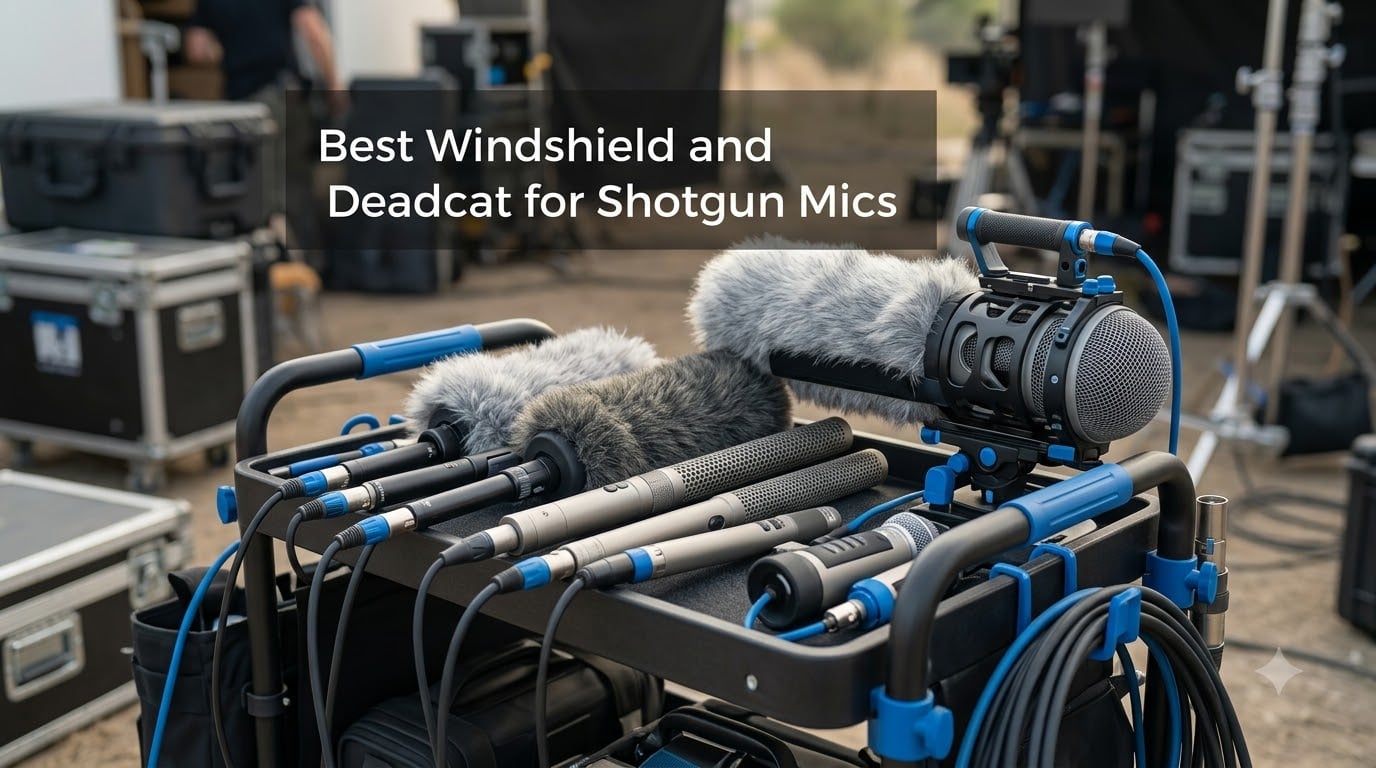
Wind can ruin a usable location recording in seconds. Even a light breeze can push air across a shotgun microphone’s open-back capsule and create low-frequency rumble, pops, or a wash of noise that editing cannot fully repair.
This guide covers the best windshield and deadcat options for shotgun mics across three practical needs: a compact furry cover for a camera-mounted microphone, a shaped windshield for a boom-mounted shotgun, and a full blimp system for exposed documentary work. I compared the eight available products by fit, wind protection, handling weight, and the kinds of conditions they handle best.
A windshield or deadcat is a furry cover that slips over a shotgun microphone to block wind noise by creating a zone of still air around the capsule. Deadcats use artificial fur to catch and redirect wind before it reaches the microphone diaphragm, while open-cell foam provides additional diffusion of air movement.
Table of Contents
- Top 3 Picks for Shotgun Mic Wind Protection for October 2026
- Shotgun Mic Wind Protection in October 2026
- 1. Rode Deadcat Wind Muff: Compact Cover for Rode Mics
- 2. Rode DDC-GO DeadCat Go: Secure Fit for VideoMic GO
- 3. RØDE DeadCat VMPR: Purpose-Built VideoMic Pro Cover
- 4. Rode WS6 Deluxe: Stronger Shape for NTG Shotguns
- 5. YOUSHARES NTG3 Windscreen: Budget Fit for NTG3 and MKH416
- 6. Ruittos M11: Low-Cost VideoMic GO Protection
- 7. Movo BWS1000: Full Blimp for Exposed Shoots
- 8. YH&YX 18cm Furry Windshield: Flexible Multi-Mic Option
- How to Choose Shotgun Mic Wind Protection?
- Frequently Asked Questions
- Conclusion
Top 3 Picks for Shotgun Mic Wind Protection for October 2026
Shotgun Mic Wind Protection in October 2026
| Product | Specs | Action |
|---|---|---|
 Rode Deadcat Wind Muff |
|
Check Latest Price |
 Rode DDC-GO DeadCat Go |
|
Check Latest Price |
 RØDE DeadCat VMPR |
|
Check Latest Price |
 Rode WS6 Deluxe Windshield |
|
Check Latest Price |
 YOUSHARES NTG3 Windscreen |
|
Check Latest Price |
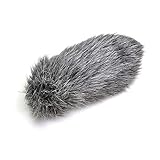 Ruittos Microphone DeadCat |
|
Check Latest Price |
 Movo BWS1000 Blimp |
|
Check Latest Price |
 YH&YX 18cm Furry Windshield |
|
Check Latest Price |
1. Rode Deadcat Wind Muff: Compact Cover for Rode Mics
Rode Deadcat Wind Muff, Gray
18 g artificial-fur cover
Open-cell foam design
VideoMic NTG1 and NTG2 fit
Pros
- Effective wind reduction
- Acoustically transparent
- 10 year warranty
Cons
- Fur shedding
- Loose hairs in bags
I would choose the Rode Deadcat Wind Muff for a compact camera or boom setup where weight matters more than extreme-condition protection. Its 18 g mass is easy to ignore on a long boom day, and the shaped opening gives the microphone a clear path to the fur layer.
The artificial fur and open-cell foam work together rather than relying on one layer alone. In breezy outdoor scenes, the cover helps keep the microphone capsule out of direct air movement while the foam breaks up turbulence closer to the mic.

The fit is intentionally specific to the listed Rode models, so I would check the microphone body length before ordering. A cover that compresses the capsule or sits against a rear control can change handling more than its low weight suggests.

For whom it is good
It is a good match for filmmakers who already use a compatible Rode VideoMic, NTG-1, or NTG-2 and want a simple furry upgrade over foam. I would pack it for interviews, outdoor vlogging, and moderate wind rather than treat it as a stand-alone solution for a storm.
For whom it is bad
It is less suitable for crews that need universal sizing, heavy weather protection, or frequent access to rear controls. Reviewers also report some shedding, which is worth considering if the cover will live in a clean equipment bag or near a camera.
2. Rode DDC-GO DeadCat Go: Secure Fit for VideoMic GO
Rode DDC-GO DeadCat Go Artificial Fur Microphone Wind Shield for VideoMic
15.01 g artificial-fur cover
VideoMic GO fit
Snug slip-on design
Pros
- Approximately 90% noise reduction
- Snug secure fit
- Acoustically transparent
Cons
- Hair shedding
- Tight fit over original foam
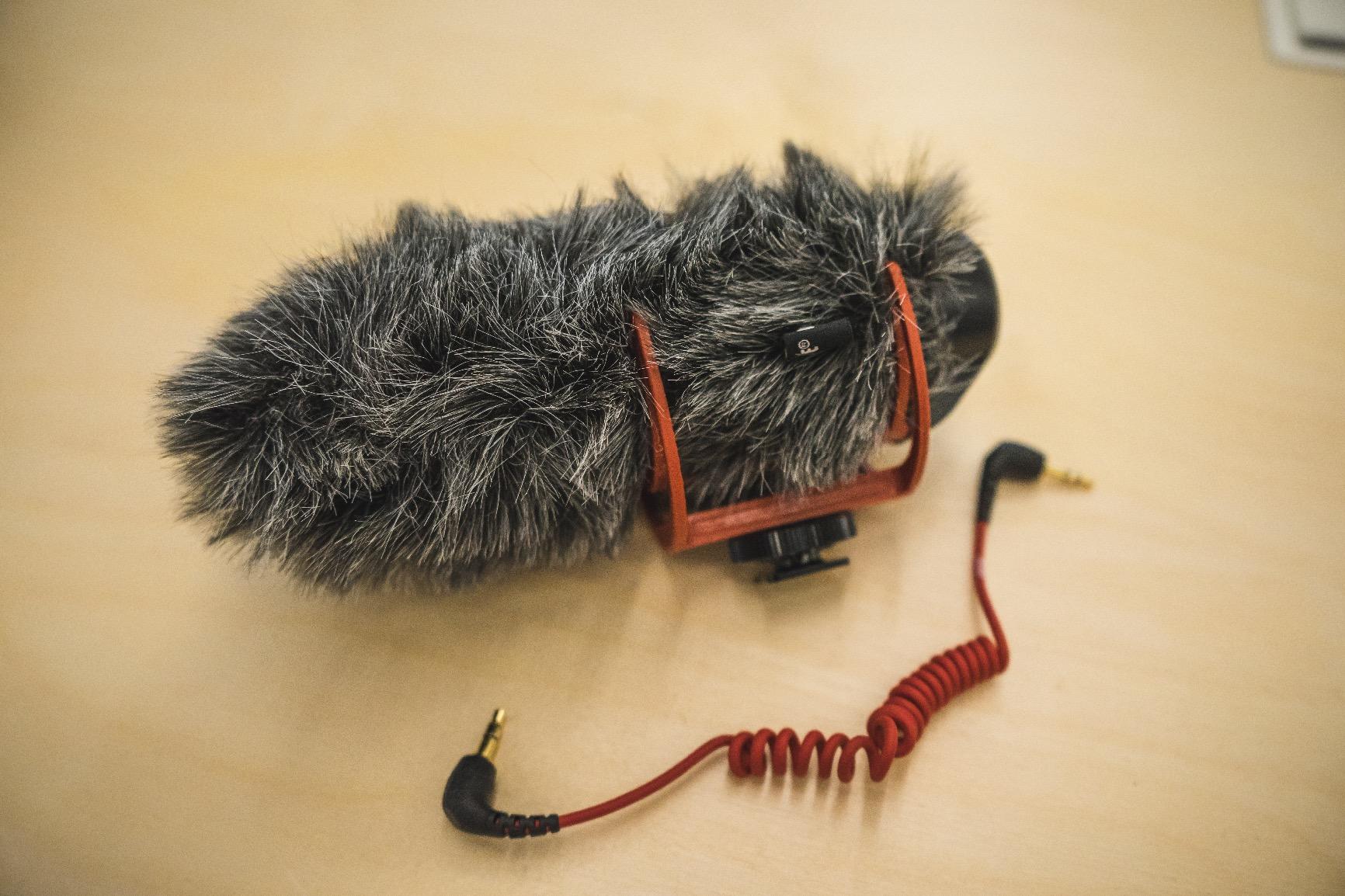
The DDC-GO is the most model-specific option in this group, and that is its strength when your camera uses the original Rode VideoMic GO. I like that the cover is designed around the microphone rather than stretched across a broad size range.
Its 15.01 g weight keeps the assembly light, while the acoustically transparent fur is intended to reduce wind without heavily changing the recorded sound. Users commonly report a snug fit and effective results in breezy conditions.
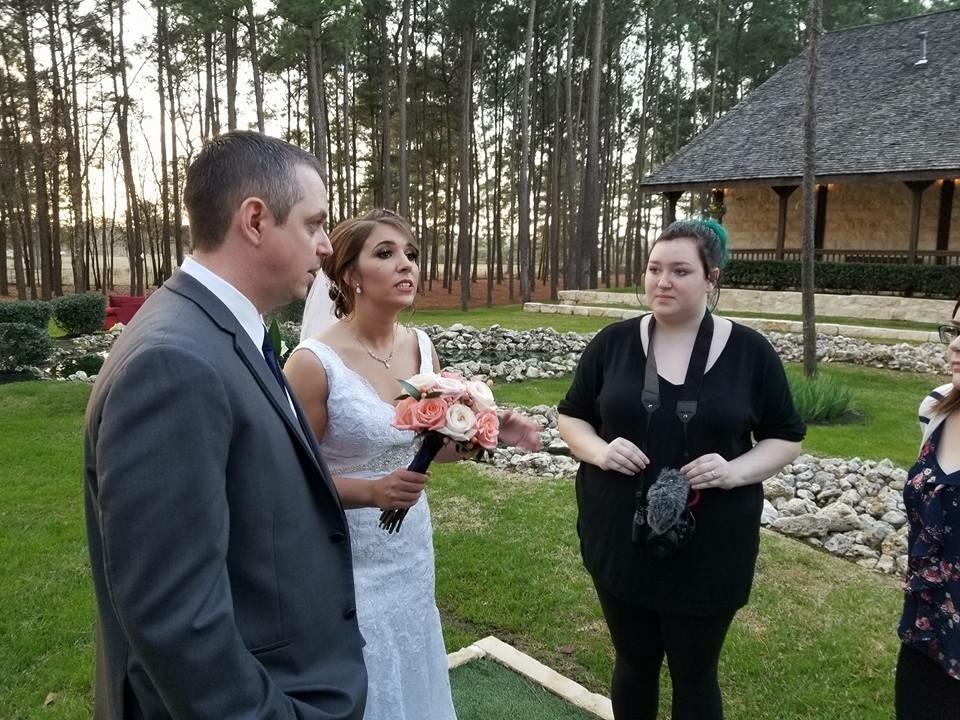
Installation is the main thing I would practice before a shoot. The cover is tight over the original foam, so forcing it on can waste time or leave the microphone poorly seated.
For whom it is good
It suits VideoMic GO owners who want a dedicated cover and do not need a blimp. I would also recommend it to run-and-gun crews that value fast setup and low weight.
For whom it is bad
It is not the right choice for a large boom microphone or a crew that changes microphones often. The model-specific fit and minor shedding make it less flexible than a universal furry windscreen.
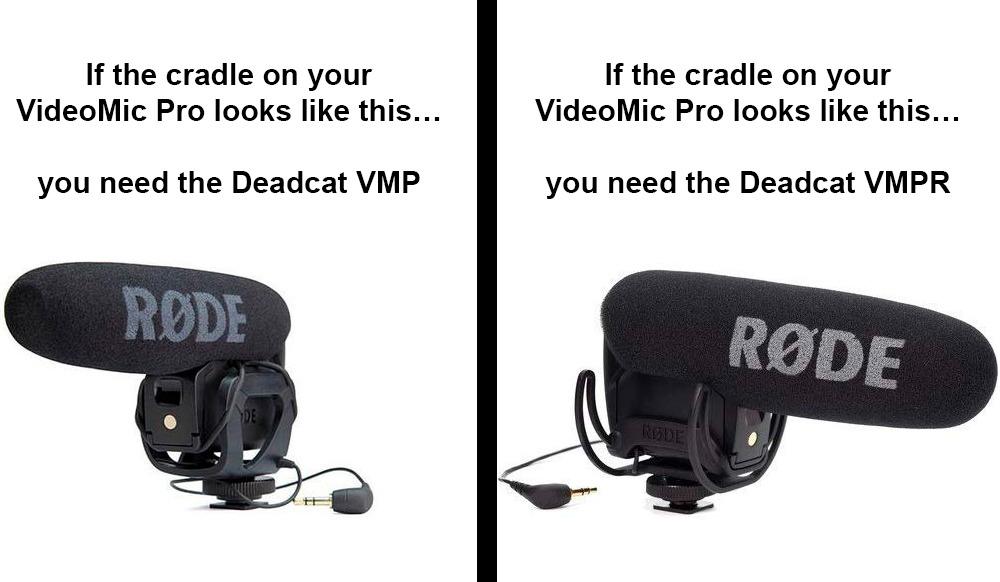
3. RØDE DeadCat VMPR: Purpose-Built VideoMic Pro Cover
RØDE DeadCat VMPR Windshield for VideoMic Pro Artificial Fur Wind Shield
20 g artificial-fur cover
VideoMic Pro fit
Synthetic fur construction
Pros
- Effective wind reduction
- Good stitching
- Minimal shedding
Cons
- Can be difficult to install
- May obstruct rear controls
The DeadCat VMPR is a sensible match for a VideoMic Pro, especially when a crew wants a fitted cover without adding a large suspension system. I see it as a middle ground between a basic foam windscreen and a full blimp.
The fur is acoustically transparent, and the product is shaped to keep the microphone protected with minimal effect on recorded sound. Reviewers praise the stitching, secure fit, and 5 year warranty.
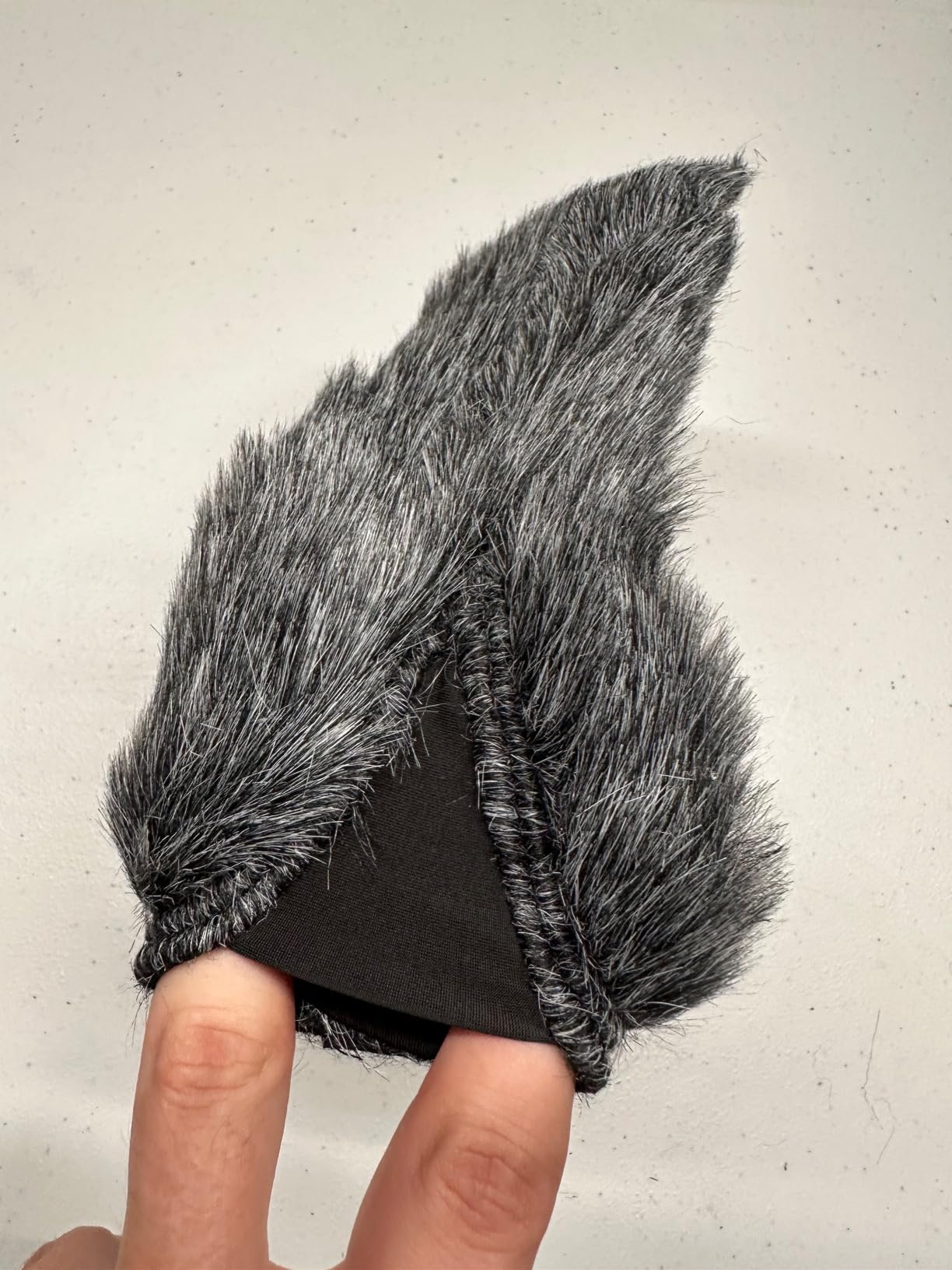
The trade-off is access. Because the cover is close-fitting, I would not leave it installed if the shoot requires frequent changes to controls or a quick return to the microphone body.
For whom it is good
It works well for VideoMic Pro users filming outdoors in moderate wind. I would use it for narrative work, interviews, and mobile documentary setups where the microphone stays on camera most of the day.
For whom it is bad
It is a poor choice for a microphone that needs constant rear-control access or for crews expecting universal compatibility. I would also test the fit on the actual body before taking it into a fast-moving production.
4. Rode WS6 Deluxe: Stronger Shape for NTG Shotguns
Pros
- Superior wind reduction
- Secure internal boot
- 10 year warranty
Cons
- Higher cost
- Possible high-frequency muffling
The WS6 is the best-shaped option here for a compatible Rode NTG microphone. Its internal boot and defined slot help the cover sit more securely than a loose furry sleeve, which matters when a boom is moving quickly.
The specified maximum slot length is 6 1/4 inches (160.5 mm), and the supported diameter range is 0.8-0.9 inches (21-22.5 mm). I would measure both dimensions rather than assume that two NTG bodies fit the same way.
Reviewers describe stronger wind-noise reduction than standard deadcats and appreciate the 10 year warranty. A few mention some high-frequency muffling, so I would record a clean reference with the cover fitted before a critical dialogue scene.
For whom it is good
I would choose the WS6 for NTG1, NTG2, NTG4, or NTG4+ users who want a more structured windshield and can verify fit. It is especially useful on a boom where a loose cover can shift during a take.
For whom it is bad
It is not a universal deadcat, and the higher cost may not make sense for a foam-only indoor kit. If a production needs extreme-weather isolation, I would pair the idea of a structured windshield with a full suspension system rather than rely on fur alone.
5. YOUSHARES NTG3 Windscreen: Budget Fit for NTG3 and MKH416
NTG3 Microphone Windscreen – Deadcat/Windmuff for Rode NTG-3, Sennheiser MKH416 Shotgun Mic, Wind Shield Up to 7.1″ Long by YOUSHARES
180 mm maximum slot
18-24 mm diameter
Rubber rear base
Pros
- Low cost
- Lightweight
- Fits MKH416 well
Cons
- May run short
- Shedding below premium brands
The YOUSHARES NTG3 Windscreen is a practical budget choice when I need furry protection without buying a premium system. Its stated 7.1 inch slot and 18-24 mm diameter range cover several common shotgun bodies.
The design combines open-cell foam, artificial fur, and a rubber base intended to keep wind from entering the rear pickup area. That layered construction is useful in a field kit where one inexpensive cover can serve multiple compatible microphones.
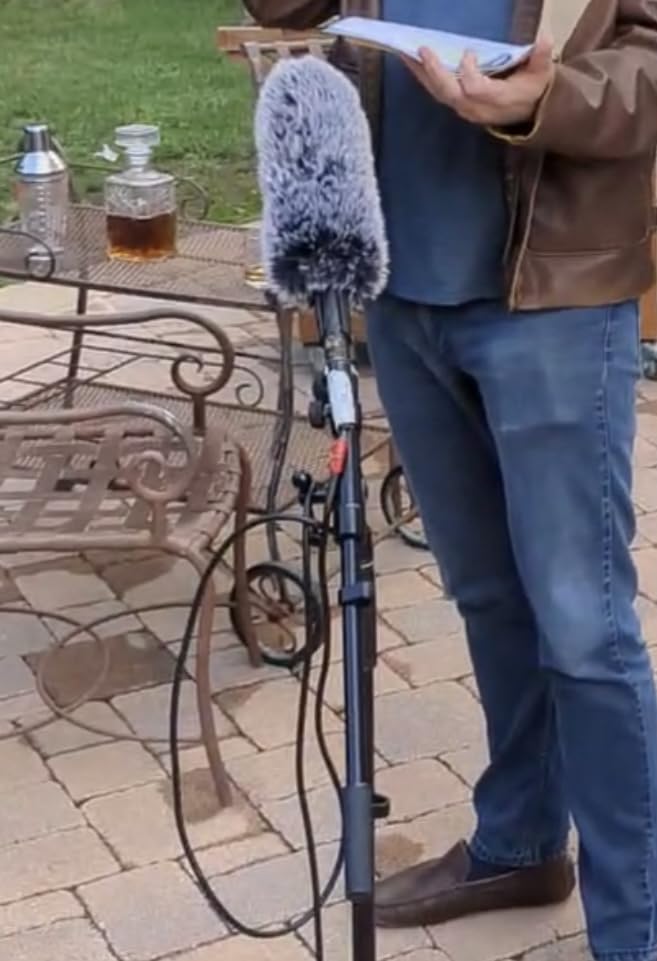
Fit is the deciding factor. Users report that it fits the Sennheiser MKH416 well, while others note that it can feel short for some microphone configurations, so I would check the body and connector area before relying on it.
For whom it is good
It suits NTG3, NTG2, or MKH416 users on a budget and crews that need a spare cover. I would keep it in a location-sound case as an inexpensive layer for moderate outdoor wind.
For whom it is bad
It is not my first choice for premium long-term ownership, because the fur may shed more than established alternatives. It also lacks the suspension and handling control of a blimp.
6. Ruittos M11: Low-Cost VideoMic GO Protection
Microphone DeadCat for Rode VideoMic GO On-Camera Microphone, Windscreen Blocker Protection Cover Furry Microphone DeadCat for Rode VideoMic GO On-Camera Microphone
Artificial-fur cover
VideoMic GO fit
3-4 cm diameter
Pros
- Good value
- Water resistant
- Works outdoors
Cons
- May be oversized
- Non-Rode fit issues
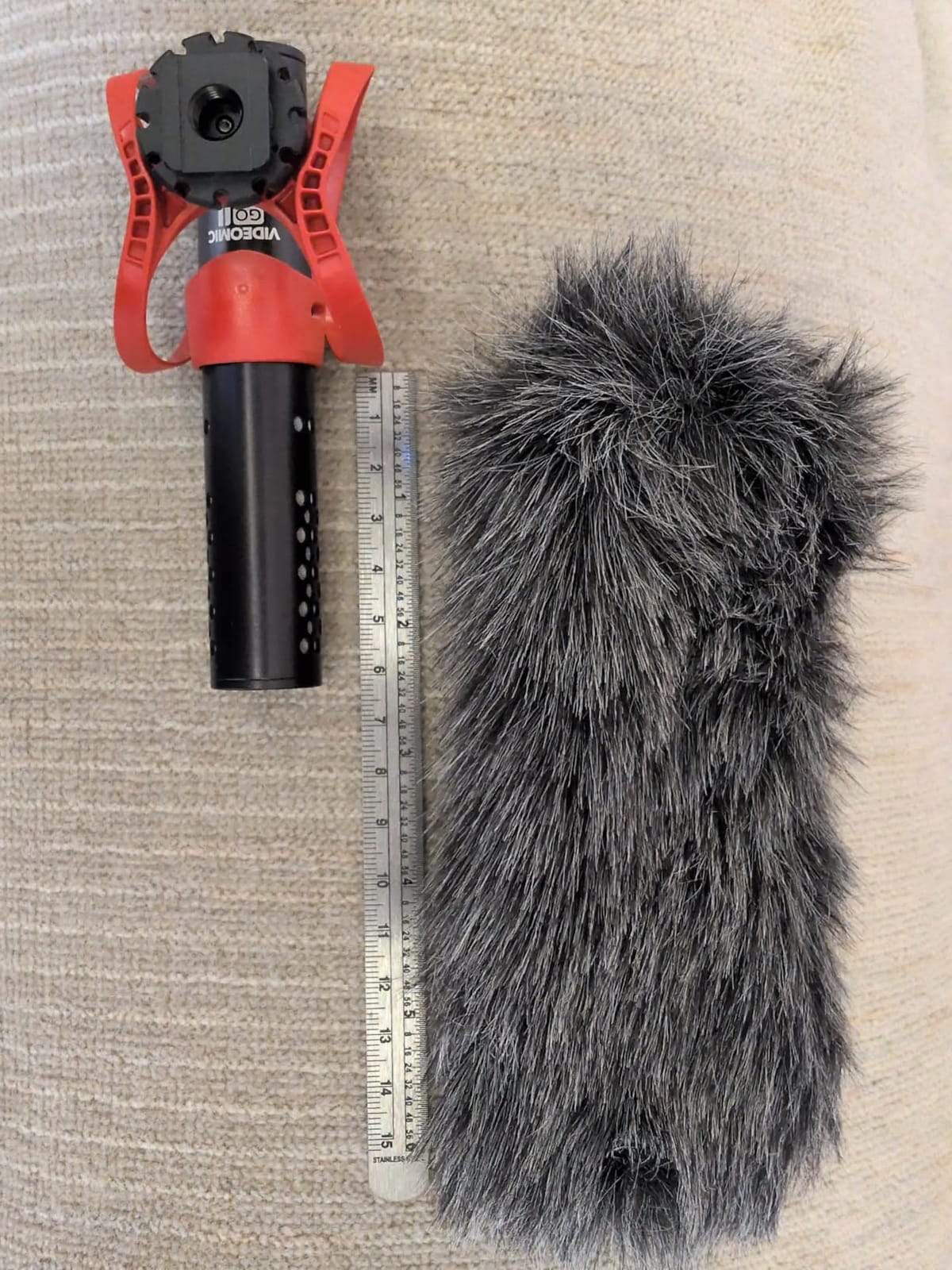
The Ruittos M11 is the least expensive dedicated option for a VideoMic GO in this set. I would consider it when a crew needs a simple backup and does not need a premium fur finish or model-specific construction.
The cover is water resistant and uses artificial fur around the microphone, which gives it a practical role outdoors. It is designed for the VideoMic GO and can fit other shotgun microphones around 3-4 cm in diameter.
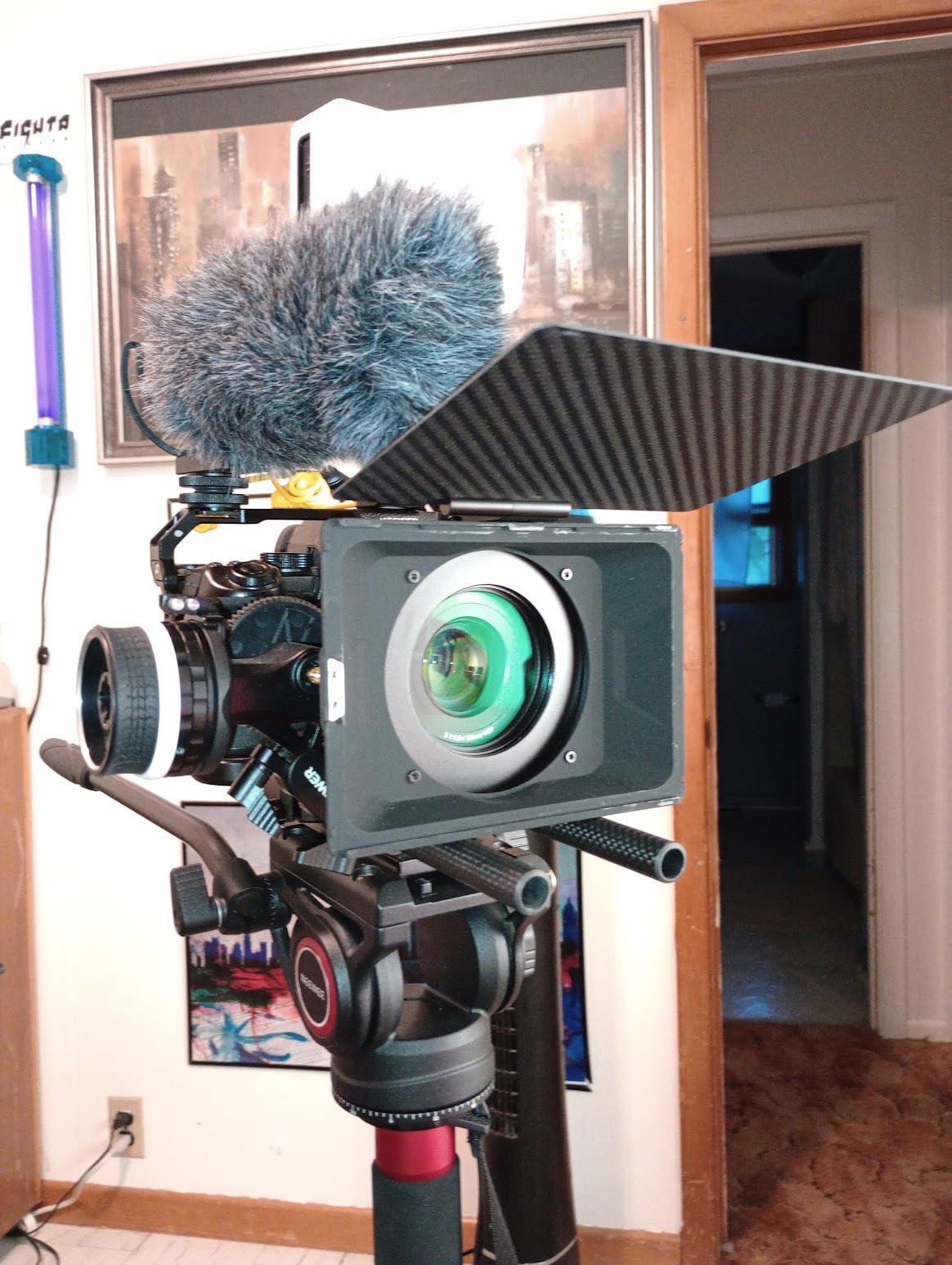
The generous fit is helpful for some setups but can be loose on others. I would test the microphone with its shock mount and cable attached, because a cover that fits the bare body can still move once the complete assembly is mounted.
For whom it is good
It is a reasonable choice for students, entry-level filmmakers, and anyone who needs a low-cost outdoor cover. I would use it for casual shoots and light-to-moderate wind.
For whom it is bad
It is not the best option for a non-Rode microphone or a polished production that needs a tailored fit. If the cover shifts on the mic, it can become a handling problem before it becomes a wind problem.
7. Movo BWS1000: Full Blimp for Exposed Shoots
Movo BWS1000 Blimp Wind & Vibration Protection System for Shotgun Microphones – Features 12-point Internal Shockmount, Integrated XLR Cable, Furry Deadcat Windscreen & Grip Handle with Boom Attachment
3.1 pound system
12-point shock mount
40 dB reduction claim
Pros
- Strong wind protection
- Universal fit
- Integrated XLR cable
Cons
- Heavy when loaded
- Non-detachable cable
- Basic pouch
The Movo BWS1000 is the serious choice when wind is part of the production problem, not a minor nuisance. It combines a blimp cage, 12-point shock mount, furry deadcat, handle, and integrated XLR cable in one system.
The stated reduction of up to 40 dB is the strongest protection claim in this comparison. The cage fits microphones up to 15 inches (38 cm) long and is listed for Rode NTG models, Sennheiser MKH-416, and Audio-Technica AT875R.

I would plan for its 3.1-pound assembled weight and longer setup time. The integrated cable is convenient, but the non-detachable design and basic carrying pouch are the compromises to test before a remote shoot.

For whom it is good
It suits documentary crews, outdoor videographers, and recordists working in strong wind who want the highest protection level here. I would also choose it when vibration control matters as much as wind.
For whom it is bad
It is excessive for a camera-mounted interview mic, an indoor studio, or a boom operator who needs a featherweight rig. The weight can also affect a stand unless the system is supported properly.
8. YH&YX 18cm Furry Windshield: Flexible Multi-Mic Option
YH&YX 18cm Furry Windshield Windscreen for Sony ECM-674 ECM-678 ECM 680s
18 cm furry length
10 g weight
Multi-model compatibility
Pros
- Low weight
- Secure fit
- Good value
Cons
- May be too short
- Inner foam concerns
- Tight on some mics
The YH&YX 18cm Furry Windshield is a lightweight, broadly compatible cover for several Rode, Sony, Audio-Technica, and Sennheiser models. I would consider it when one kit supports more than one microphone and weight is a concern.
The listed 18 cm length is the main specification to verify. Some users report that it can be too short for an MKH 416, while others question the inner foam quality, so the exact model matters more than the long compatibility list.
It is best treated as a replacement-style furry cover, not a full outdoor blimp. I would check the fit with the microphone and suspension in place before relying on it in a fast setup.
For whom it is good
It works for crews that need a light spare or a cover shared across compatible models. I would use it for field recording and outdoor interviews after confirming the length.
For whom it is bad
It is not ideal for a long MKH 416 setup or buyers who want a clearly defined premium build. A tight fit can also make removal harder after the cover has been compressed around the microphone.
How to Choose Shotgun Mic Wind Protection?
The right wind protection depends on wind strength, microphone size, and how the rig is handled. I use four levels: open-cell foam for light indoor or mild outdoor air, a furry deadcat for moderate wind, a blimp for stronger wind, and a blimp plus deadcat for exposed work.
Foam is inexpensive, light, and unobtrusive, but it is not enough for much beyond a light breeze. A deadcat adds artificial fur that disturbs airflow before it reaches the capsule, while a blimp adds a physical cage and suspension for stronger conditions.
Wind attenuation describes how much unwanted wind energy a windshield removes, but published figures are not always measured under the same conditions. The Movo BWS1000 states up to 40 dB, while a product description for the Rode DDC-GO reports approximately 90% wind-noise reduction, so I would use the numbers as directional guidance rather than assume a perfect lab match.
Start by measuring the microphone body. Check the slot length, body diameter, and whether the rear connector or controls need to remain accessible, then leave enough room for the microphone’s shock mount and cable.
For boom operation, balance matters. A 10 g or 20 g cover is easy to overlook, while the Movo system weighs 3.1 pounds when loaded, so a long recording day can become tiring even when the wind protection is excellent.
For camera-mounted work, model-specific Rode covers are often the cleanest choice because they keep the setup compact. For documentary recording, I would favor a fitted cover or blimp with a clear support method rather than a loose universal sleeve.
For wind-sensitive shoots, test the complete rig outside before recording. Listen for rumble, cable movement, and contact noise, then record a short reference with and without the cover so the production sound team can judge any high-frequency change.
For maintenance, let artificial fur dry before storage and brush it gently rather than pulling at tangled fibers. I keep a spare cover in a separate bag because shedding and matted fur are common complaints in forum discussions.
For a complete field setup, pair wind protection with a shock mount and a boom suspension. The best windshield cannot isolate a microphone that is rubbing against a hard mount or being moved rapidly on a rigid pole.
For a small kit, I would begin with the Rode model-specific cover that matches the microphone, then add a blimp only when the location demands it. For a professional location-sound kit, the Movo BWS1000 is the more complete system, while the Rode WS6 offers a structured step up for compatible NTG models.
For a budget purchase, the YOUSHARES and Ruittos covers show that a dedicated furry layer can help without a large system. I would choose them for moderate wind, not as a substitute for a full suspension in strong wind or high-vibration conditions.
Frequently Asked Questions
What is the best windshield for a microphone?
The best windshield is the one that matches the microphone body and the wind conditions. For light wind, open-cell foam is enough; for moderate wind, use a fitted furry deadcat; for strong wind, use a blimp with a furry layer.
When should I use a deadcat on a microphone?
Use a deadcat when recording outdoors in moderate wind or when a foam windshield cannot prevent rumble. It is also useful for location sound, documentary work, and any shoot where the microphone is exposed to moving air.
What is the difference between a deadcat and a blimp?
A deadcat is a soft artificial-fur cover that breaks up wind around the capsule. A blimp is a rigid suspension cage that provides stronger wind and vibration isolation, often with a furry cover added for exposed conditions.
How do I choose windscreen size for a shotgun microphone?
Measure the microphone body length and diameter, then compare them with the product’s slot and diameter limits. Also check whether the cover leaves access to the XLR connector, shock mount, and rear controls.
What is the best shock mount for a shotgun mic?
Choose a shock mount that supports the microphone’s length and weight without touching the body or connector. Wind protection and shock isolation work together, so a secure mount matters even when the windshield fits well.
Conclusion
For most compatible Rode camera microphones, the Rode Deadcat Wind Muff is a compact starting point, while the DDC-GO and VMPR are better when model-specific fit matters. For an NTG shotgun, the WS6 provides a more structured option, and for exposed work the Movo BWS1000 offers the strongest complete protection in this group.
Before buying, I would measure the microphone, decide how much wind the location will bring, and account for the weight of a loaded blimp. That short check prevents the most common problem: a deadcat that looks right in a product photo but does not fit the actual microphone and suspension.
Whichever level you choose, record a reference outside before the important scene. The best windshield and deadcat for shotgun mics is the one that preserves clear dialogue while keeping wind noise under control in 2026.