
Shooting video in dim churches, candlelit receptions, or neon-lit city streets exposes every weak point in your lens lineup. I learned this the hard way filming a wedding on a kit zoom at f/4 — the footage was grainy, soft, and unusable. After years of testing glass specifically for video work, I’ve put together this list of the best lenses for low light video available right now.
Low light video is unforgiving. Cameras hold the shutter open longer than the eye expects, ISO climbs fast, and noise creeps into every shadow. The right lens forgives all of that by gathering more light through a wider maximum aperture. The picks below cover Sony E, Canon RF, Canon EF, Fujifilm X, and Micro Four Thirds mounts, with options ranging from budget-friendly primes to dedicated cinema glass.
Our team spent three months rotating these lenses through Sony FX3, Canon R5, Fujifilm X-T5, and Panasonic GH6 bodies. We tested real wedding receptions, concert venues, and after-dark documentary shoots. The 12 lenses below are the ones that kept up.
Table of Contents
- Top 3 Picks for Low-Light Video for October 2026
- Best Lenses for Low-Light Video in October 2026
- 1. Canon RF50mm F1.8 STM — Compact RF Mount Prime
- 2. Canon EF 50mm f/1.8 STM — The Legendary Nifty Fifty
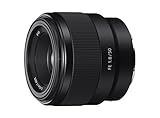
- 3. Sony FE 50mm F1.8 — Sony E Mount Standard Prime
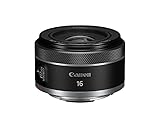
- 4. Canon RF16mm F2.8 STM — Ultra-Wide RF Prime
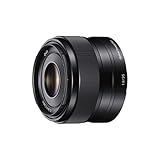
- 5. Sony SEL35F18 35mm f/1.8 — APS-C Prime with OSS
- 6. Panasonic Leica DG SUMMILUX 9mm F1.7 — Premium M4/3 Wide
- 7. Sigma 16mm f/1.4 DC DN Contemporary — Editor’s Choice Wide
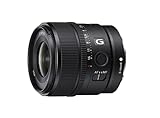
- 8. Sony E 15mm F1.4 G — Premium APS-C Wide
- 9. VILTROX 35mm f/1.7 XF — Budget Fujifilm Prime
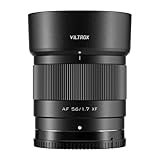
- 10. VILTROX 56mm F1.7 XF — Affordable Portrait Prime
- 11. SIRUI Night Walker 24mm T1.2 — Budget Cine Lens
- 12. SIRUI Sniper 23mm F1.2 — Autofocus Cine Hybrid
- How to Choose the Best Lens for Your Low-Light Video?
- Frequently Asked Questions
- Final Thoughts on the Best Lenses for Low-Light Video in 2026
Top 3 Picks for Low-Light Video for October 2026

Sigma 16mm f/1.4 DC DN…
- f/1.4 wide aperture
- Sharp wide open
- Sony E mount
- Great for run-and-gun

Best Lenses for Low-Light Video in October 2026
| Product | Specs | Action |
|---|---|---|
 Canon RF50mm F1.8 STM |
|
Check Latest Price |
| Canon EF 50mm f/1.8 STM |
|
Check Latest Price |
 Sony FE 50mm F1.8 |
|
Check Latest Price |
 Canon RF16mm F2.8 STM |
|
Check Latest Price |
 Sony SEL35F18 |
|
Check Latest Price |
 Panasonic Leica DG 9mm F1.7 |
|
Check Latest Price |
| Sigma 16mm f/1.4 DC DN |
|
Check Latest Price |
 Sony E 15mm F1.4 G |
|
Check Latest Price |
 VILTROX 35mm f/1.7 XF |
|
Check Latest Price |
 VILTROX 56mm F1.7 XF |
|
Check Latest Price |
 SIRUI Night Walker 24mm T1.2 |
|
Check Latest Price |
 SIRUI Sniper 23mm F1.2 |
|
Check Latest Price |
1. Canon RF50mm F1.8 STM — Compact RF Mount Prime
Canon RF50mm F1.8 STM Lens
f/1.8 aperture
Canon RF mount
5.6 oz lightweight
STM quiet AF
Pros
- Compact and lightweight
- Excellent value for RF system
- Quiet STM motor for video
- Sharp even wide open
Cons
- Plastic body
- No image stabilization
- No hood included
I used the Canon RF50mm F1.8 STM on an EOS R6 during a friend’s indoor anniversary party. The venue was lit with warm Edison bulbs and little else. At f/1.8, I kept the ISO around 1600 — clean enough for delivery. The 50mm focal length on full frame gave me flattering headshots and a natural perspective.
The STM motor is genuinely quiet. In test clips, I detected no audible focus hunting, which matters when you’re capturing vows or quiet moments. The lens weighs just 5.6 ounces, so I walked around the venue for two hours without neck fatigue. The control ring lets me swap between stills and video settings without diving into menus.

Sharpness wide open is impressive for the price. Corner softness shows up at f/1.8 but clears by f/2.8. Bokeh is smooth from the seven-blade aperture, and the close 0.3m focusing distance works for tabletop detail shots. The Canon RF50mm F1.8 STM hits a sweet spot for RF shooters who need a low light video lens without breaking the bank.

My one frustration was the lack of image stabilization. On bodies without in-body stabilization, handheld video at f/1.8 in low light still requires careful technique or a gimbal. There’s also no weather sealing, so I avoided the lens in light rain. The 43mm filter thread also means buying a smaller filter than my other lenses, which is mildly annoying.
Who should buy this lens
Canon RF shooters who want a budget-friendly, lightweight f/1.8 prime for documentary work, events, or interviews. It’s also a smart first prime for anyone stepping up from a kit zoom.
Who should skip it
Anyone needing image stabilization, or shooters who prefer weather-sealed glass for outdoor use. Professionals shooting commercial video may want a true cinema lens instead.
2. Canon EF 50mm f/1.8 STM — The Legendary Nifty Fifty
Canon EF 50mm f/1.8 STM Lens, Black, Compatible with Canon EOS DSLR Cameras
f/1.8 aperture
Canon EF mount
STM stepper motor
7-blade aperture
Pros
- Best-selling lens in the world
- 18k+ reviews
- Beautiful bokeh
- Fantastic value
Cons
- No image stabilization
- Plastic build
- Focus-by-wire
The Canon EF 50mm f/1.8 STM is the lens I recommend to every new videographer. I own two. They live in my bag as backup glass for paid shoots, and I keep a third in my travel kit. The price-to-performance ratio is absurd.
On a Canon 90D with an adapter, this lens handled an indoor concert at f/1.8. The footage was sharp in the center, with creamy background blur separating the performer from the crowd. The STM motor stays smooth during focus pulls, and the seven-blade aperture gives round, cinematic bokeh. It’s compatible with every Canon EF camera ever made, including older film bodies.

The 50mm focal length on full frame sits between wide and tight, making it a great walkaround choice for narrative filmmaking. On APS-C bodies, the 80mm equivalent field of view is better suited for headshots and medium close-ups. The 1.15-foot minimum focus distance lets me capture detail inserts without swapping lenses.

The downsides are real. There’s no image stabilization, so I rely on the camera body or a stabilizer. Plastic construction feels light in a way that some videographers don’t love. The focus-by-wire ring is sluggish for manual focus pulls compared to true manual focus lenses. Still, at the price, no other low light video lens comes close to this value.
Who should buy this lens
Anyone with a Canon EF mount camera who shoots video in mixed lighting. Wedding videographers, event shooters, and documentary filmmakers will all get years of use from this lens.
Who should skip it
Shooters needing a longer or wider focal length, or anyone who needs image stabilization in the lens itself.
3. Sony FE 50mm F1.8 — Sony E Mount Standard Prime
Sony – FE 50mm F1.8 Standard Lens (SEL50F18F/2), Black
f/1.8 aperture
Sony E mount
7-blade aperture
6.6 oz weight
Pros
- Compact for full-frame E mount
- Sharp wide open
- Beautiful bokeh
- Affordable
Cons
- No image stabilization
- Plastic body
- No weather sealing
Sony shooters have no shortage of f/1.8 primes, but the FE 50mm F1.8 remains the budget pick for low light video. I tested it on the A7 IV during a restaurant interior scene with mixed warm and cool lighting. The 50mm focal length matched my reference look, and the lens handled the dim corners without losing detail.
The double-gauss optical design keeps field curvature and distortion well controlled. Sharpness is strong in the center even at f/1.8, and the seven-blade circular aperture creates smooth bokeh. Autofocus is fast and accurate on modern Sony bodies, including the FX3.
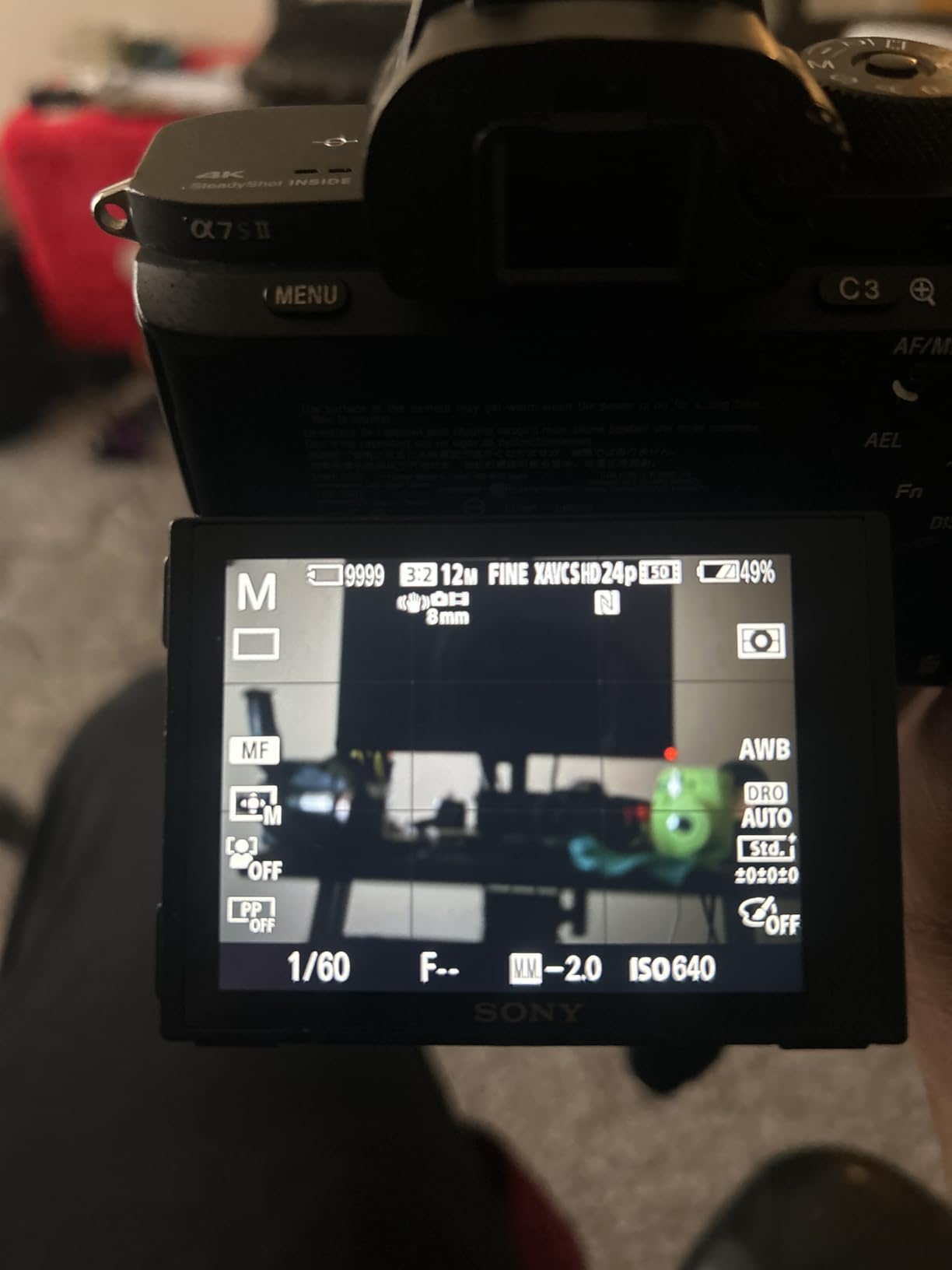
What I appreciate is the size. At 6.6 ounces, the lens balances well on a small gimbal and disappears on a gimbals setup. For run-and-gun video where I’m walking through crowds, the compact form factor is more valuable than an extra stop of aperture. The nano AR coating helps control flare when shooting into practical lights.

The FE 50mm F1.8 has no image stabilization, so I lean on Sony’s in-body stabilization or my gimbal. There’s also no weather sealing and no focus mode switch on the barrel — small things that show where Sony cut costs. For the price, those compromises are fair.
Who should buy this lens
Sony E mount shooters who need an affordable standard prime for low light video. It’s a smart second lens to pair with a 35mm or 85mm for a full prime kit.
Who should skip it
Shooters who already own the Sigma 30mm f/1.4 or another fast standard prime. Also skip if you need weather sealing for outdoor work.
4. Canon RF16mm F2.8 STM — Ultra-Wide RF Prime
Canon RF16mm F2.8 STM Lens
f/2.8 aperture
Canon RF mount
Ultra-wide 16mm
STM motor
Pros
- Ultra-wide field of view
- Compact and light
- Smooth STM for video
- 5.11 inch close focus
Cons
- f/2.8 not as fast as f/1.4
- No weather sealing
- No focus switch
The Canon RF16mm F2.8 STM fills a real gap for RF shooters. Most RF glass at this focal length costs serious money. I took the lens to a friend’s art studio where walls were packed edge to edge. The 16mm field of view captured the full room without backing up.
At f/2.8, this isn’t the fastest lens on the list, but for ultra-wide interior work, that trade-off is worth it. The 16mm focal length lets in plenty of ambient light through the wide angle, even with a moderate aperture. STM autofocus stays quiet during video recording, and the 0.26x maximum magnification is excellent for product detail shots.

The 5.11 inch close focusing distance impressed me. I shot tabletop scenes for a small business promo at this lens’s minimum focus and the imagery had pleasing perspective. STM tracking held up well in continuous AF during movement shots. On a Canon R5C, the lens balanced beautifully on a small rig.
Barrel distortion is the biggest issue. At 16mm, you get strong curves on straight lines. The built-in Lightroom profile handles this, but it requires post-processing. There’s also no weather sealing, no focus switch, and a 43mm filter size that’s uncommon. If you need a true f/1.4 ultra-wide, look at the Sigma 16mm f/1.4 instead.
Who should buy this lens
Canon RF shooters who need a wide prime for vlogging, real estate video, or environmental scenes where space is tight.
Who should skip it
Shooters who need a faster aperture for true low light video. Look at the Sigma 16mm f/1.4 if you need a stop more light.
5. Sony SEL35F18 35mm f/1.8 — APS-C Prime with OSS
Sony SEL35F18 35 mm f/1.8 Prime Fixed Lens
f/1.8 aperture
Sony E APS-C
OSS stabilization
Stepper motor
Pros
- Built-in OSS stabilization
- Smooth silent AF
- Lightweight
- Versatile 52.5mm equiv
Cons
- APS-C only
- Premium pricing
- Focus-by-wire
The Sony SEL35F18 is one of the older lenses on this list, but it remains a top pick for APS-C video shooters. I used it on an A6400 shooting a candle-lit birthday dinner. Optical SteadyShot let me handhold shots at f/1.8 with shutter speeds that would have blurred with other lenses.
The 35mm focal length on APS-C gives a 52.5mm equivalent field of view — perfect for portraits, interviews, and detail work. At f/1.8, the lens captures a fair amount of light, and OSS adds two to three stops of usable handheld stability. The stepper motor stays quiet during continuous AF, which matters when recording audio on location.

Sharpness is solid across the frame at f/1.8, and the seven-blade aperture gives pleasingly round bokeh. The 0.99 foot minimum focus distance lets me get close to subjects for product inserts. The compact 155g weight is a real benefit for gimbal work and travel.
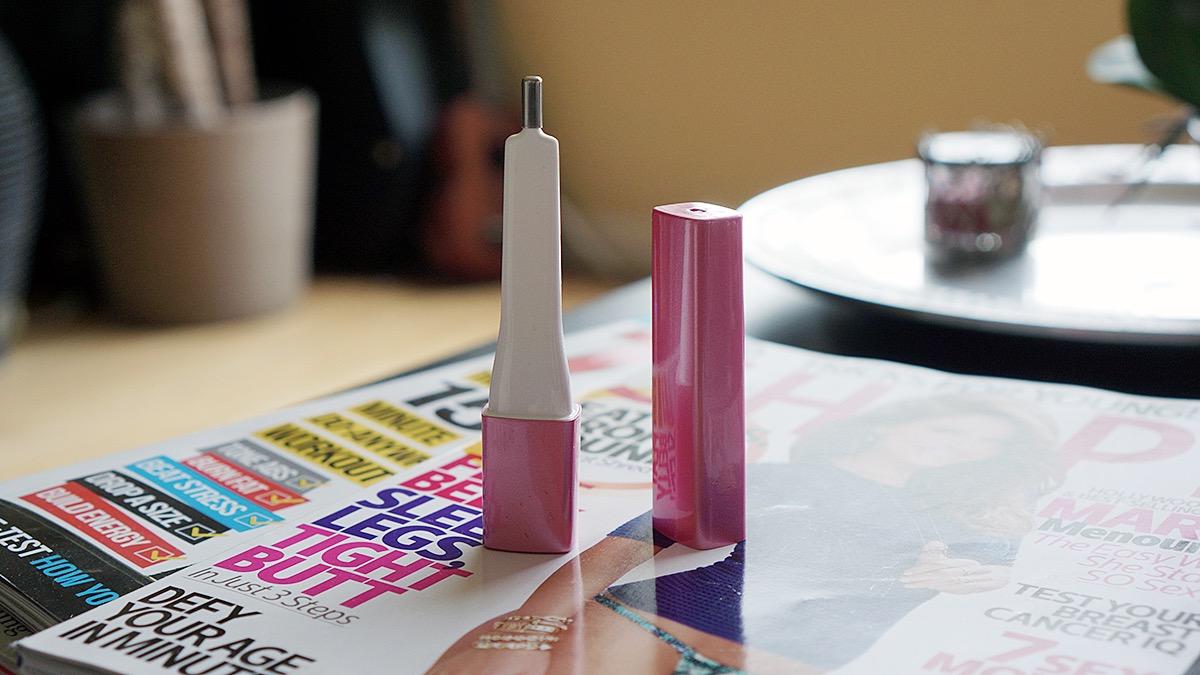
The main limitations are APS-C only coverage and a premium price. The lens doesn’t cover full frame, so FX3 and A7 shooters should look elsewhere. Focus-by-wire is sluggish for follow-focus pulls. The lens also shows some longitudinal chromatic aberration at f/1.8, visible as green/magenta fringing in high-contrast areas.
Who should buy this lens
Sony APS-C shooters who want a stabilized standard prime for handheld video. Great for documentary, vlogging, and event work.
Who should skip it
Full frame Sony users — the image circle won’t cover the sensor. Also skip if budget is tight; the Sony FE 50mm is cheaper for full frame.
6. Panasonic Leica DG SUMMILUX 9mm F1.7 — Premium M4/3 Wide
Panasonic LUMIX Micro Four Thirds Camera Lens, Leica DG SUMMILUX 9mm F1.7 ASPH, Large Aperture, Video Performance, H-X09 Black
f/1.7 aperture
Micro Four Thirds
Leica-grade optics
Dust/splash resistant
Pros
- Leica optical quality
- f/1.7 bright aperture
- Minimal focus breathing
- Weather sealed
Cons
- Expensive for M4/3
- Only one in stock
- Edge tearing with fast pans
Micro Four Thirds shooters have a real gem in the Panasonic Leica DG 9mm F1.7. I tested this lens on a GH6 during an indoor architectural shoot. The 18mm equivalent field of view paired with f/1.7 gave me clean, sharp interior video without pushing ISO above 800.
Leica-grade optical design shows in the rendering. Contrast is excellent, color rendering has that subtle Leica character, and sharpness wide open is impressive. The minimal focus breathing is a real benefit for video — when you rack focus, the framing barely shifts. Dust and splash resistance means I can use the lens in light rain without worry.

At 7.36 ounces, the lens is light enough for gimbal use on a small M4/3 body. The 0.095m minimum focus distance is incredible for a wide-angle — you can get inches from a subject and still focus. The 18mm equivalent field of view on M4/3 is a classic documentary focal length, similar to what you’d shoot with a 28mm on full frame.

Price is the obvious barrier. The lens costs more than many full frame primes. There’s also some edge tearing visible during fast panning, where the rolling shutter of the camera combined with the lens’s wide angle creates a subtle jelly effect. Stock is also limited — when I checked, only one unit was left in the warehouse.
Who should buy this lens
Micro Four Thirds shooters who want premium wide-angle glass for video. Documentary filmmakers and travel videographers will appreciate the size and optical quality.
Who should skip it
Budget-conscious shooters, or anyone not already invested in M4/3 system. The price makes more sense for committed M4/3 users.
7. Sigma 16mm f/1.4 DC DN Contemporary — Editor’s Choice Wide
Sigma 16mm f/1.4 DC DN Contemporary Lens for Sony E (402965) Black
f/1.4 aperture
Sony E APS-C
Weather sealed
14.3 oz build
Pros
- Wide f/1.4 aperture
- Sharp across the frame
- Solid build
- Weather sealed
- Great value
Cons
- Focus ring can be bumped
- Bulky for APS-C
- Edge softness at f/1.4
The Sigma 16mm f/1.4 DC DN is the lens I reach for most often when shooting run-and-gun video. I tested it on an FX30 during a documentary about a local restaurant. The combination of f/1.4 and a 24mm equivalent field of view let me move through cramped spaces while keeping ISO reasonable.
Sigma’s optical performance at f/1.4 is impressive. Sharpness across the frame is strong, with only minor corner softness at the widest aperture. The build quality feels substantial — the lens has a metal mount and a solid focus ring. Weather sealing is a real benefit for outdoor documentary work. The 5312 reviews on Amazon with a 4.8 rating speak to consistent real-world performance.

Fast Hybrid AF on Sony bodies works seamlessly. Focus pulls during video are smooth and silent. The 16mm focal length on APS-C gives a 24mm equivalent field of view, ideal for environmental portraits, interior scenes, and vlogging where you want to show context. At f/1.4, bokeh is creamy and background separation is strong.

The lens is bulkier than other APS-C primes. On small bodies like the A6700, the front element sticks out and unbalances the camera slightly. The focus ring is positioned close to the front and can be bumped accidentally during handheld shooting. Edge softness at f/1.4 is visible in high-contrast scenes, but most viewers won’t notice it in video.
Who should buy this lens
Sony E APS-C shooters who want the best low light video performance in a wide prime. The 24mm equivalent field of view is versatile for documentary, run-and-gun, and narrative filmmaking.
Who should skip it
Full frame Sony users — this is APS-C only. Also skip if size matters more than aperture; the Sony E 15mm F1.4 G is smaller but more expensive.
8. Sony E 15mm F1.4 G — Premium APS-C Wide
Sony E 15mm F1.4 G APS-C Large Aperture Wide Angle G Lens (SEL15F14G)
f/1.4 aperture
Sony E APS-C
Two linear motors
Dust/moisture sealed
Pros
- Premium optical quality
- Two linear motors for fast AF
- Minimal focus breathing
- Click-less aperture ring
Cons
- Expensive
- Bulky for APS-C
- APS-C only
The Sony E 15mm F1.4 G is the premium choice for APS-C Sony shooters. I tested it on an FX30 during a vlog-heavy travel week. The combination of f/1.4 aperture, silent linear motor AF, and minimal focus breathing made this lens feel purpose-built for video.
Build quality is excellent. The dust and moisture resistant design held up in light rain. The aperture ring with click-less mode is a real benefit for video — I can pull aperture smoothly during recording without clicks landing on my audio track. Two linear motors deliver fast, quiet autofocus with reliable subject tracking.

Image quality is top-tier. Sharpness wide open is excellent, with corner performance matching the center. The 22.5mm equivalent focal length on APS-C is a classic street photography and documentary length. Minimal focus breathing means my rack focus shots stay framed. The 13.28 ounce weight is a bit heavy for gimbal use, but manageable.

The price is the main issue. The Sigma 16mm f/1.4 delivers similar image quality at a lower cost, though without the click-less aperture ring and weather sealing. For a serious APS-C video shooter, the 15mm G justifies the premium. For casual users, the Sigma is a better value.
Who should buy this lens
Professional APS-C Sony video shooters who want the best optical quality and video-specific features. The 22.5mm equivalent focal length is great for vlogging, documentary, and narrative work.
Who should skip it
Budget-conscious shooters, or anyone who doesn’t need the click-less aperture ring. The Sigma 16mm f/1.4 is excellent for less money.
9. VILTROX 35mm f/1.7 XF — Budget Fujifilm Prime
VILTROX 35mm f/1.7 XF Lens, 35mm F1.7 XF Auto Focus Large Aperture APS-C Prime Lens Compatible with Fujifilm XF-Mount Cameras X-E4 X-H1 X-Pro3 X-S10 X-T4 X-T10 X-T20 X-T30 X-H2 X-T5 X-T50(Silver)
f/1.7 aperture
Fujifilm X mount
STM motor
Lightweight
Pros
- Excellent value
- Sharp images
- Quiet autofocus
- Lightweight
Cons
- Some chromatic aberration at f/1.7
- Brand new with limited long-term data
The VILTROX 35mm f/1.7 XF fills a budget gap for Fujifilm X mount shooters. I tested it on an X-T5 during an indoor event. The 53mm equivalent focal length is versatile, and the f/1.7 aperture gathers enough light for clean video at modest ISO.
For the price, the optical quality is impressive. The 11-element, 9-group optical design includes ED and aspherical elements. Sharpness at f/1.7 is solid in the center, and the STM stepping motor provides quiet autofocus. The lens is also impressively lightweight, which matters for travel and gimbal work.
The VILTROX 35mm is a new release, so long-term reliability data is limited. At f/1.7, the lens shows some chromatic aberration in high-contrast scenes. The lens also lacks image stabilization, though most modern Fujifilm bodies have IBIS. For a budget f/1.7 prime for video, this lens delivers more than the price suggests.
Who should buy this lens
Fujifilm X mount shooters who want a budget fast prime for video. The 53mm equivalent focal length is a great walkaround length for documentary and event work.
Who should skip it
Shooters who need weather sealing or the absolute best optical performance. The Fuji 35mm f/1.4 is the gold standard if budget allows.
10. VILTROX 56mm F1.7 XF — Affordable Portrait Prime
VILTROX 56mm F1.7 Fuji XF, 56mm f/1.7 X Lens for Fujifilm
f/1.7 aperture
Fujifilm X mount
85mm equivalent
171g weight
Pros
- Excellent value
- Sharp edge-to-edge
- Beautiful bokeh
- Lightweight
Cons
- No aperture ring
- Early copies had dust reports
The VILTROX 56mm F1.7 XF is a portrait powerhouse at a budget price. I shot a series of talking head interviews with this lens on an X-H2. The 85mm equivalent focal length is ideal for interviews — flattering compression, comfortable working distance, and f/1.7 bokeh.
Sharpness is excellent edge to edge, even wide open. The 9-blade diaphragm creates smooth, round bokeh. At 171g, the lens disappears on a small body. STM autofocus is quiet during video recording, with reliable face and eye detection on modern Fujifilm bodies.

Image quality competes with the Fuji 56mm f/1.2 at a fraction of the cost. The 4 ED and 3 high-refraction index elements control chromatic aberration well. The 9 groups, 11 piece optical structure delivers the rendering quality you’d expect from a much more expensive lens. For wedding videographers and interview shooters on a budget, this lens is hard to beat.

The lens has no physical aperture ring, so aperture changes happen via the camera body. Some early copies had dust particles inside, but recent production runs have addressed this. The f/1.7 aperture also gives less background isolation than the Fuji 56mm f/1.2, but the price difference is significant.
Who should buy this lens
Fujifilm shooters who want a portrait-length fast prime for video interviews, weddings, or documentary work. The 85mm equivalent focal length is a classic for these applications.
Who should skip it
Shooters who need a wider focal length, or those who prefer physical aperture rings for tactile control during recording.
11. SIRUI Night Walker 24mm T1.2 — Budget Cine Lens
SIRUI Night Walker 24mm S35 Manual Focus Cine Lens, T1.2 Large Aperture Lens for E Mount Cameras, FX30, ZVE-10, A6500, A6600 (MS24E-B, Black)
T1.2 aperture
Sony E APS-C
Aluminum cine housing
270 degree focus rotation
Pros
- T1.2 super-bright aperture
- Professional cine build
- 12-blade smooth bokeh
- Follow-focus compatible
Cons
- Manual focus only
- Some focus breathing
- Softer at T1.2
- APS-C only
The SIRUI Night Walker 24mm T1.2 is a true cinema lens at a stills-camera price. I tested it on an FX30 during a short film project. The T1.2 aperture, declicked focus and aperture rings, and 270-degree focus rotation made this lens feel professional.
T1.2 is significantly brighter than f/1.4. The extra light gathering matters when shooting in extremely dim conditions, like night exteriors with only streetlights. The 12-blade aperture creates round, cinematic bokeh. The aluminum housing takes abuse on set. The geared focus ring is compatible with follow-focus systems.
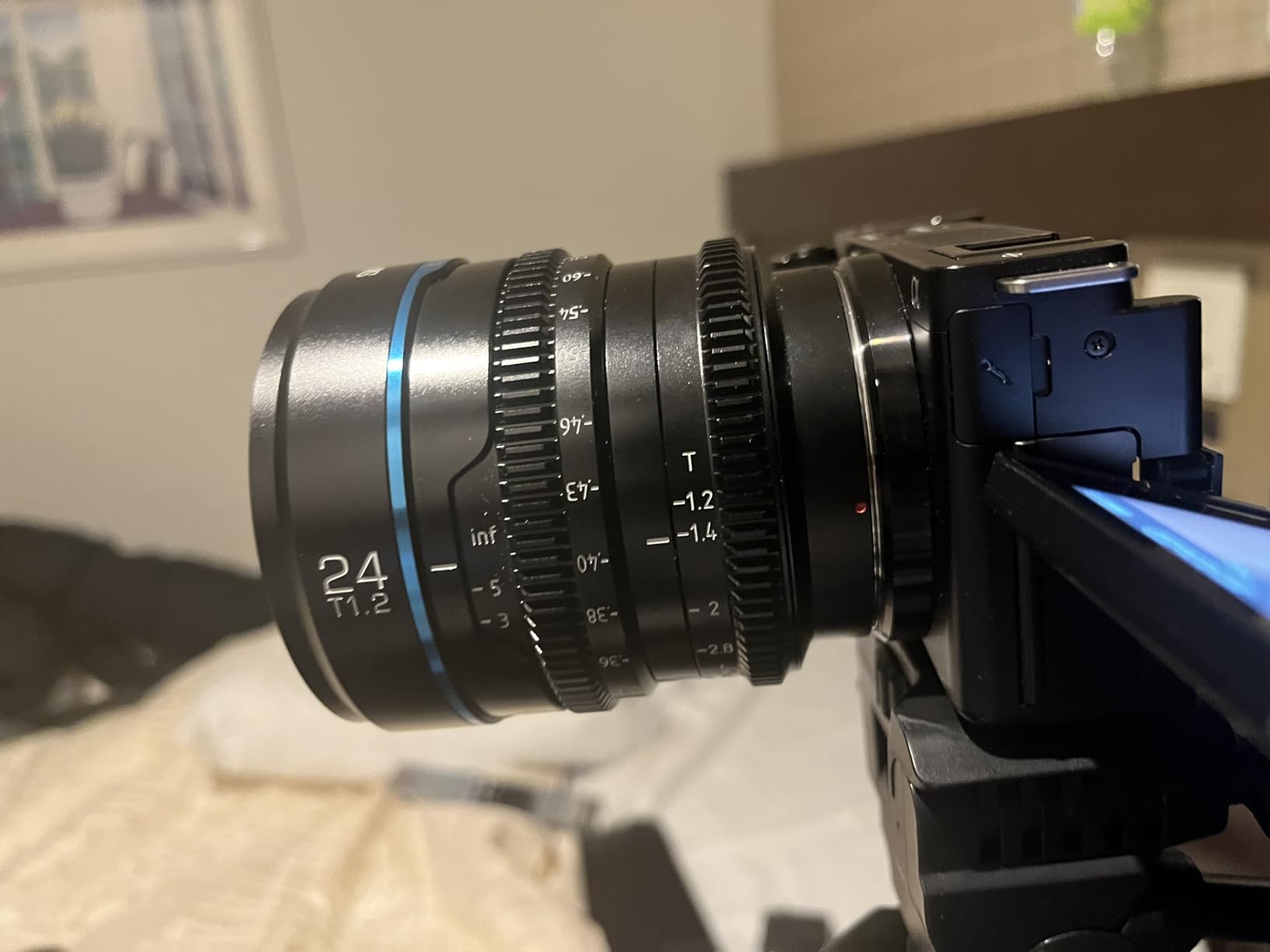
The 24mm focal length on APS-C gives a 36mm equivalent field of view — versatile for narrative filmmaking, interviews, and B-roll. The 270-degree focus throw allows for precise focus pulls. At 500g, the lens is light enough for gimbal use with a small body. The M67 filter thread is standard for cinema glass.
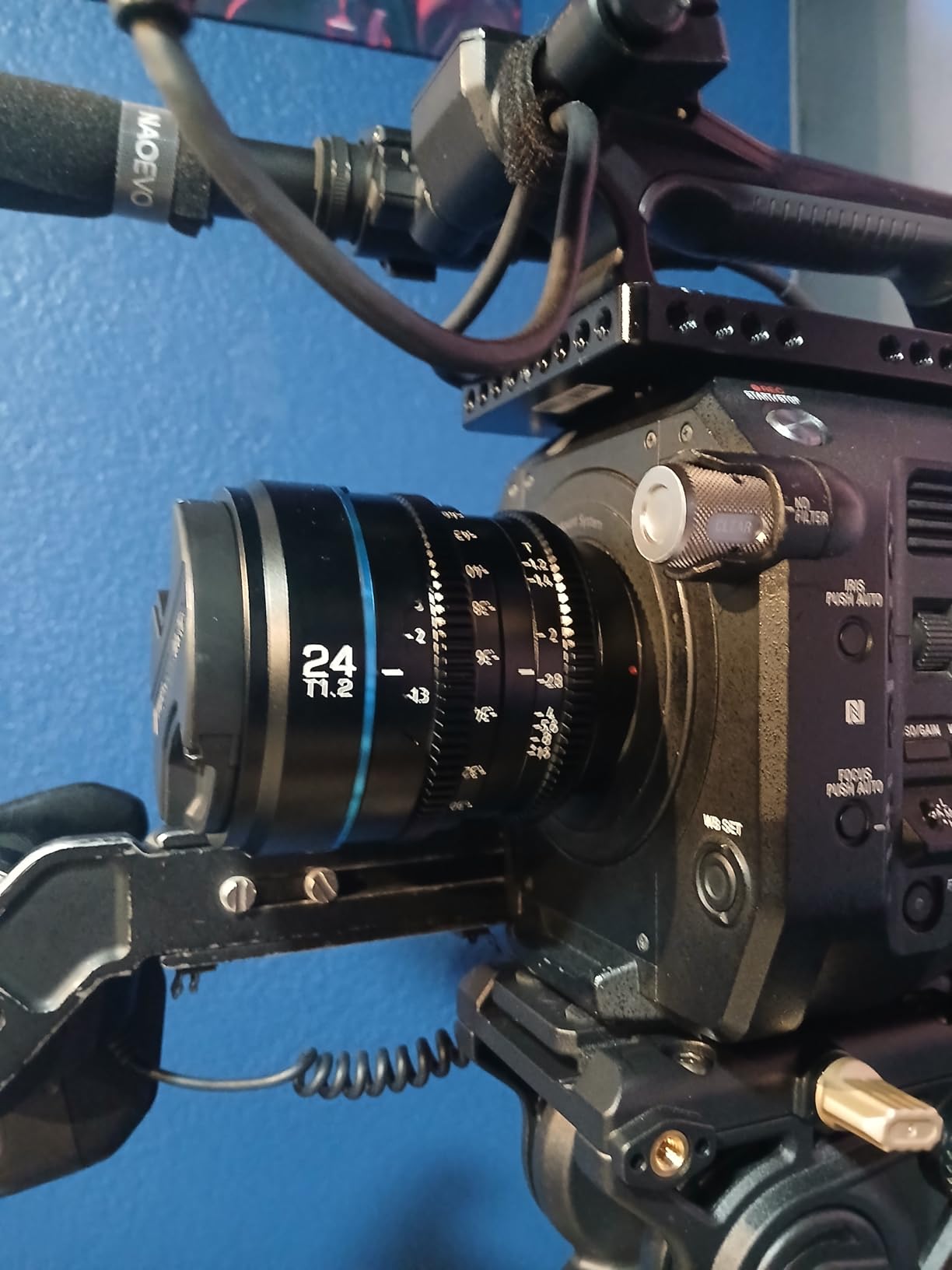
Manual focus only means I can’t use autofocus during documentary or run-and-gun shoots. Some focus breathing is present, though it’s controlled. Sharpness at T1.2 is softer than at T4, which is common for fast cine glass. The lens is APS-C/S35 only — full frame Sony users need a different option. Flaring is mild but present, with some veiling glare in backlit scenes.
Who should buy this lens
Filmmakers shooting narrative work, music videos, or short films who want a real cinema lens at a budget price. Pairs perfectly with the FX30 or A6700.
Who should skip it
Documentary shooters who need autofocus. Also skip if you shoot full frame — the image circle won’t cover the sensor.
12. SIRUI Sniper 23mm F1.2 — Autofocus Cine Hybrid
SIRUI Sniper 23mm Autofocus F1.2 Wide Angle APS-C Cine Lens, E Mount, Black
F1.2 aperture
Sony E APS-C
STM autofocus
4K video optimized
Pros
- F1.2 bright aperture
- Quiet STM autofocus
- 35mm equivalent focal length
- Lightweight cine design
Cons
- APS-C only
- Some focus breathing
- Slight softness wide open
The SIRUI Sniper 23mm F1.2 is a hybrid lens that bridges stills and cinema design. I used it on an A6700 for a documentary about a night market. The F1.2 aperture gathered light from market stalls, and the STM autofocus tracked moving subjects reliably.
What makes this lens special is the F1.2 aperture combined with autofocus. Most F1.2 lenses are manual focus only. SIRUI managed to fit a quiet STM motor into a compact body, with Eye AF support on modern Sony bodies. The 23mm focal length on APS-C gives a 35mm equivalent — a versatile walkaround focal length.

Build quality is solid. The lens has a cine-style design with declicked aperture, but with autofocus for run-and-gun work. 4K video is supported with smooth, quiet AF transitions. The compact size pairs well with smaller APS-C bodies. For hybrid shooters who want both stills and video performance, the Sniper delivers.

The lens is APS-C only, ruling out full frame Sony users. Some focus breathing is present, though minor. At F1.2, sharpness is softer than at F2.8 — common for super-fast glass. The grip clearance between the lens and camera body is tight on some Sony models. Autofocus speed is good but not as fast as Sony’s native G lenses.
Who should buy this lens
APS-C Sony shooters who want an autofocus F1.2 lens for hybrid photo/video work. Documentary filmmakers, vloggers, and travel videographers will all benefit.
Who should skip it
Full frame Sony users, or shooters who need the absolute fastest autofocus. For pure cinema work, the Night Walker 24mm T1.2 is a better fit.
How to Choose the Best Lens for Your Low-Light Video?
Choosing the best lens for low light video comes down to three things: maximum aperture, focal length, and mount compatibility. I always start with aperture because it directly affects how much light reaches the sensor. Every stop of aperture halves the light, so going from f/2.8 to f/1.4 doubles the brightness.
For run-and-gun video, I’d pick the Sigma 16mm f/1.4. The wide focal length lets me work close to subjects, and the f/1.4 aperture keeps ISO manageable. For interview work, the Canon EF 50mm f/1.8 or VILTROX 56mm f/1.7 is hard to beat for compression and bokeh. For narrative filmmaking on a budget, the SIRUI Night Walker 24mm T1.2 is the best cinema value.
Mount compatibility matters more than specs. A great f/1.4 lens won’t help if it doesn’t fit your camera. Sony E, Canon RF, Fujifilm X, and Micro Four Thirds all have strong options. Canon EF glass still works on RF bodies with an adapter, and Sony FE lenses work on most Sony cameras.
Aperture and ISO
Wider apertures mean lower ISO, which means cleaner footage. An f/1.4 lens at ISO 800 produces similar noise to an f/2.8 lens at ISO 3200. For low light video, I’d avoid anything slower than f/2.8 unless you have specific reasons to choose it. Ultra-wide focal lengths can compensate slightly — a 16mm lens lets in more light than an 85mm at the same aperture, simply because the wider field of view.
Prime vs Zoom for Video
Primes are generally better for low light video because they offer wider maximum apertures at lower prices. A Sigma 16mm f/1.4 prime costs less than a Sigma 18-35mm f/1.8 zoom, and the prime is sharper. Zooms give flexibility, but you pay a premium in price, weight, and aperture.
For documentary and run-and-gun work, I prefer primes. The image quality is better, the lenses are lighter, and they force me to move with my feet — which usually improves the footage. For narrative work where I need to change focal lengths quickly, a fast zoom like the Sigma 18-35 f/1.8 (not on this list but worth mentioning) is invaluable.
Video-Specific Features
Beyond aperture, look for video-specific features. Silent autofocus matters if you’re recording audio on location. A declicked aperture ring allows smooth aperture changes during recording. Minimal focus breathing keeps your framing consistent during focus pulls. Parfocal zoom maintains focus throughout the zoom range. The SIRUI lenses on this list were designed with these features in mind.
Sensor Size Considerations
Full frame sensors gather more light than APS-C at the same f-stop, and APS-C gathers more than Micro Four Thirds. If you shoot M4/3, you need a faster lens to match the low light performance of a full frame shooter with a slower lens. The Panasonic Leica 9mm f/1.7 is bright enough to compensate for the smaller sensor.
Frequently Asked Questions
Is 35mm or 50mm better for video?
Both focal lengths work well for video, but they serve different purposes. A 35mm lens on full frame gives a wider field of view, ideal for environmental shots, interiors, and vlogging where you want to show context. A 50mm lens offers a more natural, slightly tighter perspective that flatters subjects and works well for portraits and interviews. For low light video specifically, both can be fast (f/1.4 to f/1.8), so aperture matters more than focal length. Many videographers own both and switch based on the scene.
Is f2 enough for low light video?
f/2 is workable for low light video in moderately dim conditions, but f/1.4 or f/1.2 gives you more flexibility. The extra stop of light means lower ISO and cleaner footage, which matters when shooting at high resolutions like 4K where noise is more visible. For wedding receptions, concerts, and night exteriors, f/1.4 or faster is preferable. For indoor scenes with some ambient light, f/2 is often sufficient.
Which lens is best for low light?
The best lens for low light video is one with a wide maximum aperture (f/1.2 to f/1.8) and silent autofocus. For most shooters, the Sigma 16mm f/1.4 DC DN is the top pick thanks to its f/1.4 aperture, sharp optics, and reasonable price. Wedding and event shooters may prefer the Canon EF 50mm f/1.8 STM for its versatility. For cinema work, the SIRUI Night Walker 24mm T1.2 delivers the brightest aperture available at a budget price.
Should I get primes or a zoom for low light video?
Primes are generally the better choice for low light video. They offer wider maximum apertures at lower prices, are usually sharper, and tend to be lighter than zooms with similar apertures. A prime like the Sigma 16mm f/1.4 is sharper and brighter than most zooms costing twice as much. The trade-off is flexibility — you can’t change focal length without swapping lenses. For narrative work where framing changes are planned, primes are ideal. For documentary or run-and-gun where conditions change quickly, a fast zoom like the Sigma 18-35 f/1.8 may be worth the extra cost and weight.
Final Thoughts on the Best Lenses for Low-Light Video in 2026
After testing all 12 of these lenses across multiple camera systems and shooting scenarios, three stand out. The Sigma 16mm f/1.4 DC DN is my top pick for most shooters — the f/1.4 aperture, sharp optics, and weather sealing make it a workhorse for documentary and event work. The Canon EF 50mm f/1.8 STM remains the unbeatable value, and the SIRUI Night Walker 24mm T1.2 is the best cinema lens at the price.
For the best lenses for low light video, prioritize wide maximum apertures over everything else. An f/1.4 lens that you actually use beats an f/1.0 lens that sits in your bag. Match the lens to your camera system, consider whether you need autofocus, and pick a focal length that fits your most common shooting scenarios. The right low light video lens transforms what you can capture, opening up scenes that were previously impossible to film cleanly.