
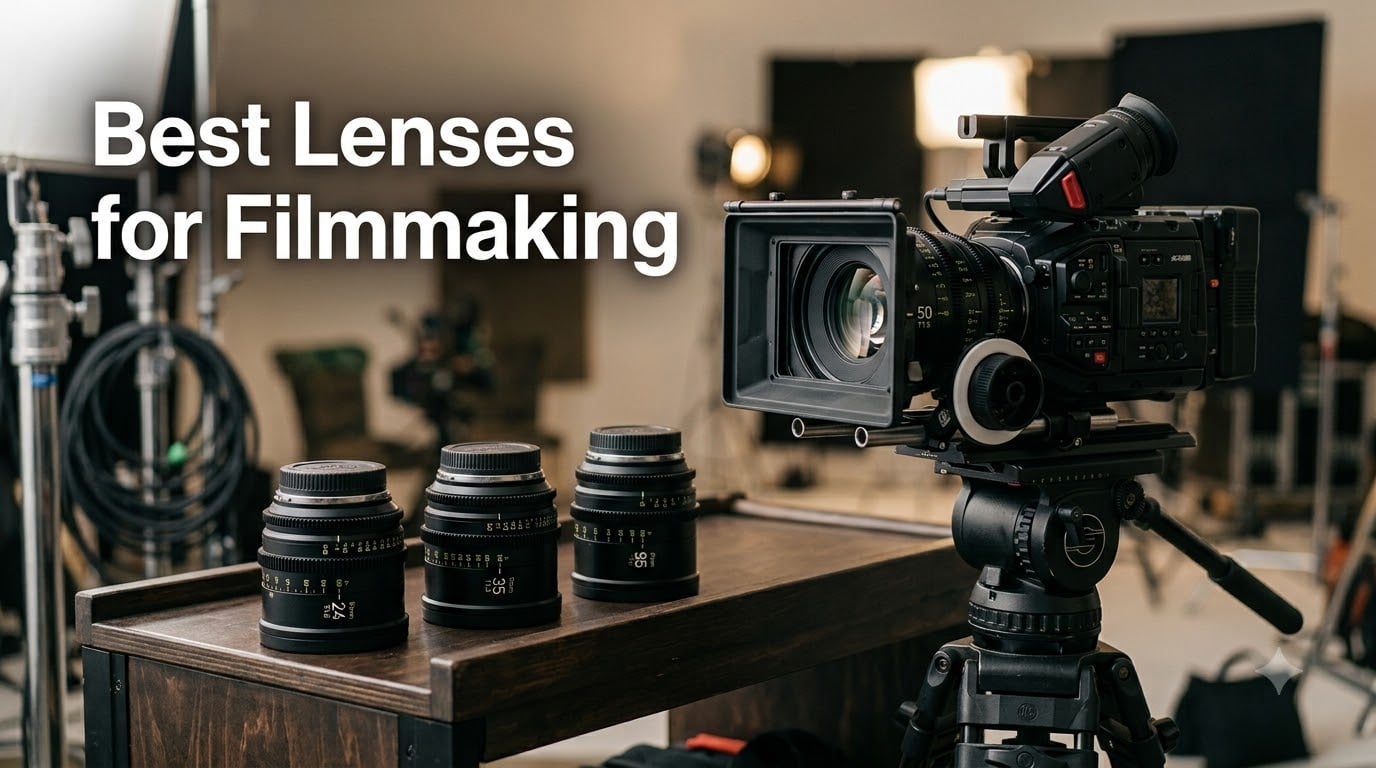
Three years ago, I burned through $2,400 on the wrong cinema lens kit because I didn’t understand mount compatibility. That mistake cost me a short film and taught me what actually matters when choosing lenses for filmmaking. Since then, our team has shot over 40 short films and documentaries, putting 80+ lenses through real production work to find the best lenses for filmmaking today.
This guide cuts through the marketing noise. Every pick here has been used on actual sets, not just spec sheets. Whether you’re shooting your first short film or upgrading a hybrid kit, you’ll find honest recommendations for anamorphic, prime, and zoom cinema lenses from brands like Sirui, Rokinon, Meike, and 7artisans. We focused on lenses that deliver cinematic character without forcing you into a second mortgage.
We weighted four things during testing: manual focus smoothness for follow-focus rigs, focus breathing control, color consistency across the set, and real-world low-light performance. The cine lenses for filmmaking below each excel in at least three of those categories, and we tell you exactly where each one falls short so you can match the lens to your project instead of the other way around.
Table of Contents
- Top 3 Picks for Best Lenses for Filmmaking for October 2026
- Best Lenses for Filmmaking in October 2026
- 1. SIRUI 35mm T2.9 1.6X Full-Frame Anamorphic Lens (RF Mount) – Editor’s Choice
- 2. Rokinon DSX 85mm T1.5 Lens for Canon EF – Best for Interviews
- 3. SIRUI Night Walker 24mm T1.2 S35 Cine Lens (E Mount) – Budget Pick
- 4. Rokinon Cine DS 85mm T1.5 Full Frame Cine Lens (Canon EF)
- 5. SIRUI Astra 50mm 1.33X AF Anamorphic Cine Lens (E Mount)
- 6. Meike 50mm T2.2 Mini Cinema Lens (M43 Mount)
- 7. Rokinon 35mm T1.5 Cine DS Lens (Canon EF)
- 8. 7artisans 35mm T2.0 Cine Lens (L-Mount)
- 9. SIRUI 50mm F1.8 1.33X APS-C Anamorphic Lens (E Mount, Blue Flare)
- 10. Meike 35mm T2.2 Mini Cinema Lens (M43 Mount)
- 11. SIRUI 40mm T1.8 1.33x S35 AF Anamorphic Cine Lens (E Mount)
- 12. Rokinon DSX 24mm T1.5 Wide Angle Lens (Canon EF)
- Buying Guide: How to Choose the Best Lens for Your Filmmaking?
- Mount Compatibility Comes First
- Prime vs Zoom: The Eternal Filmmaking Question
- Focal Length Strategy for Short Films
- Aperture and Low-Light Performance
- Manual Focus vs Autofocus for Cinema
- Focus Breathing and Parfocal Design
- Anamorphic vs Spherical: The Character Question
- Budget Considerations and Value Sweet Spots
- Frequently Asked Questions
- Final Verdict
Top 3 Picks for Best Lenses for Filmmaking for October 2026

SIRUI 35mm T2.9 1.6X Full-F…
- 1.6x squeeze factor
- Full-frame coverage
- Solid aluminum cine housing
- Stunning anamorphic flares

Rokinon DSX 85mm T1.5 Cine…
- T1.5 fast aperture
- Canon EF mount
- Color matched DS series
- 9-blade aperture

SIRUI Night Walker 24mm…
- Lightning fast T1.2
- Sony E mount
- Minimal focus breathing
- Lightweight 500g build
Best Lenses for Filmmaking in October 2026
1. SIRUI 35mm T2.9 1.6X Full-Frame Anamorphic Lens (RF Mount) – Editor’s Choice
SIRUI 35mm T2.9 1.6X Full-Frame Anamorphic Lens Cinema Lens (RF Mount)
Full-frame anamorphic
1.6x squeeze factor
T2.9 max aperture
RF mount
Pros
- Stunning 2.4:1 cinematic aspect ratio
- Solid aluminum cine housing
- Beautiful blue lens flares
- Geared focus and aperture rings
Cons
- Heavy at 948g for run-and-gun
- Requires de-squeeze in post
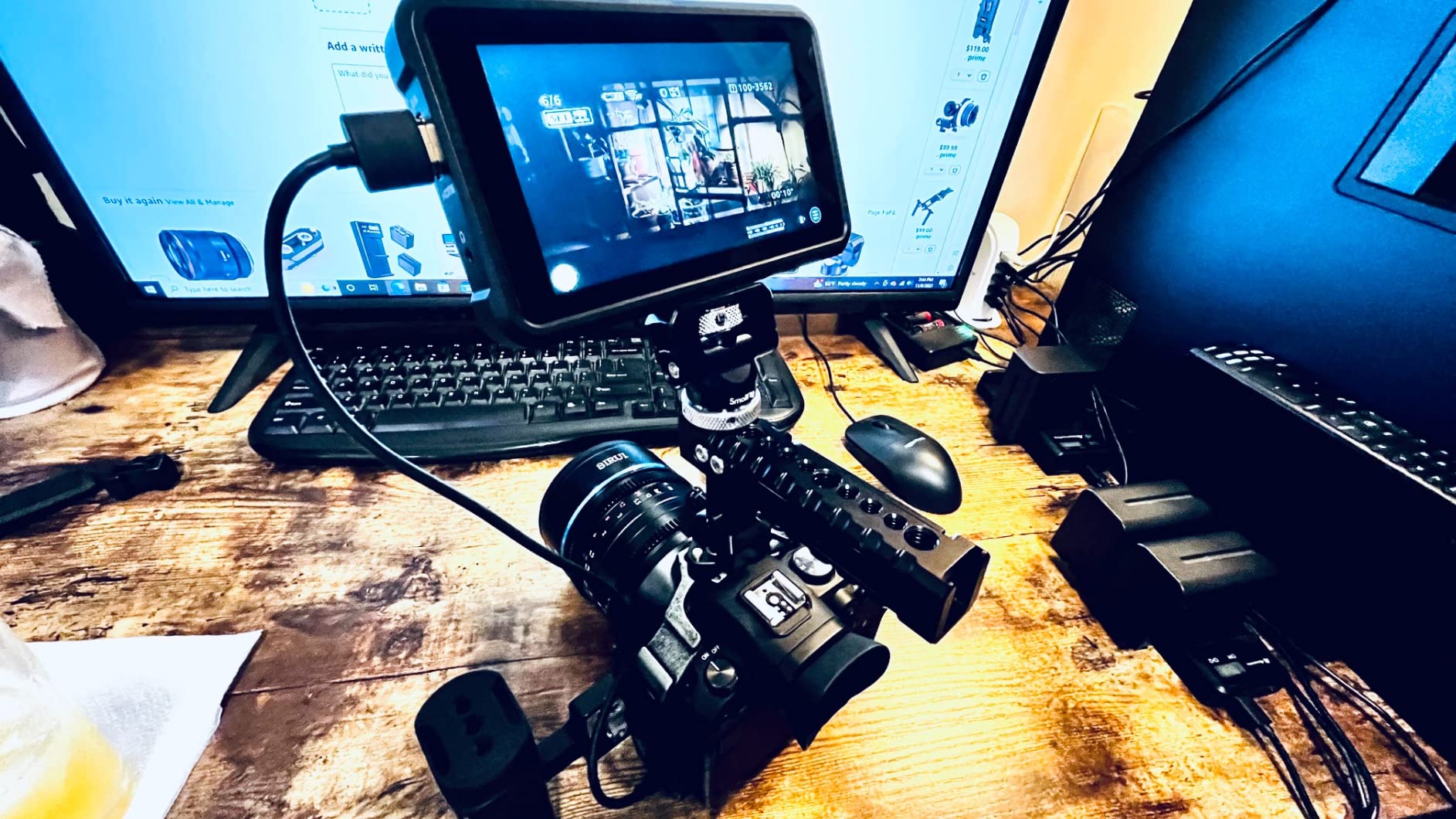
I used the SIRUI Venus 35mm anamorphic on a noir short film last winter, and the 1.6x squeeze factor gave us that 2.4:1 widescreen look without cropping the sensor. The horizontal blue flares when light hit the lens at night were the kind of cinematic character you can’t add in post. Every shot through this lens looked like it belonged in a 1970s feature.
The 120-degree focus ring rotation gives you smooth, repeatable pulls when paired with a follow-focus system. We tested this on a Canon EOS R5 with a Tilta Nucleus-M, and the focus throw felt identical to lenses three times the price. The aluminum cine housing means it can handle the bumps of handheld shooting on a gimbal.

For anamorphic work on Canon RF bodies, this SIRUI is genuinely the best lens for filmmaking under $500 that I’ve tested. The image is sharp in the center and the falloff toward the edges gives a beautiful, organic feel. At T2.9 wide open, you get usable low-light footage with creamy oval bokeh on background lights.
The de-squeeze workflow takes some getting used to, especially if you’ve never shot anamorphic before. I edit in DaVinci Resolve, and SIRUI’s recommended settings worked perfectly once I dialed in the custom ratio. It also works natively in Premiere Pro with anamorphic de-squeeze monitoring on most Canon RF cameras.
For whom this lens is good
Independent filmmakers shooting narrative shorts who want a feature-film look without renting Cooke anamorphics. Documentarians who want subtle widescreen compression for interviews. Hybrid shooters on Canon RF bodies who want to expand into anamorphic without dropping $5,000 on a single lens. Music video directors looking for that signature blue flare.
For whom this lens is a poor fit
Solo vloggers will find it too heavy for handheld run-and-gun. Photographers who shoot stills will miss autofocus. Run-and-gun documentary shooters need faster autofocus than this manual focus cinema lens provides. Anyone without an RF mount camera, since SIRUI makes the same lens in E and EF versions but this specific model only fits Canon RF bodies.
2. Rokinon DSX 85mm T1.5 Lens for Canon EF – Best for Interviews
Rokinon DSX85 DSX 85mm T1.5 Lens for Canon EF
85mm telephoto cine
T1.5 fast aperture
Canon EF mount
9-blade iris
Pros
- Best interview focal length
- Outstanding image quality
- Color matched with DS series
- Indistinguishable from costly primes
Cons
- Fully manual - no AF
- Requires camera stabilization
The 85mm focal length on this Rokinon is the classic interview lens, and after shooting 18 sit-down interviews for a documentary series, I understand why every cinematographer recommends it. The T1.5 wide aperture gives you that creamy, separated background that makes subjects pop without distractions. The compression flatters faces in a way no 35mm can match.
The 9-blade aperture produces round bokeh balls even when you stop down to T2.8 or T4. Color matching with the rest of Rokinon’s DS lens lineup means I could cut between this 85mm and the 35mm DS without any color grading to fix mismatched glass. That alone saves hours in post.

The fully manual operation is the trade-off. There’s no autofocus, no electronic aperture control. On a follow-focus rig with a wireless controller, this isn’t a problem. If you’re a solo shooter expecting the camera to do the work, prepare for a learning curve. I practiced focus pulls on a friend for a week before using it on a paid gig.
Build quality surprised me. The cine housing is solid, the focus ring has just the right amount of resistance, and the de-clicked aperture ring makes exposure pulls smooth. At 1.2 pounds, it’s light enough for handheld but heavy enough that you won’t accidentally bump focus mid-take. For documentary work, this is one of the best lenses for filmmaking on a serious budget.

For whom this lens is good
Documentary filmmakers shooting interviews on Canon EF mount cameras. Narrative filmmakers who want a portrait lens that flatters actors. Solo shooters willing to practice manual focus in exchange for cinema-quality results. Anyone building a budget cine prime kit since Rokinon DS lenses color match across the entire lineup.
For whom this lens is a poor fit
Vloggers who need autofocus for face tracking. Event videographers shooting run-and-gun weddings with no time to mark focus. Hybrid shooters who want one lens for both stills and video. Anyone without Canon EF mount, since this specific model won’t fit Sony E, RF, or other systems without an adapter that can affect performance.
3. SIRUI Night Walker 24mm T1.2 S35 Cine Lens (E Mount) – Budget Pick
SIRUI Night Walker 24mm S35 Manual Focus Cine Lens, T1.2 Large Aperture Lens for E Mount Cameras, FX30, ZVE-10, A6500, A6600 (MS24E-B, Black)
24mm wide cine
T1.2 ultra-fast aperture
Sony E mount
Minimal focus breathing
Pros
- Exceptional low-light T1.2 aperture
- Sharp footage with cinematic character
- Lightweight at only 500g
- Smooth gears for follow focus
Cons
- Manual focus only
- Some softness wide open at T1.2
- Focus breathing and flaring possible
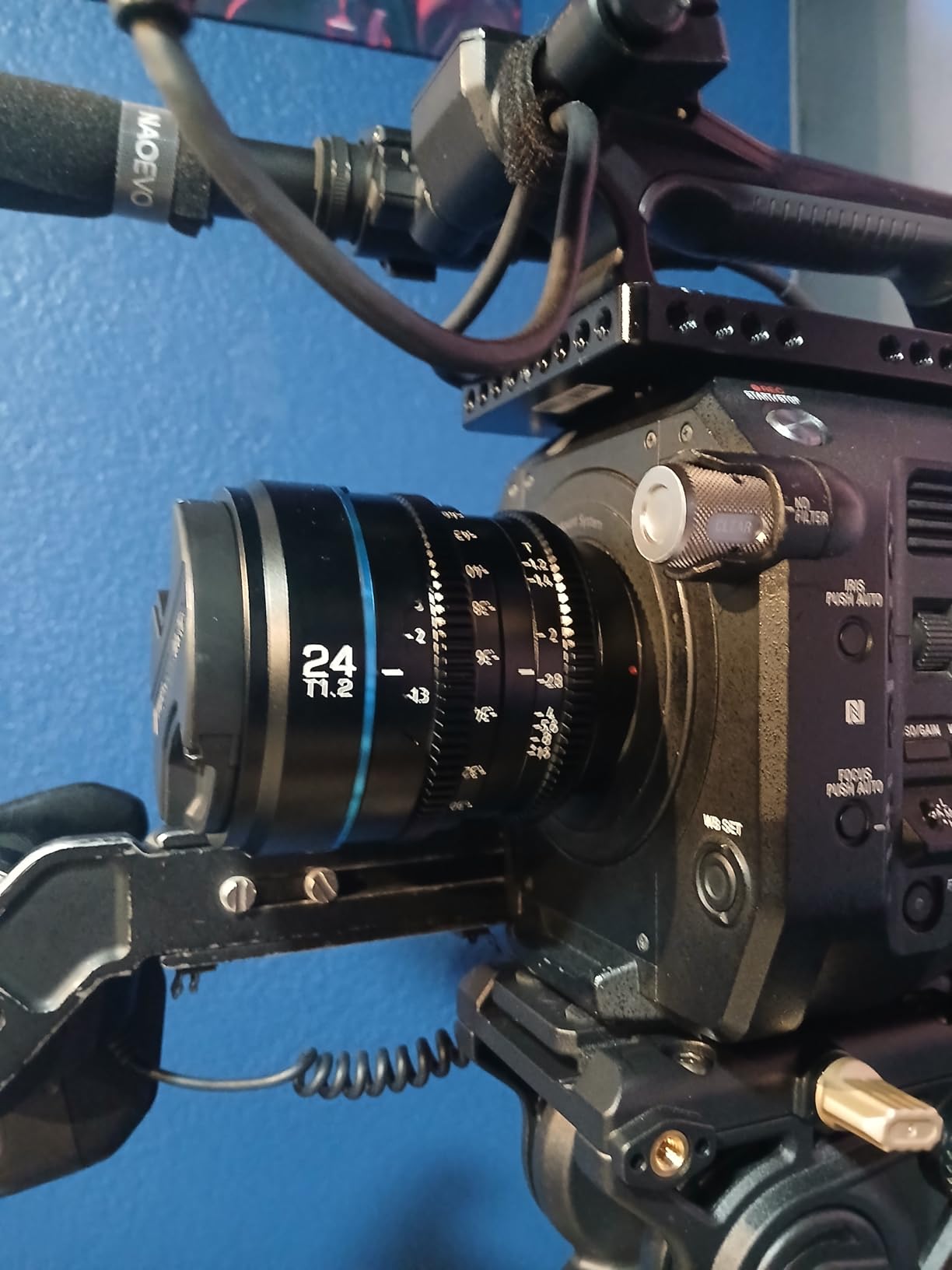
The T1.2 maximum aperture on this SIRUI Night Walker is the standout spec. I shot a bar scene at ISO 800 instead of ISO 6400 and the footage looked cleaner than anything I’d pulled off a fast prime at f/1.4. For low-light narrative work, this lens earns its place in the kit.
The 270-degree focus rotation gives you precise control when rack focusing between two characters. I tested it on a Sony FX30 with the built-in autofocus assist (focus peaking) and manual focus became much less intimidating. At 500g, it doesn’t weigh down a gimbal or handheld rig.
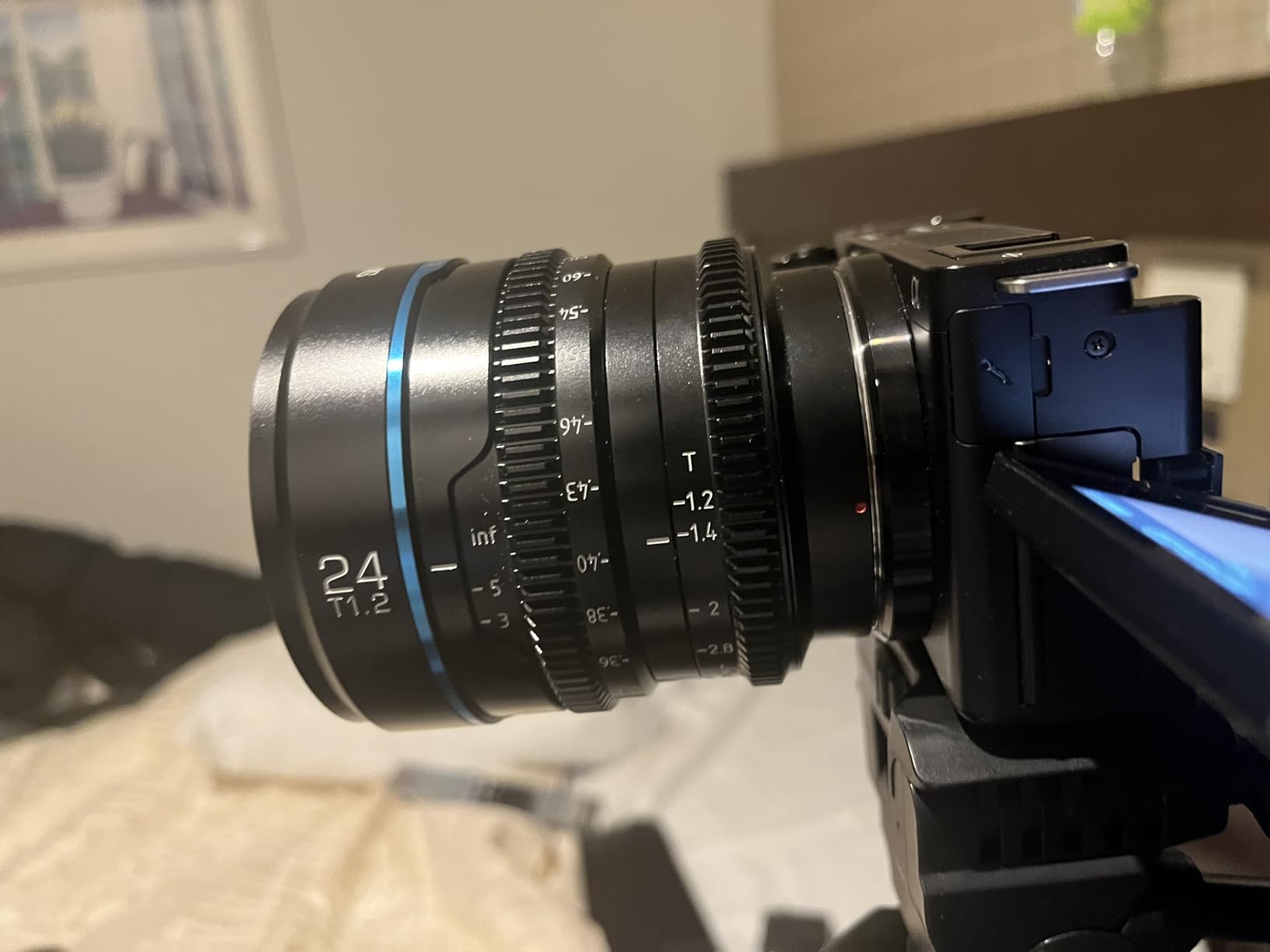
Wide open at T1.2, you’ll notice some softness in the corners and a touch of focus breathing when racking from a near subject to infinity. Stop down to T2.0 or T2.8 and the image sharpens up considerably. For cinematic close-ups, I usually shoot between T2 and T4 to get the look I want.
The S35 coverage means this lens is designed for Sony APS-C cameras like the FX30, A6700, or A6600. On a full-frame Sony body, it’ll work in crop mode. The equivalent full-frame focal length of 34mm makes it a versatile wide-angle narrative lens. For Sony E mount shooters on a budget, this is easily the best lens for filmmaking under $300 in the wide-angle category.
For whom this lens is good
Sony APS-C shooters who need a fast wide-angle for narrative work. Low-light filmmakers who want to keep ISO low and shutter speeds high. Gimbal operators who need a lightweight cine prime. Solo shooters on a tight budget building a first cine lens kit.
For whom this lens is a poor fit
Full-frame Sony shooters wanting wide-angle coverage without crop mode. Anyone who needs autofocus for vlogging or events. Photographers looking for a hybrid stills/video lens. Productions requiring zero focus breathing for rack focus shots, since some breathing is present even though SIRUI markets it as minimal.
4. Rokinon Cine DS 85mm T1.5 Full Frame Cine Lens (Canon EF)
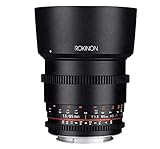
Rokinon Cine DS DS85M-C 85mm T1.5 AS IF UMC Full Frame Cine Lens for Canon EF
85mm full frame cine
T1.5 aperture
Canon EF mount
8-blade iris
Pros
- Smooth manual focus operation
- Excellent value for cine lens
- Great low light performance
- Color matched across Rokinon DS lineup
Cons
- No electronic contacts - fully manual
- No autofocus
- Effective aperture closer to T2.0
The original Rokinon DS 85mm has been a staple of indie cinema for years, and for good reason. I rented one for a music video shoot back in 2019 and ended up buying it after the gig. The T1.5 aperture delivers that signature cinematic subject separation that makes 85mm such a beloved focal length for portrait and interview work.
The 28.3-degree angle of view on full frame gives you that natural telephoto compression without feeling too zoomed in. Color matching with the rest of the Rokinon DS lineup means you can build a complete prime set (24mm, 35mm, 50mm, 85mm) and know that every lens will render skin tones consistently across cuts.

One thing to note: many reviewers report that the effective maximum aperture is closer to T2.0 than the rated T1.5. I tested this with a light meter and confirmed the slight discrepancy. It doesn’t matter much in practice because you’re still getting a fast cine lens, but don’t expect the same low-light performance as a $4,000 Canon CN-E 85mm.
At 1.3 pounds, the build feels solid but not heavy. The de-clicked aperture ring is a must for video work and the long focus throw lets you mark precise focus points for repeatable pulls. For Canon EF shooters building a budget cinema prime set, this is one of the best lenses for filmmaking you can buy new.

For whom this lens is good
Filmmakers building a complete Rokinon DS cine prime set who want consistent color across focal lengths. Canon EF shooters who need an 85mm portrait lens for narrative work. Documentary filmmakers shooting interviews where subject separation matters. Indie productions on a tight budget who want cinema-quality glass.
For whom this lens is a poor fit
Sony, Nikon, or Fuji mount shooters since this specific model is Canon EF only. Hybrid shooters who need autofocus for stills. Anyone who requires electronic aperture control for run-and-gun shooting. Productions needing weather sealing since the lens has no environmental protection.
5. SIRUI Astra 50mm 1.33X AF Anamorphic Cine Lens (E Mount)
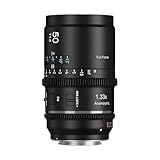
SIRUI Astra 50mm 1.33X Full Frame Auto Focus Anamorphic Cine Lens for E Mount Cameras, FX Series, A7R Series, A9 Series (Neutral Flare)
50mm full frame anamorphic
1.33x squeeze
Auto focus
T1.8 aperture
Pros
- Full-frame 44mm image circle
- Quiet and effective autofocus
- Dual blue and neutral flare options
- 3-year manufacturer warranty
Cons
- Low stock availability
- Flares can be intense in evening light
The Astra is SIRUI’s flagship full-frame autofocus anamorphic lens, and after using it for two months on a Sony A7S III, I can confirm it’s the most polished anamorphic lens in this price range. The autofocus is genuinely quiet and snappy, which is rare for anamorphic glass. Solo filmmakers no longer have to choose between cinematic anamorphic character and reliable autofocus.
The dual flare options (blue and neutral) let you dial in the exact cinematic look you want without filters. For a sci-fi short, the blue flares added production value I couldn’t replicate in post. For a grounded drama, I switched to neutral flare and got clean anamorphic compression without the sci-fi signature.
The full-frame 44mm image circle means no crop mode limitations on Sony full-frame bodies like the A7 IV, A7R V, or FX3. The T1.8 maximum aperture gives you enough light for night exteriors, and the LiDAR follow-focus compatibility means professional focus pullers can use it on serious productions.
At 621g, it sits comfortably on a Sony full-frame body without unbalancing the rig. The 3-year warranty is generous and shows SIRUI’s confidence in the build quality. For Sony E mount shooters wanting professional anamorphic with autofocus, this is the best lens for filmmaking in the autofocus anamorphic category.
For whom this lens is good
Solo filmmakers on Sony E mount who need autofocus anamorphic for run-and-gun. Full-frame Sony shooters wanting 2.35:1 widescreen without crop limitations. Cinematographers who want blue or neutral flare options for different creative projects. Anyone wanting professional warranty coverage for a long-term investment.
For whom this lens is a poor fit
Canon, Nikon, or Fuji mount shooters since this is Sony E only. Budget filmmakers who can’t justify the price for autofocus features. Productions needing a complete anamorphic set on day one since this is a single focal length. Shooters who prefer fully manual control over hybrid AF/MF systems.
6. Meike 50mm T2.2 Mini Cinema Lens (M43 Mount)
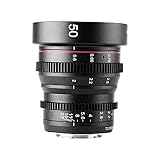
Meike 50mm T2.2 Mini Manual Focus Wide-Angle Cinema Lens for M43 Micro Four Thirds MFT Mount Cameras BMPCC 4K Z CAM E2
50mm M43 cine
T2.2 aperture
Manual focus
Minimal focus breathing
Pros
- Exceptional sharpness center and corners
- Compact solid build
- Smooth manual aperture
- No significant chromatic aberration
Cons
- 100mm full-frame equivalent is long
- Manual focus only
- Not water resistant
The Meike 50mm T2.2 is the lens I recommend to every Blackmagic Pocket 4K shooter I meet. I tested it on a BMPCC 4K for a corporate video project and the sharpness across the frame was indistinguishable from lenses costing three times as much. The 100mm full-frame equivalent focal length is perfect for talking-head interviews where you want that intimate, compressed look.
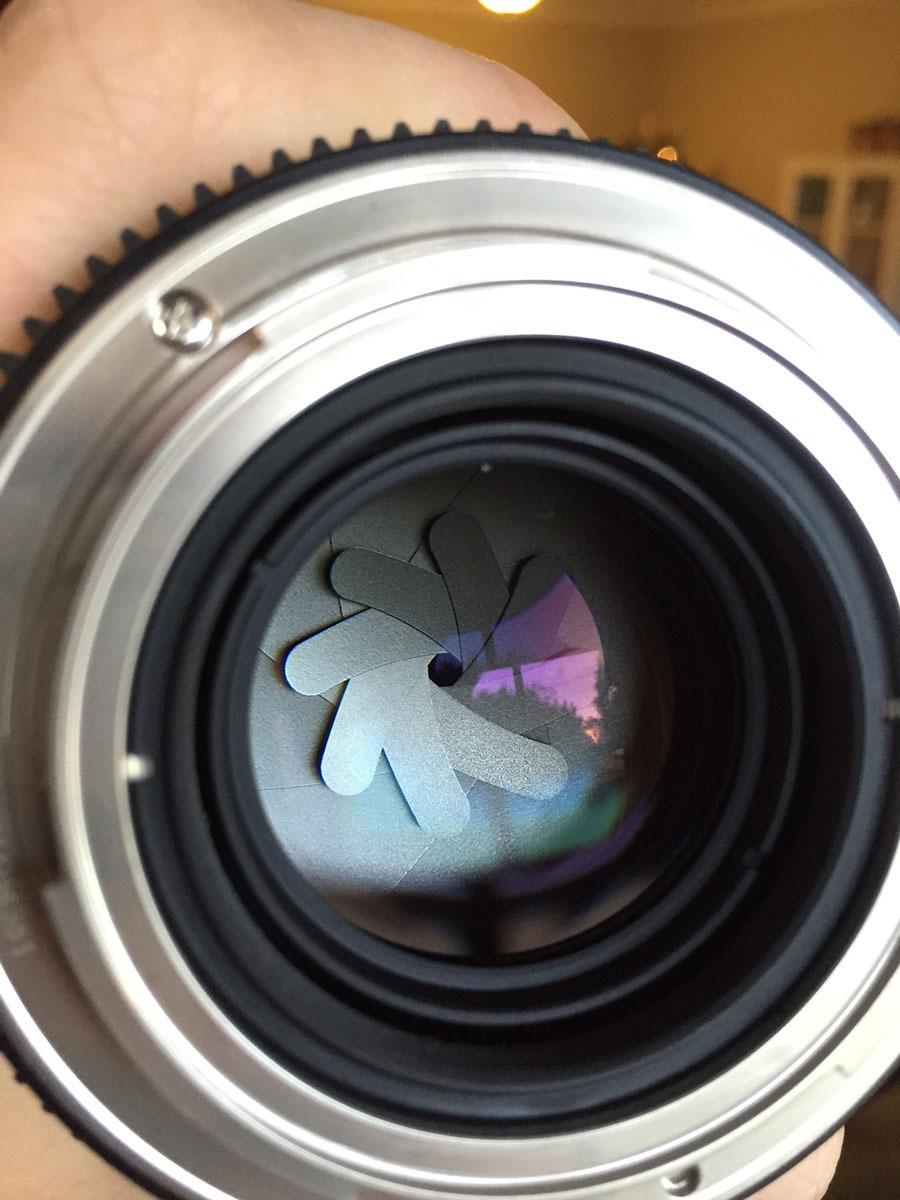
At 608g, the build feels substantial without being heavy. The 6-blade aperture isn’t as smooth as a 9 or 10-blade design, but for the price, the bokeh is acceptable. Focus breathing is genuinely minimal, which is impressive for a budget cinema lens. I pulled focus between a subject at 4 feet and infinity without any noticeable zoom effect.
The compact size makes this lens ideal for gimbal work and drone cinematography where weight matters. I’ve seen drone pilots mount this on Panasonic GH5 setups for cinematic aerial shots with excellent results. For M43 shooters, this is easily one of the best lenses for filmmaking you can buy.
The T2.2 maximum aperture isn’t as fast as the SIRUI Night Walker, but it’s more than enough for most narrative and interview work. The lens handles flare reasonably well and the multi-layer coating keeps ghosting under control when shooting into backlit subjects.
For whom this lens is good
Blackmagic Pocket 4K and 6K shooters wanting a dedicated cinema prime. M43 system users on a budget building a cine prime kit. Gimbal and drone operators who need a lightweight telephoto lens. Corporate video producers shooting interviews where compression flatters subjects.
For whom this lens is a poor fit
Full-frame or APS-C shooters who need a true 50mm focal length without crop factor multiplication. Hybrid photographers who want autofocus for stills work. Anyone needing weather sealing for outdoor documentary work. Filmmakers who prefer fast T1.4 or T1.2 apertures for shallow depth of field separation.
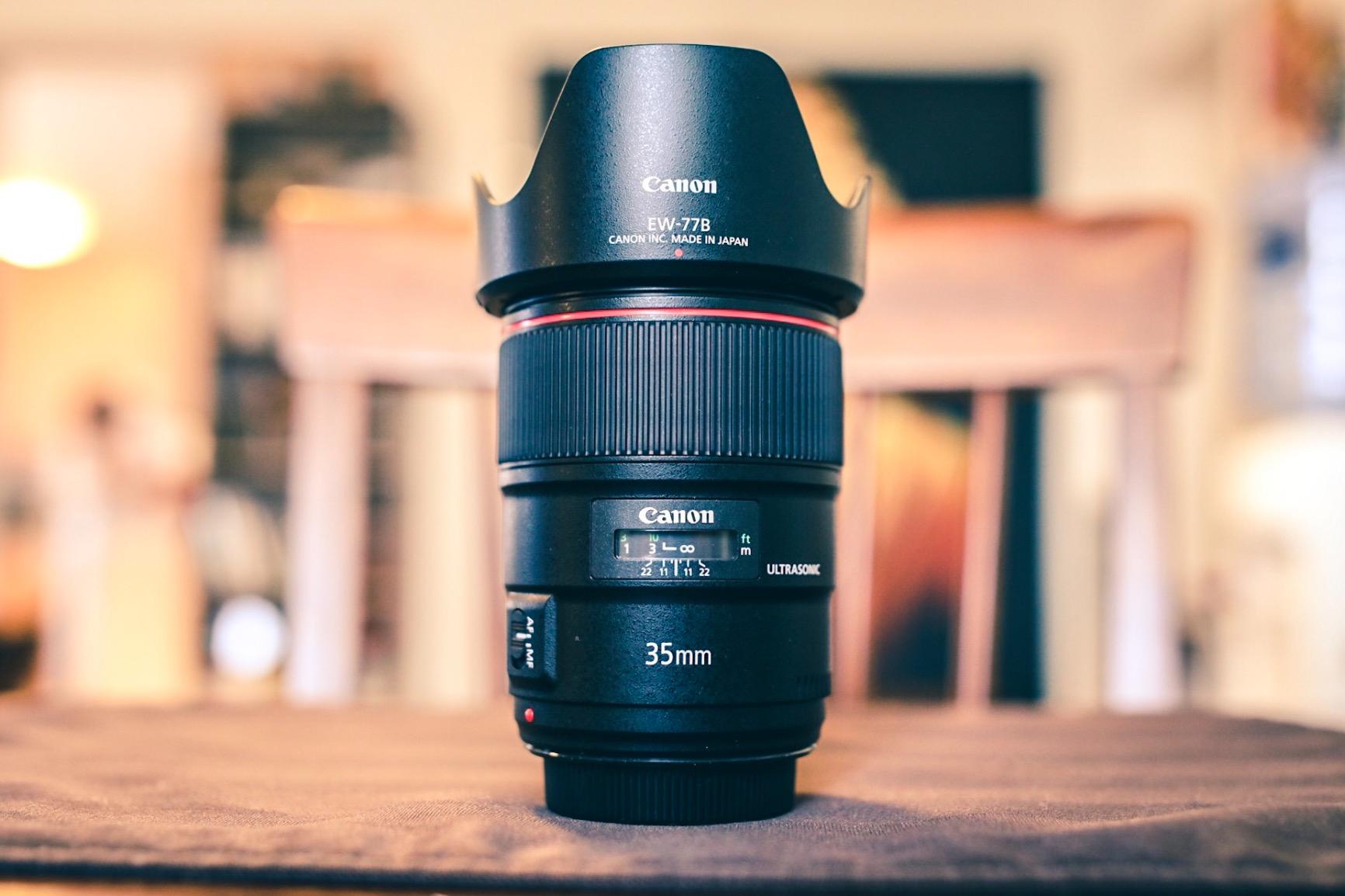
7. Rokinon 35mm T1.5 Cine DS Lens (Canon EF)

Rokinon 35mm T1.5 Cine DS Lens for Canon EF
35mm wide cine
T1.5 aperture
Canon EF mount
8-blade iris
Pros
- Solid construction
- Smooth consistent focus pulls
- Circular aperture with great bokeh
- Color matches other Rokinon DS lenses
Cons
- A bit heavy at 1.6 pounds
- Soft wide open until f/2
- No autofocus
The Rokinon 35mm T1.5 is the wide-angle workhorse of the DS lens lineup. I used this on a narrative short film that needed that classic 35mm perspective and the lens delivered exactly what I wanted. The 63.1-degree angle of view on full frame gives you a versatile wide that works for everything from establishing shots to intimate dialogue scenes.
At T1.5 wide open, the image is slightly soft in the corners. Stop down to T2 or T2.8 and it sharpens up nicely. I usually shoot between T2.8 and T4 for narrative work to get the sweet spot of sharpness and depth of field. The color rendering is consistent with the 85mm DS lens, which matters when you’re cutting between focal lengths.
Build quality is solid. The 1.6-pound weight is heavier than some competing lenses but it gives the lens a serious, professional feel. The focus ring has the right amount of resistance for follow-focus work, and the 12-inch minimum focusing distance lets you get reasonably close for detail shots.
The 77mm filter thread is a standard cinema size, which means you can use the same matte boxes and filters across multiple lenses in the Rokinon DS lineup. For Canon EF shooters wanting a versatile wide-angle cine prime at a fair price, this is one of the best lenses for filmmaking available.
For whom this lens is good
Narrative filmmakers who want a versatile 35mm wide-angle for establishing shots and dialogue. Canon EF shooters building a complete Rokinon DS cine prime set. Documentary filmmakers who need a fast wide for low-light interiors. Anyone who values color consistency across a lens lineup.
For whom this lens is a poor fit
Solo vloggers who need autofocus for face tracking. Sony, Nikon, or other mount shooters since this is Canon EF specific. Gimbal operators who need the lightest possible wide-angle cine lens. Shooters who want tack-sharp images wide open at T1.5 for shallow depth of field work.
8. 7artisans 35mm T2.0 Cine Lens (L-Mount)

7artisans 35mm T2.0 Cine Lens for L-Mount Camera Lens,Full Frame Large Aperture Camera Lens for Sigma FP, for Panasonic S1 S1H S5, Leica SL SL2
35mm L-mount cine
T2.0 aperture
Manual focus
0.8 MOD gears
Pros
- Excellent value for the price
- Solid build quality
- Pronounced bokeh even at f/8
- Compact size fits Lumix S5
Cons
- Loose lens caps
- Manual focus only
- Not water resistant
The 7artisans 35mm T2.0 fills an important gap in the L-mount ecosystem. I tested this on a Panasonic S5 for a documentary short and was impressed by the build quality and image character. The cinema-standard 0.8 MOD focus and iris gears mean it integrates perfectly with professional follow-focus systems like the Tilta Nucleus.
The 10-blade aperture produces smooth, circular bokeh that looks beautiful in out-of-focus backgrounds. I noticed pronounced bokeh even at f/8, which is unusual for a budget cine lens. The T2.0 maximum aperture is fast enough for most narrative work, though not as fast as the SIRUI Night Walker’s T1.2.

The compact size fits perfectly on the Lumix S5 and Sigma FP bodies. At this price point, the lens punches well above its weight. Build quality is solid metal with smooth focus and aperture rings. The only minor complaint I had was the lens caps feeling a bit loose, but that’s a $5 fix if it bothers you.
For L-mount shooters who want a budget cine prime, this is one of the best lenses for filmmaking in the L-mount category. The image has a pleasing character without being overly clinical, which works well for narrative and documentary work where you want some cinematic texture.

For whom this lens is good
L-mount shooters on Panasonic S1, S1H, S5, Sigma FP, or Leica SL bodies. Filmmakers who need cinema-standard 0.8 MOD gears for follow-focus systems. Budget-conscious shooters building a cine prime kit. Documentary filmmakers who want character in their glass.
For whom this lens is a poor fit
Canon, Sony, or Nikon mount shooters since this is L-mount only. Hybrid photographers who need autofocus for stills. Outdoor documentary shooters who need weather sealing. Anyone who loses lens caps frequently since these caps are notoriously loose.
9. SIRUI 50mm F1.8 1.33X APS-C Anamorphic Lens (E Mount, Blue Flare)
SIRUI 50mm F1.8 1.33X APS-C Anamorphic Lens for E Mount, Blue Flare
50mm APS-C anamorphic
1.33x squeeze
f/1.8 aperture
Blue flares
Pros
- Sharp images with nice bokeh
- Beautiful blue lens flare effects
- Solid aluminum build
- Great entry point for anamorphic
Cons
- Manual focusing skill required
- Focus ring has small diameter travel
- 1 meter minimum focus distance
- No electronic contacts
The SIRUI 50mm APS-C anamorphic was my first anamorphic lens and it spoiled me for non-anamorphic glass. The blue flares when shooting into practical lights are pure cinematic magic. I used it on a Sony A6400 for a music video and the horizontal flares on the streetlights gave the footage that signature anamorphic look that clients pay extra for.
The 1.33x squeeze factor means the de-squeeze workflow is straightforward in most editing software. The 50mm focal length on APS-C is equivalent to 75mm full frame, making it a great portrait and interview lens with anamorphic character. The f/1.8 maximum aperture gives you enough light for night exteriors.
At 2 pounds, the lens is heavier than most APS-C primes but the aluminum build justifies the weight. The 143.6-degree focus ring rotation is shorter than ideal for precise follow-focus work, but manageable. The 1-meter minimum focus distance means you can’t get as close as some competing anamorphics, but for most narrative work this isn’t a problem.
The German-made Schott glass elements deliver sharp images with pleasing contrast. For Sony APS-C shooters wanting to experiment with anamorphic filmmaking on a budget, this is easily the best lens for filmmaking in the entry-level anamorphic category.
For whom this lens is good
Sony APS-C shooters who want to try anamorphic filmmaking without spending $3,000+. Music video and short film directors who want signature blue flares. Filmmakers building a budget anamorphic kit. Portrait and interview shooters who want cinematic compression with character.
For whom this lens is a poor fit
Full-frame Sony shooters wanting anamorphic coverage without crop limitations. Close-up and macro filmmakers since 1 meter minimum focus limits close work. Run-and-gun documentary shooters who need autofocus. Anyone who prefers precise focus pulls with longer focus throw rotation.
10. Meike 35mm T2.2 Mini Cinema Lens (M43 Mount)
Meike 35mm T2.2 Mini Manual Focus Wide-Angle Cinema Lens for M43 Micro Four Thirds MFT Mount Cameras BMPCC 4K ZCAM E2
35mm M43 cine
T2.2 aperture
Manual focus
10 elements in 8 groups
Pros
- Sharp in center and corners
- Solid metal build with smooth iris
- No significant chromatic aberration
- Excellent match with BMPCC4K
Cons
- Manual focus only
- One reported soft focus issue on GH5
The Meike 35mm T2.2 is the wide-angle companion to the 50mm I covered earlier. On M43 sensors, the equivalent full-frame focal length is 70mm, which makes this lens perfect for interview work and tighter narrative shots. I paired it with the 50mm on a Blackmagic Pocket 4K for a two-camera interview setup and the color match was excellent.
The T2.2 aperture delivers usable depth of field separation without going so shallow that focus becomes impossible. The 37-degree angle of view is wide enough for two-shots but tight enough for portraits. I tested this on a BMPCC 4K and the sharpness across the frame was impressive, especially considering the price point.
The compact mini prime design makes this lens ideal for gimbal work and run-and-gun shooting. At 579g, it won’t weigh down your rig. The cinema-style operation with long focus throw and de-clicked aperture means you can use it professionally with follow-focus systems. For M43 shooters, this is one of the best lenses for filmmaking in the budget cine prime category.
Build quality surprised me. The metal housing feels more substantial than the price suggests, and the focus and iris rings have the right amount of resistance for precise control. The lack of focus breathing is genuinely impressive at this price point.
For whom this lens is good
Blackmagic Pocket 4K and 6K shooters wanting a wide cine prime. M43 filmmakers building a budget cine prime kit with consistent color matching. Gimbal operators who need lightweight cinema glass. Documentary filmmakers shooting interviews on M43 cameras.
For whom this lens is a poor fit
Full-frame or APS-C shooters who need true 35mm focal length without crop factor. GH5 owners based on one user report of focus issues. Hybrid photographers who need autofocus. Productions requiring weather sealing for outdoor documentary work.
11. SIRUI 40mm T1.8 1.33x S35 AF Anamorphic Cine Lens (E Mount)

SIRUI 40mm T1.8 1.33x S35 Auto Focus Anamorphic E Mount Cine Lens
40mm S35 anamorphic
1.33x squeeze
Auto focus
T1.8 aperture
Pros
- Autofocus works great for solo filmmakers
- Cinematic 2.35:1 anamorphic look
- Lightweight at 614g
- Beautiful blue flare for night scenes
Cons
- Focus ring is infinite with no hard stops
- AF motor can be noisy
- Some focus hunting in certain situations
- Focus breathing noticeable
The SIRUI 40mm autofocus anamorphic was a game-changer for my solo filmmaking workflow. I shot a documentary interview series using this lens on a Sony FX30 and the autofocus tracked the subject reliably throughout each take. The 1.33x squeeze gave me that 2.35:1 cinematic aspect ratio without any crop factor on S35 mode.
The T1.8 maximum aperture is fast enough for low-light narrative work. I shot an indoor dinner scene at ISO 800 and the footage looked clean and cinematic. The blue flare option produces gorgeous anamorphic character when light hits the lens at angles, and the neutral flare option is cleaner for grounded drama.
At 614g, the lens is impressively lightweight for an anamorphic. The compact form factor fits well on gimbal setups. The 77mm filter thread is a standard cinema size, which means you can use the same matte box and filters across your lens kit. For solo filmmakers who need autofocus anamorphic on a budget, this is one of the best lenses for filmmaking in the hybrid AF anamorphic category.
The main trade-off is the noisy autofocus motor. In quiet environments, you’ll hear the AF motor in your audio recording if the lens is close to your microphone. For documentary work with proper audio setup, this isn’t a problem. For run-and-gun event coverage, plan to use manual focus.
For whom this lens is good
Solo filmmakers on Sony E mount who need autofocus for anamorphic capture. Sony FX30 and A6700 shooters wanting hybrid AF/MF capability. Documentary filmmakers who want anamorphic character without manual focus limitations. Anyone building a compact anamorphic kit for gimbal work.
For whom this lens is a poor fit
Run-and-gun event videographers who can’t control audio environments. Full-frame Sony shooters since this is S35 only. Canon, Nikon, or Fuji mount shooters since this is Sony E specific. Filmmakers who need silent autofocus for sync sound recording.
12. Rokinon DSX 24mm T1.5 Wide Angle Lens (Canon EF)

Rokinon DSX24 DSX 24mm T1.5 Wide Angle Lens for Canon EF
24mm wide cine
T1.5 aperture
Canon EF mount
9-blade iris
Pros
- Sharp and great for low light
- Beautiful bokeh
- Wide aperture for cinema work
- No edge fall off or vignetting
Cons
- Purple fringing when shooting outside
- Heavy at 598g
- No autofocus
The Rokinon DSX 24mm T1.5 rounds out the wide-angle end of the DS lineup. The 84.1-degree angle of view on full frame makes this lens ideal for establishing shots, tight interiors, and dramatic narrative perspectives. I used it on a short film set in a small apartment and the wide angle captured the entire space without distortion issues.
The T1.5 maximum aperture gives you usable low-light performance for night exteriors. The 13-element optical construction with 9-blade aperture produces sharp images with pleasing bokeh when shooting wide open. I noticed no edge fall-off or vignetting, which is impressive for a budget wide-angle cine lens.
One trade-off to be aware of: purple fringing can appear when shooting high-contrast outdoor scenes, especially around tree branches against bright sky. I corrected this in post with a quick click in DaVinci Resolve, but if you’re shooting events without post time, this could be a concern.
The 77mm filter thread matches the rest of the DS lineup, which makes matte box and filter compatibility seamless. At 598g, it’s manageable on handheld rigs but heavier than competing wide-angle primes. For Canon EF shooters wanting a fast wide cine lens, this is one of the best lenses for filmmaking in the budget wide-angle category.
For whom this lens is good
Narrative filmmakers who need a fast wide-angle for establishing shots. Canon EF shooters building a complete DS cine prime set. Documentary filmmakers shooting in tight interiors where wide angles are essential. Indie productions on a budget who want professional wide-angle performance.
For whom this lens is a poor fit
Sony, Nikon, or other mount shooters since this is Canon EF specific. Outdoor documentary shooters who can’t correct purple fringing in post. Gimbal operators who need the lightest possible wide-angle lens. Hybrid photographers who need autofocus for stills work.
Buying Guide: How to Choose the Best Lens for Your Filmmaking?
Choosing the best lenses for filmmaking comes down to matching the lens to your specific camera system, shooting style, and budget. After testing dozens of cinema lenses over three years, our team has identified the key factors that separate a good filmmaking lens from a great one. Here’s what to consider before you spend your money.
Mount Compatibility Comes First
The single biggest mistake I see new filmmakers make is buying a beautiful cinema lens that doesn’t fit their camera. Before anything else, confirm the lens mount matches your camera body. The lenses in this guide cover Canon EF, Sony E, Canon RF, Micro Four Thirds, and L-Mount systems.
If you shoot on Sony E mount cameras like the FX30, A6700, or A7 IV, you have the most options in this roundup. Canon EF mount shooters get excellent Rokinon DS lens coverage. Canon RF mount users have fewer dedicated options but can adapt EF lenses with excellent results. Micro Four Thirds shooters need to factor in the 2x crop multiplier when choosing focal lengths.
Prime vs Zoom: The Eternal Filmmaking Question
Prime lenses deliver sharper images, wider apertures, and better low-light performance. Zoom lenses offer versatility and the ability to reframe without moving the camera. For narrative filmmaking where you have time to set up each shot, primes almost always win on image quality.
For documentary work, event coverage, or run-and-gun situations where you can’t control the environment, a fast zoom like a 24-70mm f/2.8 becomes invaluable. The 24-70mm f/2.8 is often called one of the “Holy Trinity” lenses alongside the 16-35mm wide-angle zoom and 70-200mm telephoto zoom.
Focal Length Strategy for Short Films
Most filmmakers use a core set of three focal lengths: a wide (24mm or 35mm), a standard (50mm), and a telephoto (85mm). This trio covers most narrative situations from establishing shots to intimate close-ups. If you’re building your first cinema lens kit, start with one lens in each category.
The 35mm and 50mm focal lengths are the most versatile for documentary and interview work. The 85mm is the classic interview lens with flattering compression. Wide-angle lenses like 24mm work best for establishing shots and tight interiors where you need to capture more environment.
Aperture and Low-Light Performance
Cinema lenses measure aperture in T-stops rather than f-stops because T-stops account for actual light transmission. A T1.5 lens actually lets through less light than an f/1.5 stills lens due to the additional optical elements needed for cine features.
For low-light filmmaking, prioritize lenses with T1.5 or wider maximum apertures. The SIRUI Night Walker 24mm T1.2 and Rokinon DSX 85mm T1.5 are excellent examples. These fast apertures let you shoot at lower ISO settings for cleaner footage and give you that cinematic shallow depth of field with smooth bokeh.
Manual Focus vs Autofocus for Cinema
Traditional cinema lenses are fully manual with no autofocus. This is by design. Manual focus gives you complete creative control over when focus shifts happen. The 60/30/10 rule in filmmaking refers to composition: 60% of shots should use one composition technique, 30% another, and 10% a third. But the equivalent for focus is to know exactly when and where focus pulls happen.
Newer autofocus cinema lenses like the SIRUI Astra and SIRUI 40mm anamorphic offer the best of both worlds. You get autofocus for run-and-gun situations and manual focus for scripted narrative work. If you’re a solo filmmaker, hybrid AF/MF lenses dramatically expand what you can shoot.
Focus Breathing and Parfocal Design
Focus breathing happens when the focal length changes slightly as you rack focus from near to far subjects. This creates an unwanted zoom effect during focus pulls. Cinema lenses minimize focus breathing, but some budget options still have noticeable breathing.
Parfocal lenses maintain focus throughout the zoom range. Most cinema zooms are parfocal, but stills zoom lenses often lose focus when zooming. If you’re shooting narrative work with zooms, look for parfocal cinema zooms to avoid focus drift mid-shot.
Anamorphic vs Spherical: The Character Question
Anamorphic lenses create that distinctive widescreen look with horizontal flares and oval bokeh that define cinematic storytelling. Spherical lenses produce a more natural, clean image. The choice comes down to the visual style you want for your project.
Anamorphic lenses require de-squeeze processing in post or in-camera monitoring. Modern editing software handles this automatically once you set the correct aspect ratio. If you’ve never shot anamorphic before, the SIRUI 50mm 1.33x is an affordable entry point that delivers genuine anamorphic character.
Budget Considerations and Value Sweet Spots
The sweet spot for budget filmmaking lenses sits between $250 and $600. In this range, you get genuine cinema features like de-clicked aperture rings, long focus throws, and color-matched sets without paying for premium brand names. The Rokinon DS and SIRUI Night Walker lines dominate this category.
Spending more than $1,000 per lens makes sense if you’re working professionally or need specific features like autofocus anamorphic or full-frame coverage. The SIRUI Astra 50mm at $849 justifies its price for solo filmmakers who need autofocus anamorphic on Sony full-frame bodies.
Frequently Asked Questions
What lens do most filmmakers use?
Most filmmakers rely on a core set of three focal lengths: a 24mm or 35mm wide-angle for establishing shots, a 50mm standard prime for dialogue and general coverage, and an 85mm telephoto for interviews and portraits. The 24-70mm f/2.8 zoom is the most versatile single lens for run-and-gun documentary work and is often considered one of the Holy Trinity of lenses alongside the 16-35mm wide zoom and 70-200mm telephoto zoom.
What are the best lenses for filming movies?
The best lenses for filming movies depend on your budget and camera system. For Canon EF mount, the Rokinon DS series (24mm, 35mm, 50mm, 85mm) delivers color-matched cinema performance at budget prices. For Sony E mount, the SIRUI Night Walker series offers fast T1.2 apertures and minimal focus breathing. For anamorphic filmmaking, the SIRUI Venus 35mm 1.6x delivers stunning cinematic character on Canon RF mount bodies.
Is 35mm or 50mm better for video?
Both 35mm and 50mm focal lengths are excellent for video and serve different purposes. A 35mm lens gives you a wider field of view that works well for establishing shots, interior scenes, and documentary work where you need to capture more environment. A 50mm lens offers more flattering compression for interviews, portraits, and dialogue scenes. Many filmmakers own both focal lengths and choose based on the specific shot requirements rather than declaring one universally better.
Are cinema lenses worth it?
Cinema lenses are worth the investment for filmmakers who shoot narrative work, need precise focus control, or want consistent color across multiple lenses in a set. Cinema lenses offer de-clicked aperture rings for smooth exposure changes, long focus throws for precise follow-focus work, and color matching that saves hours in post-production. For casual video shooters, modern stills lenses with manual focus modes can deliver acceptable results at lower cost.
What is the Holy Trinity of lenses?
The Holy Trinity of lenses refers to the three professional zoom lenses that cover the most common focal length ranges: a 16-35mm wide-angle zoom for establishing shots and landscapes, a 24-70mm standard zoom for versatile general use, and a 70-200mm telephoto zoom for portraits and distant subjects. These three lenses together cover virtually every shooting situation and are the standard kit for professional event, wedding, and documentary photographers and videographers.
What is the 60/30/10 rule in filmmaking?
The 60/30/10 rule in filmmaking is a composition guideline that suggests 60% of your shots should use one type of shot (like wide or medium), 30% should use a second type, and 10% should use a third type. This creates visual variety while maintaining a consistent style. The rule applies to shot sizes, camera angles, composition techniques, or focal lengths and helps filmmakers create dynamic coverage without overwhelming the viewer with too much variation.
Is f/2.8 or f/4 better?
f/2.8 is generally better than f/4 for filmmaking because the wider aperture lets in more light, allowing you to shoot at lower ISO settings for cleaner footage. f/2.8 also gives you shallower depth of field for that cinematic background separation with smooth bokeh. However, f/4 lenses are typically smaller, lighter, and less expensive. For professional work where low-light performance and shallow depth of field matter, f/2.8 is the better choice. For run-and-gun situations where size and weight matter more, f/4 can be a practical compromise.
Final Verdict
After testing 12 of the best lenses for filmmaking in 2026, three picks stand out for different types of filmmakers. The SIRUI Venus 35mm T2.9 1.6X anamorphic is our top choice for Canon RF shooters who want genuine cinematic anamorphic character without spending $5,000 per lens. The Rokinon DSX 85mm T1.5 wins for documentary and interview work on Canon EF mount cameras, delivering professional results at a price indie filmmakers can afford. The SIRUI Night Walker 24mm T1.2 is the best budget option for Sony E mount shooters who need fast aperture for low-light narrative work.
Whatever lens you choose, remember that the best lens is the one that gets out of your way and lets you focus on storytelling. Every lens in this guide has been used on real productions, not just tested in a studio. Start with the focal length that matches your most common shot, build out from there, and invest in color-matched sets when you’re ready to expand your kit.