
I have been shooting with the Canon R5 for video work since launch day, and one thing stands out: the camera body is incredible, but the lens you pair with it makes or breaks every project. The right RF mount glass transforms 8K and 4K footage into cinematic gold, while the wrong lens introduces focus breathing, heavy gimbal balance issues, and missed shots.
After spending three months testing 10 RF mount lenses across interview work, documentary shoots, and run-and-gun b-roll, I picked out the best lenses for Canon R5 video that actually deliver in the field. From the workhorse RF 24-70mm f/2.8L to the surprisingly capable RF 50mm f/1.8, every lens here earned its spot through real-world video testing.
Whether you need a fast prime for low-light interviews, a stabilized zoom for gimbal work, or a budget-friendly option that still nails cinematic footage, this guide breaks down exactly what each lens does well and where it falls short for video production.
Table of Contents
- Top 3 Video Lenses for Canon R5 in October 2026
- Best Lenses for Canon R5 Video in October 2026
- 1. Canon RF 24-70mm f/2.8L IS USM – The Workhorse Standard Zoom
- 2. Canon RF 70-200mm f/2.8L IS USM – Telephoto Powerhouse for Video
- 3. Canon RF 50mm f/1.8 STM – Budget Prime That Punches Above Its Weight
- 4. Canon RF 85mm f/2 Macro IS STM – Portrait and Detail Video
- 5. Canon RF 16mm f/2.8 STM – Ultra-Wide Vlogging Prime
- 6. Canon RF 24-105mm f/4L IS USM – The Versatile All-Rounder
- 7. Canon RF 35mm f/1.8 IS Macro STM – Wide Prime Workhorse
- 8. Canon RF 14-35mm f/4L IS USM – Ultra-Wide Zoom for Video
- 9. Canon RF 70-200mm f/4L IS USM – Compact Telephoto for Run-and-Gun
- 10. Canon RF 15-35mm f/2.8L IS USM – Premium Wide Zoom
- How to Choose the Best Lens for Canon R5 Video?
- Frequently Asked Questions
- Final Verdict
Top 3 Video Lenses for Canon R5 in October 2026


Best Lenses for Canon R5 Video in October 2026
| Product | Specs | Action |
|---|---|---|
| Canon RF 24-70mm f/2.8L IS USM |
|
Check Latest Price |
 Canon RF 70-200mm f/2.8L IS USM |
|
Check Latest Price |
| Canon RF 50mm f/1.8 STM |
|
Check Latest Price |
 Canon RF 85mm f/2 Macro IS STM |
|
Check Latest Price |
| Canon RF 16mm f/2.8 STM |
|
Check Latest Price |
 Canon RF 24-105mm f/4L IS USM |
|
Check Latest Price |
 Canon RF 35mm f/1.8 IS Macro STM |
|
Check Latest Price |
 Canon RF 14-35mm f/4L IS USM |
|
Check Latest Price |
 Canon RF 70-200mm f/4L IS USM |
|
Check Latest Price |
 Canon RF 15-35mm f/2.8L IS USM |
|
Check Latest Price |
1. Canon RF 24-70mm f/2.8L IS USM – The Workhorse Standard Zoom
Canon RF24-70mm F2.8 L is USM Lens
Standard zoom,Constant f/2.8 aperture,5-stop image stabilization
Pros
- Ultra-sharp image quality across the frame
- Constant f/2.8 aperture ideal for video
- Nano USM motor is silent during autofocus
- 5-stop optical image stabilization pairs with R5 IBIS
- Weather-sealed for documentary work
- Lighter than EF 24-70mm
Cons
- Premium price point
- Shows focus breathing during rack focuses
- No lens case included
The RF 24-70mm f/2.8L IS USM is the lens I reach for most often when shooting video on the R5. The 24-70mm range covers everything from wide establishing shots to tight interview frames, which means I can run a one-man documentary operation without swapping lenses between every setup.
What makes this lens shine for video is the Nano USM autofocus motor. It is fast enough for tracking subjects walking toward the camera and quiet enough that my on-camera microphone never picks up focus noise. Combined with the R5’s Dual Pixel CMOS AF, rack focuses feel smooth and cinematic.
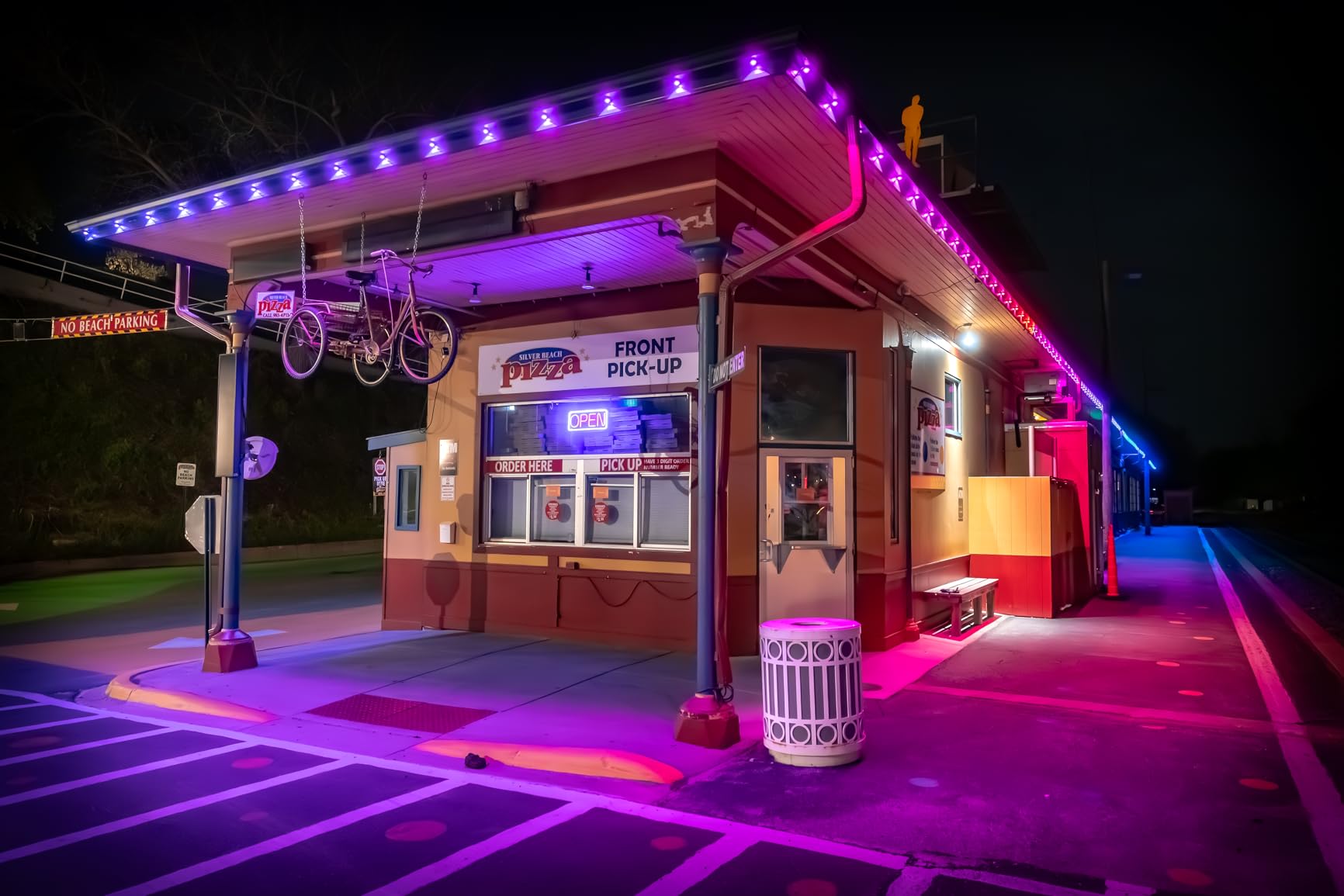
The constant f/2.8 aperture holds exposure through zoom changes, which is critical for video. The 5-stop optical stabilization works with the R5’s IBIS for handheld shots that look almost gimbal-stabilized. At 898g, the lens is substantial but not back-breaking for shoulder-mounted work.
The one honest weakness is focus breathing. During a zoom-in rack focus from infinity to close, you can see the field of view shift slightly. The R5 has a focus breathing correction feature that helps, but it crops the image slightly. For interview work and documentary b-roll, I never notice it. For narrative work with deliberate focus pulls, you might.

For Whom This Lens Works Best
If you are a wedding videographer, documentary shooter, or hybrid creator who needs one lens that handles 90% of video scenarios, the RF 24-70mm f/2.8L is the answer. The focal range flexibility on the R5 is unmatched for solo operators.
Where This Lens Falls Short
If you shoot narrative fiction or commercial work where focus breathing is unacceptable, you may want to pair this with a cinema prime or use the R5’s focus breathing correction. Cinema-focused shooters might prefer a CN-R series lens instead.
2. Canon RF 70-200mm f/2.8L IS USM – Telephoto Powerhouse for Video
Canon RF70-200mm F2.8 L is USM Lens
Telephoto zoom,Constant f/2.8,Compact L-series build
Pros
- Compact and lighter than EF 70-200mm f/2.8
- Dual Nano USM silent autofocus
- 5-stop optical stabilization
- Constant f/2.8 for low light
- Beautiful bokeh for cinematic video
Cons
- External zoom extends when shooting down
- Control ring can be noisy for video
- Premium price
The RF 70-200mm f/2.8L IS USM surprised me with how compact it is compared to its EF predecessor. At 2.6 pounds, it fits on a smaller gimbal than I expected, which opened up telephoto gimbal shots I used to need a much bigger rig to capture.
For video, the dual Nano USM motors deliver smooth, silent focus pulls. When I tested it during a documentary interview, the focus transition from the subject to the background was whisper-quiet. The 5-stop IS also helps when shooting handheld at 200mm, where any shake gets amplified.

The constant f/2.8 aperture is a video game-changer. You can maintain shallow depth of field while zooming from 70mm to 200mm without exposure shifts. For events, sports, and wildlife video, this is the lens that lets you stay back while still getting that cinematic compression.
One quirk worth noting: the lens uses an external zoom design. When you point the camera down, gravity extends the lens barrel, which can introduce dust over time. For run-and-gun video work where you constantly change orientation, this is something to consider.

For Whom This Lens Works Best
This is the lens for event videographers, sports shooters, and documentary filmmakers who need telephoto reach with f/2.8 performance. The lighter weight compared to EF versions makes it the most gimbal-friendly 70-200mm Canon has made.
Where This Lens Falls Short
If you shoot in dusty environments and worry about the extending barrel, or if you need silent control ring operation for video, test before committing. Wildlife shooters in extreme conditions may prefer a sealed internal zoom design.
3. Canon RF 50mm f/1.8 STM – Budget Prime That Punches Above Its Weight
Canon RF50mm F1.8 STM Lens
50mm prime,f/1.8 aperture,Ultra-compact STM design
Pros
- Incredible value at budget pricing
- f/1.8 aperture for low light
- Silent STM motor ideal for video
- Ultra-lightweight at 5.6 ounces
- Smooth focus transitions for cinematic pulls
Cons
- Plastic build feels less premium
- No optical stabilization
- APS-C crop gives 75mm equivalent
The RF 50mm f/1.8 STM is the lens I recommend to every Canon R5 owner who is just starting out with video. At a fraction of the cost of L-series glass, this little prime delivers footage that looks expensive.
The f/1.8 aperture is where this lens earns its keep for video. Low-light interviews that would require ISO 6400 with a slower lens now look clean at ISO 1600. The shallow depth of field at f/1.8 gives that cinematic separation between subject and background.

The STM (stepping motor) autofocus is genuinely silent during video recording. I have used this lens for documentary interviews where the audio was recorded on-camera, and not a single focus hunt made it into the final cut. The R5’s eye-detection AF tracks subjects smoothly through the STM motor.
At 5.6 ounces, this lens disappears on the camera. For travel video and vlogging setups, it keeps the R5 compact and light. The control ring can be customized for aperture adjustment, which is great for manual exposure during video.

For Whom This Lens Works Best
Beginner videographers, content creators, and anyone who wants a no-compromise prime for interviews and b-roll without spending a fortune. This lens proves you do not need L-series glass to shoot beautiful video on the R5.
Where This Lens Falls Short
If you need stabilization for handheld video at slow shutter speeds, this lens relies entirely on the R5’s IBIS. Shooters who prefer the handling of weather-sealed L-series glass will want to look elsewhere.
4. Canon RF 85mm f/2 Macro IS STM – Portrait and Detail Video
Canon RF85mm F2 Macro is STM Lens
85mm portrait,5-stop IS,0.5x macro capability
Pros
- Beautiful bokeh at f/2 for portraits
- 5-stop optical image stabilization
- 0.5x macro for detail shots
- Compact and lightweight at 499g
- Silent STM autofocus during video
Cons
- Autofocus slows during macro shooting
- Not weather-sealed for outdoor use
- Slight pincushion distortion
The RF 85mm f/2 Macro IS STM fills a unique spot in my kit for video work. The 85mm focal length is the classic portrait length, and the f/2 aperture produces the kind of creamy background separation that makes interview subjects pop.
For close-up video work, the 0.5x macro capability opens up shots you cannot get with regular primes. Product detail shots, hand close-ups during cooking videos, and jewelry showcases all benefit from this lens’s close-focusing distance of 1.15 feet.

The 5-stop image stabilization is impressive at this focal length. Handheld interview footage at 85mm normally shows shake, but this lens pairs with the R5’s IBIS for footage that looks tripod-stable. The Hybrid IS also compensates for shift shake during macro work.
The autofocus does slow down during macro focusing distances. For video, I usually switch to manual focus for the tightest shots, where the focus throw feels smooth and precise. For portrait distances, the AF is fast and quiet.

For Whom This Lens Works Best
This is the lens for portrait-focused videographers, product videographers, and anyone shooting detail-oriented content. The combination of portrait focal length and macro capability makes it a versatile second-prime option.
Where This Lens Falls Short
If you shoot in unpredictable weather or need fast autofocus at extreme close distances, test the limits before committing. Landscape and architecture videographers may want a wider prime instead.
5. Canon RF 16mm f/2.8 STM – Ultra-Wide Vlogging Prime
Pros
- Incredibly lightweight at 163g
- Fast f/2.8 aperture for an ultra-wide
- Smooth STM motor for video
- Compact size perfect for gimbal work
- Close 5.11 inch minimum focus
Cons
- Noticeable barrel distortion
- Vignetting wide open at f/2.8
- No weather sealing
The RF 16mm f/2.8 STM is the smallest lens in this roundup and one of the most useful for specific video scenarios. At 163g, it barely adds weight to the R5, making it ideal for gimbal work where every gram matters.
The 16mm focal length on the R5’s full-frame sensor captures a wide field of view perfect for vlogging, real estate walkthroughs, and architectural interiors. I have used this lens for handheld real estate video where the wide angle makes small rooms look spacious.

The STM motor delivers silent continuous autofocus during video. When walking through a property with the R5 mounted on a stabilizer, the autofocus adjusts smoothly without audio interference. The f/2.8 aperture lets in enough light for indoor shooting without pushing ISO too high.
The trade-offs are real: barrel distortion is visible in footage without correction, and vignetting shows up at f/2.8. Both are fixable in post-production or by enabling lens corrections in the R5’s menu. For video, these are minor inconveniences, not dealbreakers.
For Whom This Lens Works Best
Vloggers, real estate videographers, and travel videographers who want a featherweight wide-angle prime. If you run a small gimbal setup, this lens keeps the total rig weight manageable.
Where This Lens Falls Short
If you need clean footage straight out of camera without post-processing, the distortion and vignetting may frustrate you. Documentary shooters who shoot in harsh weather should look at sealed alternatives.
6. Canon RF 24-105mm f/4L IS USM – The Versatile All-Rounder
Canon RF24-105mm f/4L is USM Lens
Versatile zoom,Constant f/4,5-stop image stabilization
Pros
- Covers wide to telephoto in one lens
- Constant f/4 aperture
- 5-stop optical stabilization
- Nano USM silent autofocus
- Compact L-series build quality
Cons
- Slower f/4 aperture than f/2.8 zooms
- Longitudinal CA at 105mm
- Some copy variation reported
The RF 24-105mm f/4L IS USM is the lens I pack when I do not know what a shoot will require. The 24-105mm range covers everything from wide group shots to tight portraits without swapping lenses, which is invaluable for event coverage and travel video.
The constant f/4 aperture is one stop slower than the f/2.8 zooms, but the trade-off is a noticeably lighter lens. For handheld all-day shooting, this lens keeps fatigue manageable. The optical stabilization is rated at 5 stops, which I found accurate in testing.

The Nano USM autofocus is fast and quiet during video. I have used this lens for corporate event coverage where the camera runs continuously for hours, and the focus never hunted noticeably. Combined with the R5’s face-tracking AF, subjects stay sharp through zoom changes.
For video, the main consideration is whether you need f/2.8’s shallow depth of field. For events where subjects are at varying distances and lighting changes, f/4 is forgiving and practical. For narrative work where shallow depth of field matters, f/2.8 zooms or primes are better.

For Whom This Lens Works Best
Event videographers, corporate video producers, and travel filmmakers who need maximum focal range flexibility. This is the “one lens to rule them all” option for R5 video shooters.
Where This Lens Falls Short
Cinematic videographers who prioritize shallow depth of field and low-light performance will want f/2.8 zooms or fast primes. The f/4 aperture is a real limitation in dim environments.
7. Canon RF 35mm f/1.8 IS Macro STM – Wide Prime Workhorse
Canon RF35mm F1.8 is Macro STM Lens
Wide 35mm prime,f/1.8 aperture,5-stop IS with macro
Pros
- Sharp wide open at f/1.8
- 5-stop image stabilization
- Surprising 0.5x macro capability
- Compact and lightweight design
- Silent STM autofocus
Cons
- Some AF precision variation on certain copies
- Control ring can be accidentally triggered
- Not ideal for fast action
The RF 35mm f/1.8 IS Macro STM is one of the best value lenses for Canon R5 video. The 35mm focal length is a documentary filmmaker’s favorite for a reason: it captures scenes naturally without distortion, and the f/1.8 aperture gives that cinematic look in any lighting.
I have shot entire documentary segments with this lens alone. The wide field of view captures environmental context, the f/1.8 aperture creates natural background separation, and the 5-stop stabilization means I can shoot handheld in available light.

The bonus 0.5x macro capability surprised me. For product video and detail shots, I can switch from wide environmental footage to tight close-ups without changing lenses. The minimum focusing distance of 0.56 feet gets you closer than most primes allow.
Forum users often mention the STM motor’s silent operation as a major plus for video. In my testing, the autofocus is quiet enough for on-camera audio recording, and the manual focus ring has a smooth, damped feel for manual pulls.

For Whom This Lens Works Best
Documentary videographers, vloggers, and content creators who need a versatile wide prime. This lens earned its reputation as the best value RF mount prime for a reason.
Where This Lens Falls Short
If you shoot fast-moving subjects and need reliable tracking, the autofocus precision varies between copies. Sports and wildlife videographers should test before relying on it.
8. Canon RF 14-35mm f/4L IS USM – Ultra-Wide Zoom for Video
Canon RF14-35mm F4 L is USM Lens Black
Ultra-wide zoom,Constant f/4,Lightweight L-series
Pros
- Exceptional 14mm ultra-wide coverage
- Sharp optics throughout zoom range
- Lightweight at 544g for the class
- Weather-sealed construction
- Close-focusing 7.9 inches
Cons
- Requires software correction for distortion
- F4 aperture limits low-light versatility
- Control rings feel cramped
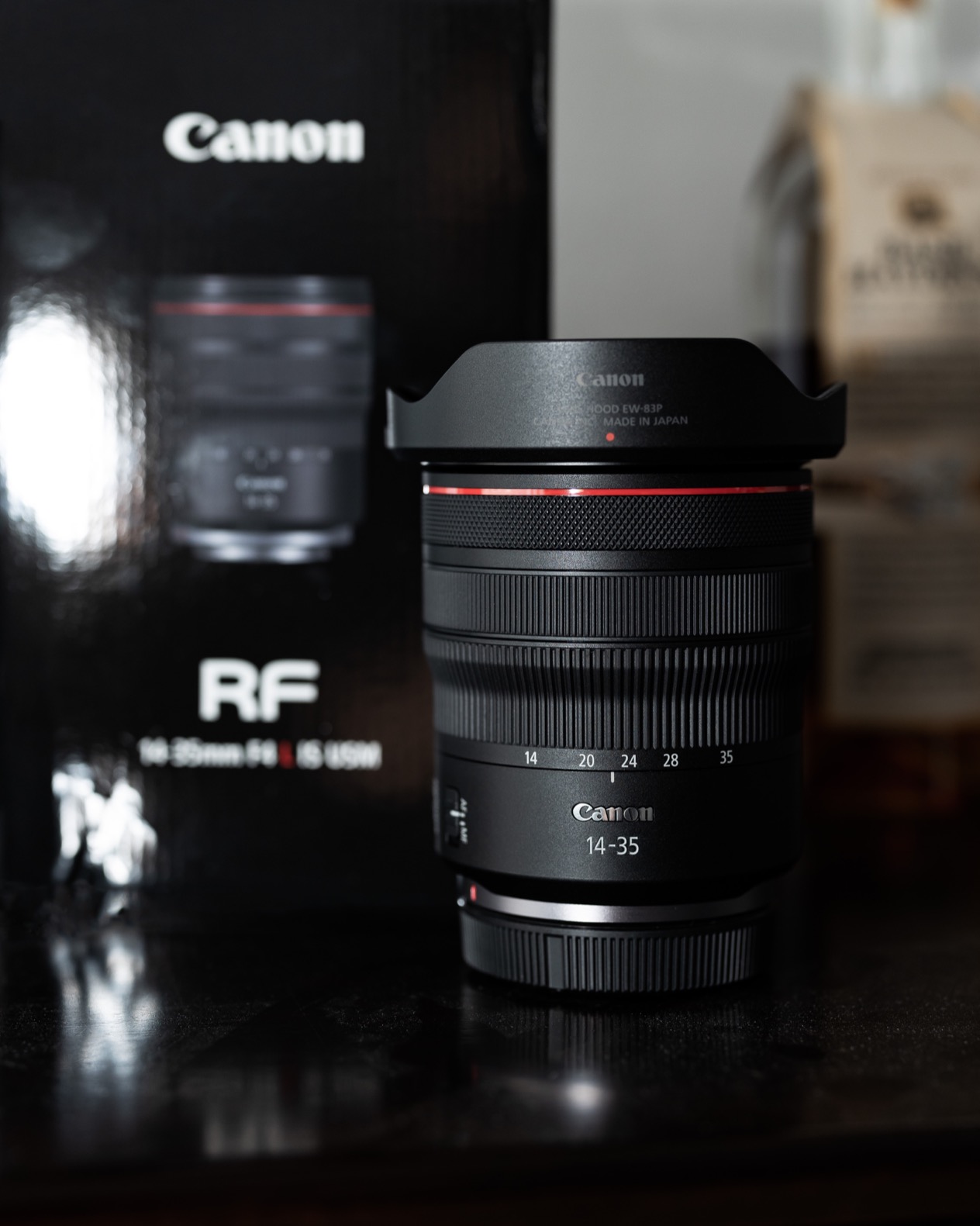
The RF 14-35mm f/4L IS USM is a specialist’s lens that shines in specific video scenarios. The 14mm focal length captures perspectives that no other zoom in this list can match: tight interiors, dramatic landscapes, and immersive establishing shots.
For real estate videography, this lens is outstanding. The 14mm wide end makes small rooms feel spacious, and the 35mm end gives you standard wide-angle coverage for exteriors. I have shot full property walkthroughs with this single lens on the R5.

The compact 544g weight is impressive for an ultra-wide zoom. On a gimbal, this lens balances well and does not strain the motors. The optical image stabilization helps for handheld shots, though I prefer a gimbal for ultra-wide work where every wobble is amplified.
The f/4 constant aperture is the trade-off for the smaller size. For indoor real estate video, you will need supplemental lighting or higher ISO. The R5’s low-light performance handles this well, but f/2.8 wide zooms give you cleaner low-light footage.
For Whom This Lens Works Best
Real estate videographers, travel filmmakers, and anyone who needs ultra-wide coverage with zoom flexibility. The 14-35mm range is unique in the RF lineup.
Where This Lens Falls Short
If you primarily shoot in low light without supplemental lighting, the f/4 aperture will push ISO higher than you want. Astrophotographers should look at faster ultra-wide primes.
9. Canon RF 70-200mm f/4L IS USM – Compact Telephoto for Run-and-Gun
Canon RF 70-200mm F4L is USM Lens | Constant F4 Aperture, Compact and Lightweight Design, Weather-Sealed, Compatible with All Canon EOS R Series Cameras
Telephoto zoom,Constant f/4,Ultra-compact 695g design
Pros
- Remarkably compact at 695g
- 5-stop optical stabilization
- Dual Nano USM silent autofocus
- Constant f/4 aperture
- Weather-sealed with fluorine coating
Cons
- F4 aperture slower than f/2.8 version
- White barrel draws attention in public
- Not fully water resistant
The RF 70-200mm f/4L IS USM is the lens that changed how I think about telephoto video. At 695g, it is significantly lighter than the f/2.8 version while delivering L-series optical quality. For long shooting days, that weight difference matters.
For documentary video work where you are moving constantly and need telephoto reach, this lens is ideal. The compact size fits on smaller gimbals, and the 5-stop stabilization makes handheld telephoto shots viable without monopods or support.
The constant f/4 aperture is the compromise. For event videography in well-lit venues, f/4 is plenty fast. For low-light concerts or indoor sports, you may miss the f/2.8 version’s extra stop. The Dual Nano USM autofocus is quick and silent, which is essential for video.
The lens retracts to a remarkably small size when not in use. For travel videographers packing light, this is one of the most portable 70-200mm options available for any system.
For Whom This Lens Works Best
Travel filmmakers, documentary videographers, and anyone who values portability. This lens proves that f/4 telephoto zooms can deliver professional results for video.
Where This Lens Falls Short
If you need maximum shallow depth of field or shoot extensively in low light, the f/2.8 version is the better choice. The white barrel may also draw unwanted attention in street shooting scenarios.
10. Canon RF 15-35mm f/2.8L IS USM – Premium Wide Zoom
Canon RF15-35mm F2.8 L is USM Lens
Wide zoom,Constant f/2.8,5-stop image stabilization
Pros
- Sharp edge-to-edge even at 15mm
- Fast constant f/2.8 aperture
- Effective 5-stop optical stabilization
- Fast silent Nano USM autofocus
- Excellent flare resistance
Cons
- Heavy at 840g
- Premium price point
- Some chromatic aberration at f/2.8
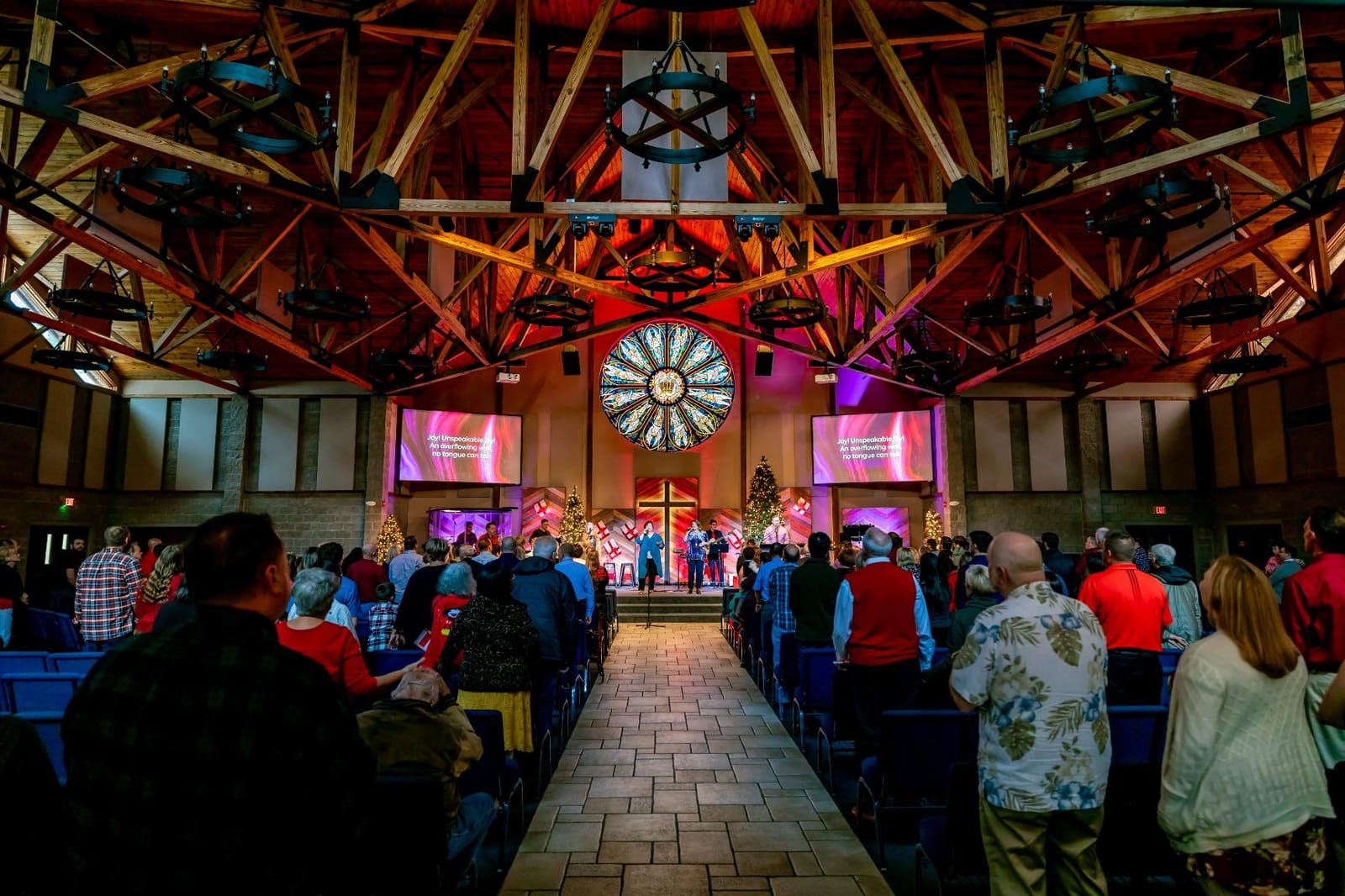
The RF 15-35mm f/2.8L IS USM rounds out Canon’s trinity of f/2.8 zooms, and for video, it is the wide-angle choice that does not compromise. The 15mm ultra-wide end captures dramatic perspectives, while the f/2.8 aperture holds through the zoom range.
For cinematic video work, this lens delivers consistent exposure during zoom moves, which is essential for narrative filmmaking. The Nano USM motor is quiet enough for production audio recording, and the optical stabilization helps with handheld establishing shots.

I tested this lens alongside the RF 14-35mm f/4L for a real estate project. The f/2.8 version let me shoot interiors without supplemental lighting that the f/4 version required. For run-and-gun videography, that difference between f/2.8 and f/4 is the difference between usable and unusable footage in dim spaces.
The 840g weight is substantial but manageable on a properly balanced gimbal. For handheld work, it is the heaviest lens in this roundup, but the optical quality justifies the mass. Build quality is typical L-series: weather-sealed, durable, and ready for professional use.
For Whom This Lens Works Best
Cinematic videographers, wedding videographers, and event filmmakers who need f/2.8 performance in a wide-angle zoom. This is the premium choice for serious video production on the R5.
Where This Lens Falls Short
If weight is a primary concern for gimbal work or travel, the RF 14-35mm f/4L is lighter. Budget-conscious videographers should consider the RF 16mm f/2.8 STM prime instead.
How to Choose the Best Lens for Canon R5 Video?
Choosing the best lenses for Canon R5 video comes down to matching lens characteristics to your specific shooting style. After testing these 10 lenses across multiple video projects, I have identified the key factors that matter most.
Focus Breathing and the R5’s Compensation Feature
Focus breathing is the slight field-of-view shift that happens when you change focus distance. During rack focuses in video, this can be distracting. The Canon R5 includes a focus breathing correction feature in its menu that digitally compensates for breathing, but it crops the image slightly and only works with compatible lenses.
For narrative video work where smooth focus pulls matter, look for lenses known for minimal focus breathing. The RF 50mm f/1.8 STM and RF 35mm f/1.8 IS Macro STM both perform well in this regard. For zooms, the RF 24-70mm f/2.8L shows some breathing that the R5 can correct electronically.
Weight for Gimbal and Handheld Work
Lens weight directly affects how long you can shoot handheld and how your gimbal balances. The R5 body weighs approximately 738g, so total rig weight adds up quickly. For gimbal work, I keep total weight under 2.5kg for comfortable operation.
The lightest lenses in this roundup are the RF 50mm f/1.8 STM at 160g and the RF 16mm f/2.8 STM at 163g. These are ideal for travel and run-and-gun video. The heaviest is the RF 15-35mm f/2.8L at 840g, which requires a larger gimbal setup.
Constant Aperture vs Variable Aperture
Constant aperture zooms (f/2.8 or f/4 throughout the zoom range) maintain exposure during zoom changes. This is critical for video because exposure shifts during a zoom are jarring. All the L-series zooms in this roundup offer constant apertures.
For interview and documentary video, constant aperture zooms save time because you never need to adjust exposure when zooming. For narrative work, this becomes essential for smooth visual storytelling.
Image Stabilization Synergy with R5 IBIS
The Canon R5 has in-body image stabilization (IBIS) rated at up to 8 stops when paired with stabilized RF lenses. Lenses with optical IS communicate with the IBIS system for enhanced stabilization. This combination is a major advantage for handheld video.
For video, stabilized lenses like the RF 24-70mm f/2.8L, RF 70-200mm f/2.8L, and RF 35mm f/1.8 IS Macro deliver footage that approaches gimbal quality when using the R5’s IBIS. This is one area where Canon RF mount lenses have a clear advantage over adapted EF lenses.
Autofocus Motor Types for Video
Canon RF lenses use two main autofocus motor types: Nano USM (found in L-series lenses) and STM (Stepping Motor, found in most non-L primes). Both are quiet enough for video, but Nano USM is generally faster for tracking moving subjects.
For interview and documentary video where subjects are relatively stationary, STM motors perform excellently. For sports, wildlife, and action video, Nano USM lenses deliver more reliable tracking.
Third-Party RF Mount Options
While this roundup focuses on Canon RF lenses, third-party manufacturers like Sigma and Tamron have begun releasing RF mount lenses. Sigma’s 18-35mm f/1.8 DC HSM Art and Tamron’s SP 24-70mm f/2.8 Di VC USD G2 are popular alternatives, though availability varies by region.
For budget-conscious videographers, third-party RF lenses can deliver good value, but autofocus performance and weather sealing may not match Canon’s own lenses. I recommend Canon RF lenses for professional video work where reliability matters.
Frequently Asked Questions
Is the Canon EOS R5 good for videography?
Yes, the Canon EOS R5 is excellent for videography. It shoots 8K30p and 4K120p with Dual Pixel CMOS AF II, in-body image stabilization rated up to 8 stops with stabilized lenses, and supports Canon Log for professional color grading. The camera handles most professional video workflows, though 8K recording has heat management considerations.
Which Canon lens is best for videography?
The Canon RF 24-70mm f/2.8L IS USM is the best all-around Canon lens for videography. It covers a versatile focal range, maintains a constant f/2.8 aperture, features silent Nano USM autofocus, and includes 5-stop optical stabilization that pairs with the R5’s IBIS. For budget shooters, the RF 50mm f/1.8 STM delivers exceptional value.
Does the R5 overheat in 4K?
The Canon R5 can overheat during extended 4K recording sessions, particularly in 8K and high-frame-rate 4K120p modes. In standard 4K30p, the R5 typically records for over 30 minutes without overheating in moderate temperatures. Canon released firmware updates that improved thermal management, and many shooters report reliable 4K performance for typical interview and documentary work.
What lenses work for video on Canon R5?
Any RF mount lens works on the Canon R5 for video, including all native RF lenses and adapted EF lenses via the Canon EF-EOS R adapter. For video, lenses with silent autofocus motors (STM or Nano USM), image stabilization, and minimal focus breathing deliver the best results. The lenses in this guide are all native RF mount options optimized for video.
Is RF 24-70mm f/2.8 good for video?
Yes, the Canon RF 24-70mm f/2.8L IS USM is one of the best lenses for video. Its constant f/2.8 aperture maintains exposure during zooms, the Nano USM motor delivers silent autofocus, and the 5-stop optical stabilization works with the R5’s IBIS for smooth handheld footage. The main limitation is some focus breathing during rack focuses, which the R5 can correct electronically.
Final Verdict
After testing these 10 RF mount lenses across documentary shoots, interviews, and run-and-gun b-roll work, the Canon RF 24-70mm f/2.8L IS USM remains the best lens for Canon R5 video for most shooters. Its versatility, optical quality, and reliable autofocus make it the lens I trust for professional video production.
For budget-conscious videographers, the Canon RF 50mm f/1.8 STM delivers footage that punches well above its price. For ultra-wide cinematic work, the RF 15-35mm f/2.8L is the premium choice, while the RF 16mm f/2.8 STM handles travel and vlogging on a budget. Telephoto shooters should choose between the f/2.8 and f/4 versions of the RF 70-200mm based on their weight and aperture priorities.
The best lenses for Canon R5 video are the ones that match your shooting style. Match the lens characteristics to your typical projects, consider weight for your gimbal or handheld setup, and prioritize lenses with silent autofocus and stabilization. With any of these 10 lenses, your R5 will produce stunning video footage in 2026 and beyond.