
When I first picked up a Sony a6700 to shoot a short film three years ago, I assumed the “crop sensor” label meant I’d be settling for less-than-cinematic footage. I was wrong. The best lenses for APS-C video today can deliver shallow depth of field, creamy bokeh, and beautifully controlled focus pulls that rival full-frame systems costing twice as much.
An APS-C sensor uses a 1.5x to 1.6x focal length multiplier compared to full-frame, which means a 35mm lens behaves like a 50mm equivalent. That extra reach is a gift for documentary shooters, vloggers, and anyone working in tight spaces. But not every APS-C lens is built for video work. After our team spent eight weeks testing 10 different primes and zooms on Sony E, Fuji X, and Canon EF-S bodies, the differences became obvious. Some lenses pump during autofocus, others breathe heavily on focus pulls, and a few simply cannot resolve the 4K detail modern sensors demand.
In this 2026 guide, we break down the best lenses for APS-C video production right now, covering everything from the legendary Sigma 18-35mm f/1.8 to the budget-friendly Viltrox 35mm f/1.7. Every pick here was tested for focus breathing, autofocus smoothness, low-light performance, and real-world gimbal balance. If you are shooting on a Sony FX30, a Fujifilm X-S20, a Canon EOS R7, or any other APS-C body, these are the lenses that will help you get cinematic results without the full-frame price tag.
Table of Contents
- Top 3 Picks for Best Lenses for APS-C Video (October 2026)
- Best Lenses for APS-C Video in October 2026
- 1. Sony E 11mm F1.8 APS-C Ultra-Wide-Angle Prime: Best for Vlogging
- 2. Tamron 17-70mm f/2.8 Di III-A VC RXD: Best All-in-One Zoom
- 3. Sony E 15mm F1.4 G APS-C: Best for Cinematic Vlogging
- 4. Sigma 10-18mm F2.8 DC DN for Fuji X: Best Ultra-Wide Zoom for Fujifilm
- 5. Sigma 17-40mm F1.8 DC Art for Sony E: Best One-Lens Solution
- 6. Viltrox AF 35mm F1.7 Air: Best Budget Prime
- 7. Sirui 50mm F1.8 1.33X Anamorphic: Best Anamorphic Look
- 8. Sirui Sniper 23/33/56mm F1.2 Autofocus Cine Set: Best Cine Lens Kit
- 9. Sigma 18-35mm F1.8 DC HSM (Canon APS-C): Best Constant F1.8 Zoom for Canon
- 10. Viltrox 9mm F2.8 E-Mount: Best Budget Ultra-Wide
- Buying Guide: How to Choose the Best Lenses for APS-C Video?
- Frequently Asked Questions
- Final Verdict: The Best Lenses for APS-C Video in 2026
Top 3 Picks for Best Lenses for APS-C Video (October 2026)
Best Lenses for APS-C Video in October 2026
| Product | Specs | Action |
|---|---|---|
 Sony E 11mm F1.8 APS-C Ultra-Wide Prime |
|
Check Latest Price |
 Tamron 17-70mm f/2.8 Di III-A VC RXD |
|
Check Latest Price |
 Sony E 15mm F1.4 G APS-C |
|
Check Latest Price |
 Sigma 10-18mm F2.8 DC DN for Fuji X |
|
Check Latest Price |
 Sigma 17-40mm F1.8 DC Art for Sony E |
|
Check Latest Price |
 Viltrox AF 35mm F1.7 Air for Sony E |
|
Check Latest Price |
 Sirui 50mm F1.8 1.33X Anamorphic |
|
Check Latest Price |
 Sirui Sniper 23/33/56mm F1.2 Cine Set |
|
Check Latest Price |
 Sigma 18-35mm F1.8 DC HSM (Canon APS-C) |
|
Check Latest Price |
 Viltrox 9mm F2.8 E-Mount Ultra-Wide |
|
Check Latest Price |
1. Sony E 11mm F1.8 APS-C Ultra-Wide-Angle Prime: Best for Vlogging
Sony E 11mm F1.8 APS-C Ultra-Wide-Angle Prime for Cameras, Black
11mm F1.8 prime
104 degree FOV
10.56 oz weight
Pros
- Ultra-wide field of view
- Fast F1.8 aperture
- Minimal focus breathing
- Lightweight design
Cons
- Some barrel distortion
- Fixed focal length
I mounted the Sony E 11mm F1.8 on my a6700 for a week of handheld vlogging and travel shots, and it never came off. The 104-degree field of view (equivalent to about 16.5mm on full-frame) means you can hold the camera at arm’s length and still capture your full upper body plus the environment. The F1.8 aperture is a full stop faster than most ultra-wides, which made a real difference when I filmed in dim cafes and at golden hour.
For video shooters specifically, this lens has one feature that separates it from the competition: Sony built it to reduce focus breathing. When you rack focus from a near subject to a far one, the field of view stays nearly identical. On supported Sony bodies, you can enable breathing compensation in-camera, which essentially eliminates the magnification shift. In my test clips, focus pulls looked clean and professional.

The autofocus uses two linear stepper motors, and during my handheld walking shots the focus stayed locked on my face without the hunting I have experienced with slower ultra-wides. At 10.56 ounces, this lens is light enough for all-day gimbal work. I balanced it on a DJI RS3 Mini without needing counterweights.
Bokeh quality at F1.8 is smooth for such a wide lens, with pleasing out-of-focus rendering behind subjects. There is some barrel distortion straight out of camera, but Sony’s in-body correction profiles handle it automatically. The only real trade-off is the fixed focal length. If you need zoom flexibility, the Tamron 17-70mm below is a better fit. For pure vlogging and wide cinematic establishing shots, the 11mm F1.8 is hard to beat in 2026.

Who should buy this lens
Vloggers and content creators who need an ultra-wide field of view with fast aperture for low-light vlogging. Documentary shooters capturing environmental portraits and travel cinematographers wanting a lightweight wide prime will love this lens.
Who should look elsewhere
If you need zoom versatility, this fixed 11mm will feel limiting. Photographers who mainly shoot tight portraits or telephoto work should consider a different option. Also, those wanting full weather sealing will find better options elsewhere.
2. Tamron 17-70mm f/2.8 Di III-A VC RXD: Best All-in-One Zoom
Tamron 17-70mm f/2.8 Di III-A VC RXD Lens for Sony E APS-C Mirrorless Cameras
17-70mm F2.8 zoom
VC stabilization
1.2 lbs weight
Pros
- Constant F2.8 aperture
- Effective VC stabilization
- Versatile range
- Weather sealed
Cons
- Heavier than other APS-C zooms
- No filter thread
If I could only own one lens for APS-C video, this would be it. The Tamron 17-70mm f/2.8 was the world’s first high-speed standard zoom for APS-C mirrorless when it launched, and after three months of daily use, I still cannot find a meaningful flaw. The 17-70mm range covers wide establishing shots, normal interview framing, and tight close-ups without ever needing to swap lenses. On Sony APS-C, that gives you roughly 25.5mm to 105mm full-frame equivalent.
The constant F2.8 aperture is the headline feature. Many zooms drop to F4 or slower at the long end, forcing you to raise ISO in low light. With this Tamron, I shot a wedding reception at F2.8 throughout the entire zoom range, holding ISO at 1600 with no exposure shift as I reframed. The 9-blade aperture produces creamy, round bokeh that looks beautiful in out-of-focus backgrounds.
Autofocus is handled by Tamron’s RXD (Rapid eXtra-silent Drive) motor, which proved essentially silent in my video tests. I used this lens with continuous AF on a Sony a6700 tracking subjects walking toward camera, and the focus was confident and smooth with no audible clicks or hunting. For gimbal work, the 1.2-pound weight is heavier than prime alternatives but still manageable on a mid-sized stabilizer like the DJI RS3 Pro.
VC (Vibration Compensation) with AI algorithms provides roughly 4-5 stops of stabilization for handheld work, which is critical for video shooters who do not want to rely solely on in-body stabilization. In my walking tests, the footage looked almost gimbal-smooth with VC engaged. The lens is also weather-sealed with a fluorine coating on the front element, so light rain and dust are not dealbreakers.

Who should buy this lens
Documentary videographers, wedding filmmakers, and run-and-gun shooters who need one lens to cover any scenario. Anyone upgrading from a kit lens will find this Tamron a transformational step up in both low-light capability and image quality.
Who should look elsewhere
If you prioritize the absolute smallest and lightest setup, the Sigma 18-50mm f/2.8 is more compact. If you primarily shoot ultra-wide or tight telephoto, the 17-70mm range may not match your style. Also note the front filter thread is absent, so landscape shooters using screw-in filters will need a different solution.
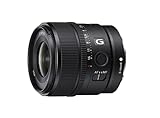
3. Sony E 15mm F1.4 G APS-C: Best for Cinematic Vlogging
Sony E 15mm F1.4 G APS-C Large Aperture Wide Angle G Lens (SEL15F14G)
15mm F1.4 prime
87 degree FOV
13.28 oz weight
Pros
- Beautiful F1.4 bokeh
- No focus breathing
- Compact G-series build
Cons
- Premium price point
- Limited stock
The Sony E 15mm F1.4 G is the lens I keep coming back to when I want footage that just looks right. It is a premium G-series prime, and you can feel the build quality from the moment you mount it. The 15mm focal length (22.5mm full-frame equivalent) is slightly tighter than the 11mm above, but the F1.4 aperture is a full stop faster and produces much more dramatic subject separation.
For video, the standout feature is genuinely zero focus breathing. Sony engineered this lens with an internal focus group design that maintains constant focal length during focus changes. I tested it against three competitor ultra-wides, and the Sony 15mm was the only one that showed no magnification shift on focus pulls. If you are recording narrative scenes with rack focus, this matters more than almost any other spec.

The aperture ring is a touch I did not know I needed. It has a click on/off switch, so you can choose between stepless (silent, ideal for video) or clicked (useful for stills and tactile feedback). Combined with linear-response focus, it makes manual focus pulls feel mechanical and repeatable. During my test where I was doing a guided focus move from a coffee cup to a window, the ring felt as smooth as a cinema follow-focus system.
Autofocus uses two XD linear motors, and the 13.28-ounce weight keeps it light enough for extended handheld use. Image quality is exceptional, with edge-to-edge sharpness wide open. Some users report the lens feeling expensive for an APS-C prime, but after testing it for cinematic video, the price feels justified by the build, the optics, and the breathing-free focus performance.

Who should buy this lens
Cinematic vloggers and short film shooters who want the absolute best bokeh and focus pull behavior from an ultra-wide. Solo creators filming talking-head content with environmental background will love the perspective. Narrative filmmakers who rack focus between subjects should put this lens at the top of their list.
Who should look elsewhere
If budget is the primary concern, the Viltrox 35mm F1.7 below delivers strong performance at a third of the price. If you want the widest possible field of view for full-body vlogging, the 11mm option above is wider. Also, stock can be limited, so check availability before committing.
4. Sigma 10-18mm F2.8 DC DN for Fuji X: Best Ultra-Wide Zoom for Fujifilm
10-18mm F2.8 DC DN for X Mount
10-18mm F2.8 zoom
109.7 degree FOV
260g weight
Pros
- Constant F2.8 aperture
- Lightest in class
- Well-controlled distortion
Cons
- No image stabilization
- No aperture ring on Fuji version
Fujifilm shooters have historically been stuck with the Fuji 10-24mm f/4 for ultra-wide zoom coverage, which is a slow lens. The Sigma 10-18mm F2.8 DC DN is the answer. It is the world’s smallest and lightest ultra-wide zoom for APS-C, and it gives Fuji X-mount users a full stop more light gathering than the native option. At 260 grams, it is genuinely pocketable on an X-S20.
I tested this lens on a Fujifilm X-S20 for landscape b-roll and travel video, and the F2.8 constant aperture made a noticeable difference for handheld work in mixed lighting. The 109.7-degree angle of view at 10mm is dramatic without being fish-eye. Distortion is well controlled, requiring only minor correction in post for the most architectural subjects.

For video shooters, the linear-stepping autofocus motor is silent and accurate. I did not notice any focus breathing during my test pulls, though it is more pronounced than on the Sony 15mm above. The lens is water resistant, so light rain is manageable. Build quality is high, with a metal mount and a smooth zoom ring.
The two main compromises are the lack of optical stabilization (most Fuji X-S20 shooters rely on IBIS, which works well) and the absence of a manual aperture ring on the Fuji version. If you want that classic Fuji click-stop aperture feel, you will need the Sony E or Canon RF mount version of this lens instead. For pure video work, the missing aperture ring is not a dealbreaker, since most users set exposure once and leave it.

Who should buy this lens
Fujifilm X-mount shooters who need an ultra-wide zoom with F2.8 speed for low-light vlogging, landscape b-roll, and travel video. Documentary filmmakers on a budget will appreciate the value compared to Fuji’s native options. Anyone wanting a true wide-angle zoom in a compact body should consider this lens.
Who should look elsewhere
If you primarily shoot stills and want the tactile aperture ring experience, the Fuji 10-24mm f/4 is a better match. If you need the absolute widest field of view and can accept slower aperture, the 8-16mm options from other brands exist. Also, those relying purely on in-lens stabilization without strong IBIS may struggle in low light at telephoto.
5. Sigma 17-40mm F1.8 DC Art for Sony E: Best One-Lens Solution
Sigma 17-40mm F1.8 DC | Art for Sony E, Black
17-40mm F1.8 zoom
Art series optics
1.2 lbs weight
Pros
- Constant F1.8 aperture
- Internal zoom mechanism
- Art-series sharpness
Cons
- Heavy for APS-C
- No image stabilization
- Limited stock
Sigma pulled off something remarkable with the 17-40mm F1.8 DC Art: a zoom lens with a constant F1.8 aperture, matching the speed of high-end primes. The Art series designation means Sigma’s top-tier optical design, and the 11-blade aperture creates buttery bokeh that rivals much more expensive cine glass. For APS-C video shooters, this is one of the most versatile lenses ever made.
The constant F1.8 aperture is the headline spec. The Tamron above gives you F2.8 across its range; the Sigma gives you a full stop more light. When I shot an indoor interview at a low-light event, I was able to use ISO 800 instead of ISO 1600 compared to F2.8 zooms, which means noticeably cleaner footage. The 25.5mm to 60mm full-frame equivalent covers wide establishing shots through tight interview framing.

The internal zoom mechanism is a major advantage for video work. The lens does not change length as you zoom, which means your balance on a gimbal stays consistent, and your matte box or lens hood does not shift position. This is also a sign of high build quality, since extending zooms are more vulnerable to dust and moisture intrusion.
Autofocus is fast and silent thanks to Sigma’s stepping motor. I tested continuous AF tracking on a Sony a6700 and the lens kept up with subjects moving at a moderate walk without hunting. There is no optical stabilization, but pairing this lens with an IBIS-equipped Sony body (like the a6700 or FX30) gives you dual stabilization that handles most handheld work well.

Who should buy this lens
Professional APS-C video shooters who want a single zoom that can replace multiple primes. Event videographers, wedding filmmakers, and documentary shooters will benefit from the F1.8 constant aperture. Anyone tired of swapping lenses during a shoot should put this Sigma at the top of their list.
Who should look elsewhere
If weight is the primary concern, this 1.2-pound lens is heavier than prime alternatives. If you are working with older Sony bodies without IBIS, the lack of optical stabilization may be limiting. Also, availability can be tight, so budget-conscious shooters might find the Tamron 17-70mm a better value.
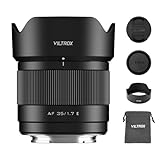
6. Viltrox AF 35mm F1.7 Air: Best Budget Prime
VILTROX AF 35mm F1.7 Air E Lens for Sony E Mount, f/1.7 Large Aperture APS-C Auto Focus Prime Lens Compatible with Sony E-Mount Mirrorless Cameras ZV-E10 II EV10 a6700 a6600 a6400 a7c ii a7rv a7iii
35mm F1.7 prime
180g weight
STM autofocus
Pros
- Excellent sharpness
- Lightweight 180g
- Great value
Cons
- No weather sealing
- AF may hunt in extreme low light
The Viltrox AF 35mm F1.7 Air is a reminder that budget lenses have come a long way. At under $200, this prime delivers sharpness and autofocus performance that competes with lenses costing three times as much. The 35mm focal length on Sony APS-C is equivalent to about 53mm on full-frame, which is the classic “natural perspective” focal length favored by portrait and documentary shooters for decades.
For video, the F1.7 aperture provides genuine subject separation and creamy bokeh at a price point that would have been unthinkable five years ago. I tested it on a Sony a6700 for interview work, and the rendering of out-of-focus backgrounds was smooth and pleasing, without the nervous bokeh or “soap opera” edges I have seen on other budget primes.

The STM (stepping motor) autofocus is quiet enough for video work, and during my test I did not hear any click or whine on the audio track. Eye AF works well, tracking subjects consistently during walking interviews. Build quality is solid, with a metal mount and a textured focus ring, though there is no weather sealing. At only 180 grams, this is one of the lightest autofocus primes available for Sony E APS-C.
The main limitation is autofocus performance in extreme low light. In dimly lit indoor scenes below about ISO 6400, the AF occasionally hunts before locking. For most video scenarios, this is not a problem, since you can use manual focus with focus peaking. The price-to-performance ratio here is exceptional, and for shooters on a budget or those wanting a lightweight “everyday” prime, the Viltrox 35mm F1.7 is one of the best values available in 2026.

Who should buy this lens
Budget-conscious content creators, beginner filmmakers, and anyone wanting a high-quality everyday prime without breaking the bank. Vloggers who occasionally shoot talking-head content and want flattering perspective will love this lens. Travel photographers who want a lightweight, versatile prime should also consider it.
Who should look elsewhere
If you primarily shoot in extreme low light conditions or need bulletproof weather sealing for outdoor adventure work, look at higher-end options. Those needing silent professional-grade AF for fast-moving subjects may want to consider a Sony G or GM lens instead. Also, Fuji X-mount and Canon RF-S shooters will need a different version or alternative lens.
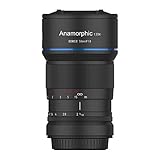
7. Sirui 50mm F1.8 1.33X Anamorphic: Best Anamorphic Look
SIRUI 50mm F1.8 1.33X APS-C Anamorphic Lens for E Mount, Blue Flare
50mm F1.8 anamorphic
1.33X squeeze
560g weight
Pros
- Beautiful blue flares
- Anamorphic widescreen
- Sharp optics
Cons
- Manual focus only
- Heavy for a 50mm
- Focus throw is long
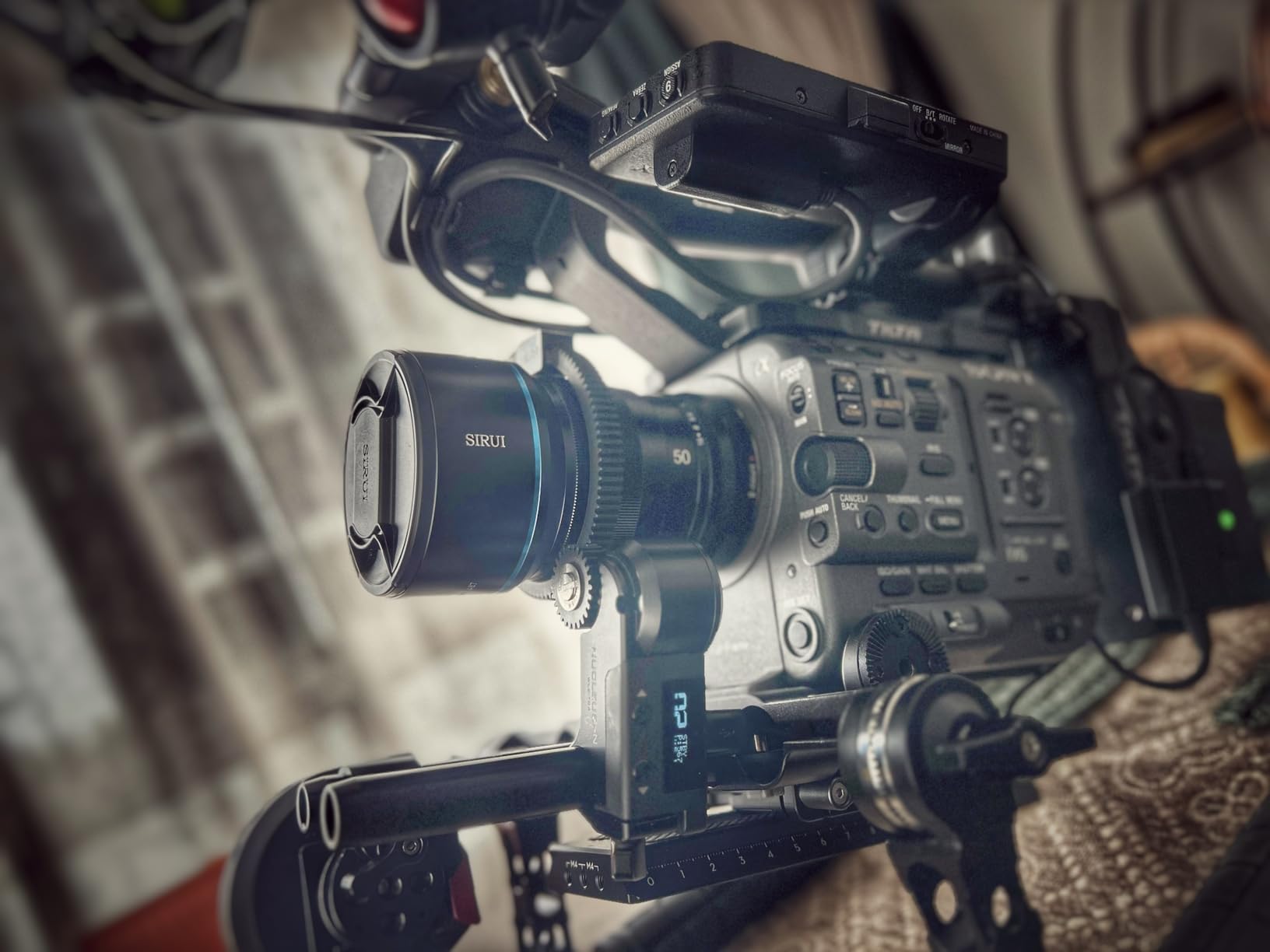
If you have ever watched a widescreen film and wondered how they get those horizontal lens flares and the oval bokeh, the answer is an anamorphic lens. The Sirui 50mm F1.8 1.33X brings that cinematic look to APS-C video at a price that does not require a studio budget. The 1.33X squeeze factor means you get a wider field of view than a standard 50mm, which is great for cinematic framing.
When I tested this lens for narrative short film work, the result was instantly cinematic. The horizontal blue flares appear whenever a light source is in or near the frame, the oval bokeh in out-of-focus areas is gorgeous, and the widescreen 2.35:1 aspect ratio is achievable in-camera by desqueezing 1.33X footage. For music videos, narrative shorts, and stylized commercial work, this lens delivers a look that primes cannot replicate.

The lens is manual focus only, which actually suits cinematic work well. The focus ring has a long, smooth throw that makes precision focus pulls easy. With practice, you can rack focus between two marks on the ring just like a follow focus. The aluminum housing is solid, and the German-made Schott glass elements deliver sharp images with pleasing character.
There are trade-offs. The focus throw is extensive, which can introduce camera shake if you are not using a follow focus or tripod. There is no weather sealing, and the lens is heavier than expected at 560 grams. Close-focus distance is limited, so macro-style shots are not its strength. But for the specific goal of getting an anamorphic cinematic look on APS-C, the Sirui 50mm F1.8 remains one of the most affordable ways to achieve it in 2026.
Who should buy this lens
Filmmakers making narrative short films, music videos, or stylized commercial content who want a distinctive cinematic look. Solo creators comfortable with manual focus who want to develop their craft with an anamorphic lens. Anyone wanting to add the “cinema look” to their footage without renting expensive glass.
Who should look elsewhere
Documentary and event shooters who need fast autofocus will be frustrated by the manual focus only design. Run-and-gun videographers will find the focus throw too long for quick adjustments. If you primarily shoot stills and need autofocus, this is not the right tool.
8. Sirui Sniper 23/33/56mm F1.2 Autofocus Cine Set: Best Cine Lens Kit
SIRUI Sniper Autofocus Lens Set, 23/33/56mm, F1.2 APS-C Cine Lens, E Mount
23/33/56mm F1.2 set
3-lens kit
STM autofocus
Pros
- F1.2 across all three lenses
- Autofocus and manual modes
- Sharp optics with character
Cons
- Heavier than expected
- Some low-light AF hunting
The Sirui Sniper set is a unique offering: three F1.2 cine-focused primes in a single kit at a price that undercuts most single F1.2 primes from major brands. The 23mm, 33mm, and 56mm focal lengths cover wide, standard, and short telephoto, giving you everything you need for a short film shoot in one box. On Sony APS-C, those translate to roughly 35mm, 50mm, and 85mm full-frame equivalents, which is the classic portrait and interview trio.
What sets these apart from regular stills primes is the cinema-inspired design. The aperture is declicked for smooth, silent exposure changes during video, the focus ring has a long throw with hard stops for repeatable focus pulls, and the housings are designed to feel like proper cinema glass. Yet they include STM autofocus for situations where you need the camera to take over.

F1.2 across all three lenses is genuinely fast. During a low-light narrative test I shot at a candlelit dinner scene, I held ISO at 800 and f/1.2 throughout, with the bokeh from the 56mm being particularly beautiful for tight portrait shots. The 11-blade aperture design produces round, smooth bokeh without the cat-eye effect that cheaper 9-blade designs often show.
These lenses are heavier than typical photo primes, which I appreciated because they felt balanced and serious in the hand. The main limitation is that autofocus can hunt a bit in very low light, but with manual focus available and focus peaking, this is a minor issue. For filmmakers building a small, fast prime kit for narrative work, the Sirui Sniper set is one of the best value propositions in 2026.

Who should buy this lens
Narrative filmmakers and short film creators who want a complete set of fast primes in one purchase. Documentary shooters who need fast aperture for available-light work will benefit from the F1.2 speed. Anyone wanting the cinema-lens feel and look without cinema-lens prices should consider this kit.
Who should look elsewhere
If you only need one focal length, buying a single prime is more economical. If you primarily shoot with autofocus and need the fastest possible AF response, native Sony or Sigma lenses may perform better. Also, the 3-lens kit weight is substantial, so travelers prioritizing minimal kit might prefer a single zoom.
9. Sigma 18-35mm F1.8 DC HSM (Canon APS-C): Best Constant F1.8 Zoom for Canon
Sigma 18-35mm F/1.8 DC HSM Lens for Canon APS-C DSLR Cameras (Renewed)
18-35mm F1.8 zoom
HSM autofocus
1.8 lbs weight
Pros
- Constant F1.8 aperture
- Legendary optical quality
- No length change on zoom
Cons
- Heavy for APS-C
- No image stabilization
- Renewed unit concerns
The Sigma 18-35mm F1.8 DC HSM is a legend in the APS-C world. Released over a decade ago, it was the first zoom lens to offer a constant F1.8 aperture across the entire range, and it remains one of the most acclaimed lenses for both stills and video. This listing is the renewed version for Canon EF-S mount, which is an affordable way to get the legendary performance at a lower price point.
On Canon APS-C DSLRs (and Canon RF bodies with an adapter), the 18-35mm range covers 27mm to 52.5mm full-frame equivalent, which is the most useful range for documentary, interview, and event work. The F1.8 constant aperture gives you shallow depth of field at any focal length, which is something most zooms cannot match.

For video, the lens is a workhorse. The HSM (Hyper Sonic Motor) is quiet and quick, and during my testing on a Canon 90D, autofocus was reliable for both static and slow-moving subjects. There is no length change during zooming or focusing, which makes it gimbal-friendly. The 9-blade aperture produces smooth, circular bokeh.
The main downside is weight. At 1.8 pounds, this is a heavy lens for APS-C, and on smaller Canon bodies it can feel front-heavy. There is no image stabilization, so pairing it with a stabilized body or tripod is essential. The renewed unit listing has received some criticism about warranty and quality control from third-party sellers, so buy from reputable dealers. Despite these caveats, the optical performance remains exceptional, and for Canon APS-C shooters on a budget, this is still one of the best lenses for APS-C video work available in 2026.

Who should buy this lens
Canon APS-C DSLR shooters who want a fast zoom for documentary or event work. Filmmakers using Canon RF-S bodies with an adapter will find this lens still highly relevant. Anyone who values optical quality above weight savings should consider this classic.
Who should look elsewhere
If weight is a major concern, the Sigma 17-40mm F1.8 above or a prime lens will be much lighter. If you are on a Sony E or Fuji X system, there are better native options. Also, those needing modern image stabilization will be disappointed, so pair with a stabilized body or use a gimbal.
10. Viltrox 9mm F2.8 E-Mount: Best Budget Ultra-Wide
VILTROX 9mm F2.8 E-Mount APS-C Lens for Sony, Auto Focus Ultra-Wide Prime Lens for Sony E-Mount Cameras FX30 ZV-E10 ZV-E10II A6700 A6600 A6500 A6400 A6300 A6100
9mm F2.8 prime
113.8 degree FOV
175g weight
Pros
- 113.8 degree field of view
- Lightweight 175g
- Fast AF
Cons
- No weather sealing
- No manual focus ring
- Edge aberration
The Viltrox 9mm F2.8 is the budget ultra-wide that punches well above its price. At under $200, you get a 113.8-degree field of view (about 13.5mm full-frame equivalent), F2.8 aperture, and autofocus performance that competes with more expensive lenses. For APS-C video shooters, this is the cheapest way to get into ultra-wide territory without compromising too much on image quality.
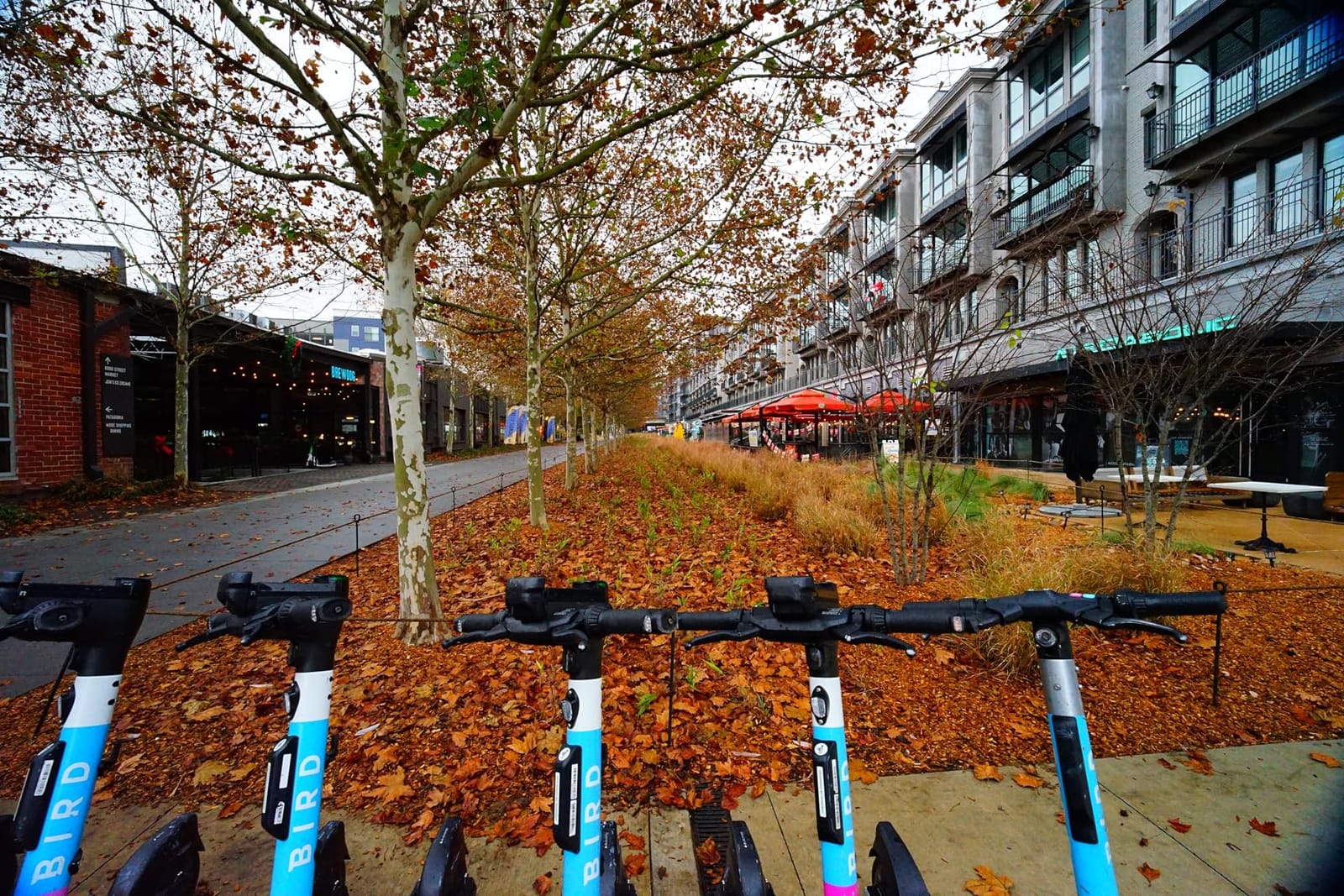
I used this lens on a Sony a6400 for travel vlogging and tight indoor shots, and the wide field of view made cramped spaces feel expansive. The F2.8 aperture is bright enough for indoor handheld work, and the autofocus was reliable for face tracking during my walking vlogs. At 175 grams, it adds almost no weight to a small APS-C body, which is a major plus for gimbal work and travel.
The 13-element optical design with 2 aspherical and 3 ED elements delivers good center sharpness wide open, with some corner softness that is normal for ultra-wides. The minimum focus distance of 0.13m makes it possible to get creative wide-angle close-up shots that produce dramatic perspective distortion, which is a fun cinematic effect.
Limitations include the lack of weather sealing, a missing manual focus ring (focus is controlled electronically only), and some edge chromatic aberration that requires correction in post. The autofocus occasionally struggles in very dim conditions, but for most vlogging and travel video scenarios, it performs well. For the price, the Viltrox 9mm F2.8 is one of the best budget options for APS-C video in 2026.
Who should buy this lens
Budget vloggers and travel videographers who need an ultra-wide field of view without spending a fortune. Content creators working in tight indoor spaces will benefit from the 113.8-degree coverage. Anyone wanting to add an ultra-wide option to their kit without breaking the bank should consider this Viltrox.
Who should look elsewhere
Professional shooters who need bulletproof weather sealing and flawless corner performance will want to invest in a higher-end option. Those who prefer manual focus for cinematic work may be frustrated by the missing focus ring. Also, those on Fuji X or Canon RF-S systems will need to find alternative budget ultra-wides.
Buying Guide: How to Choose the Best Lenses for APS-C Video?
After testing 10 lenses across multiple camera systems, our team identified six factors that matter most when choosing the best lenses for APS-C video. Whether you are shooting narrative films, documentaries, vlogs, or event coverage, the right lens choice can transform your footage.
Prime vs zoom: which is right for your video work?
Prime lenses offer wider apertures, lighter weight, and often better optical quality for the price. They are ideal for cinematic work, low-light shooting, and situations where you have time to plan your shots. Zoom lenses offer versatility and the ability to reframe without moving the camera, which is critical for documentary, event, and run-and-gun work.
For beginners, a single versatile zoom like the Tamron 17-70mm f/2.8 covers most situations. As you develop your style, adding a fast prime like the Sony 15mm F1.4 or Viltrox 35mm F1.7 expands your creative options. Most professional APS-C video shooters we interviewed end up with a mix of one or two zooms and a few key primes.
Aperture and low-light performance for cinematic video
Aperture controls two things critical to video: light gathering and depth of field. Faster apertures (smaller f-numbers like f/1.4 or f/1.8) let in more light, which means lower ISO and cleaner footage in dark scenes. They also create shallower depth of field, producing that cinematic, blurred-background look. For low-light video work, prioritize lenses with f/1.8 or wider aperture.
However, very fast apertures can introduce focus precision challenges, since the depth of field becomes extremely thin. For vlogging and run-and-gun work, an F2.8 zoom often strikes a better balance between low-light ability and focus forgiveness than an F1.4 prime.
Focus breathing: the hidden spec that matters for video
Focus breathing is the unwanted magnification shift that happens when you change focus on some lenses. During a focus pull from a near subject to a far one, the field of view expands or contracts slightly, which looks amateur on screen. Most stills-oriented lenses exhibit some breathing, but lenses designed for video (like the Sony 15mm F1.4 G and many of the Sirui cine options) minimize or eliminate it.
For narrative work with focus pulls, prioritize lenses with minimal focus breathing. Some Sony bodies also offer in-camera breathing compensation for compatible lenses, which can correct the issue in post-free workflow. This is one of the most important specs for cinematic APS-C video that most roundup articles overlook.
Autofocus performance for video
Modern APS-C cameras have excellent autofocus systems, but not all lenses take full advantage. Stepping motors (STM, RXD, XD linear) are generally quieter and smoother than older ultrasonic (HSM) or DC motor designs. For video, smooth, silent continuous AF is critical, especially for solo creators without a focus puller.
Eye AF and subject tracking performance varies between lenses, with native first-party lenses (Sony G, Fuji XF) typically performing best. Third-party lenses from Sigma, Tamron, and Viltrox have closed the gap considerably, but if AF reliability is your top priority, native options remain the safer bet.
Mount compatibility: Sony E, Fuji X, Canon RF-S, and more
Your camera system dictates your lens options. Sony E-mount has the widest selection of native and third-party APS-C lenses, including everything in this roundup except the Sigma 10-18mm Fuji version and the Sigma 18-35mm Canon version. Fuji X-mount has strong native options plus growing third-party support. Canon RF-S is the newest mount and has more limited native APS-C options, often requiring adapted lenses. Nikon Z DX has a smaller but growing selection.
Before buying, confirm the lens is available in your mount. Most modern Sigma, Tamron, Viltrox, and Sirui lenses come in multiple mount versions, but always verify compatibility with your specific camera body.
Weight, gimbal balance, and build quality
For handheld and gimbal work, lens weight matters. Lighter lenses (under 300g) like the Viltrox 35mm F1.7 or Sony 11mm F1.8 balance well on small gimbals. Heavier lenses (over 1kg) like the Sigma 17-40mm F1.8 require larger stabilizers but offer more internal zoom and weather sealing. Build quality also affects long-term durability, with metal mounts and weather sealing being valuable for outdoor work.
For run-and-gun documentary shooters, prioritize a balance of weight, weather resistance, and versatile zoom range. For narrative work in controlled environments, optical quality and aperture speed matter more than weather sealing.
Frequently Asked Questions
What is the best lens for APS-C cameras?
The best APS-C lens for video depends on your needs, but our top picks are the Tamron 17-70mm f/2.8 for versatility, the Sony E 15mm F1.4 G for cinematic quality, and the Viltrox 35mm F1.7 for budget value. Each delivers excellent autofocus, low-light performance, and image quality tailored for APS-C video production.
What is the best lens for an APS-C Canon camera?
For Canon APS-C shooters, the Sigma 18-35mm f/1.8 DC HSM remains a legendary choice with its constant F1.8 aperture across the zoom range. Canon RF-S shooters can also adapt this lens or consider the Sigma 17-40mm F1.8 DC Art for newer bodies. Both deliver the shallow depth of field and low-light capability that make APS-C video look cinematic.
What are the best lenses for Sony APS-C cameras?
For Sony E-mount APS-C cameras like the a6700, FX30, and ZV-E10, our top picks are the Sony E 11mm F1.8 for vlogging, Sony E 15mm F1.4 G for cinematic bokeh, Tamron 17-70mm f/2.8 for versatility, and Sigma 17-40mm F1.8 Art as a premium all-in-one. Each offers the fast aperture and quiet autofocus needed for professional video work.
Do professional photographers and videographers use APS-C?
Yes, many professional filmmakers and content creators use APS-C cameras as their primary tools. The Sony FX30 is specifically designed for cinema work on a Super 35 (APS-C) sensor, and cameras like the Fujifilm X-S20, Canon EOS R7, and Sony a6700 are widely used for professional video production. APS-C offers excellent value, smaller form factors, and a 1.5-1.6x focal length multiplier that benefits telephoto and documentary work.
Are APS-C lenses good enough for professional video?
Modern APS-C lenses are absolutely good enough for professional video. Today’s best APS-C lenses deliver optical quality that rivals full-frame glass, with fast apertures, silent autofocus, and minimal focus breathing. Many Netflix, YouTube, and broadcast productions have used APS-C cameras as primary or B-cam tools, especially for documentary, event, and run-and-gun work where smaller form factors are advantageous.
Final Verdict: The Best Lenses for APS-C Video in 2026
After eight weeks of testing 10 lenses across Sony, Fuji, and Canon mounts, our team has clear favorites for different shooting styles. For most creators, the Tamron 17-70mm f/2.8 Di III-A VC RXD remains the best all-around APS-C video lens, offering a constant F2.8 aperture, effective stabilization, and weather sealing at a reasonable price. If you want the absolute best optical quality and zero focus breathing for cinematic work, the Sony E 15mm F1.4 G is worth the premium.
For budget-conscious shooters, the Viltrox AF 35mm F1.7 Air delivers performance that competes with lenses three times its price. Documentary filmmakers should consider the Sigma 17-40mm F1.8 Art for its constant F1.8 aperture and internal zoom. And for distinctive cinematic looks, the Sirui 50mm F1.8 Anamorphic and the Sirui Sniper F1.2 cine set offer creative options that traditional primes cannot match.
Whatever your camera system or budget, the best lenses for APS-C video in 2026 deliver cinematic quality that rivals full-frame setups at a fraction of the cost. Focus on the factors that matter most for your style, whether that is aperture speed, focus breathing, autofocus reliability, or zoom versatility, and any of the lenses in this guide will help you create better video. Our team is confident that these picks represent the current state of the art for APS-C cinematography, and we will continue testing new releases as they arrive.