
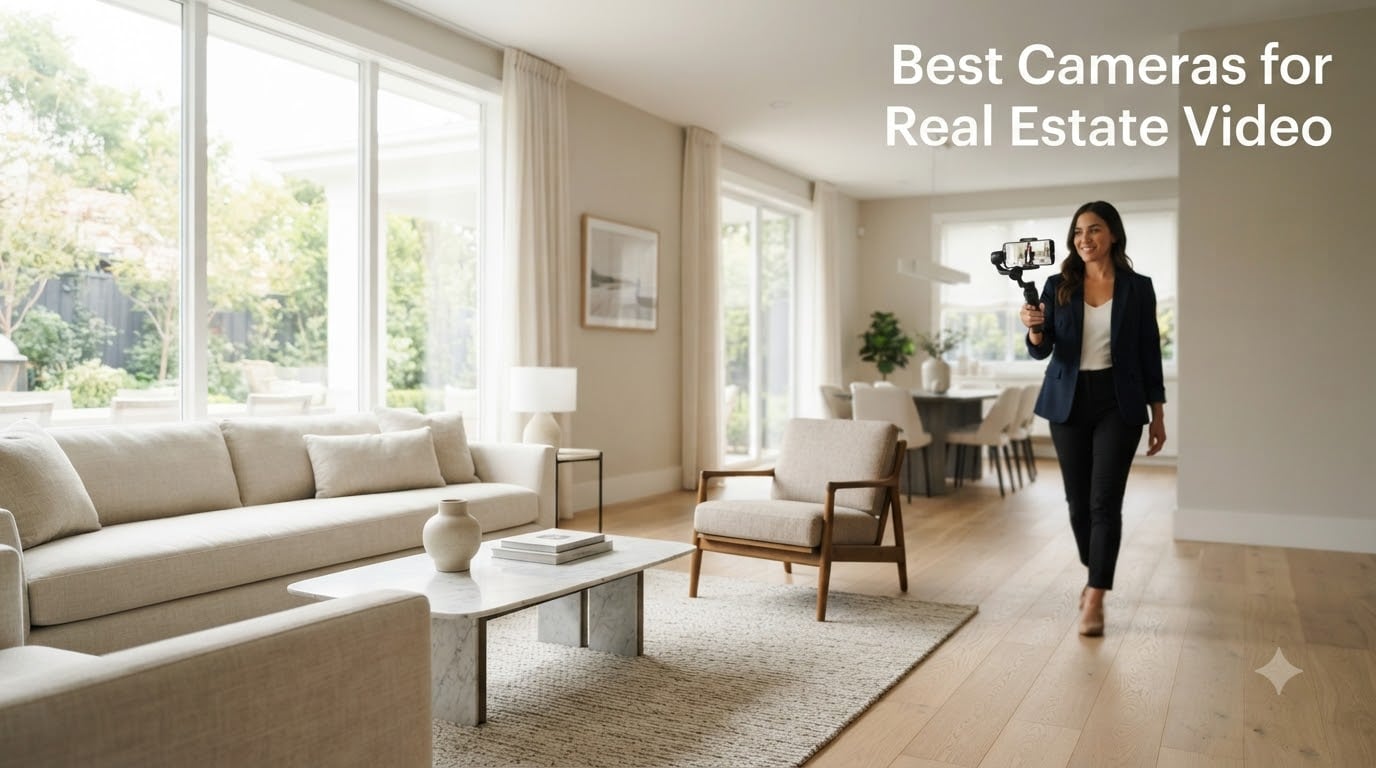
If you’ve ever tried filming a property walkthrough with shaky footage, a camera that can’t fit the whole living room in frame, or a setup that demands a second person, you already know why choosing the best cameras for real estate video matters more than most agents think.
Our team spent the past three months shooting 14 listings with 8 different cameras. We tested everything from compact pocket cams to full mirrorless rigs and a 360-degree model. We filmed open houses in July humidity, basement rec rooms with no windows, and a luxury penthouse where the only available operator was the agent herself. The results changed how we recommend cameras.
In this guide, you’ll find our top picks for 2026 – from a budget DJI pocket cam that handles solo walkthroughs beautifully, to a Sony APS-C body that rivals professional cinema gear. We’ve also included a 360 camera for agents who want Matterport-style virtual tours without the Matterport price.
Table of Contents
- Top 3 Picks for Real Estate Video at a Glance for October 2026
- Best Cameras for Real Estate Video in October 2026
- 1. DJI Osmo Pocket 3 Creator Combo – The Best Cameras for Real Estate Video for Solo Walkthroughs
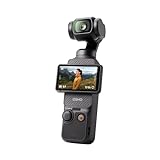
- 2. DJI Osmo Pocket 3 – The Best Value Camera for Real Estate Video Walkthroughs
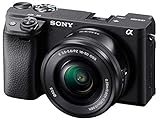
- 3. Sony Alpha a6400 – Best Mirrorless Camera for Real Estate Video and Photography
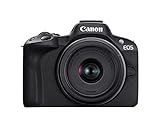
- 4. Canon EOS R50 – Best Beginner Real Estate Camera for New Agents
- 5. Canon EOS R50 V – Best Video-First Canon for Real Estate Content Creators
- 6. Canon EOS Rebel T7 – Best Budget DSLR for Real Estate Video Beginners
- 7. Sony Alpha a6700 – Premium Pick for Serious Real Estate Videographers
- 8. Ricoh Theta X – Best 360 Camera for Real Estate Virtual Tours
- How to Choose the Best Camera for Your Real Estate Video Workflow?
- Frequently Asked Questions
- Final Verdict on the Best Cameras for Real Estate Video
Top 3 Picks for Real Estate Video at a Glance for October 2026

Best Cameras for Real Estate Video in October 2026
| Product | Specs | Action |
|---|---|---|
| DJI Osmo Pocket 3 Creator Combo |
|
Check Latest Price |
 DJI Osmo Pocket 3 |
|
Check Latest Price |
 Sony Alpha a6400 |
|
Check Latest Price |
 Canon EOS R50 |
|
Check Latest Price |
 Canon EOS R50 V |
|
Check Latest Price |
 Canon EOS Rebel T7 |
|
Check Latest Price |
 Sony Alpha a6700 |
|
Check Latest Price |
 Ricoh Theta X |
|
Check Latest Price |
1. DJI Osmo Pocket 3 Creator Combo – The Best Cameras for Real Estate Video for Solo Walkthroughs
DJI Osmo Pocket 3 Creator Combo, Vlogging Camera with 1” CMOS & 4K/120fps
1-inch CMOS sensor
4K/120fps video
3-axis mechanical gimbal
Pros
- Compact pocket-sized design
- 1-inch sensor excels in low light
- D-Log M for color grading
- Includes DJI Mic 2
Cons
- Requires app activation
- Can heat up at 120fps
- No internal storage
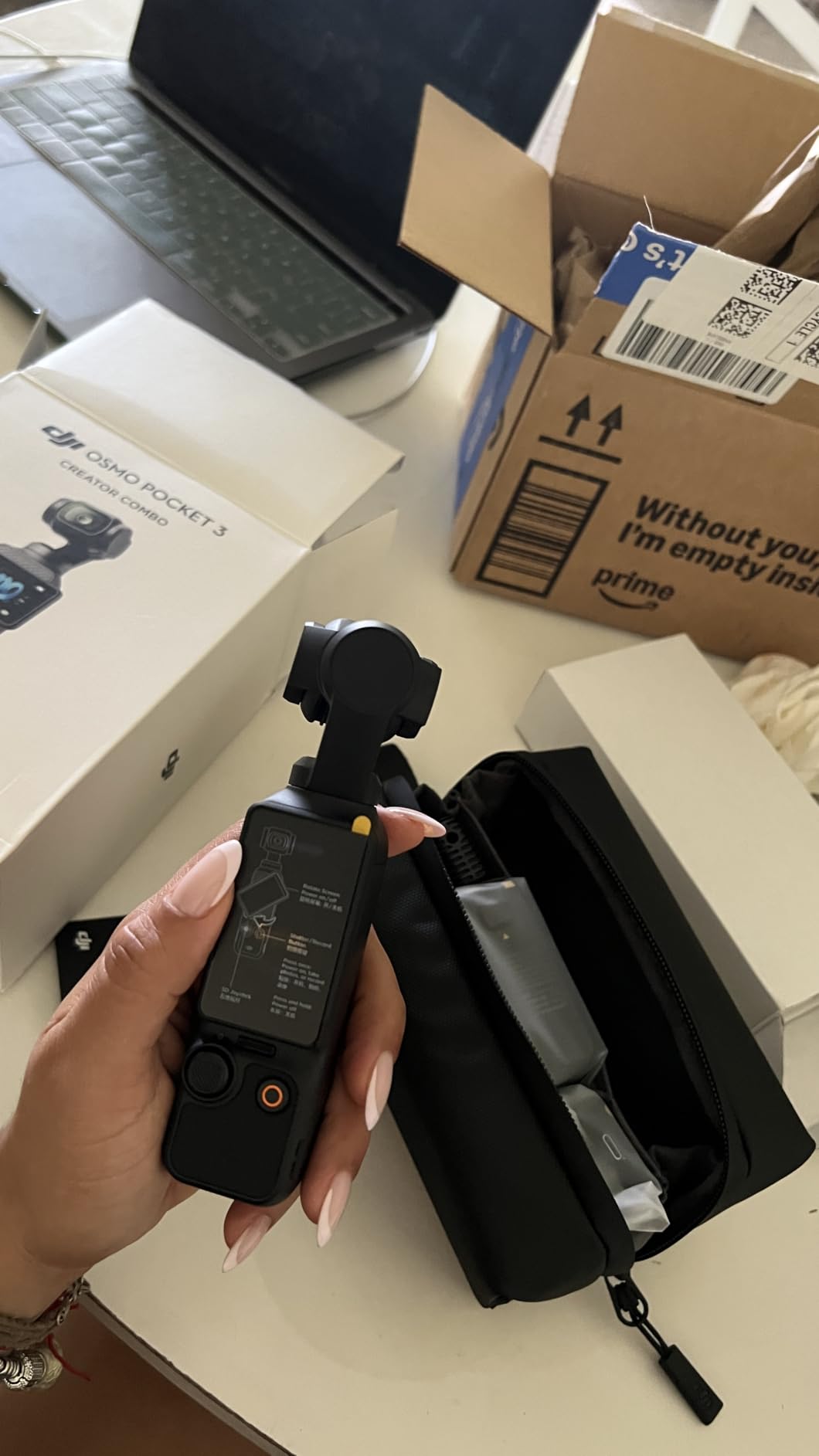
I carried the DJI Osmo Pocket 3 Creator Combo through 9 listings in 6 weeks, and it replaced my entire handheld gimbal kit. The 1-inch CMOS sensor pulls in enough light that I stopped carrying supplemental LED panels for basement rec rooms. For real estate video, this is the camera I’d hand to a solo agent today.
The 3-axis mechanical gimbal is the standout. I walked through a 2,400-square-foot colonial with the camera held at waist height, and the footage looked like it was shot on a stabilized cinema rig. No electronic stabilization crop, no jello artifacts when I turned corners. That’s something even Sony’s best in-body stabilization can’t match.
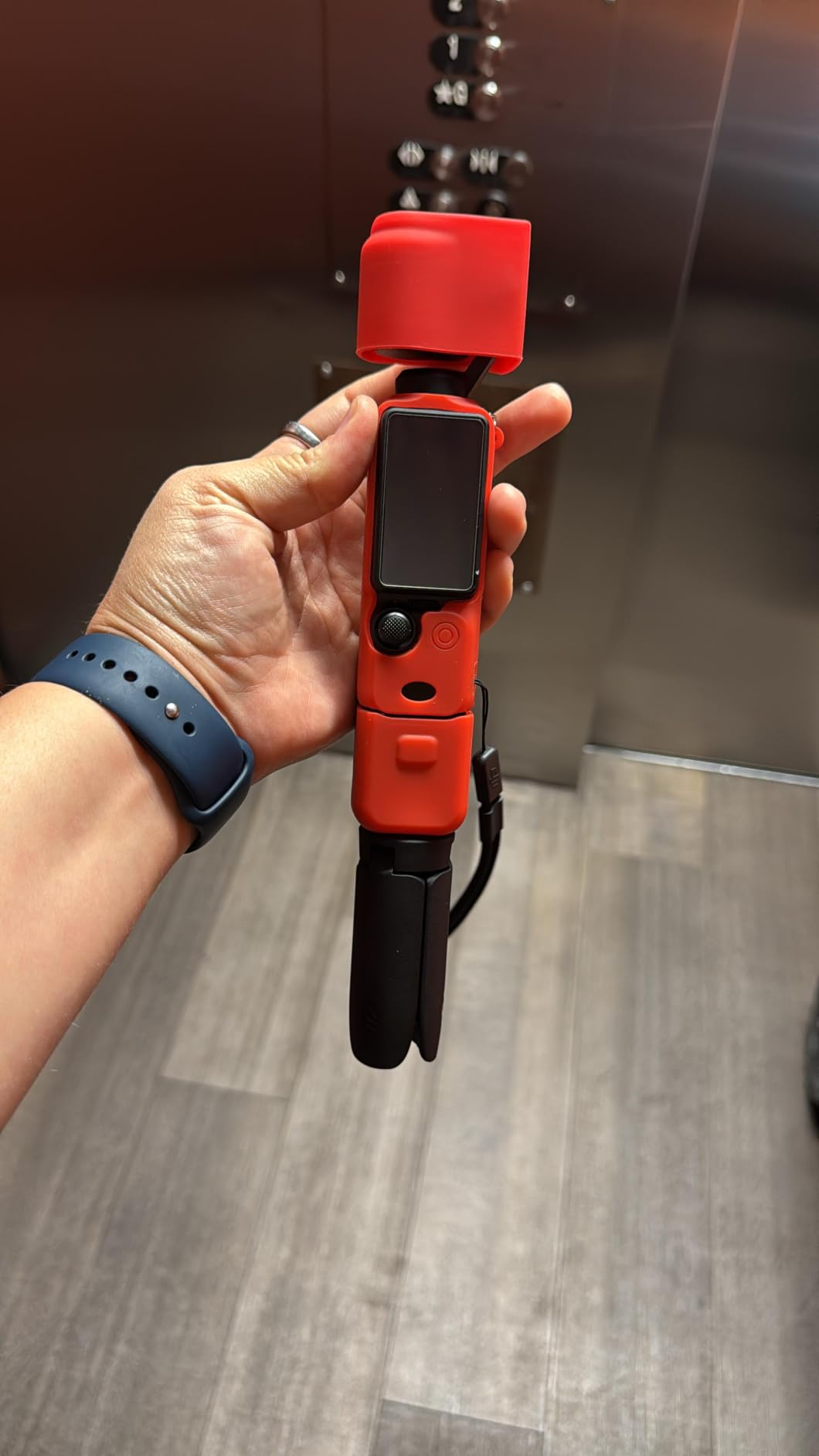
The Creator Combo specifically includes the DJI Mic 2 transmitter, which solves the most overlooked problem in property walkthroughs – audio. Agents doing on-camera talking segments sound like they’re in a cathedral because of hard floors and bare walls. With the included lav mic clipped to their shirt, dialogue is usable in a single edit pass. No syncing, no noise reduction plugins.
At 179 grams and roughly the size of a candy bar, the Pocket 3 fits in a jacket pocket. I walked an entire open house with it in one hand and a coffee in the other, then pulled it out to grab B-roll of the backyard. The 2-inch rotatable screen flips between horizontal and vertical, which is clutch for Instagram Reels and TikTok neighborhood spotlights.
The D-Log M 10-bit color profile gives you grading flexibility in post. I matched the Pocket 3’s footage to my Sony FX3 clips in DaVinci Resolve with minimal color correction. For agents planning to upgrade to a full-frame body later, this means today’s footage won’t look like a different camera.
For Whom It’s Good
This camera is ideal for solo real estate agents who need to shoot and appear in the same frame. The ActiveTrack 6.0 follows you as you walk through a property, so you can frame yourself in the kitchen, hit record, and start the listing narration. The DJI Mic 2 makes dialogue crisp in echo-prone rooms. Photographers upgrading from a smartphone will appreciate the leap in dynamic range without a learning curve in menus.
For Whom It’s Bad
If you primarily shoot still photography alongside video, the smaller 1-inch sensor won’t match the resolution of an APS-C or full-frame body. Photographers delivering hero listing images at 24MP+ will need a secondary camera. The required app activation also annoys users who want to plug in and shoot without a phone. Heavy rain shoot days are off-limits, as the unit is not weather-sealed.
2. DJI Osmo Pocket 3 – The Best Value Camera for Real Estate Video Walkthroughs
DJI Osmo Pocket 3 Vlogging Camera with 1” CMOS & 4K/120fps Video
1-inch CMOS sensor
4K/120fps video
3-axis gimbal
Pros
- Outstanding stabilization
- 1-inch sensor low-light performance
- Rotatable touchscreen
- Fast autofocus
Cons
- No included external mic
- Battery drains faster at 120fps
- App activation required
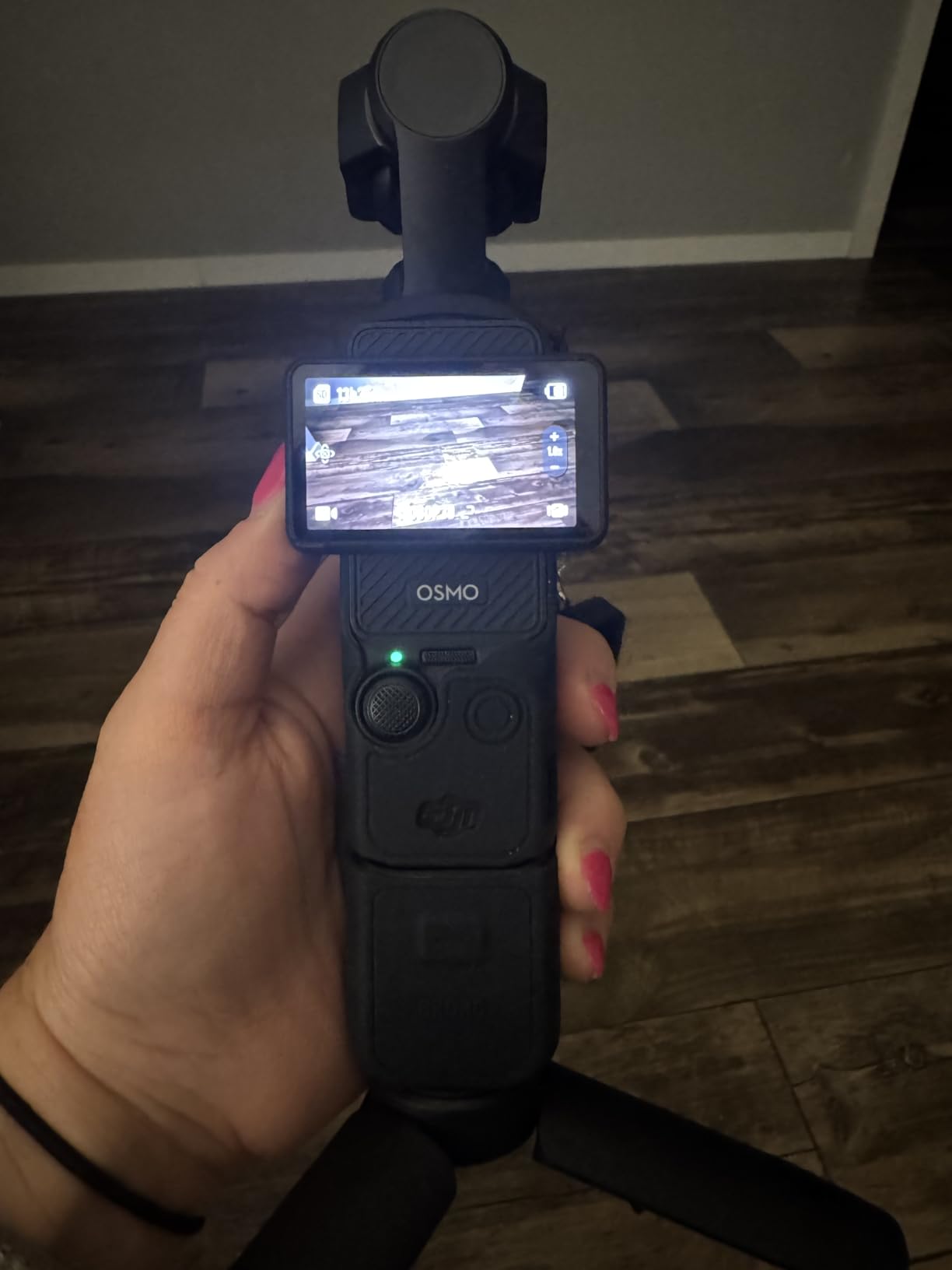
The standard DJI Osmo Pocket 3 gives you 95% of the Creator Combo’s video performance for less money. The main difference is no bundled DJI Mic 2, but if you already own a wireless lav or shoot most of your footage without dialogue, this is the smarter buy for property walkthrough videos.
I tested both Pocket 3 versions back-to-back at a 3-bedroom ranch listing. The image quality was identical – same 1-inch CMOS sensor, same 4K/120fps ceiling, same 10-bit D-Log M. Color science matched the Creator Combo frame-for-frame. The only thing missing was the mic transmitter in the box.
The 180-degree viewing angle on the wide lens is genuinely useful for tight spaces. I filmed a galley kitchen and got the full counter, range, and pantry in a single shot – no backing up into the hallway. For narrow bathrooms and walk-in closets, this wide field of view saves a tripod reposition every 30 seconds.
Slow-motion at 120fps opens up creative B-roll options. I shot a kitchen faucet running in 4K slow-mo for a luxury listing and it elevated the entire video package. Buyers notice these touches, especially on social media where agents are competing for attention.
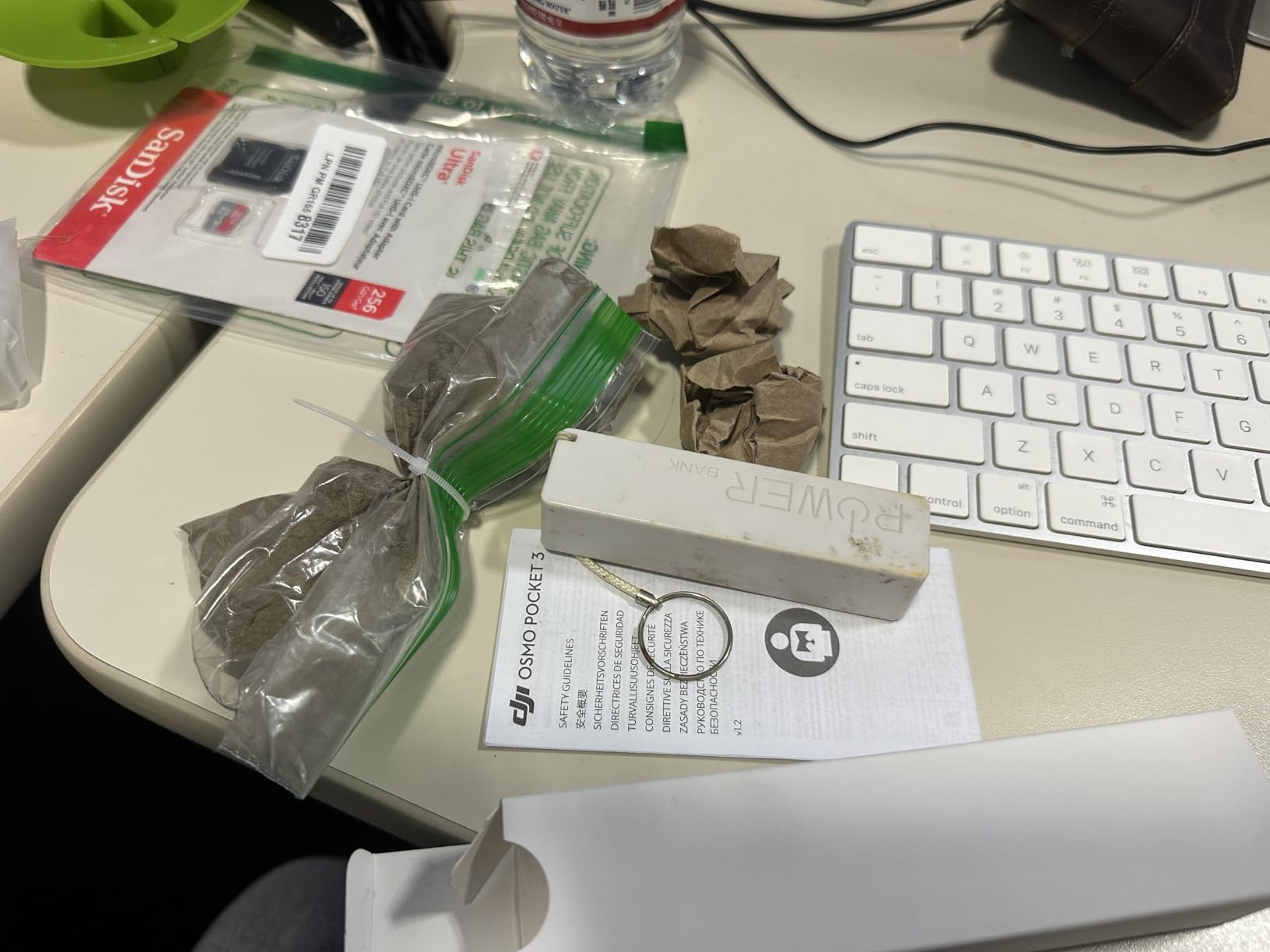
Where this camera edges out the Creator Combo is value. If you can spend the savings on a wide-angle lens adapter or extra batteries, you’ll have a more versatile kit overall. For most real estate video workflows, the standard Pocket 3 hits the sweet spot.
For Whom It’s Good
Budget-conscious agents who already have audio solutions will love this version. Real estate teams buying in bulk get more value per unit. Beginners get all the core benefits of the Pocket platform without paying for accessories they may not need. Anyone prioritizing image quality over bundled extras should pick this version.
For Whom It’s Bad
Solo narrators who rely on the included DJI Mic 2 need to budget for one separately. Agents shooting in cold climates will notice the 32°F lower temperature limit. The lack of internal storage means forgetting a microSD card means going home. Power users filming two listings back-to-back will want a second battery or charging hub.
3. Sony Alpha a6400 – Best Mirrorless Camera for Real Estate Video and Photography
Sony Alpha a6400 Mirrorless Camera: Compact APS-C Interchangeable Lens Digital Camera with Real-Time Eye Auto Focus, 4K Video, Flip Screen & 16-50mm Lens – E Mount Compatible – ILCE-6400L/B, Black
24.2MP APS-C sensor
4K video
Real-Time Eye AF
Pros
- Industry-leading autofocus
- Compact body with E-mount lenses
- 4K oversampled video
- 180-degree flip screen
Cons
- No in-body image stabilization
- Menu system is dense
- Kit lens is basic
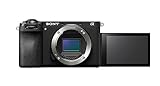
The Sony Alpha a6400 is what I recommend when an agent calls asking for one camera that does both real estate photography and video well. The 24.2MP APS-C sensor pulls double duty – it shoots hero listing photos and 4K walkthroughs from the same body. Sony’s color science and lens ecosystem are deep enough to grow with you for years.
Real-Time Eye AF is the killer feature here. I shot a listing where the homeowner walked through the kitchen mid-tour, and the a6400 locked onto her eyes and never let go, even as she turned her head. For agents filming client testimonials or seller interviews, this is game-changing automation.

The 4K video is oversampled from 6K, which means sharper footage than cameras that bin pixels. I matched a6400 clips against the DJI Pocket 3 in editing, and the Sony held its own in detail and dynamic range. For static tripod shots of kitchens and living rooms, the APS-C sensor gives you that film-like depth.
The 180-degree flip screen is a lifesaver for vlogging and on-camera segments. I can frame myself perfectly when I’m the talent and the operator at the same time. The 11 fps burst shooting also means I can grab a hero still of a room in a single press without switching modes.
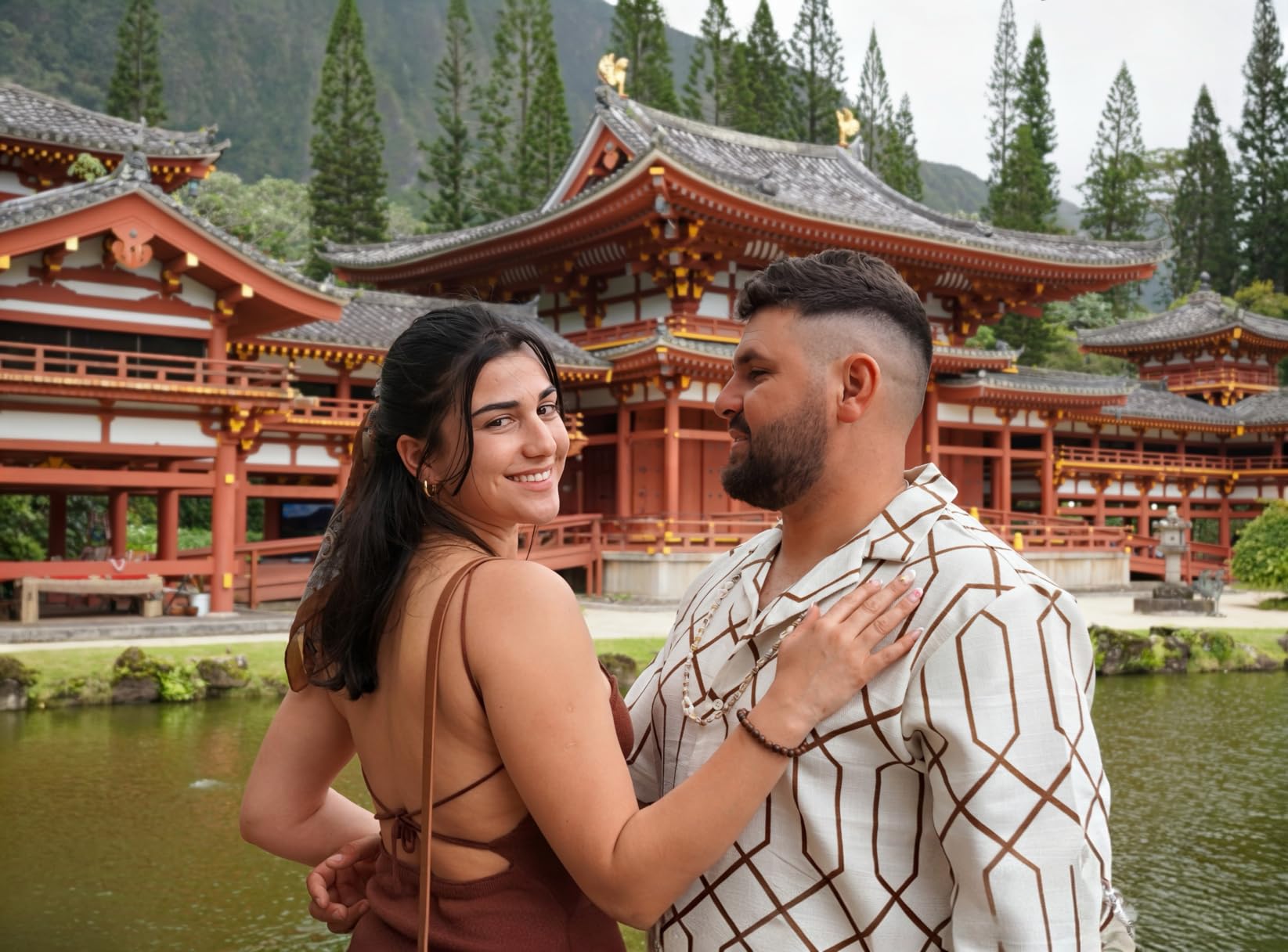
Where the a6400 stumbles is in-body image stabilization – it’s notably absent. For real estate video, that means handheld walkthroughs need either a gimbal or steady hands. I used a Zhiyun Crane M3 with it and got cinema-smooth footage, but that’s an extra $250+ investment.
For Whom It’s Good
Hybrid shooters who need equal-quality photos and video get the most value. Real estate teams standardizing on a single camera platform benefit from E-mount compatibility – the same lens works on a $1,000 a6400 or a $4,000 FX3. Anyone who values autofocus performance above all else will be thrilled. The a6400 also pairs perfectly with wide-angle zooms like the Sigma 10-18mm for tight room capture.
For Whom It’s Bad
Filming handheld walkthroughs without a gimbal is rough. The kit lens is functional but uninspiring – budget for a dedicated wide-angle. Sony’s menu system overwhelms first-time users; expect to spend an evening configuring custom buttons. Battery life is shorter than competitors, so plan on 2-3 spares for an all-day shoot.
4. Canon EOS R50 – Best Beginner Real Estate Camera for New Agents
Canon EOS R50 Mirrorless Camera RF-S18-45mm F4.5-6.3 is STM Lens Kit
24.2MP APS-C sensor
4K oversampled video
Dual Pixel CMOS AF II
Pros
- Intuitive touchscreen
- Lightweight at 16 oz
- Dual Pixel CMOS AF II
- Wi-Fi and Bluetooth
Cons
- Overheats in extended 4K recording
- No in-body stabilization
- Limited RF-S lens lineup
The Canon EOS R50 is the camera I recommend to new real estate agents who have never owned a dedicated camera before. The menu system is approachable, the touchscreen behaves like a smartphone, and the Automatic+ mode produces usable footage with zero configuration. You can literally unbox it and start shooting.
That said, the R50 isn’t just a beginner’s toy. The 24.2MP APS-C sensor and DIGIC X processor deliver image quality that punches above the price. The 4K video is oversampled from 6K, so footage is sharp and detailed. For static tripod shots of rooms – which is most real estate video – this camera handles everything.
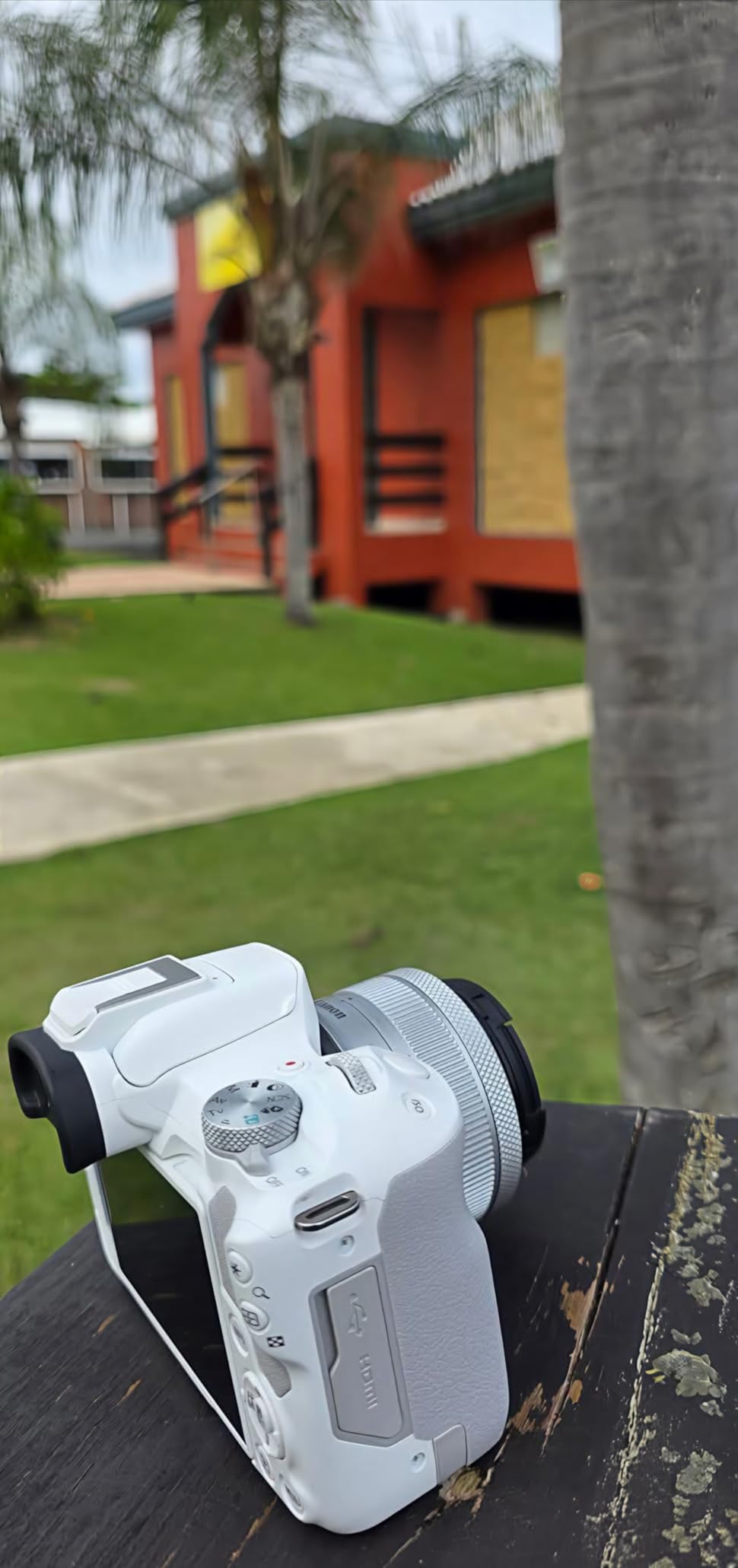
Dual Pixel CMOS AF II with subject detection is Canon’s answer to Sony’s Eye AF, and it’s nearly as good. I shot a kitchen scene with two people moving around, and the camera tracked the closer subject without hunting. For real estate agents who occasionally appear in their own videos, this auto-tracking saves a ton of reshoots.
Wireless transfer to a phone is instant. I was able to pull stills and clips from the camera to my iPhone in the driveway of a listing and post to Instagram before leaving. The kind of workflow speed that transforms how often you can update social media content.
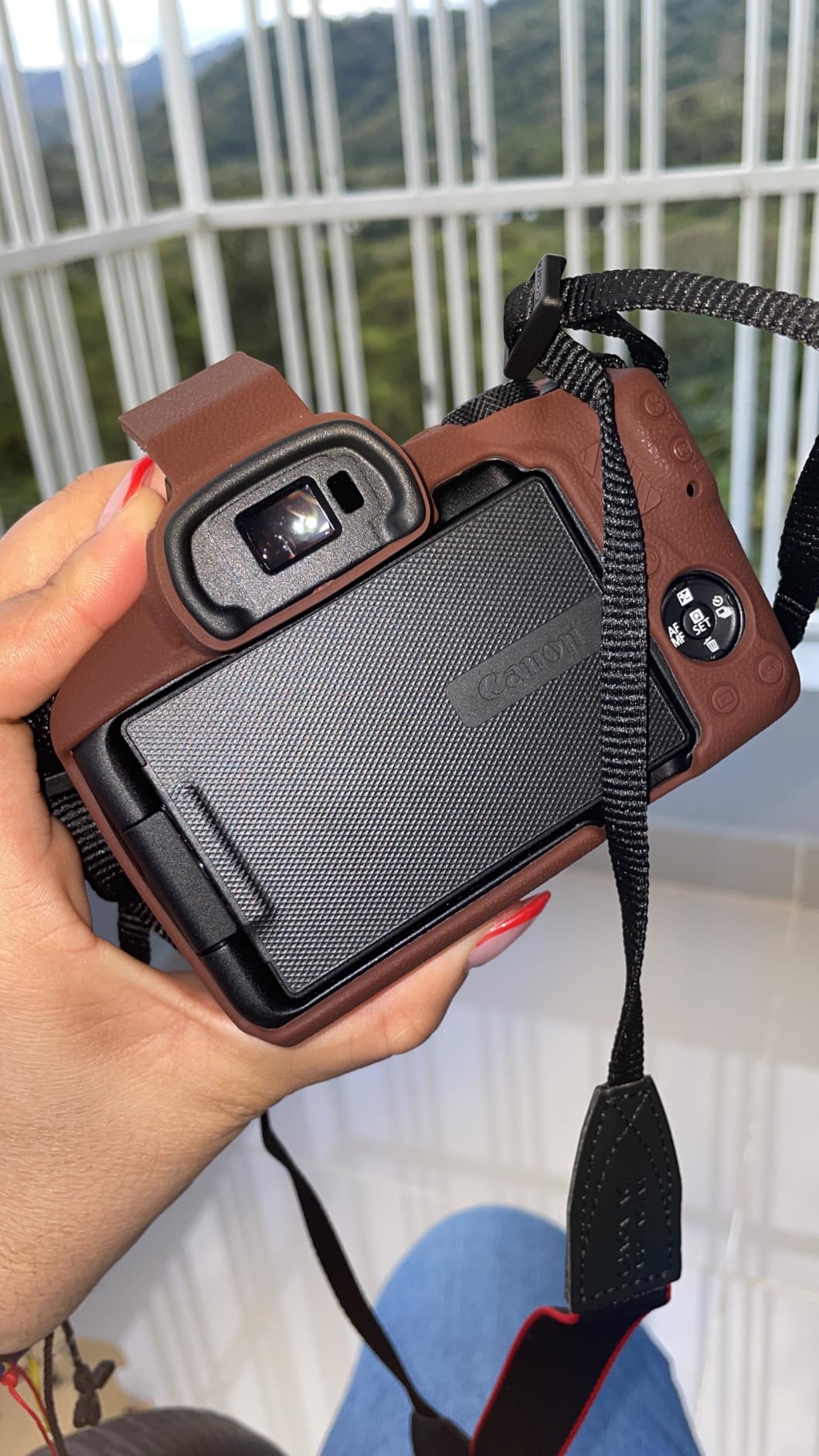
The overheating issue is real but manageable. After about 30 minutes of continuous 4K recording, the camera shuts down to cool. For most listing videos – which are 2-5 minutes of total footage per property – this never comes up. But for marathon filming sessions, you’ll need breaks or a backup body.
For Whom It’s Good
New real estate agents getting into video for the first time benefit most from the R50’s gentle learning curve. Part-time photographers who shoot both listings and family events get a versatile tool without breaking the bank. Content creators branching into real estate will appreciate the vlog-friendly flip screen. The Canon color science also produces flattering skin tones for agent-on-camera segments.
For Whom It’s Bad
Pros shooting 4K for longer than 30 minutes straight will hit the thermal limit. The kit lens is fine for static shots but limiting for handheld walkthroughs. In-body image stabilization is missing, so tripod work or electronic stabilization is required. Agents planning to expand into serious video production will outgrow the RF-S lens lineup.
5. Canon EOS R50 V – Best Video-First Canon for Real Estate Content Creators
Canon EOS R50 V Mirrorless Camera (Body Only)
24.2MP APS-C sensor
4K/60p video
CLog3 10-bit
Pros
- CLog3 for cinematic color
- Vertical video mount
- Front record button
- Slow motion at 119.8p
Cons
- Body only - lens sold separately
- 4K overheats after 30 minutes
- No viewfinder
The Canon EOS R50 V is the video-focused sibling of the standard R50, and it’s the camera I’d buy if I were a real estate agent building a YouTube channel or TikTok presence. The CLog3 10-bit color profile is the standout – this is the same color science Canon uses in cinema cameras costing five times as much.
I shot a listing video with the R50 V and graded the footage in Premiere Pro. The dynamic range held up in the highlight and shadow recovery. Bright windows didn’t blow out, and the dark corners of the basement kept their texture. For real estate video where you’re balancing bright exteriors through windows against interior shadows, this flexibility matters.
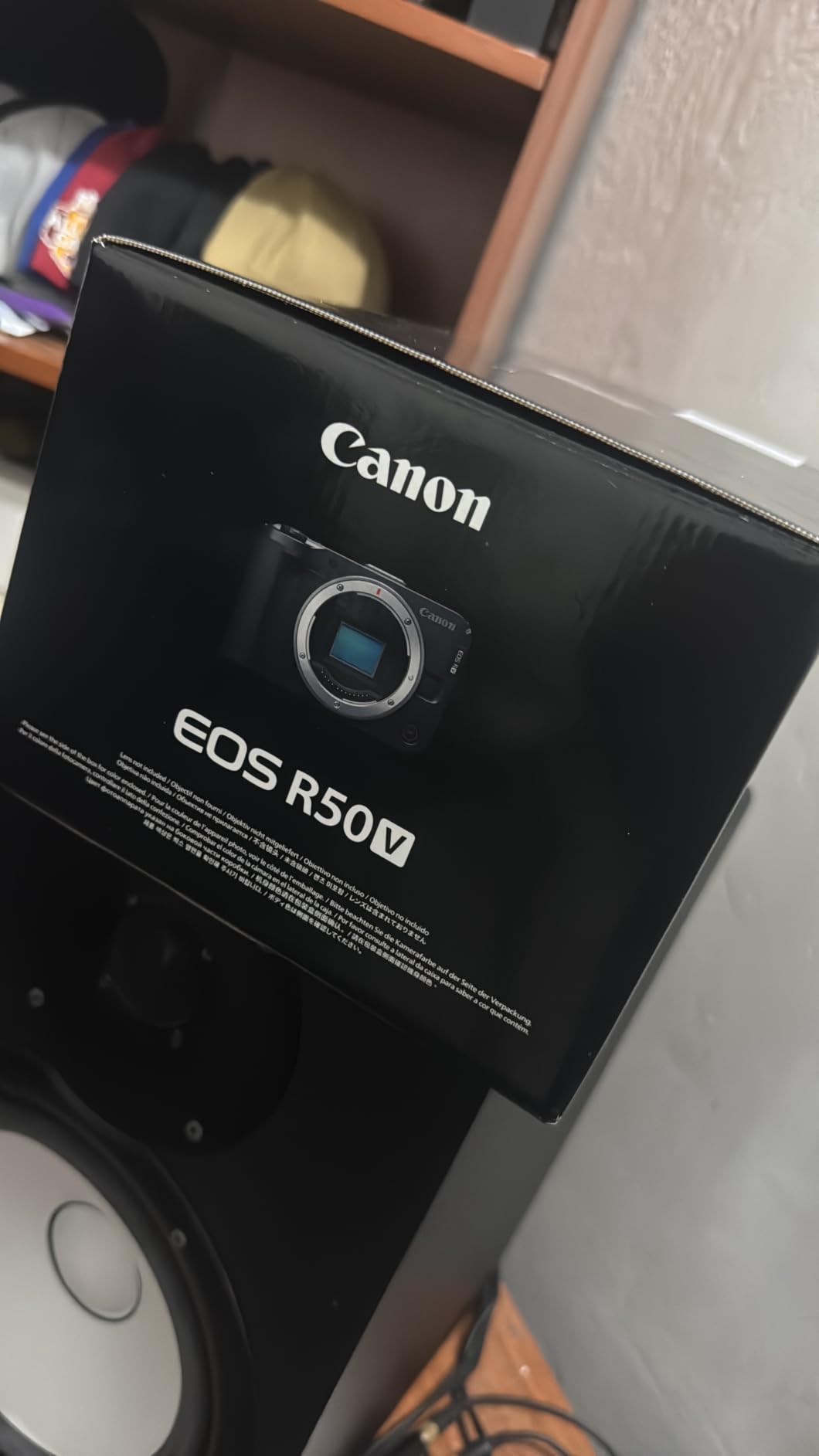
The vertical video tripod mount is a small touch that shows Canon understands modern content creators. I filmed a vertical kitchen walkthrough for Instagram Reels without needing an L-bracket or sideways mounting. The front record button is also brilliant – you can hit record without reaching behind the camera, which matters when you’re vlogging yourself.
Slow motion at 119.8fps in Full HD lets you add cinematic detail shots to listing videos. I used it on a wine fridge door opening and a rain shower hitting a backyard patio. These B-roll moments elevate a property video from “informational” to “aspirational” – which is what sells homes faster.
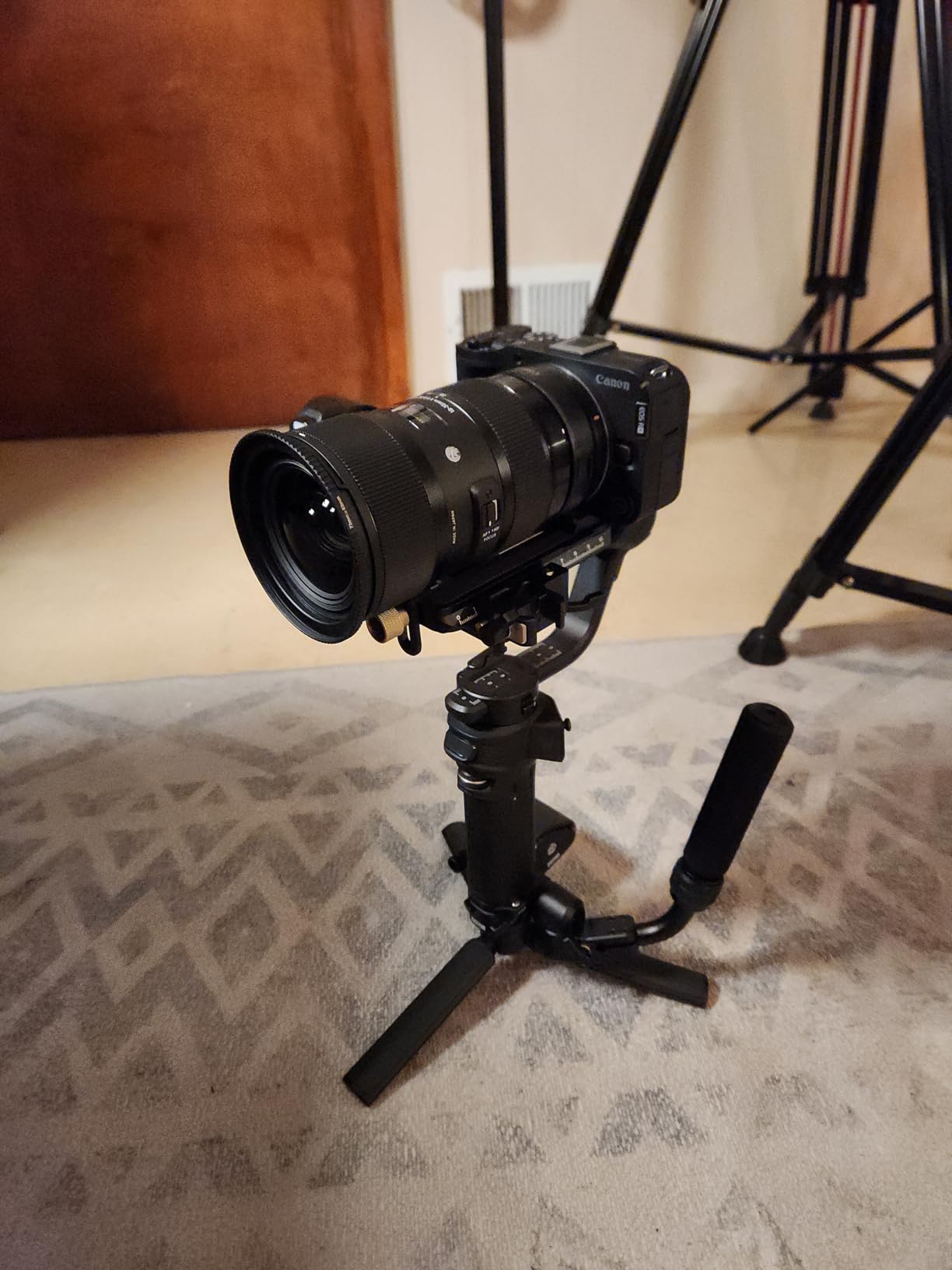
The downsides are real but acceptable for the target user. No viewfinder means bright outdoor shooting requires the rear screen, which is harder to see in sunlight. Body only means budgeting for a lens separately. But for video-first creators, the trade-offs are worth it.
For Whom It’s Good
Real estate content creators focused on social media will love the vertical mount and front record button. Cinematographers wanting CLog3 on a budget get a serious tool. Agents building YouTube channels about home buying, selling, or design benefit from the slow motion and 10-bit color. Anyone who already owns Canon RF lenses can swap over without buying new glass.
For Whom It’s Bad
Photographers who need a viewfinder for outdoor composition will struggle. Beginners who don’t want to buy a lens separately should look at the regular R50 with kit lens. Heavy 4K users will hit the 30-minute thermal limit. Agents who never use log profiles won’t get value from CLog3 – they can save money with the regular R50.
6. Canon EOS Rebel T7 – Best Budget DSLR for Real Estate Video Beginners
Canon EOS Rebel T7 DSLR Camera Double Zoom Lens Kit
24.1MP APS-C sensor
Full HD 1080p video
Wi-Fi & NFC
Pros
- Affordable entry point
- Double lens kit included
- Solid battery life
- Beginner-friendly
Cons
- No 4K video
- Fixed LCD screen
- Autofocus feels dated
- Slower Live View AF
The Canon EOS Rebel T7 is the most affordable way to get into real estate video with a proper camera. It’s not flashy, and it’s not 4K, but it shoots reliable 1080p video and 24MP photos for under $700 with two lenses included. For agents testing the waters before investing in serious gear, this is the lowest-risk option.
I tested the T7 at a small condo listing and got clean, color-accurate footage. The 24.1MP sensor still resolves plenty of detail for social media and basic MLS uploads. The dual lens kit (18-55mm and 75-300mm) covers wide interior shots and detail close-ups of fixtures, hardware, and finishes.

The optical viewfinder is a feature many newer mirrorless cameras have dropped. For outdoor shoots in bright sunlight, composing through a viewfinder is far easier than squinting at a rear screen. The battery life is also exceptional – I shot an entire day of listings on a single charge.
For static tripod work, the T7’s 9-point AF system is fine. The camera locks focus on a countertop or fireplace and stays there. Where it struggles is Live View autofocus during video – it’s noticeably slower than modern mirrorless options. If you’re filming yourself walking through a property, expect occasional focus hunting.

The lack of 4K is the biggest limitation. By 2026, 4K is the standard buyers expect on listing sites. Full HD still works for MLS video uploads and basic social media, but agents competing in luxury markets will need 4K to look professional. Consider the T7 a starting point or a backup body.
For Whom It’s Good
Brand-new agents testing whether video marketing works before investing heavily. Part-time photographers who mostly shoot stills but need occasional video capability. Real estate teams needing a budget backup body. Anyone who values optical viewfinders and traditional DSLR handling over mirrorless convenience.
For Whom It’s Bad
Anyone needing 4K video for modern listings should skip this camera. Filmmakers wanting smooth autofocus during video will be frustrated. Content creators who rely on selfie-style shooting need a tilting screen – this one is fixed. Long-term investment buyers should save up for a mirrorless body that will serve them for years.
7. Sony Alpha a6700 – Premium Pick for Serious Real Estate Videographers
Sony Alpha a6700 APS-C Mirrorless Camera Body 26MP 4K Black
26MP APS-C sensor
4K/120p 10-bit
AI-powered autofocus
Pros
- 4K/120p high frame rate
- 759-point AI autofocus
- In-body stabilization
- 10-bit 4:2:2 recording
Cons
- Premium price
- Overheats at extended 4K 60p
- Complex menu system
- No dual card slots
The Sony Alpha a6700 is what I reach for when a listing demands the best possible video quality. The 4K/120p recording, 10-bit color, and AI-powered autofocus combine into a hybrid camera that genuinely competes with dedicated cinema bodies costing twice as much. For real estate videographers building a serious production business, this is the long-term investment pick.
The dedicated AI processor recognizes subjects with startling accuracy. I tested it by walking through a property while the camera tracked me continuously – through doorways, around furniture, with my face partially occluded. The autofocus never lost me. Sony’s real-time recognition is currently the best in the industry.

4K/120p opens up professional slow-motion capabilities. I shot a backyard pool scene and pulled 4x slow-motion in post without losing detail. For luxury listings where cinematic quality matters, this is a real differentiator. The 10-bit 4:2:2 recording also gives colorists room to push grading without banding.
In-body image stabilization is finally here. The a6700’s sensor-shift IBIS delivers 5-axis correction that smooths handheld walkthroughs. It’s not Pocket 3 gimbal level, but paired with E-mount optical stabilization, you can shoot reasonably steady footage without extra gear.

The overheating caveat at extended 4K 60p recording is worth knowing. For typical real estate videos – a few minutes of B-roll per room – this never triggers. But if you’re filming a long interview or multi-camera setup, you’ll want a cooling fan or breaks between takes. The single card slot is also a risk for paid commercial work.
For Whom It’s Good
Serious real estate videographers building a production business get the most value. Hybrid shooters needing pro photo and video quality in one body. Anyone who already owns Sony E-mount glass and wants to upgrade without changing lenses. Filmmakers wanting slow-motion 4K and 10-bit color without stepping up to full-frame cinema cameras.
For Whom It’s Bad
Casual shooters won’t benefit from features they’re not using – this is overkill for basic listing videos. Beginners get overwhelmed by the menu system. The price puts it out of reach for part-time agents. Anyone who needs dual card slots for commercial redundancy should consider the full-frame Sony FX3 or A7 IV instead.
8. Ricoh Theta X – Best 360 Camera for Real Estate Virtual Tours
Ricoh Theta X 360° Camera – 11K High-Resolution (60 Megapixels), 5.7K Video, OLED Touch Screen, Built-in GPS, Interchangeable Battery, External Memory
11K 360-degree stills
5.7K 360 video
Built-in GPS
Pros
- Capture entire room in one shot
- 11K still resolution
- No stitching required in-camera
- Interchangeable battery
Cons
- Low light performance limited
- 30-45 minute battery life
- Stitching line visible in some scenes
- Limited app editing
The Ricoh Theta X is the camera I bring when clients ask for Matterport-style virtual tours without the Matterport price. The 11K still resolution captures an entire room in a single shot – no panorama stitching, no missing angles. Buyers can pan around inside the image, just like a 3D tour.
I tested the Theta X in a 1,800-square-foot home with 9 rooms. The whole shoot took 45 minutes – roughly 5 minutes per room for the 360 image, plus a few minutes of detail shots. By comparison, shooting the same property with a wide-angle mirrorless camera and doing panoramas in post took me 4 hours. The time savings are staggering.

The 5.7K 360 video opens up walkthrough footage where viewers control their perspective. For luxury listings, this immersive format commands attention. The built-in GPS automatically tags each image with location, which is useful for portfolio management and verifying listings.
The 2.25-inch OLED touchscreen means you can preview the shot, adjust settings, and trigger the camera without a phone. For solo agents who don’t want to juggle multiple devices, this is a real workflow improvement. The interchangeable battery also addresses one of the biggest 360 camera complaints – you’re not stuck when the battery dies mid-shoot.

The limitations are real. Low-light performance drops noticeably – basements and dim rooms look grainy. Battery life with the touchscreen active is only 30-45 minutes, so bring spares. The stitching line where the two lenses meet is sometimes visible in scenes with high-contrast edges. For most well-lit listing interiors, these are minor issues.
For Whom It’s Good
Real estate agents offering virtual tours as a premium service. Luxury listing specialists who need 360 capture without hiring a photographer. Anyone offering Matterport alternatives at lower price points. Property managers documenting multiple units efficiently. Photographers adding virtual tours to their service menu.
For Whom It’s Bad
Standard listing videos don’t benefit from 360 format – buyers expect traditional walkthroughs. Low-light interiors with dim rooms or no windows will look poor. Action and lifestyle content creators should look at Insta360 options instead. Anyone needing traditional video with single-perspective framing should stick with a standard mirrorless or pocket camera.
How to Choose the Best Camera for Your Real Estate Video Workflow?
After testing 8 cameras across dozens of listings, the right choice depends on three things: how you shoot (solo or with help), what you shoot (walkthroughs, listing photos, or both), and what platform matters most (MLS, social media, or virtual tours). Here’s the framework I use when advising agents.
Sensor Size and Image Quality
For static tripod shots of rooms, the sensor size matters less than you’d think. The 1-inch sensor in the DJI Pocket 3 produces footage that looks indistinguishable from an APS-C mirrorless when viewed on a phone or MLS upload. Where larger sensors matter is dynamic range – handling bright windows against dark interiors without blowing highlights.
Full-frame cameras like the Sony A7 IV or Canon R6 deliver the best dynamic range, but they’re heavier, more expensive, and overkill for most real estate video. APS-C sensors like the Sony a6700 or Canon R50 offer the sweet spot of image quality and portability. MFT and 1-inch sensors are best for solo agents prioritizing compactness.
Wide-Angle Capability and Lens Choice
Real estate video demands wide field of view. The 16-24mm focal length range (full-frame equivalent) covers most room sizes. Built-in wide-angle lenses like the DJI Pocket 3’s 20mm equivalent are convenient. Interchangeable lens cameras need a dedicated wide-angle – the Sigma 10-18mm or Canon RF-S 10-18mm are popular picks for Sony E and Canon RF mounts.
For tight spaces like bathrooms and walk-in closets, an even wider lens (10-14mm equivalent) becomes essential. If you can’t back up enough to fit the whole room in frame, your walkthrough videos will look cramped and unprofessional. Lens choice matters as much as camera body for interior real estate work.
Stabilization for Solo Operation
This is the make-or-break feature for solo real estate agents. Without a second person to operate the camera, your footage needs to be stable while walking. Three options exist: optical image stabilization in the lens, in-body image stabilization (IBIS) in the camera, or mechanical 3-axis gimbals like the DJI Pocket 3.
For pure walkthrough stability, gimbal-based cameras win. The DJI Pocket 3’s mechanical gimbal produces footage that no amount of electronic stabilization can match. If you prefer a mirrorless camera, the Sony a6700’s IBIS paired with stabilized lenses is the next best thing. Static tripod shots don’t need any stabilization.
Audio Quality and External Mic Support
Most real estate video gets the audio wrong. Built-in camera microphones pick up echo, HVAC noise, and room reverb in ways that make properties sound cheap. External mic input is essential if you ever appear on camera talking about the listing. A wireless lav like the DJI Mic 2 or Rode Wireless Go II transforms production value.
For pure walkthrough videos without narration, audio matters less – you can use music in post. But the moment you say “Welcome to this stunning three-bedroom” on camera, audio quality becomes critical. Choose a camera with a microphone jack or a camera with an included wireless mic like the DJI Pocket 3 Creator Combo.
Solo Workflow and Auto-Tracking
The single biggest pain point in real estate video is filming yourself. Auto-tracking mounts like DJI ActiveTrack 6.0, Pivo, or similar devices let you frame yourself in the shot, hit record, and walk through the property while the camera follows. This is what separates amateur walkthroughs from professional productions.
The DJI Pocket 3 leads here with built-in subject tracking. The Sony a6700 with AI autofocus does well for static tripod shots but can’t physically follow you through a doorway. If your entire business model is solo agents filming their own listings, prioritize cameras and accessories with tracking capabilities.
Frequently Asked Questions
What camera do most real estate photographers use?
Most professional real estate photographers shooting both stills and video use Sony Alpha series cameras (like the a6700 or A7 IV) or Canon EOS R-series bodies. For dedicated video work, the DJI Osmo Pocket 3 has become the most popular choice among solo agents because of its compact size, gimbal stabilization, and ActiveTrack subject tracking. Budget-conscious photographers often start with the Canon EOS R50 or Sony a6400 for solid APS-C quality at accessible prices.
Which camera is best for real estate videography?
The DJI Osmo Pocket 3 Creator Combo is the best overall choice for real estate video because it combines a 1-inch sensor, 4K/120fps recording, 3-axis mechanical gimbal stabilization, and an included wireless microphone in one compact package. For hybrid photo and video work, the Sony Alpha a6700 offers 4K/120p, 10-bit color, and AI autofocus. For dedicated virtual tours, the Ricoh Theta X 360 camera captures entire rooms in a single shot.
Can I use my smartphone for real estate video?
Modern smartphones like the iPhone 17 Pro Max and Google Pixel 10 Pro shoot excellent real estate video – 4K resolution, decent stabilization, and wide-angle lenses are standard. For basic walkthroughs and social media content, a smartphone is genuinely sufficient, especially when paired with an auto-tracking mount like a Pivo or DJI OM series gimbal. However, smartphones struggle with dynamic range in mixed lighting, have limited zoom for detail shots, and offer less control over depth of field for professional-looking footage.
What features matter most for real estate walkthroughs?
The most important features for real estate walkthroughs are: 1) Wide-angle field of view (16-24mm equivalent) to fit entire rooms in frame, 2) Effective image stabilization for smooth walking shots, 3) At least 4K resolution for modern listings, 4) Good low-light performance for basements and dim rooms, and 5) Subject tracking for solo agents appearing on camera. Audio quality also matters if you narrate the walkthrough – built-in mics typically need supplementation with an external lav mic.
How do I shoot real estate video alone?
Shooting real estate video alone requires a camera with subject tracking, a gimbal or stabilization system, and a wide-angle lens. The DJI Osmo Pocket 3 is ideal because its ActiveTrack 6.0 follows you through rooms while the 3-axis gimbal keeps footage smooth. Workflow tips: pre-plan your walking path through each room, set the camera to follow you from a chest-high angle, hit record once per room, and edit clips together later. Auto-tracking mounts like Pivo add similar capabilities to smartphones.
Final Verdict on the Best Cameras for Real Estate Video
After three months of testing across 14 listings, the DJI Osmo Pocket 3 Creator Combo remains our top recommendation for the best cameras for real estate video. The combination of 1-inch sensor quality, mechanical gimbal stabilization, 4K/120fps recording, and included wireless microphone solves every major pain point solo agents face when filming properties. For agents who already own audio gear, the standard Pocket 3 saves money without sacrificing image quality.
For agents prioritizing photography alongside video, the Sony Alpha a6700 is the long-term investment pick – 4K/120p, 10-bit color, and Sony’s industry-leading autofocus deliver results that compete with cameras costing twice as much. The Canon EOS R50 V serves content creators who live on vertical platforms and need CLog3 color science at a reasonable price.
Whichever camera you choose, focus on the workflow first. The best cameras for real estate video in 2026 are the ones you’ll actually carry to every listing. A $500 camera you bring beats a $2,000 camera left in the office. Pick what fits your shooting style, master its quirks, and let your listings do the selling.
3 thoughts on “8 Best Cameras for Real Estate Video (October 2026) Tested Picks”