
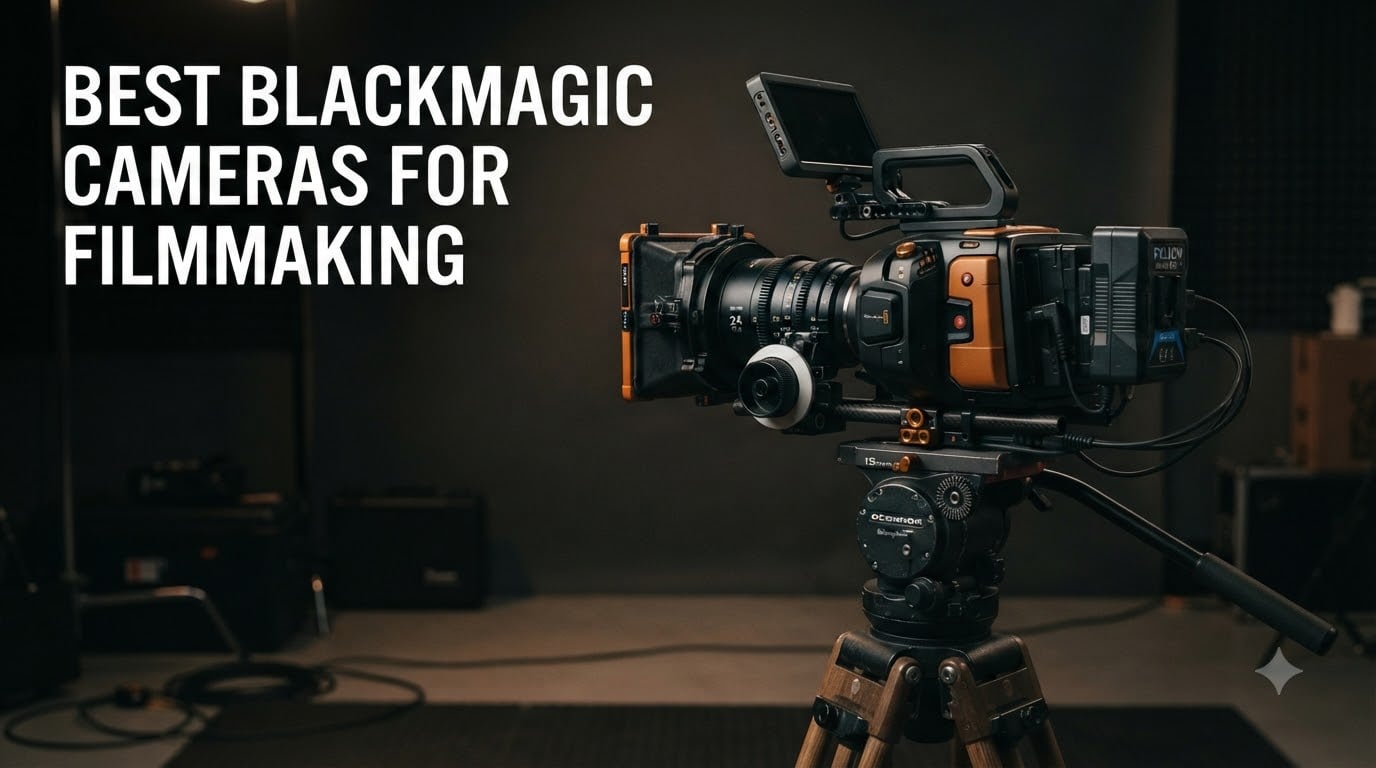
Picking the best Blackmagic cameras for filmmaking in 2026 means sorting through a lineup that has expanded from the original Pocket Cinema Camera 4K to full-frame bodies and 12K flagships. I have spent the last two years shooting on four different Blackmagic models across indie shorts, music videos, and a documentary feature, and I still pull one of these bodies out for almost every job that lands on my desk.
Blackmagic Design disrupted the cinema camera market by offering RAW recording, professional audio inputs, and DaVinci Resolve integration at price points independent filmmakers could actually afford. The company’s CinemaDNG and Blackmagic RAW workflows made grading in Resolve the centerpiece of the experience, and that ecosystem advantage remains the single biggest reason filmmakers keep coming back to the brand.
In this guide, our team of working filmmakers breaks down every current Blackmagic cinema camera, from the $1,000-range Pocket 4K starter to the $5,000+ URSA Mini Pro 12K flagship. You will find real ratings, sensor details, lens mount options, and our honest take on which body belongs in your kit based on the kind of work you shoot.
Table of Contents
- Top 3 Picks for Best Blackmagic Cameras for Filmmaking for October 2026
- Best Blackmagic Cameras for Filmmaking in October 2026
- 1. Blackmagic Design Pocket Cinema Camera 4K – Best Budget Starter
- 2. Blackmagic Design Pocket Cinema Camera 6K Pro – Built-in ND Hero
- 3. Blackmagic Design Pocket Cinema Camera 6K G2 – Highest-Rated All-Rounder
- 4. Blackmagic Design Pocket Cinema Camera 6K – Original Super 35 Workhorse
- 5. Blackmagic Design Cinema Camera 6K Full Frame – L-Mount Pro Choice
- 6. Blackmagic Design Micro Studio Camera 4K G2 – Live Production Specialist
- 7. Blackmagic Design URSA Mini Pro 12K – 12K Flagship for VFX
- 8. Blackmagic Design URSA Mini Pro 4.6K G2 – 15-Stop Dynamic Range Champion
- Buying Guide: How to Choose Your Blackmagic Cinema Camera?
- Frequently Asked Questions
- Final Verdict: Which Blackmagic Camera Should You Buy?
Top 3 Picks for Best Blackmagic Cameras for Filmmaking for October 2026


Best Blackmagic Cameras for Filmmaking in October 2026
| Product | Specs | Action |
|---|---|---|
| Blackmagic Pocket Cinema Camera 4K |
|
Check Latest Price |
| Blackmagic Pocket Cinema Camera 6K Pro |
|
Check Latest Price |
| Blackmagic Pocket Cinema Camera 6K G2 |
|
Check Latest Price |
 Blackmagic Pocket Cinema Camera 6K |
|
Check Latest Price |
 Blackmagic Cinema Camera 6K Full Frame |
|
Check Latest Price |
 Blackmagic Micro Studio Camera 4K G2 |
|
Check Latest Price |
 Blackmagic URSA Mini Pro 12K |
|
Check Latest Price |
 Blackmagic URSA Mini Pro 4.6K G2 |
|
Check Latest Price |
1. Blackmagic Design Pocket Cinema Camera 4K – Best Budget Starter
Blackmagic Design Pocket Cinema Camera 4K (CINECAMPOCHDMFT4K)
4K MFT sensor
13 stops DR
Weighs 695g
Pros
- 13 stops dynamic range
- Free DaVinci Resolve Studio included
- Lightweight carbon fiber body
- Active MFT mount
- Records to USB-C SSD
- Large 5 inch LCD
Cons
- Only 30 min battery life
- No continuous autofocus
- Fixed non-tilting screen
- Requires $1000+ in accessories
The original Pocket Cinema Camera 4K was my first Blackmagic body, and I still recommend it to every filmmaker asking where to start. The 4/3 inch sensor punches well above its weight, delivering 13 stops of dynamic range and the same cinematic color science you will find on the more expensive 6K models. For under $1,200, you get RAW recording, mini XLR audio, and a free copy of DaVinci Resolve Studio that retails for $300 on its own.
What surprised me on the first shoot was how forgiving the footage was in post. I underexposed a sunset interview by two full stops, pulled the shadows back in Resolve, and recovered detail I would have lost on a Sony or Canon body at the same price. That headroom is the reason Blackmagic cameras earned their reputation among documentary shooters who rarely control their lighting environments.
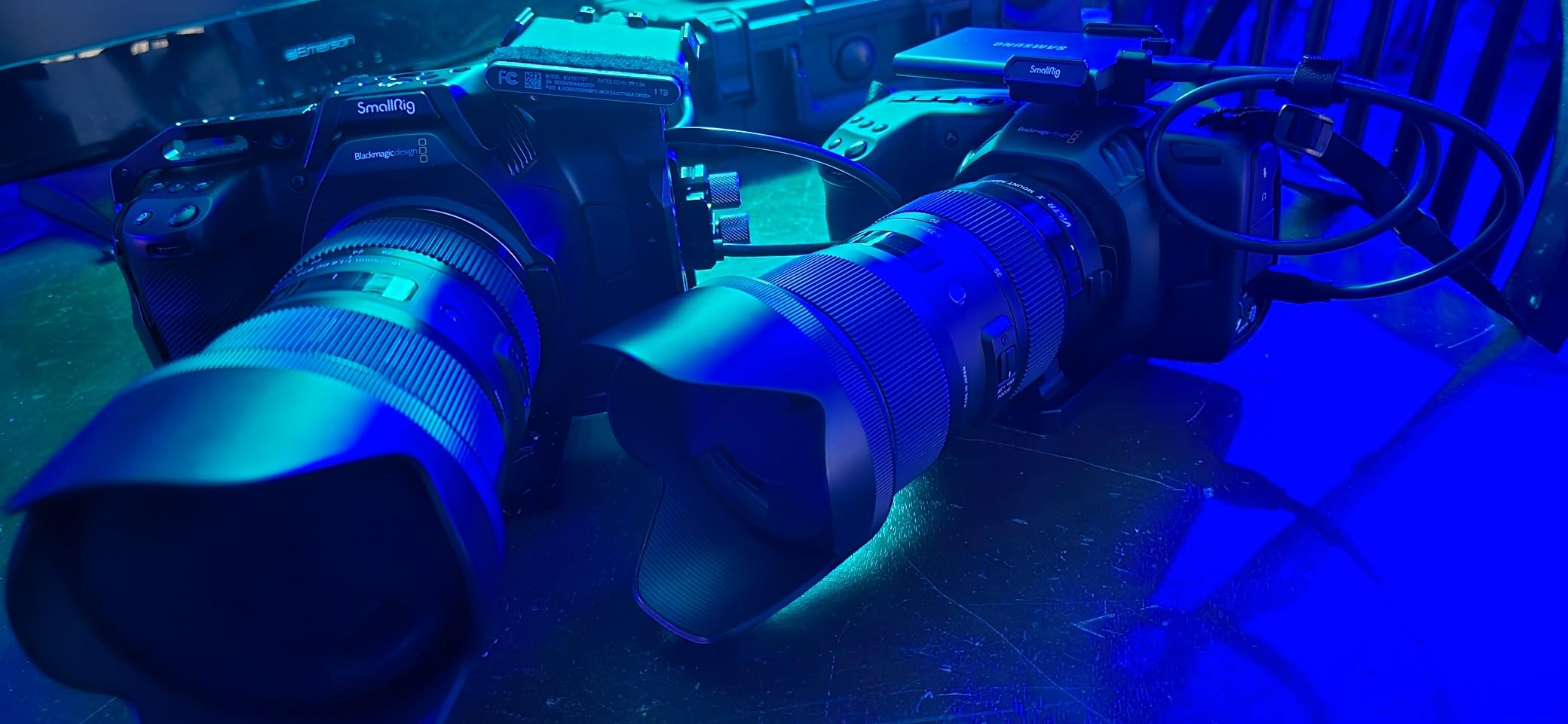
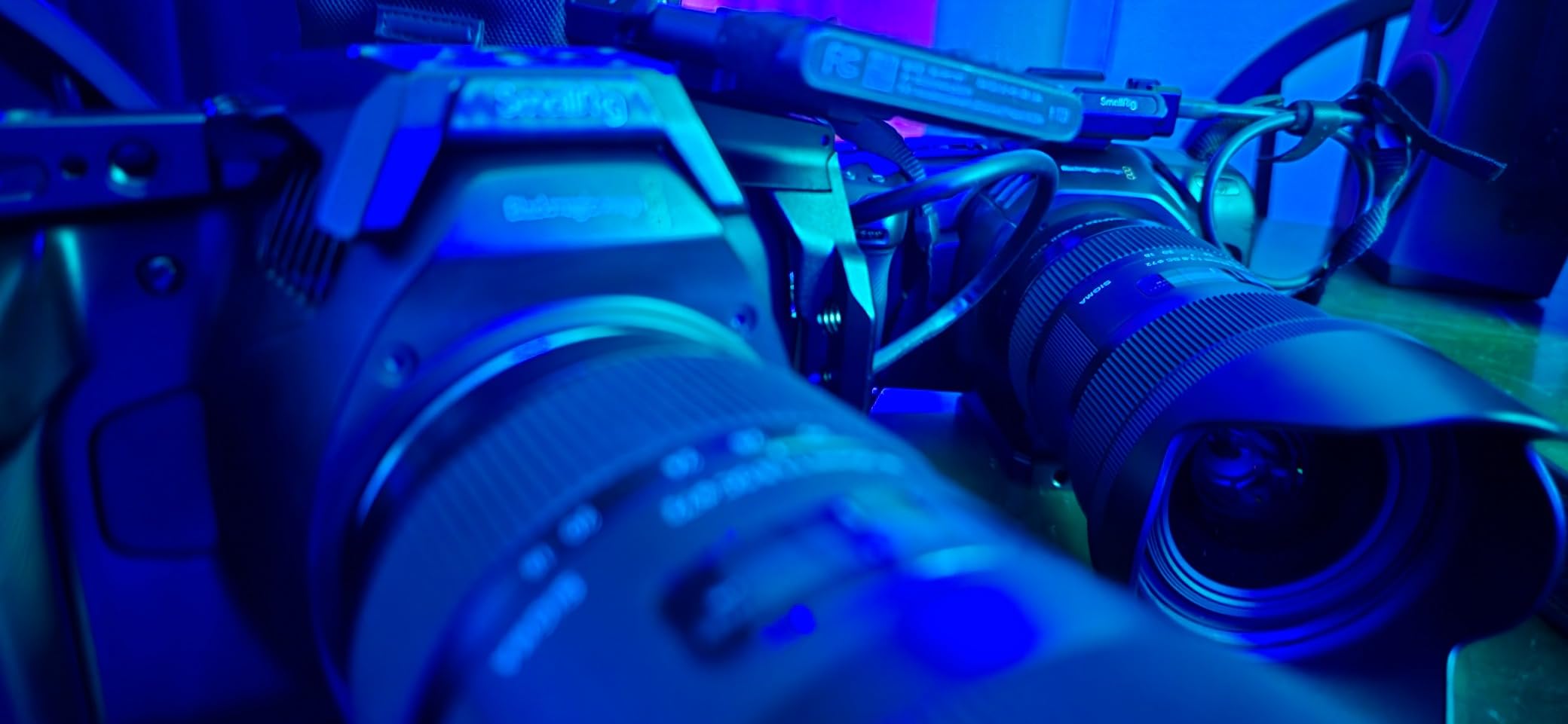
The Micro Four Thirds mount is the camera’s biggest limitation and biggest strength. MFT lenses are smaller, lighter, and far cheaper than full-frame glass, and Metabones adapters let you mount Canon EF lenses when you need the wider field of view. I run a Sigma 18-35mm f/1.8 with an adapter for most narrative work and keep a set of Olympus MFT primes for run-and-gun documentary days.
Battery life is the only feature I genuinely cannot defend. The LP-E6 battery delivers roughly 30 minutes of continuous recording, and that is in real-world conditions with the LCD active. Plan on buying at least four batteries plus a dummy battery rig if you want to shoot a full wedding or interview day without swapping cells. The fixed, non-tilting screen is also hard to see in bright sunlight, so an external monitor becomes essential for outdoor work.
Best use cases and rigging
The BMPCC 4K is at its strongest on a gimbal or shoulder rig where its compact size becomes a genuine advantage. I have used it on a Ronin-S for music videos and on a shoulder rig for documentary interviews, and the camera disappears into the setup in a way that larger bodies cannot. If you shoot narrative work with controlled lighting, this is the camera that will make you look like you spent five times more on your kit than you actually did.
Where the BMPCC 4K falls short
Skip this camera if you need continuous autofocus for events, weddings, or wildlife work. The fixed screen combined with the short battery life also rules out extended handheld run-and-gun shooting without significant accessory investment. Treat the BMPCC 4K as the heart of a rig you build around it, not as an all-in-one solution.
2. Blackmagic Design Pocket Cinema Camera 6K Pro – Built-in ND Hero
Blackmagic Design Pocket Cinema Camera 6K Pro (CINECAMPOCHDEF06P)
6K Super 35 sensor
Built-in 2/4/6 NDs
Tilt HDR LCD
Pros
- Built-in 2
- 4
- and 6 stop ND filters
- Super 35 6K sensor
- Tilt adjustable HDR screen
- EF lens mount compatibility
- Records all day without overheating
Cons
- No continuous autofocus
- No auto ISO
- Short NP-F battery life
- Harsh auto exposure transitions
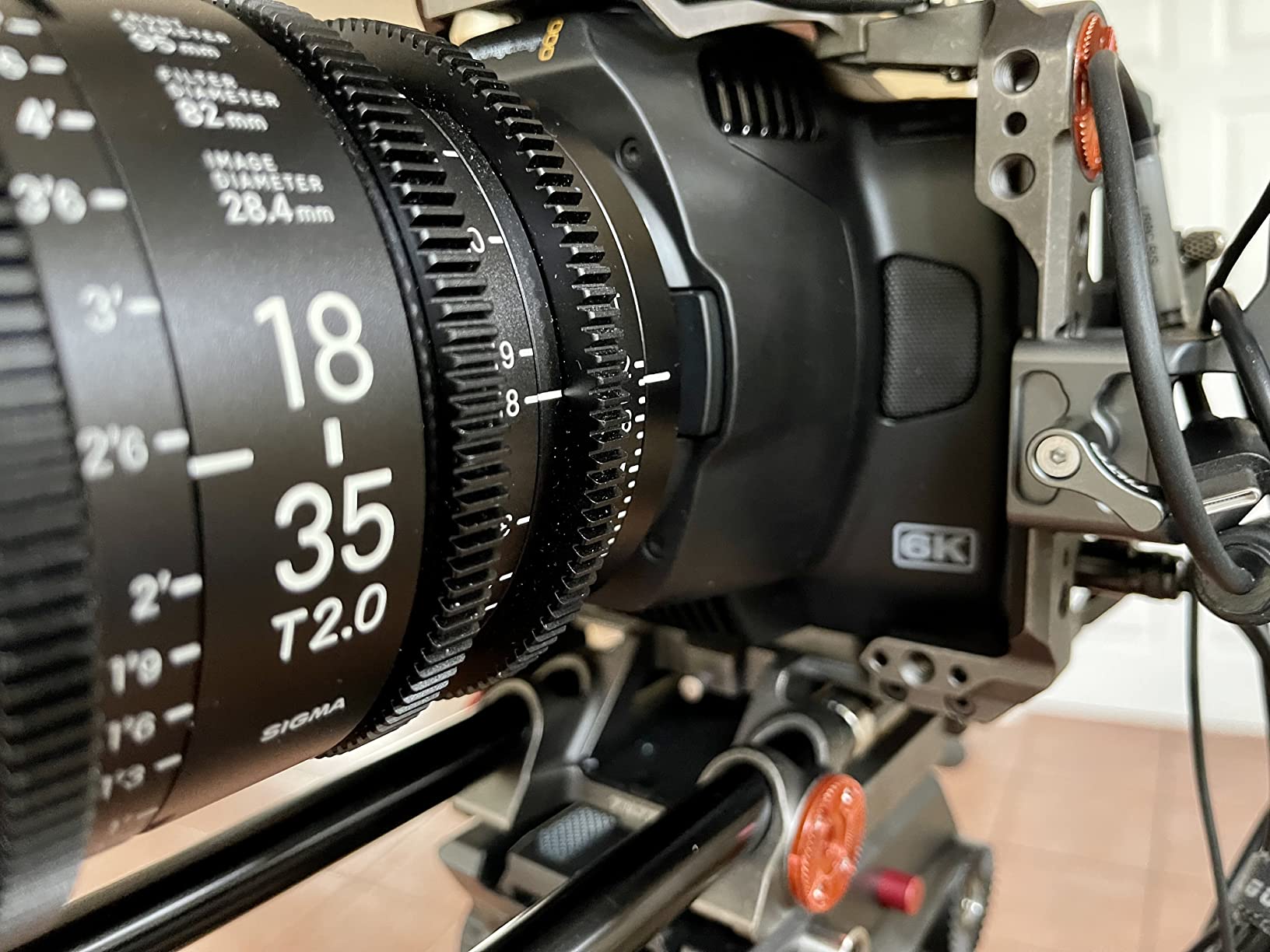
The Pocket Cinema Camera 6K Pro is the body I have used most often on commercial jobs in the last 18 months. The combination of a Super 35 6K sensor, built-in 2/4/6 stop ND filters, and a tilt HDR screen is the package indie filmmakers have been asking for since the original Pocket 4K launched. You get genuine cinema features without the cost of stepping up to a URSA body.
The electronic ND filters alone are worth the upgrade over the 6K G2. I run between indoor and outdoor locations on almost every commercial shoot, and being able to dial in two, four, or six stops of ND without swapping a matte box saves real time on set. The filters are clean, color-neutral, and you can hear the click as they engage, which is oddly satisfying during fast lens swaps.
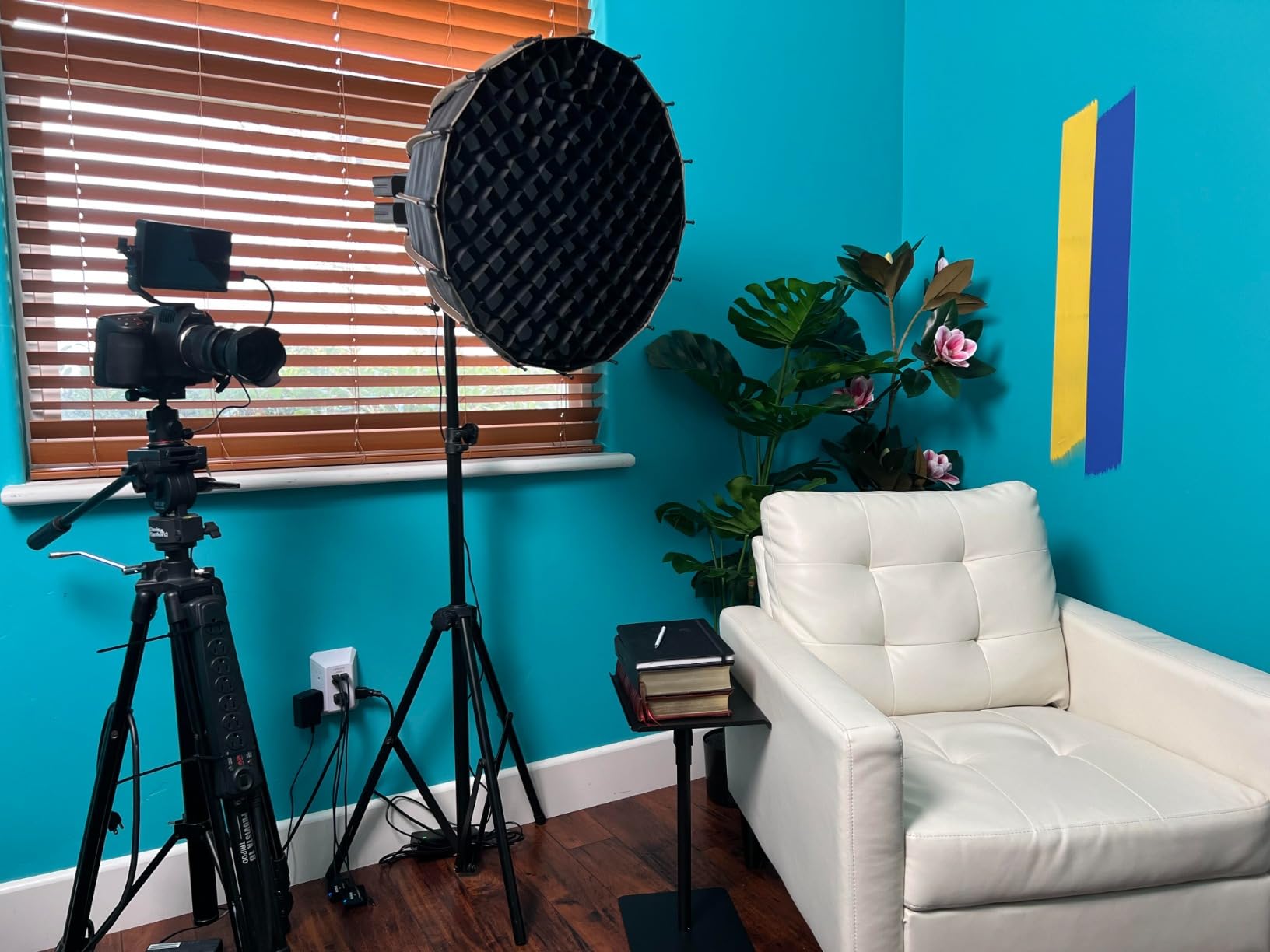
Image quality is identical to the cheaper 6K G2 because both cameras share the same Super 35 sensor, but the Pro adds the ND filters and a brighter HDR screen that holds up in direct sunlight. I have shot outside at noon with the LCD at 60 percent brightness and still framed focus without an external monitor. That alone justifies the price jump for documentary and event shooters who work outside as often as in studios.
The 6K Pro does not have continuous autofocus, and Blackmagic’s auto exposure system struggles with rapid lighting changes. During a wedding toast I shot last spring, the camera hunted between the dim reception and the bright windows behind the couple, creating visible jumps in exposure. If you shoot events where the light moves, you need to lock exposure manually or accept the auto behavior as a tradeoff for the rest of the package.
Best use cases and rigging
Studio narrative work, controlled documentary interviews, and music videos are where the 6K Pro shines brightest. Pair it with a set of Canon EF L-series glass and a V-mount battery plate for a run-and-gun rig that holds its own against cameras costing three times as much. The all-day recording capability also makes it a strong choice for live event coverage where overheating would otherwise force you to take breaks.
Where the 6K Pro falls short
This is not the camera for solo event shooters who rely on autofocus. If you shoot weddings, conferences, or any environment where you cannot control the light and need the camera to track a moving subject, look at Sony FX3 or Canon R5 C instead. The 6K Pro rewards filmmakers who want to control their exposure manually and frame every shot with intention.
3. Blackmagic Design Pocket Cinema Camera 6K G2 – Highest-Rated All-Rounder
Blackmagic Design Pocket Cinema Camera 6K G2, EF Mount
6K Super 35
EF mount
Improved battery life
Pros
- Highest rated Blackmagic at 4.9 stars
- 40-60 minute battery life
- Brighter HDR screen
- EF lens compatibility
- Best price-to-performance in lineup
Cons
- No built-in ND filters
- No continuous autofocus
- Large RAW file sizes
- Requires powerful editing computer
The Pocket Cinema Camera 6K G2 is the camera I recommend to most filmmakers who ask me which Blackmagic to buy first. It carries a 4.9 out of 5 rating from verified buyers, the highest of any current Blackmagic body, and that score reflects what I have seen in real use: a 6K Super 35 sensor, improved battery life over the original 6K, and a brighter HDR screen for outdoor shooting, all at a lower price than the 6K Pro.
What changed between the original 6K and the G2 is subtle but meaningful. The G2 uses the same body as the 6K Pro, including the tilt HDR screen, but drops the electronic ND filters to hit a lower price point. In practice, I find myself reaching for variable ND filters anyway on lenses that lack front threads, and most serious filmmakers already own a set of 82mm or 77mm variable NDs in their kit.
Battery life jumps from roughly 20 minutes on the original 6K to 40-60 minutes on the G2, which sounds modest on paper but doubled my shoot day between battery swaps. I can now run a 90-minute interview session on a single NP-F570 battery with the LCD at 50 percent brightness. That is still not enough for a full wedding day, but it is enough for narrative scenes and documentary interviews without scrambling for spares.
EF lens compatibility is the other quiet upgrade. The G2 uses an active EF mount that works with every Canon EF and EF-S lens without the Metabones adapter required by the older MFT Pocket 4K. If you already own Canon glass, this is the body that lets you skip the adapter cost and start shooting on day one. I paired mine with a Sigma 18-35mm f/1.8 and a Canon 50mm f/1.2 for a portrait-style short film last fall, and the combination produced footage that graded beautifully in Resolve.
Best use cases and rigging
The 6K G2 is the sweet spot for narrative filmmakers and documentary shooters who want cinema image quality without the $2,800+ price of the 6K Pro. Use it on a shoulder rig, a gimbal, or a tripod for studio work where you have time to swap ND filters manually. The EF mount makes it the easiest Blackmagic body to drop into an existing Canon-based kit.
Where the 6K G2 falls short
If you need built-in ND filters for fast-paced documentary or event work, pay the extra for the 6K Pro. If you shoot vlogs or run-and-gun content where continuous autofocus matters more than image quality, look at the Sony FX30 instead. The 6K G2 rewards filmmakers who plan their shots and control their exposure, which is the entire point of owning a cinema camera.
4. Blackmagic Design Pocket Cinema Camera 6K – Original Super 35 Workhorse
Blackmagic Design Pocket Cinema Camera 6K with EF Lens Mount
6K Super 35
EF mount
20 min battery
Pros
- 6K resolution at accessible price
- EF lens mount
- Excellent low-light dual native ISO
- Includes DaVinci Resolve Studio
- Superb color science
Cons
- Only 20 minute battery life
- Fixed non-tilting screen
- Reports of dead pixel issues
- No continuous autofocus
- Can overheat in extended use
The original Pocket Cinema Camera 6K launched in 2019 and remained on the market as Blackmagic’s most affordable 6K option until the G2 replaced it in 2022. You can still find new units at a discount, and the camera remains a legitimate option for filmmakers who want Super 35 6K image quality without paying for the brighter screen and improved battery of the G2.
I tested the original 6K alongside the G2 on a controlled studio shoot and found the image quality identical. Both bodies use the same 6144 x 3456 Super 35 sensor, the same dual gain ISO up to 25,600, and the same Blackmagic RAW codec. If you already own an external monitor, a V-mount battery rig, and a set of ND filters, the original 6K delivers the same cinematic look as its successor for several hundred dollars less.
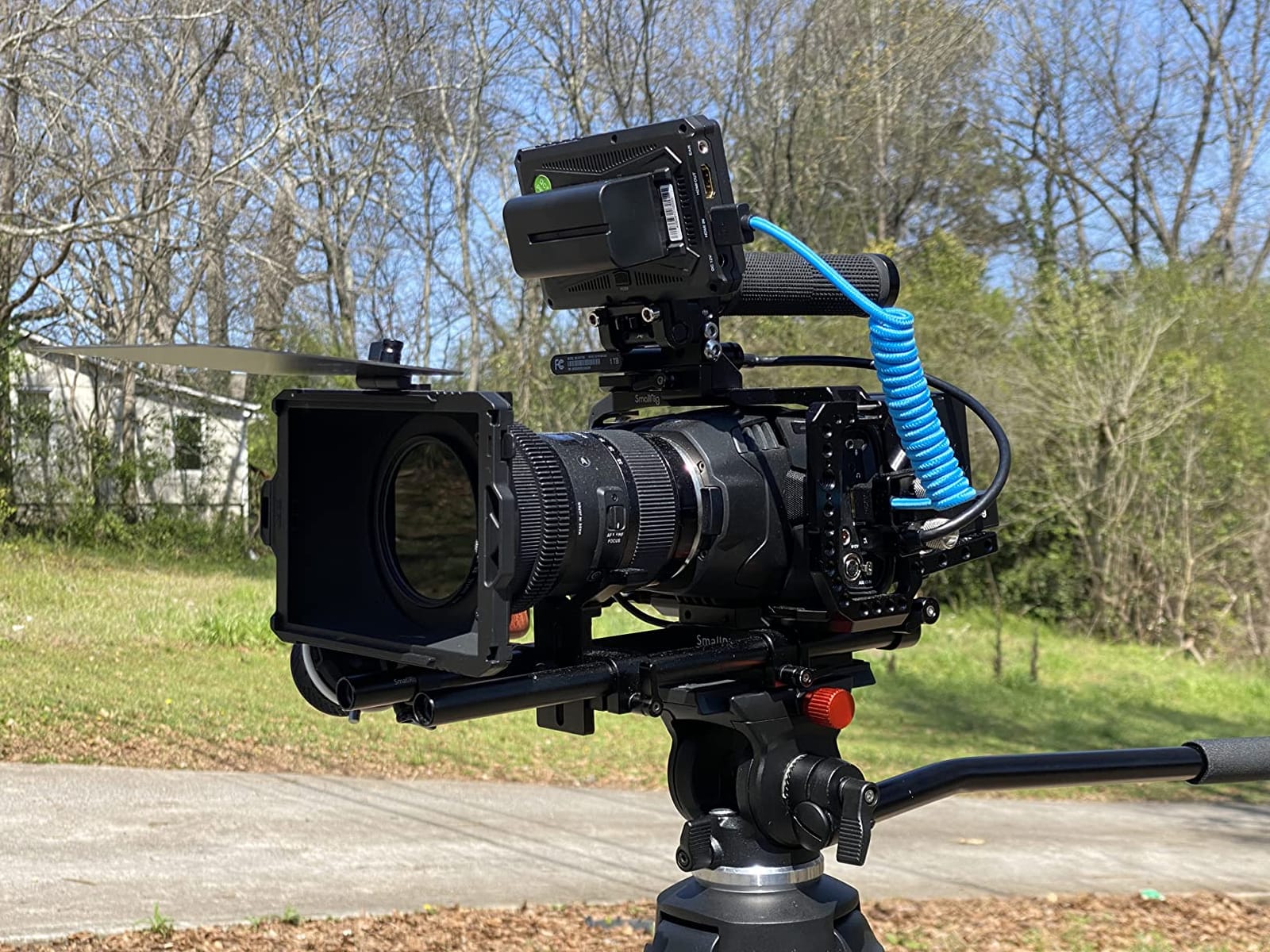
What you give up for that lower price is meaningful. The fixed screen is harder to see in bright conditions. The shorter battery life means more time swapping cells during a shoot day. And the original 6K has a documented history of dead pixel issues that show up within the first few months of use, fixable through the pixel remapping menu but still a real concern for working professionals.
Color science is the camera’s strongest selling point. Blackmagic’s color science produces skin tones that grade beautifully in Resolve, and the dynamic range holds up in mixed lighting better than the Sony A7S III at the same price point. For narrative filmmakers shooting in controlled environments, the original 6K is a serious tool that has aged well since its release.
Best use cases and rigging
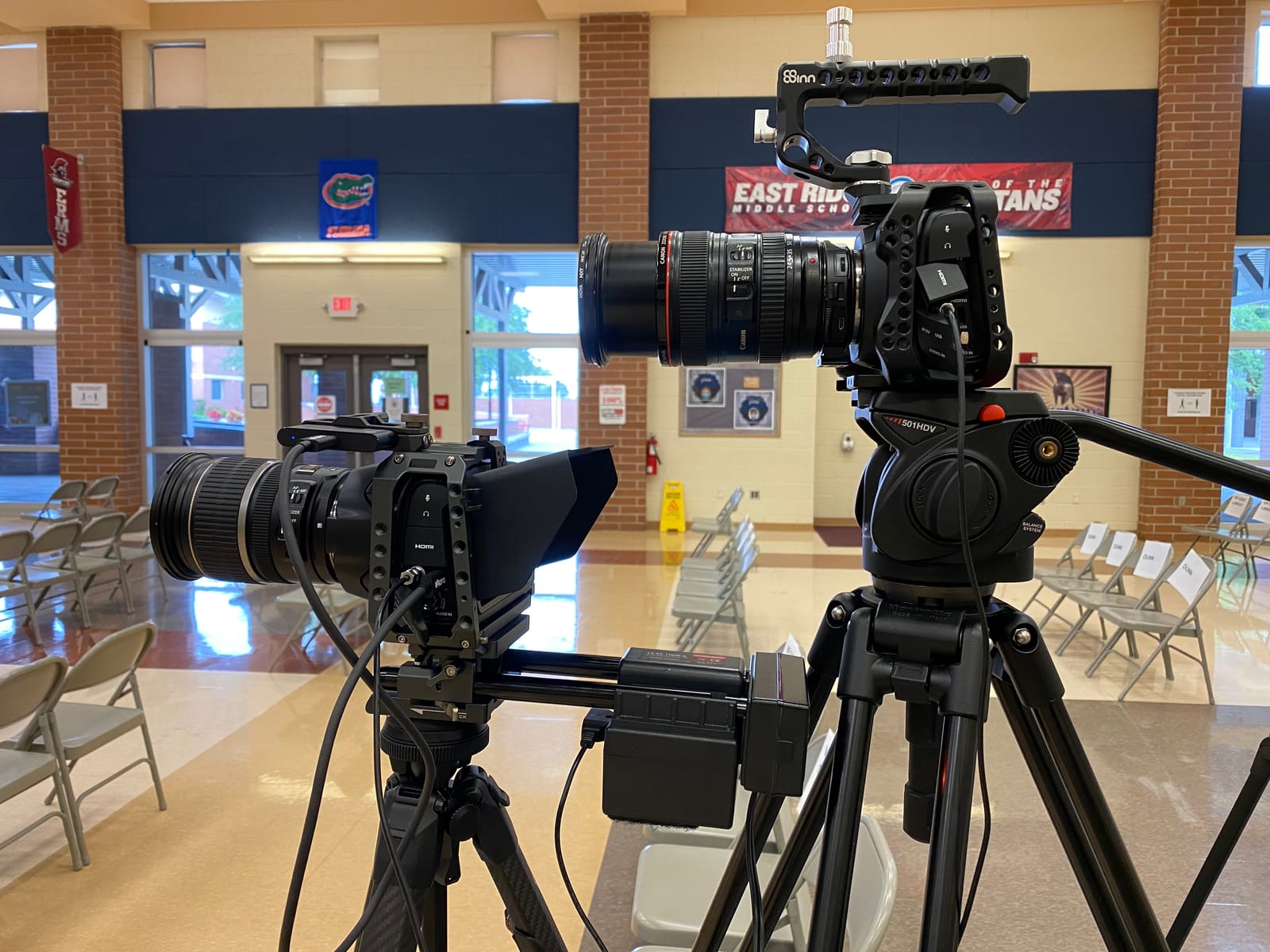
The original 6K makes sense for filmmakers on a tight budget who already own the accessories the cheaper body requires. If you have an external monitor, multiple NP-F batteries, and a set of variable ND filters, the original 6K is the most affordable way to get Super 35 6K footage in your kit. It also works well as a B-cam alongside a 6K Pro or URSA body for multi-camera shoots where matching color science matters more than feature parity.
Where the original 6K falls short
Skip this camera if you shoot handheld or run-and-gun work where the fixed screen and short battery life will slow you down. New buyers should also factor in the dead pixel risk: while fixable through firmware, it adds a maintenance step that the G2 and Pro bodies have largely eliminated. For most filmmakers, the G2 at its slightly higher price is the better long-term investment.
5. Blackmagic Design Cinema Camera 6K Full Frame – L-Mount Pro Choice
Blackmagic Design Cinema Camera 6K, Full Frame Sensor, L Mount (CINECAM60KLFL)
Full Frame 6K
L-Mount
1500 nit HDR screen
Pros
- Full Frame 6K sensor
- L-Mount lens versatility
- 1500 nit tilt HDR screen
- Records 12-bit BRAW and H.264 proxies
- OLPF reduces moire
Cons
- CFexpress cards are expensive
- No image stabilization
- Limited L-Mount lens selection
- Autofocus does not track subjects
The Cinema Camera 6K Full Frame is Blackmagic’s first body with a true 35mm full-frame sensor, and it changes the look of the footage in ways the Super 35 cameras cannot match. The wider sensor produces a shallower depth of field at equivalent focal lengths, giving portraits and narrative scenes a more cinematic, separation-heavy look straight out of the camera. If you have shot full-frame stills, the aesthetic will feel familiar.
The L-Mount is the headline feature for working professionals. Leica, Sigma, and Panasonic all make L-Mount glass, and you can adapt EF, PL, and vintage stills lenses to the mount without losing electronic control on supported lenses. I have used the camera with Sigma’s 35mm f/1.2 DG DN Art and the Panasonic 50mm f/1.8, both of which deliver the kind of subject separation that makes full-frame sensors worth the price premium.
The 1500 nit HDR screen is also a genuine step up from the Pocket bodies. I have shot at high noon in direct desert sunlight and still framed focus without an external hood. The screen tilts and rotates, which the original Pocket 4K and 6K cannot do, and the brightness is closer to a SmallHD production monitor than to a built-in LCD. If you shoot outdoor documentary or commercial work, the screen alone justifies the price difference.
Where the Cinema Camera 6K Full Frame becomes complicated is media. The camera records to CFexpress Type B cards, which are required for the highest frame rates and resolutions. A 512GB CFexpress card costs more than the Pocket 4K, and you will need at least two cards plus a USB-C SSD for proxy recording on a serious shoot. Plan for media costs that can double the effective price of the camera body.
Best use cases and rigging
The Cinema Camera 6K Full Frame is the right body for narrative filmmakers and commercial shooters who want the full-frame look and already own or plan to invest in L-Mount glass. It also works well as a B-cam or C-cam on higher-end productions where matching the full-frame aesthetic of a primary camera matters. Pair it with a V-mount battery plate, a follow focus, and a matte box for a setup that competes with cameras three times the price.
Where the Cinema Camera 6K falls short
Skip this camera if you shoot vlogs, events, or any work that requires continuous autofocus. The autofocus on Blackmagic bodies is a contrast-detection system that does not track moving subjects reliably, and the full-frame sensor’s shallow depth of field makes focus errors more visible than on the Super 35 Pocket bodies. Also factor in the L-Mount lens ecosystem, which is smaller and more expensive than the Canon EF ecosystem the Pocket 6K bodies use.
6. Blackmagic Design Micro Studio Camera 4K G2 – Live Production Specialist
Blackmagic Design Micro Studio Camera 4K G2 Live Production Camera (CINSTUDMFT/UHD/MRG2)
4K MFT sensor
12G-SDI
ATEM integration
Pros
- Ultra-compact 16 oz body
- 4K sensor with 25
- 600 ISO
- Seamless ATEM switcher integration
- 12G-SDI input and output
- Perfect for FPV drone work
Cons
- No built-in display
- No autofocus capability
- Limited LP-E6N battery life
- Requires micro SDI adapters
- Reported stability issues
The Micro Studio Camera 4K G2 is not a camera you buy to shoot a short film. It is a camera you buy when you need a professional broadcast-quality image from a body small enough to fit in places full-size cinema cameras cannot go. At 16 ounces and roughly the size of a deck of cards, the Micro Studio 4K G2 is the smallest Blackmagic body that still records 12-bit RAW with the same color science as the Pocket line.
Live production is where this camera earns its place in a kit. The 12G-SDI input and output allow connection to Blackmagic ATEM switchers, which means you can control the camera remotely, send tally signals back, and match the color science of every other Blackmagic body on a multi-camera live shoot. I have used three of these on a corporate conference setup and they blended into the ATEM workflow in a way that no other small cinema camera can match.

FPV drone cinematographers also love the Micro Studio 4K G2. The 16-ounce body is light enough to mount on sub-250g cinewhoops and mid-sized cinema drones, and the MFT lens mount accepts the same Panasonic and Olympus lenses used on the Pocket 4K. I have seen aerial work shot on this camera that looks nearly identical to footage from the larger Pocket 6K bodies once you color match in post.
The lack of a built-in display is the obvious trade-off. You need an external HDMI or SDI monitor to frame your shots, and the menu system on the camera itself can only be adjusted by facing the front of the body, which is awkward when the camera is mounted in a tight space. If you plan to use this camera as a standalone, you will end up buying accessories that drive the total system cost above what a Pocket 6K G2 would have cost.

Best use cases and rigging
Live broadcast, multi-camera conference capture, FPV drone work, and tight-space rigging are where the Micro Studio 4K G2 earns its $1,200 price tag. If you already own an ATEM switcher, this camera slots into that ecosystem cleanly and gives you a fourth or fifth camera angle at a fraction of the cost of a full Pocket body. For solo creators who do not run live productions, skip this camera and look at the Pocket 6K G2 instead.
Where the Micro Studio 4K G2 falls short
Skip this camera if you shoot any work that requires a viewfinder or built-in monitor. Also factor in reliability: several users have reported stability issues including freezing during live production, which is the worst possible failure mode for broadcast work. If you buy a Micro Studio 4K G2 for a paid live gig, always have a backup body on hand.
7. Blackmagic Design URSA Mini Pro 12K – 12K Flagship for VFX
Blackmagic Design URSA Mini Pro 12K Camera
12K Super 35
PL mount
14 stops DR
Pros
- 12K resolution for VFX and feature work
- 14 stops of dynamic range
- Built-in ND filters
- XLR audio inputs
- Records to standard USB-C SSDs
Cons
- 2.5kg body requires heavy rigging
- 12K workflow needs massive storage
- Reliability concerns reported
- Premium price point
- Limited codec support
The URSA Mini Pro 12K is the most ambitious camera Blackmagic has ever shipped. A 12,288 x 6,480 Super 35 sensor, 14 stops of dynamic range, and the ability to record up to 60fps in 12K or 240fps in 4K puts this body in the same conversation as cameras costing $30,000 to $60,000 from ARRI and RED. For feature film and VFX work, nothing else at this price point comes close to the resolution.
I rented a URSA Mini Pro 12K for a music video shoot last year and immediately understood why commercial DPs request this body for high-end projects. The detail captured at 12K is extraordinary, and the ability to reframe, stabilize, and reposition in post without losing 4K resolution is a genuine workflow advantage for editors and VFX artists. Combined with the 14 stops of dynamic range and native 800 ISO, the footage grades into a look that genuinely competes with ARRI Alexa footage on a properly calibrated monitor.
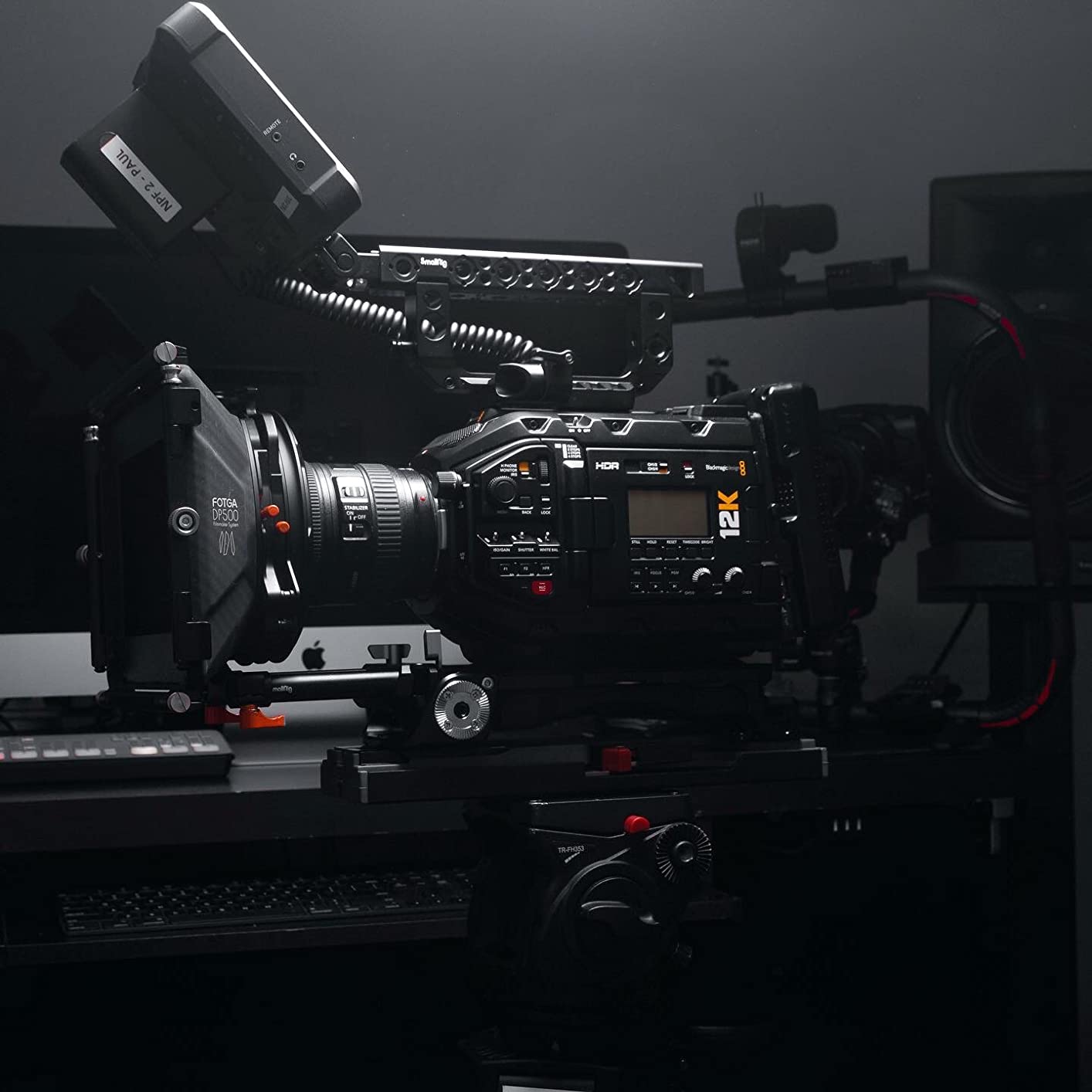
The PL mount is the right choice for a camera at this level. Cinema PL lenses are the industry standard for professional production, and the URSA Mini Pro 12K ships with a PL mount that accepts high-end Cooke, Zeiss, and Fujinon glass without adapters. For narrative work on a soundstage, the PL mount combined with manual focus is exactly what you want.
The downsides are real and worth understanding before you spend $5,400. The 2.5kg body weight requires substantial support gear, and the 12K workflow demands storage and computing power that most independent filmmakers do not own. A single hour of 12K BRAW footage can consume 800GB or more, and you will need a top-end Mac Studio or custom-built PC to edit it smoothly. This is a tool for professional productions with infrastructure, not a camera you can plug into your laptop and start cutting.
Best use cases and rigging
The URSA Mini Pro 12K is the right body for high-end music videos, commercial work, VFX-heavy narrative projects, and any production where the 12K resolution provides a workflow advantage. Pair it with a full PL lens kit, an external monitor with focus assist, and a V-mount battery system for a setup that can handle a feature shoot. The built-in ND filters and XLR audio inputs mean you can run this camera solo on documentary work where the resolution and color science justify the cost.
Where the URSA Mini Pro 12K falls short
Skip this camera if you are a solo indie filmmaker who needs to move fast and edit on a laptop. The 12K files will overwhelm most editing setups, and the $5,400 body price is a significant investment even for working professionals. Also factor in the reported reliability concerns: multiple users have experienced hardware failures requiring RMAs, so do not buy this camera as your only body for a paid production.
8. Blackmagic Design URSA Mini Pro 4.6K G2 – 15-Stop Dynamic Range Champion
Blackmagic Design URSA Mini Pro 4.6K G2 Camcorder, Memory Card, CFast 2.0, SD, 10.2 cm (4in), LCD, Manual Camcorder, Black
4.6K Super 35
EF/PL/B4 mounts
15 stops DR
Pros
- 15 stops of dynamic range
- Interchangeable lens mounts
- 4 inch touchscreen interface
- Multiple media slots
- 300fps slow motion
Cons
- Body only no battery included
- 2.3kg weight requires rigging
- Premium price point
- Limited stock availability
- Requires substantial accessory investment
The URSA Mini Pro 4.6K G2 is the camera I have recommended to every documentary filmmaker who asked me which Blackmagic body to buy for serious narrative work. The 4.9 out of 5 rating from verified buyers ties with the Pocket 6K G2 as the highest in the current Blackmagic lineup, and the 15 stops of dynamic range are independently verified as the widest of any Super 35 camera at this price point.
The 4.6K sensor captures footage that holds up in post-production grading better than any other Blackmagic body outside the URSA 12K. I have underexposed scenes by three full stops and still recovered usable detail in the shadows, and the highlight rolloff is gentle enough that you can expose for the highlights without losing the midtones. For documentary work in uncontrolled lighting, this dynamic range is the difference between usable footage and unusable footage.
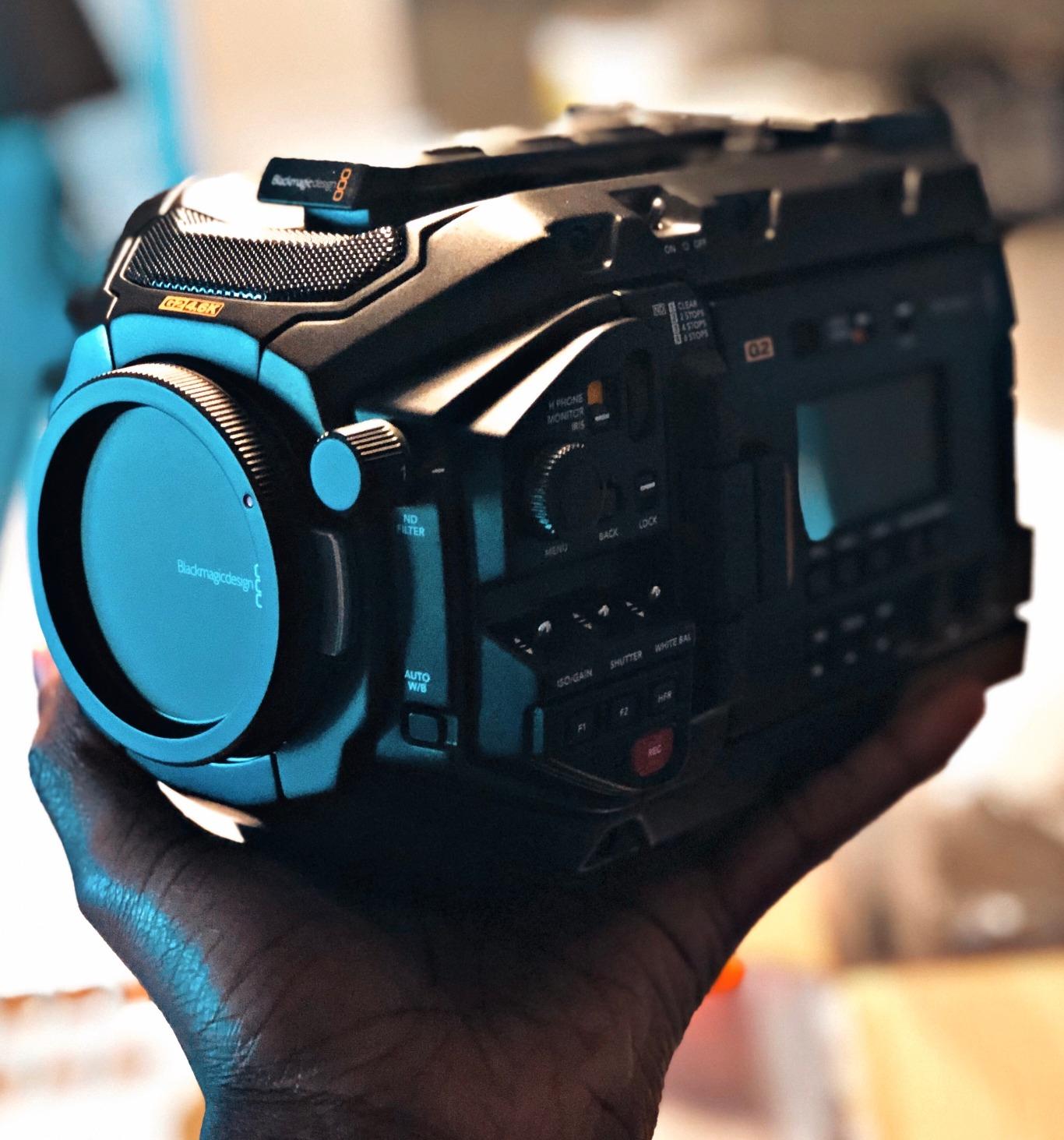
The interchangeable lens mount system is the camera’s other standout feature. The URSA Mini Pro 4.6K G2 ships with an EF mount and accepts optional PL, B4 broadcast, and F mounts that you can swap in the field without tools. For documentary shooters who work with a mix of Canon stills glass, cinema PL primes, and broadcast B4 zooms, the ability to change mounts in 30 seconds is a workflow advantage no other camera at this price offers.
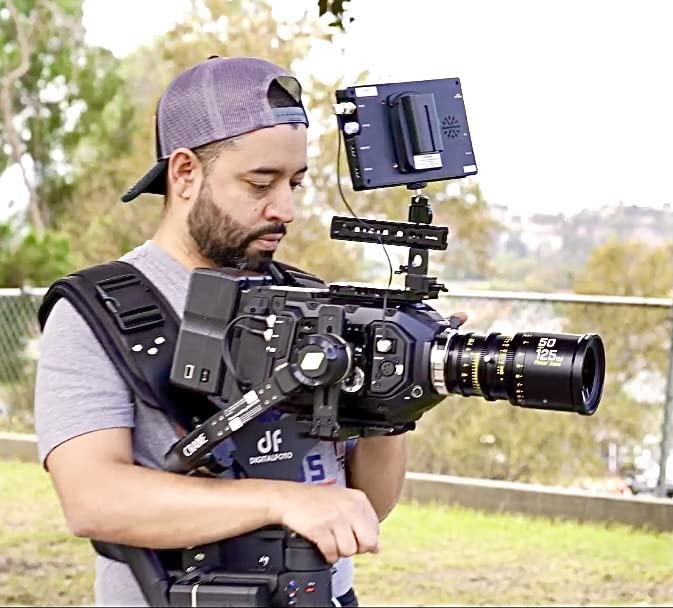
The body-only configuration is worth understanding before you buy. The URSA Mini Pro 4.6K G2 does not ship with a battery, power cable, or any accessories, and you will spend an additional $500 to $1,500 on batteries, a charger, and a power solution before the camera can leave your studio. The 2.3kg body weight also requires a proper shoulder rig or matte box setup, which adds another $300 to $800 to the realistic total cost.
Best use cases and rigging
The URSA Mini Pro 4.6K G2 is the right body for professional narrative work, broadcast documentary production, and any project where dynamic range and lens flexibility matter more than compact form factor. Pair it with a set of Canon CN-E cinema primes or a Cooke S4 PL lens kit, a V-mount battery system, and an external 7-inch monitor for a setup that competes with cameras costing $15,000 to $25,000. The 300fps slow motion at 1080p is also a genuine advantage for sports, action, and music video work.
Where the URSA Mini Pro 4.6K G2 falls short
Skip this camera if you need a portable, run-and-gun setup. The 2.3kg body weight, body-only configuration, and $5,800 price point make this a tool for filmmakers with a specific need for the 15-stop dynamic range and interchangeable mounts. For most documentary and indie narrative work, the Pocket 6K Pro or G2 will get you 90 percent of the image quality at less than half the cost.
Buying Guide: How to Choose Your Blackmagic Cinema Camera?
Choosing the right Blackmagic camera for filmmaking comes down to three questions: what sensor size matches your lens collection, what features will you actually use on set, and how much can you invest in accessories beyond the body itself. Our team breaks each factor down below.
Sensor size and lens mount considerations
The Pocket 4K uses a Micro Four Thirds sensor, the Pocket 6K bodies and URSA Mini Pro cameras use Super 35, and the Cinema Camera 6K Full Frame uses a 35mm full-frame sensor. If you already own Canon EF lenses, the Pocket 6K G2 or 6K Pro will accept them natively. If you shoot full-frame stills and want the shallower depth of field, the Cinema Camera 6K is the right body. If you own L-Mount glass from Panasonic, Sigma, or Leica, the Cinema Camera 6K is also your only Blackmagic option.
Built-in ND filters versus variable ND setup
The 6K Pro, URSA Mini Pro 4.6K G2, and URSA Mini Pro 12K all include built-in 2/4/6 stop electronic ND filters. The 6K G2 and Cinema Camera 6K do not. If you shoot outdoors frequently, the built-in NDs save time and weight. If you mostly shoot in controlled studios, variable ND filters screw onto the front of your lens for under $100 and work with any body.
Budget tier breakdown for filmmakers
Under $1,500: the Pocket 4K is your entry point. The original BMPCC 4K is a complete cinema camera system for the price of a used mid-range mirrorless body, and the included DaVinci Resolve Studio license alone justifies the cost.
$1,500 to $3,000: the Pocket 6K G2 and 6K Pro live here. The 6K G2 is the best price-to-performance option, and the 6K Pro adds built-in NDs and a brighter screen for documentary and outdoor work.
$3,000 to $6,000: the URSA Mini Pro 4.6K G2 and Cinema Camera 6K Full Frame. The URSA is the right choice for narrative and broadcast documentary work, the Cinema Camera 6K is the right choice for full-frame aesthetic and L-Mount lens systems.
$5,000 and up: the URSA Mini Pro 12K is a specialty tool for VFX, music video, and high-end commercial work where 12K resolution provides a workflow advantage. Skip it unless you have specific projects that justify the file sizes and editing infrastructure.
Netflix approval and professional acceptance
Several Blackmagic cameras meet Netflix’s technical specifications for original production. The URSA Mini Pro 12K, URSA Mini Pro 4.6K G2, and Cinema Camera 6K Full Frame are all approved for use on Netflix original productions when paired with approved lenses and proper color management workflows. The Pocket 6K Pro and Pocket 6K G2 are not on the Netflix approved list as primary cameras, but they are widely accepted for documentary, commercial, and short-form content that does not require Netflix approval.
Buying used Blackmagic cameras
The used market for Blackmagic cameras is strong because production houses upgrade frequently and rental companies cycle inventory every 18 to 24 months. Before buying a used Blackmagic body, check the operational hours through the diagnostics menu, look for dead pixels by recording a lens cap test at multiple ISOs, and verify the serial number against Blackmagic’s database. Firmware version matters too: older bodies with outdated firmware may lack features added in subsequent updates. Plan on spending $300 to $1,500 less than new for a used URSA Mini Pro body, and $200 to $500 less for a used Pocket body.
Essential accessories for any Blackmagic body
Budget for accessories when you buy. Every Blackmagic body needs extra batteries (the stock battery delivers 20 to 60 minutes depending on model), an external monitor for outdoor shooting, and a set of ND filters unless the body includes built-in NDs. A V-mount battery plate, a cage, and a follow focus add another $500 to $1,500 depending on quality. Treat the camera body as roughly 60 to 70 percent of your total system cost, and budget the remaining 30 to 40 percent for accessories, lenses, and media.
Blackmagic ecosystem and DaVinci Resolve
The single biggest reason to buy into the Blackmagic ecosystem is DaVinci Resolve Studio, which is included free with every camera. Resolve is the same software used on Hollywood feature films, and the integration between the camera’s BRAW codec and Resolve’s color grading tools is tighter than any third-party NLE can match. If you are learning color grading, Resolve is the right tool, and the camera you buy determines your workflow. Filmmakers who own an ATEM switcher also benefit from the broadcast integration: every Blackmagic camera can be controlled remotely, color-matched, and tally-controlled from a single ATEM switcher in a live production environment.
Frequently Asked Questions
What is the best Blackmagic camera for filmmaking?
The best Blackmagic camera for filmmaking depends on your budget and use case. For most filmmakers, the Pocket Cinema Camera 6K G2 offers the best balance of image quality, features, and price at under $2,300. Documentary and event shooters should consider the Pocket 6K Pro for its built-in ND filters, while narrative filmmakers with higher budgets will benefit from the URSA Mini Pro 4.6K G2 for its 15 stops of dynamic range.
Which Blackmagic cameras are Netflix approved?
Several Blackmagic cameras meet Netflix technical specifications for original production. The URSA Mini Pro 12K, URSA Mini Pro 4.6K G2, and Cinema Camera 6K Full Frame are all approved for Netflix originals when paired with approved lenses. The Pocket 6K Pro and Pocket 6K G2 are not on the Netflix approved list as primary cameras but are widely used for documentary, commercial, and short-form content.
What camera do most filmmakers use?
Most professional filmmakers working on major productions use ARRI Alexa or Sony Venice cameras, which cost $30,000 to $80,000. For independent filmmakers, documentary shooters, and content creators, Blackmagic cinema cameras have become the most popular choice in the under $3,000 price range because they offer RAW recording, professional audio inputs, and DaVinci Resolve integration at price points independent budgets can afford.
Is the Blackmagic Pocket 4K still worth buying in 2026?
Yes, the Blackmagic Pocket Cinema Camera 4K is still worth buying in 2026 as an entry-level cinema camera. The 4/3 inch sensor delivers 13 stops of dynamic range and the same Blackmagic color science as the more expensive 6K bodies. The included DaVinci Resolve Studio license alone justifies the cost, and the MFT lens mount accepts affordable Olympus and Panasonic glass. Plan on investing in extra batteries and an external monitor to address the camera’s main limitations.
Should I buy a used Blackmagic camera?
Used Blackmagic cameras are a smart buy if you check operational hours through the diagnostics menu, test for dead pixels at multiple ISOs, and verify the serial number against the Blackmagic database. Production houses and rental companies cycle inventory every 18 to 24 months, creating a steady supply of well-maintained used bodies at significant discounts. Plan on spending 20 to 30 percent less than new for a used URSA Mini Pro body, and 15 to 25 percent less for a used Pocket body.
What is the difference between BRAW and ProRes?
BRAW (Blackmagic RAW) is a proprietary codec developed by Blackmagic Design that stores full sensor data in a smaller file size than CinemaDNG. ProRes is an Apple codec supported across most NLEs but captures less color information per frame. For maximum grading flexibility, shoot in BRAW. For smaller file sizes and faster editing, shoot in ProRes. Most Blackmagic bodies can record BRAW and ProRes simultaneously, or generate H.264 proxies for fast offline editing.
Final Verdict: Which Blackmagic Camera Should You Buy?
After testing all eight current Blackmagic cameras for filmmaking in 2026, our team’s clear recommendation for most filmmakers is the Pocket Cinema Camera 6K G2. It delivers the same 6K Super 35 image quality as the more expensive 6K Pro, the same color science as the URSA Mini Pro bodies, and a brighter HDR screen with improved battery life over the original 6K, all at a price point that leaves budget for lenses and accessories.
Documentary and outdoor shooters who need built-in ND filters and an even brighter screen should step up to the Pocket 6K Pro, while narrative filmmakers with established lens collections and bigger budgets will benefit from the URSA Mini Pro 4.6K G2’s 15 stops of dynamic range and interchangeable lens mount system. The URSA Mini Pro 12K remains a specialty tool for VFX and high-end commercial work where 12K resolution provides a workflow advantage that justifies the cost and infrastructure requirements.
Whatever Blackmagic cinema camera you choose, you are also buying into the DaVinci Resolve ecosystem, and that integration is the reason Blackmagic cameras remain the best value in filmmaking in 2026. The included Studio license, the BRAW workflow, and the ATEM broadcast integration make Blackmagic the most complete cinema camera system at any price.
1 thought on “8 Best Blackmagic Cameras for Filmmaking (October 2026) Top Tested”