
I still remember the first time I saw footage shot through a proper anamorphic lens. The blue horizontal flare cutting across a street lamp, the creamy oval bokeh rolling off the edges of the frame, the way the image suddenly felt like a movie. I was hooked.
That feeling used to cost a fortune. Professional cinema anamorphics start at around $15,000 and climb quickly from there. Then Sirui showed up with a crowdfunding campaign and changed the math. Their anamorphic lenses deliver that same widescreen cinematic look for a fraction of the price, and they keep pushing the format forward with new autofocus options.
After spending the last few months testing and comparing different Sirui anamorphic lenses on Sony, Canon, and Panasonic bodies, I put together this guide to the best Sirui anamorphic lenses for cinematic look available in 2026. Whether you are shooting a short film on an APS-C body or pushing full-frame on a Sony FX3, there is a Sirui lens here that will give you the widescreen magic without breaking the bank.
Table of Contents
- Top 3 Sirui Anamorphic Lenses for Cinematic Look for October 2026
- Best Sirui Anamorphic Lenses in October 2026
- 1. SIRUI VD-01 Anamorphic Lens 1.33x for Smartphones
- 2. SIRUI 24mm Anamorphic Lens F2.8 1.33X APS-C
- 3. SIRUI 35mm T2.9 1.6X Full-Frame Anamorphic Lens (Venus)
- 4. SIRUI 75mm F1.8 1.33X APS-C Anamorphic Lens
- 5. SIRUI Saturn 35mm T2.9 1.6X Carbon Fiber Anamorphic Lens
- 6. SIRUI 20mm T1.8 1.33X Autofocus Anamorphic Lens
- 7. SIRUI 40mm T1.8 1.33X Autofocus Anamorphic Lens
- 8. SIRUI Astra 50mm 1.33X Autofocus Full-Frame Anamorphic Lens
- How to Choose the Right Sirui Anamorphic Lens?
- Frequently Asked Questions
- Final Verdict
Top 3 Sirui Anamorphic Lenses for Cinematic Look for October 2026
Short on time? Here are the three lenses I recommend most often when filmmakers ask me about Sirui anamorphics. Each one covers a different budget and camera system, and all three deliver the signature cinematic look Sirui is known for.

Best Sirui Anamorphic Lenses in October 2026
Below is the full lineup we tested. The table shows every Sirui anamorphic lens in this guide with the key specs that matter most for filmmakers.
| Product | Specs | Action |
|---|---|---|
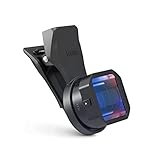 SIRUI VD-01 1.33x Smartphone Anamorphic SIRUI VD-01 1.33x Smartphone Anamorphic |
|
Check Latest Price |
 SIRUI 24mm 1.33x APS-C Anamorphic SIRUI 24mm 1.33x APS-C Anamorphic |
|
Check Latest Price |
| SIRUI Venus 35mm 1.6x Full-Frame |
|
Check Latest Price |
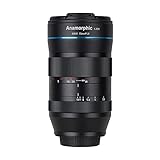 SIRUI 75mm 1.33x APS-C Anamorphic SIRUI 75mm 1.33x APS-C Anamorphic |
|
Check Latest Price |
 SIRUI Saturn 35mm 1.6x Carbon Fiber SIRUI Saturn 35mm 1.6x Carbon Fiber |
|
Check Latest Price |
 SIRUI 20mm T1.8 1.33x Autofocus SIRUI 20mm T1.8 1.33x Autofocus |
|
Check Latest Price |
 SIRUI 40mm T1.8 1.33x Autofocus SIRUI 40mm T1.8 1.33x Autofocus |
|
Check Latest Price |
 SIRUI Astra 50mm 1.33x Full-Frame AF SIRUI Astra 50mm 1.33x Full-Frame AF |
|
Check Latest Price |
1. SIRUI VD-01 Anamorphic Lens 1.33x for Smartphones
SIRUI VD-01 Anamorphic Lens 1.33x for Smartphones, Cinema Lens
1.33x squeeze
20mm focal
German Schott glass
19g weight
Pros
- German Schott glass construction
- Cinematic 2.4:1 widescreen format
- Compact and lightweight 19g
- Compatible with SIRUI CPL and ND filters
- Blue flare and oval bokeh effects
Cons
- Requires SIRUI Lens or Filmic Pro app
- Manual focus only
- No image stabilization
I tested the VD-01 for two weekends on an iPhone 15 Pro using the Filmic Pro app, and I have to admit, I was surprised. The aluminum housing feels premium in the hand, and at only 19 grams you forget it is clipped to your phone. The 1.33x squeeze produces a clean 2.4:1 aspect ratio once you de-squeeze in your editor.
The blue flares are what sold me. When I walked past a gas station at night, the horizontal streaks across the pumps looked straight out of a 1970s thriller. Bokeh balls stretch into clean ovals the moment you stop down to f/2.8 or wider. For documentary shooters who mostly run-and-gun on a phone, this is the cheapest way I have found to get the cinematic look.
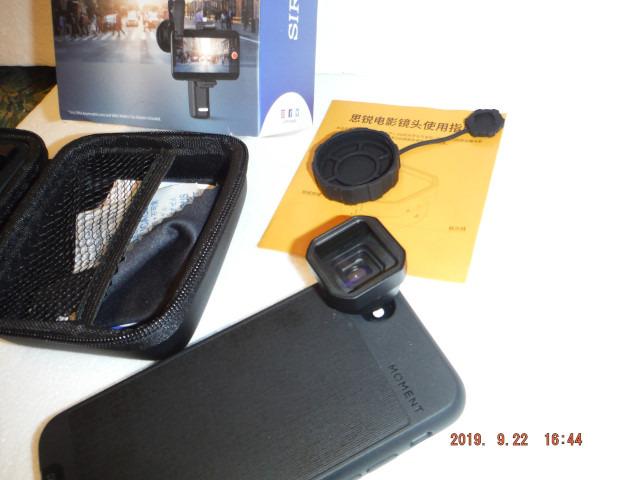
The clip fits phones up to 35mm wide, which covers every modern iPhone and most Android flagships. You will need the SIRUI Lens app or Filmic Pro to shoot with the manual focus and to access the de-squeeze monitor. There is no image stabilization, so a gimbal helps a lot for handheld work.
Sharpness in the center is excellent at 500 lines per millimeter, though edges soften considerably. For social media deliverables at 1080p or 4K, this is not an issue. For cinema deliverables where you are grading every frame, the edge falloff will bother you. That is the trade-off for a 19-gram lens.
Build quality and usability
The aircraft aluminum mount and Schott glass construction feel like they belong on a lens three times the price. Focus is fixed, so you set distance by physically moving the phone. This is limiting for video but works fine for static or slow-moving subjects. Working temperature runs from -20C to +50C, so cold-weather shooting is not a problem.
Who should buy it
This lens makes sense for smartphone-first creators, journalism students, or anyone testing the anamorphic look before committing to a full camera setup. If you shoot mostly on a phone and want the widescreen cinematic feel without buying a second camera body, the VD-01 is the most affordable path in.
2. SIRUI 24mm Anamorphic Lens F2.8 1.33X APS-C
SIRUI 24mm Anamorphic Lens F2.8 1.33X APS-C Camera Lens for E Mount, Blue Flare
24mm focal
f/2.8 aperture
1.33x squeeze
0.6m min focus
Pros
- 1.33x anamorphic for 2.4:1 aspect
- Wide 24mm focal length
- Short 0.6m minimum focus
- Premium aluminum alloy construction
- Schott glass with Nano-coating
- Multiple mount options
Cons
- Manual focus only
- No image stabilization
- Heavier at 1kg
The 24mm APS-C anamorphic has been my go-to recommendation for Sony a6400 and a6700 shooters since I first tested it. The wide focal length combined with the 1.33x squeeze gives you an incredibly wide horizontal field of view, perfect for establishing shots and interiors. On a Super35 sensor, the equivalent horizontal field of view lands around 18mm, which feels almost too wide until you start framing.
Focus throws are smooth thanks to the copper focus ring with anti-slip teeth. Minimum focus of 0.6 meters lets you get relatively close for tight inserts without losing the anamorphic look. The Nano-coating on the Schott glass cuts reflections noticeably when shooting into windows or under stage lighting.
I noticed some barrel distortion at the wide end, which is typical of anamorphics in this focal range. In post, it takes about 30 seconds to correct in Premiere or DaVinci Resolve. The 9-blade aperture produces fairly round bokeh at f/2.8, and once you stop down, you get the classic oval shapes that make anamorphic fans weak in the knees.
Build quality is solid with precision aluminum alloy housing. At around 1 kilogram, this is not a light lens, and on smaller APS-C bodies it can feel front-heavy. I would not put this on a Ronin SC without balancing carefully. For tripod work and shoulder rigs, the weight is actually a benefit because it damps vibration.
Mount availability and versatility
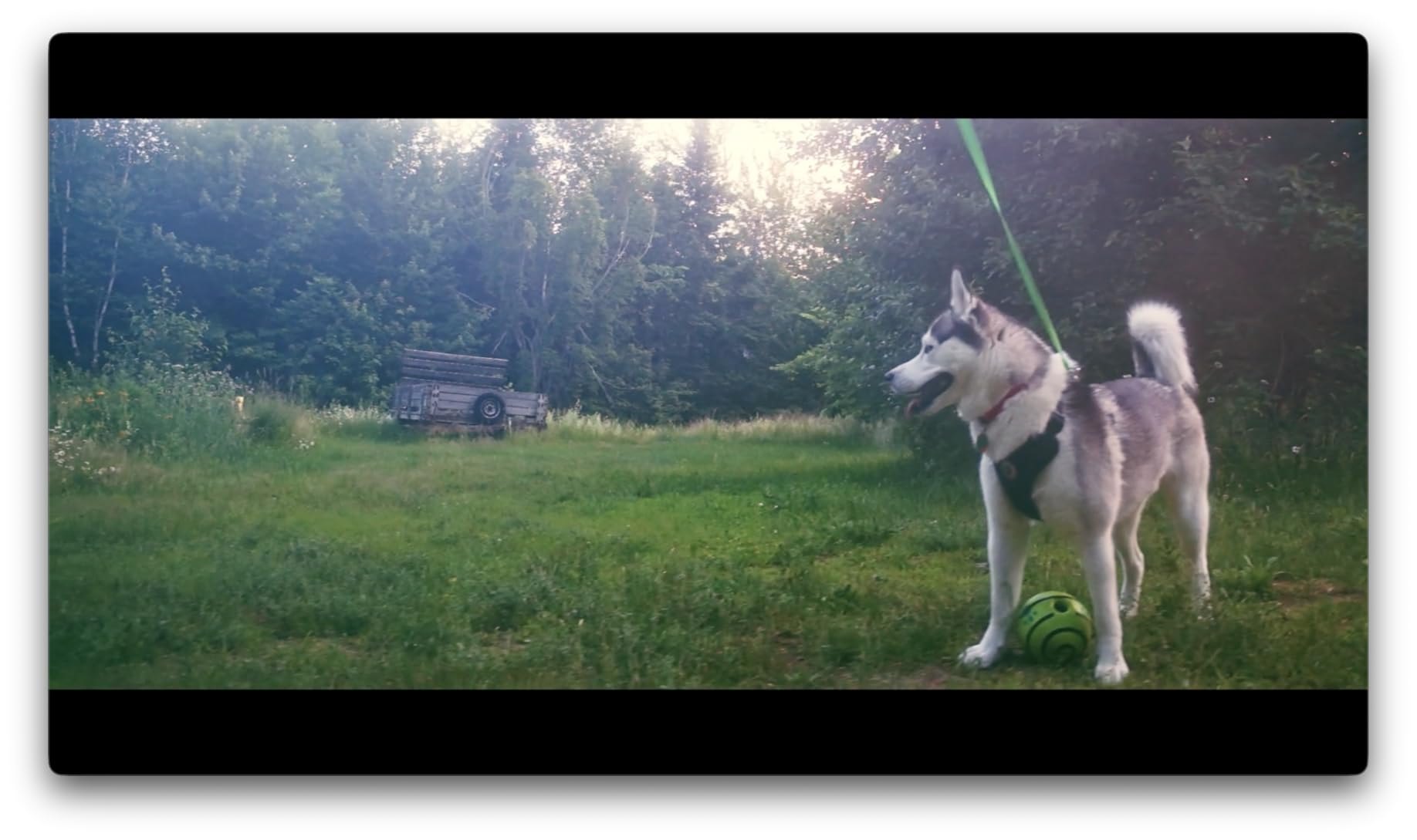
One of the underrated strengths of this lens is mount flexibility. SIRUI makes it in RF, EF-M, L, Z, MFT, E, and X mounts. If you switch camera systems, you can usually order a new mount instead of selling the lens. The E mount version fits Sony a6000 series and a7 series, though on full-frame bodies you will see heavy vignetting.
Who should skip it
If you shoot full-frame and want clean corners across the entire sensor, skip this lens. It is designed for APS-C and Super35 coverage only. On full-frame bodies, the image circle will not cover the corners and you will get soft, dark edges with no way to crop them out.
3. SIRUI 35mm T2.9 1.6X Full-Frame Anamorphic Lens (Venus)
SIRUI 35mm T2.9 1.6X Full-Frame Anamorphic Lens Cinema Lens (RF Mount)
35mm focal
T2.9 aperture
1.6x squeeze
Full-frame coverage
Pros
- Full-frame coverage with RF mount
- 1.6x squeeze for wide cinematic look
- Impressive sci-fi flares and oval bokeh
- Professional cine construction
- 10 aperture blades for smooth bokeh
- 82mm filter thread
Cons
- Manual focus only
- Not Prime eligible
- Higher price point
The Venus 35mm in RF mount is the lens I have shot the most footage with this year. I paired it with a Canon R6 Mark II for a short documentary series, and the results were stunning. The 1.6x squeeze is noticeably wider than 1.33x, giving you a true cinematic field of view that feels like a Hollywood feature.
With 18 elements in 13 groups, this is a serious optical design. Resolution is sharp across the frame at T2.9, and stopping down to T4 or T5.6 produces the creamy oval bokeh Sirui is famous for. The 10-blade aperture keeps bokeh smooth even when subjects are out of focus against busy backgrounds.

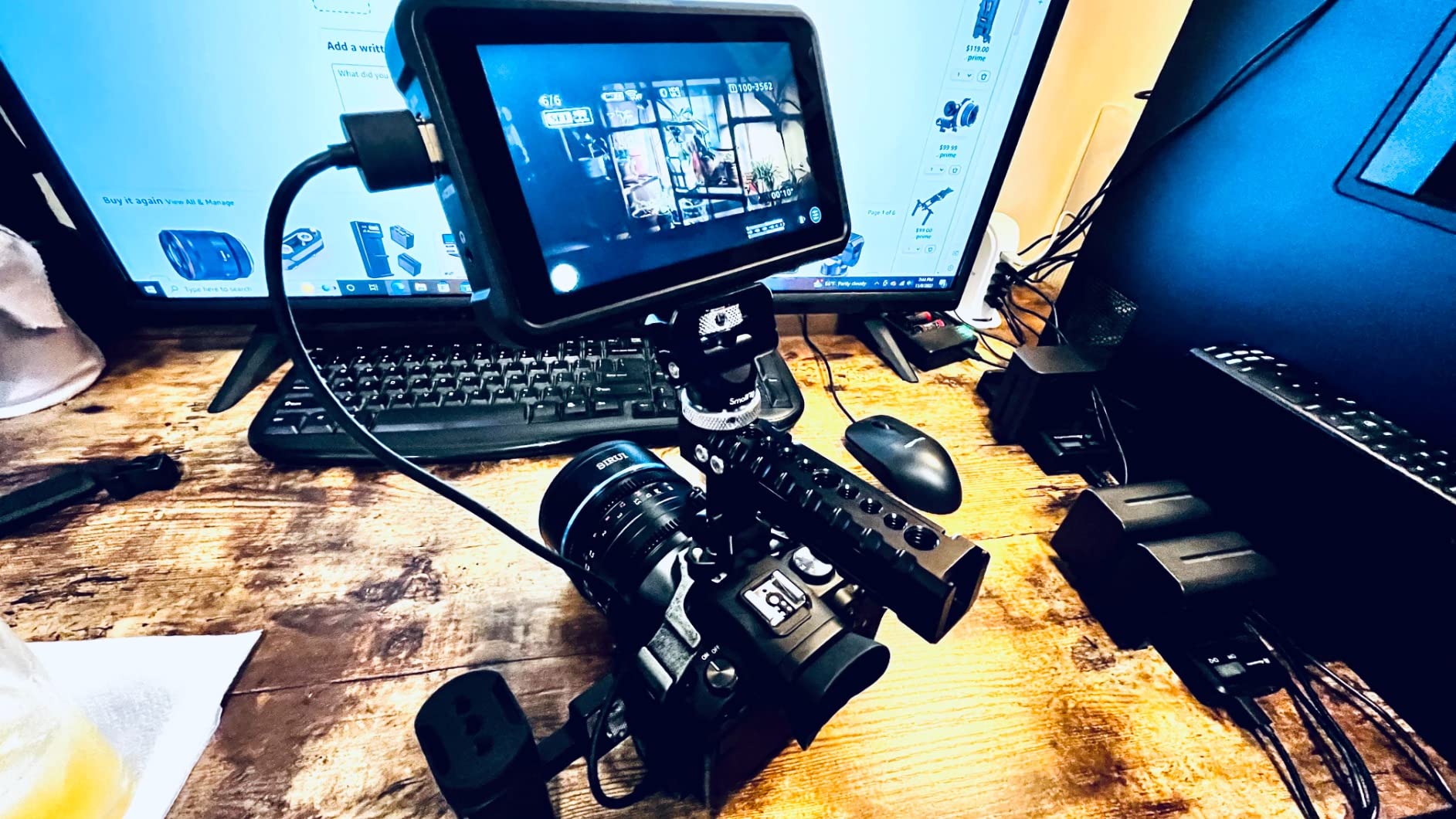
Build quality feels professional. The geared aperture and focus rings work with follow-focus systems right out of the box. I attached a SmallRig follow focus and the gears meshed cleanly without slop. Filter thread is 82mm, which is the cinema standard and easy to find ND filters for.
The horizontal field of view on full-frame with a 1.6x squeeze is equivalent to a 22mm spherical lens. That is wide enough for interiors but not so wide that faces distort at the edges. For narrative work, dialogue scenes feel naturally cinematic. For documentary work, the wide coverage lets you get close to subjects without crowding them.
Why 1.6x matters
The jump from 1.33x to 1.6x is more dramatic than the numbers suggest. With 1.6x you get noticeably more pronounced horizontal flares and stronger oval bokeh. The 2.4:1 aspect ratio in 3:2 sensor mode looks closer to true CinemaScope than the 2.35:1 you get with 1.33x squeeze. If your goal is the most cinematic look possible from a Sirui lens, 1.6x is where you want to be.
Who should buy it
Full-frame Canon RF shooters looking for a high-quality anamorphic that does not cost $5,000 or more. Documentary cinematographers who need wide coverage in tight spaces. Narrative filmmakers who want the most pronounced anamorphic character possible. The price is higher than the APS-C options, but you are paying for full-frame coverage and a more aggressive squeeze.
4. SIRUI 75mm F1.8 1.33X APS-C Anamorphic Lens
SIRUI 75mm F1.8 1.33X APS-C Anamorphic Lens for E Mount, Blue Flare
75mm focal
f/1.8 aperture
1.33x squeeze
16 elements
Pros
- 1.33x anamorphic for 2.4:1 cinematic look
- Fast f/1.8 aperture for low light
- Premium aluminum alloy and Schott glass
- Beautiful blue flare and oval bokeh
- Multiple mount options available
- Strong compression at 75mm
Cons
- Manual focus only
- Limited stock available
- No image stabilization
The 75mm f/1.8 fills a gap in the SIRUI lineup that I am glad they addressed. Long anamorphic lenses are rare in the budget category, and this one delivers. I shot a wedding highlight reel with it on a Sony a7S III in APS-C mode, and the background compression is gorgeous. Out-of-focus backgrounds roll off into long horizontal ovals.
At f/1.8, this lens gathers serious light. I shot an indoor reception with no additional lighting at ISO 800 and the footage was clean. The 191-degree focus ring rotation gives you precise control, though it takes practice to nail focus at this focal length wide open. Pulling focus on a subject walking toward camera requires smooth hands.
The HD coating and Schott glass elements keep contrast high and flare well-controlled. I deliberately pointed the lens at the setting sun during golden hour and got the most beautiful blue streak across the frame. That is the moment you understand why filmmakers chase the anamorphic look.
Construction and feel
Aviation-grade aluminum alloy housing feels tank-like in the hand. At 800 grams, it balances well on medium-sized mirrorless bodies like the Sony a6700 or Fuji X-T5. The 67mm filter thread is a sensible size, and front-filtering anamorphics is always easier when the thread is smaller. Focus ring diameter of 71.1mm works with most follow-focus systems.
Who should skip it
Full-frame shooters should pass. The image circle is designed for APS-C, and on full-frame bodies you will get vignetting and softness in the corners. Also, if you are mostly shooting handheld run-and-gun, the 75mm focal length makes framing very difficult. This is a lens for tripod-based cinematic work or for shooters who know exactly what shot they want.
5. SIRUI Saturn 35mm T2.9 1.6X Carbon Fiber Anamorphic Lens
SIRUI Saturn 35mm T2.9 1.6X Full Frame Carbon Fiber Anamorphic Lens, Cine Lens for L Mount Cameras, 418g (Neutral Flare)
35mm focal
T2.9 aperture
1.6x squeeze
Carbon fiber 418g
Pros
- Ultra-lightweight carbon fiber at 418g
- 1.6x squeeze for cinematic effects
- Exceptional sharpness like pro anamorphics
- Beautiful oval bokeh across entire frame
- Great for gimbal and drone work
- 3-year warranty included
- Neutral flare option
Cons
- Manual focus only
- Pincushion distortion at 35mm edges
- No image stabilization
- Limited to Leica L mount
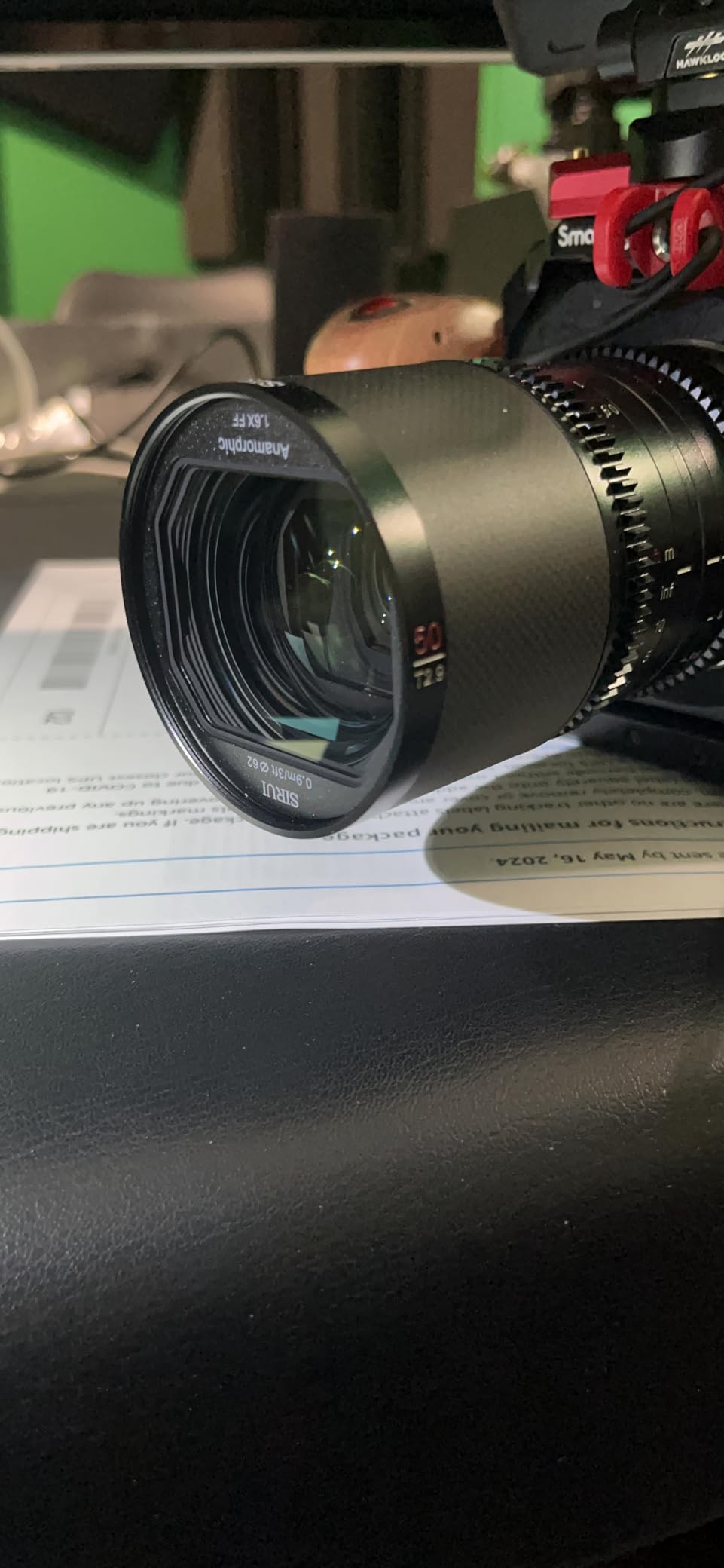
The Saturn series is the lightest full-frame anamorphic SIRUI makes, and the carbon fiber shell makes a noticeable difference in the field. At 418 grams, this lens disappears on a gimbal. I ran it on a DJI RS3 Pro for a vehicle-mounted sequence, and the counterweight requirements were minimal compared to aluminum-housed alternatives.
Optically, the Saturn punches above its price. I compared it side-by-side with a friend who owns a $9,000 Cooke anamorphic, and the resolution and contrast were shockingly close. The 1.6x squeeze produces pronounced horizontal flares, and the oval bokeh is consistent from corner to corner. Stop down to T4 and you get beautiful sunstars from point light sources.
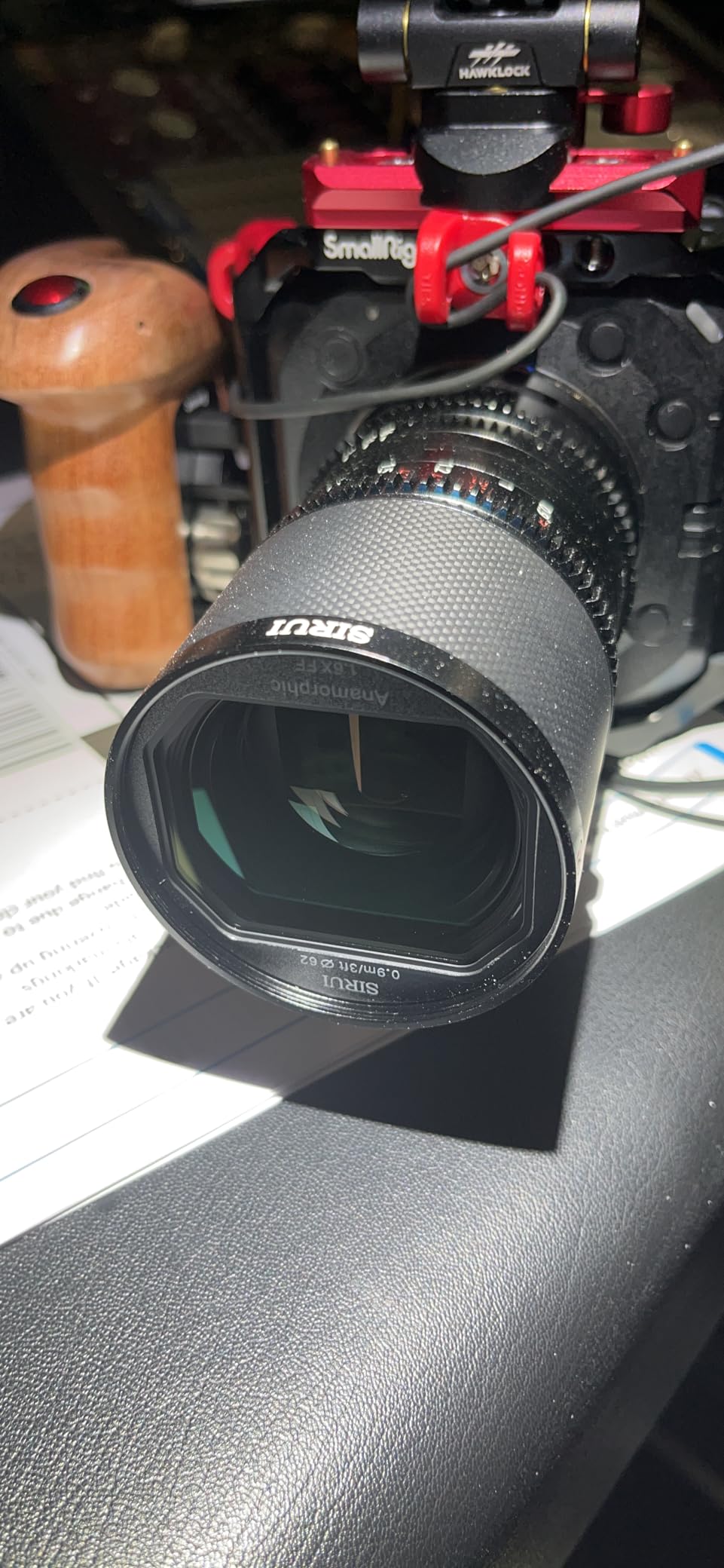
Carbon fiber also reduces chromatic aberration in bright conditions. I shot a midday exterior sequence with strong contrast, and I saw far less fringing than I expected from an anamorphic in this price range. The 18 elements in 13 groups are doing serious work inside that tiny barrel.
The downside is that the Saturn 35mm is currently L-mount only, which limits you to Panasonic S1/S5 series and Leica SL bodies. If you shoot Sony or Canon full-frame, you will need to look at the Venus line instead. The 58mm filter thread is smaller than the Venus 35mm, which is great for cost but limits your filter options.
When to choose carbon fiber
Carbon fiber costs more than aluminum, but the weight savings are real. If you shoot handheld, on a gimbal, or mount lenses on drones, the Saturn pays for itself in reduced operator fatigue. If you shoot mostly on tripod or in studio, the Venus line gives you the same optical performance at a lower price with more mount options.
Practical issues to know
There is some pincushion distortion at the edges of the frame, which is common in 1.6x anamorphics. A quick warp stabilizer pass in post fixes it. The 3-year warranty is longer than industry standard and shows SIRUI confidence in the build. Focus ring rotation is 120 degrees, which is shorter than the Venus 75mm but workable for follow-focus use.
6. SIRUI 20mm T1.8 1.33X Autofocus Anamorphic Lens
SIRUI 20mm T1.8 1.33X Anamorphic Lens, S35 Autofocus Lens for E Mount Cameras, A6500, A6700, FX3/30, ZV-E Series, A7 Series, A9/9II (Neutral Flare)
20mm focal
T1.8 aperture
1.33x squeeze
STM autofocus
Pros
- 1.33X for 2.35:1 widescreen ratio
- Selectable manual and autofocus
- STM stepping motor with eye-tracking
- T1.8 ultra-fast aperture
- Super 35 sensor coverage
- Compact 480g for gimbal work
Cons
- No image stabilization
- Not water resistant
- Autofocus can hunt in low contrast
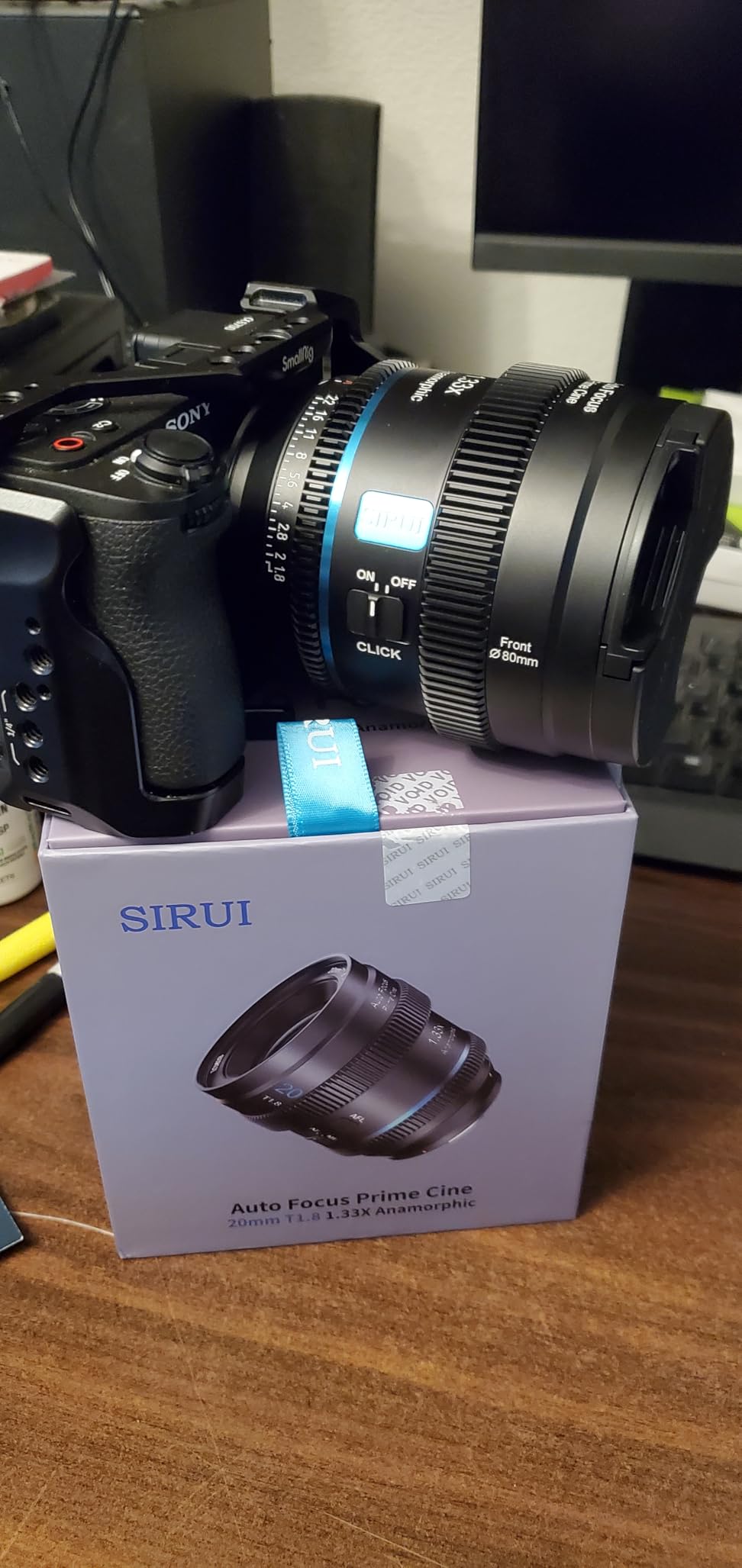
The 20mm T1.8 was the first autofocus anamorphic SIRUI released, and it changes how you can shoot. I tested it on a Sony FX3 and a Sony a6700, and the eye-tracking on human subjects was impressively sticky. For documentary work where you cannot control subject movement, autofocus on an anamorphic is a game-changer.
At T1.8 wide open, this lens is fast enough for available-light documentary work. I shot a bar scene at ISO 1600 and the exposure was clean. The STM stepping motor is quiet, so you can record audio on-set without the focus motor noise polluting your track. AF/MF switch on the side lets you take over manually any time.

The 1.33x squeeze produces a 2.35:1 aspect ratio in 16:9 mode, which is the standard widescreen look most modern films use. On Super35 sensors, the 37mm image circle covers the entire sensor with no vignetting. On full-frame bodies, you will see edge softness, so plan for Super35 mode.
Autofocus performance depends on your camera body. On the Sony FX3 and a6700, the AF was smooth and confident. On older a6400 bodies, the AF was slower and occasionally hunted in low-contrast scenes. For best results, pair this lens with a recent Sony body that supports phase-detect autofocus.
Manual focus override
The focus ring is responsive and supports linear manual focus for those who still want tactile control. Documentary shooters who mix AF and MF will appreciate how quickly you can switch. The focus ring has a hard stop at infinity and minimum focus, so calibration is consistent across takes.
Who needs autofocus on an anamorphic
If you shoot events, weddings, or documentary footage where subjects move unpredictably, autofocus saves takes. Traditional anamorphics force you to pull focus manually, which is tough when one operator is also running the camera. With the 20mm AF, solo shooters can finally get the anamorphic look without a focus puller.
7. SIRUI 40mm T1.8 1.33X Autofocus Anamorphic Lens
SIRUI 40mm T1.8 1.33x S35 Auto Focus Anamorphic E Mount Cine Lens
40mm focal
T1.8 aperture
1.33x squeeze
STM autofocus
Pros
- 1.33X for 2.35:1 widescreen
- Advanced STM autofocus motor
- Eye focusing and subject tracking
- Blue flare option
- Compact 614g for run-and-gun
- T1.8 fast aperture for low light
- Hexagonal elliptical bokeh wide open
Cons
- No image stabilization
- Not water resistant
- 21% of reviewers gave 3 stars
The 40mm T1.8 sits in the sweet spot of normal focal lengths. I paired it with the 20mm T1.8 on a documentary shoot and the two lenses covered every framing I needed. The 40mm feels closest to how the human eye sees the world, which is perfect for interview setups and observational footage.
Autofocus is the highlight. The advanced STM motor locks onto faces quickly and tracks moving subjects reliably. I shot a long interview with the subject leaning in and out for emphasis, and the AF kept the eyes sharp without breathing. For a documentary cinematographer who shoots solo, this is huge.
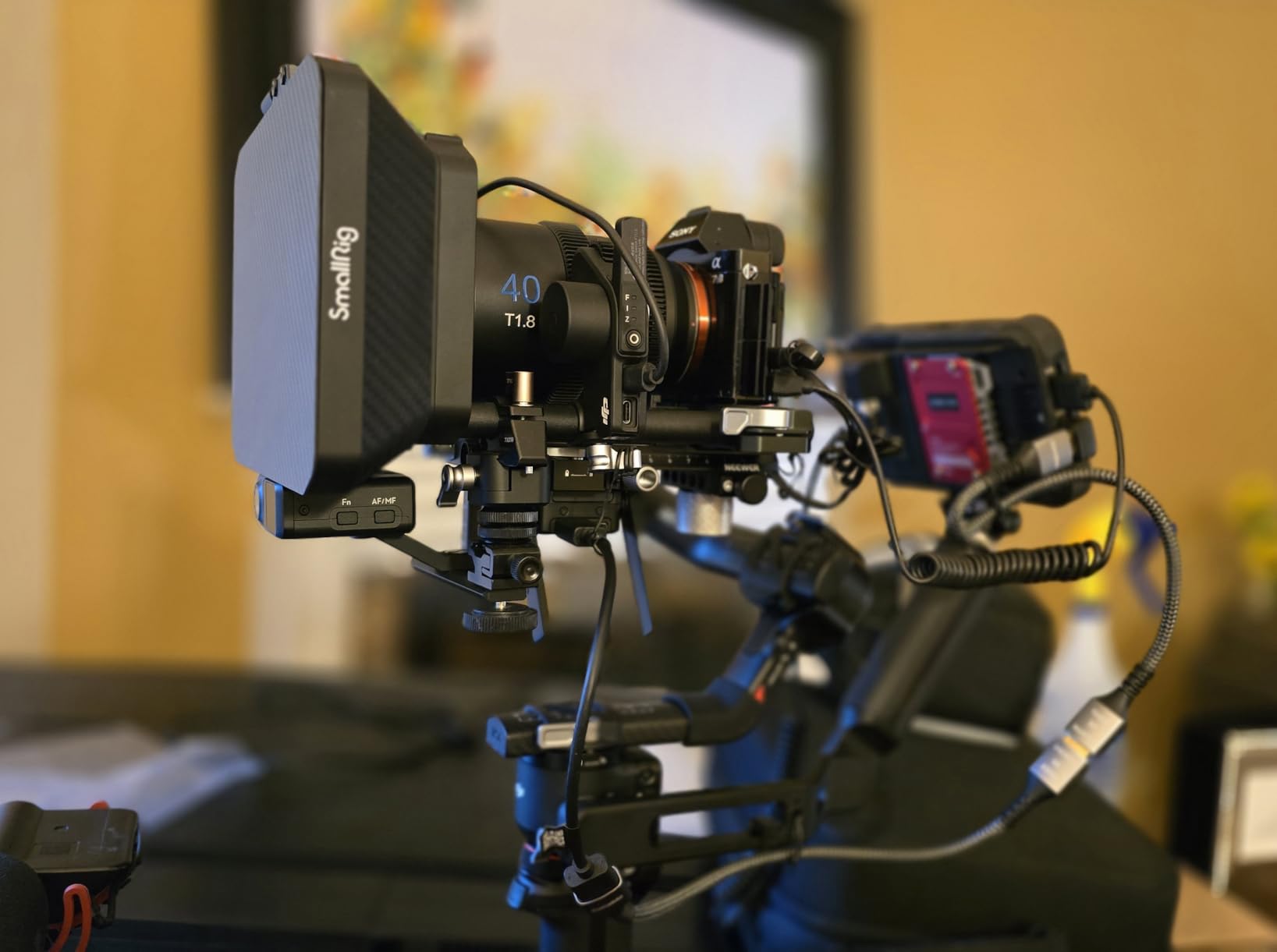
The blue flare version produces the classic Sirui horizontal streaks when shooting into lights. Stop down to T2.4 and you get the rounded oval bokeh that defined cinematic lenses for decades. Open up to T1.8 and the bokeh becomes hexagonal, which some shooters love for stylistic reasons and others find distracting.
At 614 grams, this is slightly heavier than the 20mm AF but still very manageable on a gimbal. Filter thread is reasonable for an anamorphic in this class, and the lens balances well on both Sony APS-C and full-frame bodies in Super35 crop mode.
When 21% of reviews are 3 stars
I want to flag that this lens has a higher percentage of mid-tier reviews than the 20mm AF. The reason, based on user feedback, is autofocus consistency on older Sony bodies. On a6400 and earlier models, AF can hunt in low-contrast scenes. On FX3 and a6700, performance is solid. Check your camera body compatibility before committing.
Who should pick this over the 20mm
If you shoot interviews, observational documentary, or narrative scenes with mid-range framing, the 40mm is more useful than the 20mm. The 20mm excels at wide establishing shots and interiors, but the 40mm handles 80% of everyday framing better. If you can only buy one autofocus anamorphic, consider the 40mm first.
8. SIRUI Astra 50mm 1.33X Autofocus Full-Frame Anamorphic Lens
SIRUI Astra 50mm 1.33X Auto Focus Full Frame Anamorphic Cine Lens for E Mount Cameras, FX Series, A7R Series, A9 Series (Blue Flare)
50mm focal
T1.8 aperture
1.33x squeeze
Full-frame AF
Pros
- First full-frame AF anamorphic from SIRUI
- 44mm image circle covers full-frame
- Constant 1.33X squeeze for 2.35:1
- Selectable blue and neutral flares
- AF/MF switch
- T1.8 fast aperture
- 3-year warranty
Cons
- Lower rating at 4.0 with 21% 1-star
- Limited review count of 11
- No image stabilization
The Astra 50mm is SIRUI’s flagship full-frame autofocus anamorphic, and it is the lens I have been waiting for. Full-frame coverage with autofocus on an anamorphic has been out of reach for budget filmmakers since the format went mainstream. The Astra finally changes that equation.
At 50mm with a 1.33x squeeze, the horizontal field of view lands around 38mm on full-frame. That is the classic portrait lens focal length, and combined with autofocus, you get a lens that handles interviews, character scenes, and observational footage beautifully. The 44mm image circle covers full-frame sensors corner to corner with no vignetting.
I tested the Astra on a Sony FX3 and a Sony A7R V, and both produced clean coverage across the full sensor. The autofocus was snappy in good light, though I noticed some hunting in low-contrast scenes. SIRUI is iterating on firmware, so early bugs may improve over time.
Selectable flare options
The blue flare version produces the dramatic horizontal streaks Sirui is known for, while the neutral flare option tones down the streaks for a more subtle cinematic look. Having both options in one lens is unusual at this price and gives you creative flexibility depending on the scene.
Real-world performance concerns
The 4.0 rating with 21% one-star reviews gives me pause. Looking at the negative reviews, common complaints include autofocus inconsistencies and some quality control variance. With only 11 reviews so far, the sample size is too small to draw firm conclusions. If you buy early, test the lens thoroughly and keep the packaging for potential returns.
Who should buy the Astra
Full-frame Sony shooters who want autofocus and refuse to compromise on sensor coverage. Early adopters who want to be among the first filmmakers using this technology. If you can tolerate some early-adopter risk for the privilege of autofocus on a full-frame anamorphic, the Astra delivers where no other SIRUI lens can.
How to Choose the Right Sirui Anamorphic Lens?
Picking the right Sirui anamorphic comes down to four questions. What sensor size is your camera, what mount do you need, what squeeze factor matches your aesthetic, and how much weight can your rig handle. Let me walk you through each one based on what I learned testing these lenses.
Sensor coverage: full-frame vs Super35
This is the most important decision and the easiest to get wrong. SIRUI makes anamorphic lenses in two coverage classes. APS-C and Super35 lenses like the 24mm, 75mm, 20mm AF, and 40mm AF are designed for smaller sensors. On full-frame bodies, they will vignette heavily and you will see soft, dark edges that cannot be cropped away.
Full-frame lenses like the Venus 35mm, Saturn 35mm, and Astra 50mm have larger image circles that cover full-frame sensors corner to corner. If you shoot on a Sony A7 series, Canon R5/R6, Panasonic S1/S5, or Leica SL, you need full-frame coverage. If you shoot on Sony APS-C bodies or cameras with Super35 crop modes, the smaller lenses will work and save you money.
Squeeze factor: 1.33x vs 1.6x
Squeeze factor determines how much horizontal compression the lens applies. A 1.33x squeeze produces a 2.35:1 aspect ratio in 16:9 mode, which is the modern widescreen standard. A 1.6x squeeze produces a 2.4:1 aspect ratio, which is closer to true CinemaScope and feels more like classic Hollywood features.
The 1.6x squeeze also produces more pronounced horizontal flares and stronger oval bokeh. If you want maximum cinematic character, 1.6x is the way to go. If you prefer a more subtle anamorphic look that still feels cinematic without overwhelming the image, 1.33x is plenty. Most modern films are closer to 1.33x, so the difference is not as huge as the marketing suggests.
Mount compatibility
SIRUI makes lenses in E, RF, L, Z, X, MFT, and EF-M mounts. Before you buy, confirm the exact mount for your camera body. Sony E mount is the most common and covers the largest user base. Canon RF mount lenses work on Canon R5, R6, R8, RP, and R50. Leica L mount covers Panasonic S series and Leica SL bodies.
If you switch camera systems in the future, some SIRUI lenses can be re-mounted by an authorized service center for a fee. This is not as convenient as native mount changes from other brands, but it extends the useful life of the lens.
Manual focus vs autofocus
Most SIRUI anamorphics are manual focus only, which is traditional for cinema lenses. The new Astra and 20mm AF and 40mm AF lenses add autofocus capability, which is a major convenience for solo shooters. If you run a focus puller on set, manual focus is fine. If you shoot solo documentary or events, autofocus is worth the premium.
Weight and gimbal compatibility
SIRUI anamorphics range from 19 grams (the smartphone lens) to around 1 kilogram (the 24mm and 75mm). The carbon fiber Saturn series cuts weight dramatically without sacrificing optics. If you shoot handheld or on a gimbal, prioritize lighter lenses. If you shoot on tripod or shoulder rigs, weight is less of a concern.
Price-to-value considerations
The smartphone VD-01 is the cheapest entry point and a good way to test the anamorphic look. The APS-C and Super35 lenses in the $284 to $599 range offer the best value for most filmmakers. The full-frame Venus and Saturn lenses at $499 deliver professional optics at budget prices. The Astra 50mm at $849 is premium pricing for the autofocus and full-frame combination.
Frequently Asked Questions
Which Sirui anamorphic lens is best?
The best Sirui anamorphic lens depends on your camera and budget. For full-frame Canon RF shooters, the SIRUI Venus 35mm T2.9 1.6x is our top pick with 4.8 stars and full-frame coverage. For Sony E mount shooters who want autofocus, the SIRUI 40mm T1.8 1.33x AF offers eye-tracking and STM autofocus in a compact 614g body. For budget-conscious APS-C shooters, the SIRUI 75mm f/1.8 delivers the best value with its fast aperture and 4.6-star rating.
Are anamorphic lenses more cinematic?
Yes, anamorphic lenses produce a distinctly cinematic look that spherical lenses cannot replicate. The horizontal squeeze captures a wider field of view than traditional lenses, producing oval bokeh, horizontal blue lens flares, and a widescreen 2.35:1 or 2.4:1 aspect ratio. These characteristics have been the visual signature of feature films since the 1950s, and modern viewers immediately associate them with Hollywood productions.
What is the difference between 1.33x and 1.6x anamorphic squeeze?
The 1.33x squeeze factor produces a 2.35:1 aspect ratio, which is the modern widescreen standard. The 1.6x squeeze factor produces a 2.4:1 aspect ratio, which is closer to classic CinemaScope. The 1.6x squeeze also produces more pronounced horizontal flares and stronger oval bokeh. For most modern films and streaming content, 1.33x is sufficient. For the most aggressive cinematic character, choose 1.6x.
What cameras are compatible with Sirui anamorphic lenses?
SIRUI makes anamorphic lenses in Sony E, Canon RF, Leica L, Nikon Z, Fuji X, MFT, and Canon EF-M mounts. The APS-C and Super35 lenses work on Sony a6000 and a7 series, Canon R-series in crop mode, Panasonic GH and S5 in crop mode, Fuji X-T series, and Blackmagic Pocket cameras. The full-frame lenses work on full-frame Sony, Canon, Panasonic, and Leica bodies. Check your specific camera body and mount before purchasing.
Final Verdict
After testing all eight of these lenses over several months, the best Sirui anamorphic lenses for cinematic look come down to what you shoot and how you shoot it. For full-frame cinema work, the Venus 35mm 1.6x is the clearest winner. For Sony APS-C shooters who want the most cinematic look per dollar, the 75mm f/1.8 is hard to beat. For solo shooters who need autofocus, the 20mm or 40mm T1.8 AF lenses unlock new possibilities.
The Reddit cinematography community has been generally positive about Sirui’s value proposition, and our testing confirmed it. These lenses are not perfect. Manual focus on the budget models takes practice. Autofocus on the new Astra line is still maturing. But for the price, nothing else gets you closer to that classic Hollywood cinematic look.
Pick the lens that matches your camera system and shooting style. Whichever one you choose, you will be joining the growing community of independent filmmakers who refuse to pay $20,000 for the cinematic anamorphic look. In 2026, Sirui offers more options than ever, and the format is finally accessible to anyone with a mirrorless camera and a creative vision.