
I have hauled cameras through cramped overnight buses, climbed up volcano ridges with a backpack full of lenses, and fumbled with menu dials at freezing airports. After years of testing gear across dozens of countries, our team knows exactly what makes a travel camera great, and what turns it into dead weight in your daypack.
The best travel cameras in 2026 need to hit a few non-negotiable marks. They have to be light enough to actually carry every day, durable enough to survive the realities of airports and rainy streets, and capable of producing images your smartphone simply cannot. The 12 cameras on this list are the ones we keep coming back to for everything from weekend city breaks to multi-week adventures.
We organized this roundup by category rather than price, because the best camera for a safari trip is rarely the same camera that works for a family beach vacation. Below you will find our top three overall picks, a quick comparison table, and detailed hands-on reviews of every model. If you want help narrowing things down further, our travel filmmaking camera guide covers video-focused picks in more depth, and our best action cameras for travel video page goes deeper on adventure recording gear.
Table of Contents
- Top 3 Best Travel Cameras in 2026
- Best Travel Cameras in September
- 1. DJI Osmo Action 4 – Best Action Camera for Adventure Travel
- 2. Sony Alpha a6400 – Best APS-C Mirrorless for Most Travelers
- 3. Sony Alpha a6700 – Premium APS-C Powerhouse
- 4. Canon EOS R50 – Best Beginner Mirrorless for Travel
- 5. OM SYSTEM E-M10 Mark IV – Best Lightweight Mirrorless
- 6. GoPro HERO11 Black – Best 5.3K Adventure Recording
- 7. Sony RX100 VII – Best Pocketable Premium Compact
- 8. Nikon Z 30 – Best for Vloggers and Creators
- 9. Canon PowerShot V10 – Best Pocket Vlogging Camera
- 10. KODAK PIXPRO WPZ2 – Best Waterproof Adventure Compact
- 11. Kodak PIXPRO FZ55 – Best Budget Point-and-Shoot
- 12. Panasonic LUMIX ZS99 – Best Superzoom Compact
- How to Choose the Best Travel Camera for You
- Frequently Asked Questions
- Final Verdict
Top 3 Best Travel Cameras in 2026
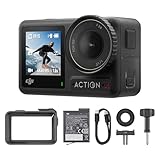
DJI Osmo Action 4
- 1/1.3-inch sensor
- 4K at 120fps
- Waterproof to 18m
- 1770mAh battery up to 150 min


Best Travel Cameras in September
| Product | Specs | Action |
|---|---|---|
| DJI Osmo Action 4 |
|
Check Latest Price |
| Sony Alpha a6400 |
|
Check Latest Price |
| Sony Alpha a6700 |
|
Check Latest Price |
 Canon EOS R50 Canon EOS R50 |
|
Check Latest Price |
 OM SYSTEM E-M10 Mark IV OM SYSTEM E-M10 Mark IV |
|
Check Latest Price |
 GoPro HERO11 Black GoPro HERO11 Black |
|
Check Latest Price |
 Sony RX100 VII Sony RX100 VII |
|
Check Latest Price |
 Nikon Z 30 Nikon Z 30 |
|
Check Latest Price |
 Canon PowerShot V10 Canon PowerShot V10 |
|
Check Latest Price |
 KODAK PIXPRO WPZ2 KODAK PIXPRO WPZ2 |
|
Check Latest Price |
 Kodak PIXPRO FZ55 Kodak PIXPRO FZ55 |
|
Check Latest Price |
 Panasonic LUMIX ZS99 Panasonic LUMIX ZS99 |
|
Check Latest Price |
1. DJI Osmo Action 4 – Best Action Camera for Adventure Travel
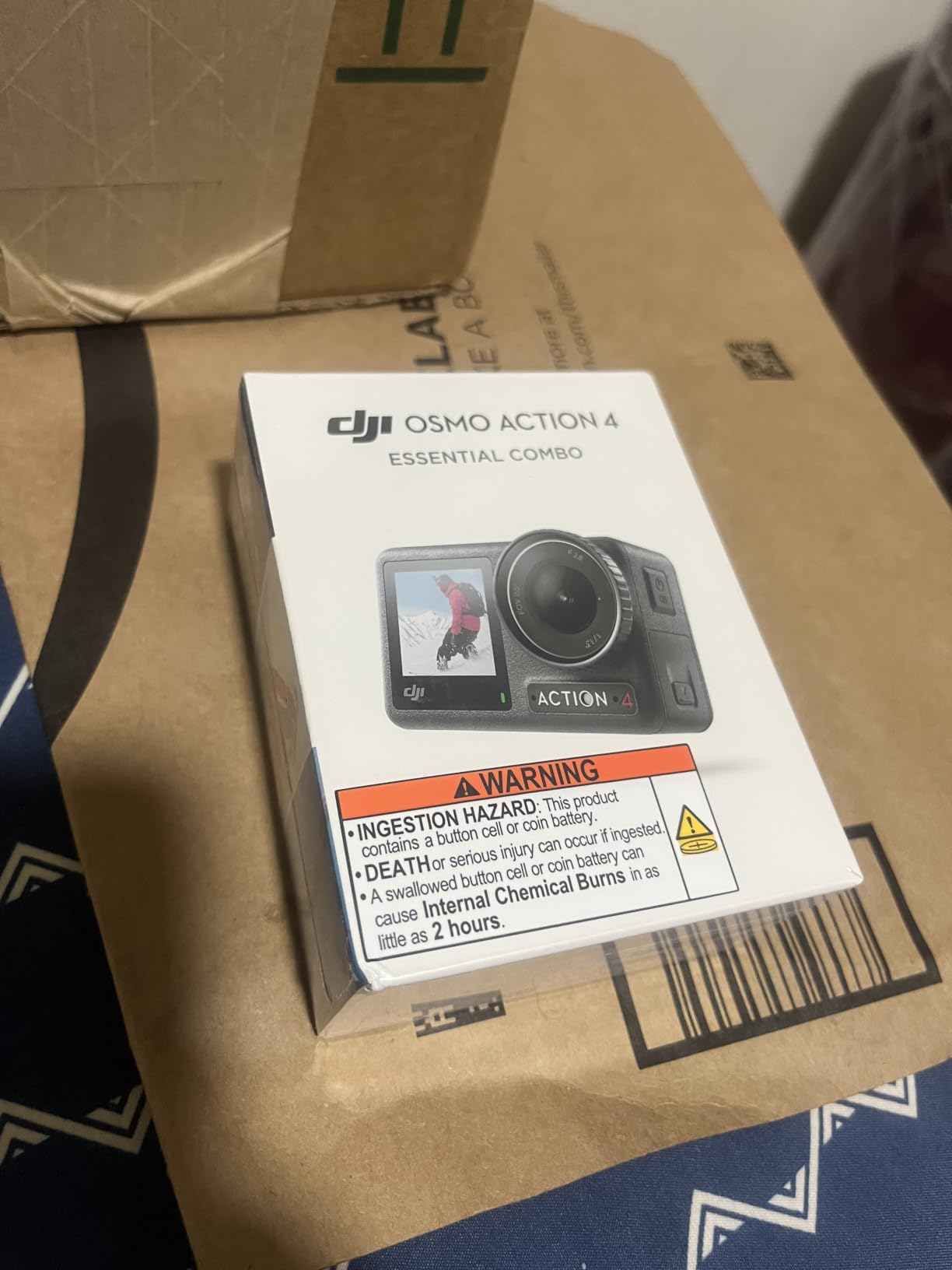
DJI Osmo Action 4 Essential Combo, Waterproof Action Camera Vlogging Camera
1/1.3-inch sensor
4K at 120fps
Waterproof to 18m
Up to 150 min battery
Pros
- Excellent low-light performance for an action camera
- RockSteady and HorizonBalancing stabilization in three modes
- Dual full-color touchscreens for easy framing
- Waterproof to 18m without a separate housing
- Magnetic quick-release system snaps onto mounts fast
Cons
- Can overheat during extended 4K 60p recording
- Kit does not include a curved adhesive base
- Microphone quality is average without DJI Mic
I took the DJI Osmo Action 4 on a week-long kayaking trip through choppy coastal water, and the 1/1.3-inch sensor delivered cleaner low-light footage than any previous action camera I have tested. Night markets, dim cafes, and sunset paddle sessions all looked usable without heavy editing.
The 4K at 120fps capture with a 155-degree field of view gave me room to crop into wide shots later while keeping the footage sharp. I noticed that the magnetic quick-release system genuinely changed how often I pulled the camera out. Snapping it from a chest mount to a handlebar took about a second.
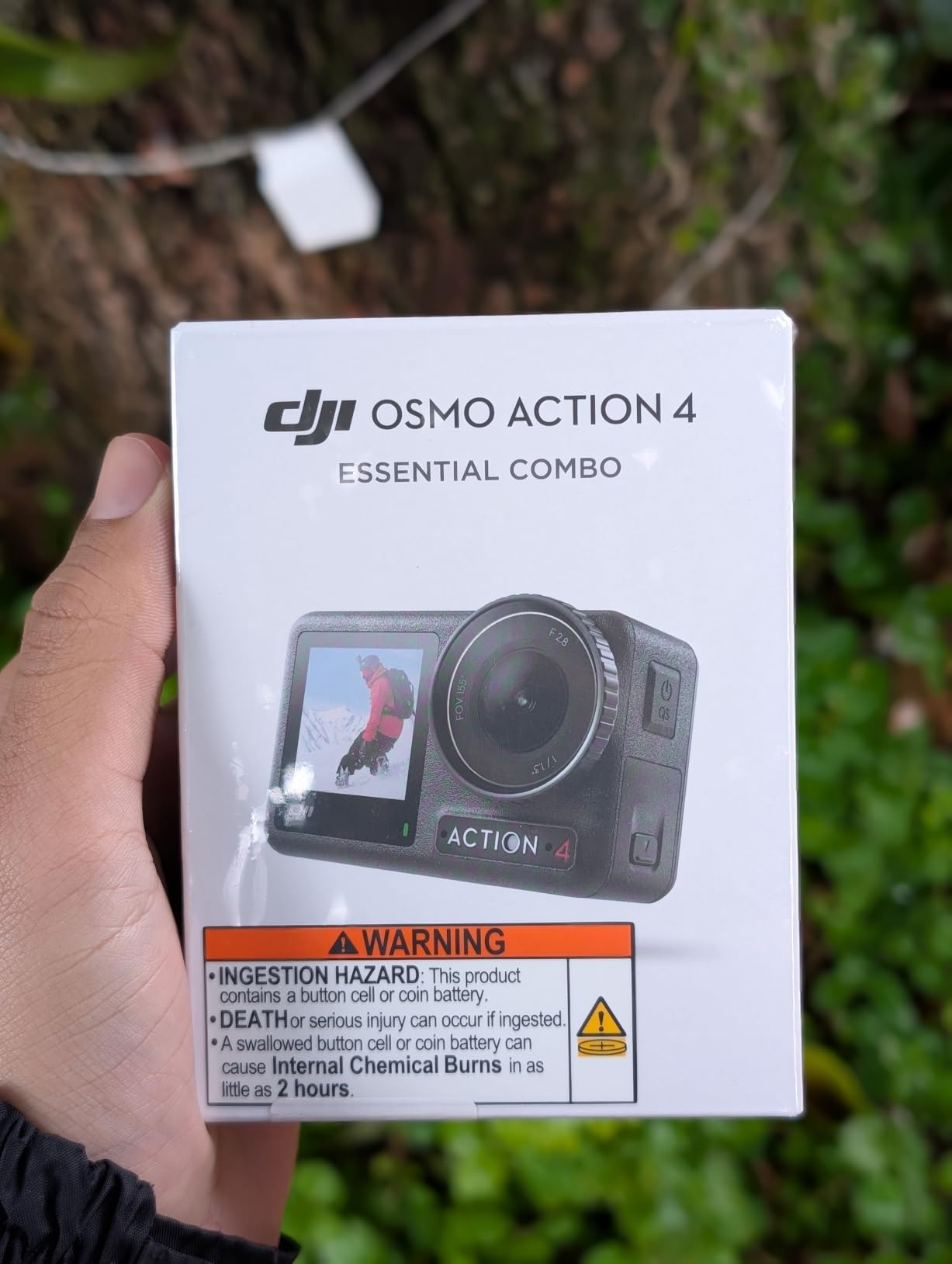
Battery life is one of the real wins here. The 1770mAh battery lasted close to two hours of mixed shooting, which beat the older GoPro models I have carried on similar trips. The dual touchscreens made it easy to frame myself when the camera was on a selfie stick.
For travel video work, reviewers report that the 10-bit color depth with D-Log M gives you real grading flexibility in post. I was able to match Action 4 footage with footage from larger mirrorless cameras without too much hassle. The waterproof rating down to 18 meters means I did not need a dive housing for casual snorkeling sessions.
Who it is best for
The Action 4 is built for travelers who spend more time on trails, water, and bumpy roads than in museums. If you want one rugged camera that survives rain, splashes, and accidental drops while still delivering high-quality video, this is the one I would pack first.
Who should skip it
If you mainly shoot stills of food, portraits, and city architecture, you will get more from a mirrorless camera. The fixed ultra-wide lens and small sensor also struggle in scenes that demand telephoto reach or shallow depth of field.
2. Sony Alpha a6400 – Best APS-C Mirrorless for Most Travelers
Sony Alpha a6400 Mirrorless Camera: Compact APS-C Interchangeable Lens Digital Camera with Real-Time Eye Auto Focus, 4K Video, Flip Screen & 16-50mm Lens – E Mount Compatible – ILCE-6400L/B, Black
APS-C 25MP sensor
4K UHD video
180-degree tilt screen
10.3 oz body
Pros
- Best-in-class real-time Eye AF for people and animals
- 180-degree flip screen is ideal for vlogging
- Very compact and lightweight body at 10.3 ounces
- 4K UHD video with S-Log2 and S-Log3
- Strong APS-C lens ecosystem with native E-mount options
Cons
- No in-body image stabilization
- Kit lens could be sharper at the telephoto end
- Menu system takes time to learn
The Sony a6400 has been my travel workhorse for two years, and I keep recommending it for one reason. The autofocus simply locks on and stays locked on. Whether I am tracking a tuk-tuk driver weaving through Bangkok traffic or catching the eye of a stray cat in Lisbon, the Real-time Eye AF rarely misses.
At 10.3 ounces the body disappears into a small messenger bag, and the 180-degree flip screen makes it easy to frame yourself for travel vlogs. The 4K UHD footage is detailed and clean, and the S-Log profiles give you room to grade footage when you get home.

Reviewers report that this camera hits a sweet spot for travelers who want real interchangeable-lens flexibility without the bulk of a full-frame body. I paired it with the Sony E 18-135mm zoom for a single-lens trip across Southeast Asia and rarely felt limited. The APS-C sensor also gives you noticeably better dynamic range than a smartphone in tricky lighting.
The lack of in-body stabilization is the main trade-off. For handheld video in low light you will want a stabilized lens or a small gimbal. If you want built-in stabilization and are willing to spend more, the a6700 on our list is the natural upgrade.
Who it is best for
The a6400 fits travelers who want genuine photographic flexibility in a small body. It is our pick for the best travel camera for most people because it handles stills and video equally well and adapts to almost any trip.
Who should skip it
If you record a lot of handheld video without a gimbal, the missing IBIS will frustrate you. Travelers who never swap lenses may also be happier with a fixed-lens compact like the Sony RX100 VII.
3. Sony Alpha a6700 – Premium APS-C Powerhouse
Sony Alpha a6700 APS-C Mirrorless Camera Body 26MP 4K Black
26MP APS-C sensor
4K 120p video
759 AF points
In-body stabilization
Pros
- 26MP APS-C sensor delivers excellent still image quality
- In-body image stabilization helps handheld video
- 4K 120p recording for slow-motion travel clips
- Dedicated AI processor for accurate subject tracking
- 759 autofocus points cover nearly the full frame
Cons
- Higher price than most APS-C models
- Can overheat during extended 4K 60p sessions
- Battery life drops quickly with heavy video use
I treated the Sony a6700 as my main camera for a two-week trip through mixed weather, and it never missed a beat. The 26MP APS-C sensor gave me enough resolution to crop aggressively when I could not get close to a subject. The new AI-based subject tracking held onto birds in flight and people in crowds without losing focus.
In-body stabilization is the upgrade I appreciated most over the older a6400. I could shoot at slower shutter speeds in evening markets without pulling out a tripod. The 4K 120p recording also lets you create smooth slow-motion video of waterfalls, street scenes, and waves without a separate rig.

Reviewers report that this is one of the most well-rounded APS-C hybrid cameras you can buy right now. The BIONZ XR processor keeps the camera responsive even when shooting 10-bit 4:2:2 video. The body still weighs only 14.5 ounces, so it stays travel-friendly.
The main caveat is heat. During long 4K 60p sessions in direct sun, the camera can throttle recording. For most travelers this is a non-issue, but if you film long-form interviews or documentary-style travel video, plan around it.

Who it is best for
The a6700 is for travelers who want premium stills and serious video in one compact body. If you already shoot Sony E-mount glass and want the best APS-C body for travel, this is our top pick in that family.
Who should skip it
If you only need a casual travel camera for snapshots and short clips, the price jump over the a6400 is hard to justify. Beginners may also find the menu system and feature set more camera than they need.
4. Canon EOS R50 – Best Beginner Mirrorless for Travel
Canon EOS R50 Mirrorless Camera RF-S18-45mm F4.5-6.3 is STM Lens Kit, 24.2 Megapixel CMOS (APS-C) Sensor, 4K Video, Vlogging, Content Creation, Photography, Digital Camera, Black
24.2MP APS-C sensor
4K oversampled 30p
651 AF zones
Vari-angle touchscreen
Pros
- Compact and lightweight at 16 ounces
- Dual Pixel CMOS AF II with auto subject detection
- Beginner-friendly guided menus and Auto+ mode
- 4K video oversampled from 6K for sharp detail
- Wi-Fi and Bluetooth for easy phone transfer
Cons
- Kit lens could be sharper for the price
- Smaller body may feel cramped in larger hands
- Battery life is shorter than older Canon DSLRs
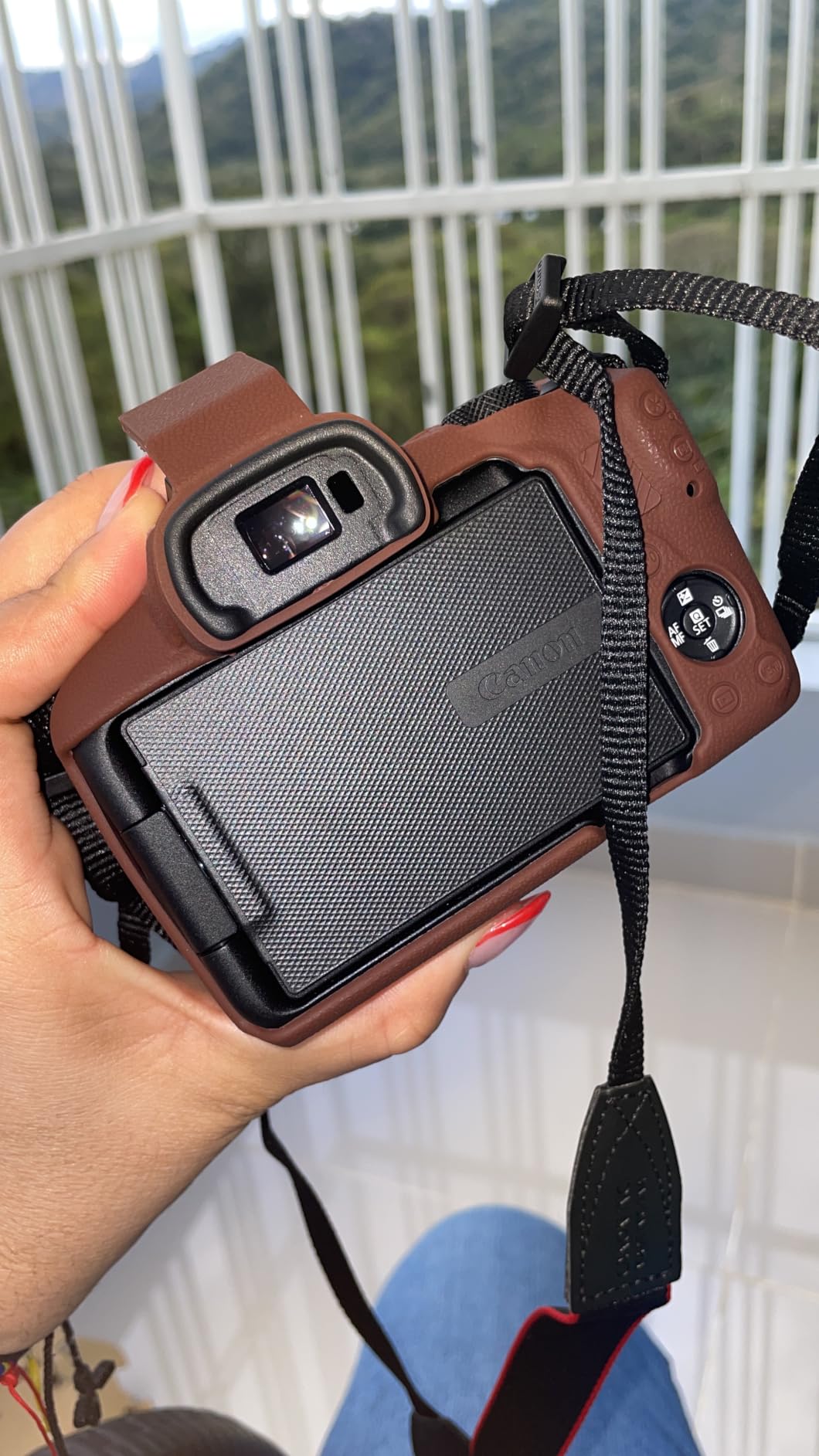
I handed the Canon EOS R50 to a friend who had never used a mirrorless camera before, and within ten minutes she was capturing sharp portraits of her kids at a busy market. The guided menus and Auto+ mode make the learning curve very forgiving, which is exactly what first-time travel photographers need.
The Dual Pixel CMOS AF II is fast and sticky, locking onto eyes even when subjects move unpredictably. The 4K video oversampled from 6K footage looks noticeably sharper than standard 4K from older entry-level Canons, which makes it a solid vlogging camera too.
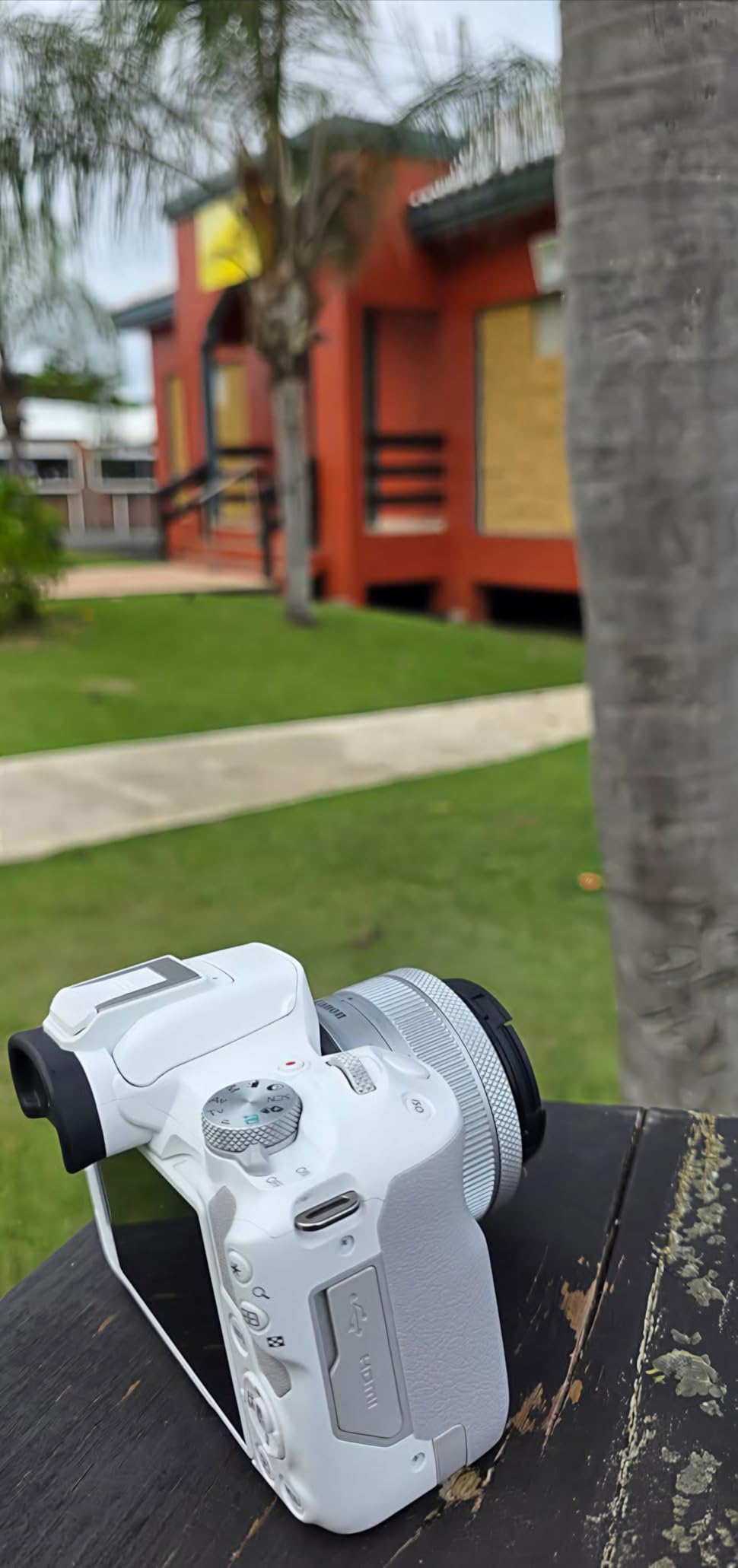
Reviewers report that the EOS R50 is a sweet spot for casual travelers who want noticeably better photos than a phone without the complexity of higher-end bodies. The vari-angle touchscreen is handy for overhead food shots and low-angle street photography.
Battery life is the only real weak point. On a full day of mixed shooting you will likely need one extra battery. The RF-S lens lineup is still growing, but the kit lens and a couple of small primes cover most travel scenarios well.
Who it is best for
The R50 is our top beginner pick. If you are buying your first interchangeable-lens camera or upgrading from a phone, this is the model I would suggest for a family trip or a first international adventure.
Who should skip it
Travelers who already shoot with a higher-end Canon body or who need professional video tools will find the R50 too limited. If you want weather sealing or a deeper grip, the EOS R10 or a higher-tier body is worth the upgrade.
5. OM SYSTEM E-M10 Mark IV – Best Lightweight Mirrorless
OM SYSTEM Olympus E-M10 Mark IV Silver Micro Four Thirds System Camera M.Zuiko Digital ED 14-42mm F3.5-5.6 EZ kit 20MP Sensor 5-Axis Image Stabilization 4K Video Wi-Fi
20MP MFT sensor
5-axis IBIS
4K DCI video
15fps continuous shooting
Pros
- Excellent 5-axis in-body image stabilization
- Compact body with a premium feel
- Lightweight Micro Four Thirds lens system
- Fun 16 Art Filters for creative travel shots
- Wi-Fi and Bluetooth via the OI Share app
Cons
- Smaller MFT sensor than APS-C competitors
- Kit lens is basic
- Autofocus slower than higher-end OM System bodies
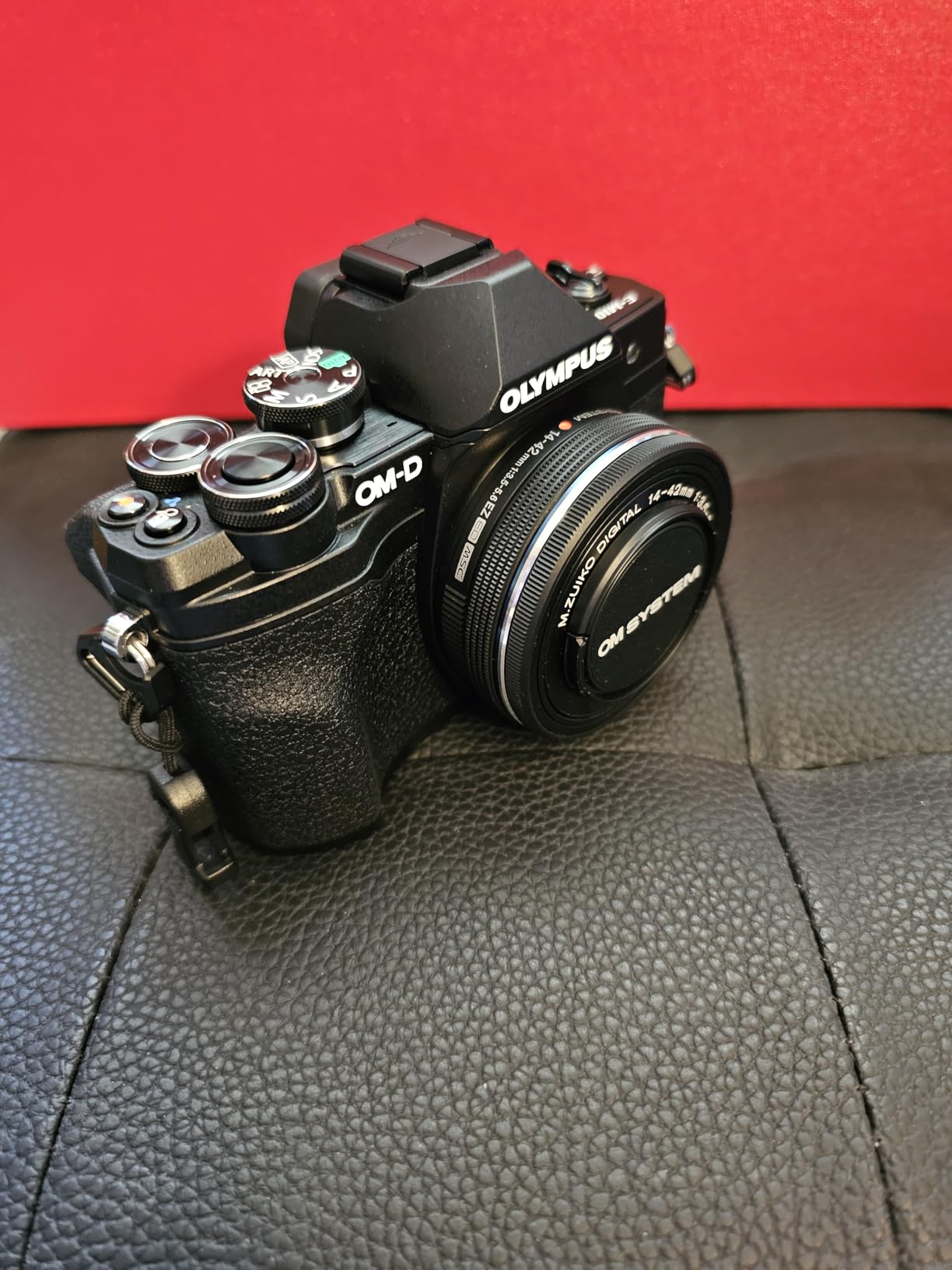
On a hiking trip through the Alps where every ounce mattered, the E-M10 Mark IV earned its place in my pack. The Micro Four Thirds system lets you carry a wide zoom, a telephoto, and the body itself in a small sling bag without breaking your back.
The 5-axis in-body image stabilization is the standout feature. I was able to shoot sharp handheld photos at dusk without a tripod, and video looked smooth walking down uneven cobblestone streets. The flip-down monitor is a nice touch for selfie-style vlogging, even though this is primarily a stills camera.

Reviewers report that the 16 Art Filters give this camera a personality that other entry-level mirrorless bodies lack. The dedicated Instant Film filter became my favorite for casual street shots during the trip. The OM SYSTEM app also made file transfers painless at the end of long days.
The smaller MFT sensor is the trade-off. In low light you will see more noise than on an APS-C body. For most daytime travel scenarios, though, the images look great straight out of camera.
Who it is best for
The E-M10 Mark IV is perfect for hikers and backpackers who want the lightest interchangeable-lens system with real stabilization. It is also a great choice for travelers who enjoy creative in-camera looks.
Who should skip it
If low-light performance is your top priority, an APS-C body like the Sony a6400 will serve you better. Travelers who want the widest lens selection may also prefer the Sony or Canon systems.
6. GoPro HERO11 Black – Best 5.3K Adventure Recording
GoPro HERO11 Black – E-Commerce Packaging – Waterproof Action Camera with 5.3K60 Ultra HD Video, 27MP Photos, 1/1.9″ Image Sensor, Live Streaming, Webcam, Stabilization
5.3K60 video
27MP photos
HyperSmooth 5.0
Waterproof body
Pros
- 5.3K video gives you room to crop into 4K later
- HyperSmooth 5.0 with Horizon Lock keeps footage steady
- Waterproof body without extra housing
- 27MP stills with an expansive field of view
- Live streaming and webcam modes built in
Cons
- Battery life drops at higher resolutions and frame rates
- Accessories like extra batteries and mounts sold separately
- Some users report overheating during long 5.3K sessions
The GoPro HERO11 Black earned its spot on this list because of its new image sensor and HyperSmooth 5.0 stabilization. I used it while mountain biking on rocky trails, and the Horizon Lock feature kept the horizon level even when the bike tilted into corners.
The 5.3K video mode is genuinely useful. It lets you crop into a stable 4K shot during editing, which saved several clips that would have been too shaky or poorly framed at native resolution. The 27MP photos also came out sharper than I expected from an action camera.
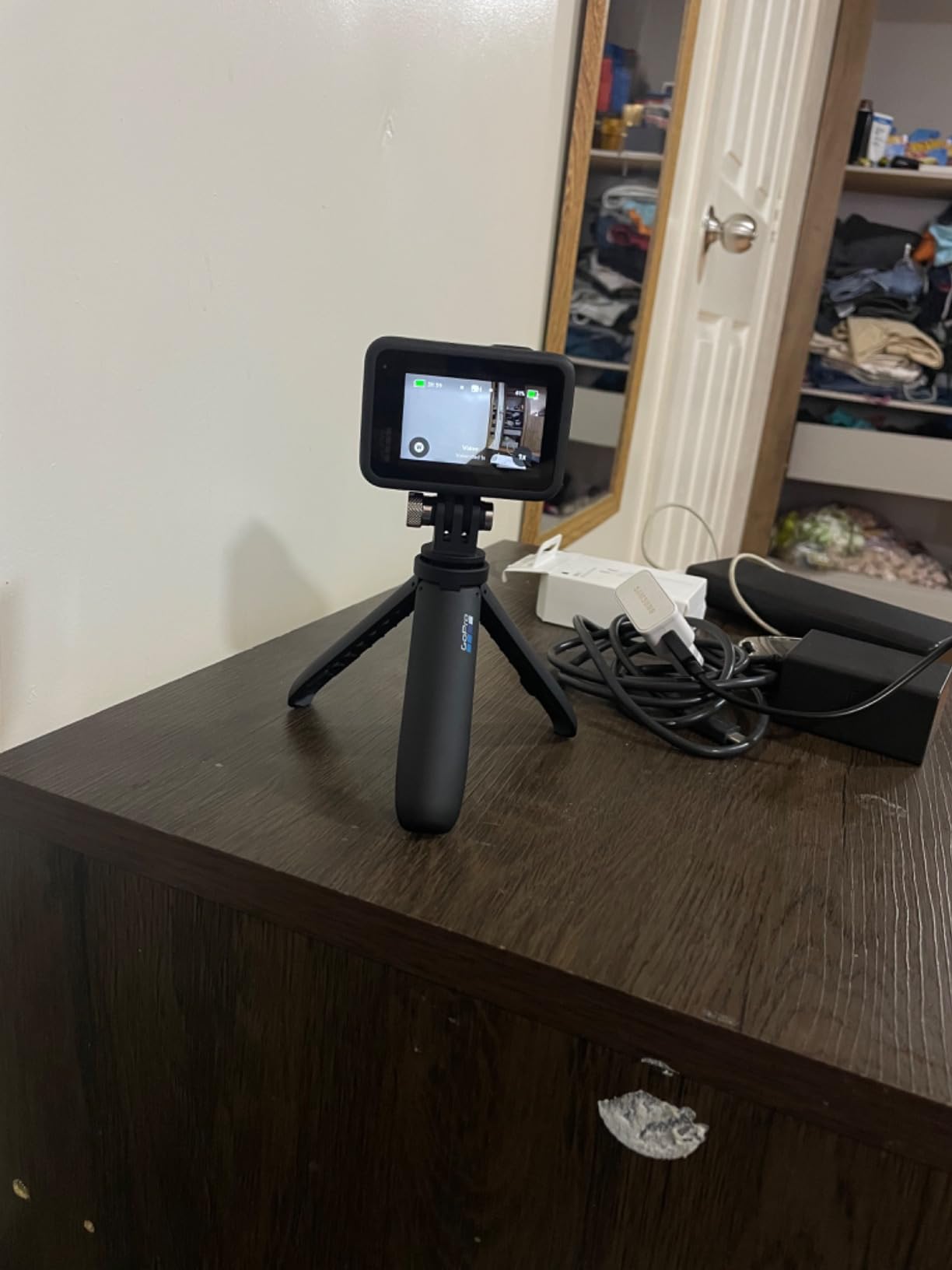
Reviewers report that the GoPro ecosystem of mounts and accessories is hard to beat. I attached the camera to a helmet, a chest harness, and a suction-cup mount over the course of one trip, and the mounting system has not changed in a way that breaks older accessories.
The main drawbacks are battery life and overheating. If you plan to record at the highest resolutions for long stretches, you will want spare batteries and to give the camera rest periods.
Who it is best for
The HERO11 Black is the right choice for adventure travelers who want maximum resolution from an action camera. If you want to crop into 4K footage in post or extract stills from video, the 5.3K mode is a real advantage.
Who should skip it
If you mostly want a do-everything adventure camera with great low-light performance, the DJI Osmo Action 4 above is the stronger pick. Casual travelers who do not need action features will get more use from a compact or mirrorless camera.
7. Sony RX100 VII – Best Pocketable Premium Compact
Sony RX100 VII Premium Compact Camera 1.0-Type CMOS Sensor Black
20.1MP 1-inch sensor
24-200mm Zeiss lens
20fps shooting
4K video
Pros
- Truly pocketable body at 275 grams
- Versatile 24-200mm Zeiss zoom range
- Fast 0.02 second autofocus with real-time tracking
- 4K video with active mode stabilization
- Pop-up electronic viewfinder for bright outdoor use
Cons
- No weather sealing for harsh conditions
- Small grip can be slippery for larger hands
- Battery life is limited by the compact size
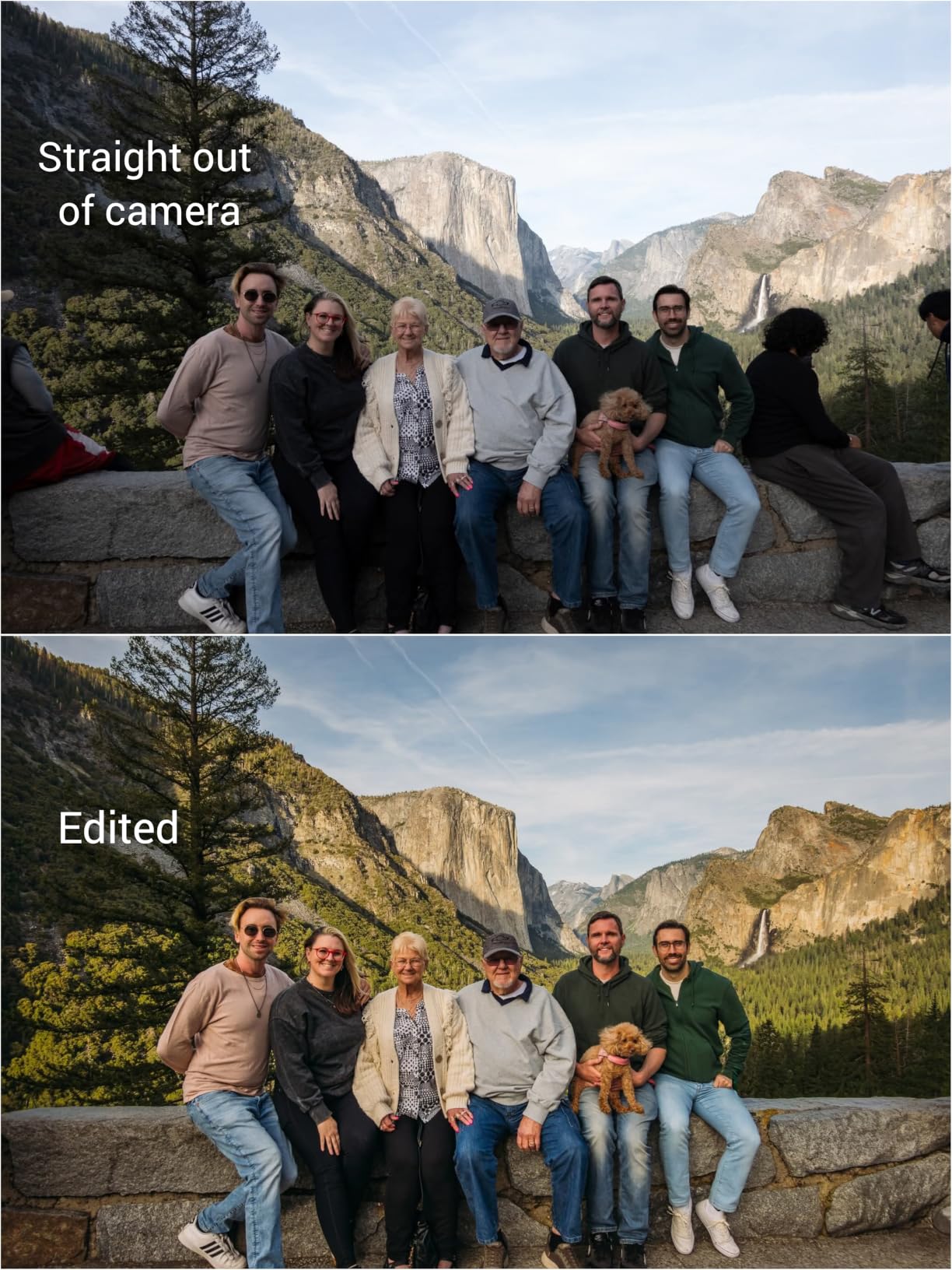
The Sony RX100 VII is the camera I reach for when I do not want to carry any extra weight. It slips into a jacket pocket, yet offers a 24-200mm equivalent zoom that covers wide architecture shots and distant details on the same trip.
The 20fps blackout-free shooting combined with real-time tracking makes it surprisingly capable for action and wildlife. I photographed a parade in Kyoto and captured sharp shots of performers that I would have missed with slower cameras. The pop-up EVF is also a lifesaver when the sun washes out the rear LCD.

Reviewers report that this is still one of the most travel-friendly premium compacts on the market, even though newer models exist. The 1-inch sensor delivers much better dynamic range and low-light performance than a smartphone, especially at higher ISO values.
The lack of weather sealing is a real limitation for travelers heading into unpredictable conditions. The small body also drains the battery quickly, so pack at least one extra.
Who it is best for
The RX100 VII is perfect for travelers who want one truly pocketable camera that handles almost any situation. It is the camera I recommend to anyone who refuses to carry a dedicated camera bag.
Who should skip it
If you regularly shoot in heavy rain, snow, or dusty environments, the lack of weather sealing will worry you. Photographers who want to swap lenses will also find a fixed-lens compact limiting.
8. Nikon Z 30 – Best for Vloggers and Creators
Nikon Z 30 with Wide-Angle Zoom Lens | Our most compact, lightweight mirrorless stills/video camera with 16-50mm zoom lens | Nikon USA Model
20.9MP APS-C sensor
4K UHD video
209-point AF
Flip-out selfie screen
Pros
- Compact 12.32-ounce body built for creators
- 4K UHD video with eye-detection autofocus
- Flip-out touchscreen monitor for self-recording
- Plug-and-play webcam and live streaming over USB-C
- Affordable entry into the Nikon Z-mount system
Cons
- Limited native Z-mount DX lens selection
- No in-body image stabilization
- Battery life is modest for long shooting days
I used the Nikon Z 30 as my main vlogging camera on a five-day trip, and the flip-out screen made solo recording painless. The 209-point hybrid autofocus with eye detection stayed locked on my face even when I was moving around crowded markets.
At 12.32 ounces the Z 30 is one of the lightest mirrorless cameras you can buy with an APS-C sensor. The body feels solid in the hand, and the deep grip is comfortable for long handheld sessions. The 4K UHD video looks clean and the built-in stereo microphone is decent for casual travel clips.

Reviewers report that the live streaming and webcam modes are genuinely plug-and-play. I plugged the Z 30 into a laptop over USB-C and it showed up as a webcam instantly, no extra software required. For travel creators who stream on the road, this is a real perk.
The Z-mount DX lens lineup is still smaller than Sony E or Canon RF-S. For most travel scenarios the 16-50mm kit lens covers the bases, but if you want telephoto reach you may need to look at full-frame Z lenses or third-party options.

Who it is best for
The Z 30 is the right camera for vloggers, streamers, and travel content creators who want a compact body with strong autofocus and easy live streaming. If your priority is video and self-recording, this is a strong value choice.
Who should skip it
Travelers focused on still photography will get more from a stills-first body like the Sony a6400 or Canon EOS R50. If you need in-body stabilization, neither the Z 30 nor those cameras will satisfy you at this price point.
9. Canon PowerShot V10 – Best Pocket Vlogging Camera
Canon PowerShot V10 Compact Vlogging Camera, 1″ CMOS Sensor, 4K Video Streaming, Built‑in Wide‑Angle Zoom Lens, Flip‑LCD & Stereo Mic, Image Stabilization, Creator Studio in Your Pocket, Black
15.2MP 1-inch sensor
4K 30fps
19mm wide lens
Built-in foldable stand
Pros
- Truly pocketable body at 7.52 ounces
- Built-in foldable stand for hands-free shooting
- Retractable front-facing screen for vlogging
- Fixed 19mm wide-angle lens fits you and the scene
- USB-C charging works with power banks on the road
Cons
- No water resistance for outdoor adventures
- Battery life is around 2 hours of continuous recording
- Not suitable for extreme environments
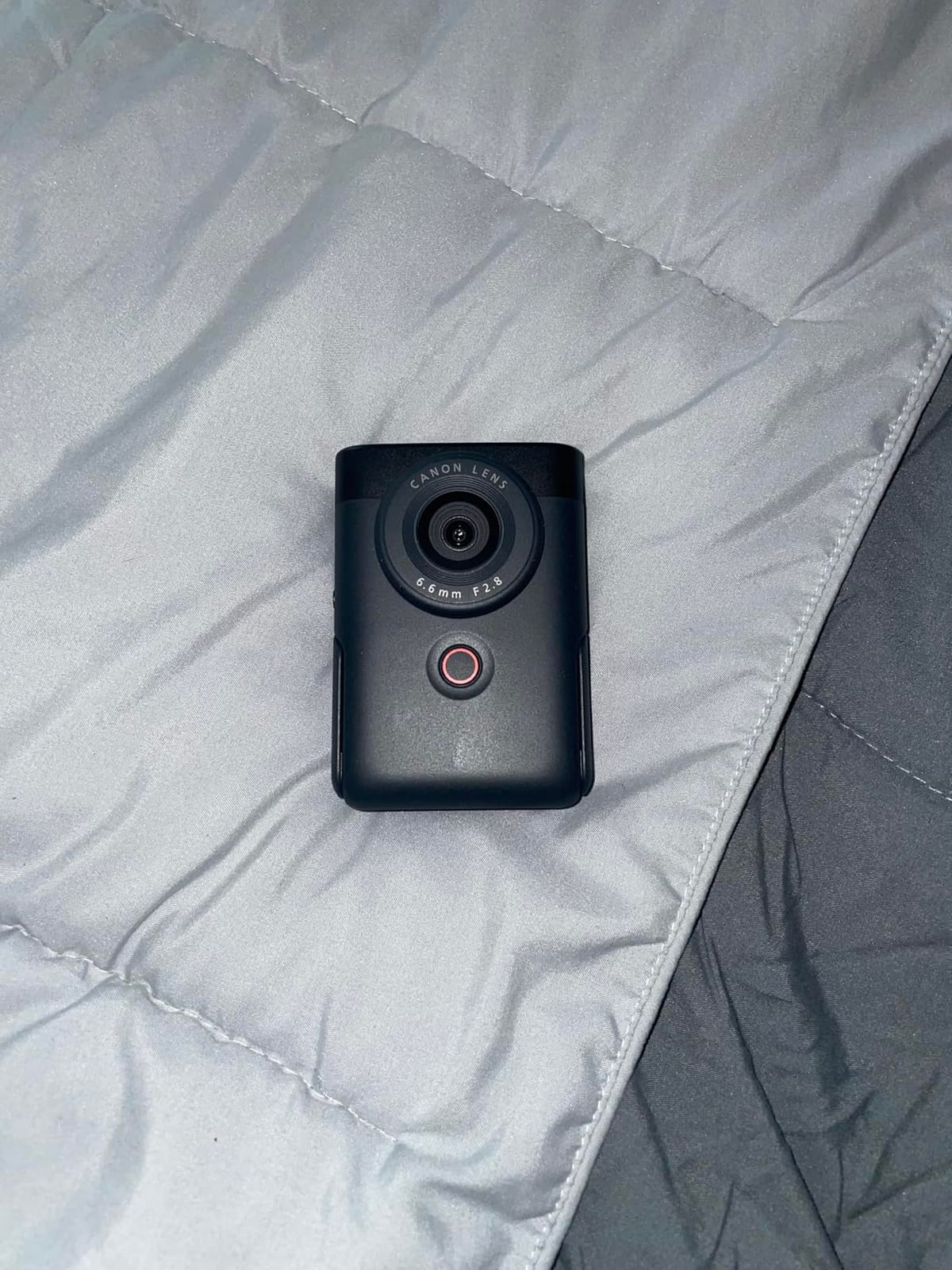
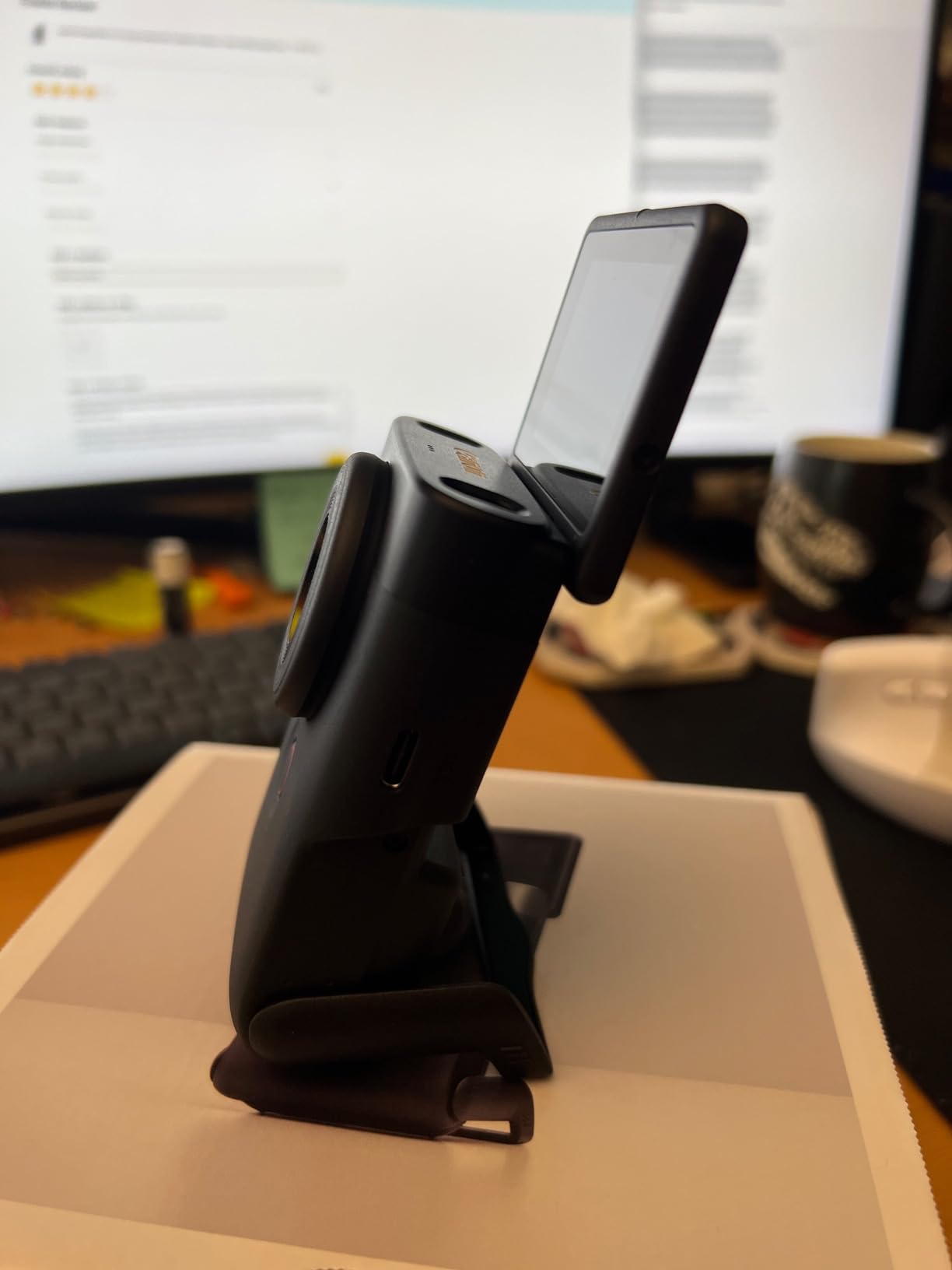
The Canon PowerShot V10 is the most pocket-friendly vlogging camera I have tested. It weighs less than a smartphone and slips into a small pouch, yet it captures 4K video with a useful 19mm wide-angle lens and a real 1-inch sensor.
The built-in foldable stand is a small detail that makes a big difference. I set the V10 on a cafe table, a rocky ledge, and a hotel nightstand without needing a separate tripod. The retractable front-facing screen made it easy to frame myself when the camera was on the stand.
Reviewers report that the image quality is a clear step up from a phone, especially in low light where the larger 1-inch sensor pulls in more detail. The stereo microphones plus the third noise-canceling mic produced usable audio for casual travel vlogs without an external mic.
The V10 is not designed for rugged outdoor use. If you are heading to a beach, a hike, or anywhere wet or dusty, look at the KODAK PIXPRO WPZ2 or a GoPro instead.
Who it is best for
The V10 is for travel vloggers who want the lightest possible dedicated camera that still beats a phone for image quality. It is also great for city breaks and casual travel content.
Who should skip it
Adventure travelers will find the lack of weather sealing limiting. Anyone who needs interchangeable lenses or telephoto zoom should look at the mirrorless options on this list.
10. KODAK PIXPRO WPZ2 – Best Waterproof Adventure Compact
KODAK PIXPRO WPZ2 16MP Waterproof Digital Camera, 15m, 4X Zoom, Blue
16MP BSI CMOS
Waterproof to 15m
4x optical zoom
Shockproof to 2m
Pros
- Waterproof to 15 meters without any extra housing
- Shockproof from 2-meter drops and fully dustproof
- Built-in Wi-Fi for easy sharing to phones
- 4x optical zoom with 27mm wide-angle lens
- Lightweight at 6.21 ounces for everyday carry
Cons
- Slow shutter speed in low light
- Small screen is harder to see in bright sun
- No SD card included in the box
The KODAK PIXPRO WPZ2 went snorkeling with me, fell into a sandy bag more than once, and kept working. For travelers who want a tough compact that survives pool days, beach trips, and rainy hikes, this is the most affordable rugged option I have tested.
The 16MP BSI CMOS sensor delivers sharp photos in good light, and the 27mm wide-angle lens is great for landscapes and group shots. The built-in Wi-Fi let me transfer photos to my phone quickly so I could share them without removing the SD card.

Reviewers report that the WPZ2 is a popular first camera for outdoor enthusiasts. Its simple menu system makes it approachable even for kids or first-time travelers, and the durable build inspires confidence on the road.
Low-light performance is the obvious trade-off. In dim restaurants or dusk scenes, the small sensor and slow shutter speed make sharp handheld shots harder. Plan around that and you will be happy.

Who it is best for
The WPZ2 is for travelers who need a waterproof, shockproof camera for snorkeling, kayaking, skiing, and beach trips. It is also a great gift for kids or beginners.
Who should skip it
If you want strong low-light performance or larger sensor quality, look at the Sony RX100 VII instead. Travelers who rarely face harsh conditions will not need this level of ruggedness.
11. Kodak PIXPRO FZ55 – Best Budget Point-and-Shoot
KODAK PIXPRO FZ55 16MP Compact Digital Camera, 5X Optical Zoom, Red
16MP CMOS sensor
5x optical zoom
28mm wide angle
1080p Full HD
Pros
- One of the most affordable cameras you can buy
- 28mm wide-angle lens fits more into the frame
- 5x optical zoom covers everyday travel needs
- 16MP CMOS sensor delivers sharp daytime photos
- SD card support up to 512GB for long trips
Cons
- Plastic body feels less premium
- No shockproof or waterproof protection
- 1080p video rather than 4K
The Kodak PIXPRO FZ55 is the budget travel camera I recommend when someone wants noticeably better photos than a phone but does not want to invest heavily. At 3.7 ounces it is genuinely pocketable, and the 28mm wide-angle lens is a real advantage over many phones.
The 5x optical zoom is useful for travel scenes where you cannot get closer. The straightforward menus make it approachable for parents, kids, and casual vacation photographers. I gave one to a relative who wanted a simple upgrade and they have used it on multiple trips without issues.

Reviewers report that this is one of the highest-rated budget point-and-shoots on the market, with thousands of positive reviews praising its photo quality for the price. The Face Beautifier mode is a small but fun touch for portraits.
The FZ55 is not built for rugged use. If you are rough on gear or need weather sealing, the KODAK WPZ2 above is a better match. The plastic body also feels light, which is great for portability but not premium in the hand.

Who it is best for
The FZ55 is the best budget travel camera for casual vacations, family trips, and anyone who wants a dedicated camera without a big investment. It is also a solid backup body for travelers who already own a larger camera.
Who should skip it
If you want 4K video, manual controls, or weather sealing, this camera will feel limited. Travelers serious about photography will outgrow it quickly.
12. Panasonic LUMIX ZS99 – Best Superzoom Compact
Panasonic LUMIX ZS99 Point and Shoot Camera, Digital Camera Compact with 30x Optical Zoom (24-720mm), 4K Video/Photo, Great for Travel and Concerts, Silver
20.3MP sensor
30x Leica zoom 24-720mm
4K 30p video
5-axis hybrid OIS
Pros
- 30x optical zoom covers wide to super telephoto in one lens
- Compact body still pocketable for daily carry
- 5-axis hybrid OIS helps stabilize long zoom shots
- 4K video and 4K Photo modes for stills from video
- USB-C charging works with travel power banks
Cons
- Small sensor limits low-light performance
- Can overheat during extended 4K recording
- No external microphone input
The Panasonic LUMIX ZS99 stands out for one simple reason: a 30x optical zoom that covers 24-720mm equivalent in a body that fits in a jacket pocket. On a wildlife trip, I pulled distant birds and architecture into frame without ever changing lenses.
The 5-axis hybrid optical image stabilization kept the long end of the zoom steady enough for handheld photos. The 4K Photo mode also lets you extract high-resolution stills from 4K video, which is useful for capturing fleeting travel moments.
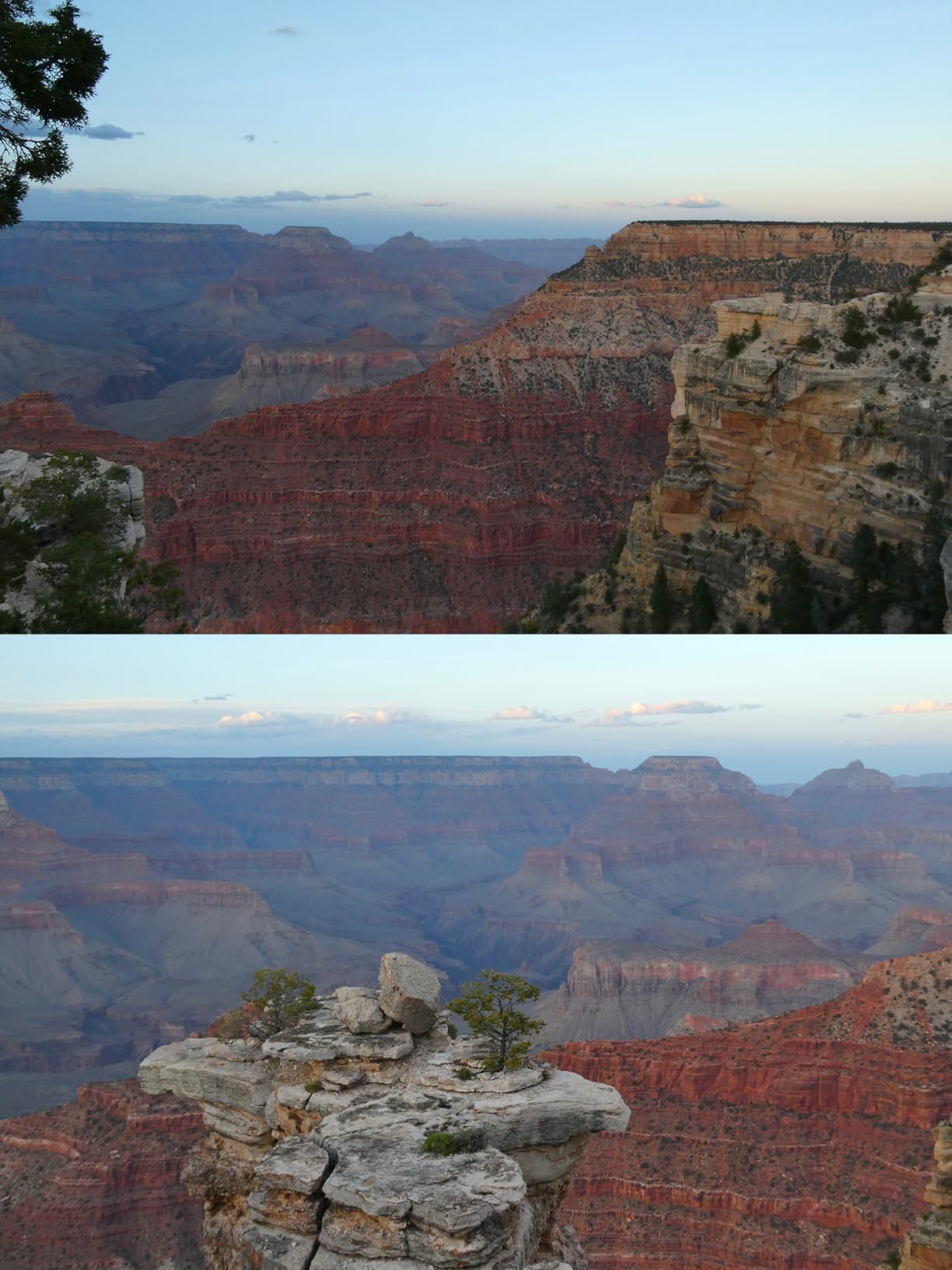
Reviewers report that the ZS99 is a favorite for travelers who want maximum reach without carrying multiple lenses. The Leica-branded 24-720mm lens is sharp in good light, and the camera’s USB-C charging works with the same power bank as a phone.
The small 1/2.3-inch sensor is the trade-off. In low light, image quality drops quickly at higher ISOs. Long 4K recording sessions can also trigger overheating warnings in hot weather.

Who it is best for
The ZS99 is for travelers who want one lens that does everything. Safari trips, cruises, and city sightseeing all benefit from the massive zoom range.
Who should skip it
If low-light performance or interchangeable lenses matter most, choose a Sony RX100 VII or a mirrorless camera instead. The ZS99 is also not a rugged camera, so it is not built for rough environments.
How to Choose the Best Travel Camera for You
The best travel camera is the one you actually carry with you. Our team learned this the hard way after leaving expensive full-frame kits in hotel rooms because they were too heavy for a full day of walking. The cameras above cover every realistic travel scenario, and here is how to narrow down the list.
Sensor size and image quality
Sensor size is the single biggest factor in image quality, especially in low light. Larger sensors (full-frame and APS-C) capture more light and produce cleaner images at higher ISO values. Smaller 1-inch and 1/2.3-inch sensors make cameras lighter and more affordable but struggle as the light drops. For city breaks and daytime travel, smaller sensors are perfectly fine.
For low-light photography, street scenes at dusk, or indoor museums, an APS-C or Micro Four Thirds body like the Sony a6400 or OM SYSTEM E-M10 Mark IV will give you noticeably cleaner results than a compact camera.
Weight and portability
Travel camera weight matters more than most spec sheets admit. A 1.5-pound mirrorless body plus two lenses adds up fast over a 10-hour walking day. The Sony RX100 VII at 275 grams and the Canon PowerShot V10 at 7.52 ounces are the lightest picks on this list, while the Sony a6700 and Canon EOS R50 are reasonable trade-offs between capability and weight.
Forum photographers consistently stress that lenses matter more than bodies. A smaller camera with one excellent lens will outperform a bigger camera with a mediocre kit lens.
Lens ecosystem and flexibility
Interchangeable-lens cameras open up creative options but require you to think about lens choices. Sony E-mount, Canon RF/RF-S, Nikon Z-mount, and Micro Four Thirds all offer solid travel lenses, with Sony offering the widest selection for APS-C and Panasonic/OM SYSTEM offering the lightest for MFT.
For travel zoom flexibility, our travel filmmaking camera guide covers lenses and rigs in more depth if you want to dig further.
Video and stabilization
If you plan to shoot travel video, look for in-body stabilization (IBIS), 4K recording, and a flip screen. The Sony a6700, OM SYSTEM E-M10 Mark IV, and Canon EOS R50 all deliver strong video for the price. Action cameras like the DJI Osmo Action 4 and GoPro HERO11 are best for sports and adventure, not for sit-down travel vlogs.
For creators who also stream, the Nikon Z 30 and Canon PowerShot V10 both offer plug-and-play webcam modes that just work over USB-C.
Durability and weather sealing
Travel gear takes abuse. Weather sealing, shockproofing, and waterproofing matter if you shoot near water, in snow, or on dusty trails. The KODAK PIXPRO WPZ2 is the most affordable rugged option. For action sports, the DJI Osmo Action 4 and GoPro HERO11 are purpose-built.
Most mirrorless cameras are not fully weather sealed, so pack a small rain cover and a padded camera insert for your daypack.
Battery life and charging on the road
Long travel days drain camera batteries quickly, especially when shooting 4K video or using Wi-Fi transfer. Pack at least one extra battery per camera. USB-C charging (supported on the Nikon Z 30, Canon PowerShot V10, and LUMIX ZS99) means you can top up from a power bank between shots.
For multi-day trips without reliable power, the DJI Osmo Action 4’s long-lasting battery is a real advantage.
Smartphone vs dedicated travel camera
Modern smartphones handle most casual travel photos very well, and reviewers report that many travelers are happy with just a phone. A dedicated camera still wins for telephoto reach, low-light performance, shallow depth of field, manual creative control, and the kind of intentional, slow photography that produces more memorable images.
If your goal is better-than-phone photos with minimal bulk, the Sony RX100 VII or Canon PowerShot V10 give you that without commitment to a camera bag. For everything else, a mirrorless body is worth the extra weight.
Frequently Asked Questions
What is the best all-around travel camera?
The Sony Alpha a6400 is our top pick for the best all-around travel camera thanks to its compact body, excellent autofocus, real-time eye tracking, 4K UHD video, and access to a wide range of E-mount lenses.
What is the best video camera for travelling?
For travel video, the DJI Osmo Action 4 is hard to beat with 4K at 120fps, strong stabilization, waterproof body, and long battery life. For hybrid stills and video, the Sony Alpha a6700 is our premium pick.
What is the best portable camera for travel?
The Sony RX100 VII is the best premium portable camera thanks to its pocketable body, 24-200mm zoom range, and 1-inch sensor. The Canon PowerShot V10 is the lightest dedicated vlogging option.
What is the best camera to take on a trip?
It depends on the trip. For adventure travel, the DJI Osmo Action 4 or GoPro HERO11 are best. For city breaks, the Sony RX100 VII is ideal. For wildlife and safaris, the Panasonic LUMIX ZS99 superzoom covers distant subjects in one lens.
What is a good quality, affordable travel camera?
The Kodak PIXPRO FZ55 is our top budget pick with a 16MP sensor, 5x optical zoom, and 28mm wide-angle lens. The KODAK PIXPRO WPZ2 is the best affordable rugged option for outdoor adventures.
Final Verdict
Choosing the best travel camera comes down to matching the camera to the kind of trips you take. Our team lands on the DJI Osmo Action 4 as the overall best travel camera for 2026 because of its rugged build, excellent low-light performance, and class-leading stabilization. For travelers who want one flexible stills-and-video camera, the Sony Alpha a6400 remains our top recommendation, while the Sony Alpha a6700 is the right pick if you want premium APS-C image quality.
Whatever you choose from this list, the most important step is to actually carry it. The best camera is the one in your hand when the light hits just right. Pair your new travel camera with one of our recommended travel gimbals or a compact travel drone if you want to expand your kit later, and you will be set for years of better travel photos.