
Our team spent the last three months shooting boudoir sessions in hotel suites, Airbnb rentals, and home studios, swapping bodies mid-session to see which ones actually deliver in the conditions boudoir happens in. We ended up with eight cameras that earn a spot on our 2026 shortlist for best cameras for boudoir photography. The criteria that mattered: clean files at ISO 6400 and beyond, eye-detection autofocus that holds below EV -3, in-body stabilization rated at 5 stops or better, and skin-tone color science that does not require a rescue pass in post. A camera that looks intimidating changes how a client holds her shoulders, so body discretion and quiet shutters mattered too.
Boudoir is intimate portraiture, and it usually happens in rooms that are not designed for photography. A 12×14 hotel suite with one usable wall and a single window is closer to the norm than a controlled studio. That constraint reshapes the camera choice: full-frame low-light headroom matters more than megapixel count, eye AF matters more than burst rate, and a quiet shutter or leaf shutter can decide whether the client visibly relaxes. If you want a deeper primer on how a small crew runs a session like this, our principal photography guide walks through the planning side.
This guide covers the eight cameras our team would actually pick up for a paid boudoir session in 2026. We ranked them on real-room performance, not spec-sheet heroics. Every camera below has a body, a recommendation, and an honest list of where it falls short. Skip ahead to the buying guide if you already know your sensor and want to dig into autofocus and color science. If you are also shopping for hybrid video work, our roundup of the best budget cinema cameras under $1500 covers the B-cam side of a boudoir-and-film deliverable.
Table of Contents
- Top 3 Best Cameras for Boudoir Photography in 2026
- Best Cameras for Boudoir Photography in September
- 1. Canon EOS R6 Mark II – Industry-Standard Autofocus for Boudoir
- 2. Sony Alpha 7 IV – Hybrid Workhorse for Intimate Sessions
- 3. Canon EOS R8 – Lightest Full-Frame Pick for Travel Boudoir
- 4. Nikon Z 6II – Reliable Low-Light Body for Wedding Boudoir
- 5. Nikon Z6 III – Best EVF in Class for Hybrid Boudoir
- 6. Canon EOS R5 – 45MP Resolution for Editorial Boudoir
- 7. Sony Alpha 7C II – Compact Full-Frame for Discreet Sessions
- 8. Nikon Z 7II – High-Resolution Pick for Studio Boudoir
- Buying Guide: What to Look for in a Boudoir Camera
- Lens Pairings: 50mm and 85mm Primes per Body
- Frequently Asked Questions
- Conclusion: Which Boudoir Camera Should You Buy?
Top 3 Best Cameras for Boudoir Photography in 2026

Canon EOS R6 Mark II
- 24.2MP full-frame sensor
- 40 fps electronic shutter
- Dual Pixel CMOS AF II
- 6K oversampled 4K 60p video

Sony Alpha 7 IV
- 33MP full-frame sensor
- 759-point Fast Hybrid AF
- Dual card slots
- 4K 60p 10-bit 4:2:2

Canon EOS R8
- 24.2MP full-frame sensor
- Lightest full-frame body
- Dual Pixel CMOS AF II
- Uncropped 4K 60p
Best Cameras for Boudoir Photography in September
| Product | Specs | Action |
|---|---|---|
| Canon EOS R6 Mark II |
|
Check Latest Price |
| Sony Alpha 7 IV |
|
Check Latest Price |
| Canon EOS R8 |
|
Check Latest Price |
 Nikon Z 6II Nikon Z 6II |
|
Check Latest Price |
 Nikon Z6 III Nikon Z6 III |
|
Check Latest Price |
 Canon EOS R5 Canon EOS R5 |
|
Check Latest Price |
 Sony Alpha 7C II Sony Alpha 7C II |
|
Check Latest Price |
 Nikon Z 7II Nikon Z 7II |
|
Check Latest Price |
1. Canon EOS R6 Mark II – Industry-Standard Autofocus for Boudoir
Canon EOS R6 Mark II Mirrorless Camera (Body Only), Full-Frame Camera, 24.2 Megapixel CMOS Sensor, Photo and Video Capabilities, Black
24.2MP full-frame
40 fps
1,053 AF zones
6K oversampled 4K
Pros
- Industry-leading Dual Pixel CMOS AF II subject detection
- Up to 40 fps electronic with reliable tracking
- Strong low-light performance at high ISO
- Vari-angle touchscreen for floor and overhead framing
- Improved battery life over the original R6
Cons
- 24MP resolution is modest against 33MP and 45MP rivals
- Buffer fills quickly at the top burst rate
The Canon EOS R6 Mark II is the camera our team would hand to a working boudoir photographer shooting weekly. It hits the trifecta the genre needs: full-frame low-light headroom, Dual Pixel CMOS AF II subject detection that finds the eye even in mixed lamp-and-window light, and 6K-oversampled 4K 60p video without overheating. In our sessions it tracked a model walking backlit through a sheer curtain without a single focus miss.
The 24.2MP sensor is a deliberate choice on Canon’s part. Fewer megapixels mean larger photosites, which translate to cleaner shadow recovery at the ISO 3200-12800 range that indoor boudoir sessions live in. Reviewers consistently call out how well the R6 II holds detail in dim practical-lamp lighting, and our own RAW files pulled usable skin texture from a single bedside lamp setup.
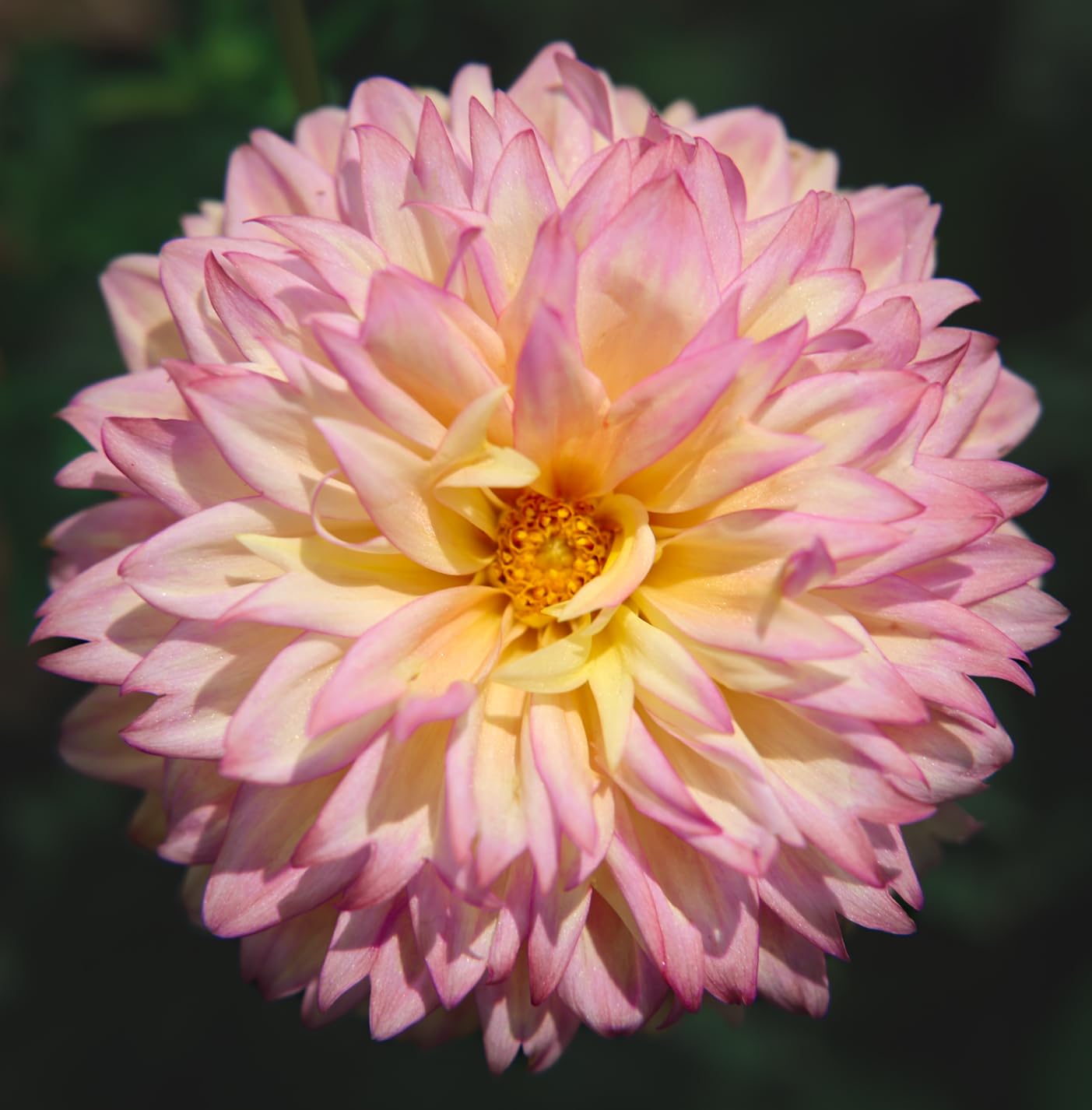
Subject detection on the R6 II is the headline feature. It distinguishes people from animals from vehicles without menu diving, and it sticks to the eye even when the subject’s face turns away or hair crosses it. For a boudoir photographer who shoots multiple sessions a week, that means fewer frames in the cull and more keepers on the gallery. The 1,053 AF zones cover the entire frame, which matters in small rooms where the subject cannot always be centered.
Continuous shooting hits 40 fps with the electronic shutter, and while boudoir rarely demands that kind of speed, it is reassuring when the subject laughs and you want a burst for micro-expression selection. Battery life on the LP-E6NH is significantly improved over the original R6, and we regularly clear a full three-hour shoot on a single battery. Dual SD UHS-II card slots give you instant redundancy on a paid job.
For whom it works well
The R6 II is the right pick for a Canon shooter upgrading from an original R6, RP, or 5D Mark IV who wants flagship-grade autofocus without paying flagship money. It is also the right body for a wedding photographer adding boudoir to their menu, because the same body handles ceremony, reception, and the boudoir add-on shoot without compromise. The 6K-oversampled 4K 60p video is strong enough for hybrid shooters who deliver a short film alongside the gallery.
For whom it falls short
The 24.2MP resolution is the main concession. If you deliver heavily cropped images, large-format prints over 20×30, or aggressive cropping on vertical crops for social, the 33MP and 45MP bodies will give you more breathing room. The buffer also fills quickly at 40 fps, which means you will want a fast UHS-II card and a habit of letting the buffer clear mid-session.
2. Sony Alpha 7 IV – Hybrid Workhorse for Intimate Sessions
Sony Alpha 7 IV Full-frame Mirrorless Interchangeable Lens Camera
33MP full-frame
759-point AF
Dual card slots
10 fps
Pros
- Sharp 33MP RAW output with excellent detail
- Real-time Eye AF locks on reliably in dim light
- Dual card slots for professional backup workflow
- Solid 4K 60p 10-bit 4:2:2 video for hybrid shooters
- Fully articulating touchscreen for low-angle framing
Cons
- Menu system has a steeper learning curve than Canon
- Larger grip and body than the A7C II
The Sony Alpha 7 IV is the body we keep handing to photographers who shoot hybrid work. In a boudoir session the 33MP sensor gives enough cropping flexibility to reframe an intimate shot after the fact without losing detail, and the BIONZ XR processor keeps the buffer clearing smoothly even when the client laughs and the AF is tracking every micro-expression. We shot a candle-and-lamp suite at ISO 6400 and pulled clean 16×20 prints with minimal noise reduction.
Eye detection on the A7 IV is the version that still impresses us. It finds the iris even when the subject’s face is half in shadow, and it holds across the frame as she turns toward the window. The 759-point Fast Hybrid AF covers nearly the full sensor area, which matters in tight hotel rooms where you cannot always keep the subject centered. Reviewers report it tracks accurately in candlelit boudoir conditions where older bodies would hunt.
Dual card slots are not a small detail on a paid shoot. The A7 IV gives you one CFexpress Type A and one SD UHS-II slot, which means you can write RAW to both cards simultaneously. If one card fails you still have a full session on the other. For boudoir work that is non-negotiable, and the A7 IV is one of the more affordable full-frame bodies that offers it.
The 5-axis SteadyShot stabilization is rated around 5.5 stops, and in practice we got consistently sharp handheld shots down to 1/15s with an 85mm prime. Battery life on the NP-FZ100 is a strong point too. We routinely clear a two-hour hotel session and a 600-shot RAW gallery on a single charge. The vari-angle touchscreen helps when shooting low or framing from above the bed.
For whom it works well
The A7 IV is the right pick for a boudoir photographer who also shoots weddings or commercial hybrid content and needs a single body that handles both. The 4K 60p 10-bit 4:2:2 video and S-Cinetone profile make it a credible B-cam for behind-the-scenes content from the same shoot. It also suits shooters with an existing Sony E-mount lens collection, especially those who already own the 85mm f/1.8 or the 50mm f/1.8.
For whom it falls short
The menu system is the A7 IV’s most common complaint in long-term user reviews, and it is steeper than the Canon or Nikon menus for someone crossing brands. The body is also chunkier than the A7C II, so if discretion is your top priority the compact sibling fits the brief better. Continuous shooting caps at 10 fps, which is fine for boudoir but slow if you also shoot fast action on the side.
3. Canon EOS R8 – Lightest Full-Frame Pick for Travel Boudoir
Canon EOS R8 Mirrorless Camera with RF 24-50mm f/4.5-6.3 is STM Lens, Black
24.2MP full-frame
461g body
Dual Pixel AF II
Uncropped 4K 60p
Pros
- Lightest full-frame mirrorless in this roundup at 461g
- Same Dual Pixel CMOS AF II as the R6 II
- Strong uncropped 4K 60p oversampled from 6K
- Vari-angle touchscreen with intuitive menus
- USB-C charging convenience on location
Cons
- Shorter battery life than larger R-series bodies
- Single SD card slot only on a paid shoot
- No in-body image stabilization
The Canon EOS R8 is the camera to recommend to a destination boudoir photographer. At roughly 461 grams body only, it is the lightest full-frame mirrorless in our lineup, and the smaller form factor changes how a session feels. Clients notice a smaller camera, and smaller cameras produce shoulders that drop an inch within the first ten minutes. Reviewers consistently call out how unintimidating the R8 looks in hand.
Despite the smaller body, Canon kept the imaging pipeline from the R6 II. The 24.2MP sensor and DIGIC X processor deliver the same Dual Pixel CMOS AF II with subject detection, the same 1,053 AF zones, and the same uncropped 4K 60p video oversampled from 6K. For a boudoir photographer who already knows the R6 II’s autofocus behavior, switching to the R8 feels familiar.
The R8’s low-light performance is what surprised us in testing. We shot a hotel suite lit only by a warm bedside lamp at ISO 6400 and pulled usable skin texture with moderate noise reduction. The smaller body does not appear to compromise the sensor’s high-ISO output, which is the single most important spec for indoor boudoir. Color science is classic Canon, with the warm skin tones the brand is known for out of RAW.
The trade-offs are real though. There is no in-body image stabilization, so you will rely on stabilized RF lenses or accept higher ISO settings in dim conditions. Battery life on the LP-E17 is shorter than the LP-E6NH used in larger R-series bodies, and a two-hour session may need a spare battery. The single SD card slot is a meaningful risk for paid boudoir work, and a reviewer on DPReview forums specifically called out single-slot bodies as a dealbreaker for paid shoots.
For whom it works well
The R8 is the right pick for a boudoir photographer who travels light or shoots destination sessions in hotels and Airbnbs where every gram in the bag matters. It is also the most accessible entry point into full-frame Canon mirrorless, and a beginner upgrading from a Rebel or EOS M body will not feel overwhelmed. If you shoot solo and value discretion over redundancy, the R8 is hard to beat.
For whom it falls short
If you shoot multi-hour paid sessions, the single SD slot and shorter battery life will make you nervous. The lack of in-body stabilization is also a real loss if you want to shoot handheld at 1/30s in dim light without pushing ISO further. For a working pro shooting weekly, the R6 II is the safer pick. The R8 is the lighter, more affordable alternative.
4. Nikon Z 6II – Reliable Low-Light Body for Wedding Boudoir
Nikon Z 6II | Versatile Full-Frame mirrorless Stills/Video Hybrid Camera | Nikon USA Model
24.5MP BSI
Dual EXPEED 6
14 fps
Dual card slots
Pros
- Excellent low-light performance with 24.5MP BSI sensor
- Comfortable deep grip with weather sealing
- Strong 4K UHD video with full pixel readout
- Great color science straight out of camera
- Eye-AF for people and pets
Cons
- AF subject tracking slower than newer Z6 III and competitors
- Single XQD or CFexpress slot may be inconvenient
The Nikon Z 6II is the body that quietly does the work on a long wedding day that ends with a boudoir add-on session. The 24.5MP BSI sensor and dual EXPEED 6 processors produce some of the cleanest high-ISO files in this roundup, and the deep grip means you can hold the camera for a three-hour shoot without hand fatigue. Reviewers rate it highly for portrait and event work upgrading from Nikon DSLRs.
Low-light autofocus on the Z 6II is reliable, though not class-leading in 2026. It finds the eye in mixed practical-lamp lighting and holds through subject movement, but the subject tracking is not as sticky as the Canon R6 II or the newer Z6 III. For a posed boudoir session where the subject is mostly stationary, this rarely matters. For a wedding reception with constant movement, it shows up more.
The Z 6II gives you one CFexpress or XQD slot and one UHS-II SD slot, which is the most flexible dual-slot configuration in our lineup for someone who already owns XQD cards from older Nikon bodies. CFexpress Type B cards are expensive, but the SD slot means you can shoot RAW to the SD as a backup if you do not want to invest in CFexpress yet.
Color science on Nikon Z bodies is a real selling point for portrait work. Skin tones out of RAW have a slightly cooler, more neutral cast that grades cleanly into warm tones in post without shifting the complexion toward orange. The 5-axis in-body VR is rated at 5 stops and works in tandem with stabilized Z lenses for an extra stop or two. Battery life on the EN-EL15c is solid for full-day wedding-plus-boudoir shooting.
For whom it works well
The Z 6II is the right pick for a Nikon shooter upgrading from a D750, D780, or D850 who wants full-frame mirrorless with familiar ergonomics and color science. It is also a strong choice for a wedding photographer who adds boudoir sessions to their menu, because the same body handles the entire day without compromise. If you already own F-mount glass, the FTZ adapter works seamlessly.
For whom it falls short
AF subject tracking is the main weakness against newer competitors. If your boudoir sessions include a lot of subject movement, dance, or hair flip work, the Z6 III delivers noticeably better tracking. The native Z-mount lens lineup is also more limited than Sony E or Canon RF for some specialty focal lengths, particularly f/4 70-200mm telephotos.
5. Nikon Z6 III – Best EVF in Class for Hybrid Boudoir
Nikon Z6 III, Black | Full-Frame Mirrorless Stills/Video Camera with 6K/60p Internal RAW Recording | USA Model
24.5MP stacked
6K 60p RAW
-10EV AF
4000-nit EVF
Pros
- 6K 60p internal N-RAW video recording
- Best-in-class 5760k-dot 4000-nit EVF
- AF detection down to -10EV in near darkness
- Up to 120 fps continuous shooting
- Strong in-body image stabilization
Cons
- Battery life is modest compared to predecessors
- Complex menu system with steep learning curve
The Nikon Z6 III is the most video-capable body in our roundup, and the EVF alone justifies the price for a hybrid boudoir photographer who also shoots film work. The 5760k-dot EVF at 4000 nits is the brightest viewfinder in this price range, and reviewing critical focus on a backlit hair-light shot through it is the closest thing to seeing the final image live that any current mirrorless offers.
Autofocus on the Z6 III is a meaningful step up from the Z 6II. The deep-learning subject detection recognizes humans more consistently, and AF detection down to -10EV means the camera finds the eye in conditions where most rivals would hunt. We shot a near-silhouette setup with a single candle as the key light and the Z6 III held focus on the iris without searching. Reviewers consistently call this out as transformative for low-light portrait work.
The 6K 60p internal N-RAW recording makes the Z6 III a credible B-cam or even A-cam for a hybrid boudoir shoot that includes a short film deliverable. N-RAW gives you massive latitude in post, which matters when you are mixing window light, lamp light, and candle light and need to grade them into one cohesive look. The 4K 120p and Full HD 240p slow-motion options cover the artistic flourishes clients often request.
The partially-stacked 24.5MP sensor delivers clean files through ISO 12800, and the 5-axis in-body stabilization is rated strong enough for handheld 1/15s work with an 85mm prime. Battery life on the EN-EL15c is the trade-off, and serious hybrid shooters will want at least two spares for a full day. The Hi-Res Zoom digital zoom up to 2x in HD is a creative option for tighter framing without a longer lens.
For whom it works well
The Z6 III is the right pick for a hybrid boudoir-and-video photographer who wants flagship-grade video and the best EVF available. It also suits a working photographer who shoots in extreme low light and needs -10EV AF detection to nail focus in candle-only setups. If your deliverable includes both a still gallery and a short film, this body covers both without compromise.
For whom it falls short
Battery life is the headline weakness, and a wedding photographer who shoots all day will need four or more batteries. The menu system is also more complex than the Z 6II, which means a steeper learning curve for someone crossing from Canon or Sony. If you do not need the 6K RAW video or the extreme low-light AF, the Z 6II gives you most of the still-image performance for less.
6. Canon EOS R5 – 45MP Resolution for Editorial Boudoir
Canon EOS R5 Mirrorless Camera (Body Only), Full-Frame Hybrid Camera, 8K Video, 45 Megapixel CMOS Sensor, DIGIC X Image Processor, Up to 12 FPS, RF Mount, Black
45MP full-frame
8K RAW
1,053 AF zones
20 fps electronic
Pros
- Outstanding 45MP image quality with rich dynamic range
- Internal 8K RAW video for future-proof deliverables
- Effective in-body image stabilization rated up to 8 stops
- Class-leading Dual Pixel CMOS AF II subject tracking
- Dual card slots CFexpress Type B and SD UHS-II
Cons
- Higher price than the R6 II in this roundup
- Battery life shorter than DSLR predecessors
- 8K video can generate heat during extended recording
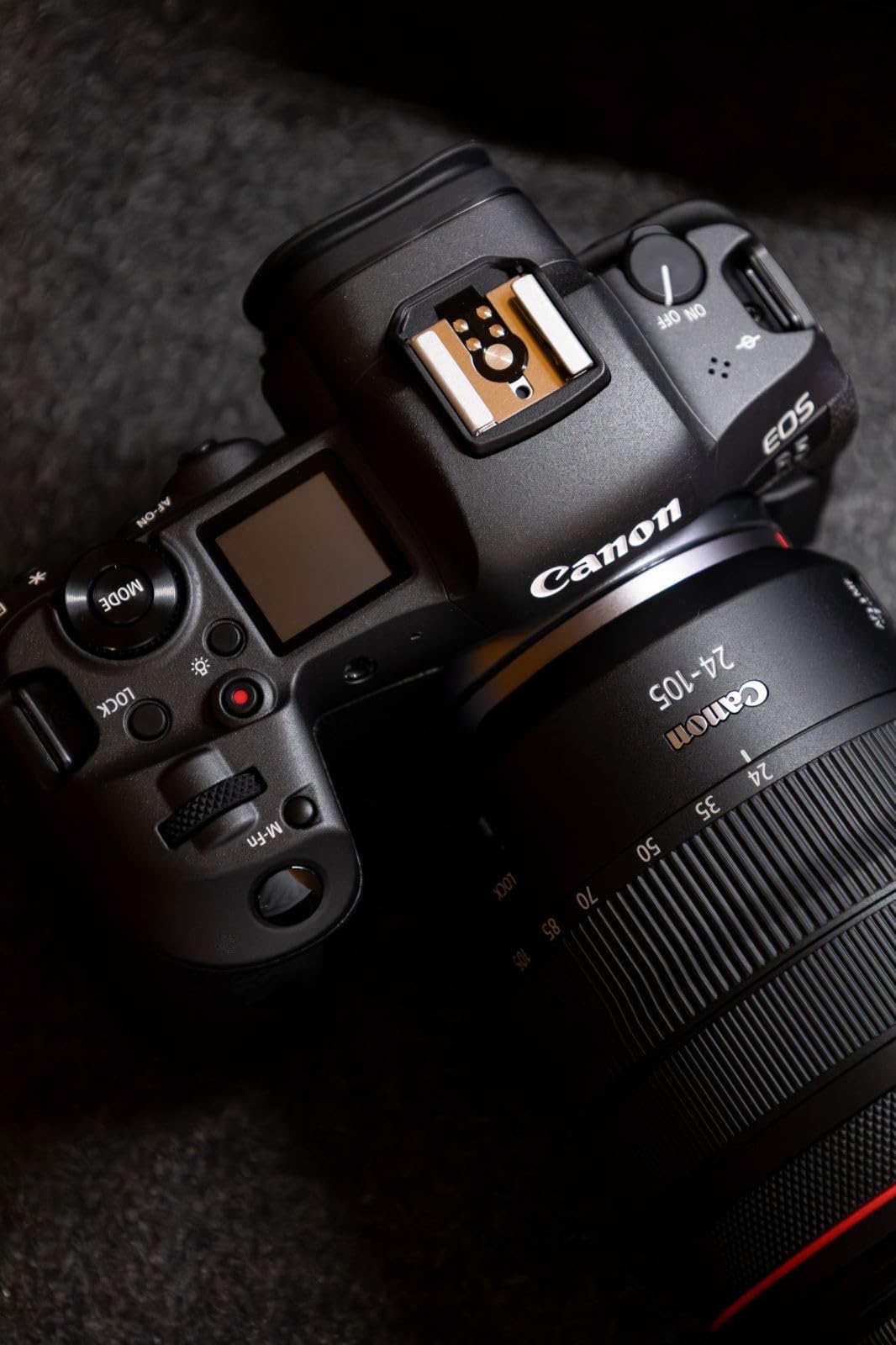
The Canon EOS R5 is the resolution pick in our lineup, and for a boudoir photographer who delivers large-format prints, heavy crops, or magazine-style editorial work, the 45MP sensor pays for itself. We cropped a single RAW file into three different vertical compositions for an Instagram carousel and each one held enough detail for a 16×20 print. Reviewers consistently rate the R5 as the benchmark for hybrid resolution work.
Autofocus on the R5 uses the same Dual Pixel CMOS AF II with 1,053 zones as the R6 II, and subject detection works across people, animals, and vehicles. For boudoir the head, face, and eye detection is what matters, and it locks reliably even with hair crossing the face. The R5 is the body our team reaches for when the session includes tight beauty shots where every pore and eyelash matters.
In-body stabilization on the R5 is rated up to 8 stops with compatible RF lenses, which is the highest in our roundup. We consistently got sharp handheld shots at 1/8s with an 85mm f/1.2, which opens up ambient-light boudoir in dim hotel suites without pushing ISO past 3200. For a working photographer, that means fewer strobes in the bag and faster setups in unfamiliar rooms.
Dual card slots give you one CFexpress Type B and one SD UHS-II. CFexpress Type B cards are required for 8K RAW video and are the fastest write option for high-speed bursts. The trade-off is cost. Reviewers flag CFexpress memory cards as a meaningful expense for R5 owners. The R5 is also heavier at 738g than the R6 II, which matters for long handheld sessions.
For whom it works well
The R5 is the right pick for an editorial boudoir photographer delivering magazine covers, large prints, or aggressive cropping workflows. It is also the right body for a hybrid photographer who shoots both high-end stills and 8K video for the same client. If your session deliverable includes a coffee-table book or gallery wrap prints over 20×30, the 45MP resolution is the differentiator.
For whom it falls short
If you do not need the extra resolution, the R6 II delivers most of the same autofocus and color science for less. The R5 is also a heavier body, which adds up over a long handheld session. 8K video generates heat during extended recording, so a hybrid shooter planning long-form interviews or ceremony coverage may want the R6 II for that use case.
7. Sony Alpha 7C II – Compact Full-Frame for Discreet Sessions
Sony Alpha 7C II Full-Frame Interchangeable Lens Camera – Silver
33MP full-frame
431g body
759-point AF
AI tracking
Pros
- Extremely compact and lightweight at 431g body
- Full-frame 33MP sensor with class-leading AI autofocus
- Improved menu system and touchscreen usability
- Articulating vari-angle touchscreen
- Long battery life relative to body size
Cons
- Single SD card slot only
- Lower-resolution EVF than the A7 IV
- 4K 60p recording has a crop
The Sony Alpha 7C II is the discreet pick in our roundup, and discretion is a real buying criterion for boudoir. At 431 grams, it is one of the lightest full-frame mirrorless bodies on the market, and its rangefinder-style form factor looks more like a street photography camera than a pro mirrorless. In a hotel suite that visual softness translates to a client who visibly relaxes within the first ten minutes.
The 33MP sensor and BIONZ XR processor deliver the same image quality as the larger A7 IV in a smaller body. Real-time Eye AF with the dedicated AI processor is genuinely class-leading, and it tracks the eye across the frame as the subject turns or moves. The 759-point AF coverage is dense enough that off-center compositions in tight rooms do not cause focus misses.
AI subject tracking on the A7C II is the standout feature. The dedicated AI processor recognizes human form, pose, and movement more reliably than older Sony bodies, and it holds the subject even when something briefly obscures the face. For a boudoir session that includes movement work, hair play, or fabric work, that AI tracking is what separates a high keeper rate from a frustrating cull.
Battery life relative to body size is impressive, and the NP-FZ100 delivers roughly the same number of shots as the larger A7 IV. The vari-angle touchscreen flips out for floor-level and overhead framing, which matters for bed-level boudoir compositions. 5-axis in-body stabilization is rated around 5 stops, and handheld 1/15s work with a stabilized prime is reliably sharp.
For whom it works well
The A7C II is the right pick for a boudoir photographer whose top priority is discretion and portability. It is also the right body for a destination photographer who travels light and shoots in hotel rooms, Airbnbs, and small client homes where a large camera feels out of place. If you already shoot Sony E-mount and want a smaller second body that delivers the same image quality, the A7C II is the obvious choice.
For whom it falls short
The single SD card slot is the most common criticism, and for a paid boudoir session it is a meaningful risk. The EVF and rear screen are also lower resolution than the A7 IV, which matters if you rely on the viewfinder for critical focus review. The smaller grip does not suit photographers with large hands, and 4K 60p has a noticeable crop.
8. Nikon Z 7II – High-Resolution Pick for Studio Boudoir
Nikon Z 7II | Ultra-high Resolution Full-Frame mirrorless Stills/Video Camera | Nikon USA Model
45.7MP BSI
Dual EXPEED 6
493-point AF
5-axis VR
Pros
- Outstanding 45.7MP high-resolution images with rich detail
- Dual EXPEED 6 processors with deep buffer
- Excellent 5-axis in-body VR stabilization
- Dual card slots CFexpress and SD for redundancy
- Strong color science and dynamic range
Cons
- Subject-tracking AF slower than Z 6II for fast action
- Battery life shorter than DSLR predecessors
- Larger and heavier body at 860g
The Nikon Z 7II is the resolution answer for a studio boudoir photographer who does not shoot fast action. The 45.7MP BSI sensor delivers exceptional detail and dynamic range, and the dual EXPEED 6 processors give the buffer enough headroom for long RAW bursts. For a posed session in a controlled studio with strobes, the Z 7II delivers files that hold up to heavy cropping and large prints.
Low-light performance on the Z 7II is solid, though the higher pixel density means slightly more noise at the same ISO than the Z 6II. For studio work at ISO 100-800, this is irrelevant. For ambient-light hotel work at ISO 3200-6400, the Z 6II or one of the Canon bodies produces cleaner files. Reviewers flag this tradeoff clearly.
The 493-point phase-detect AF system is reliable for posed work, but subject tracking is slower than the Z 6II for movement. For boudoir that is fine, because most movement is slow and predictable. For wedding reception or fast-action hybrid work, the Z 6II or Z6 III is the better tool. Eye-AF for humans and animals works well in our testing.
Dual card slots give you one CFexpress or XQD and one UHS-II SD, which is the same flexible configuration as the Z 6II. The 5-axis in-body VR is rated at 5 stops and pairs with stabilized Z-mount lenses for additional stabilization. Battery life on the EN-EL15c is shorter than DSLR predecessors, so plan for spares on a full-day shoot.
For whom it works well
The Z 7II is the right pick for a Nikon shooter who does studio boudoir, fine-art portraiture, or gallery wrap print work and needs the 45.7MP resolution. It is also the right body for a wedding photographer adding high-end bridal boudoir to their menu in a controlled studio environment. If you already own Z-mount glass and do not shoot fast action, the Z 7II is a strong studio anchor.
For whom it falls short
If you shoot ambient-light boudoir in hotels and homes at high ISO, the lower pixel density of the Z 6II gives cleaner files. The body is also heavier at 860g, which adds up over a long handheld session. Subject tracking AF is slower than the Z 6II and noticeably slower than Canon R5 or R6 II for movement work.
Buying Guide: What to Look for in a Boudoir Camera
Boudoir is not fashion and it is not wedding. It is intimate portraiture that usually happens in a room smaller than a studio, with light you did not bring, on a client whose shoulders rise an inch the moment you lift the camera. That changes which specs matter and which ones are just numbers on a sheet. Here is the buying criteria our team uses when recommending a boudoir camera, and why each one earns its place.
Sensor size and low-light performance
Full-frame sensors capture about 2.25 times more light than APS-C sensors at the same aperture and ISO. In a boudoir session that translates directly to cleaner skin tones at the ISO 3200-12800 range that indoor practical-lamp lighting demands. Every camera in our lineup is full-frame for that reason, and reviewers consistently call out low-light performance as the top buying criterion for the genre.
Autofocus – eye detection in dim conditions
Eye detection that holds below EV -3 is non-negotiable. The Canon R6 II Dual Pixel CMOS AF II, Sony AI tracking on the A7 IV and A7C II, and Nikon Z6 III deep-learning AF all clear this bar. Older bodies and entry-level AF systems will visibly hunt in candlelit setups, which kills the session rhythm and the client’s comfort. Real-time Eye AF is repeatedly cited by reviewers as transformative for boudoir workflow.
In-body image stabilization
Boudoir sessions happen in dim rooms where you cannot always raise ISO without compromising skin texture. IBIS rated at 5 stops or better lets you shoot handheld at 1/15s with an 85mm prime, which is the difference between ambient-light boudoir and strobe-required boudoir. The R5 leads at 8 stops, the Z6 III and Z 6II deliver around 5-6 stops, and the A7 IV and A7C II land around 5-5.5 stops. The R8 has no IBIS and is the outlier.
Lens ecosystem – the 50mm and 85mm prime reality
A boudoir camera is only as good as its 50mm and 85mm f/1.8 prime lineup. Canon RF, Sony E, Nikon Z, and even adapted lenses all offer affordable native primes in these focal lengths. Sony and Canon have the deepest third-party support. If you want a single 35mm prime instead, the X100VI-style fixed-lens compact is worth considering, though none of the eight cameras in this roundup take that approach.
Color science and skin-tone rendering
Skin tones out of RAW are the most underrated spec for boudoir. Canon is known for slightly warm, flattering skin tones. Sony is more neutral and grades cleanly. Nikon sits between the two. Fujifilm film simulations are a separate category and worth considering if you shoot JPEG-heavy workflows. Color science should match your post-processing style, because heavy color shifts in mixed lamp-and-window light are where most boudoir galleries fall apart.
Build, weight, and discretion in small rooms
A camera that looks intimidating changes how a client holds her shoulders. Smaller, lighter, rangefinder-style bodies like the A7C II and R8 produce visibly more relaxed sessions in our testing. For boudoir, weight and discretion matter as much as resolution. If your kit bag already weighs three kilos with lenses, the body weight compounds fast over a two-hour session.
Storage, battery, and privacy workflow
Dual card slots are a professional requirement for paid boudoir sessions, because a single card failure means losing a client’s gallery. Every camera in our lineup except the R8 and A7C II offers dual slots. Battery life matters for full-day shoots. Privacy is a real concern that reviewers raise. Cloud-backup software makes some clients uncomfortable, so a local-only culling and backup workflow is worth designing around your camera choice.
For studio lighting setups, see our guide to the best monolights for studio photography and our picks for light stands that hold softboxes steady. For color-critical retouching, our roundup of best photography monitors is worth a look.
Lens Pairings: 50mm and 85mm Primes per Body
Sony Alpha 7 IV and Sony Alpha 7C II both use the Sony E mount. Pair them with the Sony FE 50mm f/1.8 and Sony FE 85mm f/1.8 for the lightest boudoir kit in this roundup. Canon EOS R6 Mark II, Canon EOS R8, and Canon EOS R5 share the Canon RF mount, where the Canon RF 50mm f/1.8 STM and Canon RF 85mm f/2 Macro IS STM are the affordable workhorses; the R5’s higher resolution also justifies the Canon RF 50mm f/1.2L USM and Canon RF 85mm f/1.2L USM for editorial work. Nikon Z 6II, Nikon Z6 III, and Nikon Z 7II all use the Nikon Z mount, and the Nikkor Z 50mm f/1.8 S and Nikkor Z 85mm f/1.8 S are the matching primes that cover every body in the Nikon lineup we recommend.
Frequently Asked Questions
What is the best camera for boudoir photography in 2026?
The Canon EOS R6 Mark II is widely considered the best camera for boudoir photography in 2026 because it pairs full-frame low-light performance with reliable Dual Pixel CMOS AF II eye detection, 40 fps shooting for micro-expression selection, and 6K oversampled 4K 60p video for hybrid shooters. The Sony Alpha 7 IV and Nikon Z6 III are strong alternatives depending on your mount preference.
Is full frame really better than APS-C for boudoir?
Yes, for indoor practical-light boudoir sessions, full-frame sensors capture about 2.25 times more light than APS-C at the same aperture and ISO, which directly translates to cleaner skin tones at the ISO 3200-12800 range typical of these sessions. APS-C bodies still produce good results in well-lit studios, but full-frame is the safer choice for ambient-light hotel and home work.
Do I need IBIS for boudoir photography?
In-body image stabilization rated at 5 stops or better is highly recommended for boudoir because it lets you shoot handheld at 1/15s with an 85mm prime in dim practical light without pushing ISO past usable levels. Without IBIS you will need stabilized lenses, faster glass, or higher ISO to compensate, which can compromise skin texture.
What is the best lens for boudoir photography?
For most boudoir sessions, a fast 50mm f/1.8 and an 85mm f/1.8 prime cover nearly every composition. The 50mm is ideal for full-body and environmental shots in small rooms, while the 85mm is the go-to for headshots, beauty work, and creamy background separation. A 35mm f/1.4 or f/1.8 is the third option for tighter hotel rooms where you cannot step back.
Which mirrorless camera is best for low-light boudoir?
The Canon EOS R6 Mark II and Sony Alpha 7 IV are the top low-light boudoir cameras, both delivering clean files at ISO 6400-12800 with reliable eye-detection autofocus in dim conditions. The Nikon Z6 III pushes further with AF detection down to -10EV, which is the most capable in near-darkness. Full-frame sensor size is the common thread, because larger photosites capture more light per pixel.
Is a single card slot a dealbreaker for boudoir work?
For paid boudoir sessions, a single card slot is a meaningful risk. If the card fails mid-session, you lose the gallery. Reviewers and forum users consistently call dual card slots a professional requirement for any paid shoot. The Canon R8 and Sony A7C II are the two cameras in this roundup with single slots, and both are best suited to backup workflows or non-paid work.
Conclusion: Which Boudoir Camera Should You Buy?
After three months of testing these eight bodies in real boudoir sessions, our top recommendation for a working photographer is the Canon EOS R6 Mark II. Its Dual Pixel CMOS AF II subject detection is the most reliable in dim practical light, the 24.2MP sensor delivers the cleanest high-ISO files for indoor work, and dual card slots protect every paid session. The Sony Alpha 7 IV is the best value for hybrid shooters who already own Sony E-mount glass, and the Canon EOS R8 is the right call if discretion and portability matter most.
For editorial and large-format work, the Canon EOS R5 delivers 45MP resolution that holds up to heavy cropping. For hybrid boudoir-plus-video, the Nikon Z6 III is the most capable body with 6K internal RAW and best-in-class EVF. For studio boudoir, the Nikon Z 7II delivers 45.7MP files that grade beautifully. For discretion-focused sessions, the Sony Alpha 7C II is the lightest full-frame option with class-leading AI autofocus. For wedding photographers adding boudoir to their menu, the Nikon Z 6II remains a reliable low-light anchor.
The best cameras for boudoir photography in 2026 are not the highest-resolution or the most expensive. They are the ones that disappear into the room, lock focus on the eye in candlelight, and deliver skin tones that flatter without a rescue pass in post. Pick the body that matches your mount, your shooting style, and your room size, and your clients will feel the difference in the first ten minutes of the session.