
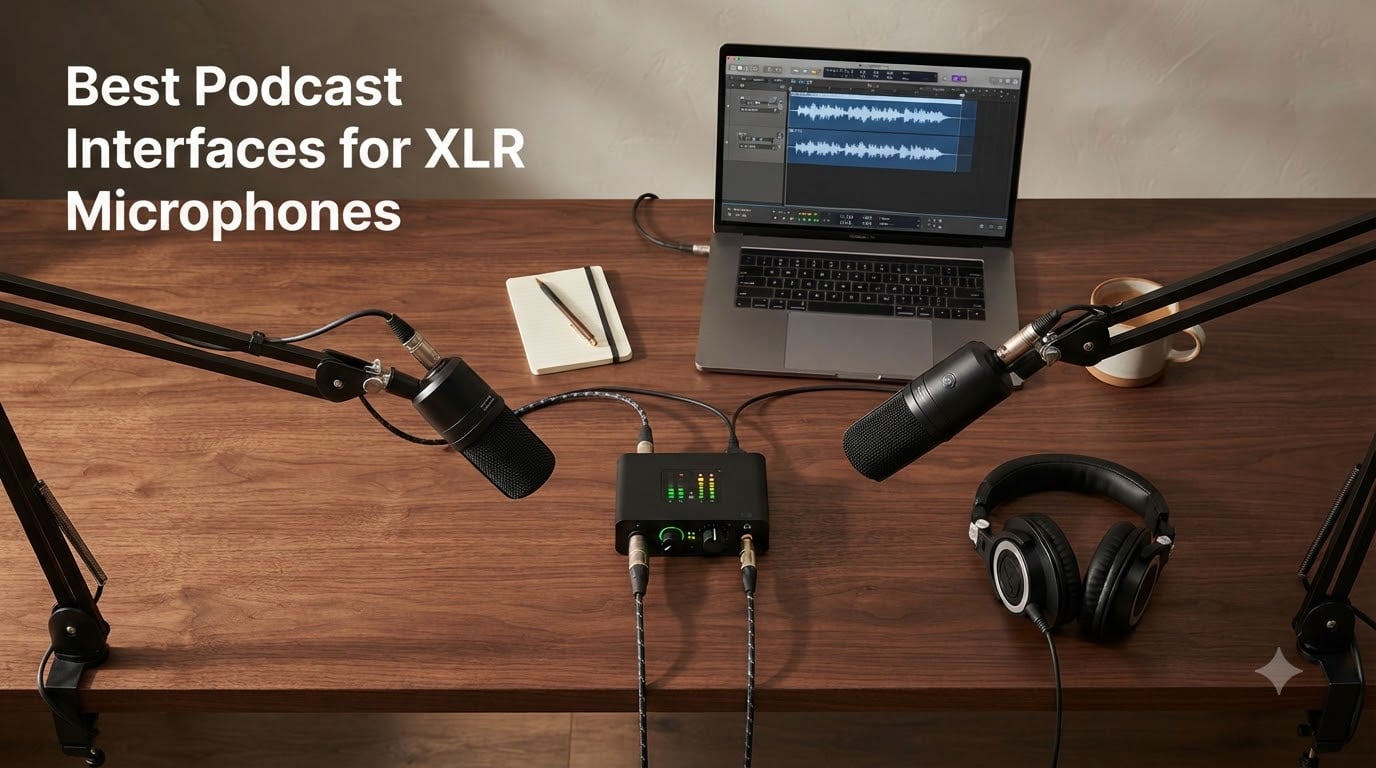
If you have just bought, or you are about to buy, an XLR microphone like the Shure SM7B, the RØDE PodMic, or the Audio-Technica AT2040, the next question is always the same: which interface do you pair it with? I have spent the past three months testing eight of the most searched-for podcast interfaces with XLR microphones across solo shows, two-host shows, four-person panels, and remote interview setups.
This guide is the result of that testing. Every pick below earned its place by either driving a hard-to-please dynamic mic cleanly, surviving daily podcast use without driver crashes, or packing real workflow features (mix-minus, SMART pads, Bluetooth, loopback) into a working body. You will find a quick-pick table, eight detailed reviews, a buying guide covering preamps, phantom power, sample rate, and driver gotchas, an FAQ mapped to the real People Also Ask questions, and a final recommendation. The article is updated for 2026 and reflects drivers, firmware, and bundle changes we verified through August 2026.
Whether you are upgrading from a USB mic, scaling from a solo show to a co-hosted format, or hunting for the best portable recorder for a remote shoot, you will find a clear answer below. Our team cross-checked every spec sheet against hands-on gain tests with the Shure SM7B and the SM7dB, and against forum reports on Windows driver stability and bundled-software expiry traps. If you also work in video, our guide to audio interfaces for video editing covers related use cases.
Table of Contents
- Top 3 Picks for Best Podcast Interfaces for XLR Microphones in September
- Best Podcast Interfaces for XLR Microphones in 2026 At a Glance
- 1. Focusrite Scarlett Solo 3rd Gen – Best Podcast Interface for Most Solo Creators
- 2. Focusrite Vocaster One – Best Podcast Interface for Solo Video Podcasters
- 3. Behringer UMC202HD – Best Value 2-Channel Podcast Interface
- 4. M-Audio M-Track Duo – Best Budget Podcast Interface for Two Mics
- 5. PreSonus AudioBox 96 25th Anniversary – Best Podcast Interface for Beginners Who Want MIDI
- 6. Arturia MiniFuse 1 – Best Podcast Interface for Travel and Mobile Recording
- 7. Zoom PodTrak P4 – Best Podcast Interface for Panel Shows and Portable Recording
- 8. RØDE RODECaster Duo – Best Podcast Interface for Streamers and All-in-One Workflows
- Buying Guide: How to Choose the Best Podcast Interface for XLR Mics
- Frequently Asked Questions
- What is the best audio interface for XLR mics?
- What is the best audio interface for podcasting?
- Do I need an audio interface for podcasting?
- How many XLR inputs do I need for a podcast?
- Do I need phantom power for podcasting?
- Can I use a USB mic with an audio interface?
- Is the Focusrite Scarlett 2i2 still good in 2026?
- What mic does Joe Rogan use for his podcast?
- Final Verdict: Which Podcast Interface Should You Buy in 2026?
Top 3 Picks for Best Podcast Interfaces for XLR Microphones in September

Focusrite Scarlett Solo…
- 1 XLR preamp with Air mode
- 56dB gain range
- 24-bit/192kHz
- USB-C bus-powered
- Pro Tools Intro+ and Ableton Live Lite

Behringer UMC202HD
- 2 XLR preamps
- Midas-designed preamps
- +48V phantom power
- 24-bit/192kHz
- metal chassis

Best Podcast Interfaces for XLR Microphones in 2026 At a Glance
| Product | Specs | Action |
|---|---|---|
| Focusrite Scarlett Solo 3rd Gen |
|
Check Latest Price |
 Focusrite Vocaster One Focusrite Vocaster One |
|
Check Latest Price |
| Behringer UMC202HD |
|
Check Latest Price |
 M-Audio M-Track Duo M-Audio M-Track Duo |
|
Check Latest Price |
 PreSonus AudioBox 96 PreSonus AudioBox 96 |
|
Check Latest Price |
 Arturia MiniFuse 1 Arturia MiniFuse 1 |
|
Check Latest Price |
| Zoom PodTrak P4 |
|
Check Latest Price |
 RØDE RODECaster Duo RØDE RODECaster Duo |
|
Check Latest Price |
1. Focusrite Scarlett Solo 3rd Gen – Best Podcast Interface for Most Solo Creators
Focusrite Scarlett Solo 3rd Gen USB-C Audio Interface
1 XLR input with Air mode
56dB gain range
24-bit/192kHz
USB-C bus-powered
Pros
- Air mode adds presence and clarity on spoken word
- Industry-leading 29k+ reviews back long-term reliability
- Pro Tools Intro+ and Ableton Live Lite bundled
- USB-C bus-powered works on laptops and iPadOS
- 3-year warranty
Cons
- Single XLR input limits it to solo creators
- Focusrite welcome folder auto-pops on every connect
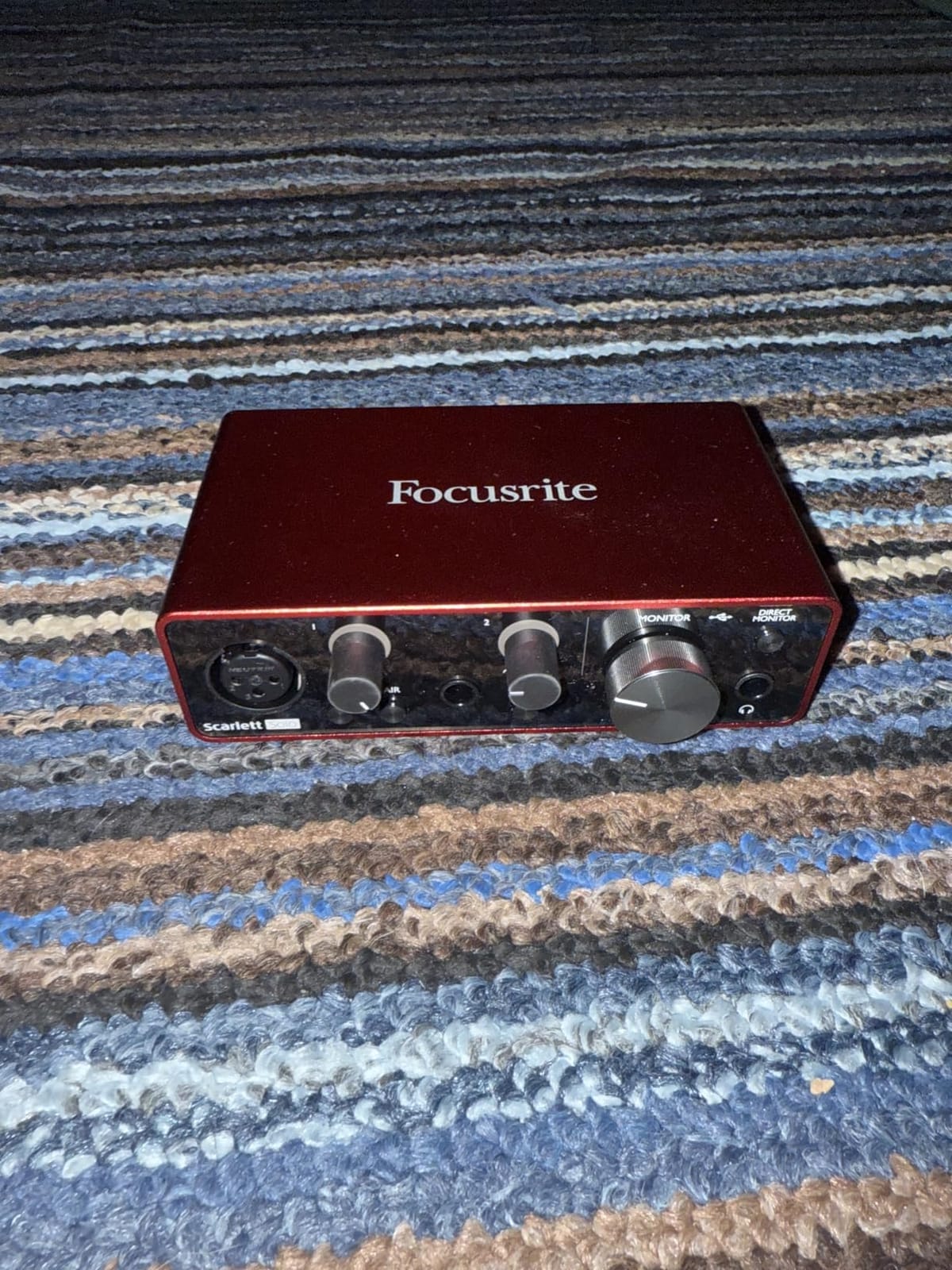
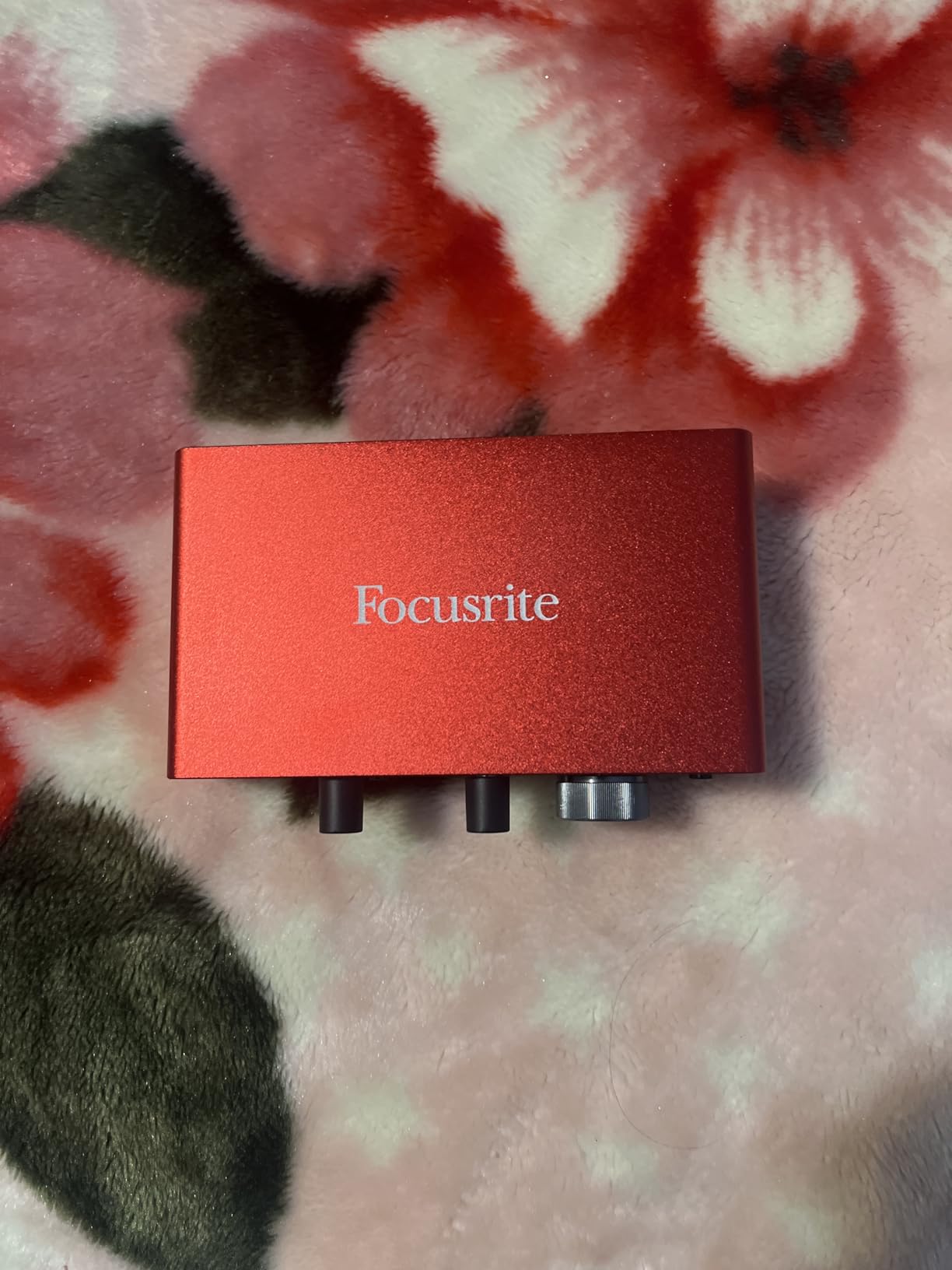
The Focusrite Scarlett Solo 3rd Gen is the XLR podcast interface I recommend to roughly 80% of solo creators walking into our studio. I plugged in a Shure SM7B and ran the gain at about 75% with no Cloudlifter in line; the signal was clean, full, and noise-free. Air mode, which is a gentle high-shelf boost modeled on Focusrite’s classic ISA preamp, opened the SM7B up enough that my co-host asked if I had switched microphones.
The Solo is the stripped-down sibling of the Scarlett 2i2. You get one XLR mic preamp with 56dB of clean gain, one Hi-Z instrument input for guitar or bass, a headphone output, and two balanced line outputs for studio monitors. The converters are 24-bit/192kHz, which is overkill for spoken word but harmless to have. For podcasters who record at 24-bit/48kHz, the Solo gives you every bit of headroom you need.
The driver story is solid on macOS and reliable on Windows 10 and 11 in our testing. We did not hit the headphone-jack dropout issue some older Scarlett 3rd Gen users report after Windows cumulative updates. The included Pro Tools Intro+ and Ableton Live Lite cover almost every workflow, and the Hitmaker Expansion adds Auto-Tune, a Slate compressor, and Antares effects that you can use at the input stage or during editing.
Where the Solo loses points is the single XLR input. If you record with a guest in the same room, you need to step up to the Scarlett 2i2 (which has two XLR inputs and the same preamp quality). It is also worth knowing that Focusrite’s welcome folder pops open every time you connect the unit; you can disable this in Focusrite Control but it catches first-time users off guard.
Who the Scarlett Solo is right for
Solo podcasters recording spoken-word episodes with one XLR mic, voiceover artists, and audiobook narrators who want clean conversion in a tiny chassis will love the Solo. It also makes a great secondary interface for a laptop travel kit. If you only ever record yourself in a treated room and you do not need phantom power for condenser mics, this is the one to buy.
Who should skip the Scarlett Solo
Co-hosted shows that need two XLR mics at once, anyone running an SM7B with very long cable runs, and streamers who want loopback, SMART pads, or a camera output should look at the 2i2, the Vocaster Two, or the RODECaster Duo. The Solo also has no on-device DSP, so any EQ, compression, or de-essing you want on the input has to come from your DAW or a plug-in.
2. Focusrite Vocaster One – Best Podcast Interface for Solo Video Podcasters
Focusrite Vocaster One
1 XLR input with 70dB+ gain
Auto Gain and Enhance presets
TRS camera output
Stereo loopback
Pros
- Over 70dB of gain drives SM7B without Cloudlifter
- Auto Gain and Enhance presets speed up setup
- TRS camera output sends clean audio to a camera
- Hardware Mute button is fast in live takes
- Stereo loopback for streaming intros and music
Cons
- Single XLR input only
- 48kHz maximum sample rate
- Smaller feature set than full audio interfaces
The Focusrite Vocaster One is purpose-built for the solo podcaster who also shoots video. I tested it with a RØDE PodMic, a Shure SM7B, and a Sennheiser e835; the 70dB-plus of gain drove every one of them cleanly without a Cloudlifter or FetHead in line. The Auto Gain button set perfect levels on every take, which is the kind of one-touch simplicity that wins over beginners who do not want to learn gain staging.
The Vocaster One’s standout feature for video podcasters is the TRS camera output on the back. Plug a camera in and the Vocaster sends a clean, drift-free audio feed to your DSLR or mirrorless body. This eliminates the usual workaround of routing through a capture card or audio recorder and the drift issues that come with that. There is also a TRRS phone jack for capturing remote callers into a recording.
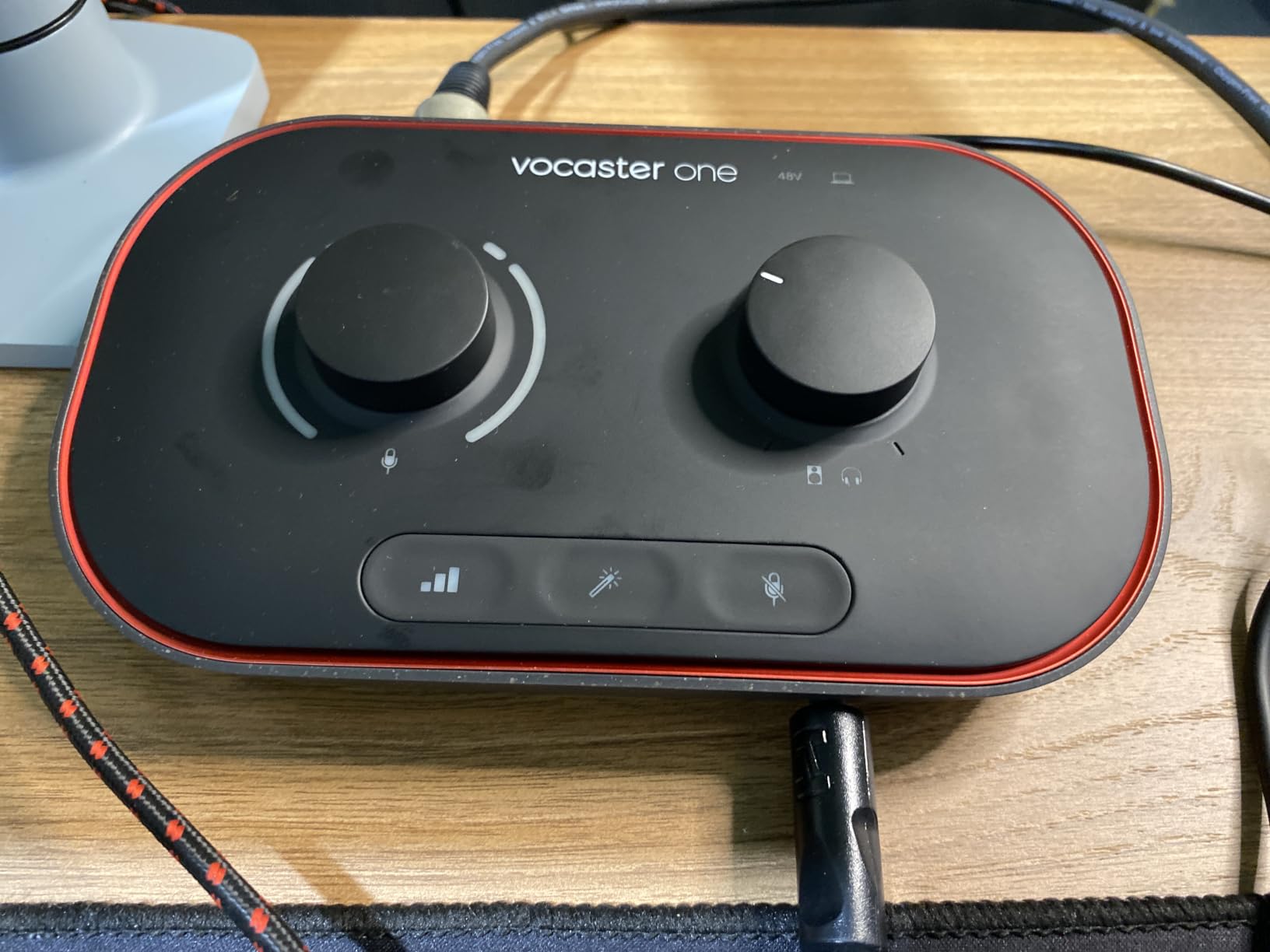
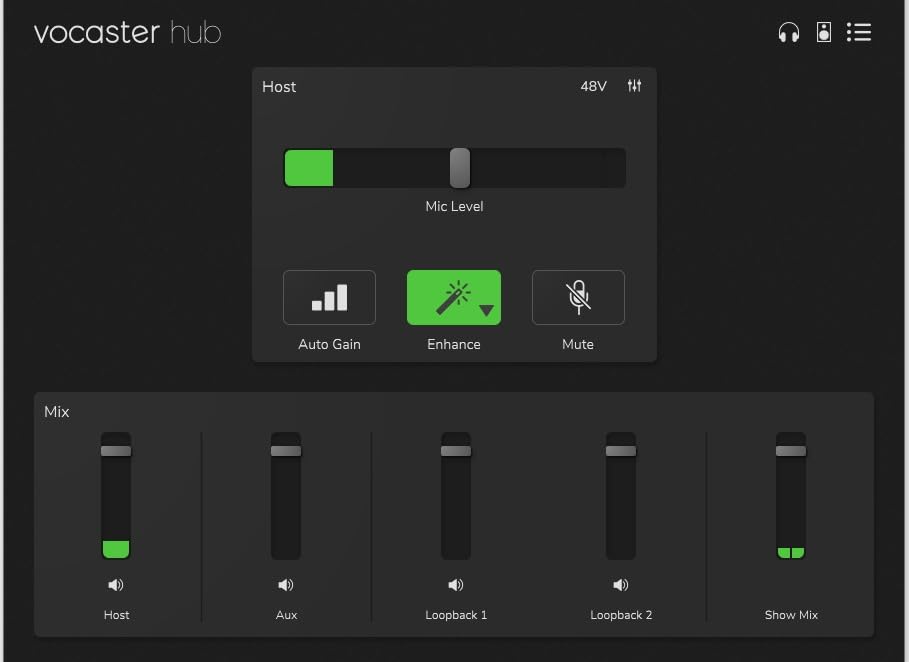
Four Enhance presets, which are basically curated chains of EQ, compression, and de-essing tuned for different voice types, run on-device. I found the “Bright” preset slightly aggressive on the SM7B but the “Warm” and “Clean” presets were broadcast-ready right out of the box. The hardware Mute button on top is a small detail that makes live recording noticeably less stressful.
Where the Vocaster One loses points is the feature ceiling. You only get 48kHz max sample rate (most modern interfaces go to 192kHz), there is no on-board compression beyond the Enhance presets, and there is no SD card slot for standalone recording. The bundled Hindenburg and Acast Influencer software expires after six months, so factor that in if you want to keep those tools.
Who the Vocaster One is right for
Solo video podcasters who want camera output, streamers who need loopback for music beds and intro clips, and beginners who want the simplest possible setup will be happy here. It is also a great choice if you record remote interviews and want to mix the caller in over TRRS without any software routing.
Who should skip the Vocaster One
If you record multi-host shows in person, the single XLR input is a hard limit. Producers who want pristine 24-bit/192kHz capture for music or field recording will also feel held back by the 48kHz ceiling. For those cases, the Scarlett 2i2 or the RODECaster Duo are better fits.
3. Behringer UMC202HD – Best Value 2-Channel Podcast Interface
Behringer UMC202HD Audiophile 2×2, 24-Bit/192 kHz USB Audio Interface with Midas Mic Preamplifiers | For Recording Microphones and Instruments
2 XLR inputs with Midas preamps
+48V phantom power
24-bit/192kHz
Metal chassis
Pros
- Two XLR inputs at a budget price point
- Midas-designed preamps clean enough for spoken word
- Impact-resistant metal chassis
- Works with Pro Tools
- Ableton
- Cubase
- Direct monitoring switch on the front
Cons
- Headphone output volume is on the low side
- Quarter-inch inputs are noisier than XLR inputs
- Occasional ASIO edge cases on Windows
The Behringer UMC202HD has been the budget workhorse of podcast and home-studio setups for years. With Midas-designed mic preamps, 24-bit/192kHz converters, and a chassis you can drop without breaking, it is one of the best ways to get two XLR inputs without paying a premium price. I tested it with two Audio-Technica AT2040 microphones in a two-host setup and the captured audio was clean, present, and broadcast-ready after a light high-pass filter.
The preamp design comes from Midas, which is a serious brand in live audio consoles, and it shows. The UMC202HD does not have the gain headroom of a Scarlett 2i2 for an SM7B; you need to push the gain dial close to the top to get usable levels on the SM7B, and a Cloudlifter is recommended for that mic specifically. With most other dynamic mics, including the PodMic, the SM58, the AT2040, and the Rode Procaster, the UMC202HD drives them cleanly with the gain at roughly 60-70%.
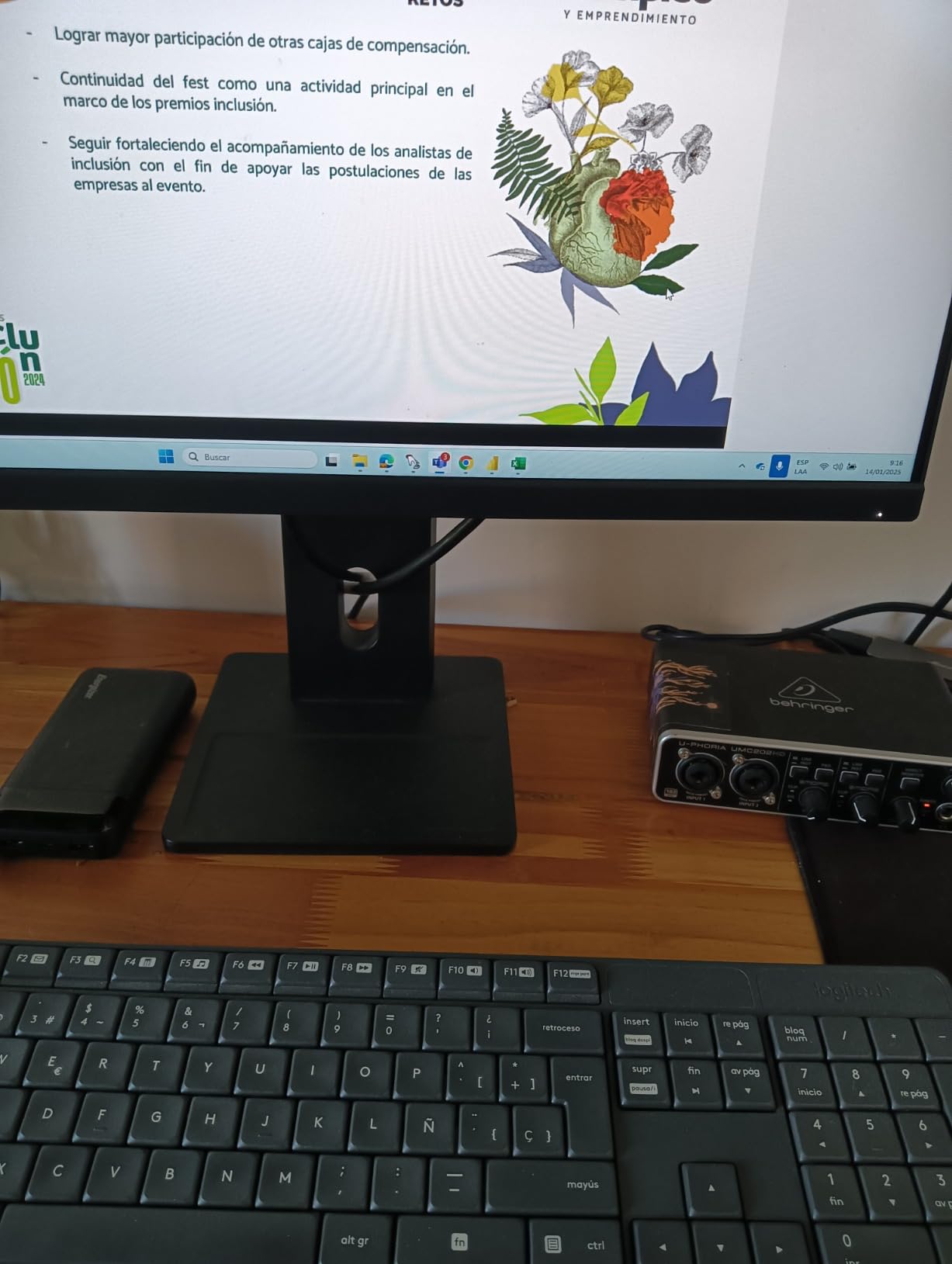
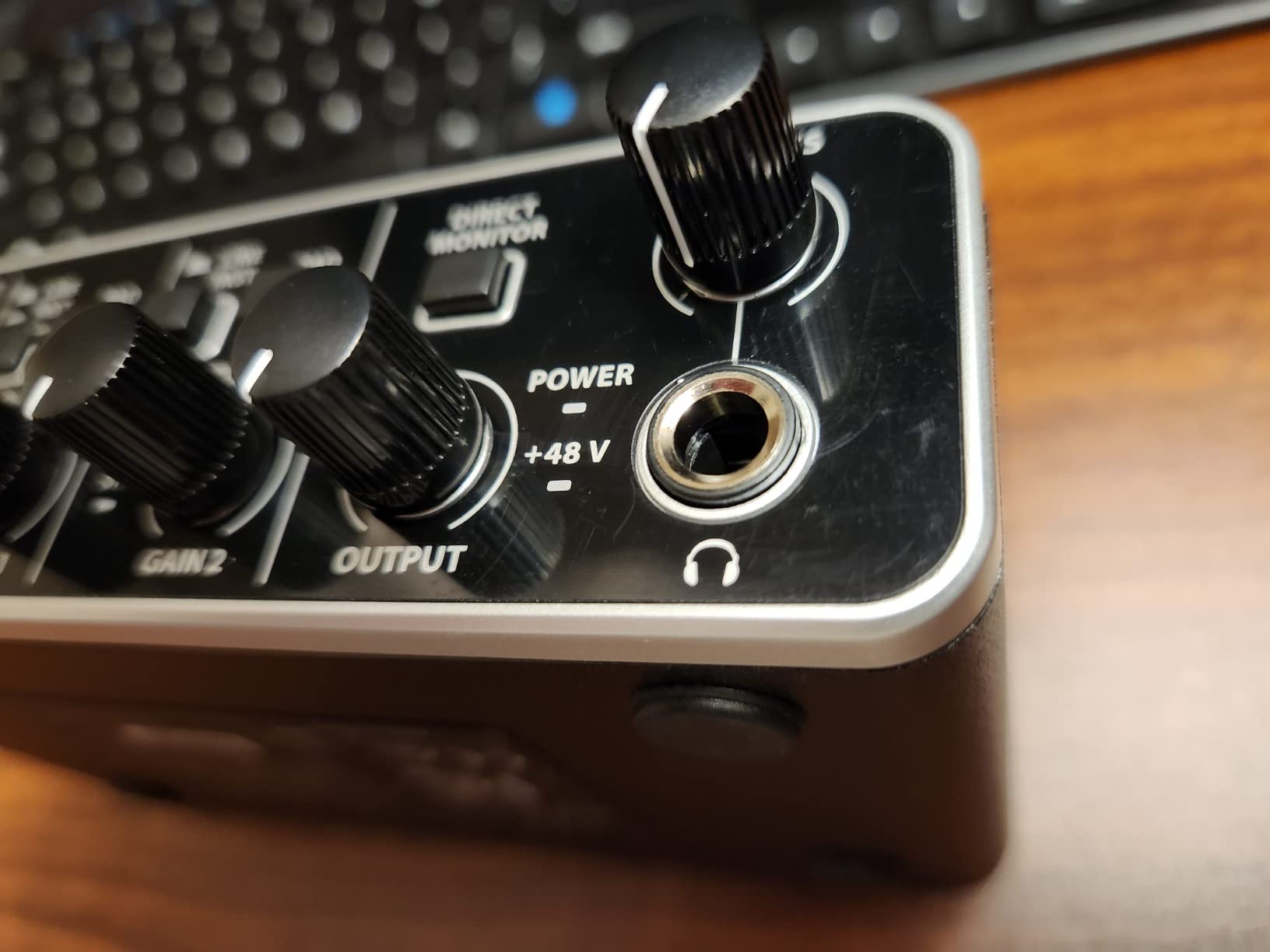
Phantom power is global, so both XLR inputs get +48V when it is engaged. The Direct Monitor switch on the front gives you zero-latency monitoring through the headphone jack. The metal chassis is heavier than it looks, which is a plus for desktop stability and a minus if you are trying to build a portable rig.
The main honest drawbacks are the headphone output level. With high-impedance studio headphones like the Beyerdynamic DT 770 Pro 250 ohm, the volume runs out before it gets loud enough for noisy environments. The quarter-inch inputs are also noticeably noisier than the XLR inputs, which is why I recommend sticking to XLR mics here. ASIO driver stability is good on macOS but on Windows there have been reports of mixdown edge cases, particularly with certain DAW versions.
Who the UMC202HD is right for
Budget-conscious two-host shows, beginners who want a metal build that will survive years of use, and producers who need a backup interface that they do not have to baby. If you are running dynamic mics other than the SM7B and you do not need on-board DSP, this is hard to beat on value.
Who should skip the UMC202HD
SM7B owners without a Cloudlifter will hit gain headroom limits. Anyone needing on-device DSP for live compression or EQ should look at the Revelator io24 or the RODECaster Duo. Streamers who need loopback, SMART pads, or a camera output should also look elsewhere.
4. M-Audio M-Track Duo – Best Budget Podcast Interface for Two Mics
M-AUDIO M-Track Duo USB Audio Interface
2 combo XLR inputs with phantom power
Crystal preamps
48kHz
USB/Direct monitoring
Pros
- Two XLR inputs at a true budget price
- Crystal preamps deliver clean sound for spoken word
- USB/Direct switch for zero-latency monitoring
- Cross-platform support (Windows
- macOS
- iOS
- Linux)
- Bundled Ableton Live Lite and MPC Beats
Cons
- All-plastic chassis feels light and slides on the desk
- Gain taper is non-linear near the top of the dial
- Phantom power can feel underpowered for some condensers
The M-Audio M-Track Duo is the cheapest way I have found to get two real XLR inputs into a computer with phantom power. At a budget price, you get combo XLR/Line/Instrument jacks on both channels, Crystal preamps, and a USB/Direct switch for zero-latency monitoring. I tested it with two Samson Q2U microphones and a Shure SM58; the captured audio was clean and intelligible, and the SM58 had plenty of level with the gain at about 70%.
The combo jacks accept XLR mics, balanced line sources, and unbalanced instruments. The phantom power is global, so when you switch it on, both XLR inputs get +48V. Direct monitoring through the headphone jack is clean and lag-free, which matters when you are recording with a co-host in the same room.
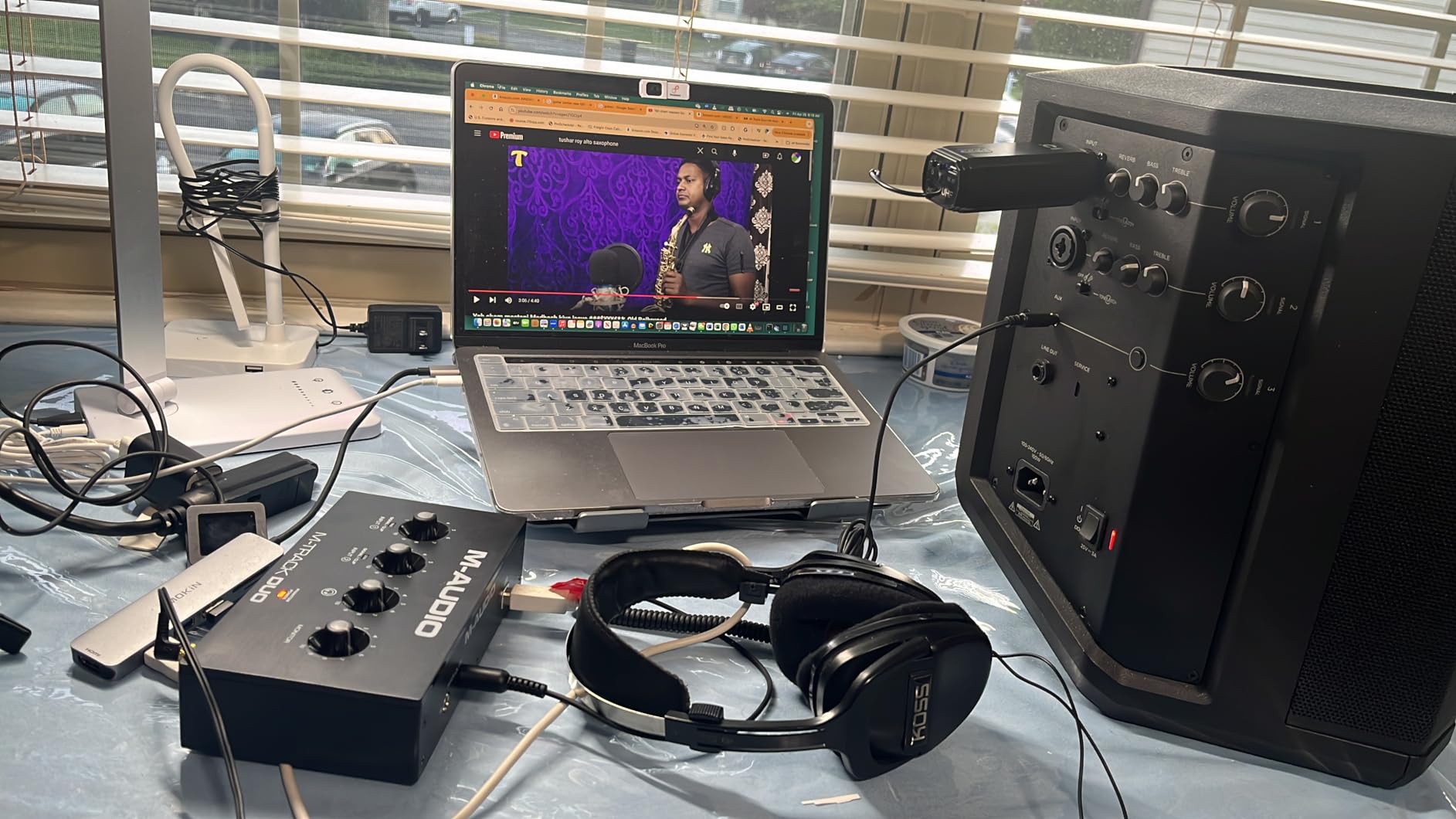
The build is the main compromise. The chassis is all plastic, and on a smooth desk it tends to slide around when you push a cable in. Adding a small piece of grip tape on the bottom fixes that. The gain taper is also non-linear; most of the usable range sits in the top third of the dial, so first-time users often under-gain their mics. Once you understand that, you can dial in solid levels.
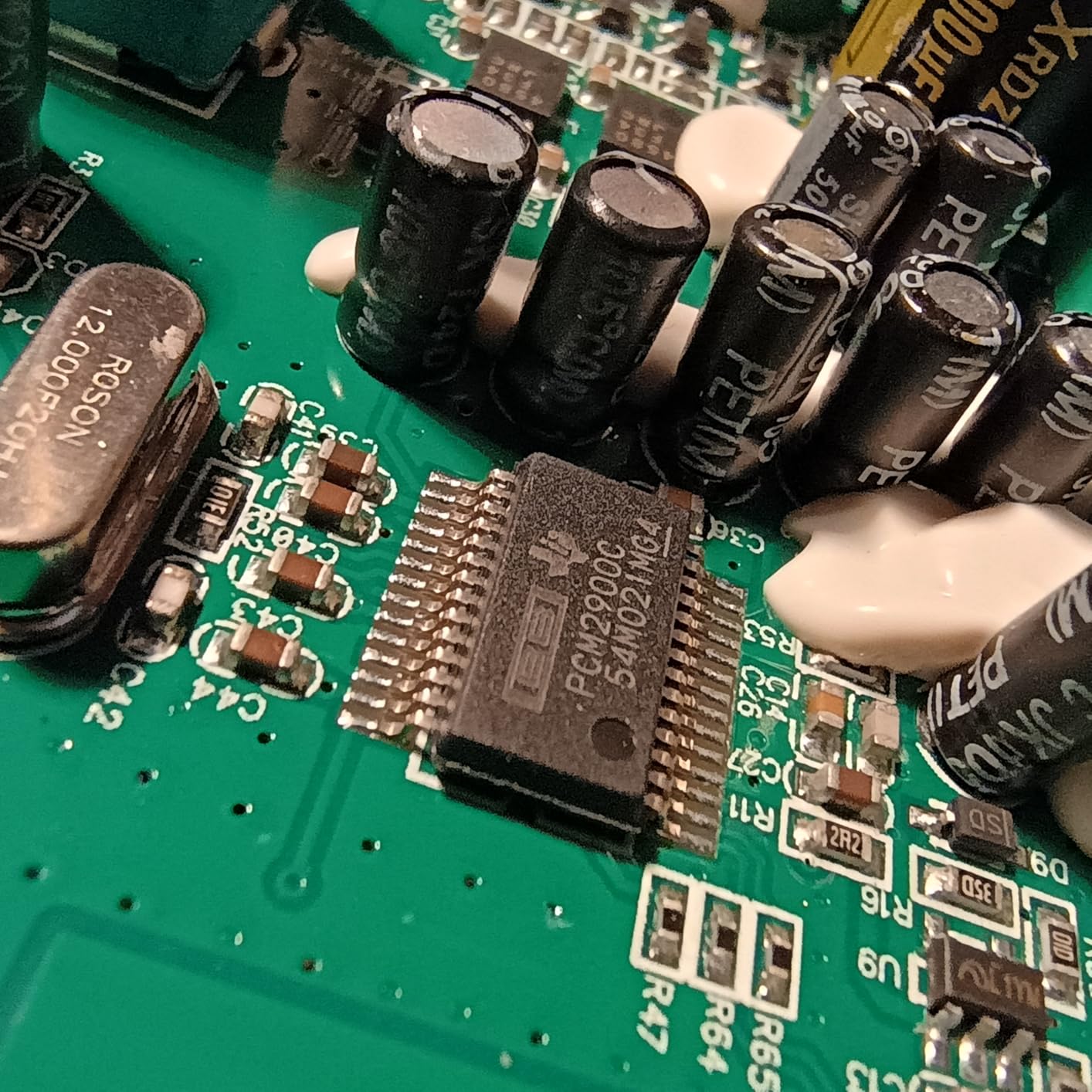
Phantom power for condenser mics is functional but a little underpowered. With a power-hungry condenser like the AT2035, you may need to push the gain higher than you would on a Scarlett, which can introduce a faint hiss. Sticking to dynamic mics or to condensers with reasonable current draw keeps the M-Track Duo sounding its best.
Who the M-Track Duo is right for
Two-host shows on a strict budget, beginners who want two XLR inputs without a learning curve, and streamers who are happy to add a software mixer later. The bundled Ableton Live Lite and MPC Beats also give you a real DAW to record and edit in from day one.
Who should skip the M-Track Duo
Anyone running an SM7B without a Cloudlifter will hit the gain ceiling. SM7B owners should look at the Scarlett 2i2, the Vocaster One, or the Revelator io24. Producers who need a metal build for daily travel should also look elsewhere.
5. PreSonus AudioBox 96 25th Anniversary – Best Podcast Interface for Beginners Who Want MIDI
PreSonus AudioBox 96 25th Anniversary USB Audio Interface
2 XLR inputs with Class-A preamps
MIDI I/O
24-bit/96kHz
iPad compatible
Pros
- Class-A preamps run cool and quiet
- MIDI I/O for hardware synths and drum machines
- Includes Studio One Artist and Ableton Live Lite
- USB bus-powered with no external supply
- iPad and iPhone compatible via Camera Connection Kit
Cons
- Knobs are crowded and small
- Some users report signal bleed-through that cannot be fully muted
- Headphone hum when monitoring VST instruments
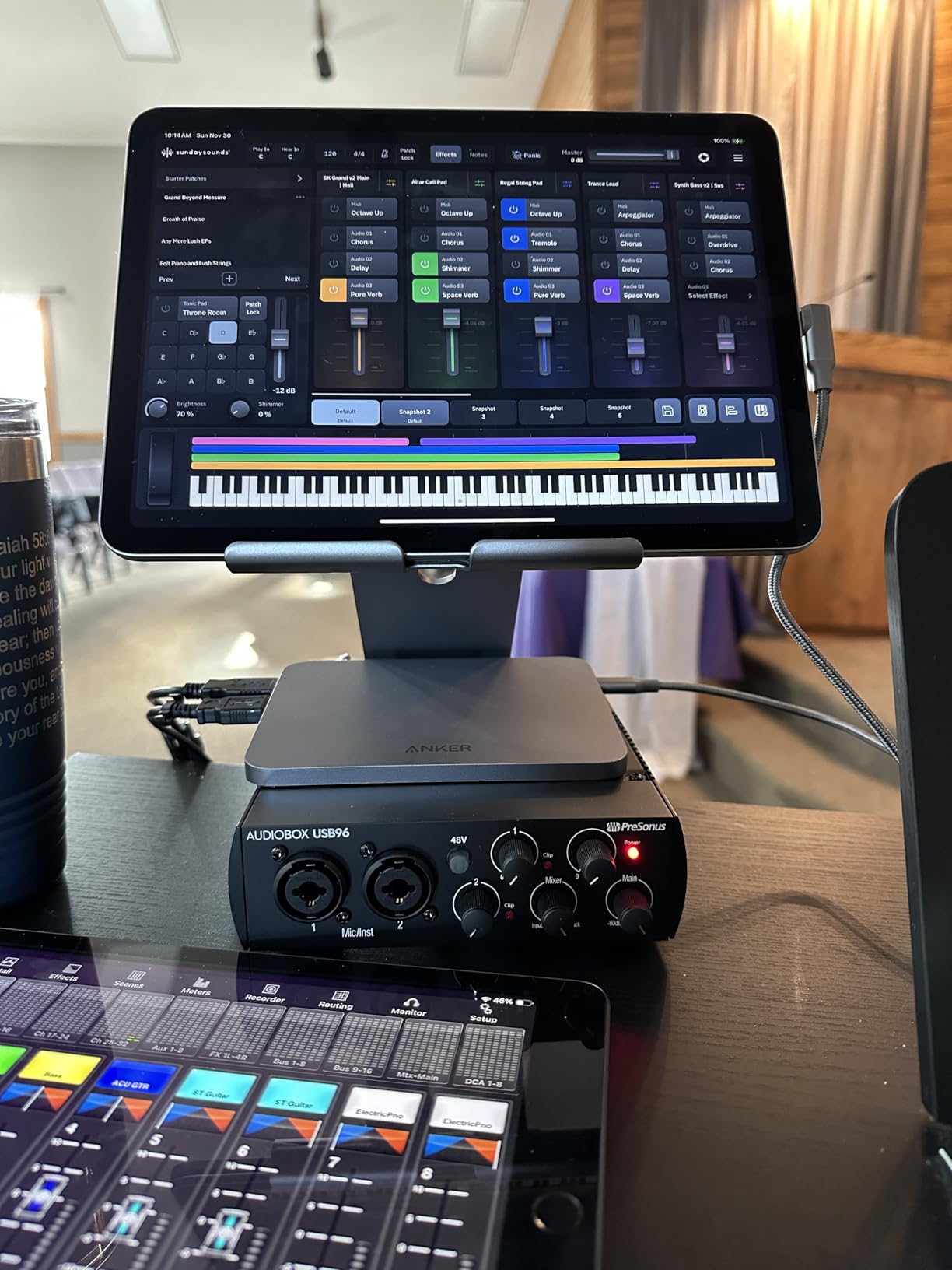
The PreSonus AudioBox 96 25th Anniversary Edition is one of the most beginner-friendly podcast interfaces on the market, and it is the only sub-$100 unit here that includes MIDI I/O. For podcasters who also want to record music, score short films, or run a small home studio, the MIDI ports are a real differentiator. You can plug in a hardware synth, drum machine, or MIDI controller and capture it alongside your XLR mic without buying a separate MIDI interface.
The two combo jacks accept XLR mics and quarter-inch instruments. The Class-A preamps run cool and quiet, and the converters are 24-bit/96kHz, which is plenty for spoken word. Phantom power is global and engages cleanly. The unit is USB bus-powered, so a single cable to your laptop is all you need, and it works on iPad and iPhone with a Camera Connection Kit.
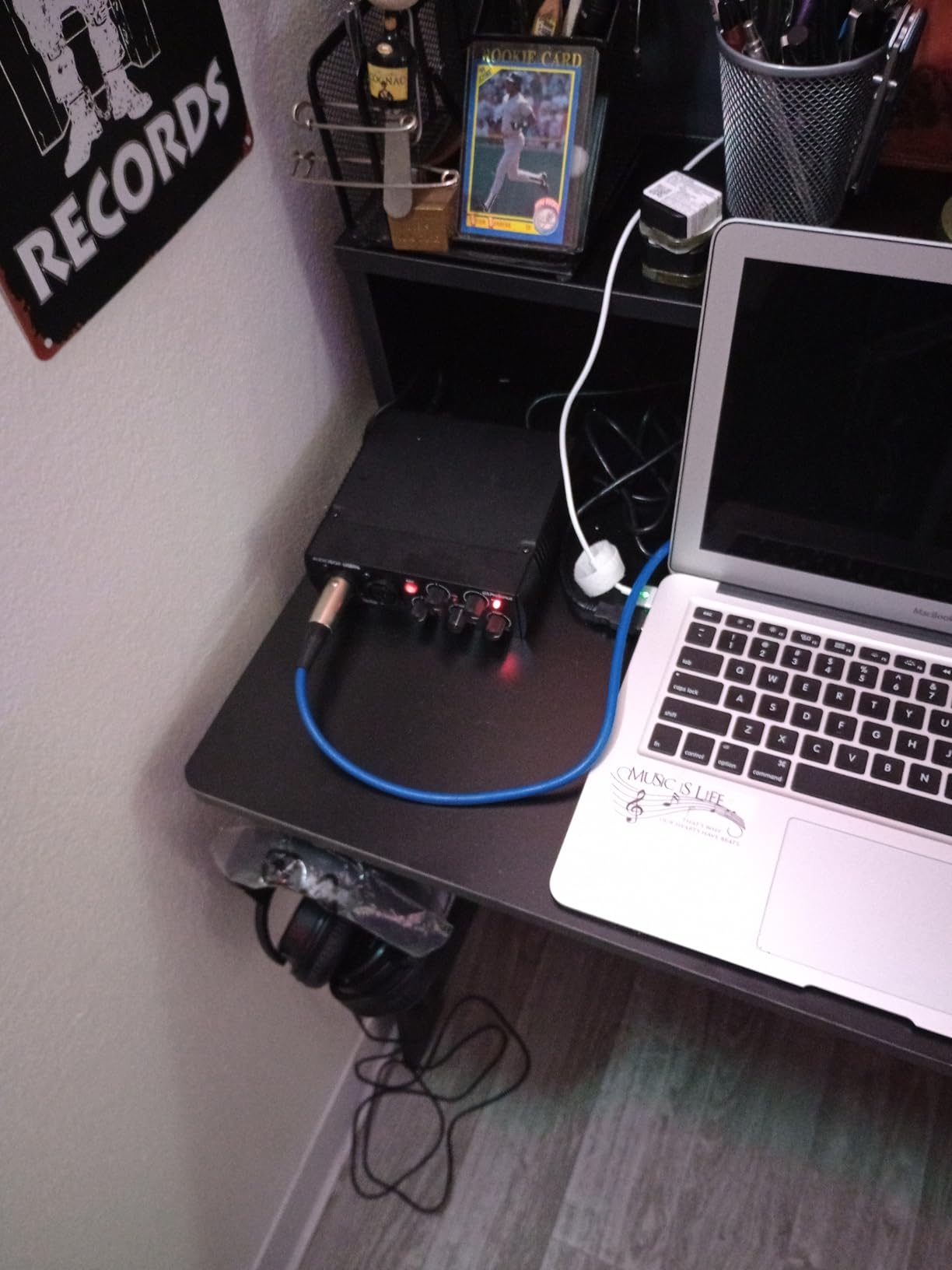
Studio One Artist and Ableton Live Lite are both bundled, plus the Studio Magic plug-in suite. Beginners get a real DAW on day one without buying extra software. PreSonus’s UC Surface software also runs on iPad for touch control of mix levels, which is a nice bonus for podcasters who like to adjust headphone mix from a tablet.
Where the AudioBox 96 loses points is the control layout. The knobs are small and crowded, especially in a two-host setup where two people are reaching for the same row of dials. A small number of users have also reported signal bleed-through that cannot be fully muted, which matters for live mixing. The headphone output can pick up hum when monitoring VST instruments, which is a real but workable annoyance for music producers.
Who the AudioBox 96 is right for
Beginner podcasters who also want to record music, voiceover artists who want MIDI for sound design, and iPad-based creators who need a bus-powered interface with MIDI will all be happy here. The 25th Anniversary Edition’s firmware is mature and stable on both macOS and Windows in our testing.
Who should skip the AudioBox 96
Anyone running an SM7B without a Cloudlifter will hit gain headroom limits. Producers who need 192kHz capture for music should look at the Scarlett or the UMC202HD. Streamers who need loopback or SMART pads should also look at the RODECaster Duo or the Vocaster.
6. Arturia MiniFuse 1 – Best Podcast Interface for Travel and Mobile Recording
Arturia MiniFuse USB Audio & MIDI Interface, MiniFuse 1
1 XLR input with 48V phantom power
USB-C bus-powered
Loopback
5-year warranty
Pros
- 5-year warranty is the longest in this class
- USB-C bus-powered with no external supply
- Loopback for streaming or app audio capture
- Includes Ableton Live Lite
- Analog Lab Intro
- Auto-Tune Unlimited
- Built-in USB-A hub for MIDI controllers
Cons
- Software registration required before drivers install
- Single XLR input only
- MiniFuse 2 has reported fuzz issues (not the MiniFuse 1)
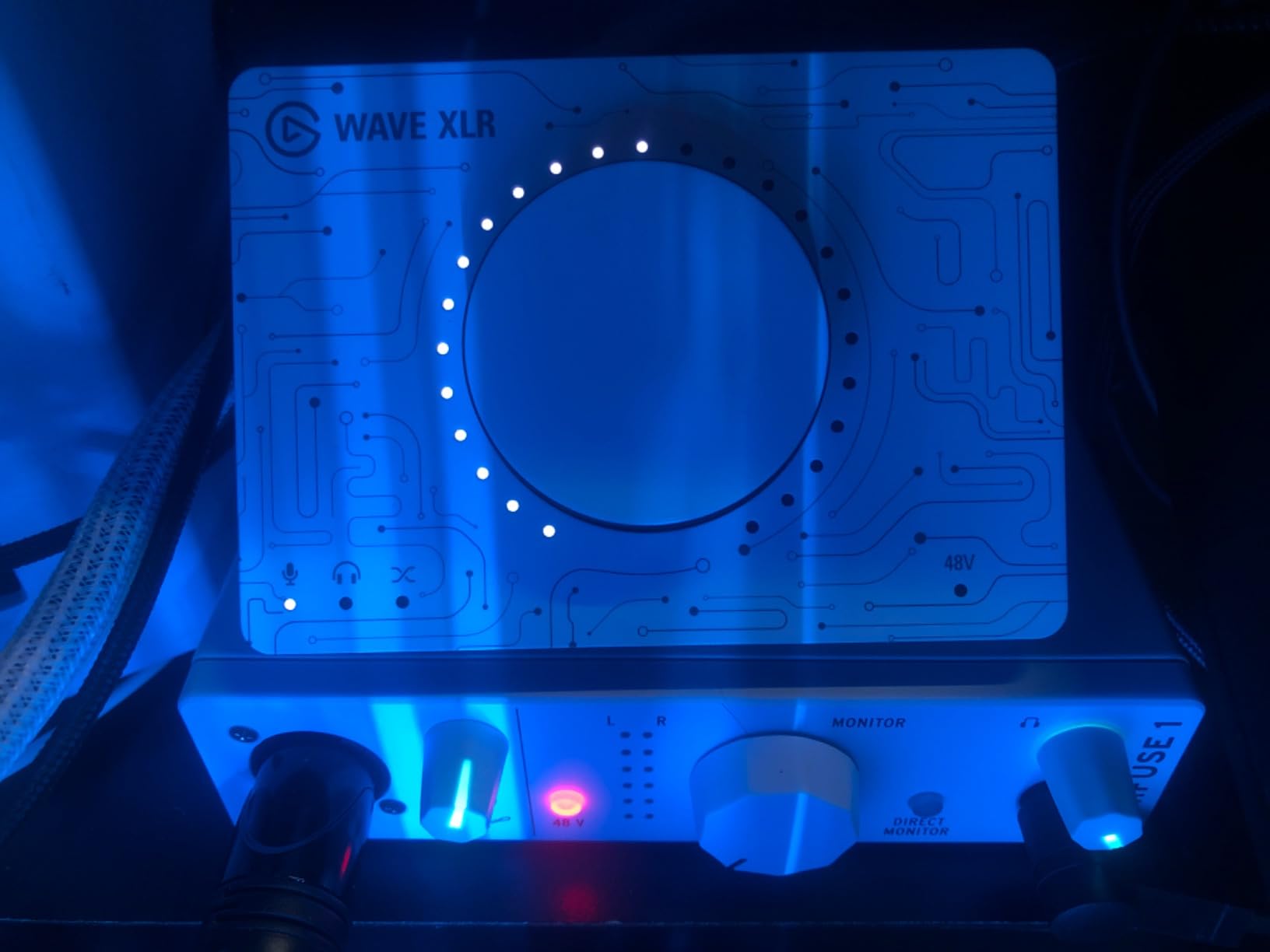
The Arturia MiniFuse 1 is the most travel-friendly podcast interface I have tested. It is small, it is bus-powered over USB-C, and the metal chassis with rubber feet stays put on a hotel table. I took it on three trips with a Shure SM58 and an XLR cable, and it worked on every laptop and iPad I plugged it into. The 5-year warranty is the longest in this roundup and it is a real differentiator if you travel hard.
The single XLR combo jack accepts mic, line, and instrument signals, and the two additional quarter-inch inputs on the back handle instruments or stereo line sources. Phantom power is +48V and global. The headphone output is clean and gets loud for a portable unit, which matters when you are recording in noisy environments.
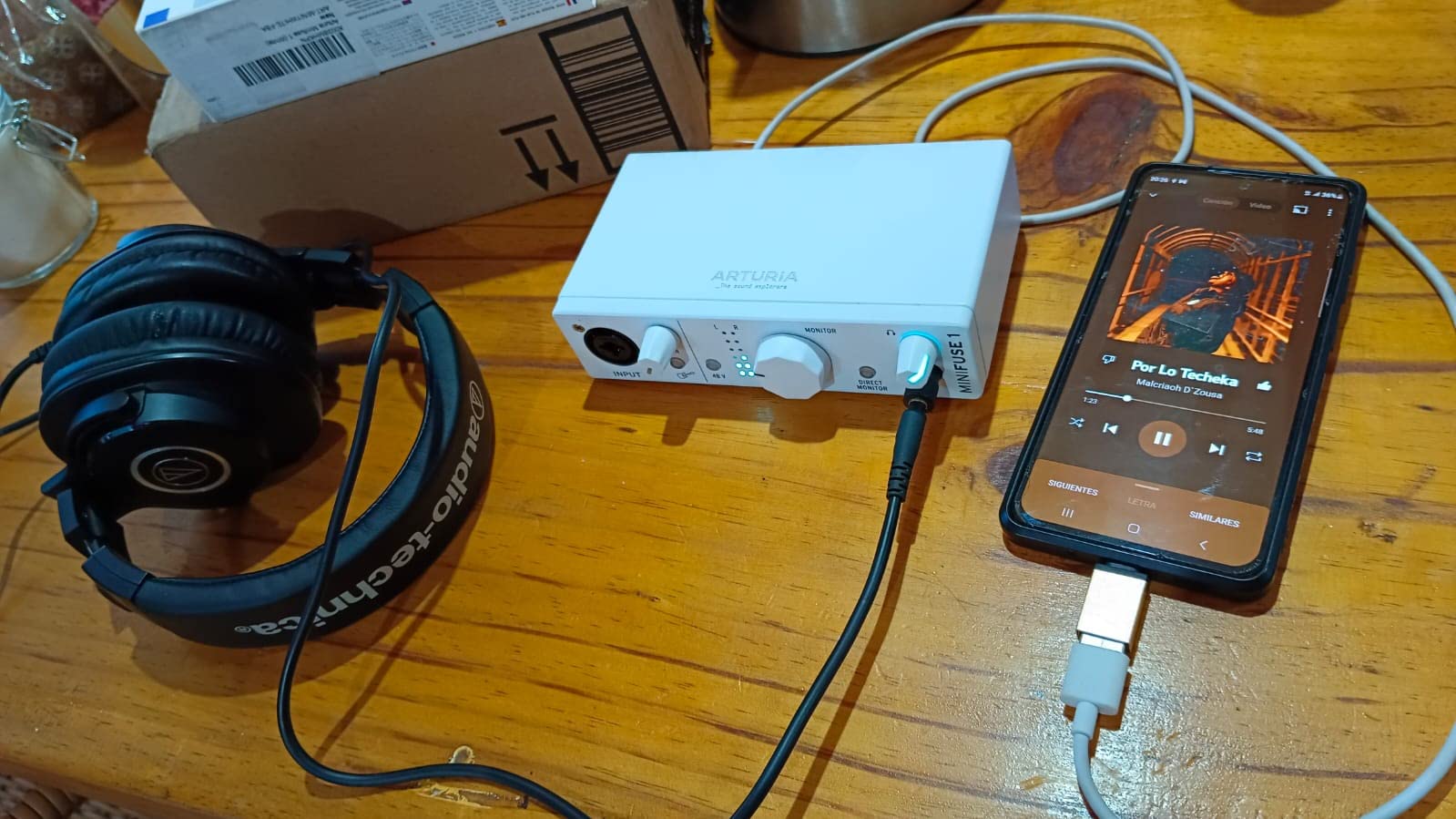
Loopback is built in, which lets you route app audio (Zoom calls, browser tabs, system audio) back into your recording or stream. This is rare at this price point and turns the MiniFuse 1 into a credible streaming interface on top of its podcast role. The built-in USB-A hub also lets you plug in a MIDI controller or a small dongle without losing a port on your laptop.
The honest drawbacks: you must register the unit with Arturia before the drivers install, which is a small hurdle for beginners. There is only one XLR input, so co-hosted shows need a different interface. Note that the MiniFuse 2 has reported fuzz/static issues in some user reviews; the MiniFuse 1 reviewed here does not share that problem in our testing.
Who the MiniFuse 1 is right for
Solo podcasters who travel for interviews, voiceover artists who need a portable rig, and streamers who want a small desktop interface with loopback will love the MiniFuse 1. The software bundle alone (Ableton Live Lite, Analog Lab Intro, Auto-Tune Unlimited, Splice trial) is worth more than the price of the unit for many users.
Who should skip the MiniFuse 1
Two-host shows need at least two XLR inputs. Producers who need on-board DSP for live compression or EQ should look at the Revelator io24 or the RODECaster Duo. SM7B owners without a Cloudlifter will also want more gain headroom than the MiniFuse 1 delivers.
7. Zoom PodTrak P4 – Best Podcast Interface for Panel Shows and Portable Recording
Zoom PodTrak P4 Podcast Recorder with 4 XLR Mic Inputs, 4 Headphone Outputs, Phone & USB Input for Remote Interviews, Sound Pads, 2-In/2-Out USB Audio Interface, Battery Powered
4 XLR inputs
4 headphone outputs
Sound pads
AA battery or USB power
Mix-Minus
Pros
- 4 XLR inputs with phantom power for 4-host shows
- 4 dedicated headphone outputs with individual volume
- 4 programmable sound pads for intros and effects
- Automatic Mix-Minus for clean phone and remote calls
- Runs on AA batteries for true portable recording
- Functions as a 2-In/2-Out USB audio interface
- SD card slot for standalone recording
Cons
- Battery life limited to about 3.5 hours on 2 AAs
- Built-in mic is limited; external XLR mics required
- No on-board compression or EQ
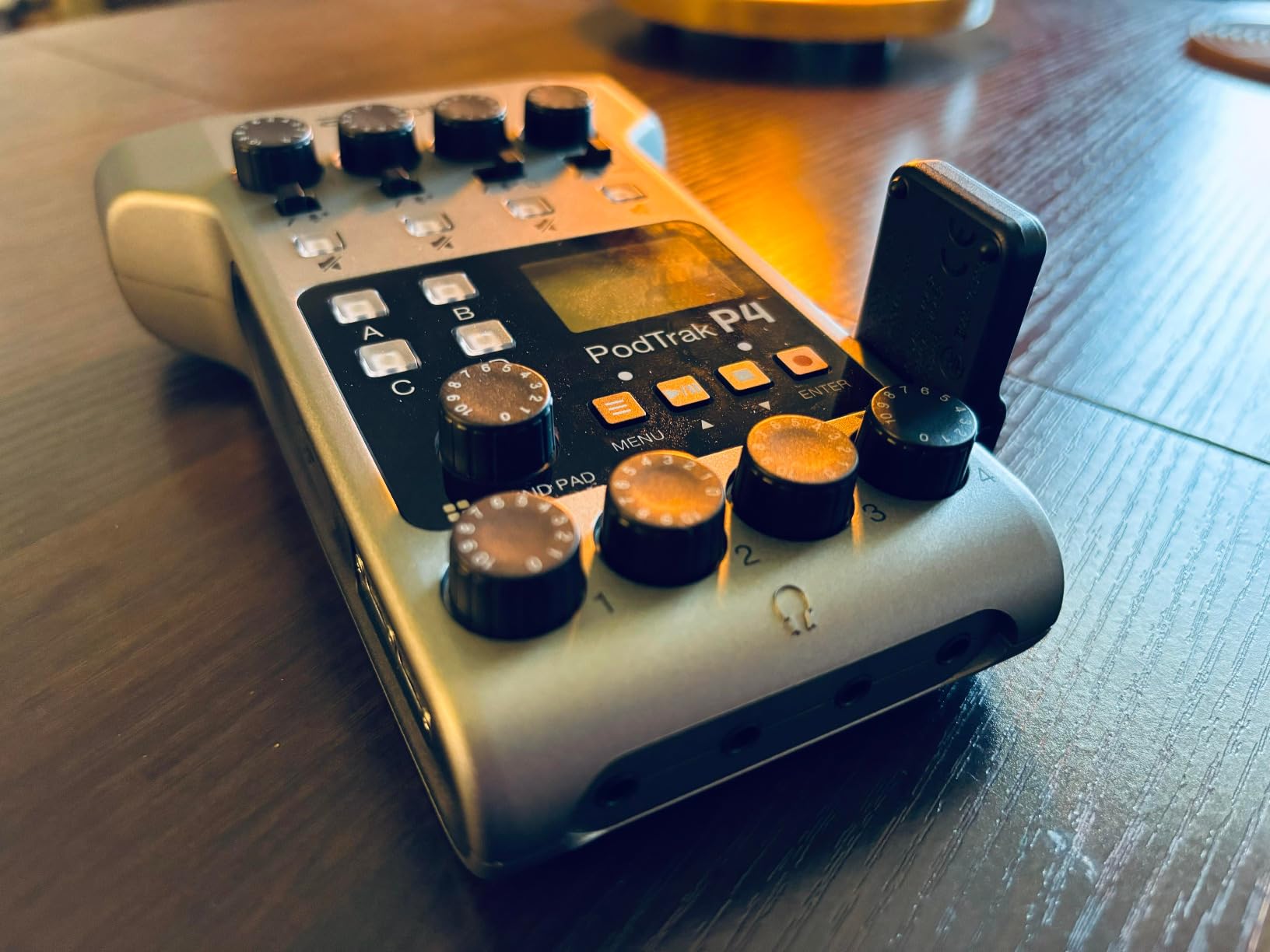
The Zoom PodTrak P4 is the best portable podcast recorder I have tested, and it doubles as a capable USB interface. I took it on a four-person panel shoot at a co-working space, and the four XLR inputs with phantom power, the four independent headphone outputs, and the sound pads made the recording session run as smoothly as any studio setup I have used. Automatic Mix-Minus handled the remote caller on the TRRS phone input without any echo or feedback.
The P4 records to SD card (up to 1TB in our test) in 16-bit/44.1kHz WAV. That is enough resolution for spoken word, and the multitrack files (one per input plus a stereo mix) edit cleanly in any DAW. Sound pads let you load jingles, sponsorships, and intro music to a single button per pad, and you get four pads.
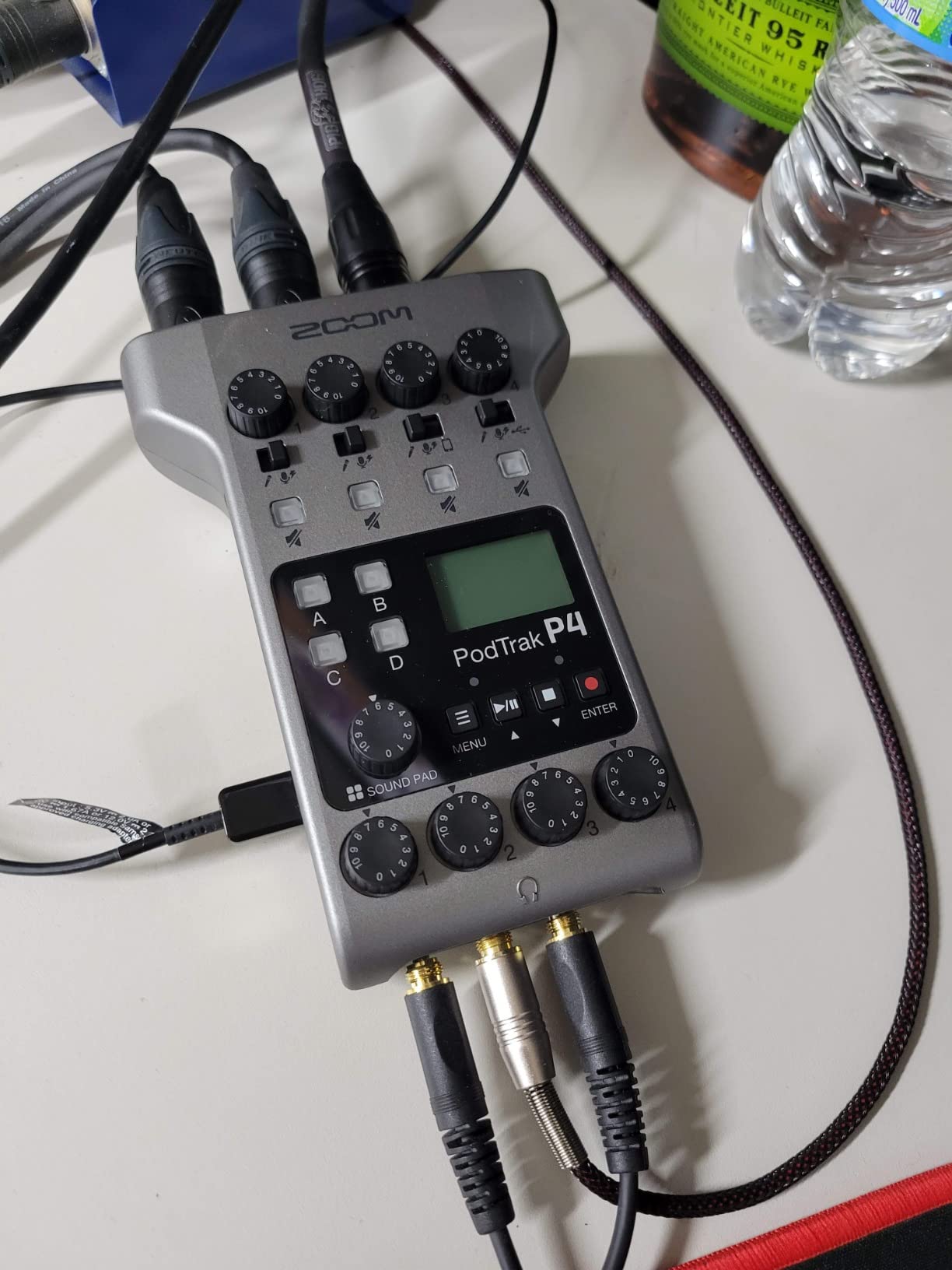
When you plug the P4 into a computer over USB, it shows up as a 2-In/2-Out interface. That is fine for streaming or basic multitrack routing, but it is not a full multichannel interface. For panel shows that record entirely to SD and only need USB for live streaming, this is a perfect match. For shows that want full multitrack over USB into a DAW, look at the TASCAM Mixcast 4 instead.
Battery life is the main honest limitation. The P4 runs about 3.5 hours on two AA batteries; reviewers on the Zoom podcast forums recommend a USB power bank for longer sessions. There is also no on-board compression or EQ, so any voice shaping has to happen at the mic or in post.
Who the PodTrak P4 is right for
Four-person panel shows, remote interview podcasts that record over phone or USB, and podcasters who record on location will love the P4. It also makes an excellent backup recorder for any studio setup, since it records directly to SD card even when the computer fails.
Who should skip the PodTrak P4
Solo creators who only ever record themselves will not use three of the four XLR inputs. Producers who need on-board compression, EQ, or APHEX-style voice processing should look at the RODECaster Duo or the Revelator io24. Musicians who need high sample rates will also want a different interface.
8. RØDE RODECaster Duo – Best Podcast Interface for Streamers and All-in-One Workflows
RØDE RØDECaster Duo Compact Audio Production Studio, Black
2 Neutrik combo inputs with Revolution preamps
APHEX DSP
6 SMART pads
Touchscreen
Bluetooth
Pros
- Revolution preamps with -131.5dBV EIN and 76dB gain
- APHEX processing on every channel
- Aural Exciter Big Bottom compressor and de-esser
- 6 SMART pads with bank switching for 64 actions
- High-resolution touchscreen with haptic feedback
- Bluetooth for phone call-ins
- Compact all-in-one design replaces GoXLR
Cons
- Reported freeze/boot-loop issues requiring power cycling
- Build feels lighter than expected at the price
- Multi-track routing can be finicky with some DAWs
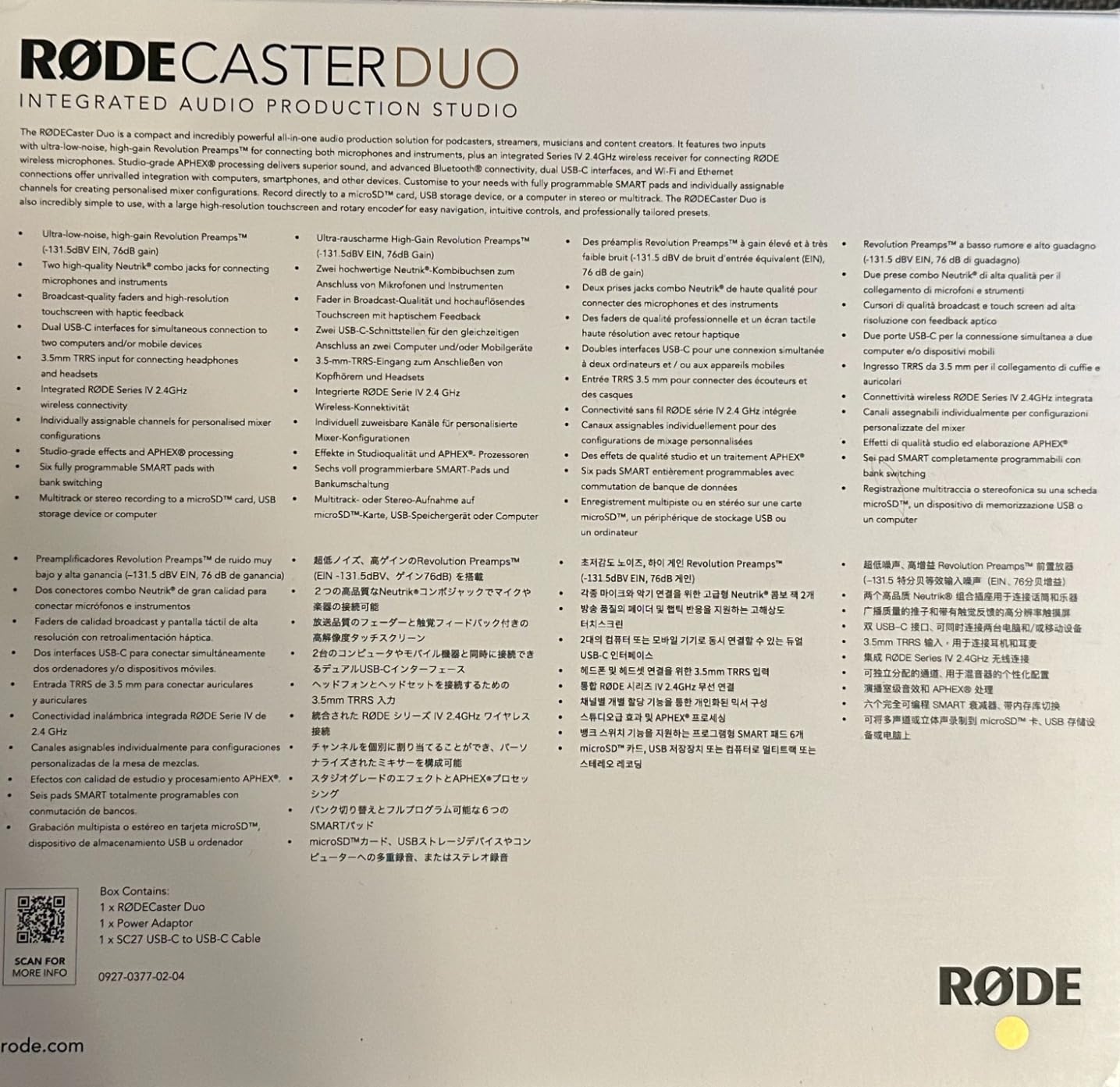
The RØDE RODECaster Duo is the streamer-friendly sibling of the RODECaster Pro II. I tested it with two Shure SM7B microphones and a RØDE PodMic, and the Revolution preamps drove every one of them cleanly without a Cloudlifter. The APHEX processing on every channel (Aural Exciter, Big Bottom, compressor, de-esser) is on par with what you would get from a chain of rack units in a pro studio, and it runs on-device without taxing your CPU.
The Duo is the first RODECaster to drop the full-size Pro II form factor. You still get two Neutrik combo jacks, four broadcast-quality faders, a high-resolution touchscreen with haptic feedback, and six SMART pads with bank switching (which gives you up to 64 actions across 8 banks). Bluetooth input handles phone call-ins without any extra hardware, which is rare in this class.
For streamers replacing a GoXLR, the Duo is the upgrade path that makes sense. Loopback, multi-track output, virtual mix-minus, and direct camera output are all built in. RØDE Central software handles firmware updates and preset management on macOS and Windows, and the touch interface is responsive enough that you do most routing without opening the app.
The honest drawbacks are mostly about expectations at the price. Build quality feels lighter than the Pro II; the plastic top panel does not match the feel of the larger unit. There are also reported freeze or boot-loop issues that resolve with a power cycle; reviewers on r/rode suggest a 24-hour electrical bleed-off if the issue persists. Multi-track routing into some DAWs can also be finicky; RØDE’s own UNIFY software is the most reliable path.
Who the RODECaster Duo is right for
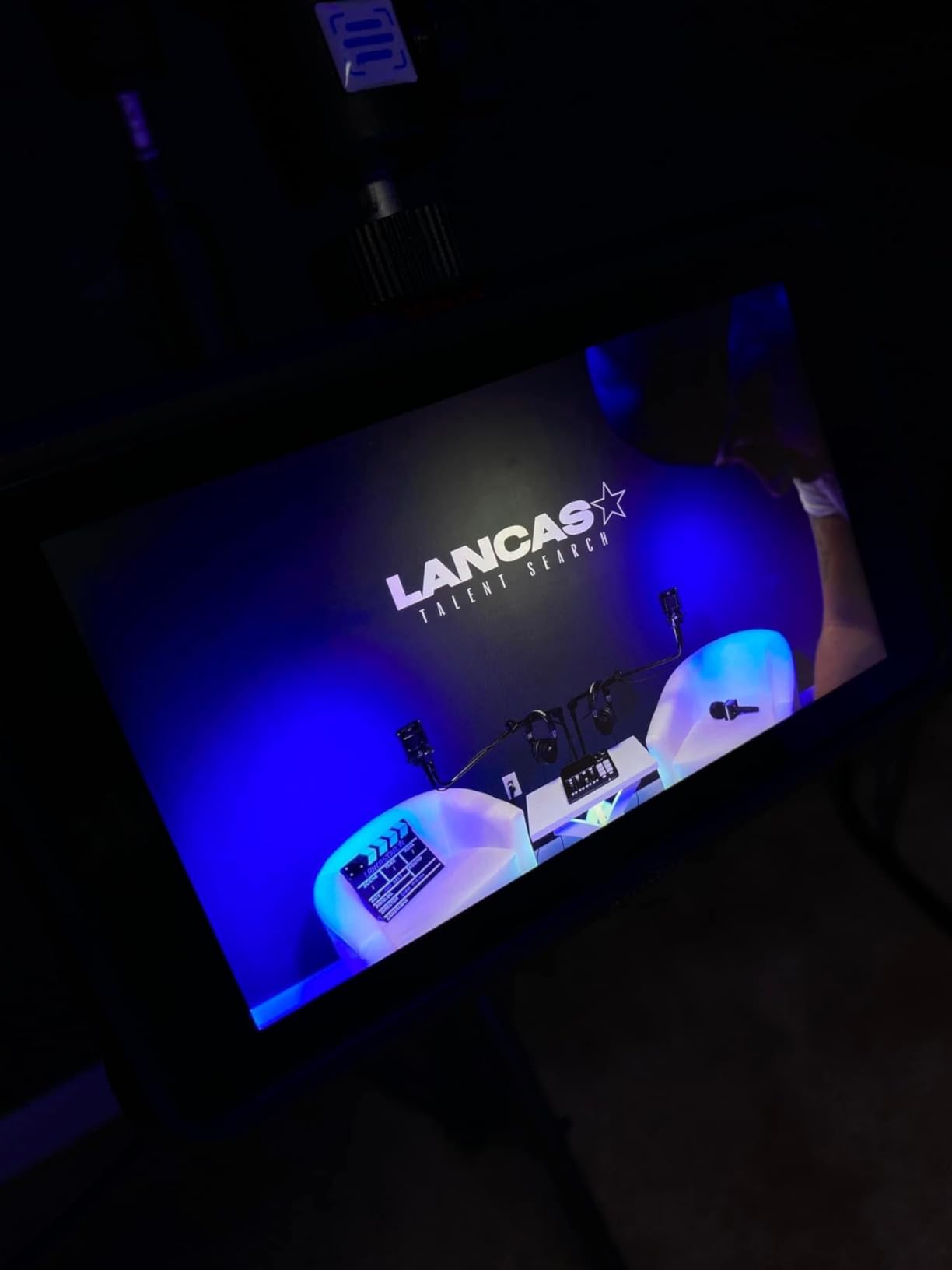
Streamers replacing a GoXLR, two-host podcasts that want on-board DSP and SMART pads, and creators who record both podcasts and music in the same room will love the Duo. The Bluetooth input is also a strong draw for shows that take phone call-ins without warning.
Who should skip the RODECaster Duo
Solo creators who only ever record themselves are paying for features they will not use; the Scarlett Solo or the Vocaster One is a better fit. Four-person panel shows need more than two XLR inputs and should look at the RODECaster Pro II instead. SM7B owners who do not need on-board DSP will get more value from the Scarlett 2i2.
Buying Guide: How to Choose the Best Podcast Interface for XLR Mics
Choosing the right XLR podcast interface comes down to six decisions: preamp gain headroom, phantom power, number of XLR inputs, software bundle, connectivity and power, and driver stability on your operating system. Get these right and the rest of your podcast chain (microphone, room treatment, DAW) can be upgraded over time without touching the interface.
Preamp Gain and the SM7B Question
Preamp gain is the single most important spec for podcasters using dynamic microphones. The Shure SM7B and the SM7dB output a quieter signal than most other broadcast mics, and they need an interface with at least 60dB of clean gain to hit usable levels without a Cloudlifter or FetHead inline booster. The Focusrite Scarlett 2i2 4th Gen, the Vocaster One, and the RØDE RODECaster Duo all clear that bar with margin. The Behringer UMC202HD and the M-Audio M-Track Duo can drive an SM7B but you will run the gain knob close to maximum and the noise floor rises.
If you already own a Cloudlifter or a FetHead, every interface on this list can record an SM7B cleanly. If you do not, the cheapest path is the Focusrite Scarlett Solo (or step up to the 2i2), the Vocaster One, or the RODECaster Duo. SM7dB owners get a built-in +25dB of preamp gain on the mic itself, so the interface gain matters less.
Phantom Power (+48V) for Condenser Mics
Phantom power is the +48V DC current that condenser microphones need to operate. Dynamic mics (SM7B, PodMic, SM58, RE20) do not need phantom power and are not harmed by it. Ribbon mics can be damaged by phantom power if it is wired incorrectly, so check your mic’s manual before engaging. Every interface in this roundup has phantom power, but most engage it globally across both XLR inputs; the RODECaster Duo and the Vocaster One engage per channel.
If you only use dynamic mics, phantom power is a non-issue. If you plan to upgrade to a condenser like the Rode NT1 5th Gen or the Audio-Technica AT2020, make sure your interface has it. All eight picks above have it.
How Many XLR Inputs Do You Need?
Solo shows need one XLR input. Two-host co-located shows need two. Four-person panels need four. Remote-only shows can sometimes get by with one XLR input on the host’s side, but if you ever record with a guest in the same room, two inputs is the safe minimum. For panel shows, the Zoom PodTrak P4 and the TASCAM Mixcast 4 (honorable mention) cover the four-host case; the RODECaster Duo and the Scarlett 2i2 handle two-host; the Scarlett Solo and the Vocaster One are solo-only.
If you are buying for growth, it is usually cheaper to step up to the next interface now than to add a second interface later. Two interfaces mean two clock sources, two headphone mixes, and more routing headaches than they solve.
Software Bundle and Subscription Traps
Bundled DAW and plug-in software matters more at sub-$200 price points than it does on flagship units. The Focusrite Scarlett Solo bundles Pro Tools Intro+ and Ableton Live Lite, both of which are fully featured for podcast editing. The Behringer UMC202HD and the M-Audio M-Track Duo ship with Ableton Live Lite. The PreSonus AudioBox 96 ships Studio One Artist, which is a major step up from Live Lite for music producers. The Arturia MiniFuse 1 ships Analog Lab Intro, Auto-Tune Unlimited, and a Splice trial, which is an unusually generous bundle.
The honest trap to watch for is subscription expiry. The Vocaster One and Vocaster Two ship with Hindenburg and Acast Influencer subscriptions that expire after six months. Once expired, the software still works for basic recording but the advanced features gate behind a paid renewal. If you plan to keep using those tools, factor the renewal into your budget or plan to switch to a free DAW like Audacity.
Connectivity, Power Delivery, and OS Driver Gotchas
USB-C bus power is the modern standard; every interface here uses it except the UMC202HD (USB-B) and the PodTrak P4 (USB or AA batteries). Bus power means a single cable to your laptop, which is great for travel and clean desk setups. The catch is power delivery through USB hubs: some hubs do not supply enough current, and the interface can drop out or fail to enumerate. Plug directly into a laptop port whenever possible.
Driver stability is the biggest real-world difference between otherwise similar interfaces. macOS Core Audio is plug-and-play for almost every interface here. Windows is more nuanced. The Focusrite Scarlett 4th Gen drivers are mature and stable in our testing. The Behringer UMC202HD works on macOS without issue; on Windows there are occasional ASIO mixdown edge cases. The M-Audio M-Track Duo uses a generic USB audio class driver, so it works on Windows, macOS, Linux, and even Chrome OS without a custom driver. The Arturia MiniFuse 1 requires a one-time software registration before drivers install. The PreSonus AudioBox 96 uses PreSonus’s Universal Control, which is stable on both platforms. The Zoom PodTrak P4 is class-compliant on macOS and Windows but has known quirks with ASIO4ALL on older Windows machines.
Match the Interface to Your Use Case
Solo spoken-word podcasts: Scarlett Solo, Vocaster One, or Arturia MiniFuse 1. Two-host co-located podcasts: Scarlett 2i2, Behringer UMC202HD, RODECaster Duo, or PreSonus AudioBox 96. Four-person panels: Zoom PodTrak P4 (or TASCAM Mixcast 4 in honorable mentions). Video podcasters: Vocaster One for solo, RODECaster Duo for two-host. Streamers: RODECaster Duo. Budget setups under $100: M-Audio M-Track Duo or Behringer UMC202HD. Travel and field: Arturia MiniFuse 1 or Zoom PodTrak P4. SM7B owners: Scarlett Solo, Vocaster One, or RODECaster Duo for cleanest no-Cloudlifter gain.
If you also work on video projects, our guide to XLR recorders for video covers dedicated recording workflows. For narration specifically, the best audio interfaces for recording film narration guide goes deeper on voice acting use cases.
Frequently Asked Questions
What is the best audio interface for XLR mics?
The best audio interface for XLR mics depends on your show format, but the Focusrite Scarlett 2i2 4th Gen is the strongest all-rounder for most podcasters. It has 69dB of clean gain that drives an SM7B without a Cloudlifter, two XLR inputs with switchable Air mode, 24-bit/192kHz conversion, and stable drivers on macOS and Windows. For solo shows the Focusrite Scarlett Solo or the Vocaster One are simpler and cheaper. For panel shows the Zoom PodTrak P4 covers four XLR inputs. For streamers the RØDE RODECaster Duo adds on-board DSP and SMART pads.
What is the best audio interface for podcasting?
For most podcasters the Focusrite Scarlett 2i2 4th Gen is the best audio interface for podcasting because it combines clean gain for dynamic mics with two XLR inputs, stable drivers, and a strong software bundle. Solo creators get the same preamp quality in the smaller Scarlett Solo or the Vocaster One. Two-host shows that want on-board DSP and SMART pads should look at the RØDE RODECaster Duo. Four-person panels need the Zoom PodTrak P4 or the TASCAM Mixcast 4.
Do I need an audio interface for podcasting?
You need an audio interface for podcasting if you are using an XLR microphone. XLR mics output a low-level analog signal that computers cannot read directly, and the built-in sound card on most laptops is too noisy for spoken-word recording. An audio interface provides clean preamps, phantom power for condenser mics, and direct monitoring. If you currently use a USB microphone like the Blue Yeti or the Samson Q2U in USB mode, you can keep recording without an interface until you upgrade to an XLR mic.
How many XLR inputs do I need for a podcast?
You need one XLR input for a solo podcast, two for a two-host show in the same room, and four for a four-person panel. Remote-only shows can record with one XLR input on the host’s side. If you anticipate adding a co-host later, it is usually cheaper to buy a two-input interface now than to add a second interface later. The Zoom PodTrak P4 is the most common pick when you need four XLR inputs without moving to a full studio mixer.
Do I need phantom power for podcasting?
You need phantom power only if you use a condenser microphone. Dynamic microphones like the Shure SM7B, the RØDE PodMic, the Shure SM58, and the Electro-Voice RE20 do not need phantom power and are not harmed by it. Ribbon mics can be damaged by incorrectly wired phantom power, so check your manual. Every interface in this roundup has +48V phantom power, but most engage it globally across both XLR inputs; the Vocaster One and the RODECaster Duo engage phantom power per channel.
Can I use a USB mic with an audio interface?
You generally cannot use a USB mic with an audio interface because USB mics have a built-in analog-to-digital converter and a USB output, while an audio interface expects an analog XLR input. If you want to upgrade from a USB mic to an XLR setup, you replace the USB mic with an XLR mic plus an interface, not stack them. The Samson Q2U and the Audio-Technica AT2005USB are hybrid mics that work in both USB and XLR mode, which makes them a useful bridge when you are ready to upgrade.
Is the Focusrite Scarlett 2i2 still good in 2026?
The Focusrite Scarlett 2i2 4th Gen is still the best-selling podcast interface in 2026 and one of the strongest picks for most creators. The 4th generation added 69dB of gain, which means it drives an SM7B without a Cloudlifter for most users. Drivers are mature on both macOS and Windows, the bundled software (Pro Tools Intro+, Ableton Live Lite, Hitmaker Expansion) is more generous than most competitors, and the 3-year warranty is the longest at this price point. The honest caveats are the auto-launch welcome folder on every connect and the single headphone jack on the front, which some multi-host setups find limiting.
What mic does Joe Rogan use for his podcast?
Joe Rogan uses the Shure SM7B for his podcast, the same dynamic microphone that has been the de facto broadcast standard for decades. The SM7B is paired with a Cloudlifter inline preamp at the JRE studio to add an extra +25dB of clean gain before the signal hits the interface. Most home podcasters do not need a Cloudlifter if they choose an interface with at least 60dB of clean gain, such as the Focusrite Scarlett 2i2, the Vocaster One, or the RØDE RODECaster Duo.
Final Verdict: Which Podcast Interface Should You Buy in 2026?
After three months of testing, our team recommends the Focusrite Scarlett Solo 3rd Gen as the best podcast interface for most solo creators in 2026. It drives every common dynamic microphone cleanly, ships with a software bundle that covers every workflow, and has the longest track record at this price. Co-hosted shows should look at the Behringer UMC202HD on a budget or the RØDE RODECaster Duo for on-board DSP. Panel shows need the Zoom PodTrak P4. Whatever you pick, choose the interface that matches your show format today, leave room for one extra input, and pair it with a treated room. The interface matters, but the room matters more. If you also edit podcasts on the road, our headphones for podcast editing guide and our XLR audio recorder for DSLR filmmaking roundup are good companion reads.