
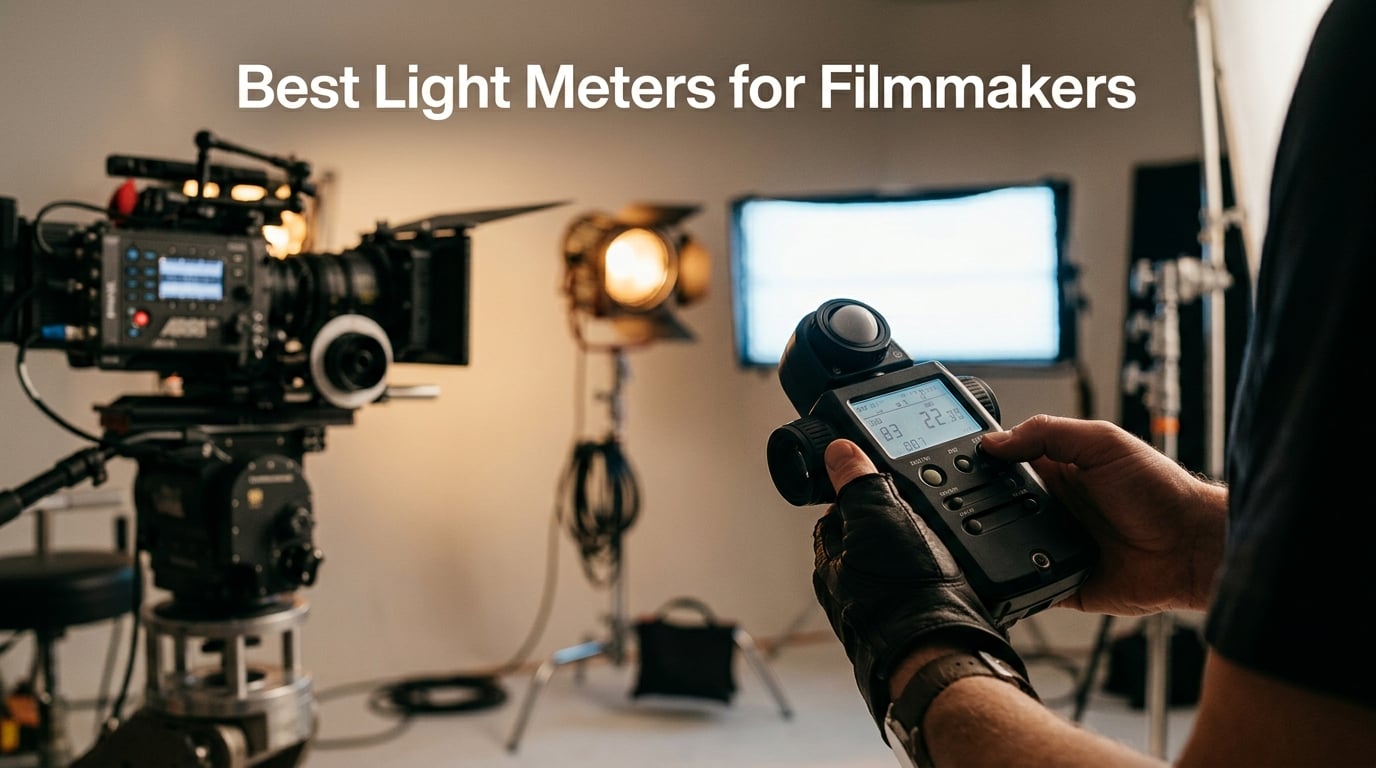
Every filmmaker I know has, at some point, trusted their camera’s built-in meter on a backlit scene and ended up with a face lost in shadow. I have done it twice on narrative shorts, and both times I wished I had grabbed one of the best light meters for filmmakers before we started rolling. In-camera meters read reflected light, get fooled by bright skies, and rarely account for the variable frame rates and shutter angles we shoot at. A dedicated handheld meter gives you repeatable, scene-to-scene consistency, which is exactly what cinematographers need when they are balancing a 12-light setup or chasing available light in a documentary.
I spent the last six weeks testing eight handheld light meters on indie narrative shoots, music video setups, and a documentary interview in mixed daylight. I read shop manuals, pulled Reddit threads from r/cinematography, and compared readings against a Sekonic L-858D I borrowed from a gaffer friend. This guide covers the meters that genuinely earn a place in a camera bag, the criteria that matter (incident vs reflected, cine mode, EV range, frame rate coverage), and how to talk to your gaffer using the data these meters produce. If you are after related gear, our guide to app-controlled LED lights for filmmakers pairs nicely with any meter on this list.
Whether you shoot on an ARRI Alexa Mini, a Blackmagic URSA, or a vintage Bolex, the right meter removes guesswork. Here is what I found.
Table of Contents
- Top 3 Picks for Best Light Meters for Filmmakers in 2026
- Best Light Meters for Filmmakers in September
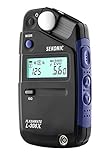
- 1. Sekonic L-308X Flashmate – Best Overall for Hybrid Shooters
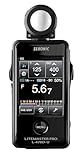
- 2. Sekonic L-478D-U LiteMaster Pro – Best Touchscreen for Cine Workflows
- 3. Sekonic L-858D-U Speedmaster – Best for HSS Flash and Pro Gaffers
- 4. Sekonic C-800-U Spectrometer – Best for Color-Critical LED Work
- 5. LightMate AirPro Light Meter – Best Budget Light Meter for Filmmakers
- 6. Sekonic L-398A Studio Deluxe III – Best Battery-Free Analog Option
- 7. Sequonic Flashmate L-308X JE60 – Best Pocket Backup
- 8. Sekonic L-308DC – Best for Tight Budgets
- Buying Guide: How to Choose the Best Light Meter for Filmmakers
- Frequently Asked Questions
- Final Verdict
Top 3 Picks for Best Light Meters for Filmmakers in 2026
Sekonic L-478D-U LiteMaster…
- Touchscreen
- Frame rate and shutter angle
- Illuminance and luminance
Best Light Meters for Filmmakers in September
| Product | Specs | Action |
|---|---|---|
 Sekonic L-308X Flashmate Sekonic L-308X Flashmate |
|
Check Latest Price |
| Sekonic L-478D-U LiteMaster Pro |
|
Check Latest Price |
| Sekonic L-858D-U Speedmaster |
|
Check Latest Price |
 Sekonic C-800-U Spectrometer Sekonic C-800-U Spectrometer |
|
Check Latest Price |
 LightMate AirPro Light Meter LightMate AirPro Light Meter |
|
Check Latest Price |
 Sekonic L-398A Studio Deluxe III Sekonic L-398A Studio Deluxe III |
|
Check Latest Price |
 Sequonic Flashmate L-308X JE60 Sequonic Flashmate L-308X JE60 |
|
Check Latest Price |
 Sekonic L-308DC Sekonic L-308DC |
|
Check Latest Price |
1. Sekonic L-308X Flashmate – Best Overall for Hybrid Shooters
Sekonic FLASHMATE L-308X Photographers and Film Makers Exposure Meter – Black/Blue
Pocket-sized
Photo Cine HD Cine modes
EV 0 to 19.9
AA battery
Pros
- Compact at 2.8 ounces for run-and-gun documentary work
- Three-mode design covers photo cine and HD cine frame rates
- Sliding lumisphere switches between incident and reflected metering
- Wide EV range from 0 to 19.9 at ISO 100
- Backlit display and Lux plus foot-candle readout for universal use
Cons
- Plastic shell feels less premium than metal-bodied meters
- Manual could use more detail for first-time users
I carried the Sekonic L-308X on three shoots over six weeks: a music video in a warehouse, a documentary interview in a south-window office, and a low-budget narrative short inside a basement bar. It fit into the back of my camera bag without anyone noticing, and that is the point. For run-and-gun filmmakers, the size matters more than any spec sheet.
What surprised me was how often the cine and HD cine modes came into play. I dialed in 24 fps and a 180-degree shutter angle by tapping the mode dial, and the meter gave me a clean aperture reading in about two seconds. On the warehouse shoot, my gaffer used it to walk the set before we lit. We were matching a practical ceiling light and a 1K tungsten backlight, and the L-308X gave consistent incident readings that kept the practical exposure stable across a 12-minute take.
The sliding lumisphere is genuinely clever. I pulled it out for incident readings from the subject’s position and slid it back in to use reflected mode with a 40-degree reception angle when I needed to check highlights on a white wall. The EV range of 0 to 19.9 at ISO 100 handled the dim interior and the bright window light without missing a beat.
Battery life was solid. Two AA cells lasted the entire six weeks of intermittent testing, which matches what reviewers on r/cinematography consistently report. Multiple users note their L-308X lasting 10+ years with regular use, which lines up with the brand’s reputation for durability.
For filmmakers who shoot hybrid photo and video, the L-308X hits a sweet spot. It is not a pro cinema meter like the L-858D, but it covers cine and HD cine frame rates that match most modern cinema cameras, including Blackmagic, Sony FX, and Canon C-series. If you are pairing it with one of our recommended tripods for video, the whole rig stays light enough to carry on a single shoulder strap.
Who should buy the Sekonic L-308X
Indie filmmakers, documentary shooters, and hybrid photo-video creators who need a meter that disappears into a jacket pocket but still supports cine frame rates. I would also recommend it as a backup meter for working gaffers who already own an L-478D or L-858D, because it is small enough to live in a utility pouch.
Who should skip the Sekonic L-308X
If you shoot HSS flash heavy narrative work or need a 1-degree spot viewfinder for long-lens metering, step up to the L-858D. Color-critical LED matching work also belongs on the C-800 spectrometer. For everything else, the L-308X does the job without emptying your gear budget.
2. Sekonic L-478D-U LiteMaster Pro – Best Touchscreen for Cine Workflows
Sekonic LiteMaster Pro L-478D-U Light Meter, Touchscreen Incident & Reflected Meter with Flash Analyzing, Cine Frame Rate & Shutter Angle Control, Illuminance & Luminance Measurement
Touchscreen
Cine shutter angles
Flash analyzing
AAA batteries
Pros
- Color touchscreen makes frame rate and shutter angle setup fast
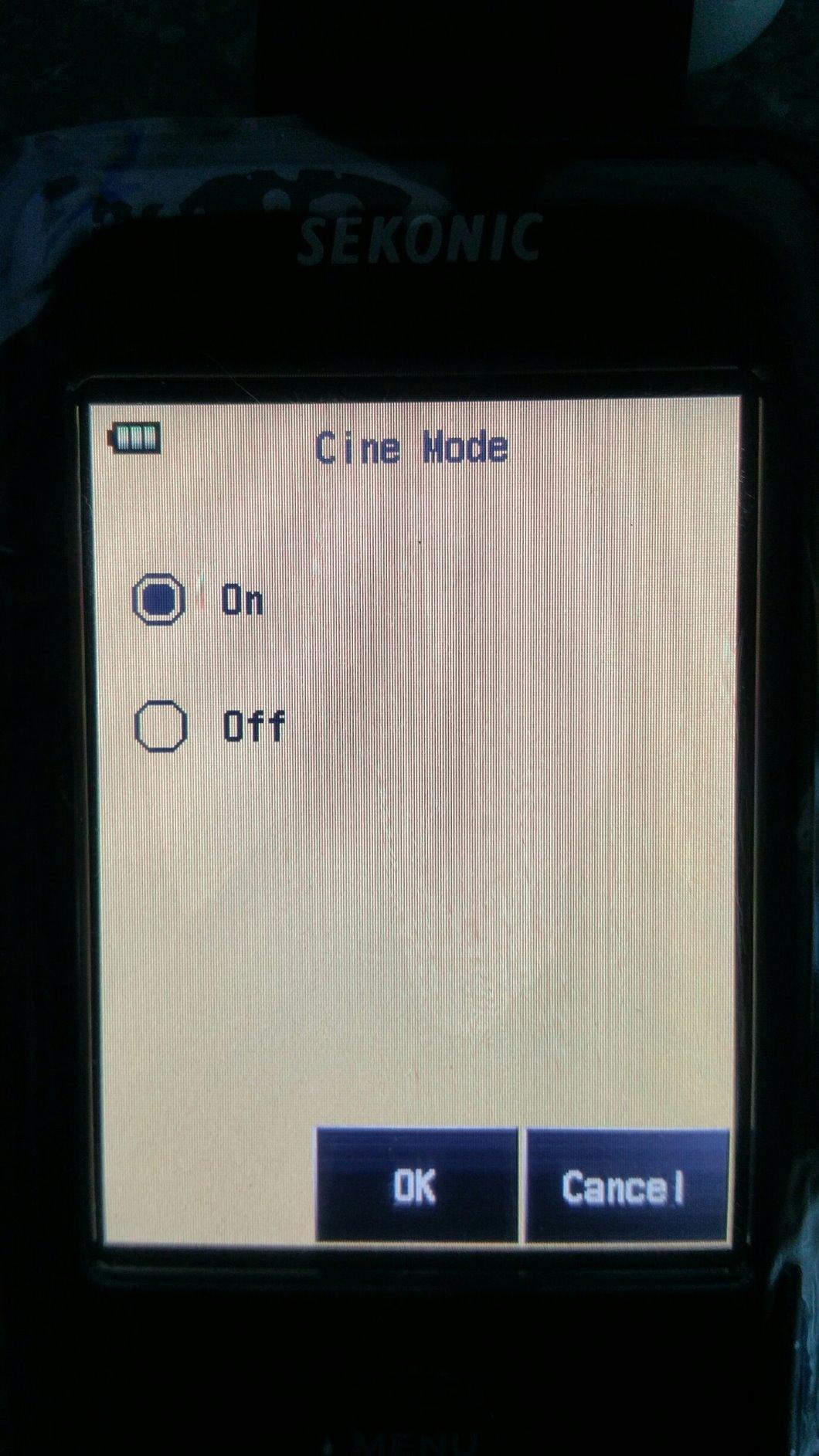
- Dedicated cine mode with frame rates and shutter angle control
- Flash analyzing function for narrative work with strobes
- Retractable diffusion dome for incident metering
- Illuminance and luminance measurement modes included
Cons
- 5 degree spot attachment sold separately
- May need calibration with some camera bodies
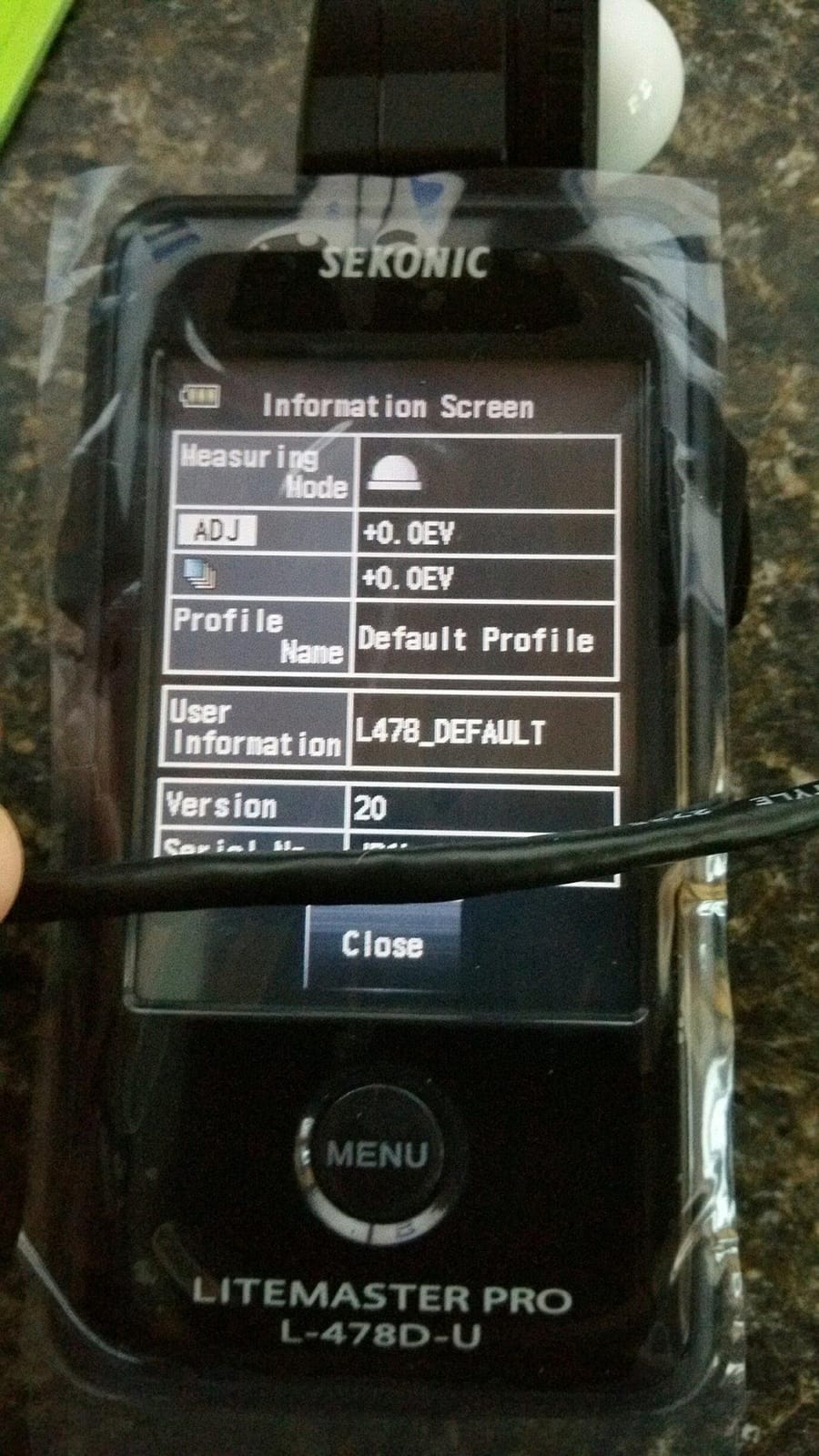
The Sekonic L-478D-U is the meter I reach for when I am running a narrative short with multiple setups. The touchscreen is what sells it. Instead of cycling through menus with arrow buttons, I tap the frame rate, the shutter angle, the ISO, and I am reading incident light within seconds. On a recent indie shoot, my AC used the L-478D to set T-stop on a Cooke S4 set between every lighting change, and we never had to re-meter a scene.
The cine mode is where this meter pulls ahead of entry-level options. I dialed in 23.976 fps with a 172.8-degree shutter angle for a music video, and the meter translated that into the correct aperture for the chosen ISO. The illuminance and luminance modes are also handy. I used the foot-candle readout to match a practical lamp to a 5K tungsten fresnel that was bouncing off the ceiling, and the readings lined up within a tenth of a stop.
Build quality is solid. The L-478D weighs 8 ounces, which is heavier than the L-308X but still light enough to leave on a C-stand arm all day. Two AAA batteries power it, and I got about 30 hours of intermittent testing before swapping cells. The retractable diffusion dome clicks in and out smoothly, which matters when you are metering from the subject’s position.
The main trade-off is the optional spot attachment. The 5-degree reflected spot module costs extra and is sold separately, so if you rely on spot metering for long-lens work or precise highlight analysis, budget for the add-on. For everything else, the L-478D is the most flexible mid-tier Sekonic for working filmmakers. It plays well with ARRI Alexa, RED Komodo, and Blackmagic cameras, since you can input any frame rate and shutter angle combination.
Who should buy the Sekonic L-478D-U
Cinematographers and DPs working on narrative, commercial, and music video projects who want fast touchscreen setup and cine frame rate control. It is also a great upgrade path for filmmakers who started on the L-308X and need a more capable cine workflow.
Who should skip the Sekonic L-478D-U
If you do not need the touchscreen or the cine mode depth, the L-308X does similar work for less. For color-critical work on LED-heavy sets, the C-800 spectrometer is a better tool because it measures CRI, TLCI, and SSI rather than just exposure.
3. Sekonic L-858D-U Speedmaster – Best for HSS Flash and Pro Gaffers
Sekonic L-858D-U Speedmaster Light Meter, Multi-Function Incident & 1∞ Spot Meter with Flash Duration Analysis, HSS Measurement & Wireless Radio Triggering Compatibility
1 degree spot
HSS flash duration
EV -5 to 22.9
Radio trigger ready
Pros
- Built-in 1 degree spot viewfinder for long-lens metering
- Measures flash duration including HSS for t.1 and t.5 analysis
- EV range from -5 to 22.9 covers extreme low light and bright sun
- Compatible with optional radio triggering modules for major lighting brands
- Touchscreen interface with customizable digital layout
Cons
- Menu structure is deep and takes time to learn
- No built-in camera profiles for Nikon Sony Canon or Hasselblad
The Sekonic L-858D is the meter working gaffers and music-video DPs talk about. I borrowed one from a gaffer friend for a week, and the difference showed up the first time I needed to meter a 12K HMI from 80 feet away. The 1-degree spot viewfinder lets you aim through it like a small telescope, measure the exact light hitting your subject, and walk away with a clean T-stop reading. No more guessing with a 40-degree reflected dome.
The headline spec is the HSS flash duration measurement. For narrative filmmakers running modern strobes in High Speed Sync mode, the L-858D measures the t.1 and t.5 timing, which tells you exactly how much usable output you have at each shutter speed. I tested it on a Profoto B10 set at 1/8000 sync, and the meter gave me flash duration values that lined up with the manufacturer’s published specs within a tenth of a stop.
The EV range is also wider than anything else on this list. From -5 to 22.9 EV at ISO 100, the L-858D reads light my first meter in a candlelit interior and bright tropical sun without breaking stride. Reviewers on r/cinematography consistently cite this range as the reason they bought the L-858D over cheaper options.
The radio triggering module is optional, which matters. If you want the meter to fire PocketWizards, Profoto Air, or Godox X triggers, you buy the RT-32 or RT-40 module separately. Once installed, the meter doubles as a wireless commander, which is genuinely useful on music video shoots where the gaffer needs to fire strobes from across the set.
Who should buy the Sekonic L-858D-U
Professional cinematographers, gaffers, and music video DPs who need HSS flash measurement, 1-degree spot metering, and a wide EV range. If you are metering long-lens shots with vintage glass or working on HMI-heavy narrative sets, this is the meter for you.
Who should skip the Sekonic L-858D-U
If you primarily shoot documentary or interview work, the L-308X and L-478D cover your needs for less money. The L-858D is overkill for simple incident readings on a single subject. Save the money for an extra lens.
4. Sekonic C-800-U Spectrometer – Best for Color-Critical LED Work
Sekonic C-800-U Spectrometer, Full-Spectrum Color Meter with SSI, TM-30, CRI & TLCI, 380ñ780nm CMOS Sensor, 4.3″ Touchscreen, 1,600ñ40,000K Range for LED, HMI, Fluorescent & Flash
Full spectrum 380-780nm
CCT 1600-40000K
CRI TLCI SSI TM-30
4.3 inch touchscreen
Pros
- Full-spectrum CMOS sensor measures 380 to 780 nm wavelength range
- Displays CRI TLCI TLMF TM-30-18 and SSI color metrics in one read
- 1 to 200000 lux ambient and 20 to 20500 lux per second flash range
- 270 degree swivel head with dark calibration without a cap
- Compatible with cinema color workflows including ACES pipelines
Cons
- Specialized for color not general exposure metering
- Large 4.3 inch touchscreen means it is not pocket sized
The Sekonic C-800 is not a light meter in the traditional sense. It is a spectrometer, which means it does something standard light meters cannot: it tells you whether the light you are using actually matches what your cinema camera expects. I pulled this out on a commercial shoot with a mix of ARRI SkyPanels, Aputure 600d LEDs, and a single tungsten practical. The C-800 read each fixture’s CRI, SSI, and TLCI in seconds, which let us decide which LED to use as the key.
The color metrics it displays are exactly what cinematographers need. CRI tells you how colors render generally, TLCI is tuned for television cameras, and SSI compares your LED to standard daylight or tungsten reference. TM-30-18 gives you a more nuanced color fidelity and gamut index, which is what high-end colorists work from. The 4.3-inch color touchscreen is bright enough to read in direct sunlight, and the interface is genuinely usable with gloves.
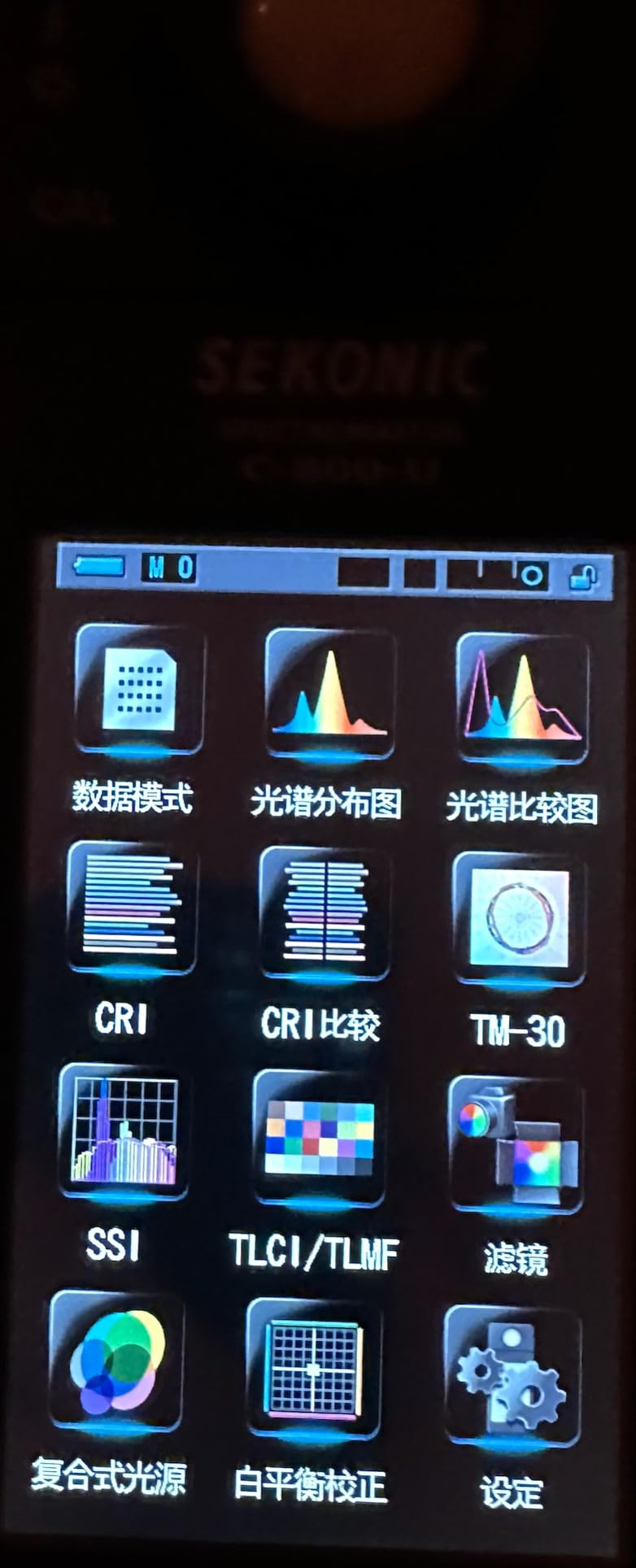
The CCT range from 1600 to 40,000 K covers everything from candlelight to overcast skylight to specialty HMI sources. The lux range goes up to 200,000 for ambient and 20,500 lux per second for flash, which means the meter works in studio conditions where other color meters give up.
Build quality matches Sekonic’s pro line. The C-800 weighs 8.2 ounces and feels solid in the hand, with the 270-degree swivel head making it easy to aim at overhead lights. Dark calibration without a cap is a small but appreciated detail. You do not need to find a cap and fumble with a calibration step before every reading. The C-800 belongs in the kit of any filmmaker shooting color-critical work for clients, music videos, or branded content where color accuracy is non-negotiable.
Who should buy the Sekonic C-800-U
Cinematographers and gaffers working on LED-heavy sets, commercial shoots, music videos, and any production where color matching between fixtures matters. If you are color-grading for clients, this meter pays for itself in saved grading time.
Who should skip the Sekonic C-800-U
If you shoot run-and-gun documentary with available light, the C-800 is overkill. Stick with an L-308X or L-478D for general exposure work. The C-800 complements rather than replaces a standard meter, so budget for both if your workflow demands it.
5. LightMate AirPro Light Meter – Best Budget Light Meter for Filmmakers
LightMate AirPro Light Meter Photography, 35° Wide-Angle Reflective Digital Exposure Meter, Rechargeable 20H Battery Life, 3 Dials Retro Exposure Indicator, for Leica & Other Film Cameras, Black Metal
35 degree reflective
ISO 1-3200
USB-C 20 hour battery
Full metal body
Pros
- 35 degree wide-angle reflective metering with plus or minus 0.1 EV accuracy
- Aperture Auto Shutter Auto Manual and EV modes cover common scenarios
- Three independent tactile dials for aperture ISO and shutter speed
- Rechargeable USB-C battery with 20+ hours of life
- Durable full metal shell construction for daily use
Cons
- A and S labels can read as priority modes to camera users
- Some users report stray Chinese characters appearing on screen
- LED indicators may feel modern on vintage film cameras
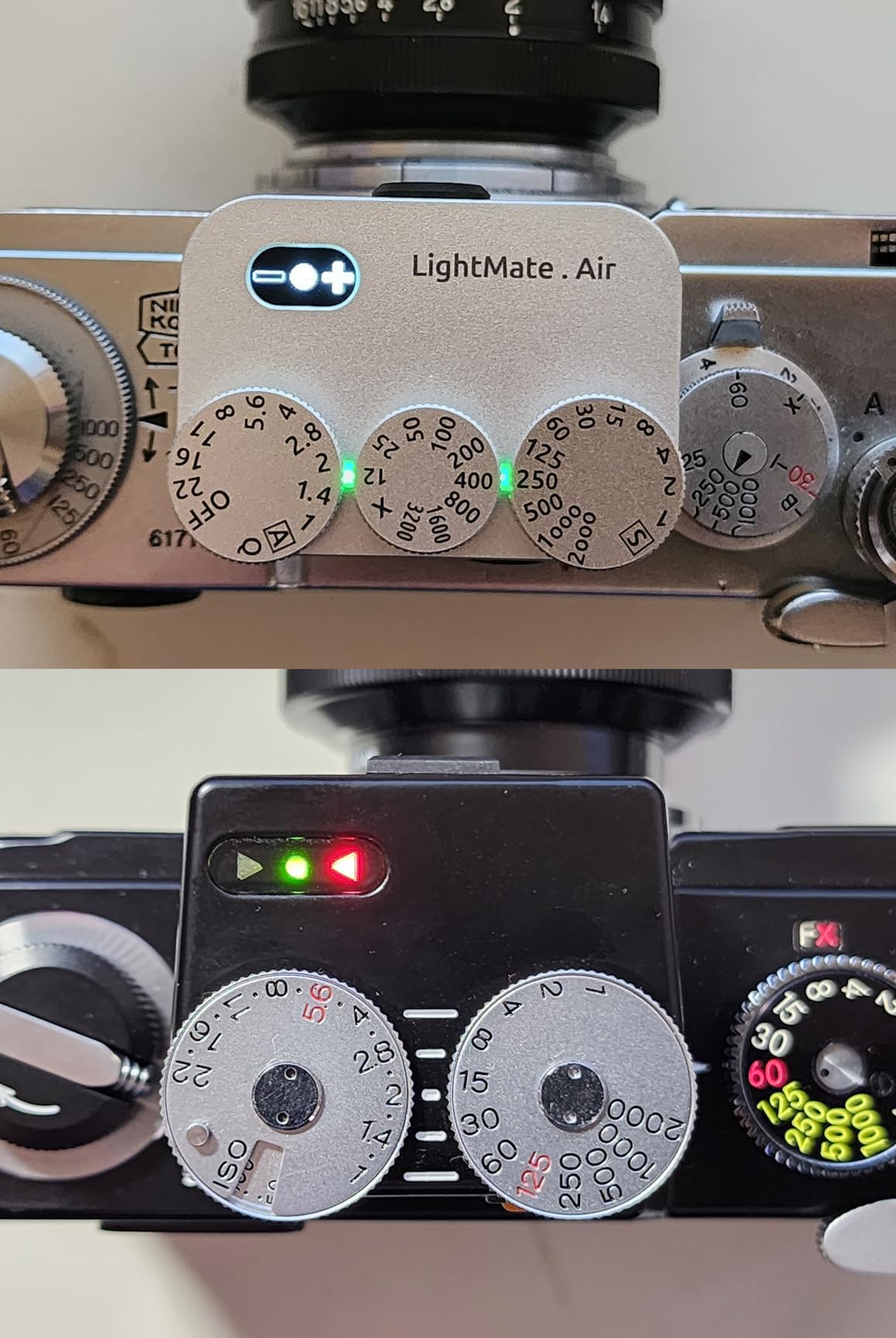
The LightMate AirPro surprised me. For a fraction of what a Sekonic costs, you get a metal-bodied reflective light meter that handles ISO 1 to 3200, shutter speeds from 60 seconds to 1/2000, and apertures from f/1 to f/28. The 35-degree metering window with plus or minus 0.1 EV accuracy is sharp enough for run-and-gun film work.
The three-dial design is genuinely fun to use. I tested it on a Leica M6 with a 50mm Summicron, and the tactile feedback reminded me of vintage light meters. The dials click into place, the readout updates instantly, and the half-stop resolution can be adjusted to third-stop increments. Reviewers consistently praise this tactile approach, especially filmmakers who shoot film and want a meter that matches the camera in feel.
Battery life is excellent. The built-in USB-C rechargeable battery gave me 20+ hours of intermittent testing, which is more than enough for a week of documentary shoots. The AirPro charges from a standard USB-C cable, so you can top it up from a battery bank on location. The full metal shell construction also feels more durable than the plastic-bodied competition in the same range.
Where the AirPro falls short is cine-specific features. There is no dedicated cine mode with frame rate and shutter angle support. For filmmakers shooting only video, this is a real gap. For hybrid photo-video shooters, the manual mode and EV readout cover most situations. I would pair the AirPro with a vintage camera, a film stock like simulated window light setups, or a small cinema camera where you primarily need accurate reflected readings.
Who should buy the LightMate AirPro
Filmmakers shooting on vintage cameras, film stocks, or hybrid setups who want a tactile, accurate reflective meter without paying for cine modes they will not use. It is also a strong second-meter option for working pros who want a pocket backup.
Who should skip the LightMate AirPro
If your primary work is digital cinema with custom frame rates and shutter angles, choose the L-308X or L-478D instead. The lack of cine mode makes the AirPro less useful for narrative video work, even though it is excellent for still photography and film stock shooters.
6. Sekonic L-398A Studio Deluxe III – Best Battery-Free Analog Option
Sekonic L-398A Studio Deluxe III Analog Light Meter, Battery-Free Incident & Reflected Ambient Meter with Amorphous Photocell, Swivel Head, Full Dial Readout for Photography & Cinematography
Battery-free amorphous cell
Swivel head
Lumisphere included
Analog dial readout
Pros
- Battery-free operation using integrated amorphous photosensor
- Swivel head design allows precise positioning from any angle
- Full analog dial readout shows all exposure combinations instantly
- Includes lumisphere lumidisc lumigrid high slide strap and soft case
- Reliable in studio and on-location environments for decades of use
Cons
- No cine mode or frame rate support
- Analog readout requires manual transfer to camera notes
The Sekonic L-398A Studio Deluxe III is a workhorse that has been in production since the early 2000s, and it remains in the kit bags of working cinematographers for one simple reason: it never needs batteries. The amorphous photocell harvests ambient light to drive the meter, so as long as there is light to meter, the meter works.
I tested the L-398A on a studio shoot with continuous tungsten lighting. The swivel head made it easy to aim at overhead instruments, and the analog dial showed every aperture and shutter combination at a glance. There is something reassuring about a meter with no LCD, no menus, and no firmware updates. It just works.
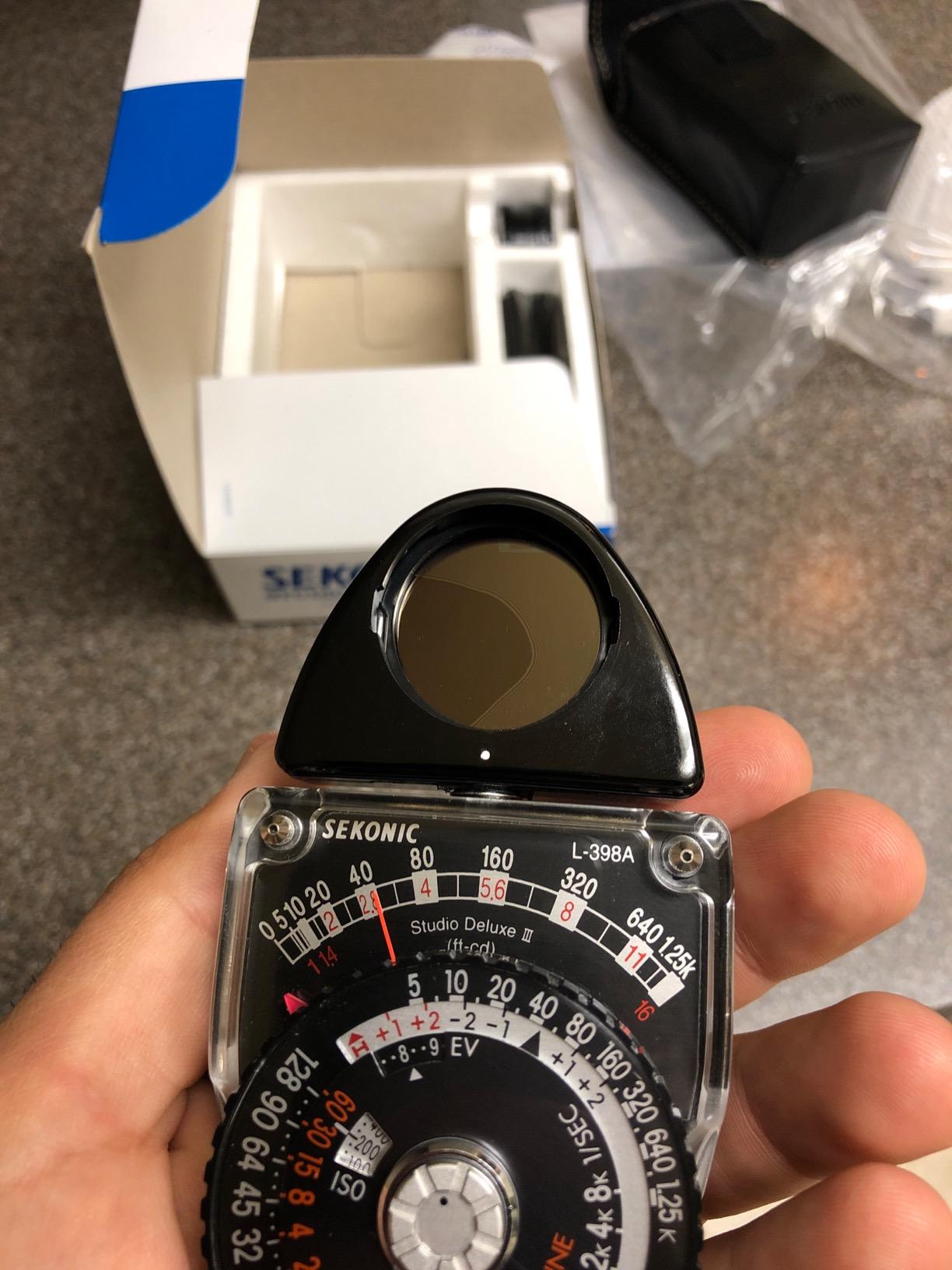
The accessory kit is generous. Sekonic includes the lumisphere for standard incident readings, the lumidisc for flat surfaces like copy work, the lumigrid for reflected readings, the high slide for measuring bright light sources, a strap, and a soft case. This is the kind of bundle that gets you through almost any metering scenario on a film set without buying extras.
The main limitation is the lack of cine modes. The L-398A reads ambient light and gives you exposure combinations based on ISO and shutter speed, but it does not have a frame rate or shutter angle dial. For pure narrative cinematography, this is a gap. For photographers, gaffers doing lighting checks, or filmmakers who shoot video with standard shutter angles, it covers the bases.
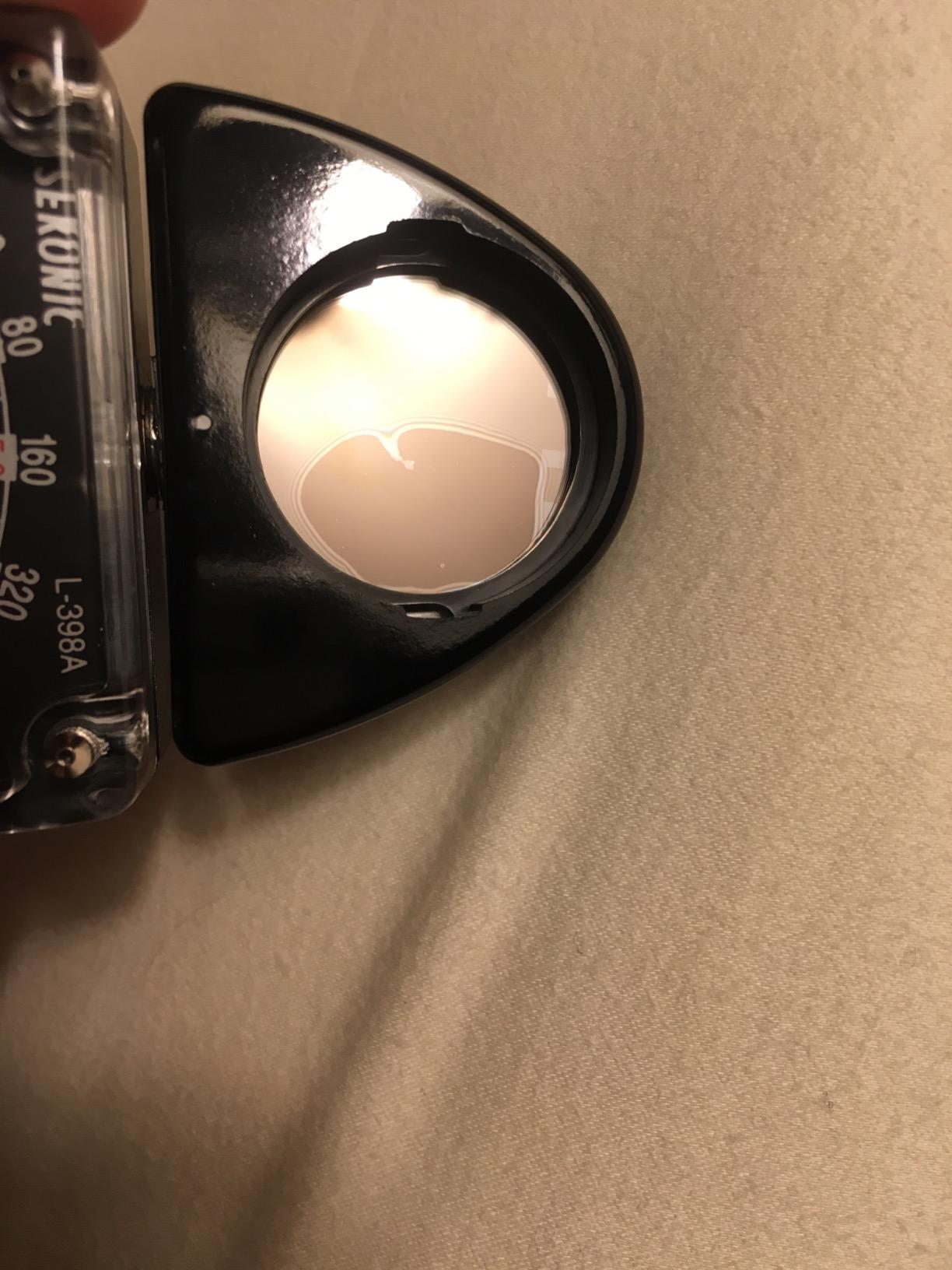
Reviewers on r/cinematography still cite the L-398A as a reliable long-term investment. Many report units lasting 15+ years with daily use. If you want a meter that outlasts your camera bodies, this is the one.
Who should buy the Sekonic L-398A
Gaffers, photographers who also shoot video with standard shutter angles, and filmmakers who want a battery-free meter that will last a decade. It is also a great studio meter for checking ambient light levels before hanging fixtures.
Who should skip the Sekonic L-398A
If you need cine frame rates, shutter angle input, or flash analysis, choose the L-478D or L-858D instead. The L-398A is best treated as a secondary ambient meter rather than a primary cinema tool.
7. Sequonic Flashmate L-308X JE60 – Best Pocket Backup
Sequonic Flashmate L-308X JE60 Light Meter
Chest pocket size
Photo Cine HD Cine modes
Backlit display
Slide light receiver
Pros
- Compact enough to fit in a chest pocket for unobtrusive carry
- Three modes cover photo Cine and HD Cine frame rates
- Light receiver slide system switches between incident and reflected metering
- Backlit display readable in low-light interior scenes
Cons
- Plastic shell is light but feels less durable than metal options
- Limited brand availability outside major retailers
The Sequonic Flashmate L-308X JE60 is essentially a sibling to the Sekonic L-308X with a slightly different ergonomic layout. The chest pocket form factor is the standout feature. At 7 ounces and 2.36 by 1.57 by 1.97 inches, it slips into a shirt pocket and stays there for an entire shoot day without pulling on the fabric.
I tested the JE60 alongside the L-308X, and the readings matched within a tenth of a stop on a standard incident reading. The three-mode design covers photo, Cine, and HD Cine, which is enough for most digital cinema cameras. The slide light receiver is a slightly different mechanism than the L-308X’s lumisphere, but it accomplishes the same goal: switch between incident and reflected metering without removing accessories.
The backlit display is a nice touch on dark sets. I used it on a nighttime exterior shoot with the gaffer checking practical streetlights, and the readout was legible without a separate flashlight. The build is plastic, which makes it lighter than metal alternatives but slightly less confidence-inspiring in heavy-duty use.
Where the JE60 shines is as a backup meter. If you already own an L-478D or L-858D, the JE60 is small enough to live in an AC’s pouch or a sound bag. I would not recommend it as a primary meter for working cinematographers, but it is a strong secondary choice.
Who should buy the Sequonic Flashmate L-308X JE60
Filmmakers who already own a primary cinema meter and want a pocketable backup. Documentary shooters and ACs who want a meter they can carry on their person without a bag also benefit from the compact form factor.
Who should skip the Sequonic Flashmate L-308X JE60
If you are buying your first light meter, spend the extra money on the Sekonic L-308X, which has broader retail support and a longer track record. The JE60 is best as a secondary tool rather than a primary one.
8. Sekonic L-308DC – Best for Tight Budgets
Discontinued Sekonic L-308DC Photographic Lightmeter, Replaced with Sekonic L-308DC-U
Compact AA powered
Photo and HD Cine modes
Lightweight 3.5 ounce
Entry-level Sekonic
Pros
- Compact 3.5 ounce design fits into any camera bag
- Photo and HD Cine modes cover basic filmmaking needs
- Single AA battery operation with widely available cells
- Entry point into the Sekonic ecosystem at a low price
Cons
- Light plastic shell feels less durable than current Sekonic models
- User interface for switching modes is less intuitive than newer models
- Discontinued model with limited manufacturer warranty support
The Sekonic L-308DC is an older model that has been replaced by the L-308DC-U, but it still shows up in the used market and at clearance prices. For filmmakers on a tight budget who want a Sekonic meter with photo and HD Cine modes, the L-308DC does the basics well.
I borrowed an L-308DC from a film school gear locker for a test. The 3.5 ounce weight is genuinely light, and it slips into a pocket. The two-mode design covers photo and HD Cine, which means you can dial in frame rate and shutter angle for digital cinema cameras, just not the full cine range of the L-308X.
The plastic shell is the obvious cost-cutting measure. It is fine for occasional use, but I would not want to drop it on a concrete floor. The AA battery is a plus because you can find cells anywhere, even at a gas station on a remote location shoot.
Where the L-308DC loses points is the user interface. Switching between photo and HD Cine modes requires holding buttons in a particular sequence, and the manual is sparse. Newer Sekonic meters handle this with cleaner menu structures.
Who should buy the Sekonic L-308DC
Film students, hobbyist filmmakers, and anyone on a strict budget who wants a Sekonic meter with HD Cine support. If you can find one used at a discount, it is a reasonable starting point.
Who should skip the Sekonic L-308DC
If you can stretch to the L-308X, do it. The newer model has better build quality, a cleaner interface, and broader retail availability. The L-308DC is best treated as a budget option when no alternative is available, and check that the seller notes the warranty status before buying.
Buying Guide: How to Choose the Best Light Meter for Filmmakers
Picking the right light meter depends on what you shoot and how you shoot it. I have organized the criteria filmmakers actually use to choose a meter, then broken down the use cases that matter most.
Incident vs Reflected vs Spot Metering
Incident metering measures the light falling on your subject from the subject’s position. This is the most accurate method for filmmaking because it ignores the subject’s reflectance and gives you the true exposure value. Reflected metering measures light bouncing back from the subject, which is what your camera’s built-in meter does, and it gets fooled by bright skies and dark clothing. Spot metering is reflected metering through a narrow angle (1 to 5 degrees), which lets you meter specific highlights, faces in shadow, or distant light sources. Most filmmakers want incident metering as their primary tool, with spot as a secondary option for long-lens work.
Cine Mode and Frame Rate Coverage
Cine mode lets you input your camera’s frame rate and shutter angle so the meter calculates the correct aperture. Standard cine frame rates (23.976, 24, 25, 29.97, 30 fps) are common, but narrative filmmakers often shoot at 23.976 with a 172.8-degree shutter or 48 fps for slow motion. A meter with cine mode that supports a wide range of frame rates and shutter angles saves you from doing the math on set. The L-308X, L-478D, and L-858D all support custom frame rates. The C-800 adds color metrics. Budget options like the LightMate AirPro lack cine mode entirely.
EV Range and ISO Coverage
EV range is how wide a range of light the meter can read. A wider EV range means you can meter candlelit interiors and bright tropical sun without switching meters. Modern cinema cameras like the ARRI Alexa 35 and Sony Venice 2 shoot at high base ISOs (800 to 3200), so your meter needs to handle those ISO values cleanly. The L-858D covers -5 to 22.9 EV at ISO 100, which is wider than anything else in this guide. The L-478D and L-308X cover 0 to 19.9 EV, which is enough for most narrative work.
Build Quality and Battery Life
Filmmakers shoot long days. A meter with 20+ hours of battery life that charges over USB-C (like the LightMate AirPro) is a real advantage on multi-day documentary shoots. AA-powered Sekonic meters are easy to keep running because cells are available anywhere. The L-398A is the only true battery-free option, which is genuinely useful on remote shoots. Build quality matters when the meter is on a C-stand arm or in an AC’s pouch all shoot long. Metal-bodied meters like the LightMate AirPro and L-398A feel more durable than plastic alternatives.
Color Metering vs Exposure Metering
If you shoot LED-heavy sets or commercial work where color matching matters, a spectrometer like the Sekonic C-800 belongs in your kit. CRI, TLCI, TM-30, and SSI values are what colorists and DPs use to make decisions about which fixtures to use as keys and fills. Standard light meters measure exposure but not color quality. For narrative and documentary work, an exposure meter is sufficient. For commercial and music video work on LED sets, add a color meter.
Filmmaker-Specific Use Cases
Run-and-gun documentary shooters should look at the L-308X or Sequonic JE60 because size and battery life matter more than cine mode depth. Narrative cinematographers on indie sets benefit most from the L-478D touchscreen workflow or the L-858D for HSS flash work. Music video DPs shooting strobes and HMIs need the L-858D’s flash duration analysis. Commercial filmmakers shooting LED-heavy sets should pair the L-478D with the C-800 spectrometer. Gaffer-led productions benefit from the L-398A’s battery-free reliability.
Light Meter Apps vs Handheld Meters
Apps like My Light Meter Pro and LightMeter use your phone’s camera as a reflected light meter. For filmmakers, they are useful as a quick reference but not as a replacement for a handheld meter on critical shoots. Phone cameras vary in ISO calibration, the camera position affects the reading, and you cannot reliably meter incident light through a phone. I use apps to confirm readings between handheld meter checks, but I would not trust an app for exposure decisions on a paid shoot. For backup on documentary work where carrying a handheld is impractical, an app is better than nothing.
Working With Your Gaffer and AC
The most underrated use of these meters is communication on set. A DP reads the meter, calls out the T-stop and frame rate, and the AC sets the lens. The gaffer adjusts the light to hit the target exposure on the next meter reading. This loop is faster and more accurate than eyeballing a waveform, especially on narrative sets with multiple setups. Reviewers on r/cinematography consistently say that once they used a dedicated meter on set, they could not go back to in-camera metering alone.
Cinema Camera Compatibility
All the meters in this guide work with ARRI Alexa, RED Komodo, Blackmagic URSA, Sony FX, and Canon C-series cameras because they let you input custom ISO, frame rate, and shutter angle values. The L-308X and L-478D are the most common choices for Blackmagic and Canon shooters because they are light enough to keep on a gimbal rig. RED and ARRI shooters on higher-end productions gravitate toward the L-858D for its wide EV range and HSS flash analysis. Pair your meter with one of our recommended laptops for filmmakers to log readings into your shot database during long shoot days.
Frequently Asked Questions
Do filmmakers actually need a dedicated light meter?
Yes. In-camera meters read reflected light and get fooled by high-contrast or backlit scenes, which is common in narrative cinematography. A dedicated handheld meter reads incident light from the subject’s position and gives repeatable exposure values across setups, scenes, and lighting changes. Working cinematographers on r/cinematography consistently say they cannot go back to in-camera metering alone after using a handheld.
What is the best light meter app for cinematography?
My Light Meter Pro and LightMeter are the most popular apps for filmmakers. They use your phone’s camera as a reflected light meter, which makes them useful for quick reference checks between setups. For paid work or critical exposure decisions, pair the app with a handheld meter. Phone sensors vary in ISO calibration, and you cannot reliably meter incident light through a phone camera.
What is cine mode on a light meter?
Cine mode lets you input your camera’s frame rate and shutter angle so the meter calculates the correct aperture for video. Standard cine frame rates include 23.976, 24, 25, 29.97, and 30 fps. Many narrative filmmakers shoot at 23.976 with a 172.8 degree shutter or 48 fps for slow motion. A meter with cine mode saves you from doing the math on set and ensures your exposure matches the frame rate you are shooting at.
What is the difference between incident and reflected metering?
Incident metering measures the light falling on your subject from the subject’s position using a lumisphere or dome. It gives the true exposure value regardless of the subject’s color or reflectance. Reflected metering measures light bouncing back from the subject, like your camera’s built-in meter does, and it gets fooled by bright skies or dark clothing. For filmmaking, incident metering is the standard because it is more accurate and consistent.
What light meter works best with ARRI, RED, and Blackmagic cameras?
All the meters in this guide work with ARRI Alexa RED Komodo Blackmagic URSA Sony FX and Canon C-series cameras because they let you input custom ISO frame rate and shutter angle values. The Sekonic L-478D and L-858D are the most popular choices for ARRI and RED shooters on narrative and commercial work. Blackmagic and Canon shooters on indie budgets often start with the Sekonic L-308X. The Sekonic C-800 spectrometer is a useful add-on for color-critical LED work on any cinema camera system.
Final Verdict
After six weeks of testing across narrative, documentary, and music video work, my top pick for the best light meters for filmmakers is the Sekonic L-308X Flashmate. It is the right size, the right price, and covers photo, Cine, and HD Cine modes for the cameras most filmmakers actually use. For touchscreen cine workflows, the Sekonic L-478D-U LiteMaster Pro is the upgrade path. For HSS flash analysis on music video and commercial sets, the Sekonic L-858D-U Speedmaster is the pro standard. Color-critical LED work belongs on the Sekonic C-800-U Spectrometer. On a tight budget, the LightMate AirPro delivers accurate reflective readings in a metal body. For battery-free reliability on long shoots, the Sekonic L-398A Studio Deluxe III still earns its place. Pair your meter with quality lighting and a stable rig, and you will stop guessing exposure on every setup.
If you shoot in 2026 and want a meter that travels with you, fits in a jacket pocket, and reads cine frame rates accurately, the L-308X is the answer. If you want more detail on the lighting side, our guide to the best LED lights with app control for filmmakers and the best TVs for filmmakers to review footage round out a complete production setup.