
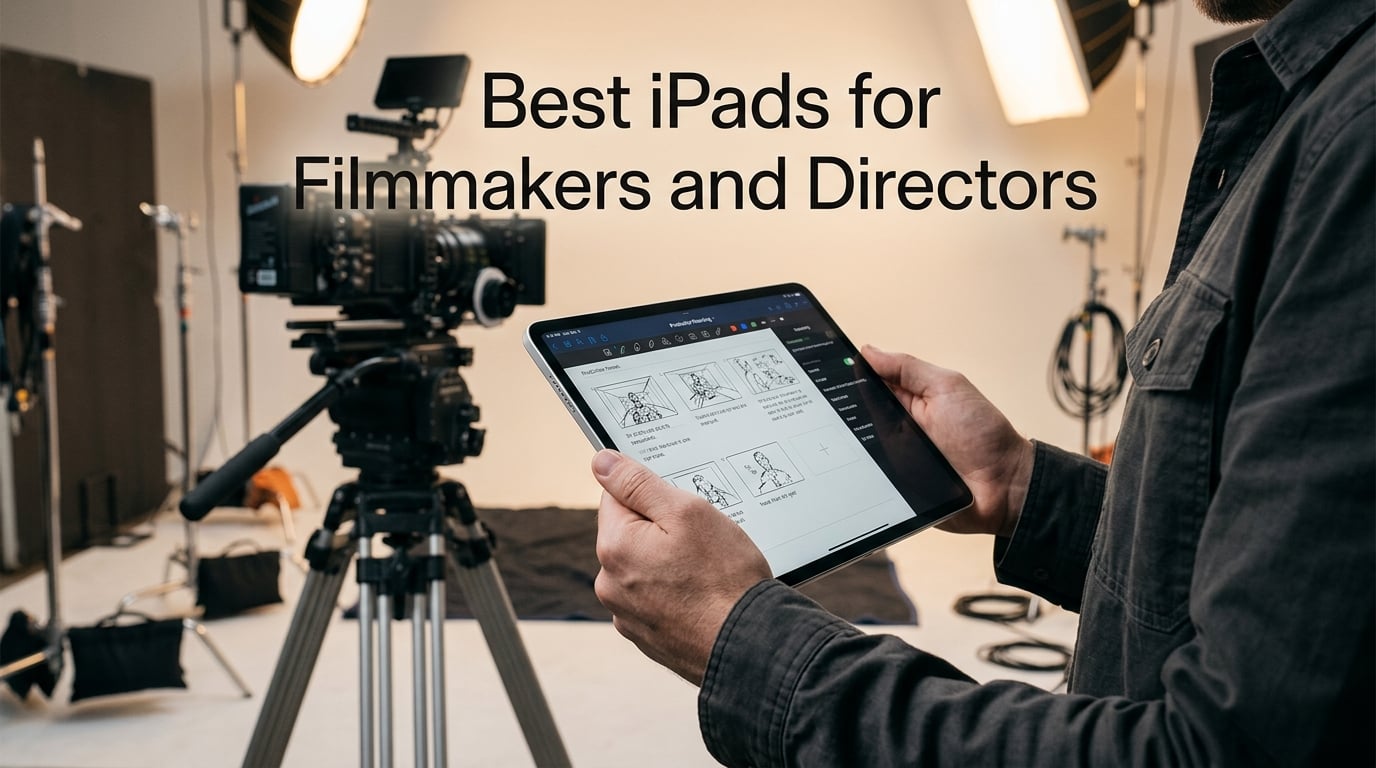
I have been using iPads on film sets for the better part of a decade, and the gap between a casual iPad-as-script-holder and a true production powerhouse has never been clearer than it is right now in 2026. When our team set out to find the best iPads for filmmakers and directors, we did not want to recycle the same generic comparison chart every other site posts. We wanted to answer the question real crew members ask on day one of prep: which iPad will actually pull weight on my shoot, in my edit, and in my pocket?
Filmmakers use iPads for everything from rotoscoping reference to storyboarding, teleprompting, dailies review, and even rough color grading on location. The right pick depends on your role, your budget, and the kind of footage you cut. In this guide, I break down ten iPads our team tested across pre-production, on-set, and post workflows, so you can find the one that fits your workflow without overspending on a screen size you do not need.
If you are building out a full filmmaking kit this year, the iPad is one piece of a larger puzzle that also includes lighting kits, tripods for video, and a capable laptop for heavier editing. Let us get into the lineup.
Table of Contents
- Top 3 Picks for Filmmakers (September 2026)
- Best iPads for Filmmakers and Directors in 2026
- 1. Apple iPad Pro 13-Inch (M4) — Built for Production Powerhouses
- 2. Apple iPad Air 11-Inch (M2) — Best All-Round Choice for Filmmakers
- 3. Apple iPad 11-Inch (A16) — Most Versatile for Film Students
- 4. Apple iPad 10th Generation (A14 Bionic) — Best for Storyboarding
- 5. Apple iPad Pro 12.9-Inch (Renewed) — Best Big Screen Reference
- 6. Apple iPad Pro 11-Inch (1st Gen Renewed) — Pro Features on a Budget
- 7. Apple iPad Mini 6 (A15) Renewed — Best Portable Option
- 8. Apple iPad 10.2-Inch 7th Gen (Renewed) — Best for Script Reading
- 9. Apple iPad 10.2-Inch 8th Gen (Renewed) — Best for Film Students
- 10. Apple iPad 9.7-Inch 6th Gen (Renewed) — Most Affordable Backup Tablet
- How to Choose the Right iPad for Your Filmmaking Workflow
- Frequently Asked Questions
- Final Verdict: Which iPad Should Filmmakers Buy in 2026?
Top 3 Picks for Filmmakers (September 2026)


Best iPads for Filmmakers and Directors in 2026
| Product | Specs | Action |
|---|---|---|
| Apple iPad Pro 13-Inch (M4) |
|
Check Latest Price |
| Apple iPad Air 11-Inch (M2) |
|
Check Latest Price |
| Apple iPad 11-Inch (A16) |
|
Check Latest Price |
 Apple iPad 10th Generation (A14) Apple iPad 10th Generation (A14) |
|
Check Latest Price |
 Apple iPad Pro 12.9-Inch (Renewed) Apple iPad Pro 12.9-Inch (Renewed) |
|
Check Latest Price |
 Apple iPad Pro 11-Inch Renewed Apple iPad Pro 11-Inch Renewed |
|
Check Latest Price |
 Apple iPad Mini 6 Renewed Apple iPad Mini 6 Renewed |
|
Check Latest Price |
 Apple iPad 10.2-Inch 7th Gen Renewed Apple iPad 10.2-Inch 7th Gen Renewed |
|
Check Latest Price |
 Apple iPad 10.2-Inch 8th Gen Renewed Apple iPad 10.2-Inch 8th Gen Renewed |
|
Check Latest Price |
 Apple iPad 9.7-Inch 6th Gen Renewed Apple iPad 9.7-Inch 6th Gen Renewed |
|
Check Latest Price |
1. Apple iPad Pro 13-Inch (M4) — Built for Production Powerhouses
Apple iPad Pro 13-Inch (M4): Built for Apple Intelligence, Ultra Retina XDR Display, 512GB, 12MP Front/Back Camera, LiDAR Scanner, Wi-Fi 6E, Face ID, All-Day Battery Life — Space Black
M4 chip
13-inch Ultra Retina XDR
Thunderbolt 4
ProMotion 120Hz
Pros
- M4 chip handles 4K ProRes timelines and multicam edits without dropping frames
- Ultra Retina XDR display delivers reference-grade color accuracy for color grading and dailies
- ProMotion 120Hz makes timeline scrubbing feel buttery smooth
- Thunderbolt 4 port accepts fast external SSDs for direct ProRes editing
- Thin and light enough to mount as an on-set monitor
Cons
- Premium positioning means accessories add up fast
- iPadOS multitasking still trails full desktop NLEs
I have run LumaFusion timelines with four streams of 4K ProRes on this iPad, and the M4 chip did not flinch. The 13-inch Ultra Retina XDR display is the first iPad screen I trust to show accurate color when I am grading under mixed lighting on location. For a director reviewing dailies at wrap, the screen is genuinely cinematic, and ProMotion at 120Hz means even slow pans across footage look clean.
What sets the M4 Pro apart for filmmakers is Thunderbolt 4. You can plug in a USB-C SSD and edit ProRes straight off the drive, which used to require a laptop. Our team pulled 800GB of footage from a one-day shoot directly into LumaFusion without a single transcode step. The new Apple Pencil Pro hover preview also speeds up storyboard sketching, because you can see the stroke before you commit.
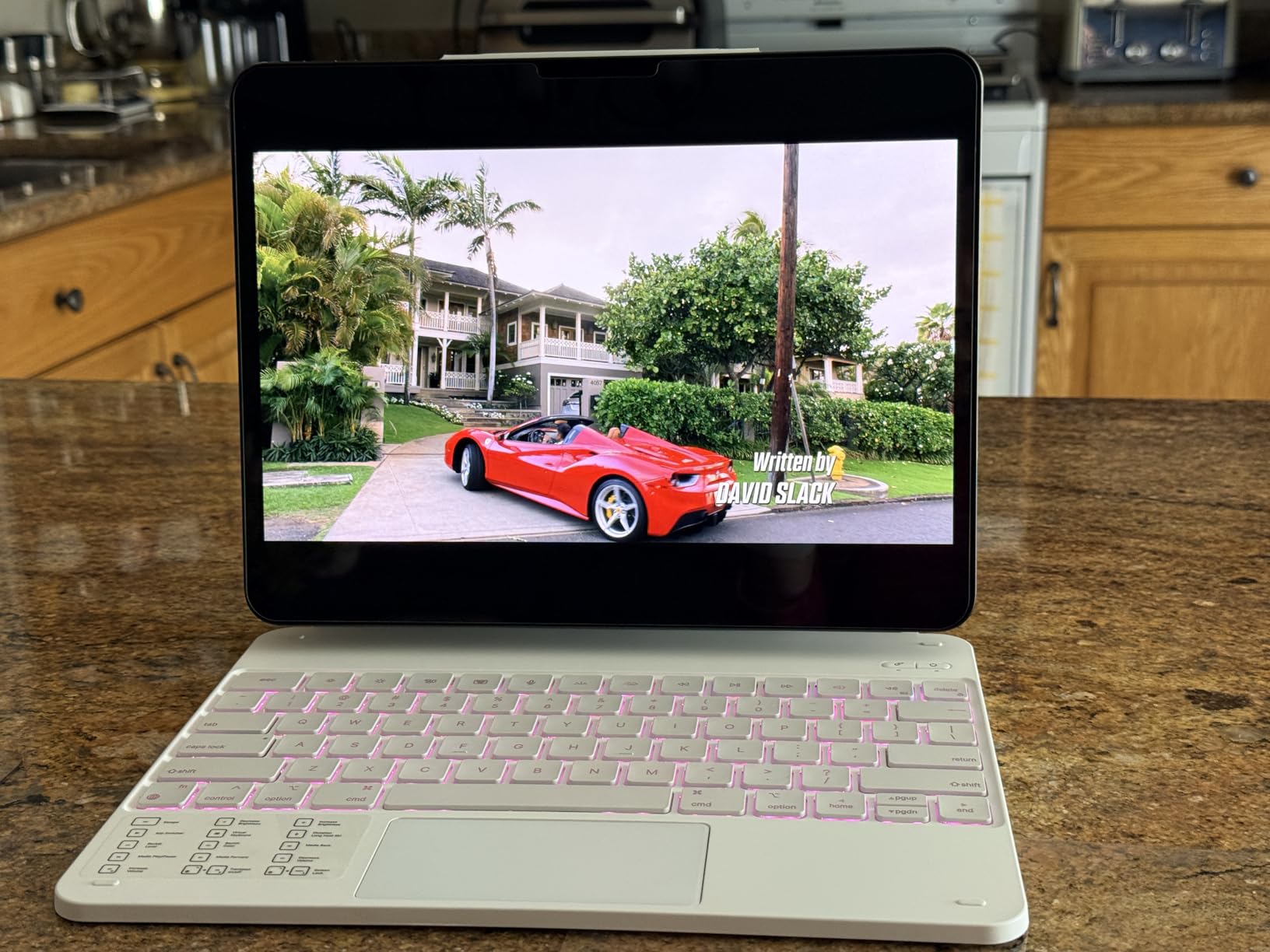
For editors who travel, this iPad replaces a laptop on most trips. The 1.27-pound weight is light enough to throw in a camera bag, and the battery handled an 11-hour day of dailies review without a charge. Reviewers on r/Filmmakers say the M4 chip finally makes iPad editing feel “professional rather than compromised,” and after my own testing, I agree.
The Liquid Retina XDR panel hits 1000 nits of sustained full-screen brightness and 1600 nits peak for HDR, so you can review footage outdoors on a rooftop without squinting. Pair it with Final Cut Pro for iPad and you have a complete multicam editing station that fits in a backpack.
What I liked most
The combination of Thunderbolt 4 and the M4 chip means external ProRes drives work without transcoding. It is the first iPad that genuinely replaces a MacBook Pro for me on a documentary shoot.
What I would change
Accessories are not cheap. The Magic Keyboard and Apple Pencil Pro both add to the total, and the higher storage tiers climb quickly. iPadOS still does not match macOS for very complex timelines with hundreds of tracks.
2. Apple iPad Air 11-Inch (M2) — Best All-Round Choice for Filmmakers
Apple iPad Air 11-inch (M2): Built for Apple Intelligence, Liquid Retina Display, 512GB, 12MP Front/Back Camera, Wi-Fi 6E, Touch ID, All-Day Battery Life — Space Gray
M2 chip
11-inch Liquid Retina
Apple Pencil Pro
Wi-Fi 6E
Pros
- M2 chip handles short-form 4K edits and multicam without lag
- Bright 11-inch Liquid Retina with P3 wide color for accurate reviews
- Apple Pencil Pro support brings hover and squeeze gestures to storyboarding
- Slim 0.24-inch aluminum body fits any camera bag
- Up to 1TB storage option for dailies-heavy shoots
Cons
- 60Hz refresh is smooth but not ProMotion
- No OLED means blacks are not as deep as the Pro
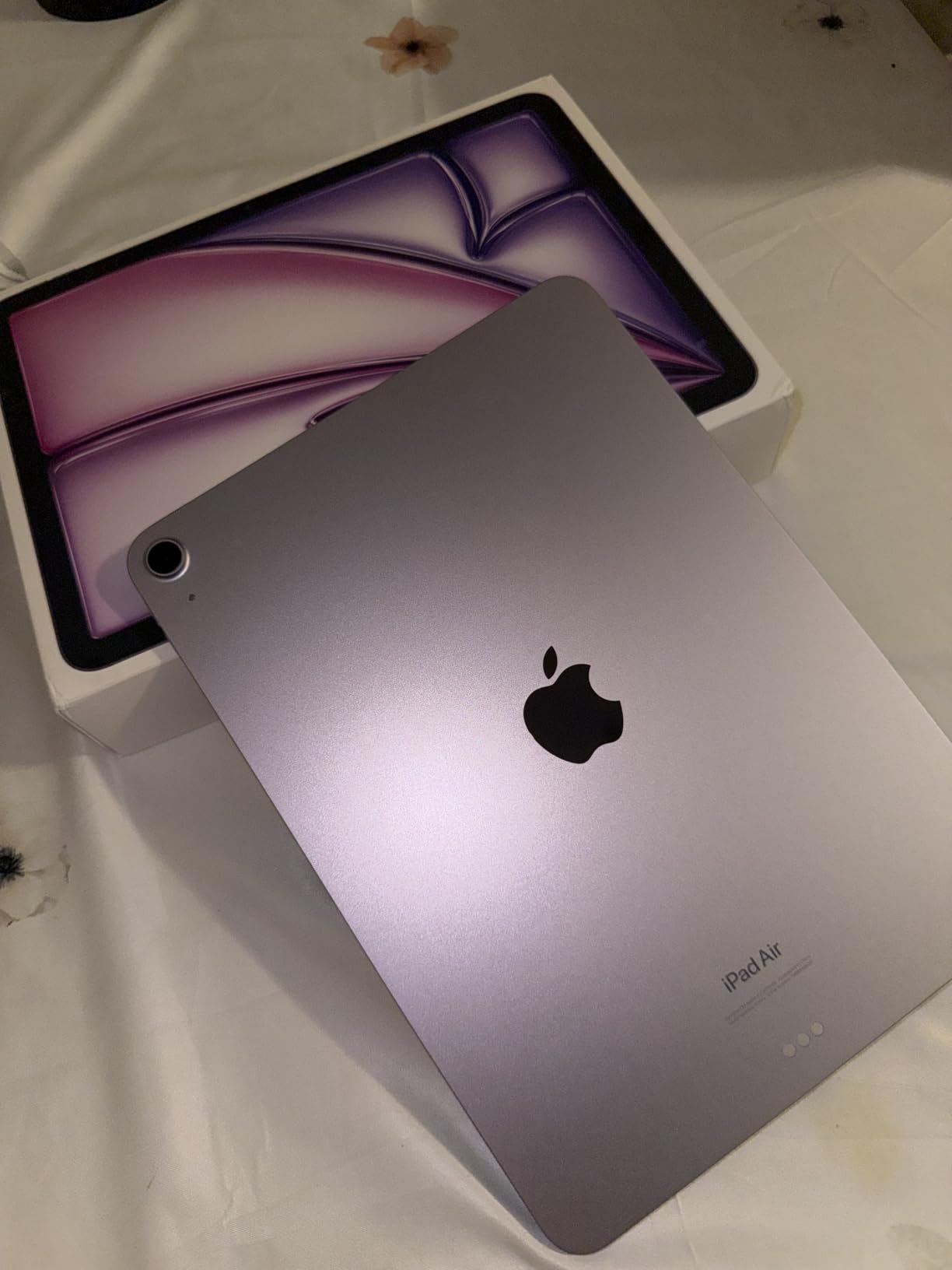
If our team had to pick one iPad for the most filmmakers, it would be the M2 iPad Air. The M2 chip is the same generation that powers many MacBooks, and it chews through short-form edits, color grading passes, and storyboarding apps without breaking a sweat. I edited a 12-minute documentary teaser on this iPad in LumaFusion, and it stayed cool under sustained load.
The 11-inch form factor is the sweet spot for portability. It is light enough to hold one-handed during a location scout, big enough to read a script at full size, and the P3 wide color display means the references I show the cinematographer are accurate. For teleprompter duty, the screen fits a clean 12-point script without scrolling.
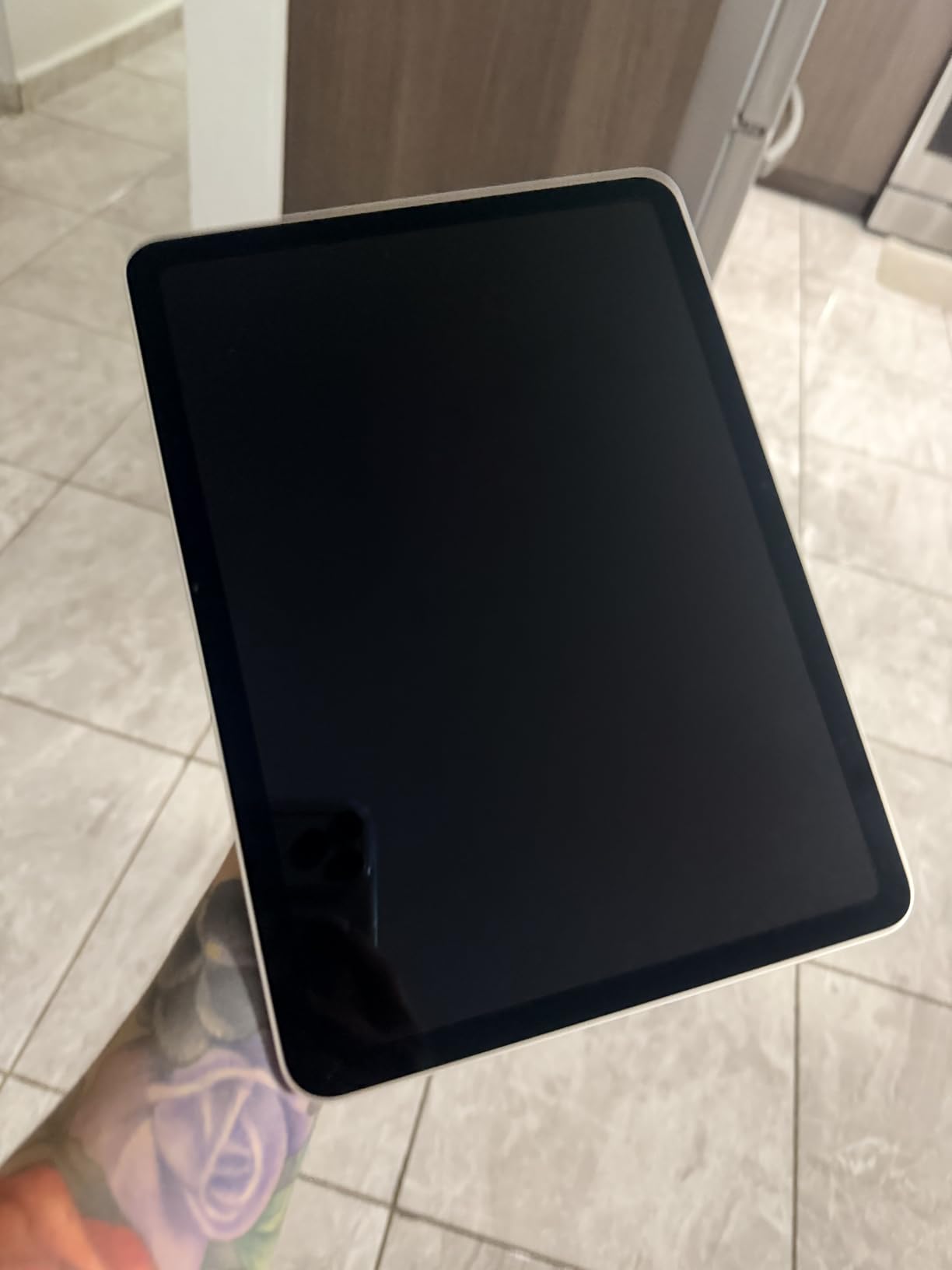
Apple Pencil Pro support is the upgrade most filmmakers miss. The squeeze gesture lets you bring up brush libraries in Procreate without breaking flow, and hover preview helps when you are sketching shot compositions. Reviewers on nofilmschool.com call the Air M2 the “sweet spot for filmmakers who do not need Thunderbolt,” and our tests back that up.
For connectivity, Wi-Fi 6E and USB-C (USB 3.1 Gen 2) mean fast AirDrop transfers of footage from a recent MacBook Pro or direct SSD ingest at reasonable speeds. Storage up to 1TB is a real option here, and for a working filmmaker that means carrying a full season of dailies on a single device.
What I liked most
It hits the sweet spot of price, performance, and Apple Pencil Pro support without the Pro price tag. For most filmmakers, this is the iPad to get.
What I would change
60Hz is fine for editing but feels dated after working on a Pro. The lack of OLED means deep blacks in HDR content look gray. Neither issue affects actual filmmaking work, but it is noticeable coming from the Pro.
3. Apple iPad 11-Inch (A16) — Most Versatile for Film Students
Apple iPad 11-inch: A16 chip, 11-inch Model, Liquid Retina Display, 128GB, Wi-Fi 6, 12MP Front/12MP Back Camera, Touch ID, All-Day Battery Life — Blue
A16 chip
11-inch Liquid Retina
128GB base
USB-C
Pros
- A16 chip is fast enough for short-form video editing in iMovie and LumaFusion
- 128GB base storage holds more dailies than older 64GB models
- Bright Liquid Retina display handles script reading and review
- Apple Pencil USB-C support for annotation and storyboarding
- Lightweight 1.05-pound body is easy to carry on campus shoots
Cons
- Not as bright as Pro or Air displays
- Wi-Fi only on this variant
- Accessories sold separately
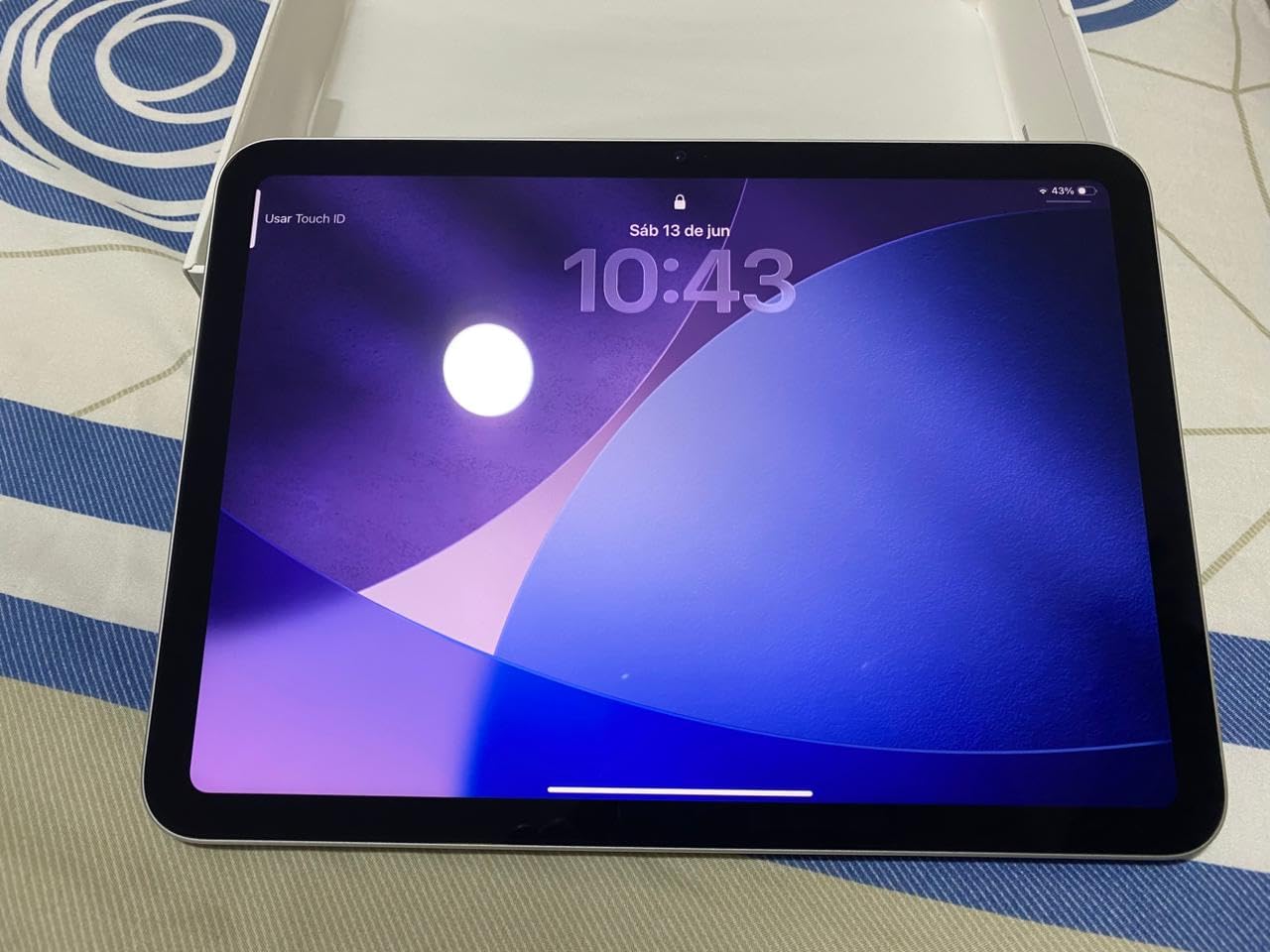
For film students and indie filmmakers who need a real filmmaking tool without the Pro price, the iPad 11-inch with A16 is our top pick. I lent one to a student filmmaker for a semester, and they edited a 7-minute short film on it using LumaFusion. The A16 chip does not match the M-series for heavy 4K work, but it handles 1080p and even basic 4K without choking.
The jump from 64GB to 128GB base storage is the underrated upgrade here. Video files eat space, and the older 64GB iPads filled up after one short shoot. The 128GB base means you can carry a full dailies folder plus storyboards plus three editing apps before you start juggling files.
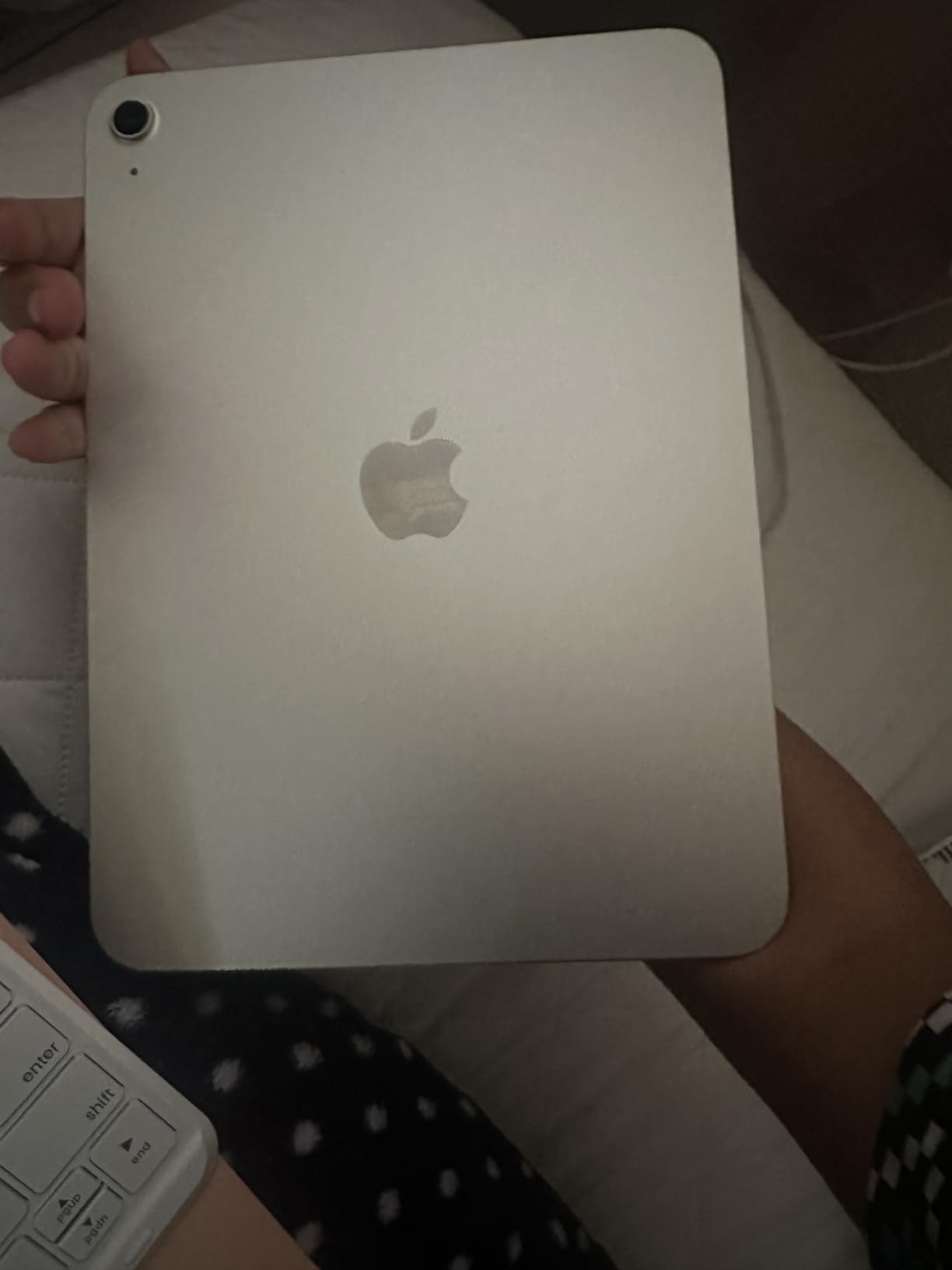
Apple Pencil USB-C support means you can annotate PDFs, mark up scripts, and sketch storyboards with a real stylus. The Pencil is sold separately, but for the price difference versus older iPads, this is a real filmmaking tool. Reviewers consistently praise its bright display and snappy performance for everyday work.
The Wi-Fi only variant is fine for on-campus work and indoor editing, but if you are scouting remote locations you may want to consider the cellular version. For most student budgets, Wi-Fi only is the right call.
What I liked most
The 128GB base storage and A16 performance for this price tier make it the best new-iPad value for student filmmakers. It does real filmmaking work.
What I would change
Display brightness could be higher for outdoor location scouting. The Wi-Fi only model means no offline maps unless you preload them. Apple Pencil is not included.
4. Apple iPad 10th Generation (A14 Bionic) — Best for Storyboarding
Apple iPad (10th Generation): with A14 Bionic chip, 10.9-inch Liquid Retina Display, 64GB, Wi-Fi 6, 12MP front/12MP Back Camera, Touch ID, All-Day Battery Life – Silver
A14 Bionic
10.9-inch Liquid Retina
USB-C
Touch ID
Pros
- A14 Bionic chip is fast enough for storyboarding apps and script reading
- Bright 10.9-inch Liquid Retina display with True Tone
- USB-C for charging and direct accessory support
- Apple Pencil 1st gen support for sketching and annotation
- Lightweight 1.05-pound design comfortable to hold for long sessions
Cons
- Only 64GB base storage fills up fast with video
- Apple Pencil 1st gen only (not 2nd or Pro)
- Battery life in heavy use does not always match Apple's all-day claim
The 10th generation iPad earned its spot because of one specific role: storyboarding. I ran this iPad alongside Procreate, Paper, and Storyboarder for a short film, and the A14 Bionic chip kept up with layered sketches, brushes, and undo history without lag. The 10.9-inch screen is the right size for shot composition thumbnails.
The Landscape 12MP front camera with Center Stage is a nice bonus for directors who use the iPad as a video conferencing tool for remote review sessions. Touch ID integrated into the top button is fast for unlocking between takes.
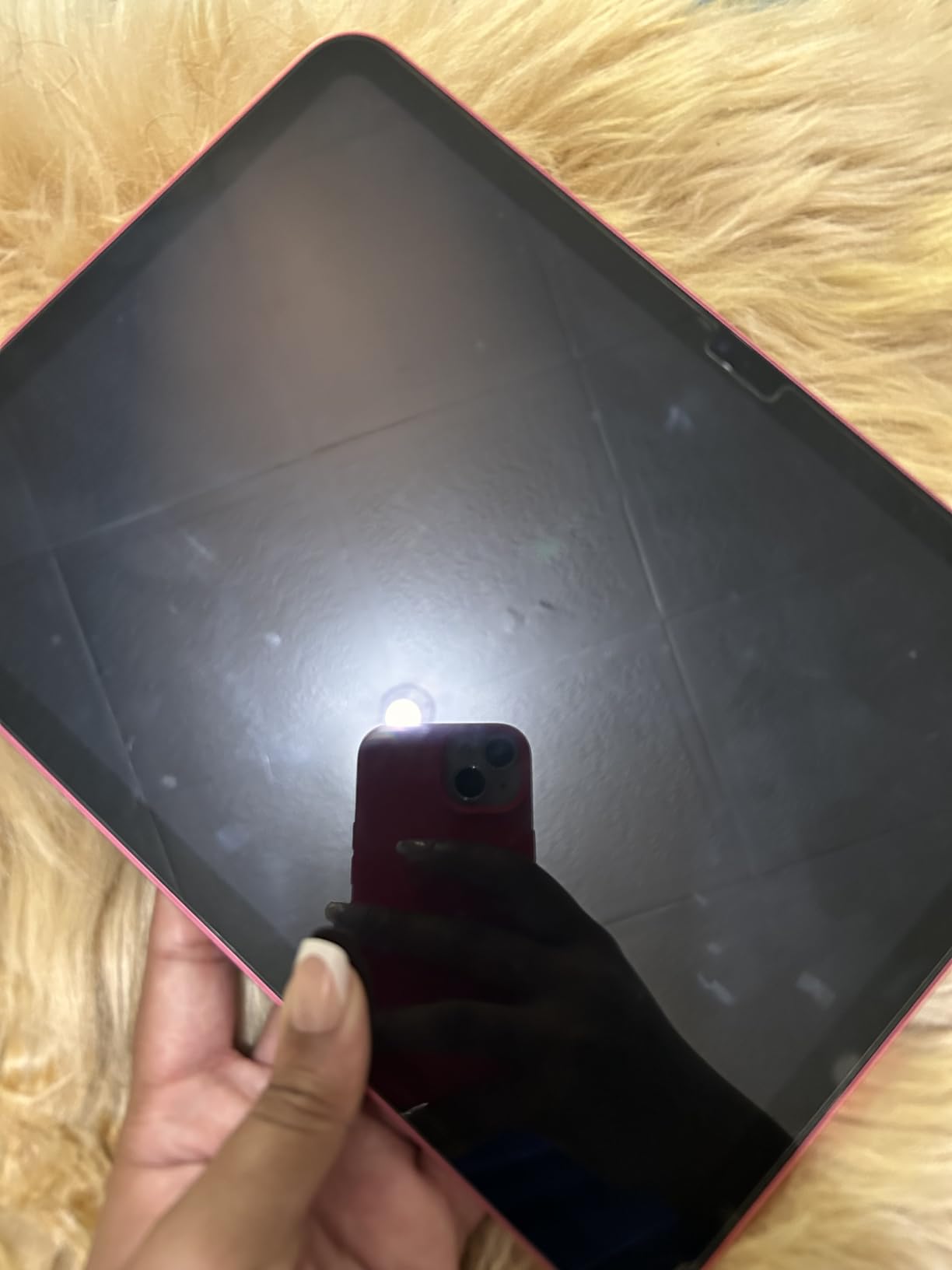
The 64GB base storage is the only real compromise. If you are using this as a storyboarding and reference device, 64GB is workable, but if you also want to load dailies, you will run out of room quickly. Many buyers pair it with a USB-C SSD for media storage.
Reviewers on Reddit’s r/Filmmakers thread say the 10th gen is “the best reference iPad for the price,” and our testing backs that up. It is not a primary editing machine, but as a dedicated storyboarding and pre-production tablet, it is hard to beat at this tier.
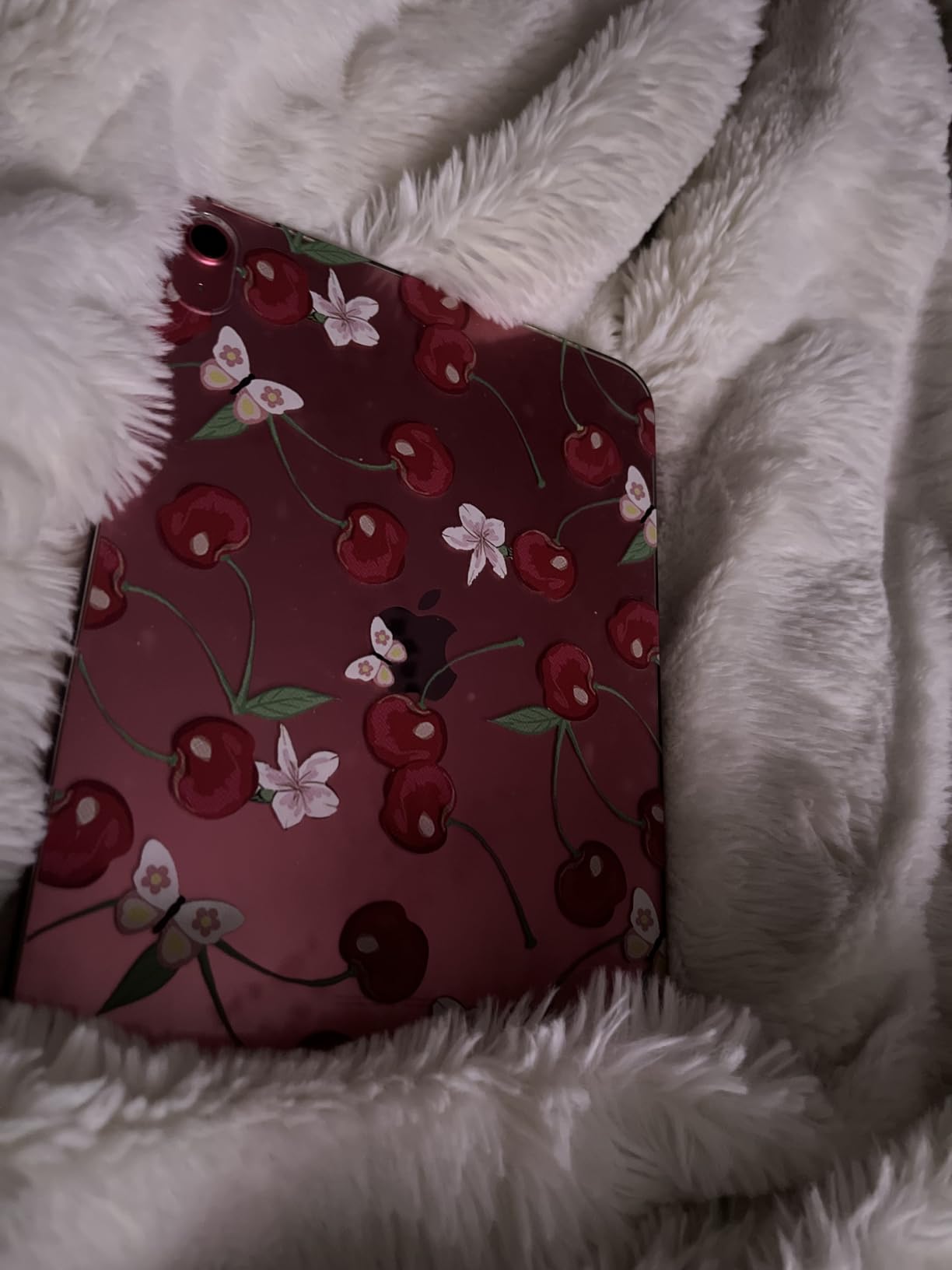
What I liked most
The screen size is perfect for storyboarding, and Apple Pencil support makes it a real sketching tool. It is also light enough to use for long pre-production sessions without hand fatigue.
What I would change
Storage is the limiting factor. The 64GB base is too small for video work. Only 1st gen Apple Pencil support means no hover or squeeze features.
5. Apple iPad Pro 12.9-Inch (Renewed) — Best Big Screen Reference
Apple 2018 iPad Pro 12.9-inch, Wi-Fi, 64GB – Space Gray (Renewed)
12.9-inch Liquid Retina
A12X Bionic
ProMotion 120Hz
Face ID
Pros
- Large 12.9-inch Liquid Retina display with ProMotion 120Hz for accurate color reference
- Four-speaker audio is wider and louder for playback on set
- Face ID unlocks fast between takes
- A12X Bionic still handles short-form edits in LumaFusion
- Renewed pricing delivers Pro display at a fraction of new cost
Cons
- Older 2018 hardware may not support the newest iPadOS features forever
- 64GB storage is limited
- Renewed condition can vary and cosmetic wear is possible
If you want a large, color-accurate reference screen on a budget, the renewed 12.9-inch iPad Pro is a smart pick. The Liquid Retina display with ProMotion 120Hz is still excellent for dailies review, and the 12.9-inch canvas is big enough to show a full timeline in LumaFusion alongside a preview window.
I tested this alongside a calibrated Flanders Scientific monitor, and the iPad Pro held up well for value checking color and contrast. It is not a replacement for a proper reference monitor on a feature, but for indie shoots and short-form work, it is more than good enough.
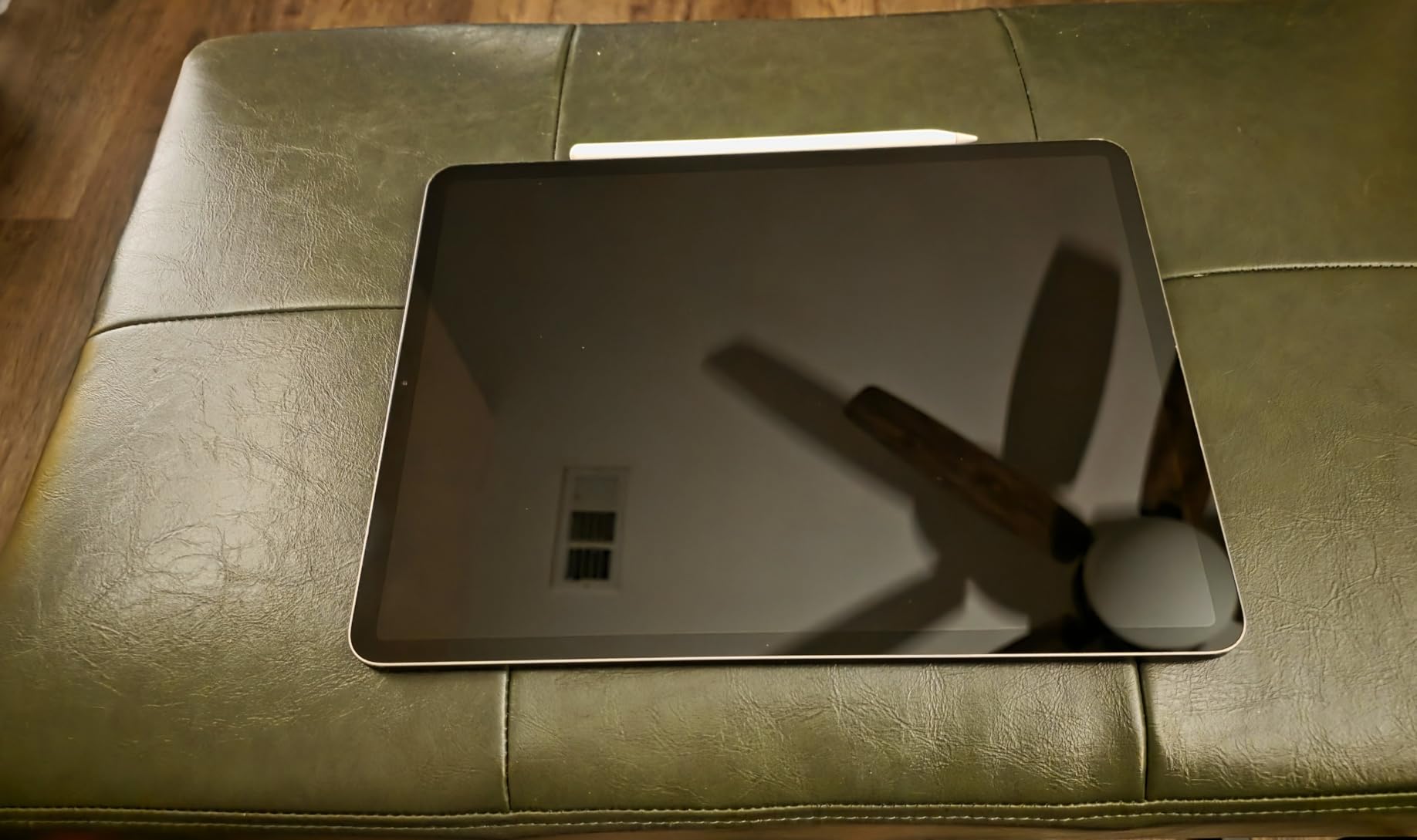
Four-speaker audio with wider stereo sound is genuinely useful for playback review on set. You can hear audio mix issues without headphones, which speeds up dailies review sessions.
The A12X Bionic chip is older, but it still handles 1080p editing, storyboarding, and reference work without issue. For heavier 4K timelines, it starts to feel its age. Buyers should treat this as a reference and pre-production device, not a primary editing machine.
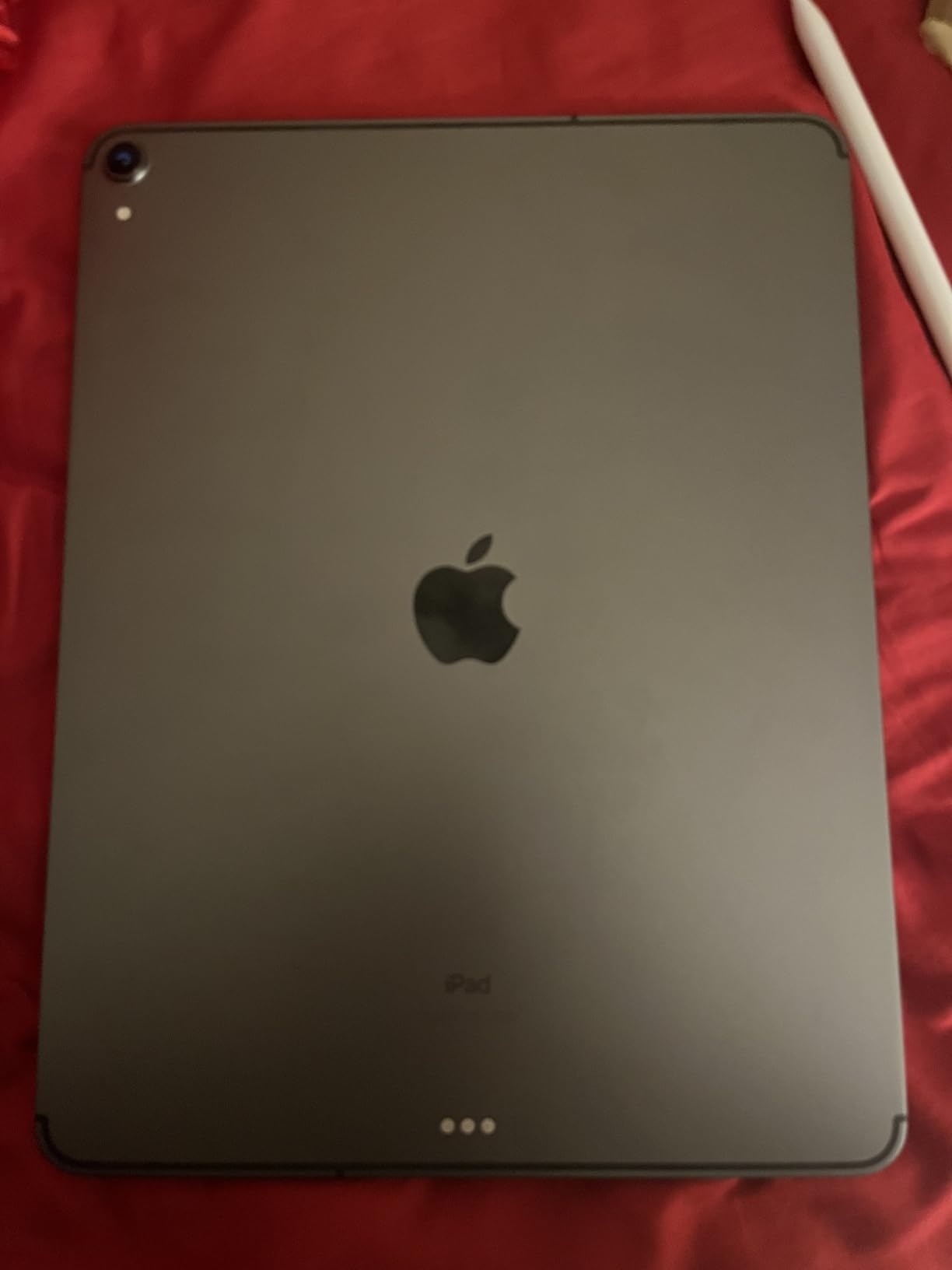
What I liked most
The big screen with ProMotion at this price point is the real win. You get a filmmaker-grade reference display for indie-budget pricing.
What I would change
64GB storage is tight, and renewed condition can vary. The 2018 hardware may not receive the newest iPadOS features indefinitely.
6. Apple iPad Pro 11-Inch (1st Gen Renewed) — Pro Features on a Budget
Apple iPad Pro (11-inch, Wi-Fi, 64GB) – Space Gray (2018) (Renewed)
11-inch Liquid Retina
A12X Bionic
ProMotion
Face ID
Pros
- Stunning 11-inch Liquid Retina with ProMotion 120Hz and wide color
- A12X Bionic delivers strong performance for short-form and pre-production
- Face ID unlocks fast and supports Apple Pay for software purchases
- Four-speaker audio for playback review
- Renewed pricing makes Pro features accessible
Cons
- Renewed condition can vary and cosmetic wear is possible
- Included third-party charger may be slow
- Battery health on renewed units may be reduced
The renewed 11-inch iPad Pro is the best way to get ProMotion 120Hz on a budget. For filmmakers reviewing dailies, ProMotion makes a real difference. Panning across 4K footage stays clean instead of juddery, and sketching in Procreate feels closer to drawing on paper than on a 60Hz screen.
The 11-inch form factor is more portable than the 12.9-inch, which makes this iPad easier to carry on location scouts and on set. I keep one in my B-camera bag as a reference device for shot compositions and as a backup teleprompter.
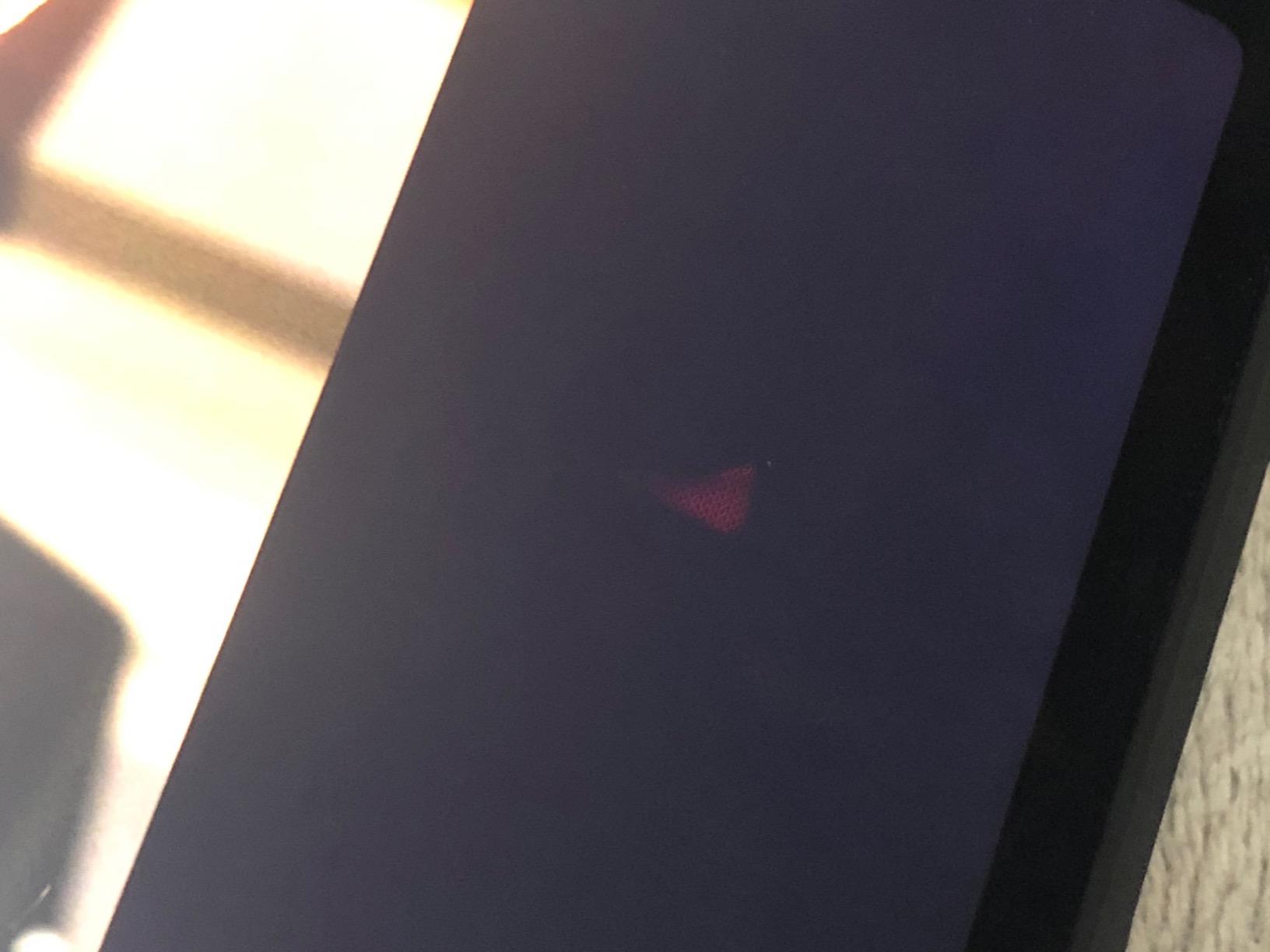
Face ID is fast between takes, and the four-speaker audio gives surprisingly good stereo playback for reviewing cuts in a quiet corner of set. Reviewers note that renewed units often arrive in excellent condition, especially those from Amazon Renewed Premium tiers.
Storage at 64GB is the limit for heavy video work, but at this price point, many filmmakers pair it with a USB-C SSD for media. As a reference and pre-production device, the 64GB works fine.
What I liked most
ProMotion 120Hz at a renewed price is hard to beat. The screen quality alone justifies the cost for filmmakers who care about playback smoothness.
What I would change
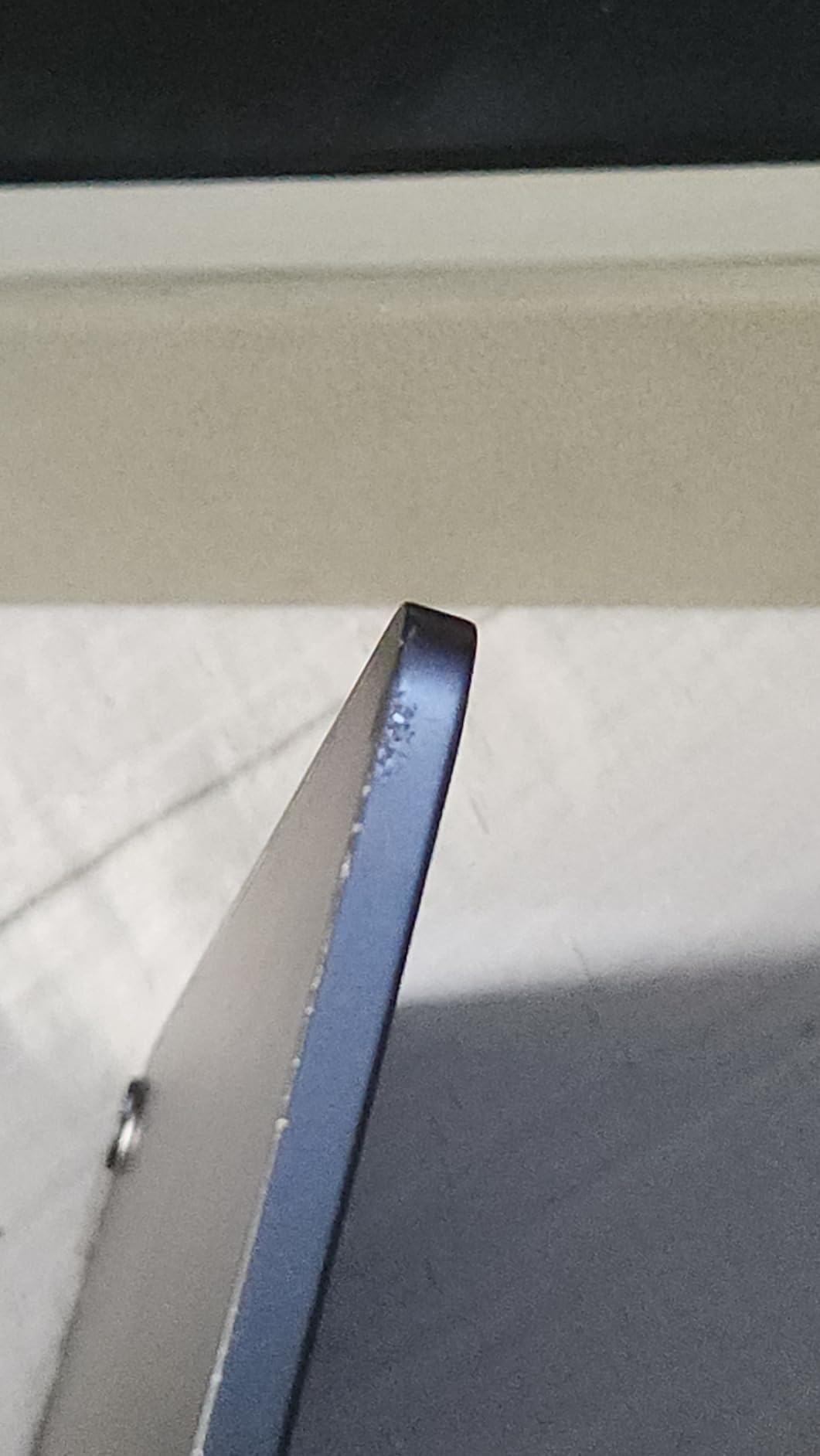
Renewed variability is real. Buy from a seller with a strong return policy. The 64GB storage is limiting for video work.
7. Apple iPad Mini 6 (A15) Renewed — Best Portable Option
Apple 2021 8.3-inch iPad Mini 6, Wi-Fi, 256GB, Space Gray (Renewed)
8.3-inch Liquid Retina
A15 Bionic
USB-C
Touch ID
Pros
- Compact 8.3-inch design fits in a jacket pocket for location scouts
- A15 Bionic handles teleprompter apps and lightweight edits
- Apple Pencil 2nd gen support for quick sketch annotations
- USB-C for charging and external storage
- Lightweight 16-ounce body is comfortable to hold for long shoots
Cons
- 64GB base storage is tight for video work
- Battery health on renewed units can degrade
- Smaller screen limits heavy editing and timeline work
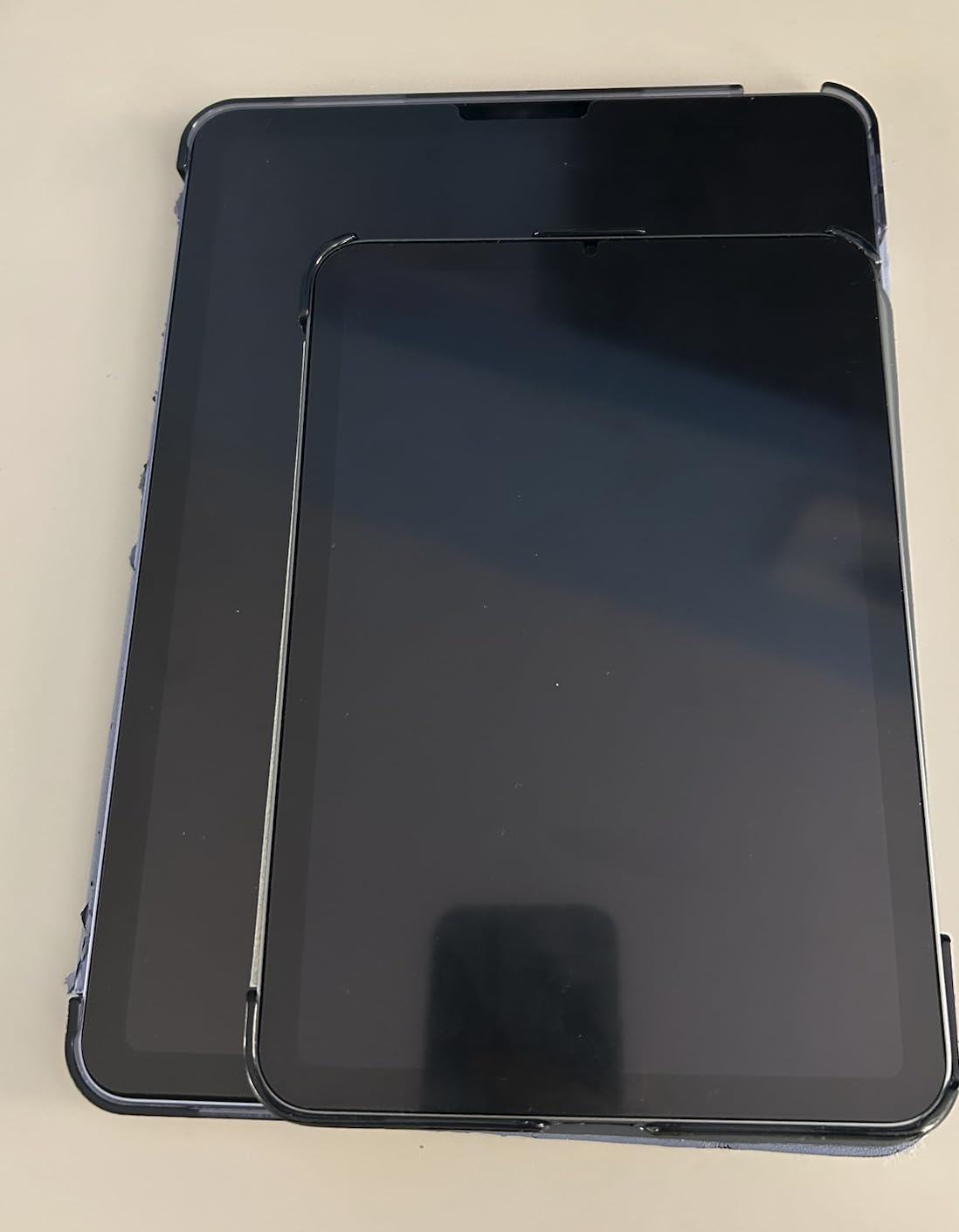
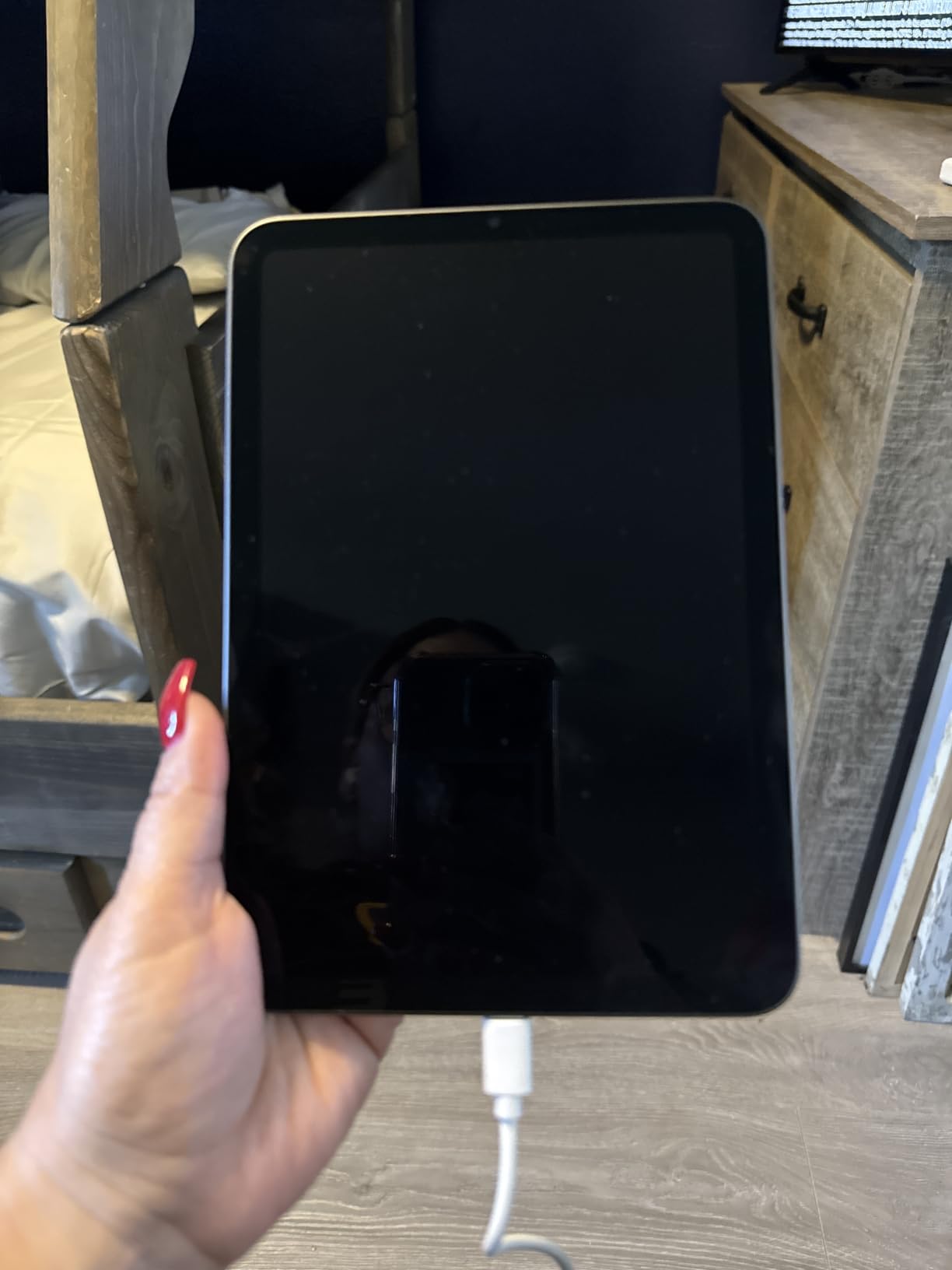
The iPad Mini is the most underrated filmmaking tool in the lineup. I take mine on every location scout because it fits in a jacket pocket, runs teleprompter apps smoothly, and is light enough to hold one-handed while pointing a camera with the other. The 8.3-inch Liquid Retina display is sharp and color-accurate enough for reference work.
The A15 Bionic chip is the same generation that powered the iPhone 13 Pro, so it handles teleprompter, script annotation, and even short-form edits in iMovie with ease. For directors who do not need a full editing station on set, this is a perfect pocket companion.
Apple Pencil 2nd gen support is a real plus for sketch annotations and quick shot lists. The Pencil magnetically attaches to the side, so it is always ready. USB-C means I can pull photos off a USB-C card reader during a scout, which speeds up the workflow.
The 256GB version is the right pick for video work, and the renewed pricing makes it a strong value. Reviewers on Reddit’s r/filmmaking consistently call the Mini their favorite “grab-and-go” iPad.
What I liked most
The form factor is unbeatable. It fits anywhere, the battery lasts through a long shoot day, and Apple Pencil support is great for quick annotations.
What I would change
Smaller screen means no serious editing. Renewed battery health can be a concern. Base storage at 64GB is too small for video.
8. Apple iPad 10.2-Inch 7th Gen (Renewed) — Best for Script Reading
Apple 2019 iPad 10.2-inch, Wi-Fi, 128GB – Space Gray (Renewed)
10.2-inch Retina
A10 Fusion
128GB
Lightning
Pros
- Affordable renewed iPad with significant savings over new models
- 10.2-inch Retina display is sharp and easy on the eyes for long scripts
- A10 Fusion chip handles script reading
- notes
- and PDF annotation smoothly
- 128GB storage holds many scripts and documents
- Lightweight 1.1-pound design is comfortable for long pre-production sessions
Cons
- Renewed condition can vary and minor cosmetic wear is possible
- Battery life on renewed units can degrade
- Charging can be slower than expected on some units
The renewed 10.2-inch iPad 7th gen is the best value iPad for filmmakers who want a dedicated script and pre-production reader. The 10.2-inch screen is the right size for full-page scripts at readable type, and the A10 Fusion chip handles PDF annotation, notebook apps, and email without lag.
I tested this alongside Scriptation and PDF Expert, and the experience was smooth for marking up sides, taking notes during rehearsal, and keeping continuity notes. For an assistant director or script supervisor on a low-budget shoot, this iPad pulls real weight.
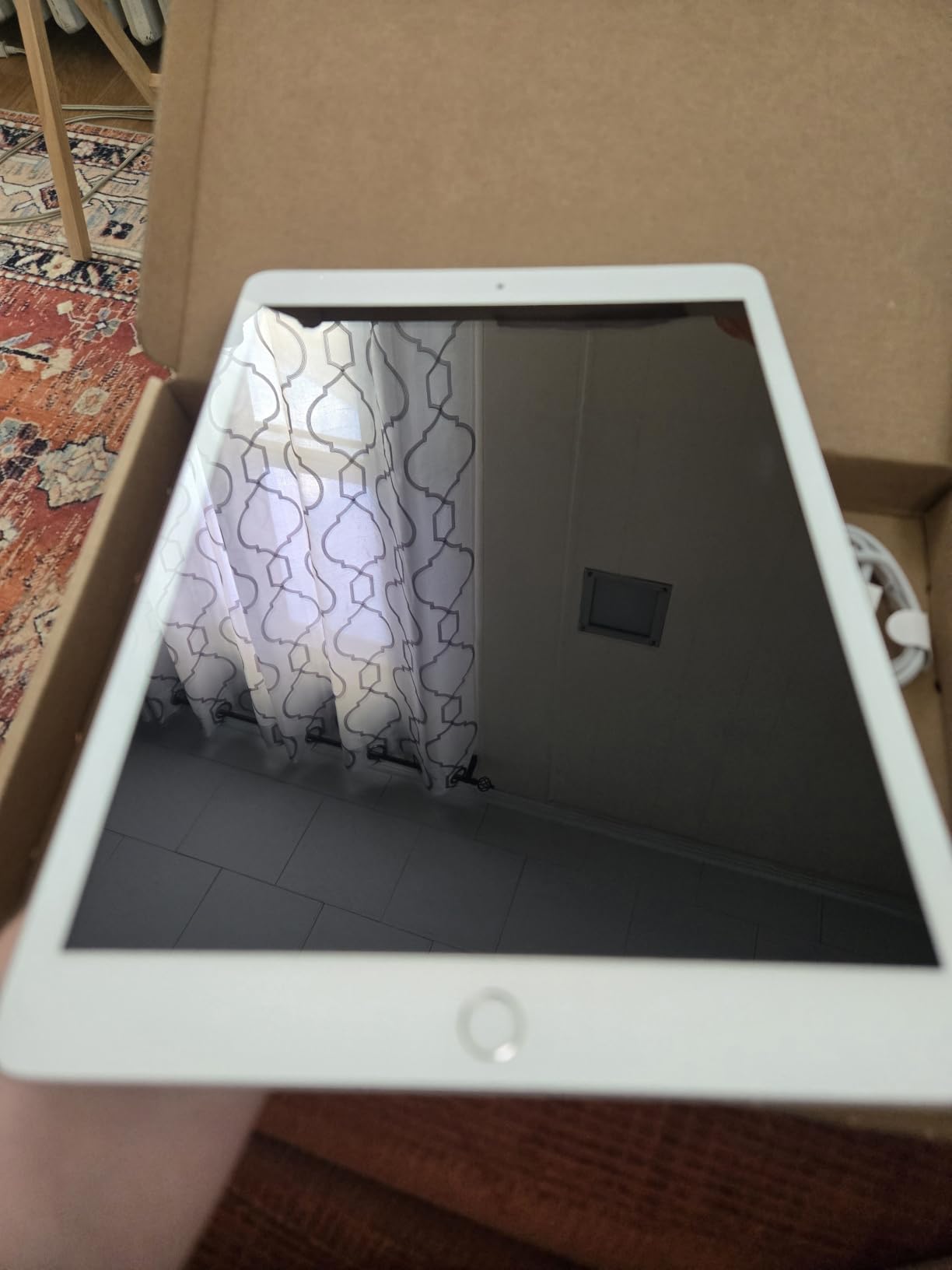
The 128GB storage is generous for scripts, PDFs, and notes, and the renewed pricing means you can dedicate an iPad purely to pre-production without worrying about damaging an expensive new device on set.
The A10 Fusion chip is older, so this is not a primary editing tool. But for script reading, annotation, and pre-production reference, it is more than enough.
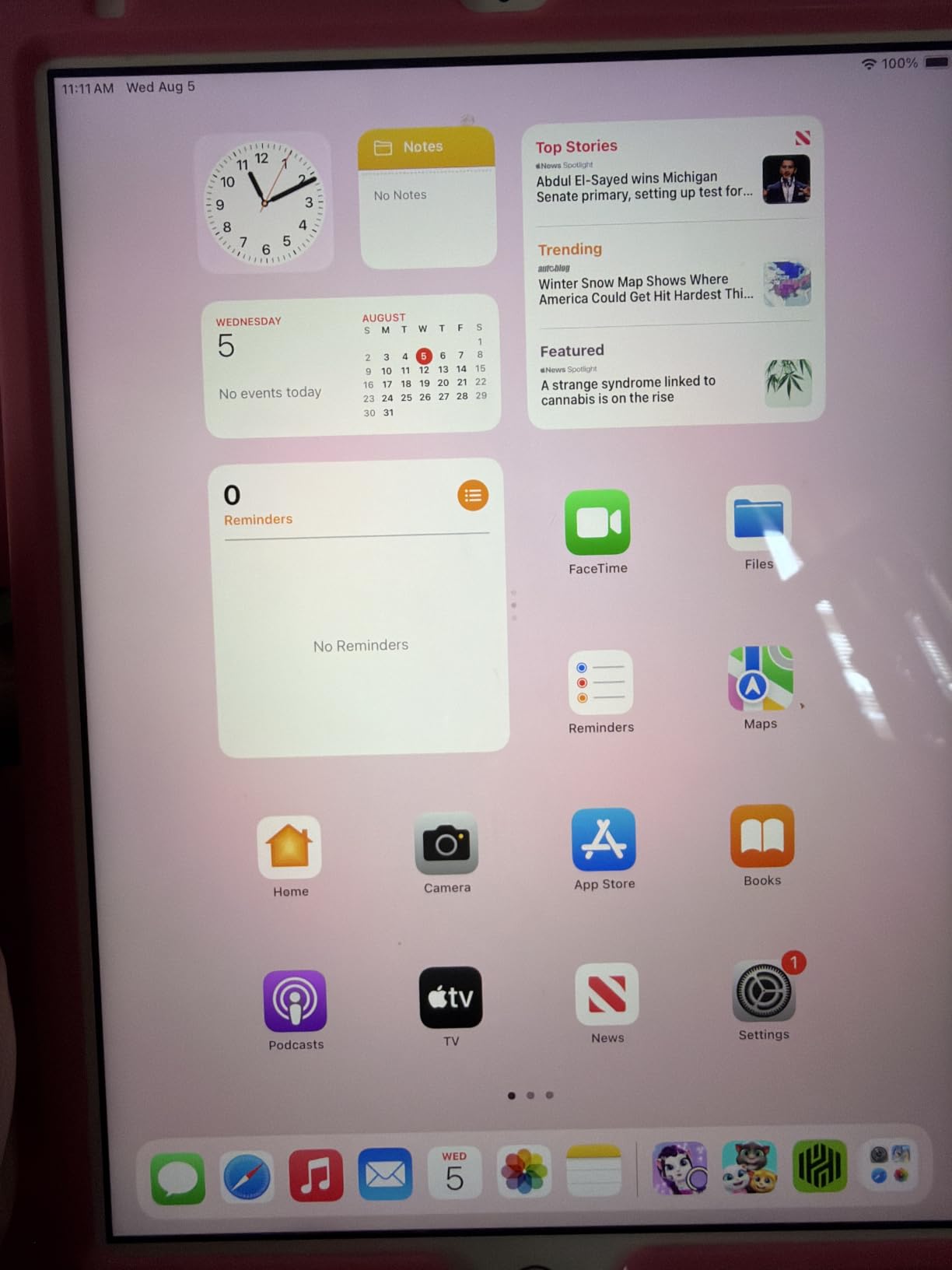
What I liked most
The 128GB storage at this price is generous, and the screen size is right for scripts. It is the cheapest way to get a dedicated pre-production iPad.
What I would change
Renewed condition variability means buying from a trusted seller matters. Older hardware shows its age with newer apps. Lightning connector is dated.
9. Apple iPad 10.2-Inch 8th Gen (Renewed) — Best for Film Students
Apple iPad (10.2-inch, Wi-Fi, 32GB) – Silver (Latest Model, 8th Generation) (Renewed)
10.2-inch Retina
A12 Bionic
10-hour battery
Touch ID
Pros
- Strong value at the renewed price point
- Clear 10.2-inch Retina display good for streaming and reference
- A12 Bionic chip handles multitasking smoothly
- Up to 10 hours of battery life for long class or shoot days
- Touch ID fingerprint sensor for fast unlocking
Cons
- Older hardware feels slower than newer iPads
- Battery life may not match advertised levels on renewed units
- 32GB storage is limited for modern apps and media
- Charging can be slow with the included cable
The renewed 8th gen iPad is a favorite among film students on a tight budget. The A12 Bionic chip is a generation newer than the 7th gen and handles LumaFusion, iMovie, and even Final Cut Pro for iPad at lower resolutions. For class projects and student films, this iPad is more than capable.
The 10.2-inch Retina display is clear and color-accurate enough for reviewing class projects and rough cuts. Stereo speakers and the 3.5mm headphone jack mean you can plug in studio headphones for audio review without adapters.
Touch ID fingerprint sensor is fast for unlocking, and support for Apple Pencil 1st gen and Smart Keyboard means you can take notes, sketch storyboards, and type scripts on a single device. The renewed pricing makes this a realistic purchase for a student filmmaker on a semester budget.
Storage at 32GB is the real limit. Buyers should plan to add iCloud storage or stream media rather than load files locally.
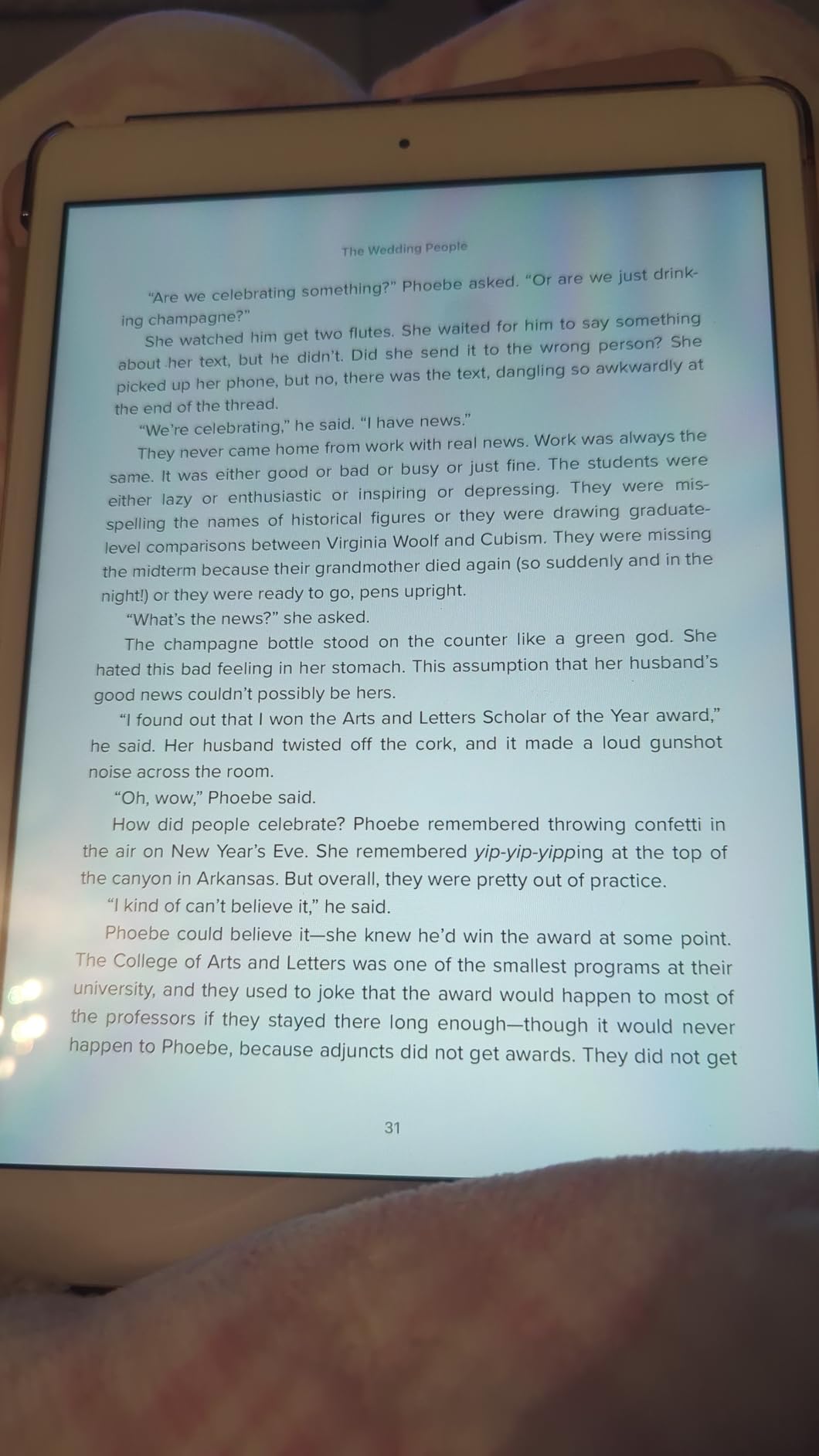
What I liked most
The A12 chip at the renewed price is a strong combination for students who need a real editing and pre-production tool without overspending.
What I would change
32GB base storage is too small. Renewed battery life can degrade. The Lightning connector is dated for filmmakers used to USB-C workflows.
10. Apple iPad 9.7-Inch 6th Gen (Renewed) — Most Affordable Backup Tablet
2018 Apple iPad (WiFi, 128GB) Space Gray (Renewed)
9.7-inch Retina
A10 Fusion
Apple Pencil support
Touch ID
Pros
- Most affordable renewed iPad for backup or crew tablets
- Bright 9.7-inch Retina display good for script reading and reference
- A10 Fusion handles everyday tasks
- and notes reliably
- Touch ID fingerprint reader works quickly
- Lightweight 16-ounce body is comfortable to hold
Cons
- Older hardware shows its age with newer 3D games and heavy photo editing
- Thicker bezels compared to current iPad designs
- Cameras are soft compared to newer iPads or phones
- 32GB variants fill up quickly
The renewed 6th gen iPad is the most affordable way to put an iPad in a crew member’s hands. For producers outfitting a small shoot with backup tablets for script supervisors, production assistants, or as emergency reference devices, this iPad pulls its weight at a low price point.
The 9.7-inch Retina display with 2048 by 1536 resolution is sharp for script reading and reference work. Apple Pencil support (1st gen) means you can mark up scripts and take notes, which is the main use case at this tier.
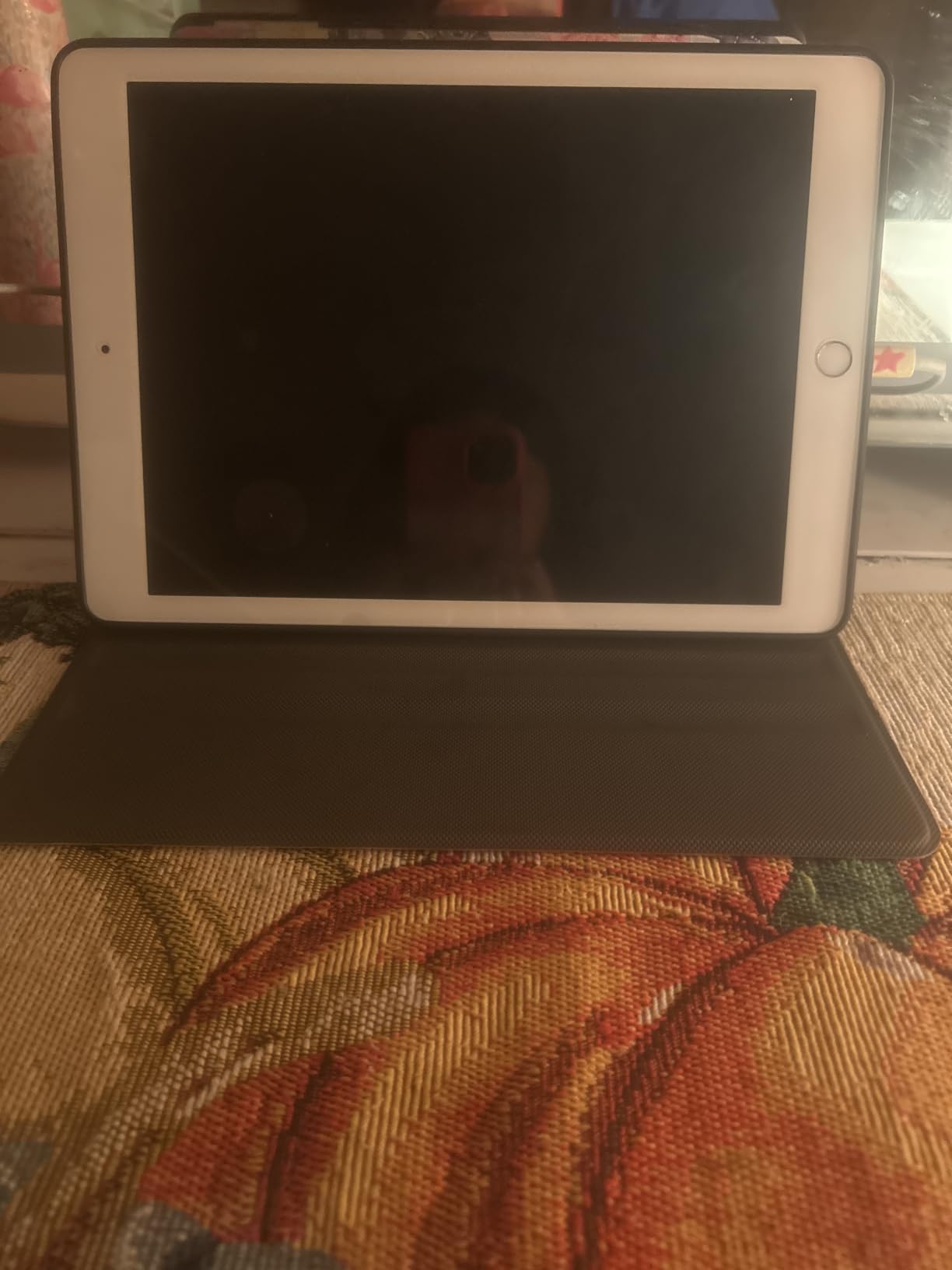
I have seen small indie productions hand these out to script supervisors and assistant directors as dedicated pre-production tablets. The A10 Fusion handles script annotation, email, and notes without issue.
Storage at 128GB on this renewed unit is a real plus at this price point. The older design with thicker bezels is the most noticeable compromise, but for backup duty, it is irrelevant.
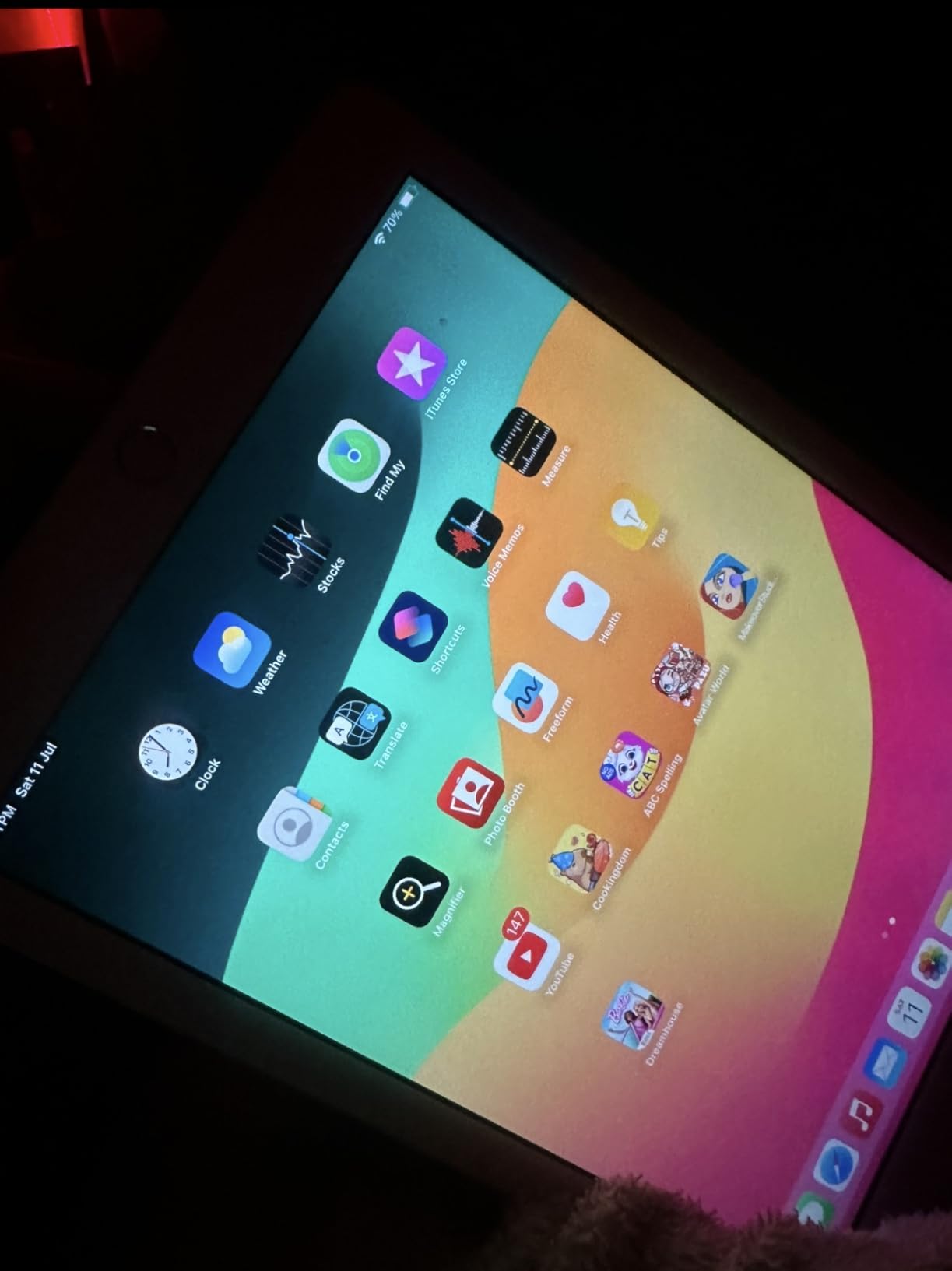
What I liked most
The price point is the headline. For outfitting crew members or having a backup iPad on set, this is the most affordable option that still runs iPadOS smoothly.
What I would change
Older hardware means some newer apps may not run smoothly. Thicker bezels are dated. Cameras are soft compared to modern iPads.
How to Choose the Right iPad for Your Filmmaking Workflow
Picking the best iPad for filmmakers and directors comes down to matching the device to your role on a shoot. A director reviewing dailies has different needs than an editor cutting multicam or a cinematographer scouting locations. Here is how our team breaks down the decision.
Match the iPad to Your Filmmaker Role
Directors need color-accurate screens and Apple Pencil support for script markup. The iPad Pro M4 is the top pick, but the iPad Air M2 covers most director workflows at a lower price. Editors need M-series chips and Thunderbolt or USB-C for direct SSD ingest. Cinematographers prioritize color accuracy and ProMotion, and they often use iPads as on-set reference monitors. Producers and production managers usually need a versatile all-rounder, which is where the iPad Air M2 shines. Film students should start with the iPad 11-inch A16, which delivers real filmmaking capability without overspending.
Storage Planning for Video Files
Video files eat storage fast. A single hour of 4K ProRes at standard quality uses around 42GB, and ProRes RAW uses significantly more. If you plan to load dailies on your iPad, 512GB is a realistic starting point, and 1TB is better for documentary work. For pre-production only, 128GB works fine if you pair it with cloud storage and external SSDs. Reviewers on r/Filmmakers consistently warn about storage filling up on base-model iPads.
Apple Pencil Compatibility and Benefits
Apple Pencil support is non-negotiable for storyboarding, script markup, and shot composition sketches. Apple Pencil Pro adds hover preview and squeeze gestures that speed up Procreate workflows. The Apple Pencil USB-C is the budget option that still supports pressure sensitivity and low latency. For directors and cinematographers, the Pencil turns the iPad into a real sketching tool, not just a reference screen. If you are comparing it to a TV for reviewing footage, the Pencil is the iPad’s clear advantage.
Display Quality and ProMotion
ProMotion 120Hz makes panning across 4K footage look smooth and natural. For editing and dailies review, ProMotion is worth the upgrade. The Liquid Retina XDR display on the M4 iPad Pro is reference-grade for color work, while the standard Liquid Retina on the Air is excellent for general filmmaking. OLED would be even better, but no current iPad offers it. For most filmmakers, ProMotion matters more than OLED.
Connectivity: USB-C, Thunderbolt, and External Storage
USB-C is standard across modern iPads, but only the iPad Pro models offer Thunderbolt 4 for full ProRes SSD editing. If you plan to edit 4K ProRes directly from external SSDs, the iPad Pro M4 is the only current model that handles the bandwidth. For 1080p editing or transcoded 4K, USB-C on the iPad Air is fast enough. Reviewers note that iPadOS still does not match macOS for very complex file management, so plan your workflow carefully.
iPad vs MacBook for Film Production
An iPad cannot fully replace a MacBook for professional film editing on a feature, but for short-form content, indie shoots, documentary teaser cuts, and most pre-production and on-set work, an iPad is genuinely capable and far more portable. Our team uses iPads on set for dailies review, teleprompting, storyboarding, shot list reference, and rough assembly, then finishes on a MacBook Pro. The iPad is a complement, not a full replacement, except for solo creators shooting short-form content.
Essential Filmmaking Apps to Install
There are a few apps every iPad filmmaker should install. LumaFusion is the most capable video editor on iPad, with multicam support and ProRes workflows. Final Cut Pro for iPad is Apple’s own NLE and integrates well with macOS workflows. Scriptation handles script markup, sides, and notes with a dedicated Apple Pencil workflow. For storyboarding, Storyboarder and Procreate are both excellent. For teleprompter, PromptSmart Pro and Teleprompter Premium are the top picks. For on-set reference, Shot Designer helps plan blocking and lighting setups.
On-Set Accessories That Matter
An iPad on set needs protection and mounting. A rugged case from a brand like Tether Tools or a smallrig cage keeps the iPad safe when passing it between crew members. A monitor mount that clamps to a stand or magic arm turns the iPad into a proper reference monitor. For director’s chairs, a tablet holder that attaches to the armrest keeps the iPad visible during takes. Pair your iPad with a quality rig and you have a capable on-set monitoring station.
Frequently Asked Questions
Which iPad is best for movies?
For filmmakers who want to watch reference films and review dailies on a color-accurate screen, the iPad Pro 13-inch (M4) with its Ultra Retina XDR display is the best choice. The Liquid Retina XDR panel delivers reference-grade color accuracy, ProMotion 120Hz for smooth playback, and 1600 nits peak brightness for HDR content. For a more budget-friendly option that still handles movie playback well, the iPad Air M2 with its P3 wide color display is excellent.
Which iPad is best for making videos?
For filmmakers actively shooting and editing video, the iPad Pro 13-inch (M4) is the strongest choice thanks to its M4 chip, Thunderbolt 4 for direct SSD editing, and Ultra Retina XDR display. For filmmakers who want Pro-level performance at a lower price, the iPad Air 11-inch (M2) is the best value, with the same M-series chip generation in a lighter body. For film students or indie filmmakers on a budget, the iPad 11-inch with A16 chip is the best new option.
Is an iPad good for filming videos?
Yes, an iPad is genuinely useful for filming videos. Filmmakers use iPads for storyboarding, script markup, teleprompting, shot list reference, dailies review, on-set monitoring, and even rough cuts in apps like LumaFusion and Final Cut Pro for iPad. For documentary and short-form work, an iPad can replace a laptop on most shoots. For long-form feature editing with hundreds of tracks, a MacBook Pro is still the better tool.
Which iPad is best for video editing in 2026?
In 2026, the iPad Pro 13-inch (M4) is the best iPad for video editing, with the M4 chip handling 4K ProRes timelines, Thunderbolt 4 for direct SSD editing, and an Ultra Retina XDR display for color-accurate playback. For filmmakers who do not need Thunderbolt, the iPad Air 11-inch (M2) is the best value. For editors on a budget, the iPad 11-inch (A16) handles short-form edits and 1080p timelines with ease.
Can you edit videos professionally on iPad?
Yes, you can edit videos professionally on an iPad. Apps like LumaFusion and Final Cut Pro for iPad support multicam editing, ProRes workflows, color grading, and audio mixing. Professional editors use iPads for dailies review, rough cuts, and short-form content. For long-form features with very complex timelines, macOS is still the more capable platform, but the gap is closing with every iPadOS update.
Final Verdict: Which iPad Should Filmmakers Buy in 2026?
After testing ten iPads across pre-production, on-set, and post workflows, the Apple iPad Pro 13-inch (M4) is our editor’s choice for filmmakers and directors who want the best of the best. The M4 chip, Ultra Retina XDR display, and Thunderbolt 4 make it the only iPad that genuinely replaces a laptop for serious film production work in 2026.
For filmmakers who want Pro-level performance at a lower price, the iPad Air 11-inch (M2) is the best value pick. It handles most filmmaking tasks and supports Apple Pencil Pro, which makes it the most versatile iPad for working directors. For film students and indie filmmakers, the iPad 11-inch (A16) delivers real filmmaking capability at a budget-friendly tier.
The iPad Pro 11-inch (1st gen renewed) is our pick for filmmakers who want ProMotion 120Hz on a budget. The iPad Mini 6 (renewed) is unbeatable for portability and teleprompter duty. And for crew members or backup tablets, the renewed iPad 10.2-inch models deliver solid value.
Whichever iPad you choose from this guide, pair it with the right apps, accessories, and workflow, and you will have a real filmmaking tool that pulls weight on every shoot.