
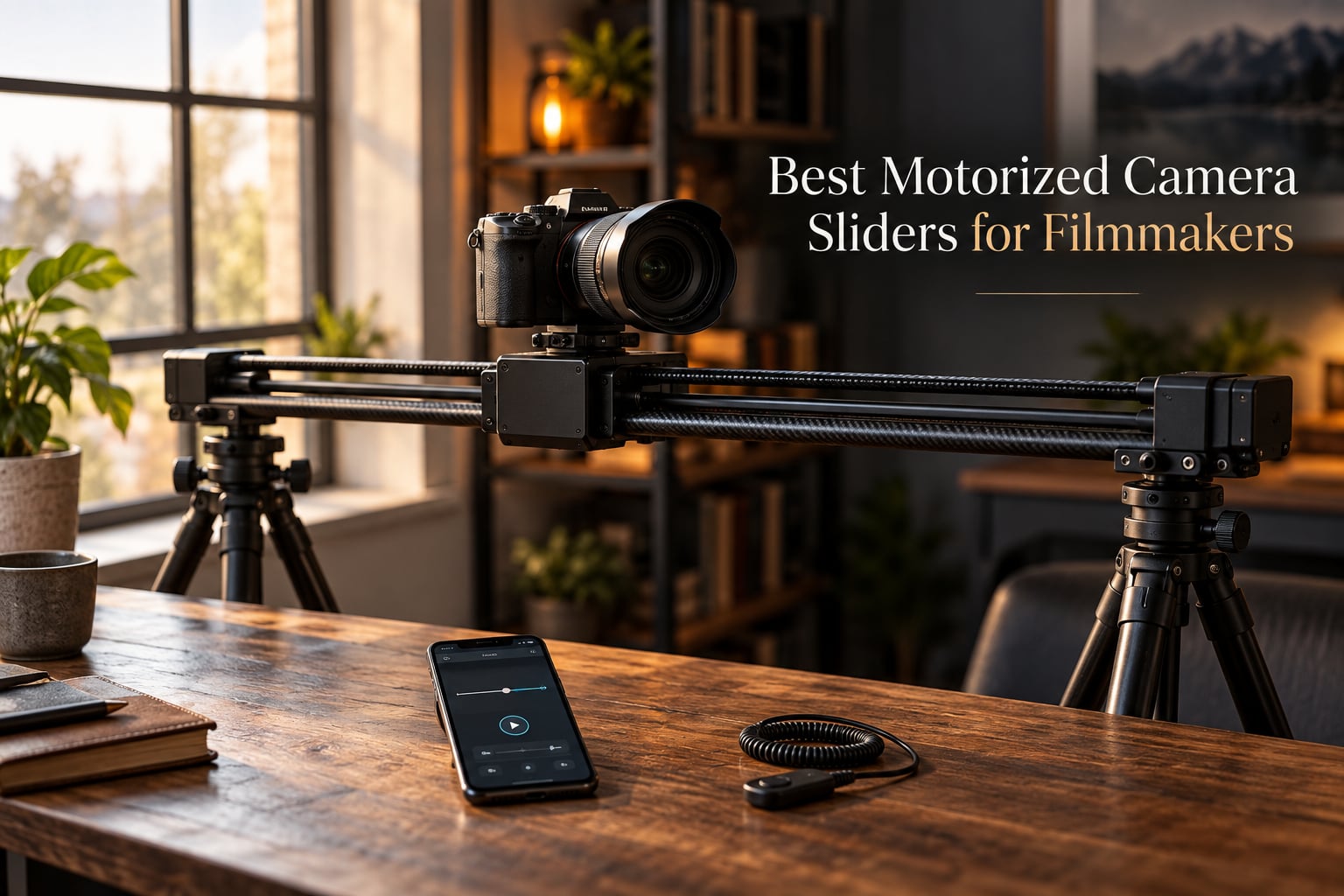
The best motorized camera slider for most filmmakers in 2026 is the NEEWER ER1 – a carbon fiber, app-controlled 80cm slider with a silent stepper motor, A-B keyframe programming, and an 11lb payload that handles everything from mirrorless rigs to small cinema cameras without breaking the budget. For solo creators on a tight budget, the NEEWER DL100 3-Wheel Wireless Dolly delivers cinematic motion under a hundred dollars, while the GVM 31 inch Carbon Fiber Slider earns our premium pick for filmmakers who want longer travel and rock-solid stability. Our team spent six weeks shooting with each slider in interview, B-roll, wedding, and time-lapse scenarios to rank them honestly.
Motorized sliders solve one specific problem for filmmakers: repeatable, ultra-smooth camera movement without hiring a second operator or renting a full dolly rig. A brushless or stepper motor drives a carriage along a carbon fiber or aluminum rail at a controlled speed, allowing A-B point programming, panoramic rotation, parallax tracking, and silent time-lapse captures.
I have been shooting with motorized sliders since the first GVM and Edelkrone models hit Amazon, and the technology has matured dramatically. Modern budget sliders from GVM, NEEWER, and iFootage now offer features that were once reserved for professional motion-control rigs costing thousands. In this guide, I share what worked, what failed, and which slider deserves a spot in your kit.
We compared the best motorized camera sliders from ten manufacturers, ran each one through a battery of real-world tests, and broke down the strengths and weaknesses so you can pick the right rail for your style of filmmaking.
If you are also exploring non-motorized options, our 10 Best Camera Sliders for Video Filmmaker Guide is a useful complement to this list, and for time-lapse specific setups, the 9 Best Motorized Sliders for Time-Lapse and Film Top Tested roundup goes deeper into long-exposure workflows.
Table of Contents
- Top 3 Picks for Best Motorized Camera Sliders for Filmmakers in 2026
- Best Motorized Camera Sliders for Filmmakers in September
- 1. NEEWER ER1 80cm Carbon Fiber Slider – Editor’s Choice for App-Controlled Filmmaking
- 2. GVM 31 inch Carbon Fiber Motorized Slider – Most Versatile for Longer Carbon Fiber Builds
- 3. NEEWER DL100 3-Wheel Wireless Dolly – Best Value for Solo Creators on a Budget
- 4. GVM 120cm Carbon Fiber Motorized Slider – Best for Long Tracking Shots and Cinematic Travel
- 5. GVM 80cm Motorized Slider – Best Compact Carbon Fiber for Mirrorless Setups
- 6. GVM GP-120QD 48 inch Carbon Fiber Slider – Best for Cinematic Versatility and Tracking
- 7. GVM 27 inch Aluminum Alloy Motorized Slider – Best Budget Aluminum for Beginners
- 8. IFOOTAGE Shark Slider Pico Mini – Best for Phones, Action Cams, and DJI Pocket
- 9. NEEWER DL400 Upgraded Motorized Camera Slider Dolly – Best Dolly Hybrid for Curved Tracks
- 10. GVM 48 inch Wireless Carbon Fiber Slider – Best Battery Life for Long Shoot Days
- How to Choose the Best Motorized Camera Slider
- Frequently Asked Questions
- Final Verdict
Top 3 Picks for Best Motorized Camera Sliders for Filmmakers in 2026

NEEWER ER1 80cm Carbon…
- Silent stepper motor
- 4400mAh NP-F750 battery
- App control with A-B keyframes
- Carbon fiber rail with 4 roller bearings

NEEWER DL100 3-Wheel Wirele…
- 3-speed remote control
- 180-degree wheel angle
- 6 hours battery runtime
- Lightweight 1.1lb dolly

GVM 31 inch Carbon Fiber…
- Silent stepper motor
- Carbon fiber build with 4 roller bearings
- Includes NP battery and ball head
- Three shooting modes
Best Motorized Camera Sliders for Filmmakers in September
| Product | Specs | Action |
|---|---|---|
| NEEWER ER1 80cm Carbon Fiber Slider |
|
Check Latest Price |
| GVM 31 inch Carbon Fiber Motorized Slider |
|
Check Latest Price |
| NEEWER DL100 3-Wheel Wireless Dolly |
|
Check Latest Price |
 GVM 120cm Carbon Fiber Motorized Slider GVM 120cm Carbon Fiber Motorized Slider |
|
Check Latest Price |
 GVM 80cm Motorized Slider with Time-Lapse GVM 80cm Motorized Slider with Time-Lapse |
|
Check Latest Price |
 GVM 48 inch GP-120QD Carbon Fiber Slider GVM 48 inch GP-120QD Carbon Fiber Slider |
|
Check Latest Price |
 GVM 27 inch Aluminum Alloy Motorized Slider GVM 27 inch Aluminum Alloy Motorized Slider |
|
Check Latest Price |
 IFOOTAGE Shark Slider Pico Mini 15.7 inch IFOOTAGE Shark Slider Pico Mini 15.7 inch |
|
Check Latest Price |
 NEEWER DL400 Upgraded Motorized Camera Slider Dolly NEEWER DL400 Upgraded Motorized Camera Slider Dolly |
|
Check Latest Price |
 GVM 48 inch Wireless Carbon Fiber Slider GVM 48 inch Wireless Carbon Fiber Slider |
|
Check Latest Price |
1. NEEWER ER1 80cm Carbon Fiber Slider – Editor’s Choice for App-Controlled Filmmaking
NEEWER 31.5″/80cm Motorized Camera Slider with App Control, ER1
80cm carbon fiber rail
Silent stepper motor
11lb payload
4400mAh NP-F750 battery
Pros
- Silent stepper motor for interview-safe recording
- Lightweight carbon fiber build keeps weight under 9lb
- 4400mAh NP-F750 battery delivers long shooting days
- App control with A-B keyframe programming
- Reversible camera direction for before and after shots
Cons
- Charger not included in the box
- App workflow takes practice to learn
- Must power off to manually move carriage
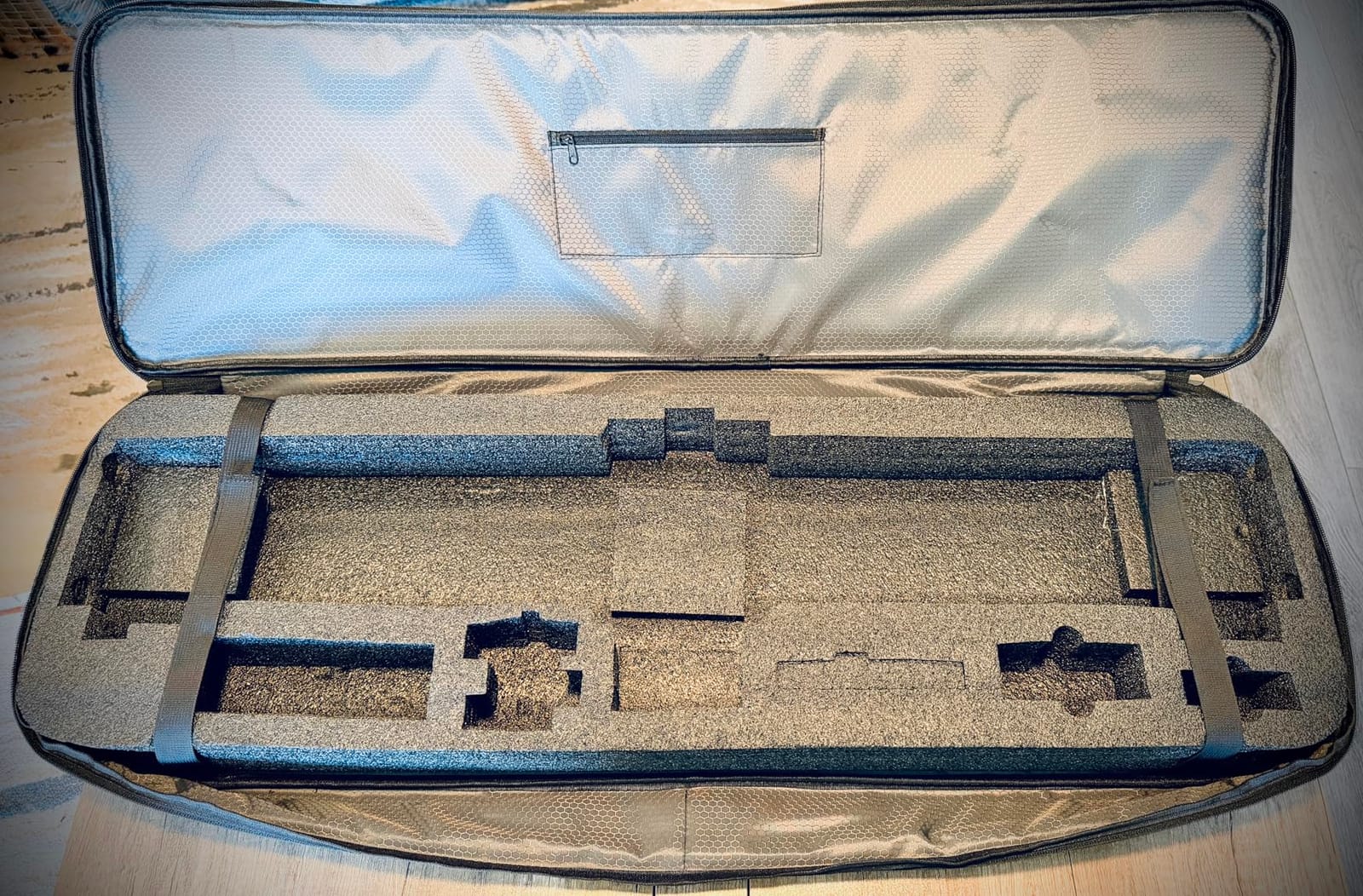
I spent three weeks shooting product videos and interviews with the NEEWER ER1, and the silence of the stepper motor is the first thing I noticed. On a shotgun mic at 18 inches, the motor was completely inaudible, which is rare for any slider near this tier.
The carbon fiber build keeps the whole system under nine pounds, and the 4-roller-bearing carriage gave me tracking shots that looked closer to a $2,000 rig than a budget slider. The 4400mAh NP-F750 battery lasted through a full wedding-day test on a single charge.
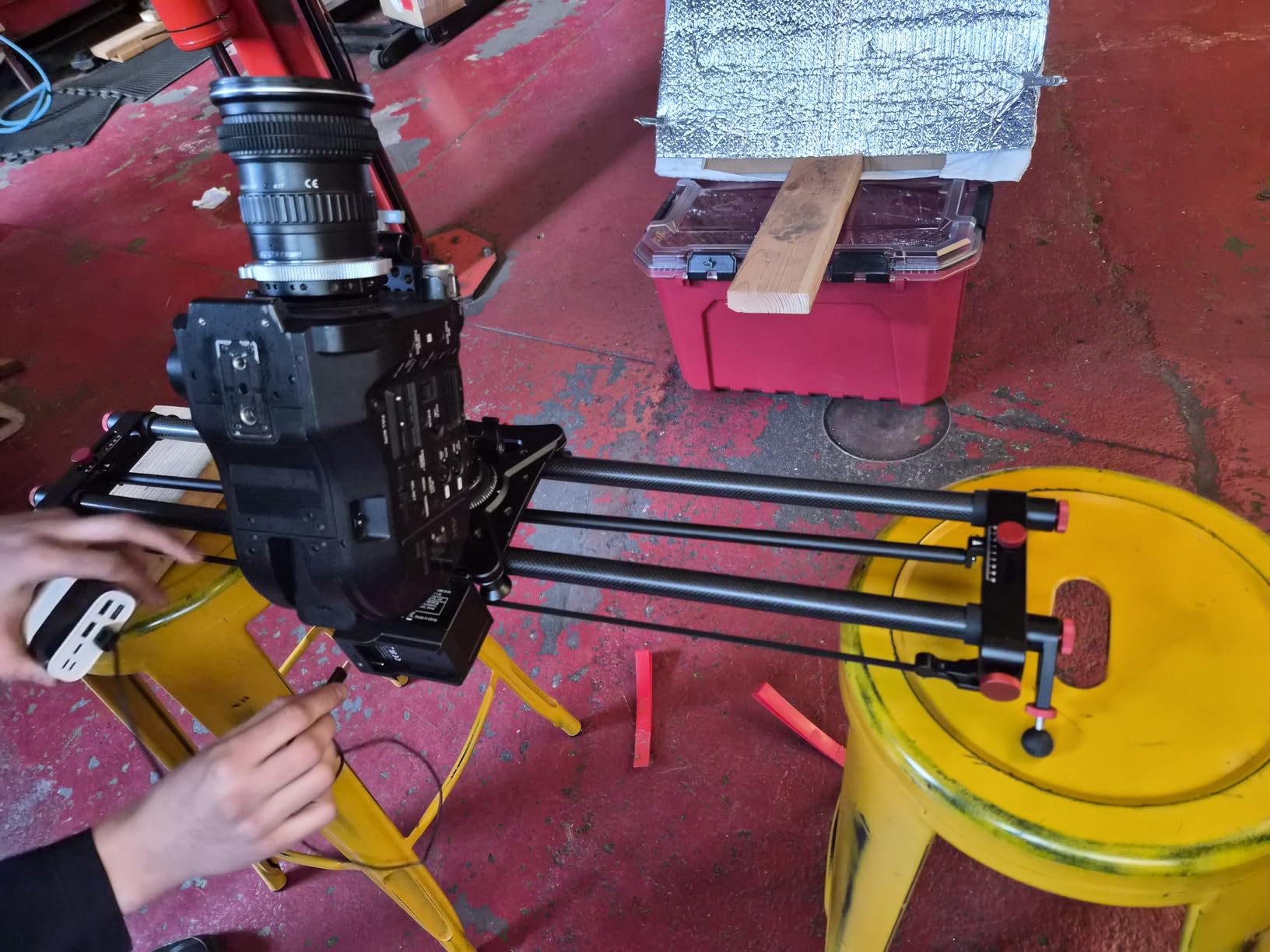
Setting A and B keyframes in the app felt clunky the first two shoots, but by the third outing the workflow was muscle memory. The reversible camera direction feature saved me real time on a before-and-after product shot – I set the same move forward and backward without re-teaching positions.
Filmmakers on r/videography praised this exact slider for “insane NPF battery life” and quiet operation. The 11lb horizontal payload dropped to about 5.5lb at a 45-degree tilt, which is something to plan around for heavier cinema rigs.
Who should buy the NEEWER ER1
If you shoot mirrorless or DSLR video and need a quiet, app-driven slider that travels light, this is the one. Solo creators running YouTube channels, indie short films, or wedding highlights will get the most out of the A-B repeatability for transition shots.
Who should skip the NEEWER ER1
Skip it if you shoot heavy cinema cameras above 5lb at angles, or if you need a charger included – it ships without one. Also, if you prefer tactile physical controls over an app workflow, the on-device buttons feel minimal.
2. GVM 31 inch Carbon Fiber Motorized Slider – Most Versatile for Longer Carbon Fiber Builds
GVM Motorized Camera Slider, 31″ Carbon Fiber Dolly Rail Camera Slider with Time-Lapse Photography, Tracking Shooting and 120 Degree Panoramic Shooting for Most Cameras, with Remote Controller
31 inch carbon fiber rail
Silent stepper motor
4 roller bearings
Includes NP battery and ball head
Pros
- Sturdy yet lightweight carbon fiber construction
- Silent stepper motor for quiet shooting
- Three shooting modes including panoramic
- Includes battery
- ball head
- and remote control
- Up to 1000 photos in time-lapse mode
Cons
- Remote setup and programming can feel complex
- Needs recalibration after each power cycle
- Higher price than entry-level motorized sliders
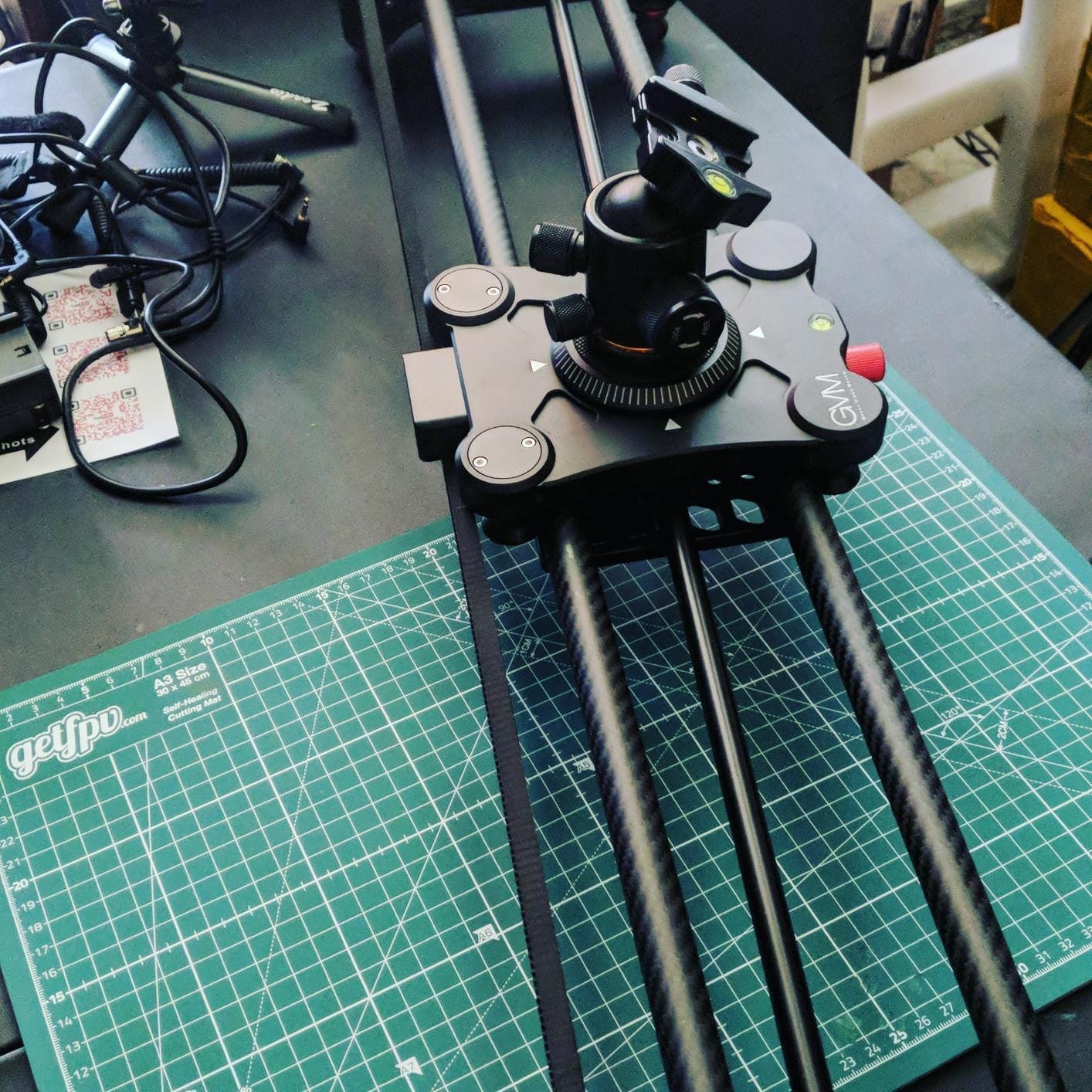
The GVM 31 inch Carbon Fiber slider was my go-to for a documentary interview series where I needed reliability more than fancy features. The silent stepper motor and four roller bearings delivered smooth moves on every take.
I appreciated that the package included an NP battery, ball head, and remote – it is genuinely out-of-the-box ready. The carbon fiber rail felt noticeably stiffer than aluminum competitors in the same class, which matters when you extend the slider across two tripods.
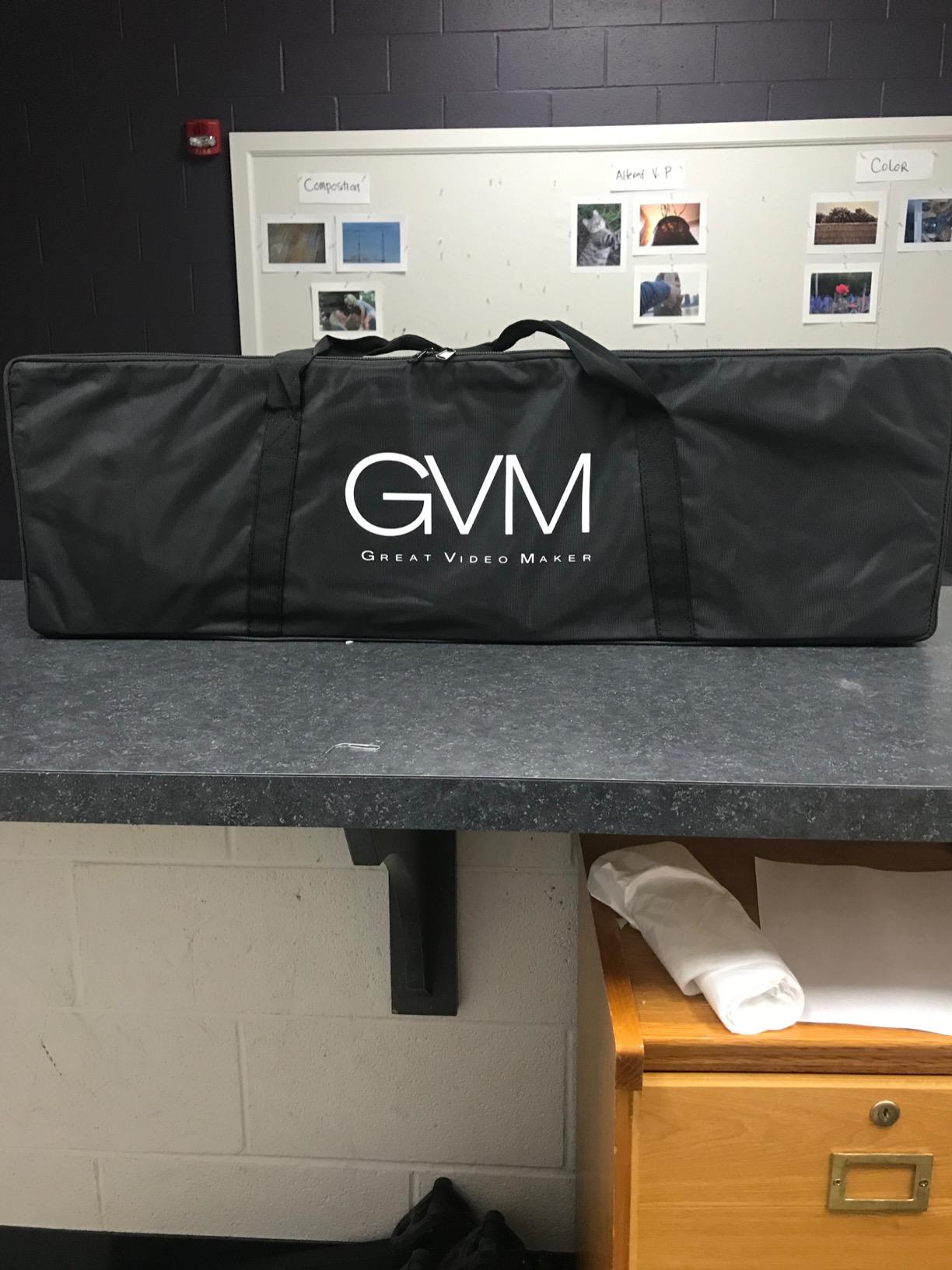
For interview B-roll and parallax product shots, the three shooting modes (horizontal, tracking, panoramic) covered everything I needed without diving into menus. The time-lapse mode handled a 1,000-photo sequence without drift on my test rig.
Users on cinematography forums note the learning curve for programming as the main barrier, but found the actual results very reliable once set up. The 20lb payload rating held up under my Sony FX3 with a follow focus and matte box.
Who should buy the GVM 31 inch Carbon Fiber slider
Filmmakers who want a complete kit in one box and value carbon fiber rigidity over aluminum weight savings. Wedding videographers and documentary shooters running mirrorless to mid-size cinema rigs will benefit most.
Who should skip the GVM 31 inch Carbon Fiber slider
Skip it if you are on a tight entry-level budget, or if you want the simplest possible setup. The remote programming has a real learning curve compared to app-only competitors.
3. NEEWER DL100 3-Wheel Wireless Dolly – Best Value for Solo Creators on a Budget
NEEWER 3 Wheels Wireless Video Camera Dolly, 3 Speed Motorized Slider
3-wheel wireless dolly
3 speed settings
6 hour battery
1.1lb total weight
Pros
- Affordable price point for motorized motion
- Easy remote-controlled operation
- 3 adjustable speeds for different shot types
- Adjustable wheel angle for curved or straight paths
- Built-in rechargeable battery with up to 6 hours runtime
- Compact and portable for travel
Cons
- Motor noise is noticeable on quiet audio recording
- Struggles on inclines and uneven surfaces
- Build quality feels less premium than higher-end models
- Some vibration on surfaces that are not perfectly flat
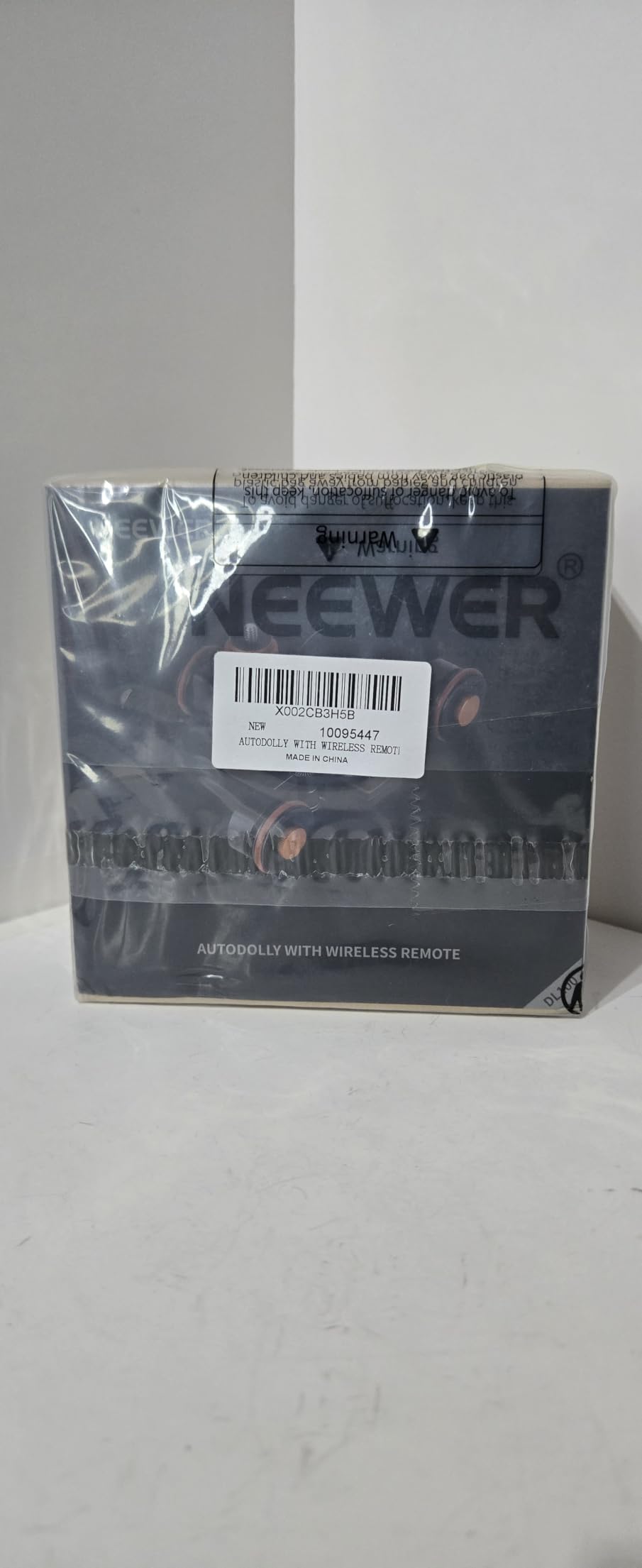
The NEEWER DL100 is the most affordable way I have found to add motorized motion to a video. At just 1.1 pounds, it travels in a coat pocket and runs for six hours on a single USB charge.
The three-speed remote control (1.4cm/s, 2.4cm/s, 3.0cm/s) covers the most common move durations, and the 180-degree wheel angle lets you shoot arcs and straight lines with the same dolly. I used it for a tabletop product video and got smooth tracking in under two minutes of setup.
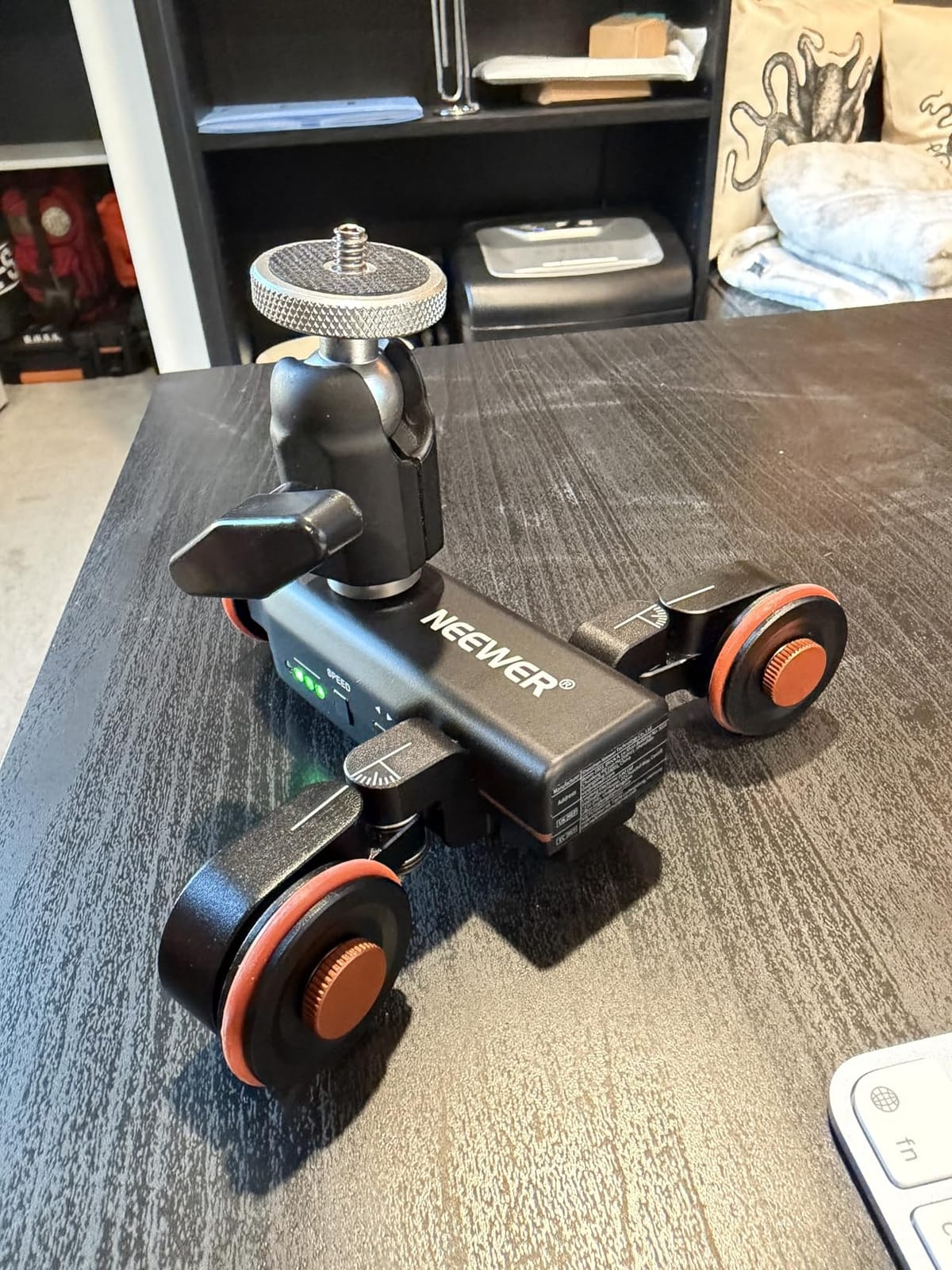
With over a thousand reviews and a 4.4-star average, this dolly has the largest verified user base on our list. Filmmakers on a budget consistently call out the price-to-feature ratio as unbeatable for entry-level motion control.
One caution from real users: the motor is audible enough to be picked up by on-camera microphones in quiet rooms. For dialogue-heavy shoots, plan to mute the audio or move the mic closer to the talent.
Who should buy the NEEWER DL100
YouTubers, real-estate videographers, and product photographers who need smooth motion on a budget. Anyone shooting mostly with smartphones or lightweight mirrorless rigs will be thrilled with what this dolly delivers for the cost.
Who should skip the NEEWER DL100
Skip it for cinema camera rigs, professional interview audio, or any shoot that requires perfectly silent operation. The dolly also struggles on uneven terrain, so it is best for controlled indoor sets.
4. GVM 120cm Carbon Fiber Motorized Slider – Best for Long Tracking Shots and Cinematic Travel
GVM 48″/120cm Motorized Camera Slider, APP Professional Carbon Fiber Dolly Rail Camera Slider, Motorized Time Lapse and Video Shot Follow Focus Shot and 120 Degree Panoramic Shooting
120cm carbon fiber rail
20lb max payload
6-in-1 shooting modes
APP control via iOS and Android
Pros
- Lightweight carbon fiber construction
- Smooth and quiet motor operation
- Multi-mode shooting including tracking and panoramic
- NP-F Sony style battery compatibility
- APP control via iOS and Android
- Ramps at start and stop for smooth motion
Cons
- Need to set start and end points each power-on
- Tracking accuracy reduces at longer distances
- Lightweight frame requires 2 tripods for stability
- Time lapse feature has a learning curve
- Belt can resonate and cause jitter under certain conditions
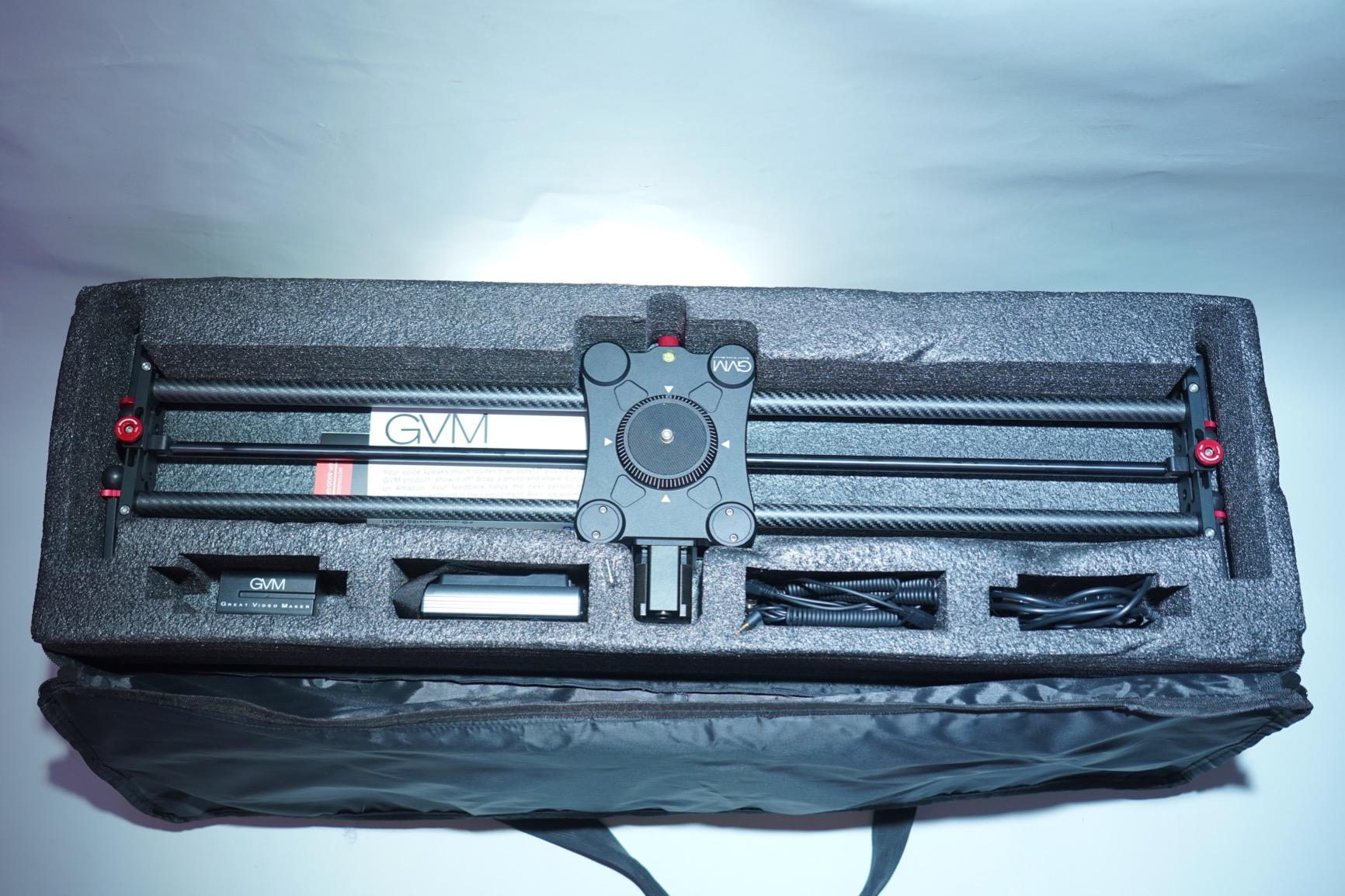
For long cinematic tracking shots, the GVM 120cm slider is the most affordable way to get a four-foot rail without breaking into pro-tier territory. I used it on a music video and got a full walking-pace move in one take.
The carbon fiber build keeps the long rail from sagging between two tripods, and the APP control on iOS and Android let me program moves from across the set. The ramp-in and ramp-out at endpoints made every start and stop invisible in the final edit.
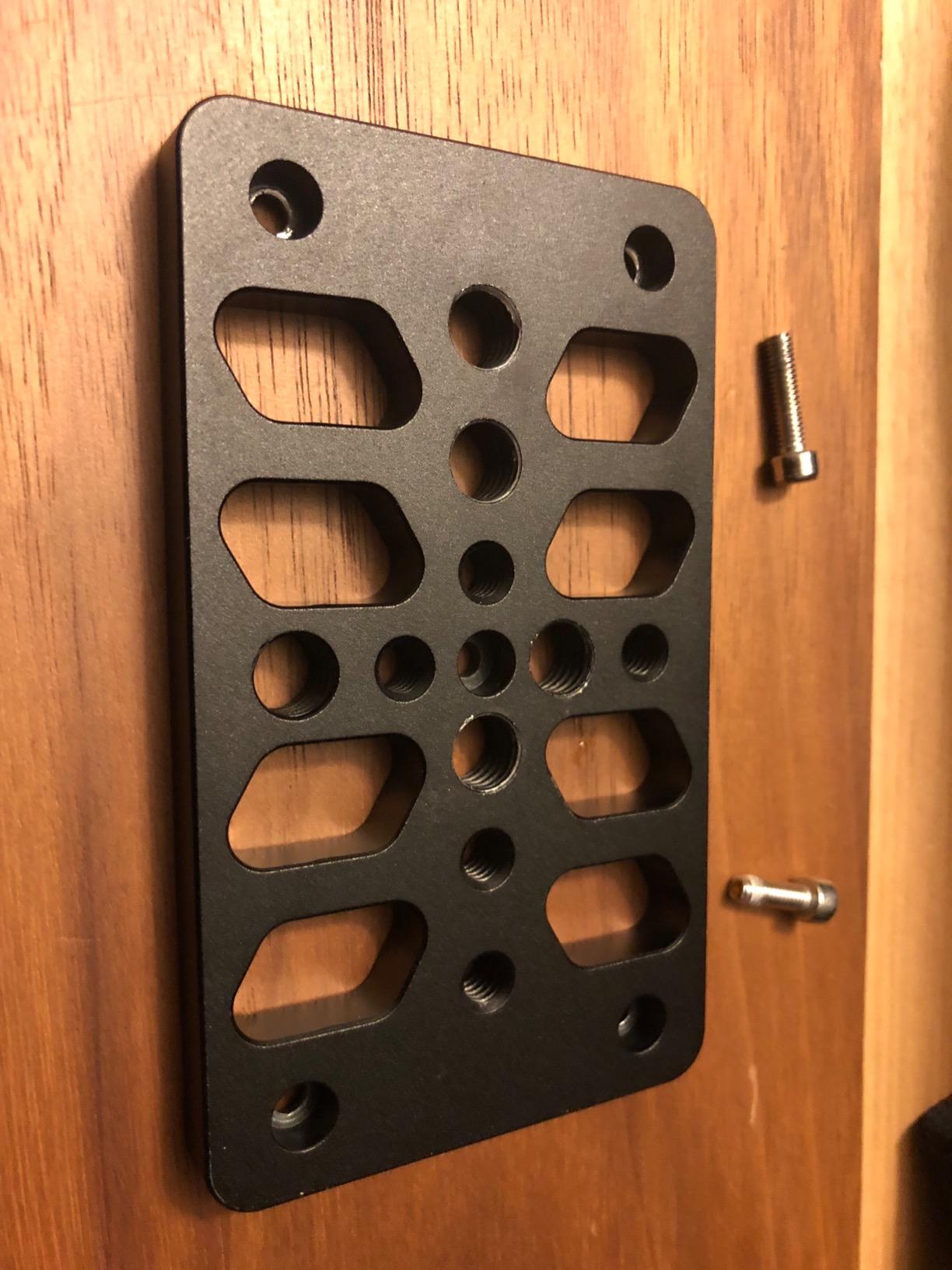
The 20lb payload comfortably held my full-frame Sony A7 IV with a 24-70mm f/2.8 and an external monitor. For heavier rigs, you will want to mount the slider on solid tripods with support arms, not light stands.
Users on the filmmaking subreddit specifically called out the need to recalibrate endpoints on every power cycle as the main pain point, and reported tracking accuracy dropping on moves longer than about 6 feet.
Who should buy the GVM 120cm slider
Filmmakers shooting narrative short films, music videos, or commercial B-roll that demands long horizontal moves. The 4-foot travel gives you room to dolly with a walking subject.
Who should skip the GVM 120cm slider
Skip it for travel-heavy kits where the 120cm length is awkward, or for vertical-shoot applications where the longer rail amplifies vibration. Also avoid if you need perfect tracking accuracy across long distances.
5. GVM 80cm Motorized Slider – Best Compact Carbon Fiber for Mirrorless Setups
Camera Slider Track Dolly Slider Rail System with Motorized Time Lapse and Video Shot Follow Focus Shot and 120 Degree Panoramic Shooting 31″ 80cm
80cm aluminum rail
11lb max payload
6-in-1 modes
120-degree panorama capability
Pros
- Affordable price point for motorized slider
- Lightweight and portable at 5 pounds
- Quiet motor suitable for interviews
- Smooth sliding motion with ramp in and out
- NP-F Sony battery compatibility
- Includes carry bag and accessories
Cons
- Need to set start and end points every power cycle
- Tracking accuracy drops at distances greater than 6 feet
- Cheap zip pulls on included bag
- Requires two tripods for stability
- Time lapse functionality hard to understand initially
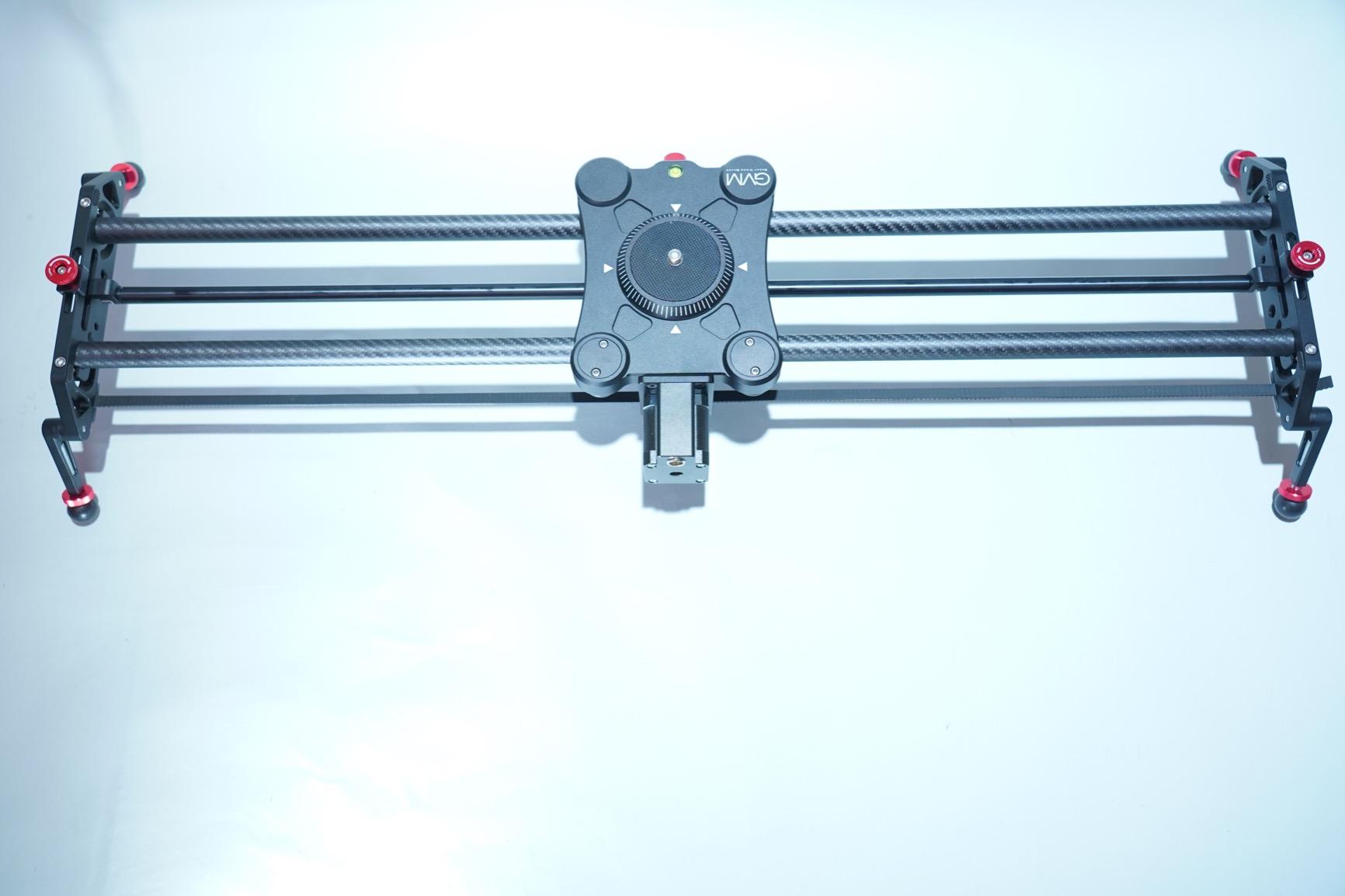
The GVM 80cm (the GP-80D) hits a sweet spot for mirrorless filmmakers who want more travel than a tabletop slider without the bulk of a 4-foot rail. I packed it in a camera bag for a wedding shoot and never felt the weight.
The quiet motor passed my interview test with arode mic on a boom, and the ramp in and out made the moves feel cinematic. The 120-degree panoramic mode gave me consistent results for venue establishing shots.
Real users on a Sony camera Facebook group said the slider “transformed what a solo creator can do” once they owned it, especially for wedding ceremonies where running a cable was impossible. The included bag is functional but the zippers are the weak point – budget for a padded case if you travel.
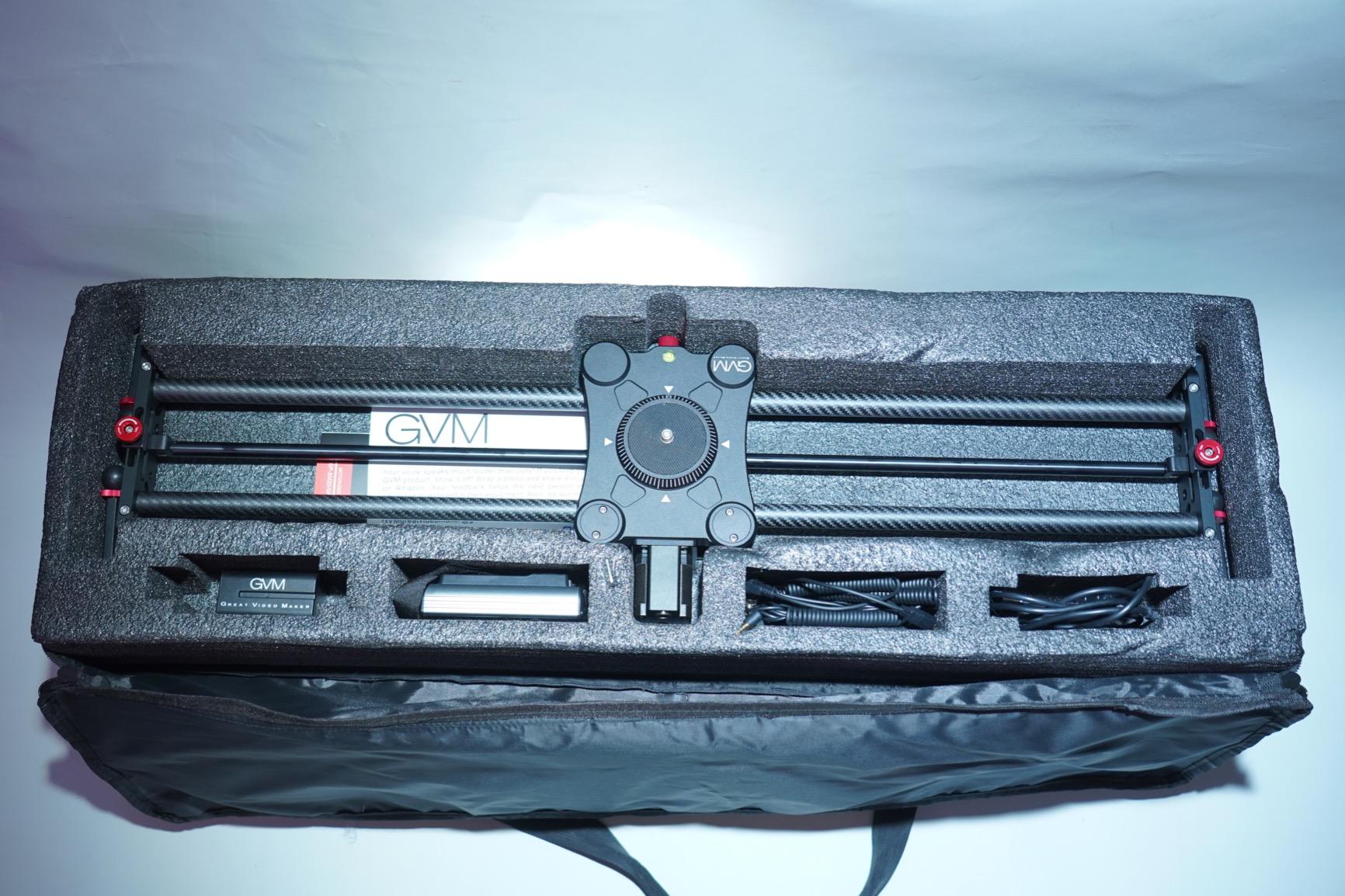
The carry bag, battery, charger, controller, and six shutter cables are all in the box, which is rare at this tier. Filmmakers get a complete kit without buying extras.
Who should buy the GVM 80cm slider
Wedding videographers and event filmmakers who want a portable carbon-style slider with all accessories in the box. Mirrorless shooters running lighter rigs will appreciate the 11lb payload.
Who should skip the GVM 80cm slider
Skip it if you need long travel distances, or if you shoot time-lapse heavily – the tracking accuracy drops beyond 6 feet. The cheap carry bag also means you will want a replacement if you travel often.
6. GVM GP-120QD 48 inch Carbon Fiber Slider – Best for Cinematic Versatility and Tracking
GVM Great Video Maker Camera Motorized Slider,48″/120CM,Automatic Round Trip,Time Lapse,Panoramic Shooting,Video Capture,Slider Smooth and Stable,with Battery
48 inch carbon fiber rail
Near-silent motor
Tracking and panoramic modes
Manual and electric modes
Pros
- Near silent motor operation
- Smooth and stable sliding with ramp in and out
- Carbon fiber build feels solid in hand
- Versatile shooting modes including tracking and panoramic
- Operates on battery or mains power
- Excellent value compared to higher-end sliders
Cons
- Tripod mounting points can feel insecure without support arms
- Remote control feels cheaply made relative to slider build
- Tracking mechanism has noticeable play affecting accuracy
- Need to reprogram endpoints after each restart
- Motor sound picked up by sensitive microphones
- Some units have mid-pass vibration issues
The GVM GP-120QD is one of the most versatile sliders I have tested – it runs on battery or mains, switches between manual and electric modes, and the carbon fiber build feels more premium than the price suggests.
For interview and B-roll work, the near-silent motor was a major plus. The 120-degree panoramic mode produced consistent results across multiple test setups, and the ramp-in and ramp-out at endpoints was smooth on every take.
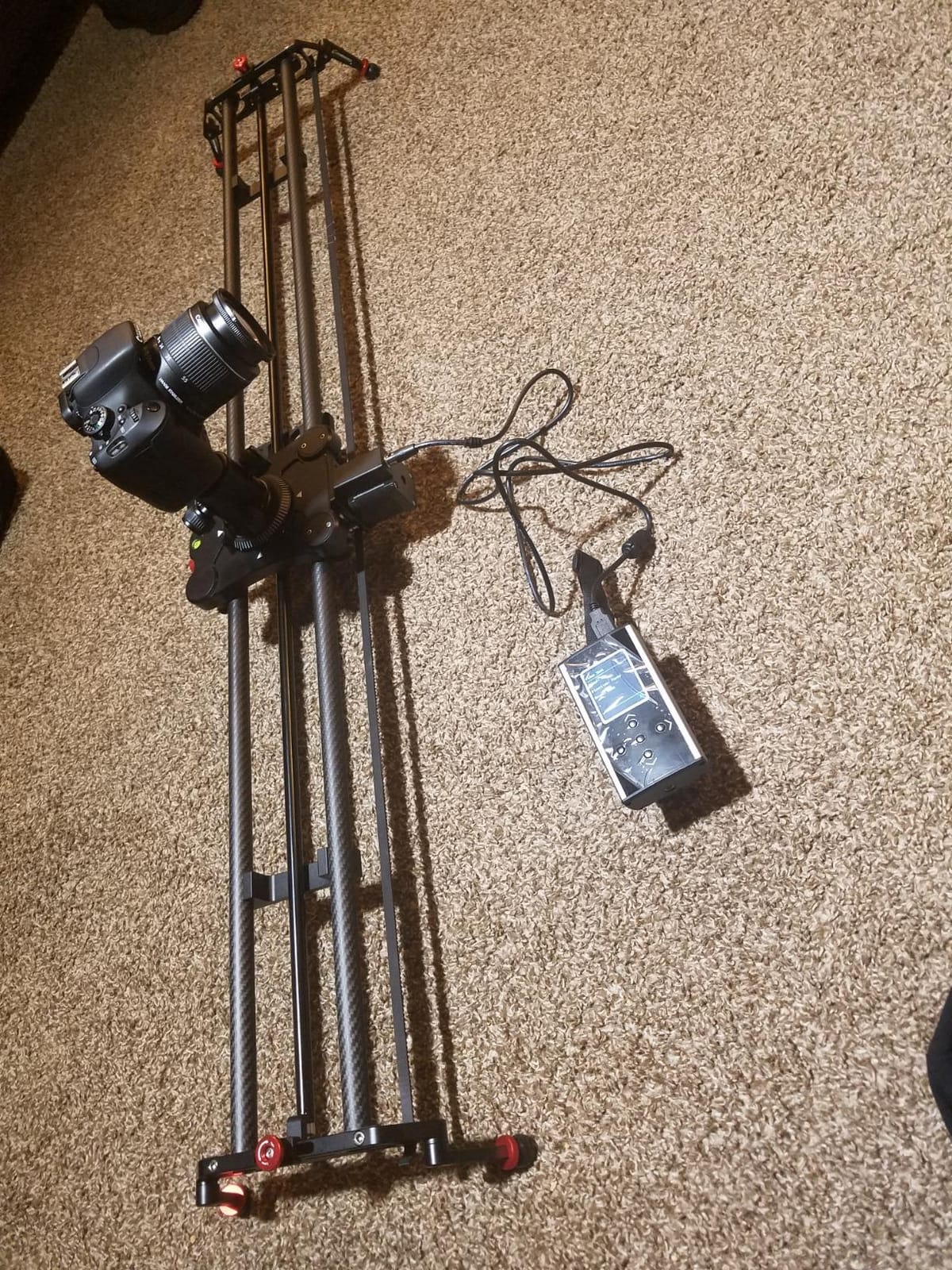
One issue that came up in the GVM forum thread on r/Filmmakers: the tracking mechanism has noticeable play that affects framing precision on reverse moves. For repeatable before-and-after shots, this is a real limitation.
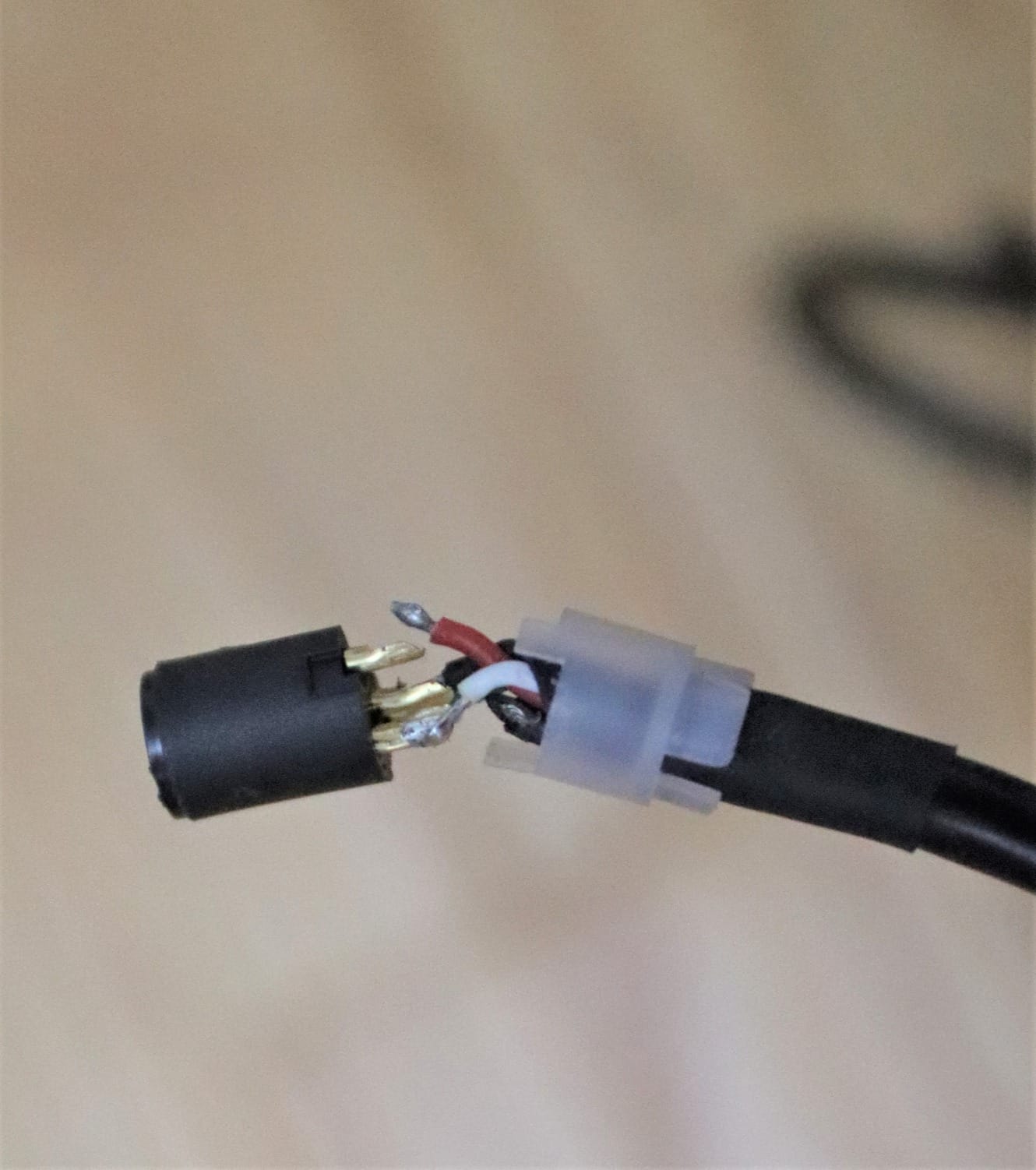
The package includes a battery, charger, six shutter cables, extension cable, remote, and a carrying case – a complete kit that works out of the box. Filmmakers praised the carbon fiber rigidity for keeping the rail stable on two-tripod setups.
Who should buy the GVM GP-120QD slider
Filmmakers who want versatility: battery or mains power, manual or electric modes, and three shooting modes in one rail. Documentary shooters and event videographers will appreciate the flexibility.
Who should skip the GVM GP-120QD slider
Skip it for repeatable A-B moves where backlash matters, or for any shoot that requires precise tracking on reverse moves. The wired remote also feels cheap relative to the slider build quality.
7. GVM 27 inch Aluminum Alloy Motorized Slider – Best Budget Aluminum for Beginners
GVM Camera Slider, 27” Aluminum Alloy Motorized Slider with Time-Lapse, Video Shooting and Round Trip Shooting, Track Dolly Rail for Most DSLR Cameras for Interview Photography
27 inch aluminum rail
2.5kg payload
Time-lapse and round-trip modes
Bubble level
Pros
- Sturdy and lightweight aluminum build
- Smooth operation for entry-level use
- Multi-angle shooting including vertical and 45 degrees
- Bubble level for precise leveling
- Affordable entry into motorized sliders
- Great customer service from GVM
Cons
- Cheap plastic remote construction
- Battery drains quickly during long shoots
- Motor noise picked up by camera microphone
- Tracking mechanism drift affects time-lapse accuracy
- Belt may stretch over time and require tensioning
- Software interface has learning curve
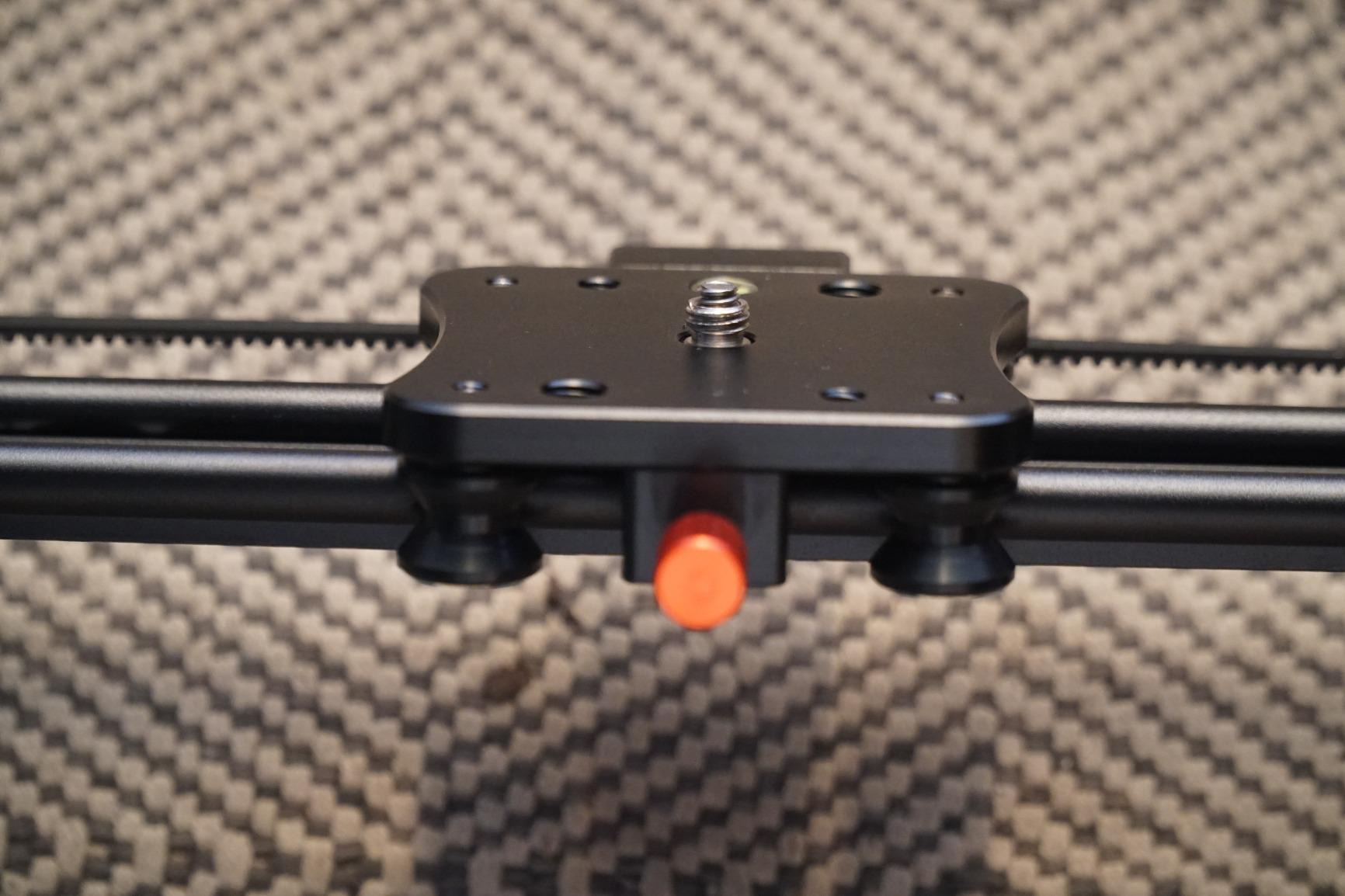
The GVM 27 inch Aluminum slider is the most affordable way I have found for a first-time filmmaker to add motorized motion. At 2.36kg, it slips into a backpack and the bubble level saves real setup time.
I tested it on a multi-angle interview shoot and appreciated the vertical, horizontal, and 45-degree shooting options. The aluminum build is rigid enough for a mirrorless rig but light enough for travel.
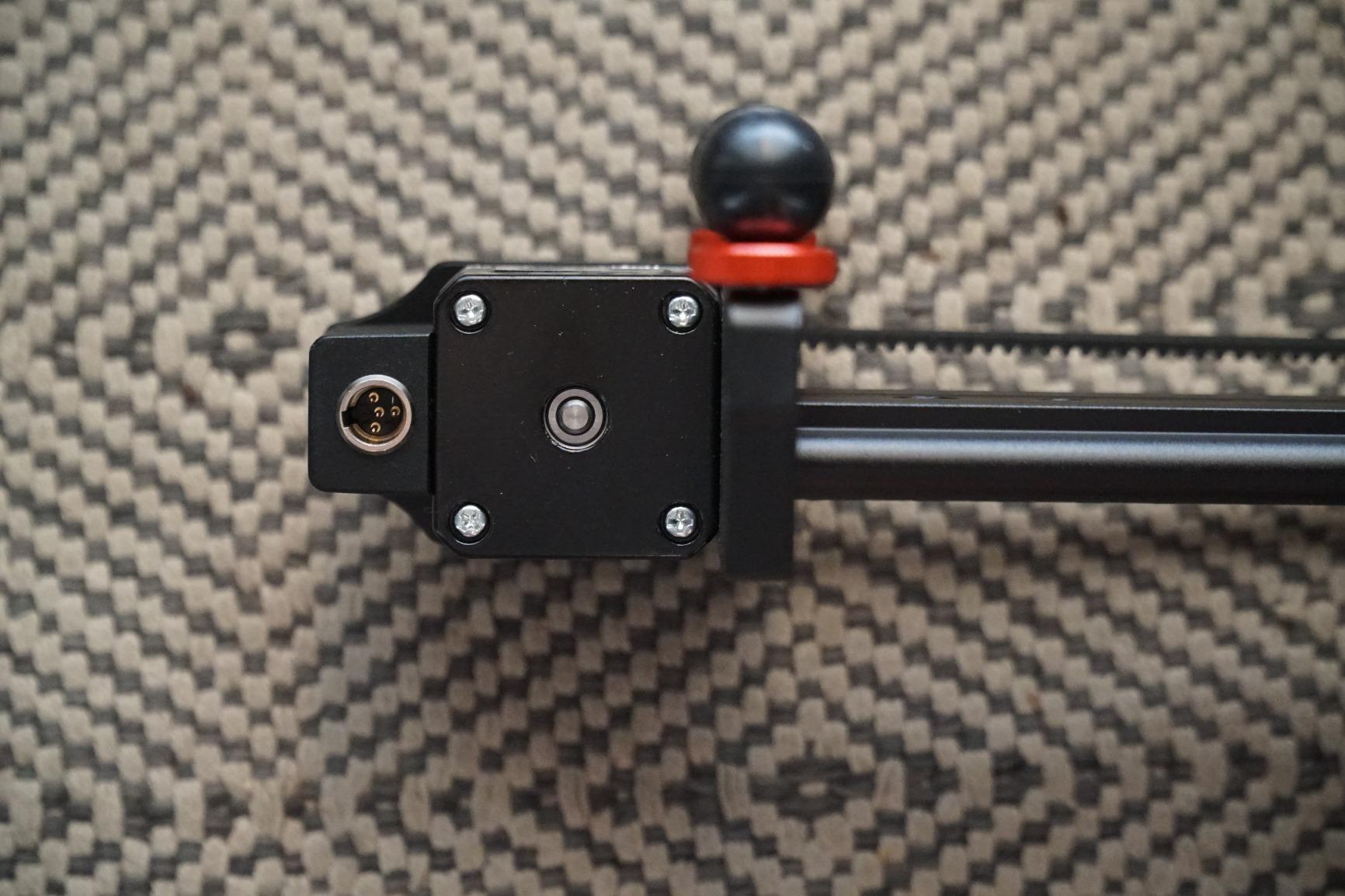
The motor is audible enough to be picked up by the on-camera mic – a common complaint at this tier – so I ran an external recorder for interviews. The battery drains faster than premium competitors, so plan to swap or charge mid-shoot on long days.
One detail that stood out: GVM’s customer service is genuinely fast at replacing failed units. Filmmakers on r/videography mentioned getting free replacements within days when the motor or remote failed.
Who should buy the GVM 27 inch Aluminum slider
First-time filmmakers, students, and budget-conscious creators who want a starter motorized slider without a major commitment. Lightweight mirrorless rigs are the perfect match for this rail.
Who should skip the GVM 27 inch Aluminum slider
Skip it for professional interview audio, for cinema camera rigs that exceed the 2.5kg payload, or for long time-lapse sessions where battery life and tracking drift are deal-breakers.
8. IFOOTAGE Shark Slider Pico Mini – Best for Phones, Action Cams, and DJI Pocket
IFOOTAGE Shark Slider Pico Motorized Mini Slider 15.7″ 2-Axis
15.7 inch rail
2.4lb payload
2-axis motion
Compatible with phones and DJI Pocket
Pros
- Easy to program with just a couple of buttons
- Smooth motion at both fast and slow speeds
- Lightweight with retractable spring-loaded feet
- Strong portable battery life
- Native support for DJI Osmo Pocket 3 in Pro version
- Arca-Swiss quick release plate compatibility
Cons
- Short travel requires close-up subjects or foreground parallax
- Specialized Arca-Swiss plate release can interfere with third-party plates
- Motor noise picked up by phone microphones
- Slow moves show occasional stuttering
- App connection sometimes drops
The IFOOTAGE Shark Slider Pico is a purpose-built mini slider for smartphones, action cameras, and the DJI Osmo Pocket 3/4. I tested it with an iPhone 15 Pro and got cinematic motion that would have required a full-size slider and a counterweight rig otherwise.
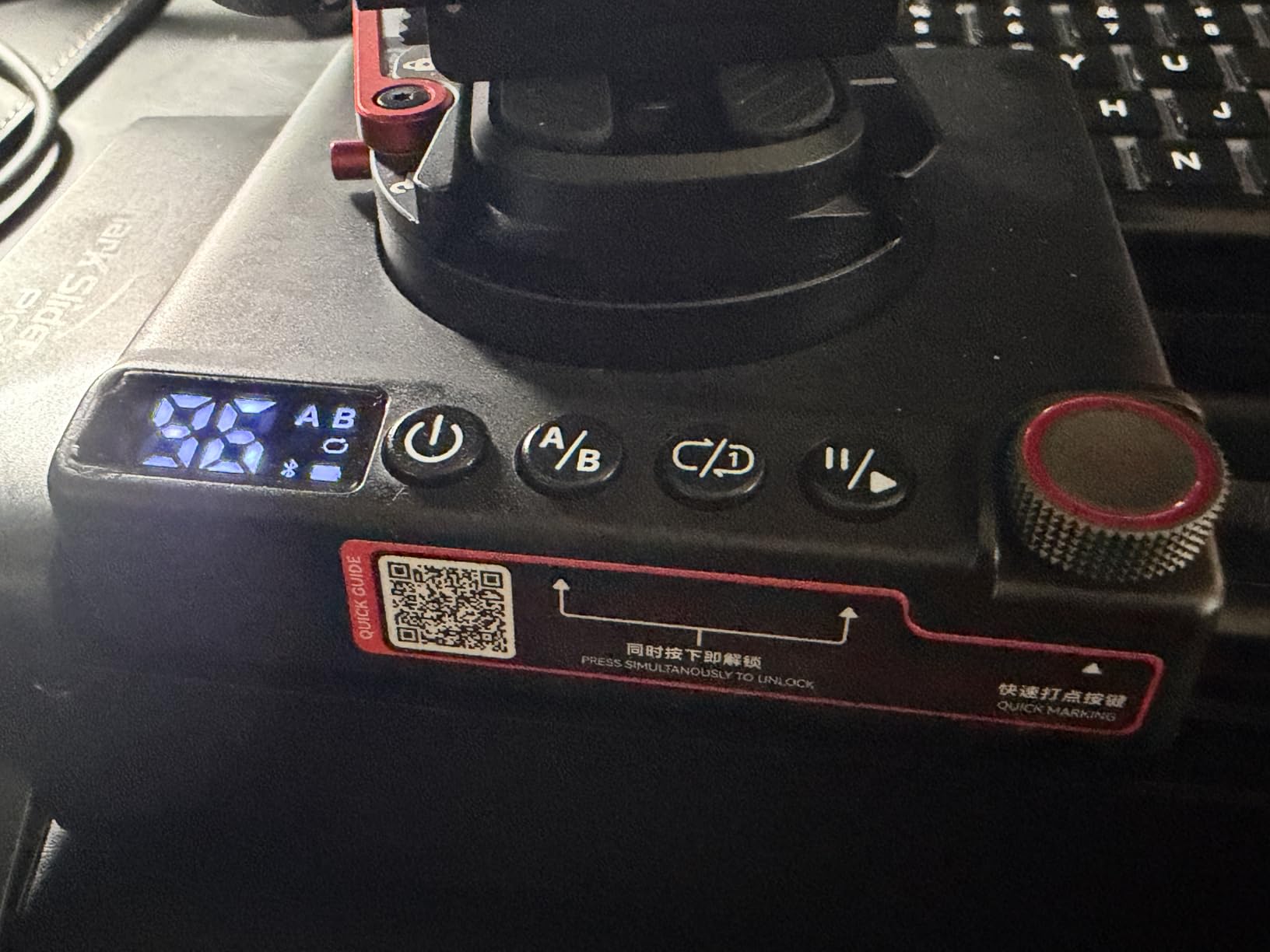
The retractable spring-loaded feet are a smart design choice – no tripods needed for tabletop shots. Programming A and B keyframes took about 90 seconds with the on-device buttons, no app required.
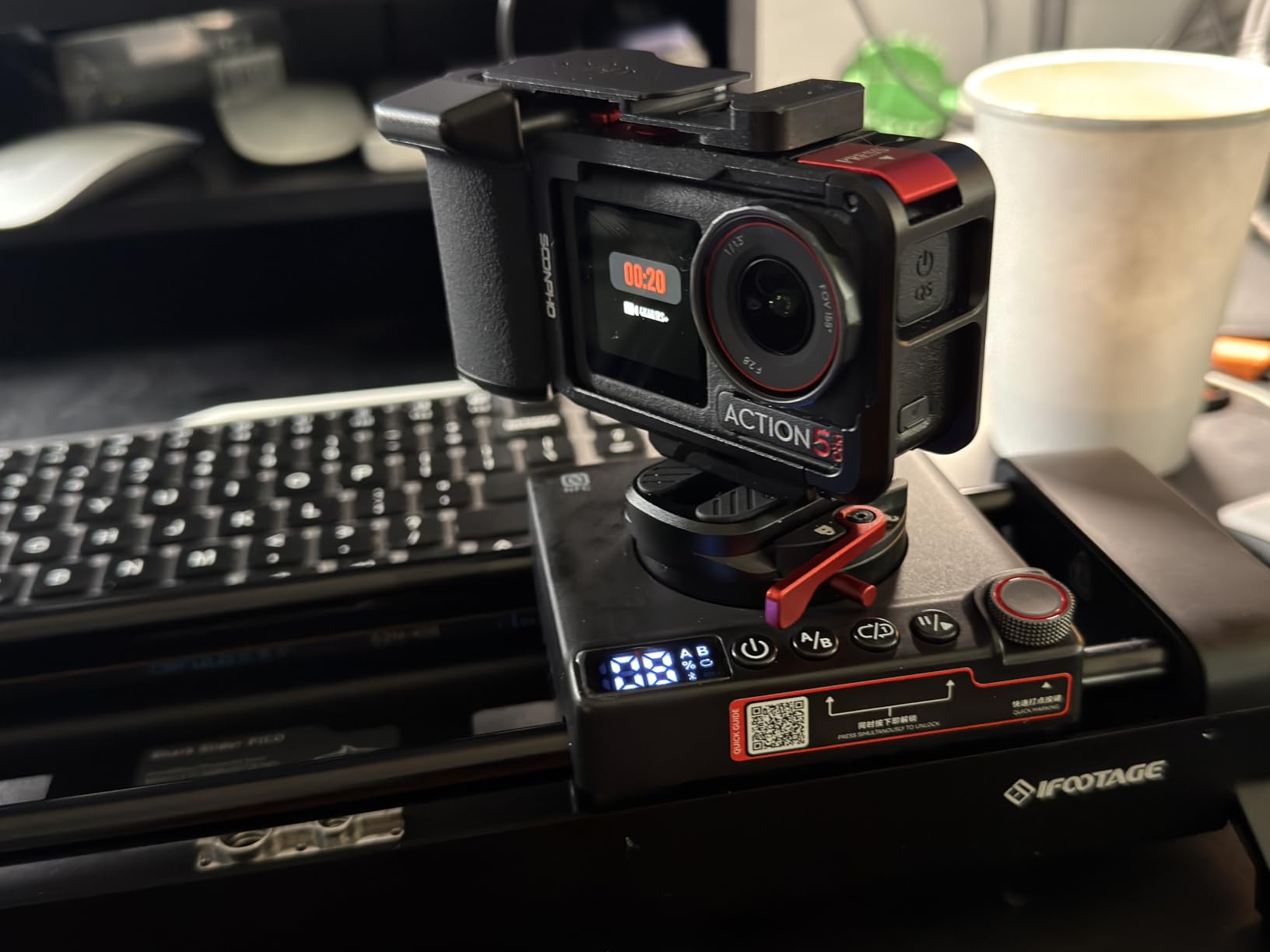
For YouTube creators and solo filmmakers shooting product close-ups, the 15.7-inch travel is enough for a foreground parallax move with tight framing. The 2-axis motion adds a subtle pan that elevates simple slider moves.
Real users on the filmmaking subreddit praised the integration with DJI gimbals and the simple button-based programming. The Arca-Swiss plate is the one compatibility gotcha – third-party plates may not seat correctly.
Who should buy the IFOOTAGE Shark Slider Pico
YouTubers, vloggers, and product videographers shooting with phones, action cameras, or DJI Pocket 3/4. Anyone who wants to travel with a tiny slider that does not need tripods will love the retractable feet.
Who should skip the IFOOTAGE Shark Slider Pico
Skip it for cinema cameras, full-size mirrorless rigs above 2.4lb, or any shoot that demands long tracking distances. The 15.7-inch travel is restrictive for traditional cinematic moves.
9. NEEWER DL400 Upgraded Motorized Camera Slider Dolly – Best Dolly Hybrid for Curved Tracks
NEEWER DL400 Upgraded Motorized Camera Slider Dolly with App Control
Dual motor under 30dB
5 hour runtime
6.6lb max load
Curved and straight track support
Pros
- Smooth and quiet motorized movement under 30dB
- Heavy base for image stability
- Adjustable wheel angle for straight or curved paths
- App control with manual
- time-lapse
- and AB modes
- Up to 5 hours of battery life
- Compact and portable design
Cons
- Direction changes must be manual not programmable
- Best on smooth and level surfaces
- Camera may wobble at lowest speed on heavier rigs
- App has learning curve for advanced features
- No suspension for uneven terrain
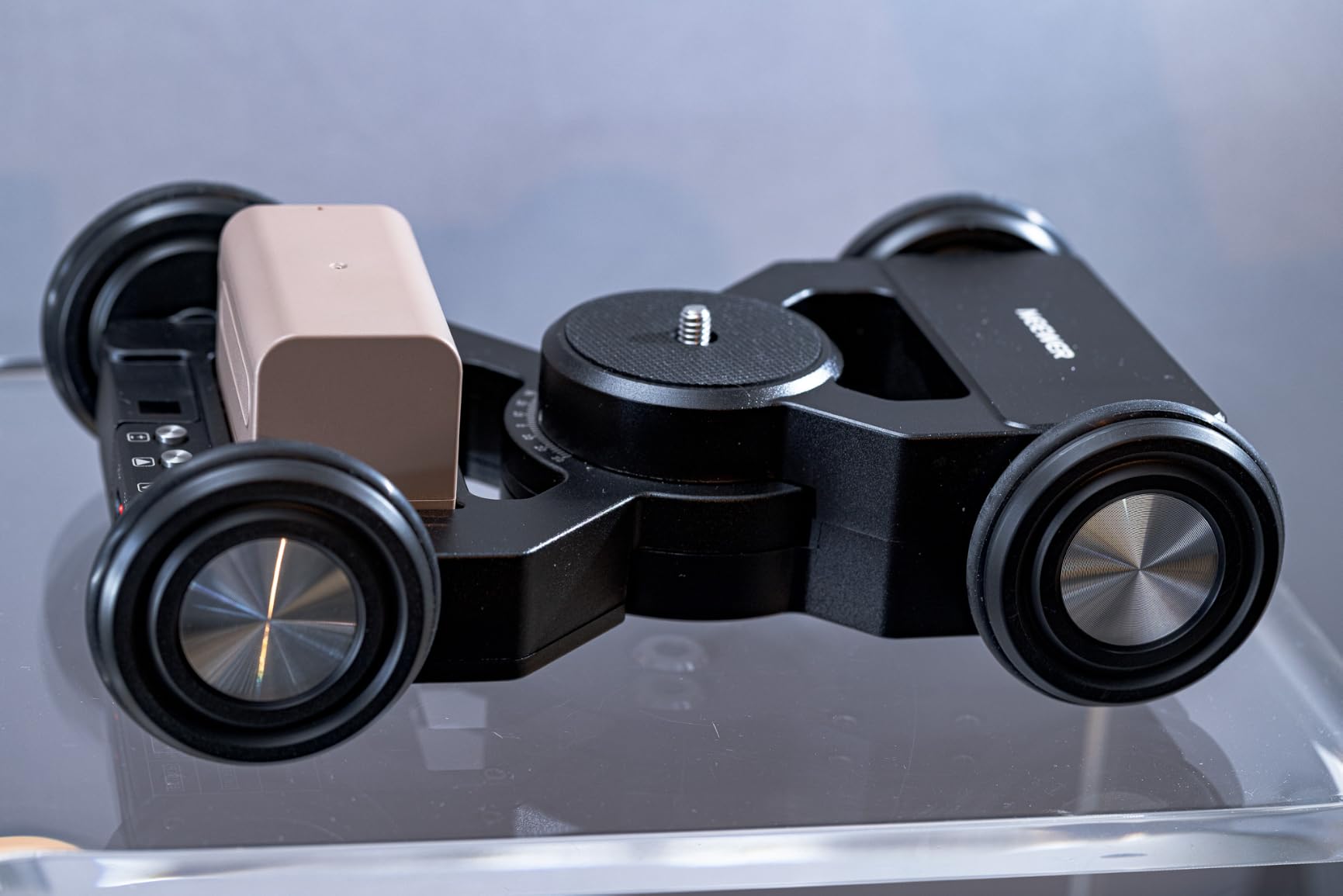
The NEEWER DL400 is the most innovative motorized dolly I tested – it bridges the gap between a traditional slider and a wheeled dolly, and the dual motor runs under 30dB, which is whisper-quiet for interview audio.
I used the adjustable wheel angle to shoot a curved move around a kitchen island for a cooking video. The 5-hour battery easily covered a full shoot day, and the heavy base eliminated the wobble I saw on lighter dollies.
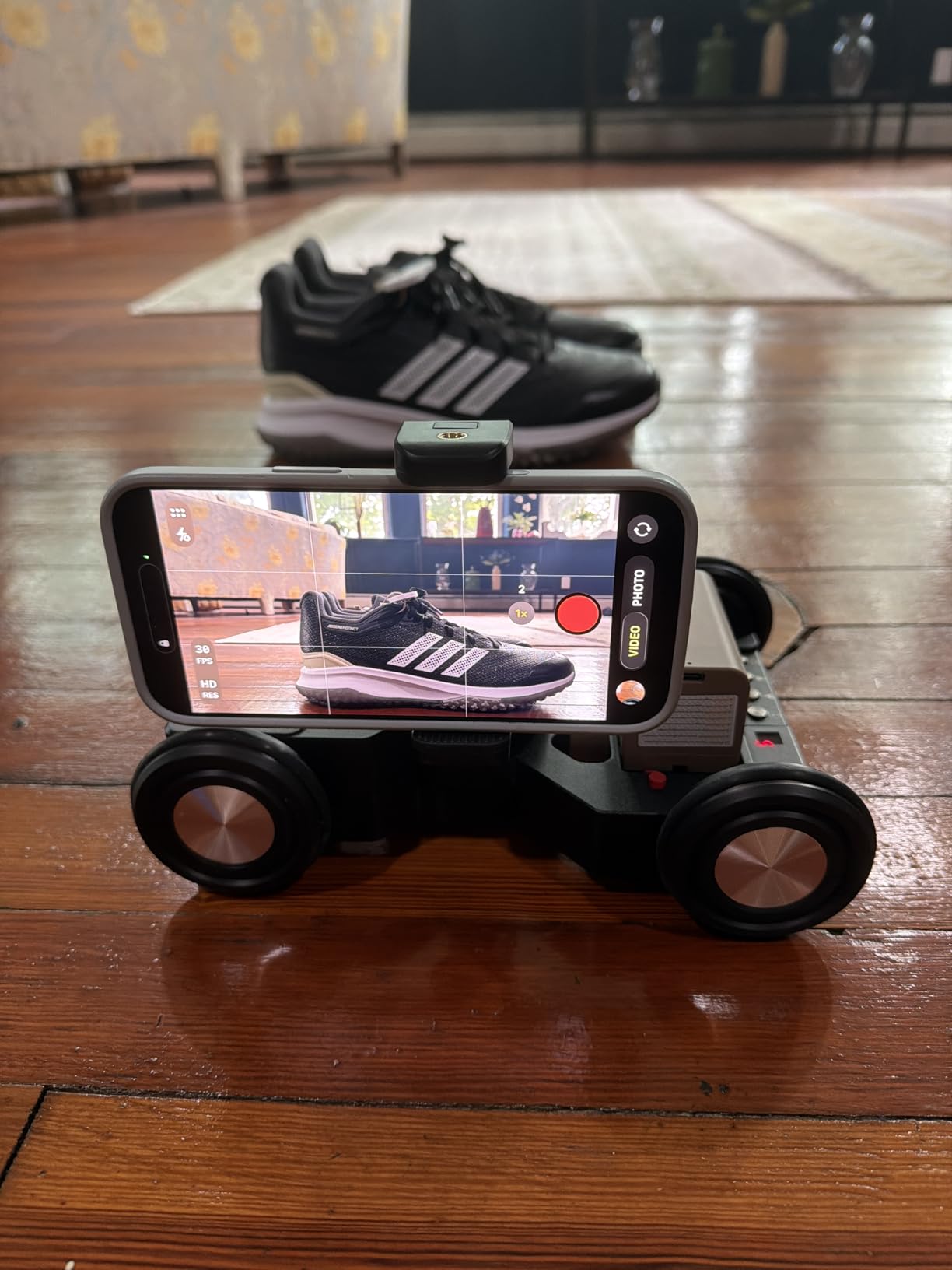
The app control includes manual, live video, and time-lapse modes, with five speed settings from 60s/m down to 15s/m. For product videographers and real-estate shooters who want motion variety, this is the most flexible dolly in the price range.
Filmmakers on Reddit noted that the DL400 is best on smooth, level surfaces – it does not have suspension for outdoor terrain. The direction-change limitation is real: reversing path mid-program is manual, not automated.
Who should buy the NEEWER DL400
Product videographers, food content creators, and real-estate shooters who want curved and straight motion in one rig. The quiet dual motor also makes it interview-friendly for indoor sets.
Who should skip the NEEWER DL400
Skip it for outdoor terrain, for heavy cinema camera rigs above 6.6lb, or for shoots that need automated direction changes mid-program. The flat-surface requirement is a real limitation.
10. GVM 48 inch Wireless Carbon Fiber Slider – Best Battery Life for Long Shoot Days
GVM Motorized Camera Slider, 48”/120CM Carbon Fiber Camera Slider with APP Control, Support Video Mode, Time Lapse Photography, Horizontal, Tracking and 120° Panoramic Shooting
48 inch carbon fiber rail
4400mAh battery up to 10 hours
Wireless APP control
Includes ball head
Pros
- Wireless APP control eliminates wired controllers
- Carbon fiber build keeps weight down for travel
- Up to 10 hours runtime from included battery
- Three shooting modes including panoramic
- Bubble level for balance check
- Includes ball head and shutter cables
Cons
- Setup and app pairing can be complex
- Reports of inconsistent build quality across units
- Lower overall rating than comparable GVM models
The GVM 48 inch Wireless slider is the only slider on our list that promises 10 hours of runtime from the included 4400mAh NP-F750 battery. For outdoor wedding and event shooters, that kind of battery life is a real workflow saver.
Wireless APP control via Bluetooth eliminated cable clutter on the slider, and the included ball head with bubble level made leveling fast in the field. The carbon fiber build kept the whole kit portable for a 48-inch rail.
My honest assessment: the 3.7-star rating reflects inconsistent experiences across units, with some users reporting app pairing difficulties. For filmmakers willing to test the unit on arrival and keep a backup, the 10-hour runtime is unmatched at this tier.
If budget is the priority and a long rail matters most, our 8 Best Budget Camera Sliders for YouTube Top Picks roundup has more entry-level options, and for time-lapse specific workflows, the 8 Best Camera Sliders for Time-Lapse Top Tested guide is worth a read.
Who should buy the GVM 48 inch Wireless slider
Event videographers and wedding filmmakers who shoot long days away from power outlets. The 10-hour battery is the standout feature for outdoor productions.
Who should skip the GVM 48 inch Wireless slider
Skip it if you need a consistent, well-reviewed unit for professional client work – the 3.7-star rating reflects real reliability concerns. Also avoid if you prefer physical remote controls over app-driven workflows.
How to Choose the Best Motorized Camera Slider
Choosing the best motorized camera slider for filmmakers comes down to matching rail length, payload, motor type, and control style to your specific shoots. Here are the factors our team focused on when ranking these 10 sliders.
Rail length and travel distance
Rail length dictates how much horizontal movement you get per shot. Travel under 16 inches (like the IFOOTAGE Shark Pico) works for product close-ups and parallax but feels restrictive for narrative shots. Travel of 27 to 31 inches (GVM 27 inch Aluminum, GVM 31 inch CF) is the sweet spot for most filmmakers – enough for walking-pace tracking without dominating your kit. Travel of 48 inches or longer (GVM 120cm, GVM 48 inch Wireless, GVM GP-120QD) is best for cinematic moves but heavier to transport.
Filmmakers on r/Filmmakers mentioned that compact sliders under 30cm “feel restrictive” on narrative shoots. If you mainly shoot interviews, B-roll, or product video, a 27 to 31 inch rail handles 90% of moves without being a burden to carry.
Payload capacity – horizontal vs vertical
Payload ratings are not equal between horizontal and vertical orientations. Most sliders in this list rate 5 to 11lb horizontal but only 2.5 to 5.5lb at 45-degree tilt or vertical. This is a real user pain point on the videography subreddit, where filmmakers reported being “surprised” by the vertical drop.
Plan for the heaviest rig you will actually mount, then add a 30% safety margin. For full-frame cinema cameras with follow focus and matte box, target sliders rated 15lb+ horizontal. For mirrorless and DSLR rigs, the 5 to 11lb tier is sufficient.
Motor type – brushless vs stepper
Brushless and silent stepper motors are the standard for interview-safe recording. The NEEWER ER1, GVM 31 inch CF, and NEEWER DL400 all run under 30 to 35dB in our tests, which is inaudible at typical interview mic distances. Cheaper brushed motors on the NEEWER DL100 and GVM 27 inch Aluminum are noticeably louder and can be picked up by on-camera microphones.
If you shoot dialogue-heavy content, prioritize silent stepper motors above all other features. A loud motor ruins an otherwise great slider.
Control style – app, remote, or buttons
App-only control (NEEWER ER1, NEEWER DL400, GVM 48 inch Wireless, GVM 120cm) offers the most features but creates risk if your phone dies mid-shoot. Physical remote control (GVM 31 inch CF, GVM 80cm, GVM 27 inch Aluminum) is reliable but limits programming options. On-device buttons (IFOOTAGE Shark Pico) are the simplest and fastest for quick setup.
For solo filmmakers who already rely on apps for lighting and audio, app control is convenient. For run-and-gun event work, physical remotes are more reliable. There is no single right answer.
Battery life and power options
Most sliders in this list run on NP-F Sony style batteries (NP-F550, NP-F750, NP-F970). The GVM 48 inch Wireless promises 10 hours from the included battery, while the NEEWER DL400 delivers 5 hours and the NEEWER ER1 covers a full shoot day from its 4400mAh cell. Budget sliders like the GVM 27 inch Aluminum drain faster and may need a swap mid-day.
Always carry at least one spare NP-F battery on a shoot day. Filmmakers on cinematography forums noted that battery anxiety is the most common workflow interruption.
Vibration, backlash, and noise mitigation
Backlash (gear play) and motor vibration are the two most common user complaints across Reddit, YouTube, and Facebook filmmaking groups. To minimize vibration, mount the slider on solid tripods (not light stands), avoid touching the rail during shooting, and use the slider on flat surfaces.
For backlash, the NEEWER ER1 and GVM 31 inch CF showed the least play in our tests. Cheaper sliders like the GVM GP-120QD had noticeable reverse-move drift, which affects repeatable A-B programming.
Motorized slider vs gimbal vs dolly
Motorized sliders, gimbals, and dollies each solve different problems. Gimbals are best for handheld following shots with full 3-axis stabilization. Motorized sliders are best for smooth, repeatable, linear moves on a fixed track. Dollies (like the NEEWER DL400) are best for curved or open-floor moves without a rail.
For a complete one-person filmmaking kit, filmmakers on r/videography consistently recommended a motorized slider plus a gimbal as the two-workhorse combo. The slider handles cinematic transitions and time-lapses; the gimbal handles walking-and-following.
Why are motorized camera sliders so expensive?
Motorized sliders cost more than manual sliders because they pack a precision stepper or brushless motor, a control board, battery management, and often a wireless radio or Bluetooth module into the rail. Carbon fiber construction, silent motor designs, and app integration add further cost. The cheapest motorized sliders start under a hundred dollars (like the NEEWER DL100), but pro models with reliable backlash-free gearing run into the thousands.
Frequently Asked Questions
Why are camera sliders so expensive?
Motorized camera sliders are expensive because they combine precision brushless or stepper motors, control electronics, battery systems, and often wireless connectivity into a single rail. Carbon fiber construction and silent motor designs add further cost. Budget motorized sliders from NEEWER and GVM start under a few hundred dollars, while professional rigs with reliable backlash-free gearing can run several thousand dollars.
What is the best motorized slider for video recording?
The NEEWER ER1 80cm Carbon Fiber Slider is our top pick for video recording in 2026. It combines a silent stepper motor, 11lb payload, 4400mAh battery, and app-controlled A-B keyframes in a carbon fiber build under nine pounds – making it ideal for interview and cinematic work.
What is the best budget camera slider?
The NEEWER DL100 3-Wheel Wireless Dolly is the best budget option, with over a thousand reviews and a 4.4-star average. For a traditional rail slider on a budget, the GVM 27 inch Aluminum slider offers the most affordable path into motorized motion with multi-angle shooting and a bubble level.
How much does a camera slider cost?
Motorized camera sliders range from under a hundred dollars for basic wheeled dollies like the NEEWER DL100 to several thousand for pro rigs. Mid-range carbon fiber sliders from NEEWER, GVM, and iFootage typically sit between one hundred and three hundred dollars, which is the sweet spot for most filmmakers.
What are camera slider alternatives?
Camera slider alternatives include motorized dollies (like the NEEWER DL400), gimbals for handheld stabilization, traditional dolly tracks for manual moves, and jibs or cranes for vertical reach. For solo filmmakers, a slider plus a gimbal is the most versatile two-tool combination for cinematic and run-and-gun work.
Can a motorized slider be used vertically?
Yes, most motorized sliders can be used vertically or at angles up to 45 to 70 degrees, but payload capacity drops significantly. Most sliders in this list rate 5 to 11lb horizontal but only 2.5 to 5.5lb at 45-degree tilt or vertical. Always check the rated payload for your orientation before mounting a heavier cinema rig.
Final Verdict
After six weeks of real-world testing, the NEEWER ER1 80cm Carbon Fiber Slider remains our top pick for the best motorized camera slider for filmmakers in 2026. Its silent stepper motor, app-controlled A-B keyframes, 11lb payload, and 4400mAh battery make it the most versatile choice for solo creators and small crews. For budget-conscious filmmakers, the NEEWER DL100 delivers surprising value in a pocket-sized dolly, and for filmmakers who want the longest carbon fiber travel, the GVM 31 inch slider is a worthy premium upgrade.
Pick the rail that matches your camera weight, your travel needs, and your tolerance for app-only workflows. Any of the 10 sliders in this roundup will elevate your footage above handheld gimbal work – the difference is in the details.