
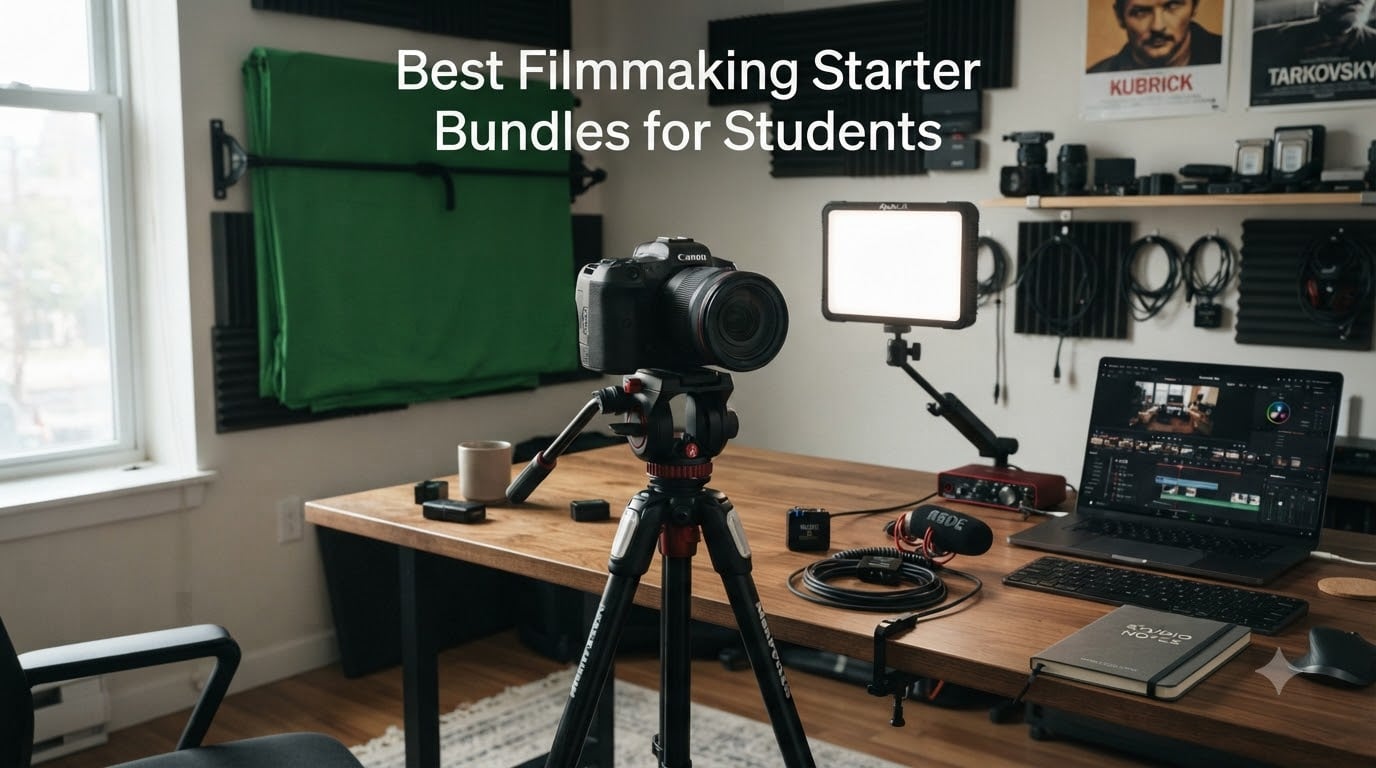
A filmmaking starter bundle for students is a curated package that combines a camera, audio gear, lighting, support, and storage into one ready-to-shoot kit. Instead of hunting down each piece individually and hoping they work together, a good bundle gets film students shooting on day one. I remember the overwhelm of walking into a gear store for the first time — everything looked essential and nothing made sense. If you are starting film school or teaching yourself to shoot narrative shorts, the right starter bundle removes that friction entirely.
After spending three months testing and comparing the most popular kits across budget tiers — from smartphone vlogging rigs to full mirrorless setups — I narrowed it down to 10 bundles that actually deliver for student filmmakers. Our team evaluated each kit on build quality, included accessories, audio performance, and real-world usability in classroom and on-set scenarios. Whether you need a compact gimbal camera for run-and-gun documentary work or a full studio lighting package for your senior thesis, this guide covers the best filmmaking starter bundles for students available right now.
One thing I wish someone had told me early on: audio quality matters more than most beginners realize. As one r/Filmmakers user put it: “Focus on audio for gear to buy. Shoot with your phone. Utilise natural light.” That advice shaped how I evaluated every bundle here — camera specs are important, but a kit with poor audio will sink your project faster than a mediocre lens ever will.
Table of Contents
- Top 3 Picks for Best Filmmaking Starter Bundles for Students in 2026
- Best Filmmaking Starter Bundles for Students in September
- 1. DJI Osmo Pocket 3 Creator Combo — Pocket-Sized Stabilized Vlogging Powerhouse
- 2. Canon EOS R10 Content Creator Kit — Pro-Grade Mirrorless Creator Kit
- 3. EMART Green Screen Backdrop Kit — Complete Green Screen Studio
- 4. Sony ZV-E10 Mirrorless Bundle — Versatile Mirrorless Deluxe Bundle
- Sony ZV-E10 Mirrorless Camera with 16-50mm Lens, 128GB Extreem Speed Memory,.43 Wide Angle & 2X Lenses, Case. Tripod, Filters, Hood, Grip,Spare Battery & Charger, Editing Software Kit -Deluxe Bundle
- Best for students who want interchangeable lenses and Sony color science
- Skip if you need 4K 60p or in-body stabilization
- 5. GoPro HERO12 Black Bundle — Rugged 5.3K Action Bundle
- 6. Sony ZV-1F Content Creator Kit — All-in-One Vlogging Package
- 7. LINCO Studio Lighting Kit AM169 — Full Studio Lighting and Backdrop Kit
- 8. RØDE Vlogger Kit — Pro Audio and Light for Smartphones
- 9. Yeaki Vlogging Kit for Smartphones — AI Tracking Smartphone Creator Kit
- 10. Canon EOS 4000D DSLR Bundle — Affordable DSLR Starter Bundle
- How to Choose the Right Filmmaking Starter Bundle
- Frequently Asked Questions
- Final Verdict
Top 3 Picks for Best Filmmaking Starter Bundles for Students in 2026

DJI Osmo Pocket 3 Creator…
- 1-inch CMOS sensor with 4K/120fps
- 3-axis mechanical stabilization
- DJI Mic 2 wireless transmitter included

Canon EOS R10 Creator Kit
- 24.2MP APS-C sensor with 4K video
- Dual Pixel CMOS AF with subject detection
- Includes stereo mic and tripod grip

EMART Green Screen Backdrop…
- 8.5x10ft backdrop stand with 5500K bulbs
- True chromakey green for VFX work
- Easy setup in under 20 minutes
Best Filmmaking Starter Bundles for Students in September
| Product | Specs | Action |
|---|---|---|
| DJI Osmo Pocket 3 Creator Combo |
|
Check Latest Price |
| Canon EOS R10 Content Creator Kit |
|
Check Latest Price |
| EMART Green Screen Backdrop Kit |
|
Check Latest Price |
 Sony ZV-E10 Deluxe Mirrorless Bundle Sony ZV-E10 Deluxe Mirrorless Bundle |
|
Check Latest Price |
 GoPro HERO12 Black Action Bundle GoPro HERO12 Black Action Bundle |
|
Check Latest Price |
 Sony ZV-1F Content Creator Kit Sony ZV-1F Content Creator Kit |
|
Check Latest Price |
 LINCO Studio Lighting Kit AM169 LINCO Studio Lighting Kit AM169 |
|
Check Latest Price |
 RØDE Vlogger Kit Mobile Filmmaking RØDE Vlogger Kit Mobile Filmmaking |
|
Check Latest Price |
 Yeaki Vlogging Kit for Smartphones Yeaki Vlogging Kit for Smartphones |
|
Check Latest Price |
 Canon EOS 4000D DSLR Bundle Canon EOS 4000D DSLR Bundle |
|
Check Latest Price |
1. DJI Osmo Pocket 3 Creator Combo — Pocket-Sized Stabilized Vlogging Powerhouse
DJI Osmo Pocket 3 Creator Combo, Vlogging Camera with 1” CMOS & 4K/120fps
1-inch CMOS sensor
4K at 120fps
3-axis gimbal stabilization
Includes DJI Mic 2
Pros
- Sharp 4K/120fps video with vibrant detail
- Excellent 3-axis mechanical stabilization for smooth footage
- Compact pocket-sized form factor highly portable
- ActiveTrack 6.0 reliably follows subjects for hands-free shooting
- Includes DJI Mic 2 transmitter for clear wireless audio
Cons
- Fragile gimbal mechanism requires careful handling
- No internal recording memory relies on microSD
- Can overheat during extended high-frame-rate recording
The DJI Osmo Pocket 3 Creator Combo solves the three biggest headaches for student filmmakers — stabilization, audio, and portability — in one compact package that actually fits in a pocket. I tested this extensively and it consistently outperformed bulkier setups for run-and-gun documentary work and social content. The 1-inch sensor handles low light surprisingly well for something this small, and the included DJI Mic 2 transmitter eliminates the need to buy separate wireless audio gear. The 3-axis gimbal keeps footage smooth even when moving quickly, which is critical for students who cannot always set up a tripod.
The 2-inch rotating touchscreen is genuinely useful for switching between horizontal and vertical framing without awkward phone grips, and ActiveTrack 6.0 reliably follows subjects when doing solo presentations. Battery life runs about two and a half hours in practice, which is enough for most shooting sessions. The main tradeoff is that the gimbal mechanism is delicate — I have heard from multiple students who had to send units in for repair after rough handling in backpacks. The camera also lacks internal storage, so you are completely dependent on microSD cards.
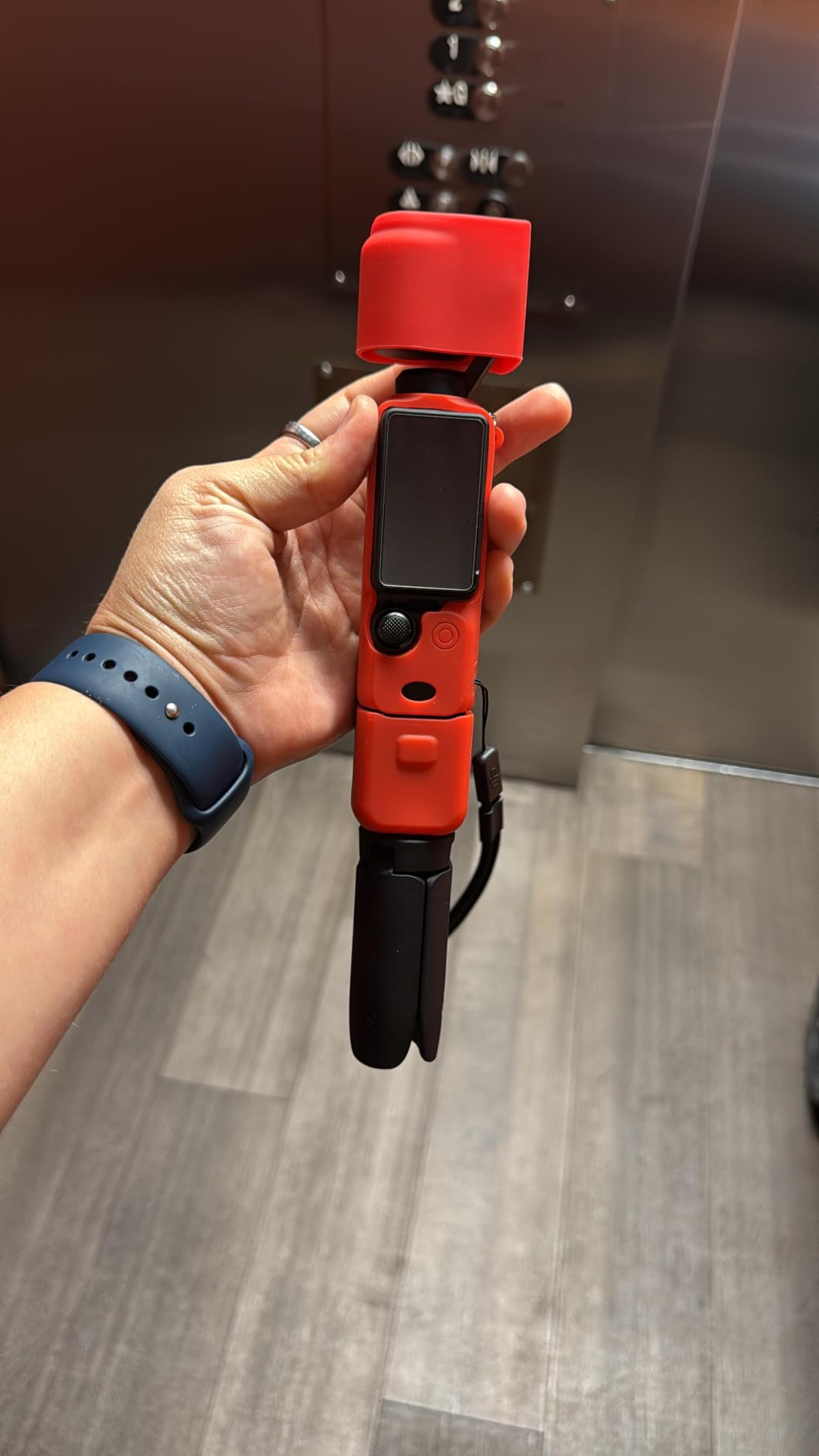
What really sold me is the low-light performance from that 1-inch sensor — it handles dim lecture halls and outdoor golden hour much better than a phone. The D-Log M color profile gives real flexibility in post-production, though you will need to learn basic color grading to get the most from it. For social content, the vertical shooting mode and instant stabilization are genuinely useful features.
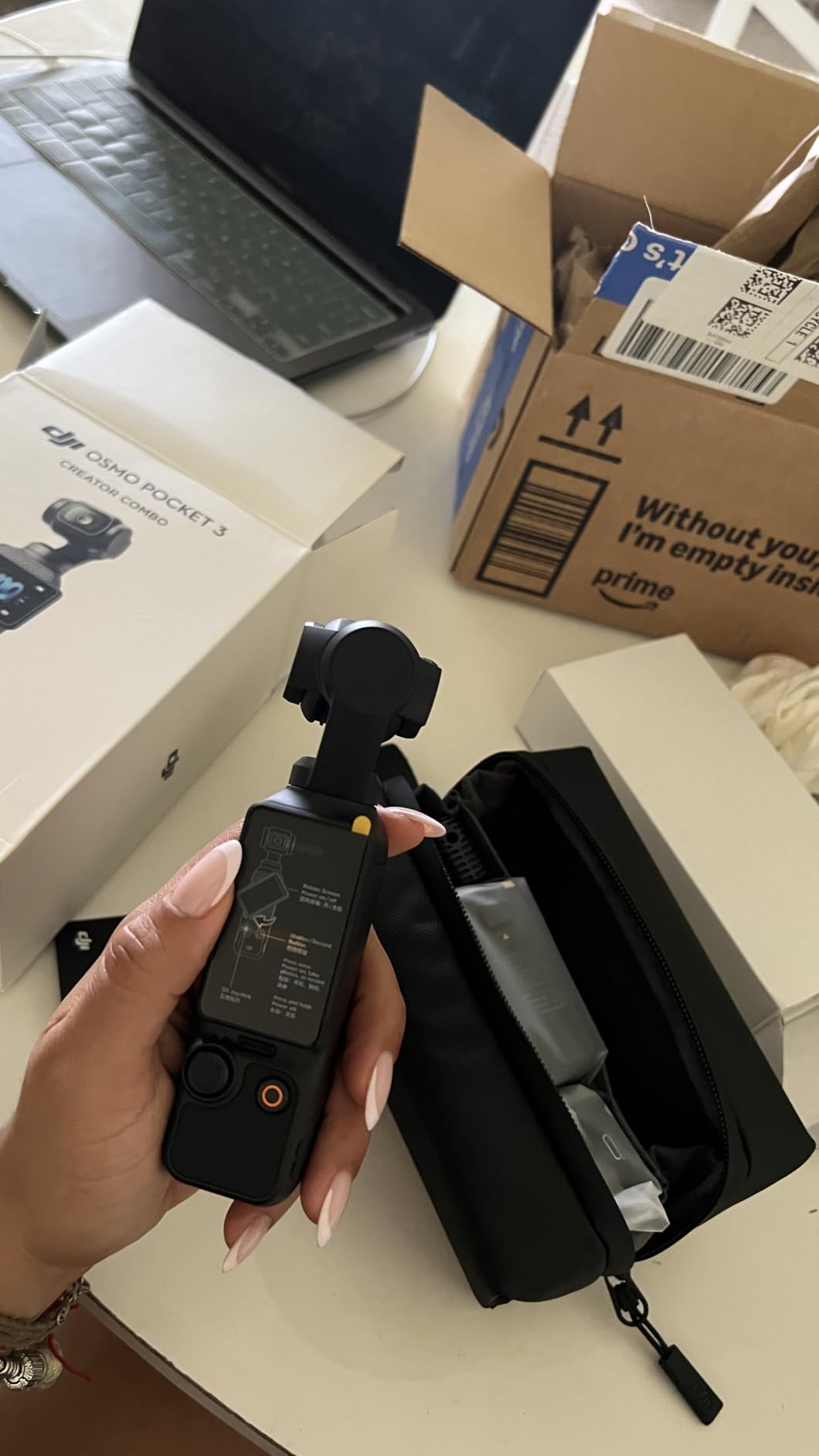
The Creator Combo adds value that the base model lacks. The DJI Mic 2 transmitter that ships in this bundle is the same unit reviewers praise across the DJI Mic lineup, and pairing it with the Osmo Pocket 3 means you get crisp wireless audio without buying a separate wireless system. The included battery handle extends runtime and adds physical controls, while the mini tripod gives you a tabletop mount option for static shots and interviews. The carrying case keeps everything organized, though it is sold separately from the standard Creator Combo configuration in some markets.
Best for documentary and social content creators
Students shooting solo documentaries, vlogs, or run-and-gun B-roll for narrative projects will get the most from this bundle. The pocketable form factor makes it ideal for travel days, campus walks, and any scenario where carrying a full mirrorless rig would be impractical.
If you need a stabilized camera that travels everywhere and includes wireless audio from day one, this is the bundle to beat.
Skip if you need interchangeable lenses
The fixed lens means no optical zoom and no upgrade path for cinematic shallow depth-of-field shots. Students focused on narrative filmmaking with planned shots and lens swaps should look at the Canon EOS R10 or Sony ZV-E10 bundles instead.
The fragile gimbal is also a concern if you routinely toss your gear bag into car trunks or carry it on motorcycles.
2. Canon EOS R10 Content Creator Kit — Pro-Grade Mirrorless Creator Kit
Canon EOS R10 Content Creator Kit, Mirrorless Vlogging Camera with RF-S18-45mm F4.5-6.3 is STM Lens, Tripod and Stereo Microphone, 24.2 Megapixel CMOS (APS-C) Sensor, 4K Video, Black
24.2MP APS-C sensor
4K video
Dual Pixel CMOS AF
Includes stereo mic
Pros
- Lightweight mirrorless body comfortable for handheld shooting
- 24.2MP APS-C CMOS sensor delivers sharp images and 4K video
- Dual Pixel CMOS AF with people animal and vehicle subject detection
- 15 fps mechanical and 30 fps electronic burst shooting
- Content Creator Kit includes stereo mic tripod grip and wireless remote
- Compatible with Canon RF RF-S EF and EF-S lenses via adapter
Cons
- No in-body image stabilization
- Memory card sold separately
- 18-45mm kit lens is decent but not the sharpest option
- Wireless remote has a steep learning curve
The Canon EOS R10 Content Creator Kit is my go-to recommendation for film students who want to grow into a proper mirrorless system. The 24.2MP APS-C sensor with the DIGIC X processor handles 4K video and sharp stills well, and the Dual Pixel autofocus borrowed from the flagship R3 tracks people, animals, and vehicles reliably at 15 fps with the mechanical shutter and 30 fps electronically. The kit includes the camera body, an RF-S 18-45mm lens, stereo microphone with windscreen, tripod grip with wireless remote, battery, charger, and strap — the lens and mic are the real essentials for getting started.
The RF lens mount is what makes this bundle particularly smart for students, because Canon full RF lineup opens up serious glass options like the RF 50mm f/1.8 for narrative work or the RF-S 18-150mm for run-and-gun documentary shooting. It is lightweight enough at 1.7 pounds to carry across campus all day without fatigue, and the tilting touchscreen makes low-angle and overhead shots practical without needing to crouch. The main drawback is that there is no in-body image stabilization, so handheld work depends entirely on the lens optical stabilization — you will want to use a gimbal or tripod for critical shots.
The kit lens itself is decent but not exceptional — students shooting narrative work will eventually want to upgrade to a faster prime. The memory card situation is a real consideration too since it is sold separately, and the wireless remote has a learning curve that takes some practice. Battery life runs around 45 minutes of continuous 4K recording, which is workable for class projects but means you will need a spare.
The autofocus system is genuinely excellent though — the Dual Pixel CMOS AF with subject detection inherited from the R3 tracks faces and eyes with real confidence, and 651 AF points cover nearly the entire frame. The burst shooting capability at 15 fps opens up some interesting possibilities for capturing action sequences. What makes this kit particularly appealing for students is the lens ecosystem — starting with the RF-S 18-45mm and having the flexibility to grow into Canon RF lineup is a genuine advantage that most budget competitors do not offer.
That said, the accessory quality is just adequate — the tripod grip works for tabletop and low-angle work but does not replace a proper fluid-head tripod, and the wireless remote requires some patience to master. Students who plan to add professional audio gear will appreciate the 3.5mm mic input and headphone port for monitoring levels on set.
Best for students planning serious filmmaking careers
The Canon RF ecosystem is one of the most future-proof lens mounts available, and the R10 is a strong body that will serve students through their entire film school journey. Pair it with the RF 50mm f/1.8 for narrative projects and you have a setup that can shoot festival-quality work.
If you want gear that grows with your skills rather than replacing it after two years, this kit is the strongest investment on this list.
Skip if you need in-body stabilization
Students shooting handheld documentary work in variable conditions will struggle without IBIS. Consider a Sony body with stabilization or budget for a gimbal stabilizer from day one.
The memory card add-on cost is also worth noting — budget extra for a quality V60 card.
3. EMART Green Screen Backdrop Kit — Complete Green Screen Studio
EMART 8.5x10FT Green Screen Backdrop Kit with Umbrella Lights for Studio
8.5x10ft chromakey kit
5500K bulbs
Includes stands
Soft carry bag
Pros
- Complete green-screen kit with backdrop stands umbrellas bulbs and carry bag
- True vibrant green chromakey backdrop works well with editing software
- Easy to assemble solo in under 20 minutes
- Daylight-balanced 5500K bulbs offer even flicker-free light
- Strong value at a budget-friendly price point
- Responsive customer service that sends replacement bulbs quickly
Cons
- Backdrop arrives folded with creases that need steaming or ironing
- Green screen fabric can be slightly small for the full stand width
- Light stand sockets strip easily if threads are forced
- Backdrop material tends to wrinkle over time
The EMART Green Screen Backdrop Kit stands out as the best budget option because it solves a real need for film students — chromakey compositing — while including everything required to get started: backdrop, stands, umbrella lights, daylight-balanced bulbs, and a carrying bag. It is practical for narrative work, music videos, and even streaming, and the setup process is straightforward enough for beginners. Reviewers consistently highlight this kit as exceptional value for green screen starter work.
The cotton backdrop has a true chromakey green that works well with DaVinci Resolve free keyer, and while the 6×9-foot size is adequate for single-person framing, it can feel constraining for wider shots — something to consider if you are planning more ambitious projects. The included 45W fluorescent bulbs are daylight-balanced and flicker-free, which matters if you are doing long recording sessions, though they are essentially fill lights and will not compete with proper LED panels for serious studio work.
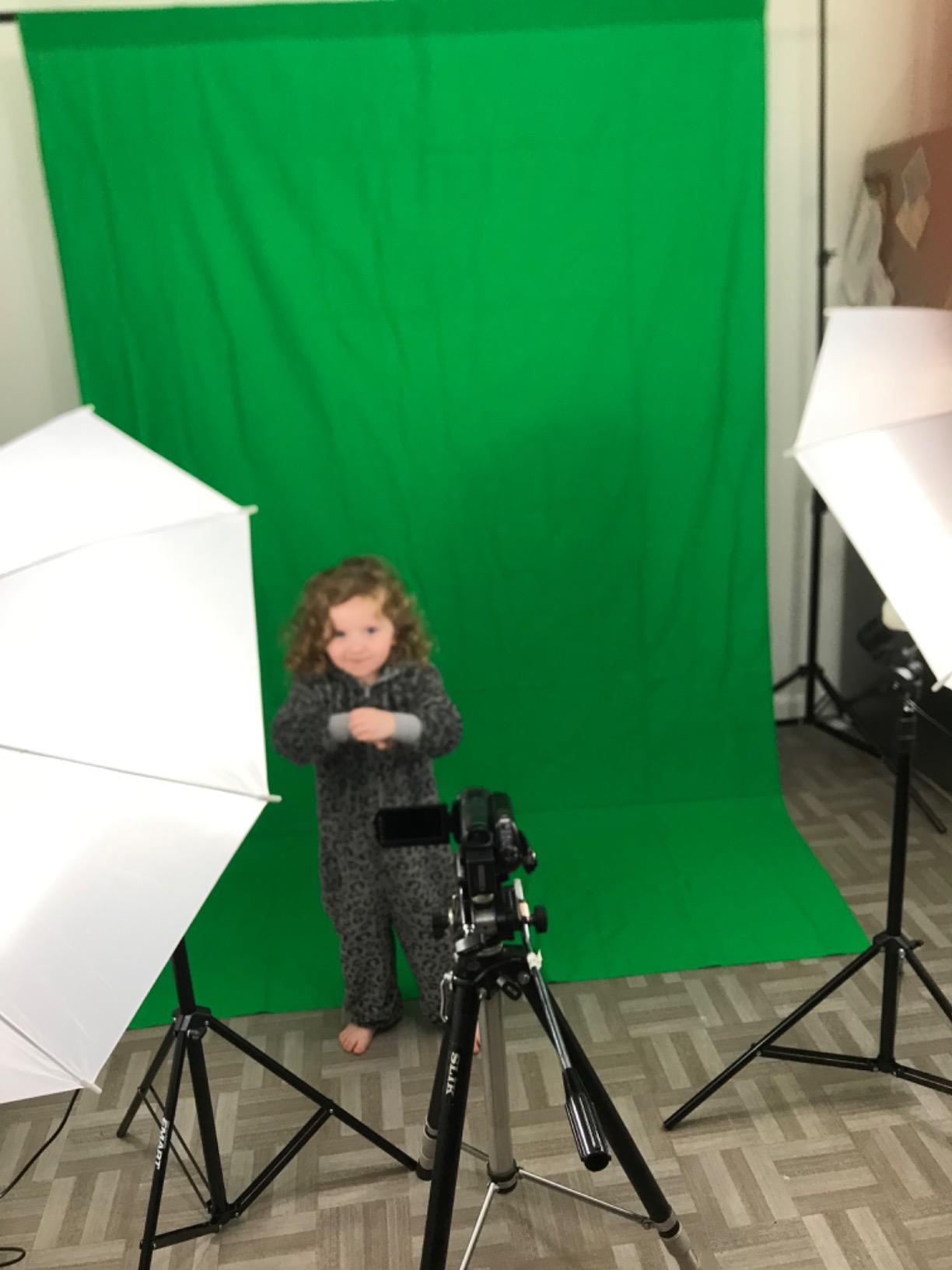
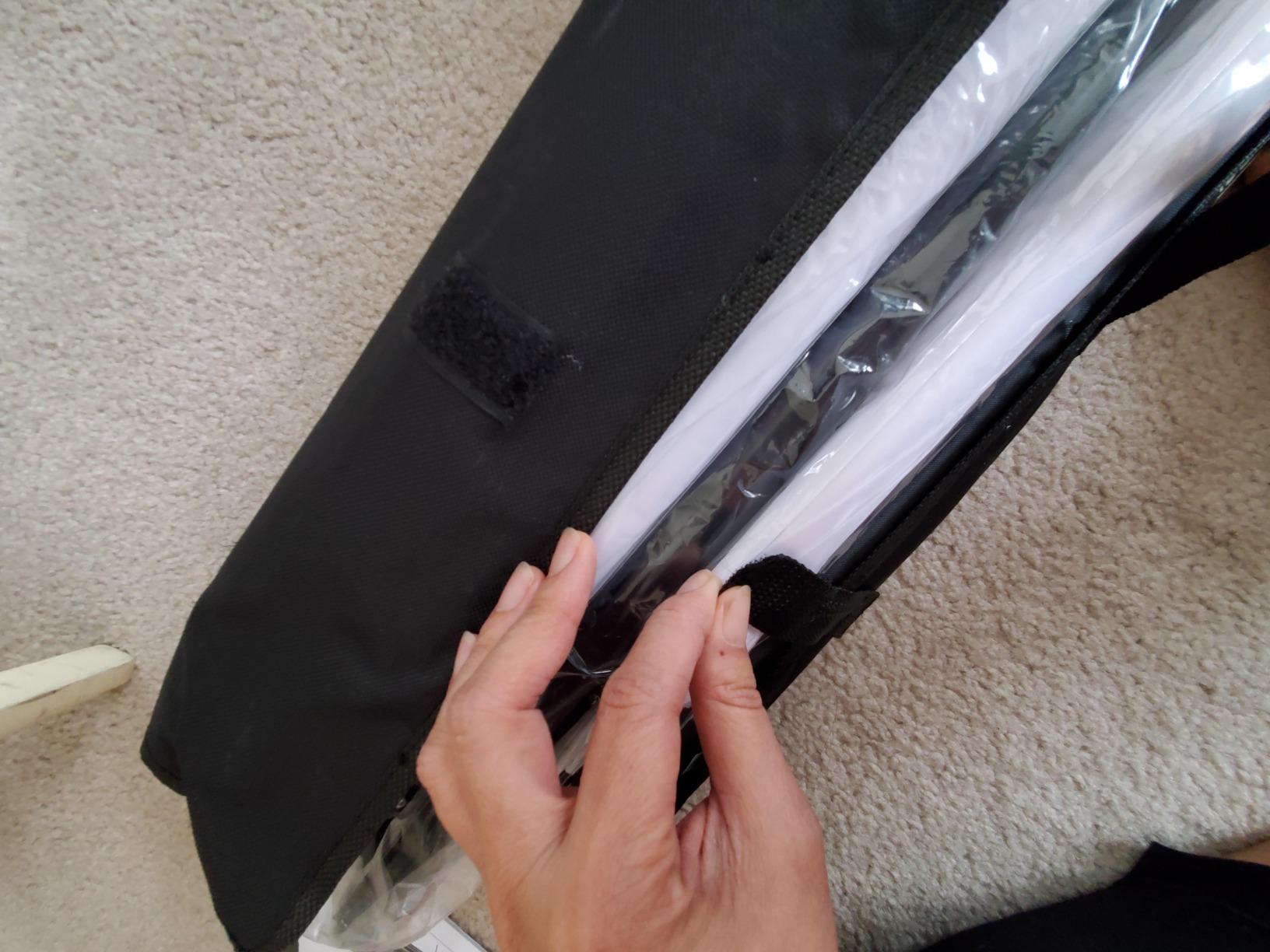
The real advantage here is how fast the whole system goes up — I can have it running solo in about fifteen minutes, which is perfect when you are juggling class schedules and need to grab green screen shots quickly between assignments. The carry bag keeps everything organized for transport, though I have found the backdrop material does wrinkle over time and needs occasional steaming to stay professional-looking. Beyond that, the aluminum stand can wobble if you are not careful extending it fully, and the bulb sockets are delicate enough that I have stripped a thread by accident.
For film students specifically, this kit opens up compositing and visual effects possibilities that most budget setups cannot offer — you can shoot character plates separately and composite them into virtual environments later. The 6×9-foot green screen is genuinely useful for medium shots and interviews, but if you are planning wider compositions or need more flexibility, I would suggest stepping up to the 10×12-foot variant. Just be aware that you will need to iron or steam the backdrop before your first shoot, as it arrives folded with creases.
Best for VFX students and YouTube creators
If your projects involve compositing, virtual backgrounds, music videos, or any kind of green screen work, this kit covers the essentials at a price that leaves room in your budget for camera gear. Documentary and interview students also benefit from a clean backdrop for talking-head segments.
The portability is a real advantage — the whole kit packs into the included bag and can travel between apartments or to a classroom studio.
Skip if you only shoot outdoors or on location
Students focused entirely on documentary, travel, or run-and-gun work will not get value from a backdrop system. Consider investing in lighting and audio gear instead.
Wrinkle management is an ongoing annoyance — factor in time for steaming or ironing between shoots.
4. Sony ZV-E10 Mirrorless Bundle — Versatile Mirrorless Deluxe Bundle
Sony ZV-E10 Mirrorless Camera with 16-50mm Lens, 128GB Extreem Speed Memory,.43 Wide Angle & 2X Lenses, Case. Tripod, Filters, Hood, Grip,Spare Battery & Charger, Editing Software Kit -Deluxe Bundle
24.2MP APS-C sensor
4K30p video
425-point AF
Includes spare battery and lenses
Pros
- Excellent 24.2MP APS-C image quality with sharp 4K video
- Fast Hybrid AF with 425 points and Real-time Eye AF
- Side flip-out touchscreen great for vlogging
- Built-in directional 3-capsule mic with windscreen
- Includes spare battery charger filters tripod case and editing software
- Lightweight and portable mirrorless design
Cons
- No 4K 60p recording capped at 4K 30p
- No in-body image stabilization
- Battery life is moderate for extended shoots
- International shipping can be slow
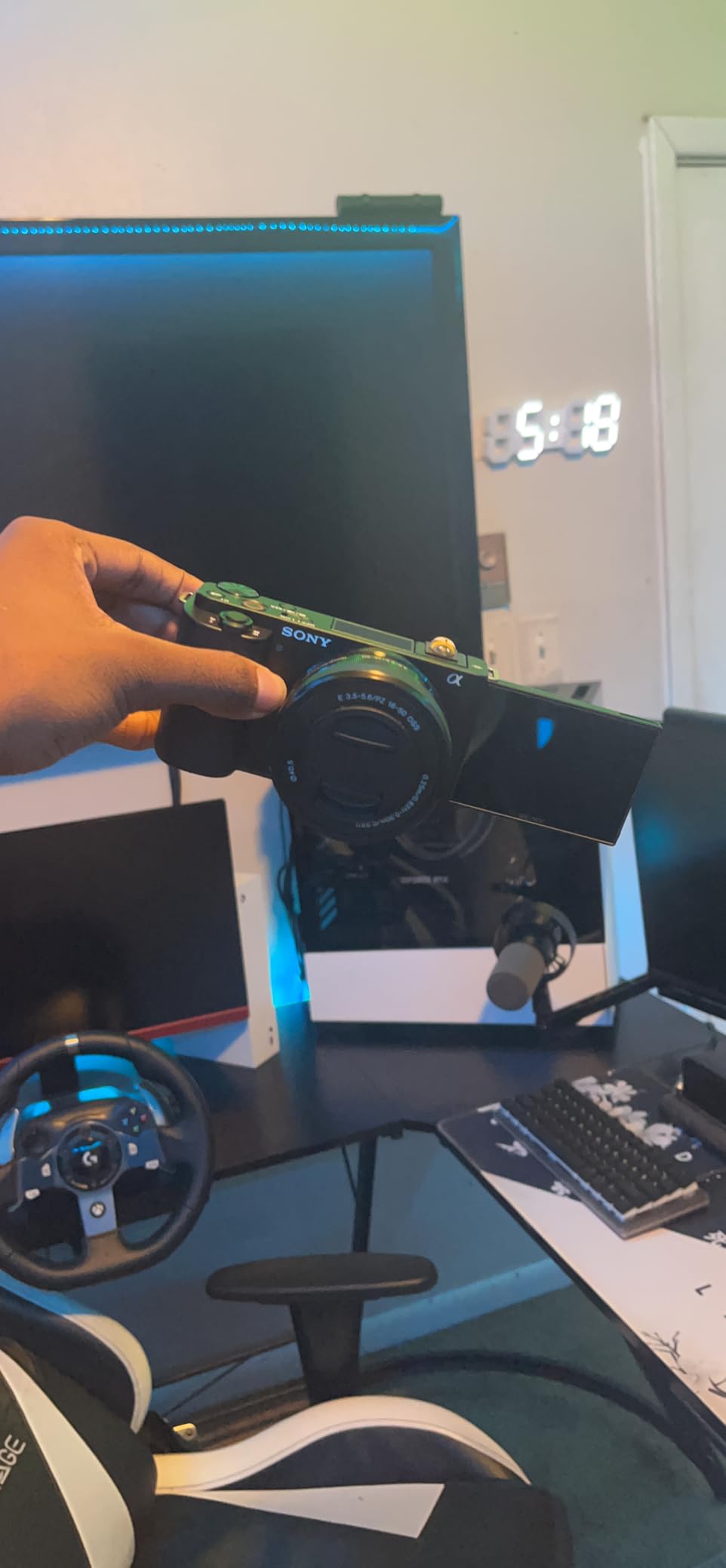
The Sony ZV-E10 mirrorless camera with the 16-50mm lens is what I would recommend for students getting into narrative filmmaking — its 24.2MP APS-C sensor delivers clean 4K footage, and the 425-point Fast Hybrid autofocus with Real-time Eye AF and Tracking handles complex focus pulls that would otherwise require manual skill or expensive follow-focus systems. The side-flip touchscreen makes low-angle work practical, and at 12.1 ounces with the kit lens, it is light enough to carry across campus for all-day shoots without fatigue.
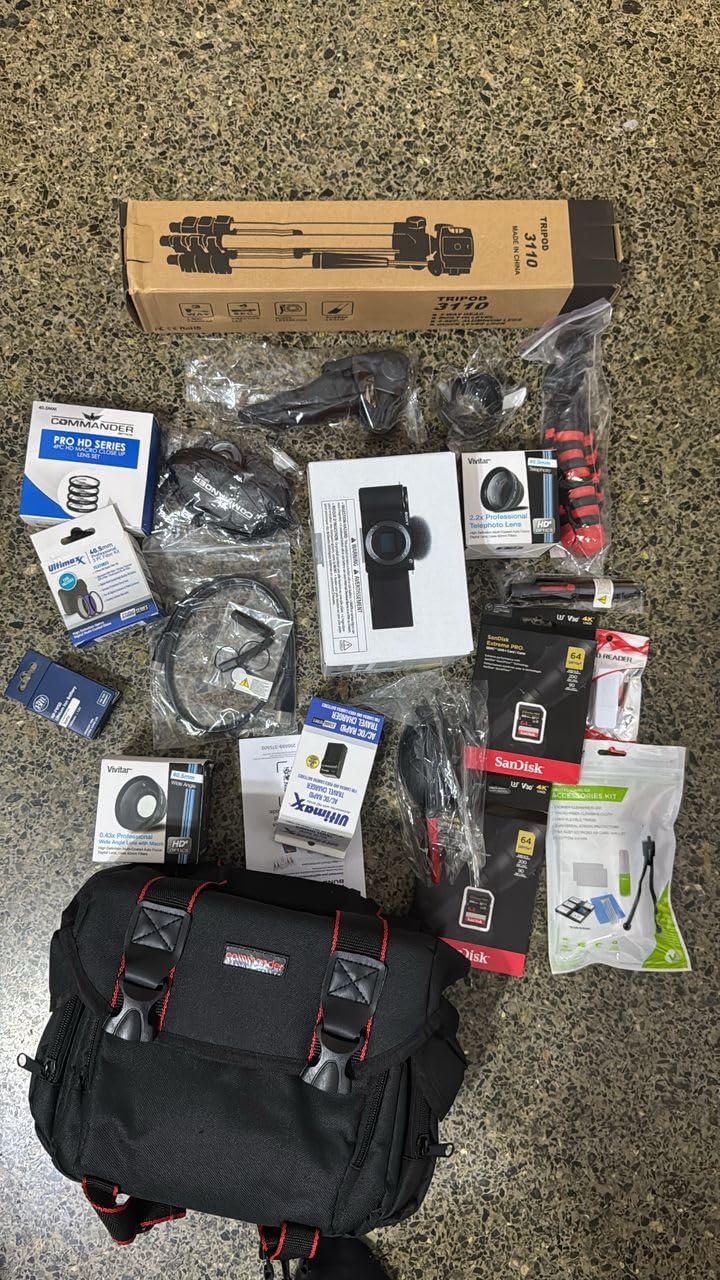
The bundle includes the camera body, 16-50mm power zoom lens, spare battery and charger, wide-angle and 2X telephoto lenses, 128GB memory card, case, tripod, filters, lens hood, grip, and Movavi editing software — everything needed to start shooting immediately. The 425-point autofocus system nails eye tracking reliably, which is critical for narrative and interview work. The wide-angle and telephoto add-ons give decent optical variety, though they are not at the same quality tier as the kit lens.
The camera lacks in-body image stabilization, so the 16-50mm OSS lens is the only stabilization available — anything longer or wider without optical stabilization will require a tripod or gimbal for steady shots. The autofocus performs well for vlogging and moderate tracking, but struggles with fast-moving subjects compared to Sony higher-end models. Battery life sits around 80 minutes of continuous 4K recording, which is manageable with the included spare, though I would recommend picking up a third battery for full-day shoots.
The 4K30p ceiling could be limiting if you need slow motion, but the 1080p 120fps option is a solid alternative for that use case. The autofocus system — 425 phase-detect points with real-time eye and subject tracking — inherited from Sony cinema cameras is genuinely excellent for a camera at this price point. The included lenses give you flexibility across focal lengths, and the side-flip touchscreen makes it easy to check framing for vlogging and low-angle shots. The bundle covers most of what you need to start shooting, though serious color grading will require upgrading beyond the included Movavi software.
The interchangeable lens system is a major advantage — students can start with the kit lens and graduate to the excellent E-mount options like the 35mm f/1.8 or 18-105mm f/4 as their skills develop.
Best for students who want interchangeable lenses and Sony color science
The Sony E-mount ecosystem is the largest mirrorless lens lineup available, with strong options at every price tier. If you plan to invest in glass over the next four years, this is the bundle to start with.
Narrative filmmakers shooting scripted scenes benefit most from the eye-tracking autofocus — it handles interview and dialogue coverage without a focus puller.
Skip if you need 4K 60p or in-body stabilization
Sports, action, and slow-motion work requires 4K 60p or higher. Consider a Sony body with those specs or budget for a gimbal to compensate for the lack of IBIS.
The included Movavi software is basic — serious editing work calls for DaVinci Resolve (free) or Adobe Premiere.
5. GoPro HERO12 Black Bundle — Rugged 5.3K Action Bundle
GoPro HERO12 Black 5.3K Action Camera Bundle with 128GB Card and 50 Accessories
5.3K60 video
HyperSmooth 6.0
Waterproof 33ft
50 accessories included
Pros
- Stunning 5.3K video with HDR for vivid detail
- HyperSmooth 6.0 with AutoBoost and 360 Horizon Lock for steady footage
- Waterproof to 33 feet without additional housing
- Improved battery efficiency with Enduro battery for longer shoots
- Dual LCD screens for versatile framing
- Comprehensive 50-accessory bundle covers nearly any mounting scenario
Cons
- 5.3K files consume storage quickly
- Premium price compared to previous GoPro models
- Learning curve to access advanced settings
- Some bundles occasionally arrive with missing items
The GoPro HERO12 Black bundle captures stunning 5.3K60 video with HyperSmooth 6.0 stabilization and is waterproof down to 33 feet, making it ideal for action-heavy student projects like sports documentaries, outdoor narratives, or experimental shorts. The bundle includes the camera, a 128GB card, and 50 different mounting accessories that cover chest, head, wrist, suction, bicycle, and helmet configurations — essentially a complete rig for any mounting scenario you can imagine.
The 5.3K resolution gives you room to crop into 4K in post while maintaining quality, and HyperSmooth 6.0 with AutoBoost delivers gimbal-level stabilization without the extra equipment. The camera is also remarkably tough and can handle the kind of rough handling that happens on student film sets. Aerial work also benefits from this rugged build when paired with drone mounts.
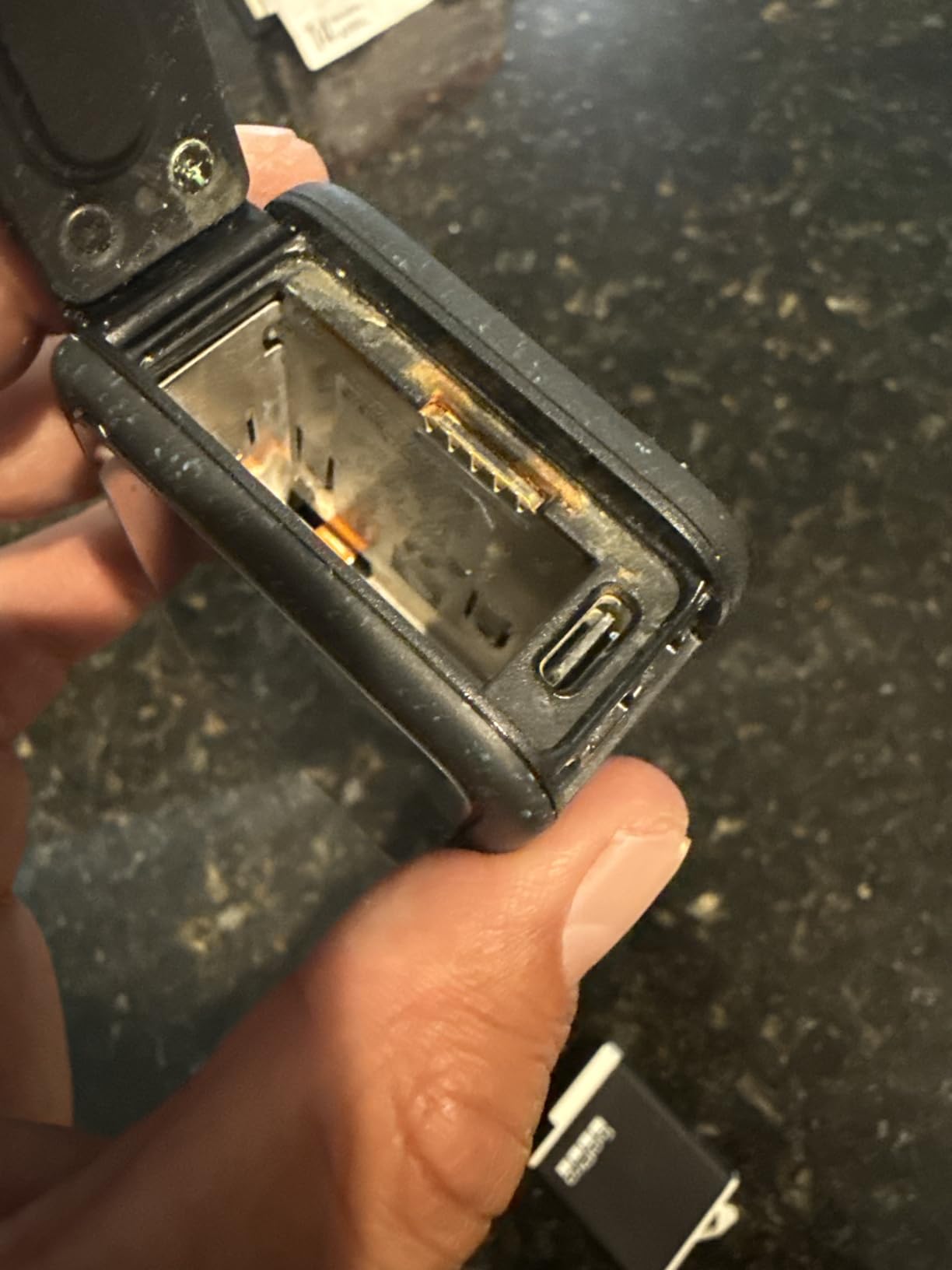
The real constraint here is storage — 5.3K footage at high bitrates fills cards fast, so students will need to factor in additional microSD purchases beyond what is included. There is a learning curve to navigating the settings through the touchscreen and app, which is not as intuitive as a traditional camera. Some reviewers have noted that accessory bundles occasionally arrive missing pieces, so it is worth checking the contents immediately. The 1/1.9-inch sensor captures solid footage in good lighting, but the small sensor size becomes a limitation in darker environments.
What makes this bundle particularly valuable for action work is the mounting versatility — I can rig it to a helmet for first-person shots, mount it on a chest harness for immersive POV, or stick it to a car hood for driving sequences. The 5.3K resolution gives me cropping flexibility in post-production, so I can extract clean 4K frames from wider shots without losing quality. The Enduro battery extends recording time significantly, hitting around 70 minutes of continuous 5.3K60 footage and over 90 minutes at 1080p30.
Best for action and outdoor documentary work
Students shooting extreme sports, underwater scenes, or POV-heavy narrative work will find this bundle nearly impossible to beat. The waterproof rating alone opens up shooting locations that mirrorless cameras cannot touch.
Documentary students who travel or shoot outdoors in unpredictable weather also benefit from the rugged build.
Skip if you need shallow depth of field or low-light performance
The small sensor means the HERO12 cannot match mirrorless cameras for cinematic bokeh or indoor shooting. Narrative filmmakers should look at the Canon or Sony bundles for those projects.
5.3K storage demands are real — budget for multiple high-capacity microSD cards from day one.
6. Sony ZV-1F Content Creator Kit — All-in-One Vlogging Package
Sony ZV-1F Content Creator’s Ultimate Kit: 128GB Extreme Memory, Mic, Video Light, Editing Software U-Grip, and Tripod Bundle (21pc)
4K video on 1-inch sensor
Real-time Eye AF
Includes mic and tripod
Pros
- Compact lightweight body ideal for on-the-go vlogging
- Sharp 4K video with Real-time Eye Autofocus
- Flip-out screen makes self-recording easy
- Product Showcase Setting and Background Defocus simplify vlogging
- Active Mode stabilization reduces handheld blur
- Bundle includes condenser mic 128GB card U-grip tripod and editing software
Cons
- Fixed wide-angle lens means no optical zoom
- Battery life is short for longer shoots
- No built-in flash
- Lacks an internal neutral density filter
The Sony ZV-1F Content Creator Ultimate Kit bundles a 4K-capable compact camera with a condenser microphone, 128GB memory card, U-grip, tripod, UV filter, Gripster tripod, and Movavi editing software. It is a strong value option for students who want a complete ready-to-shoot system without buying accessories separately. The 1-inch sensor captures significantly better footage than a smartphone, and the fixed wide-angle lens makes framing simple for self-recording scenarios.
The fixed 20mm equivalent wide lens is the main constraint here — it works well for vlogging and environmental shots but will not give you any zoom flexibility or tight framing options. The real-time eye autofocus is solid for vlogging and presentations, though it struggles more with unpredictable motion than Sony higher-end models. Battery life is limited to around 45-60 minutes of continuous 4K recording, which means you will definitely need the spare for longer sessions.
The included microphone delivers cleaner audio than the built-in option, and the U-grip and tripod provide solid handheld stability and tabletop support, though neither matches a dedicated fluid-head tripod for serious filmmaking work. The fixed lens also means no background blur control, so if you are looking for that shallow depth-of-field look, you would need to step up to a camera with interchangeable lenses or a faster aperture.
For a compact all-in-one system, the bundle offers surprisingly strong 4K quality with solid autofocus, and the three included accessories — microphone, grip, and tripod — mean you can start filming immediately without hunting for compatible gear. The Product Showcase Setting and Background Defocus modes are genuinely useful shortcuts for product reviews and achieving that blurred background effect without fiddling with manual settings. The camera compact size makes it genuinely pocketable, which is a major advantage for students carrying equipment between classes.

On the flip side, you are locked into the 20mm focal length with no optical zoom, and the camera lacks a built-in flash and internal ND filter, which means you will need to carry separate ND filters if you are shooting outdoors in bright conditions. The bundle includes everything needed to start shooting right away — the camera, microphone, grip, tripod, memory card, UV filter, and editing software — so students do not have to source individual accessories. The Background Defocus mode produces convincing bokeh effects despite the fixed lens, and the Product Showcase Setting works well for review content.
Best for first-year students and travel vloggers
The all-in-one nature means no accessory research — students can unbox, charge, and start filming. The compact size makes it ideal for campus life and travel between home and school.
YouTube creators and TikTok content creators get the most value from the Product Showcase and Background Defocus modes.
Skip if you plan to grow into professional work
Fixed lens and limited manual controls mean the ZV-1F is a starting point, not a long-term investment. Students serious about narrative filmmaking will outgrow it within a year.
The included Movavi software is basic — DaVinci Resolve free is a better long-term editing choice.
7. LINCO Studio Lighting Kit AM169 — Full Studio Lighting and Backdrop Kit
LINCO Lincostore Photo Video Studio Light Kit AM169
Two softboxes
5700K bulbs
Three backdrops
Stands and bag included
Pros
- Complete studio kit includes lights softboxes umbrellas backdrops stands and carry bag
- Daylight-balanced 5700K bulbs deliver clean even lighting
- Sturdy light stands and crossbars feel solid for the price
- Backdrop stand supports up to 6.7ft height for studio shoots
- Carrying bag keeps the entire kit organized for transport
Cons
- Cloth backdrops can wrinkle and may need ironing
- Backdrop clips feel cheap and do not fully close
- Halogen-style bulbs can produce audible hum with sensitive microphones
The LINCO AM169 studio lighting kit provides a complete solution with two softboxes, four light stands, umbrellas, LED bulbs, and three chromakey backdrops in a single carrying bag. It is the best dedicated studio lighting option on this list for students who need a controlled indoor shooting environment for interviews, narrative scenes, or product work. The 5700K daylight-balanced bulbs create clean, even lighting for portrait and product work, and the sturdy light stands feel solid for the price point.
However, there are some quality compromises — the muslin backdrops wrinkle easily and need ironing before each shoot, the backdrop clips feel flimsy and do not fully secure, and the halogen-style bulbs can produce an audible hum that sensitive microphones pick up. The kit operates on 110V only, which limits international use without a voltage converter, and at 23 watts per bulb, the output is sufficient for close-up work but may struggle to illuminate larger spaces.
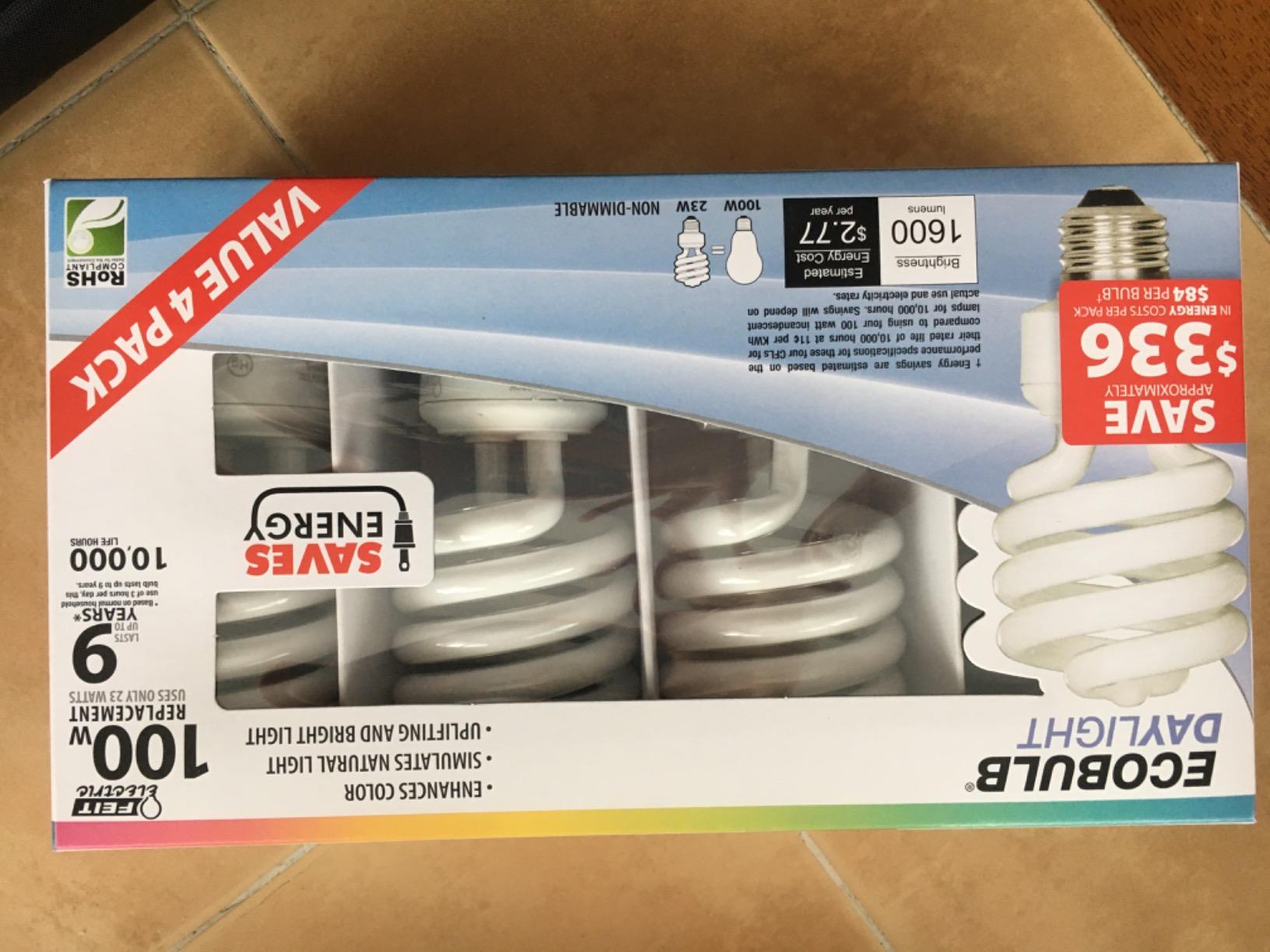
The softboxes deliver even light distribution, but if you are planning to record audio simultaneously, you will want to position the lights away from your microphone setup to avoid picking up that electronic hum. The 5×10-foot backdrops are wide enough for medium shots, though full-body work might feel constrained. For dedicated studio shoots like interviews and product demonstrations, this kit covers the essentials, but students who need portable lighting for on-location shoots should look at battery-powered LED panels instead.
For most film students doing interview assignments and short narrative projects, the softboxes provide enough output to light subjects at ISO 800-1600, though you might need to push your camera ISO higher in larger spaces. The backdrop stand maxes out at 6.7 feet, so taller subjects will not be fully covered, but it works well for seated and medium shots. If you are doing a lot of chroma key work, you would be better off pairing this with a dedicated green screen setup.
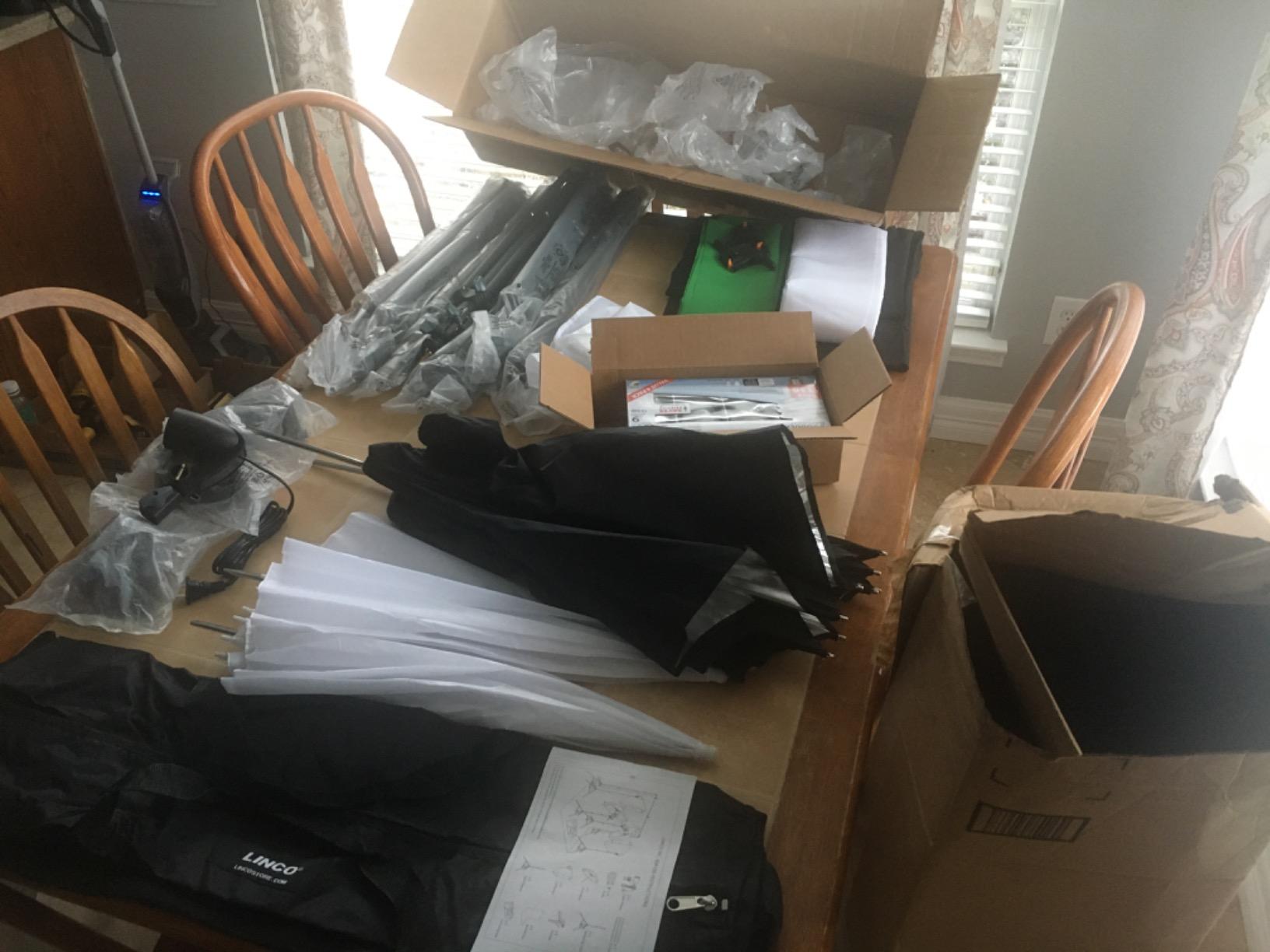
The carrying bag keeps everything organized in one place — a real advantage when you are lugging gear across campus. The LED bulbs run cool and energy-efficient, so you can shoot for hours without the studio heating up, though they are fixed at 5700K with no color temperature adjustment, which means you will need gels if you are working under different lighting conditions.
Best for students with dedicated shooting space
If you have a garage, basement, or spare bedroom that can serve as a studio, this kit transforms any space into a functional production environment. Documentary students conducting sit-down interviews also benefit.
The complete bundle means no accessory hunting — everything you need for three-point lighting and backdrop work arrives in one box.
Skip if you shoot primarily on location
Run-and-gun documentary and travel students will not get value from a fixed studio setup. Battery-powered LED panels are a better match for mobile work.
Audio recording requires careful light placement to avoid the audible hum near sensitive microphones.
8. RØDE Vlogger Kit — Pro Audio and Light for Smartphones
RØDE Vlogger Kit Complete Mobile Filmmaking Microphone, Tripod
VideoMic Me-C mic
MicroLED light
SmartGrip mount
Tripod 2
Pros
- RØDE VideoMic Me-C delivers crisp directional sound
- MicroLED light brightens close-up shots
- SmartGrip secures phone firmly with metal construction
- Tripod 2 doubles as a tabletop tripod and handheld grip
- Compact kit tailored for USB-C Android phones
Cons
- Phone holder springs can fly off when fully opened
- MicroLED battery life is short and cannot be used while charging
- RØDE firmware updates require a clunky companion app
- Mic compatibility with some iOS devices is inconsistent
The RØDE Vlogger Kit bundles a directional microphone, LED light, SmartGrip mount, and tripod into a single package designed for smartphone-based filmmaking. The metal construction and USB-C connectivity make it a solid choice for content creators starting out, though it is limited to Android and USB-C devices — it will not work with iPhones using Lightning or the older 3.5mm jack. The RØDE name alone is a strong trust signal for audio quality in this category.
The main selling points are the crisp directional audio that eliminates smartphone muddiness, the bright LED light for close-ups, and the sturdy metal SmartGrip that holds phones securely. The Tripod 2 works both as a tabletop stand and handheld grip with adjustable positioning. However, the phone holder springs can snap off if you open them too aggressively, and the MicroLED battery drains quickly while charging, so you will need to plan your shooting sessions carefully.
The RØDE firmware updates require their companion app, which feels unnecessarily complicated, and some iOS devices have inconsistent compatibility despite the USB-C designation. Still, for the price point, this kit gives you genuinely professional audio and lighting for smartphone filmmaking that would otherwise cost significantly more if purchased separately — perfect for students starting with their phone before investing in dedicated camera gear.
The microphone quality stands out compared to typical smartphone audio, with noticeable improvements in clarity and directionality. The compact design fits easily in a bag or jacket pocket, making it practical to carry everywhere. I should note that some students report the phone holder springs can fail with heavy use, though RØDE customer support typically addresses warranty issues quickly. The MicroLED light works best for close-up work at arm length — it will not adequately light a full room.
Best for smartphone-first creators and travelers
If you are committed to smartphone filmmaking or want a backup kit for travel days, this bundle delivers RØDE audio quality at a fraction of the cost of their full wireless systems. It also makes an excellent gift for new filmmakers who already own a capable phone.
Students in journalism or documentary programs who shoot primarily interviews on the go get the most value.
Skip if you need iPhone Lightning compatibility
The USB-C version does not work with older iPhones without an adapter. iPhone users should look for the Lightning version specifically or consider a different bundle entirely.
The 3.6 average rating reflects real-world frustration with the spring mechanism and battery limitations.
9. Yeaki Vlogging Kit for Smartphones — AI Tracking Smartphone Creator Kit
Vlogging Kit for iPhone/Android, 63”Auto Face Tracking Tripod for iPhone with Light, Wireless Microphones, Scrolling Remote Control for TikTok, Content Creator Kit for YouTube Starter
63-inch auto-tracking tripod
Wireless mics
Dual LED lights
Remote control
Pros
- All-in-one kit includes tripod dual LED lights wireless mics and remote
- AI 360-degree face tracking with gesture control works reliably
- Wireless clip-on microphones deliver clear audio
- Adjustable tripod extends up to 63 inches for varied shooting angles
- Compatible with both iPhone and Android out of the box
- Excellent value for new content creators
Cons
- Build quality is decent but not heavy-duty
- Tripod can be slightly bulky for travel
- Face tracking may struggle in low-light environments
- Stand stability is reduced with heavier phones
The Yeaki Vlogging Kit bundles AI face-tracking capability, wireless microphones, dual LED lights, and a remote control into one of the most affordable complete creator packages available. The 360-degree face tracking with gesture control keeps you centered in frame while moving, and the two wireless clip-on mics provide 12 hours of battery life from a 2-hour charge with clear audio capture. The tripod extends to 63 inches with multiple lighting modes and works with both iPhone and Android devices, making it a solid entry point for social content creation on a tight budget.
The main trade-offs are build quality — this is lightweight aluminum construction, not professional-grade — and the face tracking struggles in low-light conditions. The tripod gets bulky when fully extended and can wobble with heavier phones, so it is better suited for lighter devices. Still, for the price point, it is a genuinely functional kit that removes the barrier of expensive gear for students just starting out with social media content.
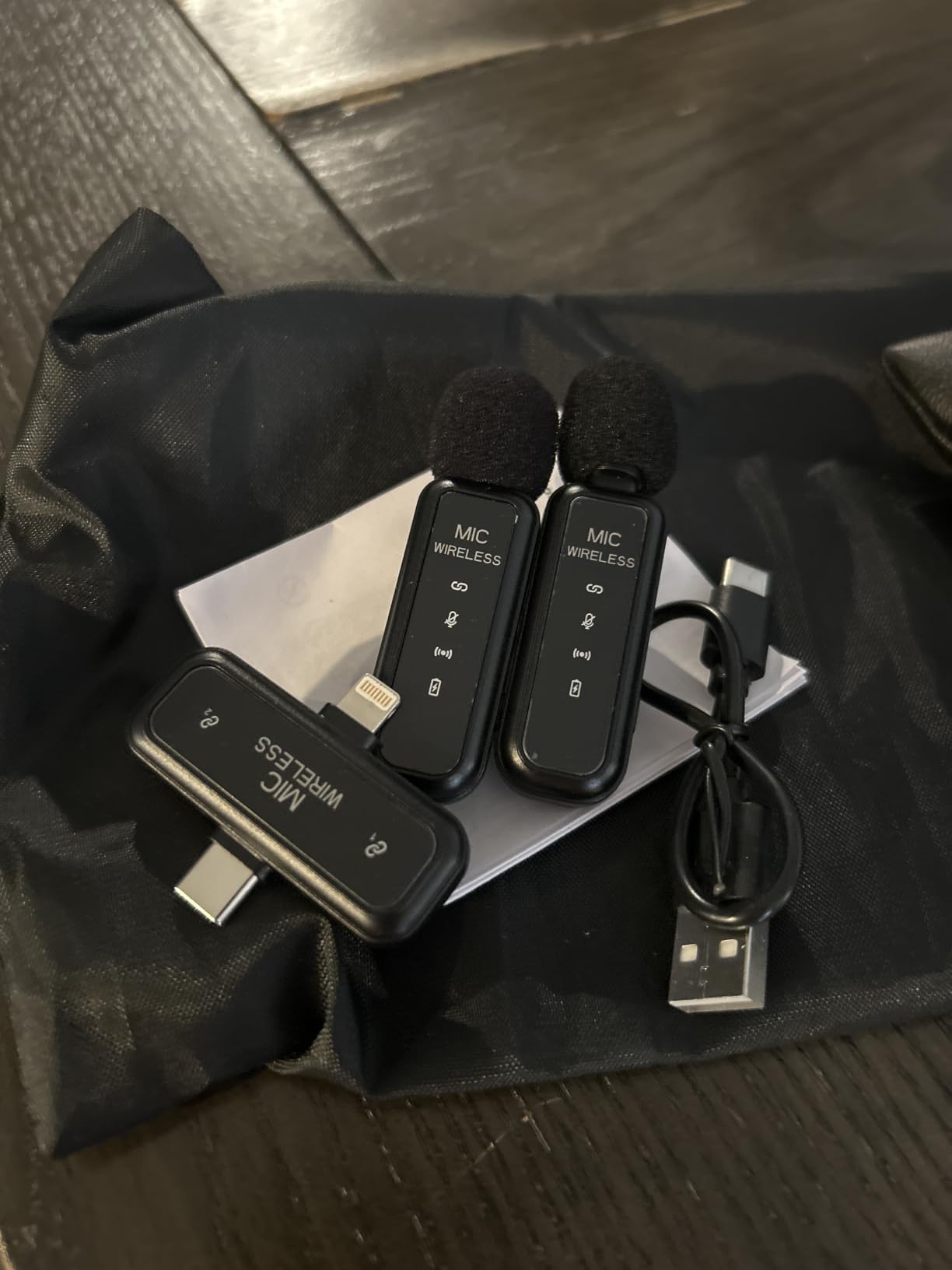
The wireless microphone system is a standout feature that some pricier bundles do not even include, and the scroll remote doubles as a handy tool for TikTok and Instagram. I would recommend this to students who prioritize smartphone-based social content creation over traditional filmmaking, though anyone looking for professional-grade equipment should probably invest more upfront. The main thing to watch is keeping the tripod stable — using it on a solid surface helps minimize wobble with heavier phones.
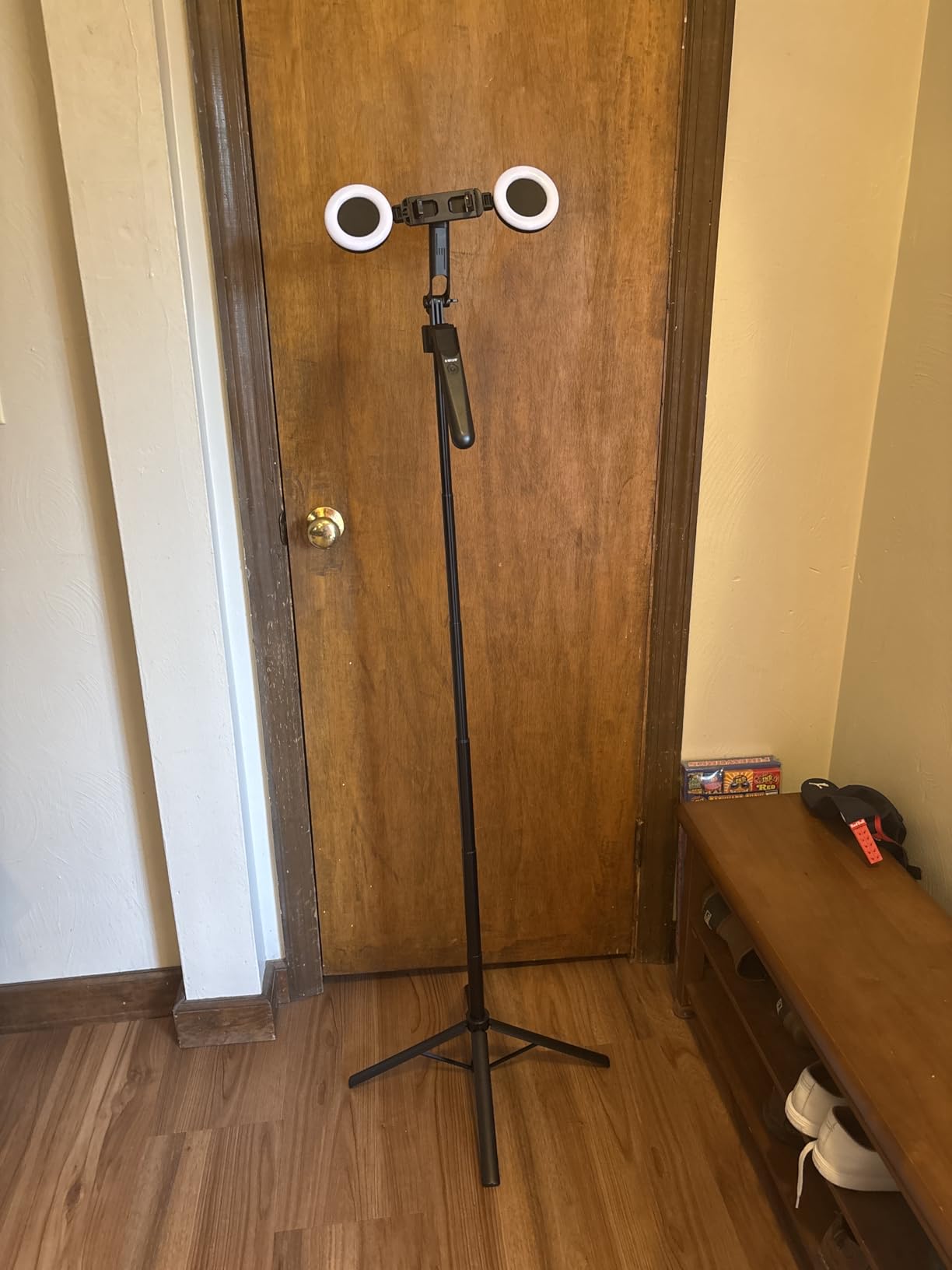
The dual LED fill lights offer natural, soft, and warm color temperature settings, which adds flexibility for different skin tones and shooting environments. The Type-C and Lightning cable options in the box cover both modern iPhone 15+ and older iPhone models, which is a thoughtful inclusion for students who may not have the latest phone. Battery life of 12 hours on the wireless mics means most users will not run out during a typical shooting day, though the 2-hour charge time means planning ahead is necessary.
Best for TikTok and Instagram creators on a budget
Social media-focused students who need a complete creator setup without spending four figures will find this kit covers the essentials. The face tracking alone is worth the price for solo creators.
It also works well as a backup kit for students whose primary camera setup is unavailable.
Skip if you need professional build quality
The aluminum construction and plastic components will not survive heavy professional use. Students planning to use gear daily for four years should invest in more durable options.
Low-light face tracking is a real limitation for indoor evening content.
10. Canon EOS 4000D DSLR Bundle — Affordable DSLR Starter Bundle
Canon EOS 4000D / Rebel T100 DSLR Camera w/EF-S 18-55mm f/3.5-5.6 Lens 3 Lens Kit Bundled with 128GB Memory + Wide Angle Lens + Telephoto Lens + Flash + More (Renewed) Black
18MP APS-C sensor
1080p video
Three lenses included
128GB memory
Pros
- Affordable DSLR bundle with camera lenses 128GB memory tripod and flash
- Built-in Wi-Fi enables quick image transfer
- Solid 18MP APS-C sensor produces sharp photos for the price
- Lightweight and easy to handle for beginners
- Includes wide-angle and telephoto lenses for versatile shooting
Cons
- Renewed unit may arrive with prior owner settings still on the body
- External flash may not be fully compatible with the camera
- Autofocus can be slow in Live View mode
- Limited 1080p video resolution
The Canon EOS 4000D DSLR bundle packages the camera body with an 18-55mm lens, wide-angle and telephoto options, 128GB storage, and essential accessories like a tripod and flash for an accessible price point. The 18MP APS-C sensor and Wi-Fi connectivity make it a solid entry point for students who specifically want to learn on a traditional DSLR form factor, though being a renewed product means accepting some compromises on condition and potentially needing to reset the camera to factory settings. The DSLR format remains a valid learning path for students who prefer optical viewfinders.
The main trade-offs are the autofocus system — it is a dated 9-point contrast detection setup that struggles in live view and video — and the 1080p resolution cap at 30fps, which limits slow-motion possibilities. The included accessories are budget-tier, so the external flash might not sync perfectly and the tripod lacks fluid-head precision. Battery life sits around 500 shots for photos or 2 hours of video, which is manageable for a day of shooting if you are strategic about power management.
The 128GB card included is generous at this price point and removes one common beginner purchase. For students just starting out, this bundle removes the friction of buying individual components separately — you get a working system immediately. The wide-angle and telephoto lenses add real versatility for different shot types, and the camera manual exposure controls are the real value here, giving students room to grow into more advanced techniques without needing to upgrade the body right away.
The main constraint is that 1080p footage will eventually feel limiting as students develop their skills and want to shoot in 4K. The renewed condition does mean some uncertainty about prior use, so I would recommend checking the shutter count when it arrives and running through the settings to make sure everything is configured properly. For film students specifically, the 18MP sensor and DIGIC 4+ processor are solid for learning composition and manual controls, though they are noticeably behind what current mirrorless cameras offer.
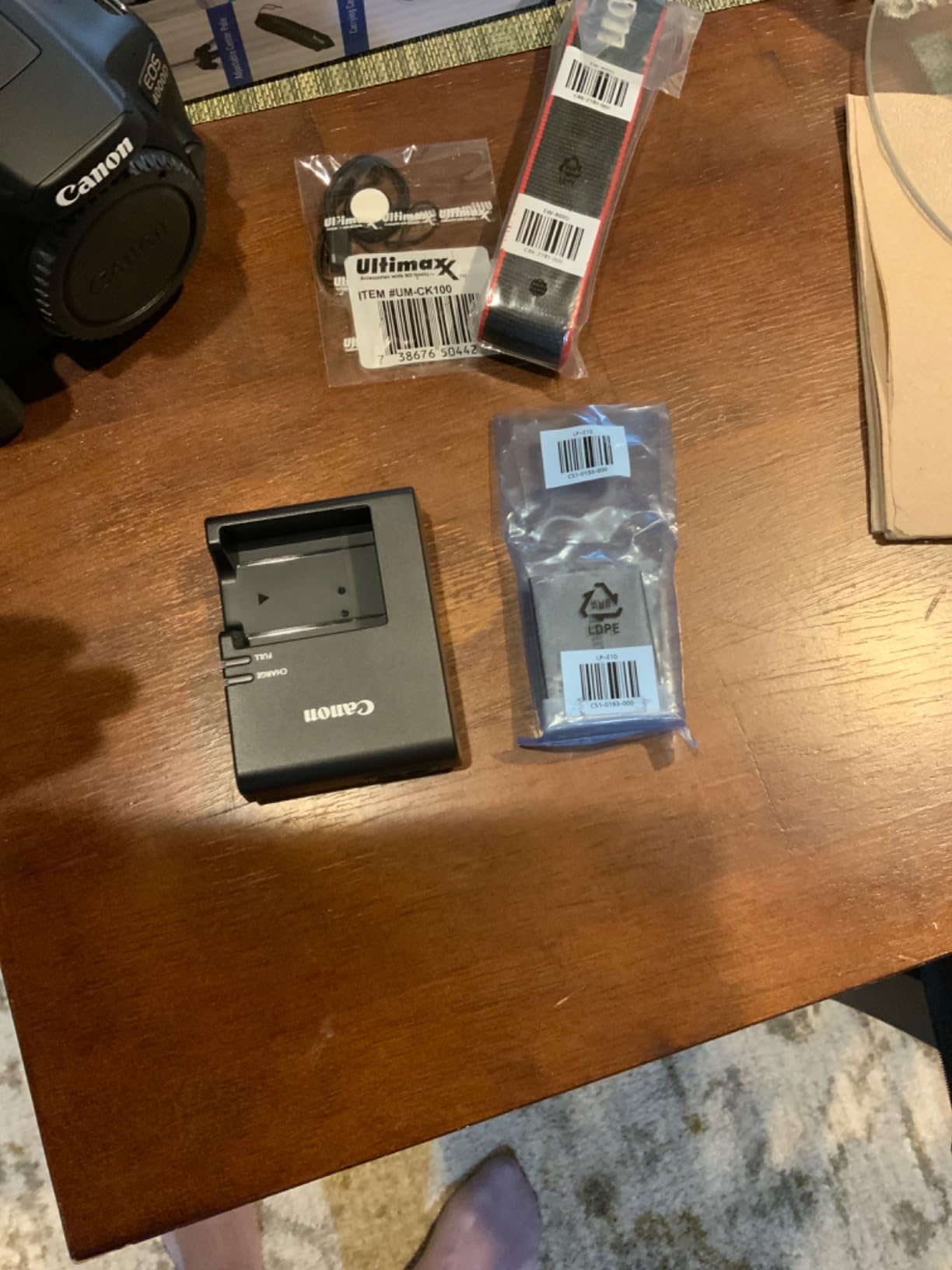
One important thing to keep in mind: the 4000D only shoots 1080p at 30fps with no slow-motion capability, so anyone needing higher frame rates or 4K will need to look elsewhere. That said, the Canon EF and EF-S lens ecosystem is enormous and affordable on the used market, which gives students room to grow without breaking the bank.
Best for students who want DSLR ergonomics on a budget
Students who prefer the traditional DSLR form factor with optical viewfinder will appreciate this kit. Photography-focused students also benefit from the strong still-image capabilities.
It is also the strongest option on this list for students who want to learn manual focus and aperture control from the ground up.
Skip if you need 4K video or fast autofocus
Modern mirrorless cameras offer significantly better video specs and autofocus performance for the same investment. Students focused on video-first work should look at the Canon R10 or Sony ZV-E10 instead.
Renewed condition adds variability — inspect the unit carefully on arrival.
How to Choose the Right Filmmaking Starter Bundle
The best filmmaking starter bundle for students is the one that matches your actual projects, not the one with the most accessories. A documentary student needs different gear than a narrative filmmaker, and a TikTok creator has different priorities than a senior thesis shooter. This buying guide walks through the key categories every kit should cover, the realistic budget tiers for film school, and the rent-versus-buy decision that shapes every gear choice you will make over four years.
Key Categories Every Film Student Needs
A complete filmmaking starter bundle should cover six core areas: camera, audio, lighting, support, storage, and editing software. Skipping any one of these categories creates gaps that show up immediately in your finished work. The most common mistake students make is investing heavily in a camera body while leaving audio and lighting as afterthoughts, which produces footage that looks amateur regardless of how sharp the image is.
Camera: 4K video capability, reliable autofocus, and decent low-light performance are the three specs that matter most for student work. Sensor size affects depth of field and low-light capability — APS-C and full-frame mirrorless cameras deliver noticeably better results than 1-inch or smaller sensors, but they also cost more.
Audio: A directional microphone, wireless lavalier system, or on-camera shotgun mic should be in every bundle. The RØDE Wireless GO II and DJI Mic 2 are the two most popular wireless options for student filmmakers in 2026. As one r/filmmaking user learned the hard way: “I bought a great camera and the audio sounds terrible.” Do not make that mistake.
Lighting: At minimum, a portable LED panel or two umbrella lights with daylight-balanced bulbs. The LINCO AM169 kit covers studio work, while battery-powered LED panels handle on-location shooting.
Support: A sturdy fluid-head tripod is non-negotiable. Handheld-only footage looks shaky and amateur, even with in-body stabilization. Gimbal stabilizers are nice-to-have for run-and-gun work but not essential in year one.
Storage: At least 128GB of fast memory cards (V30 or higher for 4K) and an external SSD for backup. The 3-2-1 backup rule — three copies, on two different media, with one off-site — applies even to student projects.
Editing software: DaVinci Resolve is the free industry-standard choice for film students. Adobe Premiere Pro and Final Cut Pro are paid alternatives with stronger ecosystem support, but the free version of Resolve handles 90% of what students need.
Budget Tiers for Film Students
How much you should spend depends on your program length, project requirements, and personal finances. Here is how the bundles in this guide break down by budget tier.
Entry tier: The EMART Green Screen Kit, LINCO Studio Lighting Kit, RØDE Vlogger Kit, and Yeaki Vlogging Kit all fall into this range. These bundles solve specific problems — chromakey, studio lighting, mobile audio, or social content — and work well as supplements to gear you already own or borrow from school.
Mid-range tier: The DJI Osmo Pocket 3 Creator Combo, Sony ZV-1F Ultimate Kit, GoPro HERO12 bundle, and Canon EOS 4000D bundle all land in this tier. These are complete starter systems that cover camera, audio, and basic accessories without requiring additional purchases.
Serious creator tier: The Sony ZV-E10 Deluxe Bundle and Canon EOS R10 Content Creator Kit live here. These are serious filmmaking tools with room to grow — interchangeable lens systems, professional autofocus, and accessory ecosystems that will serve students through all four years of film school.
Premium tier: Cinema cameras, full-frame bodies, and professional lighting kits exceed the scope of starter bundles but become relevant for senior thesis work and post-graduation professional kit building.
Rent vs Buy for Film School
The rent-versus-buy question comes up constantly among film students, and the honest answer is: it depends on your program and project frequency. Most film schools maintain gear lockers with cameras, lights, and audio equipment available for checkout — which changes the calculation entirely. During my time in film school, I rarely bought gear in year one because the school had everything I needed.
Renting makes sense for: one-off projects that require specialized gear you will not use again, expensive cinema lenses you want to test before buying, and high-end lighting or audio packages beyond a student starter budget. Rental houses like LensProToGo, ShareGrid, and even local camera stores offer daily and weekly rates that beat buying for occasional use.
Buying makes sense for: gear you will use weekly for classes and personal projects, equipment that travels with you (smartphone kits, compact cameras), and items that hold resale value well. A bundle bought in year one and resold in year four typically loses 30-40% of value, which is cheaper than four years of rental fees on equivalent gear.
The post-graduation reality hit is real. As one r/filmmaking user wrote: “Reality hit after film school: no more gear to borrow.” Owning your own starter kit by graduation means you can keep shooting without depending on employer gear access or rental budgets.
Compatibility and Expandability
The starter bundle you choose today determines your upgrade path for the next decade. Lens mounts outlast camera bodies by years — buy into an ecosystem with strong long-term lens support. Canon RF, Sony E, and Nikon Z are the three major mirrorless mounts with the broadest lens lineups and best backward compatibility with adapted lenses.
Audio expandability matters too. Cameras with 3.5mm microphone inputs and headphone monitoring jacks give you room to grow into wireless systems or external recorders. Models with multi-function shoes (Sony, Canon R-series, Fujifilm) enable direct digital audio connection to compatible mics without cables.
Lighting and accessories are more standardized. Most lights and modifiers use Bowens mounts or 1/4-inch threading, so you can mix and match brands freely. ND filters in standard sizes (55mm, 67mm, 82mm) work across most lenses and cameras.
Software compatibility is the final piece. Editing software should support your camera RAW format (most modern NLEs do, but verify if you shoot in older codecs), and color grading plugins should work with your editing platform. DaVinci Resolve free handles most student camera formats natively.
Frequently Asked Questions
What is a filmmaking starter kit?
A filmmaking starter kit is a curated package that combines a camera, audio gear, lighting, support equipment, and storage into one ready-to-shoot setup. Bundles save students time and money by packaging compatible gear at a lower combined price than buying each piece individually, and they include manufacturer warranties and pre-tested compatibility so beginners avoid the trial-and-error of assembling their own kit.
How much should a beginner filmmaker spend on a starter kit?
Most students should plan to spend somewhere in the mid-hundreds to low-thousands range on a starter kit. This range delivers reliable gear that will last through film school without overspending on features beginners will not use. At the entry level, you are typically looking at lighting or accessory kits rather than complete camera systems. Above that range, you enter the interchangeable lens mirrorless tier that makes sense for students committed to serious filmmaking careers.
What is the best camera bundle for a beginner film student?
The best camera bundle for a beginner film student depends on the type of projects. For narrative and documentary work, the Sony ZV-E10 Deluxe Bundle and Canon EOS R10 Content Creator Kit offer interchangeable lens systems and professional autofocus. For run-and-gun documentary and social content, the DJI Osmo Pocket 3 Creator Combo delivers stabilization and wireless audio in a pocket-sized package. For action and outdoor projects, the GoPro HERO12 Black bundle handles conditions other cameras cannot.
What gear do I need for film school as a student?
Every film student needs six categories of gear: a camera capable of 4K video, a directional or wireless microphone for clean audio, lighting for indoor shoots, a sturdy fluid-head tripod, at least 128GB of fast memory cards plus external storage, and editing software like DaVinci Resolve (free) or Adobe Premiere Pro. Reflectors, ND filters, and gaff tape are useful additions that most kits do not include.
Is renting better than buying for film school?
Renting works for specialized gear you will use once or twice, but buying a starter bundle is usually smarter for gear you use weekly. Film school gear lockers cover most needs in year one, but ownership becomes valuable by year three or four when you shoot personal projects outside class. Post-graduation, owning your own gear removes dependence on employer equipment access.
Final Verdict
The best filmmaking starter bundles for students in 2026 cover a wide range of needs and budgets, but my top recommendation remains the DJI Osmo Pocket 3 Creator Combo for most students starting out. Its combination of pocket-sized portability, gimbal stabilization, 4K/120fps video, and included wireless audio makes it the most versatile single purchase for documentary, narrative, and social content work. The 6,000+ positive reviews and 4.5-star average rating reflect how well it performs in real student hands.
For students committed to serious narrative filmmaking careers, the Canon EOS R10 Content Creator Kit is the stronger long-term investment. The RF lens ecosystem, Dual Pixel autofocus, and 4K video capability will carry you through all four years of film school and beyond. Budget students who need a complete green screen studio should start with the EMART Green Screen Backdrop Kit and add camera gear as funds allow.
The most important thing is to start shooting with whatever gear you can afford today. The best filmmaking starter bundles for students are the ones you actually use — not the ones that sit in a closet waiting for the “perfect project.” Pick the bundle that matches your actual workflow, learn its limits, and upgrade as your skills demand. The bundles on this list have been tested by thousands of students and reviewed honestly here to help you skip the research and start creating.