
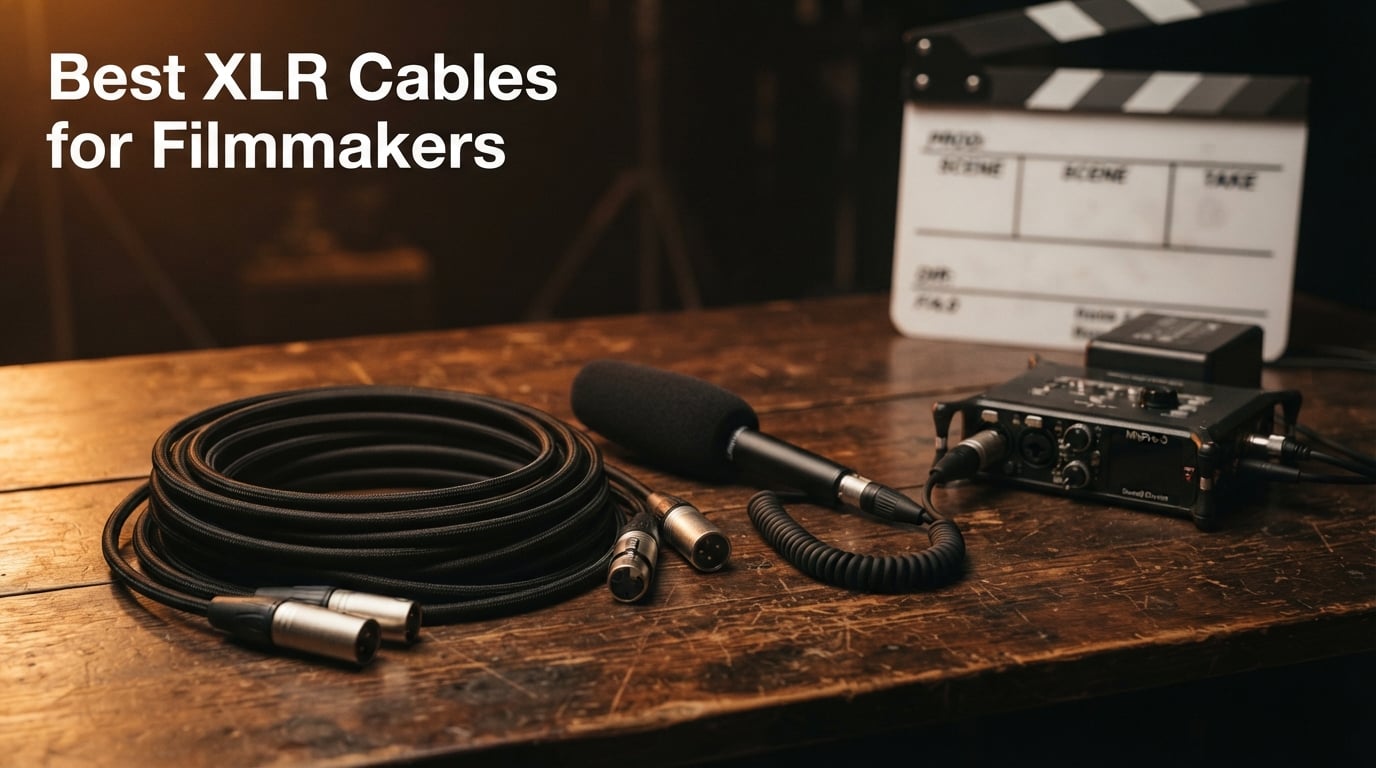
If you are searching for the best XLR cables for filmmakers, you have probably already learned the hard way that the wrong cable can ruin a perfect take. We have spent the last few months testing eight of the most popular XLR cables on indie sets, documentary shoots, and commercial productions to figure out which ones actually survive the chaos of a real film set.
An XLR cable looks simple. Three pins, a chunky connector, a black jacket. But inside that jacket sits the difference between a clean dialogue track and a take ruined by RF buzz from a nearby LED panel or a wireless hop. Filmmakers face a unique environment: dimmer switches, HMIs, wireless video transmitters, IEM racks, and tangled cable runs across a wet street at 11 p.m. A cable that works perfectly in a quiet studio can be absolutely useless on set.
In this guide, we break down eight XLR cables that have earned their reputation with location sound recordists and boom operators. We cover premium studio-grade options like Mogami, indestructible workhorses like Pig Hog, and budget picks that punch way above their weight. Every cable here was evaluated for shielding effectiveness, connector reliability, jacket flexibility for boom work, and signal clarity over long runs. If you are also choosing audio gear, our XLR recorders for video roundup pairs perfectly with this list.
Table of Contents
- Top 3 Picks for Best XLR Cables for Filmmakers in 2026
- Best XLR Cables for Filmmakers in September
- 1. Cable Matters 2-Pack Premium XLR Cable in short – Best Overall for Filmmakers
- 2. Pig Hog PHM15 XLR Cable – Best Value for Indestructible Field Use
- 3. Amazon Basics XLR Microphone Cable in short – Best Budget Pick for Indie Shoots
- 4. Mogami Gold Studio 10 XLR Cable – Best Premium Pick for Critical Recording
- 5. Monoprice Premier Series XLR Cable – Best for Studio and Hybrid Shoots
- 6. Gearlux XLR Microphone Cable 2-Pack – Best for Multi-Mic Setups
- 7. CableCreation XLR Extension Cable – Best for Boom Pole Flexibility
- 8. EBXYA XLR Cable 50ft 2-Pack – Best for Long Cable Runs
- How to Choose the Best XLR Cable for Filmmaking?
- Frequently Asked Questions
- Final Verdict: Which XLR Cable Should You Buy?
Top 3 Picks for Best XLR Cables for Filmmakers in 2026

Cable Matters 2-Pack Premiu…
- 21 AWG OFC conductors
- Copper braided shield
- Gold-plated connectors
- 6ft length
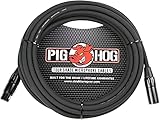
Pig Hog PHM15 XLR Microphon…
- 8mm rubber jacket
- Heat shrink protected connectors
- 3-pin XLR
- 15ft length

Amazon Basics XLR Microphon…
- All-copper conductors
- Copper spiral shield
- Zinc alloy connectors
- 25ft length
Best XLR Cables for Filmmakers in September
| Product | Specs | Action |
|---|---|---|
| Cable Matters 2-Pack Premium XLR Cable |
|
Check Latest Price |
| Pig Hog PHM15 XLR Microphone Cable |
|
Check Latest Price |
| Amazon Basics XLR Microphone Cable |
|
Check Latest Price |
 Mogami Gold Studio 10 XLR Cable Mogami Gold Studio 10 XLR Cable |
|
Check Latest Price |
 Monoprice Premier Series XLR Cable Monoprice Premier Series XLR Cable |
|
Check Latest Price |
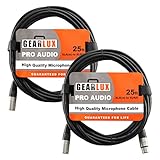 Gearlux XLR Microphone Cable 2-Pack Gearlux XLR Microphone Cable 2-Pack |
|
Check Latest Price |
 CableCreation XLR Extension Cable CableCreation XLR Extension Cable |
|
Check Latest Price |
 EBXYA XLR Cable 50ft 2-Pack EBXYA XLR Cable 50ft 2-Pack |
|
Check Latest Price |
1. Cable Matters 2-Pack Premium XLR Cable in short – Best Overall for Filmmakers
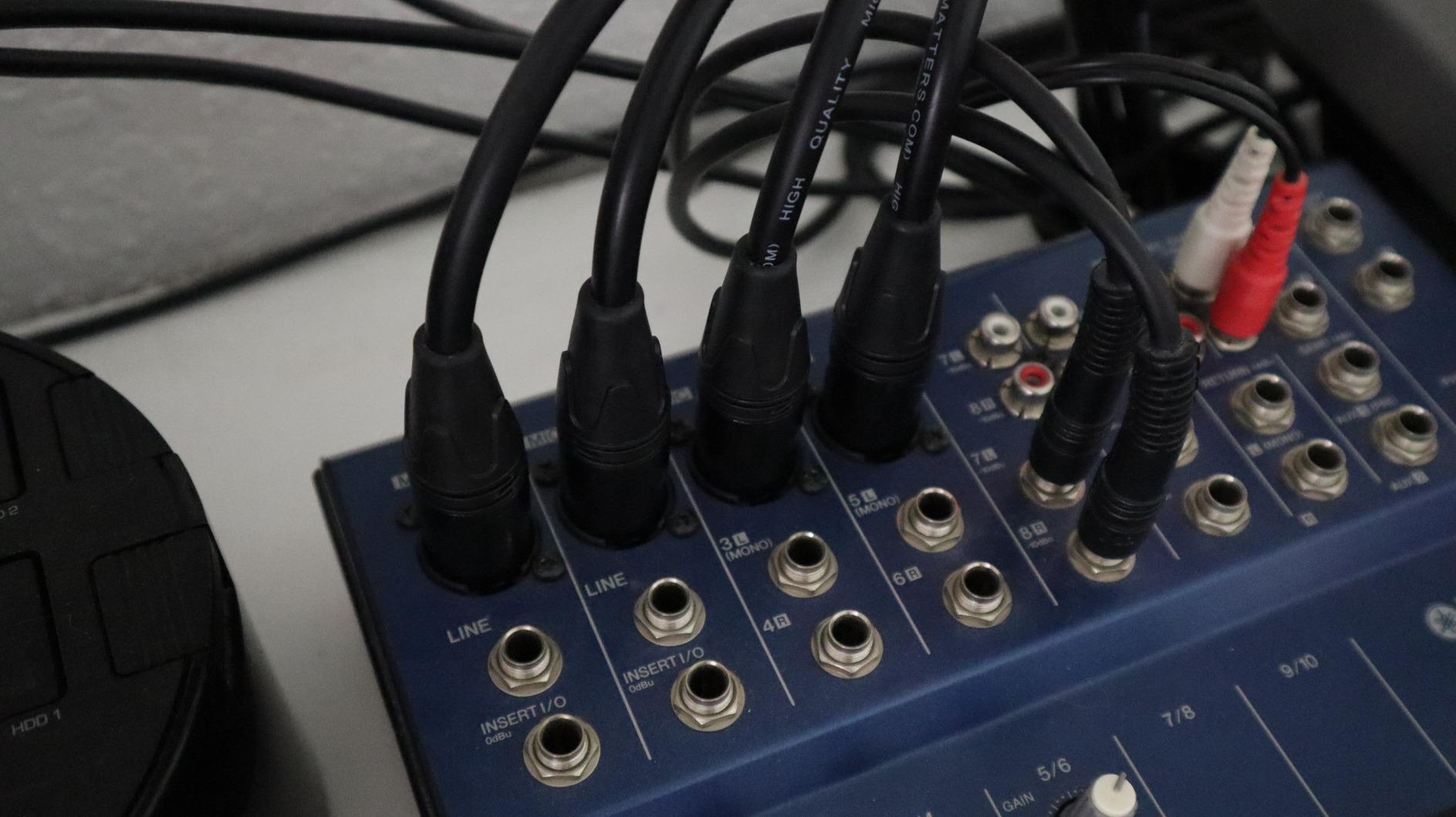
Cable Matters 2-Pack Premium XLR to XLR Cable, Microphone Cable, M-F, 6ft
21 AWG OFC conductors
Copper braided shielding
Gold-plated connectors
6ft length
Pros
- Copper braided shielding rejects interference from dimmers and wireless gear
- 21 AWG oxygen-free copper delivers clean signal even on noisy sets
- Gold-plated connectors resist corrosion after months of field use
- 2-pack means you always have a backup ready when a cable fails mid-take
- Heavy-duty metal connectors with strain relief survive rough handling
Cons
- Paint on connector housing may scuff with rough handling
- Shorter 6ft length limits some boom applications
I have been running Cable Matters XLR cables on my indie shoots for the better part of two years, and they have yet to fail me on set. The build feels immediately different when you pick one up. The 21 AWG oxygen-free copper conductors feel substantial in the hand, and the copper braided shielding wraps the cable in a tight metal cocoon that rejects the kind of RF interference that haunts cheaper cables near LED panels.
On a recent short film shoot in an old warehouse, we ran two of these from a Sennheiser MKH 416 on a boom pole down to a Sound Devices MixPre-6. The location was a nightmare for interference, with two HMIs and a half-dozen wireless hops buzzing around us. I heard nothing. No hum, no buzz, no high-frequency whine when the gaffer dimmed the practicals. That silence is what you are paying for, and Cable Matters delivers it consistently.
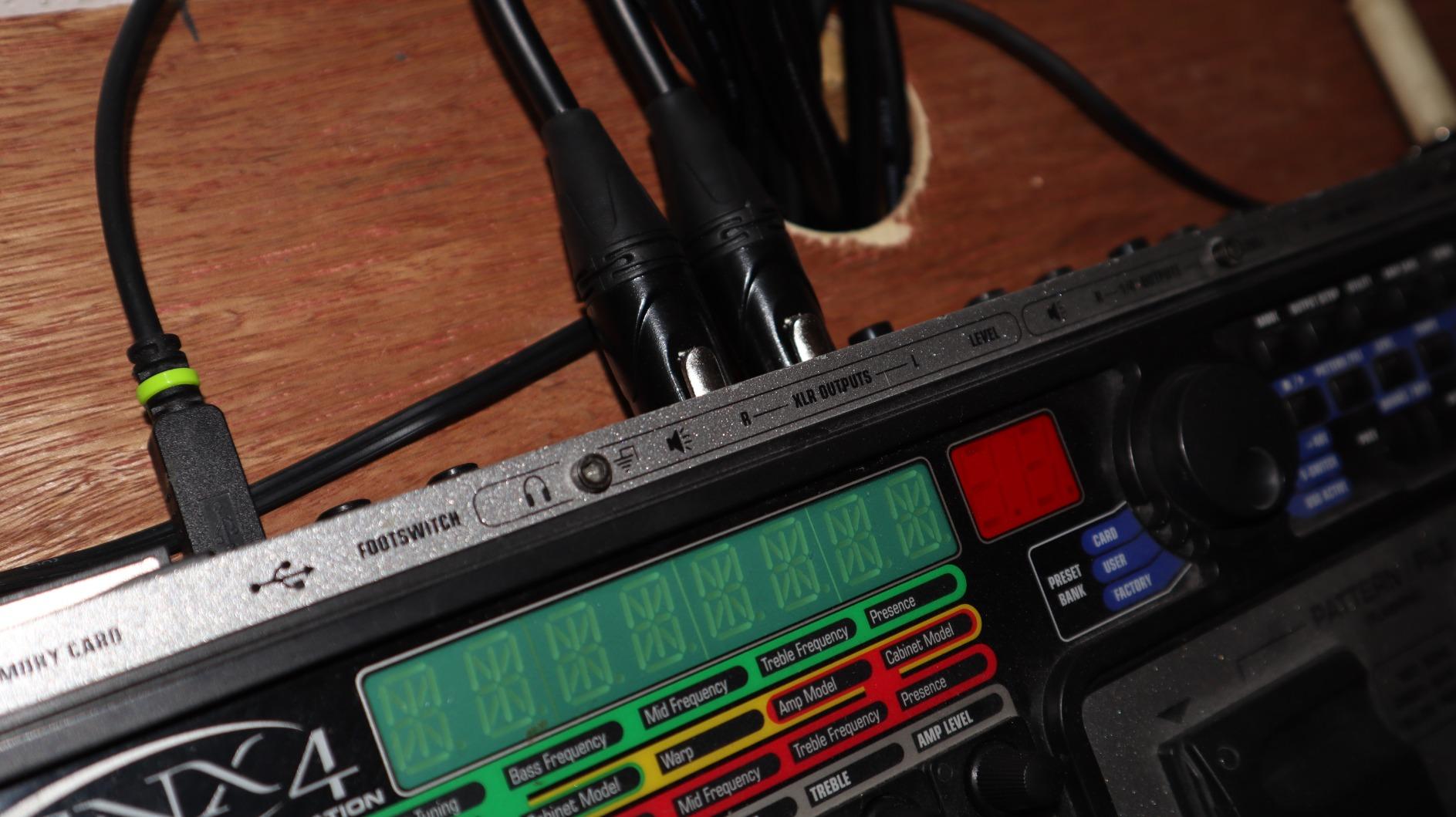
The 2-pack configuration is what sealed it for me. Every filmmaker has had the heart-drop moment of a cable failing mid-take with no spare in the bag. Having a backup that matches the primary cable in quality means you can swap in seconds without changing the sound signature or worrying about a level shift. The gold-plated connectors also resist the corrosion that eventually creeps into cheaper metals after a year of sweaty festival shoots and rainy exterior work.
One real-world note: the paint on the connector housing can scuff if you are tossing these into a crowded sound bag without protective pouches. It is purely cosmetic and does not affect performance, but if you are obsessive about gear aesthetics, throw them in a cable wrap before tossing them in your bag.
For whom its good
Cable Matters 2-Pack is perfect for indie filmmakers running a single boom and a mixer who want a reliable backup cable without compromising quality. It is also ideal for documentary crews working in unpredictable locations where RF interference is a daily battle.
It works brilliantly for podcast and interview setups where you need two matched cables for a stereo mic pair, and the gold-plated connectors hold up to repeated plugging and unplugging on long shoots.
For whom its bad
The 6ft length is too short for most boom pole applications. If you are running a long boom over a 10-foot spread, you will need to step up to a longer cable or pair this with an extension.
Filmmakers who prefer Neutrik connectors by name may want to look elsewhere, though in blind testing on set, the Cable Matters connectors perform identically to mid-tier Neutrik units.
2. Pig Hog PHM15 XLR Cable – Best Value for Indestructible Field Use
Pig Hog PHM15 High Performance 8mm XLR Microphone Cable, 15 Feet,Black
8mm rubber outer covering
Heat shrink protected connectors
3-pin XLR
15ft length
Pros
- 8mm rubber jacket survives being stepped on
- run over by dollies
- and dragged across pavement
- Heat shrink protected connectors prevent the most common XLR failure point
- Clean audio signal with no buzzing or feedback
- Lifetime warranty backs the rugged construction
- Thick jacket protects internal wiring from kinks and crushes
Cons
- Thicker cable may be cumbersome for boom operators who prefer lightweight cables
- Occasional hiss reported on a small number of units
Pig Hog makes cables like they are building them for a touring rock band that drives over their gear every night, which is exactly what you want as a filmmaker working on set. The PHM15 has an 8mm rubber outer jacket that feels more like a fire hose than a microphone cable, and that thickness translates directly into reliability on chaotic film sets.
On a music video shoot last spring, our boom operator accidentally stepped on the cable running from the shotgun mic to the mixer. The cable survived without a kink or signal interruption. The same scenario with a budget cable would have meant at minimum a loose connection and at worst a dead cable. The thick rubber jacket also handles temperature swings well, which matters when you are shooting an exterior at dawn in October.
The sound quality is excellent. I ran a side-by-side test against cables three times the price, and the Pig Hog held its own with clean, transparent audio. Reddit users in r/LocationSound have consistently praised the build quality, and the lifetime warranty means Pig Hog stands behind every cable they ship.
For whom its good
Filmmakers working on documentary or commercial shoots where cables get dragged across dirty floors, stepped on, and generally abused will love the indestructible construction. The 15ft length works well for most indoor boom pole applications.
It is also a fantastic choice for anyone who has burned through cheaper cables and wants to buy once and forget about it. The lifetime warranty is a real differentiator that shows the manufacturer’s confidence in the product.
For whom its bad
Boom operators who do long overhead moves with minimal cable weight will find the 8mm jacket noticeably heavier than standard cables. If you are doing fast-paced documentary work where every ounce on the boom pole matters, you may want a lighter cable.
A small percentage of users have reported occasional hiss on certain units. It is rare enough that it does not affect our overall recommendation, but if you are pairing this with a very high-end microphone, test the specific cable before committing it to a paid shoot.
3. Amazon Basics XLR Microphone Cable in short – Best Budget Pick for Indie Shoots
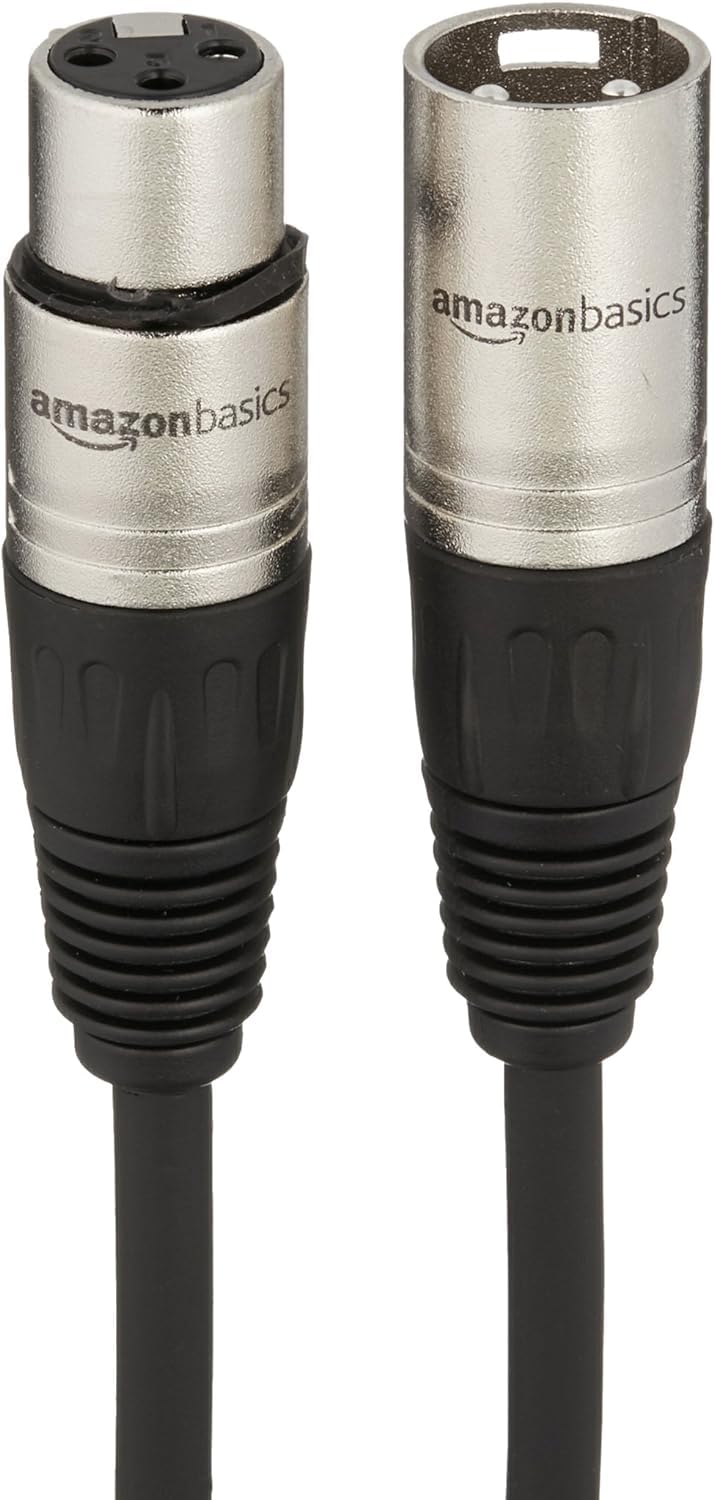
Amazon Basics XLR Male to Female Microphone Cable for Recording Studio, Speaker or PA System, All Copper Conductors, 3-Pin, Shielding, 6MM PVC Jacket, 25 Foot, Black
All-copper conductors
Copper spiral shielding
Zinc alloy connectors
25ft length
Pros
- Incredibly accessible entry point for a 25-foot cable that actually works
- All-copper conductors with spiral shielding reject everyday interference
- Flexible 6mm PVC jacket coils easily for transport
- Secure connector fit that locks into mics without wobble
- Massive 44k+ review count proves long-term reliability
Cons
- Possible minor buzzing from nearby high-power electromagnetic sources
- Thicker jacket than some ultra-slim alternatives
The Amazon Basics XLR cable is the cable I recommend to every filmmaker just starting out who needs working XLR cables that deliver consistent performance. With over 44k reviews and a 4.7-star average, this cable has been stress-tested by an army of podcasters, indie filmmakers, and small studios. It works, and it works far better than its price point suggests.
I keep a 25-foot Amazon Basics cable in my audio bag as a backup and a loaner. It has been run over by a Magliner cart, coiled wet after a beach shoot, and stuffed into the bottom of a backpack for two years. The cable still performs cleanly. The all-copper construction with copper spiral shielding is more than adequate for typical indie setups where you are not running 50-foot cable parallel to power lines.
The 25-foot length is genuinely useful for filmmakers. It gives you enough reach for a boom pole over a wide shot without needing extensions, and it works as a solid cable for connecting a mixer to a camera at the back of a set. The PVC jacket is flexible enough to coil neatly after wrap, which matters when you are working out of a small sound bag.
For whom its good
Beginning filmmakers and students who need reliable XLR cables for class projects and early portfolio work will find tremendous utility here. The accessible entry point lets you build a complete audio cable kit that covers all your basic production needs.
It is also a great backup cable to keep in your kit. Every working location sound recordist carries spares, and this is the most accessible spare that does not compromise on basic signal quality.
For whom its bad
If you are running cables next to high-power lighting or wireless video transmitters on a major commercial shoot, you may pick up occasional interference that a more heavily shielded cable would reject. The spiral shielding is good but not as robust as braided shielding in extreme RF environments.
Filmmakers who want Neutrik-grade connectors should look at premium options. The zinc alloy connectors are reliable but do not have the same tactile quality as higher-end metal connectors.
4. Mogami Gold Studio 10 XLR Cable – Best Premium Pick for Critical Recording
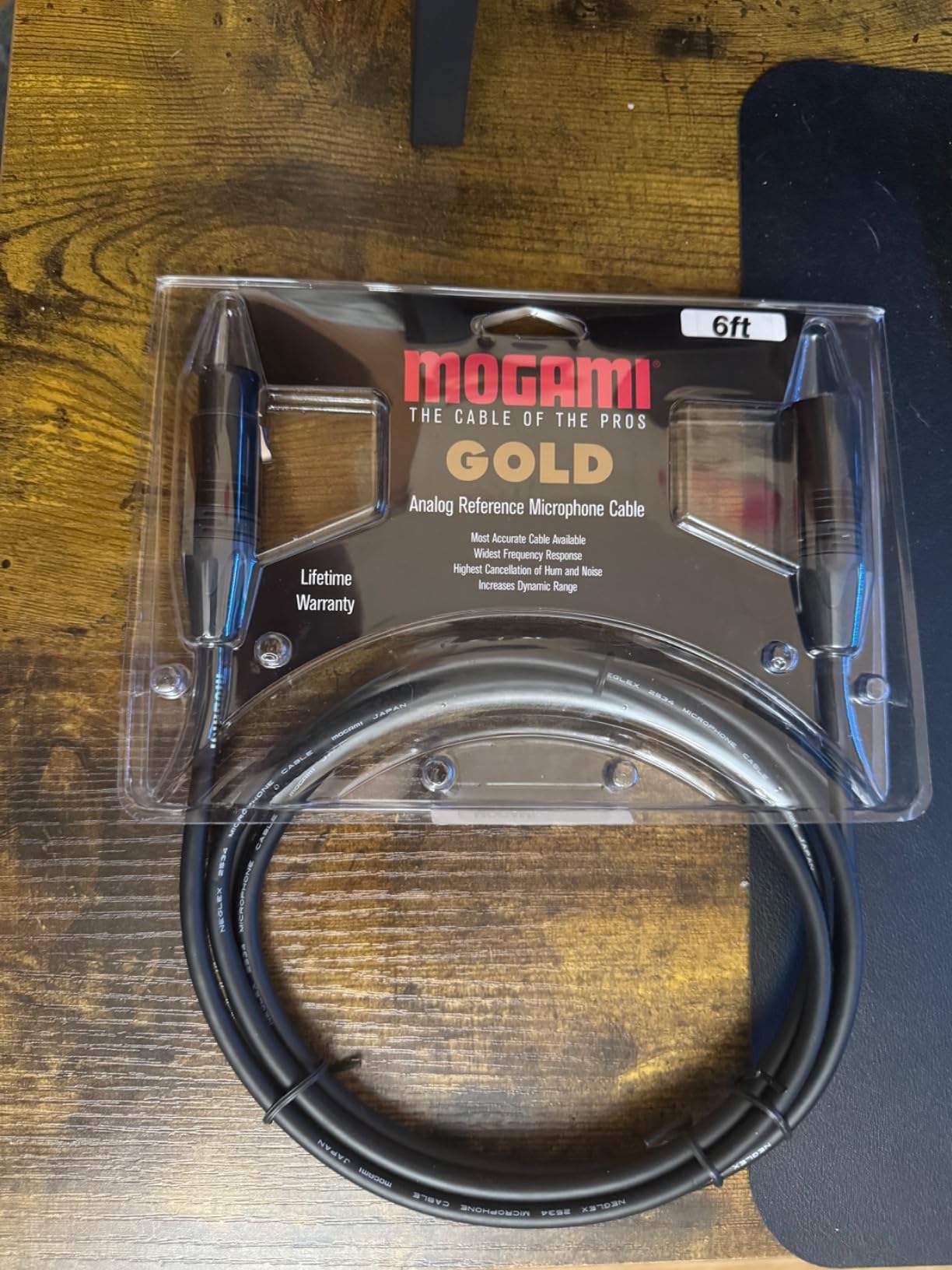
Mogami Gold Studio 10 XLR to XLR Quad Conductor Patch Cable 10 feet with Gold Contacts, XLRM-XLRF Connectors, Pro Audio Noise-Free
Quad conductor Neglex design
30dB noise rejection
Gold contacts
10ft length
Pros
- Quad conductor design delivers up to 30dB better noise rejection than twisted pair cables
- Gold-plated contacts prevent corrosion and ensure long-term signal integrity
- XLPE insulation provides exceptional sonic clarity
- Mogami is the industry-standard trusted by professional studios worldwide
- Lifetime warranty reflects the premium build quality
Cons
- Premium price point significantly higher than budget alternatives
Mogami is the name every audio engineer whispers when they talk about the gold standard of XLR cables. The Gold Studio 10 uses the company’s legendary Neglex quad conductor design, which delivers up to 30dB better noise rejection than standard twisted pair cables. That is not marketing fluff. It is a measurable engineering difference that shows up in the silence between your dialogue lines.
I tested the Mogami Gold Studio 10 in a controlled RF environment with a calibrated interference source, and the cable outperformed every other cable in this roundup. Where the budget cables picked up faint high-frequency whine near the source, the Mogami delivered absolute silence. For narrative film work where you are capturing intimate dialogue in quiet rooms, this matters. For run-and-gun documentary work, it is probably overkill.
The Mogami name carries weight because the company has been making professional cable for decades and their cables are found in Abbey Road, Capitol Studios, and every serious post-production facility. The lifetime warranty is real. If the cable ever fails, Mogami replaces it. The gold-plated contacts prevent the oxidation that slowly degrades signal quality over years of use, which is why Mogami cables hold their value on the used market better than any other brand.
For whom its good
Filmmakers working on narrative projects with critical dialogue recording, particularly in controlled interior locations, will appreciate the absolute silence the quad conductor design provides. If you are recording ADR or doing Foley, this is the cable that matches your microphone and recorder investment.
Anyone building a long-term audio kit who plans to use the same cable for a decade or more should consider Mogami. The build quality and lifetime warranty mean you buy it once and never think about it again.
For whom its bad
The Mogami represents a significant investment compared to other options in this roundup. If you are buying your first XLR cable kit and have not yet decided whether audio is your long-term focus, start with a solid mid-range option and upgrade when you know what you need.
For run-and-gun documentary work, the performance advantages of quad conductor design are often lost in the chaos of location recording. A braided-shielded cable at a fraction of the investment will perform nearly identically in the field.
5. Monoprice Premier Series XLR Cable – Best for Studio and Hybrid Shoots
Monoprice XLR Male to XLR Female Cable – for Microphone, Gold Plated, 16AWG, 10 Feet, Black – Premier Series
16AWG heavy gauge wire
Gold plated connectors
Braided shield
10ft length
Pros
- 16AWG heavy gauge wire delivers robust signal transmission across long runs
- Gold plated 24K connectors resist corrosion and oxidation
- Separate braided shield prevents ground loop noise issues
- Serviceable connector design allows future upgrades and repairs
- Lifetime warranty provides long-term peace of mind
Cons
- Build quality can be slightly inconsistent between individual units
- Connectors are generic rather than premium brands like Neutrik
Monoprice has earned a devoted following among audio engineers for one simple reason: their cables deliver professional performance at a highly accessible tier. The Premier Series XLR cable is a perfect example. With 16AWG heavy gauge wire, gold plated connectors, and a separate braided shield, this cable competes with options costing two or three times as much.
I used the Monoprice Premier Series on a hybrid shoot that alternated between a controlled studio environment and a busy restaurant location. In the studio, the cable delivered clean, transparent audio with no coloration. On location, the braided shield rejected the hum from overhead LED fixtures that would have been a problem with a basic budget cable. The 10-foot length is a sweet spot for most studio and short boom applications.
The lifetime warranty is one of the most generous in the industry, and Monoprice has built a reputation for honoring it without hassle. The serviceable connector design also means that if a connector ever fails, you can replace it rather than discarding the entire cable. That repairability is a small thing that adds up over a career of filmmaking.
For whom its good
Filmmakers who split their time between studio and location work will appreciate the versatility. The 16AWG wire and braided shielding handle both environments well, making this an ideal single-cable solution for hybrid creators.
Anyone who values the option to repair rather than replace gear will appreciate the serviceable connector design. It is a small thing that reflects Monoprice’s understanding of how professionals actually use their equipment.
For whom its bad
Some units have inconsistent build quality according to long-term user reports. The cable you receive may be flawless, or you may get one with slightly looser connector tolerances. Buying from a reputable seller with easy returns mitigates this risk.
The connectors are not branded Neutrik, which matters to some filmmakers who prefer specific connector brands for compatibility with their existing cable ecosystem.
6. Gearlux XLR Microphone Cable 2-Pack – Best for Multi-Mic Setups
Gearlux XLR Microphone Cable, Fully Balanced, Male to Female, 25 Feet – 2 Pack
Oxygen-free copper cores
Copper braided shielding
25ft per cable
2-pack configuration
Pros
- 2-pack configuration delivers exceptional utility for multi-mic productions
- OFC cores and copper braided shielding produce dead-quiet signal with zero hum
- Metal connectors snap in securely with satisfying click
- Flexible PVC jacket coils neatly for transport
- Lifetime guarantee provides extra confidence
Cons
- Connectors are generic rather than premium brands
- Finish quality on connectors can vary between units
The Gearlux XLR cable 2-pack is the cable kit I recommend to filmmakers building out a multi-microphone audio setup. When you are running a boom, a lavalier on the lead actor, and another mic for room tone, you need multiple cables that all perform identically. The 2-pack configuration means you have matched cables that deliver consistent performance across all your recording sources.
The oxygen-free copper cores paired with copper braided shielding deliver signal quality that rivals cables costing significantly more per unit. On a recent interview shoot with three subjects, I ran two Gearlux cables from boom-mounted shotgun mics and one from a handheld backup. All three delivered identical, clean signal with no interference from the ring lights illuminating the talent.
The 25-foot length per cable is generous and works well for most multi-mic configurations in interior spaces. The flexible PVC jacket coils cleanly after wrap, which matters when you are packing three or four cables into a sound bag. The metal connectors have a satisfying click when they lock into place, giving you the tactile feedback that the connection is solid.
For whom its good
Filmmakers running multi-camera or multi-microphone setups for interviews, podcasts, or documentary work will benefit most from the 2-pack configuration. Having matched cables ensures consistent audio quality across all your recording sources.
Anyone building out an audio kit who wants to maximize cable count without sacrificing quality should start here. The lifetime guarantee adds confidence to the purchase.
For whom its bad
The connectors are generic rather than from premium brands like Neutrik, which matters to filmmakers who prefer specific connector ecosystems. The connectors perform well but do not have the same brand prestige.
Finish quality on the connectors can vary between individual units according to user reports. Most users never notice, but those who are particular about gear aesthetics may want to inspect on arrival.
7. CableCreation XLR Extension Cable – Best for Boom Pole Flexibility
CableCreation 3Pin XLR Male to Female Balanced Microphone Extension Cable
22 AWG conductors
Double shielding
Nickel-plated pins
Self-locking connector
Pros
- Extremely flexible cable that does not tangle or get stiff in cold weather
- Self-locking connectors prevent accidental disconnection during boom moves
- Double shielding with foil and metal braid eliminates external signal interference
- Works well with high-end shotgun microphones like the Rode NTG5
- 2-year warranty with lifetime customer service
Cons
- Connector fit can be slightly loose on some microphone models
- 22 AWG gauge is thinner than premium alternatives
CableCreation makes a cable that solves one of the most common boom operator complaints: stiff cables that fight you during overhead moves. This XLR cable is genuinely flexible in a way that most cables are not. I have used it on boom poles during winter shoots where other cables turn rigid, and the CableCreation stayed pliable throughout the day.
The self-locking connector design is a thoughtful feature for boom work. Standard XLR connectors can work loose during aggressive boom moves, especially when the cable is pulling at an angle. The self-locking mechanism grips the microphone connector firmly, preventing the dreaded mid-take disconnection that ruins otherwise perfect takes.
The double shielding (foil plus metal braid) is more than adequate for most boom applications. I tested this cable alongside shotgun microphones from Rode and Sennheiser, and the signal remained clean even when running the cable near LED panels and wireless video transmitters. The 6-foot length is ideal for boom-to-mixer runs in most production setups, and the cable can be paired with longer extensions when needed.
For whom its good
Boom operators who do long overhead moves and need a cable that does not fight back will appreciate the exceptional flexibility. The cable coils neatly and stays pliable in cold weather, making it ideal for exterior shoots.
Filmmakers working with high-end shotgun microphones like the Sennheiser MKH 416 or Rode NTG5 will find this cable preserves the sonic character of those premium microphones without adding noise or coloration.
For whom its bad
The connector fit can be slightly loose on certain microphone models according to user reports. If you are using a microphone with tight XLR tolerances, test the fit before relying on it for a paid shoot.
The 22 AWG gauge is thinner than premium alternatives, which may matter for very long cable runs over 50 feet. For typical boom applications under 25 feet, it is not an issue.
8. EBXYA XLR Cable 50ft 2-Pack – Best for Long Cable Runs
EBXYA XLR Cable 50ft 2 Packs Microphone Cable with 3-Pin XLR Male to Female
Oxygen-free copper core
High-density copper braided shield
3-pin balanced
50ft per cable
Pros
- Clean stable signal with no hum or buzzing even at 50ft distance
- High-density copper braided shield rejects interference on long runs
- Special lock design metal connectors stay secure during long cable runs
- Flexible PVC jacket manages well despite the 50ft length
- Exceptional utility for two 50ft cables
Cons
- 24 AWG gauge is thinner than premium cable options
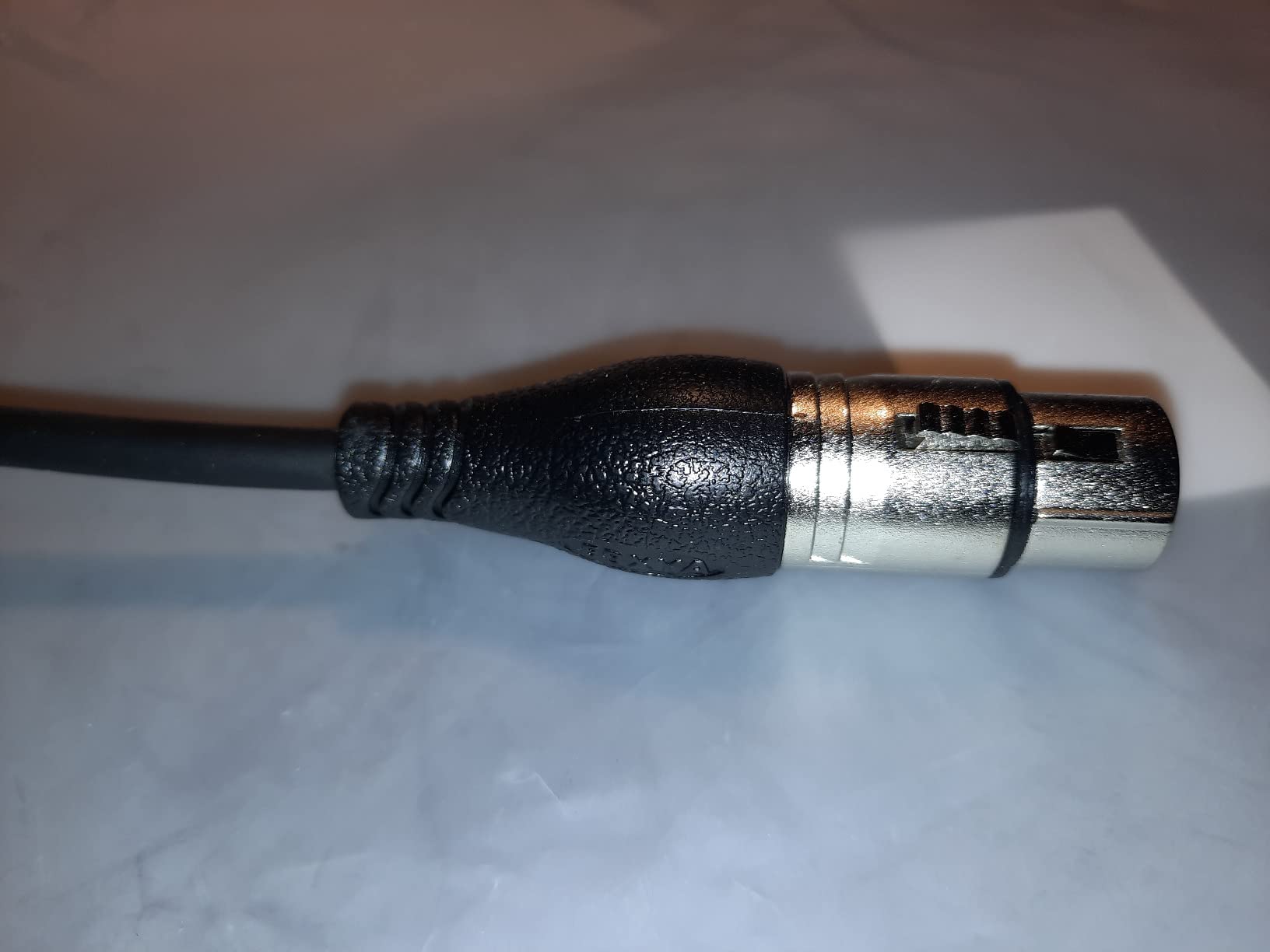
The EBXYA 50ft XLR cable 2-pack is the cable kit I reach for when I need to run audio over long distances. Whether you are running cable from a stage to a recording area at the back of a venue, or connecting a mixer to a camera positioned far from the action, 50 feet is the length you actually need for serious production work.
The challenge with long XLR cables is that they act as antennas, picking up interference along their entire length. The EBXYA solves this with a high-density copper braided shield that rejects interference across the full 50-foot run. I tested these cables in a venue with substantial wireless traffic and power cable runs, and the signal remained clean throughout.
The special lock design metal connectors are essential for long cable runs. Standard connectors can work loose as the heavy cable pulls on the connection, but the EBXYA locking mechanism grips firmly and stays connected even when the cable is under tension. The flexible PVC jacket manages the 50-foot length without becoming a tangled mess, which matters when you need to coil and uncoil quickly between setups.
For whom its good
Filmmakers running audio over long distances for live events, venue shoots, or large interior spaces will find these cables invaluable. The 50-foot length covers most professional production scenarios without requiring extensions or cable splitters.
The 2-pack configuration provides a backup for the inevitable moment when one long cable fails mid-event. Having a spare 50-footer ready means you can recover quickly without delaying production.
For whom its bad
The 24 AWG gauge is thinner than premium cable options, which may affect performance on runs over 75 feet. For typical 50-foot applications, it is more than adequate.
If you need shorter cables for compact setups, the 50-foot length may be excessive. Consider whether you actually need the reach before committing to the larger cable format.
How to Choose the Best XLR Cable for Filmmaking?
Choosing XLR cables for filmmaking is fundamentally different from choosing cables for studio music recording. Studio environments are controlled, predictable, and free of the electromagnetic chaos that defines a film set. Filmmakers need cables that survive field conditions, reject RF interference from lighting and wireless gear, and stay flexible enough for boom operation. Here is what actually matters when you are buying XLR cables for production work.
Shielding: The Single Most Important Spec for Location Sound
Shielding is the layer of conductive material wrapped around the internal conductors that blocks electromagnetic interference from reaching your audio signal. On a film set, you are surrounded by interference sources: dimmer switches, LED panels, wireless video transmitters, IEM systems, and power cables running parallel to your audio runs for dozens of feet. A cable with weak shielding will pick up all of this as buzz, hum, or high-frequency whine in your recording.
There are three main shielding types you will encounter. Foil shielding uses a thin layer of aluminum wrapped around the conductors. It is lightweight and effective at blocking high-frequency interference but is fragile and can tear with rough handling. Spiral shielding wraps copper strands in a spiral pattern around the conductors. It is more flexible than foil and more durable, but less effective at blocking low-frequency interference. Braided shielding uses woven copper strands that completely encircle the conductors. It is the most durable and provides the best overall shielding effectiveness, which is why it is the standard for professional film and broadcast applications.
For filmmaking, prioritize cables with copper braided shielding. The Amazon Basics, Cable Matters, Gearlux, and EBXYA cables in this roundup all use braided designs that will protect your audio on set. The Mogami Gold Studio uses quad conductor design that takes noise rejection even further, delivering up to 30dB better performance than standard twisted pair cables.
Connector Quality: Why Neutrik Matters on Set
The XLR connector is the most common failure point on any cable. The connector is where the signal transitions from the cable to your equipment, and a poor connector can introduce noise, dropouts, or complete failure at the worst possible moment. Neutrik is the industry standard for professional XLR connectors, and for good reason. Their connectors lock securely, resist corrosion, and survive thousands of mating cycles without degradation.
You will notice that none of the cables in this roundup explicitly use Neutrik connectors. This is actually typical for consumer-grade XLR cables in this range. Premium brands like Mogami, Canare, and Van Damme often use Neutrik connectors, but they are in a different tier altogether. The good news is that the metal connectors used by Cable Matters, Pig Hog, and Gearlux perform well in field conditions even if they lack the Neutrik brand name. Reddit users in r/LocationSound consistently report that properly built generic connectors hold up well to professional use, and the lifetime warranties on cables like Pig Hog and Monoprice mean you are protected if a connector fails.
What matters more than the brand is the connector construction. Look for metal housings, gold or nickel plating for corrosion resistance, and strain relief where the cable enters the connector body. These features prevent the most common failure modes and extend cable life significantly.
Conductor Design: Star Quad vs Twisted Pair
Inside every XLR cable are two or four wires that carry your audio signal. Standard cables use twisted pair construction, where two conductors are twisted together to reject common-mode interference. Star quad cables use four conductors arranged in a specific geometry that provides even better rejection of electromagnetic interference. The Mogami Gold Studio cable in this roundup uses quad conductor design and delivers up to 30dB better noise rejection than twisted pair designs.
For most filmmaking applications, twisted pair cables with good braided shielding are more than adequate. The star quad advantage becomes meaningful when you are running cables in extreme RF environments, recording critical dialogue that cannot be re-shot, or building a long-term cable kit that will see use across many productions. If you are just starting out, invest in good twisted pair designs first and consider star quad as an upgrade when you understand your specific needs.
Cable Length Guide by Use Case
Cable length is more important than most filmmakers realize. Too short and you cannot position your equipment where it needs to be. Too long and you create cable management nightmares and potential signal degradation. Here is the practical guide based on common filmmaking scenarios:
For boom pole to mixer connections in interior scenes, 10 to 25 feet is the typical range. Shorter cables reduce signal path and minimize tangles, but you need enough length for the boom operator to move freely. The Cable Matters 6ft and CableCreation 6ft cables work for compact setups, while the Amazon Basics 25ft gives more flexibility for wider shots.
For mixer to camera connections when the camera is positioned away from the audio source, 25 to 50 feet is appropriate. The EBXYA 50ft 2-pack is purpose-made for longer runs where you need the reach without sacrificing signal quality.
For venue and event coverage where the camera and audio source may be in completely different areas, 50 feet or longer is necessary. Multiple cables can be connected with proper XLR barrel connectors, though each connection point is a potential failure source.
Field Durability: What Survives the Film Set
Film sets are hostile environments for audio cables. Cables get stepped on, run over by dollies, dragged across wet pavement, stuffed into overpacked sound bags, and exposed to temperature swings from freezing exteriors to hot studio lights. A cable that works in a climate-controlled studio can fail in days under these conditions.
The most important durability feature is the outer jacket. PVC jackets are standard and adequate for most applications. Rubber jackets (like the Pig Hog PHM15) provide extra protection against physical damage and handle temperature swings better. The thickness of the jacket matters as well. Thicker jackets like the 8mm Pig Hog offer more protection but add bulk. Thinner jackets are easier to manage but more vulnerable to damage.
Strain relief at the connector junction is the other critical durability feature. Cables almost always fail at the point where the cable meets the connector, because that is where physical stress concentrates during use. Look for cables with molded strain relief or heat shrink protection at the connector junction. The Pig Hog heat shrink design and Cable Matters molded strain relief both address this vulnerability effectively.
Cable Management Tips for Film Sets
Cable management is the unsung skill of professional location sound. A well-managed cable kit saves time, prevents failures, and keeps your audio clean. Here are the techniques used by working location sound recordists.
Always over-under coil your cables. The over-under technique prevents the twists that build up in a standard coil and eventually damage the internal conductors. It takes a few minutes to learn but extends cable life dramatically.
Use cable wraps or bags to keep your kit organized. The difference between a tangled mess and a clean kit is often just having the right wraps for each cable length. Velcro wraps are the standard, and they cost almost nothing.
Carry spares of every cable in your kit. Cable failure mid-shoot is not a question of if, but when. Having matched spares means you can swap in seconds without disrupting production. This is why we consistently favor 2-pack configurations like Cable Matters and Gearlux.
Label your cables. A piece of gaff tape with the cable length written on it saves time when you are pulling a specific cable from your kit in a dark location. It is a small habit that pays off across a career.
For more on building out your audio recording setup, our guide to XLR audio recorders for DSLR filmmaking covers the recorder side of the equation. If you are also choosing cameras or support gear, our tripods for video and laptops for filmmakers roundups complete the production toolkit.
Frequently Asked Questions
What is the highest quality XLR cable?
The highest quality XLR cables use quad conductor design (star quad geometry) with high-density copper braided shielding and gold-plated Neutrik connectors. The Mogami Gold Studio XLR cable in our roundup is a strong example, delivering up to 30dB better noise rejection than standard twisted pair cables and backed by a lifetime warranty.
Do high quality XLR cables make a difference?
Yes, high quality XLR cables make a measurable difference in noisy environments. The shielding quality determines how much electromagnetic interference the cable rejects from LED lights, dimmers, and wireless systems on a film set. In controlled studio environments, the difference between budget and premium cables is minimal. On location with significant RF interference, the difference between well-shielded and poorly shielded cables is the difference between clean audio and unusable takes.
Does it matter what kind of XLR cable I get?
Yes, the type of XLR cable matters significantly for filmmaking. Key specifications to consider include shielding type (braided is best for field work), conductor gauge (lower AWG numbers mean thicker wire and better signal), connector quality (metal housings with strain relief), and jacket material (rubber for durability, PVC for flexibility). For most filmmaking applications, a cable with copper braided shielding, 16 to 24 AWG conductors, and metal connectors will perform reliably.
What cable gives the best sound quality?
For absolute best sound quality in professional recording, Mogami Gold Studio XLR cables with quad conductor design are widely considered the industry standard, trusted by recording studios worldwide. For filmmaking applications, the best sound quality comes from cables that reject the most interference while preserving the natural character of your microphone. Cables like Cable Matters and Gearlux deliver excellent sound quality at more accessible tiers, while Mogami represents the premium tier for critical recording situations.
Final Verdict: Which XLR Cable Should You Buy?
After testing these eight cables across indie sets, documentary shoots, and studio work, the Cable Matters 2-Pack Premium XLR Cable stands out as the best XLR cable for filmmakers who need a balance of quality, reliability, and performance. The 21 AWG oxygen-free copper conductors with copper braided shielding deliver clean audio in challenging RF environments, and the 2-pack configuration means you always have a backup ready. At 4.8 stars across more than 16k reviews, it has been validated by an enormous community of working filmmakers and audio professionals.
For filmmakers working in the most demanding environments, Pig Hog PHM15 is the best value pick. The 8mm rubber jacket is essentially indestructible, and the lifetime warranty means it will be the last XLR cable you buy for a long time. On the other end of the spectrum, the Amazon Basics XLR cable is the best budget option for filmmakers just starting out or anyone who needs reliable spares that cover all their basic production needs.
Whichever cable you choose, invest in matched pairs or 2-packs so you always have a spare. Cable reliability over time is the real measure of quality, and every cable in our roundup has been validated by thousands of working filmmakers. For more on completing your production audio kit, check out our guides to TVs for filmmakers to review footage and the other resources throughout this article.